By: Yereth Rosen, Alaska Beacon
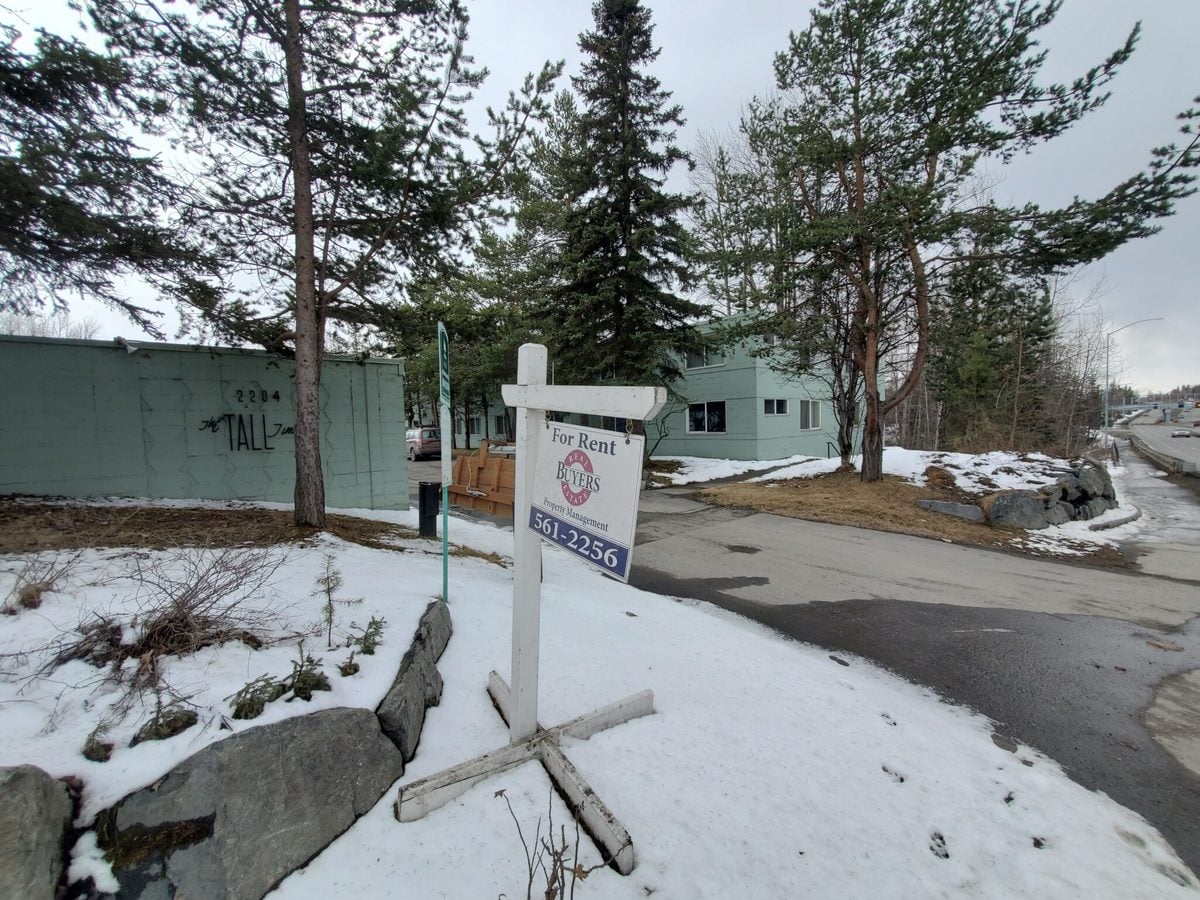
Apartment rents in Alaska rose 2.1% over the past year, the most modest increase in five years, according to analysis by the state Department of Labor and Workforce Development.
The statistics on rental costs are part of a package of articles about housing costs published in the September issue of Alaska Economic Trends, the monthly magazine of the department’s research section.
Rental statistics, based on prices recorded in March of this year, show some striking geographic differences.
The Wrangell-Petersburg area in Southeast Alaska had the cheapest rent of the 11 cities and areas analyzed, with a median monthly rate of $1,288 for a two-bedroom apartment. Bethel, a rural hub in Western Alaska, had the highest rents, with a median of $2,030 a month for a two-bedroom apartment.
Kodiak, Anchorage, the Fairbanks North Star Borough and Juneau were behind Bethel with monthly median rentals above $1,700.The Matanuska-Susitna Borough, just north of Anchorage, was on the low side for median rents, at $1,567 a month, but it had the biggest yearly increase, measured at 12.8%.
That reflects demographic characteristics in the bustling borough, where many residents are commuters who work in Anchorage, said Gunnar Schultz, a state labor economist and one of the authors of the housing-cost stories.
“Mat-Su obviously has been growing in contrast to most of the rest of the state,” he said. “So I think that that obviously puts upward pressure on price.” Proximity to Anchorage is another contributor because it means money is coming into the borough from the state’s largest city, he said.
The analysis is part of the department’s regular monitoring of housing costs. The rental comparisons covered much but not all of the state; the North Slope Borough and Bering Strait region, for example, were not included.
For homebuyers in Alaska, there are some economic headwinds, according to the economists’ analysis. Mortgage costs are much higher than they used to be, they said.
For a 30-year fixed rate mortgage on a $415,000 Alaska home — the median value — the monthly payment in 2025 was about $2,050. That is 84% higher than the estimated median monthly mortgage payment in 2019, the analysis said.
A big driver is the rise in home values, from an average of about $300,000 in 2019 to an average of $415,000 just six years later. Another factor is the increase in interest rates, from a median under 3% in 2020 to 6.5%in 2023, the analysis said.
But while home values and thus monthly mortgage costs increased, so did wages in Alaska.
The result of all those combined changes was that purchasing a home became marginally more affordable in 2025 than in the two years prior, according to the analysis.
Alaska’s Housing Affordability Index, the number that represents how many people earning the average monthly are needed to make mortgage payments, dropped a bit in 2025 to 1.37. That is down from last year’s index of 1.39 and from the 2024 index of 1.4, which was the highest in recent years. But it is above the indexes measured in previous years; from 2019 to 2021, the index was below 1, indicating that a single person earning average Alaska wages had enough money to afford monthly mortgage payments.
Despite the slight improvement in the affordability index, buying a house remains a hefty burden in Alaska, Schultz said. “It’s still so much higher than it was during COVID and before,” he said.
A slight decline in interest rates last year was a contributing factor to the small improvement in housing affordability. However, interest rates are now heading up, the analysis pointed out.
Also affecting housing affordability is the availability of homes, and on that subject, there is positive news for would-be buyers, according to the economists’ analysis.
Housing construction in 2025 hit a 10-year high after years of increases that followed the big drop during the COVID-19 pandemic. A total of 2,261 single-family and multifamily housing units were built last year, the analysis said. That compares to 1,747 in 2020 and 1,726 in 2021. Home construction has been steadily rising since those years, according to the data.
The Alaska Economic Trends articles did not compare housing costs in the state to those nationwide, but the U.S. Census Bureau has some U.S. statistics that provide some contest.
Nationally, home ownership costs remained flat from 2020 to 2024, while rents increased by $100 more a month to a median $1,413 during the period, according to the Census Bureau. The analysis considers areas around the nation with populations over 5,000, so most of Alaska’s rural communities are not included.