Categories
Sports Fox

College Football Playoff Expansion: What You Need To Know About The 24-Team Model

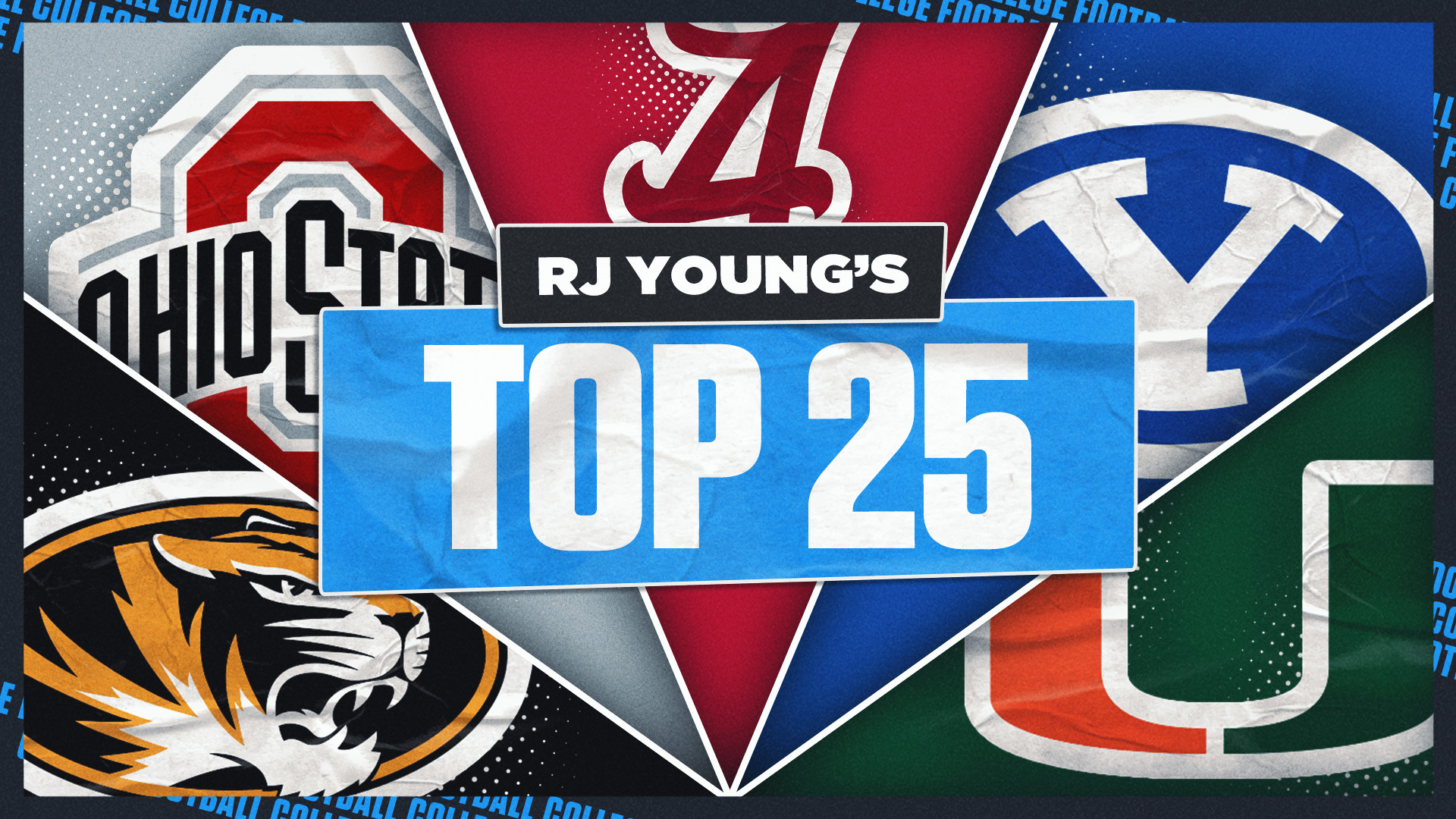
All that matters is whether the SEC and Big Ten agree. Momentum around a potential 24-team College Football Playoff has accelerated in recent weeks, with the ACC, Big 12 and Notre Dame now joining the Big Ten in support of an expanded format. But during a recent episode of “The Joel Klatt Show,” FOX Sports lead college football analyst Joel Klatt explained why what feels inevitable to many around the sport may still be far from finalized. For all the public momentum behind expansion, Klatt explained that the future of the CFP still hinges on the two conferences with the most power — the SEC and Big Ten — and whether the former is beginning to soften its resistance to a larger field. Here’s everything to know about where the current 24-team CFP model sits: The ACC, Big 12, Notre Dame and the AFCA were all against a 24-team College Football Playoff. Then, over the last 10 days, everyone changed course except the SEC. Why? Klatt: First and foremost, it’s important to understand why the ACC and Big 12 opposed previous expansion models, particularly the one initially put forth by the Big Ten. Those formats relied heavily on automatic qualifying spots, in some cases granting four bids each to the SEC and Big Ten while offering fewer guaranteed spots to the ACC and Big 12. The ACC and Big 12 were never going to support a model that effectively asked them to acknowledge they were lesser conferences. Their objection was never really about expansion itself. It was about unequal access. What those conferences opposed was a system that locked in preferential treatment for the SEC and Big Ten through automatic qualifiers. So when the Big Ten came to the table with a new model — one that eliminated automatic bids in favor of a selection-based format featuring the 23 best teams and one Group of 6 representative — it immediately piqued the interest of the other conferences and was more in line with what they were looking for. Most fans are against College Football Playoff expansion. Why? Klatt: There is a real element of frustration amongst fans when it comes to this proposed 24-team model, and here are some of the main reasons why: The 12-team model absolutely worked, there’s no doubt about it. And while it might seem to some that the 24-team playoff seems inevitable at this point, that’s actually not the case because in reality, it doesn’t really matter what the Big 12, ACC or Notre Dame back. It only matters what the SEC and the Big Ten agree upon. Those two entities actually control the future of the CFP. The others gave them the right to have that power, and they will control this playoff remaining as it is or expanding to 14, 16 or 24. If the SEC and Big Ten had agreed on an automatic-qualifier expanded playoff, it would have happened by now, against the wishes of the other conferences. But they weren’t aligned, and they still aren’t aligned. So, because of that, we are sitting in a very similar spot as we were before where this is not inevitable. If the Big Ten and SEC do not agree on a model, which they don’t right now, then nothing is going to change. There is an argument being made that college football has the most important regular season in all of sports, and I don’t disagree with that. That sentiment is not wrong. We see this with the NCAA Basketball Tournament, which is now expanding beyond 70 teams, so what would stop college football from expanding beyond 24? If there’s more revenue at 24, isn’t there more revenue at 32? I get this argument, and I don’t think it’s wrong. I think the only answer to that is — format. A lot of the regular season and the importance of the regular season would be determined based on the format. How many byes are there? How many home games are there? If you can get a bye or a home game, you’re going to play hard. This one is highly debatable. As a former college football player, I will tell you first hand that college football players have a very limited window to go and play, in particular if they want to further their career after college football. So, those games matter. It’s not like the NFL where a guy has a long-term contract, and he’s resting for a couple of weeks, and he knows he’s gonna play for a few more years. College football is unique in its small window for the participants to go and compete. What impact have NIL and the transfer portal had on College Football Playoff expansion? Klatt: If it weren’t for NIL and freedom of movement, the 12-team model probably wouldn’t have been the success it is now. In the four-team era, we would have looked at a 12-team model and thought, “Who cares? The 13th-ranked team would never win a championship.” But with NIL, the transfer portal and the agency players now have to move around, roster parity has increased. Now, there are more than 12 teams capable of competing for and winning a national championship. What role do bowl games have in College Football Playoff expansion? Klatt: Bowls don’t mean anything anymore. It pains me to say that because I loved bowl season. Now, all the upper-to-middle class bowls in college football — it doesn’t matter. All these bowls that were fantastic — the Alamo, Gator and Citrus Bowl — all these bowls that could define a program as successful, that’s no longer available. The collapse of the bowl apparatus is real. Who is driving College Football Playoff expansion? Klatt: Coaches and athletic directors are driving this. The SEC and Big Ten are going to drive this. It’s not just Tony Petitti (Big Ten commissioner) and Greg Sankey (SEC commissioner). It’s the people who they work for. It’s the presidents of those institutions that are ultimately going to have the final say. Coaches and athletic directors are now trying to convince their presidents that they need this expansion because what they fear is that the middle class is going to stop investing. And once they stop investing, then we lose the parity in college football, which we all love. The coaches’ viewpoint is this: They want a wider definition of success, and with that comes a desire to shorten the season. They want conference championship games to go away, and that is a major piece of this conversation. In fact, that’s one of the primary reasons the proposed model expanded beyond 16 teams to 24. Why is a 24-team model being proposed, and not a 16-team model? Klatt: If you get rid of conference championship games — which you would have to do in order to finish the season around Jan. 1 — you then have to recoup the revenue those games generate. So in order to expand the playoff and eliminate conference championship games, you’d need to increase the value of the CFP. You can’t really do that with a 16-team model because it only adds a handful of games, and those games likely wouldn’t command enough value to offset the loss of the conference championship revenue. I don’t think the conferences are looking to break the bank with an expanded playoff. This isn’t about generating another billion dollars. They’re trying to recover the money they’d lose by eliminating conference championship games. I think a lot of these conference commissioners would sign off on a 24-team CFP even if they only broke even financially, because it would broaden the definition of success across the middle tier of their conferences. In their minds, that would create more meaningful regular-season games, particularly late in the year.​Latest Sports News from FOX Sports

Categories
Sports Fox

Joe Burrow Says Bengals Will Win Super Bowl In 2026: ‘Most Talented Roster We’ve Had’

The Cincinnati Bengals’ 2021 Super Bowl run was driven by a sudden, ahead-of-schedule surge that caught the league off guard. Seven years into the Joe Burrow era, the franchise has shifted away from that postseason magic and toward building a deeper, more complete roster. Well, that’s at least how the Bengals’ franchise quarterback feels. Burrow made a strong claim about the Bengals’ 2026 roster when he met with reporters at voluntary organized team activities (OTAs) on Wednesday. “This is the most talented roster we’ve had since I’ve been here,” Burrow said. “The front office has taken a lot of heat from the fans, the public, the media. We can put all of that behind us. They went and made it happen with free agency.” But that wasn’t the only bold proclamation Burrow made on Wednesday, either. “The No. 1 thing is you have to win,” Burrow said, as the Bengals are seeking to make the postseason for the first time since 2022. “We’re going to go win a lot of games this year and play great and win a Super Bowl.” The Bengals were pretty active at shoring up their defense this offseason, even if they lost star edge rusher Trey Hendrickson to the Baltimore Ravens, which Burrow said was “not surprising.” They signed Seattle Seahawks edge rusher Boye Mafe, Minnesota Vikings defensive lineman Jonathan Allen, and Kansas City Chiefs safety Bryan Cook. But Cincinnati’s biggest move of the offseason came via trade. The Bengals traded the 10th overall pick in the 2026 NFL Draft to the New York Giants in order to get three-time Pro Bowl defensive lineman Dexter Lawrence. “And then obviously, with Dexter [Lawrence], making a trade like that, that doesn’t happen a ton in the NFL,” Burrow said. “So it’s exciting to see.” Burrow’s comments came following some speculation earlier this offseason about his long-term future in Cincinnati. Some have wondered if Burrow’s long-term commitment would depend on whether the front office could find ways to upgrade its defense more effectively. While the offense has remained one of the league’s most dangerous units, the defense has struggled throughout much of Burrow’s prime. Over the last five seasons, Cincinnati has allowed 24.5 points and 380.8 yards per game. Despite that backdrop, Burrow said he remained largely removed from the team’s roster-building process this offseason. “I would say we had a lot of communication during free agency,” Burrow said. “We didn’t have our postseason meeting like we typically have. I would say if anything, I was less involved this year than in years past.” Even so, Burrow expressed clear approval of the direction the franchise has taken. “There’s no secret that the last several years didn’t go the way we wanted to, and there’s a lot of blame to go around for that, myself included,” Burrow said. “We’re in a great spot this year. We brought in great people and great players. You can feel the vibes of the locker room.” That renewed energy has carried into offseason workouts, where the Bengals have reportedly shown increased urgency on both sides of the ball. Burrow pointed to the blend of veteran leadership and younger players as a key factor in raising the standard across the roster. “The energy is elevated right now,” Burrow said. “We have some veteran guys that can come in and show the younger guys on defense what it takes, what it means to be great every day. That’s exciting to be a part of.” The Associated Press contributed to this report.​Latest Sports News from FOX Sports

Categories
Sports Fox

2026 NFL Schedule Release: The 5 Teams That Must Get Off To A Good Start

In a 17-game season, starting off slowly can be the difference between reaching the playoffs and making plans for vacations to warmer climates in January. Look no further than the Minnesota Vikings, who dealt with injuries to starting quarterback J.J. McCarthy early and started the year 4-8, but finished on a five-game winning streak and a half-game out of the postseason. The Vikings looked to rectify that issue this offseason by signing former No. 1 overall draft pick Kyler Murray to compete with McCarthy for the No. 1 quarterback job, providing a better opportunity to compete in the NFC North. A slow start could also cost head coaches and general managers their jobs. The Tennessee Titans needed just six games to determine that they saw enough of head coach Brian Callahan last season, while the New York Jets only needed five games to fire Robert Saleh during the 2024 season. So, now that we know what the schedule looks like for the 2026 NFL season, let’s take a look at five teams that need a fast start to the upcoming year. After winning four straight NFC South titles, the Tampa Bay Buccaneers and head coach Todd Bowles find themselves under pressure entering the 2026 season. The Bucs not only lost seven of their last eight games last season, missing the postseason and finishing with a losing record for the first time since 2019, but they’re also replacing a pair of foundational stalwarts. Wide receiver Mike Evans left the team to sign with the San Francisco 49ers, and linebacker Lavonte David announced his retirement. So, Bowles will now enter the season on the hot seat while also having to replace a pair of franchise icons. Bowles has a 35-33 record and has taken the team to the playoffs in three of his first four years of the helm. But can he prove that last season was a blip? Bowles is on the hot seat after last season’s poor finish and needs a strong start to avoid a potential midseason firing. That starts with better play from quarterback Baker Mayfield, who began 2025 strong but scuffled down the stretch, finishing with just one 300-yard passing performance in his last 12 games. Mayfield has some added motivation this season, entering a contract year. A Week 2 matchup with the Cleveland Browns could also spark some extra juice for Mayfield. The Bucs added reinforcements in the draft to a defense that finished No. 27 in pass defense last year, selecting polished Miami (Fla.) pass rusher Rueben Bain in the first round, along with linebacker Josiah Trotter, safety Keionte Scott and defensive tackle DeMonte Capehart. The 49ers somehow managed to deftly navigate a rash of injuries and reach the postseason in the toughest division in football, finishing third in the NFC West. But San Francisco head coach Kyle Shanahan will have a tough time playing catch-up this season, facing four playoff teams in the final seven games, along with Patrick Mahomes’ Kansas City Chiefs and the John Harbaugh-led New York Giants on the road in the backstretch of the season. That’s why it’s important for the 49ers to start the season strong. They will have some adjustments to make, with Raheem Morris taking over for the departed Robert Saleh as the team’s defensive coordinator. The 49ers added edge rusher Romello Height and interior pass rusher Gracen Holten in the draft to help improve one of the worst pass rushes in the league. San Francisco starts the year with a tough international contest in Australia against the Super Bowl favorites, the Los Angeles Rams, and will log a league-high 38,105 miles during the season. That includes another international contest against the Minnesota Vikings in Mexico City in Week 11. However, after the Rams, the 49ers have winnable games at home against the Miami Dolphins and Arizona Cardinals, so surviving that initial tough road game against Los Angeles and stacking some wins early will be important for Shanahan’s 49ers if they want to have a chance to push for the postseason late in the year. The second — and final — year of the Aaron Rodgers era is officially underway in Pittsburgh, with the Cal product agreeing to a one-year deal, reuniting with his old head coach, Mike McCarthy. Rodgers helped lead the Steelers to the postseason in 2025, which resulted in another early, opening-round exit for the Steel City. But how long will the Steelers stick with Rodgers if they get off to a slow start this season? Pittsburgh drafted Will Howard in the sixth round last year and Drew Allar in the third round this season as development prospects to groom behind the future Hall of Famer. Scouts I spoke with in the pre-draft process liked Allar’s upside, believing he has all the tools to develop into a starting NFL quarterback. If Rodgers struggles early, it increases the urge for McCarthy to hit the eject button on his 42-year-old quarterback and turn to the development of Allar or Howard, especially with the future Hall of Famer announcing that the 2026 season is it for him. Therefore, it will be important for Rodgers to get some wins early, much like Pittsburgh’s 5-3 start in 2025. And the schedule obliges, with only one game against a playoff team last season (New England Patriots) in Pittsburgh’s first eight contests. The Steelers also face the Cleveland Browns twice, and host the Atlanta Falcons, Cincinnati Bengals and Indianapolis Colts at home in the first five games. Speaking of the Colts, general manager Chris Ballard and head coach Shane Steichen are once again on the hot seat, missing the playoffs for a fifth season in a row after starting 8-2 in 2025. Indianapolis faltered after a rejuvenated Daniel Jones suffered a season-ending Achilles tendon tear in December, leaving the desperate Colts turning to 44-year-old Philip Rivers in an attempt to rescue the season late in the year. The return of Rivers was entertaining and gave Indianapolis at least a fighting chance to win at the end of the season. However, a healthy return for Jones is imperative to the success of the Colts in a make-or-break season for Ballard, who’s in the final year of his contract. It’s a daunting start for the Colts, who face four playoff teams in the first five games and an international game in Week 4 against the Washington Commanders in London. The expectation is that Jones will be ready for the start of training camp in August. Indianapolis re-signed receiver Alec Pierce and Jones to big money in the offseason, and both need to play to their potential — along with running back Jonathan Taylor — carrying the offense in a difficult first part of the schedule to start the year. New head coach Jesse Minter replaces John Harbaugh after the Ravens’ underwhelming performance last season resulted in Baltimore missing the playoffs for the first time since 2021. Under the defensive-minded Minter, expectations are high for the upcoming season. Minter is tasked with returning Baltimore’s defense to its tough and stingy ways. The signing of star edge rusher Trey Hendrickson away from the Cincinnati Bengals should help in that effort. The Ravens also added Missouri edge rusher Zion Young in the second round of the draft to help improve an underperforming pass rush. New offensive coordinator Declan Doyle will look to create an offense that gets the most out of Lamar Jackson, who played in only 13 games for the Ravens last year because of hamstring and back issues. A two-time MVP, Jackson’s now on his second head coach, his fourth offensive coordinator and is skipping organized team activities this offseason. With Harbaugh gone, the pressure is on Jackson to lead this franchise. One of the favorites to reach the Super Bowl this season, Baltimore starts with four of its first six games on the road, including a Week 3 international game in Brazil against the Dallas Cowboys. However, the Ravens do not play a team that made the playoffs last season until a Week 8 matchup with Josh Allen and the Buffalo Bills. So, the schedule maps out well for a strong start in Minter’s first season with the Ravens.​Latest Sports News from FOX Sports

Categories
Sports Fox

7 Things To Know About The Indy 500 Milk Tradition

For nearly three grueling hours, drivers competing in the Indianapolis 500 endure sitting in a tiny cockpit with temperatures climbing up to 140 degrees Fahrenheit. They’re racing at speeds topping 230 mph. Yet, when the checkered flag drops at “The Greatest Spectacle in Racing,” the winner doesn’t celebrate by spraying a baseline vintage of French champagne like a competitor might do in Formula 1. Instead, they climb out of their car, covered in sweat and grime and eagerly grab an ice-cold glass bottle of American dairy milk. It is arguably the most recognizable — and perhaps, most curious — tradition in motorsports. Learn more about how a simple post-race craving evolved into a decades-long tradition, backed by hundreds of local farmers and a lot of spilled dairy. 1. It Started By Accident With A Thirsty, Three-Time Champion The legendary tradition was sparked by driver Louis Meyer after his third Indy 500 win in 1936. Exhausted and thirsty after driving 500 miles, Meyer asked for a cold bottle of buttermilk — a refreshing drink his mother appreciated. A local dairy executive spotted a photo of Meyer chugging the beverage in the next day’s newspaper, recognized a golden marketing opportunity and vowed to make milk a permanent fixture. 2. World War II And “Water from Wilbur” Forces Temporary Hiatus While milk was handed out sporadically after Meyer’s 1936 victory, the tradition paused during World War II when the race was suspended. When racing resumed, then-Speedway president and three-time winner Wilbur Shaw opted to hand the victors a silver cup of cold water instead, a brief era known as “Water from Wilbur.” The dairy industry officially reclaimed its territory in 1956 — two years after Shaw’s passing — by offering a $400 cash bonus to the winner and $50 to their chief mechanic. 3. Almost 700 Local Dairy Farmers Make It Happen Every Year The milk handed to the winner isn’t just grabbed from a local grocery store shelf on race morning. It is provided by the American Dairy Association Indiana, an organization representing nearly 700 dairy farmers across the state. Every year, two designated Indiana dairy farmers are selected as the official Milk People. Their responsibilities include looking after the bottles and hand-delivering the ice-cold prize directly to the winning driver in Winner’s Circle. 4. Drivers Can Choose Whole, 2 Percent Or Skim. Whole Milk Is Dominating Since 2006, the American Dairy Association Indiana has conducted an official pre-race preference poll asking all 33 drivers to lock in their choice of whole, 2 percent or skim milk. Whole milk remains the overwhelmingly popular choice. And that’s not just for the taste. It’s because it looks much better and thicker in photos. In fact, current stars like Alex Palou are purists about it, with Palou once saying, “The Indy 500 is about traditions and I do not think you can go with half measures… Whole milk it is. If there were double whole milk, I would just get that.” 5. No, Buttermilk Is No Longer On The Menu Despite being the exact drink that Louis Meyer used to kickstart the whole phenomenon, buttermilk was taken off the official ballot in the mid-1990s. Modern buttermilk has evolved into a cultured baking ingredient rather than the sweet, rich byproduct of churned butter that Meyer drank. While a few nostalgic drivers might try to write it in on their ballots, officials won’t hand them a bottle of it today because it simply wouldn’t taste as good. 6. Winners Sip It, Pour It And Sometimes Even Dye It While the primary goal is to take a massive gulp for the cameras, modern winners love to pour the remainder of the glass bottle entirely over their heads. Some drivers get even more creative. In 2021, four-time winner Helio Castroneves secretly dumped a packet of strawberry powder into his bottle. Castroneves wanted pink milk to match his pink race car, creating one of the most colorful celebrations in the track’s history. 7. Even Non-Milk Drinkers Say It’s ‘The Best Drink Ever’ You might think chugging dairy after driving inside a cockpit for three hours doesn’t sound appealing, but drivers absolutely crave it. Even those who don’t usually drink milk admit the history behind the tradition makes it taste that much better. As defending Indy 500 champion Alex Palou put it after the 2025 race: “I’m not a huge whole milk guy, like, just plain milk. But it tastes amazing. I loved it. “It was super sweet. It just felt amazing. It was the best drink ever.”​Latest Sports News from FOX Sports
Categories
Sports Fox

Steelers QB Aaron Rodgers To Retire At End Of 2026 Season: ‘This Is It’

The end of Aaron Rodgers’ career finally has a date. After signing a one-year deal to rejoin the Pittsburgh Steelers on May 18, Rodgers revealed to reporters that the 2026 season will officially be his last in the NFL. “This is it,” Rodgers said on Wednesday. Rodgers, 42, made the decision after contemplating retirement this offseason. In fact, Rodgers admitted that he thought he was going to retire when Mike Tomlin stepped down as Steelers head coach this offseason. But his mind changed when the Steelers hired Mike McCarthy, who was his head coach for 13 seasons with the Green Bay Packers. “I thought that was probably it for me in Pittsburgh,” Rodgers told reporters. “But when the decision was made to hire Mike [McCarthy], I started opening my mind back up to coming back.” Rodgers and McCarthy achieved good success together in Green Bay, winning Super Bowl XLV over Pittsburgh in the 2010 season. Together, they recorded 107 wins and made nine playoff appearances. Under McCarthy’s system, Rodgers became one of the most efficient quarterbacks in NFL history. He won two of his four NFL MVP awards in 2011 and 2014 while leading Green Bay’s offense at an elite level. “It is like a [bunch of] ‘pinch me’ moments that have happened in the last few days,” Rodgers said following the Steelers’ second day of organized team activities. Rodgers already owns a Hall of Fame résumé and is widely expected to become a first-ballot inductee. He needed only 144 games to reach 300 career passing touchdowns and 193 games to hit 400, breaking records previously held by Peyton Manning and Dan Marino. He also shares the highest career passer rating in NFL history among qualified quarterbacks at 102.2. Rodgers’ 2011 season remains one of the greatest by a quarterback, as he posted a record-setting 122.5 passer rating. Rodgers is coming off a strong season in Pittsburgh, completing 65.7% of his passes for 3,322 yards, 24 touchdowns, and seven interceptions while helping lead the Steelers to an AFC North title. If he hopes to end his career with another championship run, the path through the AFC remains as difficult as ever. As for what to expect for this season, our Ralph Vacchiano predicted that the Steelers would go 8-9 in 2026 following Thursday’s schedule release. Vacchiano added that he believes that the “Steelers’ season is riding on the old shoulders of Aaron Rodgers.” “Whoever their quarterback is will immediately have a tougher challenge if Lamar Jackson and Joe Burrow can stay healthy, making the AFC North games much more of a minefield,” Vacchiano wrote. “The Steelers also have to go on the road to New England and Philadelphia, and even their trip to Jacksonville won’t be easy. Playing the NFC South and AFC South gives them plenty of soft spots in the schedule. But finishing first last season gave them their division’s toughest schedule. Given their fragile state, stuck between contending and rebuilding, that’s not much of a prize.” Vacchiano also had the Steelers drop to No. 25 in his most recent power rankings after the schedule announcement. “Seven of their last nine games are against teams projected to win 9-11 games. Aaron Rodgers’ 42-year-old body should be aching pretty good by then,” Vacchiano wrote. But the stage is now set for one final chapter in Pittsburgh under a familiar coach. When the clock finally hits triple zeros on No. 12’s career, one of the greatest careers for a quarterback in NFL history will come to an end.​Latest Sports News from FOX Sports
Categories
Sports Fox

Hot Diggity Dog! How to Pick the Incomparable Wienie 500

The hot dog is a polarizing vessel across the United States. One of the last times I was back home in Chicago was for a Fourth of July cookout that featured juicy smashburgers, succulent chicken thighs and a hot dog bar with all the accoutrements a Chicagoan could ever desire. A red-and-white checkered cloth covered a table stacked with dogs, poppy seed buns, three kinds of mustards, fresh tomatoes, neon sweet relish, chopped onions, pickle spears, sport peppers and shakers of celery salt. Everyone knows I love a spread (get it?). This Friday, at the Indianapolis Motor Speedway, the Chi Dog (Midwest) is one of six Wienermobiles set to race in the second annual Oscar Mayer Wienie 500. It joins the New York Dog (East), Chili Dog (South), Seattle Dog (Northwest), last year’s winner Slaw Dog (Southeast) and the newest competitor via fan vote, Corn Dog. Race day coverage starts at 2 p.m. ET on FOX and FOX One. One of my jobs around these parts is to handicap sporting events, dive inside the odds and give you an educated idea of what to bet. Thing is, not a single American sportsbook is taking wagers on the Wienie 500. Why? “Is that a serious question?” Circa Sports director of operations Jeff Benson texted me earlier this week. “It isn’t approved by gaming. You know that.” I did know, but Benson’s reaction was worth the ask. So we can’t bet on it, but I still have a wienie in the race. And you will, too. Odds are good you’ll root for the hot dog that brings back your best childhood memories. Nostalgia tends to hit home in events like this. If you lathered yours with brown mustard and sauerkraut, you’ll be pulling for the New York Dog. If you went chili or chili-cheese, you know the drill. If you put cream cheese or slaw on your dog like a monster, God bless. We try not to judge around here. Last year, Slaw Dog sat in second place around the final turn before chasing down Chi Dog with a near 70-mile-per-hour rip to take the checkered flag. “I’m knee deep into college baseball right now,” one anonymous bettor told me when pressed on this year’s race. “But I love a good villain. Give me the Slaw Dog to run it back. It’ll set up the three-peat for next year.” Choose your wienie wisely. I’m going Chi Dog with revenge. What about you?​Latest Sports News from FOX Sports
Categories
Sports Fox

Year 2 Leap: Ranking The Top 5 Second-Year Quarterback Breakout Candidates

To see a great example of a Year 2 leap, look no further than last season. Patriots quarterback Drake Maye, who’d flashed as a rookie in 2024, finished second in NFL MVP voting and guided New England to Super Bowl LX. Who will be the Maye equivalent in 2026 — the quarterback to show exponential growth in his second season? Here’s my top-five ranking of second-year QBs by breakout potential, in descending order: 2025 stats (4 games, 3 starts): 66.3% completion rate for 622 yards and 3 TDs with 3 INTs Ewers is the backup in Miami behind free-agent acquisition Malik Willis, so technically he’s not even in position to “break out.” But being part of a rebuilding team that most league observers expect will struggle could offer many opportunities to play. The former seventh-round pick won’t have much help at receiver, though, as the top three WRs on the Dolphins’ depth chart — Jalen Tolbert, Malik Washington, Tutu Atwell — combined for just 712 receiving yards last season. 2025 stats (8 games, 7 starts): 56.6% completion rate for 1,400 yards and 7 TDs with 10 INTs There’s no guarantee that Sanders will be Cleveland’s QB1 — he appears to be in a competition with veteran Deshaun Watson — but if the former Colorado star is under center, he’ll have a much stronger supporting cast than last season. The Browns revamped their offensive line and added two top-40 draft picks at wide receiver in KC Concepcion and Denzel Boston. With better talent and a new offensive-minded head coach in Todd Monken, Sanders’ numbers in 2026 should show improvement if he’s named the starter. 2025 stats (14 games, 12 starts): 63.7% completion rate for 2,272 yards and 15 TDs with 5 INTs Malik Nabers is expected to be ready for the start of the season, so Dart will continue to grow with a No. 1 wide receiver. Due to injuries, the duo had just four games together last season. Veteran Darnell Mooney, who’s been a 1,000-yard receiver, also adds quality depth. The Giants also have two starting-caliber tight ends in Theo Johnson and free–agent acquisition Isaiah Likely, giving Dart plenty of help in the pass game. New York’s run game should improve with the presence of fullback Patrick Ricard as well. And Dart, the 25th overall pick last year, is a dual threat who can be effective and efficient when using his legs. 2025 stats (17 games, 17 starts): 59.8% completion rate for 3,169 yards and 15 TDs with 7 INTs Tennessee receivers had issues with creating separation and dropping passes last season. With No. 4 overall pick Carnell Tate and free-agent acquisition Wan’Dale Robinson now in the receivers room, Ward has the kind of help on the outside that could spur a Year 2 breakout. New Titans offensive coordinator Brian Daboll was pivotal in Josh Allen’s development from a project into a superstar quarterback in Buffalo, so he could guide a similar leap for Ward in Nashville. Ward and Daboll, then the Giants’ head coach, built a strong rapport during the pre-draft process last year. 2025 stats (11 games, 9 starts): 67.6% completion rate for 2,384 yards and 10 TDs with 6 INTs Shough, who finished second in Offensive Rookie of the Year voting to Carolina Panthers receiver Tetairoa McMillan, is the only quarterback on this list to be playing in the same system as a year ago. Staying in head coach Kellen Moore’s scheme puts the QB at a huge advantage entering Year 2. And if No. 8 overall pick Jordyn Tyson plays to the expectations of his draft slot, Shough will have two No. 1-caliber receivers with Tyson and Chris Olave. Adding Travis Etienne Jr. in free agency gives the Saints a Pro Bowl-caliber running back, and the team used four of its top five draft picks this year on offensive players. Shough is in an ideal situation to thrive.​Latest Sports News from FOX Sports
Categories
Sports Fox

Which NFL QBs Have the Most Help? Ranking All 32 Supporting Casts

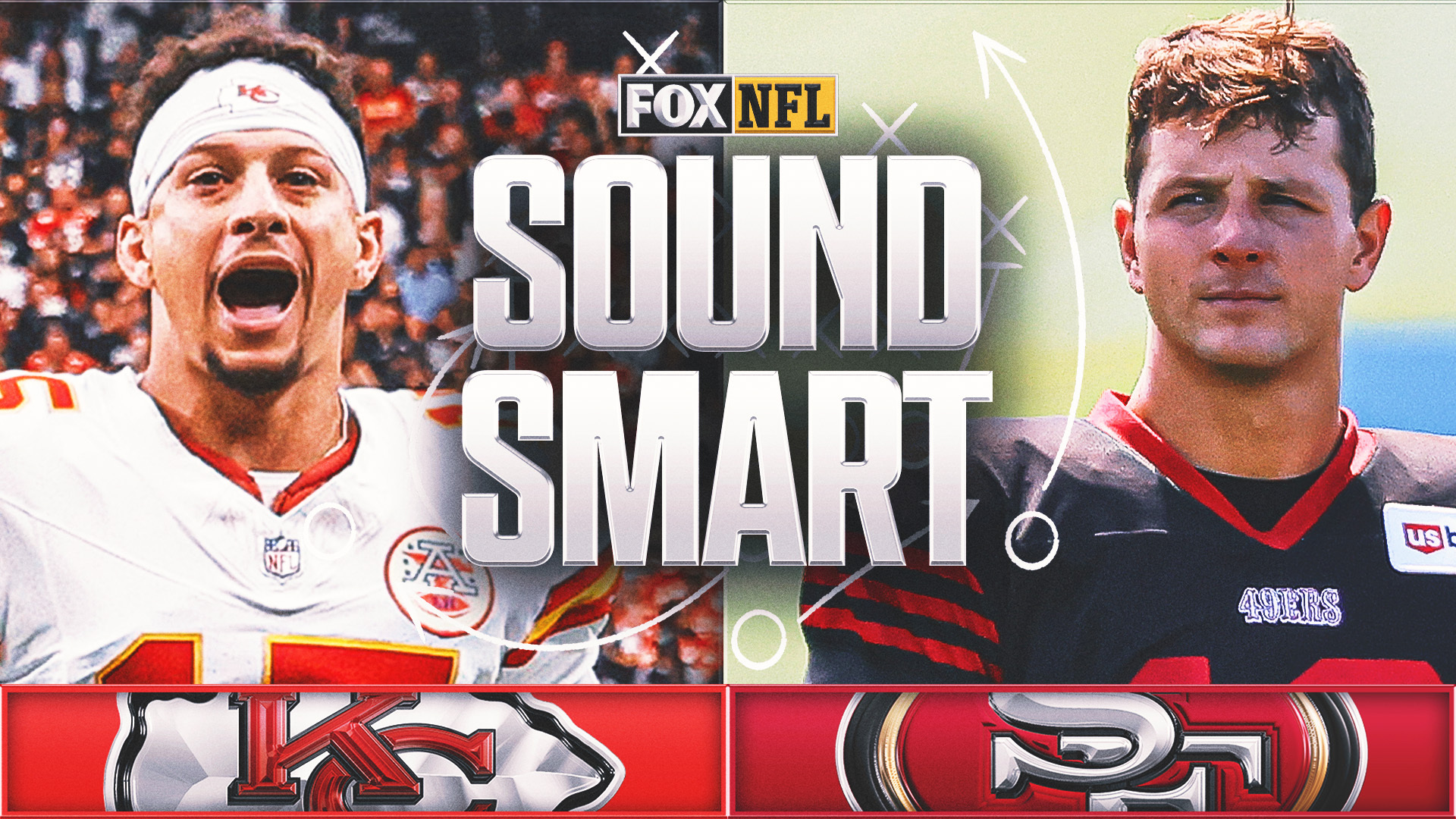
There’s a reason quarterbacks are the highest-paid players in the NFL. Teams know they can’t win without a good one. And with very few exceptions in modern history, they can’t compete for a Super Bowl without one who is playing well. But the truth is, even the best quarterbacks can’t do it alone. They need a strong supporting cast around them. That includes game-breaking receivers, protection up front and a run game to help keep defenses off balance. A smart and talented playcaller with a strong offensive scheme certainly makes a difference, too. So which NFL teams have the best support systems in place for their quarterbacks heading into the 2026 season? We spoke to a handful of NFL scouts to help determine how all 32 teams stack up on offense — when the QB is taken out of the equation. The Dolphins have a really good center in Aaron Brewer and a speedy, dangerous running back in De’Von Achane. But, well, that’s really about it. Drafting OL Kadyn Proctor in the first round was a step in the right direction, but the line still isn’t good. And with Tyreek Hill and Jaylen Waddle gone, Miami’s receiving corps is a mess. Jalen Tolbert and Tutu Atwell are the penciled-in starters, along with Greg Dulcich at tight end, and that’s terrible news for new QB Malik Willis. The Dolphins drafted multiple WRs and TEs between Rounds 3-5, but it’s a lot to expect any of them to really help this year. “They have the worst receiving corps in the league, and it’s not even close,” one scout told me. “All they can do this year is either let Willis run, or just get the ball to Achane and get out of his way.” It’s hard to find a worse offensive line situation in the league, which is horrible news for a team with big questions at QB. The Browns are likely to have four new starters on the line, including first-round LT Spencer Fano, and may need most of the season to develop any consistency. And it’s not like they’re overflowing with weapons who can make up for their line deficiencies. Their best is probably wideout Jerry Jeudy, who is quite the enigma. He was dazzling in 2024 (90-1,229-4) but a disaster last year (50-602-2, 47.2% catch rate). The Browns do have some promising young position players like RB Quinshon Judkins and TE Harold Fannin. And they have hope for the two receivers they just took in the first two rounds: KC Concepcion and Denzel Boston. “They have a couple of nice, young skill guys,” one scout told me. “But it doesn’t matter. None of them are good enough to overcome all their other problems.” It doesn’t help that most of the scouts viewed the switch from former coach Kevin Stefanski to new coach Todd Monken as a step backward. “Slightly,” one scout told me. “Monken is good. But Stefanski is better.” Every scout I spoke with said they liked the direction the Raiders were headed on offense. But they also all agreed, as one scout noted, “they have a very, very long way to go.” Their line was terrible last season, but it should be helped by the addition of expensive center Tyler Linderbaum. And with a little improvement up front, RB Ashton Jeanty should have some room to show all the things he couldn’t as a rookie. No one is sure what new coach Klint Kubiak will be able to get out of a very iffy receiving corps, though. A healthy Brock Bowers gives them an elite weapon at tight end, but Tre Tucker, Jalen Nailor and Jack Bech are uninspiring. “Nailor’s a deep threat,” one scout told me, “but not a No. 1 receiver.” Another said: “They took the right first steps, but it’s still not a good spot for a rookie quarterback. That’s not a surprise. But they have to sit (Fernando Mendoza) for a while until Kubiak figures the rest of it out.” The Titans added some weapons for QB Cam Ward in the offseason, but that’s not really the problem. “I wouldn’t put my quarterback behind that offensive line,” one scout told me. “It was bad last season. And now it might be worse.” The signings of center Austin Schlottmann and guard Cordell Volson probably weren’t enough to fix a unit that gave up 55 sacks last season. But their other additions were better. Drafting Carnell Tate No. 4 overall gives them a potential No. 1 WR. And even though WR Wan’Dale Robinson is 5-foot-8, he’s productive and fits perfectly in new offensive coordinator Brian Daboll’s scheme. Daboll can probably lean on his Giants years to figure out how to get the most out of his running backs (Tony Pollard, Tyjae Spears) despite the line issues. “Dabes has always had a brilliant offensive mind,” one scout told me. “He’s a really underrated playcaller. He’ll get the most out of that group. I just don’t know if there’s much there.” There seems to be a belief in Washington that the return of a healthy Jayden Daniels will make everybody better. They better be right, though, because the Commanders didn’t do a lot to improve his supporting cast in the offseason. Their best weapon, by far, is still WR Terry McLaurin, who will be 31 in September and coming off an injury-plagued season. Their offensive line improved last year, but they haven’t replaced their center, who left in free agency. The only weapon the Commanders added in the passing game was solid (and underrated) TE Chigoziem Okonkwo. They did add veteran RB Rachaad White, who could make for a potent duo with Jacory Croskey-Merritt, who had a surprisingly good rookie season after being drafted in the seventh round. Don’t underestimate the loss of offensive coordinator Kliff Kingsbury, though. He got a lot of credit for helping Daniels post arguably the best rookie season ever for a quarterback. He’s now replaced by former quarterbacks coach David Blough, who has been an assistant for two seasons and has never called plays before. If they ever do find a quarterback, there is potential with this offensive group — though for the most part, it’s still only potential. The only proven commodities are WR Garrett Wilson and RB Breece Hall. “(Wilson) would be a top 10 receiver if he even had a mediocre quarterback,” one scout told me. “And Breece can help any team in the league.” But after that, there are mostly unknowns. The Jets drafted WR Omar Cooper and TE Kenyon Sadiq in the first round, so maybe they’ll have a little more offensive diversity for new offensive coordinator Frank Reich. Maybe RB Braelon Allen can stay healthy and take some of the tougher carries off Hall’s plate. And maybe the offensive line, anchored by bookend tackles Olu Fashanu and Armand Membou, can continue to improve after a solid 2025. Those are a lot of “maybes.” But maybe the offensive foundation is finally there. Every year they tinker with their offensive line, and they did it again this offseason, bringing in probably three new starters. But it’s not clear if it’s any better than the mess of a unit that kept QB C.J. Stroud under constant pressure last season. That’s a big reason why his numbers keep dropping, but it’s far from the only one. “Everyone keeps wondering why C.J. Stroud is regressing,” one scout told me. “Well, it’s pretty obvious. Just look at what he has to work with down there.” Really, his only dangerous weapon is WR Nico Collins. He’s a big one, to be sure, but beyond that there isn’t much help outside of Dalton Schultz, a high-volume TE who doesn’t provide big returns. The Texans are hopeful that the return of WR Tank Dell will give the offense a spark, but that’s a lot to ask considering he missed all of last season with a knee injury. Houston did trade for RB David Montgomery, who is solid overall and a strong goal-line runner. But he’ll pair with Woody Marks, who is coming off an unimpressive rookie year. So again, it’s really Collins or bust for this offense. There is no doubt that Tetairoa McMillan, the reigning Offensive Rookie of the Year, is an explosive weapon. It’s the rest of the weapons that should cause concern. WR Xavier Legette, a former first-round pick, was mostly a non-factor last season. The Panthers are counting on Chuba Hubbard to again be their No. 1 back after he had to play a secondary role to the since-departed Rico Dowdle last year. Carolina got basically nothing in the passing game out of its tight ends in 2025. And the line has a lot of new pieces to integrate after the club signed LT Rasheed Walker and C Luke Fortner in free agency and drafted RT Monroe Freeling in the first round. McMillan should develop into an elite player. But QB Bryce Young is going to need a lot more than that. “I don’t know how you can expect him to develop into what they need him to be with a surrounding cast like that,” one scout told me. Here’s a great argument for the importance of the QB in the NFL: “If you take (Arizona’s) skill players and put them in a place with a good quarterback, they’ll win,” one scout told me. “They might win a lot.” And that’s the problem with evaluating the Cardinals. There is talent here, even if the production hasn’t been great. WR Marvin Harrison Jr.’s production through two years has not matched his promise. Michael Wilson played like a solid No. 1 WR last year. Trey McBride is the best tight end in the NFL, ranking second in catches and sixth in yards among all receivers last year. And there were many scouts who thought RB Jeremiyah Love, the No. 3 overall pick, was the best player in the draft. The Cardinals’ line is a problem, however. They hope that signing Isaac Seumalo and drafting Chase Bisontis in the second round will help make their interior stronger, but it’s very much a work in progress. Overall, though, “they have such a great, young core there,” another scout told me. “But with a bad quarterback situation, you can’t expect much at all.” They had two major problems on offense heading into the offseason: They had a bad offensive line and very little help for WR Chris Olave. They seem to have solved the latter, signing RB Travis Etienne, who’ll be a terrific replacement for the almost-done Alvin Kamara. And they drafted WR Jordyn Tyson, who one scout called “the best receiver in the draft.” They also still have dangerous TE Juwan Johnson, so young QB Tyler Shough and offensive whiz head coach Kellen Moore should have enough tools to work with. The line, however, is still an issue. Adding guard David Edwards in free agency was good, but what the Saints really need is improvement from their tackle duo of Kelvin Banks and Taliese Fuaga, both former first-round picks. If they don’t get that, the rest of the additions won’t matter as much as they’re hoping. They certainly have given whomever is their quarterback some good receivers to work with. Justin Jefferson is as good as any in football when everything is working right with the offense, and Jordan Addison is a strong No. 2. The Vikings also went out and added the underrated Jauan Jennings to give the QB another option. And TE T.J. Hockenson is a big weapon in the passing game, too — at least when he’s healthy. Beyond that, though, they really have to lean into the mind of head coach Kevin O’Connell because there are some issues. The offensive line was not good nor healthy last season. And they lean way too much on 32-year-old, oft-injured RB Aaron Jones. That lack of a dependable running game is big. It’s why defenses could tee off on Vikings QBs, who were sacked 60 times last season — tied for second-most in the league. They went on an epic run in the second half last season, averaging 32 points per game over their last 11 (including their loss in the playoffs). It looked like they had all the pieces in place on offense. But did they? Brian Thomas Jr., their No. 1 receiver, badly regressed last season. Parker Washington emerged, the trade for Jakobi Meyers helped and TE Brenton Strange is good, but if Thomas keeps fading, there isn’t an elite threat here for Trevor Lawrence. Now, as one scout told me, “That may not matter. Liam Coen is that good.” In his first season, the Jags head coach sure did look like one of the best young offensive minds in the league. But he’ll have to prove it again, especially after losing bell-cow running back Travis Etienne in free agency. The Jags are taking a huge risk by counting on Bhayshul Tuten and/or Chris Rodriguez to replace him. “Together, they might be better than Etienne,” another scout told me. “Tuten is elusive and Rodriguez is a power back. They’ll (complement) each other. But carrying the entire rushing attack? That’s a lot to ask of two guys who haven’t done anything in this league yet.” If Malik Nabers hadn’t torn his ACL last season, the Giants would be higher on this list. Maybe much higher. They have a deep receiving corps without Nabers, especially after signing Darnell Mooney and drafting Malachi Fields in the third round this offseason. And the addition of Isaiah Likely gives the Giants potentially the most dangerous TE they’ve had in years. They also have what one scout told me is a “sneaky good” running game behind a much-improved offensive line. If second-year back Cam Skattebo can fully recover from his devastating leg injury, he’ll join Tyron Tracy and Devin Singletary in a potent rotation. All that may be enough for the offense to be good around second-year QB Jaxson Dart, “but Nabers changes everything,” one scout told me. “I didn’t think he played great as a rookie (in 2024). He had too many drops and his quarterback play was awful. But look at the numbers he put up (109-1,204-7). With better quarterback play and help around him, he could be a monster.” Of course, that’s when he’s fully recovered. Nabers recently had another procedure on his knee and his status for Week 1 is uncertain. The fact that they had the NFL’s 12th-ranked total offense is a miracle considering all the injuries they had last season, and they really believe that better health will get them back where they were. Maybe they’re right. Their line was terrible, giving up 60 sacks, but they were missing LT Rashawn Slater and, for most of the season, RT Joe Alt. RB Omarian Hampton, their 2025 first-round pick, missed half his rookie season, too. The return of those three should definitely help the ground game. But do they have enough weapons in the passing game for their new offensive coordinator? “For Mike McDaniel? Yes,” one scout told me. “He’s a mad scientist. He’ll get the best out of those guys.” Those guys include WR Ladd McConkey, who got off to a painfully slow start last season, former first-rounder Quentin Johnston, who’s disappointed, and TE Oronde Gadsden, who had a promising but erratic rookie season. “Watch (McDaniel) turn (Johnston) into a star,” another scout told me. “He’s got pieces there. And he’s the right guy to figure it all out.” Justin Herbert is counting on it. Should the Bucs be evaluated on what they are, or what they should be? That’s the problem with this team. For example, losing WR Mike Evans is a huge hit because he’d been a staple of their offense for more than a decade. But he didn’t do much even when healthy last season. Emeka Egbuka looked like an ideal replacement, though — but only if you ignore the alarming drop-off during the back half of his rookie season. Chris Godwin could be the new No. 1, too, but he’s played just 16 games the past two seasons. Then there’s RB Bucky Irving, who was dominant as a rookie but played only 10 games last season and took a back seat to the since-departed Rachaad White. As for the line, should it be judged on its ugly season last year when the projected starting five played just a handful of snaps together? It all makes the Bucs offense a big mystery. There are pieces for new offensive coordinator Zac Robinson, a Sean McVay disciple. But it’s hard to say what that puzzle will look like when completed around Baker Mayfield. No one can say the Steelers aren’t doing everything they can to help 42-year-old QB Aaron Rodgers have one last shot at glory. They brought in WR DK Metcalf for him last season, then traded for the underrated (and big) Michael Pittman this offseason. They used a second-round pick on WR Germie Bernard, who’ll be a good No. 3 receiver. They protected Rodgers well last season with a young offensive line, and they just added right tackle Max Iheanachor in the first round. And they brought in RB Rico Dowdle, who should give a jolt to what was a bad rushing attack in 2025. “Dowdle was an underrated pickup,” one scout told me. “Nobody knows better how to use him than (Mike) McCarthy,” who turned him into a feature back in Dallas two years ago. Dowdle isn’t elite, but the combination of him and Jaylen Warren could be very good. Everything about this evaluation will change if — or, more likely, when — the Patriots complete their trade for WR A.J. Brown. He’s the No. 1 receiver the Patriots thought they were getting in Stefon Diggs last season, only he’s bigger and four years younger. But without Brown, the Pats currently have a bunch of role players in the passing game. Romeo Doubs is a solid No. 2. Kayshon Boutte is a deep threat. And Mack Hollins is a big target, but needs a reduced role at age 32. New England’s strength is in the potent 1-2 RB punch of TreVeyon Henderson and Rhamondre Stevenson. But the real key for this team will be the offensive line. It improved from 2024 yet still gave up a ridiculous 47 sacks in the regular season and a record 21 in four playoff games. There’s a good argument about whether those crazy numbers were more the fault of Drake Maye or his line. But it doesn’t matter. The young QB won’t survive another year like that, especially against a much tougher schedule. Make no mistake: This is a Josh Allen-centered offense. “His supporting cast doesn’t matter,” one scout told me. “It’s all about him.” Well, RB James Cook does play a role, too. And he emerged as a huge force last season when he led the league in rushing, thanks at least in part to one of the NFL’s best offensive lines. But the passing game is really all about Allen, and the Bills seem to treat it that way. “I’ll never understand why they just don’t go out and get (Allen) a No. 1 receiver,” another scout told me. “Put him with a top-10 guy and who stops that team? He’ll break every record in the book.” They did add D.J. Moore in the offseason, which is an improvement. But he’s 29 and three seasons removed from his WR1 days. Beyond him are mostly third and fourth receivers (Khalil Shakir, Keon Coleman, Josh Palmer) and two serviceable tight ends (Dalton Kincaid, Dawson Knox). “They would be unstoppable,” the first scout told me, “if they’d just get (Allen) some real help.” There is potential for this to be a great supporting cast for QB Jordan Love. But right now, the Packers are lacking a No 1 WR. Christian Watson showed glimpses last season of being that guy, but he has to show he can stay healthy first. Several scouts told me 2025 first-rounder Matthew Golden has the talent to be a go-to option, but last season he was, in the words of one scout, “tragically underused.” The Packers also have a game-breaking TE in Tucker Kraft, but he’s coming off a torn ACL. And they have a promising offensive line, though it’s coming off a bad season and dealing with a lot of moving parts. So for the moment, the star is 28-year-old Josh Jacobs, a punishing running back who also has to find a way to stay healthy. There’s a lot here for HC Matt LaFleur to work with — when everyone’s on the field. The best way to sum up the supporting cast in Kansas City was this statement, from one of the scouts: “Andy Reid and Patrick Mahomes have won with a lot less.” The reviews were generally good, if not great. Rashee Rice, if he stays healthy and out of trouble — he was sentenced to 30 days in jail Tuesday — can be a No. 1 receiver. Xavier Worthy has uncommon speed, though he hasn’t had the expected production yet. RB Kenneth Walker III is a huge upgrade to what the Chiefs have had in recent years, though it remains to be seen how Reid uses him. And then there’s TE Travis Kelce, back for another season at age 36. “He’s still good, but he’s nowhere near what he used to be,” one scout told me. “They have to start moving the offense away from him.” Either Rice or Walker might make more sense as the focal point of Reid’s scheme this year. It was unanimous among the scouts I spoke with that Bijan Robinson is the best RB, if not the best offensive skill player, in the game today. That’s a heck of a place for new coach Kevin Stefanski to start, no matter who starts at QB. “He’ll build everything around Bijan,” one scout told me. “(Robinson) can’t get the ball enough.” Robinson, in fact, was targeted on 37.2% of Atlanta’s plays last season. And “it should be more than that,” another scout said. Though it’s not like there’s nothing else here. Drake London is a legit No. 1 WR and a huge target. TE Kyle Pitts finally had his long-awaited breakout season last year. Robinson, London and Pitts make for a great Big 3. The offensive line is only average, though. Helping Atlanta’s cause is the fact that Stefanski, despite several years of QB Hell in Cleveland, is still a top-tier offensive mind. Having RB Derrick Henry in the backfield is probably more than enough support for Lamar Jackson, but that’s not all he has. Zay Flowers is emerging as one of the best receivers in the game, and TE Mark Andrews is still a weapon, especially in the red zone (at least as long as he’s healthy). There isn’t much help beyond that, but this is a ground-based attack, so the key is the offensive line. The loss of center Tyler Linderbaum is an undeniable hit. Drafting guard Olaivavega Ioane should help the interior, but center is now a big question mark. So is the hiring of 30-year-old Declan Doyle as the new offensive coordinator. He was the OC in Chicago last season, so at least he has experience watching Ben Johnson run his scheme. For much of last season, their passing offense was a one-man show, but what a phenomenal show it was. Jaxon Smith-Njigba might be the closest thing to Ja’Marr Chase west of the Mississippi. Even with a full season of Rashid Shaeed, which should help diversify the passing attack, the Seahawks might need even more out of JSN this season. There’s just no downplaying the loss of running back Kenneth Walker III, who was huge during their Super Bowl run. RB Zach Charbonnet is good enough to pick up some of the slack. Seattle also made a big first-round bet on RB Jadarian Price, who was the backup running back at Notre Dame. But there’s one other issue for QB Sam Darnold. “Losing Kenny Walker is going to hurt,” one scout told me. “Losing Klint Kubiak is going to hurt more.” The Seahawks’ former offensive coordinator is now coaching the Raiders, and first-time coordinator Brian Fleury has some huge shoes to fill. There are some mixed opinions on the makeup of this offense around Daniel Jones. There is no tougher runner in the league than Jonathan Taylor, but he’s a one-man show who led the league in carries last season (323). He’s got one of the NFL’s best offensive lines in front of him. The Colts also have maybe the best young TE in the league in Tyler Warren. The questions concern the wide receivers. The Colts traded away Michael Pittman and made Alec Pierce a very rich man in free agency. But, as one scout told me, “Pierce is not a No. 1 receiver. There’s no better deep threat in the league, but he’s not going to put up big numbers as the focus of the offense.” Slot receiver Josh Downs won’t be the focus, either, which could create a big hole in the passing attack if Pierce doesn’t prove he can do more than he’s been asked to do over his first four years. They were on the verge of a Super Bowl last year with an offense that was good but not explosive. The addition of WR Jaylen Waddle changes all that. He and Courtland Sutton form an elite tandem, and Troy Franklin can be one of the better No. 3 receivers in the league. Quarterback Bo Nix is also supported by possibly the best offensive line in the league and a solid, grind-it-out rushing attack (though that part depends on the always-iffy health of J.K. Dobbins). Add in the brilliant offensive mind of Sean Payton, and there’s not much more Nix could ask for heading into his third season — assuming, of course, that he’s fully recovered from the fractured ankle he suffered in the playoffs. He’ll be well-protected whenever he returns, so he’ll have plenty of time to execute what are always well-conceived game plans. The additions of wideouts Mike Evans and Christian Kirk really could put the Niners’ offense over the top, especially since they still have WR Ricky Pearsall and TE George Kittle catching passes and OT Trent Williams protecting the blind side. And, of course, everything in this offense revolves around RB Christian McCaffrey, a perennial MVP contender. But every one of those guys comes with big injury concerns. “They have so many guys with health and age issues,” one scout told me. “If they’re healthy, they’re loaded, but how many games do you really think they’ll all be on the field together?” It’s a good question, and if history holds, they won’t like the answer. But QB Brock Purdy still has one other big advantage: head coach Kyle Shanahan. “He’s a nightmare to play against,” one scout told me. “You can’t out-scheme him. No matter what he has, he’ll get the most out of it.” He always does. Everything with the Bengals starts with Ja’Marr Chase. “Nobody knows how to stop him,” one scout told me. “He can do whatever he wants, whenever he wants.” And he has help from Tee Higgins, who, one scout told me, “might be the No. 1 receiver on 20 other teams.” They also can lean on RB Chase Brown in the passing game, where he had 69 catches to go with his 1,019 rushing yards last year, making him one of the best dual threats in the NFL. The Bengals are really top-heavy, though, because they don’t have much beyond their Big 3. And they’re surprisingly returning all five starters from an offensive line that wasn’t very good last season. Considering nothing is more important for the Bengals than keeping QB Joe Burrow healthy, this was a curious decision. But Burrow’s intelligence and quick release might be able to compensate for that. And if it does, he’s got enough weapons to score a ton of points. Veteran QB Jared Goff has a trio of elite skill players, which is a great place to start. Amon-Ra St. Brown has become unstoppable, Jameson Williams is one of the best big-play receivers in the NFL. And Jahmyr Gibbs is a remarkable combination of power and elusiveness. But there are potential issues in Detroit. Gibbs and David Montgomery have made quite a combo in recent years, but the latter is now in Houston and was replaced by Isiah Pacheco. “He’s a good replacement,” one scout told me, “but only if he’s healthy. That’s really a big risk.” Another risky bet is TE Sam LaPorta, who’s coming off back surgery and hasn’t been able to duplicate his success as a rookie in 2023. The Lions also needed to fix some holes on their offensive line, which they hope they did by drafting RT Blake Miller and signing C Cade Mays. So the talent is there for new offensive coordinator Drew Petzing, who takes over an offense that was inconsistent last season yet still ranked fifth overall in scoring and total yards per game. They looked so dysfunctional all last year, but it was never because of a lack of talent around QB Jalen Hurts. The truth is, Philly is still loaded on offense. Saquon Barkley has 2,000-yard potential. The offensive line is the envy of most teams, despite coming off a relative down season. Dallas Goedert, as long as he stays healthy, is a reliable and dangerous tight end. And even if they trade A.J. Brown — which seems increasingly likely — they have a deep and dangerous receiving corps. DeVonta Smith is a worthy No. 1. In fact, he could become a top-five receiver once he’s out of Brown’s needy shadow. The Eagles also traded for Dontayvion Wicks and drafted Makai Lemon in the first round, and they signed Hollywood Brown, who is still only 28. All three wideouts could contribute a lot. New offensive coordinator Sean Mannion is younger than some of his players and has never been a coordinator before. But he sure has a lot of talent to work with in his first year. They look frighteningly like the Lions of a few years ago, led by a dangerous 1-2 punch at running back, a field-stretching tight end and an offensive game plan that’s hard to predict. That’s the brilliance of head coach Ben Johnson, the former Lions offensive coordinator. “His mind is on par with McVay’s,” one scout told me. “He knows what his players can do better than any coach in the league.” That’s great for QB Caleb Williams, who is protected by a top-three offensive line and has a thunder-and-lightning backfield with Kyle Monangai and D’Andre Swift. “You can game plan to stop one,” one scout told me, “but not both.” What Williams really needs is for a wide receiver to emerge so that tight end Colston Loveland doesn’t have to be his top target. Either Rome Odunze or Luther Burden could fill that void, though the former must first show that there aren’t any lingering issues in his foot after suffering a stress fracture late last year. Wide receivers CeeDee Lamb and George Pickens have a chance to put up some scary numbers in this offense if they can both stay healthy. Both are explosive enough to be considered top 10 in the league. And Dallas has other weapons, too, such as tight end Jake Ferguson and deep threat KaVontae Turpin. What really vaults the Cowboys on this list, though, is their commitment to Javonte Williams and the running game. “(Williams) surprised me with how strong a runner he was,” a scout told me. “But I was even more surprised by how much he was used. He really takes the pressure off the passing game.” It also helps that Dak Prescott has a top-tier line protecting him. If left tackle Tyler Guyton and center Cooper Beebe can stay healthy, Dallas might have one of the best lines in the league. No quarterback has more around him than 38-year-old Matthew Stafford. His line gave up only 23 sacks last season, tied for the fewest in the league. And it’s hard to find a more lethal wideout duo than Puka Nacua and Davante Adams, who remains strong and reliable despite his age (33). Kyren Williams is an elite running back and Blake Corum gives the Rams a 1-2 punch that is hard to stop. And while they may not have an elite tight end, the trio of Colby Parkinson, Tyler Higbee and David Allen combined for 92-897-14 last season, which any team would gladly take. That’s a lot to work with before factoring in head coach Sean McVay — “by far the best offensive mind in the league,” as one scout told me. “They can attack you from anywhere, anytime. And (McVay) knows where your weakest spots are.”​Latest Sports News from FOX Sports
Categories
Sports Fox

First Ballot: Kevin Harvick Voted Into NASCAR Hall of Fame

NASCAR Hall of Fame (Charlotte, N.C.) — A driver known as a throwback to the rough-and-tumble days of NASCAR will join many of those who embraced a similar style who already are in the NASCAR Hall of Fame. Former Cup champion and current FOX Sports analyst Kevin Harvick will be among the three inductees of the 2027 class as the 60-time Cup winner also earned the distinction as a first-ballot Hall of Famer. “I’ve been told a few times in the NASCAR trailer [that] this sport will go on with or without you, so you can either get it straight or you can keep going, and that’s true,” Harvick told me and other reporters following the announcement. “Everybody’s career ultimately comes to an end, and the things that you do are what they were, and so to be able to have accomplished enough to be standing here today, I feel pretty fortunate because I had a lot of good people, a lot of good cars, and a lot of great moments to be able to have the success that we did. It’s quite an honor to be able to stand in here and have your name next to so many of the greats in our sport.” Harvick, Jeff Burton and Larry Phillips — all three heralded drivers in their careers —  will be enshrined in the Jan. 22 ceremony, joining the 70 other inductees since the Hall of Fame opened in 2010. Harvick and Burton, who were teammates at one point at Richard Childress Racing, were the two selections from the 10-candidate Modern Era ballot, while Midwest short-track star Phillips got in as the selection from the five-candidate Pioneer Era ballot. A voting panel of 49 industry executives, former drivers and crew chiefs and media met Tuesday to deliberate and vote. An online fan vote was combined into one vote, to make for 50 on the panel. Harvick appeared on 46 of the 50 ballots, Phillips on 19 and Burton was on 16. Neil Bonnett was third in the Modern Era voting, followed by Randy Dorton and Greg Biffle. When told he earned 92 percent of the vote, Harvick seemed appreciative. “When you look at just the grand scheme of everything, you look at the whole Hall of Fame piece of it, and you talk about your reputation, and you talk about the respect, I think that speaks volumes of the things that you were able to accomplish,” Harvick said. “And I can say it now: I’m proud of that. That’s what this is for, right? You get to reflect back and be proud of the things that you were able to accomplish.” There was little doubt Harvick — dubbed “The Closer” because of the way he could win races with strong runs to the finish — would get in as his 60 Cup victories ranks 11th all-time and the most for any driver not in the Hall of Fame who is eligible. He also ranks fifth all-time in top-10 finish with 444. The 2014 Cup champion, Harvick has also won titles in what is now the O’Reilly Series in 2001 and 2006. He also won the 2007 Daytona 500 and was named one of NASCAR’s 75 greatest drivers. While virtually a given he would get in, Harvick sat in his truck outside the Hall of Fame during the announcement. “It’s been really weird,” Harvick said about how to handle the announcement. “It felt so arrogant to come sit in the room [for the announcement]. I’ve never been somebody who wants to pat myself on the back or show that you’re so confident in something that you’re doing. “I want to be respectful and I want it to be so that it feels right, and I don’t want anybody to think that you take it for granted.” Beyond the on-track statistics, he helped the sport through one of its most high-profile tragedies as he replaced Dale Earnhardt after the seven-time Cup champion’s death in the 2021 Daytona 500. Harvick was supposed to go full-time Cup racing the following year but instead drove the No. 29 car for Richard Childress Racing, which was renumber from Earnhardt’s No. 3. He won in his third career start at Atlanta. But Harvick’s resume doesn’t just include victories, championships and a FOX microphone. He and his wife, DeLana, owned the Kevin Harvick Inc. race team that competed in both trucks and the O’Reilly Series. He currently is a co-owner in the CARS Tour and involved in promoting the racetrack in his hometown of Bakersfield. The California native brought a stern determination built when racing the West Coast short tracks. He was demanding and relentless in the way he drove and the way he interacted with his own team and other teams. He has often said that when he struggled, he’d have to create drama to stay relevant, and his highlight reel is full of intense confrontations between him and other drivers. “Your reputation is first thing that you have, the second thing are your results, and ultimately, hopefully, whether I was high strung or competitive or rambunctious, or the guy that everybody didn’t like or liked, or whoever it was, hopefully they can still respect you,” Harvick said. “I think from the competition side, from the ownership side, from whatever that is, you might not like my opinion or you might not like what I did on the racetrack, but hopefully in the end you respect it.”​Latest Sports News from FOX Sports
Categories
Sports Fox

The Blueprint: How Elliot Cadeau Became The Centerpiece Of Michigan’s Offseason

For Michigan head coach Dusty May and his coaching staff — which had already lost one key figure during the early stages of this year’s carousel — the irony of presiding over the finest campaign in school history was preparing for an offseason that might be among the program’s worst. Figuratively speaking, of course. There’s nothing desultory about the afterglow of winning a national championship. May knew he was losing assistant Justin Joyner to the head-coaching job at Oregon State, a move that was finalized nearly a month before Michigan cut down the nets in Indianapolis. He knew it was becoming increasingly likely that Yaxel Lendeborg, Morez Johnson Jr. and Aday Mara would all turn pro following revelatory seasons out of the transfer portal. It’s now widely expected that the Wolverines will produce three first-round picks in a single year for just the second time in school history. “We tried to anticipate the worst-case scenario,” Michigan assistant coach Drew Williamson told me earlier this month, “which would be all those guys leaving. And so we kind of put a game plan together for trying to find the best fits that were similar to how we wanted to play. And the guys that we knew were returning, using their strengths to put guys around them [from the portal].” That approach quickly rendered point guard Elliot Cadeau the central figure to Michigan’s rebuilding efforts — even as Cadeau joined some of his teammates in declaring for the NBA Draft, launching into the pre-draft process while maintaining his collegiate eligibility. The understanding among the Wolverines’ coaches was that Cadeau, who had just completed his junior season, was more interested in gathering feedback from scouts and executives than actually turning pro. Sure enough, Cadeau withdrew his name from the draft’s list of early entrants over the weekend, reaffirming his commitment to Michigan. That was precisely the outcome May and his staff envisioned when they observed just how integral Cadeau was to landing the program’s latest batch of frontcourt reinforcements: former Cincinnati center Moustapha Thiam, former Tennessee forward J.P. Estrella and former LSU forward Jalen Reed. As eager as Cadeau was to work with Michigan’s coaches in identifying portal targets — constantly peppering them with names he’d seen and heard — the Wolverines soon discovered that just as many high-level transfers were eager to be his teammate. “A pass-first point guard,” May told me earlier this month, “that’s the biggest sell in today’s climate. To not have a high-volume scoring point guard helps the chemistry. When we took this job, we said, ‘We’re gonna get a good big [man] and a pass-first point guard.’ And we were going to try to make sure we have that every year. Everything else, in between, we felt like we could figure out a way to be successful.” That Michigan’s coaching staff coaxed such refinement from Cadeau emphatically squashed any external concerns surrounding both his ceiling as an elite guard and his long-range consistency following two uneven seasons at North Carolina. He completed his first season with the Wolverines averaging a career-high 10.5 points per game while also ranking 11th nationally in assists (5.9 per game) among players from the power conferences. When the stakes were highest — as the Wolverines steamrolled one opponent after another during the NCAA Tournament — Cadeau’s assist rate of 35.3% ranked fourth among guards who reached the second weekend or beyond, culminating in his selection as the Most Outstanding Player in the Final Four. Isolating and extracting the things Cadeau and his NBA-bound teammates had excelled at soon became the coaching staff’s primary goal once the transfer portal officially opened in early April. May understood that the chances of signing three more future first-round picks were exceedingly slim, especially once the prices for post players began to soar on the open market, but the Wolverines had two seasons’ worth of data that emphasized the benefits of high-level, fear-inducing positional size. Replicating that formula seemed like an obvious choice, with Cadeau and fellow returning guard Trey McKenney offering plenty of backcourt continuity from the title-winning group. [THE BLUEPRINT: Michigan Built A Formula Teams Are Racing To Copy] “Our phones are ringing more than they were before,” assistant coach Mike Boynton told me earlier this month, “with guys reaching out saying, ‘Hey, we’re watching what you guys have been able to do with this particular type of player and we have a guy who we think has a similar game, similar skill set, and we’d like to talk to see if there’s mutual interest.’” So which of those skills did the coaches believe would mesh most seamlessly with Cadeau moving forward? May told me his early studies of the Big Ten underscored the importance of having quality screeners, a category into which he grouped ex-Wolverine center Tarris Reed Jr. and Purdue standout Trey Kaufman-Renn. That realization led Michigan toward Estrella, who averaged 10 points and 5.4 rebounds per game at Tennessee, another program known for its physicality and toughness under head coach Rick Barnes. When the Wolverines studied Estrella’s high school tape, they saw shooting mechanics solid enough to believe he could eventually expand his repertoire to include pick-and-pop opportunities with Cadeau next season. Then there were the alley-oops, a trademark of Michigan’s offense whenever Mara was on the floor. Williamson told me the staff identified a handful of transfer centers with the requisite size and mobility to “fit that mold a little bit,” even if nobody could quite match Mara’s monstrous 7-foot-3, 255-pound frame — though the Wolverines certainly came close to finding a plug-and-play replacement in Thiam. A former top-60 recruit in the 2024 cycle, Thiam now stands 7-foot-2 and weighs 255 pounds after adding a considerable amount of muscle during stints at UCF and Cincinnati. He averaged 12.8 points, 7.1 rebounds and 1.6 blocks per game for the Bearcats last season before head coach Wes Miller got fired. He preempted those numbers with an eye-catching 15-point effort against Michigan in an exhibition game at Crisler Center on Oct. 17. The chance for Thiam to be on the receiving end of passes from Cadeau was exactly what he’d hoped to find after back-to-back seasons in which his team’s point guards averaged 4.3 assists or fewer per game. “He saw enough, and I think we were able to give him enough evidence that Elliot could be maybe the best facilitator in the country,” Boynton told me. “And we [explained to him how] that will make the game easier on you. You will have more baskets where you literally just have to catch it close enough to the basket to lay it in, instead of having to fight against a post defender, making a move and trying to create things yourself through double teams. You’re going to get, probably, two to three lobs per game. You’re going to be able to play in space a little bit more. You’re going to be able to get some throw-aheads because that’s the way that Elliot sees the game. “I think that was probably the thing that put us over the top versus some of the other schools that he was considering, is that he watched how we all believe Elliot helped Morez [Johnson] and Aday [Mara] make the game easier and put themselves in the position that they’re in now.” For all of those portal additions to unfold while Cadeau was still technically entered in the NBA Draft speaks to the trust that runs from May to his point guard and back again, an understanding that neither side would burn the other. Michigan’s coaches even went as far as consulting with Cadeau on potential targets, drawing on film the guard himself had studied or opponents he had faced earlier in his career. Eventually, Cadeau began sending names directly to assistant coach Akeem Miskdeen, according to Williamson, because he “wanted to have a little skin in the game.” That dynamic made Cadeau the most important figure in Michigan’s offseason and its bid for a second consecutive national championship. Some of his teammates might be departing, but Cadeau was always intent on running it back. “His clips and his highlights were involved in a lot of our recruiting pitches this offseason,” Williamson told me. “I think that was an easy sell.”​Latest Sports News from FOX Sports