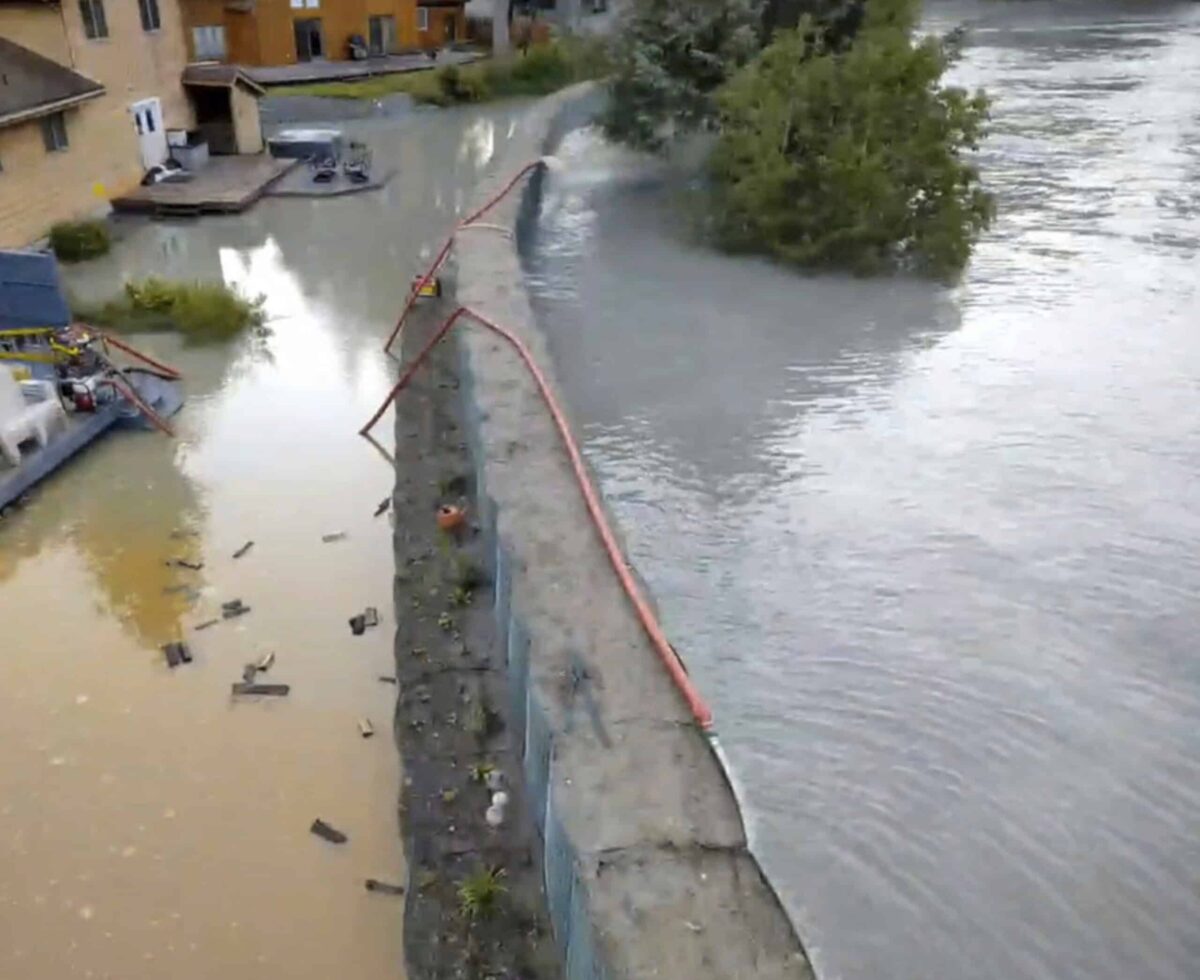
This drone image provided by the City and Borough of Juneau shows flooding from a release of water and snowmelt at Mendenhall Glacier covered some roads and threatened homes along the Mendenhall River in Juneau, Alaska on Wednesday, Aug. 13, 2025. (City and Borough of Juneau via AP)
This drone image provided by the City and Borough of Juneau shows flooding from a release of water and snowmelt at Mendenhall Glacier covered some roads and threatened homes along the Mendenhall River in Juneau, Alaska on Wednesday, Aug. 13, 2025. (City and Borough of Juneau via AP)
NOTN- The Juneau Assembly approved three measures in a brief special meeting, declaring a local emergency over the glacier outburst flood, setting aside $3.5 million for school roof repairs and backing the homeporting of two major U.S. Coast Guard cutters.
The three resolutions were bundled into a single consent agenda and passed without objection at the noon meeting.
One resolution declares a local emergency tied to the glacier outburst flood, clearing the way for a faster response and potential access to additional resources.
A second measure appropriates $3.5 million for school roof repairs, aimed at addressing priority maintenance needs across the district.
The third resolution throws the city’s support behind the homeporting of two major Coast Guard cutters in Juneau, including the CGC Storis, signaling local backing for an expanded federal maritime presence.
CBJ- The City and Borough of Juneau (CBJ) posted a solicitation for bids to perform construction work on the first two floors of the Michael J. Burns building. The project will accommodate an accessible Assembly Chambers, central public service counter and office space for 147 personnel. The cost-based bid solicitation materials include a summary of work, site layout and list of project alternates should budget allow. The solicitation period closes on July 13.
The primary scope of work addresses critical updates to the building’s mechanical and electrical systems which are out of code and at risk of needing constant repairs if not updated. There will also be limited renovations to the first floor to provide an Assembly Chambers and public service counter. Some office spaces will receive minor renovations, including moving partitions to accommodate CBJ departments. At this time, the current budget does not include paint and flooring updates for staff spaces, however, should bids come in below budget, these items are included among several items that could be added as project alternates.
“We took a very frugal approach to this project,” explains CBJ City Architect Liam Knecht who has been leading the project. “The end result may not include updated paint or flooring, but this scope will get us to a safe, consolidated, and cost-effective workspace for municipal employees.”
The current City Hall houses about 40% of CBJ office staff and faces major renovation and repair costs estimated at nearly $10 million for immediate health and safety repairs. Approximately $45 million is required to complete all needed health, safety, mechanical and structural repairs to the building. Additional CBJ offices are spread throughout the city in private commercial buildings and are subject to increasing lease costs and needed repairs. In the current arrangement, annual operating costs–including for maintenance, utilities and lease–total approximately $1.3 million. Annual operating costs for municipal services to operate out of the Burns Building will be approximately half that at $650,000 and include utilities, maintenance, and capital reinvestment costs.
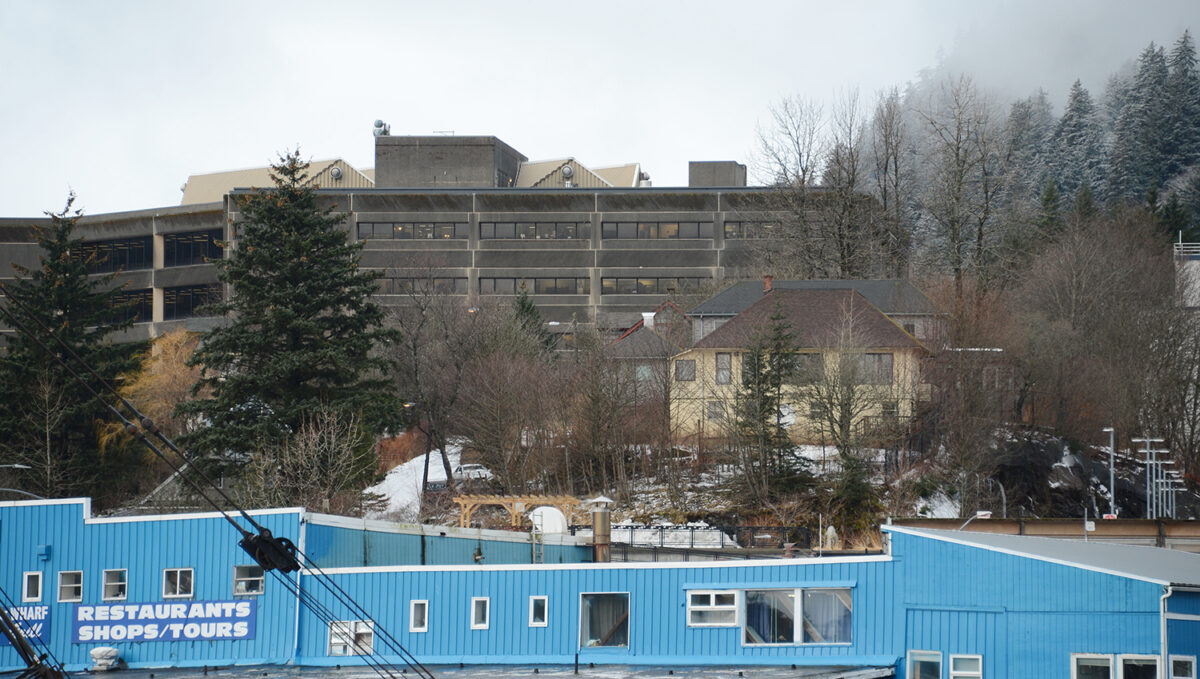
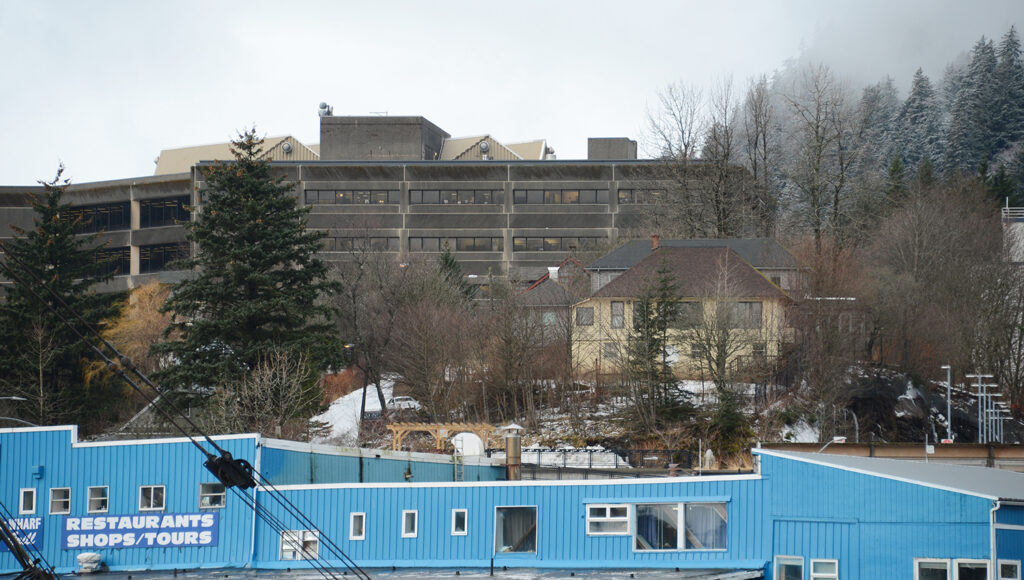
In September 2025, the Juneau Assembly formally approved the purchase of two floors of the Burns Building (801 W. 10th Street) for use as the new CBJ Municipal facility. The plan structures the arrangement as a condominium association, with CBJ purchasing the first two floors while the Alaska Permanent Fund Corporation retains the top floor. The building plans prioritize public accessibility and services, with the new Assembly Chambers being 3,530 square feet (versus 1,929 in the current City Hall) and a larger public counter to better receive and direct inquiries for all departments. The space will function as a one-stop shop for residents to interface with city government.
The total budget to move and consolidate CBJ offices in the Burns Building is $20.5 million. This total cost includes the purchase of 46,000 square feet of commercial office space for $9.3 million and an upfront capital investment fund contribution of $2.7 million (similar to a deferred maintenance fund, to save for future capital project needs).
CBJ- The Municipal Clerk’s Office is currently reviewing petition booklets and signatures submitted for the proposed Mill Rate Cap Change Charter Amendment Petition.
On June 17, the petitioners committee returned petition books containing 2,986 initial signatures. Under the CBJ Charter, 2,566 certified signatures are required for the petition to be certified. Clerk’s Office staff are now verifying signatures and reviewing petition booklets to determine whether the petition meets the certification requirements.
For the latest petition status and related documents, visit the https://juneau.org/clerk/elections or contact the Municipal Clerk’s Office at 907-586-5278 (Option 1).
Juneau's Telephone Hill neighborhood is seen at center right, beneath the State Office Building, on Wednesday, Dec. 28, 2022. The neighborhood, owned by the state of Alaska, is being transferred to the City and Borough of Juneau. (Photo by James Brooks/Alaska Beacon)
Juneau’s Telephone Hill neighborhood is seen at center right, beneath the State Office Building, on Wednesday, Dec. 28, 2022. (Photo by James Brooks/Alaska Beacon)
CBJ- The Municipal Clerk has certified the proposed 1% Seasonal Sales Tax Initiative Petition as sufficient under the requirements of the CBJ Charter. The petitioners committee submitted petition books containing 3,231 signatures, and after review and verification by the Clerk’s Office, the petition met the required threshold of 2,566 certified signatures.
The Certification of Petition has been issued and is available on the CBJ Elections webpage. Pursuant to CBJ Charter Section 7.10(a), the Assembly has 45 days from the date of certification to adopt substantially similar legislation. If the Assembly does not adopt substantially similar legislation within that period, the initiative will be placed before the voters at the next regular election.
The Mill Rate Cap Change Charter Amendment Petition remains in circulation. Signature gathering is authorized through June 17, 2026, unless the petitioners committee submits the petition for certification sooner.
For petition documents, certification materials, and the latest petition status updates, visit juneau.org/clerk/elections or contact the Municipal Clerk’s Office at 907-586-5278 (Option 1).
NOTN- A new program aimed at helping youth in crisis is launching in Juneau through a partnership between the Shéiyi Xaat Hít Youth Shelter, Tlingit and Haida, first responders and local businesses.
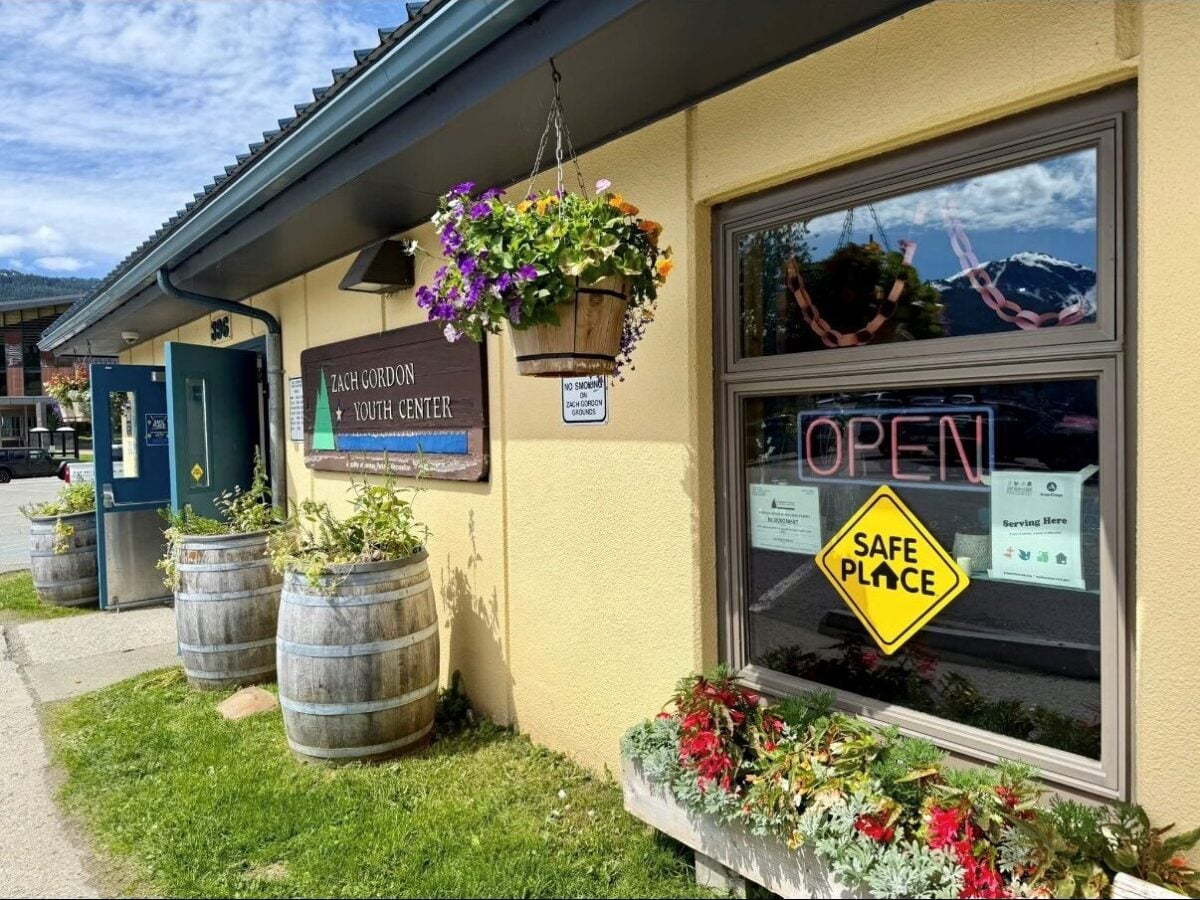
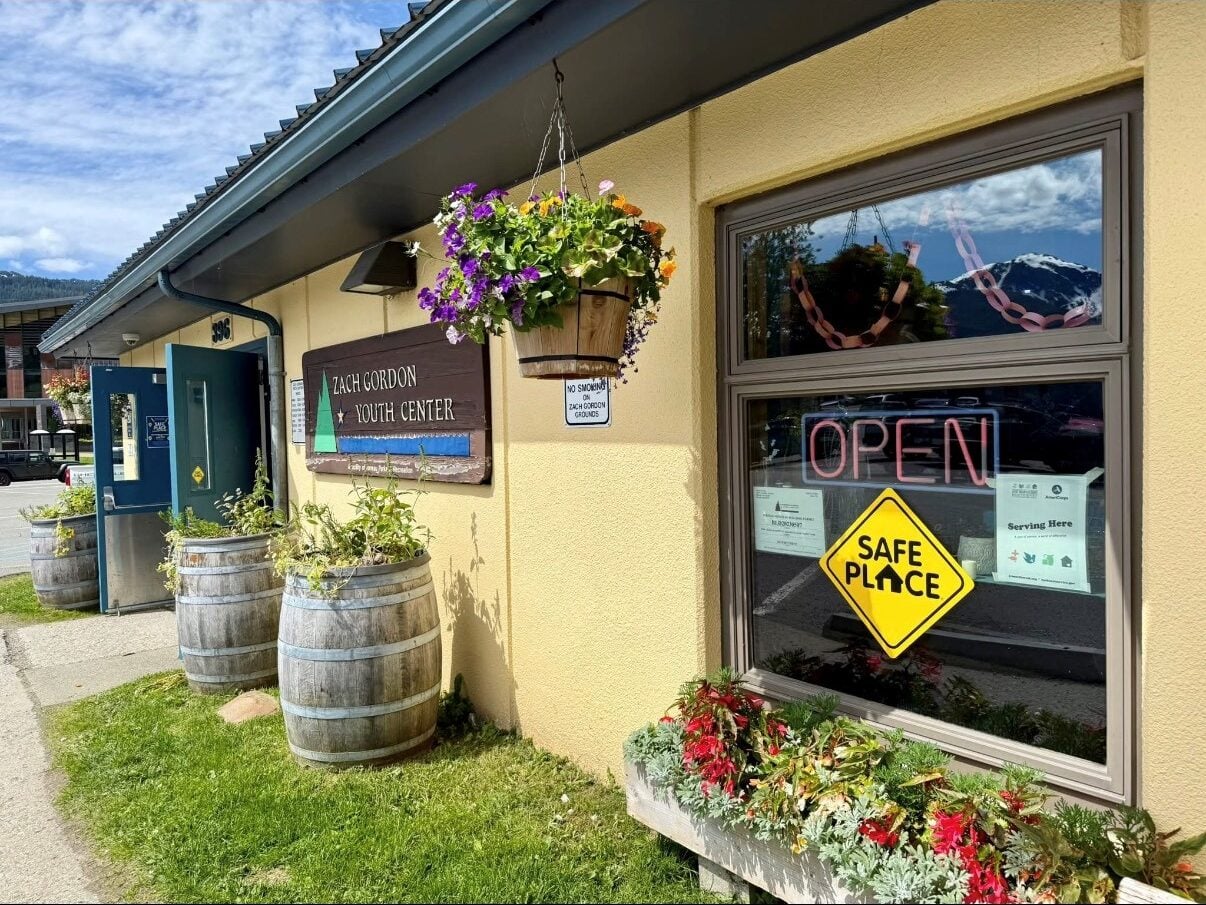
The Safe Place program provides immediate help for young people ages 10 to 17 who need safety or support. Participating businesses and organizations display a black-and-yellow Safe Place sign, letting youth know they can come inside and ask for help.
Employees will contact staff at the Shéiyi Xaat Hít Youth Shelter, who will respond within 30 minutes to provide crisis support and connect youth with needed resources.
Organizers say the program expands the safety net for vulnerable youth, including those who are homeless, have run away, or are at risk of doing so.
“Although we’ve served a record number of youth at the shelter over the last year, we know that there’s many more who need help. Safe Place is a great way for us to expand the safety net of support for youth in Juneau,” shares Hannah Jenkins, Outreach Coordinator at Shéiyi Xaat Hít.
Initial Safe Place locations include Juneau fire stations, the Juneau Police Department, the Zach Gordon Youth Center, the Southeast Alaska Food Bank, Glacier Cinemas, Kindred Post, Dimond Park Aquatic Center, and Augustus Brown swimming pool.
Youth can find a Safe Place by looking for the black and yellow signs on businesses, searching the list of current Safe Places at bit.ly/SheiyiXaatHit, or texting their location and the word “safe” to TXT-4-HELP (44357).
A community launch party was held at the Zach Gordon Youth Center on Friday.
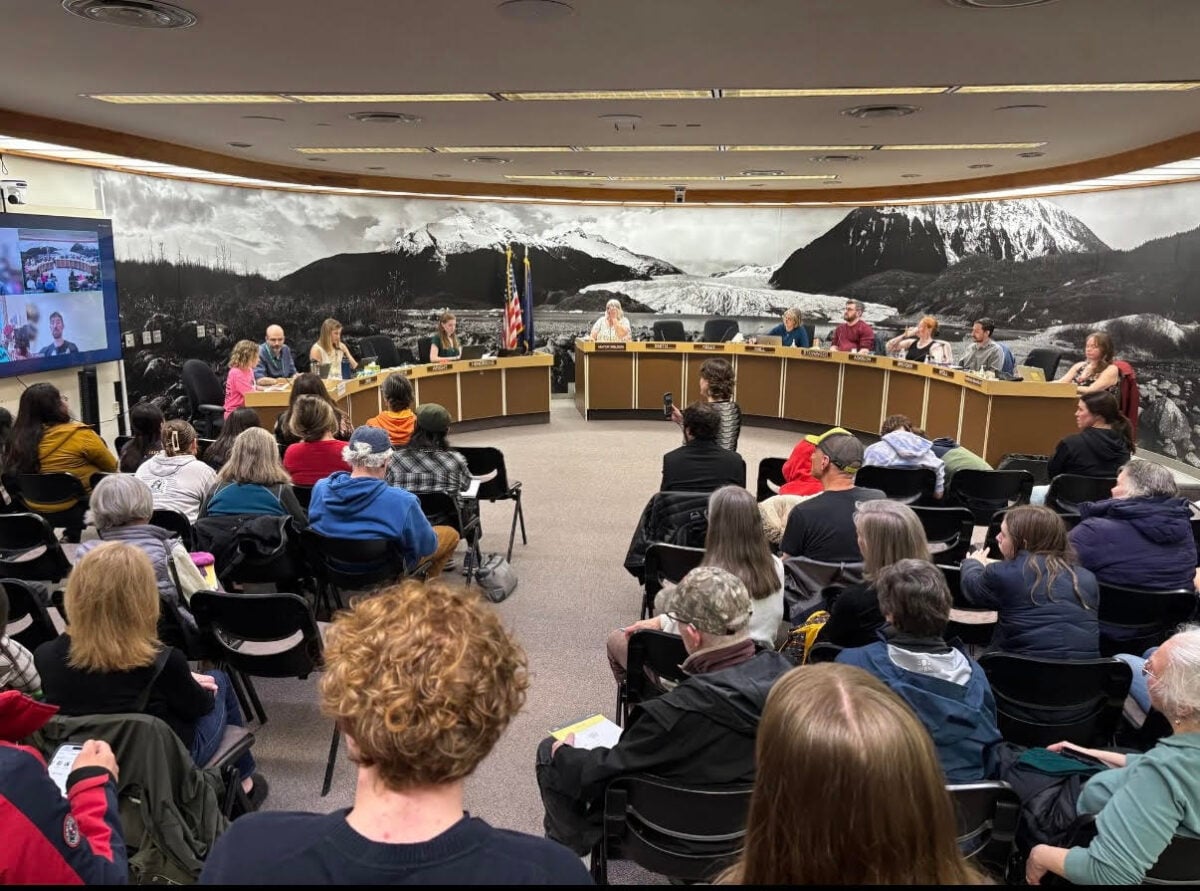
City Hall packed with Juneau residents ready to testify on the FY27 budget, courtesy of CBJ
NOTN- The Juneau Assembly held an extensive meeting last night on the FY27 budget, it was also the last opportunity for public testimony.
During the meeting, city leaders moved ahead with a strained city budget that still trims popular services, including reduced funding for the Juneau Douglas City Museum, the closure of Mount Jumbo Gym, reduced funding for Travel Juneau and Jensen Olsen Arboretum.
It does however preserve both pools, the Diamond Park Fieldhouse and the Douglas Fire station.
Early in the evening officials approved a major change to the city’s sales tax code, raising the cap on single-item purchases to $50,000.
The final version also keeps a lower effective cap in place for most vehicle purchases.
“The situation that we find ourselves in is drastic.” Said Finance Chair Christine Woll, “If we pass the budget that we have put forward tonight, we will have passed a balanced budget, but only because we have eliminated all of our savings to do so. And next year we will look at a $7 million deficit that we will have not have savings to fill.”
Woll warned that without new revenue, the city could be forced to consider closing pools, Eaglecrest Ski Area, the city museum and other services next year.
The Assembly also passed separate measures to tax more onboard cruise ship sales, end a $30 online filing credit for businesses, and advanced debate on repealing a sales tax exemption for travel agent commissions, which small tour operators say would amount to double taxation.
Public testimony earlier in the meeting again targeted the planned $9 million demolition of Telephone Hill, with residents urging the Assembly to redirect that money to schools, housing and cultural institutions instead.
“I urge the assembly to take the $9 million that has been earmarked for the demolition and site work of Telephone Hill and diverted into something that the people want and need, that money belongs to the people of Juneau, and we should get a say in how it is used.” Said Joshua Adams.
Before passage of the FY 2027 budget, residents turned out in force to defend the Juneau‑Douglas City Museum.
“At a time when indigenous land acknowledgements are being removed from public places across the country, this assembly chooses to read one at the start of every meeting. By doing so, you honor a vital part of Juneau’s history, but we must ask ourselves, are we just talking the talk, or are we willing to walk the walk? Just as families cherish their history through heirlooms and photos, our community preserves our identity through the Juneau Douglas City Museum.” Said testifier Jean Mcbride.
Residents warned that deep staff cuts would “devastate” programs, erode public trust and jeopardize thousands of volunteer hours and donated artifacts.
“We’ve all been to the City Museum, and we all love the City Museum. Why in the dickens are you cutting half of its operating budget?” One testifier, Chuck Cohen said, “It doesn’t make any sense. It’s a very small percentage of a very large budget, and we have to get rid of the main director of the museum and the person responsible for public participation, that’s public participation by our children and by ourselves. I think you folks are very short-sighted.”
An effort to fully restore museum funding failed.
“I know that it’s not a large amount. I don’t know how much of an impact it will have, but I don’t feel right asking the community to give up so much.” Said Assembly Member Nano Brooks.
Members “begrudgingly” as Woll put it, passed the roughly $545 million budget, but they still did not meet their goal to cut $2 million in costs.
“I don’t want to make this cut. I don’t, I believe everything everyone said about what the impact will be long term for the museum, even if we want to live in a world where we get to bring the City Museum back, the same thing’s going to happen with Travel Juneau and Eaglecrest, they are going to suffer for the cuts that we are, right now, planning on making to them.” Woll said, “Our fund balance right now is one bad sales tax quarter away from having no funds to deal with our expenses, let alone a major natural disaster or other disaster, and we live in an uncertain world, and that’s what our fund balance is for.”
In a separate 5-4 vote, the Assembly also rejected a to shift $360,000 in marine passenger fees away from security and restroom costs at two private cruise docks and into a seawalk expansion project.
Some members argued cruise companies already collect enough in dock fees to cover those services and said residents don’t understand why the city isn’t “getting more benefit from the industry”
The Assembly moved ahead with a lower property tax rate, the long-term capital improvement plan, and several flood and wastewater projects backed by state revolving fund loans.
“This ordinance sets the mill rate at 9.29” Said City Manager Katie Koester.
With flood season approaching, officials are inviting residents to a public flood preparedness open house tonight, as they weigh costly long‑term protections for riverfront neighborhoods.
Representatives from the U.S. Army Corps of Engineers, the City and Borough of Juneau, the National Weather Service and the Central Council of the Tlingit & Haida Indian Tribes of Alaska will meet with residents at 6 p.m. at Thunder Mountain Middle School to discuss risks and answer questions.
Officials said they are moving ahead on a “midterm solution” while reinforcing existing defenses this year, but warned that conditions and plans continue to shift.
The city expects annual maintenance for temporary Hesco barriers could run $6 million to $12 million, a cost that could drop if sheet piling is installed as a stronger, permanent river reinforcement.
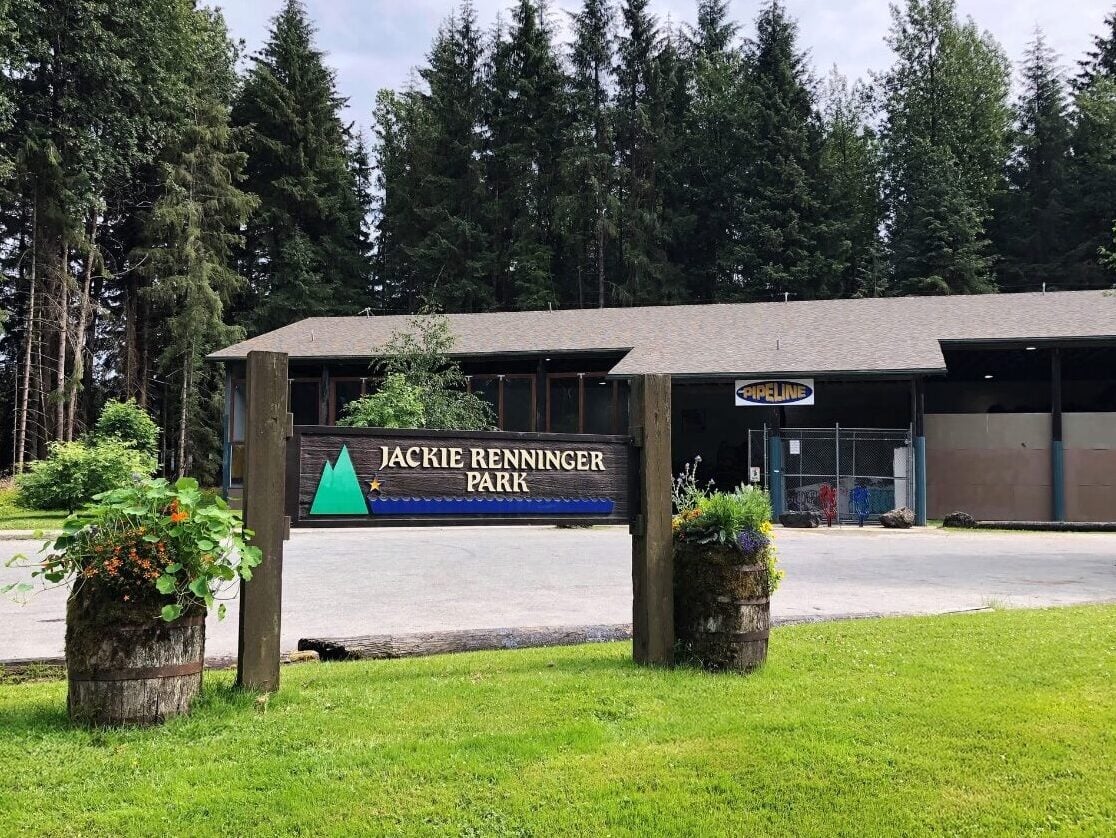
NOTN- City officials unveiled plans for the Jackie Renninger Park and invited the public to a Park Day over the weekend to review the design and give feedback.
Parks and Recreation Director Mark and Chris of Corvus Design say the plan fits many features into about five acres: eight pickleball courts, a covered street‑style skate park to replace an aging pipeline structure, the city’s first covered playground, a dog park, restrooms, a community gathering space for food carts and events, a loop fitness trail, a small multi‑use court, and disc golf.
“We’ve actually been working on the park design for about three years, starting off with a master planning effort and a pretty robust public involvement process. It’s a lot going into a five-acre park.” Said Chris.
Saturday’s open house, community barbecue and comment period aimed to explain the importance of recreation opportunities in what Mark called an underserved area of Juneau.
“It’s really big for quality of life for all of us here in Juneau to have those recreation spaces, those park spaces, but it’s also great for property values.” Mark said, “Getting people active and involved is better for health and better for the economy in lots of ways. When we look at the whole of Juneau, it’s pretty underserved in terms of parks, so we really want to spread parks all around our community.”
Pro skaters Kanten Russell and Brandon Turner also attended, leading an open skate and skate competition.
Chris and Mark say skilled concrete work and securing funding are the biggest challenges ahead.
NOTN- The city is weighing two proposed bonds and finalizing a budget that city leaders say will draw down nearly all available savings as they prepare for a difficult fiscal year.
Christine Woll, chair of the finance committee, said that the assembly has discussed placing two questions on the October ballot: a just under $10 million bond to bolster water and wastewater infrastructure and about a $16 million bond to fund roof and heating system repairs at several schools.
“We have, as a community, not been keeping up with with the long-term maintenance needs of our water and wastewater infrastructure, and so this would give that fund a bit of a boost so we can do some projects there, and ideally keep rates for utilities lower as a result.” Woll said, “Then the second bond we’re looking at would help make some needed repairs to some of our school infrastructure.”
The assembly has a short period of time to decide whether to present the measures to voters.
“We have about a month to finalize whether we’re going to put that on the ballot.” Woll said.
The final vote on the fiscal 2027 budget, which begins July 1, is scheduled for Monday night, which will also be the final opportunity for public testimony.
The draft budget already includes significant cuts and is expected to draw substantial community participation.
“The draft budget that we put together for this year does have some significant cuts, but it draws pretty much all of the money left in the city savings out to fund the next year.” Woll said, “So if things continue the way they are, we will be back here in about a year talking about even more cuts. Monday is a big milestone for getting this year’s budget done, but this conversation is going to have to continue if we want to balance the budget moving forward.”
The assembly’s decision will determine whether voters will be asked to fund the proposed bonds in October, and the outcome of Monday’s meeting will finalize next year’s fiscal path.
NOTN- Juneau’s got a busy few weeks ahead as the city prepares for the arrival of the 2026 Canoe Journey and continues discussions on the Fiscal Year 2027 budget.
The Central Council of the Tlingit and Haida will welcome canoes ashore Tuesday, June 2, during the 2026 Canoe Journey Landing in Juneau ahead of Celebration.
Community members, families and visitors are invited to gather for the event.
One landing is scheduled for 1 p.m. at the Áak’w Kwáan Landing at the Auke Village Recreation Area. Parking at Auke Rec is limited, and shuttle service will run from the University of Alaska Southeast between 11 a.m. and 3 p.m.
A second landing is planned for 2 p.m. at the Huna Totem Corp. lot at Egan Drive and Whittier Street downtown.
Celebration begins June 3-6, held by Sealaska Heritage Institute, the theme this year is “Enduring Strength.”
Several city meetings are also scheduled Wednesday, June 3.
The Juneau Commission on Sustainability will hold a regular meeting at noon via Zoom. The Eaglecrest Board Sales and Communications Committee also meets at noon by Zoom.
Later in the day, The Assembly Finance Committee will meet at 5:30 p.m. in Assembly Chambers, with participation also available through Zoom and YouTube livestream, this is ahead of the June 8 Assembly meeting, which city officials say is the final opportunity for public input on the proposed Fiscal Year 2027 budget before adoption.
On May 20, the Assembly Finance Committee adopted nearly $4.7 million in proposed reductions to the budget. The reductions included cuts to partner agency grants, capital projects, city services and the restricted budget reserve.
The Assembly also introduced four ordinances May 27 that would amend the city’s Sales Tax code and generate additional tax revenue.
Those ordinances will also be discussed during the June 8 meeting.
The Assembly must adopt a final budget by June 15.
CBJ- The City and Borough of Juneau Assembly is nearing the end of the Fiscal Year 2027 budgeting process. Below is an update on the budget actions that took place last week, as well as the next steps required before the Assembly’s June 15 deadline to finalize the budget.
The Assembly reviewed, discussed and took action on 21 proposed expenditure reductions to get to a final budget for FY2027.
The nearly $4.7M in reductions includes a combination of one-time and recurring reductions to partner agency grants, capital projects and CBJ services and programming, including:
$770,000 in cuts to Partner Agency Grants
Reductions to Travel Juneau, Juneau Economic Development Council, the Alaska Committee and Alaska Heat Smart
$1M in cuts to Capital Projects
The Gastineau Avenue Widening & Turnaround project
$507,1000 in cuts to CBJ Services, Operations and Programming
Operational reductions to the City Museum, Parks & Recreation’s Landscaping division and Arboretum, and Administration.
$2.7M in cuts to the Restricted Budget Reserve
$247,000 added as a one-time subsidy to Gastineau Human Services through Bartlett Regional Hospital
These reductions are not final. They were included in the amended FY2027 budget and moved to the June 8 Assembly Meeting. The public can provide testimony at the June 8 meeting before the Assembly adopts the final budget.
The Assembly Finance Committee also took action on the following:
An ordinance establishing the Mill Levy (9.92 mills including debt service) for property taxes was moved to the June 8 Assembly Meeting for public hearing and adoption.
CBJ’s independent auditors will provide the FY25 Audit Presentation, including their findings and recommendations. The Assembly will also discuss the proposed sales tax ordinances and general obligation bonds on schools and utilities. There will be an update on the Cost Allocation Plan.
The Assembly will host its final public hearing on the FY 2027 budget. To testify, participants can come to the Assembly Chambers and sign-up. For remote participation, testifiers will need to call the Clerk’s Office at 907-586-5278 by 4 p.m. on the day of the meeting and indicate the topic they will speak on.
The Assembly will make any needed amendments and adopt a CBJ Budget Ordinance, Mill Levy Ordinance and Capital Improvement Project Resolution (as amended).