Categories
Featured Juneau News Juneau Local Ketchikan Local News Feeds Sitka Local

New federal law reshapes Medicaid rules, opens fund for rural health

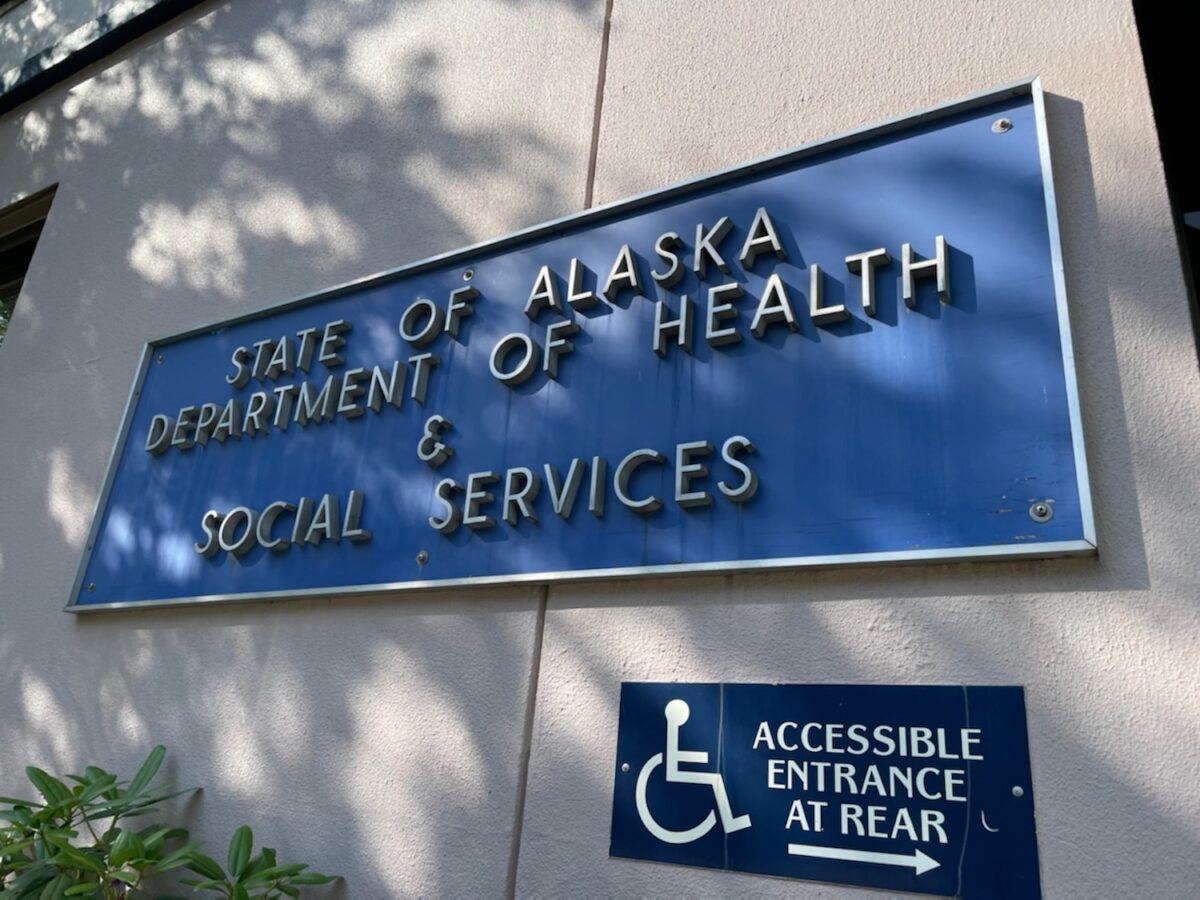
 The offices of the Alaska Department of Health and Social Services are seen in Juneau on Friday, July 1, 2022. (Photo by Lisa Phu/Alaska Beacon)

A new federal law signed by President Donald Trump on July 4, 2025, enacts wide-ranging changes to public policy, including major revisions to Medicaid, the Supplemental Nutrition Assistance Program (SNAP), and federal tax laws.

According to officials, Alaska’s Medicaid funding is more stable than other states because Alaska is not subject to some of the structural changes affecting others.

Medicaid is a joint federal and state public health insurance program for people with low incomes, including children, pregnant women, older adults, and individuals with disabilities. 1 in 3 Alaskans are enrolled in Medicaid. While not all enrollees use services every year, about 40% received care in FY25. Most Medicaid enrollees in Alaska are children or adults under the age of 65.

According to current information, the State cannot reliably say how many Alaskans will be affected.

According to the Department of Health, The One Big Beautiful Bill (the bill) establishes new community engagement requirements and requires states to check Medicaid eligibility twice a year for some Medicaid enrollees.

The requirements primarily apply to the Medicaid expansion population – able bodied adults ages 19 to 65 who qualify for Medicaid based on their income.

Many Alaskans will be exempted from the new requirements, making the full impact of the changes complicated to project, they say further analysis is underway.

The bill requires that most able-bodied adults ages 19–64 enrolled through Medicaid expansion must complete 80 hours per month of work or other qualifying activities to qualify for Medicaid coverage. These activities include job training, education, or volunteer service. Individuals must show they met the requirements at least one month before applying and must meet the same requirements when they renew. 

Advocates say individuals who use these programs already work, or are unable to do so, and adding qualifying work requirement paperwork could make it more difficult for recipients to apply.

According to the Department of Health, The bill includes mandatory exemptions for individuals who are:

  • Meet SNAP or TANF work requirements
  • Pregnant or within the postpartum coverage period
  • Alaska Native or American Indian 
  • Have a significant physical, intellectual, or developmental disability 
  • Are blind or disabled
  • Have a substance use disorder or disabling mental health condition
  • Have a serious or complex medical condition 
  • Veterans with a total disability rating
  • Enrolled in Medicare
  • A parents or caregiver for a child under 14 or someone with a disability
  • Recently incarcerated (within 90 days)
  • Under age 26 and formerly in foster care

The Department of Health also notes the creation of the Rural Health Transformation Fund, a $50 billion initiative aimed at improving health care in rural communities across the country.

Funds may be used for a wide variety of activities to improve rural health care, including technology modernization, workforce development, innovative care models, and prevention measures for chronic disease and substance use disorder. 

Officials say the state is “well-positioned” to secure a strong share of those dollars, helping improve access to health care and supporting long-term improvements to health outcomes in underserved areas.

Categories
Featured Juneau News Juneau Local Ketchikan Local News Feeds Sitka Local

Public invited to information session on Mendenhall Valley glacial outburst study

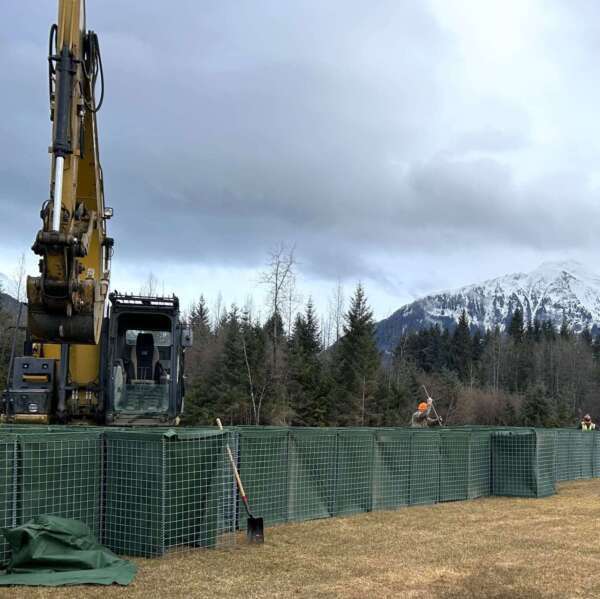
Photo provided by CBJ following the installation of the HESCO barrier project

Representatives from the U.S. Army Corps of Engineers (USACE) Alaska District and the City and Borough of Juneau (CBJ) will host a public information session on Wednesday, July 30, to share updates on a technical study focused on long-term flood mitigation in the Mendenhall Valley.

The session will take place from 6 to 8 p.m. at Thunder Mountain Middle School in Juneau. The event is open to the public and intended for anyone interested in learning more about ongoing efforts to address the risk of glacial lake outburst flooding from the Mendenhall Glacier.

The evening will include a brief presentation by USACE’s Civil Works Branch, which is leading the technical study, followed by a public question-and-answer session. The Corps’ Emergency Management Program will not be in attendance.

Representatives from CBJ, Tlingit & Haida, the National Weather Service, the American Red Cross, and the University of Alaska Southeast will also be on hand to provide technical information and resources related to flood preparedness.

The $4.75 million study is fully funded by the federal government and aims to evaluate long-term options for reducing flood risks in the Mendenhall Valley.

The Mendenhall Valley is one of the city’s most densely populated residential areas, current water levels as of July 21 are sitting at 1,290 feet. That’s 81 feet below the basin’s overflow point, which experts expect to reach by mid-August if the current pace continues.

Water levels tend to rise more quickly during warm weather and rain events, and the USGS warns that large iceberg movement may cause data spikes.

Categories
Featured Juneau News Juneau Local Ketchikan Local News Feeds Sitka Local

Health care takes big toll on cost of living in Alaska’s cities, report shows

By: Yereth Rosen, Alaska Beacon

Alaska’s three biggest cities have the highest health care costs among the nation’s urban areas, with costs that are about 50% higher than the U.S. urban average, a state analysis shows.

The findings, part of a broader analysis of Alaska’s cost of living that was released by the Alaska Department of Labor and Workforce Development, are the latest in a series of reports detailing Alaska’s extraordinarily high medical costs.

“It was not surprising at all,” said Sam Tappen, the state economist who did the analysis. His findings are in an article in the current issue of Alaska Economic Trends, the monthly magazine of the department’s research section.

Similar analysis has shown that Anchorage, Juneau and Fairbanks have held the top three spots for urban health costs in each of the past 15 years, he said.

Using available data, Tappen found that Fairbanks had health costs that were 51.5% higher in 2024 than the average among 254 U.S. cities and metro areas. Juneau was in second at 50.9% and Anchorage third at 47.5% above the urban average.

Medical costs in urban Alaska also rose more than the costs in almost all other sectors, Tappen’s analysis found. Medical costs increased by 7.8% in 2023, compared with an overall inflation rate in Alaska that was under 2% that year and just slightly above 2% in 2024, the analysis found.

Compared to the U.S. average, urban Alaskans also devote a higher percentage of their annual household spending to medical care – 12% in 2023, compared to a national average of 8%, the report said.

The findings, which did not extend to health costs in rural areas of the state, are consistent with past reports on medical costs in Alaska.

In 2016, for example, a consultant’s report prepared for insurer Premera Blue Cross found that payments to Alaska providers were 76% higher than the national average and that operating costs for hospitals outside of Anchorage were more than twice the national average.

Reports by the Institute of Social and Economic Research at the University of Alaska Anchorage have also documented steep increases in Alaska health care costs. One ISER report, issued in 2018, found that annual health care spending in Alaska increased from $1.5 billion in 1991 to $8.2 billion in 2014. A 2023 report by ISER, ranked Alaska second in per-capita health care spending, behind the District of Columbia, and said Alaska’s total health care spending had risen to $9.7 billion by 2019.

Beyond medical costs, Tappen’s analysis showed that Fairbanks had the highest utility costs among the 254 cities and urban areas in the analysis. Utility costs in Fairbanks in 2024 were more than twice the U.S. urban average, the analysis said.

The three Alaska cities also had among the highest U.S. urban grocery costs, with Juneau ranking second, Fairbanks third and Anchorage fourth. Honolulu had the highest average grocery costs of the 254 cities in the analysis.

Overall, the Alaska cities’ cost of living, though 21.5% to 27.2% higher than the national urban average, was not extraordinary in 2024, Tappen’s analysis found.

That is because housing costs in Alaska that once were among the nation’s highest have now been far surpassed by those in several cities elsewhere. “The U.S. housing market has just been a lot hotter than Alaska’s, and so they’re getting more expensive faster than us,” Tappen said.