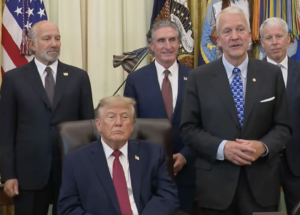
A new federal law signed by President Donald Trump on July 4, 2025, enacts wide-ranging changes to public policy, including major revisions to Medicaid, the Supplemental Nutrition Assistance Program (SNAP), and federal tax laws.
According to officials, Alaska’s Medicaid funding is more stable than other states because Alaska is not subject to some of the structural changes affecting others.
Medicaid is a joint federal and state public health insurance program for people with low incomes, including children, pregnant women, older adults, and individuals with disabilities. 1 in 3 Alaskans are enrolled in Medicaid. While not all enrollees use services every year, about 40% received care in FY25. Most Medicaid enrollees in Alaska are children or adults under the age of 65.
According to current information, the State cannot reliably say how many Alaskans will be affected.
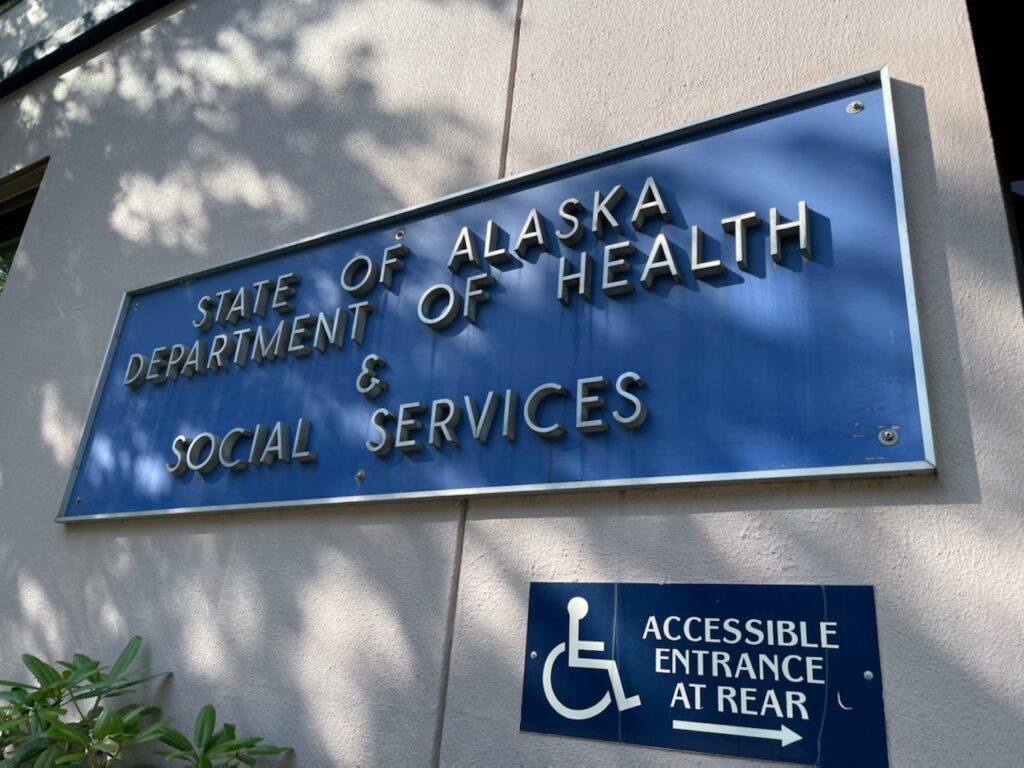
According to the Department of Health, The One Big Beautiful Bill (the bill) establishes new community engagement requirements and requires states to check Medicaid eligibility twice a year for some Medicaid enrollees.
The requirements primarily apply to the Medicaid expansion population – able bodied adults ages 19 to 65 who qualify for Medicaid based on their income.
Many Alaskans will be exempted from the new requirements, making the full impact of the changes complicated to project, they say further analysis is underway.
The bill requires that most able-bodied adults ages 19–64 enrolled through Medicaid expansion must complete 80 hours per month of work or other qualifying activities to qualify for Medicaid coverage. These activities include job training, education, or volunteer service. Individuals must show they met the requirements at least one month before applying and must meet the same requirements when they renew.
Advocates say individuals who use these programs already work, or are unable to do so, and adding qualifying work requirement paperwork could make it more difficult for recipients to apply.
According to the Department of Health, The bill includes mandatory exemptions for individuals who are:
- Meet SNAP or TANF work requirements
- Pregnant or within the postpartum coverage period
- Alaska Native or American Indian
- Have a significant physical, intellectual, or developmental disability
- Are blind or disabled
- Have a substance use disorder or disabling mental health condition
- Have a serious or complex medical condition
- Veterans with a total disability rating
- Enrolled in Medicare
- A parents or caregiver for a child under 14 or someone with a disability
- Recently incarcerated (within 90 days)
- Under age 26 and formerly in foster care
The Department of Health also notes the creation of the Rural Health Transformation Fund, a $50 billion initiative aimed at improving health care in rural communities across the country.
Funds may be used for a wide variety of activities to improve rural health care, including technology modernization, workforce development, innovative care models, and prevention measures for chronic disease and substance use disorder.
Officials say the state is “well-positioned” to secure a strong share of those dollars, helping improve access to health care and supporting long-term improvements to health outcomes in underserved areas.