"I voted" stickers are seen on display in the headquarters offices of the Alaska Division of Elections in Juneau on Tuesday, Nov. 12, 2024. (Photo by James Brooks/Alaska Beacon)
“I voted” stickers are seen on display in the headquarters offices of the Alaska Division of Elections in Juneau on Tuesday, Nov. 12, 2024. (Photo by James Brooks/Alaska Beacon)
NOTN- Alaska lawmakers considered a wide-ranging elections bill today that supporters say would expand voter access and strengthening election security.
The House Finance Committee scheduled hearings on Monday as well as this morning on Senate Bill 64, a measure covering a broad range of election policies, including voter registration, campaign rules and election administration.
The bill would create a ballot curing process which would allow absentee voters to fix mistakes like missing signatures.
According to testimony submitted to lawmakers, more than 1,300 ballots were rejected in 2024, many due to correctable issues like improper witness signatures.
The proposed bill would also require the state to create an online ballot-tracking system so voters can see when their ballot is sent, received and counted. The bill includes prepaid postage for absentee ballots to improve access for voters, especially for voters in rural communities.
The bill also calls for a rural community liaison within the Division of Elections to work with tribes and municipalities to improve early and absentee voting access in remote areas.
Supporters, including the League of Women Voters of Alaska, Alaska Voter Hub and the Alaska Federation of Natives say the reforms are necessary because of Alaska’s geography and the challenges rural voters face with mail service, staffing shortages and limited polling locations.
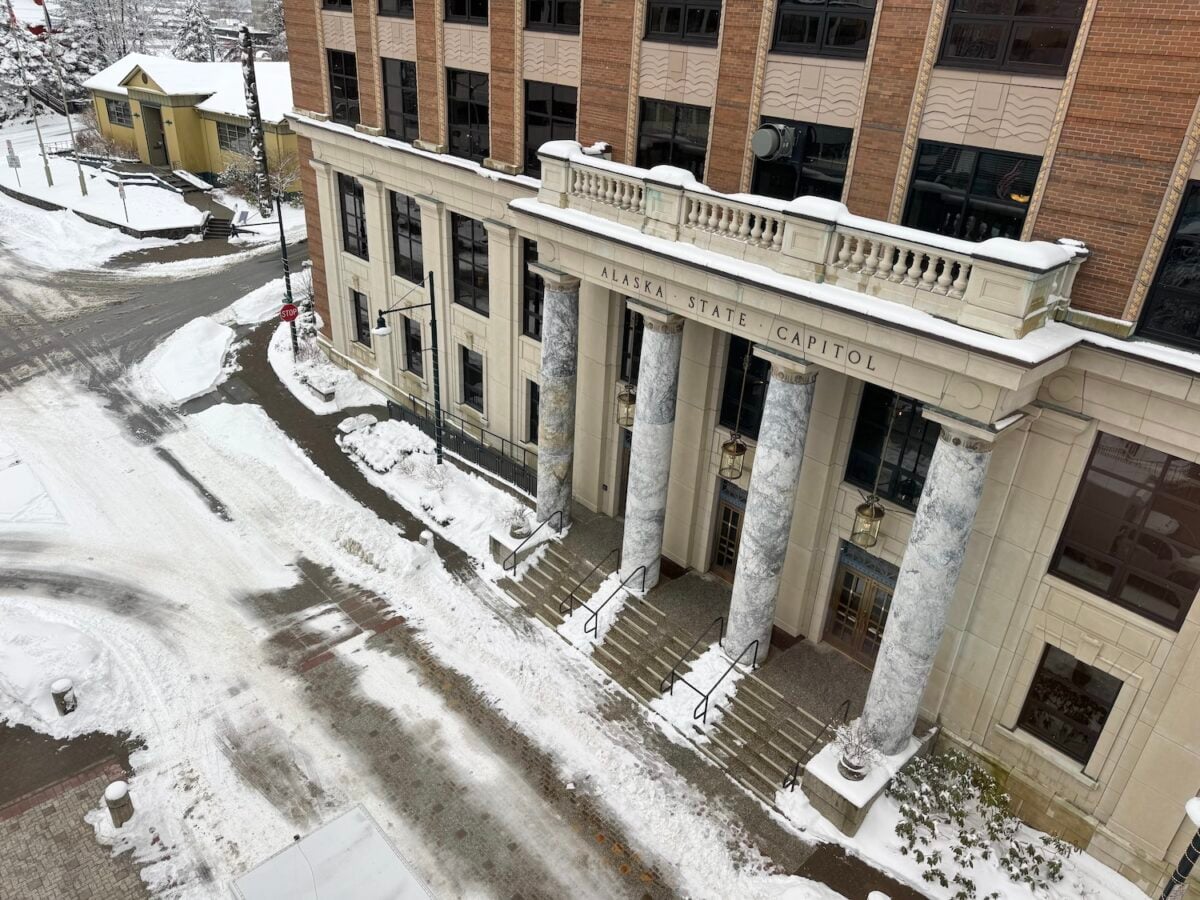
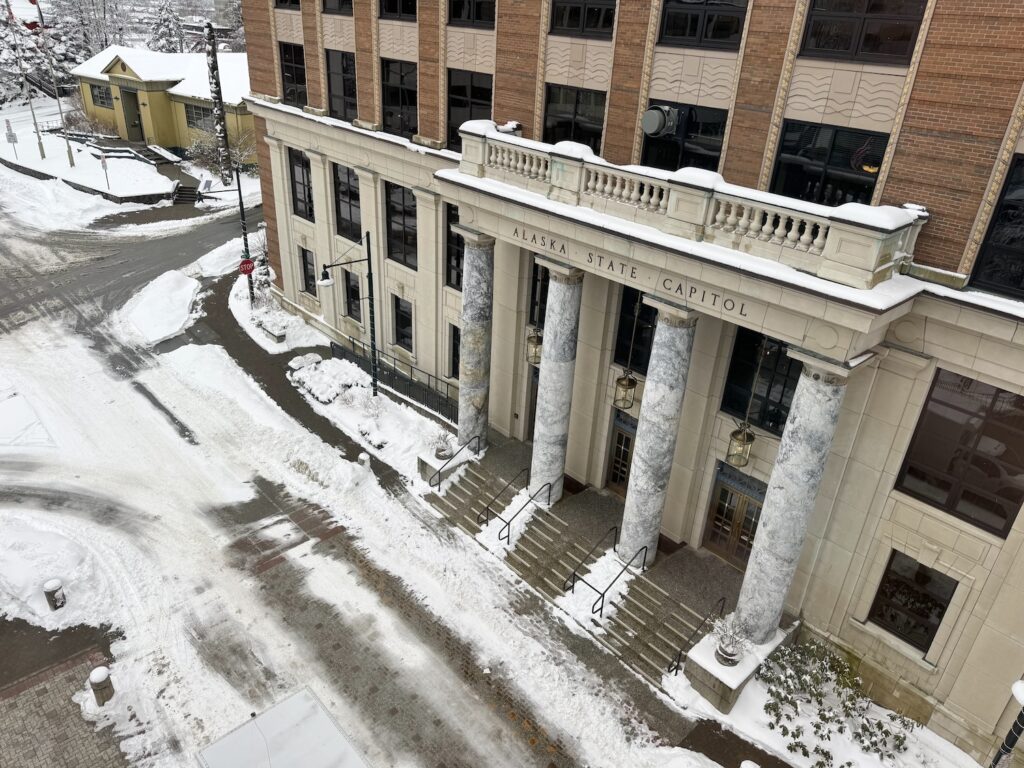
The Alaska State Capitol is seen on Monday, March 9, 2026. (James Brooks photo/Alaska Beacon)
By: James Brooks, Alaska Beacon
The Alaska State Capitol is seen on Monday, March 9, 2026. (James Brooks photo/Alaska Beacon)
The Alaska Senate voted unanimously Wednesday to spend more than $300 million from savings and reverse some of Gov. Mike Dunleavy’s most recent budget vetoes.
In a pair of 20-0 votes, the Senate approved a bill that would spend $373.5 million from the Constitutional Budget Reserve to pay for a variety of expenses and fill a deficit in the current budget year.
“This is money to fund the budget that was passed last year for things that the governor already spent on,” said Sen. Bill Wielechowski, D-Anchorage.
The bill now goes to the House, which failed last month to approve the needed spending from the budget reserve.
Among the expenses in the new supplemental budget bill is $70.2 million needed to unlock federal transportation grants. Dunleavy vetoed that funding last year amid a dispute with the Legislature about the proper source of the money.
Also in the bill is $98.7 million for the state’s wildfire response fund and up to $75 million for the disaster relief fund. That latter figure is dependent upon negotiations with the federal government about who will pay for the response after ex-Typhoon Halong devastated southwest Alaska last year.
The largest single item in the bill is $129.6 million needed to refill the state’s higher education investment fund, which was used to cover expenses due to a separate veto-involved dispute between the Legislature and governor.
That fund covers scholarships paid to Alaska high school students who meet academic standards and attend in-state schools.
The Senate-passed bill is significantly smaller than a $531 million version that had been previously considered. It shrank at the urging of the Senate’s six-person, all-Republican minority caucus.
It takes three-quarters of the House and three-quarters of the Senate — 30 Representatives and 15 senators, respectively — to spend from the budget reserve.
That’s a high hurdle, particularly because the Senate’s bipartisan majority caucus has just 14 members and the House’s multipartisan majority has just 21 members.
In both cases, compromises with the all-Republican House and Senate majorities are needed to spend from the reserve.
On Monday, the Senate pulled the supplemental budget bill from its schedule with no advance notice. Sen. Lyman Hoffman, D-Bethel, said at the time that the Senate Majority had unexpectedly lost a minority vote it needed to spend from the reserve.
That spurred hours of closed-doors negotiations between the Senate minority and members of the majority.
Since the United States and Israel started bombing Iran on Feb. 28, the price of oil — and, in turn, Alaska’s potential oil revenue — has risen, giving legislators another way to erase a looming deficit.
“We went over and talked with (the Senate Finance Committee) co-chairs and just said, ‘Hey, obviously, the price of oil is changing,’” said Senate Minority Leader Mike Cronk, R-Tok.
At the minority’s urging, the co-chairs removed almost $150 million from the bill — extra spending for state prisons, money for Medicaid, and millions in backup “headroom” for unforeseen expenses, among other items.
Cronk said the items removed during the compromise discussions could come back later, in the state’s regular budget bill, and the goal was to create “a real supplemental fast track” bill.
According to figures provided by staff for Hoffman, if Alaska North Slope oil prices average roughly $75 per barrel between now and June 30, the end of the state’s fiscal year, the state will earn enough oil revenue to pay for the removed items without spending from savings.
Since the start of the legislative session, construction companies have been lobbying for quick passage of a supplemental budget bill because they fear losing hundreds of millions of dollars’ worth of federally funded construction projects scheduled to take place as soon as this summer.
The Alaska Department of Transportation and Public Facilities has disputed the need for early funding, and on Wednesday, Sen. George Rauscher, R-Sutton, attempted to strike that item from the supplemental budget.
He withdrew his proposed amendment after encountering opposition, saying he was satisfied with the smaller bill on the floor.
“We’ve come down a long way from $500 million,” he said.
After the Senate voted on Wednesday morning, members of the House majority attempted to call a vote to confirm the Senate’s changes.
Members of the House minority objected, and the vote is now scheduled later, at 2:30 p.m. Thursday.
House Minority Leader DeLena Johnson, R-Palmer, said members of the minority wanted to wait until Friday, when a new state revenue forecast is expected.
“We’re talking about a $300 million draw. We may not need to take that full amount out of savings when we have money coming in,” she said, referring to the way the price of oil has surged during the Iran war.
Asked whether the new, lower draw from the reserve is more acceptable to members of the minority, Johnson said she wasn’t sure yet.
“There’s probably a number that’s better than others, but I mean, as low as possible is our number,” she said.
Wooden gavel with books in background. Law and justice concept
By: James Brooks, Alaska Beacon
Wooden gavel with books in background.
The state of Alaska filed civil lawsuits Tuesday against six crowdfunding websites, accusing them of illegally soliciting donations for thousands of Alaska charities without consent.
In complaints filed at Anchorage Superior Court, the consumer protection unit of the Alaska Department of Law said GoFundMe, PayPal, Charity Navigator, Pledgling Technologies, JustGiving and Network For Good each violated the Alaska Charitable Solicitations Act thousands of times.
That act, in place since 1993, requires state registration for anyone who seeks donations on behalf of a charity.
The suits ask a judge to order the sites shut down the pages devoted to Alaska nonprofits and immediately disburse any donations to those nonprofits. It also asks for “separate civil penalties … of not less than $1,000 and not more than $25,000 per violation.”
According to the complaints, the six crowdfunding sites scraped IRS data to obtain the information of thousands of Alaska nonprofits, then set up donation pages for each of those nonprofits without their consent.
That scraping was part of a nationwide campaign that encompassed almost a million and a half federally registered organizations.
In some cases, the sites charged fees or encouraged “tips” to themselves during the donation process. In many cases, they poured donations into a third-party account and only released donations to charities who stepped forward to claim them, according to the complaints.
Attorney General-designee Stephen Cox said the state became aware of the issue after California reporters and state officials began investigating why GoFundMe created donation pages for 1.4 million nonprofits without their consent or knowledge.
GoFundMe later took down many of those pages, but other crowdfunding websites did not. On Tuesday morning, donation pages were still visible on Charity Navigator, one of the defendants named in the new Alaska lawsuits.
Earlier this week, almost two dozen state attorney generals sent a letter to GoFundMe, demanding answers to questions about its policies.
Alaska did not sign that letter, in part because officials here believed the response was too weak.
In a prepared statement, Cox said, “Alaska law is clear: if you’re going to raise money in a charity’s name, you must first get the charity’s consent. These lawsuits are about protecting donors, protecting nonprofits, and preserving the public trust that makes charitable giving possible.”
Laurie Wolf is President and CEO of the Foraker Group, which advises Alaska nonprofits and provides them with administrative support.
By phone on Tuesday, Wolf said the issue is a matter of consent: “They are impersonating 1.2 million nonprofits across this country, they’re impersonating them without their consent or even their knowledge.”
She said the issue became particularly important last fall, when people across the United States and the world became aware of the devastation caused by ex-Typhoon Halong in Western Alaska.
Many people, not knowing local Alaska charities, simply donated via links they found on internet searches. Some of those donations may have never reached their intended recipients.
If a crowdfunding website operates independently of the charity it intends to benefit, it might interfere with the charity’s own fundraising, she explained.
Someone might never be recognized for their gift and become angry, hurting the charity’s long-term relationship with their community.
“They take away the ability for the organization to make choices for itself about how it wants to build trust and relationships with its donors, and how it wants to put its brand and its mission out in the public sphere. They’ve taken away all of our choices about that,” she said.
In addition, donations may be subject to fees or never reach a charity at all, particularly if the charity is unaware that a crowdfunding website is holding money for it to collect.
The Foraker Group went so far as to conduct an experiment and had an employee donate to the group through several of the defendants’ platforms. In multiple cases, it took weeks before the donation reached its intended recipient, and in some cases, the donor’s identity was concealed, making it impossible for the charity to properly thank them.
GoFundMe was the only defendant to respond to emailed inquiries before the Beacon’s reporting deadline on Tuesday.
“GoFundMe’s mission is to help people help each other by making it easier for donors to discover and support the causes they care about. We are committed to helping nonprofits reach new supporters by connecting them with the millions of people on our platform who want to make a difference. Nonprofit Pages were created using publicly available information to help people support nonprofit organizations, with donations going to the intended nonprofit,” said Jeff Platt, communications manager for GoFundMe.
“After hearing feedback from nonprofit leaders in October, we acted quickly to make Nonprofit Pages fully opt-in, removed and de-indexed unclaimed pages, and turned off search engine optimization by default. The immediate changes we made directly addressed the concerns of the nonprofit community, and reflect our continued commitment to transparency, accountability, and partnership with the nonprofit sector,” he said.
That bill passed the Alaska Legislature amid a surge of concern about telemarketers soliciting donations by phone.
Then-Rep. Ron Larson, a Democrat from the Matanuska-Susitna Borough, sponsored the act and told fellow lawmakers at the time that “lookalike organizations” were “ripping off” legitimate charities.
“Alaskans are generous people. But generosity depends on trust,” Cox said in his prepared statements. “GoFundMe and similar platforms used nonprofits’ good names to solicit donations without coordinating with the organizations actually doing the charitable work. That means some Alaskans may have donated thinking they were supporting a specific charity, when the charity never authorized the page and may never have received the donation — or may have received less than donors intended because of fees.”
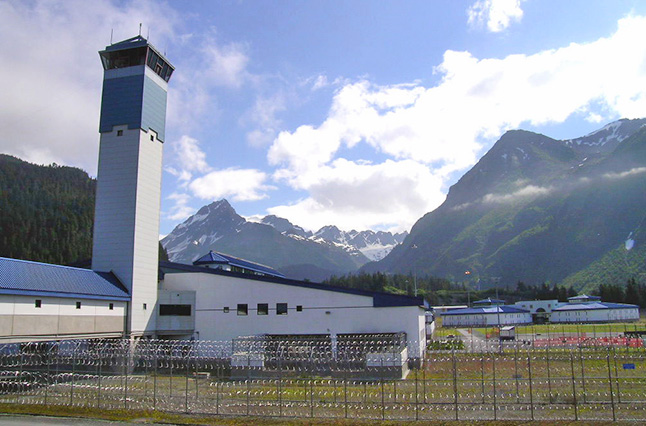
Spring Creek Correctional Center is seen in an undated photo. (Photo courtesy of Alaska Department of Corrections)
The Dunleavy administration has proposed a $523 million budget for the Alaska Department of Corrections for the next fiscal year, which House lawmakers with a finance subcommittee advanced without substantial changes last week.
It’s the largest corrections budget proposal to date, according to state data. It includes just over $514 million requested in state funding, $475.5 million of which is unrestricted general funds for the agency’s 13 state prisons and jails and estimated 2,127 employees. DOC officials expect an additional $9.3 million in federal funding for inmates held on federal charges.
The Department of Corrections has become one of the state’s most expensive departments in recent years. This year the Department of Health, which has requested $1.1 billion in unrestricted general funds, and the Department of Education and Early Development, which has requested $1.4 billion, would spend more. The Permanent Fund dividend could also be a bigger expense — if the state pays out a $1,000 dividend like last year, it would cost the state $660 million.
While the number of people in Alaska’s prisons and jails has remained relatively consistent, costs are soaring. Last year, DOC officials reported that state corrections booked nearly 26,000 people and just over 16,000 unique individuals, so roughly 9,000 people were repeat offenders. DOC also held nearly 450 people in involuntary commitments, which is for those who are deemed a danger to themself or others, or gravely disabled as a result of mental illness. The state cost for incarcerating an individual is an average of $223 per day.
Initially, corrections officials submitted a $500 million budget request, but later added an additional request for $20 million for staffing and inmate transportation, and $3.3 million for healthcare and medical staffing.
The proposed budget breaks down to roughly 60% for state prison institutions, lawmakers heard on Feb. 24. Roughly 20% is for health and rehabilitation, 10% for pretrial, probation and parole, 4% for administration, 3% for maintenance and operations and just 0.4% to administer the Board of Parole.
Costs to staffing Alaska’s prisons have ballooned in recent years, along with healthcare costs for an aging inmate population and increasing health needs, DOC officials told members of a House finance subcommittee for corrections.
“Staffing being the first, and then the second being our medical costs,” Jen Winkelman, corrections commissioner, told lawmakers. “The fees for medical in Alaska is through the roof, and every single individual that’s coming to us — that we don’t know we’re going to be getting — have significant medical issues.”
DOC has a 11.5% staff vacancy rate statewide, according to a spokesperson in February. DOC officials told lawmakers that recruitment and retention is an ongoing challenge, especially because prisons must be staffed 24/7.
DOC reports staffing and decade of ‘policy changes’ as major cost drivers
April Wilkerson, deputy commissioner for the department, told lawmakers in a presentation on Feb. 24 that DOC officials analyzed the budget over the last ten years, and saw a total increase of an estimated $182 million for operational costs in that time. She said roughly one third of cost increases since fiscal year 2016 were driven by employee contracts, salary and benefit increases.
April Wilkerson, deputy DOC commissioner, and Kevin Worley, DOC administrative services director answer questions from lawmakers on the department’s budget on Feb 12, 2026. Jen Winkelman, DOC commissioner is seen in the audience. (Photo by Corinne Smith/Alaska Beacon)
“Collective bargaining agreements, salary adjustments and health insurance changes — that makes up over 30% of the growth of the general funds within the department’s budget, which is outside of the department’s control,” Wilkerson said.
Wilkerson said an estimated 40% of cost increases have been due to “policy changes” from the Legislature. She pointed to the repeal of Senate Bill 91 enacted in 2020, when lawmakers increased prison sentences for most felonies and misdemeanors, and increased penalties for violating conditions of release. She also pointed to the state’s increased contributions to employees’ retirement benefits in 2022.
Lawmakers asked DOC officials for policy recommendations to curb costs across the department. Rep. Donna Mears, D-Anchorage, also asked the commissioner to address the problem of the department spending over its allocated budget.
“Funds allocated to DOC last year included cuts that the department just said, ‘Nope, we can’t do that.’ I think on a larger basis, there needs to be more discussions about that,” Mears said. “There’s this tension between the executive branch and requests for the department to make cuts, and that’s not happening.”
DOC officials reported all 13 state prisons spending over budget for the fiscal year ending in June, resulting in the department requesting an additional $20 million from the legislature to cover personnel costs, plus an estimated $3 million to cover health care costs.
Winkelman said the department had to partially make up for legislative cuts in their budget last year. A department spokesperson confirmed the supplemental budget request makes up for a $13.8 million reduction made by lawmakers last year.
Winkelman told lawmakers the department has not been able to fill its vacancies, which has resulted in high overtime costs. She said DOC has had to manage a legislative directive to cut costs by closing a housing unit at Spring Creek Correctional Center in Seward. “We were tasked with closing a housing unit, and we did that, and it is not achieving the savings, and as a matter of fact, it’s bottlenecked some of our population management,” she said.
Winkelman also pointed to unexpected health care costs for inmates as a driver of the department’s increased budget need. “We just recently had an inmate leave us that was with us for a year, that cost us over a million dollars in medical. We didn’t plan for that. We didn’t know that she was going to have that much of a cost associated. So going back to your question, and not being able to achieve some of these,” she said, referring to state budget allocations. “Because we don’t know what’s going to come through the back door.”
Winkelman recommended the creation of a new task force to tackle the question of how to curtail and manage the corrections budget.
“We were going to need some sort of a task force with other agencies, with the legislature, with law enforcement,” Winkelman said. “Some sort of a group to take a look at the broader system to figure out which policy changes are going to make that difference in order for us to be able to stay within our means.”
Rep. Ky Holland, D-Anchorage, said he found the proposal concerning: “If a task force is needed, why aren’t all the folks that are doing these jobs coming together and doing the work of a task force? Why do we have to somehow create that and then fund it?”
Holland said it was difficult for him to see that lawmakers are required to pay increasing budgets for DOC because of legal staffing requirements and said he wished the state’s education system had the same safeguards. “I wish we could tell our teachers that they had a maximum class size of the number of students that they had in a classroom because we had a standards council that had the force of law,” he said.
Winkelman said DOC officials are trying to address the budget challenges. “We are constantly at the table trying to figure out how to solve this, if you will,” she said.
She then walked back the task force idea, and said hiring a consultant could be another option. “I think our recommendation is to maybe hire a consultant, hire an expert in this world, to kind of take all the pieces together,” she said.
Winkelman acknowledged Holland’s concerns about the state’s financial pressure with competing budget priorities, and said she understands the corrections budget is eating into funding for schools.
“Right now, above working for the Department of Corrections for 25 years and fighting this battle, I’m a mom with two kids in school, and that’s most important,” she said. “I’m fighting this battle every day of how expensive Corrections is, and I know it is taking from our school systems.”
House members with the finance subcommittee for corrections heard several weeks of presentations about the department’s budget and asked questions of DOC officials. Rep. Mike Prax, R-North Pole, introduced several amendments to the budget, proposing millions in cuts until the department could provide further explanation on how the items would be spent and fulfill the department’s goals. But the committee voted them down before advancing the budget proposal without changes.
The corrections budget now moves to the full House Finance Committee for further consideration.
Representative Andi Story presenting to the House Education Committee, Screengrab courtesy of Gavel Alaska and KTOO
NOTN- Alaska lawmakers are weighing a proposal to let school districts use a three-year average of student counts or the prior year’s enrollment to calculate state funding.
This bill, supporters say would give districts more certainty as they build budgets and issue teacher contracts.
“We force school districts to budget in such an irrational way.” Said Representative Andi Story, “This backwards budgeting consumes a great deal of valuable time to reshuffle numbers, from personal experience this causes great pain in the community.”
The biggest change in the bill is how Alaska calculates average daily membership, or ADM, which is the student count used to determine state education funding.
According to the Alaska Department of Education and Early Development, the ADM is a count of enrolled K-12 students taken for 20 days ending the last Friday in October of each year, the ADM is adjusted due to a few factors including school size, district cost, and special needs.
Under the bill, districts would generally receive funding based on the higher of their most recent student count or a three-year average.
“Alaska should create a 3 year averaging approach statewide to replace the current Hold Harmless Provision.” Story said during her presentation.
The Hold Harmless Provision currently protects school funding if their ADM drops by 5% or more each year, which allows the previous year’s student count to be used as a base to mitigate a drop in funding.
“It could also provide districts with greater stability and planning.” Story said, “As districts would not be so concerned about unexpected changes in enrollments at the October count period. About 19 states use an approach that either averages, combines or provides the better of multiple years of student counts.”
Under the framework discussed at today’s House Education Committee meeting, if the policy took effect July 1, 2026, districts could choose a three-year average from the 2022, 2023 and 2024 October counts, or they could use the single-year count from 2025 once that data is finalized.
That choice, according to Story, would allow growing districts to lean on their most recent numbers, while stable or declining districts might favor a three-year average that smooths out drops.
Lawmakers on the panel pressed for more data on how the change would affect different districts over time. Story said she plans to bring back a committee substitute incorporating feedback and allowing further amendments.
A plume of smoke rises after an explosion on Feb. 28, 2026 in Tehran, Iran. (Getty photo)
All three members of Alaska’s delegation to Congress showed their support for the new war with Iran last week, voting against resolutions intended to restrain President Donald Trump.
The Alaska legislators’ votes were in line with their past actions. Last year, when Trump ordered a bombing campaign against Iranian nuclear facilities, all three said they supported the strikes.
The current war is significantly larger than last year’s attacks, and Trump has said he is seeking Iran’s “unconditional surrender” and wants to have a role in picking its next leader.
Neither he nor senior administration officials have given firm long-term plans, and they have not ruled out the deployment of soldiers on the ground in Iran.
Begich issued a statement on Feb. 28 calling the war “a necessary and targeted response” and said he supports regime change in the country.
“The path forward cannot be centered on further appeasement but the removal of this corrupt, fanatical leadership that has brought suffering to the Iranian people and threatens our peace at home. In so doing, we can provide the people of Iran the opportunity to change leadership, reclaim their sovereignty, and chart a new course,” the statement said in part.
Begich is in the middle of a re-election campaign, and his two leading challengers issued statements opposing the war.
By email, Democratic U.S. House candidate Matt Schultz criticized Begich’s vote and suggested he would have chosen differently.
“Our tax dollars should build schools and hospitals here at home, not bankroll endless foreign wars. But Washington always seems to find billions for war while Alaskans pay the price with sky-high costs and watch investments in our future get delayed, downsized, or ignored,” he said.
“The cost of war isn’t just dollars and cents, it’s measured in human lives and suffering. As a pastor, I believe every life is sacred. That’s why the Constitution requires Congress to approve war: so no president can send Americans into conflict without a real plan and the support of the American people.”
A spokesperson for independent U.S. House candidate Bill Hill referenced that candidate’s posts on social media when asked about his position.
“Our leaders should be investing in lowering costs and making life better for working Americans, not putting American lives at risk in foreign wars without congressional approval,” Hill wrote in a Wednesday post on Facebook.
“Six U.S. service members have died and billions of dollars have been spent in a matter of days. Meanwhile here at home, our schools are in crisis, healthcare costs keep rising, veterans are at risk of losing benefits, and everyday costs are just too damn high,” he wrote. “We can’t afford a costly war with no end in sight.”
On the Senate side, Murkowski said the resolution presented to her this week would have required the removal of soldiers from hostilities, stopping military operations immediately.
“The abrupt cessation of all offensive operations would not leave any Americans — soldiers, diplomats, or civilians — in the Middle East in a safer position,” her statement said in part.
Murkowski said Trump has “committed U.S. troops to active engagement in combat with an enemy that has targeted and killed Americans for decades. We have lost six soldiers in this fight with the potential for more casualties. What our troops need now is for our Congress, and this country, to know that they are supported. It is for this reason that I oppose Senator Kaine’s War Powers Resolution — based on the practical implications of its passage.”
Sullivan has supported military action against Iran for years and told reporters on Feb. 28, “I’m not someone that, in general, would support kind of taking out world leaders,” he said. “But I think these guys, … my belief is that they’re less world leaders than terrorists, right?”
“This country’s been at war with us for almost a half century,” he said, referring to Iran, “and they’ve killed thousands and wounded thousands of our best and brightest.”
Sullivan is also facing a re-election campaign this year, but unlike on the House side, there isn’t a bright line between the incumbent and his leading opponent on this issue.
Democratic U.S. Senate candidate Mary Peltola hasn’t made any public statements about the Iran war, and her campaign social media accounts have been silent on the subject.
When contacted Thursday, her campaign spokesperson said she had no comment.
That makes it unclear whether she supports or opposes the war.
Brian Jackson, elections program manager for the Alaska Division of Elections, holds an SD card containing results from Alaska's Aug. 16, 2022 state primary. The cards and paper ballots from the primary are shipped to state elections headquarters in Juneau after the election. (Photo by James Brooks/Alaska Beacon)
By: James Brooks, Alaska Beacon
Brian Jackson, elections program manager for the Alaska Division of Elections, holds an SD card containing results from Alaska’s Aug. 16, 2022 state primary. The cards and paper ballots from the primary are shipped to state elections headquarters in Juneau after the election. (Photo by James Brooks/Alaska Beacon)
The head of the Alaska Division of Elections will not share legal advice that led to the state’s decision to send an extended voter list to the U.S. Department of Justice.
Alaska is one of only two states — Texas is the other — to hand over the data since the administration asked all 50 states last year. Ten others have said they plan to comply, according to records kept by the Brennan Center, a critic of the administration’s request.
Neither elections officials nor the Alaska Department of Law have explained why the state voluntarily complied with the request and signed the memo, or how compliance fits within the Alaska Constitution’s right to privacy.
That state’s Secretary of State said in a letter to federal officials that filings in a lawsuit showed that the department had shared sensitive information, including Social Security numbers, with “unauthorized persons,” and as a result, he could not guarantee that Idahoans’ identities would be safe.
In a pair of legislative hearings this week, Alaska lawmakers were unable to learn why Lt. Gov. Nancy Dahlstrom, Beecher, and the Alaska Department of Law reached a different conclusion.
Sen. Bill Wielechowski, D-Anchorage, grilled Beecher during a Wednesday hearing, pressing her to release the legal advice she received before the Division of Elections turned over its voter list.
“This is an issue of grave concern for hundreds of thousands of Alaskans, and you have the ability to provide us with those documents. You have the ability to waive any potential privilege. Would you be willing to do that?” he asked.
“At this point, I am not willing to waive that privilege,” she said.
Sen. Elvi Gray-Jackson, D-Anchorage, asked Beecher whether the department made a mistake by sharing the voter data and signing the memo that would allow the federal government to single out individual Alaskans.
“I do not, at this juncture, believe that the division made a mistake in signing the MOU,” she said.
This week’s toughest questions came from Democratic lawmakers. Beecher and Dahlstrom are both Republicans, and Dahlstrom is also a candidate for governor in this fall’s elections.
Republican lawmakers were generally silent in this week’s hearings.
Rep. Andrew Gray, D-Anchorage and chair of the House Judiciary Committee, said he was “in an awkward position” and reached out to a variety of experts in an attempt to avoid bias in a hearing he held on Monday.
During that hearing, Rep. Kevin McCabe, R-Big Lake, said he sees the state’s compliance as something like following the speed limit.
“When the federal government makes a law, we’re expected to follow it … it’s the federal government’s job, through whomever, to ensure that law is followed, and from what I understand, the federal government was merely attempting to make sure that Alaska followed the National Voter Registration Act,” he said.
The information transmitted to the Department of Justice goes beyond the publicly available voter information purchasable from the Division of Elections for $20.
It contains personally identifying information, such as birthdates, driver’s license numbers and partial Social Security numbers.
In a legal analysis performed last month, legislative attorneys called the DOJ’s request “unprecedented” and said the division’s handover would be legal only if the federal government requested the information “in compliance with federal law” and used “the information only for governmental purposes authorized under law.”
As of Wednesday, three separate federal judges — in Oregon, California and Michigan — have ruled that the federal government’s request is not in compliance with federal law.
Of the 48 states and the District of Columbia that have been asked for their voter lists, 29 and DC are fighting the federal government in court. The federal government has won none of those cases to date.
Legislative attorney Andrew Dunmire said he is also unaware of any federal law that allows the federal government to single out individual voters for removal from voter lists, as the MOU states.
On Wednesday, Beecher said the Department of Justice has not yet requested that any voters be removed from Alaska’s list. In addition, Dahlstrom said in December that the state would comply with the MOU only if the federal government’s actions are legal.
But with the Alaska Department of Law and the Division of Elections stonewalling legislators, it isn’t clear what the state considers a legal request.
Speaking to legislators this week, former Alaska attorney general Bruce Botelho advised lawmakers to continue searching for the legal advice given to elections officials by the Alaska Department of Law.
He also suggested that legislators consider filing a lawsuit to have the agreement with the Department of Justice declared illegal.
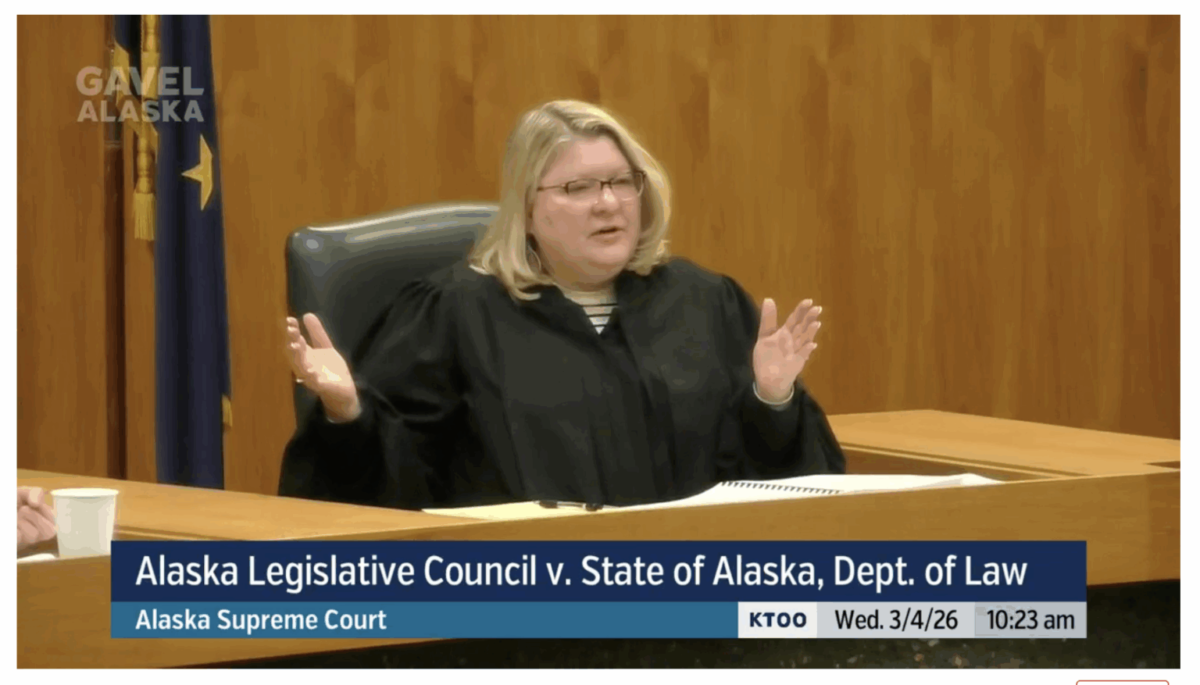
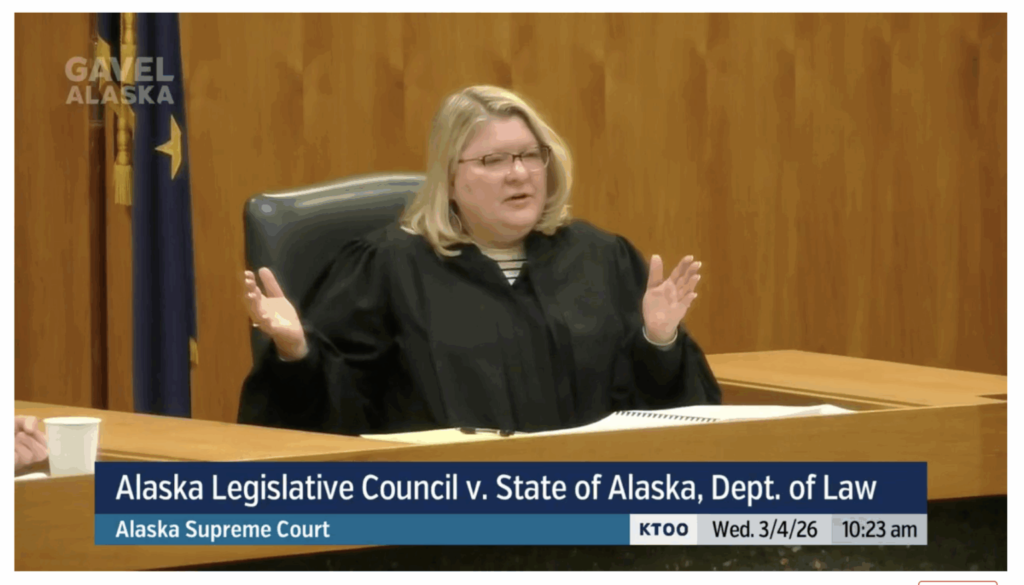
In this screenshot from Gavel Alaska, Alaska Supreme Court Justice Aimee Oravec speaks during a hearing on Wednesday, March 4, 2026. (Screenshot)
For years, politically conservative members of the Alaska Legislature have attempted to restrict state-paid abortion care via language in the annual state budget.
That maneuver and similar actions could be ruled unconstitutional by the Alaska Supreme Court, which on Wednesday heard oral arguments in a lawsuit that may determine the limits of the Alaska Constitution’s confinement clause, which requires that budget bills be limited to spending and not include policy changes.
Legislators said the contract, at more than $600,000, was too expensive, and in 2020 and 2021, they carved the budget for the Alaska Department of Law into two segments in an attempt to limit the contract.
Two of the governor’s attorneys general said they believed the Legislature was actually targeting the union dues plan, and its actions thus represented an unconstitutional infringement of the executive branch’s power.
Dunleavy vetoed the contract-specific language, technically eliminating all funding for the defense, and his administration kept on spending.
The Legislature’s auditor concluded in 2023 that the Dunleavy administration likely violated state law and the Alaska Constitution by continuing to spend money that had been eliminated from the budget.
Lawmakers sued in January 2024.
By that time, the Alaska Supreme Court had ruled that the union-dues changes had been enacted illegally. Four days after the Legislature filed its lawsuit, the U.S. Supreme Court said it would not hear an appeal requested by the administration, an act that leaves the state supreme court’s ruling in place.
In 2025, over the Legislature’s objections, Anchorage District Court judge Dani Crosby ruled that lawmakers’ lawsuit was moot because the money had already been spent, and she dismissed it.
Legislators appealed to the Supreme Court, arguing that there is a public interest in having the issue resolved, because it is likely to return again.
“That idea of no funding for this, some funding for that, these conditions are a regular feature of the budgeting process,” he said in Wednesday’s oral argument, arguing that the issue is not moot.
Deputy Solicitor General Jessie Alloway represented the state in Wednesday’s hearing and said the abortion issue is an example of why the court should decline to take up the Legislature’s arguments.
“This is exactly why the court should say this is moot and not take a more abstract view … because there is an unlimited number of hypotheticals that we could come up with that would be problematic,” she said.
If the court does overrule Crosby, both sides asked the justices to give them a firm answer rather than having Crosby take up the issue again.
The justices would then have to decide whether legislators overreached by attempting to restrict the executive branch, whether the executive branch overreached by continuing to spend, and where exactly the line rests between legislative and executive power.
“That’s what we keep coming back to: Who gets to decide this, whether these contracts are necessary?” asked Justice Aimee Oravec.
One prior Supreme Court case discussed Wednesday may offer some clues. In 2001, the court ruled on a legislative lawsuit against then-Gov. Tony Knowles over a series of budget vetoes.
One of those vetoes involved a dispute over bed space bought by the state prison system in private facilities. Legislators wrote in the budget that the space had to be bought from private contractors.
The supreme court upheld that language in its ruling.
“Conditions are permissible, as this court held in the Knowles case,” said Cuddy, the Legislature’s attorney, “including saying what types of services, public versus private, or private versus public, the money can be spent upon.”
But Alloway, arguing for the state, said legislators were attempting to define purchases that had already happened. That’s different from Knowles.
“What was happening was the (attorney general) had already retained outside counsel via his statutory authority. The Legislature knew about it, and then the appropriation targeted that decision by eliminating the amount the AG could spend on the contract,” she said.
During Wednesday’s argument, chief justice Susan Carney was absent. Staff for the court said she was recovering from surgery and out on medical leave.
Justice Dario Borghesan, a former Department of Law attorney, recused himself from the case, leaving three justices, all Dunleavy appointees, for Wednesday’s hearing. Justice Jennifer Henderson, presiding over oral arguments, said Carney may be involved in deliberations before a final decision is published at a later date.
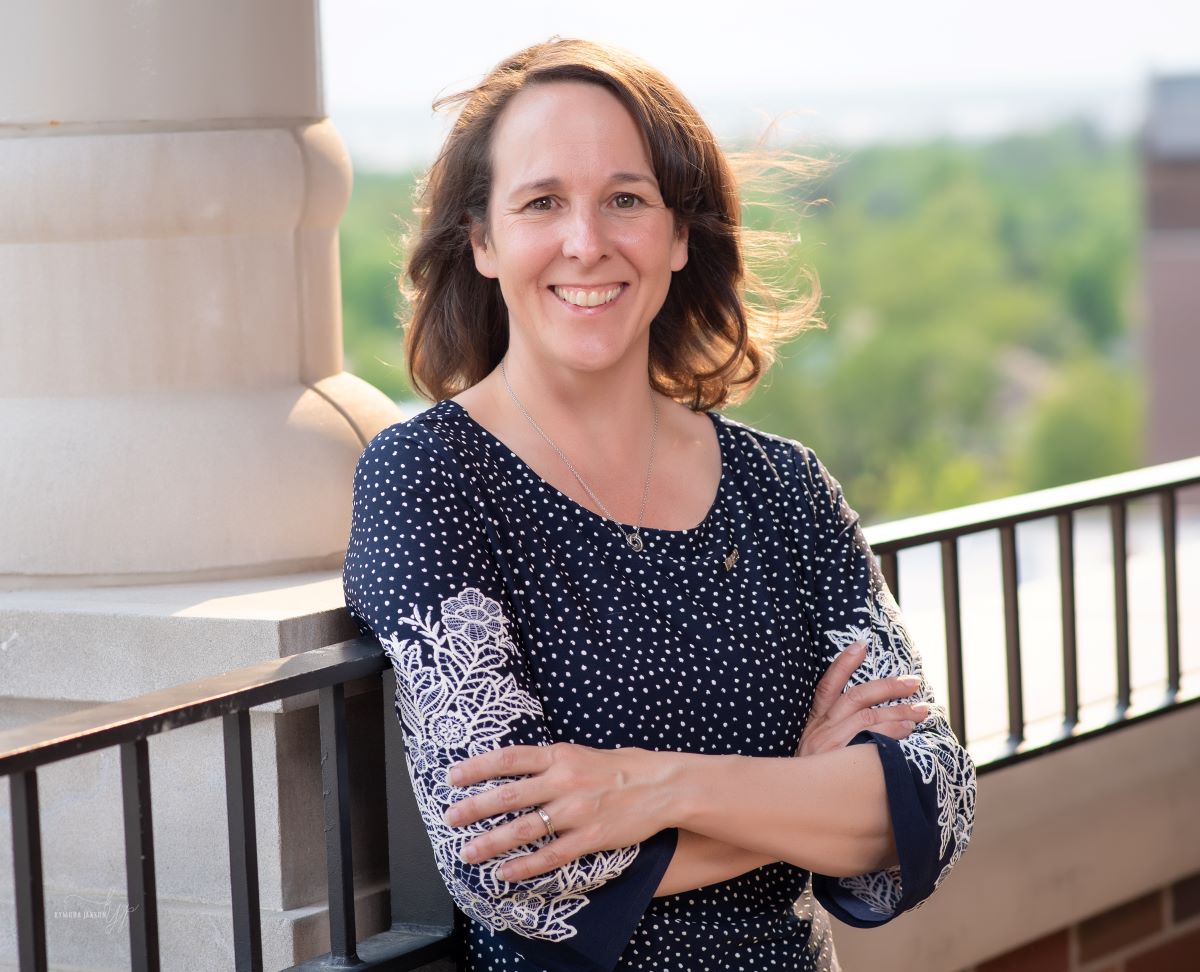
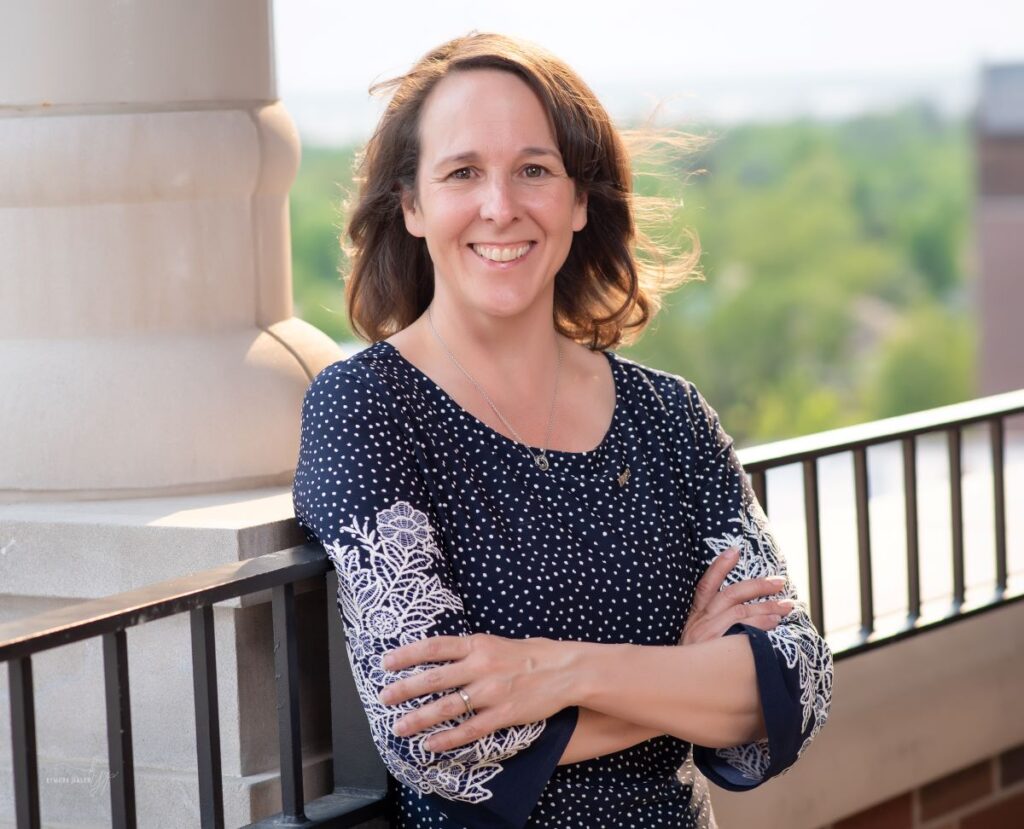
Cheryl Siemers began her role as interim chancellor of the University of Alaska Anchorage on May 16, 2025, succeeding chancellor Sean Parnell. (UAA Photo)
The University of Alaska president appointed Cheryl Siemers to the permanent role as University of Alaska Anchorage chancellor, following ten months serving as interim chancellor, the university announced on Wednesday.
UA President Pat Pitney appointed Siemers to the interim role last May after former Alaska governor Sean Parnell retired, and then extended her tenure in October. Pitney said the decision followed an extensive hiring process, and after reviewing the four finalists and community and stakeholder feedback, decided to extend Siemer’s interim term to provide “needed certainty and consistency at the leadership level.”
Siemers will step into the permanent chancellor role on March 8. UAA serves an estimated 12,000 students on the Anchorage campus, at the Kenai Peninsula College, Kodiak College, Matanuska-Susitna College and Prince William Sound College.
“She’s been embraced by the UAA community, and it’s clear that her continued leadership will provide critical institutional stability and forward momentum,” Pitney said in a statement with the announcement on Wednesday.
“Cheryl has been a steady hand at the wheel for UAA; her commitment to the institution, community partnership, leading enrollment growth, and enthusiastic support for UAA’s dual mission vocational and workforce training make her the ideal person to continue leading UA’s largest institution,” Pitney said.
A spokesperson for the university said that Siemers’ salary information as chancellor was not immediately available on Wednesday.
Siemers thanked the university for its confidence in her leadership.
“I am grateful for the opportunity to continue to serve our students, faculty, staff and university community,” Siemers said in a statement on Wednesday. “Stepping into the permanent role now offers the opportunity to extend continuity with a long-term strategic focus to ensure that the progress we’ve made together accelerates forward.”
Prior to the UAA interim chancellor position, Siemers served as the director of UAA’s Kenai Peninsula College. She joined the college in 2002, and taught as an adjunct then full-time faculty member in the Department of English, then as assistant director before becoming director of the college. She holds a master’s in English from UAA and a Ph.D. in rhetoric and linguistics from Indiana University of Pennsylvania.
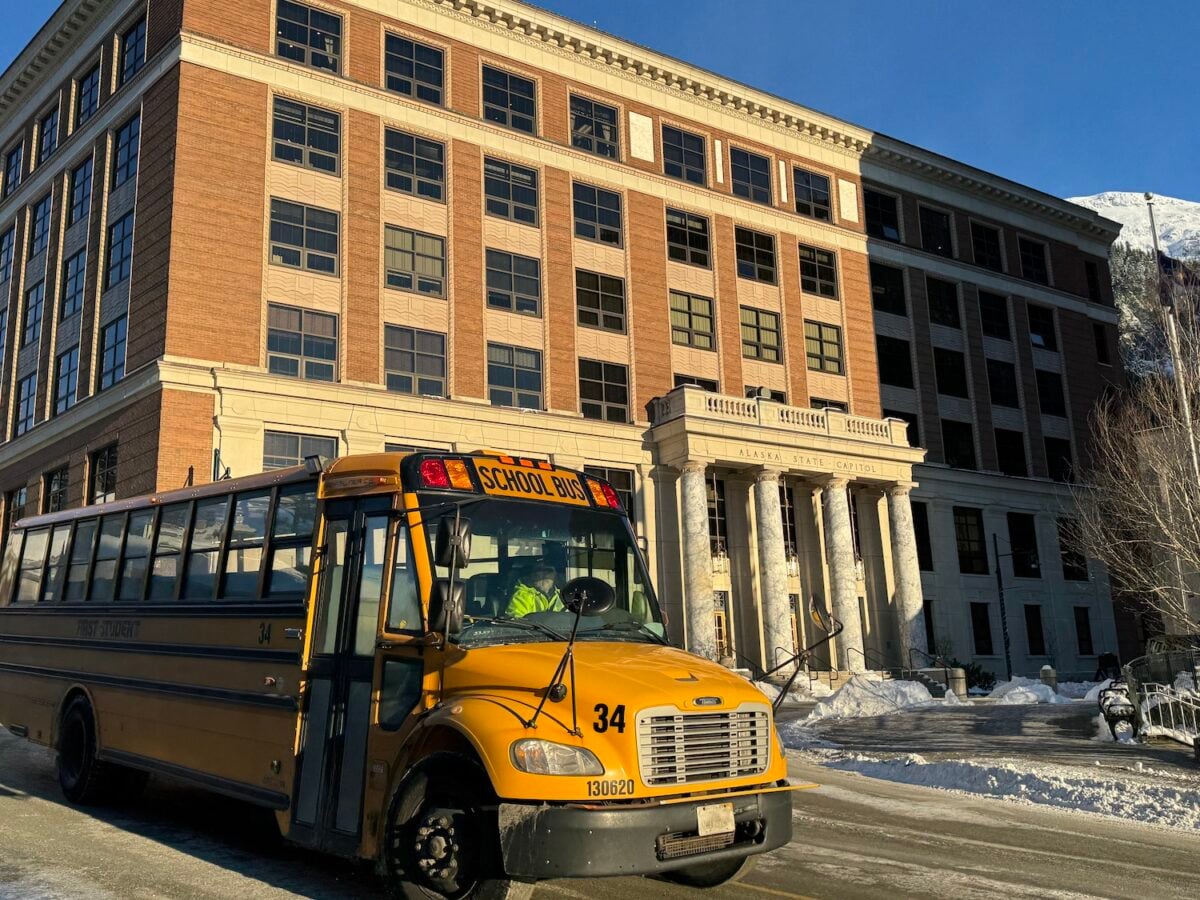
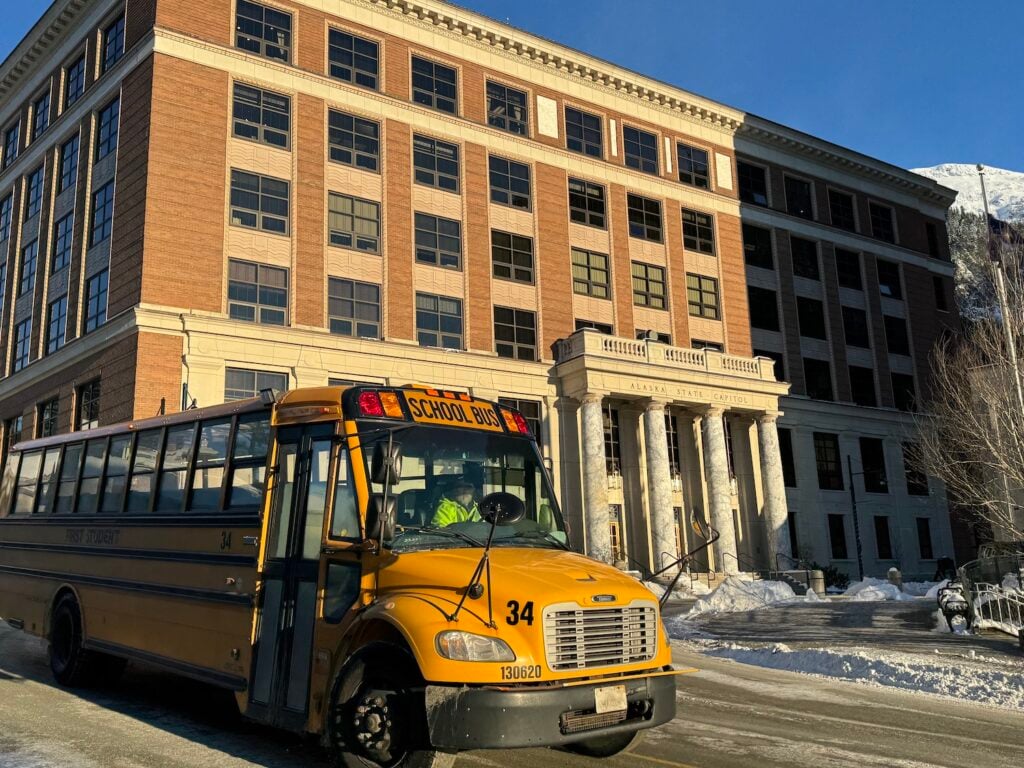
A school bus drives in front of the Alaska State Capitol on Monday, Feb. 3, 2025. (Photo by James Brooks/Alaska Beacon)
By: Corinne Smith, Alaska Beacon
A school bus drives in front of the Alaska State Capitol on Monday, Feb. 3, 2025. (Photo by James Brooks/Alaska Beacon)
Alaska lawmakers introduced new legislation in the House of Representatives that would raise the state’s per student funding for schools. They say it is critical to help school districts struggling with rising costs and ballooning deficits.
The House Education Committee introduced House Bill 374 on Wednesday. It would raise the state’s per student funding, known as the base student allocation, by $630 per student. That would increase the current per student total — from $6,660 to $7,290. Lawmakers increased the BSA by $700 per student last year.
“We can’t lose ground right now,” said Rep. Rebecca Himschoot, I-Sitka and co-chair of the House Education Committee on Wednesday. “We continue to look at all the different ways to support the schools, and the BSA is one way to do it.”
Rep. Rebecca Himschoot, I-Sitka, speaks in favor of a veto override on House Bill 69 on Tuesday, April 22, 2025. (Photo by James Brooks/Alaska Beacon)
The education funding increase would total $158.6 million statewide, and Himschoot said it would offer districts more stability by raising funds within the state’s complex funding formula.
Rep. DeLena Johnson, R-Palmer and House Minority Leader, expressed skepticism at adding state funding for schools this year. “No discussion about adding additional money can be had without deciding what program you want to cut,” she said Wednesday.
Himschoot said lawmakers decided on the $630 per student figure after assessing the current budget deficits of the state’s five largest districts by student population. The proposed funding increase would provide a partial stopgap for those budget shortfalls.
The Anchorage School District is facing a $90 million budget deficit, and is advancing plans to close three schools and cut 500 teachers and staff. The Matanuska-Susitna Borough School District is confronting a $23 million deficit, and considering closing three schools. The Kenai Peninsula Borough School District is looking at an $8.5 million budget shortfall and considering ways to cut costs. The Juneau School District has a $6.7 million budget shortfall.
Pearl Creek Elementary School is seen on June 3, 2025. The Fairbanks North Star Borough School District decided to close the school at the end of the academic year. (Photo by Yereth Rosen/Alaska Beacon)
While the Fairbanks North Star Borough School District has a current budget surplus of $2.5 million this year, that comes after it closed three schools last year — totaling seven school closures in the last five years, Himschoot noted.
“They have class sizes approaching 40 in the high school and 26 in their elementary schools even now. And they’ve downsized a lot of different staff, including a total of 300 teaching positions since 2019,” she said. “So they’ve had to do … some challenging things in their district to get to the black.”
Himschoot noted the state has revenue challenges but said lawmakers should make education a priority.
Last year, lawmakers faced a bitter political battle with Gov. Mike Dunleavy who twice vetoed education funding increases, citing the need for education policy changes to improve student outcomes. Lawmakers overrode Dunleavy’s veto and passed a $700 per student increase with some policy items, but the governor then vetoed its funding. Legislators then returned for a special session and voted to override the budget line veto. That resulted in an additional $51 million for schools.
Alaskans who supported the override of Gov. Mike Dunleavy’s education funding veto applaud as legislators leave the House chambers on Saturday, Aug. 2, 2025. (James Brooks photo/Alaska Beacon)
Minority Leader Johnson, whose district includes the east side of the Matanuska-Susitna Borough, including Palmer, Butte and Lazy Mountain, said after the funding increase last year districts should manage their budgets accordingly.
“We added a significant amount of money last year,” she said. “I think that we need to take a little while to let the districts figure out what they actually need, and let that money go through the process. If they have to make corrections, I don’t know what to say — if they have to close schools — they have to do whatever they have to do to manage their budget.”
Newly appointed House Minority Leader Rep. DeLena Johnson, R-Anchorage and House Minority Whip Rep. Justin Ruffridge speak with reporters on the first day of the second session of the 34th Legislature on Jan. 20, 2026 (Photo by Corinne Smith/Alaska Beacon)
Johnson expressed concern that the state is reckoning with a projected deficit, as lawmakers await a state revenue forecast due out in March. “We’re in deficit spending, and I don’t know where the money’s going to come from. And I think we need to have a lot more data on school spending,” she said.
School officials, teachers and students have testified to the House Education Committee this year that state funding has not kept pace with classroom needs, particularly with rising costs for keeping schools open, including fuel, insurance and transportation, as well as deteriorating school facilities.
The proposed state education funding increase would help fill some of those gaps, and prevent more severe cuts to teachers and classrooms, said Rep. Andi Story, D-Juneau.
“I want families to know that we care about education in the state of Alaska, and you can raise your kids here and they’re going to have a decent education. And so I think we have to seriously look at what investment is that going to take from the state,” she said Wednesday.
Himschoot said that BSA increase is one important step, and lawmakers are open to negotiating with members of the minority caucuses and the governor’s office to make it happen. “Everyone has schools in their district,” she said. “People call it a fight for the BSA. I prefer to call it a dance.”