More than 70 MPs have signed a letter asking the government to delay biometric checks for 80 students from Gaza so they can study in Britain, Sky News can reveal.The Latest News from the UK and Around the World | Sky News
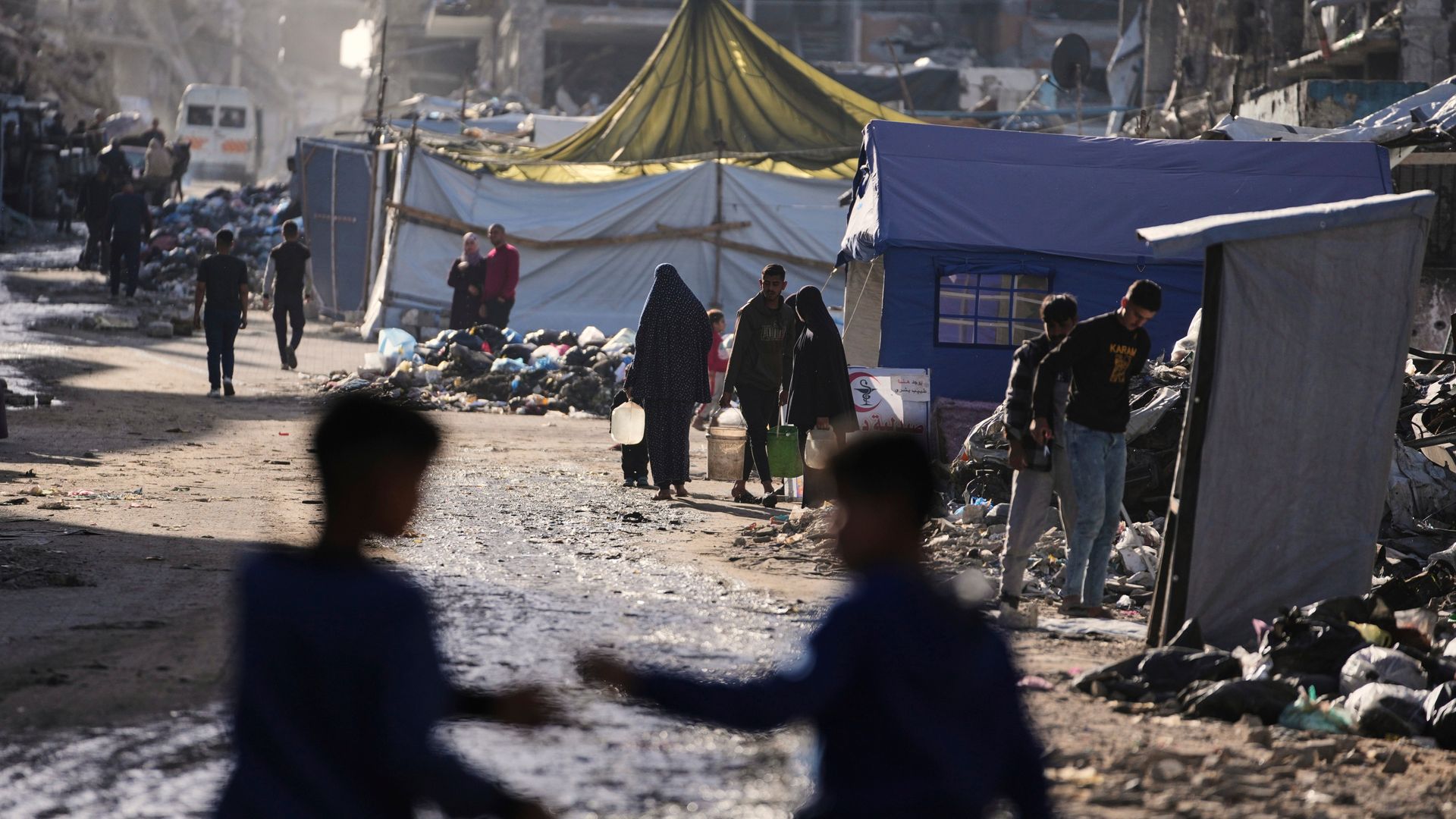









More than 70 MPs have signed a letter asking the government to delay biometric checks for 80 students from Gaza so they can study in Britain, Sky News can reveal.The Latest News from the UK and Around the World | Sky News

Eighty years ago today, an American B-29 bomber dropped an atomic bomb on the Japanese city of Hiroshima.The Latest News from the UK and Around the World | Sky News

The Charity Commission has found no evidence of bullying or harassment at a charity set up by Prince Harry.The Latest News from the UK and Around the World | Sky News
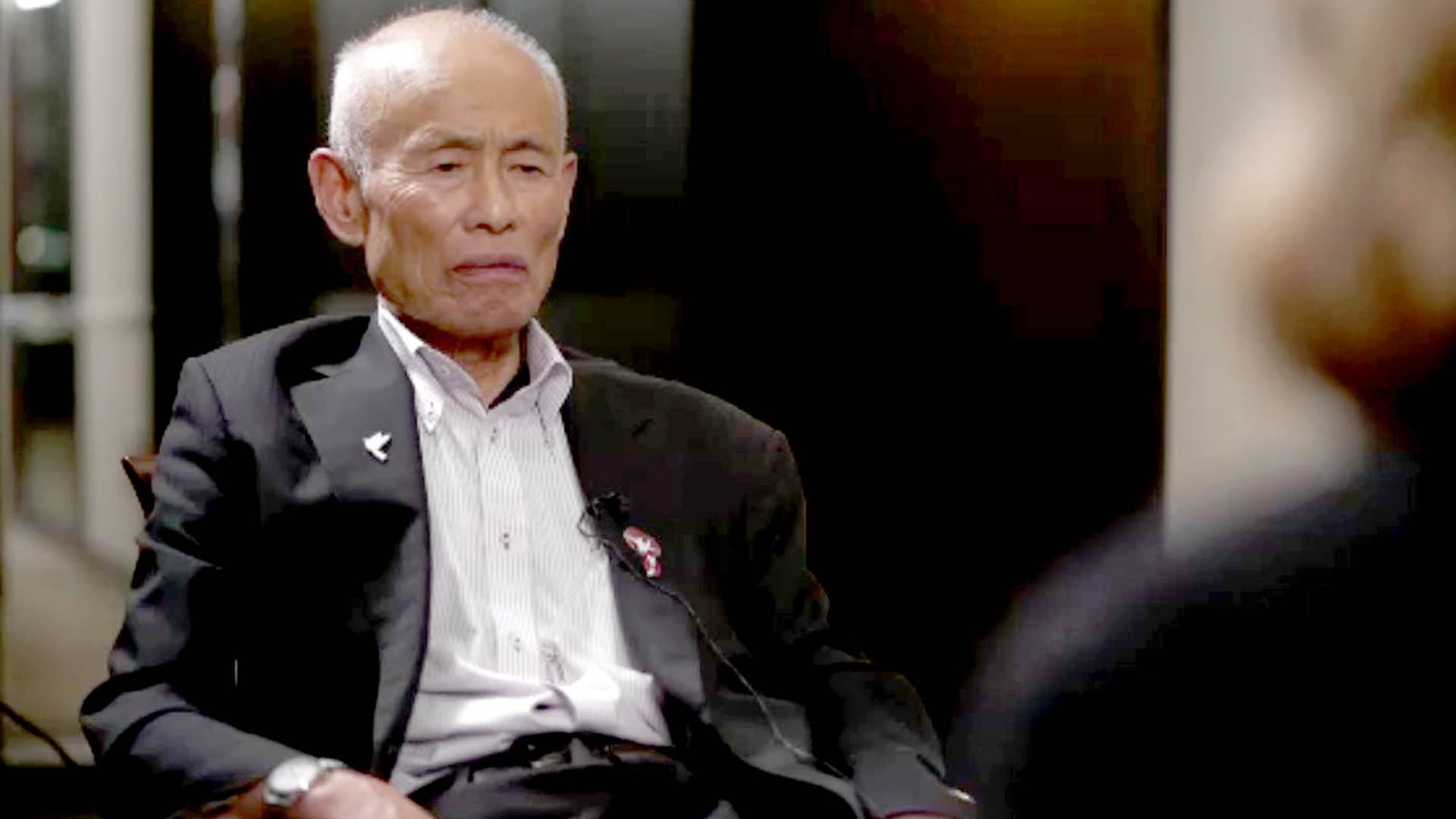
Toshiyuki Mimaki is exhausted when we meet him.The Latest News from the UK and Around the World | Sky News
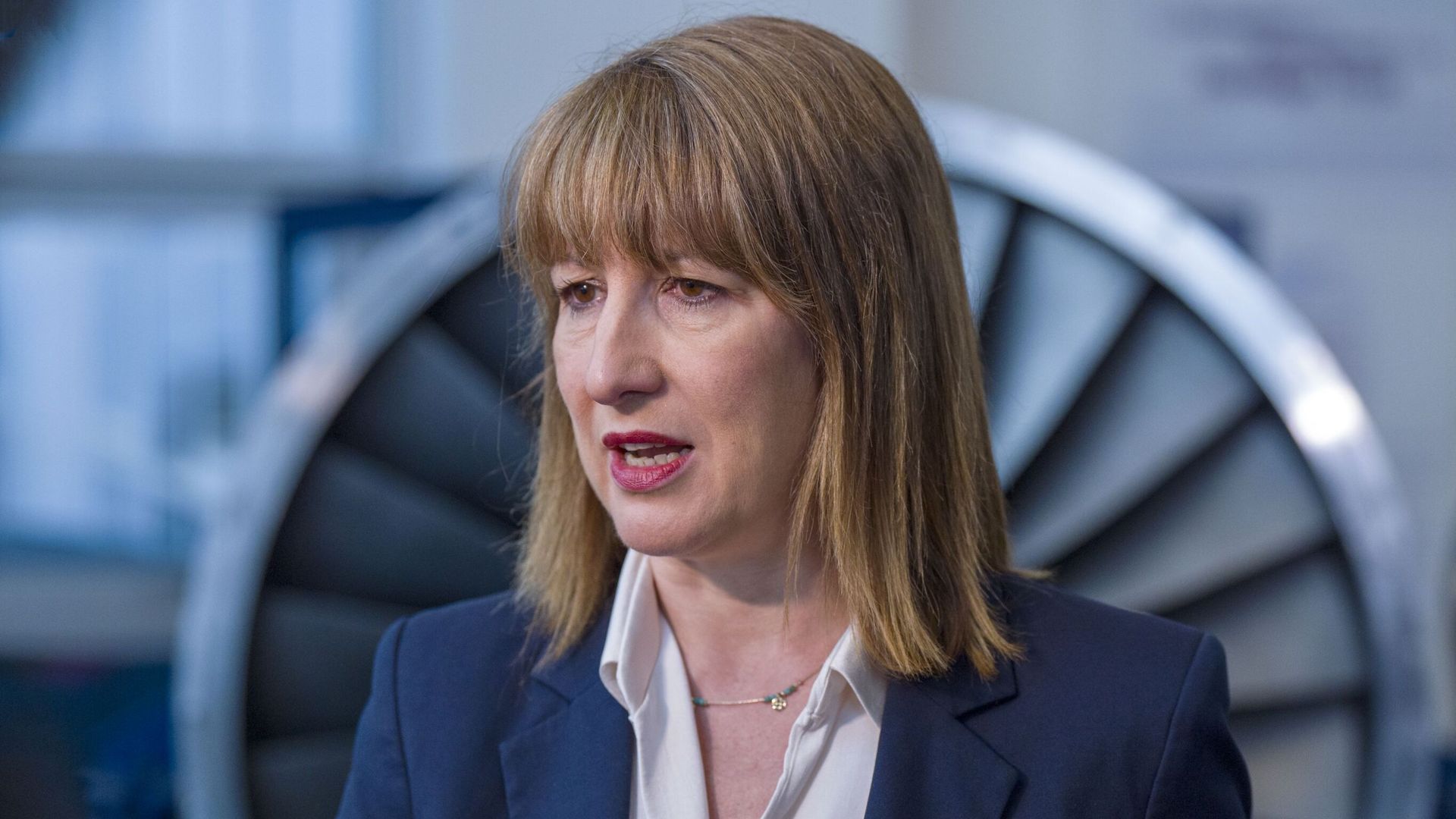
Rachel Reeves will need to find more than £40bn of tax rises or spending cuts in the autumn budget to meet her fiscal rules, a leading research institute has warned.The Latest News from the UK and Around the World | Sky News
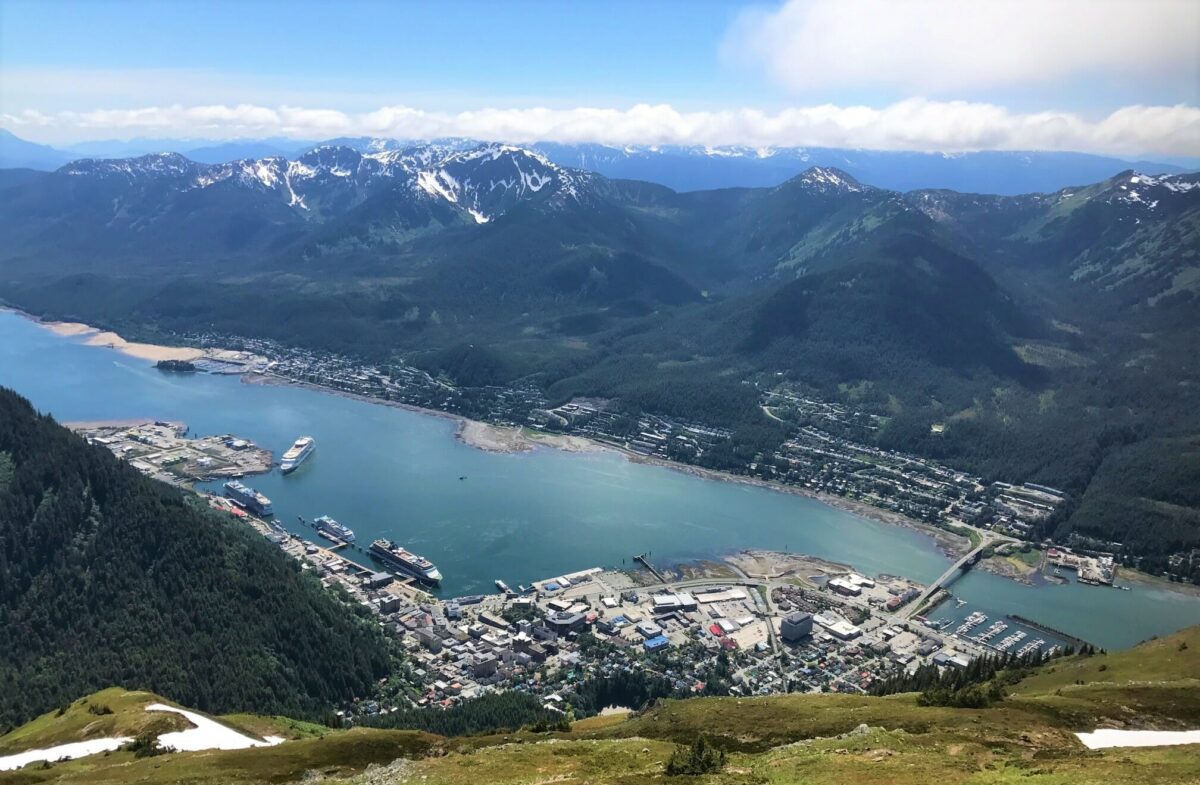
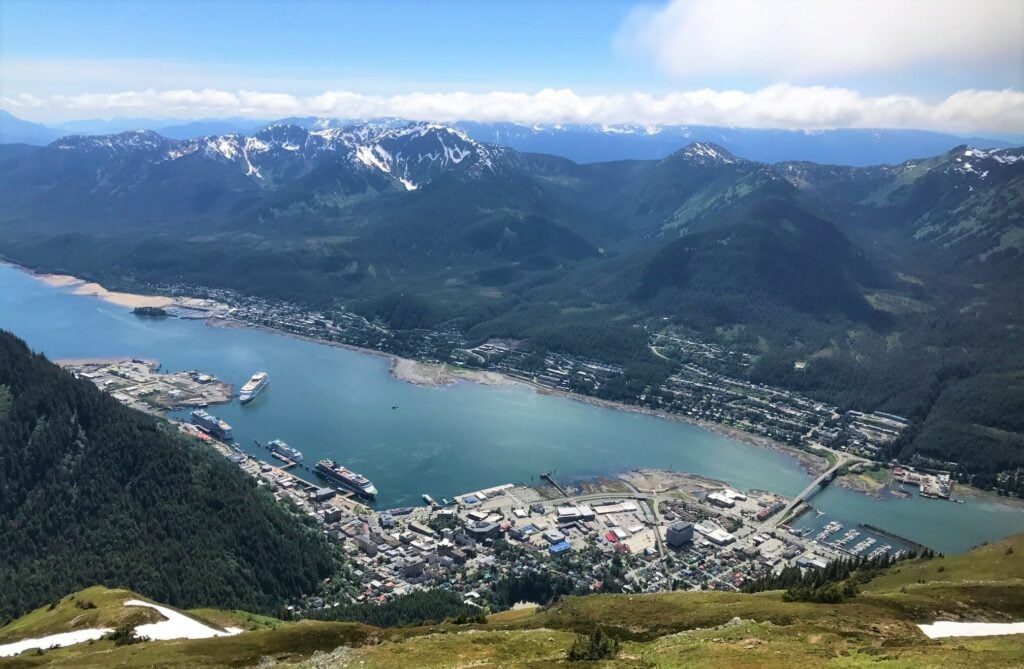
NOTN- The Juneau Assembly is weighing new safety policies aimed at protecting homeless shelter clients and staff.
In June the Juneau Police Department cleared an unhoused encampment on Teal street, the city’s largest encampment.
City officials said they decided to clear the encampment due to safety concerns and have been actively searching for better solutions.
City officials are examining Anchorage’s model of restricting camping near trails, water bodies, and critical public areas.
Anchorage recently cleared its two largest camps in the Mountain View neighborhood, displacing up to 200 people from Davis Park and a nearby snow dump. The city has since removed more than 370 tons of trash from the sites.
Anchorage Mayor Suzanne LaFrance’s Anchorage Mayor Suzanne LaFrance’s homelessness strategy includes expanding shelter capacity, increasing access to crisis care, and adding transitional housing.
According to Alaska Public Media, the city plans to open 24 tiny homes by mid-October to support people transitioning out of homelessness.
Both Juneau and Anchorage officials acknowledge that clearing encampments, also known as abatements, are not long-term solutions by themselves.
The U.S. Supreme Court recently gave cities more power to clear camps, overturning a ruling that made such actions harder when no shelter space was available.
Deputy City Manager Robert Barr said local officials are considering establishing ‘shelter safety zones’ that could restrict camping near key facilities and enhance protections for shelter clients and staff.
“We had a very long conversation on the merits of a shelter safety zone. There’s definitely desire among the body to see what could be done.” Said Barr.
The city plans to operate a cold weather shelter this winter.
While specific ordinance details remain under development, assembly members expressed a strong desire to implement more robust protective measures around homeless service facilities.
The next assembly meeting is scheduled for August 18.
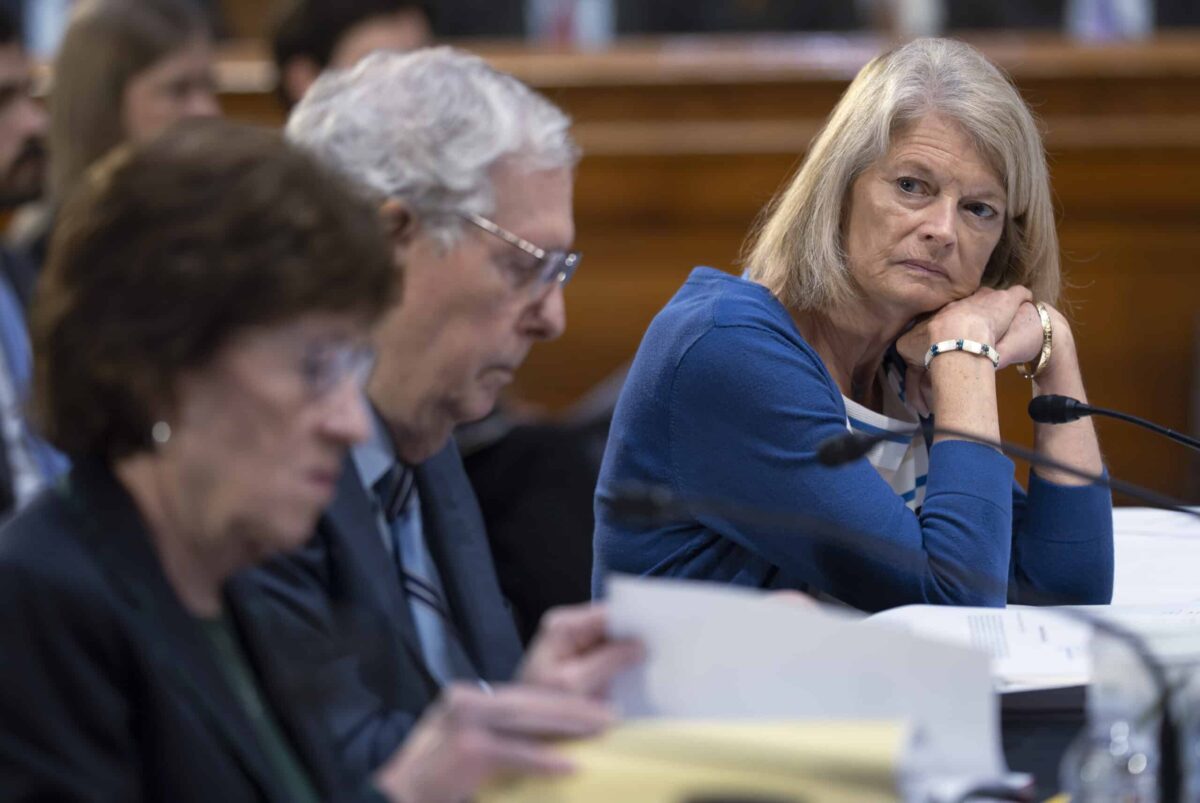

AP- Republican U.S. Sen. Lisa Murkowski, speaking with Alaska reporters Monday, toyed with the idea of running for governor and defended her recent high-profile decision to vote in support of President Donald Trump’s tax breaks and spending cuts bill.
Murkowski, speaking from Anchorage, said “sure” when asked if she has considered or is considering a run for governor. She later said her response was “a little bit flippant” because she gets asked that question so often.
“Would I love to come home? I have to tell you, of course I would love to come home,” she said. “I am not making any decisions about anything, because my responsibility to Alaskans is my job in the Senate right now.”
Several Republicans already have announced plans to run in next year’s governor’s race, including Lt. Gov. Nancy Dahlstrom. Republican Gov. Mike Dunleavy is not eligible to seek a third consecutive term. Alaska has an open primary system and ranked choice voting in general elections.
Murkowski is not up for reelection until 2028.
A centrist, Murkowski has become a closely watched figure in a sharply divided Congress. She has at times been at odds with her party in her criticism of Trump and blasted by some GOP voters as a “Republican in name only.” But her decision to support Trump’s signature bill last month also frustrated others in a state where independents comprise the largest number of registered voters. She previously described her decision-making process around the bill as “agonizing.”
On Monday, she said it was clear to her the bill was not only a priority of Trump’s but also that it was going to pass, so it became important to her to help make it as advantageous to the state as she could.
“So I did everything within my power — as one lawmaker from Alaska — to try to make sure that the most vulnerable in our state would not be negatively impacted,” she said. “And I had a hard choice to make, and I think I made the right choice for Alaskans.”
By: James Brooks, Alaska Beacon
In a new administrative action, Gov. Mike Dunleavy is ordering “efficiency reviews” of state agencies and asking departments to use artificial intelligence software as part of an effort to identify budget cuts.
The reviews will take place annually, according to Dunleavy’s new administrative order, published Monday, and would become part of the state’s annual budget process.
The reviews will initially focus on “grants to non-State of Alaska entities” and “accounts payable,” according to a copy of the text available online.
The reviews are intended to “identify potential savings” and “improve efficiency of operations” but also will include recommendations for the state to contract out services rather than performing them in-house.
“Alaskans expect their government to deliver essential services in the most efficient and responsible way possible,” Dunleavy said in a written statement announcing the administrative order. “This order ensures we prioritize critical needs, eliminate waste, and safeguard the state’s financial stability.”
Some prior outsourcing efforts by the Dunleavy administration have seen state services assigned to call centers outside Alaska, drawing opposition from union officials and legislators.
A second order, also released Monday, calls for the state to significantly reduce the number of regulations it has on the books.
Notably, the order says that the state should speed permitting for projects regulated by the Alaska Department of Natural Resources, Department of Environmental Conservation and Alaska Department of Fish and Game.
That could mean automatically approving projects even if their environmental review hasn’t been completed according to timelines required by the state, the order says.
Dunleavy leaves office on Dec. 6, 2026. The order says that the state should “reduce the number of regulatory requirements by 15% by Dec. 31, 2026, and 25% (cumulative) by Dec. 31, 2027.”
A liaison with each state department will be required to provide quarterly updates on that goal to the governor’s office.
By: Yereth Rosen, Alaska Beacon
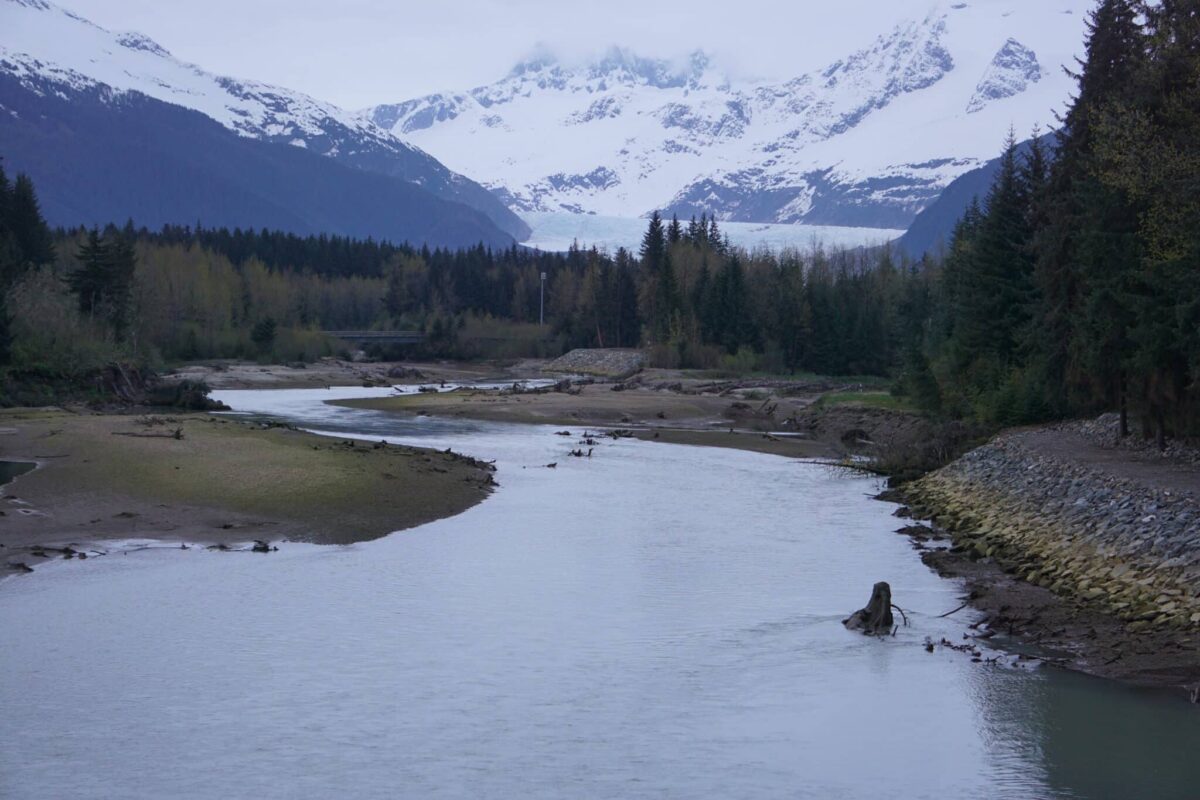
When water from melting glacier inundated her Juneau neighborhood last August, Danielle Lindoff made a hasty escape through a front window in her living room, her two unhappy cats in tow. She climbed onto a boat mobilized by her husband, and as he steered, she held a flashlight to scout in the dark for submerged mailboxes that they might bump on their way to safety.


Though the Mendenhall River flowing by their backyard had been swollen with floodwaters in past years – and though the Lindoffs had taken precautions last summer like sealing doorways and stacking sandbags – the Aug. 5-6, 2024, event was the biggest Mendenhall Glacier outburst flood ever measured. The water that rushed out of a breached glacial ice dam brought the river to a record crest of 15.99 feet, inundating about 290 homes and stunning much of the community.


“No one expected it to be this big,” Lindoff said months later in an interview at her freshly repaired and refurbished house.
The community is no longer likely to be caught by surprise.
“It’s probably likely that the floods could get larger in the future,” said Eran Hood, an environmental science professor and glacier specialist at the University of Alaska Southeast.
Hood is part of a broad effort mounted by scientists, government agencies, the local Tribal government, nonprofit community groups and individuals to limit the damage that may result from future floods.

A first step is ensuring that the public knows the risks. To that end, Hood and others at UAS and partner organizations have created an online resource, the Juneau Glacial Flood Dashboard, launched in May.
Though the floods glaciers produce can happen quickly, there can be early warnings of water releases. The Juneau Glacial Flood Dashboard gives real-time information on water levels pooled above the ice dam that forms each year at one of the glacier’s basins. It has weather data, aerial images and other up-to-the-minute information. One of the most important features is a detailed flood-inundation map; users can type in their addresses and get predictions for flood impacts, depending on river-level scenarios and other conditions.
The dashboard idea came up as an answer to a basic question, Hood said: “What are the best ways to communicate hazards?”
Lawmakers consider an only-in-Alaska flood insurance programWork by Hood and his colleagues is supported by a National Science Foundation grant. The foundation funded a project to do detailed studies of Mendenhall Glacier and the flood risks it poses, hone systems for predictions and warnings and apply those tools to other flood-prone glaciers in Alaska and possibly beyond.
Outburst flooding is a natural phenomenon in glaciated areas, sometimes referred to by an Icelandic name: jökulhlaup. They occur from the Andes to the Arctic. Their suddenness can make them dangerous to people in certain parts of the world, like the Himalayas; overall, about 15 million people in the world are at risk of such floods, according to a 2023 study published in the journal Nature.
The risks are increasing with climate change and glacial melt, studies have shown. Globally, glacial lake volume increased by 48% between 1990 and 2018, according to a 2020 study by Canadian, U.S. and British scientists who used satellite imagery to make the calculations.
Glacial outburst floods are also natural in Alaska, though the trends are a bit different.
There were 1,150 of these outbursts released from 106 ice-dammed lakes between 1985 and 2020, according to a study published in 2023 by scientists from Colorado State University, the University of Alaska Fairbanks and other institutions. The frequency of such events was unchanged over that period, they found. But there was a big change in timing, with most of the sites flooding earlier in the year, likely the result of warming temperatures and faster melt, the study found. Rapid changes in glaciers’ structures also means that new water-filled dams — and new flood risks — are emerging at individual sites, the study said.

Alaska’s glaciers are melting faster than those elsewhere in the world. The melt has varied and sometimes contradictory impacts on outburst floods, the 2023 study explains. Less ice overall has meant a reduced supply of meltwater. But accelerated melt can also increase the size of glaciers’ basins and weaken the ice dams that hold their meltwater. Rapid melt can also cause huge chunks of ice to calve away from higher elevations into the basins, boosting volume quickly.

Most of Alaska’s outburst floods have occurred in remote areas where there are no immediate threats to communities, like parts of sprawling Wrangell St-Elias National Park.
The Mendenhall Valley, however, is not remote.
The broad valley was carved into the landscape over millennia by its namesake glacier. It is a major suburb of Alaska’s capital city, home to about 12,000 of Juneau’s 31,200 residents. It holds neat neighborhoods where houses are more spacious than in the city’s upscale but tightly packed downtown district. It also holds abundant parks and trails, scenic views of mountains, meadows and coastline; and conveniences like shopping malls and commuter bus service. And, within the Tongass National Forest that surrounds the city, the valley is known for the big glacier that looms over it and draws hundreds of thousands of tourists each year.
Mendenhall Glacier has ebbed and flowed over thousands of years, but it has been in retreat ever since the Little Ice Age ended in the mid-1700s. As the climate has warmed — a trend amplified in far-north latitudes — the retreat has accelerated. That is the case not just for Mendenhall but for the other glaciers connected to the vast Juneau Ice Field that caps the mountains spanning Southeast Alaska and adjacent parts of Canada. The Juneau Ice Field lost a tenth of its glacier area from 2005 to 2019, according to NASA.
This melt created a relatively new gap within Mendenhall’s ice called Suicide Basin, reportedly named after the drop that ice above the basin would experience. Retreat of the smaller Suicide Glacier, which had been connected to Mendenhall, created the gap.
As glacial ice melts over each summer, the basin fills with water. As the water within the basin rises, it breaks through the ice dam and rushes down into Mendenhall Lake, Mendenhall River and, sometimes, over the riverbanks. The process is repeated year-to-year as ice dams are formed and then breached, though water amounts and speed of releases can vary.
Had modern technology and alertness existed in the past, the risk to the Mendenhall Valley could have been identified many years ago, Hood said.

“Twenty years ago, someone could have looked at Mendenhall and looked at the side basins and said there could definitely be a problem in the future. Nobody did that,” he said.
The first Suicide Basin outburst flood was in 2011. “That pretty much caught people by surprise, although in hindsight, it shouldn’t have,” said Jason Amundson, a UAS geophysics professor and the principal investigator for the National Science Foundation-funded project.
Since then, floods have occurred almost annually, though at varying levels and intensities. Recent floods were big. A record 2023 flood, with a maximum crest of the Mendenhall River measured at 14.97 feet, was followed by the even-bigger 2024 flood.
Though it caused more damage, last year’s flood came and went quickly. “The whole thing lasted maybe 12 hours,” Amundson said..


There is not yet enough data to identify a clear pattern, making predictions difficult for now, Hood and Amundson said. But there is a good chance that Suicide Basin will continue emptying out huge amounts of water.
“If we keep having full drainage like we did last year, then I would expect that we would keep having big floods,” Amundson said.
Local officials, meanwhile, are looking beyond Suicide Basin as they consider future risks, said Robert Barr, Juneau’s assistant city manager.
“There very well could be other basins behind Suicide that will form as Mendenhall Glacier retreats,” he said.
The municipal government, a partner in the flood dashboard, has embarked on another short-term response to the flood risk.


It spent nearly $8 million on a flood barrier erected this year along the Mendenhall River. The barrier, a stout sandbag structure originally designed for military use, was recommended by the U.S. Army Corps of Engineers as a short-term fix. To recoup part of the cost, the local government is assessing a fee on the 466 property owners in the river area. The fee, about $6,300 per household, is to be paid over 10 years.
The Lindoff home is among those behind the new barrier, which bears the brand name HESCO. Danielle Lindoff, who has watched river waters rise and churn over the years, eroding the far bank and felling huge trees, said she is grateful for the protection. But her feelings are mixed.
“We bought this house because of the view,” she said. “Now we won’t even be able to see it.”
Barr, at the City and Borough of Juneau, concedes the barriers are not particularly pretty. But he said most homeowners accept their presence.
“I wouldn’t say the question was, ‘Do you find the HESCO barriers attractive or not?’” he said. “But they are our best effort, in consultation with the Army Corps and all the other experts that we’re talking with, to keep water in the river.”

The barriers are temporary, Barr said.
For the longer term, the Army Corps of Engineers might design a bigger flood-control system, he said. That could be something as substantial as the diversion project installed in Fairbanks after a devastating 1967 flood. The Fairbanks system is large, subject to ongoing maintenance, and has cost $220 million to date. The Corps has already embarked on a technical study for the Mendenhall Valley, a project supported by $4.75 million in federal funds.

Whatever is done will depend on scientific research.
The University of Alaska Southeast-led team, which also includes scientists from the University of Alaska Fairbanks and Carnegie Mellon University, is using field and remote-sensing data to better understand how the glacier has changed in the past and to create models for how it will change in the future. Technologies used include LiDAR, which measures elevations and features through light beams; radar, which employs soundwaves to measure the thickness of glacial ice over bedrock; and drones, which capture aerial images that can be compared over time.Weather and tide data is important, too. The record 2024 outburst flood came on a night after a gloriously sunny and warm summer day. Things could be much worse if an outburst flood happens during a rainstorm or when tides in the adjacent Gastineau Channel are exceptionally high, experts say.
The Mendenhall work being led by Amundson is about more than Juneau’s famous glacier. The risk-analysis systems the team develops for Mendenhall are intended to be applied to other glaciers in Alaska.
Beyond Mendenhall, Hood said, the second-highest priority for risk analysis is probably Snow Glacier on the Kenai Peninsula south of Anchorage and just north of the coastal town of Seward.

Though the Snow Glacier’s periodic floods have not reached communities beyond a popular campground and a smattering of nearby houses, they do threaten infrastructure. The Seward Highway, a major state thoroughfare, and the Alaska Railroad run right along that flood zone. The railroad is planning to raise the elevation of a bridge at the trouble site, and the Alaska Department of Transportation plans a related elevation rise to the highway. The estimated cost of the road project alone is $20 million.

Hood and Amundson pointed out another spot where glacial outburst floods are threats: the Prince William Sound port town of Valdez, home to 3,900 people and site of the terminal where oil that passes through the Trans Alaska Pipeline System is shipped out.
In the mountains outside of town, the Valdez Glacier has been damming and releasing meltwater every year or two. Some years, releases are relatively slow and small; some years’ releases cause problems. An outburst flood in 2018 inundated part of Valdez.
Continued work to understand glacial outburst floods and the risks they pose to Alaskans depends on partnerships with academic institutions and agencies at various levels of government.
But federal agencies that are important partners have been weakened by deep budget cuts and abrupt firings that could hollow out scientific programs.
One partner is the U.S. Geological Survey, a branch of the Department of the Interior that has been doing both long-term monitoring of Mendenhall Glacier’s changes and collecting day-to-day data and imagery from Suicide Basin. The Trump administration is proposing slashing total USGS spending by nearly 40%, including an approximately 30% cut to the agency’s natural disaster programs.
The National Oceanic and Atmospheric Administration, which houses the National Weather Service, is another key partner that has already been targeted for deep cuts and likely faces more. The administration’s budget for the coming fiscal years proposes eliminating all funding for NOAA research.
The U.S. Forest Service is another partner. It manages the Tongass National Forest, which covers most of Southeast Alaska, and Southcentral Alaska’s Chugach National Forest. Both are heavily glaciated.


Among the Forest Service duties in Juneau is delivery of warnings and, at times, evacuation notices to tourists and campers at the Mendenhall Glacier Visitor Center. Mass firings by the Trump administration left the visitor center nearly unmanned earlier in the year, with only two employees still on the payroll there in February. Several workers have been rehired since, but staffing levels remain uncertain.
Barr said Juneau officials worry about losses at the Federal Emergency Management Agency, an important partner even though its general definition of flood zones does not consider glacial outburst floods.
The agency in April canceled its Building Resilient Infrastructure and Communities grant program, and halted work on all pending grant applications, even though the program has won praise for helping communities reduce costs of disaster emergencies.
Several states are pushing back against the program’s termination; 20 filed a lawsuit in mid-July challenging the administration’s decision.
“We are potentially concerned about hazard-mitigation grants and those going away,” Barr said. And along with loss of financial aid is the concern about “losing expertise” as veteran emergency and risk-assessment experts are pushed out of the agency, he said.
Uncertainty also affects the National Science Foundation, which is funding the Mendenhall research project. The Trump administration is proposing a 55 percent cut for the coming fiscal year.
The grant money was already paid, and so far, the project has remained intact, Amundson said. “As far as I know, everything is going forward,” he said.

This story has been supported by the Solutions Journalism Network, a nonprofit organization dedicated to rigorous and compelling reporting about responses to social problems, http://solutionsjournalism.org.

Reading Time: 3 minutes
Kelly Osbourne has released a new statement in the wake of her famous father’s death last month.
Be warned, however:
You will likely need a box of Kleenex nearby as you read through it…
In an Instagram Stories post shared August 4, Kelly reflected on Ozzy Osbourne passing away as follows:
I’ve sat down to write this a hundred times and still don’t know if the words will ever feel like enough.. but from the bottom of my heart, thank you.
The love, support, and beautiful messages I’ve received from so many of you have truly helped carry me through the hardest moment of my life. Every kind word, every shared memory, every bit of compassion has meant more than I can ever explain.
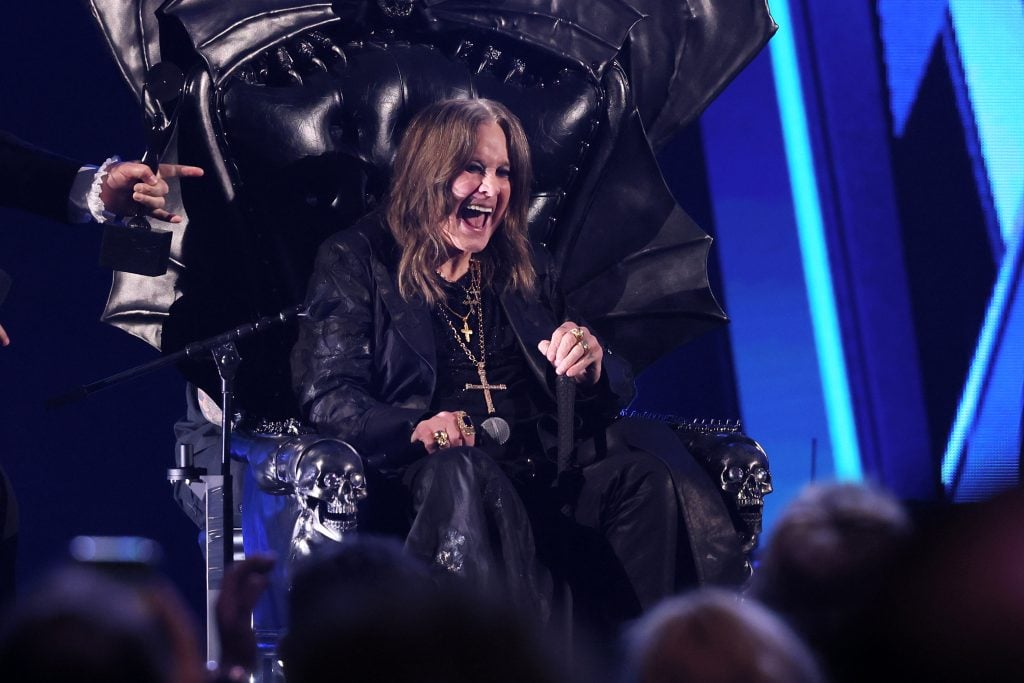
Ozzy Osbourne, one of the most famous and successful musicians of his area, died at age 76 on July 22.
Kelly continued on Monday:
“Grief is a strange thing-it sneaks up on you in waves—I will not be ok for a while-but knowing my family are not alone in our pain makes a difference. I’m holding on tight to the love, the light, and the legacy left behind.”
The 40-year old concluded her post, which included Ozzy’s song “See You on the Other Side,” thanking fans for “being there.”
The Osbournes announced their patriarch’s passing, two weeks after he performed at the Black Sabbath farewell concert in Birmingham’s Villa Park in England.
“It is with more sadness than mere words can convey that we have to report that our beloved Ozzy Osbourne has passed away this morning,” the statement read at the time. “He was with his family and surrounded by love. We ask everyone to respect our family privacy at this time.”

Ozzy was laid to rest just a few days ago.
Not long before that, Kelly relayed her first message in the wake of this tragedy.
“I feel unhappy I am so sad,” the reality star wrote via Instagram. “I lost the best friend I ever had.”
Ozzy Osbourne was honored in Birmingham on July 30 with a funeral procession leading up to the Black Sabbath bridge and bench… which had become a public memorial for the singer.
His wife Sharon and his children Louis, Aimee, Kelly and Jack all attended the emotional event.
Kelly Osbourne Pours Heart Out in Emotional New Tribute to Late Dad was originally published on The Hollywood Gossip.
The Hollywood Gossip