The latest news and information from your Alaska news station.










The latest news and information from your Alaska news station.

The latest news and information from your Alaska news station.
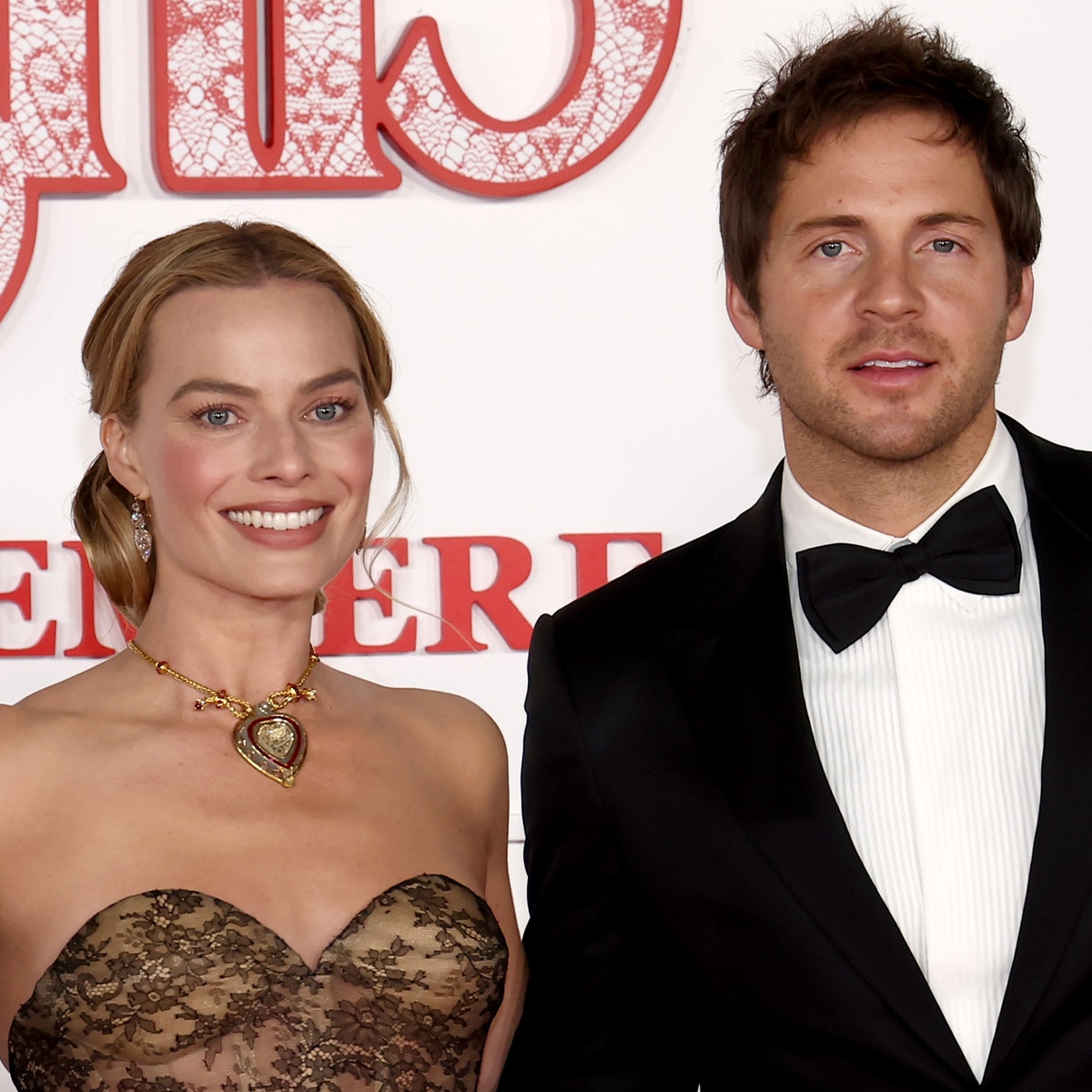
 Margot Robbie channeled her teenage self to reach the emotional depths felt by the tempestuous Cathy in Wuthering Heights.
“You know, when my hormones were wild and I’d be ecstatic one second and…
E! Online (US) – Top Stories
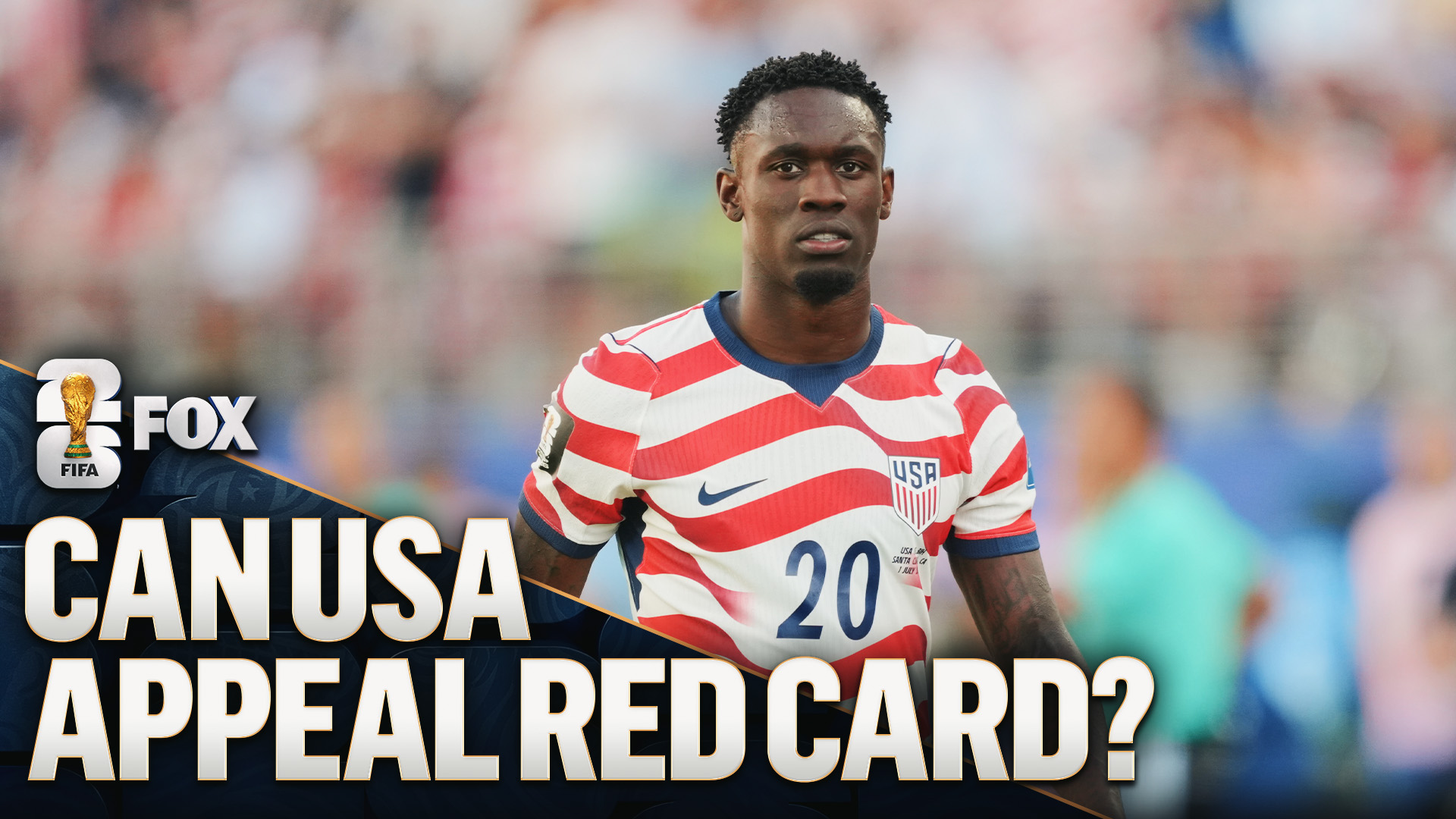
In the United States’ round of 32 win over Bosnia and Herzegovina on Wednesday, striker Folarin Balogun was sent off with a red card after stepping on Bosnia and Herzegovina player Tarik Muharemović’s ankle. That red-card decision by referee Rafael Claus — VAR reviewed Balogun’s challenge — dropped the USA to 10 men for the duration of the game and leaves the team without Balogun for the round of 16 match against Belgium. It was a controversial call that will keep one of the Stars and Stripes’ top goalscorers sidelined in a match with a quarterfinals berth on the line. The big question is: Is there a red card appeal process that can retract Balogun’s one-game suspension? Simply, no. FIFA regulations (Article 9, Section 6) states that: “No protests may be made about the referee’s decisions regarding facts connected with play. Such decisions are final and not subject to appeal, unless otherwise stipulated in the FIFA Disciplinary Code.” Furthermore, FIFA regulations (Article 10, Section 6) adds: “If a player or team official is sent off as a result of a direct or indirect red card [second caution], they will automatically be suspended from their team’s subsequent match. In addition, further sanctions may be imposed.” What choice does U.S. Soccer have, if any? It could appeal any decision, but because this was a subjective referee decision — rather than a factually incorrect one, like a red card for contact when there clearly was none — FIFA will not consider it under its disciplinary code. However, if FIFA feels Balogun’s challenge merits more than a one-game suspension and hands it down, then the U.S. could appeal that decision. Regardless, Balogun will sit out the round of 16 game against Belgium. “The problem with this is that FIFA sets such a high bar, especially when it’s a VAR intervention. It’s not clearly [factually] wrong by the referee,” FOX Sports analyst and former FIFA referee Mark Clattenburg said on World Cup NOW. “And, if they deem [Balogun’s] challenge sufficient, they can upgrade this card from a one-match to anything they decide.” Was The Red Card The Right Call? Clattenburg explained what happened in the play from his perspective. “When I watched this in real speed, I thought it was a coming together of two players,” Clattenburg noted on World Cup NOW. “What you see is Balogun’s challenge does catch his opponent on the back of the leg, and when [his foot] comes down, it catches [Muharemović’s] ankle. The problem is, the requirement of the red card [means there] has to be some speed, some force and some malice. This lacks that.” He further explained why he disagrees with Balogun’s red card. “But what it does have is,” Clattenburg continued, “it endangers the safety of the opponent because of that foot-on-foot challenge, which could’ve acted and ended with a broken ankle. However, in my opinion, this didn’t endanger the safety of the opponent. Balogun doesn’t even look for the foul. It was an accidental challenge, and this doesn’t reach the [requirements] of a red card.” Due to the nature of the process, the FIFA Disciplinary Committee will still review the challenge and decide what comes next for Balogun — specifically, more than a one-match suspension. For Clattenburg, Balogun’s challenge did not seem worthy of a red card, or further consequences of a multi-game punishment. “FIFA disciplinary will look at this challenge [Thursday], and if they deem this a dangerous challenge which could have endangered the safety of this opponent, they can upgrade it,” Clattenburg said. “I doubt it, in my opinion, because I believe that this was an accident, and they believe it was worthy of a red card. And that’s where they steer the red card. It should not be upgraded.”Latest Sports News from FOX Sports

lead image
Politics
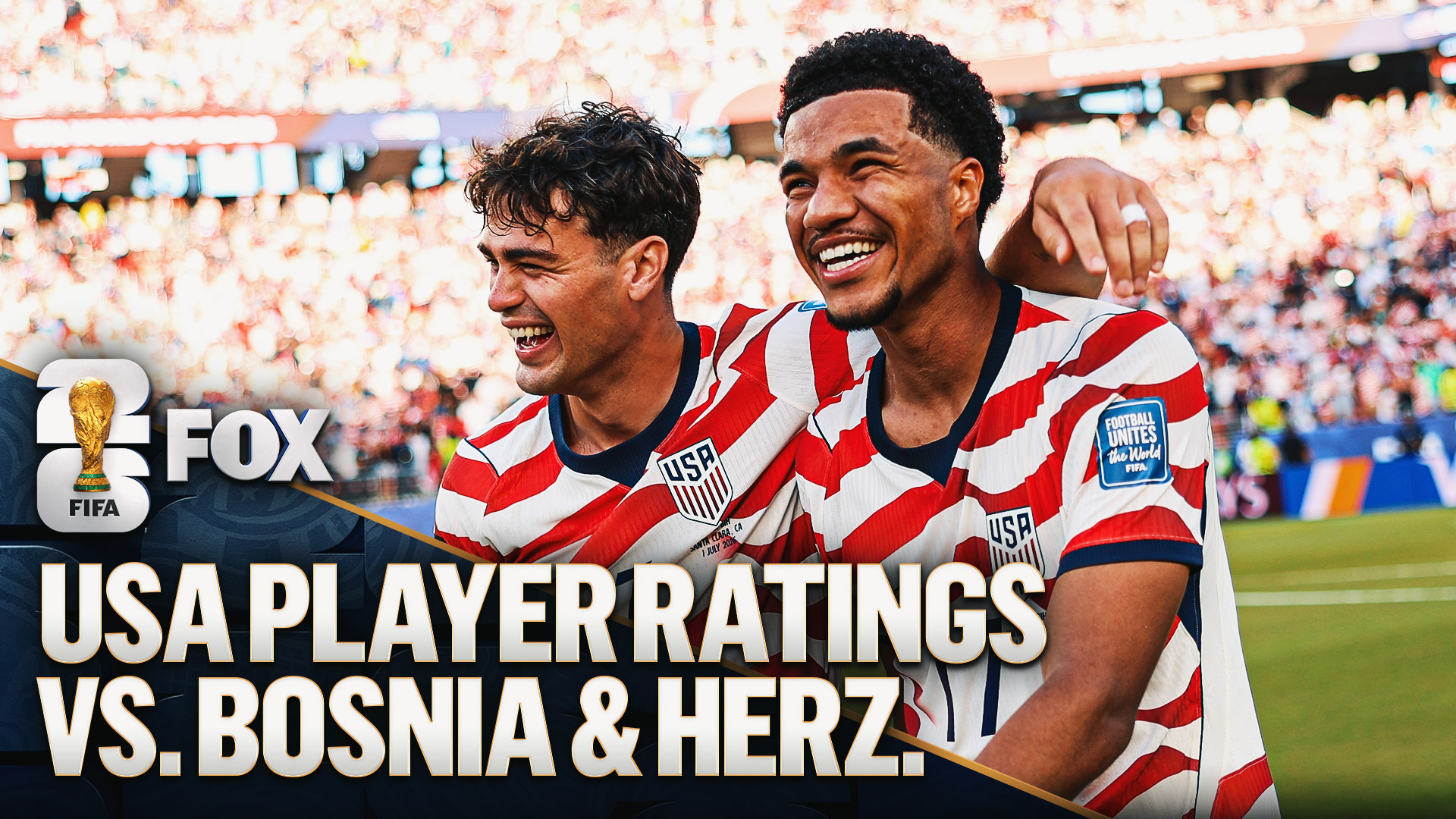
While this World Cup has been a lot of fun to follow for the USA, this journey is about this group. It’s a thing of beauty, and it’s not even finished. So many more people are hopping on this train right now. It was incredible to see these players being serenaded with the love they received. It’s well-deserved. Keep making us proud. For now, 10s across the board. Here are my player ratings from Wednesday night. Starting XI He made the saves he was supposed to make and kept a clean sheet. He hasn’t had that one “oh my god” save that he’s had to make, but he’s made the ones that he’s had to. There was a little blip and rush of blood to the head late in the game, but we’ll take a clean sheet every day. The backline as a unit was phenomenal. They handled the early siege of half-chances from Bosnia and Herzegovina very well. They were warriors against the ball, especially in the second half after the red card. Another really responsible performance from the USA backline. We have endless funds in the “ATM” machine. Tyler has been an unsung hero. He does all the dirty work and patrols the midfield so well. In a game that was as scrappy as it was, with so much of the play getting disrupted by choppy fouls, he remained extremely composed. Weston delivered another all-around top performance. His endless running beyond the back line is just epic. And then there’s Malik. Malik can take this free kick maybe 30 times, and maybe he makes one. The top, top players deliver that one in the most crucial moment. We’ve seen the best of Tillman in tournaments. We saw him flourish at the Gold Cup last year with a consistent run of games. It has been the same thing with this World Cup. He’s found such great balance alongside Wes and Tyler. Also, the fact that no one received a yellow card in that game is incredible and a great sign moving forward. Overall, I thought these three were dangerous. I think they can constantly cause problems when they get on the ball. They’re always looking to go one-on-one against defenders. Balo’s running off the ball was causing problems. We probably didn’t feed him as much as we needed to, but he’s a consistent workhorse. His appetite to be aggressive is golden. For his reward, he got his goal because of his work up front on the counterpress. I’m not going to fault Flo for the red card. It’s unfortunate the way that their feet came together and that he stamped on his foot. Obviously, it sucks that he’s going to miss the next game, but that red card isn’t going to impact my ratings.Latest Sports News from FOX Sports

 Jennifer Aniston and boyfriend Jim Curtis were on a summer break.
The Friends alum shared snapshots of how she’s spending quality time with the hypnotherapist this summer, including hangouts…
E! Online (US) – Top Stories

 World Cup 2026 has become a goal-den opportunity for online dating.
In fact, Tinder usage has kicked into high gear in host cities in the United States, with the dating app seeing nearly a 60…
E! Online (US) – Top Stories
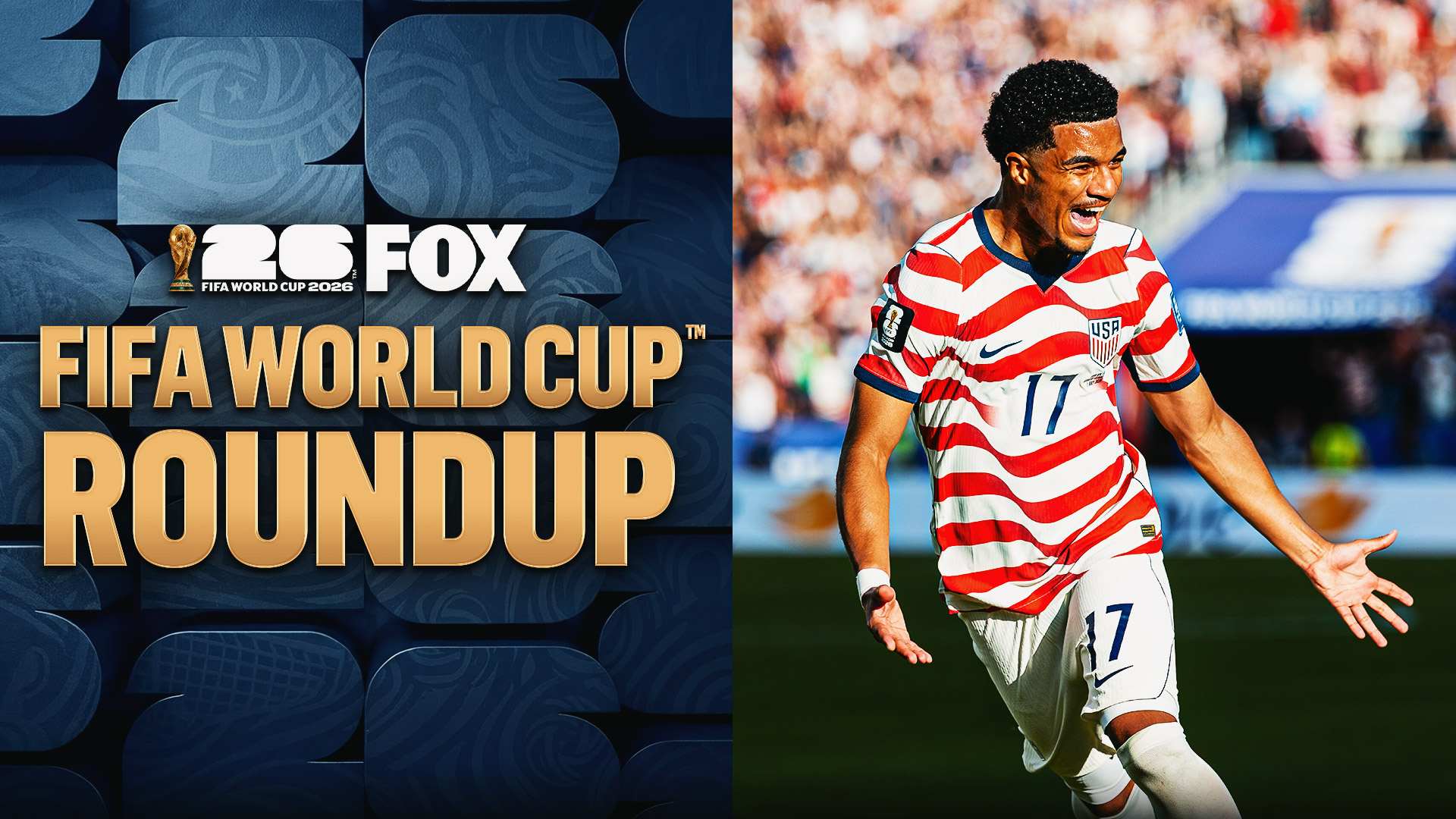
Two goals, a red card and a 24-year-old streak broken — and that was just in the United States’ first knockout stage match of the tournament. Between that and two more unforgettable comeback wins from England and Belgium, it was a day at the World Cup to remember. Here’s the best of Match Day 21 at the 2026 FIFA World Cup. Moment Of The Day Down a man and with a trip to the round of 16 on the line, the USA found a hero in Malik Tillman. The USA found itself up on Bosnia and Herzegovina 1-0 thanks to Folarin Balogun’s first-half goal in round of 32 action, but the second half became tense after Balogun was given a red card. In the 82nd minute, Tillman threaded a free kick over Bosnia’s wall. A huge moment after Balogun’s red card had left the U.S. on its heels. A huge way to respond to seal the win and ensure that the USA would win its first knockout game since 2002. It’s now on to Seattle and a date with Belgium with a quarterfinals spot on the line. Goal Of The Day England needed someone to step up in the second half against DR Congo, and it’s no surprise who did. The Three Lions’ all-time-leading goalscorer bagged the equalizer in the 75th minute on a header, and then he scored a banger in the 86th to win the game. Both goals were assisted by substitute Anthony Gordon, whose pass for the second goal put Kane at the top of the 18-yard box. There was work to do from there, though, and the England captain created space and unleashed an unstoppable effort that not even DR Congo goalkeeper Lionel Mpasi could stop amidst an impressive performance. (More on that later.) Assist Of The Day Kane will deservedly get all the headlines following his heroic performance against DR Congo, but Gordon’s lobbed cross was exactly where it needed to be on Kane’s first goal, and that assist ultimately sparked England’s comeback. Gordon assisted on both of Harry Kane’s goals, becoming the first England player in World Cup history to be directly involved in more than one goal as a substitute. Save Of The Day Mpasi had an eventful first half, from preserving DR Congo’s lead with multiple impressive saves to almost conceding a penalty. Mpasi’s best save came when Jude Bellingham came flying in for a header after a cross from midfielder Declan Rice. Mpasi reacted quickly and got his left hand up in time to maintain the 1-0 lead for his country. The save was so impressive that Bellingham even gave Mpasi props moments later. England vs. DR Congo Belgium vs. Senegal USA vs. Bosnia and HerzegovinaLatest Sports News from FOX Sports
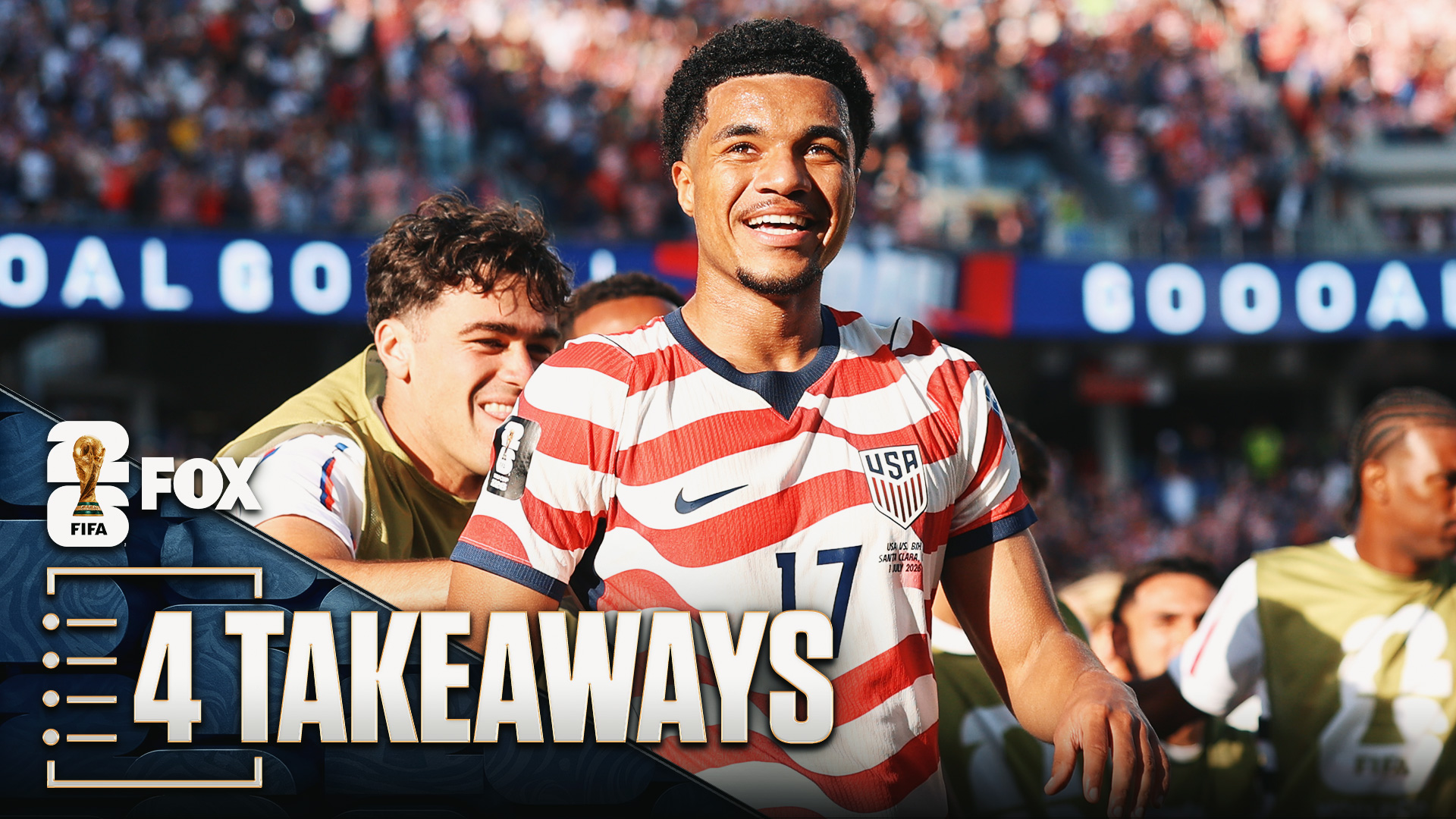
SAN FRANCISCO BAY AREA STADIUM — For the first time in almost a quarter-century, the U.S. men’s national team won a knockout game at the FIFA World Cup. The USA advanced to the round of 16 on Wednesday with a hard-fought 2-0 victory over plucky Bosnia and Herzegovina, setting up a delicious encounter with European power Belgium on Monday in Seattle with a quarterfinal place on the line. Folarin Balogun’s third goal of the World Cup stood as the winner even with the U.S. striker later shown a red card that forced the hosts to play with 10 men for almost the final third of the contest. With the Americans under pressure, Malik Tillman scored on a free kick in the 82nd minute to pad the lead and seal what will be remembered as a pivotal and crucial triumph on soccer’s grandest stage. Here are my takeaways following just the second knockout round World Cup win in men’s national team history: 1. USA Earns An Iconic World Cup Win “Just win, baby.” On the eve of the most important match of the World Cup so far for the co-hosts USA, coach Mauricio Pochettino was introduced to that quote, one made famous by a local legend: former Oakland Raiders owner Al Davis. The timing was fitting, too. When the do-or-die games begin, it doesn’t matter how you survive, only that you do. The Stars and Stripes’ victory on Wednesday wasn’t pretty. This was no surprise. Bosnia and Herzegovina came into its first tournament since 2014 with a reputation for grinding out results; in March, they needed to win penalty shootouts to dispatch Wales and then four-time World Cup champion Italy during Europe’s qualifying playoffs just to book their tickets to North America. Sure enough, they made life difficult for the Americans during the first half in Santa Clara. With all 11 visitors sitting behind the ball at times, the U.S. had few clear looks at keeper Nikola Vasilj’s goal; despite enjoying 63% of possession, the only shot on goal the home side managed during the opening stanza was Balogun’s strike, which literally came in the 45th minute. That’s not to say the U.S. didn’t earn their win. The Bosnians had no answers for the breakneck speed at which the home team operated, or with their quickness in and around the visitors’ 19-yard box. The Americans played soccer; the Golden Lillies tried to stop them by clogging up passing lanes, kicking them whenever possible, and trying to steal a goal on set plays. In short, they made it difficult. The USA still prevailed. And now they’re one of the last 16 teams standing. 2. Folarin Balogun Stars, Then Sees Red The USA’s top striker was Pochettino’s top performer in the group stage, scoring twice and picking up Man of the Match honors against Paraguay, and being named Man of the Match again in the 2-0 win over Australia. With the top spot in Group D confirmed, the coach sat the 24-year-old against Türkiye rather than risk losing him to a yellow card suspension for the Americans first knockout round test. Which paid off: Balogun was again his side’s main finishing threat against the Bosnians, having had what looked like another well-taken goal earlier in the first half currently ruled offside by the assistant referee. The one that counted drew him level with Landon Donovan for the most an American had ever scored at a single World Cup. He did so much more than that, too. Balogun kept the visiting defenders on their heels. They had few answers for his physicality, quickness and speed of thought. Then, suddenly, he was gone. With the Monaco man well on his way toward another player of the game award, Balogun accidentally stepped on the heel of Bosnian enter back Tarik Muharemović. Didn’t matter. After review, Brazilian referee Raphael Claus determined that serious foul play had occurred, and promptly showed Balogun a red card that forced the U.S. to play short-footed for the final almost half-hour of the contest. It could’ve been fatal. Instead, Vasilj could only get his fingers on Tillman’s free kick, giving the U.S. some desperately-needed breathing room — a cushion they rode all the way to the round of 16. 3. A Rematch With Belgium Awaits … With the Belgium-Senegal match kicking off several hours beforehand, the winner of the latter contest was always going to know its round of 16 foes ahead of time. And it looked to all the world like Senegal would be the USA’s opponent in Seattle on July 6. Belgium had other ideas. Trailing 2-0 with only four minutes of regular time left to play, the Red Devils stunned the Lions of Teranga on late goals by veteran forward Romelu Lukaku and captain Youri Tielemans. They then won the match in extra time on Tielemans’ successful penalty attempt. Combined with the Americans’ victory, it sets up a rematch of the March World Cup tune-up between the sides — one in which the Belgians outclassed Pochettino’s team in a lopsided 5-2 loss. They also eliminated the U.S. in 2014. In fact, the Americans have lost six consecutive matches to Belgium. On Monday night in front of what promises to be another electric and partisan home crowd in Seattle, they’ll get a chance to break that streak and advance to the last eight for the first time since 2002. 4. … And It’s Another Must-Win. It’s not exactly the trap game that Wednesday’s could have been, but that doesn’t mean the U.S. can afford to squander the opportunity to keep the party going. The U.S. has now reached the last 16 in each of its last four World Cup appearances. In 2010, 2014 and 2022, that’s the stage at which they were eliminated. Sure, the first hurdle has been cleared. Winning a knockout game is nothing to sneeze at. It doesn’t happen every day. Still, for this tournament to truly be considered a success on home soil, the status quo won’t really cut it. It’s not going to be easy, especially with Balogun suspended. The Americans will still relish the challenge — one they’ll face head-on.Latest Sports News from FOX Sports