Categories
Alaska News Featured Juneau News juneau Juneau Local Juneau Local Ketchikan Local News Feeds Sitka Local

5 legislative races to watch in Alaska’s Tuesday primary election

By: Corinne Smith, Alaska Beacon
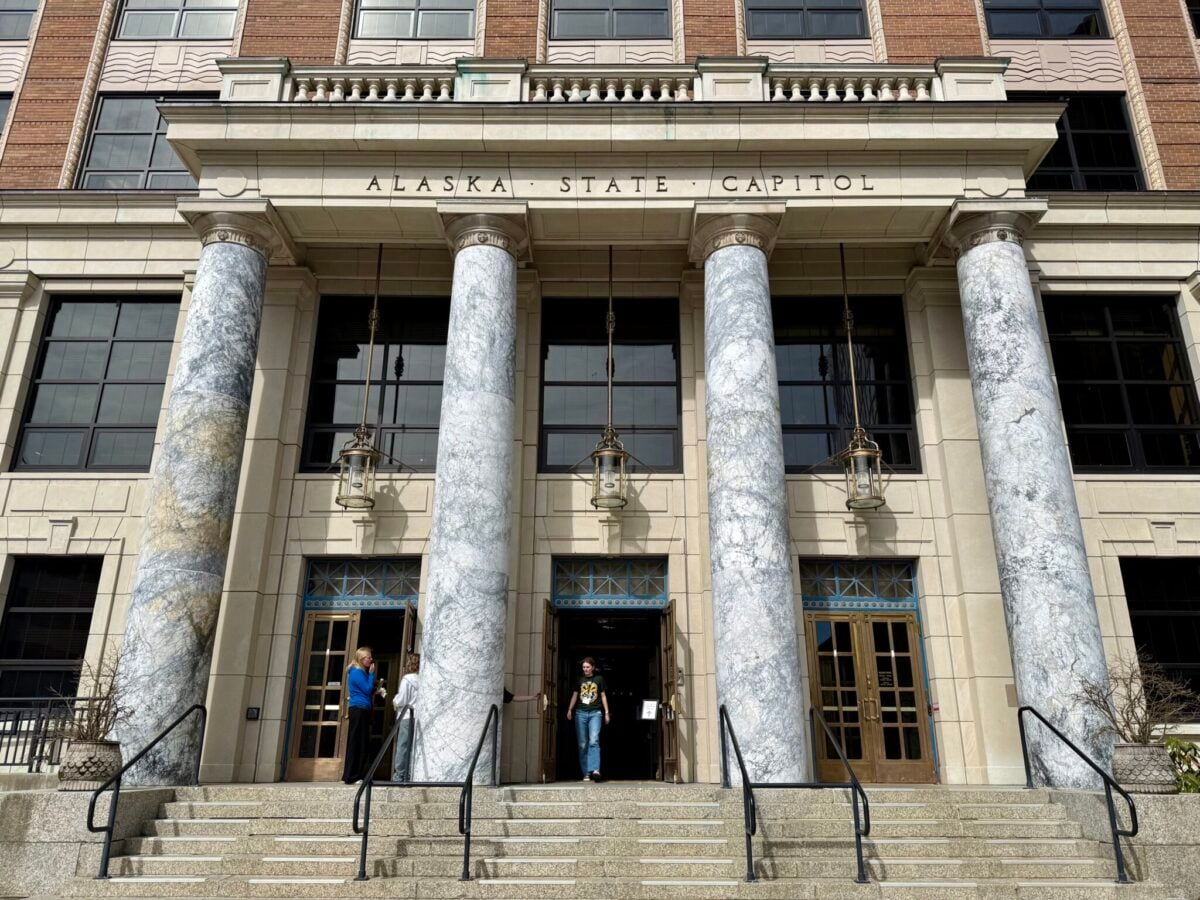
The Alaska State Capitol in Juneau is seen on Apr. 24, 2026. (Photo by Claire Stremple/Alaska Beacon)

There are five competitive races for the Alaska House and Senate in this year’s primary election, where candidates are vying for the top four places in order to advance to the ranked choice general election in November.

Early voting has begun across Alaska, and ends on Tuesday with polls closing at 8 p.m. Mail-in ballots must be postmarked by Tuesday, Aug. 18. 

All 40 members of the Alaska House are up for election; 10 of the 20 Senate seats are up for election.2026 Voter Guide

The candidates, the ballot measures, and the tools you need to cast your vote.

Alaska Votes: 2026

In those races with four or fewer candidates, all are expected to advance to the general election unless they decide to drop out by an Aug. 31 deadline. 

Those competitive primary races include one of the largest Senate districts that extends from Western Alaska to the Aleutian Islands, as well as House districts in Southwest Alaska, Eagle River and  in the eastern and western districts of the Matanuska-Susitna Borough. 

In the Western Alaska Senate District S, longtime incumbent Bethel Democrat Sen. Lyman Hoffman is retiring. The district extends from Western Alaska to Lake Clark and south across the Aleutian Islands, and the Senate seat represents approximately 36,800 Alaskans. 

The candidates are current House Speaker Independent Rep. Bryce Edgmon of Dillingham, Republican Darren Deacon of Aniak, Democrat Wassilie Guy of Napaskiak and Independents Wayne Morgan of Aniak and Rick Robb of Bethel.

The winner of the Senate race in November will serve a four-year term. 

Alaska House seats represent approximately 18,335 Alaskans each, and representatives serve two-year terms. 

Edgmon is vacating a seat representing House District 37, which includes Southwest Alaska communities from Bristol Bay to the Aleutian Islands.

Seven candidates are running for the top four spots this race: Independents Peter Angasan of King Salmon, Kimberly Johnson of Dillingham, Mark Smith of Aleknagik and Cade Woods of Dillingham; Democrats Dennis Robinson of Unalaska and Evelynn Trefon of Newhalen; and Republican Brenda Wilson of King Cove. 

Five candidates are running for House District 23, which encompasses Eagle River, a northern suburb of Anchorage near the Joint Base Elmendorf-Richardson. Incumbent Republican Rep. Jamie Allard is running for re-election, challenged by Republicans Nick Capozzi and Ruby Jones, and Democrats Jim Arlington and Lee Hammermeister.

In the eastern district of the Manatuska-Susitna Borough, House District 29 covers communities in the Palmer-Fishook area eastward to Valdez. Incumbent Republican Rep. Garret Nelson is running for the seat for the first time. He was appointed by Gov. Mike Dunleavy to the seat last year, after former Rep. George Rauscher, R-Sutton, was appointed to the Alaska Senate to fill a seat vacated by Shelley Hughes who is running for governor.

Challenging Nelson are Independents Amber Hansen of Wasilla and Jessica Kusner-Kalarchik of Palmer, Republican Steve Menard of Palmer, Democrat Kimberly Slone of Wasilla and Libertarian Candice Frisby of Palmer. 

In House District 30, in the western region of the Mat-Su Borough from Big Lake to Talkeetna, four candidates are challenging incumbent Republican Rep. Kevin McCabe. He was first elected to the seat in 2020. McCabe will face Democrat Sandra Loomis of Talkeetna and Republicans Mike Alexander of Big Lake, Doyle Holmes of Willow and Doug Massie of Wasilla.

In the House, 36 races are expected to be competitive in the general election. Four incumbents are running unopposed: Rep. Sara Hannan, D-Juneau, in District 4; Rep. Chuck Kopp, R-Anchorage in District 10, Rep. Genevieve Mina, D-Anchorage in District 19; Chuck Kopp, R-Anchorage in District 10, and Rep. Will Stapp, R-Fairbanks in District 32.

In the Senate, seven races are expected to be competitive in the general election. Three Senate incumbents are running unopposed, including Sitka Republican Sen. Bert Stedman, and Anchorage Democrats Bill Wielochowski, and Löki Tobin.
Categories
Alaska News Featured Juneau News juneau Juneau Local Juneau Local Ketchikan Local News Feeds Sitka Local

After Alaska’s ‘final four’ primary, a silent primary may decide who’s on the ballot in November

By: James Brooks, Alaska Beacon

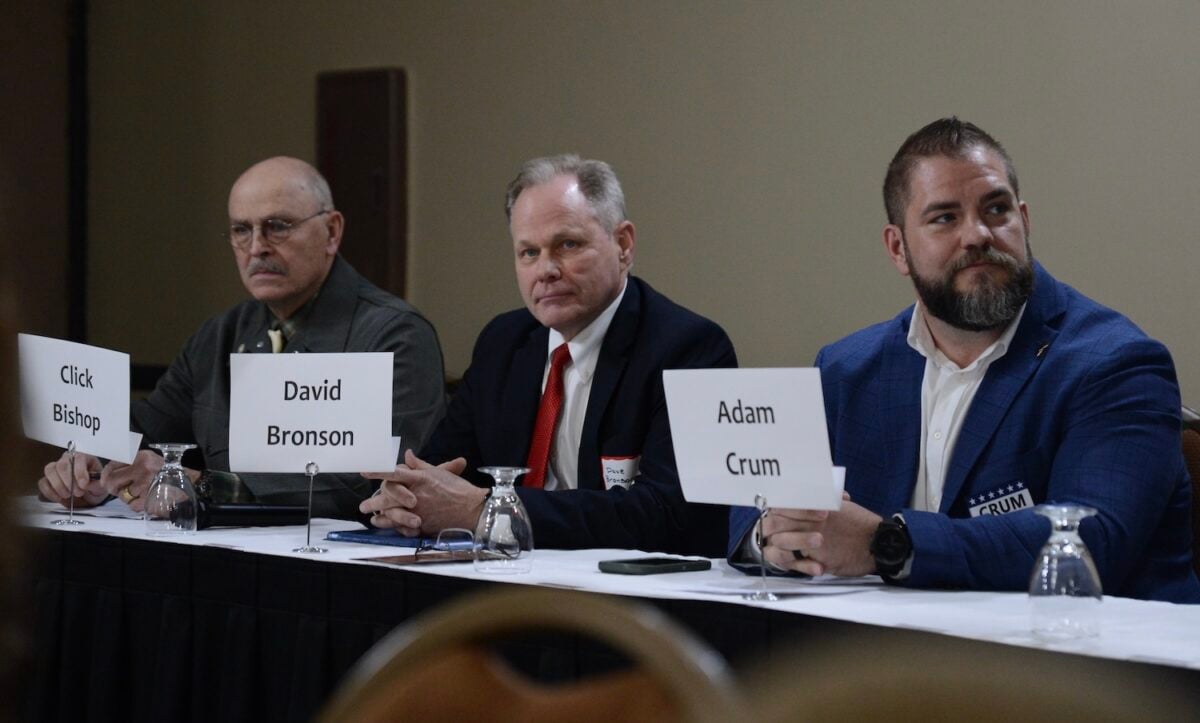
From left to right, Click Bishop, Dave Bronson and Adam Crum, three of the 10 candidates at the Capital City Republican governor candidate forum, are seen on Wednesday, Feb. 11, 2026, at the Baranof Hotel in Juneau. (James Brooks photo/Alaska Beacon)

Alaska’s two leading Democratic candidates for governor have quietly been discussing whether one of them should quit the race if both are among the top four vote-getters in Tuesday’s primary election. 

Jonathan Kreiss-Tomkins and Tom Begich each said by phone on Thursday that they’ve been discussing different scenarios about what could happen when the final votes are counted.

Republicans have been talking about similar maneuvers for months, with one prominent Republican group going so far as to run ads urging lower-finishing candidates to withdraw in order to consolidate the vote in November.

“Both sides are trying to figure out: What does the top four look like? And how are we best positioned for success?” said Bernadette Wilson, one of the leading Republican candidates for governor in Alaska’s 17-person race.

Under Alaska’s election system, the top four vote-getters — regardless of political party — advance to the November general election. That may mean multiple Republicans or Democrats on the same ballot, competing for the same votes.

In November, voters in the general election will be asked to rank those four candidates in order of preference. 

After all the votes are in, the candidate with the fewest number of first-choice preferences is eliminated. Any voters who ranked that candidate first will have their votes go to their second choice.

The process repeats until only two candidates are left. 

In theory, that means no vote splitting. Anyone whose favorite candidate is eliminated can instead vote for someone else.

In practice, some Alaska voters ranked only one or two candidates in the 2022 and 2024 statewide elections, leading to an unusual number of “exhausted” ballots whose votes went to neither of the final two candidates. 

Two years ago, that led to large amounts of post-primary maneuvering as lower-finishing candidates withdrew from races in order to force unfavorable matchups for one top finisher or another.

In the U.S. House race, two top Republican finishers withdrew after the primary, which put imprisoned Democratic U.S. House candidate Eric Hafner into the final four.

That November, Hafner was eliminated first, and fewer than half his votes transferred to the other Democrat, then-incumbent Rep. Mary Peltola. 

That was less than Peltola’s margin of defeat — Peltola was defeated by current Rep. Nick Begich III, R-Alaska — but in a closer race, it could have been decisive.

Now, as Peltola runs for U.S. Senate against incumbent Sen. Dan Sullivan, R-Alaska, a similar strategy is playing out. 

National groups have spent more than $2 million in an attempt to boost lesser-known candidates into the final four and potentially split the field. 

Dan J. Sullivan, unrelated to the incumbent senator, is on the ballot but told the Chicago Tribune that he’s uncertain whether he will remain in the race if he makes the top four. 

In the 17-person race to replace Gov. Mike Dunleavy — who is term-limited and unable to run this year — candidates have been talking for over a year about whether or not they will be willing to bow out after the primary.

Wilson entered the race in May 2025 and promptly pledged to withdraw after the primary if she finished behind another Republican. It’s a pledge she’s renewed since then.

“I don’t think that it’s smart to carry on. … I don’t think that we need any more division as we head into November. I don’t think that it’s smart to split up the voting base, the volunteers that help, I don’t think it’s smart to split up the finances,” she said.

Wilson also said that having multiple candidates from the same party risks denying the eventual winner a mandate — a margin of victory so large that it gives the winner political backing to implement their platform.

“I think it’s important that a governor win by a strong strongest margin as possible, because I think that it’s important for the stability and the unity of the state past November,” she said.

Wilson has also been campaigning hard to repeal Alaska’s current elections system with Ballot Measure 2, which will come in front of voters in November.

Post-primary juggling is evidence that ranked choice voting doesn’t work, she said.

Supporters of the state’s elections system and some detractors have said that it dilutes the influence of the Republican and Democratic parties. Wilson doesn’t see it that way. 

“I think it’s just made it worse,” Wilson said. “I think it’s handed more power to backroom conversations, and I just don’t think the public’s gonna like it.”

Jenny-Marie Stryker, executive director of the Alaska Democratic Party, was traveling on Friday and unavailable for an interview, a spokesman said. Carmela Warfield, chair of the Alaska Republican Party, did not respond to an email.

The Valley Republican Women, an influential group based in the Matanuska-Susitna Borough, has an ongoing ad campaign that urges Republicans to “vote the primary, consolidate the vote” and “don’t split the field.” 

Julia Anastos, campaign manager for the group opposing Ballot Measure 2, said by email that gamesmanship isn’t new in Alaska.

“Parties and political insiders will always strategize about who should run and who should drop out. These kinds of maneuvers happen under a partisan primary as well, like in the 2014 and 2018 gubernatorial races, when would-be spoiler candidates dropped out to clear the lane for a stronger candidate,” she said. “Under our system now, ranked choice voting addresses that spoiler effect and ensures the winning candidate has earned majority support.”

The issue of what to do after the primary was a key issue at a forum earlier this month in Soldotna, when five candidates were directly asked about the issue.

“I would stay in,” nonpartisan candidate Meda DeWitt told forum attendees. 

As a nonpartisan, she sees herself able to attract second-choice votes from both Republicans and Democrats.

“I actually appreciate ranked choice voting because your vote is not lost if your top pick doesn’t get in,” she said.

Adam Crum, a Republican candidate and former Dunleavy cabinet official, said he thinks there’s an advantage to having multiple Republicans in the general election.

“It actually does make more sense for more conservatives to stay in it, because you actually work together,” he said. 

In the 2022 special election to replace Rep. Don Young, R-Alaska, Republican candidates Sarah Palin and Nick Begich III frequently fought each other on the campaign trail. That turned off Republican voters, Crum noted. 

During the current primary election campaign, he said, “We have actually done a very good job … of actually working together and pushing forward ideas.”

A cordial campaign keeps voters involved and going to the polls, he said.

“You actually increase the ceiling, and the math actually works out. I’m a numbers guy. Over time, it does work,” Crum said.

Matt Heilala, a podiatrist and Republican who has put more than $1.5 million of his own money into a campaign for governor, said that last year, “I had the thought that I would immediately withdraw because we saw what happened with Sarah and Nick.”

Now, he’s not as sure. What if there’s “an indictment, an October surprise, some kind of a shenanigan that the opposing party is going to play on the person that is 10 votes ahead of me, and they’re just waiting for me to leave?” he asked. 

In that case, having another Republican would be helpful, he suggested.

Dave Bronson, the former Anchorage mayor and Republican candidate for governor, said he intends to reserve his options until he sees what happens in the primary.

“The notion that I would stand up and say at this point in time I’ll absolutely get out if I’m No. 2 on the Republican side — that’s foolishness,” he said.

Categories
Alaska News Featured Juneau News juneau Juneau Local Juneau Local Ketchikan Local News Feeds Sitka Local

Skagway ferry service suspended after damage to state-owned dock

Dock damage courtesy of DOJ

NOTN- Ferry service to Skagway has been suspended indefinitely after officials discovered major structural damage to the state-owned ferry dock.

The Alaska Department of Transportation and Public Facilities announced Saturday that there would be no service to Skagway for the “foreseeable future” while crews assess the damage.

Below is a portion of the notice issued by DOT;

“Due to major structural damage at the Alaska Marine Highway System (AMHS) docking facility in Skagway, the Skagway port is closed until further notice. All ferry service to and from Skagway is suspended for the foreseeable future.

The safety of our passengers and crew is always our highest priority, and operations will only resume once the facility is fully secure.

AMHS terminal agents are actively reaching out to passengers with existing reservations to assist with refunds, alternative travel plans, and rerouting options.

DOT is working with Hamilton Construction on a temporary repair, but there is no timeline yet for when ferry service will resume.

Categories
Alaska News Featured Juneau News juneau Juneau Local Juneau Local Ketchikan Local News Feeds Sitka Local

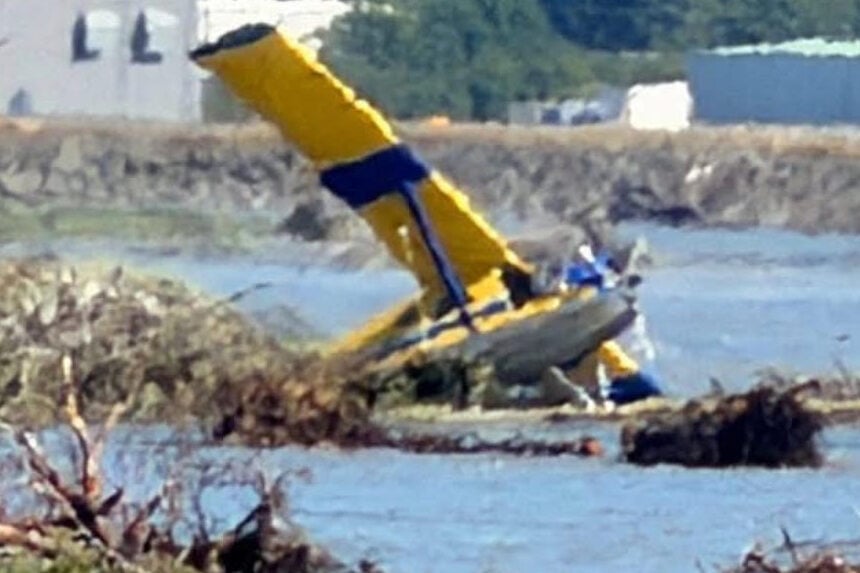
Floatplane makes emergency landing in Mendenhall River

Photo courtesy of Susan Walker, Juneau Community Collective

NOTN- An Alaska Seaplanes floatplane made an emergency landing in the Mendenhall River this morning, with no injuries reported.

The company says a de Havilland Beaver, tail number N777DH, made the emergency landing at about 11:17 a.m., shortly after taking off from the floatplane pond at Juneau International Airport.

According to a Facebook post, there was one pilot aboard and no passengers. The pilot was unharmed and is now with Alaska Seaplanes personnel.

The aircraft landed safely but later drifted into a floating root ball in the river. Alaska Seaplanes personnel are working to recover the plane.

The company says additional information will be provided as it becomes available.

Categories
Alaska News Featured Juneau News juneau Juneau Local Juneau Local Ketchikan Local News Feeds Sitka Local

Dunleavy introduces new LNG tax-concession bill as special session nears end

By: Yereth Rosen, Alaska Beacon

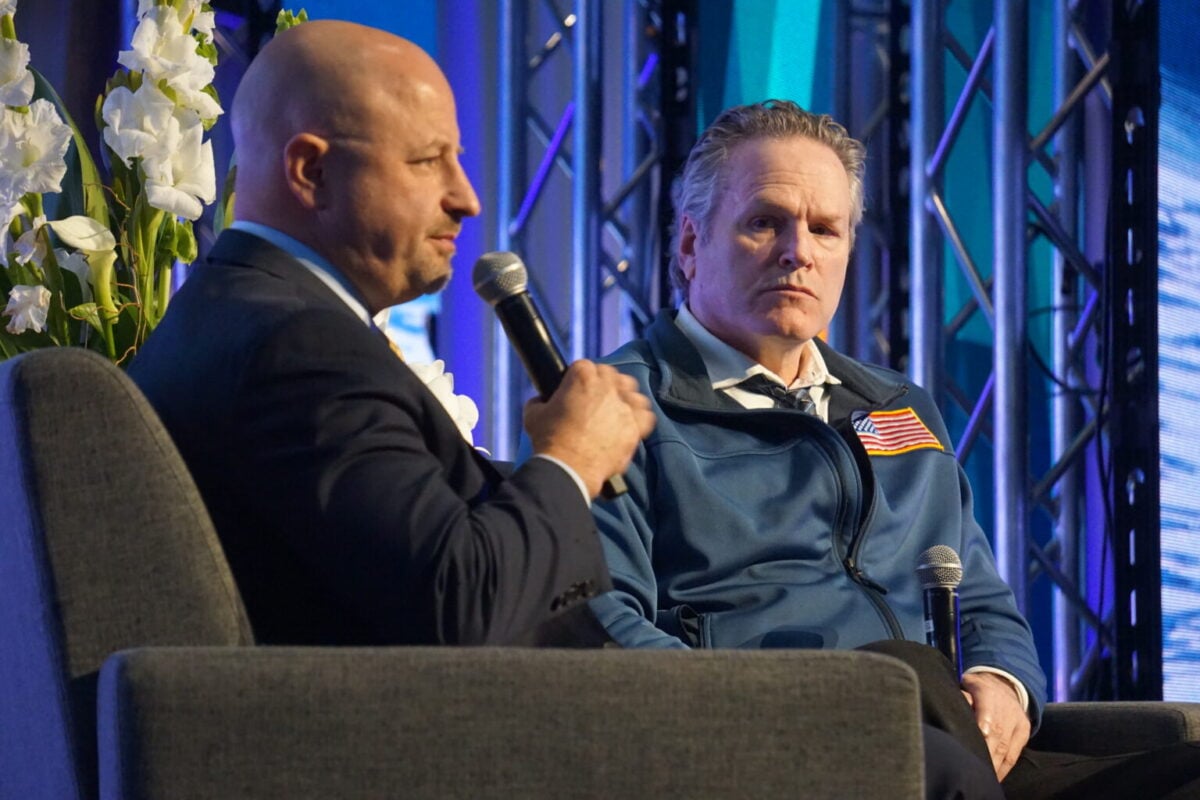
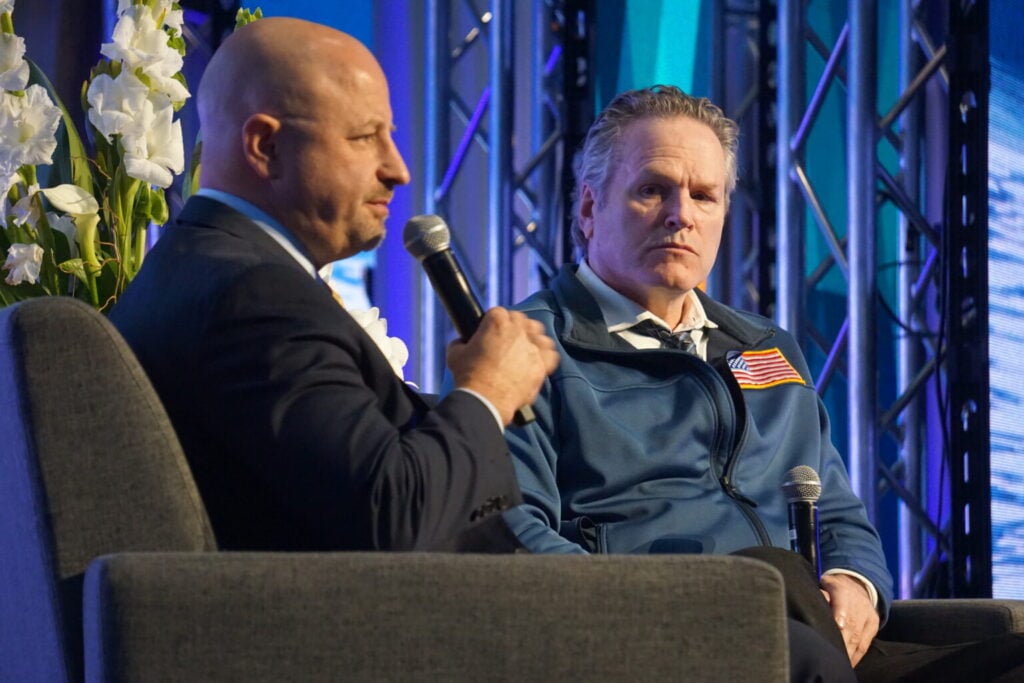
Glenfarne CEO Brendan Duval speaks on May 21, 2026, at the Alaska Sustainable Energy Conference in Anchorage, while Gov. Mike Dunleavy listens. Glenfarne is the company now proposing to build a liquefied natural gas project to commercialize North Slope’s stranded reserves. Dunleavy on Wednesday introduced a new bill proposing tax concessions to encourage construction of the LNG project. (Photo by Yereth Rosen/Alaska Beacon)

Gov. Mike Dunleavy on Wednesday introduced a new natural gas pipeline bill that he characterized as a compromise between conflicting philosophies on oil and gas taxes that he wants lawmakers to pass during the ongoing special session.

The new bill would nearly eliminate property taxes that would be charged on the operator of a yet-to-be-built gas pipeline. Dunleavy and Glenfarne, the Texas-based investment company that is now the main sponsor of the gas pipeline project, have argued in recent months that such concessions are a major requirement for the project to be built.

The special session is due to end in less than two weeks. Lawmakers are still evaluating the proposal, but on Monday members of the Senate’s bipartisan majority expressed reticence to make quick decisions on a gasline bill.

Dunleavy’s new bill contains a concession to a tax previously sought by the Senate majority. It would also impose a small corporate income tax on certain private oil- and gas-producing corporations. Those companies, also known as S corporations or pass-through corporations, are currently exempted from such taxes in Alaska law. For now, the main corporation that would be affected is Hilcorp, a privately held Texas-based company that operated the Prudhoe Bay field and other North Slope assets that used to be owned by BP. Several legislators view Hilcorp’s exemption from corporate income taxes as a loophole that should be closed.

The governor said legislators should pass his bill in what is now the third special session he has called on the subject.

“I have never been in favor of new taxes on Alaska’s producers, and I still am not,” Dunleavy said in a statement. “This bill is a compromise that removes a significant barrier to moving the gas line forward. Given the robust discussion and work that has already gone into this bill, I am hopeful the legislature can swiftly pass a bill that will help the AK LNG project get the financing it needs to start construction as soon as possible.”

The 2% tax rate Dunleavy proposed on petroleum-producing S corporations is significantly lower than the lower than tax rates  legislative leaders have previously proposed, which went up as high as 9.4%.

Doug Fletcher, a Glenfarne employee, prepares to close down the company's "Build The Line" booth at the Fairbanks Golden Days street fair on June 25, 2026. The campaign aims to convince state lawmakers to pass tax concessions that Glenfarne argues are needed to make the LNG project a reality. (Photo by Yereth Rosen/Alaska Beacon)
Doug Fletcher, a Glenfarne employee, prepares to close down the company’s “Build The Line” booth at the Fairbanks Golden Days street fair on June 25, 2026. The campaign aims to convince state lawmakers to pass tax concessions that Glenfarne argues are needed to make the LNG project a reality. (Photo by Yereth Rosen/Alaska Beacon)

Officials and energy companies in Alaska and elsewhere have been pushing since the 1970s — even before oil began flowing through the Trans Alaska Pipeline System — for a second pipeline to deliver the North Slope’s vast but stranded natural gas resources to markets. None of the plans has been economically feasible, even though politicians at various points over the past decades declared that construction was imminent.

The current iteration of the gas commercialization plan calls for a pipeline to run about 800 miles from Prudhoe Bay to tidewater at Cook Inlet, where the product would be liquefied for shipment by tanker to markets. The estimated price tag is $65 billion to $70 billion, according to legislators.

A bill considered during an earlier special session, House Bill 381, proposed to grant the property tax concession, but it also included several conditions for any LNG sponsor to meet, such as timeline assurances, labor protections, alternative sources of state revenue and required financial support of local school districts.

The bill also included a bracketed income tax with rates up to 9.4% on petroleum-producing S corporations such as Hilcorp — significantly higher than the 2% that Dunleavy is now proposing.

That bill passed the state Senate narrowly last month but was rejected by the House.

One lawmaker on Wednesday said Dunleavy’s new bill, just like any oil tax legislation, should not be rushed.

“It would be wildly irresponsible to pass complex oil and gas legislation without due diligence to understand the consequences,” said Rep. Zack Fields, D-Anchorage.

Leaders of the state Senate majority caucus, in a statement on Monday, expressed skepticism about the need for any further concessions to help Glenfarne’s plan.

“For more than fifty years, Alaskans have worked to bring our gas to market, and every member who has served in this building shares that goal. The Senate has done its part in good faith, passing two bills that would let this project move forward while protecting the people we answer to,” Senate President Gary Stevens, R-Kodiak, said in the statement. “A decision of this scale will outlast all of us, and it deserves to be made with care rather than in haste. We are ready to evaluate the project further once the producer, Glenfarne, and the Administration bring us the numbers this year. These are Alaska’s resources, and they must work first and foremost for Alaskans.”

The special session is scheduled to end on Aug. 25.

Categories
Alaska News Featured Juneau News juneau Juneau Local Juneau Local Ketchikan Local News Feeds Sitka Local

Juneau residents grapple with whether to stay or flee as glacial outburst floodwaters rise

By: Alix Soliman, KTOO, Clarise Larson, KTOO and Corinne Smith Alaska Beacon

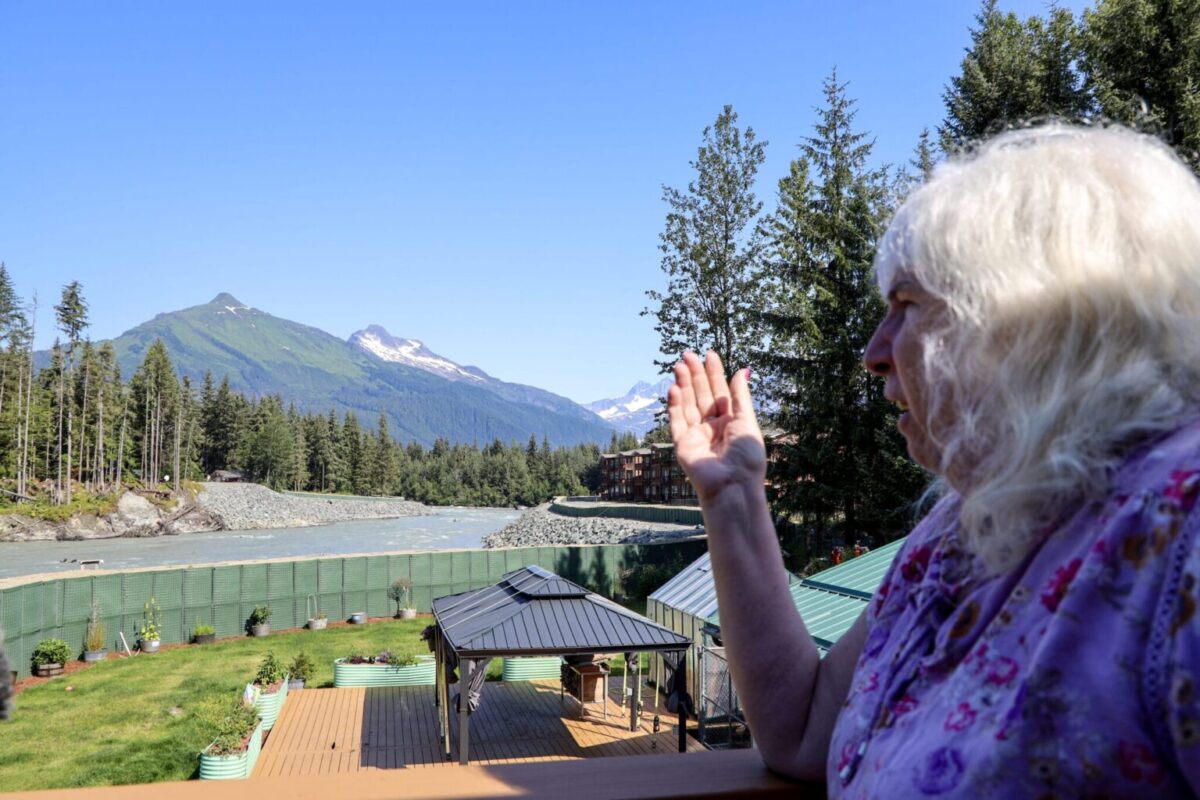
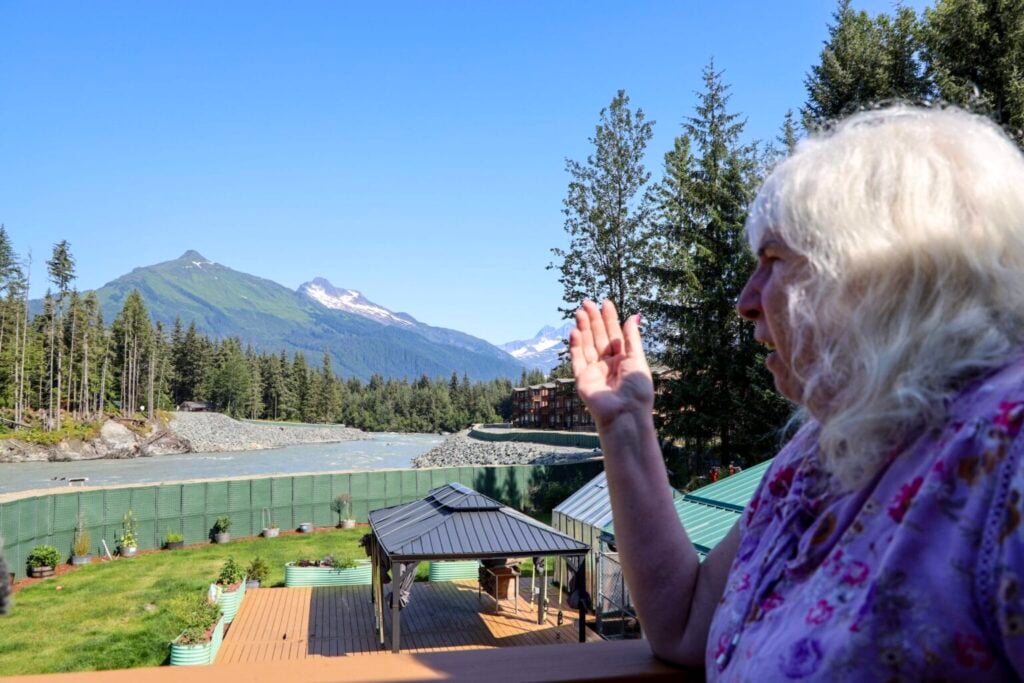
nn Lind looks out from her balcony on Marion Drive at the Mendenhall River as it rises on Wednesday, Aug. 12, 2026. (Clarise Larson/KTOO)

As the Mendenhall River swells with glacial outburst floodwater, hundreds of people living in the suburban valley below spent Tuesday night and Wednesday preparing to evacuate or hunker down. The National Weather Service predicts the flood will crest Thursday.

Officials managing the flood response recommended residents evacuate by 3 p.m.

On Marion Drive, Ann Lind plans to watch the flood from her second-story balcony overlooking the Mendenhall River.

“I got lawn chairs up there, and we’ll just be sitting there, and that’s where I’ve been every year,” she said.

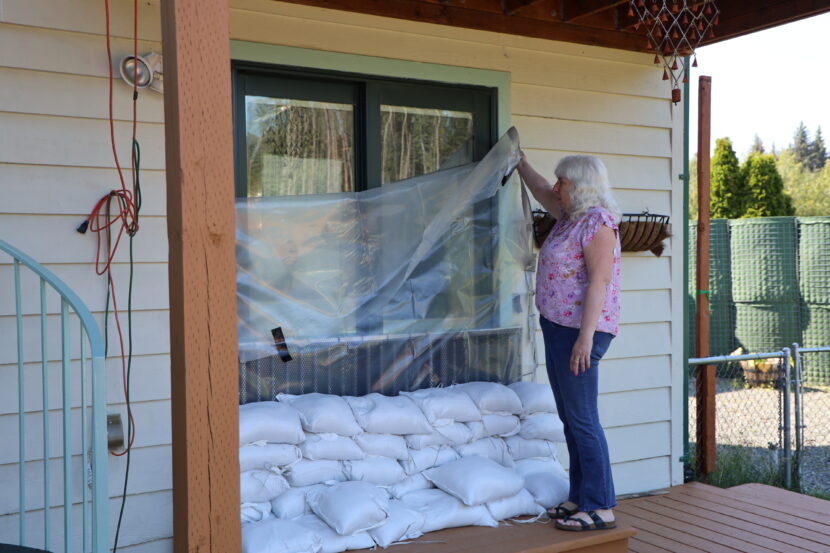
Lind said her crawl space flooded last year when water leaked through the HESCO barriers and a drainage pipe failed. She said she’s staying again this year to protect the property.

Ann Lind secures sandbags at her house on Marion Drive on Wednesday, Aug. 12, 2026. (Clarise Larson/KTOO)

“Because if I wouldn’t have stayed last year, I never would have known that I was flooding back there, and the flooding would have been way worse,” she said. “Within 30 minutes of me calling for help, I had nine guys and five pumps back there.”

She said she’s more confident her home won’t flood this time after the U.S. Army Corps of Engineers placed an industrial-sized pump just beyond her lawn to send water that leaks through the flood wall back into the river.

Although she plans to stay behind with her 17-year-old daughter, she said her other kids and pets will evacuate – heeding official advice.

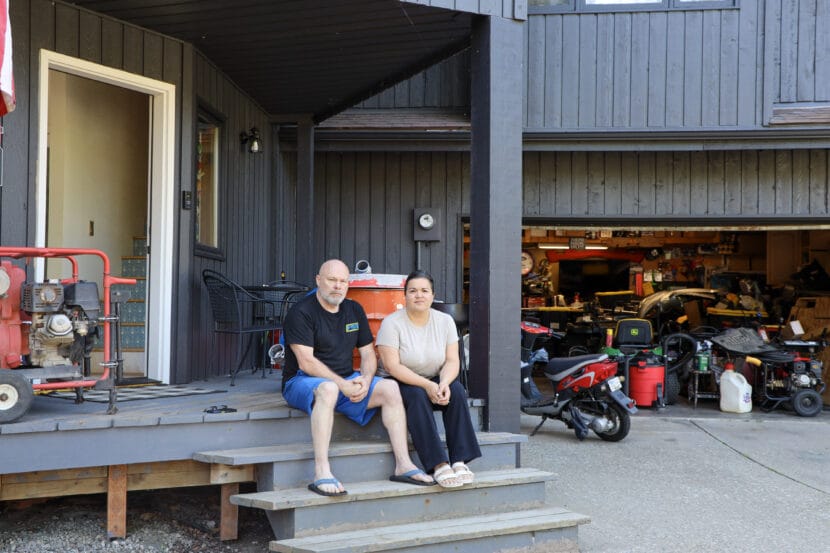
Downstream from Lind’s place, on Meander Way, Locke Brown said he and his wife are optimistic about flood protection this year. Last year, the pair’s crawl space and garage flooded.

“If we had these pumps on the roads sitting here last year, I think we probably wouldn’t have had any water in the house,” he said.

Locke and Melissa Brown sit on their porch at their home on Meander Way as the Mendenhall River rises on Wednesday, Aug. 12, 2026. (Clarise Larson/KTOO)

They said they’re grateful for the pumps and bolstered flood wall provided by the Army Corps this year — but they’re not taking any chances. They said that once the water rises high up on the barriers, they plan to evacuate to a camper they have set up outside of the flood zone.

Locke is retired from the U.S. Coast Guard and his wife still works for the Coast Guard.

“We’ve made our living saving people when they know they should have left,” he said.

Locke said the prudent thing is to leave since there’s a possibility the barriers could fail.

“It’s one of those unknowns. You just — what do they say? — Prepare for the worst and hope for the best,” he said. “We just feel like, at this point, we’re just driftwood. Whatever happens is gonna happen, and we’re just gonna have to deal with it when it’s over.”

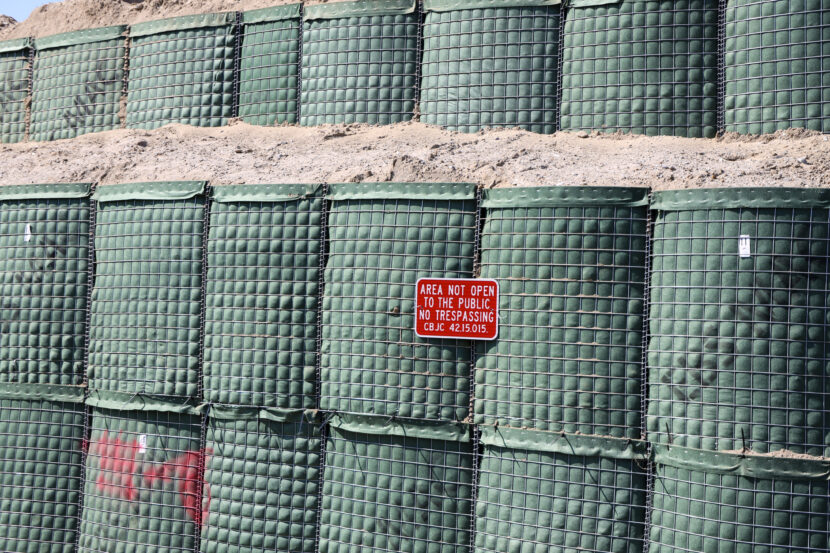
HESCO barriers installed along the Mendenhall River on Wednesday, Aug. 12, 2026. (Clarise Larson/KTOO)

Just a few blocks over, on Gee Street, Benson Bullock said he’s not too worried. He’s patching a pair of waders in his garage, but not for walking through floodwaters.

“Hopefully, if it’s not too crazy, I’ll be going fishing,” he said.

Bullock had a few inches of water in his garage during the catastrophic flood in 2024, but his house has never flooded. Bullock says he plans to put sandbags in front of the garage before the flood crests.

“We have stuff moved and cleaned up,” he said. “We moved my boat, we’ll move my wife’s truck, and we’ll just have my truck here in case we decide to leave.”

On View Drive, many residents say they’re planning to stay to try to protect their property and look out for their neighbors.

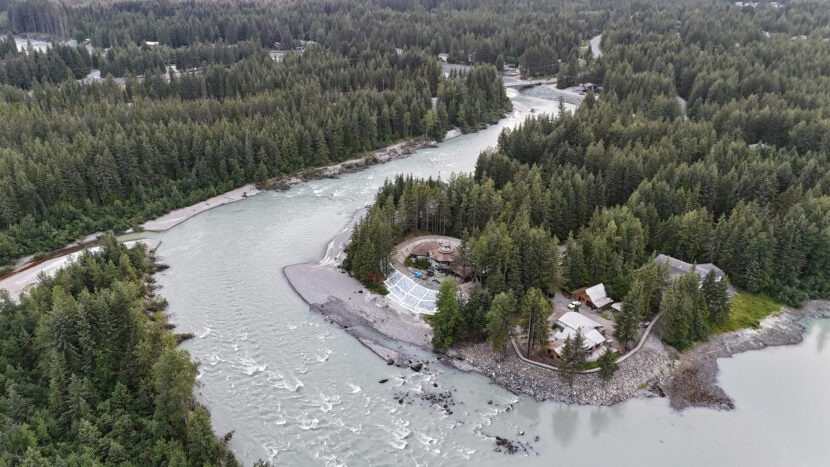
View Drive is a forested cul-de-sac that forms a peninsula jutting into the Mendenhall River. It’s been hit the hardest by past floods. For a second year in a row, the street has been left without the protection of the flood wall constructed by the City and Borough of Juneau and the Army Corps. Officials have said in the past that the street has porous soil and have doubts that the homes could be protected.

The Mendenhall River surrounds homes on View Drive in the Mendenhall Valley on Tuesday, Aug. 11, 2026. (Clarise Larson/KTOO)

Mandy Mallott lives at the end of the cul-de-sac. She bought the house from a family she babysat for when she was growing up in Juneau. It looks out over Stroller White Mountain, where her father died in 2005.

“It’s a very spiritual place to us,” she said. “It’s a private place, and we’ll do what we can to protect it.”

She and her family spent Tuesday evening moving their belongings up onto shelves in their garage. Last year, she worked with her neighbors to have contractors put up their own HESCO barriers around a few properties, and she said her home didn’t flood.

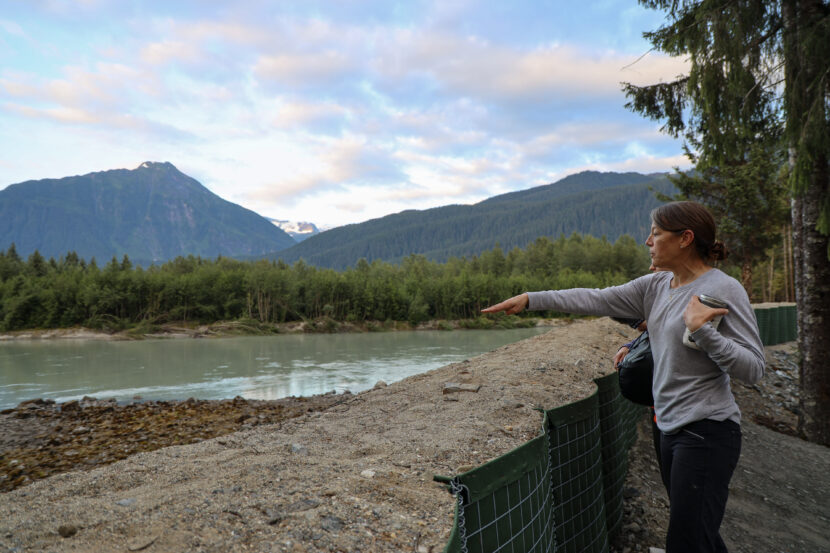
Mandy Mallott points over HESCO barriers to the Mendenhall River from her home on View Drive on Tuesday, Aug. 11, 2026. (Clarise Larson/KTOO)

Although a federally sponsored buyout for her home and others on View Drive might be on the table — Mallott said she’s emotionally tied to the place, and sees a long-term solution designed by the Army Corps as her best option.

“That emergency tunnel fix gives us all a lot of hope,” she said.

Mallott and her family are tribal citizens, and she said she’s grateful for the dozens of sandbags that the Central Council of the Tlingit and Haida Indian Tribes of Alaska dropped off on Tuesday.

Residents of the Riverview Senior Living facility were about 50-50 split on whether to evacuate on Wednesday afternoon, said its Executive Director René Bryant. This year, new HESCO barriers are now standing between the Mendenhall River and the two-story assisted living and memory care facility.

She said the roughly 70 residents have a choice whether to stay or evacuate, and they are providing transportation to a nearby emergency shelter at St. Paul’s Catholic Church after an early dinner on Wednesday evening. Bryant said additional transportation to evacuate will be provided Thursday if needed.

“We are respecting everybody’s rights, while contacting family members to make these decisions as well,” Bryant said.

Categories
Alaska News Featured Juneau News juneau Juneau Local Juneau Local Ketchikan Local News Feeds Sitka Local

Thousands of Juneau residents urged to evacuate before glacial outburst flood

By: Corinne Smith, Alaska Beacon

Glacial lake outburst flooding begins on the Mendenhall River below the Mendenhall Glacier on Aug 11, 2026. Officials issued an evacuation advisory for roughly 5,000 residents in the area. (Photo by Corinne Smith/Alaska Beacon)

For questions and resources, call the local 24/7 flood hotline at 907-500-0890.

Alaska’s capital city has issued an evacuation advisory for the densely-populated Mendenhall Valley area on Wednesday as glacial outburst flooding begins. 

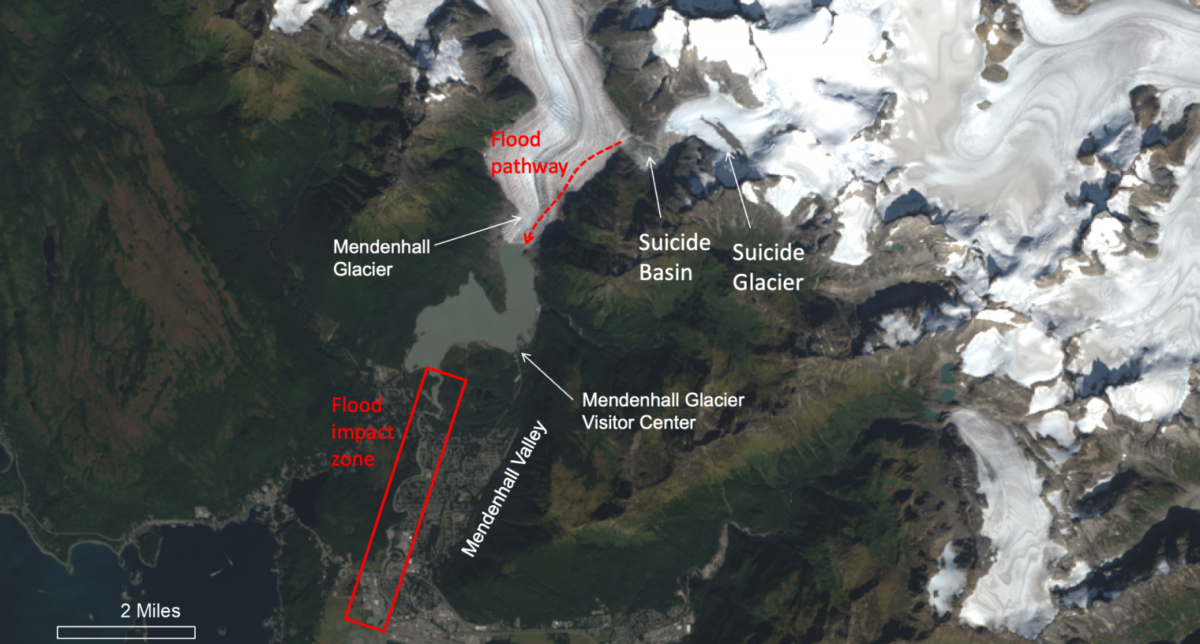
Officials and the public are closely watching the Mendenhall Glacier, where climate-change driven melting results in water filling an ice-dammed lake called Suicide Basin each year. That lake eventually bursts and billions of gallons of water are released down the Mendenhall River, threatening suburban neighborhoods nearby.

The National Weather Service forecasts the flooding in the Mendenhall River will peak on Thursday morning between 8 a.m. and 12 p.m.

“Evacuating is absolutely the best way to keep yourselves, your neighbors, and first responders safe as we respond to this flood,” said Ryan O’Shaughnessy, emergency manager for the City and Borough of Juneau at a news conference on Wednesday.

Ryan O’Shaughnessy, emergency manager for the City and Borough of Juneau, Ginny Nadolny, commander of US Coast Guard Southeast Sector (center) and Sabrina Grubitz, public safety manager for Central Council of Tlingit and Haida Indian Tribes of Alaska (left) speak at a news conference ahead of the glacial outburst flood in Juneau on Aug 12, 2026. (Photo by Corinne Smith/Alaska Beacon)

Scientists with the National Weather Service estimate the flooding to peak  between 16.1 to 16.6 feet. That’s similar to last year’s flood where the river peaked at a record-breaking 16.65 feet. 

The scale of flooding is uncertain, and depends largely on whether sand bag barriers erected along the Mendenhall River hold. 

In the event that water bursts through the barriers, CBJ will issue an emergency flash-flood alert to all local cell phones, similar to an Amber alert. 

Last year, local, state and federal agencies erected the new barriers along the river, where they largely prevented major flood damage. Thirty-five homes were affected by the flood, with six sustaining major flood damage. Some homes had up to five feet of flooding water in living spaces, according to city reports. In 2024, there were no barriers and flooding damaged nearly 300 homes. 

This year, the U.S. Army Corps of Engineers and local partners worked to fortify those sand bag barriers along the Mendenhall River. In some areas, the barriers were constructed higher, up to 16 feet. They were extended in other areas across 1.8 miles of additional riverbank, said U.S. Army Corps Brigadier General Joseph Goetz at a news conference on Tuesday. The Army Corps has also installed roughly 40 industrial pumps to control seepage, and distributed an estimated 225,000 sandbags. 

But this year officials issued an evacuation advisory for an area nearly double the size of last year’s — including roughly 1,900 homes — in case the barriers fail. Officials are calling that a worst case scenario.

Ryan O’Shaughnessy said census data shows the evacuation area includes an estimated 5,000 residents. 

“I know this community has experienced this flood before, but we can’t be complacent,” said Ken Murphy, a safety officer with the Alaska Department of Transportation and Public Facilities, on Tuesday. “What happened last year may or may not happen this year.”

Residents are asked to evacuate the area by 3 p.m. on Wednesday. 

Sand bag barriers newly constructed this year in the lower part of the Mendenhall River below Brotherhood Bridge are seen from Meadow Lane in Juneau on Aug 8, 2026. (Photo by Corinne Smith/Alaska Beacon)

Officials said there is a risk of tree-strikes damaging the barriers and causing major flooding, and urged the public to take extra precautions, evacuate and avoid the river area entirely.

“The risk is real,” Murphy said. “Debris, erosion, unstable banks, changing water levels, and hidden hazards make the river dangerous. If you’re near the river or within the flood zone, you’re in danger. There is no safe reason to approach the water during this event. This is not a normal event, even though it reoccurs.”

Officials said they will be monitoring the river and barriers by livestream cameras and by drone throughout the flood, with emergency crews staged nearby ready to respond. 

Residents can monitor Suicide Basin through a National Weather Service monitoring page. Officials recommend signing up for emergency alerts and reviewing Mendenhall River inundation maps. KTOO Public Media has set up several livestreams to monitor the flooding event. There is an emergency shelter at the former Floyd Dryden Middle School staffed by the American Red Cross. 

The Mendenhall Glacier Recreation Area, Alaska’s most-visited tourist destination, surrounding the Mendenhall Glacier and Mendenhall Lake below is closing on Wednesday afternoon. 

A joint emergency incident command has been established to monitor and respond to the flood. That includes the National Weather Service, City and Borough of Juneau, Central Council of Tlingit and Haida Indian Tribes of Alaska, the Alaska Department of Transportation and Public Facilities, the U.S. Coast Guard, the U.S. Army Corps of Engineers and the Alaska Division of Homeland Security and Emergency Management.

The City and Borough of Juneau are planning to issue a larger evacuation advisory for the 2026 glacial outburst flooding event. (Screenshot of CBJ evacuation advisory map)

Categories
Alaska News Featured Juneau News juneau Juneau Local Juneau Local Ketchikan Local News Feeds Sitka Local

Suicide Basin is full, Juneau is in ‘Set’ Phase of ‘Ready, Set, Go’ emergency framework

Mendenhall overview from the National Weather Service

NOTN- The city of Juneau has entered a heightened state of readiness after officials confirmed just this morning that Suicide Basin is full, meaning the anticipated Glacial Lake Outburst Flood in the Capitol city could happen at any time.

“We call this the set phase, where people should be prepared to evacuate.” Said Mayor Beth Weldon, “But it could still be days, if any. We’re all getting used to this. It could be within 24 hours, or even as much as five or six days until the basin releases.”

Weldon said the timing of any potential outburst flood remains uncertain. The City is in the “Set” phase of it’s ‘Ready, Set, Go’ framework, which means residents affected by the GLOF should stay vigilant and continue to check in with emergency officials, have a go bag packed and be ready to activate a plan of safety.

According to the National Weather Service,  in the past it has taken up to 6 days for the main event to start after the basin is full. 

City officials urged residents to closely follow evacuation notices and stay away from flood control structures, particularly the Hesco barriers along vulnerable stretches of riverbank.

“Please do not climb up on the Hesco barriers,” Weldon said. “If they fail, it’s going to be catastrophic, and they could fail in a moment’s notice. You will not have time to run or move.”

if you have any questions, you can call the flood hotline at 907-500-0890 for information and updates.

“Everybody, try and be safe, and please abide by the evacuation notice,” Weldon said. “Again, everybody stay safe.”

Categories
Alaska News Featured Juneau News juneau Juneau Local Juneau Local Ketchikan Local News Feeds Sitka Local

Sen. Murkowski pushes for release of $41.3M in delayed federal grants for Alaska Native education

By: Corinne Smith, Alaska Beacon

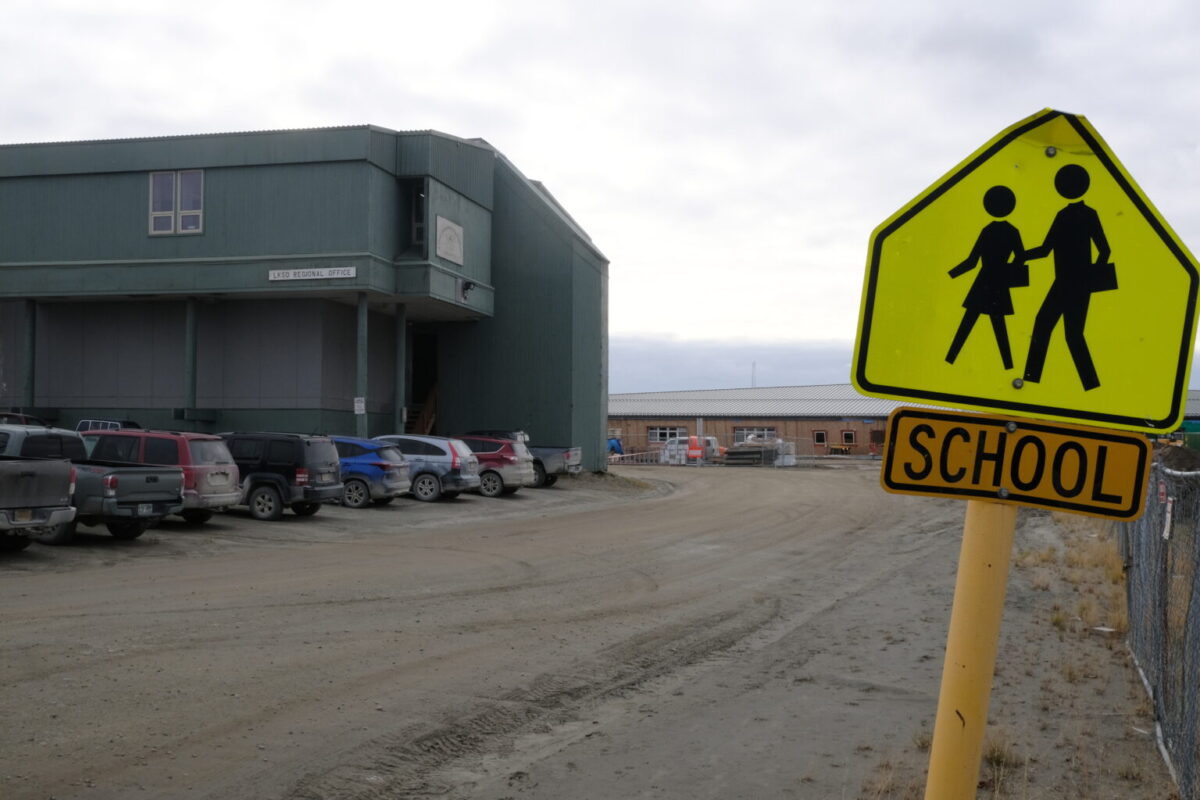
A road sign marks the road towards the Lower Kuskokwim School District offices and the Bethel High School on October 9, 2023. The district is a recipient of Alaska Native Education Program grant funding. (Photo by Claire Stremple/Alaska Beacon)

The U.S. Department of Education is expected to award $41.3 million in grant funding through the Alaska Native Education Program to 26 Alaska grantees after some delay, according to an announcement from Alaska Republican U.S. Sen. Lisa Murkowski.

The grant funding was expected on July 1, but has been delayed more than a month. Grantees alerted Murkowski’s office they had not yet received the funding, prompting Murkowski to press the U.S. Sec. of Education Linda McMahon to release the awarded funding, according to the statement on Aug. 5.  

“Last week, I raised this issue with Secretary McMahon, and I’m pleased she agreed to expedite the obligation of the funds for the Alaska Native Education Program grants that Congress appropriated earlier this year,” Sen. Murkowski wrote. 

The Alaska Native Education Program provides federal funding to “meet the unique education needs of Alaska Natives” and to support education programs to benefit Alaska Native people, according to the program website. 

Officials with the U.S. Department of Education’s grant office for the program did not give a reason for the delay or specify when the funds will be dispensed after a query on Friday. 

The grants are awarded to Tribes, tribal organizations and school districts with a majority of Alaska Native students to support a variety of initiatives across a three-year grant period. 

“Grants provide, for example, culturally relevant curriculum, tutoring and other academic supports, indigenous language revitalization, workforce development opportunities, teacher professional development, postsecondary planning and support, and success, early childhood education, and afterschool programming,” Murkowski said in the statement. 

“I will continue to champion this program and work with the Department to ensure this funding is administered more expeditiously going forward,” she said.

Grantees include several early learning and literacy programs. Millions are slated for Indigenous language, art, science, and medicine including $2.1 million for the Baby Raven Reads project by Sealaska Heritage Institute and $1.4 million for tutoring and college readiness programs through the Rural Indigenous Students College Readiness Alliance launched by the Bering Strait and Lower Kuskokwim School Districts, two of Alaska’s largest, rural districts.

Rosita Kaaháni Worl, president of the Sealaska Heritage Institute, a Native non-profit corporation focused on Tlingit, Haida and Tsimshian cultures, said her organization was one of the grantees that alerted Murkwoski’s office to the delay. Sealaska has not received its grant funds yet.

The Sealaska Cultural Values Totem Pole represents all three tribes of Southeast Alaska – Tlingit, Haida and Tsimshian.
The Sealaska Cultural Values Totem Pole represents all three tribes of Southeast Alaska – Tlingit, Haida and Tsimshian. (Photo by Lisa Phu/Alaska Beacon)

Worl said in an interview Friday that federal funds and support for Alaska Native communities is critical, given Alaska’s history of suppressing Native education and language. 

“So these programs have helped us overcome the effects of that kind of suppression,” she said. “Our data shows definitely that it promotes and enhances Native education, and we show that through all of our evaluations…it’s led to higher academic performance.”

She said SHI has seen success in early childhood programs like Baby Raven Reads project and initiatives to support students continuing education, which reduces drop out rates. “We’re still behind non-natives, but we’re gaining ground,” she said. 

Worl said the federal support helps Sealaska Heritage Institute provide annual funding for education across Southeast Alaska where state funding has fallen short. SHI provides $1 million each year to the Juneau School District and $2 million annually to the University of Alaska Southeast, as well as funding to support school districts across the region for teacher training, arts and language programs.

“It’s a program that has proven benefits,” she said. “There, there’s no doubt about it.”

Categories
Alaska News Featured Juneau News juneau Juneau Local Juneau Local Ketchikan Local News Feeds Sitka Local

After years of summer floods, feds ask for industry GLOF solution to cut years off of mitigation efforts

NOTN- Federal officials say they are preparing both short- and long-term defenses as another glacial outburst flood is expected to hit Juneau’s Mendenhall River in the coming days, continuing a pattern of annual summer flooding that has put homes and lives at risk.

In a briefing Thursday, U.S. Sen. Dan Sullivan and Assistant Secretary of the Army for Civil Works Adam Telle said the U.S. Army Corps of Engineers has strengthened temporary protections ahead of the anticipated 2026 glacial outburst flood, and they’ve been gearing up to launch an unprecedented effort to drain water from Suicide Basin, the source of the destructive floods.

Sullivan said the Corps and local partners have invested about $45 million to make Hesco barrier floodwalls along the Mendenhall River taller and wider, and deployed roughly 40% of the Corps’ global pump inventory to Juneau as a backup if the river overtops or breaches the barriers.

“The fact that one of America’s capital cities in our country floods every summer at the risk of not only property but lives, you know, these floods are very risky for not just the safety of our own citizens, it’s a huge, unique challenge.” Sullivan said.” “The Corps of Engineers now has deployed 40% of all the pumps in the Corps of Engineers inventory for the world… in Juneau, just in case.”

Telle said the Corps will move quickly after this year’s flood to seek private-sector proposals for a faster, less costly way to evacuate water from Suicide Basin.

“We believe that evacuating water from Suicide Basin is fundamentally the best way to prevent this from happening in the future,” Telle said, ““We have a phenomenon here in Juneau that’s unlike any other in our entire portfolio.”

According to stories by both KTOO and the Juneau Independent, a local mining executive presented ideas that could cut the cost in half of teh proposed Lake Tap solution in half, groups like Juneau Flood Solutions have supported this effort.

Officials warned the public not to be complacent even with higher barriers in place, saying debris impacts remain a major threat and urging residents to treat the coming flood as a serious safety risk.