Friday Night: Cloudy skies early, then partly cloudy after midnight. Slight chance of a rain shower. Low 49F. Winds light and variable. Saturday: Cloudy skies. Slight chance of a rain shower. High 69F. Winds light and variable.









Friday Night: Cloudy skies early, then partly cloudy after midnight. Slight chance of a rain shower. Low 49F. Winds light and variable. Saturday: Cloudy skies. Slight chance of a rain shower. High 69F. Winds light and variable.

Big Dipper Homemade Ice Cream has expanded in the Mat-Su Valley with a new Wasilla location. Owners say the shop will continue offering Alaska-inspired flavors made with local ingredients.
Big Dipper Homemade Ice Cream has expanded in the Mat-Su Valley with a new Wasilla location. Owners say the shop will continue offering Alaska-inspired flavors made with local ingredients.

A cooler-than-usual summer has affected Alaska’s peony season, but growers say the crop is still doing well. Peony farmers in Wasilla and Eagle River say Alaska’s climate helps produce a high-quality flower that remains in demand around the world.
Cooler weather impacts Alaska’s peony season, but growers say demand remains strong.

Alaska’s economic development agency wants to fund oil exploration on the coastal plain of the Arctic National Wildlife Refuge — one of the most hotly debated areas of federal land in the country. (Photo by Max Graham)
After decades of fierce debate over oil drilling in the Arctic National Wildlife Refuge, oil companies largely appear leery of the idea.
The contested swath of federal land, on Alaska’s Beaufort Sea coast, is politically fraught and far from existing roads and pipelines. And given the limited data on its geology, oil executives still aren’t sure how much petroleum is trapped underground.
In spite of three federal lease sales of refuge land in the past decade — with the most recent sale just last month — not a single major oil company has bid.
Instead, the industry is flooding into a different federal area far to the west, the National Petroleum Reserve–Alaska, where there are proven oil deposits and fewer political obstacles to development.
But the decades-long quest to find oil in the Arctic Refuge isn’t over. The largest oil and gas exploration program in the area’s history could soon begin — funded not by companies like ConocoPhillips or ExxonMobil but by an arm of the state of Alaska.
Alaska’s economic development corporation, the Alaska Industrial Development and Export Authority, known as AIDEA, is launching its own, up-to-$175-million plan to search for fossil fuels beneath the refuge’s coastal plain, a sliver of tundra along the Arctic Ocean.
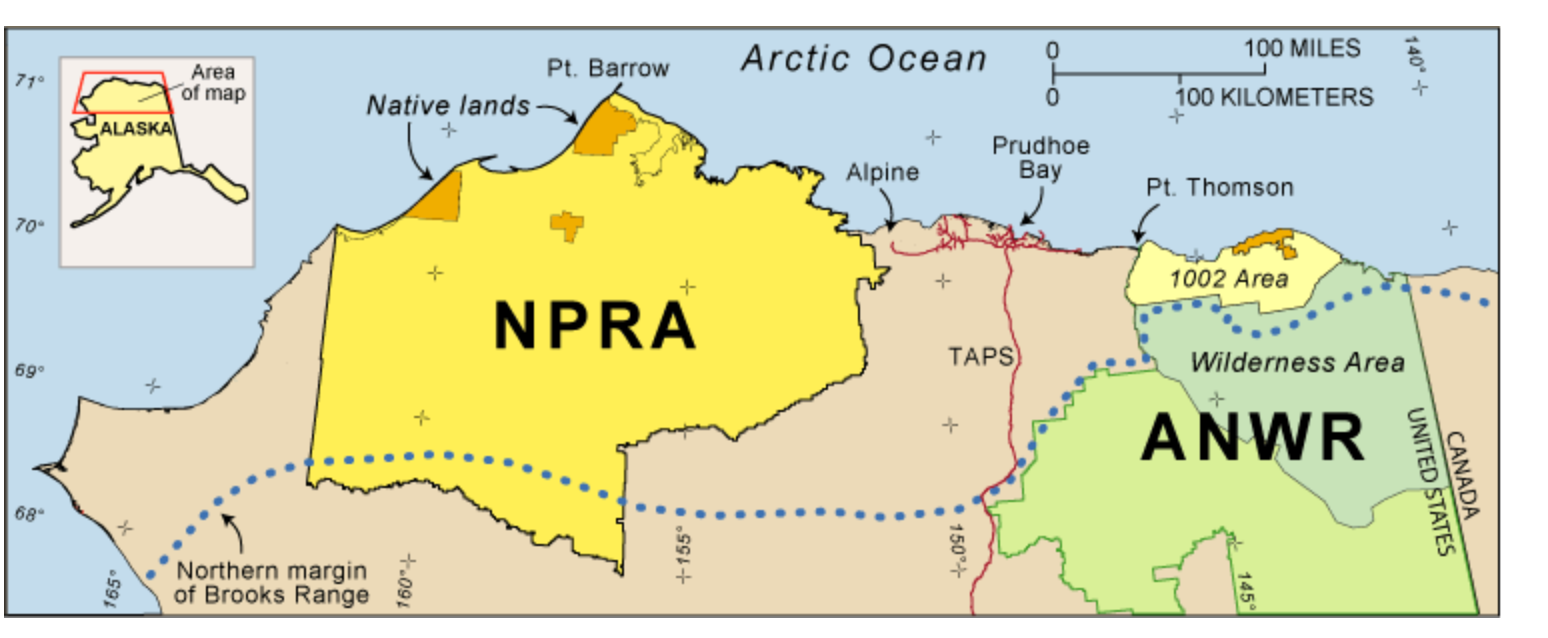
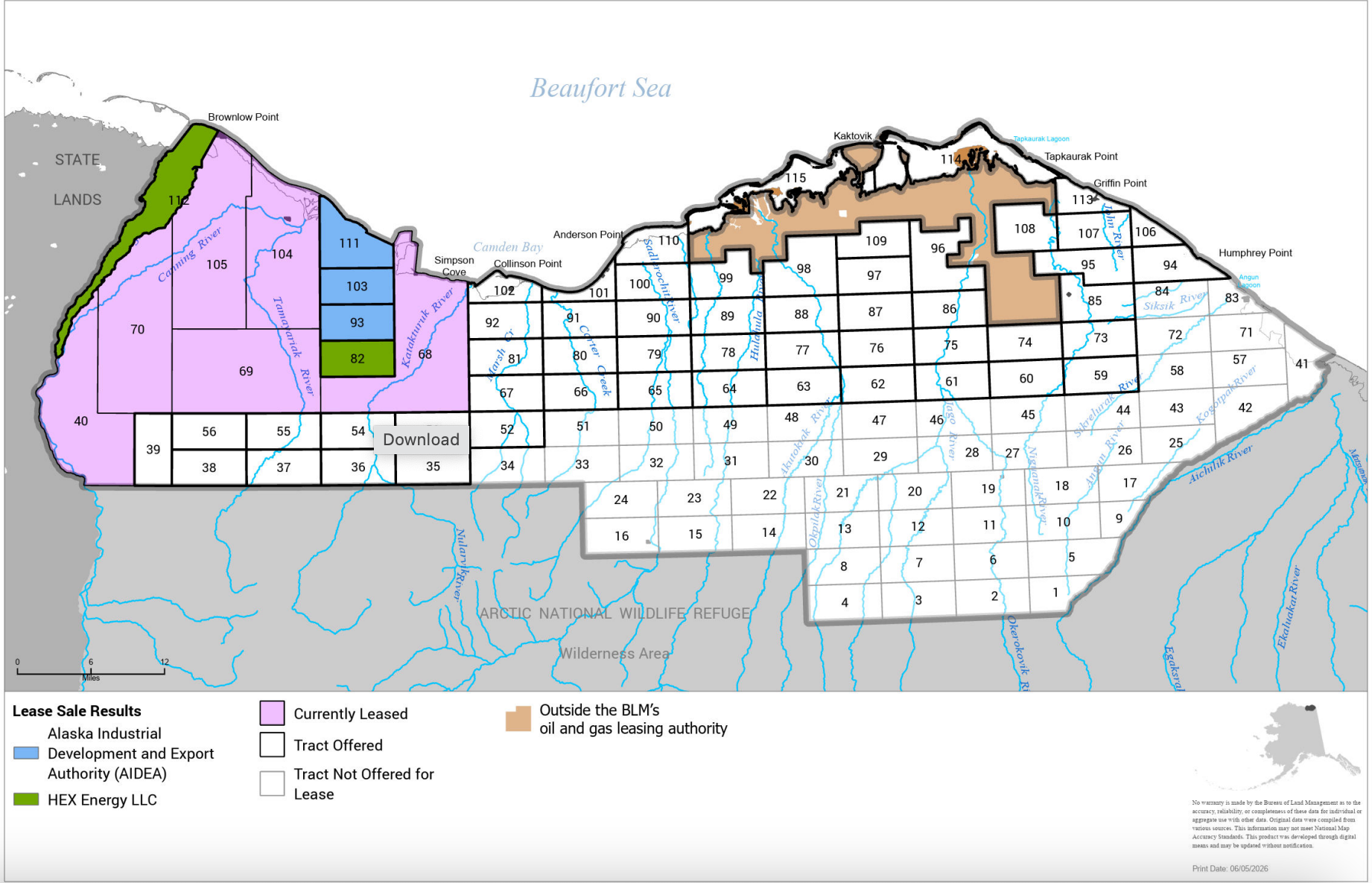
The state agency is the largest leaseholder in the refuge, having bought up more than 600 square miles since U.S. Congress opened the area to leasing in 2017. If AIDEA can acquire key permits, large trucks could roll across the frozen tundra as soon as next winter, shooting shockwaves deep underground to scan for oil reservoirs.
But the plan faces stiff blowback, and it’s stirring up debate about the future of the Arctic Refuge and spending decisions by AIDEA — a state-owned corporation that’s already under attack by opponents of its pro-resource extraction agenda.
AIDEA and its allies argue that its work will help prove the refuge contains vast amounts of oil, and could unleash a flood of corporate investment that would translate into jobs and state revenue for Alaska.
Critics, meanwhile, say that a state entity shouldn’t take on the role, and risk, of an oil company — spending big in an area where industry has refused to invest.
“They’re lone wolves out on the tundra, so to speak,” said Pat Pourchot, a former U.S. Department of Interior official who also once served as commissioner of the Alaska Department of Natural Resources.
AIDEA was one of only two participants in the latest federal lease sale, along with a small Alaska gas producer, HEX.
The two entities bid on just one-tenth of the acreage offered by the Trump administration.
The exploration work that AIDEA now intends to fund is known as “3-D” seismic because it generates a three-dimensional image of rocks deep underground. That information would give analysts a much clearer and more detailed idea of what’s beneath the ground than older, 2-D data that was collected in the refuge in the 1980s.
The effort could yield crucial insight into the area’s oil potential, said Mark Myers, a former director of the U.S. Geological Survey who’s also worked as a top land manager for Alaska state government.
“You would need 3-D out there, quite clearly, to understand what’s under the ground,” Myers said. “Modern data will inform a lot.”
Promising results could attract oil companies — but there’s no guarantee the data will be positive, he added.
“Whether or not the oil is there is independent of what we want to believe,” Myers said.
Oil prospecting is speculative work, typically the domain of private investors and companies with technical expertise — and a willingness to sustain big expenses that don’t always pay off. Merely searching for oil in the Arctic can cost hundreds of millions of dollars, and ramping up to production can cost billions.
While AIDEA has loaned money to other oil and gas companies before, it has never overseen its own Arctic exploration program. Its staff is not made up of petroleum geologists nor other technical experts typically employed by oil firms.
But in May, AIDEA’s governor-appointed board approved spending up to $175 million on the 3-D seismic testing, including “permitting and regulatory work.” It did not include money for drilling, which would typically come after seismic data has been collected.
Industry experts say that budget is higher than usual for a season of seismic work on the North Slope. But the resolution does not specify how long the project will last, and AIDEA is not obligated to spend all the money approved by the board.
In 2013, then-Gov. Sean Parnell’s administration proposed spending $50 million on oil exploration in the refuge, equivalent to some $70 million today when adjusted for inflation. But the Obama administration blocked that effort.
AIDEA has not released details about its effort to gather seismic data, and officials with the agency declined to answer questions or release basic information about it, including an expected timeline. The agency has not yet applied for key permits from the federal Bureau of Land Management and U.S. Fish and Wildlife Service, according to spokespersons for those agencies.
“We’re advancing seismic. We’re advancing a drilling plan. We’re fighting the opponents of the project in the federal district court,” AIDEA Executive Director Randy Ruaro said at a board meeting last month.
Ruaro did not respond to questions seeking clarification about his comments, though in a previous email to Northern Journal, he expressed “very serious concerns about reporting on ANWR and bias.”
Some positive impacts of development of the refuge’s coastal plain “seem to get omitted from every story,” Ruaro added, pointing to potential revenue to state and local governments, royalties that oil producers would pay to the state and the resulting higher Alaska Permanent Fund dividend checks for state residents.

Ruaro also said media coverage tends to ignore “the unfair treatment of Kaktovik,” an Iñupiaq community inside the refuge whose leaders support development, as well as “intentional discrimination against Alaska and North Slope oil and gas development by banks and insurers instigated by the Gwich’in.”
Leaders of the Gwich’in, an Indigenous group in Alaska’s Interior and northwestern Canada, have long opposed drilling on the coastal plain. The area encompasses the calving grounds of a major caribou herd that migrates south into Gwich’in lands, where the animals are harvested for food.
“Advocating for our way of life does not discriminate against anyone, but it most certainly doesn’t discriminate against massive corporations with huge stores of wealth that are making decisions based on financial return and risks,” Kristen Moreland, executive director of the Gwich’in Steering Committee, wrote in an email to Northern Journal.
To lay the groundwork for its seismic program, AIDEA is spending $1 million on a contract with a subsidiary of the North Slope’s Indigenous-owned corporation, Arctic Slope Regional Corp. — a longtime supporter of drilling in the refuge.
The subsidiary, ASRC Consulting and Environmental Services, is working on community outreach, environmental studies and permitting related to the seismic program, according to documents that Northern Journal obtained through a records request.
ASRC is also subcontracting with a Houston-based firm, SAExploration, that has been working on proposals for seismic testing in the refuge since 2018.
A spokesperson for the ASRC subsidiary referred Northern Journal to AIDEA for comment.
Under a separate, $70,000 contract with AIDEA, the ASRC subsidiary last year issued a glowing report on the coastal plain’s oil and gas potential.
The report described the refuge as the most promising unexplored area in North America — excluding offshore deposits — citing historical data and large new discoveries on state land nearby. Decades ago, the U.S. Geological Survey estimatedthat as many as 16 billion barrels of recoverable oil lie beneath the coastal plain.
While the Legislature oversees AIDEA’s annual operating budget, the agency’s finances are separate from other government funds — and only certain kinds of spending, like issuing bonds over a certain amount, require specific legislative approval.
Still, some lawmakers aren’t convinced that seismic testing in the refuge is the best use of AIDEA’s money
“I do think that the scale of some of these projects — the type of development that they pursue, and the lack of oversight on that development — does really raise questions about: What are our priorities as a state?” said Rep. Ashley Carrick, a Democrat from Fairbanks who chairs the House State Affairs Committee.
Carrick introduced a bill last year that would require legislative approval of AIDEA spending proposals over $100 million. It failed to advance.
Most of Alaska’s elected officials — as well as many Iñupiaq leaders in Kaktovik and across the North Slope — have pushed hard to open the Arctic Refuge to development, citing potential economic benefits.
One longtime proponent, Republican U.S. Sen. Lisa Murkowski, said the recent lease sale results “were not surprising, given the acreage already leased and the continued partisan push against responsible development.”
Murkowski described the refuge as “basically unexplored,” suggesting that it could be similar to an oil-rich geologic formation, the Nanushuk, that was discovered only about a decade ago. That formation has since led to the industry’s revival in the petroleum reserve, to the west of the refuge.
The coastal plain’s “true prospectivity can only emerge as leaseholders move forward under a federal administration willing to work with them,” Murkowski said in a statement to Northern Journal.
The other petroleum company with leases in the refuge, HEX, has not announced plans for the area it acquired in the recent sale.
“I’m here as an Alaskan trying to be a responsible developer for Alaska, so we have opportunities in the future for our kids and my grandkids,” said John Hendrix, HEX’s chief executive.
HEX mostly produces natural gas in a different petroleum basin, Cook Inlet, near Anchorage. Hendrix declined to comment on the potential for partnering with AIDEA on development in the Arctic, but the two entities have worked together before. Two years ago, AIDEA opened a $50 million line of credit to HEX to fund the company’s drilling in Cook Inlet.
Hendrix described HEX’s foray into the Arctic as a way to diversify his business. He would not say if the company is already planning work on its leases — and if so, when it might happen.
“We’re a private company, and we keep that stuff tight to ourselves,” Hendrix said. “We’re not going to do anything radical. But we will do what we have to do to bring production forward.”
SUBSCRIBE: GET THE MORNING HEADLINES DELIVERED TO YOUR INBOX.
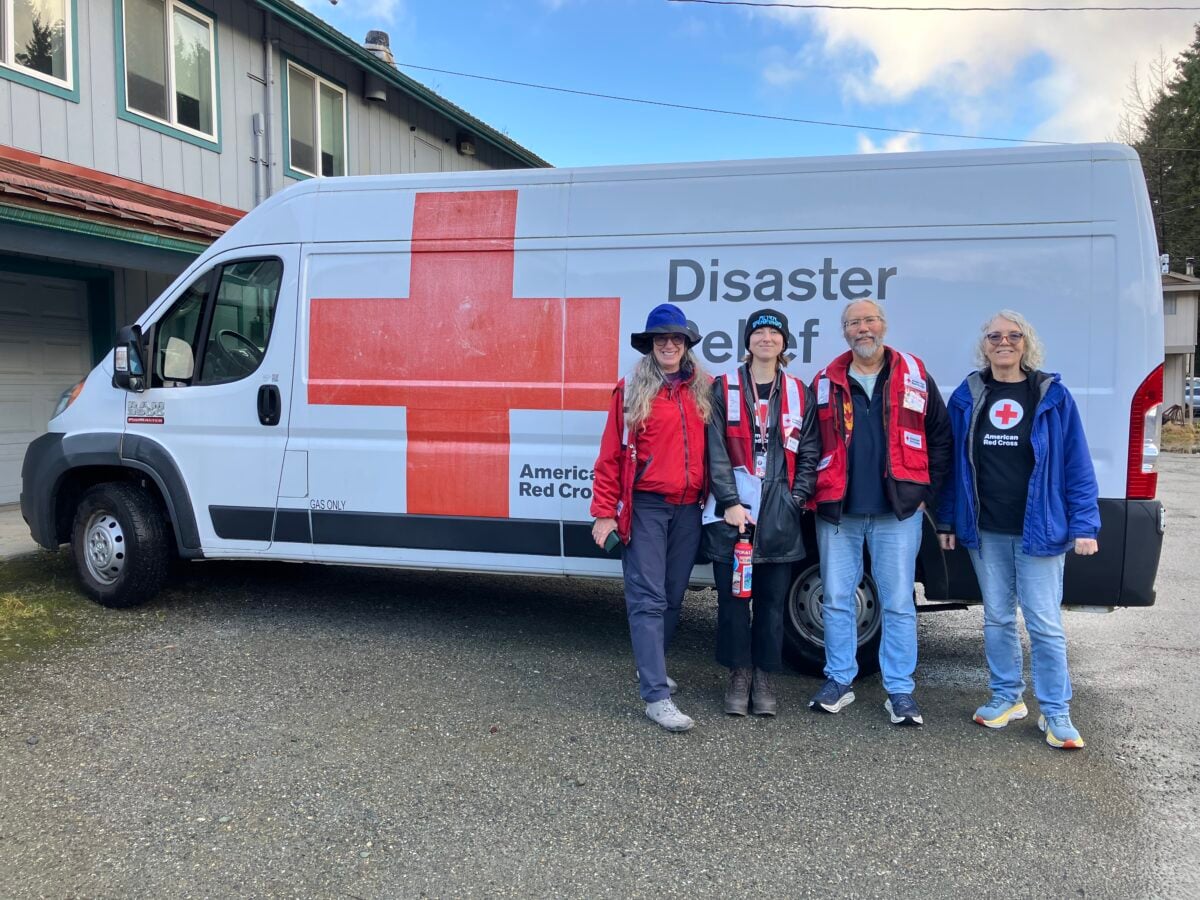
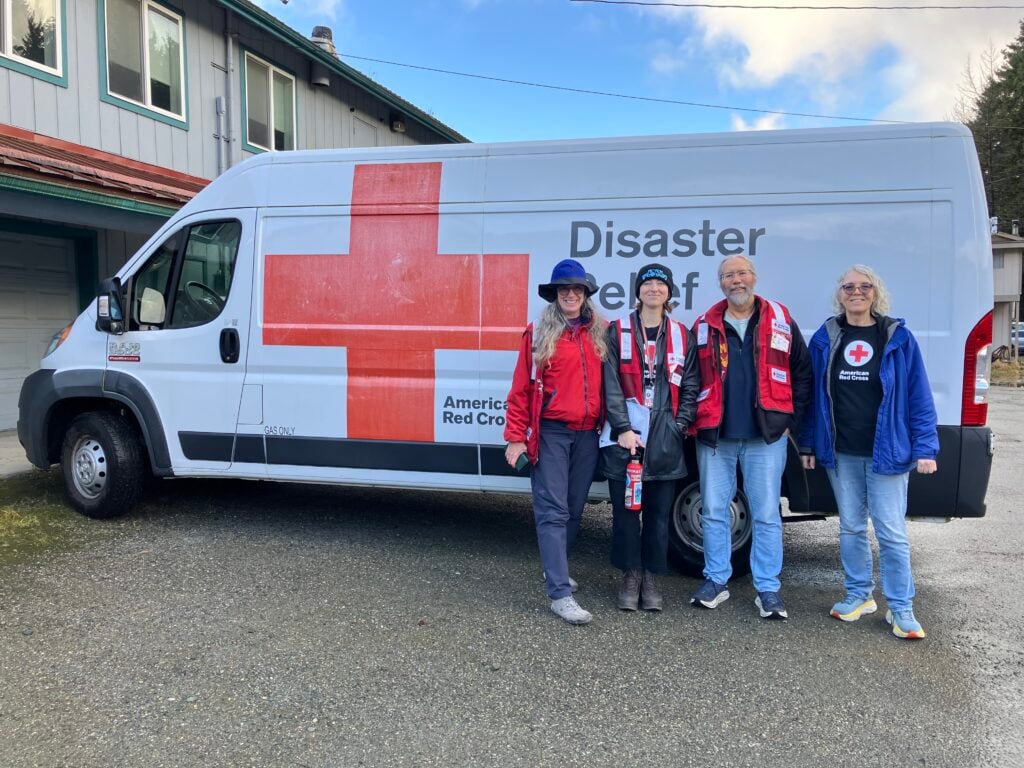
CBJ-The American Red Cross will host a free workshop and resource fair on Sunday, July 19 at the Mendenhall Valley Library. The event is designed to help older adults, individuals with access or functional needs, and medically fragile persons prepare for emergencies.
The event begins at 12 p.m. with a presentation, available both in-person and online, followed by a planning workshop and resource fair from 1 to 3 p.m.
Attendees will have the opportunity to build an individualized disaster plan, complete an emergency contact card, learn how and where to safely store important documents and more.
Registration is free and available online at bit.ly/4vZJlPL. Information for virtual attendance will be provided upon registration
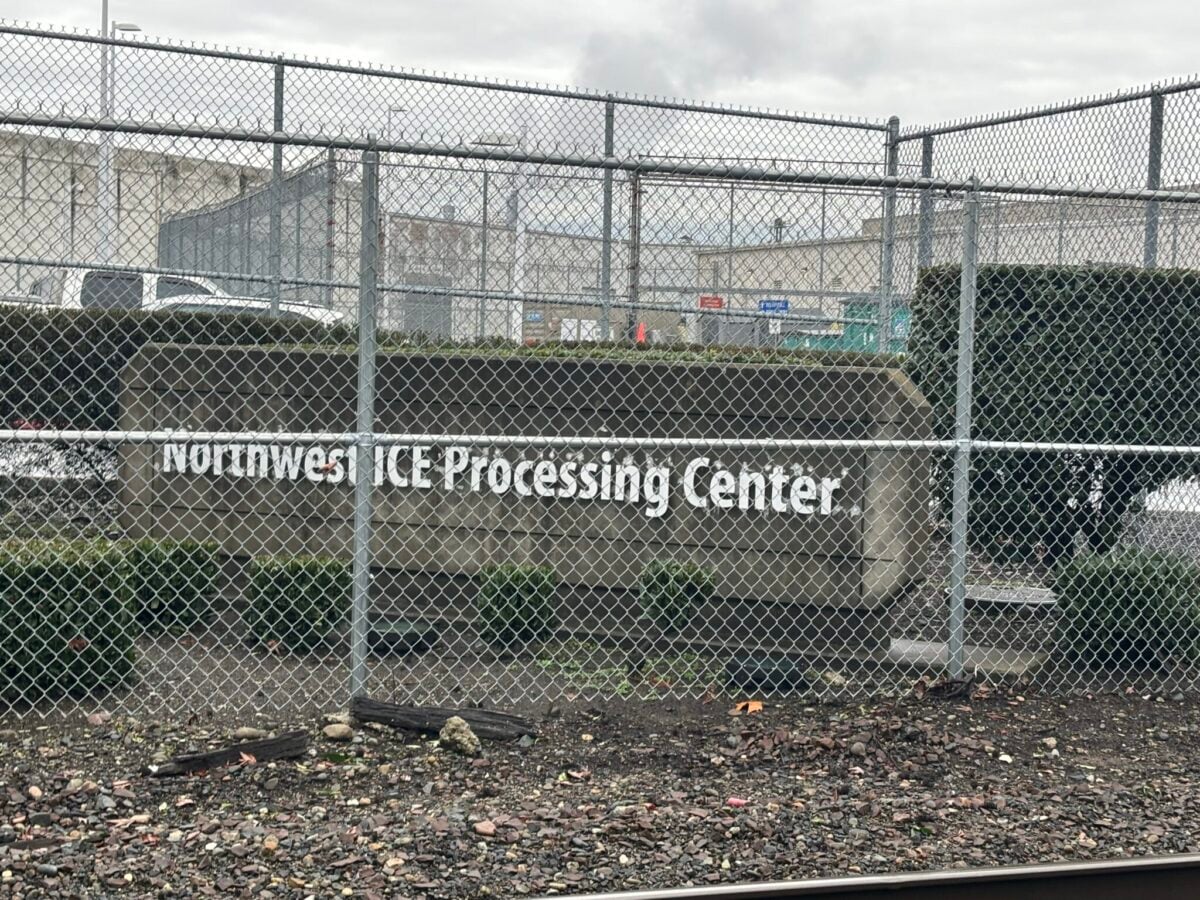
By: Corinne Smith, Alaska Beacon
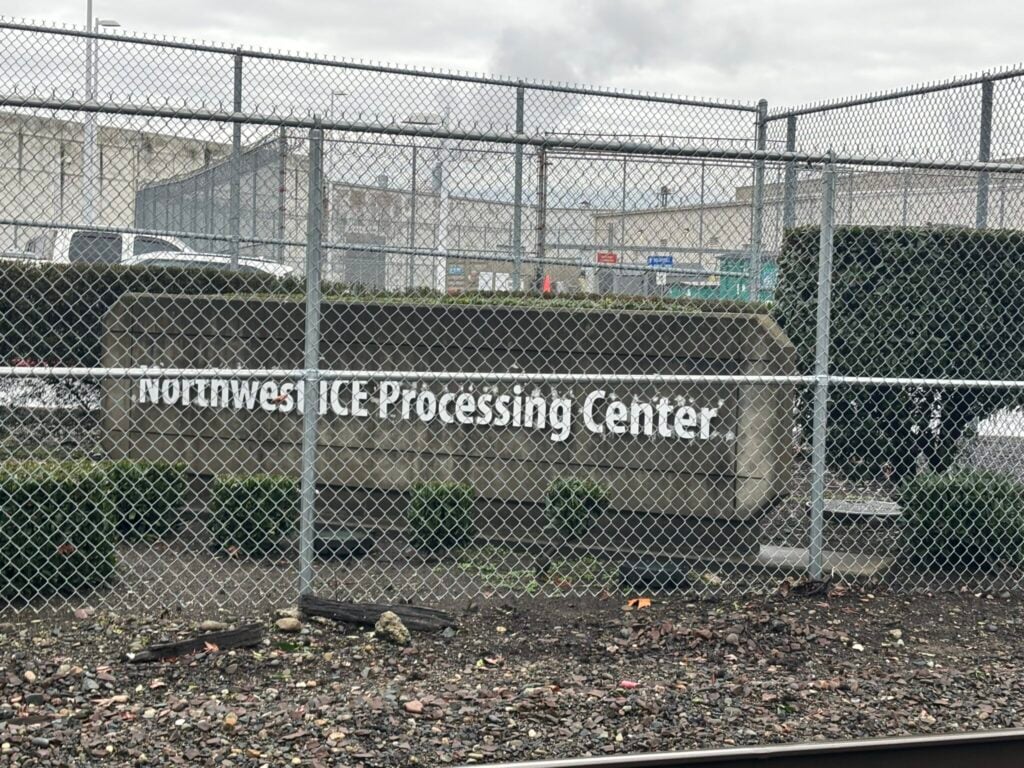
U.S. Immigration and Customs Enforcement arrested an Alaska state attorney in Anchorage and is holding him in an ICE detention facility in Washington state, according to an agency spokesperson.
Shucheng Yang, a 32-year-old Chinese national, was arrested in Anchorage on July 10.
“Yang violated the terms of his admission and is a deportable alien,” said Jason Chudy, an ICE Public Affairs officer, by email on Thursday. He said Yang is currently detained in the Northwest ICE Processing Center in Tacoma, Washington, pending immigration proceedings.
Yang is an attorney with the Alaska Department of Law’s labor, business and corporations section, according to the state employee database. Yang was admitted to the Alaska Bar Association and licensed to practice law in the state in June 2025. A spokesperson for the department declined to respond to questions about his immigration status, employment status or work authorization when hired, saying the department does not comment on personnel matters.
Chudy declined to say how Yang violated the terms of admission into the country. “To be clear, work authorization does NOT confer legal status in the United States,” he said in the email.
He referred further questions about Yang’s work authorization to the U.S. Citizenship and Immigration Services. A spokesperson for USCIS referred the question back to ICE, and said the agency does not comment on individual immigration cases.
The state requires applicants to self-disclose their employment eligibility and work authorization through the I-9 verification process during hiring, according to the Alaska Department of Administration, as reported by Alaska News Source.
There are no state criminal charges against Yang, according to court records. Yang pleaded no contest on June 26 for a speeding citation.
A spokesperson for the Municipality of Anchorage confirmed the Anchorage Police Department issued the traffic ticket on April 25. “They have had no other interaction with Mr. Yang since April,” said Nora Morse, communications director for the municipality, by email on Thursday.
“The Anchorage Police Department does not ask for someone’s immigration status as part of a routine traffic stop,” Morse said.
A spokesperson for the ACLU of Alaska said they were trying to get in touch with Yang’s attorney, and had no other information on his case.
The Alaska Department of Corrections contracts with ICE to hold detainees in Alaska under an agreement with the U.S. Marshals. A spokesperson confirmed that Yang was detained in Alaska for two days after his arrest until he was transferred on July 12.
DOC has held 17 people arrested by ICE since June 1, and 73 people since the beginning of the calendar year, according to spokesperson Betsy Holley on Thursday.
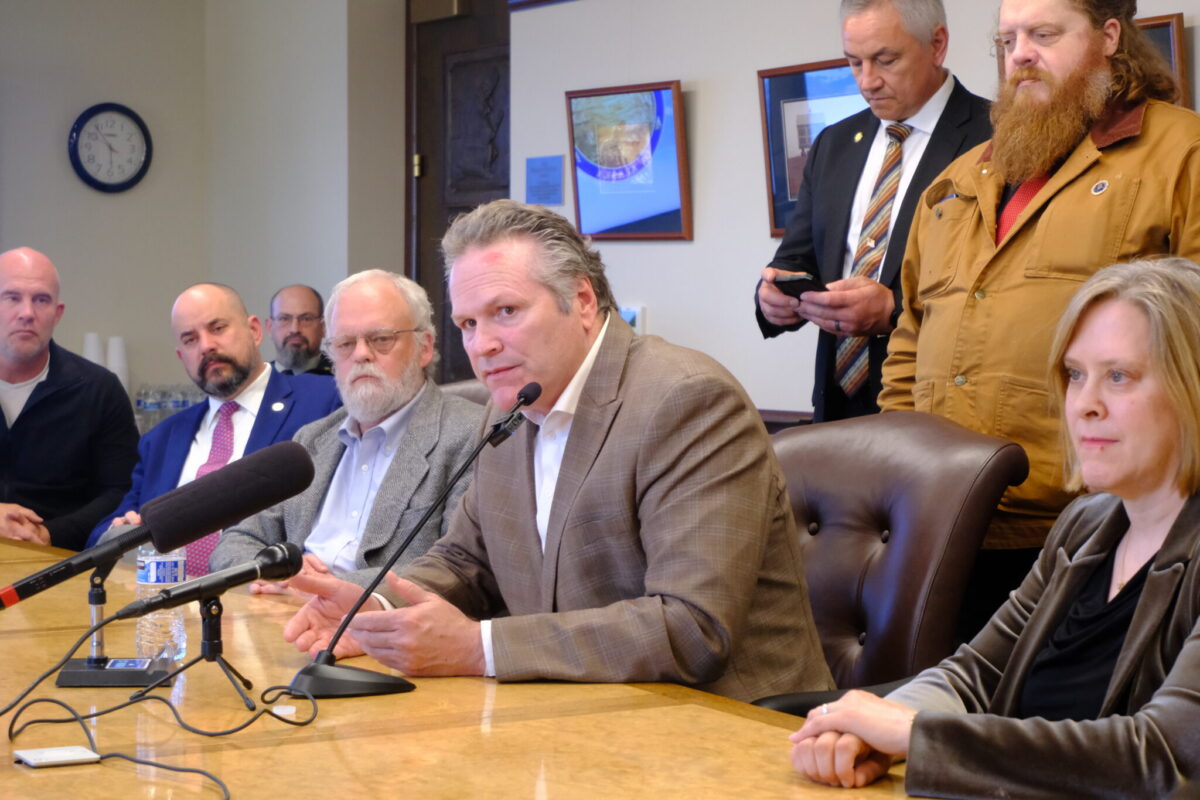
By: James Brooks and Corinne Smith, Alaska Beacon
The Alaska House of Representatives on Thursday voted down a multibillion-dollar tax break for the proposed trans-Alaska natural gas pipeline project. Glenfarne LLC, the project’s lead developer, has said the tax break is necessary for it to obtain financing from banks and equity investors.
The Alaska Senate voted 11-8 to approve a compromise version of House Bill 381, which contains the tax break. But after that vote and as the House gaveled in, Dunleavy announced he would veto the bill if it were to pass.
In a statement on social media, the governor said a provision that applies a corporate income tax to certain kinds of privately owned oil and gas companies “raises serious concerns.”
Legislators are meeting in a second 30-day special session devoted to HB 381, and Dunleavy said he will call the Legislature into a third session starting July 27.
After the governor’s message was read on the House floor, only 19 members of the House voted in favor of the bill. Twenty-one votes were needed to approve it.
Many of those who voted against the bill spoke against the provision identified by the governor, with Rep. Dan Saddler, R-Eagle River, calling it a “parasite” within a bill intended to benefit the gas pipeline.
The provision came at the insistence of state senators who said it was necessary for the bill to earn their votes.
“If you want a gas line, everybody’s got to compromise, and I think that’s ultimately what you saw today,” said Sen. Bill Wielechowski, D-Anchorage and one of the most vocal advocates of the provision questioned by the governor.
After the governor’s announcement, Senate President Gary Stevens, R-Kodiak, said he was unsure how the Senate would proceed in the next special session.
The bill could be referred back to the Senate Resources Committee, chaired by Sen. Cathy Giessel, R-Anchorage and a leading project critic. The Senate Finance Committee could consider the issue further.
Senators could simply take no action and wait for the current Legislature to end and Dunleavy to leave office in December.
“I sort of feel you need to go to the next Legislature,” Stevens said.
As currently planned, the Alaska LNG project would include three separate subprojects, built in two stages. Altogether, the project is expected to cost as much as $54.5 billion, making it one of the largest natural gas projects in the world.
Gas would be pumped from North Slope wells to a processing plant on the North Slope, then down a pipeline to an export facility on the Kenai Peninsula.
Developers expect to reach a final investment decision on the project’s first phase this year. It would include the pipeline, part of the North Slope processing plant and part of the export facility.
Initially, the export facility would function in reverse, as a place for Alaska to import natural gas for local use while the pipeline is under construction.
Southcentral Alaska is running short of domestic gas for heating and electricity during the winter months.
Adam Prestidge, president of Glenfarne Alaska, told state senators on June 3 that after the final investment decision, it should take about three years for construction and commissioning before gas begins flowing through the pipeline to in-state residents.
The second, export phase of the project would take several more years to complete.
The main intent of the bill is to replace Alaska’s 2% petroleum property tax with a lower tax on gas shipped through the pipeline.
The pipeline is exempt from the tax during construction, but the state would start collecting taxes when gas begins flowing. Glenfarne has said that’s a problem because it won’t begin making money until exports begin several years later.
Glenfarne executives have said they cannot get financing to build the pipeline unless the tax is changed.
That led Gov. Mike Dunleavy to propose the tax change in March. Legislators were unable to pass the bill by the time the regular legislative session ended in May, and Dunleavy has now called lawmakers into special session twice to get it done.
Through 2063, according to estimates from the Alaska Department of Revenue, the tax change would reduce state revenue by $5.3 billion when compared to current law.
Because petroleum property taxes mostly go to municipalities, the amount received by cities and boroughs during that period would drop by another $5.3 billion.
Proponents of the change have focused on the benefits, rather than the lost revenue. Without the reduction, the pipeline cannot be built, they say. If the pipeline isn’t built, the state and municipalities get nothing.
“We want Alaskan gas for the Alaskan people, instead of Canadian gas for Alaskan people, instead of imports,” said Rep. Kevin McCabe, R-Big Lake, on the House floor. “It means the world to our people…lowered heating bills, a stronger economy.”
While proponents of the tax break have run a “Build the Line” ad campaign insinuating that the tax reduction would guarantee a pipeline, some state legislators say there is a low chance of a pipeline, even if the tax break becomes law.

“This has been billed as the bill that either makes a pipeline be built or does not make a pipeline be built, and that just really is not true,” said Rep. Justin Ruffridge, R-Soldotna.
The House and Senate passed different versions of HB 381 in June, sending the bill to a six-member multipartisan conference committee tasked with negotiating a compromise.
For weeks, the key point of contention has been whether or not the bill will also include the erasure of a tax exemption for “pass-through corporations,” generally large companies that are owned privately and not traded on public markets.
In Alaska, erasing that exemption would affect the oil and gas company Hilcorp, which operates the vast Prudhoe Bay oil field, among other work in the state.
It also would raise taxes on the proposed gas pipeline.
On Thursday morning, the conference committee adopted a new version of HB 381 that specifically exempts “income of an Alaska liquefied natural gas project” from the revised tax.
That would include all three segments of the pipeline project. But it was unclear whether it would cover gas shipments between the wellhead and the North Slope processing plant.
“It will be up to the Department of Revenue to determine the scope of that exemption,” said legislative attorney Emily Nauman, answering a question from Ruffridge.
The revised bill also delays the start of the tax until 2029. Affected companies would be required to submit an “informational tax return” the year before the tax starts.
That would give the state better information about how much money the tax will raise and whether the proposed tax rate needs to be changed.
Rep. Calvin Schrage, I-Anchorage, chaired the conference committee.

“I don’t think, frankly, that we’re going to get a better shot at this,” he said before the House vote.
“I don’t think you’re going to get closer alignment between the different factions on this issue than you are going to get today.”
While the conference committee consulted with Glenfarne, the Dunleavy administration and the Alaska Gasline Development Corp., it didn’t discuss the bill at length with members of the House’s 19-person, all-Republican minority caucus.
Ruffridge, the minority caucus representative on the conference committee, said he received the final copy of the bill only 30 minutes before the meeting that adopted it.
On the House floor, members of the House minority lambasted the final version.
“In my opinion, this process was neither transparent nor collaborative,” said Rep. Frank Tomaszewski, R-Fairbanks and a member of the minority.
One member of the Democratic-independent-Republican coalition majority in the House also voted against the bill.
House Majority Leader Chuck Kopp, R-Anchorage, alluded to the way the pass-through tax would impact Hilcorp. Changing its taxes, he said, would deter future drilling because it would create uncertainty about what additional changes might be made in the future.
“From my perspective, that’s what’s killed this iteration of the bill,” Gov. Dunleavy said about the pass-through tax.
On Thursday morning, a small group of demonstrators gathered on the steps of the Capitol to protest the gas line and the proposed tax break. Protest signs called for investment in renewable energy instead of fossil fuels to help combat climate change, and called the megaproject a “pipedream” and a “scam.”

“I’m really concerned about the cost to the state and to the communities that would be impacted by the project,” said Sally Schlichting, a Juneau resident. “Especially by these proposed tax breaks. I just think it’s horrendous to forego all that revenue for so long, and I feel like there’s very little guarantee this project will ever happen.”
Schlichting said she’s concerned that Alaska is giving up too much, and the project developer Glenfarne has not disclosed who is investing or how much.
“I just think this is the most wrong-headed way of approaching resource development,” she said. “We don’t fund our education. We are running out of money, and Alaskans own the resources, and we deserve to receive the revenue from it — and not later, now.”
Another Juneau resident, Emily Kane, called the project a “boondoggle,” and said she also came out to protest the project’s climate change impacts.
“I am very concerned about the habitability of the planet if we don’t seriously dial down fossil fuels,” she said. “I know young adults who are choosing to not have children, and it just really breaks my heart — this selfishness about not thinking about future generations.”
A group of pro-development organizations, including the Alaska Oil and Gas Association, Alaska Support Industry Alliance, Alaska Chamber of Commerce and Resource Development Council, briefly found themselves on the same side as the protesters.
After the conference committee passed its compromise version of HB 381, they sent a letter to legislators, urging them to vote down the conference committee compromise.
Rebecca Logan, CEO of the Support Industry Alliance, said by phone that the pass-through tax would hit companies that are drilling for gas in Cook Inlet, at a time when the region is running short.
“The gasline is our future, but what we’ve got right now, we can’t hurt,” she said.
Alaska Senate
Yes votes
Matt Claman, D-Anchorage
Forrest Dunbar, D-Anchorage
Cathy Giessel, R-Anchorage
Elvi Gray-Jackson, D-Anchorage
Lyman Hoffman, D-Bethel
Scott Kawasaki, D-Fairbanks
Jesse Kiehl, D-Juneau
Bert Stedman, R-Sitka
Gary Stevens, R-Kodiak
Loki Tobin, D-Anchorage
Bill Wielechowski, D-Anchorage
No votes
Mike Cronk, R-Tok
James Kaufman, R-Anchorage
Kelly Merrick, R-Eagle River
Robb Myers, R-North Pole
Donny Olson, D-Golovin
George Rauscher, R-Sutton
Cathy Tilton, R-Wasilla
Robert Yundt, R-Wasilla
Excused absent
Jesse Bjorkman, R-Nikiski
Alaska House
Yes votes
Ashley Carrick, D-Fairbanks
Maxine Dibert, D-Fairbanks
Bryce Edgmon, I-Dillingham
Ted Eischeid, D-Anchorage
Zack Fields, D-Anchorage
Neal Foster, D-Nome
Alyse Galvin, I-Anchorage
Andrew Gray, D-Anchorage
Carolyn Hall, D-Anchorage
Sara Hannan, D-Juneau
Rebecca Himschoot, I-Sitka
Ky Holland, I-Anchorage
Nellie Unangiq Jimmie, D-Toksook Bay
Andy Josephson, D-Anchorage
Donna Mears, D-Anchorage
Genevive Mina, D-Anchorage
Calvin Schrage, I-Anchorage
Andi Story, D-Juneau
Louise Stutes, R-Kodiak
No votes
Jamie Allard, R-Eagle River
Jeremy Bynum, R-Ketchikan
Mia Costello, R-Anchorage
Julie Coulombe, R-Anchorage
Bill Elam, R-Nikiski
DeLena Johnson, R-Palmer
Chuck Kopp, R-Anchorage
Kevin McCabe, R-Big Lake
Elexie Moore, R-Wasilla
Garret Nelson, R-Sutton
Mike Prax, R-North Pole
Justin Ruffridge, R-Soldotna
Dan Saddler, R-Eagle River
Rebecca Schwanke, R-Glennallen
Steve St. Clair, R-Wasilla
Will Stapp, R-Fairbanks
Frank Tomaszewski, R-Fairbanks
Jubilee Underwood, R-Wasilla
Sarah Vance, R-Homer
Excused absent
Robyn Niayuq Frier, D-Utqiagvik
David Nelson, R-Anchorage

The nameplate on Mustang Holding LLC’s downtown Anchorage office is seen on July 16, 2026. The company is the leaseholder and operator of the Southern Miluveach Unit, which has gone through ownership changes and financial troubles. Mustang Holding flared natural gas for five months without authorization to do so, state regulators say. (Photo by Yereth Rosen/Alaska Beacon)
Alaska regulators on Wednesday assessed a $741,520 civil penalty against the operator of a small and trouble-plagued North Slope oil field for five months of unauthorized flaring of natural gas.
In Alaska, underground oil and gas fields are owned collectively by state residents. Wasting oil and gas without paying the state for it is equivalent to theft. Flaring — burning unused gas — is allowed for safety reasons and for early development of an oil or gas well, but only with state permission.
The Alaska Oil and Gas Conservation Commission took the enforcement action against Mustang Holding LLC., the leaseholder at the Southern Miluveach Unit.
The unit, which holds a field and related infrastructure commonly called Mustang, lies on the western North Slope, just west of the ConocoPhillips-operated Kuparuk River Unit.
During initial production startup last year, Mustang Holding had permission to flare gas temporarily for well testing, but the company continued the practice after that permission expired, the AOGCC said in its order. It flared gas without authorization continuously from Nov. 1, 2025, to March 31, 2026, resulting in the burning of 112.3 million cubic feet of natural gas, the AOGCC said in its order.
As required by state law, the commission assessed a penalty equivalent to twice the market value of the burned-off natural gas, which is considered a wasted state resource, the order said.
The commission initially proposed the penalty on April 28. Mustang Holding objected, and an informal review was held in June, the order said. After that, the commission upheld its $741,520 penalty.
Mustang Holding admitted to flaring beyond the permitted period, which expired on Oct. 31. However, it argued that flaring beyond that date should not be penalized, according to the AOGCC order, which summarized the company’s defenses.
Mustang Holding argued that the flaring occurred before the site’s gas processing infrastructure was in operation “and therefore should not be treated the same as unauthorized flaring after the commencement of regular production,” the AOGCC order said. Mustang Holding also argued that the flaring “was neither willful nor commercially motivated,” the AOGCC order said.
An email to Mustang Holding’s representative was not returned, and he was not available by telephone.
The Southern Miluveach Unit, initially formed in 2011, has had a rocky history, with numerous changes in ownership and failures to meet financial obligations to the state.
A previous developer, Brooks Range Petroleum Co., defaulted on a loan provided by the Alaska Industrial Development and Export Authority. That prompted the state development agency to foreclose on the property in 2021.
Support from AIDEA included financing an access road to the property. In all, AIDEA had provided $72 million for the development, and the state provided another $22.5 million loan through the Department of Revenue.
In October 2023, an independent company called Finnex LLC acquired Mustang Holding, allowing AIDEA to divest itself of the project. Finnex is owned by another company, Houston-based Thyssen Petroleum USA.
Production at the Southern Miluveach Unit started at about the beginning of 2025, according to the most recent plan of development reviewed by the Alaska Division of Oil and Gas. Average daily oil production from January to October 2025 was about 500 barrels, according to the plan of development.
Mustang Holding has now installed facilities intended to enable it to handle daily production of 5,000 barrels, according to the plan of development.