US talk show host Jimmy Kimmel has had his programme pulled over “offensive and insensitive” comments about Charlie Kirk, a move welcomed by President Donald Trump.The Latest News from the UK and Around the World | Sky News
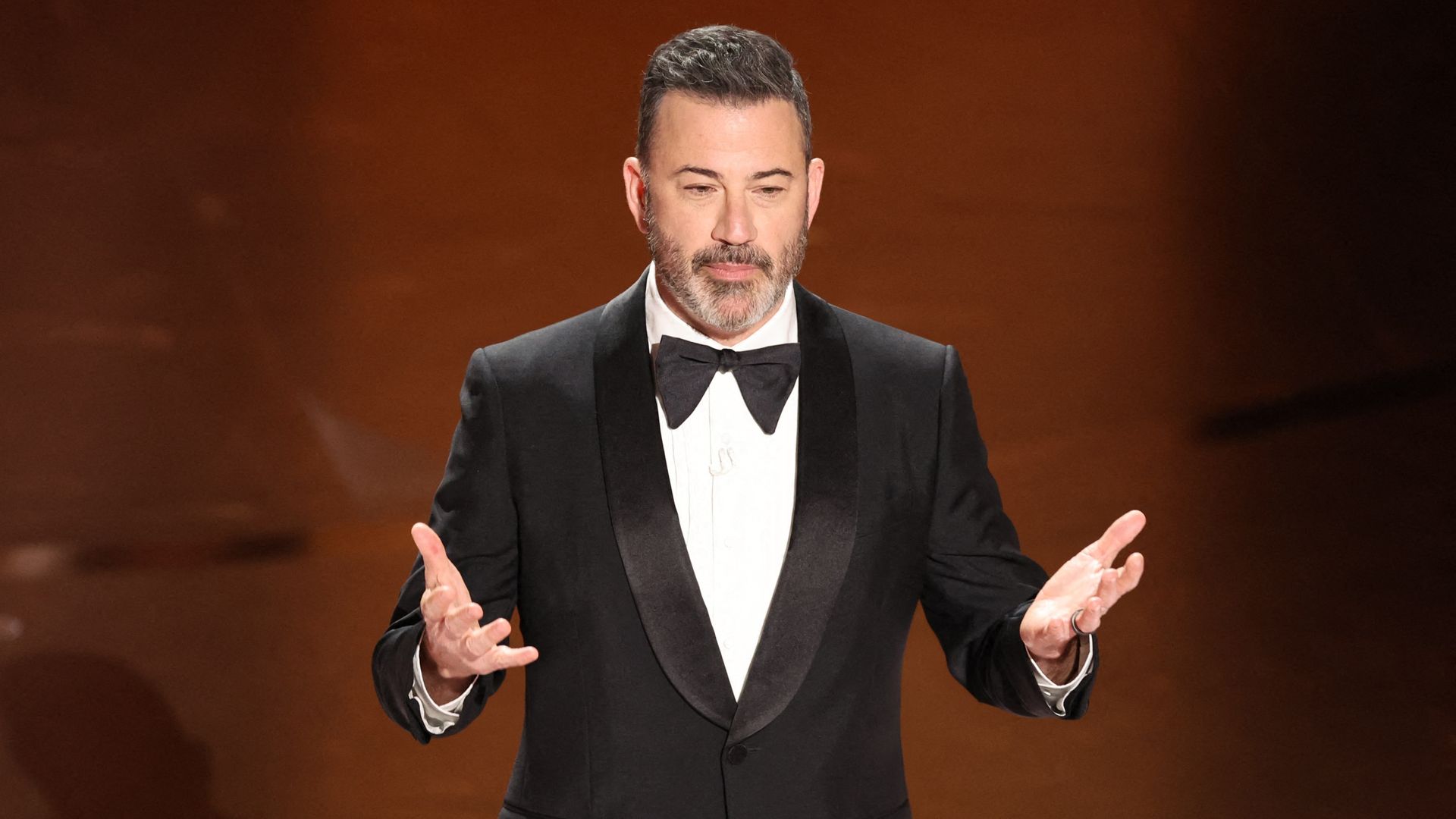











US talk show host Jimmy Kimmel has had his programme pulled over “offensive and insensitive” comments about Charlie Kirk, a move welcomed by President Donald Trump.The Latest News from the UK and Around the World | Sky News

NBC Sports will spotlight Juneau as part of a documentary on what football means to communities, Juneau-Douglas High School football coach Rich Sjoroos announced on Facebook.
The network has chosen a handful of cities nationwide to feature.
Juneau, home to the Crimson Bears, was selected from among more than 15,000 high school football programs in the United States.
A production crew will travel to the capital city this weekend to film Saturday’s game against Anchorage’s Dimond High School, scheduled for 3 p.m.
According to Sjoroos’ post, NBC will also interview players, parents and fans.
The footage is set to air as part of NBC’s Super Bowl pregame programming on Feb. 8, 2026.
Sjoroos encouraged residents to attend and “show all of America how much football means to Juneau.”
By: Greg Knight, News of the North

NOTN- Ketchikan police shut down the Visitor’s Bureau on Front Street Wednesday morning after a suspicious device was discovered on a wooden bench outside the building.
Officers responded around 8:12 a.m. and worked with Port Security to establish a perimeter. Video footage from inside the building was reviewed while the area remained closed to the public. A Carnival cruise ship was docked nearby at the time, but passengers had not yet disembarked. They were instructed to stay onboard and avoid the port side of the vessel closest to the device.
Police photographed the device and consulted with an Explosive Ordnance Disposal technician, who determined it was safe to move. Officers then removed it and secured it off-site.
The area reopened and operations returned to normal at 9:47 a.m. The Ketchikan Police Department says it maintained communication with the U.S. Coast Guard during the incident. The case remains under active investigation until the device can be fully examined by an EOD specialist

This article will contain mentions of suicide. If you or someone you know is struggling please call or text 988 to reach the Suicide and Crisis Lifeline.
NOTN- September is Suicide Prevention Awareness Month, and advocates in Juneau say the observance is an important chance to break stigma and share resources.
Jessica Gray, of NAMI Juneau, said Alaska continues to face persistently high rates of suicide, with nearly 200 deaths each year.
‘In Alaska, suicide is the second leading cause of death for ages 10 to 24,” Said Gray, “Young people don’t want to feel like a burden. There’s so much stigma surrounding the topic as well. We don’t talk about mental health the same way that we talk about physical health.”
Gray noted that free resources are available statewide, including the Alaska Careline and the national suicide prevention hotline. Both are available 24/7 for people in crisis.
NAMI events throughout September have been aimed at creating open dialogue and community support.
A Wall of Remembrance launched during First Friday at the Juneau Arts and Culture Center.
Gray said building community connections is one of the most powerful protective factors against suicide.
“That’s why Suicide Prevention Awareness Month is so important, because it opens up the conversation, and it gives people a chance to know that they’re not alone, that it is okay to ask for help,” Gray Said “It is okay to have these conversations about such a hard topic. It’s really powerful in that sense, because it builds connection. And we know that connection is one of the primary protective factors for suicide.”
Support group meetings will be taking place for the rest of the month, visit NAMI’s calendar, available at NAMI Juneau’s website for more details.
By: James Brooks, Alaska Beacon

NOTN- Alaska’s governor will not withdraw an executive order proposing to create a new state Department of Agriculture, he said in a letter sent Monday to the leaders of the state House and Senate.
Gov. Mike Dunleavy’s letter comes days after a joint House-Senate panel voted to spend up to $100,000 on a lawsuit against the governor if he goes ahead with his proposal to create the department unilaterally.
Alaska is one of only two states without a cabinet-level state Department of Agriculture, and legislators have spoken favorably about the idea of creating one, but a majority of the House and Senate want to authorize that new department through law, not by the governor’s executive order.
In March, the Legislature voted 32-28 to reject an administrative order that would have created the Department of Agriculture by splitting off part of the Department of Natural Resources, the agency that currently oversees agriculture.
Shortly before the vote, lawmakers in the House and Senate introduced new legislation to create the department. Neither the House bill nor the Senate bill advanced to a final vote, and either could be taken up during the next regular legislative session, which begins in January.
When Dunleavy called lawmakers into special session in August, he reissued the executive order, but the leaders of the state House and Senate declined to accept the order as valid, saying that the Alaska Constitution does not grant the governor the power to issue an order during a special session.
Lawmakers also say they believe that it isn’t legal to reintroduce a previously rejected order.
“There clearly exists a disagreement between the executive and legislative branch as to the governor’s ability to introduce an executive order in a special session,” the governor wrote in Monday’s letter. “When such a dispute exists, it is appropriate to seek clarification from the courts.”
The governor’s letter notes that lawmakers could have met during the special session to vote down his executive order. Legislators have previously said they did not wish to do so, because taking the vote would have been the equivalent of acknowledging that the governor has the power to issue an executive order during a special session.
Rep. Sara Hannan, D-Juneau, is chair of the Legislative Council, the joint House-Senate committee that authorized the lawsuit against the governor.
By phone on Tuesday, she said she isn’t sure when the suit will be filed, but she expects it to move quickly.
The executive branch is preparing to launch the new department by Jan. 1, and legislators want to stop it before then.
“We have two prime legal issues that we think need to be addressed by a court, because the executive branch is interpreting them completely different,” she said.
Hannan said she expects that once a trial judge decides the issue, the losing party in the case will rapidly appeal to the Alaska Supreme Court for a final determination.
Regardless of who wins the case, Hannan said the state may still end up with a Department of Agriculture by June because legislators are advancing bills that would create the department.
“The 34th Legislature still may create a Department of Agriculture, but the executive order action of creating that and attempting to do it in a special session and after an executive order has been rejected, those are the legal questions that we need addressed,” she said.
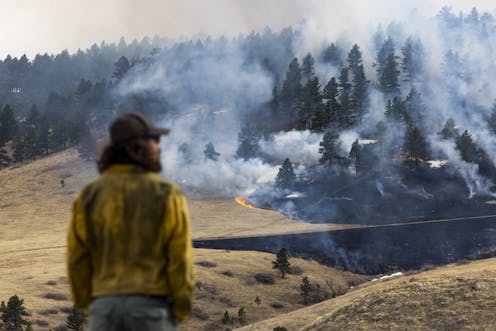
Many Coloradans may never get an alert that could save their life during a disaster.
And the alerts that go out may not easily be understood by the people who do get them.
We are social scientists who study emergency alerts and warnings, the challenges that exist in getting emergency information to the public, and ways to fix these issues.
Research two of us – Carson MacPherson-Krutsky and Mary Painter – did with researcher Melissa Villarreal shows only 4 in 10 Colorado residents have opted in to receive local emergency alerts. And many alerts may not be written with complete information, translated into the languages residents speak, or put into formats accessible to people with vision or hearing loss. This means some of our most vulnerable neighbors could miss crucial information during a crisis.
Alerts are complex. They can come from a variety of official sources, including 911 centers, weather forecast centers and others. Alerts can also come in many forms, ranging from emails and texts to sirens and radio broadcasts.
Our study, mandated and funded by Colorado House Bill 23-1237, focused on understanding alert systems in Colorado after the Grizzly Creek Fire in 2020 and the Marshall Fire in 2021.
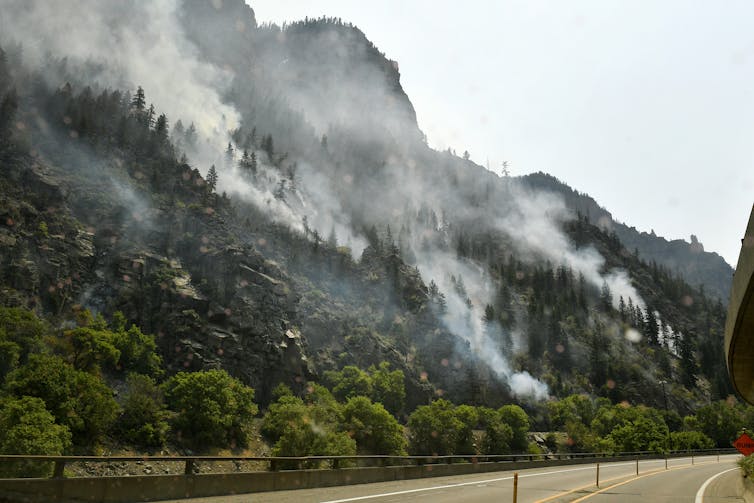
These fires were destructive and highlighted issues related to emergency alerting. Alerts about the fires and calls to evacuate were delayed and inconsistently received. Most were only available in English despite census data that shows 1 in 10 residents of Eagle and Garfield counties speak Spanish at home and only “speak English less than ‘very well.’”
The resulting legislation focused on how to make emergency alerts in Colorado accessible to all, but especially those with disabilities and with limited-English proficiency.
As social scientists who study disasters, we know that hazards, like earthquakes and wildfires, reveal inequities and that certain groups fare worse and take longer to recover. People with disabilities have higher rates of death from disasters. This is not because these populations are inherently less able to respond, but because emergency planning and systems may not account for their specific needs.
Our Colorado study used interviews and a statewide survey of 222 officials that send alerts to better understand the challenges of providing alerts across the state and reaching at-risk populations.
The state of Colorado does not have a uniform alert system. Local areas determine the alert systems they will use.
Some alerts get sent through systems that require people to opt in. This means that people sign up and choose to receive notifications. Neighboring counties often use different opt-in alert systems, meaning individuals who travel to different counties for work or recreation may need to register for multiple systems. Examples of these systems include Everbridge, used by Boulder County, and CodeRed, used by Adams and Park counties.
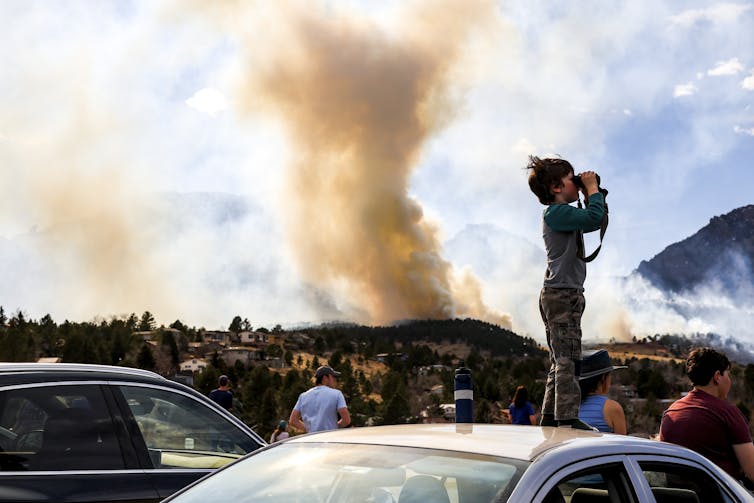
The success of these systems in an emergency relies on the community signing up for alerts.
We found that registering for alert systems was a barrier for everyone, but especially those with limited-English proficiency and with disabilities. This is because they may not be aware of the systems that are accessible to them or they are wary of providing personal information, and depending on their location, alerts may only be offered in English.
Another system is “opt out,” meaning people will receive alerts by default unless they turn them off. These include Wireless Emergency Alerts, or WEAs. These messages get broadcast through cellphone towers to phones in a specific geographic area. So if you have a cellphone in a WEA alert boundary, you will get an alert. WEAs are used in Colorado to target specific regions in danger, such as an area that needs to evacuate or for an Amber Alert.
There is no national standard or guidance for opt-in or opt-out systems, which can lead to inconsistencies in how people get alerts.
We found that though authorities often want to provide alerts in other languages and accessible formats, they have significant resource constraints. Time, staff, money or training can all limit the level of accessibility they can provide.
Sixty-four percent of the authorities we surveyed said they lacked funding to make alerts more inclusive.
More than a third of our respondents didn’t know if their systems could provide alerts in languages other than English or for people with disabilities. This speaks to a need for better training on how these systems work and how to use them effectively.
An alert is complete if it includes information about the source, hazard, location and time. Recently, researchers found that fewer than 10% of all Nationwide Wireless Emergency Alerts issued from 2012 to 2022 were complete.
One of us – Micki Olson – worked with the federal government to develop the Message Design Dashboard to help alerting authorities craft clear and comprehensive emergency messages.
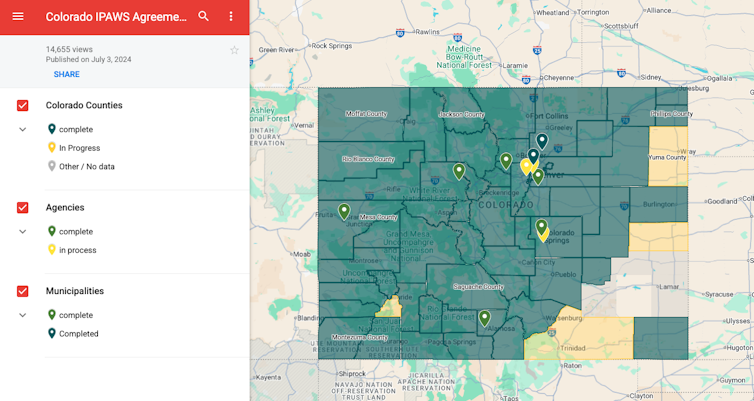
Fifty-six out of 64 counties in Colorado are an Integrated Public Alert and Warning System authority, which means they can send alerts across multiple platforms at once. This can improve alert access since it broadens who alerts reach.
Not all counties have this option, and even the ones who do, don’t always use it. In our study, authorities noted limited staff capacity, funds and lack of time prevents them from getting or using the IPAWS system.
“We simply do not have the resources, both financial and people, to deploy all of these systems,” a survey respondent from Gunnison County said.
The final issue we identified is that alert systems were not developed with accessible options and functionality like video or image options. For example, people who are blind or have low vision won’t have access to a message unless they enable text-speech features on their phone in advance.
The WEA system only allows alerts to be sent in English or Spanish. Characters like accents and tildes cannot be included. Expansion of language options was planned but is now on hold for unclear reasons. Some counties have the resources to make alerts available in additional languages, but most do not.
Almost 900,000 Coloradans speak a language other than English. According to the Migration Policy Institute, more than 230,000 Coloradans have difficulty comprehending and communicating in English.
Recent events, including the Palisades and Eaton fires in California and the devastating floods in Kerr County, Texas, demonstrate how critical it is that timely and accessible emergency alerts reach everyone, but especially the most vulnerable individuals.
However, these systems are complex, and everyone from individuals to local government can play a part in improving them.
Federal and local governments can allocate funds to update and standardize systems. They can also implement training and procedures to ensure alerts are effective and inclusive.
Authorities that send alerts can partner more closely with trusted community organizations and networks to reach diverse audiences.
Researchers can identify how to better tailor systems to meet community needs.
Individuals can learn about and sign up for alerts. To do so, visit local government websites or enter “emergency alerts” and the name of your county or city in an online search.

Carson MacPherson-Krutsky works for the Natural Hazards Center at the University of Colorado Boulder. Through the Center, she receives funding from the State of Colorado, NSF, USACE, USGS and others.
Mary Angelica Painter works for the Natural Hazards Center at the University of Colorado Boulder. Through the Center, she receives funding from agencies including NSF, USACE, USGS and others.
Micki Olson has received funding from FEMA and NOAA.
Politics + Society – The Conversation

Shortly following the fatal shooting of conservative activist Charlie Kirk, many politicians and pundits were quick to highlight the importance of civil discourse.
Utah Gov. Spencer Cox called for an “off-ramp” to political hostilities, while California Gov. Gavin Newsom released a statement condemning political violence. He lauded Kirk’s “commitment to debate,” adding, “The best way to honor Charlie’s memory is to continue his work: engage with each other, across ideology, through spirited discourse.” Political commentator Ezra Klein wrote, “You can dislike much of what Kirk believed and the following statement is still true: Kirk was practicing politics in exactly the right way.”
With so many Americans consuming political content via siloed social media feeds and awash in algorithms that stoke outrage, these ideals may seem quaint, if not impossible.
Clearly, murder is a no-go. But what does it mean to practice politics “the right way?” How can people engage “across ideology” in a “spirited” way?
Well, one way to not practice politics the right way is to limit the other side from having a voice of authority. Since 2016, the organization Kirk co-founded, Turning Point USA, has hosted the Professor Watchlist. The online database generated harassment campaigns against professors, leading to calls for firings, hate mail and death threats. To be sure, the left has not been without its own excesses of harassment in recent years.
Kirk was also known for going to college campuses and speaking to students: entering the lion’s den and affably challenging audiences to “change my mind.”
To me, the impulse to shut down the other side, combined with the “change my mind approach” to debate, has only exacerbated political polarization and entrenchment. Instead, I propose a few different ways of thinking about conversations with people whose views differ from your own.
In my forthcoming book, “Rules for Reactionaries: How to Maintain Inequality and Stop Social Justice,” I explore the language strategies used to advance white supremacy and anti-feminism across U.S. politics and culture.
Deliberative democracy is the idea that decision-making and governance are arrived at through thoughtful, reasoned and respectful dialogue. This may take the shape of debates in Congress or robust questioning in town halls. But deliberative democracy also shapes the way all neighbors or citizens treat each other, whether on the street or at the dinner table.
I contend that a big stumbling block that prevents the U.S. from tackling its biggest problems is how Americans conceptualize deliberative democracy: There’s a fantasy that people’s minds can be easily changed, if only they’re given certain information or hear certain arguments.
In the 1990s, this was epitomized through former President Bill Clinton’s Initiative on Race, a program that he framed as a vehicle for social and political transformation. Clinton believed that an advisory board of experts could foster a meaningful national dialogue and produce necessary healing.
In response, conservative political figures objected both to the need for a conversation in the first place and to the makeup of the committee leading it.
By the time Clinton’s second term ended, the initiative quietly disappeared, only to be mentioned in passing in Clinton’s memoir. Yet with each subsequent racial flash point, from the arrest of Henry Louis Gates in 2009 to the murder of George Floyd, calls resurfaced for the national conversation. But race remains a politically and culturally salient issue.
Similarly, many Americans view friends, relatives and colleagues as targets for conversion. Because of the nature of my research, I often get a version of this question from my students: “How do you change someone’s mind if they say they’re a socialist?” Or they may frame it as, “I’ve got Thanksgiving with my family coming up, and my Uncle Johnny is so transphobic. How do I convince him to support trans rights?”
Cultural theorist Lauren Berlant would describe these encounters as moments of cruel optimism. There’s the belief that what you’re about to do is good and worthy. But time and again, you’re met with feelings of futility and frustration.
When debating politics, many people crave a chance to engage with someone they disagree with. There’s the hope of changing hearts and minds. But few minds – if any – change that quickly, and approaching these conversations as small windows of opportunity ends up being their downfall.
There are more fruitful approaches to conversation than merely trying to best someone in an argument by deploying buzzwords or “gotcha!” moments.
Rather than trying to immediately change someone’s mind, what if you entered a conversation with the goal of simply planting seeds? This approach transforms the dialogue from an attempted conversion into a legitimate conversation, wherein you’re merely offering your partner something to consider after the fact.
Another strategy involves remembering that conversations often have multiple audiences.
Consider the Thanksgiving dinner with Uncle Johnny. What if, instead of focusing on trying to convert him, the speaker recognized that there were other listeners at the table? Perhaps they could rethink their encounter not as converting an opponent, but as modeling to relatives how to have a conversation about one’s values with a loved one whom they vehemently disagree with. Or perhaps the speaker could recognize that a cousin at the table may be closeted, and take it upon themselves to model how to push back against transphobia.
In both cases, the conversion of Uncle Johnny ceases to be the objective. Civic dialogue and persuasion remain.
If the U.S. is going to heal its civic life through dialogue, I think it will require Americans to not just speak with those they disagree with, but to listen to them as well.
Krista Ratcliffe, a scholar of rhetoric at Arizona State University, has written about her concept of “rhetorical listening.” Listeners, she argues, must not simply be attuned to the words a speakers says, but also to the life experiences and ideologies that shape those words.
Rhetorical listening means avoiding the urge to one-up the opponent or convert the unwashed masses. Instead, you’re entering into dialogue from a position of curiosity, with a willingness to learn and grow.
Many people believe that the U.S. is at an inflection point. Will families and friendships continue to be torn apart? Will greater political polarization lead to more violence? Often it feels hopeless.
Like Sisyphus, many Americans probably feel like they continue to push a boulder up a hill, only for it to roll down the other side. The error would be for Americans to be surprised when the boulder rolls back down – shocked that there was no progress and that everyone has to start over again.
While the Sisyphean task of deliberative democracy requires that citizens push the boulder day in and day out, they should also recognize that as they push, the weight of the boulder as it’s collectively pushed will gradually and imperceptibly alter the terrain.
Moreover, as the French philosopher Albert Camus once wrote, it’s important to “imagine Sisyphus happy” – to continue to seize what joy can be had as this hard work plods along.

Lee Bebout does not work for, consult, own shares in or receive funding from any company or organization that would benefit from this article, and has disclosed no relevant affiliations beyond their academic appointment.
Politics + Society – The Conversation
Reading Time: 3 minutes
There’s been another bizarre twist in the ongoing saga of the Charlie Kirk assassination.
It’s been less than one week since Kirk was shot and killed during a speaking engagement in Utah.
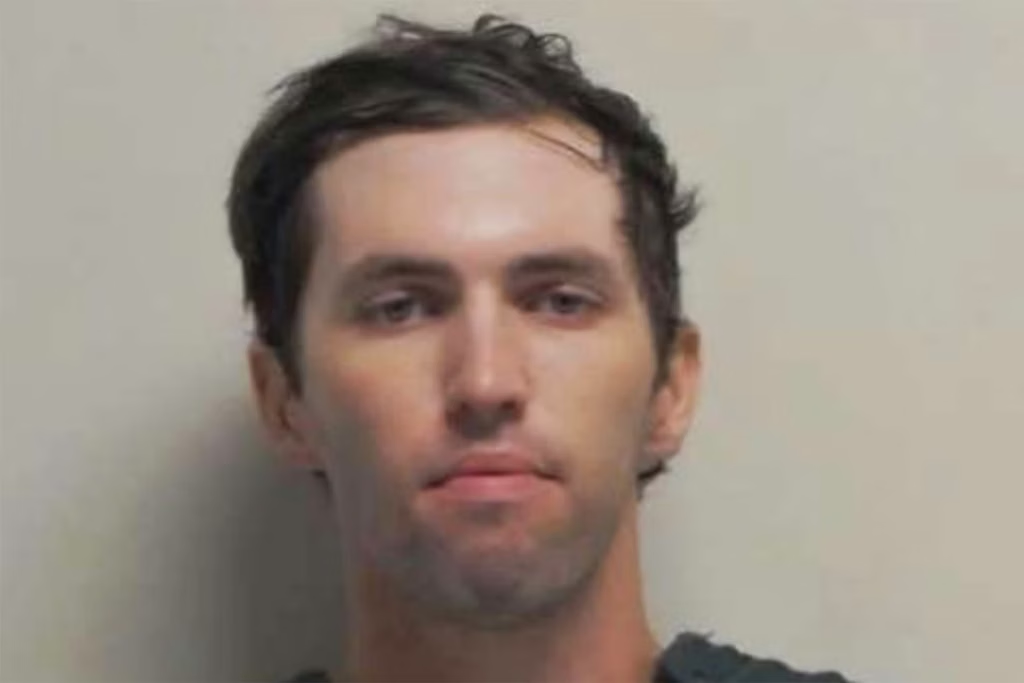
A 22-year-old Utah native named Tyler Robinson has been arrested in connection with the shooting, but he was not the first person apprehended following Kirk’s death.
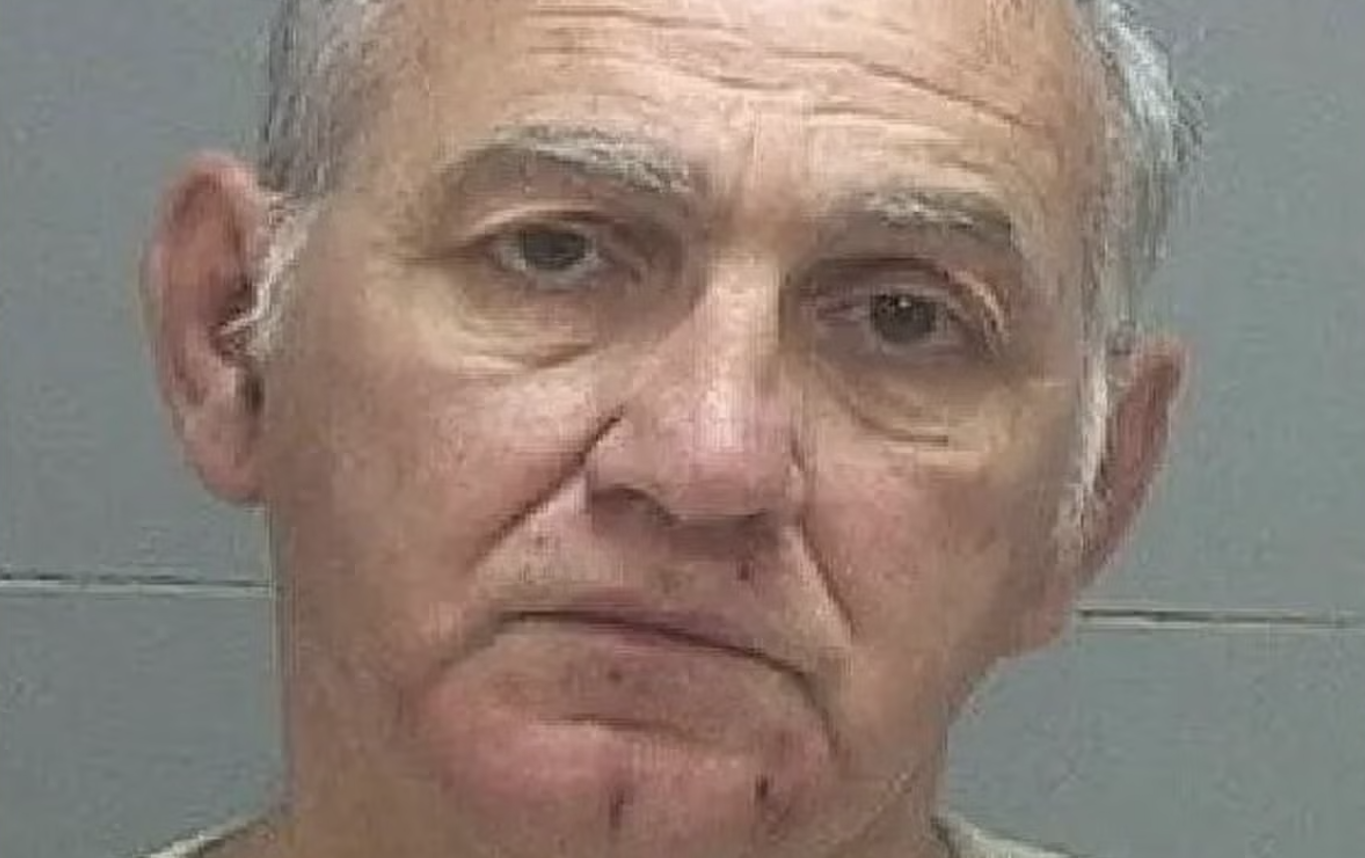
In the minutes after the shooting, a man named George Zinn falsely claimed to be responsible — now, he’s being charged with an unrelated heinous crime.
According to a new report from TMZ, Zinn has been charged with four counts of sexual exploitation of a minor after FBI agents examined his phone and found images of children.
Police say Zinn’s phone contained more than 20 explicit images of children ages 5 to 12, along with graphic messages in which he admitted receiving gratification from the photos.
It’s not clear when Zinn will stand trial or what sort of penalty he might face.
But even though he may not have been involved in the Kirk shooting, the 71-year-old could wind up facing a slew of charges.
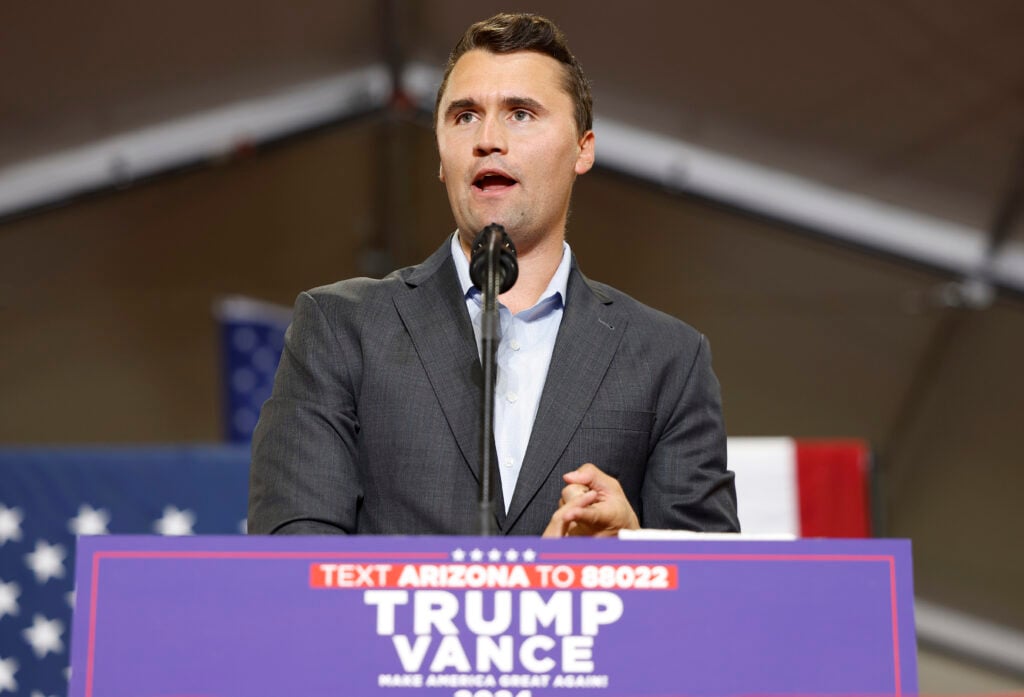
Police say Zinn admitted to falsely confessing to the murder because he hoped to give the real shooter time to escape.
“I shot him, now shoot me,” he said at the scene, according to Newsweek.
It does not appear that Zinn had any prior knowledge of the shooting, but he may still face charges for his attempt to obstruct the investigation.
During an appearance on Fox News Monday night, FBI Director Kash Patel revealed that authorities are still investigating the possibility that Robinson worked with accomplices.
“We’re dedicating every asset we have to run the reverse daisy chain analysis of anyone that was in contact with the suspect that’s currently in custody and anyone he contacted, called and text-messaged and had chats on online social media platforms with,” Patel said.
Insiders say Robinson has not cooperated with investigators, but his text messages and social media activity may contain sufficient clues regarding his motive.
Robinson has now been charged with seven felonies, and prosecutors are expected to pursue the death penalty.
We will have further updates on this developing story as new information becomes available.
George Zinn: Fake Charlie Kirk Shooter Arrested on Child Pornography Charges was originally published on The Hollywood Gossip.
The Hollywood Gossip
Reading Time: 3 minutes
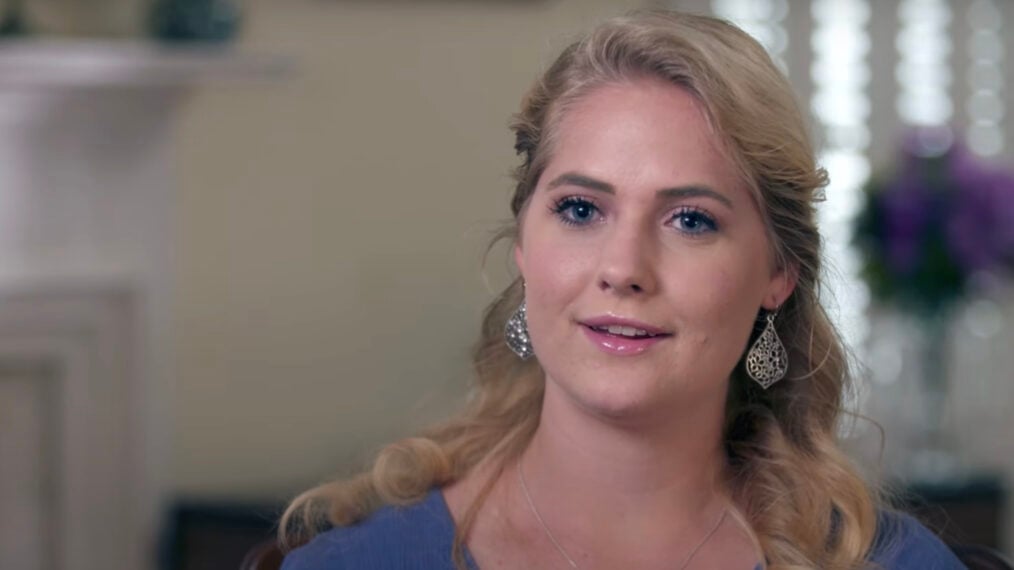
Lydia Plath is done holding back.
Appearing as a guest late last week on The Jinger & Jeremy Podcast, the Welcome to Plathville cast member said she has considered leaving the reality show at times.
She’s sick of all the criticism leveled at her by various family members…
… but God wants her to stick around, Lydia explained on air.
During this same appearance, meanwhile, Plath said some rather personal things about these same family members — without naming any names.
Telling listeners that the show is mostly realistic (“Some things can be taken out of context and edited and dramatized. But storyline-wise, [it’s] pretty accurate.”), Lydia went on to slam certain relatives for showing their allegedly true colors now that they’re in the spotlight:
“It brings out what’s really deep down.
“Some of my siblings may have looked like on the outside, before the show came along, that they were great Christians and walking with the Lord and all that. But being in the public eye, the show— it’s going to bring out what’s deep inside.”
Plath added:
“If you’re seeking attention, it’s going to bring that out and you’re gonna do whatever it takes to get attention.”

Yikes, huh?
“If you’re seeking the Lord, that’s going to be magnified. And when you’re pressed, and the Lord is truly what’s inside, the Lord is what’s going to come out,” Plath also said, before addressing some of her siblings moving away from religion in recent years.
“So, if some of my siblings feel like the ‘Christian life’ was boring [due to the] things to do and things not to do, I totally understand why you don’t want a part in that. But my personal walk with the Lord has been anything but boring.”
Plath seems especially irritated by her mom these days, as Kim Plath told her daughter on the latest episode of Welcome to Plathville that she might be making “the biggest mistake” of her life by marrying Zac Wyse.
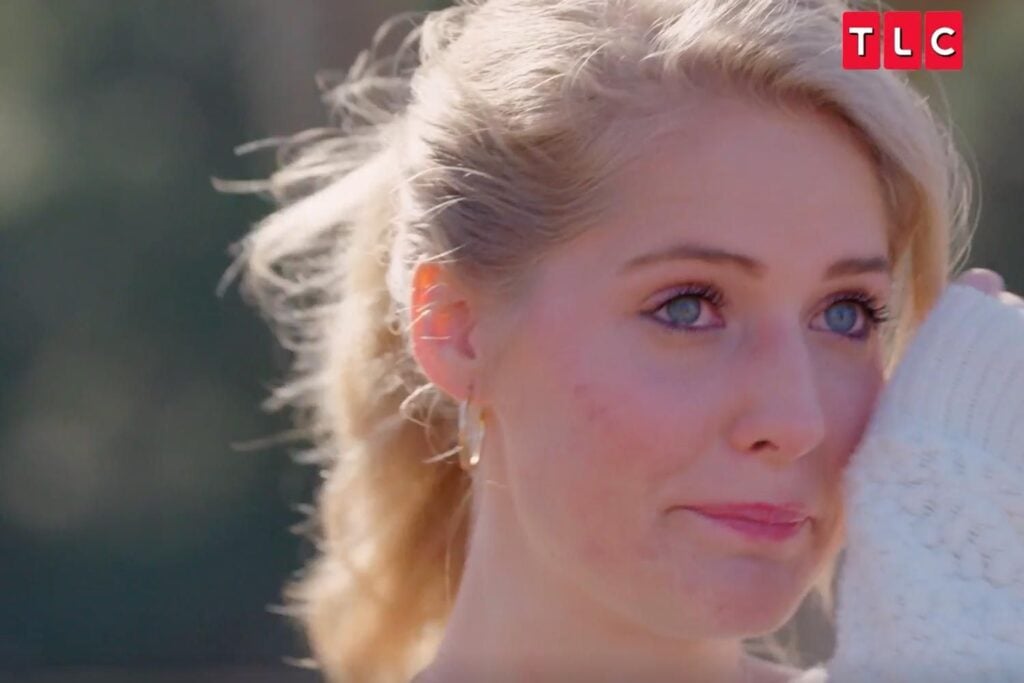
Still, Plath insists that the pros of reality television outweigh the cons.
“For me, it really drew me closer to the Lord, and that was a good thing,” Lydia said of being on Welcome to Plathville.
Elsewhere in this interview, Lydia stood up for her new husband.
“It really hurts to see my family saying things about Zac and I that if they would have just come to us, and known us, it would have all been answered and clear that all Zac was doing in that month leading up to the wedding was caring for me and being there for me,” Lydia wrote on social media this weekend.
“He’s truly the most selfless man I’ve met and loves me in such a pure way!”
Lydia Plath: My Family is Full of Fake Christians! was originally published on The Hollywood Gossip.
The Hollywood Gossip

Reading Time: 4 minutes
Jamie Lee Curtis has her own reaction to the death of Charlie Kirk.
She became very expressive as she discussed the shooting during an interview.
Across social media, many people are expressing bitter disappointment towards the actress who received heaps of praise just last month.
Is Curtis wrong? Are her critics? Both? Neither?
On Monday, August 15, Jamie Lee Curtis discussed the Charlie Kirk shooting on the WTF With Marc Maron podcast.
“I’m going to bring something up with you just because it’s front of mind,” the actress announced.
Curtis continued: “Charlie Crist was killed two days ago.”
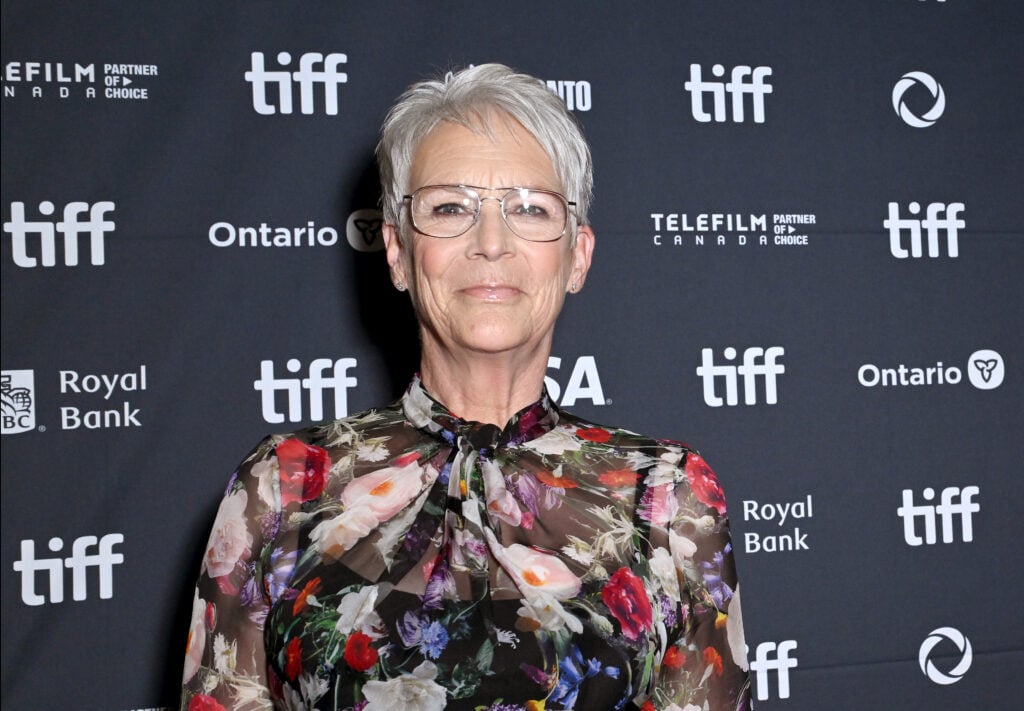
First point, it is possible that the podcast episode recorded on Friday, September 12, which would indeed have been two days after Kirk’s death at Utah Valley University.
Second point, of course, is that that is … not his name.
“Sorry, Kirk,” Curtis apologized after the host corrected her.
“I just call him Crist, I think, because of Christ, because of his deep belief.”
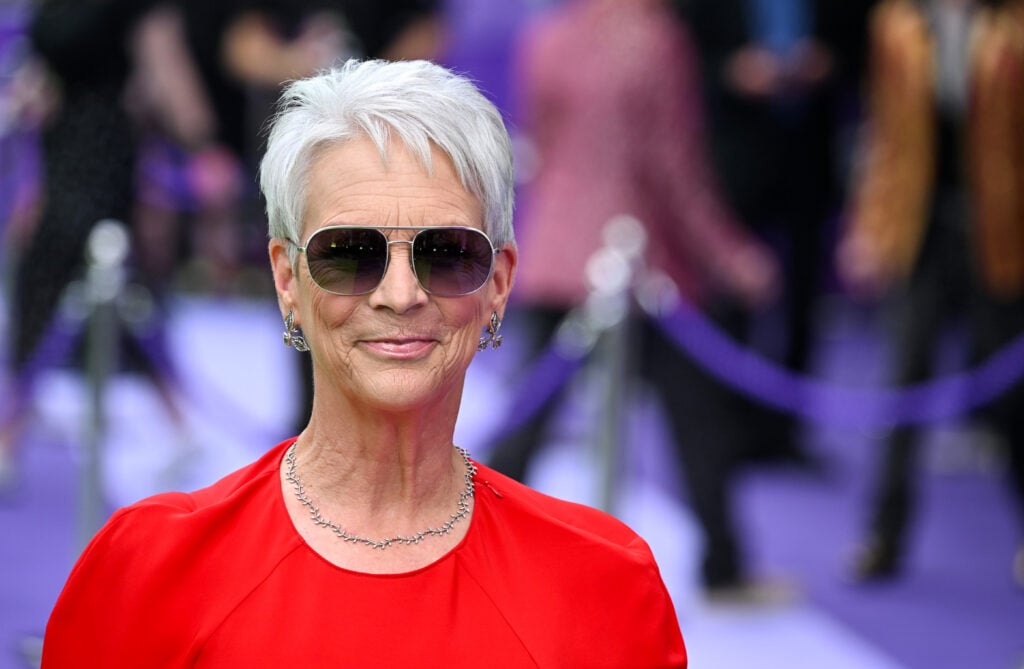
“I mean, I disagreed with him on almost every point I ever heard him say,” Jamie Lee Curtis emphasized of Charlie Kirk.
She seems to be referring to the far-right podcaster’s history of making racist, homophobic, misogynistic, transphobic, and Christian nationalist statements.
“But I believe he was a man of faith,” Curtis explained.
“And I hope in that moment when he died, that he felt connected to his faith.”
Jamie Lee Curtis got emotional over Charlie Kirk’s tragic passing during an interview with Marc Maron
🔉 WTF with Marc Maron pic.twitter.com/cZOdCJL3nG
— TMZ (@TMZ) September 16, 2025
“Even though I find what his ideas were abhorrent to me,” she continued.
“I still believe he’s a father and a husband and a man of faith.”
Curtis expressed: “And I hope whatever ‘connection to God’ means, that he felt it.”
It seems that one particularly upsetting detail, to the actress, was that videos of the shooting proliferated across social media in the immediate aftermath.

Jamie Lee Curtis lamented how “we, as a society, are bombarded with imagery” of real-world death and violence, including the shooting death of Charlie Kirk.
“So, we don’t know what the longitudinal effects of seeing those Towers come down over and over and over and over again,” she reasoned. Certainly, much of America seemed to lose its mind after 9/11, and portions of our nation have yet to regain their senses.
She also connected Kirk’s shooting to that of President John F. Kennedy.
Not because she was equating them in import (a podcaster, no matter how influential, is not a well-regarded President of the United States), but because the Kennedy Assassination took place on her fifth birthday.
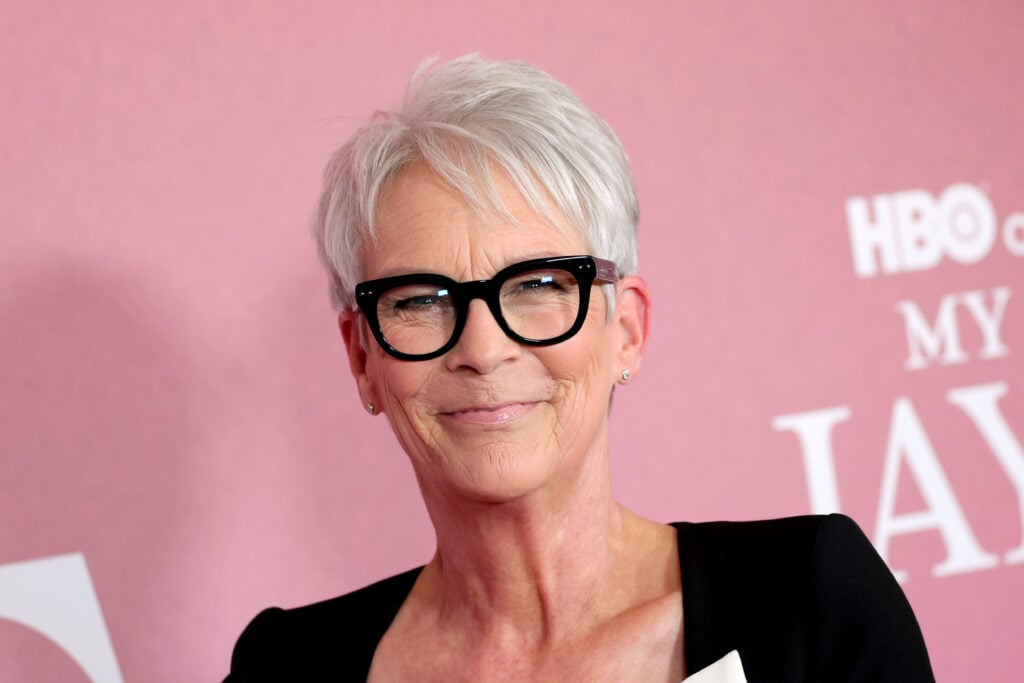
“I’m associated with this awful day of someone being assassinated on television,” Curtis acknowledged, expressing a fear that our society has become “inured” to footage of real-world violence.
“We are numb to them, but they are in there,” she continued.
“We don’t know, we don’t know enough psychologically about what that does. What does that do?”
That is actually a very fair question.
And, however one feels about Kirk or his shooting, graphic images of gun violence are probably not healthy for our society.
2/2. Kirk and fellow extremist guests called for public beheadings to become sporting events, which children should watch: “At a certain age, it’s an initiation.”
Full context: www.mediamatters.org/charlie-kirk…
— Matthew Sheffield (@matthew.flux.community) September 14, 2025 at 12:04 PM
Some have been very critical of Curtis for seeming to express sympathy for Kirk, given how many swathes of people he maligned during his life. Her own daughter is transgender, after all.
But, at the risk of inserting a little too much nuance into an extremely polarizing topic, it is actually okay and normal for someone to feel saddened by a death.
This is not a universal feeling, even if certain aspiring thought-police attempting to punish people for not mourning properly insist that it be.
It is okay for Curtis to feel sad about a man’s violent death, no matter the quality of that man’s character in life. She is, notably, not asking anyone else to feel the same way.
Jamie Lee Curtis Cries Over Charlie Kirk Shooting, Sparks Confusion and Anger Among Fans … was originally published on The Hollywood Gossip.
The Hollywood Gossip