Sir Keir Starmer and Rachel Reeves have scrapped plans to break their manifesto pledge and raise income tax rates in a massive U-turn less than two weeks from the budget.The Latest News from the UK and Around the World | Sky News











Sir Keir Starmer and Rachel Reeves have scrapped plans to break their manifesto pledge and raise income tax rates in a massive U-turn less than two weeks from the budget.The Latest News from the UK and Around the World | Sky News

Sir Keir Starmer is now “more likely” to face a leadership challenge and the briefing war between Number 10 and Wes Streeting may have “pulled the plug” on his time office, Harriet Harman has said.The Latest News from the UK and Around the World | Sky News
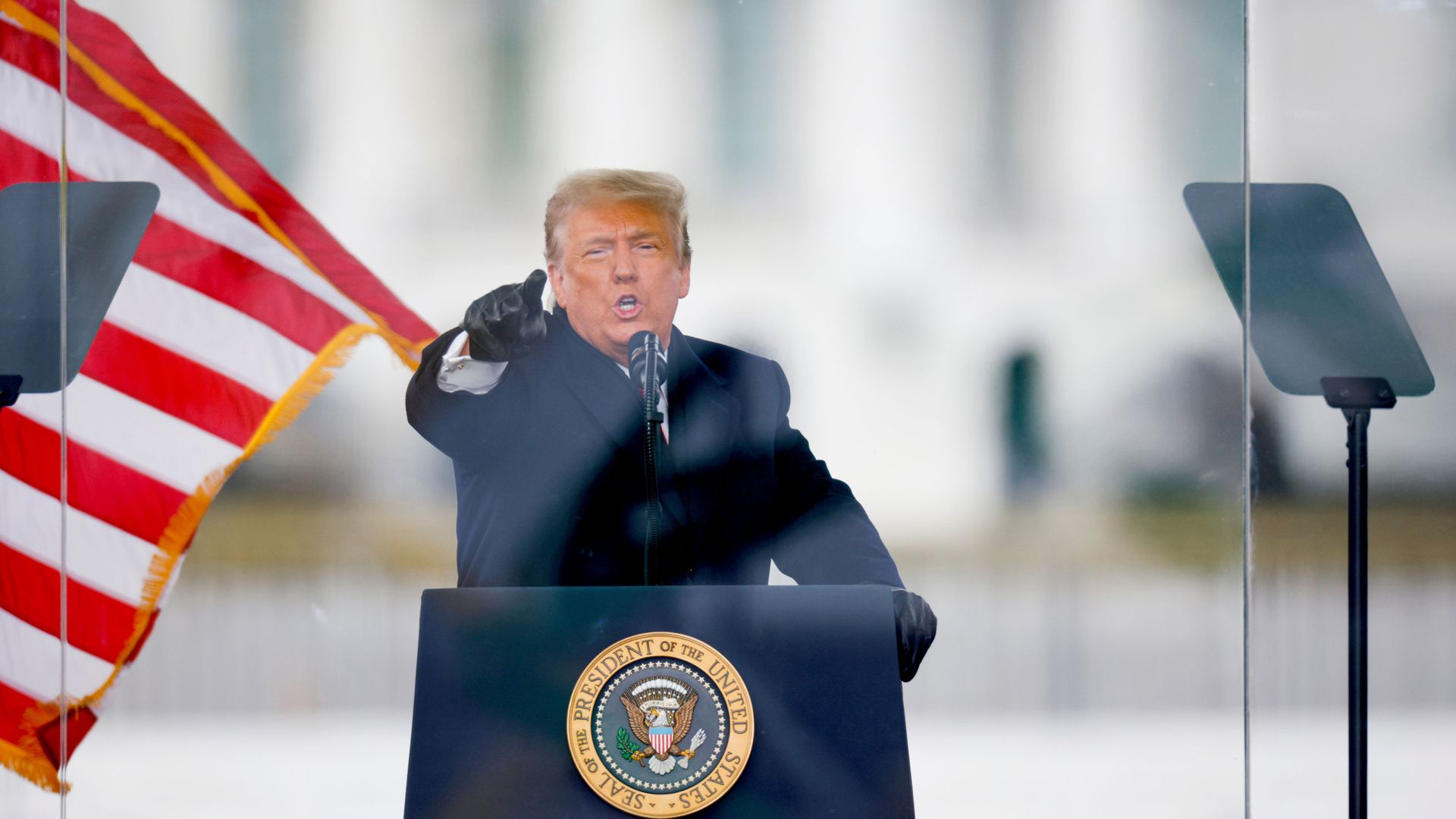
The BBC has apologised to Donald Trump over the editing of a speech in a Panorama programme, but won’t pay compensation.The Latest News from the UK and Around the World | Sky News
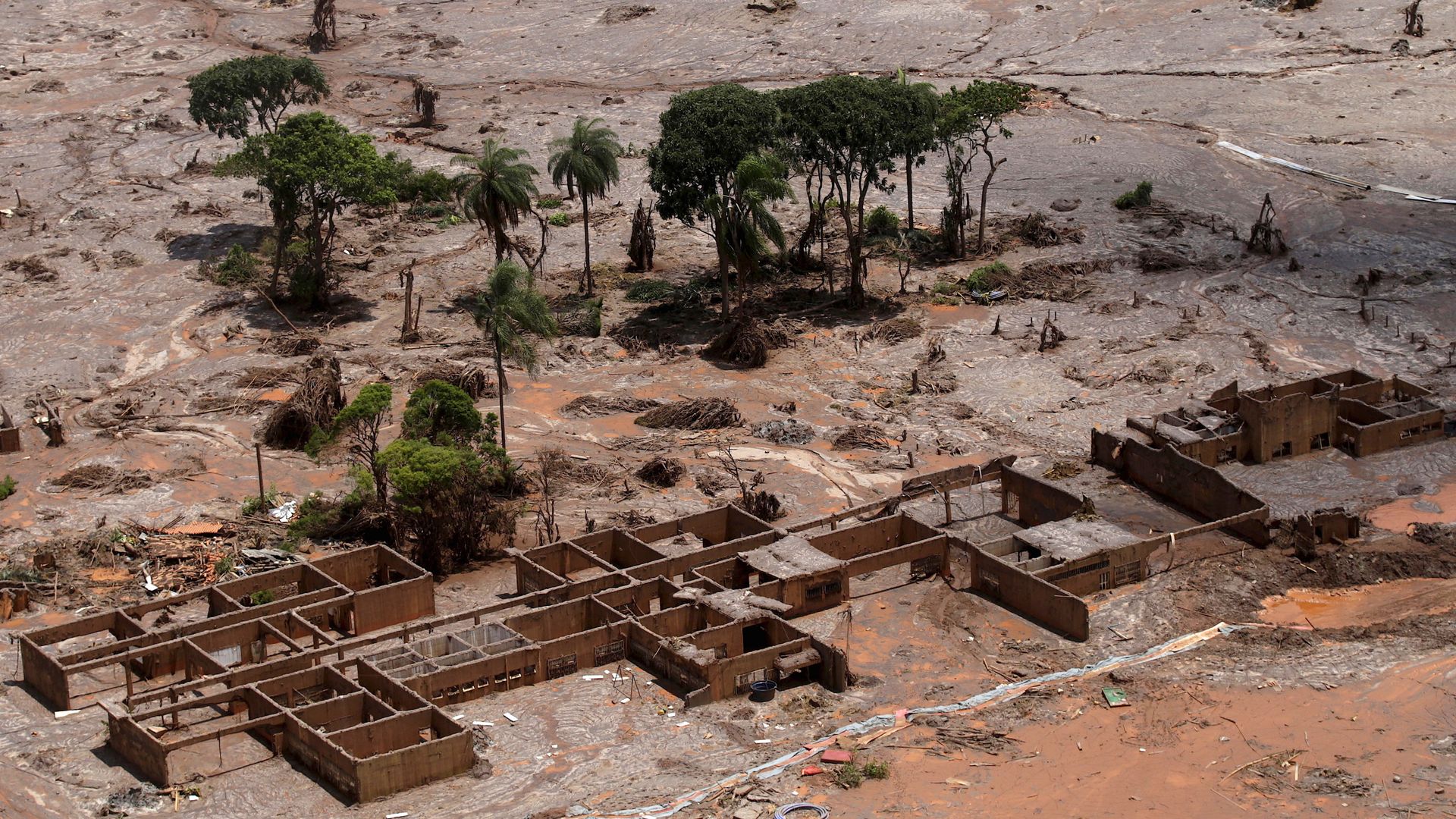
A judge has ruled that a company can be held liable for a dam collapse which devastated indigenous communities in Brazil and became the country’s worst environmental catastrophe.The Latest News from the UK and Around the World | Sky News

The home secretary is set to unveil sweeping reforms to tackle illegal immigration, as she considers potential changes to human rights law.The Latest News from the UK and Around the World | Sky News

Sitting in her favourite armchair, looking out at the autumnal colours in the field, Ed is blunt about her situation.The Latest News from the UK and Around the World | Sky News

An amber weather warning has been issued for parts of England and Wales today, as Storm Claudia prepares to bring heavy downpours and potential flooding.The Latest News from the UK and Around the World | Sky News

Post ContentThe Latest News from the UK and Around the World | Sky News
By: Lois Parshley, Grist

This story was originally published by Grist. Sign up for Grist’s weekly newsletter here.
As Kristen Moreland waited for the livestream to buffer, her thoughts drifted to the years she’d devoted to defending Arctic National Wildlife Refuge, the northeastern sweep of Alaska where the mountains give way to the coastal plain. On screen, the chatter of aides stilled as men in dark suits gathered behind a lectern. Then Secretary of the Interior Doug Burgum announced plans to open the area, roughly the size of South Carolina, to drilling.
It marked another round in the decades-long tug-of-war over developing one of the country’s largest remaining protected areas — an effort that came to a head during President Donald Trump’s first term, and ground to a halt when President Joe Biden took office. Burgum also restored seven oil and gas leases that a state-funded corporation bid on during the final days of the first Trump administration, and that his successor later revoked.
Moreland, a Gwich’in leader and executive director of the tribal committee dedicated to protecting the Nation’s sacred coastal plain, sat stunned as the YouTube stream continued. The place she grew up — where generations have lived on the tundra alongside the caribou, weaving their history into the land — had been reduced to a line item on someone’s balance sheet. When Burgum said opening the refuge would benefit northern communities, “it felt like a slap in the face,” she said.
“They’ve never reached out to us to listen to how this would affect our livelihood,” she said. Moreland fears development will drive the herd that the Gwich’in rely on out of range and contaminate rivers in a region where hunting and fishing are a matter of survival. For her, it felt like erasure. “It’s another disrespectful action from decision-makers,” she said. “It ignores our voice as Gwich’in and violates our rights as Indigenous people.”
As the fight over development in the Arctic continues, federal officials are racing to fulfill Trump’s “energy dominance” agenda. Though the government is shut down and many employees are not getting paid, officials continue approving permits for extractive industries. In a wood-paneled Beltway office, Burgum framed his “sweeping package of actions” as a declaration that “Alaska is open for business.”
To that end, the administration also signed permits for the controversial 211-mile Ambler Road to mineral deposits, including one owned by Trilogy Metals — which the Trump administration now holds a 10 percent stake in — and authorized a land exchange that will allow for construction of a road through Izembek National Wildlife Refuge, at the tip of the Alaskan Peninsula. “I told the president it’s like Christmas every morning,” Republican Governor Mike Dunleavy said. “I wake up, I go to look at what’s under the proverbial Christmas tree to see what’s happening.”
Last week’s announcement may not end up being the gift the governor is hoping for.
The fight over drilling in the refuge began almost as soon as President Dwight D. Eisenhower established the site, once called Arctic National Wildlife Range, in 1960. The most recent volley began in 2017, when Trump signed a tax bill requiring two oil and gas lease sales there within seven years. When the first sale was held in 2021, the state corporation Alaska Industrial Development and Export Authority, or AIDEA, was the only major bidder. It hoped to keep drilling prospects in the region alive, despite weak industry interest. The sale ultimately generated less than $12 million — a fraction of the nearly $2 billion projected by the Tax Act for the last decade.
The Biden administration later found the leasing program’s environmental review inadequate. It conducted a new analysis, then canceled the leases in 2023, citing “fundamental legal deficiencies” and its failure to “properly quantify” greenhouse gas emissions. The second mandated sale, in early 2025, received no bidders. Compounding the challenge, major banks and insurers have refused to finance or underwrite projects in the refuge, citing environmental risks. Oil majors have also steered clear: In 2022, Chevron and the company that took over BP’s leases on private land within the refuge paid $10 million to walk away from them. That same year, Exxon Mobil told shareholders it has “no plans for exploration or development” there.
Still, this spring Trump issued an executive order calling for the reinstatement of AIDEA’s leases, and a federal court ruled that their cancellation was handled improperly. The state-funded investment firm remains the sole holder of leases in the refuge.
The problem is AIDEA doesn’t have the capital or technical expertise to build out these areas on its own. It has authorized spending nearly $54 million to develop them and move permitting for Ambler Road forward. That includes hiring consultants for seismic testing to map oil and gas deposits. But first it must get permission from the U.S. Fish and Wildlife Service to harass polar bears, something that has sparked viral protests in the past. AIDEA authorized another $50 million for Ambler following Burgum’s announcement.
Ultimately, the state corporation is spending public money on infrastructure that private firms would normally fund, while sidestepping oversight, said Suzanne Bostrom, a senior staff attorney at Trustees for Alaska. The watchdog legal organization accused AIDEA of having redirected money toward refuge leases and Ambler from accounts within its Arctic Infrastructure Development Fund, and later its Revolving Fund, to avoid the need for legislative approval. Randy Ruaro, AIDEA’s executive director, wrote in an email that it was not legally required to seek authorization.
All of that aside, AIDEA’s track record is pretty grim. Financial records suggest the corporation lost at least $38 million on its last oil and gas venture, the Mustang field on the North Slope west of the refuge. After oil prices fell in 2020, the corporation foreclosed on the project. The state provided another $22 million in a 2023 bailout before AIDEA sold the field for an undisclosed sum. Bostrom says AIDEA has “no actual plan for seeing a return” on its spending in the refuge. In fact, the people of Alaska often lose money in its deals; one analysis found that almost half of the agency’s investments have been written off as worthless. The economists who crunched those numbers found the state would have come out about $11 billion ahead if that money had been put to work elsewhere.
In an email, Ruaro called the analysis a “hit piece” and said the corporation has recorded its best financial performance in six decades over the past two years. He said that analysis “failed to account for the billions of dollars generated in economic benefits” by the Red Dog Mine, which produces lead and zinc in northwest Alaska. The corporation poured $160 million — about one-third of the project’s startup costs — into infrastructure to support the operation. At the same time, AIDEA’s own consultants concluded that the mine would be built regardless, and the investment was unnecessary. “AIDEA loves to point to the Red Dog mine as a shining example of their success,” Bostrom said, but even taking those claims at face-value “doesn’t erase that AIDEA still has no viable financial plan in place to cover the cost of building the Ambler Road.”
Ultimately, any plans for the refuge and Ambler Road — which the Bureau of Land Management has said would harm Indigenous and low-income communities — raise questions about who benefits from such development. AIDEA has, for example, proposed financing the private Ambler road through Gates of the Arctic National Park with bonds repaid by tolls, a plan critics call unrealistic, given the cost could hit $2 billion. “It’s hugely problematic for the state to issue bonds with no viable plan for repayment,” Bostrom said. “That’s not a good investment decision.”
But Ruaro wrote that is only one of several options, and that he is “confident the mines … have billions of dollars in minerals needed by the nation.” He also said AIDEA now estimates the cost at $500 to $850 million, and said the road can be built in phases.
Even with prudent financial strategies, the economics of extraction remain precarious — especially as domestic oil prices dropped below $60 a barrel this summer. Given the average breakeven price of $62, new Arctic production may not be profitable — though it would extend the life of the Trans-Alaska Pipeline that carries crude from the North Slope. The U.S. is already the world’s top producer, and more output won’t necessarily lower consumer fuel prices, says Boston University’s Robert K. Kaufmann, because OPEC and other nations still influence global markets. (As to the “energy emergency” that Trump declared, Kaufmann said, “I want what he’s smoking.”) Instead, the leases will bring more production online when “any rational scientist is calling for reducing carbon emissions.
Despite the risks, some communities in the region support new oil and gas projects. Arctic National Wildlife Refuge sits within North Slope Borough, which is larger than 39 states. Voice of the Arctic Iñupiat — a nonprofit funded by the regional Alaska Native Corporation — notes that 95 percent of the borough’s tax revenue comes from the industry, funding things like schools and clinics. Fossil fuel royalties directly benefit Indigenous communities like Kaktovik, funding essential services. “When Uncle Doug [Burgum] calls, I answer,” Josiah Patkotak, the borough’s mayor, said in a statement praising the Interior secretary’s announcement.
It can be difficult to disentangle genuine local support from efforts quietly backed — or directly compensated — by the industry itself. During a legislative hearing earlier this year, state Representative Ashley Carrick said one person who testified as a community advocate was paid by AIDEA, something Ruaro confirmed to her that it routinely does. This can create the impression these projects are widely embraced.
“There’s this wide consensus that [Iñupiat] people all want the oil and gas projects. It’s not true,” said Nauri Simmonds, executive director of Sovereign Iñupiat for a Living Arctic. Many of those adversely impacted by drilling stay silent for fear of losing work or social standing, she said — and some who have spoken out have faced threats and violence.
Simmonds says what might be lost by developing the refuge can’t be counted in dollars. AIDEA now holds leases in a part of the refuge where the Porcupine caribou herd gathers to bear its young. The Gwich’in name for the region, where cool coastal winds protect the newborns from insects and heat, translates to “the sacred place where life begins.” Beyond its shelter, calves are 19 percent more likely to die. Scientists and Indigenous peoples fear the clamor of development will drive the herd away, severing a bond that has sustained people and animals alike for millenia. Even as climate change reshapes one of the country’s last undisturbed ecosystems, it is political forces that now endanger it most.
“One of the most wounding pieces is that this wouldn’t be something that the companies would have gone after on their own,” Simmonds said. “It is the enticements from Alaska, from the corporations, from the political landscape, that creates the appeal.”
This article originally appeared in Grist at https://grist.org/politics/trump-officials-say-alaska-is-open-for-business-so-far-no-ones-buying/.
Grist is a nonprofit, independent media organization dedicated to telling stories of climate solutions and a just future. Learn more at Grist.org

President Donald Trump signed a government funding bill Wednesday night, ending a record 43-day shutdown that caused financial stress for federal workers who went without paychecks, stranded scores of travelers at airports and generated long lines at some food banks.
The signing ceremony came just hours after the House passed the measure on a mostly party-line vote of 222-209. The Senate had already passed the measure Monday.
The shutdown magnified partisan divisions in Washington as Trump took unprecedented unilateral actions — including canceling projects and trying to fire federal workers — to pressure Democrats into relenting on their demands.
Democrats wanted to extend an enhanced tax credit expiring at the end of the year that lowers the cost of health coverage obtained through Affordable Care Act marketplaces. They refused to go along with a short-term spending bill that did not include that priority. But Republicans said that was a separate policy fight to be held at another time.
Here’s the latest:
Kimberly Guilfoyle, the first female U.S. ambassador to Greece and a close ally of President Trump, visited the head of Greece’s Orthodox Church on Thursday, telling him he was the first person she called after being nominated to her new post.
Guilfoyle’s visit to Archbishop Ieronymos II came just over a week after she took up her new position in Athens. A former California prosecutor and Fox News host who was once engaged to Donald Trump Jr, the 56-year-old presented her diplomatic credentials to Greece’s president on Nov. 4.
“It’s wonderful to be here and I’m just very grateful that President Trump has blessed me with the opportunity to serve the United States here in Greece, for the relationship that we have and for that growing and blossoming going forward,” Guilfoyle said during the meeting with the 87-year-old archbishop.
Ieronymos extended his thanks “to the president for the opportunity that he gave us today. May God bless these relations.”
▶ Read more about the ambassador’s visit in Greece
Medicare telehealth waivers that allow millions of older adults to get virtual health care without leaving home were restored through Jan. 30 in the government funding bill, after lapsing during the 43-day shutdown.
Patients and caregivers reacted with relief — but called for more action.
“We are pleased that Congress has worked together to temporarily restore the telehealth funding, but we hope they can make this a permanent part of the healthcare system,” said Martha Swick, a full-time caregiver for her husband Bill, who uses the program for speech therapy to treat his degenerative brain disease.
The deal also restored funding through Jan. 30 for a Medicare program that allows some patients to receive hospital-level acute in-person care at home.
Federal workers deemed essential, including Capitol Police officers, TSA workers and air traffic controllers, had been forced to work without pay during the shutdown.
But Kevin Hassett, chair of the National Economic Council at the White House, said their checks should soon be on the way.
“I think that the payments will come probably come in the next week,” Hassett said. “Maybe even before.”
It’s unclear whether the parties will find any common ground on health care before the December vote in the Senate. House Speaker Mike Johnson has said he will not commit to bringing it up in his chamber.
Some Republicans have said they’re open to extending the COVID-19 pandemic-era tax credits as premiums will soar for millions of people, but they also want new limits on who can receive the subsidies. Some argue the tax dollars for the plans should be routed through individuals rather than go directly to insurance companies.
Sen. Susan Collins, R-Maine, chair of the Senate Appropriations Committee, said Monday that she was supportive of extending the tax credits with changes, such as new income caps. Some Democrats have signaled they could be open to that idea.
The frustration and pressures generated by the shutdown was reflected when lawmakers debated the spending measure on the House floor.
Republicans said Democrats sought to use the pain generated by the shutdown to prevail in a policy dispute.
“They knew it would cause pain and they did it anyway,” House Speaker Mike Johnson said.
Democrats said Republicans raced to pass tax breaks earlier this year that they say mostly will benefit the wealthy. But the bill before the House on Wednesday “leaves families twisting in the wind with zero guarantee there will ever, ever be a vote to extend tax credits to help everyday people pay for their health care,” said Democratic Rep. Jim McGovern of Massachusetts.
The shutdown created a cascade of troubles for many Americans. Throughout the shutdown, at least 670,000 federal employees were furloughed, while about 730,000 others were working without pay, according to the Bipartisan Policy Center.
The plight of the federal workers was among several pressure points, along with flight disruptions and cuts to food aid, that in the end ratcheted up the pressure on lawmakers to come to an agreement to fund the government.
Throughout the six-week shutdown, officials in President Trump’s administration repeatedly used the federal workers as leverage to try to push Democrats to relent on their health care demands. The Republican president signaled that workers going unpaid wouldn’t get back pay. He threatened and then followed through on firings in a federal workforce already reeling from layoffs earlier this year. A court then blocked the shutdown firings, adding to the uncertainty.
Jessica Sweet spent the federal government shutdown cutting back. To make ends meet, the Social Security claims specialist drank only one coffee a day, skipped meals, cut down on groceries and deferred paying some household bills. She racked up spending on her credit card buying gas to get to work.
With the longest shutdown ever coming to a close, Sweet and hundreds of thousands of other federal workers who missed paychecks will soon get some relief. But many are left feeling that their livelihoods served as political pawns in the fight between recalcitrant lawmakers in Washington and are asking themselves whether the battle was worth their sacrifices.
“It’s very frustrating to go through something like this,” said Sweet, who is a union steward of AFGE Local 3343 in New York. “It shakes the foundation of trust that we all place in our agencies and in the federal government to do the right thing.”
▶ Read more about how federal workers felt about the shutdown
The Office of Personnel Management posted on X that federal workers are expected to be back to the grind on Thursday, with Trump signing a measure ending the record 43-day shutdown.
“Federal agencies in the Washington, DC area are open. Employees are expected to begin the workday on time. Normal operating procedures are in effect,” the OPM posting says.