







By: Yereth Rosen, Alaska Beacon
A longtime Alaska fisher who was sentenced in May to a year in jail for illegally exporting crab, much of it disease infected, has now been ordered to pay $1.18 million in penalties for unrelated water pollution charges.
Corey Potter and the companies he managed — the vessel Knot EZ, Aleutian Tendering LLC and the Alaska Tendering Company LLC — were ordered to pay the combined penalty in a default judgment issued on Thursday by U.S. District Court Judge Sharon Gleason.
The penalty was for repeated discharges of oily bilge water, which violated the Clean Water Act, according to court documents.
Potter had not responded to the charges, which were detailed in a complaint filed on Oct. 24, or appeared in court on the case, according to the U.S. Coast Guard and federal prosecutors. That triggered the default judgment by Gleason.
Potter’s previous case concerned thousands of pounds of king crab he and his partners harvested in Southeast Alaska and took directly to Washington state. Alaska law requires that all crabs commercially harvested in waters off Alaska be landed and processed within the state. Part of the reason for that is to ensure quality and marketability.

Instead, a significant percentage of the catch that Potter and his associate brought to Washington state was infected with bitter crab syndrome. The parasitic disease, which is linked to warming waters, kills crabs and makes their meat unpalatable, though not toxic to humans.
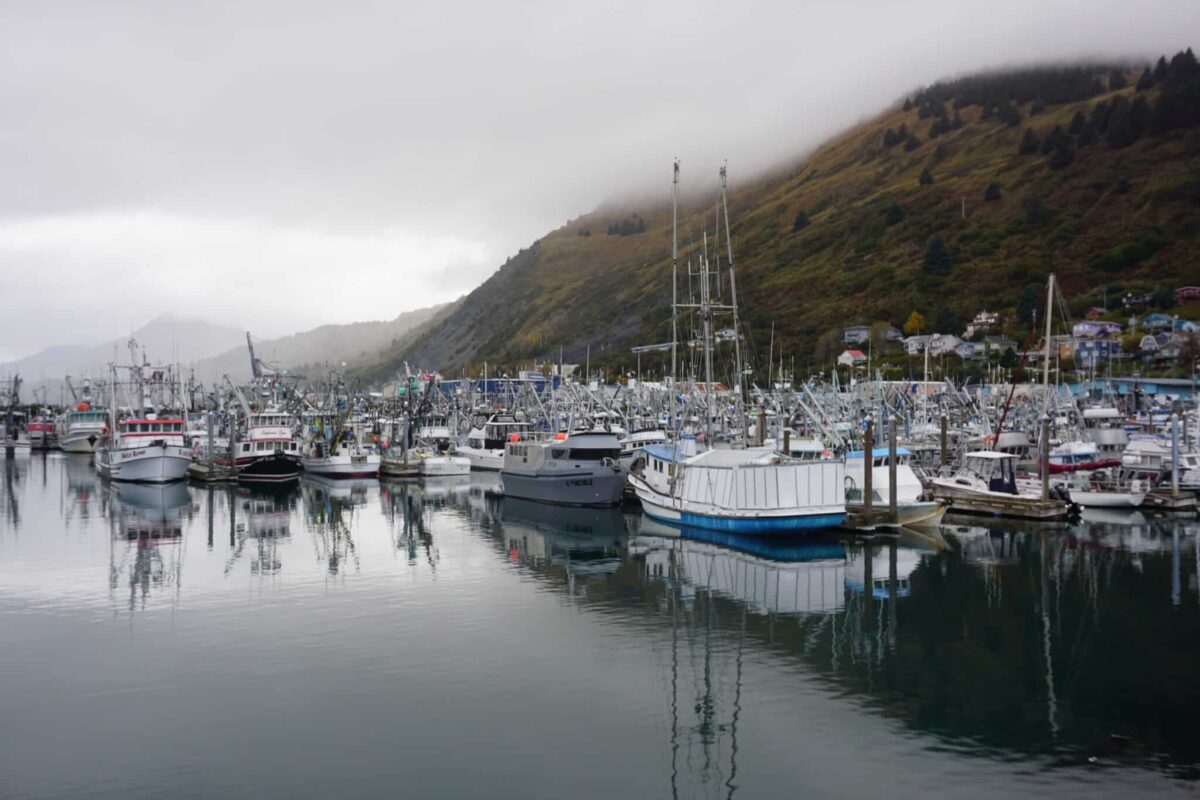
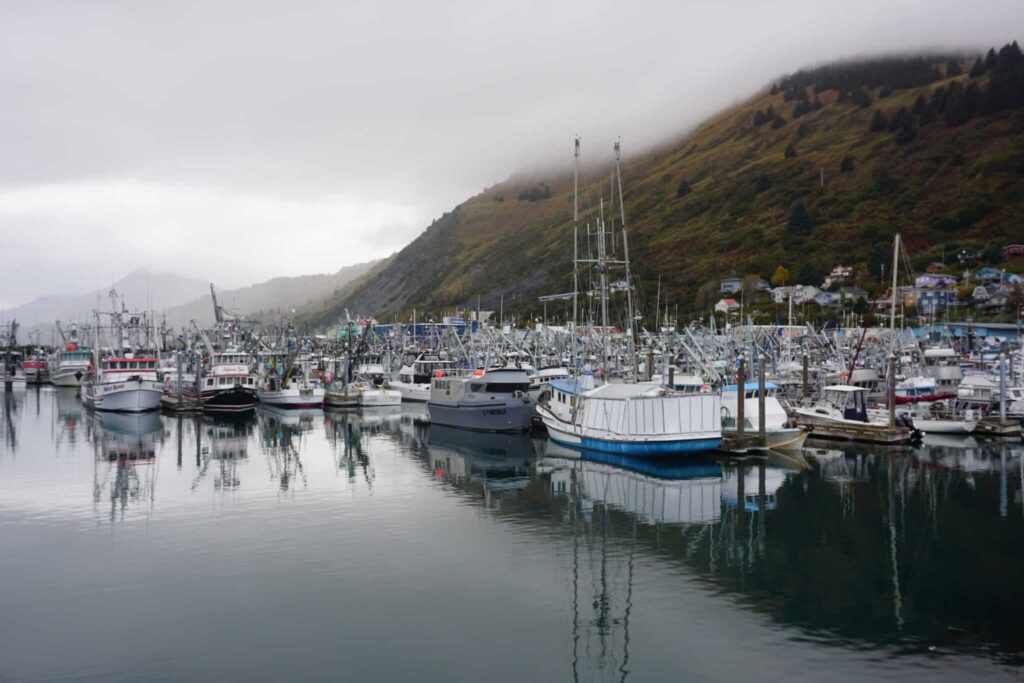
The water pollution case against Potter is separate. It stems from a Coast Guard rescue of the Knot EZ, which was sinking in Kodiak Harbor in July of 2022. The Knot EZ operated as a tender, a vessel that delivered fish from harvesters to processors, according to court documents.
Guardsmen who responded to the Knot EZ’s distress call discovered that the vessel had an illegal discharge system that was pumping oily bilge water directly into the sea, according to the complaint. Crew members hired by Potter admitted that the illegal bypass system was used daily, according to the complaint.
The vessel was declared to be unfit for service, and subsequent investigation discovered a long-running pattern of such violations in past fishing seasons as well, according to the complaint.
While neither Potter nor his companies responded to the Clean Water Act charges, a public defender representing him in the crab case asked for leniency, based on his age and on the financial hardships he has already endured. Potter, 64, “has been reduced to relying upon family for assistance and has no viable means to support himself,” said the defense presentencing memorandum in that case, which was filed on May 6.