She had already become a household name by the time she graduated college in 2006. Continue reading…Country Music News – Taste of Country
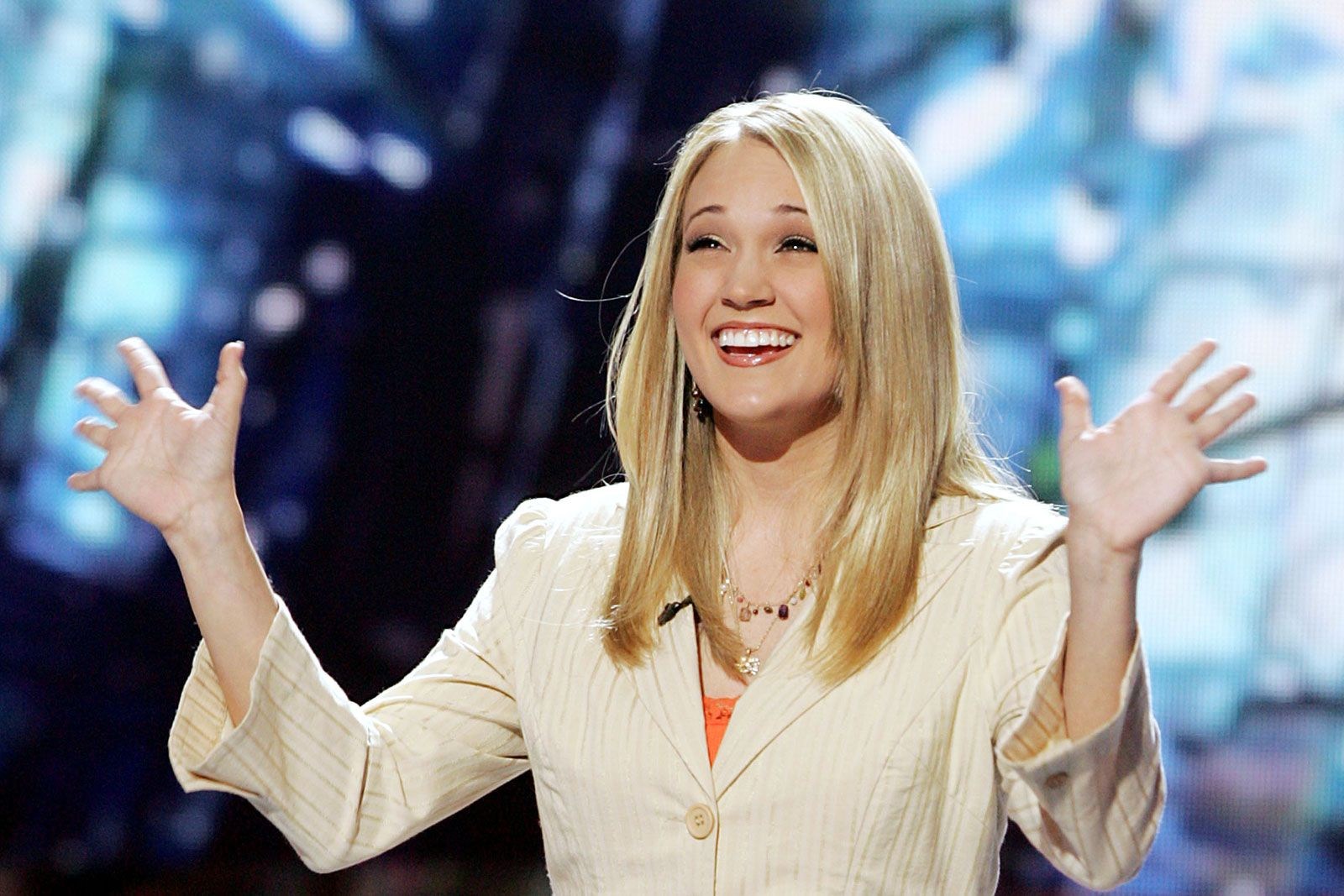








She had already become a household name by the time she graduated college in 2006. Continue reading…Country Music News – Taste of Country
Reading Time: 2 minutes
We have sad news to report from the world of television today.
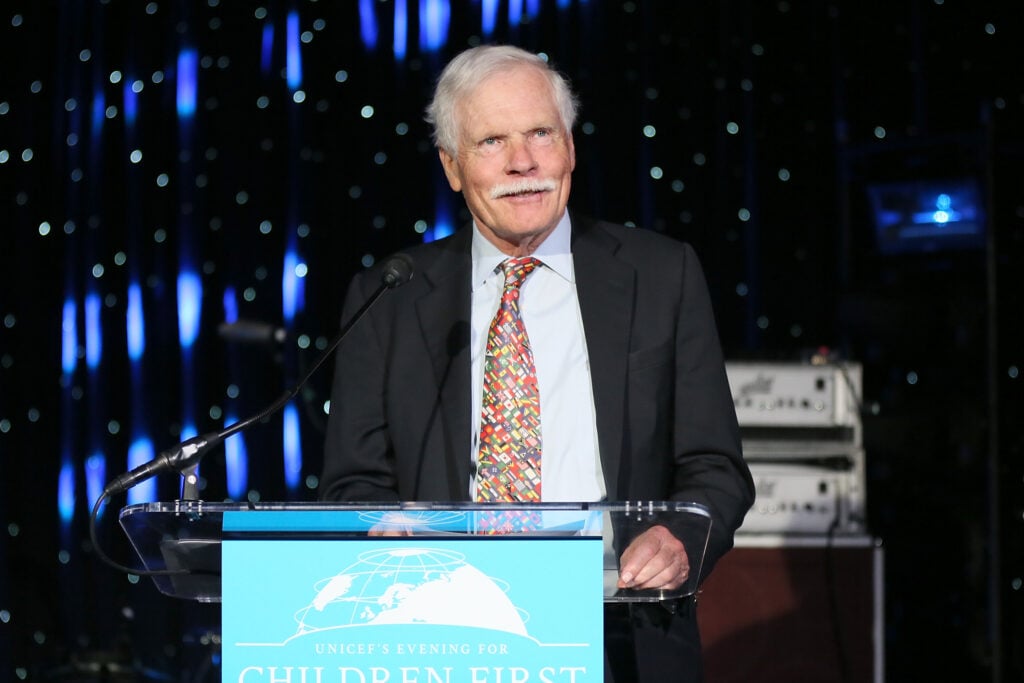
Ted Turner — the philanthropist and media mogul best known for founding CNN — has passed away at the age of 87.
News of Turner’s passing comes courtesy of the outlet he created in 1980, bringing the first 24-hour news network to the world.
Born in Cincinnati in 1938, Turner had massive ambitions from a very young age.
After being expelled from Brown University, he took over the family advertising business following his father’s suicide in 1963.
Shortly thereafter, Turner launched the Atlanta-based “superstation” TBS, and his television catreer was off and running.
In 1980, Turner launched CNN amid widespread skepticism. Critics mocked it as the “Chicken Noodle Network,” convinced it would collapse under its own ambition.
Instead, it became one of the most influential media platforms on the planet, covering everything from wars to elections to natural disasters in real time.
Through Turner Broadcasting System, Turner helped bring TBS and TNT into millions of homes, reshaping cable television into the media landscape we know today.
Turner also had a soft spot for classic films, which led to the creation of Turner Classic Movies, which remains a haven for cinephiles that still stands as one of his most beloved contributions.
His personal life drew just as much attention as his boardroom decisions, including his high-profile marriage to actress Jane Fonda, which brought together two powerful, outspoken personalities under one very public spotlight.
Turner also became one of the largest private landowners in the United States and dedicated significant resources to conservation.
His work in environmental philanthropy — particularly through initiatives tied to the United Nations — showed a man thinking not just about media cycles, but about the future of the planet itself.
Turner made history when he donated $1 billion to the organization, at the time the largest charitable donation in history.
During his wide-ranging and wildly accomplished career, Turner also became owner of the Atlanta Braves, the Atlanta Hawks, and the World Championship Wrestling league.
His passion for the environment led him to co-create the beloved cartoon series Captain Planet and the Planeteers with the goal of educating children on the importance of conservation.
It’s impossible to overstate Turner’s impact on the world or the enormity of his loss.
He is survived by his five children. Our thoughts go out to his loved ones.
Ted Turner Cause of Death: Billionaire Media Mogul Was 87 was originally published on The Hollywood Gossip.
The Hollywood Gossip

Actually, two singers will be guiding the band on tour in 2026. Continue reading…Country Music News – Taste of Country

There’s still a long way to go before we see real football again. But with the NFL Draft in the books and the majority of the top-tier free agents signed, teams know what the core of their squads will look like in 2026. Offensively, which teams are poised to be the most dynamic in the upcoming season? And how could they compare against one another? Here’s my projection for the top 10 offenses in 2026, in descending order (for the top 10 defenses, click here): Key additions: RB Isiah Pacheco (FA), OT Blake Miller (draft), C Cade Mays (FA), OL Larry Borom (FA), OL Juice Scruggs (trade)Key losses: RB David Montgomery (trade), WR Kalif Raymond (FA) The Lions still have one of the most talented offenses in football, but it could take a while for them to hit their stride in 2026. Isiah Pacheco’s addition as RB2 marks a significant downgrade from David Montgomery, who was traded to the Texans. Detroit has also shuffled pieces upfront to improve an offensive line that struggled last season. There’s a strong likelihood that the team will be flipping All-Pro right tackle Penei Sewell to the left side. Key additions: RB Kenneth Walker III (FA), QB Justin Fields (trade)Key losses: QB Gardner Minshew (FA), WR Hollywood Brown (FA), RT Jawaan Taylor (release), RB Isiah Pacheco (FA) If QB Patrick Mahomes is healthy after December surgery to repair a torn ACL and LCL in his left knee, there’s a good chance the Chiefs’ offense returns to playing at a high level. Kenneth Walker III signed a three-year, $43.05 million deal with Kansas City after winning Super Bowl MVP with the Seahawks. He’s the most dynamic running back that the Chiefs have had in the Mahomes era, and his presence should open the pass game. Veteran receiver Hollywood Brown departed in free agency, but WR1 Rashee Rice won’t be facing a suspension to start this season, like last year. Kansas City also welcomes back offensive coordinator Eric Bieniemy, who was the team’s OC from 2018 through 2022. Key additions: WR Romeo Doubs (FA), G Alijah Vera-Tucker (FA), TE Julian Hill (FA), OT Caleb Lomu (draft), TE Eli Raridon (draft)Key losses: WR Stefon Diggs (release), C Garrett Bradbury (trade), TE Austin Hooper (FA) Before struggling in last season’s playoffs, the Patriots’ offense was dominant. And that should continue in 2026. New England traded center Garrett Bradbury, but the offensive line could be much improved with the addition of Alijah-Vera Tucker in free agency and first-round rookie Caleb Lomu, who could play either right or left tackle. Romeo Doubs is a younger, higher-upside wide receiver than Stefon Diggs. And there’s still a strong chance that the Patriots land star receiver A.J. Brown via trade. Key additions: G John Simpson (FA), G Olaivavega Ioane (draft), WR Ja’Kobi Lane (draft), WR Elijah Sarratt (draft)Key losses: C Tyler Linderbaum (FA), TE Isaiah Likely (FA), FB Patrick Ricard (FA), RB Keaton Mitchell (FA), TE Charlie Kolar (FA) With a healthy Lamar Jackson, the sky is the limit for the Ravens’ offense. There have been some significant changes in Baltimore — playcaller Todd Monken is gone, as well as several key contributors — but the run game could see a boost with the additions of first-round pick Olaivavega Ioane and veteran John Simpson at guard. The Ravens also grabbed much needed wide receiver depth behind Zay Flowers in mid-round picks Ja’Kobi Lane (third round) and Elijah Sarratt (fourth round). Key additions: C Garrett Bradbury (trade), WR Kalif Raymond (FA), C Logan Jones (draft), TE Sam Roush (draft), WR Zavion Thomas (draft)Key losses: WR DJ Moore (trade), WR Olamide Zaccheus (FA) Even with DJ Moore out of the picture, the arrow on the Bears’ offense is pointed up. Quarterback Caleb Williams is poised to make a massive leap in Year 3 after dazzling in clutch moments in 2025. Second-year tight end Colston Loveland and wideout Luther Burden are ascending, as is third-year receiver Rome Odunze. After losing Pro Bowler Drew Dalman to an early retirement, Chicago has both its center of the present (Garrett Bradbury) and future (Logan Jones) on the roster. Key addition: WR DJ Moore (trade)Key losses: G David Edwards, QB Mitch Trubisky (FA), OT Ryan Van Demark (FA) With Moore in the fold, Josh Allen has a legitimate No. 1 receiver for the first time since Stefon Diggs’ time in Buffalo. It raises the ceiling of a Bills offense that ranked fourth in scoring last season. Key addition: RB Jadarian Price (draft)Key loss: RB Kenneth Walker III (FA) The Seahawks have their entire offense returning from last year’s Super Bowl-winning team, with one (big) exception: running back Kenneth Walker III, who signed with the Chiefs in free agency. How quickly first-round pick Jadarian Price, who backed up Jeremiyah Love at Notre Dame, acclimates to the NFL level will be key to Seattle’s offense. Not only is Price replacing Walker, but also his running mate, Zach Charbonnet, who suffered a torn ACL in the divisional round in January. Key additions: n/aKey losses: TE Noah Fant (FA), G Cordell Volson (FA) The Bengals haven’t made any moves of note on offense — their offseason focus has been on the defense — but with a healthy Joe Burrow under center, Cincinnati still has one of the most feared units in football. The Bengals, who ranked 12th in scoring last season with Burrow missing nine games due to turf toe, return their entire starting offense from 2025. Key additions: n/aKey loss: WR Jalen Tolbert (FA) The Cowboys return 10 starters from an offense that ranked second in yards and seventh in points in 2025. Franchise-tagged star receiver George Pickens will be in his second year in the offense, which could make him even more difficult to account for as CeeDee Lamb’s running mate. And with a more competent defense on paper, Dallas’ offense could see more possessions per game in 2026. Key additions: QB Ty Simpson (draft), TE Max Klare (draft), OT Keagan Trost (draft) Key losses: n/a The NFL’s best offense in 2025 returns all 11 starters. While No. 13 overall pick Ty Simpson is viewed as the Rams’ quarterback of the future, tight end Max Klare (second round) and offensive tackle Keagen Trost (third round) provide young depth for a loaded offense in 2026.Latest Sports News from FOX Sports
By: James Brooks, Alaska Beacon

Alaska Gov. Mike Dunleavy is urging state lawmakers to act on his proposal to cut state taxes by $7.2 billion over the next 36 years to subsidize construction of the proposed trans-Alaska natural gas pipeline.
Failing to act, he said, could keep the pipeline from being built at all.
“This bill is too important. This concept is too important,” Dunleavy said. “This is not setting up a tax for the lemonade stand down here in the corner by the hot dog stand. This is the biggest (natural gas) project on the planet.”
But some state lawmakers are skeptical about the size of the governor’s proposed subsidy. Two alternatives — one in the House and the other in the Senate — are advancing through committees in the final weeks of the session.
Other legislators believe the pipeline already makes financial sense and no change is needed.
As a result, four different paths await state legislators in their last weeks, and it isn’t clear which one they’ll take — or whether the governor will call legislators into special session on the issue.
There’s also been no agreement with cities and boroughs affected by the proposed tax cut. There’s also no public agreement with North Slope gas producers or the state’s labor unions.
At the core of the problem facing lawmakers is how much — if any — subsidy is needed in order to attract investors who would pay for building the pipeline project in two stages.
The first stage would involve a pipeline from the North Slope to Cook Inlet for in-state use. The second stage would construct processing plants at the north and south ends of the pipeline, allowing larger volumes of gas to be exported overseas.
If both phases of the project are built, Department of Revenue economist Dan Stickel told legislators on Tuesday, the result would be cheaper natural gas than currently available from Cook Inlet.
“If the full project goes forward, it’s a significant reduction in cost to Alaskans,” he said.
Rep. Zack Fields, D-Anchorage, noted that Alaskans could be locked into high natural gas prices if the second phase is never built or if both phases are built but no exports take place.
For a hearing last week, the Department of Revenue estimated that under that scenario, prices in Anchorage would exceed $27 per thousand cubic feet by 2033, more than double current prices.
It’s unclear how likely that worst-case scenario is.
The larger the subsidy, the greater the chance that the project is built in full and the lower the price of gas for Alaskans, project proponents say.
“Our objective is to have the lowest cost gas for Alaskans and have certainty on the project,” said Adam Prestidge, president of Glenfarne Alaska, the project’s developer.
A problem, some legislators say, is that they’re working without information. Glenfarne, an international firm that last year bought 75% of the project and became its developer, has not shared its latest estimate for how much the pipeline will cost.
“I think it’s important for us to have starting points on what the actual numbers are, because if it needs tax relief, let’s figure out what the relief is,” said Sen. Bill Wielechowski, D-Anchorage.
Legislators also don’t know how much North Slope gas producers will charge for the gas, or what international buyers will pay for it.
Some of that information is impossible to know — legislators are trying to anticipate the price of natural gas in 2033 and beyond, once the pipeline is up and running.
Other information is being kept confidential until a final investment decision or when proposed prices are submitted to state regulators, something that’s months away at the earliest.
Legislators are being asked to take action within weeks.
“We’re not really competitive in the global market if the (cost) overrun is 40%,” said Rep. Julie Coulombe, R-Anchorage, on Tuesday.
The gas pipeline’s publicly stated cost on Tuesday was $46 billion, but most legislators believe the true figure is higher.
“I think it’s really $57 billion … if not higher,” said Sen. Bill Wielechowski, D-Anchorage, relying on a prior statement from former U.S. Sen. Mark Begich.
Begich, a Democrat, lost to Gov. Mike Dunleavy in the 2018 governor’s election. Now, Begich is a paid adviser, hired by Dunleavy’s administration on a $100,000 contract.
In a Tuesday hearing, Begich said lower taxes would not increase profits for investors or developers and would simply lower the end cost of gas for consumers.
“If you lower the tax, it does not go to the return or the profit or anything of this project,” he said.
“I am just telling you right now, every dollar you save consumers is a dollar in their pocket in an economy that is struggling,” Begich said.
Under his calculations, Wielechowski said, the average Southcentral Alaska family would save $55 per year if the pipeline is built and produces gas according to the latest available cost analysis from the Department of Revenue.
The subsidy needed to create that savings amounts to a loss of $500 per Alaskan per year, he said, money that could be used for the Permanent Fund dividend or state services.
“That’s not a good deal,” he said of the exchange.
The latest available version of the Senate proposal shows an increase in revenue to the state, rather than a subsidy. Instead of earning $27.9 billion through 2062, the state would earn $42.1 billion.
“I would describe that as very burdensome for the project and potentially prohibitively so,” Prestidge said.
“I will characterize that tax at that level as something that would require some real reconsideration of the drawing board of how the project is structured and taken forward,” he said.
In the House, discussions have been less acrimonious. The House Resources Committee on Tuesday morning discussed a proposed a subsidy of less than $5.9 billion, smaller than the governor’s concept but similar in other regards.
“It would be a tax reduction but a smaller tax reduction than proposed by the governor,” Stickel said of the House proposal.
On Tuesday afternoon, the committee worked methodically through a long series of amendments to its plan, frequently consulting Prestidge and Begich about how each might affect financial negotiations.
The House and Senate bills are each in an early stage of development. If passed by the resources committees, each would have to pass through their respective finance committee before advancing to a floor vote and on to the other half of the Legislature.

In-N-Out is famed for its fresh, never-frozen burgers and not-so-secret menu, but if you don’t live near one, you can attempt to replicate it at McDonald’s.

Food Republic – Restaurants, Reviews, Recipes, Cooking Tips

Reading Time: 3 minutes
A little over a month ago, Savannah Guthrie returned to The Today Show.
She had been away from NBC’s flagship morning show for a little over two months, grappling with her mother’s disappearance.
There was a lot of anticipation about her return to the desk.
But a jarring new report says that NBC felt so disappointed by the episode that some wish that she’d remained off the air for a little while longer.
According to a report from RadarOnline, both viewers and even some colleagues haven’t welcomed back Savannah as warmly as one might have assumed.
She returned to The Today Show on Monday, April 6.
On-screen, everyone seemed glad to have her back — even as they felt respectfully heartbroken over her family’s loss.
Reportedly, her comeback did not draw morbidly curious crowds that some of NBC’s bigwigs had expected.
Maybe it was that Nancy was (and is) still missing. Maybe it’s just that we live in chaotic times. But Savannah’s return almost felt like business as usual to some.
“The show really thought this was going to be a massive moment,” an alleged source told RadarOnline.
“Everybody at NBC thought there were going to be hundreds of people, if not thousands of people, in the plaza,” the insider continued.
“They’d hired extra security,” the source claimed. “They thought that this was going to be like a pop concert, like Justin Bieber in the plaza.”
While a “decent” number of fans showed up in person, it wasn’t a stampede.
And the six percent boost in viewership from the previous week meant that the numbers “were not up like the show thought it would be.”

As you can see, people were overjoyed to see Savannah return.
She was also tearful, not only during her interview with Hoda Kotb, but at times during her return.
After all, she didn’t step away from the show to go on vacation. Her mother disappeared on February 1 following a violent kidnapping.
It is not unreasonable to assume that Nancy Guthrie died very early into her disappearance, but we don’t know for sure.
In fact, that uncertainty makes all of this so painful. Savannah and the rest of her family do not yet have closure. Many fear that this will never change.
Even now, there are some sick and twisted individuals spinning conspiracy theories about Nancy’s disappearance. Some even blame Savannah.
We get it — it’s not exciting for a low-level criminal to kidnap a news anchor’s mom, botch the job, and go to ground while incompetent federal authorities go to party it up at the Olympics for some reason.
But evil is so often banal. The truth does not have to be exciting — and it seldom is.
We don’t believe that Savannah or her comeback were responsible for the ratings only being slightly higher.
The Today Show mostly exists to be background noise and “company,” especially for older folks. These would be the individuals most invested in the Guthrie case.
Some shows have a finite audience — especially in the age of streaming.
Savannah Guthrie’s ‘TODAY’ Return Reportedly Disappointed NBC was originally published on The Hollywood Gossip.
The Hollywood Gossip

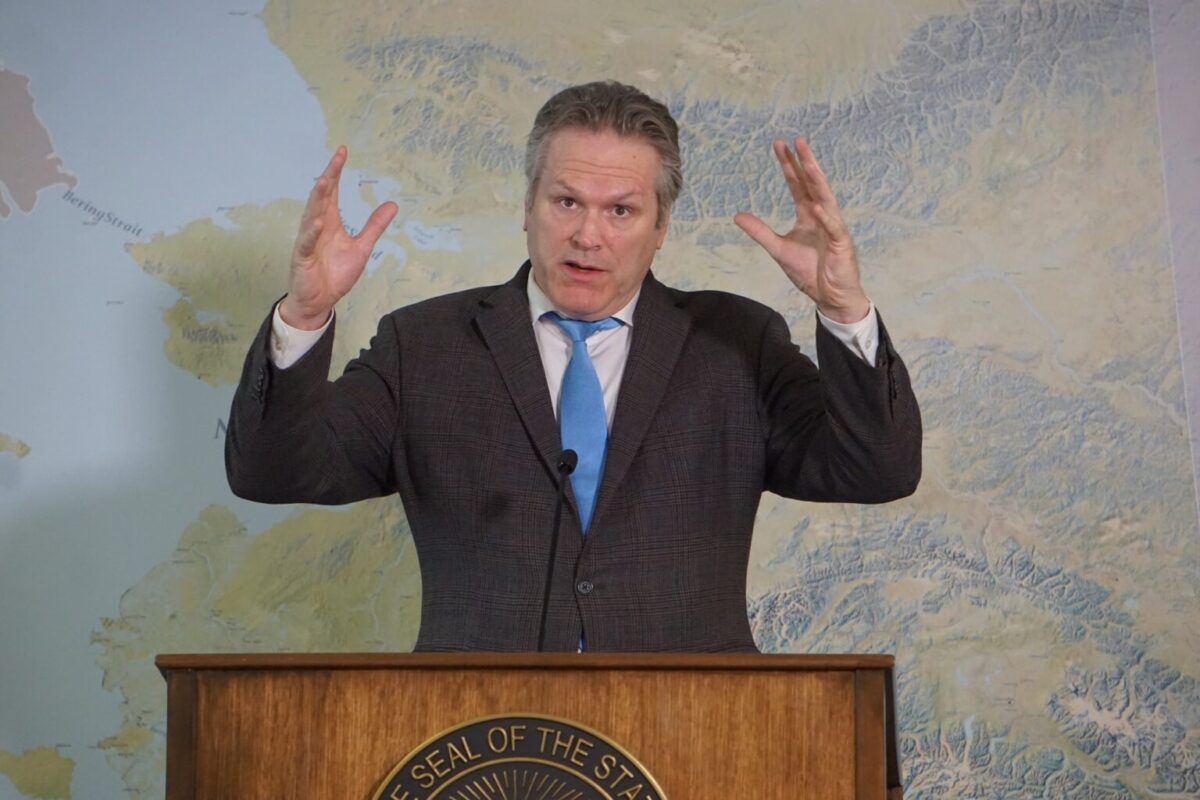
Gov. Mike Dunleavy speaks about at a May 4, 2026, news conference about his property tax bill intended to help draw investment in a massive natural gas pipeline. The news conference was held in his Anchorage office. (Photo by Yereth Rosen/Alaska Beacon)
Alaska Gov. Mike Dunleavy is urging state lawmakers to act on his proposal to cut state taxes by $7.2 billion over the next 36 years to subsidize construction of the proposed trans-Alaska natural gas pipeline.
Failing to act, he said, could keep the pipeline from being built at all.
“This bill is too important. This concept is too important,” Dunleavy said. “This is not setting up a tax for the lemonade stand down here in the corner by the hot dog stand. This is the biggest (natural gas) project on the planet.”
But some state lawmakers are skeptical about the size of the governor’s proposed subsidy. Two alternatives — one in the House and the other in the Senate — are advancing through committees in the final weeks of the session.
Other legislators believe the pipeline already makes financial sense and no change is needed.
As a result, four different paths await state legislators in their last weeks, and it isn’t clear which one they’ll take — or whether the governor will call legislators into special session on the issue.
There’s also been no agreement with cities and boroughs affected by the proposed tax cut. There’s also no public agreement with North Slope gas producers or the state’s labor unions.
At the core of the problem facing lawmakers is how much — if any — subsidy is needed in order to attract investors who would pay for building the pipeline project in two stages.
The first stage would involve a pipeline from the North Slope to Cook Inlet for in-state use. The second stage would construct processing plants at the north and south ends of the pipeline, allowing larger volumes of gas to be exported overseas.
If both phases of the project are built, Department of Revenue economist Dan Stickel told legislators on Tuesday, the result would be cheaper natural gas than currently available from Cook Inlet.
“If the full project goes forward, it’s a significant reduction in cost to Alaskans,” he said.
Rep. Zack Fields, D-Anchorage, noted that Alaskans could be locked into high natural gas prices if the second phase is never built or if both phases are built but no exports take place.
For a hearing last week, the Department of Revenue estimated that under that scenario, prices in Anchorage would exceed $27 per thousand cubic feet by 2033, more than double current prices.
It’s unclear how likely that worst-case scenario is.
The larger the subsidy, the greater the chance that the project is built in full and the lower the price of gas for Alaskans, project proponents say.
“Our objective is to have the lowest cost gas for Alaskans and have certainty on the project,” said Adam Prestidge, president of Glenfarne Alaska, the project’s developer.
A problem, some legislators say, is that they’re working without information. Glenfarne, an international firm that last year bought 75% of the project and became its developer, has not shared its latest estimate for how much the pipeline will cost.
“I think it’s important for us to have starting points on what the actual numbers are, because if it needs tax relief, let’s figure out what the relief is,” said Sen. Bill Wielechowski, D-Anchorage.
Legislators also don’t know how much North Slope gas producers will charge for the gas, or what international buyers will pay for it.
Some of that information is impossible to know — legislators are trying to anticipate the price of natural gas in 2033 and beyond, once the pipeline is up and running.
Other information is being kept confidential until a final investment decision or when proposed prices are submitted to state regulators, something that’s months away at the earliest.
Legislators are being asked to take action within weeks.
“We’re not really competitive in the global market if the (cost) overrun is 40%,” said Rep. Julie Coulombe, R-Anchorage, on Tuesday.
The gas pipeline’s publicly stated cost on Tuesday was $46 billion, but most legislators believe the true figure is higher.
“I think it’s really $57 billion … if not higher,” said Sen. Bill Wielechowski, D-Anchorage, relying on a prior statement from former U.S. Sen. Mark Begich.
Begich, a Democrat, lost to Gov. Mike Dunleavy in the 2018 governor’s election. Now, Begich is a paid adviser, hired by Dunleavy’s administration on a $100,000 contract.
In a Tuesday hearing, Begich said lower taxes would not increase profits for investors or developers and would simply lower the end cost of gas for consumers.
“If you lower the tax, it does not go to the return or the profit or anything of this project,” he said.
“I am just telling you right now, every dollar you save consumers is a dollar in their pocket in an economy that is struggling,” Begich said.
Under his calculations, Wielechowski said, the average Southcentral Alaska family would save $55 per year if the pipeline is built and produces gas according to the latest available cost analysis from the Department of Revenue.
The subsidy needed to create that savings amounts to a loss of $500 per Alaskan per year, he said, money that could be used for the Permanent Fund dividend or state services.
“That’s not a good deal,” he said of the exchange.
The latest available version of the Senate proposal shows an increase in revenue to the state, rather than a subsidy. Instead of earning $27.9 billion through 2062, the state would earn $42.1 billion.
“I would describe that as very burdensome for the project and potentially prohibitively so,” Prestidge said.
“I will characterize that tax at that level as something that would require some real reconsideration of the drawing board of how the project is structured and taken forward,” he said.
In the House, discussions have been less acrimonious. The House Resources Committee on Tuesday morning discussed a proposed a subsidy of less than $5.9 billion, smaller than the governor’s concept but similar in other regards.
“It would be a tax reduction but a smaller tax reduction than proposed by the governor,” Stickel said of the House proposal.
On Tuesday afternoon, the committee worked methodically through a long series of amendments to its plan, frequently consulting Prestidge and Begich about how each might affect financial negotiations.
The House and Senate bills are each in an early stage of development. If passed by the resources committees, each would have to pass through their respective finance committee before advancing to a floor vote and on to the other half of the Legislature.
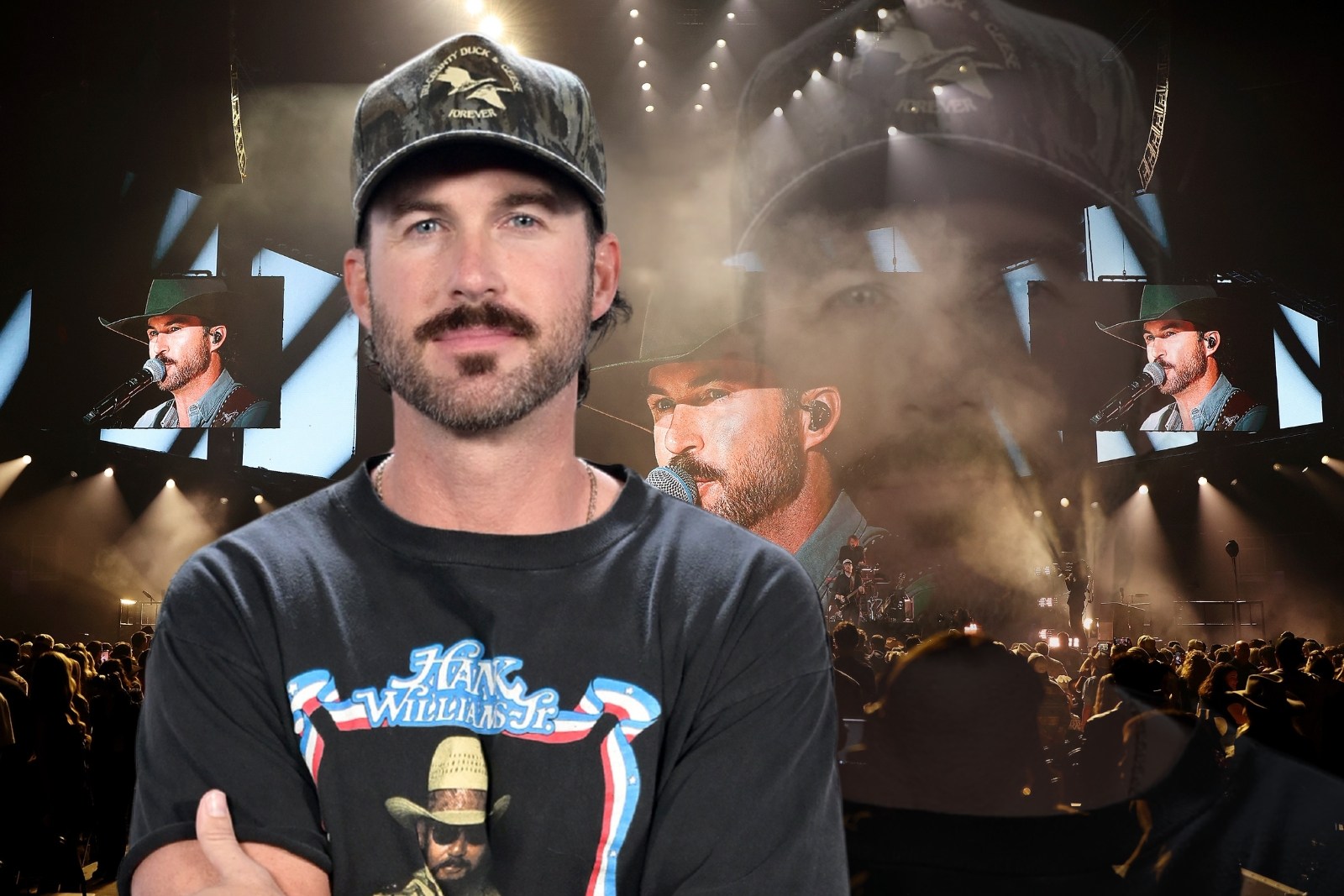
As the ACM Awards approach, all eyes are on Riley Green. His passion for songwriting shines brighter than ever. Continue reading…The Boot – Country Music News, Music Videos and Songs
As the ACM Awards approach, all eyes are on Riley Green. His passion for songwriting shines brighter than ever. Continue reading…Country Music News – Taste of Country