Police have seized more than 1,500 hours of CCTV footage in the hunt for a man who sexually assaulted an eight-year-old boy at a campsite in the Scottish Highlands.The Latest News from the UK and Around the World | Sky News
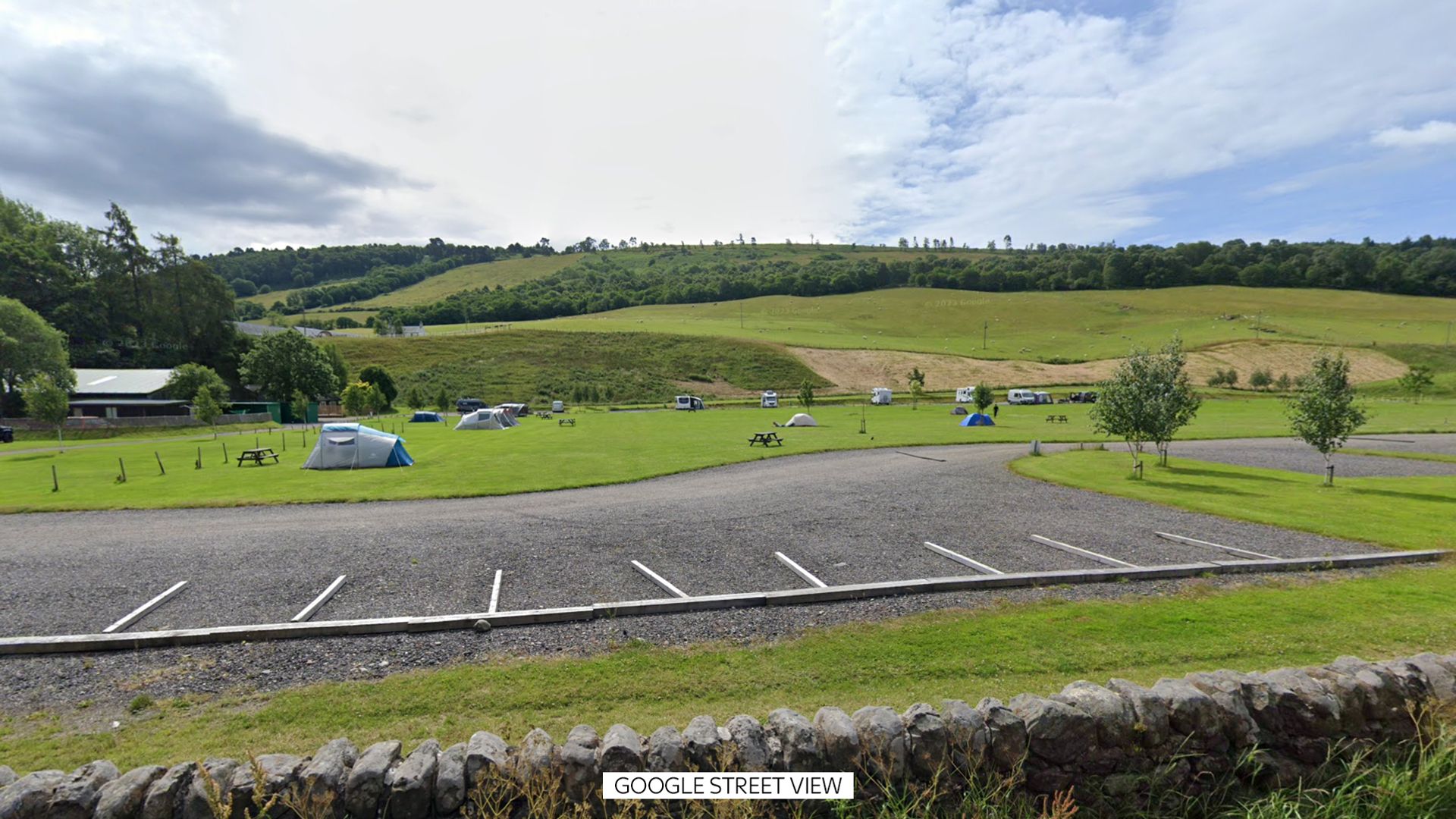









Police have seized more than 1,500 hours of CCTV footage in the hunt for a man who sexually assaulted an eight-year-old boy at a campsite in the Scottish Highlands.The Latest News from the UK and Around the World | Sky News
A British man who allegedly tried to drown his daughter-in-law in a holiday swimming pool in Florida has been charged by police.The Latest News from the UK and Around the World | Sky News
Diane Gall’s husband, Martyn, had been out on a morning bike ride with his friends on their usual route one winter morning in November 2020 – when he was killed by a reckless driver. The Latest News from the UK and Around the World | Sky News

Staff at a zoo in Germany which culled 12 baboons and fed some of their carcasses to the lions say they have received death threats.The Latest News from the UK and Around the World | Sky News
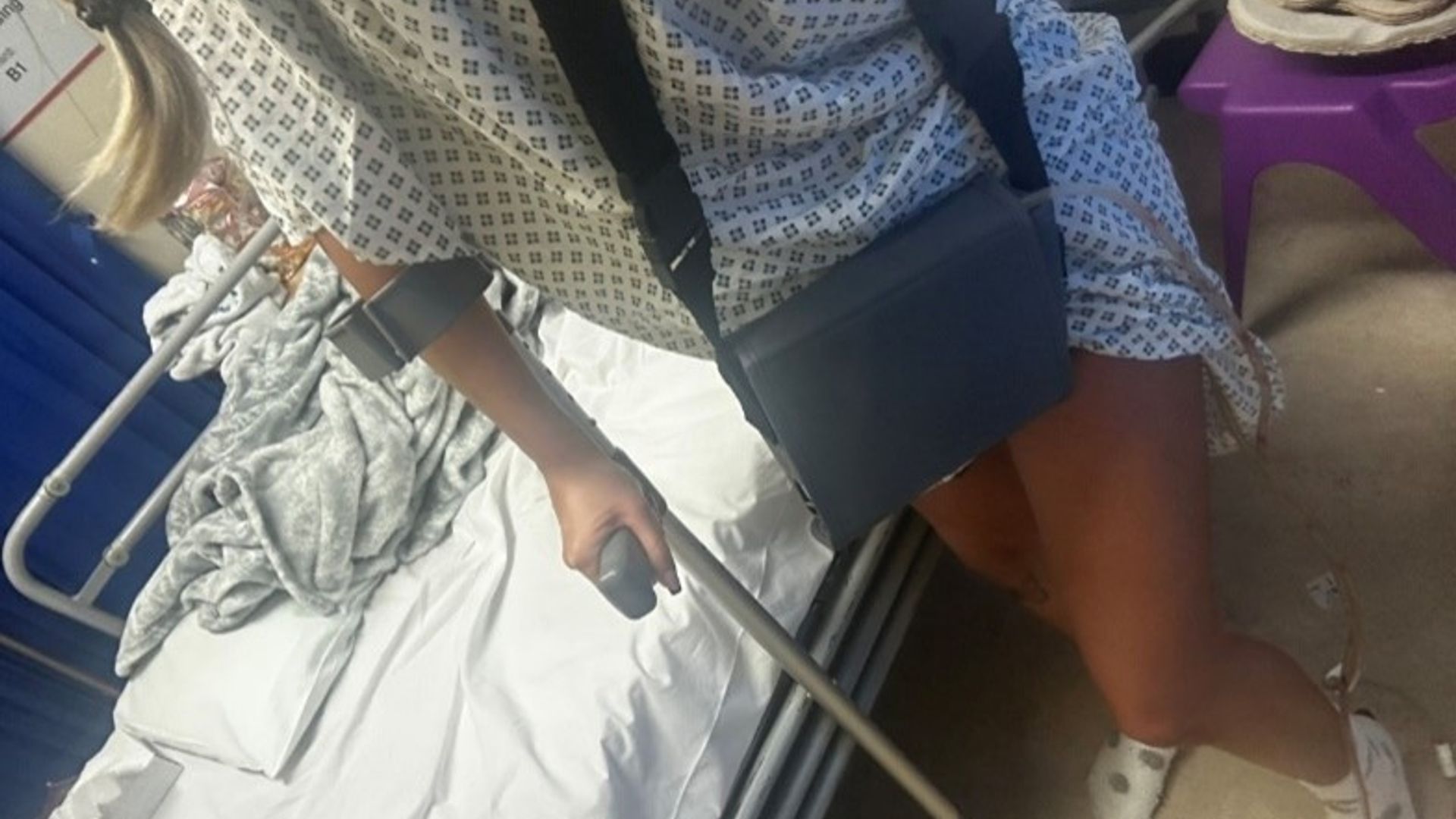
A woman whose daughter nearly died after a liquid BBL (Brazilian butt lift) procedure says she is “disappointed and upset” that plans to regulate the aesthetics industry could take years to become law.The Latest News from the UK and Around the World | Sky News


AP- The Department of Health and Human Services will cancel contracts and pull funding for some vaccines that are being developed to fight respiratory viruses like COVID-19 and the flu.
Robert F. Kennedy Jr. announced in a statement Tuesday that 22 projects, totaling $500 million, to develop vaccines using mRNA technology will be halted.
Kennedy’s decision to terminate the projects is the latest in a string of decisions that have put the longtime vaccine critic’s doubts about shots into full effect at the nation’s health department. Kennedy has pulled back recommendations around the COVID-19 shots, fired the panel that makes vaccine recommendations, and refused to offer a vigorous endorsement of vaccinations as a measles outbreak worsened.
The health secretary criticized mRNA vaccines in a video on his social media accounts, explaining the decision to cancel projects being led by the nation’s leading pharmaceutical companies, including Pfizer and Moderna, that offer protection against viruses like the flu, COVID-19 and H5N1.
“To replace the troubled mRNA programs, we’re prioritizing the development of safer, broader vaccine strategies, like whole-virus vaccines and novel platforms that don’t collapse when viruses mutate,” Kennedy said in the video.
Infectious disease experts say the mRNA technology used in vaccines is safe, and they credit its development during the first Trump administration with slowing the 2020 coronavirus pandemic. Future pandemics, they warned, will be harder to stop without the help of mRNA.
“I don’t think I’ve seen a more dangerous decision in public health in my 50 years in the business,” said Mike Osterholm, a University of Minnesota expert on infectious diseases and pandemic preparations.
He noted mRNA technology offers potential advantages of rapid production, crucial in the event of a new pandemic that requires a new vaccine.
The shelving of the mRNA projects is short-sighted as concerns about a bird flu pandemic continue to loom, said Dr. Paul Offit, a vaccine expert at Children’s Hospital of Philadelphia.
“It’s certainly saved millions of lives,” Offit said of the existing mRNA vaccines.
Scientists are using mRNA for more than infectious disease vaccines, with researchers around the world exploring its use for cancer immunotherapies. At the White House earlier this year, billionaire tech entrepreneur Larry Ellison praised mRNA for its potential to treat cancer.
Traditionally, vaccines have required growing pieces of viruses, often in chicken eggs or giant vats of cells, then purifying that material. The mRNA approach starts with a snippet of genetic code that carries instructions for making proteins. Scientists pick the protein to target, inject that blueprint and the body makes just enough to trigger immune protection — producing its own vaccine dose.
In a statement Tuesday, HHS said “other uses of mRNA technology within the department are not impacted by this announcement.”
The mRNA technology is used in approved COVID-19 and RSV shots, but has not yet been approved for a flu shot. Moderna, which was studying a combination COVID-19 and flu mRNA shot, had said it believed mRNA could speed up production of flu shots compared with traditional vaccines.
The abandoned mRNA projects signal a “shift in vaccine development priorities,” the health department said in its statement, adding that it will start “investing in better solutions.”
“Let me be absolutely clear, HHS supports safe, effective vaccines for every American who wants them,” Kennedy said in the statement.
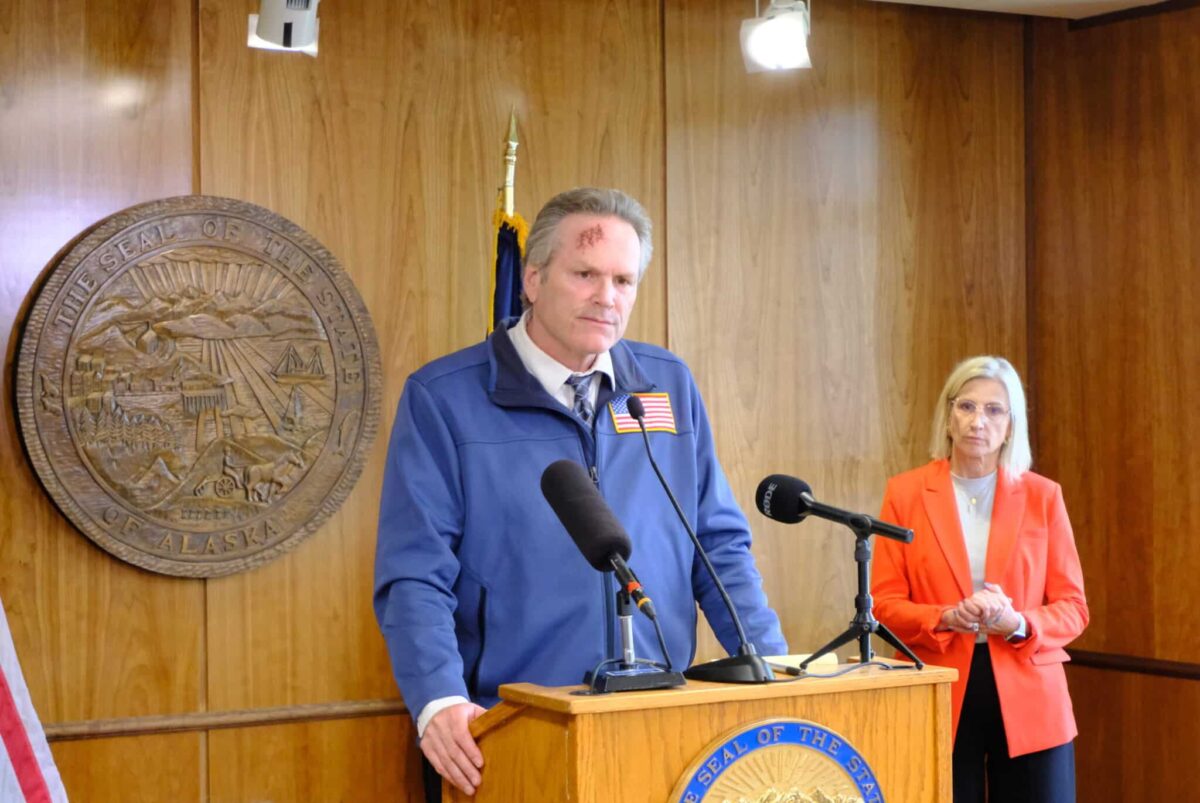
Speaking hours later Tuesday at a news conference in Anchorage, Alaska, alongside the state’s two Republican U.S. senators, Kennedy said work is underway on an alternative.
He said a “universal vaccine” that mimics “natural immunity” is the administration’s focus.
“It could be effective — we believe it’s going to be effective — against not only coronaviruses, but also flu,” he said.

NOTN- The City and Borough of Juneau Planning Commission will meet virtually on Tuesday, Aug. 12 at 7 p.m. to review a proposed housing subdivision and continue discussion of a long-term development plan for the Downtown Douglas and West Juneau neighborhoods.
Commissioners will conduct a final plat review for Phase 1B of he Pederson Hill Subdivision, a project by the Tlingit Haida Regional Housing Authority. The proposed phase includes 30 residential lots, two public use lots, and designated rights-of-way, including a pedestrian path called Wild Rose Walk.
The commission will also continue deliberating a proposed text amendment that would formally adopt the Downtown Douglas / West Juneau Area Plan into the city’s Comprehensive Plan. If approved, the amendment would update land use policies and guide future development in those neighborhoods.
The meeting will be held virtually via Zoom. Residents can join online or by phone.
Those wishing to testify virtually must state their name and place of residence before speaking and remain available for questions from commissioners.
Written public comments are encouraged and must be submitted by 12 p.m. on Aug. 8.
By: James Brooks, Alaska Beacon
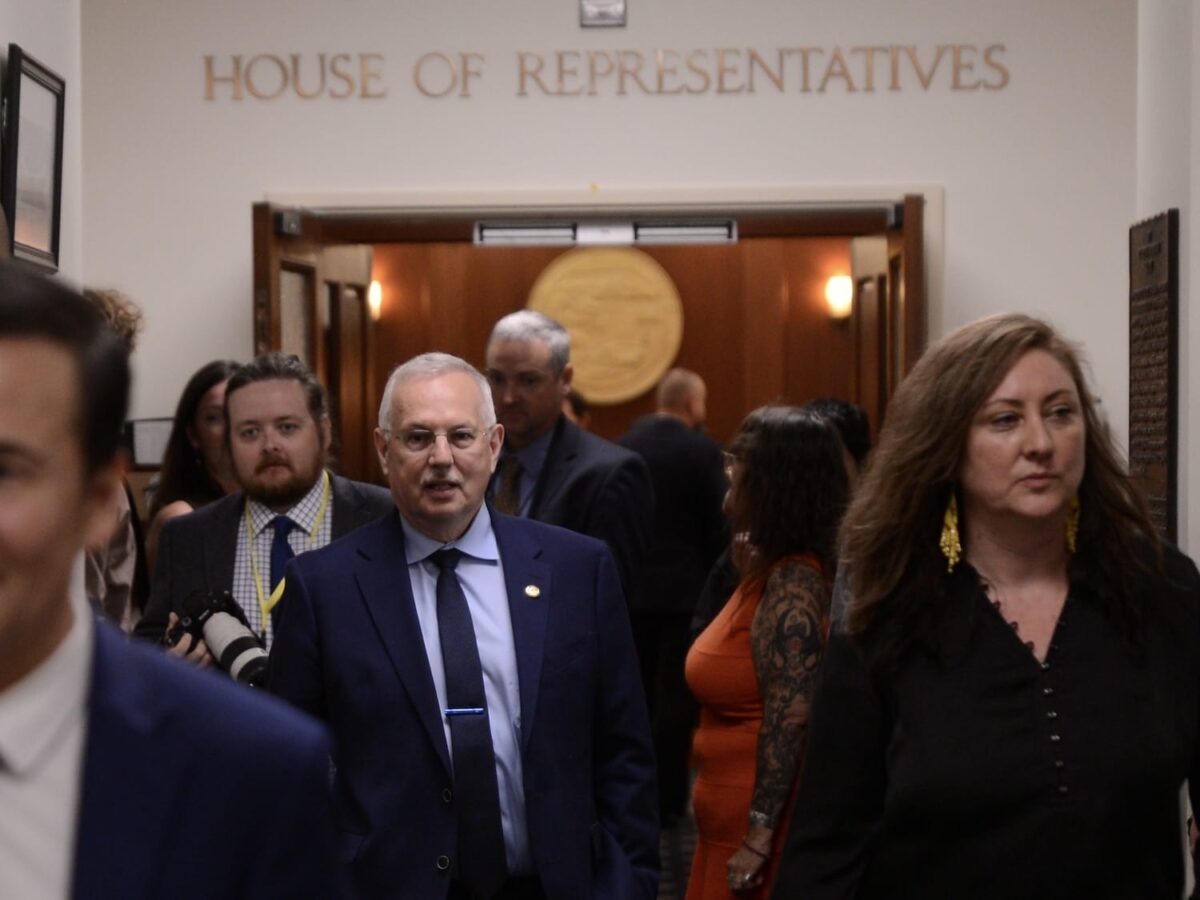
On Saturday, Alaska legislators voted 43-16 to override Gov. Mike Dunleavy’s veto of Senate Bill 183, which is intended to compel the executive branch to provide information about settlements paid by oil companies to the state of Alaska, in order to resolve tax disputes with the Alaska Department of Revenue.
That vote was overshadowed by an education funding veto override that took place minutes later, but the override on SB 183 could be more significant for state revenues in the long run.
Since 2020, lawmakers have unsuccessfully attempted to audit the Department of Revenue’s audit division in order to determine whether the state has been settling tax disputes with oil companies for what Sen. Bill Wielechowski, D-Anchorage, calls “pennies on the dollar.”
“I would expect that we will see there has been significant underpayments,” he said, explaining that the state had been collecting tens or hundreds of millions of dollars in settlement payments, “and then it dropped to $250,000. Based on the amount that the settlements dropped, which was huge, I expect there’s probably massive underpayments.”
In comparison, Saturday’s veto override on education funding involved just $50.6 million.
Legislative Auditor Kris Curtis, who has worked in that position since 2012, hasn’t been able to examine the Department of Revenue’s work because the department hasn’t provided the necessary information.
Until 2019, the department supplied that information regularly. Curtis previously conducted an audit of the same division in 2014.
“I’ve never seen this type of non-cooperation with any other administration,” she said in an interview Tuesday.
If the department still does not comply with the new law, The joint House-Senate Legislative Budget and Audit Committee is prepared to issue subpoenas to legally compel the department to release the information, said Sen. Elvi Gray-Jackson, D-Anchorage and chair of the committee.
“The engagement letter has been signed and executed, and the attorneys that we hired to move forward with the subpoenas are just waiting for instruction,” she said, speaking to reporters on Saturday.
Curtis said she hopes it doesn’t come to that.
“My plan is to reach out to the agency and basically restart my audit,” she said.
The commissioner of the Alaska Department of Revenue, Adam Crum, is scheduled to resign on Aug. 8, meaning that the audit will take place under a new commissioner.
“I’m hopeful that I can just restart my audit and everything will just proceed,” she said.
Curtis said she can’t provide much information publicly — or even to lawmakers — since the audit process is confidential.
“If they were to provide (the information) right away, it would be a few months,” she said of the timeline to complete her work. “And we also have financial and federal audits that are competing priorities.”
Asked whether the department will provide the information and for a timeline of work, the Department of Revenue forwarded questions to the Office of the Governor.
“The administration will continue to provide the information necessary for the legislative branch to complete its audits,” said Jeff Turner, the governor’s communications director, in an emailed response.
“Yeah, well, we’ll see,” Curtis said when told about the answer. “I’ll keep my fingers crossed. I want to give them the benefit of the doubt.”
Wielechowski said that under SB 183, state officials could face criminal charges if they refuse to comply. That possibility is a long way off, he said.
“The Legislature is not itching for a fight with the executive branch,” he said. “We just want the information.”
NOTN- The City and Borough of Juneau is weighing the potential adoption of ranked choice voting for its local elections, if approved it could be the first municipality in Alaska to do so.
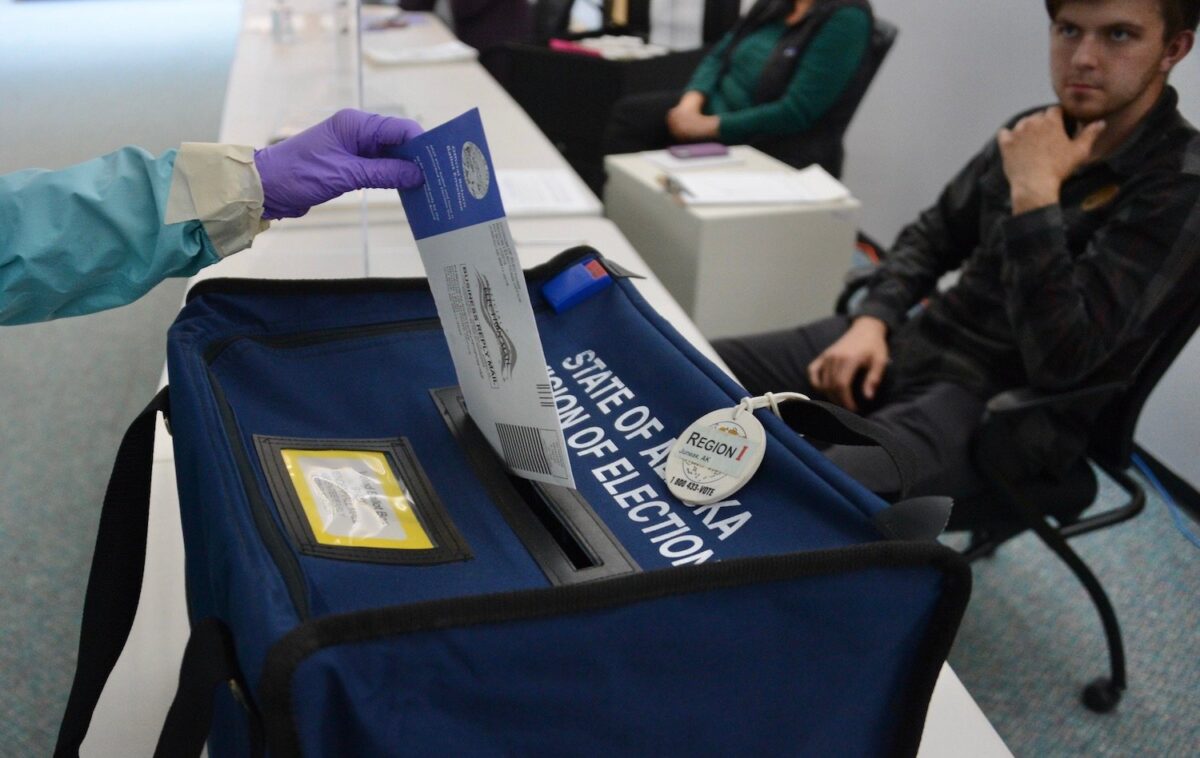
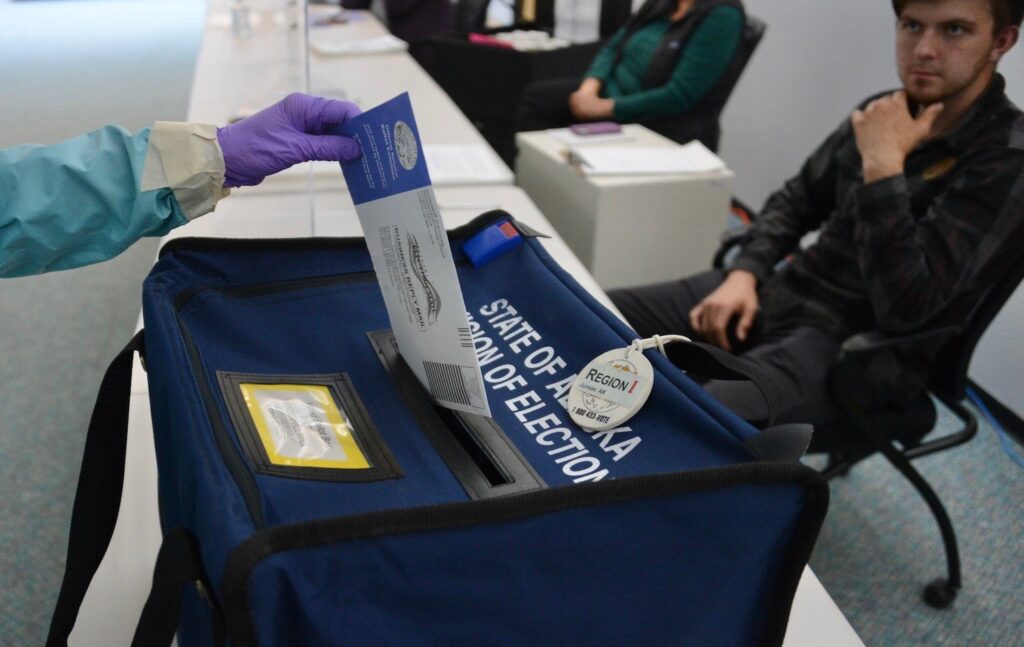
The Juneau Assembly’s Committee of the Whole discussed the proposal during a meeting Monday night. While no changes will occur this election cycle, a public hearing is scheduled for Aug. 18 to gather feedback and continue discussions.
“It won’t be on the ballot for this year, but they’re going to have another public hearing about that on August 18, and then discuss it post election for next year” Said Deputy City Manager Robert Barr.
The proposed system would allow voters to rank candidates in order of preference rather than selecting only one.
If adopted, the change would apply to regular and general municipal elections in the capital city.
City officials said that the proposal remains in its early stages and implementation is not imminent.
Ranked choice voting is currently used in Alaska for state-level elections, following a 2020 ballot measure approved by voters. In the most recent election, Juneau voters rejected a statewide initiative that aimed to repeal the system.
By: James Brooks, Alaska Beacon
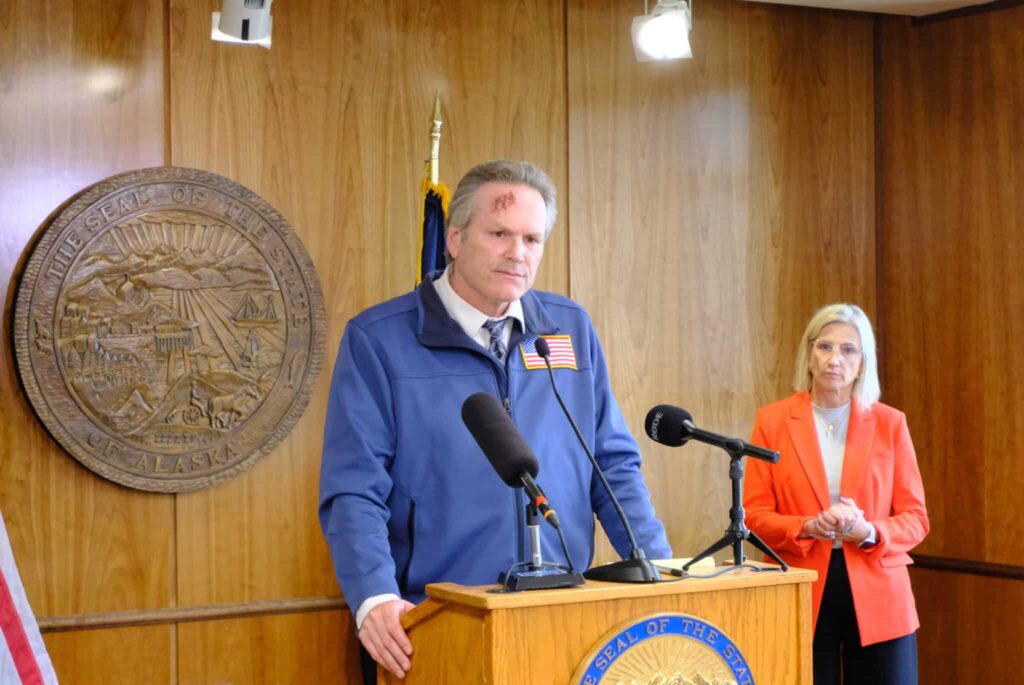
Alaska’s governor came to Juneau for last weekend’s special session with a noticeable abrasion on his forehead, the result of skin cancer surgery, he told reporters at a news conference after lawmakers voted to override two of his vetoes.
“I didn’t get beaten up by anybody, or the Legislature — they didn’t beat me up, either,” he told reporters.
Dunleavy had similar procedures in 2019 and 2023 to deal with basal cell carcinoma, a common form of skin cancer that is known to recur.
Talking to reporters, he joked that as a kid, he didn’t wear sunscreen enough and said that people should use it.
Jeff Turner, the governor’s communications director, said Tuesday he’s not aware if the governor plans any ongoing or future cancer treatments.