Categories
Music

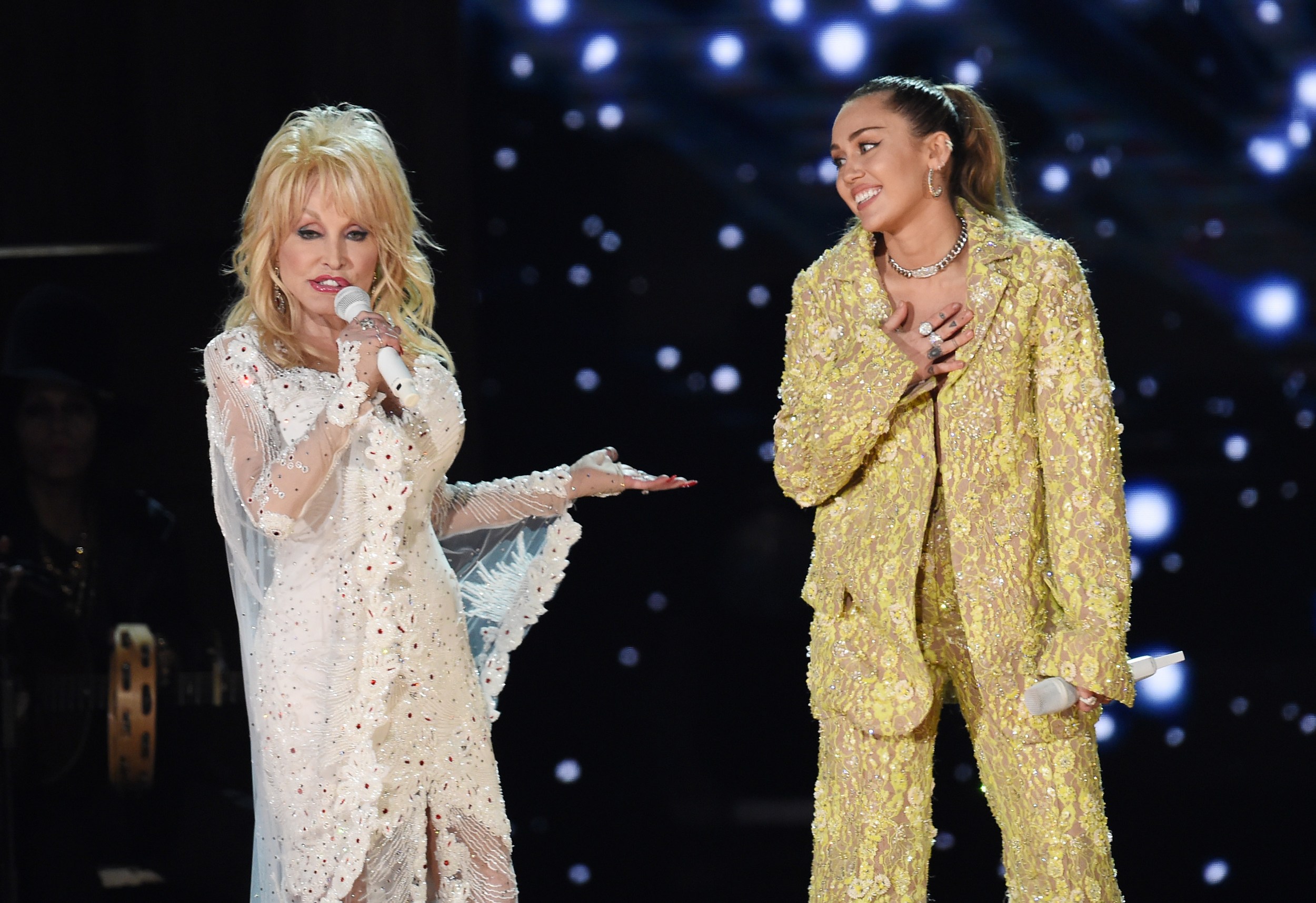
Jelly Roll and Leanne Morgan Remember Dolly Parton On ‘Jimmy Kimmel Live!’

Just hours after the news of Dolly Parton’s death was announced, Jelly Roll returned to the desk to guest-host another night of Jimmy Kimmel Live! and was joined by fellow Tennessee native Leanne Morgan. With both stars sharing deep Tennessee roots, the conversation naturally began on the topic of the country music legend and the lasting impact she had on their home state.

Jelly Roll asked Morgan, “Did you ever get to meet Miss Dolly?”

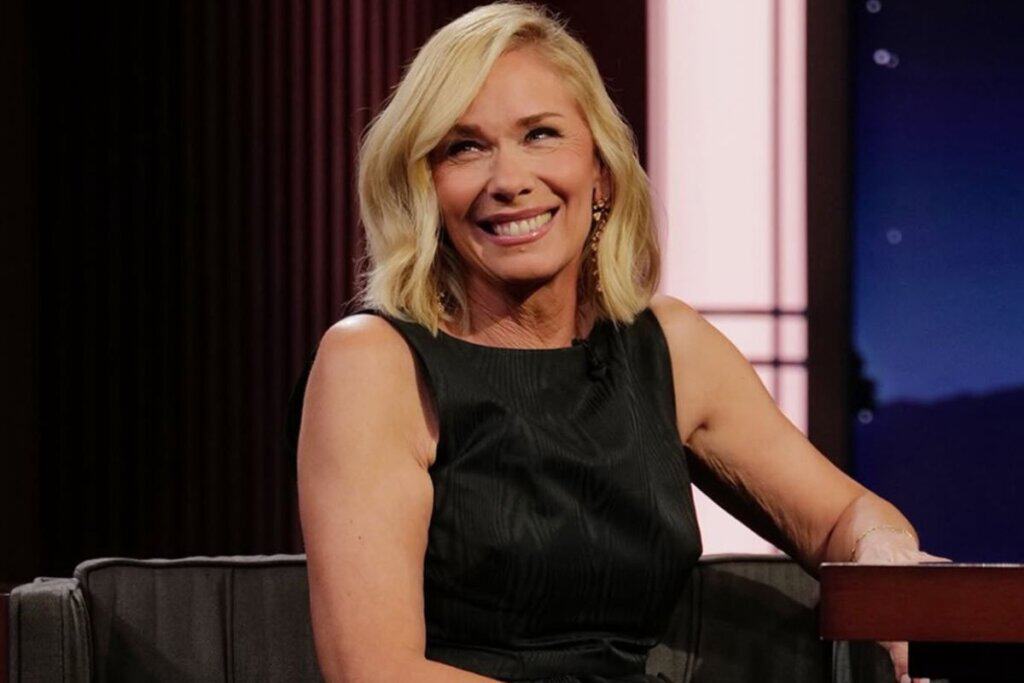
Leanne Morgan; Photo Courtesy of Jimmy Kimmel Live!

Morgan explained that although she never had the chance to meet Dolly Parton personally, she had met members of her team, while her daughter had the opportunity to meet the country legend through her work with Make-A-Wish.

“My oldest daughter, Maggie, worked for Make-A-Wish and did a Make-A-Wish with a little child with cancer with Dolly. And then Dolly just gave so much money, generational money and changed our East Hospital to Dolly Parton Children’s Hospital,” Morgan explained. “And my grand baby was there in the NICU…So she means the world to us in Tennessee. We hate to give her up.”

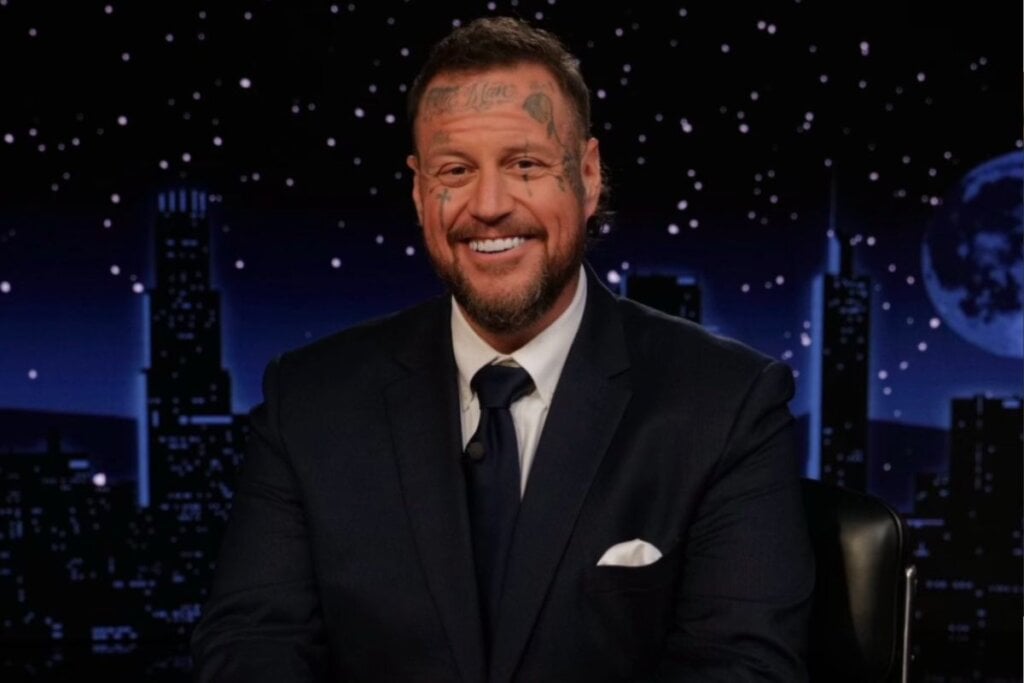
Jelly Roll; Photo Courtesy of Jimmy Kimmel Live!

And of course, with the stand-up comedian, actress, and author living just 30 minutes from Dollywood, she stated that it is a place that she has visited so frequently over the years that her season pass is always in her wallet.

“Honey, I raised my children at Dollywood. I’ve got a Dollywood season pass in my wallet right now because I take my grand babies,” she shared.

Jelly Roll explained that he also was very familiar with the destination as he would take his daughter there on every fall break of her life and is now continuing that tradition with his son too.

The pair went on to discuss their friendship, revealing that the first time they met was in Nashville during Toby Keith’s live tribute concert in July of 2024. Their most recent interaction was at the Grand Ole Opry during Jelly Roll’s induction.

“That was so special and I grew up going to the Grand Ole Opry…but when you asked me to do that, that meant the world to me with little Lainey Wilson and Craig Morgan. Oh my gosh it was crazy,” Morgan recalled.

The “Save Me” singer expressed his gratitude for her unwavering support over the years.

“Thank you for showing up for me. You’ve always showed up for me and thank you for doing it again tonight and being my guest on the Jimmy Kimmel show.”

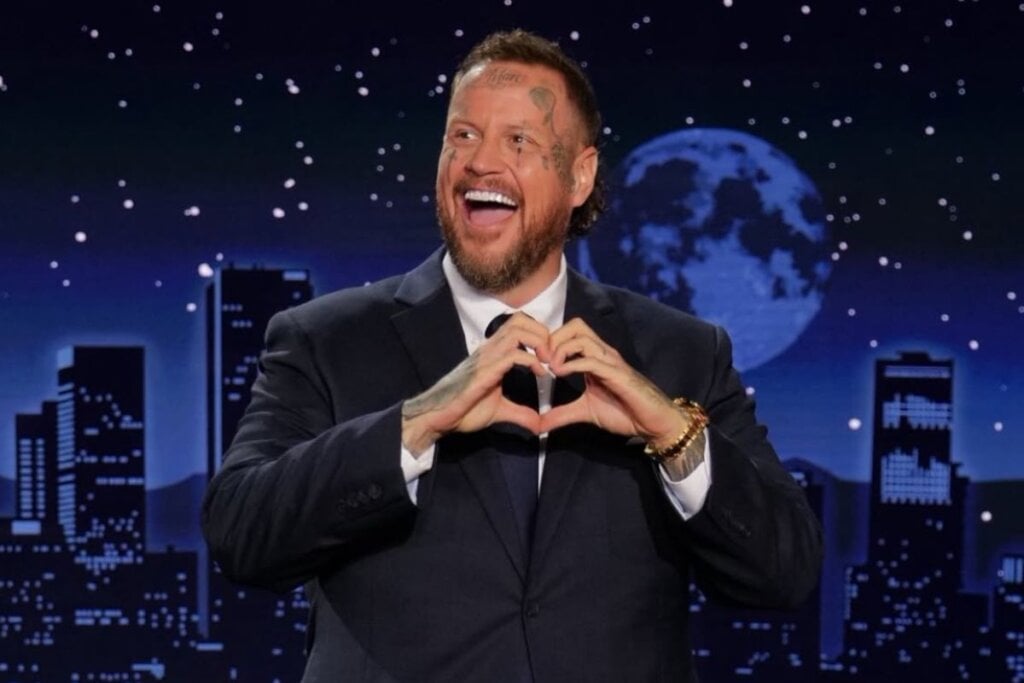
Jelly Roll; Photo Courtesy of Jimmy Kimmel Live!

Earlier on in the night, when the “Save Me” singer delivered his second opening monologue as guest host of the show, he took a moment to honor Dolly Parton, reflecting on her influence on his life, his family and his songwriting while sending his love to her hometown communities in East Tennessee and Sevier County.

“I do want to mention the big story on everyone’s heart and mind. We lost a legend today, the great Dolly Parton. She was such an inspiration to so many, myself included. We’re both from Tennessee and she meant a lot to my family. We used to sit around the kitchen table and listen to her music together as a family, I’ll never forget it.”

He went on to admit that he has learned so much from Dolly over the years about songwriting, how to navigate the entertainment business and how to support your community.

“I want to send my love to East Tennessee and Sevier County right now and representing her. We love you Dolly, we miss you. She was infinitely talented, she was relentlessly funny and adored by all she might be the last American that everyone liked. We will miss her dearly, rest in peace Dolly. We will always love you.”

The post Jelly Roll and Leanne Morgan Remember Dolly Parton On ‘Jimmy Kimmel Live!’ appeared first on Country Now.

​Country Now

Categories
Alaska News Featured Juneau News juneau Juneau Local Juneau Local News Feeds

Judge hears arguments in Telephone Hill Lawsuit

Juneau’s Telephone Hill neighborhood is seen at center right, beneath the State Office Building, on Wednesday, Dec. 28, 2022. (Photo by James Brooks/Alaska Beacon)

NOTN- A Juneau judge heard arguments Tuesday in a lawsuit challenging the city’s plans to redevelop Telephone Hill.

Former residents are asking Superior Court Judge Amanda Browning to stop the city from demolishing seven residential structures and building higher-density housing on the site.

Browning said she will issue a ruling, but it may take over a week or two.

“What’s happening now is both attorneys put in motions to postpone.” Said Mayor Beth Weldon. The jury trial that had been scheduled for this week is now postponed while the judge considers the motions.

Categories
Entertainment

How to Drip Feed Course Content in WordPress With Masteriyo

Want students to finish your course? Learn how to drip feed lessons in WordPress with Masteriyo: unlock by date or days after enrollment, step by step.

The post How to Drip Feed Course Content in WordPress With Masteriyo appeared first on Themeisle Blog.

​Themeisle Blog

Categories
Alaska News Featured Juneau News juneau Juneau Local Juneau Local Ketchikan Local News Feeds Sitka Local

Republican with same name as incumbent Dan Sullivan could advance from Alaska US Senate primary

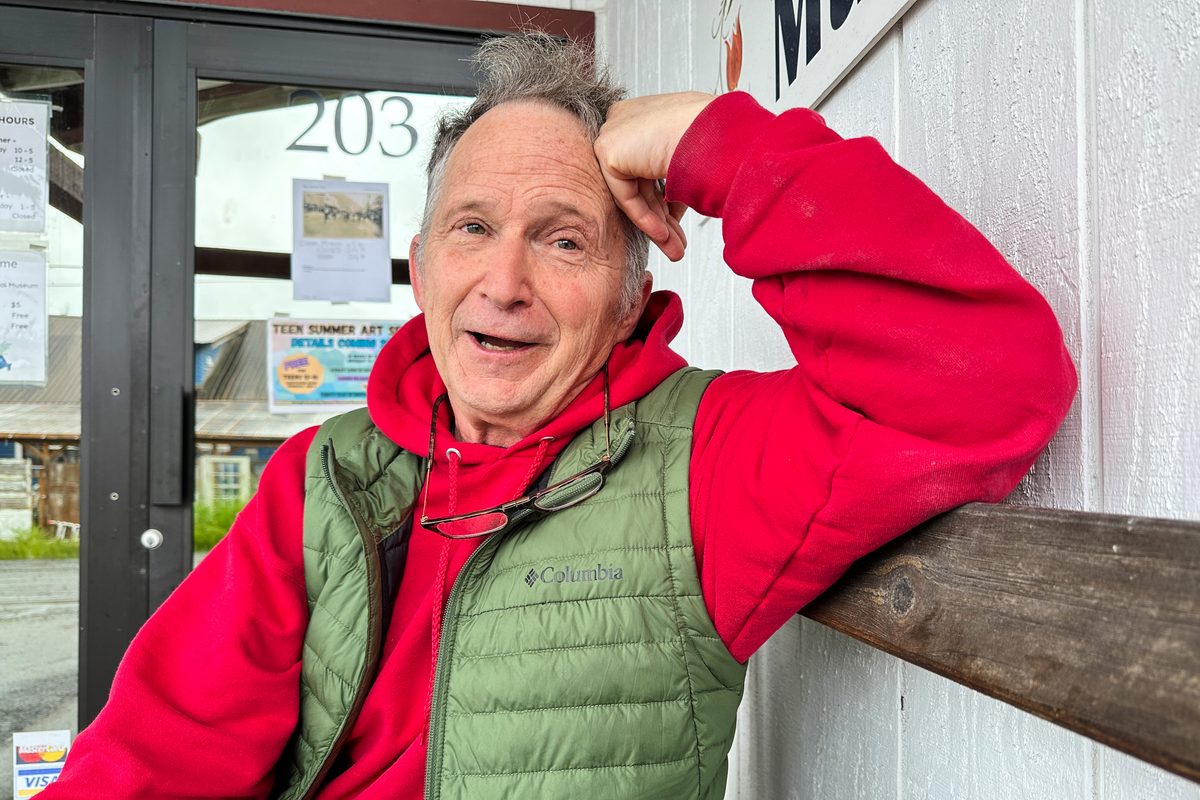
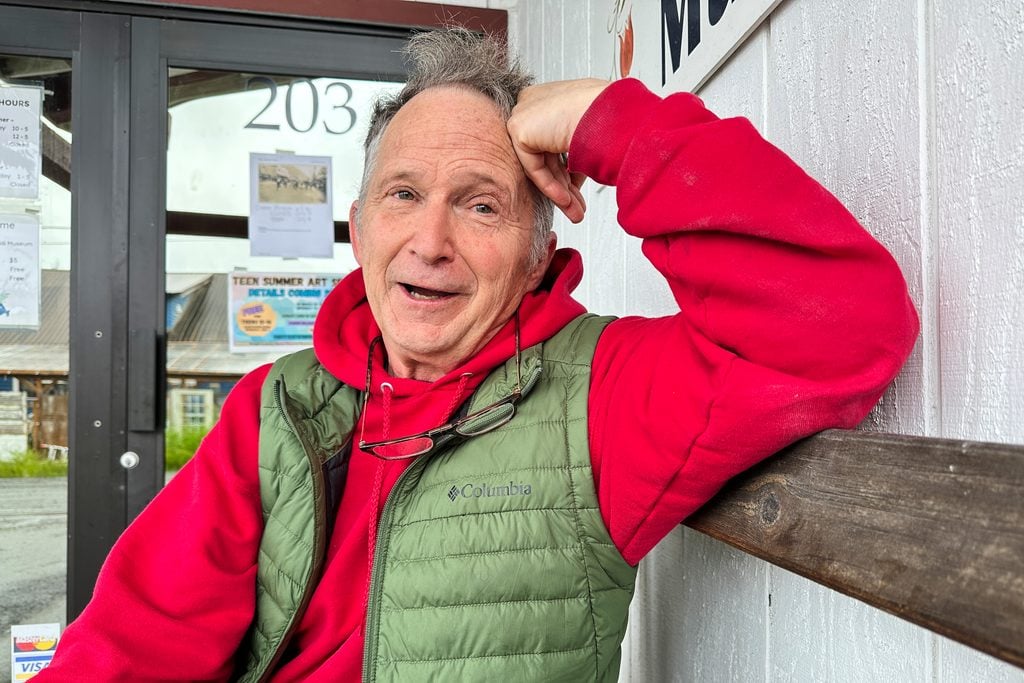
FILE – Dan Sullivan, a candidate in Alaska’s U.S. Senate race who shares his name with the incumbent seeking reelection, talks with a reporter, July 3, 2026, in Petersburg, Alaska. (AP Photo/Becky Bohrer, File)

 AP- A candidate with the same name as Alaska’s incumbent U.S. senator has advanced to the general election in what will be one of the most closely watched races in the country this fall.

Dan J. Sullivan, who goes by Dan Sullivan, was among the top four finishers after the Aug. 18 primary and on Tuesday moved on to the November matchup, which is a ranked choice contest. The incumbent, Republican Sen. Dan Sullivan, and Democratic former U.S. Rep. Mary Peltola also have advanced.

The challenger Sullivan, a retired teacher from the island community of Petersburg, sued for a spot on the ballot and succeeded after a judge invalidated a decision by a top state elections official who said he had filed his candidacy with an intent to confuse voters. The allegation was driven by claims raised by the senator and his GOP allies. The state Supreme Court ultimately ordered Dan J. Sullivan eligible for the ballot.

While the challenger sought to appear on the ballot as Republican Dan J. Sullivan, the Division of Elections listed him as Daniel J. Sullivan Jr., with no party affiliation. The senator was listed as Dan S. Sullivan, Republican and incumbent.

A call seeking comment from the challenger was not immediately returned Tuesday, and emails to campaign staff for the senator also were not immediately returned.

President Donald Trump endorsed Sen. Sullivan for reelection and called the other Sullivan’s candidacy an attempt to trick voters. Dan J. Sullivan criticized the incumbent for embracing Trump’s endorsement and said the president was “more interested in raising tariffs on our allies than in lowering the cost of groceries, housing and energy.”

It was too early to determine who would fill the fourth and final slot in the Senate general election race.

The Senate race was one of three major contests on Alaska’s primary ballot, which also featured races for the state’s lone U.S. House seat and governor.

In the congressional race, Republican Rep. Nick Begich, seeking a second term, advanced earlier to the general election along with independent Bill Hill. The other two spots remained too early to call.

Democrats Jonathan Kreiss-Tomkins and Tom Begich, former state lawmakers, advanced on election night in the race for governor, topping a field of mostly Republican candidates all vying to succeed Republican Gov. Mike Dunleavy. Tom Begich is Nick Begich’s uncle. Republican Bernadette Wilson also advanced on Tuesday, with the fourth spot remaining too early to call.

The state accepts absentee and overseas ballots up to 10 days after the primary as long as they were postmarked by election day.

The incumbent Sullivan and Peltola are the leading candidates in the Senate race, after raising the most money and having statewide name recognition. It’s one of a handful of Senate races around the country considered competitive and pivotal for both parties’ hopes of controlling the chamber.

Dan J. Sullivan’s presence on the general election ballot adds a twist to the race because of Alaska’s ranked choice voting system. Under it, candidates who finish third or fourth in the general election can play a crucial role in deciding the eventual winner if their supporters rank other choices beyond them.

Categories
Music

Miley Cyrus Is Heartbroken After Death of Godmother Dolly Parton

Miley shared a special bond with her godmother. Continue reading…​Country Music News – Taste of Country

Categories
Music

Miley Cyrus Is Heartbroken After Death of Godmother Dolly Parton

Miley shared a special bond with her godmother. Continue reading…​The Boot – Country Music News, Music Videos and Songs

Categories
Entertainment

Blake Lively Wanted $8 Million From Justin Baldoni; She Got $400,000 Instead

Reading Time: 2 minutes

Blake Lively has suffered another financial setback in her long-running legal battle with Justin Baldoni.

A judge has ruled that Baldoni must pay the actress just over $407,000 in attorneys’ fees and litigation costs, which is a far cry from the roughly $8 million Lively had requested.

According to Page Six, Lively was awarded $363,245.40 in attorneys’ fees and another $44,206.35 in costs.

Blake Lively attends the 2026 Met Gala celebrating "Costume Art" at the Metropolitan Museum of Art on May 04, 2026 in New York City.
Blake Lively attends the 2026 Met Gala celebrating “Costume Art” at the Metropolitan Museum of Art on May 04, 2026 in New York City. (Photo by Theo Wargo/FilmMagic)

That’s certainly a substantial amount of money.

But it’s also nowhere near the staggering sum the actress had sought following her explosive legal battle with her former co-star and director.

In a June filing, Lively requested $7,495,526.87 in attorneys’ fees, along with another $539,514.01 for litigation costs and expenses.

Baldoni, meanwhile, argued that Lively’s request was excessive.

His legal team reportedly described the actress’ demand as “anything but a typical fee motion” and urged the judge to reject it or significantly reduce the amount.

The court ultimately agreed to a much smaller figure.

The ruling comes after Lively and Baldoni reached a settlement in their legal battle earlier this year.

Lively had accused Baldoni of sexually harassing her while they worked together on It Ends With Us and alleged that he participated in a smear campaign against her.

Baldoni denied the allegations and later filed a $400 million lawsuit against Lively and her husband, Ryan Reynolds.

The legal war generated endless headlines, but neither Lively nor Baldoni ultimately received a financial payout as part of their settlement.

Their attorneys, however, reportedly fared much better.

Sources previously told Page Six that the legal teams on both sides earned approximately $60 million combined throughout the battle.

Following the settlement, Lively and Baldoni released a joint statement saying they hoped the resolution would allow everyone involved to “move forward constructively and in peace.”

The statement also emphasized their shared commitment to workplaces free of “improprieties and unproductive environments.”

Baldoni has since broken his silence about the bitter dispute.

Last month, the actor said he and his wife, Emily Baldoni, felt “immense gratitude” toward those who supported them throughout the ordeal.

“There have been so many painful things spoken into existence over the last couple years,” Baldoni said, explaining that they did not want to contribute to the “noise.”

“So we just wanted to let the justice system run its course,” he added (via Page Six).

Now, with the latest ruling behind her, Lively is reportedly preparing for a return to Hollywood.

But after years of headlines surrounding her legal battle with Baldoni, that comeback may be accompanied by plenty of scrutiny.

Blake Lively Wanted $8 Million From Justin Baldoni; She Got $400,000 Instead was originally published on The Hollywood Gossip.

​The Hollywood Gossip

Categories
Sports Fox

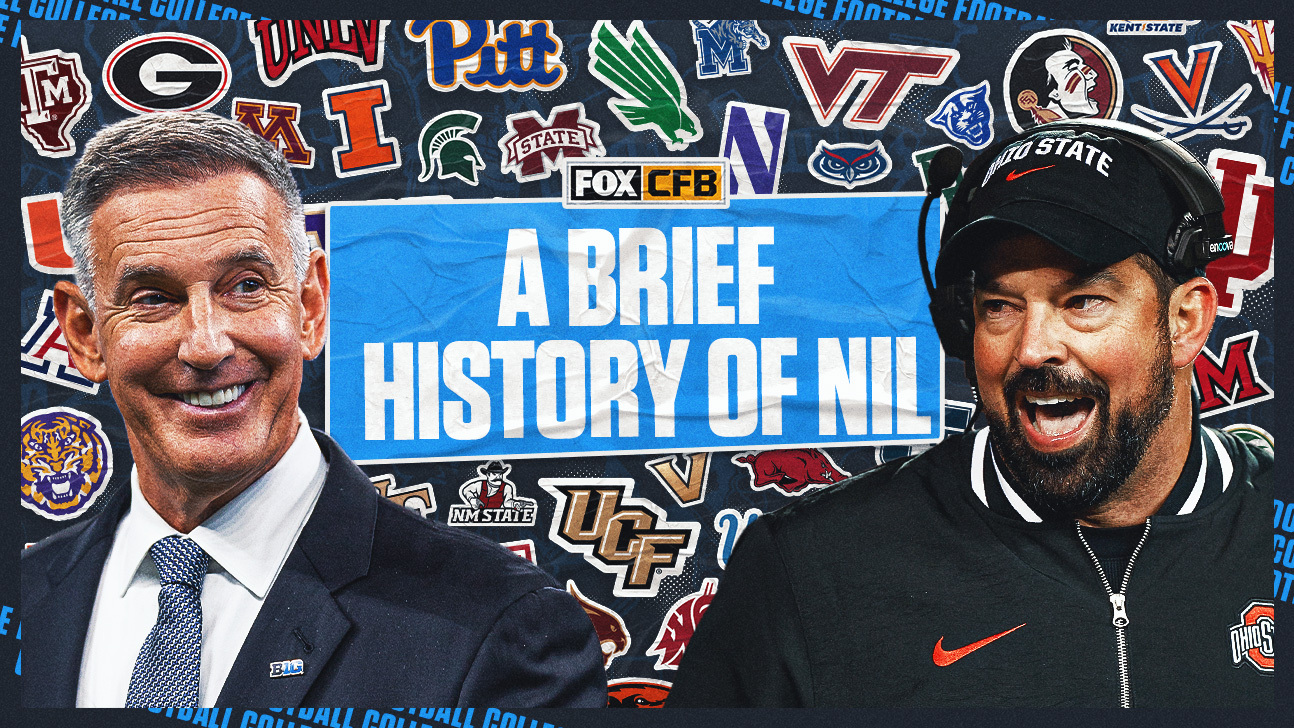
The College Football NIL Market Doubled In 2 Years. How Did We Get Here?

Ryan Day didn’t intend to be prophetic. While this gathering of boosters inside the Covelli Center in the heart of Ohio State’s athletics campus four years ago was about pushing business opportunities for athletes in the midst of a new world order in college sports, it offered insight into the changing ecosystem. The Buckeyes’ head coach provided the roughly 100 local stakeholders with an incisive figure: $13 million. That’s how much name, image and likeness (NIL) money the Buckeyes needed to retain the bulk of its roster in 2022. “If the speed limit’s 45 miles per hour, and you drive 45 miles per hour, a lot of people are going to pass you by,” Day said at the time. “If you go too fast, you’re going to get pulled over.” Ohio State won the national championship two years later; its ballyhooed $20 million roster was the talk of college football and representative of the increasing commercialization of the enterprise. But with the 2026 campaign kicking off this weekend, that old figure might presently make the Buckeyes competitive at the high end of the Group of Six, let alone within the Power Four. NIL data provider Opendorse released its annual NIL market report in June, estimating Big Ten schools will spend an average of $48.2 million annually across all sports this year. The SEC followed closely behind at $44.5 million, while the ACC and Big 12 were expected to spend around half those figures at $29.4 million and $24.3 million, respectively. “The same thing that drove coaches’ salaries to the moon and buyouts to the moon are driving players’ salaries to the moon,” Opendorse co-founder and president Blake Lawrence told me. “The difference between the two is [that] there is a more direct tie between athlete compensation and championship caliber outcomes — or at least it is easier to sell donors on that potential. “That’s where the story is going to go. It’s going to keep driving up these numbers forever.” The financial requirements to compete in high-major college football have seemingly doubled almost every offseason for the last five years. Coaches and administrators are decrying the rising costs but continue to spend hand over fist to fund football rosters. Congress is involved. Threats of a breakaway from the NCAA and conference-level governance in the SEC and Big Ten have been discussed. And the college football season starts at week’s end. How did we get here? That part is relatively simple: A win-at-all-costs mentality. It’s finding a fix that’s more complex. “At some point, the system’s going to potentially break,” Kansas State athletics director Gene Taylor told me. “Players are going to get paid. Schools are going to over-promise — which I think many of them have already over-promised and are writing checks they can’t cash — and it’s going to break because donors will get tired of it.” ‘Controlled Chaos Mixed With Genuine Excitement’ Times Square isn’t exactly the place for subtlety. No, this part of Manhattan is the amalgamation of a hellish tourist trap crossed with greater commercialism that brings millions to the city weekly, all in search of the perfect Instagram caption or a $4,000 Gucci bag. What better place than this to launch the flashy new world of college athletics? “July 1, 2021, felt like controlled chaos mixed with genuine excitement,” said attorney Darren Heitner, who helped land basketball players Haley and Hanna Cavinder a spot on a Boost Mobile billboard in Times Square to open the new-look college sports ecosystem. Back home in Fort Lauderdale, Florida, Heitner danced between phone calls throughout the day as interest for the Cavinders as spokespeople rolled in. Three deals in 24 hours felt like too much for proper diligence. Even still, the calls were proof of concept. Brands wanted in — and the money would follow. “Athletes finally had rights they should have had all along,” Heitner told me. “And the volume of activity confirmed how ready the market was.” The NCAA, for its part, has long been opposed to change. But as the pressure from the legal system mounted, college sports’ governing body reworked its rules in 2021 to allow athletes to benefit from NIL. The idea, in theory, was marketing deals with local mom-and-pop car dealerships, sports camps, and efforts of that ilk. The Gatorade and Pepsi campaigns would be the exception rather than the rule. That couldn’t be further from how the world has evolved. The College Sports Commission, which has been charged with regulating NIL dealmaking, released data in July that showed more than 34,000 deals worth $355.24 million (roughly $10,450 per deal) had passed through its NIL Go clearinghouse. Another 1,800 deals representing around $90 million had been rejected. Opendorse’s annual report, meanwhile, suggested Power Four quarterbacks being paid $1.5 million annually are in the 90th percentile of earners, while it estimates this year more than $725 million will enter the NIL ecosystem through “above the cap” deals — agreements through third-party providers that don’t count toward the revenue-sharing cap placed on universities by The House vs. NCAA settlement. “It’s just been very difficult to be able to understand where all those dollars are coming from,” said former Miami athletics director Dan Radakovich, now the executive director of the FBS Athletics Director Association. “You want to be able to say, ‘OK, if a school decides that they want to invest in these programs, they should have the ability to invest in the programs; just as they’ve always had the ability to invest in facilities or stadiums or coaches and staffs.’ But the rules didn’t read that way.” The House settlement — a combination of the House, Hubbard and Carter antitrust cases involving lost NIL opportunities for past college athletes — was supposed to provide impediments to the rampant spending that has pushed across the ecosystem. The proceedings that were finalized last summer laid out a $20.5 million cap, among other measures, that would enable schools to pay athletes directly through varying revenue streams that had previously lined athletics departments’ coffers. The cap, however, has been anything but. Schools are regularly blowing past the number through third-party endorsement deals — which are not subject to the cap — and other measures of creative accounting. “I think 99% of these schools would tell you they can’t keep up with it,” said Altius Sports Partners president Andrew Donovan, whose company consults on revenue-generating projects for a number of Power Four schools. “Now, they probably would’ve told you that same thing if we had the same conversation every year for the past three to four years — and somehow they found a way. “That goes back to the competitive element, but, at the end of the day, what they’re doing is looking at other ways to subsidize the departmental revenue in the name of finding ways to get third-party NIL payments to athletes to satisfy obligations that have been made directly and indirectly through the recruiting process.” ‘We Need National Standards’ The broader issue with the rising market is sustainability. Schools are over-leveraged across the board. Middle-of-the-pack SEC schools are spending $15 million or more annually on their men’s basketball rosters. Big Ten football programs are doubling or tripling that figure. The perpetual refrain in college sports has been that there is always money to be had. Shake the couch cushions hard enough, and the bills will flow. That approach hasn’t necessarily changed. “We need national standards; we need national rules; we need national enforcement,” Texas Tech athletics director Kirby Hocutt, whose school has been as representative of the new-look powers of the NIL era as any, told me. “We’ve taken the mindset that this is not a time to manage our way through. Of course, we are trying to manage costs wherever we can, but managing costs in football and basketball right now is not the strategy that we’ve taken nor will we take as long as we continue to navigate through this type of landscape.” Yet athletics departments nationwide are getting tapped out, and schools are increasingly turning toward the university side for help. A U.S. Government and Accountability Office report issued in July found Power Four “college contributions” (institutional support and student fees combined) had nearly tripled from $445 million to $1.2 billion between 2014–15 and 2023–24, while 71% of those schools spent more than they generated in 2023–24 (up from 65% a decade earlier). Cal Chancellor Rich Lyons said last year the university would match booster donations of up to $6 million in football and $1.5 million for men’s basketball. Florida State recently took advantage of a new authorization from the state that allows up to $22.5 million to be transferred to athletics. Even Nevada reported that more than half of its nearly $58 million budget for the 2024 fiscal year came directly from public funds. “That’s the underreported question,” said Nebraska athletics director Troy Dannen, who told me the school’s investment in NIL has skyrocketed 400% in two-and-a-half years. “Because, for the most part, this is happening with state and public dollars and student fees, and not truly happening at the desires and behest of corporate sponsors. … Higher-education spending is already challenged. At some point in time, is that prioritization going to change on campuses?” The most pertinent hope for curbing overspending resides on Capitol Hill. The Protect College Sports Act — a bipartisan effort from authors Sen. Maria Cantwell (D-Wash.) and Sen. Ted Cruz (R-Texas) remains in flux on Capitol Hill, where college sports leaders have spent tens of millions of dollars and almost a decade lobbying for congressional action to help provide stability. The bill touches on myriad current issues plaguing college sports, including: That the bill might even come to a vote — or receive enough support in the Senate — is an open question. The Senate already blew past its Aug. 7 recess deadline, which many on Capitol Hill had hoped would serve as a line in the sand to introduce a vote on the PCSA. The Senate returns to session on Sept. 14, but, like anything, time kills deals. “I want to see college sports preserved for future generations to enjoy,” PCSA co-sponsor Eric Schmitt (R-Mo.) said in a statement earlier this month. “If Congress doesn’t step in to restore order to an increasingly chaotic system, programs across the country could be forced to shutter.” So what is Plan B? That’s less clear. Big Ten Commissioner Tony Petitti and his SEC counterpart Greg Sankey have hand-waved at the idea of self-governance; that the conference offices might take on a more direct role in enforcing rules and regulations related to their members, albeit that has its own antitrust challenges. Both leagues could also take up portions of the PCSA and look to introduce their own versions of a retention cap — effectively a bonus pool of money designed to let schools spend above the House settlement cap to keep their own players (The Big Ten has already explored such a change as far back as March). “We have to clarify what the caps are,” Ohio State athletics director Ross Bjork told me. “Retention, we all agree with that concept — a retention cap and the original House cap. But if we don’t close all the loopholes, then we’ve done nothing. “If there’s gray areas, what’s the old phrase? ‘If you’re explaining, you’re losing.’ If we have to explain, ‘Well, if you do it this way, then maybe it’s permissible, but if you do it this way, it’s not.’ If we have to explain some matrix, then we’ve lost because somebody’s going to find a loophole.” Attending a wedding in recent weeks, Taylor ran into a former Kansas State football player whose time with the Wildcats coincided with the early days of the NIL era — and an annual compensation package of around $150,000. “How much more,” they asked, “would I make now?” Quipped Taylor: “A hell of a lot more than you made.”​Latest Sports News from FOX Sports

Categories
Food

Why You Should Marinate Steak In This Classic Sauce

Marinating is one of the easiest ways to infuse steaks with great flavor, and when you use this classic sauce, the process gets even more seamless.

​Food Republic – Restaurants, Reviews, Recipes, Cooking Tips

Categories
Food

13 Healthy Trader Joe’s Snacks That Are Actually Delicious

Trader Joe’s offers plenty of great snacks, but which ones are the healthiest? These 13 options boast many nutritional benefits, and they taste good, too.

​Food Republic – Restaurants, Reviews, Recipes, Cooking Tips