Jet2 has announced it will launch flights and holidays from London Gatwick Airport next year.The Latest News from the UK and Around the World | Sky News










Jet2 has announced it will launch flights and holidays from London Gatwick Airport next year.The Latest News from the UK and Around the World | Sky News

The UK has reportedly stopped sharing some intelligence with the US on suspected drug trafficking boats in the Caribbean following concerns over America’s strikes against the vessels.The Latest News from the UK and Around the World | Sky News
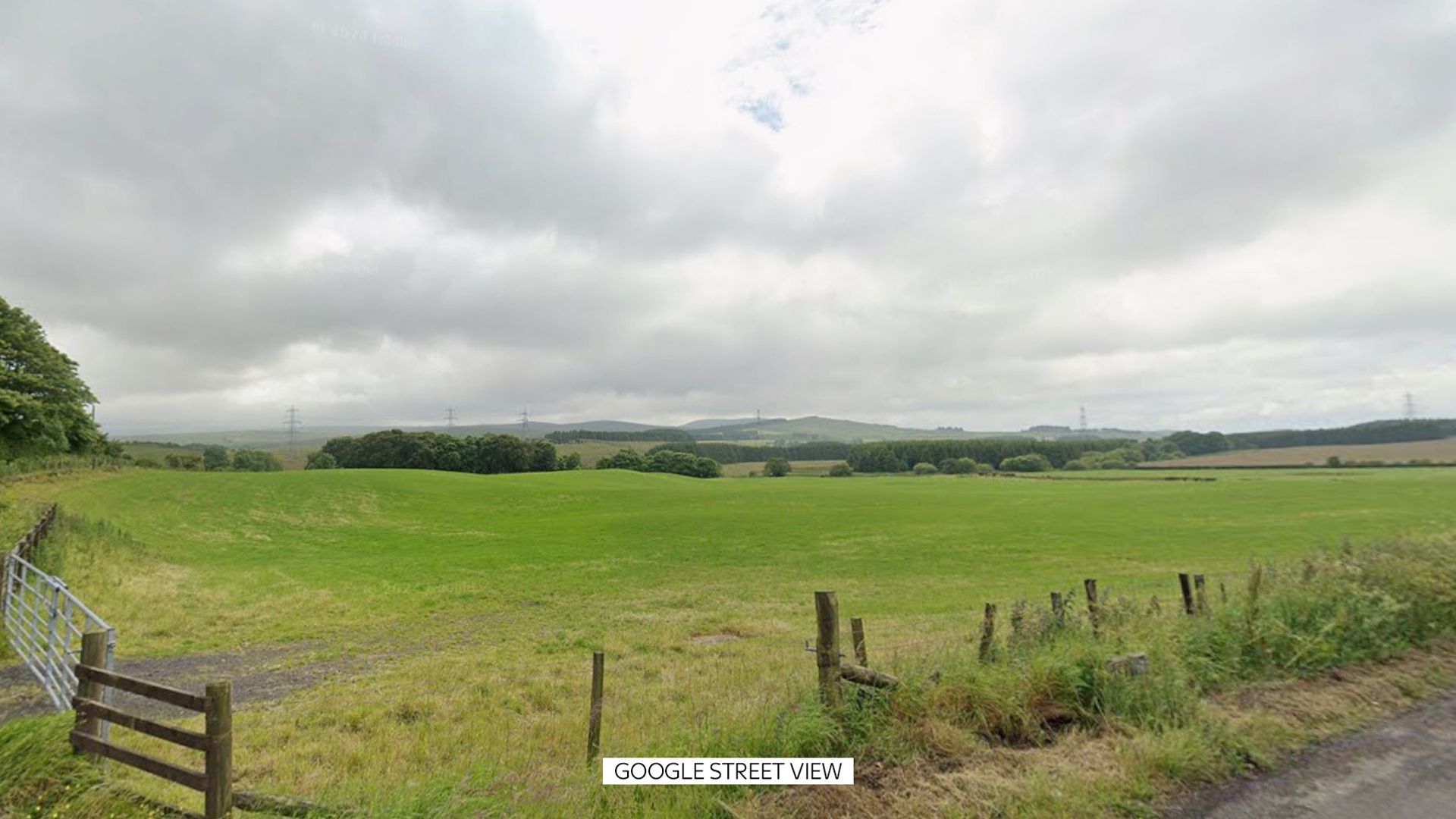
Three men have been arrested following the discovery of a body in an Inverclyde field.The Latest News from the UK and Around the World | Sky News

Thousands of job cuts at the NHS will go ahead after the £1bn needed to fund the redundancies was approved by the Treasury.The Latest News from the UK and Around the World | Sky News

A Japanese manufacturing firm is facing a union battle over plans to shut factories in County Durham with the loss of hundreds of jobs.The Latest News from the UK and Around the World | Sky News

Seven men have been charged with more than 40 offences against 11 teenagers after an investigation into child sexual exploitation in Bristol.The Latest News from the UK and Around the World | Sky News
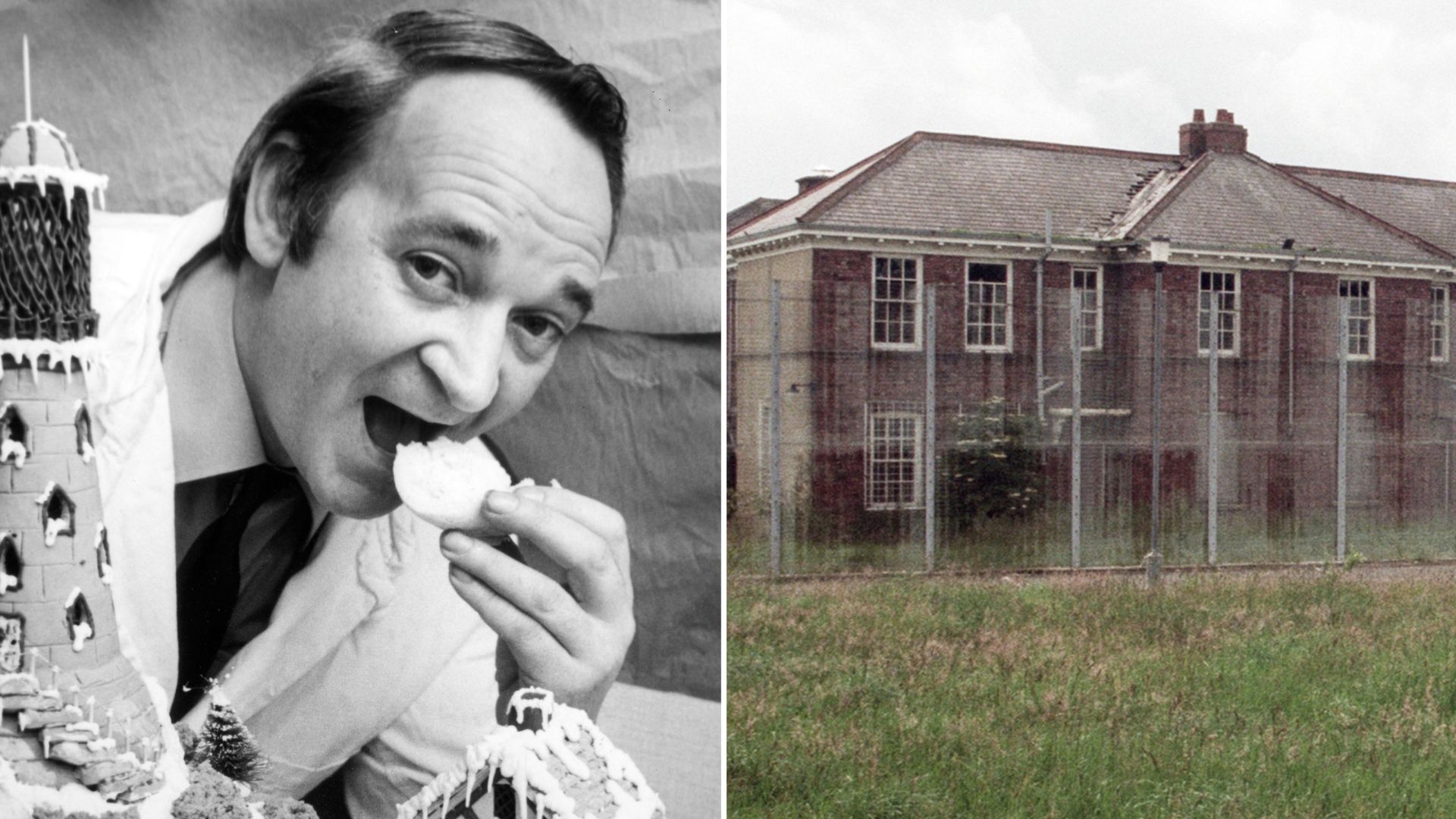
Decades of abuse of thousands of young men by staff at a detention centre in County Durham was “ignored and dismissed” by the prison service, the police and the Home Office, an investigation has found.The Latest News from the UK and Around the World | Sky News

NOTN- Juneau residents are honoring military service members today with Veterans Day ceremonies and community gatherings across the city, including events at Centennial Hall and the American Legion Post 25 near the ferry terminal.
At 11 a.m., a formal Veterans Day observance is taking place at Centennial Hall.
“Veterans Day is celebrating the service and sacrifice of veterans living and deceased. So on Veterans Day, you could say Happy Veterans Day, or thank you for your service and thank you for all that you’ve done for our country.” said Duff Mitchel of the American Legion.
Later in the day, the American Legion Post 25 will host a free community dinner for veterans and their families beginning at 5 p.m.
“It’ll go until the food runs out,” Duff said.
Duff added the City and Borough of Juneau helped with the observation at Centennial Hall.
“They gave us some financial background to help at Centennial Hall, and many communities across the country really help the veterans groups on on Veterans Day.”
By: Yereth Rosen, Alaska Beacon

There are now 14 candidates vying to become Alaska’s next governor.
State Sen. Matt Claman, D-Anchorage, announced his candidacy on Monday. He is the second Democrat in the race, after former Senate Minority Leader Tom Begich, also of Anchorage. The other 12 declared candidates are Republicans.
Gov. Mike Dunleavy, a Republican, is term-limited and not running.
Claman, an attorney and former Anchorage Assembly chair and acting mayor, has served in the Legislature since 2015. He served first in the House before being elected to the Senate in 2022. He is among the leaders of that body’s bipartisan majority caucus and chairs the Senate Judiciary Committee.
In a statement, Claman referred to his experience in the bipartisan caucus.
“As Governor, I’ll work every day to ensure our state government reflects the values we all share: safe streets, great schools, business-friendly regulations, and a growing economy that works for businesses and working families,” he said in the statement. “Our state deserves a leader who listens to and works together with the people of Alaska, leads with care, upholds our constitution, and sets partisanship aside to deliver real results. That’s exactly what I’ve done in the Legislature and what I’ll do for you as your governor.”
Claman, who represents West Anchorage, was reelected to the Senate last year. He would not be up for reelection until 2028.
In a brief interview Monday, Claman said he timed his announcement with fundraising rules in mind.
“It’s basically a year before the election. Because of the limits on fundraising – and I’m not going to resign – I need to get started before the session,” he said.
Under state law, sitting legislators may not raise campaign funds during legislative sessions, which in 2026 is scheduled to run from Jan. 21 to May 20.
Claman said he started sending out fundraising solidifications after he filed his notice of intent to run for governor.
Former U.S. Rep. Mary Peltola is considered by observers to be the strongest potential Democratic candidate for governor, but she is also a possible candidate for U.S. Senate. Several Democratic leaders have urged her to challenge Sen. Dan Sullivan, R-Alaska, who is up for reelection next year.
The primary election date is Aug. 18, 2026. The candidate filing deadline is June 1.
Alaska’s gubernatorial candidates will compete in an open primary, with the top four finishers facing off in the general election under the state’s ranked-choice system.

AP- The longest federal government shutdown in U.S. history appears to be nearing an end, but not without leaving a mark on an already-struggling economy.
About 1.25 million federal workers haven’t been paid since Oct. 1. Thousands of flights have been canceled, a trend that is expected to continue this week even as Congress moves toward reopening the government. Government contract awards have slowed and some food aid recipients have seen their benefits interrupted.
Most of the lost economic activity will be recovered when the government reopens, as federal workers will receive back pay. But some canceled flights won’t be retaken, missed restaurant meals won’t be made up, and some postponed purchases will end up not happening at all.
“Short-lived shutdowns are usually invisible in the data, but this one will leave a lasting mark,” Gregory Daco, chief economist at accounting giant EY said, “both because of its record length and the growing disruptions to welfare programs and travel.”
The Congressional Budget Office estimated that a six-week shutdown will reduce growth in this year’s fourth quarter by about 1.5 percentage points. That would cut growth by half from the third quarter. The reopening should boost first-quarter growth next year by 2.2 percentage points, the CBO projected, but about $11 billion in economic activity will be permanently lost.
The previous longest government shutdown, in 2018-2019, lasted 35 days but only partially shut the government because many agencies had been fully funded. It only nicked the economy by about 0.02% of GDP, the CBO said then.
The current shutdown is adding to the economy’s existing challenges, which include sluggish hiring, stubbornly elevated inflation, and President Donald Trump’s tariffs, which have caused uncertainty for many businesses. Still, few economists foresee a recession.
About 650,000 federal workers didn’t work during the shutdown, which will likely boost the unemployment rate by about 0.4 percentage points in October, or to 4.7% from 4.3% in August, when the last report was released. Those workers would all then be counted as employed once the government reopens.
Here are the ways the government closure is weighing on the economy:
All told, federal workers will have missed about $16 billion in wages by mid-November, the CBO estimates. That has meant less spending at stores, restaurants, and likely reduced holiday travel. Large purchases will probably be postponed, slowing the broader economy.
Trump had threatened during the shutdown to not provide back pay but the deal struck in Congress would replace those lost wages once the government reopens.
The shutdown has added to the Washington, D.C. area’s economic woes, where the unemployment rate was already 6% before the shutdown, after Trump’s cuts to the federal workforce this spring caused job losses. While the Washington, D.C. area — including the nearby suburbs in Virginia and Maryland — has the highest concentration of federal workers, most live and work outside of the nation’s capital.
Federal workers make up about 5.5% of Maryland’s workforce, according to the Bipartisan Policy Center. But they also comprise 2.9% of New Mexico’s workers, 2.6% of Oklahoma’s, and 3.8% of Alaska’s.
Then there are the federal contractors. Bernard Yaros, an economist at Oxford Economics, estimates they could total as many as 5.2 million, and they are not guaranteed back pay once the shutdown ends.
Airlines scrapped more than 2,000 flights by Monday evening after canceling 5,500 since Friday on orders from the Federal Aviation Administration, which is seeking to reduce the burden on overworked air traffic controllers, who have now missed two paychecks.
Even before the flight cancellations, Tourism Economics, an economic consulting firm, estimated that the shutdown would reduce travel spending by $63 million a day, which means a six-week standoff would cost the travel industry $2.6 billion.
The canceled flights also mean less business for hotels, restaurants, and taxi drivers. And federal employees have already pulled the plug on upcoming trips, according to Tourism Economics, which may not be able to be rescheduled even when the government does reopen.
The shutdown has worsened Americans’ outlook on the broader economy. Declining consumer sentiment can over time reduce spending and slow growth, though in recent years Americans have kept shopping even when their outlooks turned grim.
Consumer sentiment dropped to a three-year low and close to the lowest point ever recorded in a survey by the University of Michigan, reported Friday, with pessimism over personal finances and anticipated business conditions weighing on Americans.
The November survey showed the index of consumer sentiment at 50.4, down a startling 6.2% from last month and a plunge of nearly 30% from a year ago.
While the shutdown hasn’t cut off all federal government spending, it has reduced purchases of equipment and has cut off the issuance of new contracts.
Yaros estimates that about $800 million in new contracts were at risk of not being awarded each day of the shutdown.
“The federal award spigot has all but turned off at the Department of Defense, NASA, and the Department of Homeland Security,” Yaros wrote.
The shutdown delayed the payment of $8 billion in monthly SNAP food aid to 42 million recipients in November, creating a significant financial disruption for many households that likely reduced spending. Some states have managed to pay full benefits for this month, though the Trump administration is still fighting over the issue in court.
The deal currently under consideration in Congress to reopen the government includes full funding of SNAP benefits.
The government shutdown cut off the flow of economic data on unemployment, inflation, and retail spending that the Federal Reserve depends on to monitor the economy’s health. Even as the government reopens, some of that data will still be delayed. As a result, the Fed may not deliver a third interest rate cut at its December meeting, which was widely expected before the shutdown.
“What do you do if you’re driving in the fog? You slow down,” Fed Chair Jerome Powell said at a news conference late last month.
Powell said the Fed’s interest-rate setting committee is deeply divided over whether to reduce its key rate, partly because the economy’s health is unusually cloudy right now. The government has missed two monthly jobs reports and the October inflation data, scheduled to be published Thursday, will likely never be issued.
Powell said a rate cut in December was not a “foregone conclusion” and added that the lack of data could contribute to a decision by the Fed to skip a rate cut at its next meeting December 9-10. Fewer rate cuts could discourage borrowing and spending and weigh on the economy in the coming months.