It’s getting to be picnic weather again, but there’s something you should look out for when you pack your meal: It might be better to avoid cheese.
Food Republic – Restaurants, Reviews, Recipes, Cooking Tips








It’s getting to be picnic weather again, but there’s something you should look out for when you pack your meal: It might be better to avoid cheese.
Food Republic – Restaurants, Reviews, Recipes, Cooking Tips
Costco has introduced all kinds of new products to its stores in 2026. It can be tough to know which ones are worth a try, so we narrowed down some favorites.
Mashed – Fast Food, Celebrity Chefs, Grocery, Reviews

A brown bear stands in water in Katmai National Park on Sept. 27, 2022. The Alaska Department of Fish and Game is poised to start a spring predator control program targeting bears west of the park, in the area used by the Mulchatna Caribou Herd. Some critics of the program say it might wind up killing Katmai bears. (Photo by T. Carmack/National Park Service)
With the Alaska Department of Fish and Game poised to start culling bears in a program to boost the population of a depleted caribou herd, critics have asked a state judge to block the program before the shooting begins.
The Alaska Wildlife Alliance is seeking an injunction to prevent the department from resuming a controversial predator control program in 40,000 square miles of state land east of the Togiak National Wildlife Refuge and west of Katmai National Park and Preserve. The territory is used by the Mulchatna Caribou Herd.
The alliance maintains that the predator control program the department seeks to pursue is no better than the program found unconstitutional last year by two state Superior Court judges, Andrew Guidi and Christina Rankin.
The Department of Fish and Game, however, argues that the constitutional violations the judges identified have been addressed and that the program is too important to Western Alaska subsistence hunters to delay. The department says it must remove bears from the area to give the Mulchatna herd a better chance to recover — and that the removal needs to happen soon, this spring, when the caribou are giving birth to calves that might be vulnerable to bear predation.
The parties were in court on Friday arguing their cases before a third Superior Court judge considering the matter, Adolf Zeman.
“The board has reinstated the exact same predator control program that was struck down by the court as unconstitutional for failure to consider bear population data,” Michelle Sinnott, the attorney representing the Alaska Wildlife Alliance, told Zeman at the hearing.
The only new information that the department has provided concerns caribou, information that is irrelevant to the question of whether bears are adequately protected, Sinnott said.
Kimberly Del Frate, the state attorney arguing on behalf of Fish and Game, told Zeman the bear-culling program, as designed by the department, will not harm the overall bear population.
“The bear removal itself is narrow and targeted,” and therefore does not threaten the sustained yield of the bear population, she said.
Further, an emphasis on Mulchatna herd health over bear numbers is justified, Del Frate argued. Past state Supreme Court rulings and state legislation shows that the concept of “sustained yield,” which is in the Alaska constitution and expresses the principle of managing natural resources for long-term health, is meant to be flexible, she said.
“It expressly allows for preferences among beneficial uses, such as a preference for prey species as a food source over other uses of predator species,” she said.
Zeman, at the conclusion of Friday’s hearing, promised a speedy decision.
“I understand that we’re time-sensitive here, so I will issue a decision here as soon as I can,” he said.
The bear-culling is planned for this month, when the caribou begin giving birth to their calves, said Patty Sullivan, a spokesperson for the Department of Fish and Game. There is not a firm start date, she said.
“Typically, we would start looking for signs of calving in the Mulchatna (area) during the first couple weeks of May. Exact timing varies from year to year depending on how and where calving is occurring. It’s fairly dynamic,” she said by email.
Critics of the program say it threatens populations of bears that use habitat in Katmai National Park and Preserve, among other sites.
The program was initially authorized by the Alaska Board of Game in 2022, and it started in 2023. From 2023 to 2025, the program killed 186 brown bears, five black bears and 20 wolves. Of that total, 11 brown bears were killed last spring, days after Rankin’s May 7, 2025, ruling that found the program legally void. The judge responded by issuing a restraining order against the department.
Both Guidi and Rankin had found that the Mulhatna predator control program, as approved by the Board of Game and carried out by the Department of Fish and Game, violated the constitution’s sustained yield provision by failing to assess population impacts on bears, as well as provisions requiring adequate public notice and participation.
The Board last July approved a revived Mulchatna predator control program; board members said it addressed issues raised by the earlier court rulings.
The Mulchatna herd population peaked at about 200,000 animals in the 1990s but is now down to about 15,000 animals, according to the Department of Fish and Game. Hunting was closed in 2021. The department’s goal is to bring the numbers up to between 30,000 and 80,000 animals, a population size that would support resumed hunting.
The department argues that predator control done to date has already helped the herd. But critics argue that the herd’s population has now stabilized and that factors other than bear predation — including habitat change, disease and past overhunting — are more likely causes of the population decline.

Eagles’ fans didn’t get to hear one of the group’s biggest hits on Saturday night. Continue reading…Country Music News – Taste of Country
Eagles’ fans didn’t get to hear one of the group’s biggest hits on Saturday night. Continue reading…The Boot – Country Music News, Music Videos and Songs
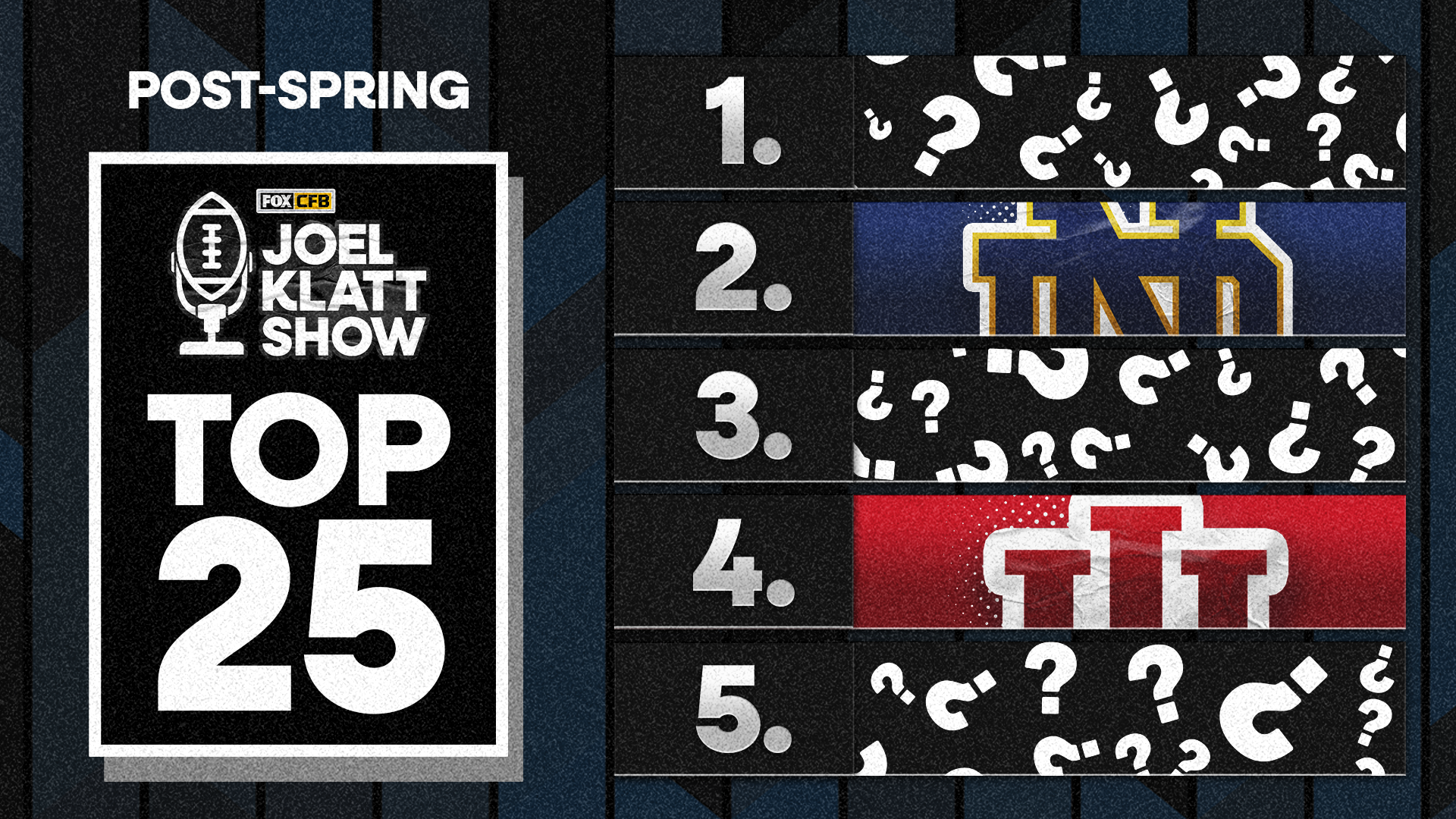
We’re still several months away from the first practices of fall ball, but there are already seven teams that I believe are in a tier of their own ahead of the 2026 college football season. You can likely guess a few of them, as programs like Ohio State have become mainstays at the top of college football. But is Indiana poised to make another run in 2026? Is there another Big Ten team that might be better than those two programs? Does Georgia still run the SEC? With spring ball in the books for most of the country, let’s take a look at my post-spring top 25. There were a lot of teams I considered at No. 25, but Tennessee has been very consistent, at least on offense. Josh Heupel took over five years ago and Tennessee has been the No. 1 scoring offense in the country ever since. However, the Vols have a big question at quarterback entering the summer, which is why they aren’t ranked higher. It looks like the QB competition is down to two players, with redshirt freshman George MacIntyre and five-star freshman Faizon Brandon vying for the job. Both have little or no experience. I think Tennessee will be fine on offense, but it is a quarterback-driven offense. Defensively, Tennessee brought in former Ohio State and Penn State defensive coordinator Jim Knowles for the same job. There’s a lot of talent in Tennessee as it’s been one of the top recruiting programs in the country. The schedule isn’t terrible, but I like that the Volunteers get three of their four toughest games at home (Texas, LSU, Alabama). This is a bet on top-end talent at important positions. It’s a make-or-break year for head coach Shane Beamer after South Carolina went 4-8 after being a top-10 team early on last season. Quarterback LaNorris Sellers came into the 2025 season as a Heisman hopeful, but that fell off. Edge rusher Dylan Stewart could be a top-10 pick in the 2027 NFL Draft, and I had him ranked in my way-too-early top 10 prospects for next year’s class. The Gamecocks also brought in Kendall Briles as their new offensive coordinator, a move aimed at injecting energy into the offense. South Carolina returns the most offensive production in the SEC, but they have to overcome a really tough schedule. The Gamecocks have road games at Alabama, Florida, Oklahoma, and Clemson, plus home matchups against Tennessee, Texas A&M, and Georgia. I think new head coach Morgan Scalley keeps some semblance of continuity at Utah, even though many people in that program left with Kyle Whittingham for Michigan. Scalley had to basically replace the entire offensive coaching staff. The Utes still have quarterback Devon Dampier and running back Wayshawn Parker, but they’ve got to replace two first-round picks on their offensive line. That won’t be easy. Scalley knows how to produce on the defensive side, so that’s not a concern. Another Big 12 school checks in early on the list. I really like Houston head coach Willie Fritz after he helped the Cougars win 10 games in his second season. Conner Weigman not only returns at quarterback, but he has 26 starts in his career. The Cougars also return wide receiver Amare Thomas, who was second in the Big 12 in receiving yards and receiving touchdowns a year ago. Watch out for running back Makhi Hughes at running back, though, as he reunites with Fritz at Houston. Hughes can return to being one of the most productive running backs in the country. Another staple makes the list. Iowa isn’t sure what it’s doing yet at quarterback, but we know the Hawkeyes aren’t a quarterback-centric team. That quarterback battle is going to go on for a bit. Do we care? Yes, we kind of do. I’m more concerned with the Hawkeyes’ offensive line and how they plan to replace some key players, though. That O-line was the best in the country last year, or at least they were awarded as such with the Joe Moore Award. Brent Brennan is a hell of a head coach. Plus, quarterback Noah Fifita is back after being named first-team All-Big 12 last year. He’s got the second-most starts among all quarterbacks in the country with 34. All of those have come at Arizona. In fact, I was talking to Nick Foles, and he’s excited about Fifita and the legacy he’s building at Arizona. I thought the Huskies would take a jump in 2025, and they did. However, Washington made some key mistakes in big moments last season. Demond Williams Jr. is back at quarterback, and he’s got four of his offensive linemen from last season protecting him. I love that. The Huskies have to replace wide receivers Denzel Boston and Raiden Vines-Bright. Dezmen Rouebuck had a strong true freshman season at receiver, though. There’s also some continuity on the defensive side of the ball, namely with defensive coordinator Ryan Walters. He kind of figured things out during the course of the year. Rhett Lashlee has done a marvelous job as SMU’s head coach. The Mustangs have done a marvelous job of making sure Lashlee remains their head coach as well. SMU has won 31 games over the last three years. That’s the 10th-most in the country, and SMU has gone 14-2 in its last two seasons of ACC play. The Mustangs also have experienced quarterback play with Kevin Jennings returning. This is a team that’s not going anywhere. BYU has been sort of pushing its ceiling. When the Cougars faced Texas Tech last season, they didn’t play very well and couldn’t get over the hump. They did get a major boost with Big 12 Offensive Player of the Year LJ Martin opting to return to Provo, and quarterback Bear Bachmeier back after leading BYU to 11 wins as a freshman. The situation with wide receiver Parker Kingston, which led to his dismissal from the program due to some terrible accusations, hurts the Cougars’ ranking. BYU also lost its defensive coordinator, Jay Hill, to Michigan. I know I’m going to get some flak for this, but I couldn’t put Alabama higher than 16th. Alabama has slowly been slipping, and we’ve seen that with its play on the field. Head coach Kalen DeBoer just got a contract extension, which was a bit interesting, as he heads into Year 3 at Tuscaloosa. At quarterback, the Crimson Tide have two very talented, but very inexperienced options in Austin Mack (last year’s backup) and redshirt freshman Keelon Russell (a former five-star recruit). DeBoer has said he won’t name a starter until the fall. Regardless, the winner will have zero college starts. I just don’t like that in this day and age. Alabama needs wide receiver Ryan Coleman Williams to get back to what he was as a freshman. He wasn’t near what he was last year. Ultimately, this team’s identity still hinges on the defense and run game — areas that were once the program’s foundation under Nick Saban. Did you know they were 126th in yards per carry last season? Ty Simpson put them on their back, and they don’t have that anymore. This one is a lot about the schedule. There are some teams ranked behind Penn State who have better rosters, but if you look at the schedule, the Nittany Lions should be a top-15 team. Now with Matt Campbell as its head coach, Penn State has essentially become East Iowa State. He almost brought the entire Iowa State roster with him. Campbell’s going to be charged with winning big games. However, here’s the thing: they don’t have a ton of big games. The schedule falls in their favor, and they’re going to have the most experienced quarterback in the country with Rocco Becht. I think they can make a run at 10 wins. Ole Miss had a tremendous College Football Playoff run, but the Rebels lost too much from that roster for me to put them in the top 10. Quarterback Trinidad Chambliss was amazing, leading the Rebels to the CFP semifinal. If you have Chambliss, you’re going to have a chance in any game. Kewan Lacy is also back at running back after rushing for 1,567 yards as a sophomore. I thought head coach Pete Golding did a good job in the CFP and hitting the portal hard to strengthen the defense. The situation with incoming quarterback Brendan Sorsby obviously isn’t ideal. We all thought that was a tremendous fit after he transferred to Texas Tech before the news broke that the NCAA was investigating his alleged sports gambling. Will Hammond played well as a backup quarterback for Texas Tech last year, but he tore his ACL, and it’s questionable if he’ll be back for Week 1. Still, Texas Tech was aggressive in the portal once again to shore up its roster. The Red Raiders lost a good bit of talent in their front seven, with edge rusher David Bailey, linebacker Jacob Rodriguez and defensive lineman Romello Height being among some of the players taken in the first two days of the draft. Michigan seems to be all over the place in other rankings. So, I placed the Wolverines relatively in the middle because it’s a wait-and-see for me on one key element: the combination of quarterback Bryce Underwood and offensive coordinator Jason Becht. Becht has been outstanding in the last couple of seasons, getting the most out of guys like Devon Dampier at New Mexico and Utah. We’ll see if he can do the same for Underwood. The schedule isn’t easy, though, and they’ve got four games against CFP teams from last season. I think Michigan can have a pretty good team, especially if the Underwood-Becht combo meshes well. Michigan is in good hands with Kyle Whittinham. I’m just not sure the Wolverines can win the Big Ten, though. Head coach Brent Venables has the Oklahoma defense exactly where he wants it. He took over defensive playcalling duties last season for the Sooners and it worked, ranking top 10 in the country. The Sooners have four returning All-SEC players on defense, including defensive tackle David Stone, who is already generating early first-round buzz for the 2027 draft. We all know quarterback John Mateer can be really good when he’s healthy as well. He was the Heisman front-runner before that injury to his hand. They just need to run the ball a bit better. Truth be told, when I got to 16, there was a line. So, from BYU to my 30th- or 35th-ranked team, there were a lot of teams I considered placing in the top 25. Then, from No. 15 to No. 8, there was another grouping of teams I found difficult to order. So, while we hold the top 10 in high regard, I just wanted to make the delineation clear. USC gets in at No. 10 as I’m bullish on the Trojans. I think they fixed the line of scrimmage. Lincoln Riley knew at some point they needed to improve in the trenches, and they brought back their entire starting offensive line. That was an offensive line that helped USC’s run-game improve in 2025. Riley’s teams have also been really good when they can run the ball. Running back Waymond Jordan was spectacular last season before he got hurt. There are some questions at wide receiver, but Riley’s offenses always develop pass-catchers. I really love what head coach Mike Elko has done in his first two seasons at College Station. Last season didn’t end well, though, but I think that just means the Aggies will be even more motivated in 2026. They started out 11-0 before losing to Texas and Miami (Fla.) in the playoff. This is a team that’s built under the right things. They’re built on their defense, which will still be very good. There will be some changes on the offensive side, with offensive coordinator Colin Klein leaving to become Kansas State’s head coach. They do get quarterback Marcel Reed back for his third season as a starter, and he’ll be able to throw to wide receiver Mario Craver. That’s a big deal for them. This is the top team of my second tier, and this is a major nod to Lane Kiffin. Sure, the way he left Ole Miss was a disaster, but Kiffin can coach. LSU’s offense has the potential to be among the best in the country after an aggressive overhaul in the transfer portal. The Tigers brought in roughly 40 transfers, highlighted by quarterback Sam Leavitt, one of the top available players at the position. They also added wide receiver Jayce Brown, offensive tackle Jordan Seaton, and edge rusher Jordan Ross. Kiffin also retained defensive coordinator Blake Baker. That was a great move. Now, we get into the cream of the crop. I think the national champion will be one of these seven teams, starting with Texas. Some will be higher on Texas, and some might even be lower. Arch Manning is obviously the headliner as he enters Year 2 as the Longhorns’ starting quarterback. I think he’ll play really well because his play late in the season suggests that. He finished with 20 total touchdowns and just two turnovers in his final six games. Head coach Steve Sarkisian revamped the offense with some portal players, including wide receiver Cam Coleman. Watch out for Coleman, who I think can have a monster year and made my way-too-early top-10 2027 draft prospect list. You can see guys like wide receiver Ryan Wingo also having a big year, too. The offensive line was also revamped, and Will Muschamp returned as defensive coordinator. Edge rusher Colin Simmons joined Manning and Coleman on my way-too-early top-10 2027 draft prospects list as well. That Ohio State game early in the year will determine who has the inside track of being ranked No. 1 or 2 in the country and a CFP berth. Miami was one drive away from winning the national championship last season, and I think getting quarterback Darian Mensah from Duke (however the Hurricanes got him) was huge. He led Duke to the ACC title last season, and he now has talented players like running back Mark Fletcher Jr. and wide receiver Malachi Tooney around him. The offensive line should still be good because head coach Mario Cristobal knows how to build an offensive line. And I also believe in Cristobal as he showed improvement in his game-managing skills last season. It’s easy to take Georgia for granted, isn’t it? The program hasn’t won a title in three years, so we think Georgia isn’t what it used to be. But Kirby Smart recruits his butt off and in those three seasons, the Bulldogs have gone 36-6. They’ve also won two SEC titles in that stretch. Sure, they haven’t won a playoff game in that time, but they still have players. The SEC still goes through Athens. Quarterback Gunnar Stockton is back, along with several other key players like center Drew Bobo and safety K.J. Bolden. I really wanted to rank Indiana higher than this. However, the three teams ranked higher than the Hoosiers just have so much returning talent. But the Hoosiers aren’t going anywhere as long as Curt Cignetti is at the helm, especially if offensive coordinator Mike Shanahan and defensive coordinator Bryant Haines are still there. The big portal addition was ex-TCU quarterback Josh Hoover. All eyes will be on him as he replaces Fernando Mendoza. He’s almost a Mendoza clone, though, as Hoover was only second to Mendoza for the most run-pass option throws in college football last season. Indiana also got former Michigan State wide receiver Nick Marsh, who will line up on the outside with Charlie Becker. The offensive line and defensive should be very good, too. Quarterback Julian Sayin and wide receiver Jeremiah Smith headline the returning players for Ohio State. Sure, there might be more turnover than usual in Columbus, but the Buckeyes have their Heisman finalist quarterback and the best player in college football returning. There is a new offensive coordinator as Arthur Smith will likely run a more pro-style offense for Sayin. I think the best part about Ohio State, though, is that four of its offensive linemen and running back Bo Jackson returned. So, this offense could be as good as any in college football. The Buckeyes hit the portal hard defensively to make up for the lost talent on that side of the ball. Sure, they had three players on defense picked in the top 11 of the NFL Draft, but they just showed last year that they can replace that level of talent in an offseason. I love a team that’s pissed off, and Notre Dame is going to be ready from Jump Street. You think Marcus Freeman’s not going to have the attention of his team after the way last season ended? That was a team that felt like it could make a run to the national championship. This will be an offense more centered around quarterback CJ Carr, with running backs Jeremiyah Love and Jadarian Price going to the NFL. But Notre Dame does have its two top receivers returning (Jordan Faison, Jaden Greathouse) and got two really good wide receivers in the portal (Quincy Porter, Mylan Graham). The Fighting Irish have a ton of experience coming back in the trenches. Four returning starters on the offensive line to go with a defense that will probably be the top defense in all of college football. They’ve got five of their seven starters back up front. Oregon remains in the top spot after I ranked the Ducks No. 1 in my way-too-early poll at the start of the offseason. When you look at the teams that have won the last three national championships, Oregon fits the blueprint those teams followed to a tee. The Ducks are a veteran-led team with talent returning everywhere while holding the best defensive line in the country, an experienced quarterback and the ability to be explosive. They’ve also inched closer and closer to getting over the hump. They only have three losses over the last two seasons, and all three were to the eventual national champion — one loss to Ohio State in 2024 and two losses to Indiana in 2025. Every year that Dan Lanning has been the head coach, Oregon moves one step forward. And just look at the talent this team is returning. It starts with quarterback Dante Moore, but continues with the likes of wide receiver Dakorien Moore, wide receiver Jeremiah McClellan, running back Jordon Davison, tight end Jamari Johnson, edge rusher Matayo Uiagalelei, defensive tackle A’mauri Washington, defensive tackle Bear Alexander, edge rusher Teitum Tuioti and cornerback Brandon Finney Jr.Latest Sports News from FOX Sports
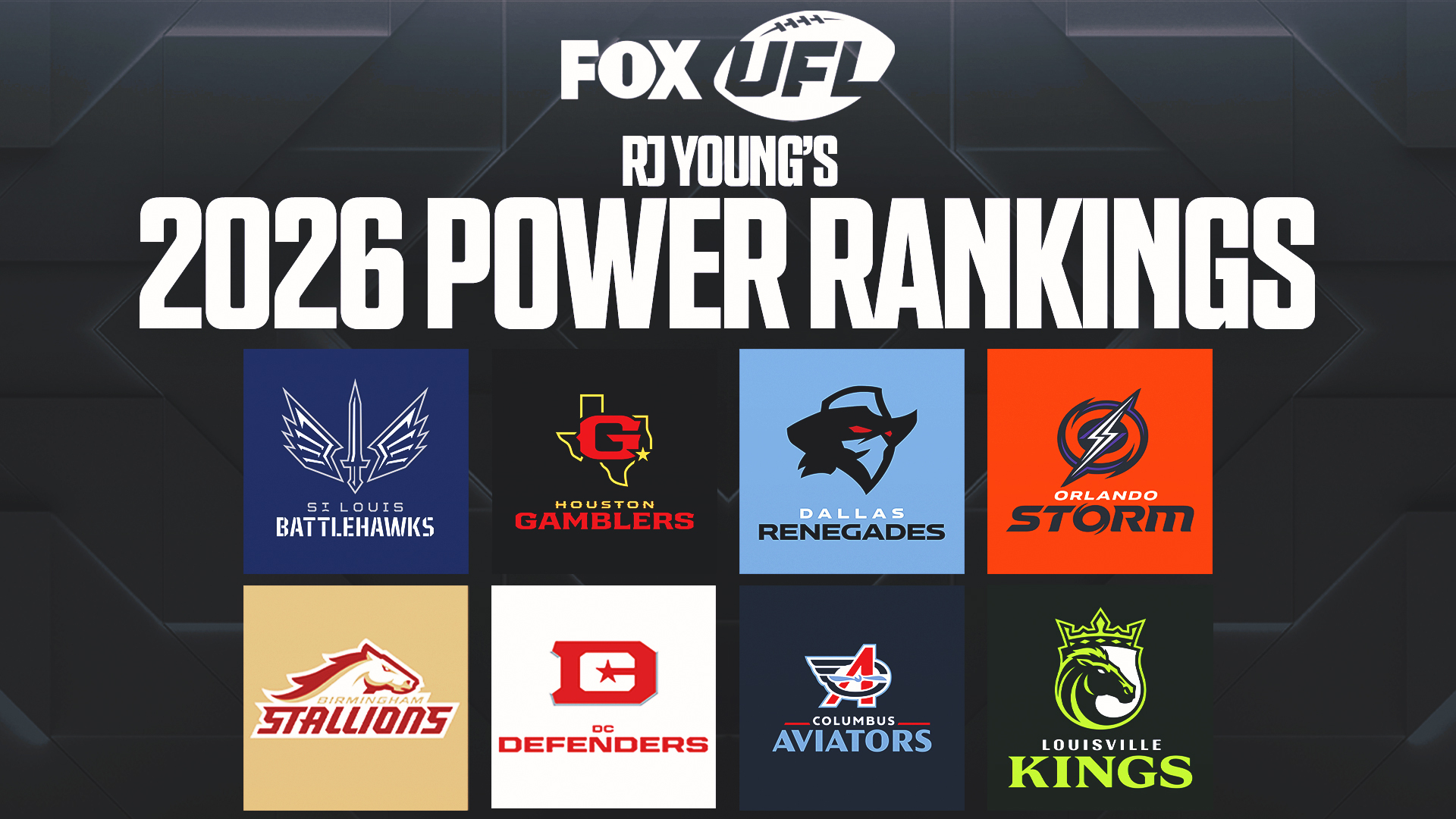
Are the Stallions charging like Cherie DeVaux’s Golden Tempo? After losing four straight, Birmingham took down Orlando on Sunday afternoon at Inter&Co Stadium, leaving Storm head coach Anthony Becht standing akimbo. The St. Louis Battlehawks rocked the Louisville Kings like a GenX dad at a Flock of Seagulls concert. Louisville’s offensive line played like a monarchy in free fall, while the Battlehawks’ defense looked desperate for a Derby Classic in its trophy hall. In other action, the Houston Gamblers’ offense looked like it needed an intervention, while the Columbus Aviators performed their best Top Gun imitation. The Dallas Renegades continue to swing between dominant and invisible, and the DC Defenders left no doubt about where they rank. Here’s a look at my sixth UFL power rankings list of the season: Week 6 result: Lost to Columbus, 24-17Current odds to win 2026 title: +5000 It’s tough to win in this league without steady quarterback play, and the Houston Gamblers proved it in their loss to the Columbus Aviators. Houston lost starter Nolan Henderson at halftime, then saw backup Taulia Tagovailoa leave after a third-quarter sack. That forced wideout Jontre Kirklin to take snaps at quarterback. The sideline shuffle overshadowed strong defensive outings from former Auburn linebacker Eugene Asante (10 tackles, two for loss) and Texas A&M product Anthony Hines III (11 tackles). Week 6 result: Defeated Houston, 24-17Current odds to win 2026 title: +3500 The Columbus Aviators rode a 21-point first half and a defense that bowed up in the fourth quarter to secure the win. Quarterback Jalan McClendon was efficient and in control, completing 20 of 26 passes for 186 yards with a touchdown and no interceptions. The victory pulls Columbus even in the standings with four weeks remaining in the regular season. Week 3 result: Lost to St. Louis, 16-3Current odds to win 2026 title: +2500 The Kings offense did next to nothing against the Battlehawks defense, surrendering six sacks of quarterback Chandler Rogers, who finished 15 of 32 for 154 yards. Louisville also managed just 12 yards on 13 carries. Head coach Chris Redman has his work cut out if the Kings expect to contend for a playoff spot and keep any hopes of a United Bowl run alive. Week 6 result: Lost to DC, 24-6Current odds to win 2026 title: +700 The Dallas Renegades look like a team in free fall, dropping three straight after a 3–0 start. Facing the league’s hottest team, they trailed 24-0 by halftime. Quarterback Austin Reed threw for 258 yards with a touchdown and an interception, but the once-explosive Dallas offense reached the red zone just twice against the Defenders. Dallas is clinging to the league’s final playoff spot — for now. Week 6 result: Defeated Orlando, 20-17Current odds to win 2026 title: +900 Dorian Thompson-Robinson, UCLA football’s all-time leader in total offense, brought the lightning against the Storm, delivering a performance that snapped the Stallions’ four-game skid. He finished 19 of 27 for 271 yards and a touchdown. Eleven of those completions went to Justyn Ross (seven catches, 135 yards, TD) and Jaydon Mickens (four catches, 75 yards). The Stallions’ win over one of the league’s top teams, combined with the Renegades’ slide, drives their rise in this week’s power rankings. Week 6 result: Defeated Louisville, 16-3Current odds to win 2026 title: +400 The Battlehawks’ defense showed out on Saturday with six sacks and nine tackles for loss, while allowing just 166 total yards of total offense. St. Louis quarterback Harrison Frost looked like he found his form, completing 22 of 40 passes for 236 yards with two touchdowns and an interception. Five different Battlehawk players caught at least three passes in the victory. The win allowed St. Louis to remain in contention for a playoff spot with just a month left in the regular season. Week 6 result: Lost to Birmingham, 20-17Current odds to win 2026 title: +600 Jack Plummer wasn’t the problem for the Storm. The former Louisville Cardinals quarterback was sharp, completing 26 of 37 passes for 324 yards and two touchdowns. But even with one of his best outings of the season, the Storm dropped their second loss of the year to a resurgent Stallions team. Week 6 result: Defeated Dallas, 24-6Current odds to win 2026 title: -110 The Defenders have asserted themselves in 2026, quieting any talk that their 2025 UFL title was a fluke with five straight wins. Behind the arm and legs of former Ole Miss star Jordan Ta’amu, DC has topped 45 points in half its games and scored at least 24 in each of its five victories.Latest Sports News from FOX Sports
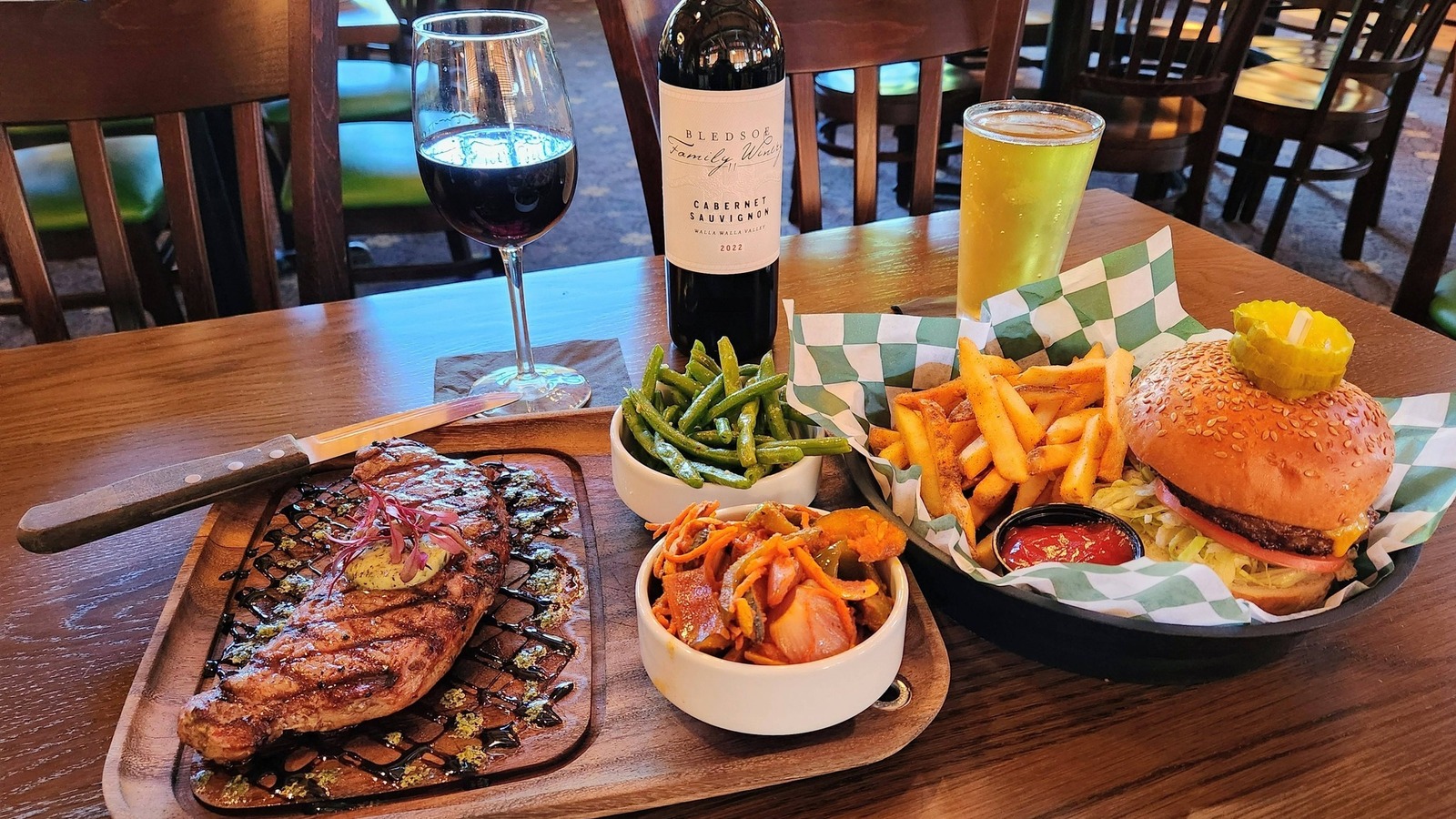
This once-massive restaurant chain was a staple of ’80s dining, but changing consumer habits took their toll, leaving only three locations in operation.
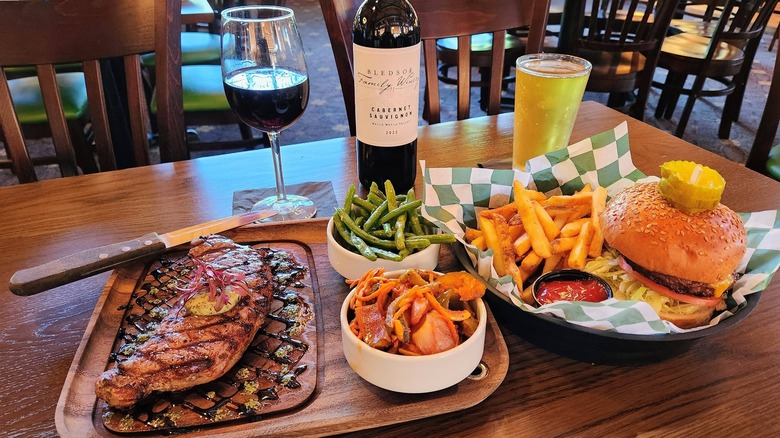
Mashed – Fast Food, Celebrity Chefs, Grocery, Reviews
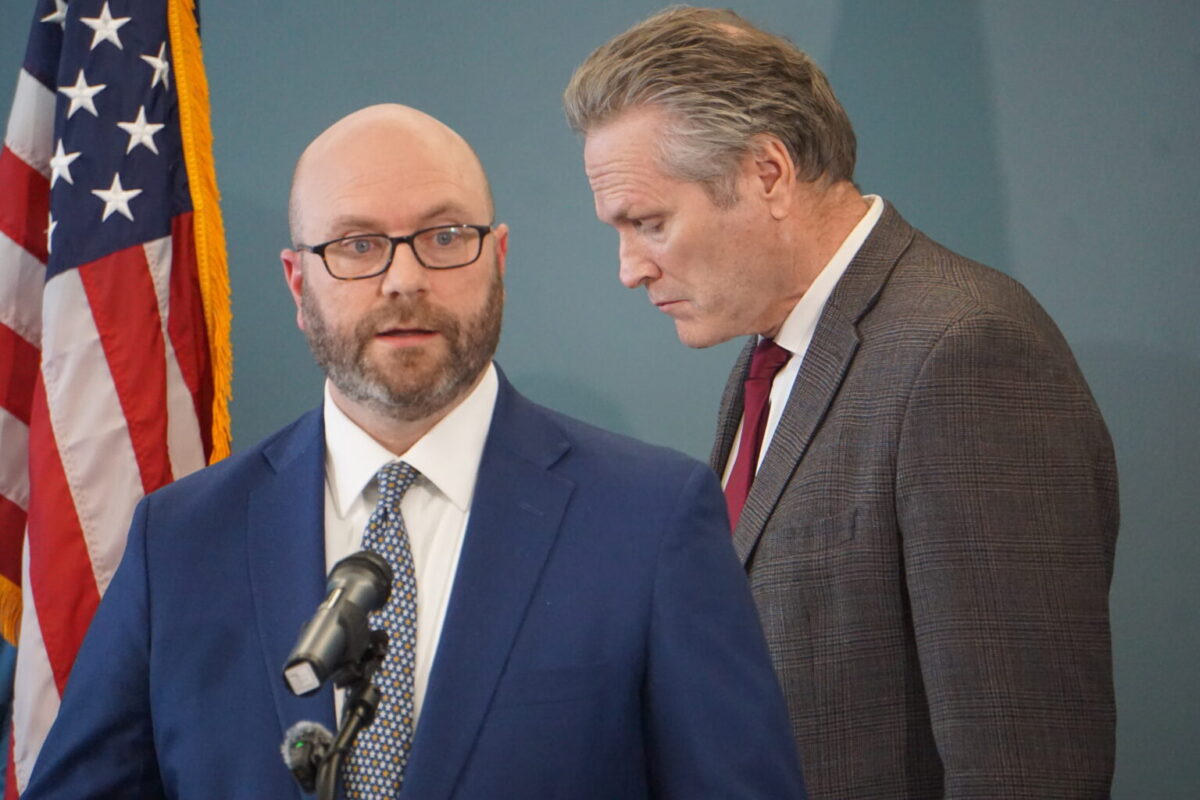
By: Corinne Smith, Alaska Beacon
State lawmakers raised concerns in a series of legislative hearings while they considered the confirmation of Gov. Mike Dunleavy’s attorney general designee Stephen Cox. At issue were controversial legal actions Cox took in his first eight months in office.

Cox is an attorney and has served in various roles in federal law enforcement, including as U.S. Attorney for the Eastern District of Texas and other roles in the U.S. Departments of Justice and Homeland Security, as well as in private industry in Texas and Alaska, according to his resume. Cox is a member of the Federalist Society, a national conservative and libertarian legal organization. Prior to being appointed, he worked as legal counsel for Bristol Bay Industrial, LLC, a holding company and investment subsidiary of the Bristol Bay Native Corporation, since 2021.
Dunleavy appointed Cox to the Attorney General’s office in August, after Treg Taylor resigned to run for governor. Cox appeared before lawmakers in Senate and House confirmation committees ahead of a joint session to vote on his appointment next week.
While in Alaska’s top legal post, Cox has taken several controversial actions lawmakers questioned. He defended handing over Alaska’s private voter information at the request of the U.S. Department of Justice, which has prompted a lawsuit by civil rights groups. Cox and the Alaska Department of Law also joined over 110 amicus briefs, or “friends of the court briefs” on a wide variety of federal and state cases, including U.S. Supreme Court cases.

Some lawmakers raised concerns that Cox has taken legal positions with amicus briefs that were highly politicized, aligned with the Trump administration and in some cases contrary to Alaska law and unrelated to Alaskans interests.
That included joining Alaska in cases opposing birthright citizenship, supporting a Christian baker declining to bake a cake for a same-sex wedding, and supporting the most recent case where the U.S. Supreme Court ruled that Louisiana’s congressional maps cannot be drawn based on race — a decision critics say effectively limits the Voting Rights Act.
Senate President Gary Stevens, R-Kodiak, asked why Cox had signed Alaska on to challenge birthright citizenship, which the U.S. Supreme Court is scheduled to decide in June. Stevens became emotional, saying it was a fundamental value to provide refuge to people fleeing war and poverty, or seeking better opportunities — like his own ancestors who escaped the Irish famine.
“It just baffles me. How can you or your department or anyone in the administration argue against birthright citizenship? It’s in our Constitution. It’s a moral issue,” Stevens said.

Cox said he believes that birthright citizenship should not be granted for children of those visiting or temporarily in the United States, but only for those who intend to stay.
“My view of the Constitution under the 14th Amendment is that it is not simply birth on the territory, that you also have to be not subject to the foreign jurisdiction, and that there has to be some kind of allegiance,” Cox replied.
“But I also recognize, like everything, I could be wrong,” he added. “But again, we will hear what the US Supreme Court decides on that issue.”
Lawmakers in the Senate Judiciary and State Affairs Committees pressed Cox on his reason for signing on to cases that they said would be contrary to Alaskan’s interests.
Sen. Matt Claman, D-Anchorage, asked if Cox would sign on to cases challenging abortion rights in another state, while Alaska’s Constitution protects the right to abortion within the right to privacy.
“What is your perspective with respect to filing amicus briefs and requests for amicus briefs regarding the right to abortion, that the courts have found is specifically protected in Alaska?” Claman asked.
After several minutes of back and forth, Cox finally said he would have to consider the specific case and consult with the governor.
“I would look hard at the law. I would consult the experts within the Department of Law. I would get their expertise. If I felt that the state of Alaska did not have an interest, I wouldn’t bring it,” he said. “If I thought that there was an interest in that the state of Alaska did have, notwithstanding what the Alaska Supreme Court has ruled in in its prior cases, I would have a conversation with the governor.”
Sen. Bill Wielechowski, D-Anchorage, questioned Cox on why he didn’t oppose a lawsuit before the U.S. Supreme Court that would require mail-in ballots to be received by Election Day, which would be a challenge for many rural Alaska precincts. Alaska law currently allows ballots to be received within 10 days, or 15 days if mailed overseas.

“Why didn’t you stand up for Alaska and say to the court: this is a bad law for Alaska. We want you to strike this down. We want you to say no to this,” Wielechowski said.
Cox defended the decision to submit an amicus brief declaring no support for either party as a “strategic choice.”
“I actually like briefs in support of neither party that are very fact-based. And I think, and again, I realize people might disagree, but I think sometimes they get noticed the most, but that was a strategic choice,” he said.
Lawmakers also questioned the time and resources expended by the Alaska Department of Law on amicus briefs, versus prosecutions and law enforcement in Alaska. “Why would we spend that money when we have this crisis on domestic violence and sexual assault, when that money is better spent on prosecution in state?” Claman asked.
Cox defended the initiative, and the creation of a new Alaska State Solicitor General role focused on multistate litigation in October. He said his goal in office is to pursue more amicus briefs.
“Going forward, I’d like Alaska to take more of a leadership role, offering more of our own briefs, and shaping the arguments directly, as opposed to just being a joiner,” he told lawmakers.
Several senators questioned Cox on his role in the Dunleavy’s administration’s decision to share confidential voter information at the request of the U.S. Department of Justice last year. Critics and plaintiffs in new lawsuit against the state say the sharing of voter information — including full name, birth dates and partial social security numbers — was a violation of voters’ privacy. The state also signed an agreement to remove voters the DOJ flags as ineligible.

Cox said he believed the request was lawful, and noted the federal government had threatened to sue.
“One, was there a statute that authorized disclosure of confidential information? There was, for lawful government purposes,” Cox said. “And two, we took the posture of cooperation. Alaska has a long standing history of cooperating with the U.S. Department (of Justice) Civil Rights Division.”
“And I will be candid with you,” he added. “I have a disposition of cooperating with law enforcement.”
Sen. Scott Kawasaki, D-Fairbanks, pressed Cox on the decision to share the voter information, which he and other lawmakers stressed is protected by Alaska’s Constitution.

“The state also has a constitutional right of privacy. It’s one of the, I think, bedrocks and one of the most important things I think some people recognize in the state constitution,” Kawasaki said. “Why was that not your first thought, is that Alaska has got a constitutional right to privacy. Let’s take a pause before we do anything more that the Department of Justice has requested?”
Cox defended the decision as lawful: “I will concede I am learning about the right to privacy. And the Legislature has far better expertise on the right to privacy,” Cox said. “And the law department’s position is that that statute is a valid statute and that it is not unconstitutional.”
Sen. Jesse Bjorkman, R-Kenai, also questioned the purpose of sharing Alaska’s voter information, which Cox defended as under “lawful government purpose” in the agreement. But Bjorkman raised doubts that the reasons the federal government may deem voters to be ineligible is clear.
“If we are releasing the data for a lawful purpose, but we can’t positively identify what the purpose is, and then judge that according to whether or not it is indeed lawful,” Bjorkman said. “I have a concern about that.”
Cox told lawmakers that while in the Attorney General’s office his priorities include a new “quality of life” initiative working with the municipality of Anchorage to prosecute retail theft and public disorder infractions.
“We’ve cross-designated prosecutors so that state and municipal attorneys can use each other’s authorities. We’re looking at civil tools like abatement actions to go after drug houses or even using data from retailers to identify patterns and repeat offenders,” he said.
Cox said prosecuting violent crime like domestic violence and sexual assault is always the No. 1 priority of the office, and added he’s focused on resource development and consumer protection as well.
“Alaska has some of the strongest consumer protection laws in the country, and I think we can be enforcing them more aggressively,” he said.
“At bottom, this job is about the rule of law, what the law requires, how it is applied and how we exercise the state’s power within those limits. I’ve spent much of my career in law enforcement settings where the stakes are real. Decisions affect liberty, public safety and public trust. That experience shapes how I approach this office,” he said.
Cox is scheduled to appear before the House Judiciary Committee on Monday. A joint session on state appointments was scheduled for May 7 but was postponed and likely will be set for early next week.
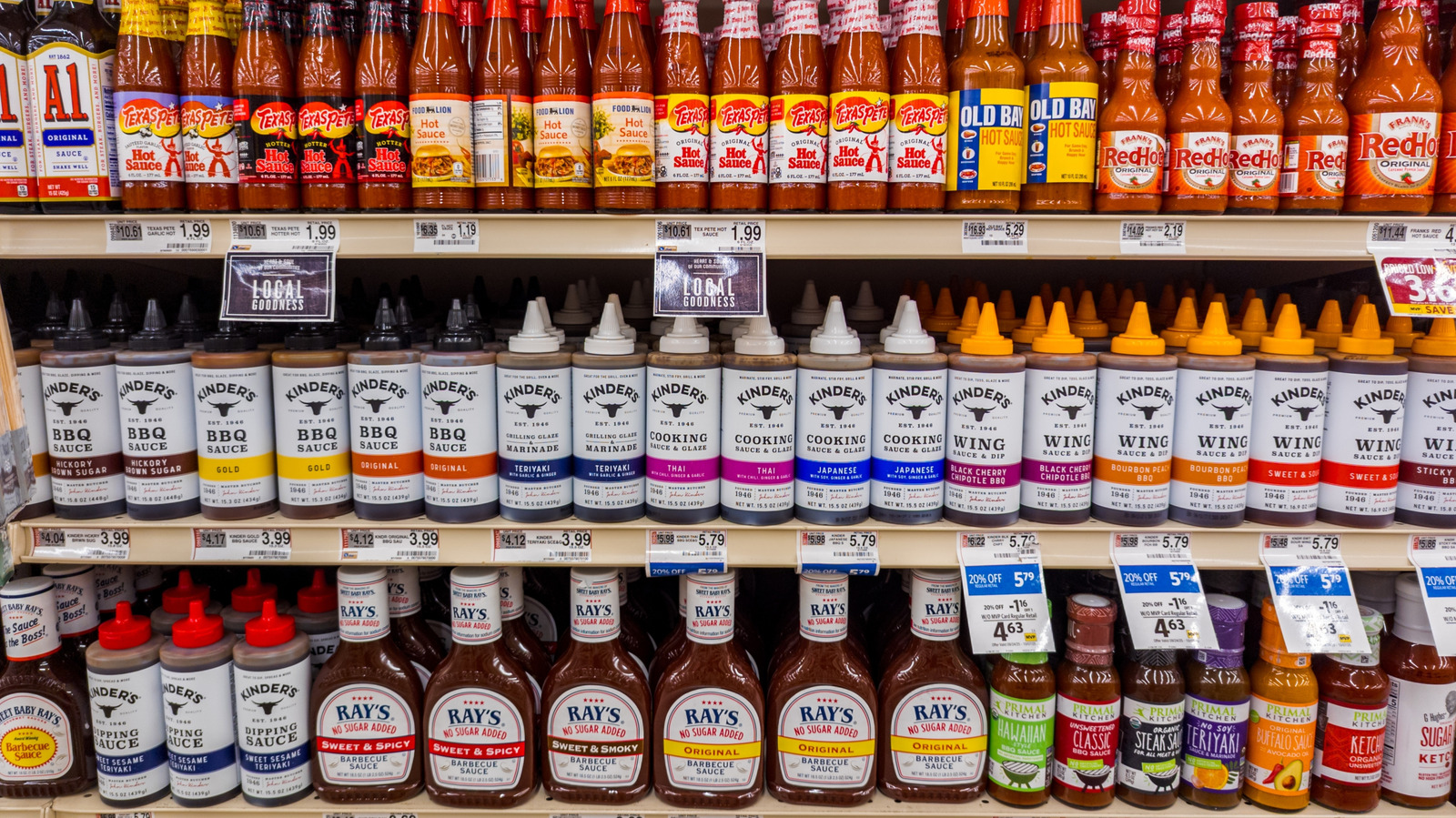
Store-bought barbecue sauce is great in a pinch, but if you want to amp up the flavor and take it to the next level, add this Japanese pantry staple.
Food Republic – Restaurants, Reviews, Recipes, Cooking Tips