A car has been found during the search for a man suspected of killing the parents, grandmother and uncle of a baby girl found abandoned in a US state.The Latest News from the UK and Around the World | Sky News
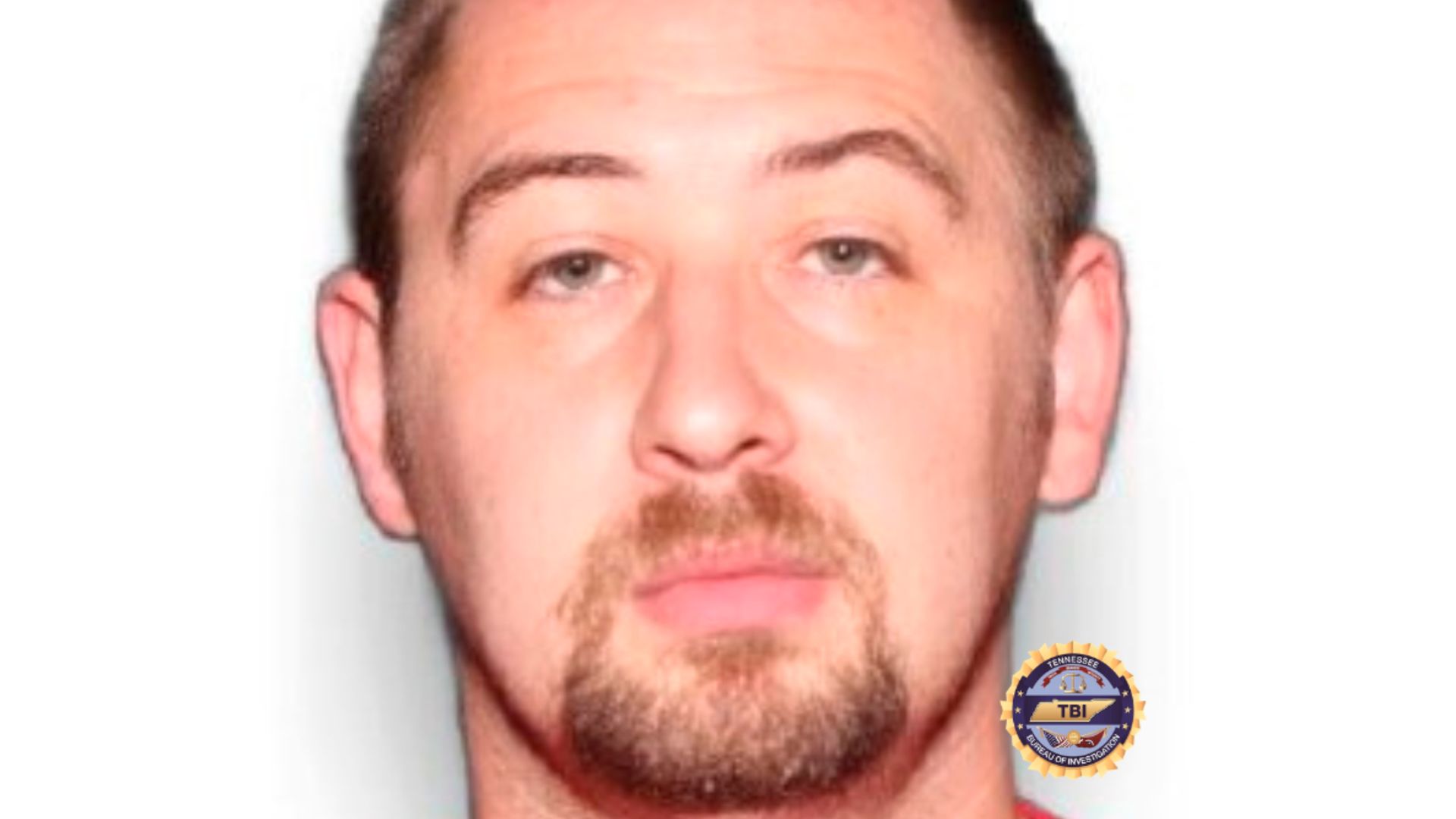









A car has been found during the search for a man suspected of killing the parents, grandmother and uncle of a baby girl found abandoned in a US state.The Latest News from the UK and Around the World | Sky News
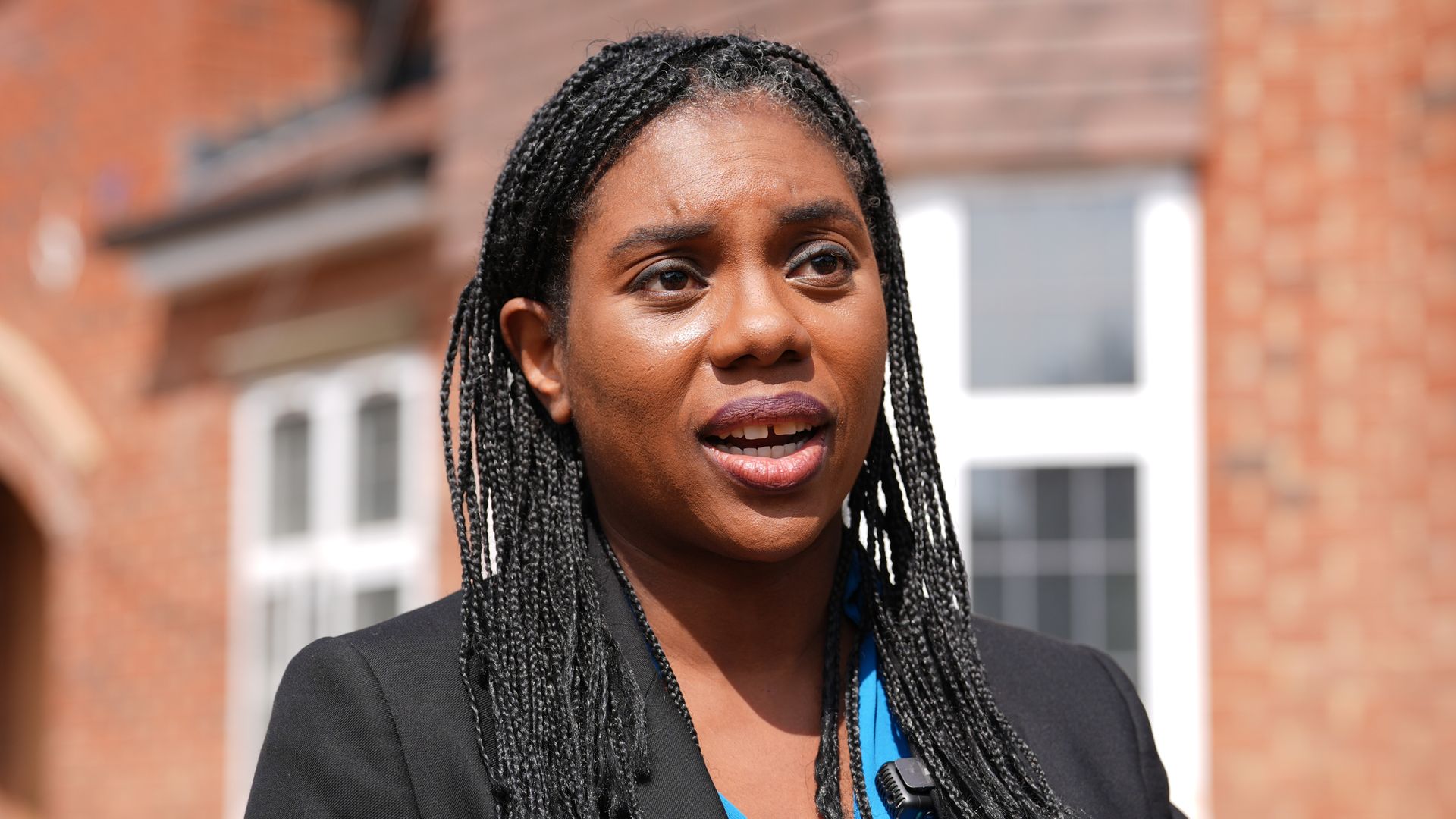
Kemi Badenoch has said she does not see herself as Nigerian and no longer has a passport for the country she grew up in.The Latest News from the UK and Around the World | Sky News

A British doctor who has just returned from Gaza says a drone followed her colleague home where it wiped out his family.The Latest News from the UK and Around the World | Sky News

Zarah Sultana and Jeremy Corbyn may be the figureheads of a new left-wing party, but already there is a battle over leadership.The Latest News from the UK and Around the World | Sky News
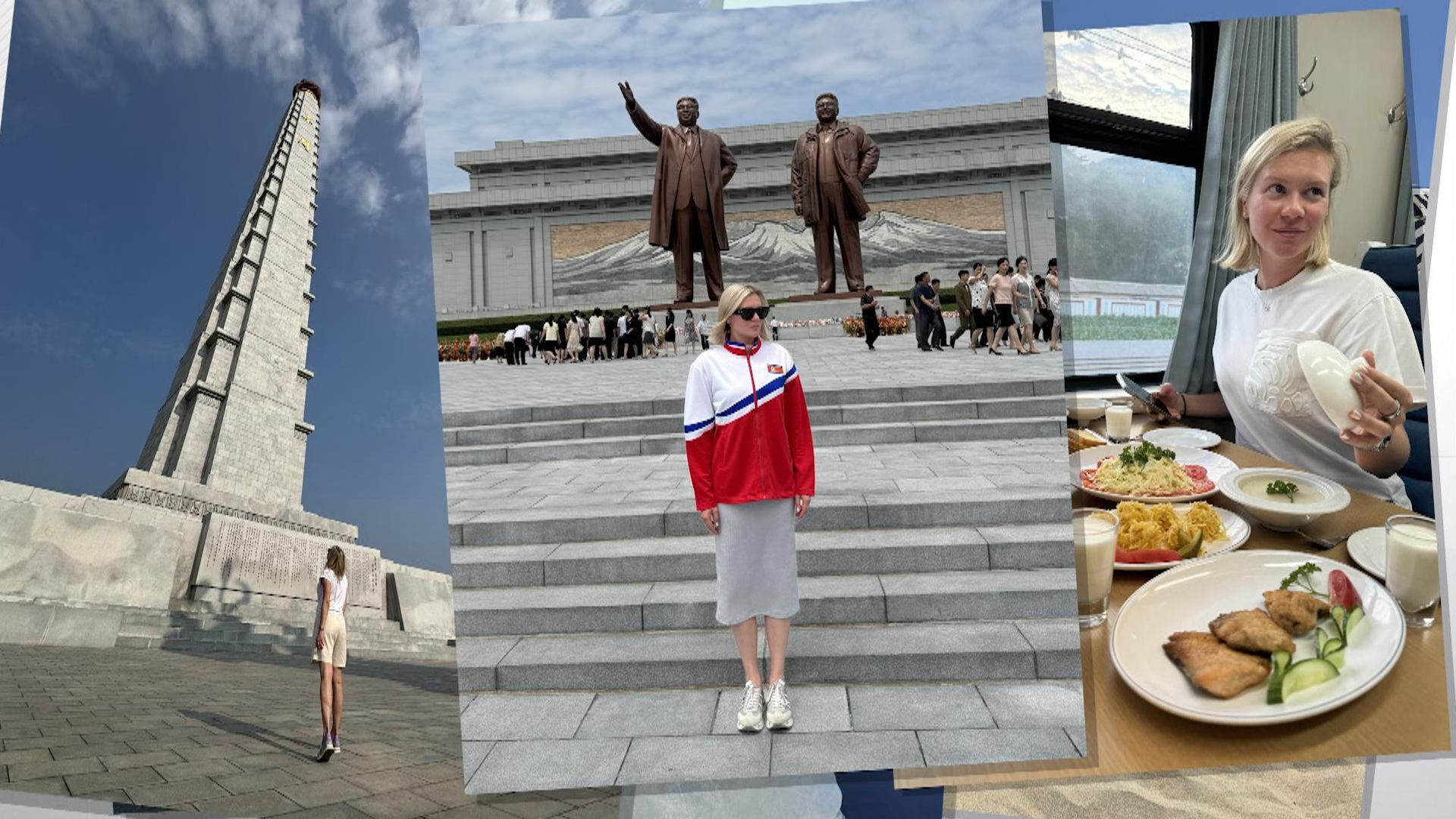
The world’s most secretive state is a mystery for billions of people – but not Anastasiya Samsonova.The Latest News from the UK and Around the World | Sky News
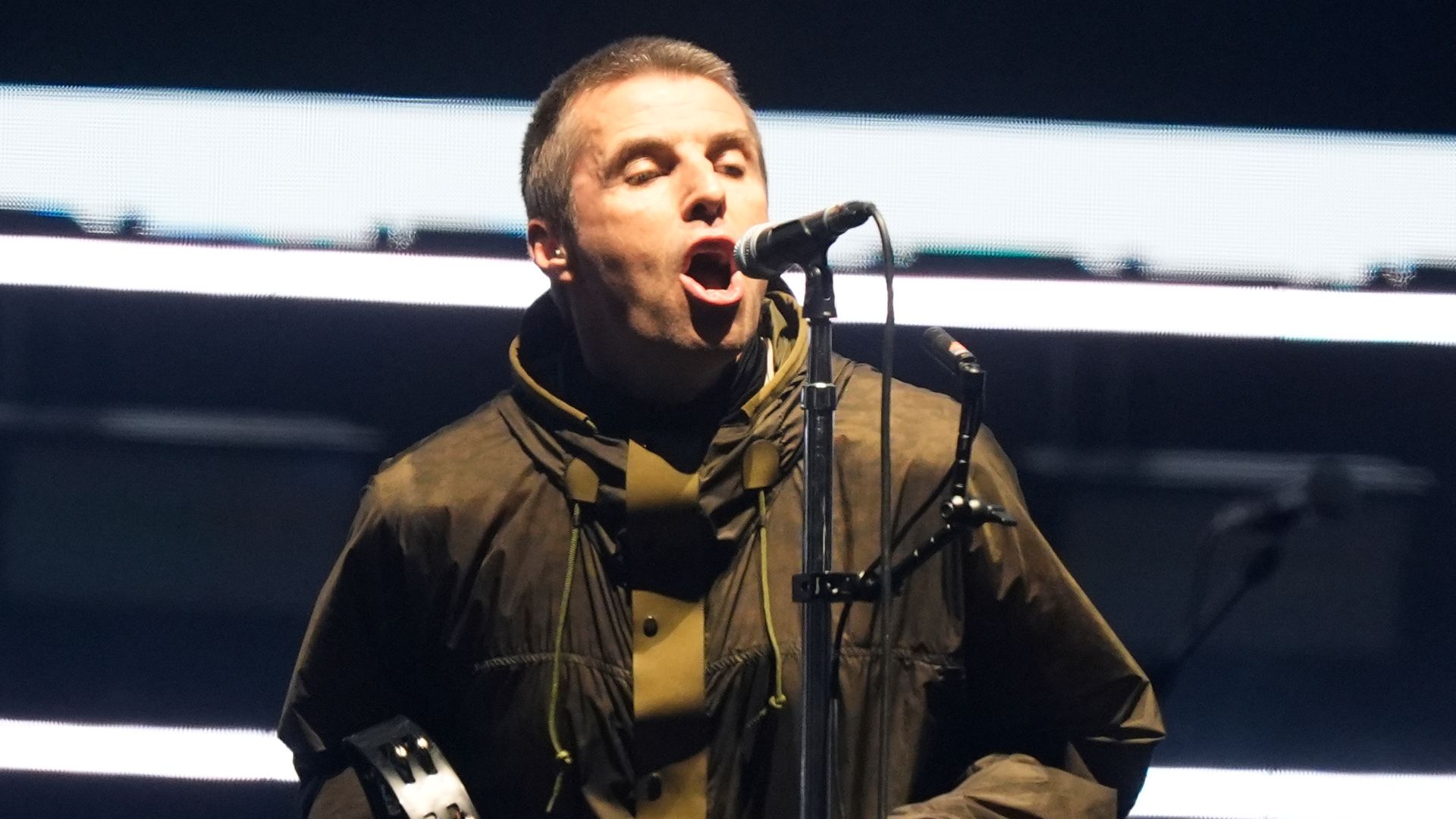
For years now, many performers at Edinburgh Fringe have spoken about their struggles to afford the sky-high prices for their accommodation each August.The Latest News from the UK and Around the World | Sky News

Two siblings who drowned while on holiday in Spain have been named – with a fundraiser for their family reaching £40,000.The Latest News from the UK and Around the World | Sky News
By: James Brooks and Corinne Smith, Alaska Beacon
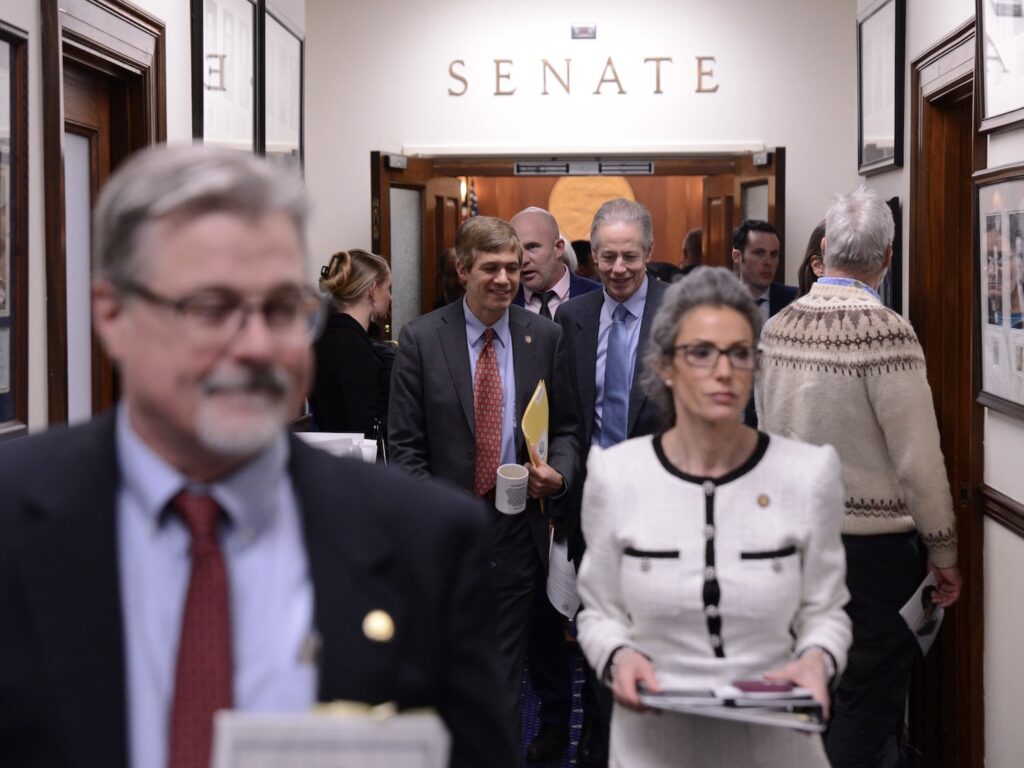
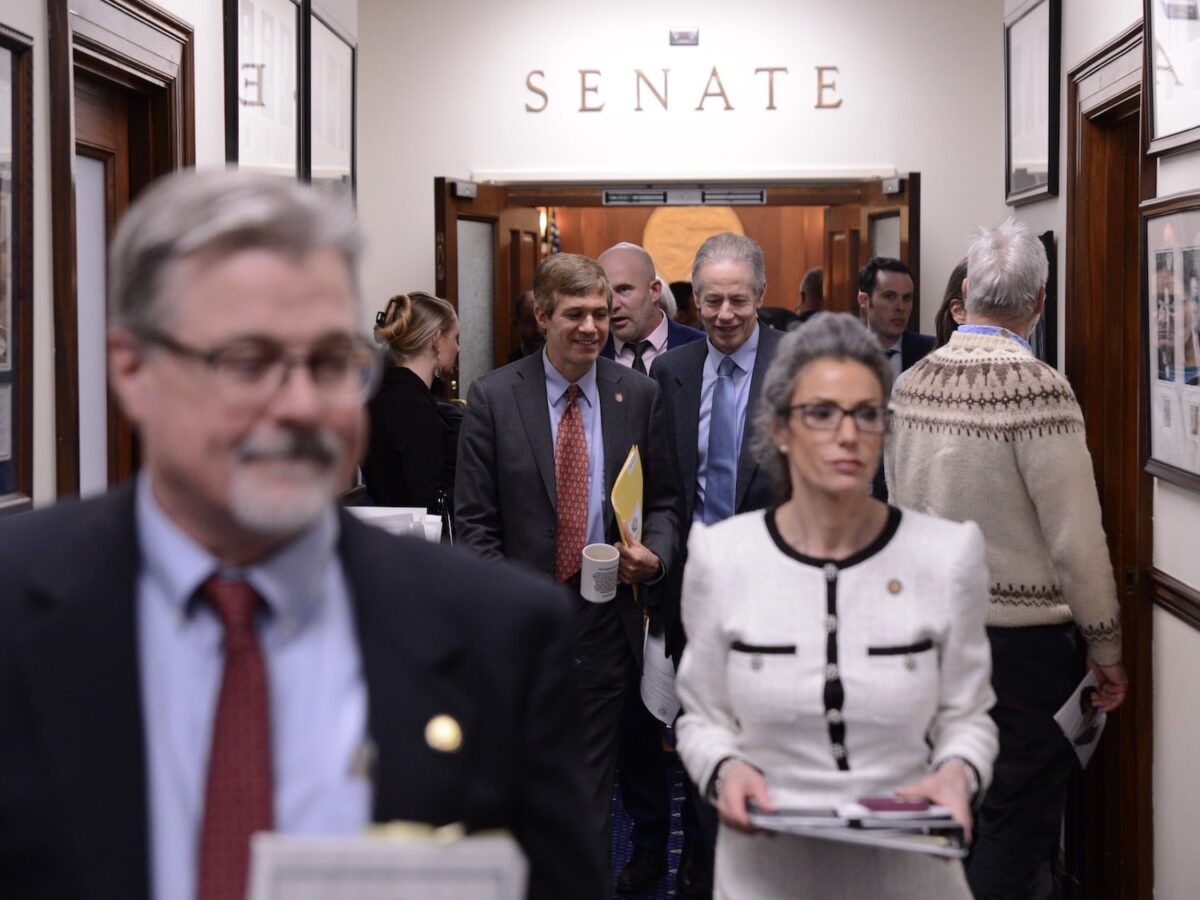
Alaska lawmakers are scheduled to meet at 10 a.m. in Juneau for a special session of the Alaska Legislature. You can watch live online on Gavel Alaska.
Gov. Mike Dunleavy called the special session. The official agenda says that it will involve legislation about education policy and a proposed Alaska Department of Agriculture.
No.
They’re going to vote on overriding at least some of the vetoes the governor has made since the regular legislative session ended in May.
No. 1 on the list is the governor’s decision to veto about $51 million in funding for public schools. The No. 2 item is the bill that would require the Alaska Department of Revenue to provide lawmakers with additional information about tax settlements between oil companies and the state. Lawmakers believe the state may be settling tax disputes for far less than they’re worth, costing the state millions.
Some legislators are interested in taking up other vetoes as well, including the governor’s decision to cancel a ban on payday loan lending, his decision to veto money for transportation projects, and his vetoes of bills affecting police dogs and teacher housing, among others.
It’s too close to call. The Alaska Constitution says votes from 45 of 60 legislators are needed to override a budget veto. In May, 46 legislators voted in favor of overriding the governor’s decision to veto a bill that increases the state’s public school funding formula.
That was the first time since 2002 that legislators voted to override the veto of a sitting governor.
It isn’t clear whether everyone who voted in favor of that first override will vote in favor of the second.
Overriding a policy bill veto, like the one dealing with the tax settlements, takes 40 votes.
Probably not. Some conservative Republicans had said they would stay away from the session in a show of support for the governor’s vetoes. Immediately after calling the special session, Dunleavy asked them to be absent for the first five days because an absence is as good as a “no” vote when it comes to a veto override.
He later changed his position, asking lawmakers to begin meetings about his stated agenda on Sunday, and some Republicans changed course and said they will attend the session, after all. It wasn’t clear whether all have done so, but it isn’t likely to affect the vote total on the potential override.
Sen. Forrest Dunbar, D-Anchorage, is in favor of an override and had been expected to be unavailable because of military service overseas. He ended up getting a special leave of absence and is flying back from Europe. Sen. James Kaufman, R-Anchorage, is flying back from Vietnam to attend. Other legislators have canceled family plans and postponed business trips.
On the low end, a few hours. On the high end, a few days. Officially, the special session can last for up to 30 days, but legislators have said they won’t use all that time.
In some previous special sessions, legislators have left Juneau without formally closing the special session, just in case they need to come back. Those special sessions ended after the 30th day.
Based on historical costs, the estimated cost for a special session is $30,000 per day, according to the Legislative Affairs Agency, the Legislature’s nonpartisan support agency. But that cost depends on the duration and scope of the special session, said Jessica Geary, the agency’s executive director, by email on Tuesday.
“Many legislators had to change summer travel plans to attend the special session, and many of them purchase their own travel and submit for reimbursement. At this point we don’t have any concrete cost estimates and won’t know until the special session concludes,” she said.
Geary said legislators have up to 60 days to submit reimbursements for expenses like hotel lodging, transportation and airfare, staffing, expenses, and so the agency will have a total cost by October.
Legislators receive an annual salary of $84,000 per year. The 57 members that live outside of Juneau are entitled to receive a “per diem” amount of $332 per day to cover expenses.
No. Legislators have created a task force to consider education policy changes, including those from the governor. One idea supported by the governor is open enrollment — allowing a student to move between different schools and school districts, regardless of where they live. That will be considered by the task force, which meets Aug. 25.
Legislators are also considering a bill that would create the Alaska Department of Agriculture. That bill is broader than the governor’s initial plans; for example, it would include sea farms (formally known as aquaculture), which are the fastest-growing agricultural sector in Alaska.

NOTN- Human remains discovered more than two decades ago in the Gastineau Channel have been identified as those of Darryl Bruce Fawcett, reported missing in 1999, authorities said Wednesday.
The Juneau Police Department, in coordination with the Alaska Department of Public Safety and the State Medical Examiner’s Office, confirmed the identification using new DNA analysis techniques made available this month.
Fawcett, who was said to be experiencing homelessness at the time, had not been in contact with family since September 1999. He was reported missing in December of that year after relatives became concerned when mailed checks were returned uncashed. Authorities said Fawcett may have briefly traveled to Yakutat, where local police confirmed he was seen before disappearing.
On March 13, 2004, a diver discovered human remains approximately 83 feet underwater in the Gastineau Channel near Merchant’s Wharf. The remains were recovered and submitted to the State Medical Examiner’s Office, but could not be identified with the forensic tools available at the time.
On July 21, 2025, the Alaska Scientific Crime Detection Laboratory implemented a new DNA extraction method capable of generating profiles from bones and teeth. Less than two weeks later, on July 31, officials confirmed the remains as those of Fawcett.
The Alaska State Troopers have notified Fawcett’s next of kin.
President Donald Trump’s first term saw a record-high rate of turnover among his Cabinet members and chief advisers. Trump’s second term has, to date, seen far fewer Cabinet departures.
But some political commentators have observed that the president this time around has primarily appointed loyal advisers who will not challenge him.
As Thomas Friedman pointed out in The New York Times on June 3, 2025, “In Trump I, the president surrounded himself with some people of weight who could act as buffers. In Trump II, he has surrounded himself only with sycophants who act like amplifiers.”
As a scholar of Greco-Roman antiquity, I have spent many years studying the demise of truth-telling in periods of political upheaval. Spanning the period from 27 B.C.E. to 476 C.E., the Roman Empire still offers insights into what happens to political leaders when they interpret possibly helpful advice as dissent.
Particularly telling is the case of Nero, Rome’s emperor from 54 to 68 C.E., who responded to a disastrous fire in 64 with extreme cruelty and self-worship that did nothing to help desperate citizens.
Rome’s first emperor, Augustus, established a handpicked circle of advisers – called the consilium principis in Latin, meaning emperor’s council – to give a republican look to his autocratic regime. Augustus became the emperor of Rome in 27 B.C.E. and ruled over the empire, which stretched from Europe and North Africa to the Middle East at its peak, until his death in 14 C.E.
Augustus wanted to hear what others thought about the empire’s needs and his policies. At least some of Augustus’ advisers were bold enough to assert themselves and risk incurring his displeasure. Some, such as Cornelius Gallus, paid for their boldness with their own lives, while others, such as Cilnius Maecenas, managed to push their political agendas in softer ways that allowed them to maintain their influence.
But the Roman emperors who came after Augustus were either less skilled at maintaining a republican facade, or less interested in doing so.
Nero was the last of the emperors from the noble Julio-Claudian dynasty in ancient Rome at its peak of power. Historians who describe Nero’s rise and fall from power describe the first five years of his reign, or the quinquennium neronis in Latin, as a period of relative calm and prosperity for the empire.
Because Nero was just 16 years old when he acceded to power, he was assigned advisers to guide his policies. Their opinions carried significant weight.
But five years into his reign, chafing at their continued oversight, Nero began to purge these advisers from his life, via execution, forced suicide and exile.
Nero instead collected a small cadre of self-interested enablers who derived power for themselves by encouraging their leader’s delusions, such as his desire to project himself as the incarnation of the sun god, Apollo.
The single most unspeakably corrupt and nefarious of these preferred advisers was Ofonius Tigellinus. Tigellinus had caught Nero’s eye early in 62 by urging the senate to convict a Roman magistrate of treason for having composed poems that he deemed insulting to the emperor. Later that year, Tigellinus was appointed the head of the emperor’s personal army.
As praetorian prefect, Tigellinus was charged not only with protecting Nero from physical harm, but also with crafting and guarding the leader’s public image. Tigellinus urged Nero to stage an ongoing series of public spectacles – like theatrical performances and athletic competitions – that featured him as a divine ruler and a god on Earth.

It was likely at Tigellinus’ urging that, in the aftermath of the great fire of 64 that raged for six days in Rome, Nero staged an exorbitant garden party where Christians were soaked in flammable oils and lit as human torches to illuminate a decadent late-night feast.
But, try as he might, Nero couldn’t outrun the fire and its aftermath by indulging in clever cruelties. Huge swathes of the city had been razed by the fire. Thousands of citizens lacked clothing. They were hungry, displaced and homeless.
For answers, the fire’s countless victims looked to Nero, their earthly Apollo, for help. But they did not encounter a sympathetic leader sweeping in to address their needs. Instead, they found a man desperate to place blame on others – in this case, foreigners from the east.
In order to squelch rumors that Nero had lit the fire, Tigellinus’ army unit rounded up Christians, falsely blamed them for starting the fire and executed them.
But this move just showcased Nero’s failure to focus on the dire needs of the poor, the very people who worshipped him. Instead, he sought to rise above the ashes by doubling down on his divine pretensions.
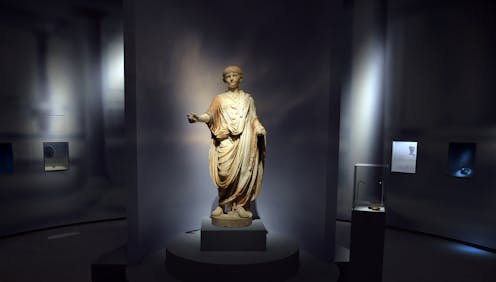
Once the rubble left by the fire was cleared away, Nero built a magnificent new home for himself. This palace, called the domus aurea in Latin, meaning house of gold, covered more than 120 acres in the heart of Rome. It featured spectacular water fountains, elaborate works of art and, standing tall in the entryway, a 120-foot bronze statue of Nero as the sun god, Apollo.
No truth-teller was there to tell Nero that maybe he shouldn’t rub his people’s noses in their suffering.
Nero’s delusional response to the fire did not put an end to his career, but it did much to hasten its end.
Less than four years later, with armies bearing down on the city, Nero committed suicide. Rome tumbled into civil war.

Trump has long expressed a desire to have his face carved on Mount Rushmore, a national memorial in South Dakota that features the likenesses of legendary American presidents George Washington, Abraham Lincoln, Thomas Jefferson and Theodore Roosevelt.
This dream became a bit closer to reality when Tennessee Representative Andy Ogles in July 2025 urged the Department of the Interior to explore adding Trump’s image to Mount Rushmore – even though such an addition might not be possible because of geological issues.
Trump’s critics have long noted the president’s propensity to focus on himself and his own greatness and power, rather than the needs of citizens.
As far away as the Roman Empire might seem, Nero’s rise and fall offers a lesson in what can happen when honest criticism of a political leader is sidelined in favor of idolatry.
Instead of honest solutions to real problems, what Romans got was a colossal statue that portrayed their leader as a god on Earth.

Kirk Freudenburg does not work for, consult, own shares in or receive funding from any company or organization that would benefit from this article, and has disclosed no relevant affiliations beyond their academic appointment.
Politics + Society – The Conversation