 Is there anything Ella Bleu can’t do?
The multi-hyphenate daughter of John Travolta and late actress Kelly Preston just added another impressive feat to her resumé: making her Paris Fashion Week…
E! Online (US) – Top Stories









Is there anything Ella Bleu can’t do?
The multi-hyphenate daughter of John Travolta and late actress Kelly Preston just added another impressive feat to her resumé: making her Paris Fashion Week…
E! Online (US) – Top Stories
With some planning, one-person households can get their money’s worth at Costco by buying the right types of food in bulk. Here’s what to choose.
Mashed – Fast Food, Celebrity Chefs, Grocery, Reviews

 Constance Zimmer is looking back at a difficult chapter.
With October being Breast Cancer Awareness Month, the Love Story star reflected on navigating her private battle with breast cancer while…
E! Online (US) – Top Stories

 Justin Timberlake’s love for Jessica Biel’s will last until the end of time.
Indeed, the Grammy winner shared a sweet tribute to the Candy star in honor of their 14th wedding anniversary, proving…
E! Online (US) – Top Stories
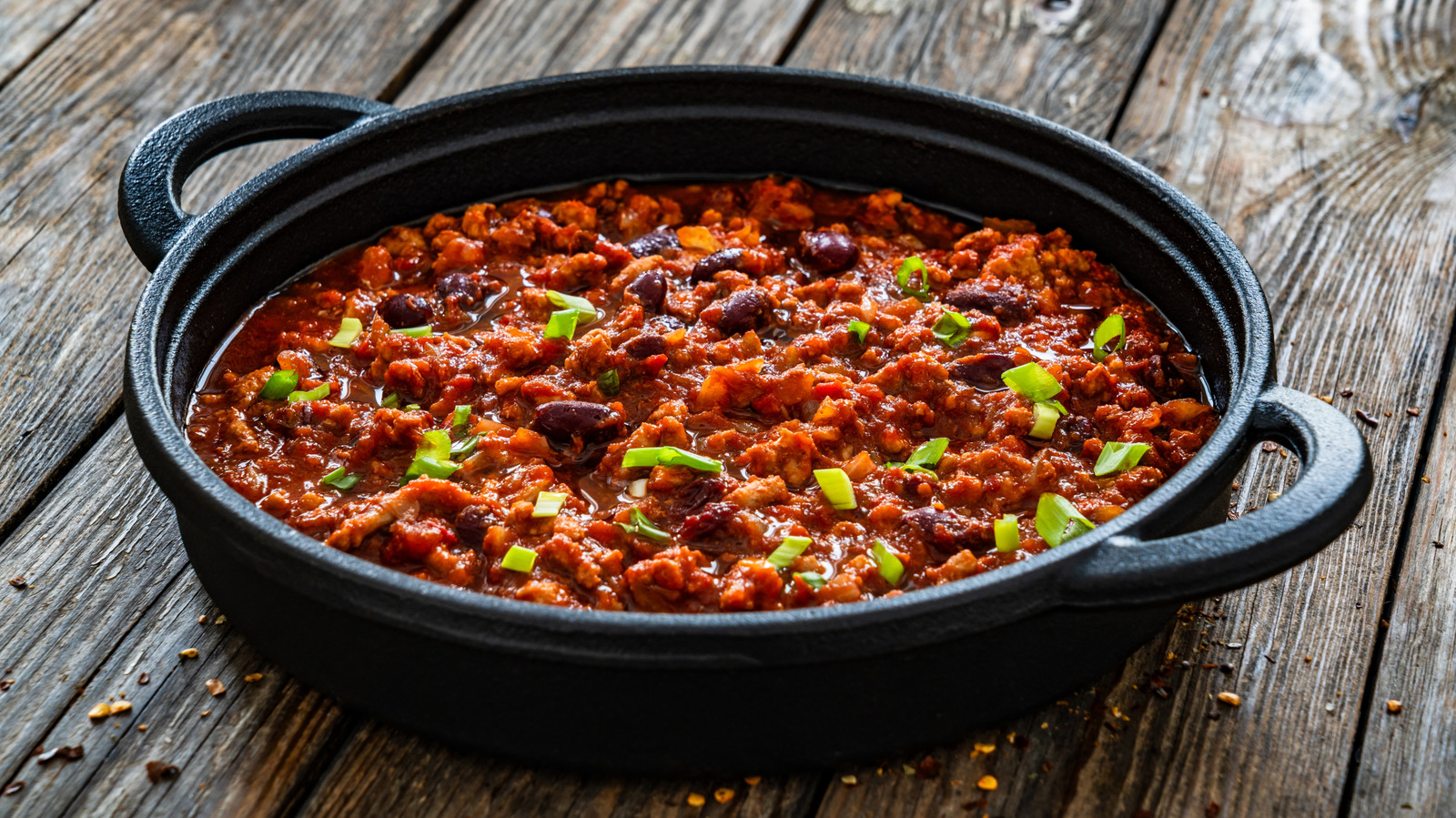
Provided you have the tools to cook meat low and slow, this chili-cooking method guarantees a ton of rich, aromatic flavor – and it’s largely hands-off.
Food Republic – Restaurants, Reviews, Recipes, Cooking Tips

For most Americans, the night sky never fully goes dark anymore, and their bodies have registered the difference. Researchers have linked artificial light at night … Read moreThe post We’re living in a world that never gets fully dark, and…
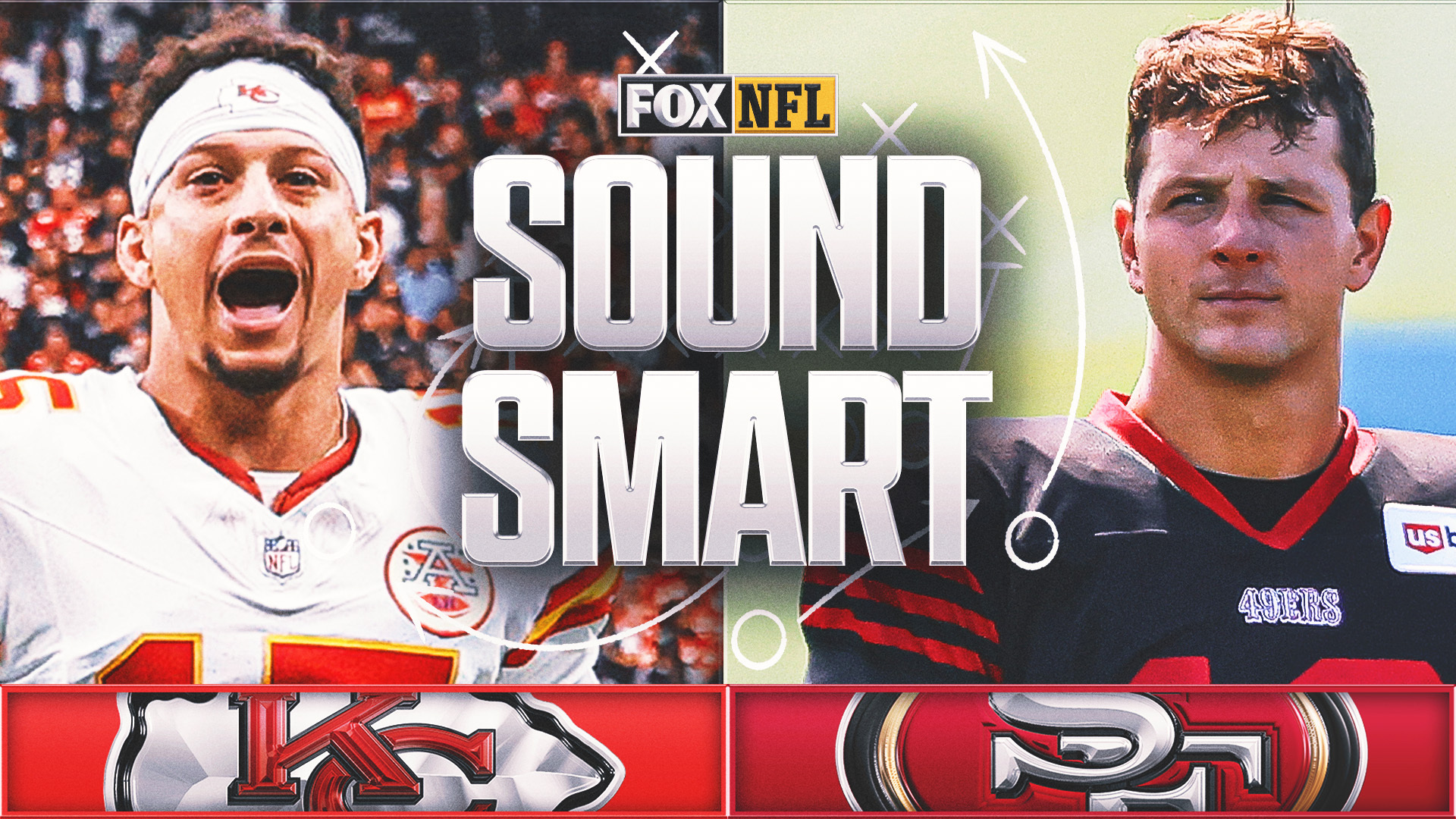
Drake Maye upstaged Josh Allen. Tetairoa McMillan upstaged Amon-Ra St. Brown. And the Jacksonville Jaguars upstaged the Cincinnati Bengals. That’s just the beginning as we try to digest Week 4. It wasn’t the Sunday that we expected. But it was the best NFL Sunday yet in 2026, with 10 games finishing with a one-score differential. It was chaotic in the best way. Welcome to Sound Smart, where I take you beyond what’s obvious. Let’s go below the surface. Let’s spin it forward, dive deeper, think outside the box and read between the lines. If I do my job, you’ll be fluent in the NFL’s Week 4 action. Watching Kenneth Walker III explode for the Kansas City Chiefs feels a bit like watching LaDainian Tomlinson in 2006, when he rushed for 28 touchdowns (and caught three more). I know Walker’s touchdown total isn’t likely to flirt with what Tomlinson posted. But their levels of dominance feel comparable, with Walker running for 177 yards and two touchdowns — now up to six total on the season — in the team’s 30-27 win over the formerly undefeated Raiders. This must exceed what the Chiefs imagined for Walker, whom the team signed to a three-year, $43.05 million contract as a free agent after he won Super Bowl MVP with the Seahawks. This is the beginning of something new for Kansas City. Something super. Walker is one of a handful of newcomers who have opened up a new Super Bowl window for superstar quarterback Patrick Mahomes. If not for this impressive offseason, it would be another rebuilding year for K.C. But the Chiefs are realistically thinking about a title again. Their rebuilding year was last year. They’ve jumped right back into dynasty mode. Rookies Mansoor Delane and R Mason Thomas have looked like real contributors and, at times, stars for the Chiefs in these early games. Edge rusher Thomas managed eight pressures against the Raiders, a game-high and a season-high for the rookie. Cornerback Delane actually had an outlier game, allowing 83 yards and a touchdown. But on the season, he has allowed just 10 catches on 18 targets for 107 yards and this week’s TD. He has also been a willing and capable run defender, earning his snaps on just about every down. So, yeah, he’s doing just fine. But Delane was selected sixth overall. He was supposed to be solid. Thomas went in Round 2. He was supposed to make some big plays. What about tackle Kahlil Benson? Ever heard of him? He’s an undrafted rookie who has started multiple games on Mahomes’ blindside. And if you haven’t heard of him, it’s because Benson has been awesome, allowing just two pressures in Week 4. You don’t hear about him because he’s doing such a good job. Between Walker and the rookie class — the Chiefs have studs to build around for the long haul. And that shouldn’t take anything away from the veteran additions. Defensive tackle (and fullback) Khyiris Tonga, safety Alohi Gilman and cornerback L’Jarius Sneed — all of whom joined K.C. in free agency — have allowed defensive coordinator Steve Spagnuolo to do what he does best: dial up elaborate blitzes. Those can be tricky for newcomers — even though Sneed originally played for the Chiefs before spending two years with the Titans — but you don’t see the personnel holding Spags back in the slightest. Nor do you see the Chiefs holding back Mahomes. He seemed to carry the weight of the world or — at the very least — his offense in recent years. Now, he’s playing with a breezy, carefree attitude. The ball pops out of his hand. He’s running with energy that makes you forget he just got back from an ACL injury. There’s magic in his game again. And you don’t hear any criticisms about Andy Reid’s play designs or calls. That’s gone, too. It’s not because the Chiefs ran it back. It’s because they welcomed change. The new guys have meshed perfectly. And so the Chiefs’ dynasty rolls on. If the Rams are playing, then you’re going to see a close-up shot of Sean McVay imploring his team to get in the game. It has happened basically every week. It has become a 2026 staple. And it certainly wasn’t one I expected. McVay pulled his offense aside in Australia against the 49ers and begged the players to get it together. Then again in Denver, in the second half, when the Rams let the win slip through their fingers. And then again in Philadelphia — right before the Rams finally won a tight game against a good team. It took two touchdowns in the final four minutes to edge the Eagles 24-20. McVay was asked what he said to the offense in Week 4 — when he pulled them aside. “I don’t remember exactly. It was more just what was on my heart. Just: ‘Guys, we’re capable. You’ve gotta believe. And you’ve gotta just string good plays together. Our defense is doing everything that they can to keep us in this game.’ And I believed in that group,” McVay told reporters after the game. I guess this is the first time he’s gotten through to his squad. The question is why this “Super Team” has gotten itself into so much trouble this year. Why has its coach had to implore the Rams players to believe in themselves? Now, the obvious answer is that they’re overhyped, overly confident and overly complacent. I’ll buy that. The other obvious explanation is injuries. Edge Myles Garrett (knee) has missed three games. Aaron Donald (back) missed this week. Receiver Puka Nacua (hip/groin) missed time before returning this week. Outside of quarterback Matthew Stafford and receiver Davante Adams, those are the superstars who were supposed to make this team super. McVay chose optimism for what was a deeply improbable win. “[The comeback] says that they’re mentally tough. I think that’ll really serve us well,” he said. “I’m really proud to just be a part of this group — and what they represent.” He added: “I’m proud that we came to life when we had to — and it’s because our defense gave us a chance to.” In theory, the Rams will get healthier — or, at the very least, they’ll see their stars progressively get healthier. And maybe McVay’s optimism is founded. Maybe he sees something developing that I’m missing. But I see Stafford struggling as much as he has since maybe 2022. I see the Rams lack consistency from quarter to quarter. They should be more dominant than this. They shouldn’t need their coach to pull them aside every game. They should play four quarters of good football. They should be a Super Team. Brock Purdy opened the season as the league’s most dominant quarterback, both in counting stats and in advanced stats — from touchdowns to interceptions to expected points added to completion percentage over expected. All that, however, came with an asterisk. *But the 49ers hadn’t played anyone good. Well, for all the haters, this performance checks off the unchecked box: Handle a good defense. The Niners beat the Denver Broncos 24-14 on Sunday. There was a minute there when it didn’t look pretty for Purdy. He started 10-of-20, with the cold streak extending into the beginning of the third quarter. But he followed it with a concluding run of 9-of-10. By game’s end, he was 19-of-30 for 218 yards and two touchdowns — stats boosted in large part due to a huge screen play from George Kittle, who took it to the house for a 56-yard touchdown. Maybe it wasn’t a huge game. But it was an extremely clean game from Purdy — spotless, in fact. He had zero turnovers and took zero sacks. In fact, he hasn’t been sacked yet this season. He was much better against the Broncos’ blitzes (10-of-12, 124 yards, 2 TDs) than when they sent four or fewer (9-of-18, 94 yards). The game didn’t call for him to be the hero. He read the situation. He managed the situation. And the 49ers stayed undefeated, taking down a Broncos team that has quality wins against the Rams and Jaguars. These sorts of gritty wins are a crucial part of the MVP hunt. Be a part of the win. Don’t get in the way of the team. Don’t turn a win into a loss. And, from my vantage point, it was exactly the type of game that Purdy needed to stay on pace with the big dogs in the MVP race. Patrick Mahomes, Josh Allen and Lamar Jackson should all be in the mix this year. Eventually, Purdy will need a marquee performance. But if it’s meant to be, that’ll come. Because he’s in the NFC West. He’ll see the Rams again, and he’ll see the Seahawks twice. There will be no shortage of adversity. This was his first big test. He passed — not with flying colors — but he did enough. And he knows as well as anyone that this is just his first test. He’ll get plenty more. It was a dizzying finish, with points upon points. Yards upon yards. In the Cowboys’ 34-30 win over the Texans, every play was competitive — all the way to C.J. Stroud’s final incompletion in the end zone on the game’s final play. But the Cowboys don’t have to make it this hard. CeeDee Lamb shouldn’t have had to log 17 catches for 189 yards and a touchdown with 40 seconds left. Running back Javonte Williams shouldn’t have had to score three touchdowns. And that’s because this defense isn’t good enough to sustain the Cowboys. Which is exasperating, because … how long have we been saying that? Of course, the Dallas defense did improve from last week — in a sense. It didn’t blow the game. Last week, in a string of game-management mistakes, the Cowboys let Ravens quarterback Lamar Jackson and receiver Zay Flowers complete an improbable play that put Baltimore in field-goal position. The Ravens took the lead as time expired. It was a 34-31 Baltimore win, but it felt more like the Cowboys lost it. So, yeah, the Cowboys didn’t let their late lead slip away again. But I’m not really sure that counts for much. Not in my book, at least. The Texans are 0-4, and while they’re a little better than their record shows, they’re not much better. Stroud is playing his way out of a contract extension. DeMeco Ryans is testing his job security. Things are spiraling in Houston. The Cowboys just need to learn how to put teams away. They’ll remain an unserious team until their defense … starts playing defense. What do you see when you watch that throw? I see a quarterback who’s confident beyond what’s reasonable. For Drake Maye, that’s a good thing. This isn’t your average 23-yard touchdown. Obviously, it’s an incredible throw — and an incredible catch. It was the go-ahead touchdown in the Patriots’ 29-26 win over the Bills in Buffalo. But also, that’s receiver Efton Chism III, who entered training camp as — maybe — the Patriots’ WR7. He had five career catches going into this game. The throw flipped the game, changing the Patriots’ probability of winning from 27.4% to 60.2%, per Next Gen Stats. The pass had a 29.7% chance of completion. Perhaps most importantly, the throw came from Maye, who I pegged as having confidence problems. I wasn’t the only one. Coach Mike Vrabel implied the same thing. “I can’t manufacture confidence. I can’t just say, ‘Hey, be confident,’” Vrabel told reporters last week. “You have to practice. You have to hit those plays in practice, and you have to feel good about it.” Over the first three weeks, Maye had one touchdown and six interceptions. He was taking too many unnecessary risks. His deep ball lacked the confidence that we saw in 2025. And every pass looked overly difficult — and overthought — particularly the final interception in New England’s blowout loss to the Jacksonville Jaguars last week. Maye had confidence issues. And sometimes, that’s more complicated than fixing footwork and/or a throwing motion. Sometimes, that’s easier. Much easier. Because, heck, maybe the Patriots and Maye just fixed those issues with a win on the road. They’re 2-2 and the sky is no longer falling in New England.Latest Sports News from FOX Sports
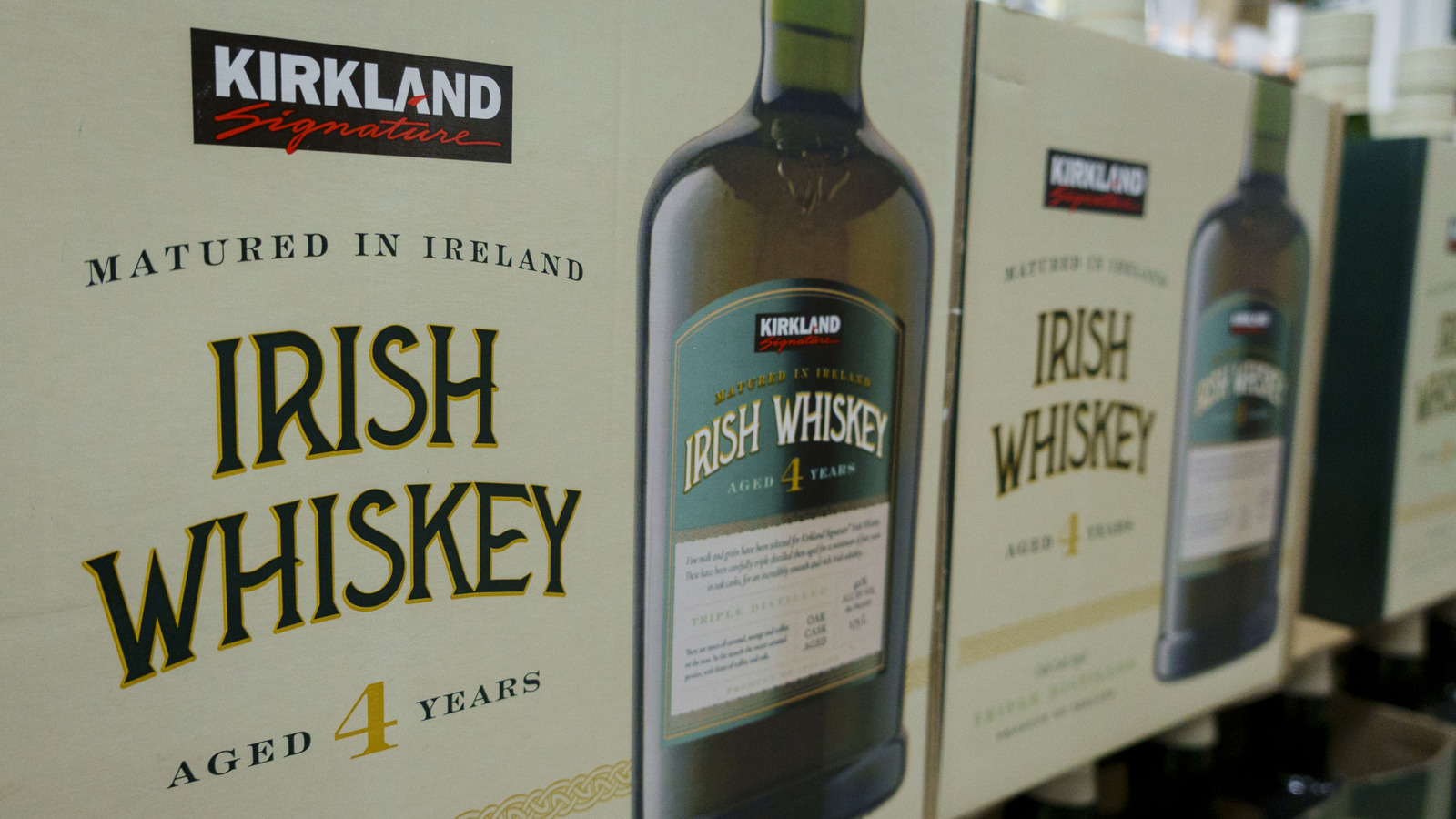
Straight from Ireland, Costco’s Kirkland Signature Irish whiskey is a favorite with customers. It may not match high-end brands, but it’s still quite popular.
Mashed – Fast Food, Celebrity Chefs, Grocery, Reviews
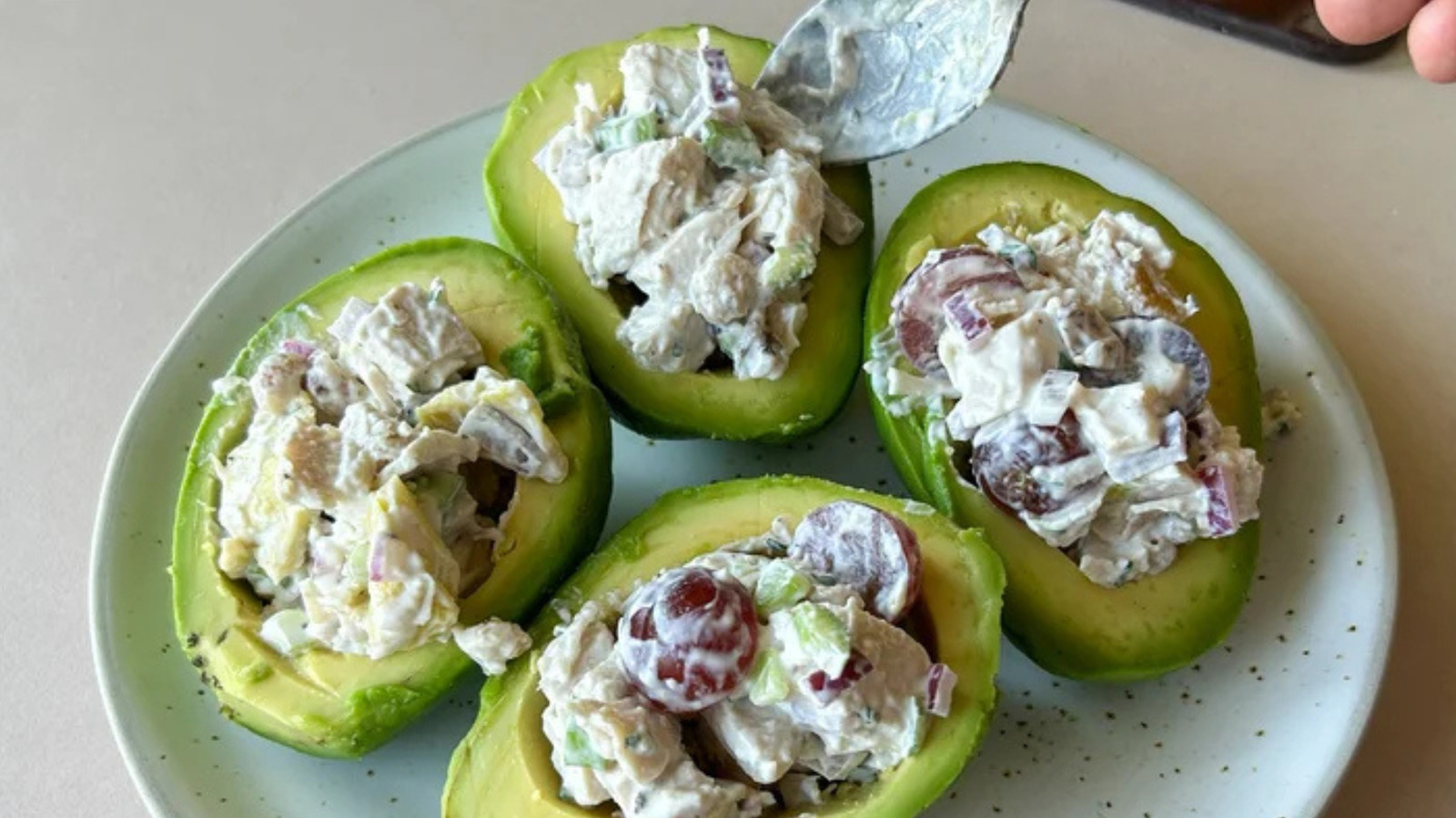
Rotisserie chicken is the MVP of the prepared foods, especially when you use it to make one of these easy everyday meals with it, from snacks to dinners.
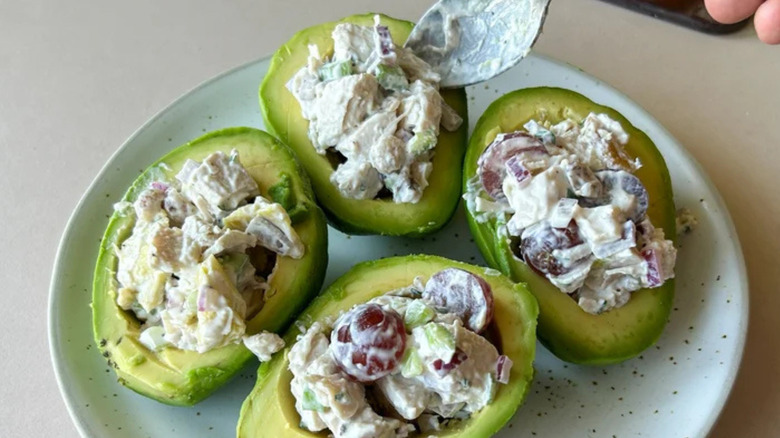
Food Republic – Restaurants, Reviews, Recipes, Cooking Tips
Cruise ships keep getting bigger, but some travelers want the opposite. A growing number of small ship operators are offering something more personal: cruises on … Read moreThe post From the Nile to the Inside Passage, small ships are selling…