Two of the three Britons killed in the Lisbon funicular crash have been named.The Latest News from the UK and Around the World | Sky News
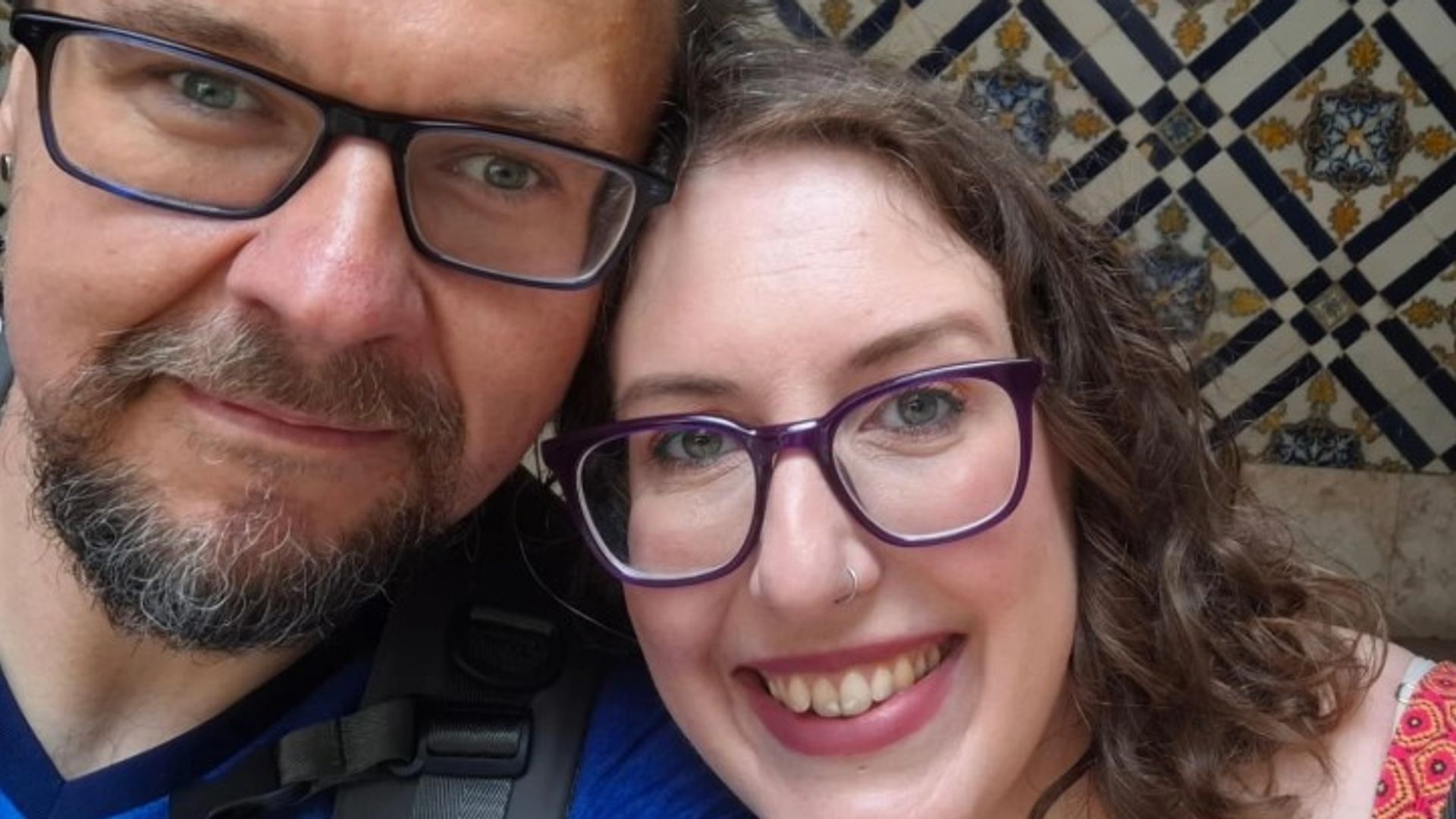











Two of the three Britons killed in the Lisbon funicular crash have been named.The Latest News from the UK and Around the World | Sky News

A man killed by a shark in Australia has been named, as a witness described hearing screams of “don’t bite me” moments before the fatal attack.The Latest News from the UK and Around the World | Sky News
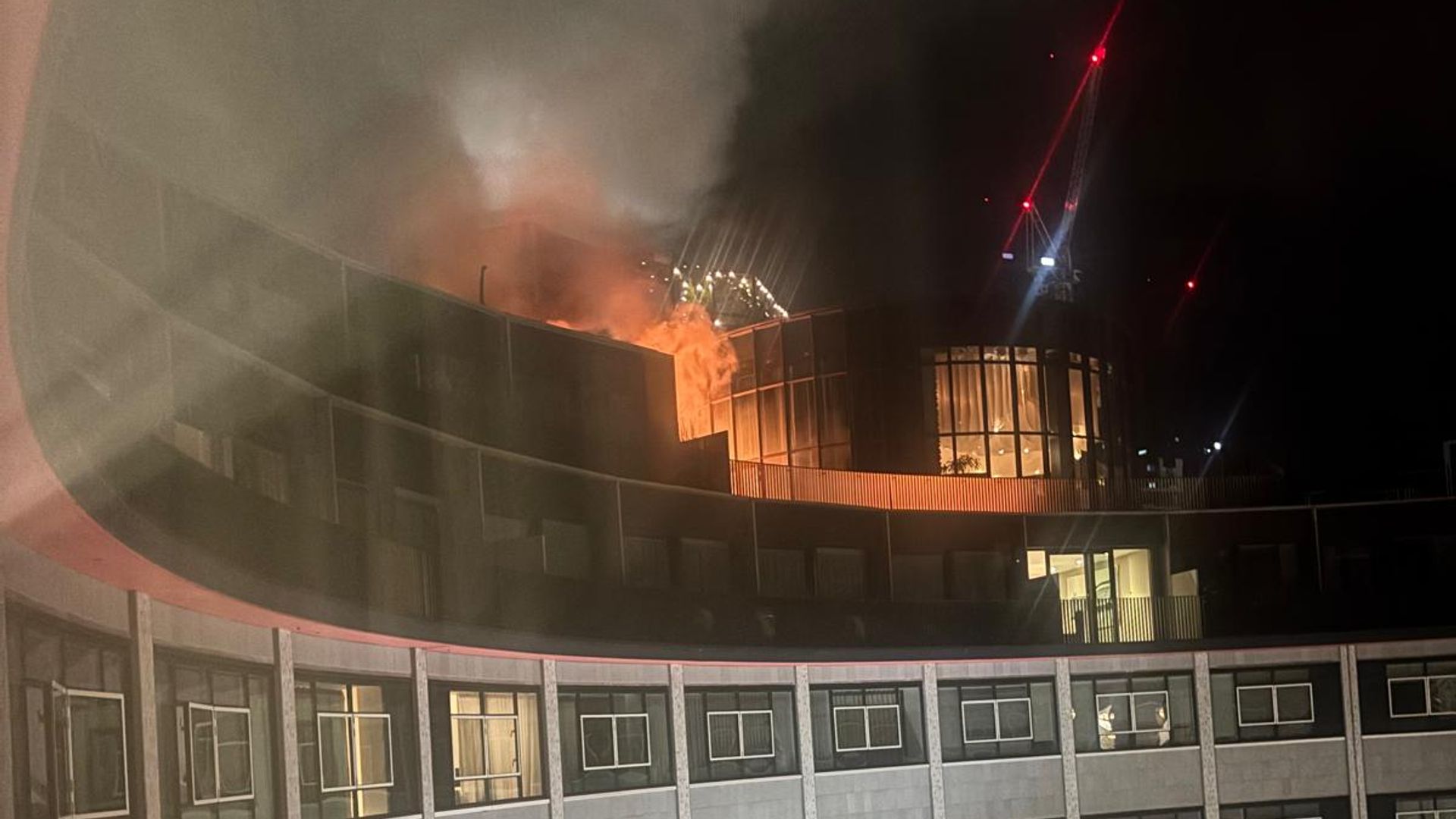
About 100 firefighters have been battling a blaze at the former BBC television centre in London’s White City.The Latest News from the UK and Around the World | Sky News
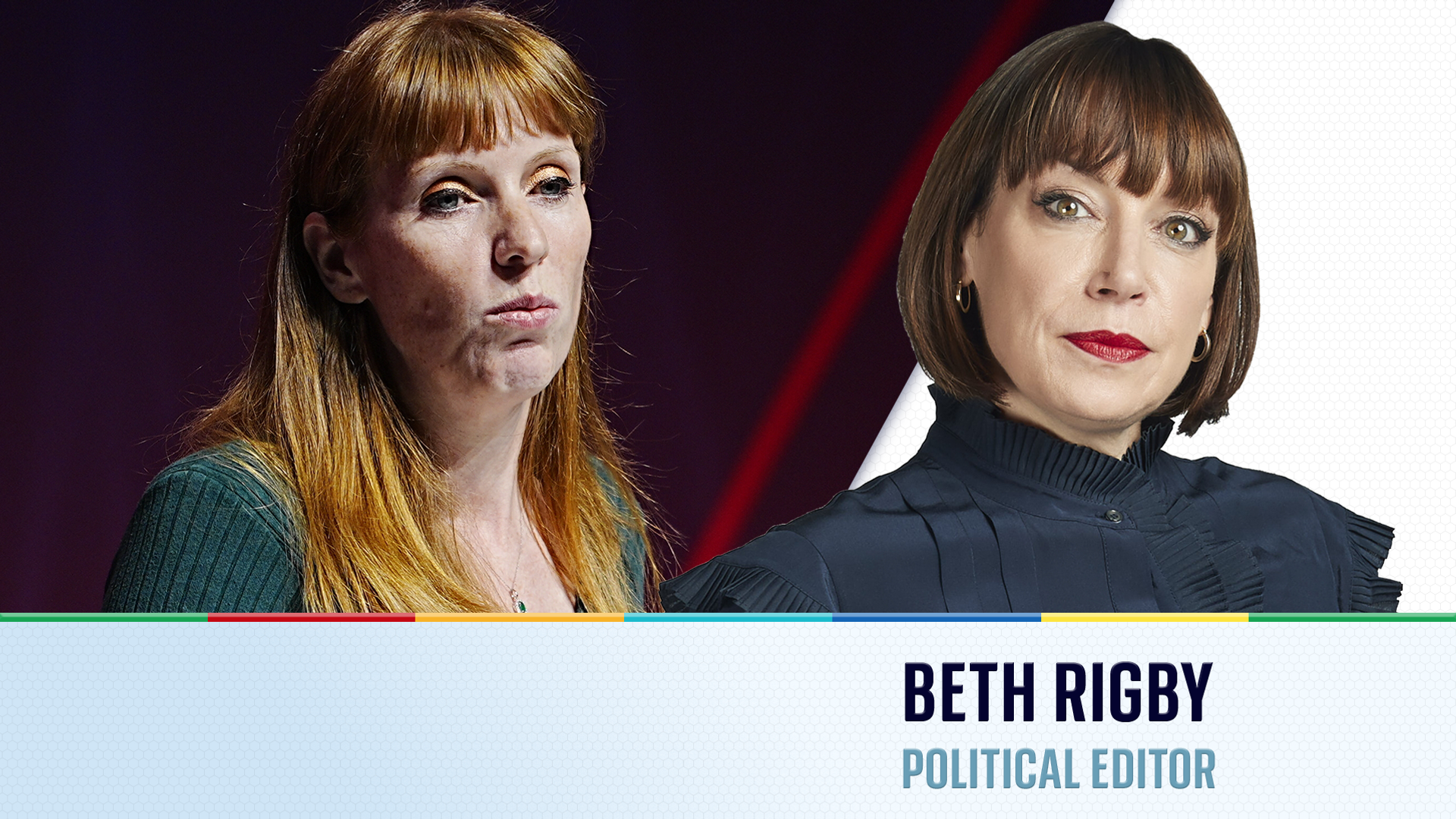
It was clear from the prime minister’s very personal and handwritten letter to his fallen deputy Angela Rayner that this was a resignation he did not want and deeply regretted.The Latest News from the UK and Around the World | Sky News

NOTN- A 57-year-old woman visiting Alaska on a cruise was killed Thursday morning when a car accelerated through a guard rail, struck her and plunged into Ketchikan Creek, city officials said.
The woman, from Auburn, Indiana, was pronounced dead at the scene. Her husband, also a cruise passenger, was with her on her trip.
The city said the family has been notified.
Three other people, including the driver, were taken to the island’s hospital. One remained in critical condition Thursday afternoon, while the other two were released with minor injuries.
The crash happened around 8:40 a.m. at the Centennial parking lot near Historic Creek Street, a popular downtown destination for tourists. The vehicle went through a wooden fence and dropped about 10 feet into the creek below, damaging a nearby walkway.
The cause of the crash remains under investigation.

By: James Brooks, Alaska Beacon
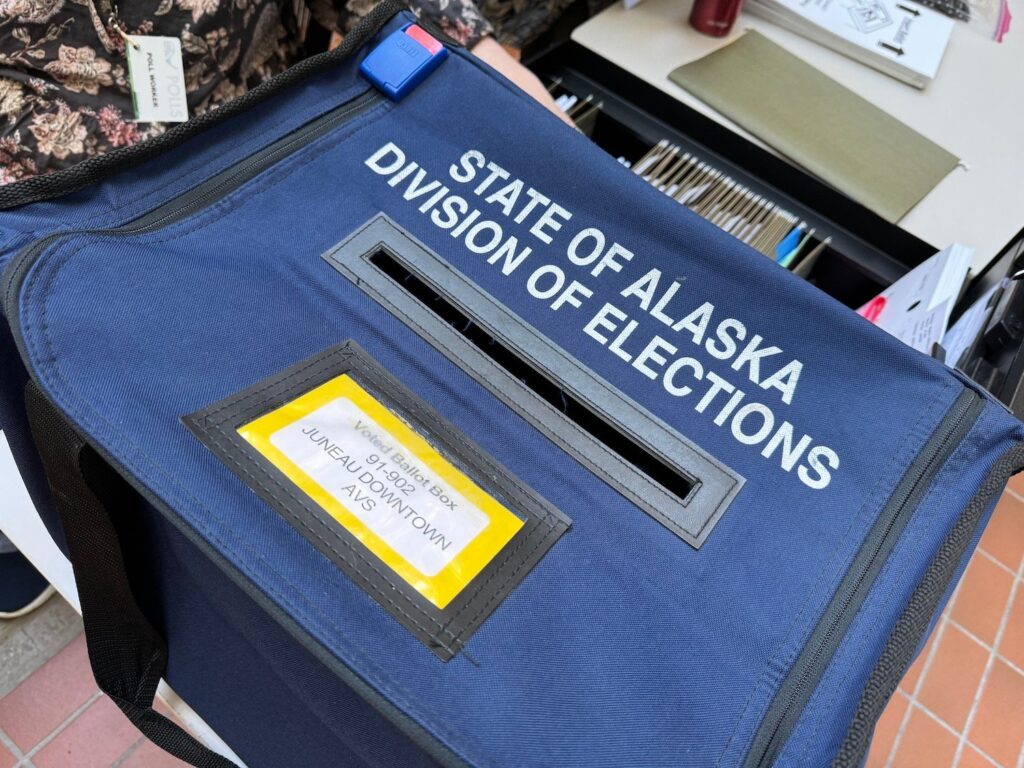
A document submitted by the Alaska Division of Elections to the U.S. Department of Justice in response to a nationwide data request names 70 possible noncitizens who voted or attempted to vote in state or local Alaska elections since 2015.
Among the 70 people are 10 American Samoans from Whittier who now face state criminal charges related to their voting. American Samoans are not considered U.S. citizens by the state, and civil charges against an 11th individual are now being considered by the Alaska Court of Appeals.
Noncitizen voting remains extraordinarily rare, nationwide figures show, and Carol Beecher, director of the Alaska Division of Elections, said there is no evidence that noncitizen voting changed the result of last year’s elections here.
Ahead of last year’s elections, Donald Trump and other Republican politicians said they believed large numbers of non-U.S. citizens would seek to vote and influence the result of elections.
Since becoming president, Trump has asked Congress to impose citizenship checks on all potential voters. His Department of Justice has asked all 50 states for copies of their voter lists in order to create a national government database.
Alaska turned over its voter list and other documents to the U.S. Department of Justice last month.
In response to a public records request filed by the Alaska Beacon, the Alaska Division of Elections provided copies of documents it delivered to federal authorities.
Most of the documents, including a copy of the state’s official voter list, were already public. The voter list, for example, is available for purchase from any state elections office and doesn’t include sensitive information beyond a voter’s name, how often they’ve voted, and where they live.
The state’s inactive voter list — showing people whose voter registrations have been flagged for review and possible removal — is also a public record, but it isn’t commonly circulated. Inactive voters can’t cast a ballot without additional ID checks.
WHERE’S THE LIST?
Ordinarily, the Alaska Beacon publishes copies of the documents it obtains via public records requests, but in this case, we’re not publishing the list.
The inactive voter list contains the names and addresses of tens of thousands of Alaskans who have committed no wrongdoing, and we believe the potential harm outweighs the benefit of publishing it.
The list may become available from other sources or news outlets, but because people may be listed as “noncitizens” due to paperwork errors or other innocent mistakes, and because we aren’t able to verify the citizenship of all 541 people, we’re not publishing it.
The inactive voter list provided to the DOJ and to the Beacon is from August. It includes 541 people whose voter records were tagged “NC” for non-citizen.
But it’s not clear whether these Alaskans are noncitizens or were on the list because of mistakes.
Carol Beecher, director of the Alaska Division of Elections, said some people may have been erroneously labeled, so it isn’t correct to say that there were 541 noncitizens registered to vote.
“As we get more information, things change. So what I’m telling you today on a number may change tomorrow because of new information that we got,” Beecher said in an extended interview on Wednesday.
Stephen Kirch, the division’s spokesperson, said by email that “the DOE cannot say with any degree of certainty whether the current number of NC-coded entries is ‘abnormal’ or ‘unusual’ in a historical context. This is because the number is a moving target and not a static one; it is not tracked.”
The inactive voter list shows only people whose records have been flagged for additional attention and isn’t confirmation that they are not citizens. It may include people who filled out paperwork incorrectly or registered to vote shortly before becoming a citizen.
“It’s really hard to say whether this particular number (541) is a problem, because there’s so many questions behind even that particular number,” said Mara Kimmel, a former immigration attorney who now works as executive director of the Alaska chapter of the American Civil Liberties Union.
That total also might miss noncitizens who are on the active voter list but haven’t yet been identified.

Beecher said she considers the “NC” tag to be “kind of like a file drawer. You put things into that file based on the status when you put it in there. But that could change.”
Kimmel said that the issue is “never as easy as it seems or as it would be framed. … Noncitizens voting has become a real political hot-button issue.”
In her experience, “there’s so much confusion and misinformation that is born out of a benign desire to participate in your new home.”
In Alaska, residents can register to vote by contacting the Alaska Division of Elections. Residents are also asked if they want to register when they update their driver’s license, get a new driver’s license, and apply for the annual Permanent Fund dividend.
As Beecher explained, if someone attests that they’re not a citizen through one method but says they are a citizen via a different method, that gets the attention of authorities.
“When we have gone in there and looked and contacted them, we have found that usually it was a mistake,” she said.
In other cases, particularly with the state’s “motor-voter” program, the mistake might come from a typo or someone’s misunderstanding of the rules, particularly if they don’t speak fluent English, as might be the case with new immigrants.
The Division of Elections doesn’t have investigative powers, which means voting officials rely on an applicant’s sworn oath about their citizenship. There’s no automatic double-checking, and it’s federally unconstitutional for the division to ask for proof of citizenship.
Judges have thrown out a Kansas law that required voters to verify citizenship, and the U.S. Supreme Court has only partially allowed a different Arizona law.
“All we get is the affirmation, and however frustrating that can be for everyone out there to say, ‘Well, why can’t you make sure?’ Well, we are not given that authority. So essentially, the division takes people at their word is really what it comes down to,” Beecher said.
If someone’s registration is flagged by a complaint or because of a discrepancy in the records, the division forwards the case to the Alaska Department of Law for investigation.
“We provide them with documents if they request that, as pursuant to an investigation, but if not, we may never hear from them,” Beecher said of the investigation.
In 2023, the division flagged the registration of Tupe Smith, a Whittier resident, after she ran for and won a seat on the local school board.
Smith was born in American Samoa, an island territory in the South Pacific. Its residents are U.S. nationals — having some of the same legal rights as other Americans — but aren’t citizens.
During the subsequent investigation, Alaska State Troopers learned of 10 other American Samoans who had voted in Alaska. The state charged them with civil crimes in April, and this week, they were indicted.
All 10 are labeled noncitizens on the inactive voter list supplied to the Beacon and Department of Justice. They, and another 60 other people, are shown as having voted or attempted to vote at least once during the past 10 years.
It isn’t clear whether all of those ballots were actually counted. Many are labeled as “questioned,” meaning that they were subject to additional ID verification. Beecher said “it’s possible” that some were counted but that she didn’t have numbers.
She believes “very few” noncitizens have voted.
“I’m speaking very anecdotally, because I don’t have those kinds of numbers for you, but our sense is that it’s very small. And I think the underlying reason for that is because there is no nefarious intent out there to try to sway an election. It’s people who either — and this is my personal opinion — they’re confused about the rules or somehow ended up marking something that they didn’t understand,” Beecher said.
Alaska had 605,302 registered voters on Aug. 3, according to Division of Election statistics.
If the noncitizen-tagged voters on the inactive list had still been active, they would have represented just 0.09% of Alaska voters.
Last year, 340,981 Alaskans voted in the state’s November general election. The division’s inactive list shows six noncitizens either voted or attempted to vote in that election.
In Michigan, officials announced in April that they had found 16 credible cases of noncitizen voting out of about 5.7 million votes cast overall, or one per every 360,000 votes.
Nationally, noncitizen voting remains exceptionally rare.
Sen. Bill Wielechowski, D-Anchorage and a supporter of election reform legislation in Alaska, noted that the rate of noncitizen voting in Alaska is likely well below the rate at which legitimate voters are being disqualified because of problems with the state’s absentee voting system.
“Any time you have people who are voting that shouldn’t be voting, that’s cause for concern,” Wielechowski said in an interview Wednesday.
“But at the same time, we’ve got hundreds of people that we know of, actually thousands of people who were disenfranchised,” he said, referring to the state’s regular practice of disqualifying absentee ballots because of submittal errors.
“In rural Alaska, we had 10% or 15% of the population in rural Alaska that was disenfranchised a couple of years ago, legitimate voters who were disenfranchised because of a bureaucratic technicality that’s not even checked. So I think there’s bigger problems,” Wielechowski said.
In 2023, Rep. Sarah Vance, R-Homer, proposed legislation that would have required the Division of Elections to cross-check the state’s voter rolls with a national citizenship database.
“I always like to presume innocence, but we have to put the safeguards in place, and by having the division use those databases as a check and balance, I think that’s a very simple way to make sure that we’re crossing our T’s and dotting I’s,” Vance said Wednesday.
She noted that current Speaker of the House Bryce Edgmon, I-Dillingham, won his 2006 primary election via a coin toss that followed a tied election.
“When you look at how slim some of our elections are, how tight races can be, these numbers matter,” she said.
The Alaska Senate stripped out Vance’s citizenship provision and passed a revised bill, but the Republican-led House failed by a single vote to take up the legislation on the last day of the regular session in 2024. The bill died at the end of the session, and lawmakers started anew this spring.
In recent years, the Alaska Department of Law has requested funding for a part-time elections investigator. The Legislature has not approved that request.
“We shouldn’t have anyone voting in our elections on any level who shouldn’t be,” Vance said.
“This is important and significant because we want to make sure that we protect the sovereignty of every individual’s vote,” she said.
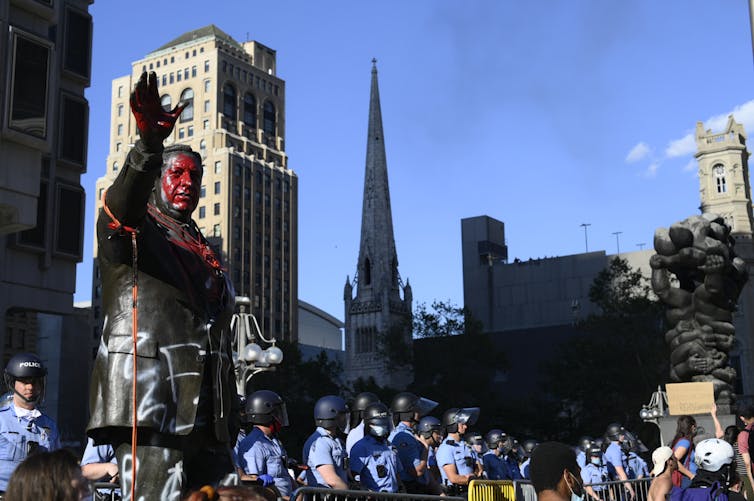
In August 2025, the city of Philadelphia agreed to return a statue of Frank Rizzo to the supporters that commissioned the memorial in 1992.
The 2,000-pound bronze tribute to the former police commissioner-turned-mayor had stood in front of the city’s Municipal Services Building from 1998 until 2020, when then-mayor Jim Kenney ordered it removed days after protesters attempted to topple it during the protests that followed the murder of George Floyd.
While the agreement states that the statue cannot be placed in public view, conservatives have still hailed its return as a triumph for Rizzo’s legacy. In the ongoing culture wars over historical memory and memorialization, Rizzo’s supporters have declared their repossession of the statue a victory over the “woke mayor” who unlawfully removed it.
As a historian and native Philadelphian, I have written extensively about the city. My first book, which will be rereleased with a new preface in February 2026, traces the rise of Rizzo’s political appeal and contextualizes his supporters’ politics in the broader history of the rise of the right.
My work recognizes Rizzo not only as the quintessential backlash politician of the 1960s and 1970s, but also as a harbinger of today’s identity-based populism that favors social and cultural victories over economic redistribution.
As police commissioner from 1967 to 1971 and mayor from 1972 to 1979, Rizzo became a hero to the white, blue-collar Philadelphians who clamored for “law and order” and railed against liberal policymaking. Until he died in 1991, while running a third campaign to retake the mayor’s office, Rizzo was an avatar of what I call “blue-collar conservatism.”
Understanding Rizzo’s career and political popularity can help explain the persistent appeal of this identity-based populism in the 21st century.
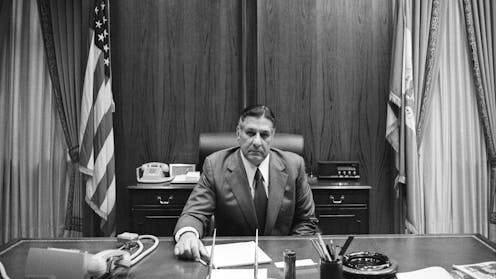
Francis Lazzaro Rizzo was born in South Philadelphia, in the mostly Italian-American neighborhood his parents settled in after immigrating from Calabria, Italy.
In a city where police work was often a family affair, Rizzo followed his father’s footsteps into the Philadelphia Police Department a few years after dropping out of high school.
Early on, he drew praise from superiors for his clean-cut image and aggressive policing. In the 1950s, Rizzo fortified that reputation while patrolling predominantly Black neighborhoods in West Philadelphia and leading raids on gay meeting places in Center City.
As deputy commissioner in the 1960s, Rizzo directly confronted the city’s civil rights movement. Among other exploits, he commanded the response to the Columbia Avenue Uprising in 1964, when North Philadelphia residents responded to an all-too-common act of police brutality with three days of urban disorder.
He also faced down protesters seeking to integrate Girard College, an all-white city-operated boarding school for orphaned boys in the heart of predominantly Black North Philadelphia.
While serving as acting commissioner in 1967, Rizzo led a throng of baton-wielding police into a crowd of high schoolers demanding education reform. The scene ended with police chasing down and beating mostly Black youngsters in front of the Board of Education headquarters.
Rizzo was promoted to commissioner later that year.
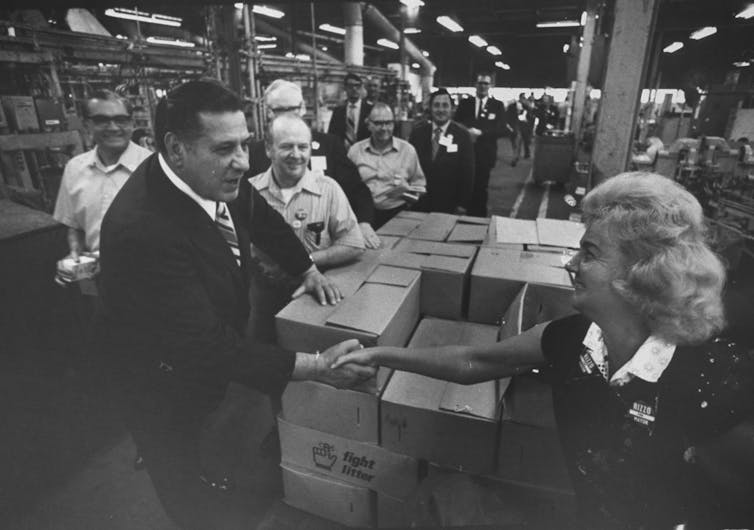
While African Americans and white liberals decried his “Gestapo tactics,” Rizzo grew increasingly popular among the city’s white, blue-collar residents.

He capitalized on their enthusiasm in 1971, when he campaigned and won his first election for mayor as both a Democrat and the self-proclaimed “toughest cop in America.”
For two terms he rewarded his supporters by opposing and limiting liberal programs they had fought, like public housing, school desegregation and affirmative action. When dissatisfied Democrats challenged his reelection in 1975, Rizzo vowed revenge by saying he would “make Atilla the Hun look like a fa—t.”
Finally, while campaigning for an amendment to Philadelphia’s Home Rule Charter to allow him to run for a third consecutive mayoral term, Rizzo told an all-white audience of public housing opponents to “vote white” for charter change.
Rizzo’s record makes clear why protesters targeted his statue in 2020. When Mayor Kenney ordered it removed, he called it “a deplorable monument to racism, bigotry and police brutality for members of the Black community, the LGBTQ community and many others.”
While Rizzo and his supporters were certainly part of the late 1960s backlash against civil rights and liberalism generally, his populism was more complex and durable than that narrative suggests.
He also offered affirmation to a beleaguered white, blue-collar identity. His supporters raved about his forceful policing and cheered his anti-liberalism as a last line of defense against policies they considered threats to their livelihoods. Just as important, they saw themselves reflected in the rough-talking high school dropout who worked his way up to the most powerful position in Philadelphia.
When Rizzo first ran for mayor, one of his supporters told a reporter that “He’ll win because he isn’t a Ph.D. He’s one of us. Rizzo came up the hard way.”
That kind of identity-based populism offered social and cultural victories even when it did little to address the declining economy that struck urban America in the 1970s. So while Rizzo’s populism had few answers for deindustrialization, in 1972 he was able to temporarily halt construction on a public housing project in an all-white section of his native South Philadelphia.
Donald Trump offers a similar populist appeal in the 21st century. In fact, he has drawn comparisons to Rizzo since his first presidential campaign.
Like Rizzo, Trump’s appeal is more social and cultural than economic. Critics have argued that Trump’s promotion of traditional Republican economic policies belie the notion that he is a populist. Trump’s populism, however, lies not in his ability to deliver working-class prosperity, but conservative victories in the nation’s long-standing culture wars.
Trump’s policies may not fulfill his promise to lower the cost of groceries or health care, but mass deportations reward those who fear a changing American identity.
Sending troops into cities may not address the cost-of-living crisis, but it delights those who see disorder in urban society.
Trump’s attempt to recast national history museums in a patriotic mold may not usher in a new “Golden Age of America,” but it promises a victory to opponents of “woke” history.
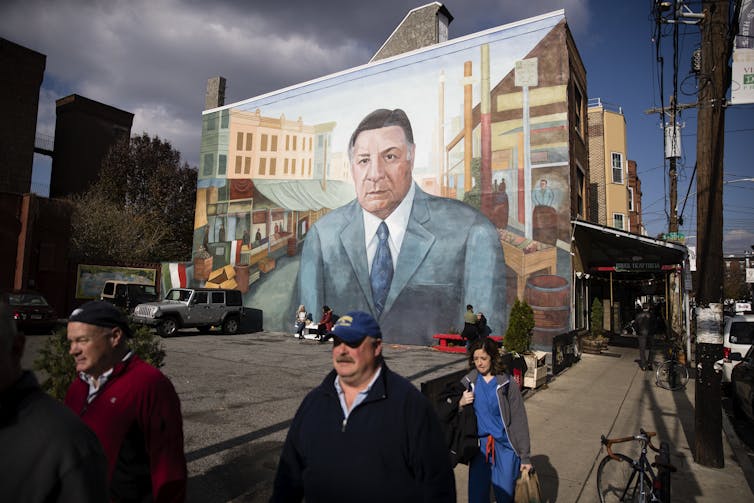
Despite the lopsided attention Trump’s social and cultural populism receives, a kind of progressive, redistributive populism persists in many American cities. This populism promises a redirection of resources from elites and toward working people.
In Philadelphia in 2023, the multicultural, left-populist Working Families Party won the two at-large seats reserved for minority-party representation in the city’s legislature. Currently, Zohran Mamdani’s upstart campaign for mayor of New York seems to be reviving a long tradition of progressive urban populism.
Redistributive populism, however, remains at odds with the identity populism once championed by Rizzo and now by Trump. While the Trump administration’s policies may promise social and cultural victories, they have done little to affect the economic prospects of working-class Americans.
Read more of our stories about Philadelphia.

Timothy J Lombardo does not work for, consult, own shares in or receive funding from any company or organization that would benefit from this article, and has disclosed no relevant affiliations beyond their academic appointment.
Politics + Society – The Conversation

Reading Time: 3 minutes
If you’re a fan of 19th-century novels (or if you were forced to take a lit class as one of your undergrad gen-ed requirements), then you’re probably familiar with Emily Brontë’s 1847 classic Wuthering Heights.
The windswept saga of brooding orphan Heathcliff and his adoptive-sister-turned-love-interest Catherine Earnshaw has simultaneously thrilled and grossed out generations of readers.
So there was considerable interest when it was announced that Oscar-nominated director Emerald Fennell would be adapting the story with Margot Robbie as one of two Cathies and Jacob Elordi as her madman of the moors.
Unfortunately, much of that enthusiasm blew away like a mist on the wolds when social media users got their first look at the film on Wednesday.
To be fair, a lot of folks were skeptical of this project to begin with, both because of Fennell’s resume (the denizens of Film Twitter remain divided on the topic of her talent behind the camera) and the casting:
Obviously, Robbie is a great actress, but she’s also about twice the age of Catherine, who (178-year-old spoiler alert!) dies at the age of 18 fairly early in the novel.
So plenty of amateur critics were primed to hate this movie before they saw a single frame of it.
And the haters had a field day when the first promotional materials for the film hit social media on Wednesday.

First, there was the poster, which is bizarrely reminiscent of the artwork for Gone With the Wind, another story that’s commonly mischaracterized as a great romance.
Then there was the suggestive trailer, which led some viewers to refer to Fennell’s adaptation as “50 Shades of Brontë.”
At least one esteemed pop culture site declared that the film “looks terrible” and numerous social media users likened the trailer to those awkward videos in which chefs try to sexualize their sourdough.
“I’m sure this is going to be some subversive take on Wuthering Heights that no one asked for,” wrote one user on X (formerly Twitter) after branding Fennell a “millennial edgelord.”
“You see what happens when you let people who were born to direct music videos make movies,” another chimed in.
Many have pointed out that if Fennel wanted to make a horny 19th-century period piece, she certainly has the clout to get it financed without piggy-backing off of existing IP.
One common fear seems to be that a whole generation will now think of Wuthering Heights as the stuff of Booktok “dark romance,” complete with corsets, whips, and … a finger inserted in a dead fish’s mouth?
And then there are the purists who take issue with the soundtrack, courtesy of Charli XCX. Obviously, those scolds aren’t aware of the many occasions when such anachronisms led to the kind of cinematic classics that your hungover English teacher would let you watch in class (1996’s Romeo + Juliet, anyone?).
Of course, Heights won’t hit theaters until Valentine’s Day of 2026, so all of this week’s judgments are quite premature.
Perhaps we should all follow the advice of the X user who wrote, “You all need to unclench. This looks hot.
Or the one who cautioned, “The Emerald Fennell Backlash Backlash is going to take some of you by surprise.”
In any case, the film is sure to spark some interesting conversations — and probably a major spike in corset sales.
‘Wuthering Heights’: ‘Terrible’ Trailer For Margot Robbie-Jacob … was originally published on The Hollywood Gossip.
The Hollywood Gossip
Reading Time: 3 minutes
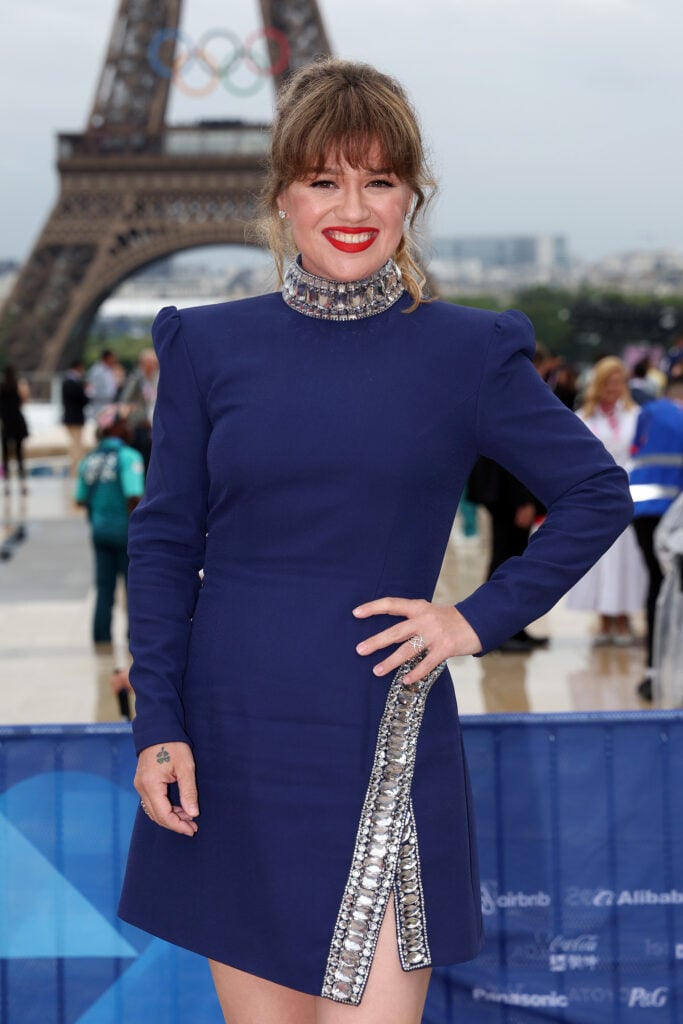
Kelly Clarkson took an understandable break amidst the death of ex-husband Brandon Blackstock.
She stepped back from her NBC talk show. The singer even put her Vegas residency on hiatus to be more present for her children.
Now, we know when she’s returning to work. We know when she’ll be back on your screens.
But is it too soon?
According to NBC’s own press release, Kelly Clarkson will return to her show this very month.
Season 7 of The Kelly Clarkson Show is set to premiere on September 29.
For the premiere, Clarkson herself will be back at the helm.

Despite how it may appear to viewers, production on this sort of talk show is not entirely on-the-day-of.
Season 7 production will begin on the week of September 8.
Guests for the seventh season will include A-list names like Julia Roberts, Dwayne “The Rock” Johnson, and Emily Blunt.
Yes, Kelly Clarkson and Brandon Blackstock were exes following a very bitter divorce.
But in addition to her children’s feelings, reports make it clear that Clarkson feels personally devastated by her ex’s August 7 passing.
According to a report from RadarOnline, friends and loved ones are urging the singer to not rush back to work.
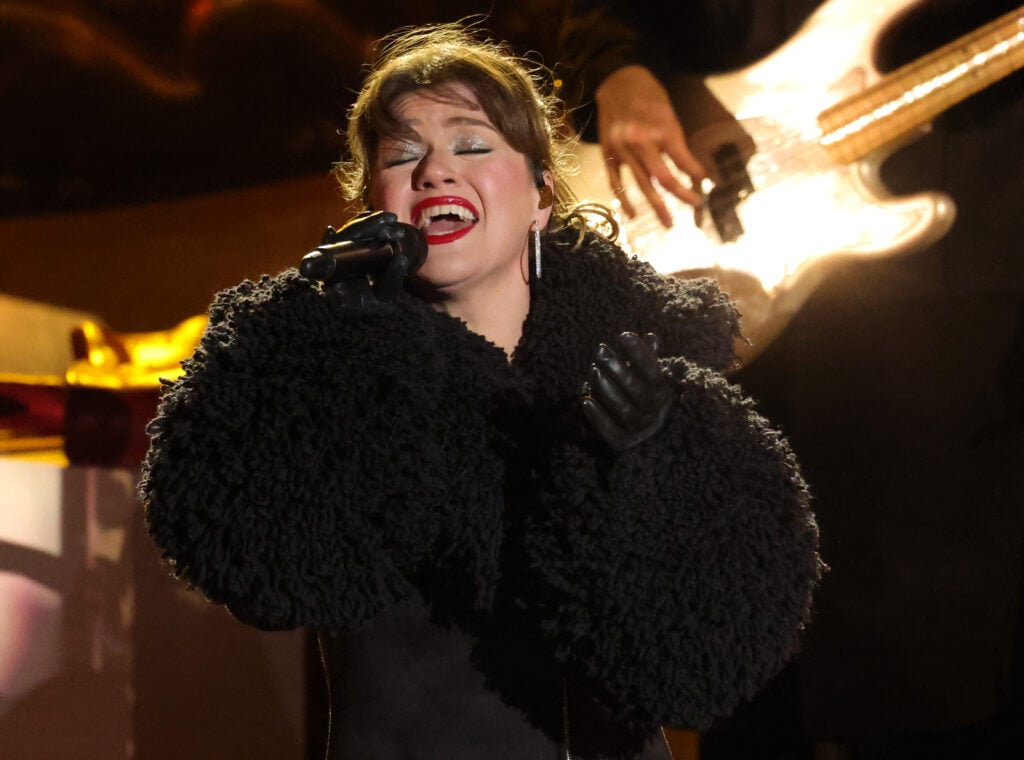
“Kelly’s absolutely shattered and in no place to be performing on stage or hosting her show,” an inside source alleged.
“That may change soon – it’s a day-by-day situation,” the insider continued.
The source emphasized:
“But what’s more important than anything else to her right now is protecting and nurturing her kids, who of course are in pieces over losing their dad.”

“Kelly is pouring the small amount of energy she has into looking after them,” the insider affirmed.
“She’d spent the last few months flying back and forth to Montana where he lived,” the source detailed. “They sure had their differences and coparenting was a struggle, but she loved him once upon a time.”
The insider concluded: “She’s asking her TV bosses and concert organizers for as much time as they can spare her. It’s likely to cost her an absolute fortune.”
We of course cannot verify this insider’s account of Kelly Clarkson or her state of mind.
But we hope that she’s up to the task. Grief can sneak up on you at any time.
Kelly Clarkson TV Return Date Revealed: Is It Too Soon After Ex-Husband’s Death? was originally published on The Hollywood Gossip.
The Hollywood Gossip

Reading Time: 3 minutes
Either Donna Kelce is hankering for more grandkids, or she just suffered the sort of slip-up that’s not uncommon to social media users of the boomer generation.
Earlier this week, Donna posted a video about Travis Kelce’s engagement to Taylor Swift.
But this was not the sort of cheery, congratulatory content that she’d previously shared.
Instead, this was a clip about how Taylor’s “uterus is aching” to “breed” with Travis.
The clip featured comedian Leanne Morgan theorizing about the state of Taylor’s biological clock.
“[Swift’s] uterus is aching. I know it is. And she wants a baby. And it’s time for her to want a baby, and she wants to breed with that big old Kelce boy,” Morgan said.
“Of course she does,” the comedian continued. “They’re both tall. I mean, I can see it. … Of course she wants to have a baby with him and his people.”
Morgan tagged Donna in her caption, writing, “Congratulations, girl!!! Wahoo!!!!! Grand babies playing ball AND singing!!!”
For some fans, the clip served as an uncomfortable reminder of Travis’ “breeder” comments from his single days.
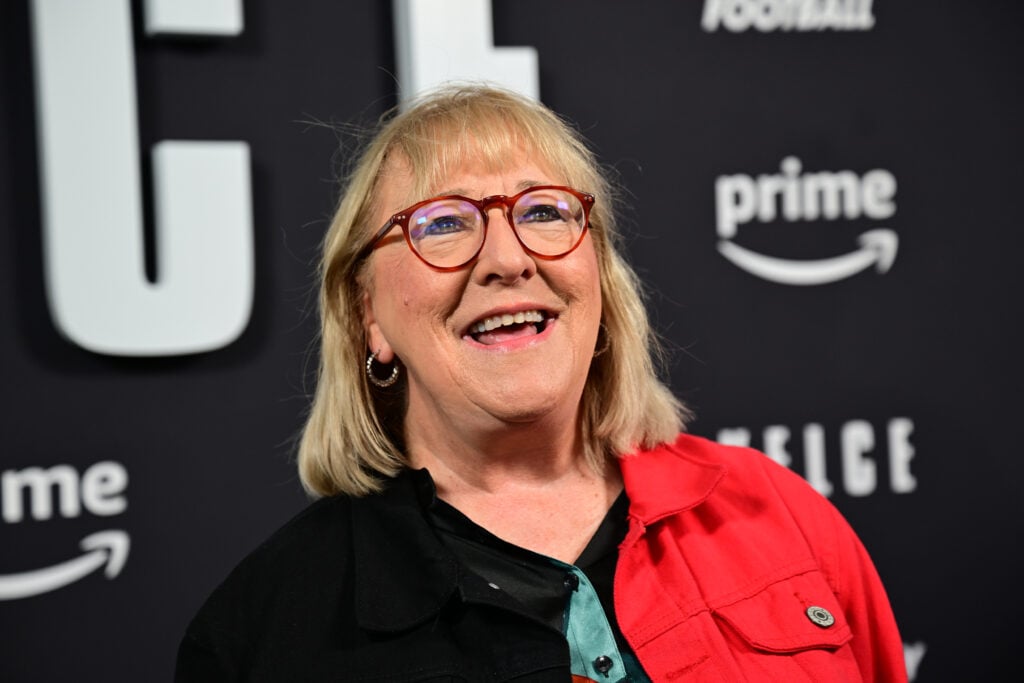
As Page Six points out, Donna’s video wasn’t live for very long, so she probably reposted it by accident.
These things happen. However, it was up long enough for some fans to take offense at Donna’s (probably accidental) post.
“Its 2025, can we move on from forcing archaic mindset on women?” one Reddit user remarked, according to Page Six
Another called the clip “disgusting.”
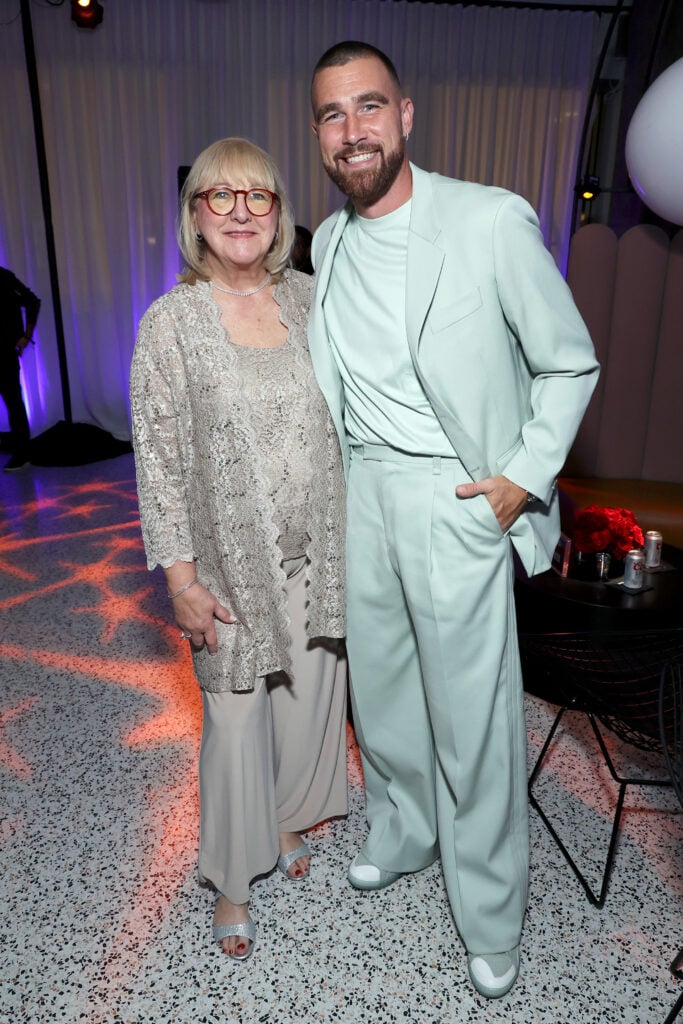
However, many others came to Donna’s defense, with one joking that “boomers gonna boomer when they use social media.”
“It’s literally not there anymore. She must’ve tapped the wrong button and accepted the collab by mistake,” an X (formerly Twitter) user.
“It is super easy to repost by hitting one button. I have done it by accident more than once just scrolling or looking at comments. Fortunately, I figured it out quick, but I can see someone of her age not knowing what happened right away,” another added.
So yeah, the most likely explanation here is that Donna simply reposted the clip by accident.
But that doesn’t mean she’s not thrilled about the possibility of welcoming some lanky grandkids!
Donna Kelce Shares ‘Disgusting’ Video About Travis Kelce … was originally published on The Hollywood Gossip.
The Hollywood Gossip