Once, back in the 1980s, there was a fast food chain that launched a pioneering program that delivered burgers in 24-hours all across the country.

Food Republic – Restaurants, Reviews, Recipes, Cooking Tips









Once, back in the 1980s, there was a fast food chain that launched a pioneering program that delivered burgers in 24-hours all across the country.
Food Republic – Restaurants, Reviews, Recipes, Cooking Tips

The U.S. is full of craft breweries, but there’s one in Pennsylvania that has earned glowing reviews from domestic beer fans for its craftsmanship and variety.

Mashed – Fast Food, Celebrity Chefs, Grocery, Reviews
By: James Brooks, Alaska Beacon
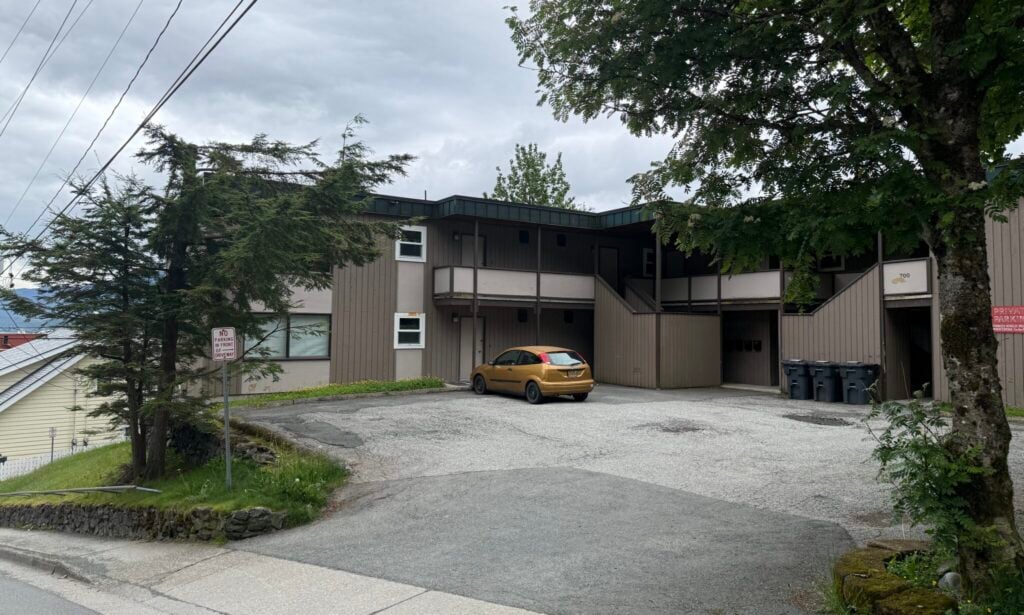
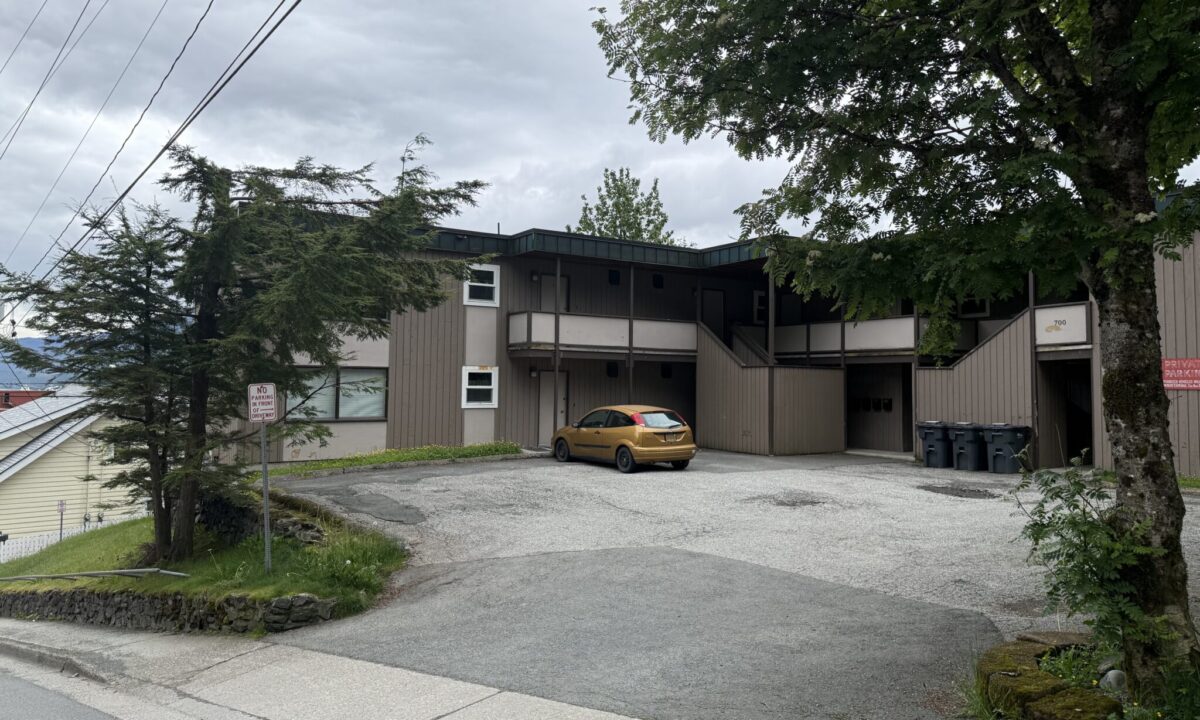
The Juneau Community Foundation is giving the Alaska Legislature 16 two-bedroom apartments as part of a long-term effort to keep the state’s capital in Juneau.
Members of the House-Senate Legislative Council voted unanimously to accept the apartments, which are spread across two four-plexes and one eight-plex in the Starr Hill and Chicken Ridge neighborhoods, respectively.
The new acquisition follows the Legislature’s acceptance of the Assembly Building by a similar donation in 2022. That building has 33 apartments for legislators and is regularly in use.
Under the terms of the donation, the Juneau Community Foundation will buy the three new buildings, renovate them and turn them over to the Legislature once the renovations are complete.
Fifty-seven of the Legislature’s 60 members do not live permanently in Juneau; there will be 49 legislative housing units when the renovations finish.
Reed Stoops, a lobbyist, is a member of the board of the Juneau Community Foundation and helped organize the latest housing donation.
“Basically any kind of improvement that will make the Legislature function better in Juneau, we’ll do,” he said.
The ultimate goal is to give the Legislature more housing options to keep legislative sessions in Juneau, “especially during a special session like this,” he said.
Juneau is visited by more than 1.5 million tourists per year in the summer, and housing becomes scarce between April and September. Historically, legislators and staff have struggled to find housing for special sessions that take place during the summer.
The Legislature hasn’t yet decided how much rent it will charge legislators who live in the new apartments. Legislators living in the Assembly Building are charged market-rate rents based on the size of the apartment.
“Many on this council are strongly supportive and excited about Juneau Community Foundation’s donation, and just really thankful for it,” said Rep. Ashley Carrick, D-Fairbanks and a member of the Legislative Council.
“Juneau is an incredibly welcoming community, and this is just yet another example of why we should keep the capital in Juneau,” she said.
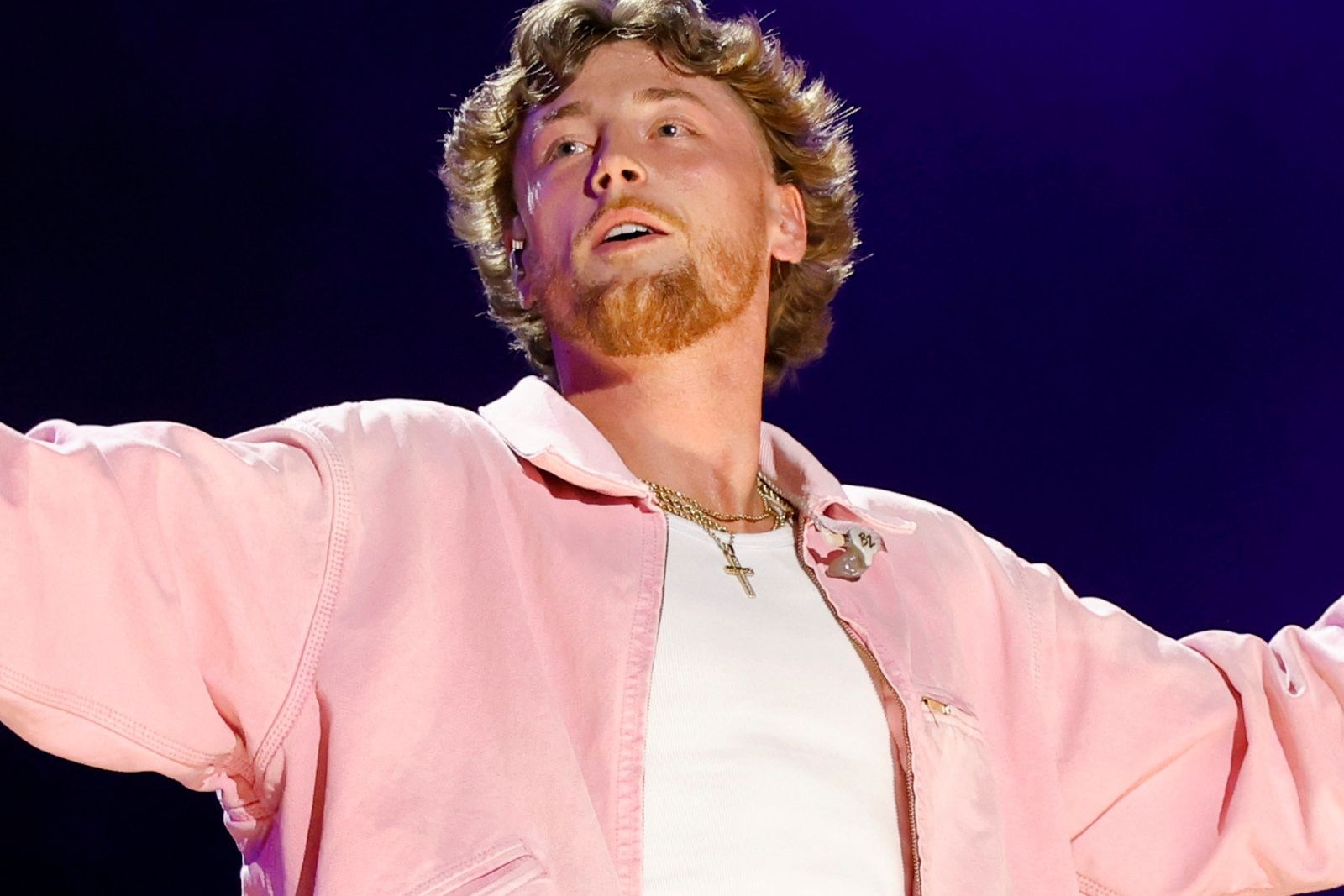
Zimmerman has been slapped with two charges, including a charge for felony property damage, after he allegedly trashed a hotel room while intoxicated. Continue reading…The Boot – Country Music News, Music Videos and Songs
Zimmerman has been slapped with two charges, including a charge for felony property damage, after he allegedly trashed a hotel room while intoxicated. Continue reading…Country Music News – Taste of Country
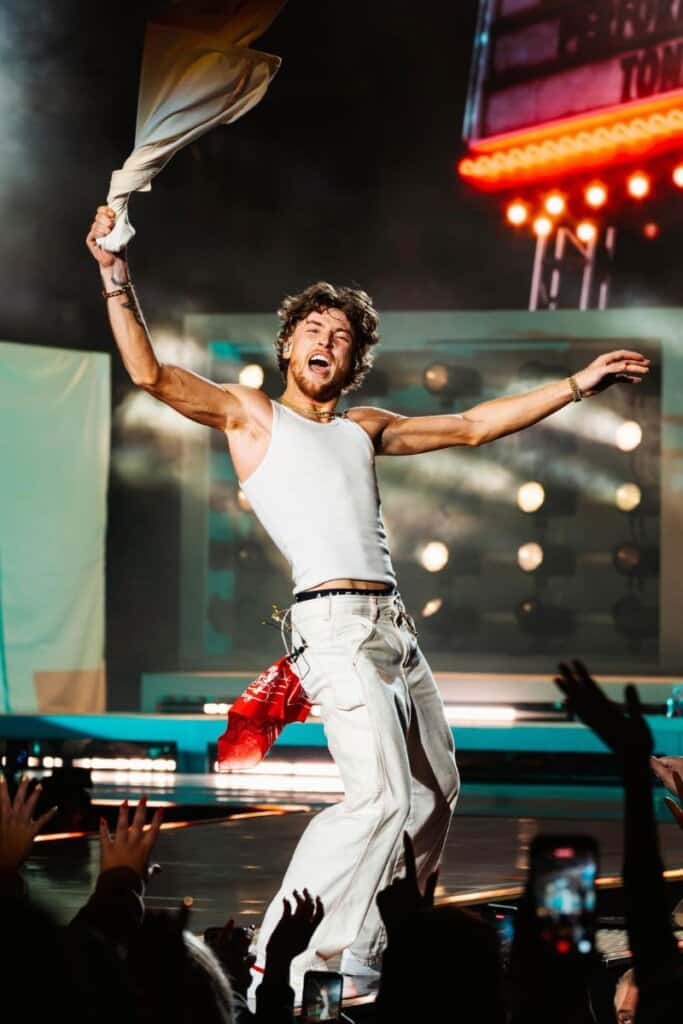
A warrant for Bailey Zimmerman’s arrest has been issued in the state of New Mexico, according to new court documents filed in Albuquerque Metropolitan Court.
In a new report shared by TMZ, Zimmerman is facing felony and misdemeanor charges after allegedly wrecking a hotel room and causing more than $16,000 in damage.
Court documents, which are public, state that the warrant was issued on June 18. The charges include criminal damage to property over $1,000 (a felony) along with two counts of falsely obtaining services, both misdemeanors.
The charges are reportedly tied to an incident on May 27, when Zimmerman was scheduled to perform in Albuquerque, New Mexico, at the amphitheater at Sandia Resort and Casino. According to TMZ, local authorities claim Zimmerman went on a “bender” and “trashed” the hotel room, later canceling that night’s performance and being removed from the resort.
Reports also allege the singer appeared intoxicated throughout the evening, acting erratically during soundcheck, including “stumbling, falling, and acting belligerently,” and throwing equipment. Zimmerman, 26, allegedly stormed off stage and, while returning to the resort, spit in the direction of a security officer and complained about being transported in a white SUV instead of a black one. He was later taken back to the resort, where he reportedly continued to stumble and had to lean on a member of his team while walking through the hallway.
The resort ultimately asked him to leave, and law enforcement was called to escort him off the property.

According to the documents, housekeeping staff discovered the hotel room the following day had been extensively damaged, with estimated losses exceeding $16,000. The alleged damage included the hotel’s TV, phone, coffee table, and two chairs. Staff also reported a hole in one wall, additional damage throughout the room, carpet stains, and two missing chairs.
The hotel further alleged Zimmerman charged more than $400 in alcohol to the room and never paid the bill. Court documents state that both resort staff and law enforcement attempted to contact Zimmerman and his team, but were reportedly unsuccessful, which led to the issuance of the arrest warrant.
Zimmerman canceled that night’s show, as well as a scheduled performance in Rohnert Park, California on May 30, telling fans he was ill and unable to perform.

“Y’all know there’s nothing I love more than getting out on the road and playing these shows for you, so it’s so hard for me to have to say this, but I have to reschedule tonight’s (5/27) and Saturday (5/30) shows. I have not been feeling well and have tried to power through, but I’m not able to give you all the show you deserve,” Zimmerman shared at the time. “I hate letting y’all down and was really looking forward to these shows, but I gotta take care of myself so I can get back out there stronger. We will be announcing the rescheduled dates as soon as possible, and all tickets will be honored for the new dates. Love y’all so much, and I appreciate the prayers and understanding, I’ll see you real soon.”
The venue also shared a statement saying all tickets would be refunded and made no mention of a rescheduled date.
“We regret to inform you that Bailey Zimmerman, Different Night Same Rodeo originally scheduled for 5/27/26 has been canceled. Refunds are available at the point of purchase. Cash purchases at Sandia Box Office can be refunded at Sandia Box Office with proof of purchase. All tickets purchased online or through the Etix Call Center with a credit or debit card will be refunded automatically. Due to high volumes, you should expect to see your refund within 10-14 business days. We apologize for any inconvenience.”
Bailey Zimmerman has not yet publicly commented. According to his official website, Zimmerman’s next scheduled tour date is set for Thursday, June 25 (Country Drive Music Festival) and Friday, June 26 (Hoofbeat Country Fest).
The post BREAKING: Arrest Warrant Issued For Bailey Zimmerman Following Alleged Hotel Incident In New Mexico appeared first on Country Now.
Country Now

Nicole Kidman and Keith Urban exchanged two very cordial messages last weekend. Continue reading…The Boot – Country Music News, Music Videos and Songs
Nicole Kidman and Keith Urban exchanged two very cordial messages last weekend. Continue reading…Country Music News – Taste of Country
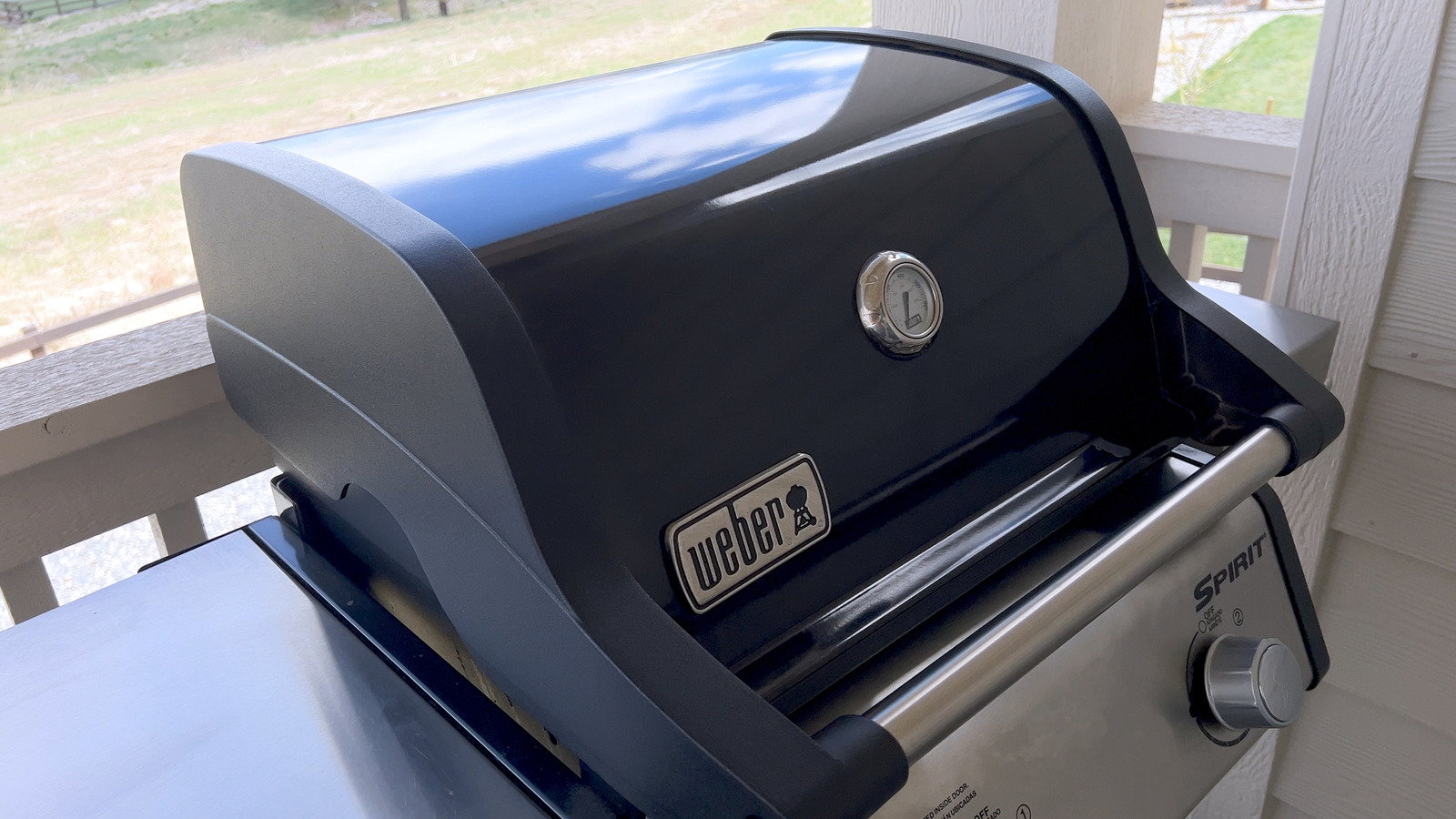
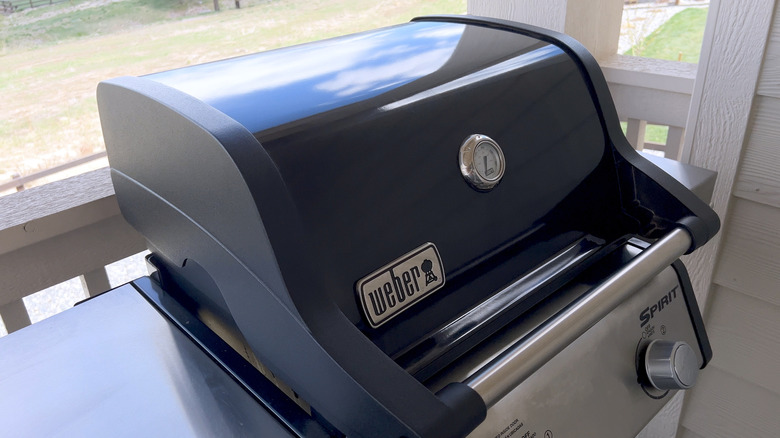
Weber grills cost a pretty penny, but the good news is that they’re made to last (and have generous warranties). The average lifespan is in the double digits.
Mashed – Fast Food, Celebrity Chefs, Grocery, Reviews
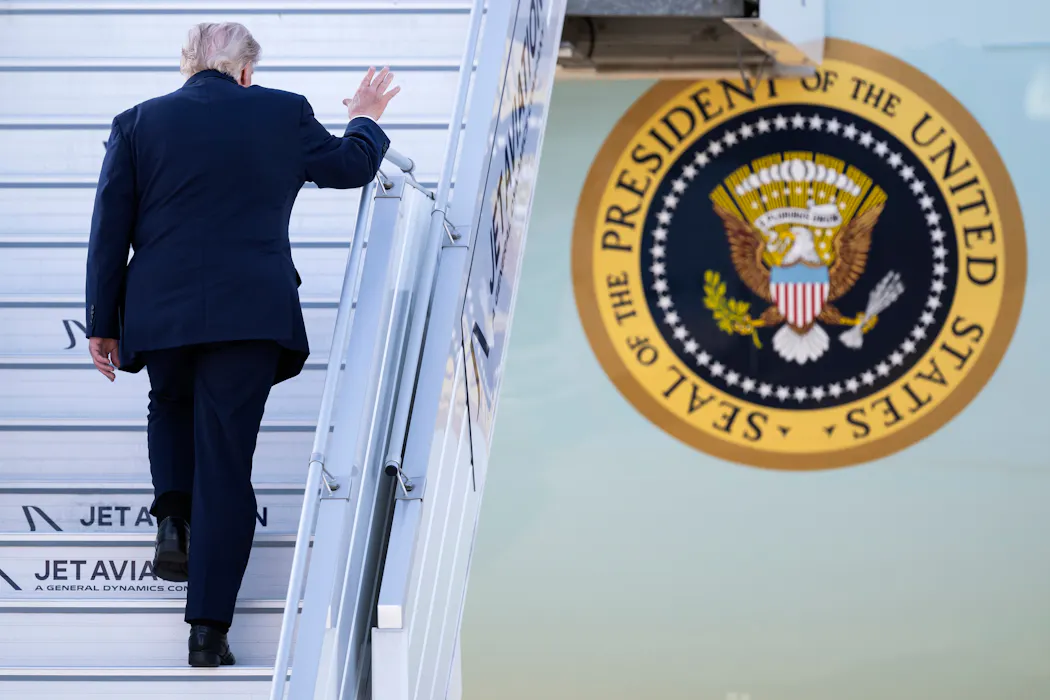
In a recent exchange with reporters about the newly brokered Iran agreement, President Donald Trump was asked whether he planned to submit the deal to Congress.
“I never thought about sending – never even thought about it, but I will,” Trump said. “I will send it to Congress. I like the idea.”
The most revealing phrase in the president’s statement was not “I will send it.” It was “I never thought about it.”
In a constitutional system built around separated powers, the consent of Congress should be more than an idea the president remembers after a reporter asks. Especially when it comes to questions of war, peace and foreign policy, Congress is where the public’s representatives play a crucial role in national decision-making.
Exactly what role Congress has in this particular agreement is not yet clear. The Constitution gives the Senate formal responsibility for approving or rejecting treaties. But presidents also enter many international agreements without submitting them for a Senate vote. As a result, lawyers and lawmakers often disagree about when congressional approval is legally required and when a president can act on his own.
But the legal question is not the only issue. Trump’s comment was revealing because it suggested that Congress had not been part of his thinking from the beginning.
That fits a larger pattern in Trump’s rhetoric. In his public remarks, he rarely describes Congress as a coequal branch of government. It appears as an obstacle, an audience, a pressure point, a rubber stamp or an afterthought.
As a scholar of media and presidential rhetoric, and an endowed professor for the Frank Church Institute, a center established to honor the former senator who once chaired a committee that aimed to ensure Congress’ role overseeing executive branch activities, I pay close attention to how presidents talk about power. The language they use often reveals not only what they intend to do, but how they understand America’s constitutional system itself.
The U.S. Constitution does not imagine the president as the owner of the government with absolute, top-down, decision-making privileges. Instead, it places the president within a system of separated powers. Authority is divided among institutions, and no single office stands above the others.
The modern expansion of presidential power did not begin with Trump. Presidents of both parties have claimed broad unilateral authority. This is especially true when it comes to foreign affairs, war powers, immigration, emergencies, tariffs and administrative actions.
Nor did Trump invent the practice of presidents bypassing Congress by appealing directly to the public. Political communication scholars call this tactic “the rhetorical presidency.”
The basic idea is straightforward. As mass media became central to politics, presidents increasingly used public communication to build support for their agendas and pressure Congress from the outside.
To illustrate the contrast between the era of presidential pressure directly on Congress versus going to the public for that support, Abraham Lincoln actively lobbied legislators to pass the 13th Amendment, which made slavery illegal.
Franklin Delano Roosevelt engendered support for his New Deal programs through press conferences and fireside chats broadcast nationally on radio.
That development changed the presidency. Presidents became not only administrators of government but constant public performers of leadership.
Trump represents a further turn in this theory. He does not merely go over or around Congress to make a public case for his actions. He often speaks as though Congress has no independent claim on national authority, and that the legislature’s main role is to offer him unconditional support. To wit, after Congress voted to limit Trump’s authority to use force in Iran, he called supporters of the measure, including some Republicans, “unpatriotic.”
Like Trump, other presidents have also personalized power. In 2006, President George W. Bush drew criticism when he defended keeping Donald Rumsfeld as defense secretary by saying, “I’m the decider, and I decide what is best.” The line became famous because it seemed to compress executive authority into one person’s will.
But Trump’s attitude seems more expansive than was Bush’s. He speaks as though being president means being the person who knows more than anyone else, who can act more decisively than anyone else, and who deserves to be questioned less than anyone else. He told Axios that there are “no limits” to his ability to exert power that he has yet found.
When Trump speaks this way, presidential power sounds like personal superiority. His words obscure the fundamental constitutional principle that no government official is beyond scrutiny, correction or institutional constraint.

Congress is not simply a rival power center to the presidency. It is the branch through which citizens are most directly represented in national government. Members of Congress are elected from states and districts. Their roles include hearing from constituents, taking account of local concerns, debating policy, authorizing spending, overseeing the executive branch and making laws.
When a president treats Congress as optional, he is also treating representation as unnecessary. And when representation is unnecessary, accountability can also fall by the wayside.
Congress is where public authority becomes governmental authority. In a representative democracy, the people are sovereign. Public power, meaning the authority government exercises on behalf of the people, does not originate with the president. It originates with citizens and is carried into government through elections, deliberation, law and consent.
Questions about Iran have exposed this tension. When Congress has tried to limit or review Trump’s authority to use lethal force against Iran, the debate has not only been about military strategy. It has also been about whether congressional authorization and oversight still count as legitimate parts of decision-making about military force – and sending American troops into situations in which they could die.
Congress is not infallible, and the Constitution does not suggest that its judgment should automatically prevail over presidential will. Moreover, not every international agreement requires the same kind of congressional involvement.
It is also possible that the public supports the new Iran deal, and so the president has its implicit consent.
But even if these things are true, the point is more fundamental. In saying, “I never thought about it,” the president returned to a claim about power that has defined his political rhetoric since 2016, when he declared that only he could repair what was broken in America: “I alone can fix it.” It’s a philosophy that says the president acts first, and other institutions are invited to catch up later.
The danger is not simply that he is sidelining the role of Congress. It is that this understanding of power makes the constitutional system resemble a hierarchy rather than a republic. And when the institutions through which citizens exercise their authority can be treated as optional, it is ultimately the people who are pushed to the margins of self-government.
That undermines the democratic order. The president does not stand above the people. He serves within a constitutional system designed to keep public authority from becoming personal power.

Stephanie A. (Sam) Martin does not work for, consult, own shares in or receive funding from any company or organization that would benefit from this article, and has disclosed no relevant affiliations beyond their academic appointment.
Politics + Society – The Conversation