Riley Green is on the brink of something special as he steps into the coaching role on ‘The Voice.’ What challenges and surprises await him? Let’s find out! Continue reading…The Boot – Country Music News, Music Videos and Songs
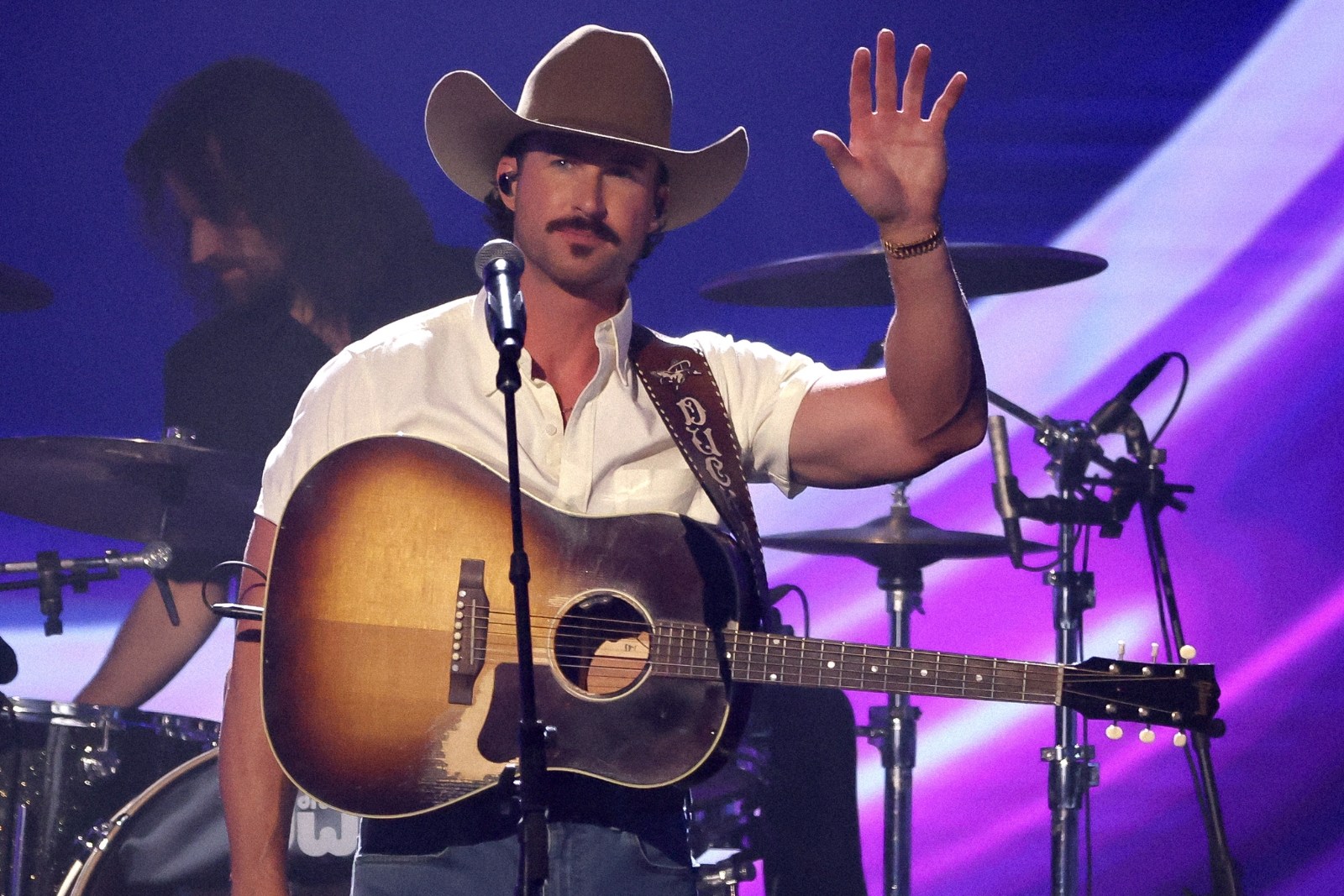








Riley Green is on the brink of something special as he steps into the coaching role on ‘The Voice.’ What challenges and surprises await him? Let’s find out! Continue reading…The Boot – Country Music News, Music Videos and Songs
Riley Green is on the brink of something special as he steps into the coaching role on ‘The Voice.’ What challenges and surprises await him? Let’s find out! Continue reading…Country Music News – Taste of Country

Most of us were expecting one major NFL trade on Monday. However, we wound up with two deals that will drastically shake up the 2026 season, and one of the trades ranks among the biggest in NFL history. The Los Angeles Rams made a stunning deal to acquire two-time Defensive Player of the Year Myles Garrett from the Cleveland Browns, giving up Pro Bowl edge Jared Verse and three picks (including a 2027 first-rounder) in the process. Hours later, the New England Patriots finally landed three-time All-Pro receiver A.J. Brown after months of rumors, trading a 2028 first-round pick and a 2027 fifth-round pick to the Philadelphia Eagles. Now, the debate is on regarding who won those franchise-altering moves. Did the Rams give up too much for Garrett? Were the Patriots smart to give up a first-round pick for Brown? We asked several execs and scouts around the league those questions following Monday’s trades. From praising the Rams to questioning the Browns, here’s what they told us: Eric D. Williams: The Rams moved on from a talented and productive young player in Jared Verse, along with giving up significant draft capital to acquire the best defensive player in the NFL, pass rusher Myles Garrett from the Cleveland Browns. But in return, according to sources I spoke with, the Rams improved their chances of winning a Super Bowl this season — and beyond. “It’s probably a win-win, with more risk for the Rams,” a league source told me about the deal. “It’s hard to argue with it for the Browns, given how much they got. As great as Garrett is, he’s going into his 10th season. “But if the Rams win a Super Bowl with him and he helps, then it’s awesome for them no matter what else happens. That’s how you really judge it for them. They would love to win it this year, but if they win it any time [Garrett] is on the team and he is a key factor, it’s a good trade. It does not need to be the 2026 season. It would be unlikely it is later than 2028, but not impossible.” Garrett, 30, is the first reigning Defensive Player of the Year to be traded in NFL history. And the move comes a year after he set the NFL’s single-season sack record, logging 23 sacks in 2025. So, it’s no surprise that a longtime scout who evaluated Garrett at Texas A&M in 2017 believes the star edge rusher brings a different dimension to Los Angeles’ defense. “A really good team just got a lot better,” the scout told me. “I remember evaluating him coming out, and I thought he was generational. It used to be that generational players stayed with one team during their career, but that’s not the case now. “I think he’ll be a good fit with the Rams and give them something they do not have. He’s got a lot of gas left in the tank. … Sometimes a good player like that will up his game even further in a new environment.” Parting with a two-time Pro Bowler in Verse isn’t easy, as the 2024 first-round pick ranked sixth in total pressures last season, per Pro Football Focus. But giving up the 25-year-old standout — plus a 2027 first-round pick, a 2028 second-round pick and a 2029 third-round pick — was worth it for Garrett, according to a front office executive I spoke with. “Trading for the best defensive player in the league does not come cheap,” the executive said to me. “It’s the cost of doing business.” As for the Browns, the front office executive said receiving Verse and the draft assets will help continue the team’s rebuilding process under new head coach Todd Monken. “He’s a big, fast and productive pass rusher who can also play the run,” the executive said about Verse. “At 25 years old, he’s durable and on a rookie contract. Sounds good to me.” Ralph Vacchiano: Garrett wanted out of Cleveland a year ago, but the Browns had other plans. They wanted to make him the face of their franchise as they started rebuilding from scratch, giving him a record extension at the time. Then, on Monday, they decided to start all over again. “That’s the Browns,” one NFL executive told me. “They had a plan. They gave it a whole year. Now they’re starting over. It’s what they do.” That’s certainly the way it seemed when they traded Garrett just a year after giving him a four-year, $160 million contract with a full no-trade clause, which is rare. The Browns resisted all efforts to deal him even after he requested a trade last offseason. And they did get a historic season out of him. Of course, he did it on a 5-12 team. “I don’t know what they got out of keeping him,” the executive told me. “They knew they didn’t have a quarterback. They knew they probably wouldn’t be good until late in his deal. He’s a great player, don’t get me wrong, but they needed the assets more. “I don’t know if they could’ve gotten a better deal last year or even the same deal, but they would’ve been a year further along [in their rebuilding]. You can’t run a franchise by starting over every year.” Williams: In one of the worst-kept secrets this offseason, the Eagles finally traded mercurial receiver A.J. Brown. In a transaction rumored for months to take place on June 1 due to salary cap ramifications for the Eagles, the Patriots gave up a first-round pick in 2028 and a fifth-round selection in 2027 for Brown’s services. One source I spoke with thought it a head-scratcher that the Eagles secured a first-round pick even though it was a foregone conclusion that Philadelphia was trading Brown to New England. Brown played for Patriots head coach Mike Vrabel when both of them were in Tennessee. “I’m somewhat surprised that the Eagles were able to get a first-round pick as part of the deal, albeit a first in two years,” the league source told me. “It was clear that Philadelphia wanted to move on, and yet they were still able to convince New England to give up a one.” However, the league source acknowledged that the Rams coming close to making a trade for Brown (which potentially would have included wide receiver Davante Adams) could have driven up the price for New England. Now that Brown, known for his prickly personality, is a Patriot, how he fits with third-year quarterback Drake Maye and is used by offensive coordinator Josh McDaniels will be the next thing to watch for in New England. “I think he’ll be fine in the locker room,” the league source told me. “He couldn’t be any more challenging than Stefon Diggs in that locker room.” Vacchiano: A first-round pick in any draft is a high price to pay for a wide receiver approaching age 30 who hasn’t lived up to his potential over the past two seasons. But the Patriots expect that A.J. Brown will improve just by getting him out of Philadelphia. “He’s the classic change-of-scenery guy,” an NFL assistant general manager told me. “He clearly wasn’t happy in Philly. He’s going to be better just by putting on different colors.” That’s what the Patriots are counting on after trading a 2028 first-round pick and a 2027 fifth-rounder for the soon-to-be 29-year-old. His numbers were down the past two seasons, but he still averaged 73 catches, 1,041 yards and seven touchdowns despite missing seven games. After recording 1,003 receiving yards in 2025, Brown has logged at least 1,000 yards in six of his first seasons in the league. The injuries that bothered him weren’t nearly the problem that his attitude and demeanor had become, at least to those who watched him from the outside. And in New England, that is expected to change. “A.J. Brown looked miserable over the last two years and the Eagles’ passing game was always off,” a scout told me. “But look at the numbers he still put up. And he did that splitting attention with DeVonta Smith. That shows you how talented this guy is. “Yes, you’ve got to make him the focus of your offense. Yes, you have to work to keep him happy. But the Patriots will gladly do all that. He’s the best receiver they’ve had in years.”Latest Sports News from FOX Sports
By: Corinne Smith, Alaska Beacon
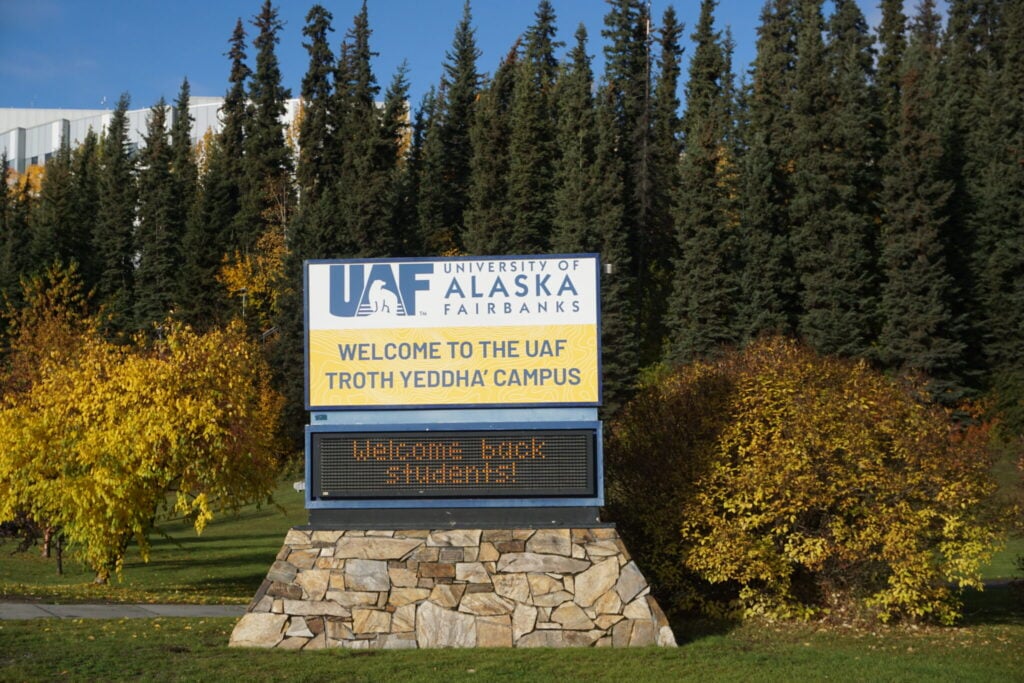
Officials with the University of Alaska have tapped the commander of the U.S. Army 11th Airborne Division’s Arctic Aviation Command as the new permanent chancellor of the University of Alaska Fairbanks.

Col. Russell “Russ” Vander Lugt was selected from four finalists after an eight-month search process. He will be the top executive of Alaska’s leading research institution, which describes itself as “America’s Arctic university.” He will replace interim chancellor, and former U.S. Ambassador to the Arctic, Mike Sfraga, who succeeded former chancellor Dan White who announced his retirement in May of last year.
Vander Lugt is a senior U.S. Army officer, an Arctic scholar and UAF alumni, with over two decades of executive leadership experience, according to a university announcement on May 27. He has served as commander of the 11th Airborne Division’s Arctic Aviation Command at Fort Wainwright in Fairbanks since Aug. 2024.
“I’m humbled to be selected to lead the University of Alaska Fairbanks during this pivotal time,” Vander Lugt said in a statement with the announcement.
“I look forward to leading through trust, transparency, and teamwork as we see Alaska and the Arctic transformed through education, research, and public service. I’m committed to building on the strong foundation Chancellors Sfraga and White have established, and working closely with university leadership and governance to support and advance UAF’s mission,” he said.
Vander Lugt will step into the permanent chancellor role on Sept. 8. Sfraga’s last day was Friday, and university officials have selected Larry Hinzman, director of the UA Arctic Leadership Initiative, to serve as interim chancellor through the summer.
Vander Lugt has had a long career with the U.S. Army in various roles in Alaska, where he is stationed in Fairbanks, and across the U.S. His resume lists deployments to Europe and the Middle East.
He served in executive leadership roles that include the Alaskan Command, a division of the U.S. Northern Command, the 601st Aviation Support Battalion, and the 1st Stryker Brigade Combat team. He also taught history and military leadership as an assistant professor at the U.S. Military Academy at West Point and was a professor of military science and department chair at Embry-Riddle Aeronautical University in Prescott, Arizona.
He holds a master’s degree and doctoral degree in Arctic and Northern Studies at the University of Alaska Fairbanks, which he completed in 2022.
Vander Lugt’s hire is the latest in major leadership changes in the University of Alaska system — former UA president Pat Pitney retired last month and former university attorney Matt Cooper was named as her successor. Cooper will begin as university president in early August, and Michelle Rizk, vice president of university relations and chief strategy, planning and budget officer, is serving as interim president. Cheryl Siemers was appointed permanent chancellor of the University of Alaska Anchorage in March, after serving as interim chancellor since the retirement of former chancellor Sean Parnell last year.
Vander Lugt’s base salary will be $309,000, according to the university’s announcement.
The University of Alaska Fairbanks serves roughly 7,500 students. It employs more than 800 faculty and nearly 2,000 staff across urban and rural campuses in Fairbanks, Kotzebue, Nome, Bethel and Dillingham.

Westin Nelson poses with the mule deer he shot in Skagway in April of 2026. He is the first person on record to harvest a mule deer in Alaska. The animals have expanded from their traditional range into Canada’s Yukon and Northwest Territories, and have been roaming in Alaska in recent years. State officials worry that mule deer might carry winter ticks, which can devastate moose populations, into Alaska. (Photo provided by Westin Nelson)
When Westin Nelson of Skagway became the first Alaska hunter on record to harvest a mule deer, he may have been doing the state a favor.
Mule deer, better known as inhabitants of the Rocky Mountain and Great Plains regions, have been expanding their range northward, including into Alaska. As they do so, they are expanding the risks of parasites and some contagious diseases.
The most concerning issue is the winter tick, or Dermacentor albipictus. It has yet to be documented in Alaska, but it has wiped out much of the moose population in New England and started causing problems for moose populations as far north as Canada’s Yukon and Northwest Territories.
In recent years, nearly half of the mule deer examined in the Whitehorse area were found to be tick-infested, said Dr. Kimberlee Beckmen, the Alaska Department of Fish and Game’s wildlife biologist. That is ominous for Alaska, she said.
“All it takes is one mule deer with one female tick on it to come into Alaska, and that would completely devastate our moose population,” Beckmen said.

Mule deer have been well-established in the Yukon Territory since at least the 1980s, and in Alaska, people have been spotting them on sometimes fleeting occasions for a little over a decade.
Most sightings have been in the northern part of the Southeast panhandle, but some were as far north as Interior Alaska. Three mule deer were reported in 2013 near Delta Junction, one was photographed near the Fort Knox mine outside of Fairbanks in 2016 and one was struck by a vehicle and killed in North Pole in 2017, according to the Department of Fish and Game.
Though they are related to the Sitka black-tailed deer that live in territory stretching from the British Columbia rainforest to the Kodiak Archipelago, mule deer are different from their Alaska cousins.
The contrast is striking, said Nelson, the Skagway hunter.
“These deer are big, maybe twice the size of Sitka black-tailed deer,” he said. “Mule deer have enormous ears. They have ears like a mule.”
Adult Sitka black-tailed deer generally weigh 80 to 120 pounds, according to the Department of Fish and Game, while adult mule deer often weigh more than 200 pounds.
Nelson said he has seen mule deer occasionally in the Skagway area over the past few years. He had a light-hearted competition with a friend about who would be the first to hunt one. It was not until April when circumstances came together to result in a successful hunt – right in that friend’s yard.

“I just happened to kind of get lucky,” Nelson said.
The rules for hunting mule deer in Alaska, where the species is non-native and considered “deleterious,” are liberal. There are no seasonal restrictions and no bag limits. Even though it took until this year for Nelson to become the first hunter on record to harvest a mule deer in Alaska, state officials first authorized mule deer hunting in 2019.
The caveat for mule deer hunters is that the Department of Fish and Game wants them to submit tissue samples for testing. That is to screen for signs of tick infestations and for numerous problems like brain worm, also known as “moose sickness,” chronic wasting disease, different types of hemorrhagic diseases, bluetongue, worm infestation and other diseases or parasites.
Nelson provided abundant samples to the department: the hide, head and neck, liver, heart, lungs, spleen, lower colon and two lower legs with the hooves attached, according to officials with the Department of Fish and Game.
Importantly, Beckmen with the department said, there were no signs of hair loss or breakage in the hide, indicating that any tick infestation during the past winter was unlikely.
Nelson said he has been reading up on mule deer and the state’s concerns about ticks and other dangers. But he downplayed any contributions he might have made to state wildlife safety. “I wouldn’t say I’m super-noble or anything. I just wanted to get one,” he said.
Climate change, along with factors like road-building and agricultural development, have allowed mule deer to thrive in new territory even as some habitat is lost to development, according to the Department of Fish and Game.

Climate change is also helping spread the winter tick northward and westward.
The ticks do not travel on their own. Rather, they grow from eggs that are laid on the ground in the spring that grow into larvae that climb up plants in packs to latch onto passing hosts in the fall, a process known as “questing.” If they stay attached all winter, they develop into adults that repeat the cycle by dropping from their hosts in spring to lay eggs. Shorter winters and later snowfalls are increasing opportunities for successful questing by the ticks, scientists say.
In New England, moose have been found with tens of thousands of winter ticks embedded in their skin. The blood loss they cause can be fatal, especially to young moose. In Maine, for example, biologists in 2022 found that 86% of the moose calves they had collared died from tick infestations. In New Hampshire, the moose population now is only about half of what it was in the 1990s, according to state biologists there.
While mule deer can become infested with winter ticks, they also are able to get rid of them fairly effectively through self-grooming.
Moose lack those grooming skills. That results in moose rubbing and scratching off so much of their hair that they are called “ghost moose” because their bald spots make them look white.
Mule deer are not the only species expanding their range to Alaska.
Another such species is the mountain lion, also known as cougar. The Alaska Board of Game early this year approved a first hunting and trapping season for mountain lions. It is set to start on Aug. 1 in parts of Southeast Alaska.
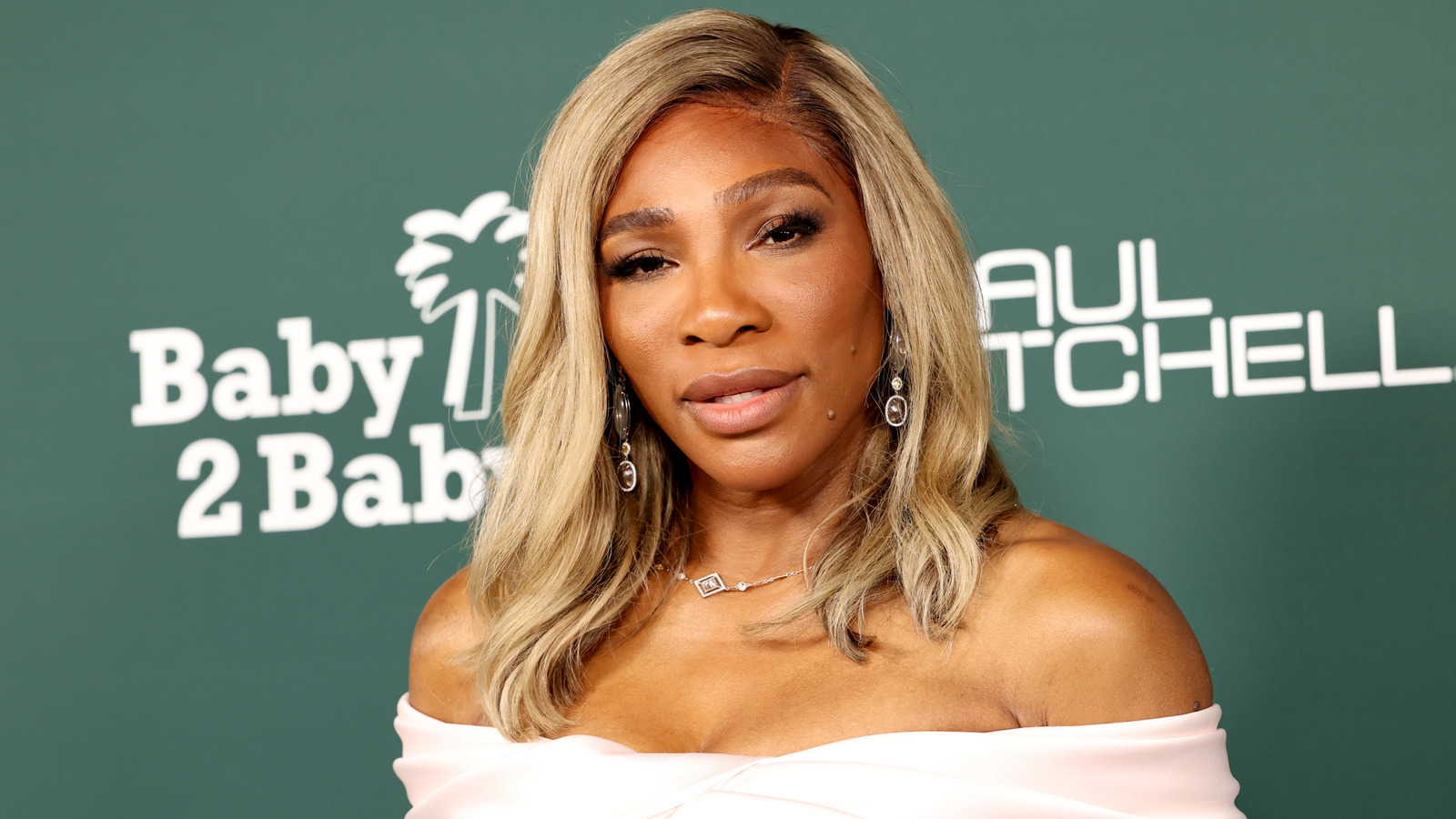
Several celebrities have spoken out about having nearly died during childbirth. We’ll take a look at what these famous women have had to say.
Health Digest – Health News, Wellness, Expert Insights
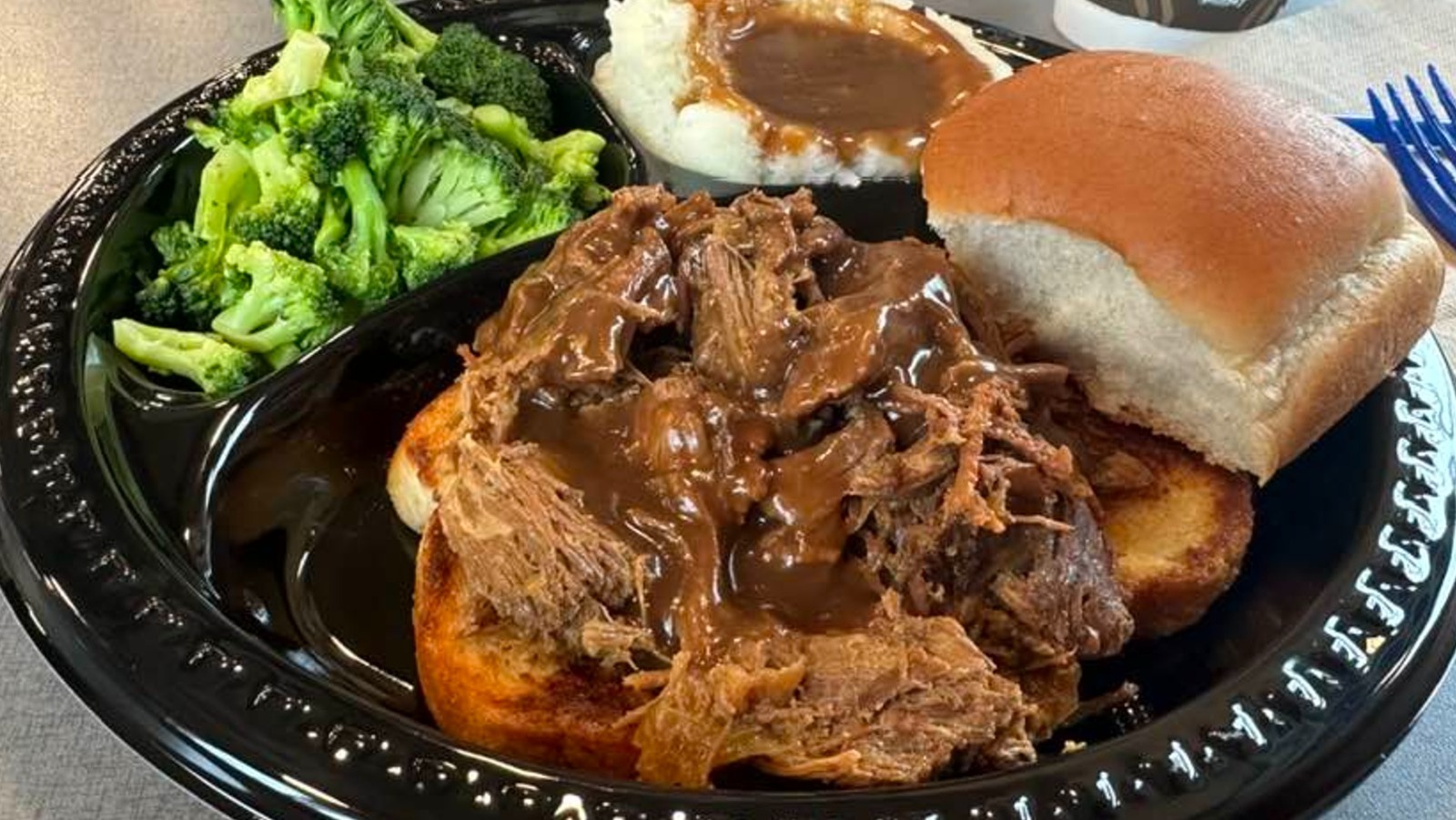
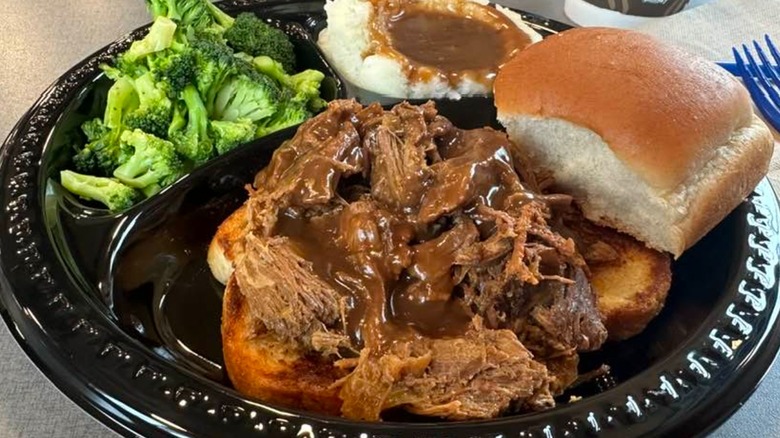
Fast food chains rarely go off-script to offer customers something truly unique, but one particular franchise actually has pot roast on the menu.
Food Republic – Restaurants, Reviews, Recipes, Cooking Tips

Morgan Wallen shared a behind-the-scenes moment from his controversial piano saga in Denver, and it’s a little unclear if he was joking or genuinely mad. Continue reading…The Boot – Country Music News, Music Videos and Songs
Morgan Wallen shared a behind-the-scenes moment from his controversial piano saga in Denver, and it’s a little unclear if he was joking or genuinely mad. Continue reading…Country Music News – Taste of Country

During a Washington Nationals baseball game on May 17, 2026, three people unfurled a large banner from the upper deck of Nationals Park displaying a link to a white nationalist website.
The website, warning of the replacement of whites by people of color, called for the deportation of 100 million people from the United States.
The disturbing incident reflects the broader ascendance of the “great replacement theory,” the xenophobic conspiracy theory asserting that shadowy elites are embracing permissive immigration policies to replace native-born white Americans with immigrants of color.
Prominent Republicans, including President Donald Trump, Speaker of the House Mike Johnson and conservative podcaster Tucker Carlson, have echoed ideas associated with the great replacement theory. And conservative media outlets, such as Fox News, have disseminated them to millions of viewers.
But are the xenophobic ideas recently expressed at Nationals Park limited to a small number of extremists, or are they also endorsed by the broader public? If the latter, how do political and media elites contribute to their spread?
To answer these questions, our team has conducted several nationally representative surveys that ask Americans about their support for key tenets of the great replacement theory.
We consistently found that a substantial minority of Americans agree with the sentiment that new immigrants threaten the political, cultural and economic power of white Americans. In our latest poll of 1,000 Americans fielded in March 2026, 36% agreed with the statement: “Native-born Americans are losing their economic, political, and cultural influence in this country because of the growing population of immigrants.”
A notable number of Americans – 26% – also believed political elites are trying to “replace” the existing white population, agreeing with the statement: “There are people who secretly work to make sure immigrants will eventually replace real Americans.”
Support for these beliefs is concentrated most heavily among white Americans, Republicans, conservatives and self-identifying members of Donald Trump’s Make America Great Again movement. Indeed, more than 3 in 4 members of the MAGA movement and close to 6 in 10 Republicans agreed with the statement: “Immigrants invade and colonize the United States.”
But what explains this spread of the great replacement theory?
In our newly published, peer-reviewed study, we used nationally representative panel survey data that tracked over 500 white Americans over time to attempt to answer this question.
We found that white Americans who identified as Republican, who are conservatives and who have negative views of people from other racial backgrounds are all more likely to express support for key tenets of the great replacement theory. Moreover, we uncovered clear evidence that white Americans who watch Fox News are also more likely to agree with the conspiracy theory.
Given the popularity of Fox News, we believe this latter point deserved further investigation. As detailed in our paper, while 39% of all white Americans agree that immigrants invade and colonize the U.S., 61% of white Americans who watch Fox News agree with this view. Even when taking into account partisan identification, ideology, racial attitudes and demographic characteristics, Fox News viewership remains significantly associated with more support for the great replacement theory.
Additionally, because we tracked white Americans over time, we could observe changes in their support for the conspiracy theory in response to variations in their viewership of Fox News. Simply put, the more Fox News programming that a white American watches, the more likely they are to adopt the conspiracy theory.

Our research builds on decades of work showing that public opinion is strongly influenced by media consumption. Recent scholarship, in particular, highlights the influence of Fox News on public opinion. It shows how exposure to Fox News leads Americans to express more conservative attitudes about the COVID-19 pandemic, immigration policies and criminal justice issues.
Given the attention that Fox News hosts, elected officials and pundits dedicate to the great replacement theory, our results suggest that this coverage has indeed influenced the views of white Americans. The great replacement theory is no longer purely on the fringes of society.
In our view, this is troubling, not only because the conspiracy theory treats immigration as an existential issue — where the stakes are framed as the very preservation of one’s self and country — but also because the theory is also linked to numerous instances of political violence directed at people of color and religious minorities.
As America approaches its 250th birthday, the nation will no doubt continue to grapple with the topic of immigration, race and what it means to be an American.
While there’s plenty of room for disagreement over immigration policy, conspiracy theories make it much harder to find common ground or craft political compromises. What we’ve found is that when prominent media embrace conspiracy theorizing, increased public endorsement of conspiracies will follow.

Jesse Rhodes receives funding from the National Science Foundation, the Spencer Foundation, and Demos.
Tatishe Nteta receives funding from the Russell Sage Foundation.
Adam Eichen does not work for, consult, own shares in or receive funding from any company or organization that would benefit from this article, and has disclosed no relevant affiliations beyond their academic appointment.
Politics + Society – The Conversation