Categories
Alaska News Featured Juneau News juneau Juneau Local Juneau Local Ketchikan Local News Feeds Sitka Local

University of Alaska Board of Regents announce new university president

By: Corinne Smith, Alaska Beacon

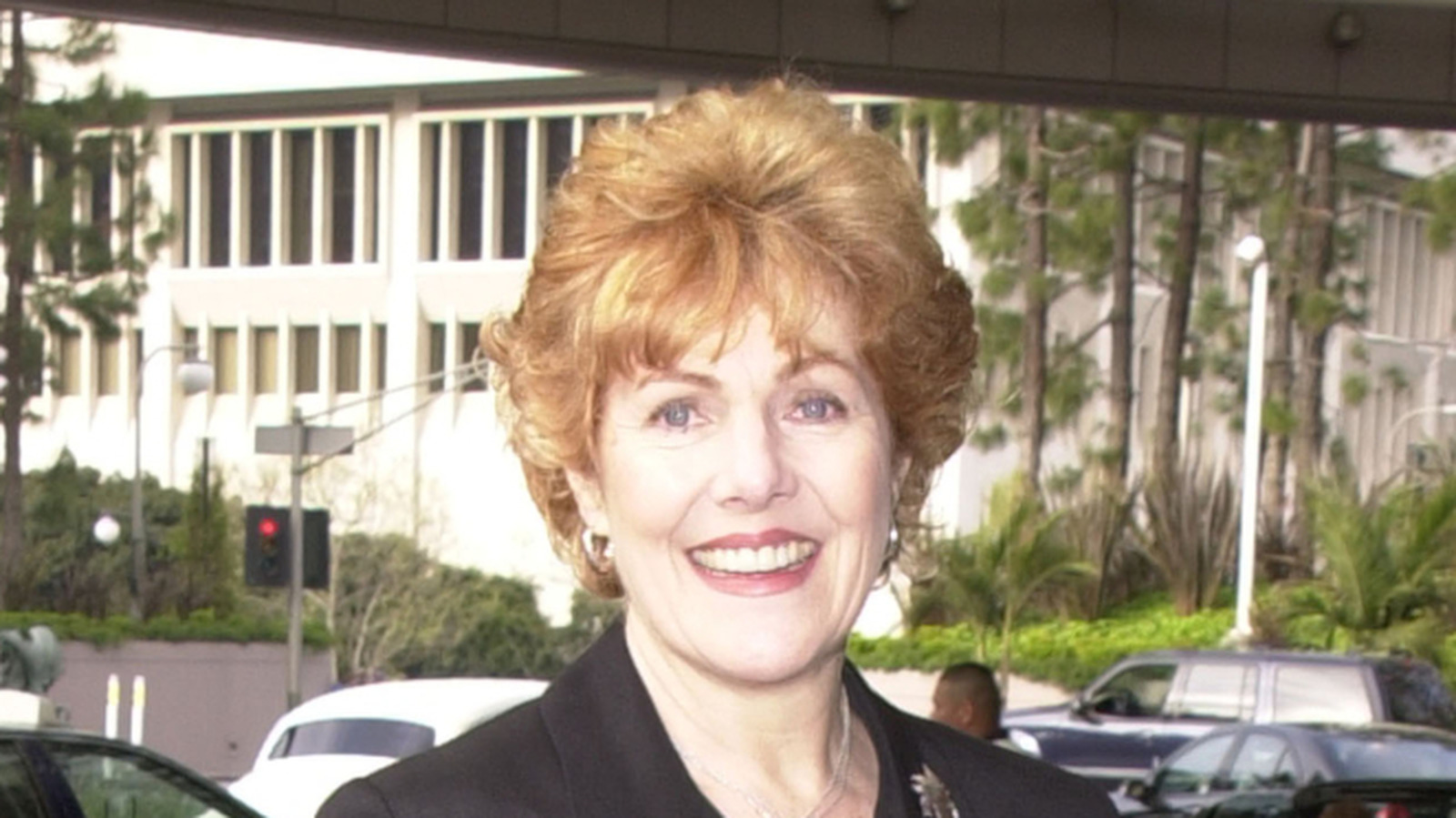
 Matt Cooper, newly appointed to be the University of Alaska president, is seen in an undated photo. (Photo courtesy of the University of Alaska)

The University of Alaska Board of Regents announced Matt Cooper as the new university president on Friday, after a closed-door, confidential hiring search.

Cooper is a Fairbanks-based attorney, and formerly served as legal representation for the university starting in 2011 and later as general counsel to the university from 2021 to 2024.

He will replace Pat Pitney, who announced her retirement in November, after 30 years of public service and five years as university president. She is planning to step down later this month. The regents said Cooper will begin his term on August 3.

The board appointed Michelle Rizk, vice president of university relations and chief strategy, planning and budget officer, to serve as interim president during the transition period from May 22 to August.

Following an executive session Friday, the board voted unanimously to select Cooper. Board of Regents Chair Scott Jepsen said after the vote that Copper was selected from among 50 candidates.

The University of Alaska Board of Regents and UA President Pat Pitney are seen on a web call, following the announcement of the new UA president, Matt Cooper on May 1, 2026. (Screenshot of web call)

“I think he brings a management style to university, which will help us be collaborative and work as a team to achieve the goals that we have set for the university,” Jepsen said. “We have a lot of challenges in front of us, and it’s going to take a skill set that has good interpersonal skills, understands the university, understands Alaska, and has that vision of where we want to go.” 

UA President Pat Pitney told board members she was pleased with the selection.

“I’ve had the pleasure to work with Matt over the years, and he is a genuine leader. He looks for win-win solutions. He’s worked on numerous issues and opportunities for the university at all levels. So he knows he knows our institution, he knows the people he’s just going to bring a really strong energy and strong leadership to our university,” she said. 

Cooper has been practicing law in Alaska since 2003. He is leaving a position with the law firm Davis Wright Tremaine, LLP where he focused on real estate and land use issues in Alaska, Washington state and other areas, according to the firm’s website

He received a law degree from the University of Washington School of Law, and a bachelor’s degree at the University of Puget Sound. 

Cooper will be charged with the chief executive role overseeing the state’s public university system across three university campuses, 13 community campuses and over 500 in-person and online degree programs, as well as a wide range of research initiatives. Currently, roughly 20,000 students are enrolled this year. 

Cooper will continue to live in Fairbanks. He will earn a base salary of $420,000, with a total compensation package of $429,600 excluding benefits, according to the university. 

That’s a slight increase from Pitney’s total compensation package of $427,565, which included a housing stipend and excluded benefits.

In a statement following the announcement, Cooper said he was grateful for the appointment. 

“I’ve seen firsthand how UA empowers our communities and state, and I believe strongly that the future on our horizon is bright,” he said. “I look forward to building on the strong foundation President Pitney has established, and to working with the Board and university leadership and governance to support and advance the university’s long-term vision and goals.”

University changes hiring process

Cooper was one of three finalists for the top university position. Regents and university officials opted to conduct a closed-door, confidential hiring process that began last winter, instead of holding public forums and interviews of finalists.

The change in process was at the recommendation of a Texas-based hiring consultant, Wietkeffer, to protect candidates’ confidentiality and potentially draw from a larger applicant pool, said Jepsen in a Feb. 16 letter. 

“In recent years, highly qualified candidates – especially sitting presidents and chancellors – have declined to participate in searches with a fully public evaluation process for finalists due to concerns about professional risk if they are not selected for the role,” he wrote. “Adopting a representative model helps ensure UA can attract and seriously consider the strongest possible candidates while still incorporating meaningful stakeholder input.”

The university’s hiring committee — made up of three regents, industry leaders, and university, city and education officials — narrowed the list down to six semifinalists, then three finalists.

Finalists made campus visits and met with select  “constituent groups” this spring that included faculty, staff and student representatives from across the university system, according to a presidential search update. Each participant was required to sign a non-disclosure agreement, or NDA.

The groups submitted input to the Board of Regents, who made the final decision to select Cooper.

Correction: This story has been updated to clarify Michelle Rizk currently serves as the vice president of relations for the University of Alaska, and to reflect that the university’s candidate search narrowed down to three finalists from six semifinalists.

Categories
Alaska News

Alaska House advances bill regulating autonomous vehicles

Modern car with the future technology of self-driving and safety technology.

Getty Images.

The Alaska House advanced a bill Thursday that would regulate commercial self-driving vehicles. 

Rep. Ashley Carrick, D-Fairbanks and the bill’s sponsor, said Thursday that while autonomous cars may function well in other states like California, Alaska’s weather and road conditions can change quickly and autonomous vehicles may not function the same way.

HB 217 says that self-driving vehicles may be used for commercial purposes if the vehicle weighs 10,000 pounds or less and is designed to transport no more than 16 people. A qualified driver, called a “human safety operator” in the bill, must be physically present in the car with the ability to intervene if needed. 

“By requiring a qualified human safety operator to be present, the bill ensures that a qualified driver would potentially be able to intervene if there was a technological malfunction that occurred. It ultimately keeps all road users safe and helps to preserve jobs in Alaska in this industry,” Carrick said.

The bill does not apply to electrically powered personal delivery devices that operate on sidewalks, transport personal property, weigh less than 120 pounds and have a maximum speed of 10 miles per hour.

Patrick FitzGerald, political coordinator for Teamsters Local 959, a union representing employees in over 80 trades, asked legislators to support the bill, writing that the regulation of autonomous vehicles will protect the safety of drivers on the road and Alaskan jobs. He added that a human safety operator will add an additional layer of safety for commercial vehicles.

The bill received opposition from Alliance for Automotive Innovation, Autonomous Vehicle Industry Association and TechNet.

Rose Feliciano, director of TechNet, an advocacy group for the technology industry, wrote in a letter to legislators that the bill could limit “the use of safe, proven AV technology on Alaska’s roads” and prevent autonomous vehicles from operating in Alaska. Feliciano stated that autonomous vehicles will increase the safety and efficiency of freight movement, create new jobs, alleviate supply chain challenges and supplement the truck driver workforce.

Chief Executive Officer of Autonomous Vehicle Industry Association Jeff Farrah agreed with Feliciano, writing that autonomous vehicles support road safety, create new jobs and bring economic and environmental benefits to Alaska. 

“AVs will usher in a new era of mobility that will make Alaska’s transportation system safer and more efficient. We strongly believe Alaska should support safety-enhancing policies without foreclosing a future with AVs,” he said.

The Division of Motor Vehicles did not anticipate a fiscal impact.

The bill is scheduled for a hearing in the Senate Transportation Committee Tuesday afternoon.

SUPPORT: YOU MAKE OUR WORK POSSIBLE

Categories
Music

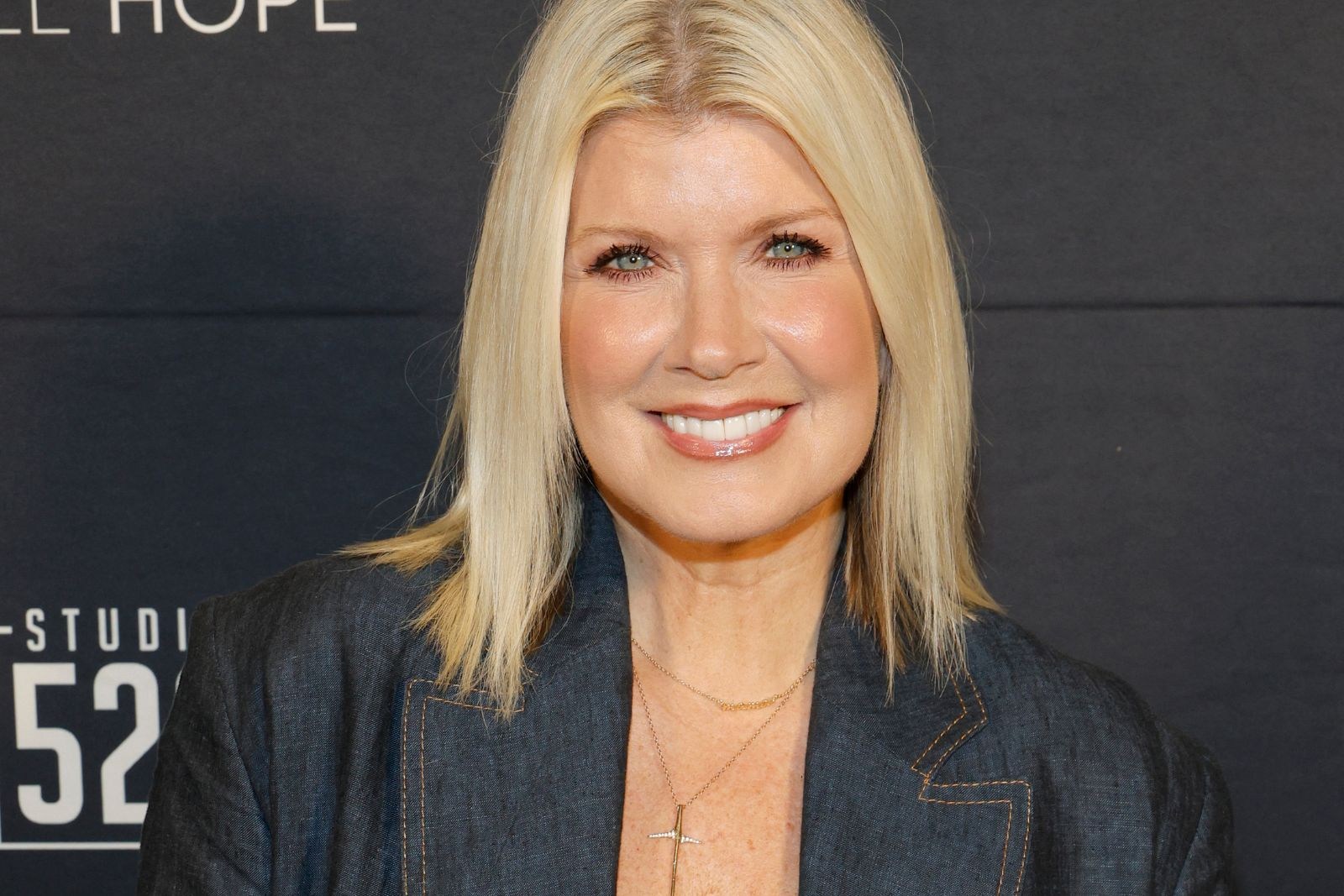
Natalie Grant Hospitalized After Slip-And-Fall Injury

What first seemed like a simple accident turned out to involve a bleeding kidney and a blood clot in her bladder. Continue reading…​The Boot – Country Music News, Music Videos and Songs

Categories
Music

Natalie Grant Hospitalized After Slip-And-Fall Injury

What first seemed like a simple accident turned out to involve a bleeding kidney and a blood clot in her bladder. Continue reading…​Country Music News – Taste of Country

Categories
Health

Side-By-Side Pics Of Celebrities Who Did Weight Watchers In The ’90s And Early Aughts

There were many celebrities who were on Weight Watchers in the 1990s and early aughts, too, and we’ve got the side-by-side photos to prove it!

​Health Digest – Health News, Wellness, Expert Insights

Categories
Music

Woman Convinced She’s Marrying Riley Green After Online Chat

A woman believes she’s in a real relationship with the “Don’t Mind If I Do” singer, and says a wedding is coming — but the situation raises major red flags. Continue reading…​The Boot – Country Music News, Music Videos and Songs

Categories
Food

The Best Costco Location In The States, According To Customers

As loyal shoppers will note, not every Costco location is identical – so which American location stands out in quality among the rest, according to customers?

​Food Republic – Restaurants, Reviews, Recipes, Cooking Tips

Categories
Sports Fox

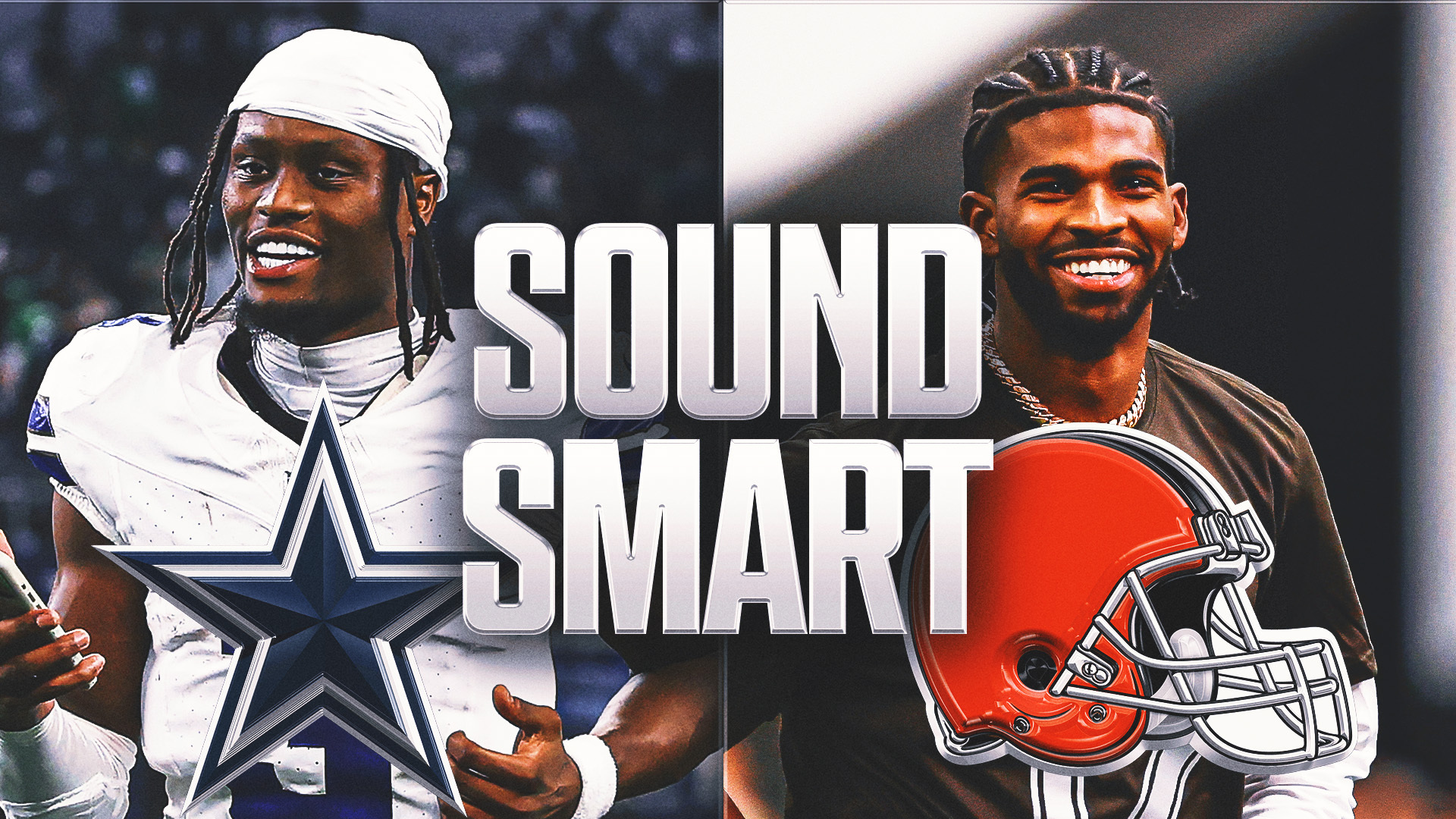
Sound Smart: 5 Observations on the Biggest Post-Draft Storylines

The NFL offseason — which is basically a whole season unto itself — is about to come to a screeching halt. Free agency has come and mostly gone. The draft is complete. And now, teams will likely wait until June 1 before making any more moves, because of the salary-cap and compensatory-pick considerations. (That’s when we’ll no doubt see the Philadelphia Eagles trade disgruntled receiver A.J. Brown.) But there is always something to discuss in the NFL offseason. Always. This is “Sound Smart,” where I try to spin forward, dive deeper and think outside the box. If I do my job, you’ll have a better understanding of what really happened over the past week of the NFL offseason. 1. IF THERE’S ONE THING YOU SHOULD KNOW, IT’S… George Pickens’ contract situation says one thing about the Dallas Cowboys — and another about the NFL. When it comes to extending the All-Pro receiver, the Cowboys aren’t going to change the way they do business — not even after the Micah Parsons situation blew up last year. You know the story: Dallas and Parsons never agreed on a contract and negotiations went forgotten-milk sour. Parsons is now a Green Bay Packer. The Cowboys have players and picks to show for the trade. A new-look defense is under construction after last year’s version was putrid without All-Pro edge Parsons. And you’d think maybe the Cowboys might be more generous with their players, perhaps to earn more goodwill — or perhaps to avoid fallout with another mercurial star. You’d think wrong. At the NFL owners meetings in March, Cowboys owner Jerry Jones set the table for how negotiations would go with Pickens, calling the franchise tag “an integral part of our strategy over the next two or three years as we look to keep our best players.” And ahead of the draft, executive vice president and director of player personnel Stephen Jones doubled down. “We’ve made a decision that we’re gonna have George play under the franchise tag, which won’t be a first for us,” Jones said. “There won’t be negotiations on a long-term deal. That’s certainly not a first for this organization and won’t be a first in the league.” Pickens signed his franchise tag on April 30. On the Cowboys’ end, this is a shrewd decision for roster management. It’s what’s best for the organization, forcing the receiver — who could likely have made $40 million per year (and probably on a three- or four-year deal) on the open market — to play for a one-year, $27.3 million deal. And with Pickens, it’s important to note how he’s not like CeeDee Lamb or Ja’Marr Chase, veteran receivers who repeatedly proved themselves on and off the field before signing huge deals. No, Pickens is more of a wild-card, whose play had been spotty at times until he arrived in Dallas last season. And he only landed with the Cowboys because the Pittsburgh Steelers were fed up with him, shipping him off for a third-round pick. That isn’t to say that Dallas’ decision is fair. But it is analytical and calculated. The Cowboys aren’t changing. Not for Parsons. Not for Pickens. Now for the NFL, it’s yet another reminder of how little power the players have. At the owners meetings, Jerry Jones mentioned that Pickens entered the league under the collective bargaining agreement, which players negotiated. And so Pickens must follow the NFL and NFLPA’s agreed-upon contract rules, which include the franchise tag. In other words, Jones is saying: Don’t hold out, don’t hold in, don’t fight this franchise tag. But of course, Pickens doesn’t have much of an alternative. When he entered the draft in 2022, the NIL era was not fully launched in college football — not like the raging business it is now. Nowadays, star players can stay in college and make plenty of money. As we saw in this year’s draft, many do. But when it comes to going pro in football, the NFL has no competitor. And the league’s contract system is extremely team-friendly. It prevented Pickens from cashing in and securing the long-term financial deal that he could absolutely demand, if not for the franchise tag. Because of that, Pickens has no real recourse — except to demand a trade and/or to stage a holdout or hold-in. That doesn’t seem to be on the table. Instead, he’ll work to change the narrative that he’s difficult to work with. He’ll play on an improperly valued contract. And in 2027, if all goes well, he’ll cash in big. 2. MONDAY MORNING CONTROVERSY Where in the world is Shedeur Sanders? Deshaun Watson is in pole position to start at quarterback for the Cleveland Browns in 2026, per Cleveland.com’s Mary Kay Cabot. And … my goodness, why and how? Where is Shedeur Sanders? This is one of the more promising Browns teams we’ve seen in quite some time, which — I know, I know — might not be saying much. But I genuinely believe that Cleveland is agonizingly close to pulling itself out of the basement and away from the purgatory of rebuilding, year after year. But the Browns are not going to be competitive if they play Watson, one of the worst QBs in recent NFL history. I’m not even being hyperbolic. Consider this telling statistic from ESPN’s Benjamin Solak: Over the past 26 years, we’ve seen 907 seasons of quarterbacks with 200 passing attempts or more. In 2024, Watson’s season ranked 902nd in yards per dropback. And of course, the QB tore his Achilles twice since that season. That’s your guy, Cleveland? So I’ll ask again: Where is Sanders? I get it. In all likelihood, Cleveland will draft its guy in 2027 — and that will be the year the Browns can legitimately turn this around. Maybe it’s as simple as: The Browns want to lose a lot of games in 2026 — to rise to the top of the 2027 draft (aka tanking). But that would surprise me. The Browns can’t really afford to tank, not with GM Andrew Berry and head coach Todd Monken on hot seats. Yeah, that’s right, they could both get fired. Monken hasn’t coached a single down yet, but the Browns struggled to attract a top candidate in the 2026 hiring cycle, mainly because of the team’s salary cap issues and quarterback issues — which all tie back to Watson. If they have a strong, young team with a high draft pick in a QB-rich 2027 draft, the Browns could hire a big-name coach or hot coordinator prospect. (Monken joined Cleveland after getting fired from his OC gig with the Baltimore Ravens.) Think about how the Chicago Bears attracted Ben Johnson with a well-timed hire a year after selecting QB Caleb Williams with the No. 1 overall pick in the 2024 draft. It’s starting to feel clear that Sanders is not a part of the Browns’ plan, that I’m inserting him into the conversation — because he is not inserting or asserting himself as QB1. Time is running out. Now would be a great time for Sanders to step up. To prove he’s “LEGENDARY.” 3. PEELING BACK THE CURTAIN Eric DeCosta did a brilliant job of defusing tension between NFL teams and the Consensus Draft Board. There has been an ongoing discussion in the NFL about the “Consensus Board,” an aggregation of media-based big boards ranking the top draft prospects. It’s an effort to use the immense draft data to set the averages. The discussion is often contentious after a team veers from the consensus ranking. But finally, the discussion took a more productive turn this week. And that was when Ravens GM Eric Decosta took the time to explain what he’s seeing when he works with his team’s board — and compares it to the consensus. “Over the last three years or so, more teams seem to be drafting the same as the Ravens,” DeCosta said on “The Lounge” podcast. “There seems to be an alignment in some ways of boards. And some of that might be based on modeling and analytics and more data being used, some of that data which is industry data and various things. I’m not sure if that’s good or not.” He said there are draft prospects he calls “outlier players” who he might rank, for example, as first- or second-round picks but who the consensus boards show as fourth- or fifth-round picks. “That was concerning except that, in most of those cases, those players were drafted closer to where we had them by other teams,” DeCosta said. “Meaning, they weren’t falling [toward their consensus value]. … We see those guys getting drafted closer to 35 than 105. So what that tells me — and again, I think we’re just scratching the surface on this — but it tells me that there are players that teams like that the consensus boards haven’t heard about, valued properly or latched onto.” He added: “There are these outlier prospects that the teams know about that the consensus boards haven’t caught up to.” DeCosta felt like the open access to data and analytics has helped the media’s consensus board align more closely with teams’ boards — particularly as the years go on. But they don’t match universally. The entire discussion started with the examination of the San Francisco 49ers’ draft class, which included a handful of “reaches,” when using the consensus board. In this year’s class, 49ers receiver De’Zhaun Stribling might be the best example of an “outlier player.” The 49ers took him at 33rd overall — despite him sitting at 85th on the consensus board — because San Francisco feared he’d get drafted soon after their slot. Reports indicate that the 49ers were right — multiple teams had Stribling circled for Round 2. And all it takes is one other team. If the 49ers wanted Stribling, they probably needed to take him at No. 33. And it’s now upon them to make sure he delivers upon that draft status. San Francisco GM John Lynch and coach Kyle Shanahan were not as open as DeCosta to talk about the process and the way the consensus board does (and does not) steer their line of thinking. They were more defensive and flippant, with Lynch saying, “We’ve got consensus in this building. That’s the consensus that I care about.” So I appreciate that DeCosta took the time to reach the draft community with a more generous spirit. 4. RANDOM RANKINGS Here are six sleeper rookies that I love for fantasy football. I’ll do three for dynasty and three for redraft. Ted Hurst, WR, Tampa Bay Buccaneers (Dynasty) The Bucs’ offense came down to earth last year, which is why they pivoted from OC Josh Grizzard to Zac Robinson, an apple that fell off the Sean McVay tree. You can bet that GM Jason Licht drafted Hurst with Robinson’s offense in mind, and the rookie wideout will join a unit that has some uncertainty at the receiver spots beyond Emeka Egbuka. Jalen McMillan has yet to take a full-time starting role and Chris Godwin is aging and oft-injured. Hurst is a developmental prospect out of Georgia State but has incredible physical abilities and was dominant at the FCS level. Maybe he breaks out in 2027. Mike Washington, RB, Las Vegas Raiders (Dynasty) New Raiders head coach Klint Kubiak ran a two-back backfield in Seattle. Now, Kubiak didn’t have Ashton Jeanty last year, and it’s likely the 2025 first-round pick gets a massive share of the touches. But there is a chance that Washington has a bigger role than expected, particularly given how ideally he fits Kubiak’s system. He will be a really good handcuff in Vegas. Chris Bell, WR, Miami Dolphins (Dynasty) Bell is the ultimate high-risk, high-upside play. He was an outstanding player at Louisville, where he would have likely earned his way into the top 50 picks in the NFL Draft. But he tore his ACL, which landed him in Round 4 and on a Dolphins team devoid of receivers. Can he earn a sizable role while overcoming the knee injury? Draft him if you want to be along for that journey. Ja’Kobi Lane, WR, Baltimore Ravens (Redraft): If you want a late-round flier with high upside, Lane could be among the best options. Baltimore has long needed an explosive, outside option with good hands. That’s Lane. He should supplant veteran receiver Rashod Bateman for playing time, and the question will simply be whether Lane can convert his snaps in a more efficient way than Bateman has. Justin Joly, TE, Denver Broncos (Redraft): The Broncos have been looking for a tight end who fits Sean Payton’s sensibilities. (He wants another Jimmy Graham, but of course, those guys don’t grow on trees.) It doesn’t seem like Evan Engram or Adam Trautman have quite gotten it done in Denver. So Joly is a compelling guy, particularly if we see him running with the first-team in training camp. Jonah Coleman, RB, Denver Broncos (Redraft) I’ll say it: I don’t think second-round pick RJ Harvey was very impressive last year as a rookie. Not in fantasy. Not in reality. He’s not so impressive that a guy like Coleman can’t vulture carries. And that’s even more true of J.K. Dobbins, who will likely be Coleman’s more direct competition. So if Coleman can steal Dobbins’ job and eat into Harvey’s touches, the rookie will be a really good fantasy option. But for now, that’s a big if. 5. HE SAID WHAT?! *Silence* Normally, this is the space where I explore a controversial statement — or an exciting quote. But I want to explore an unusual silence that surrounded QB Fernando Mendoza, the draft’s No. 1 overall pick. No one is talking about him. No one has really discussed him since the combine, when it became clear that he was the sure-thing at first overall. There’s nothing controversial about the squeaky-clean Mendoza. From my vantage point, it has been intentional. Mendoza has made appearances here and there. He has let his aw-shucks persona shine. He has embraced his cultural achievements as one of the NFL’s few Latino quarterbacks. And he has used his spotlight for good, raising funds for the National MS Society in honor of his mother. But he has not generated a compelling headline since winning the national championship. That’s authentic to Mendoza, for sure. But it has all been in the name of securing the No. 1 overall pick. That didn’t help draft ratings. That thrust undersized and inexperienced Alabama QB Ty Simpson into the pre-draft discussion as a sacrificial lamb in the embrace-debate TV world. But it was all to benefit Mendoza, who has made the leap to the NFL as quietly as any first-overall pick in recent memory. That includes understated personalities like Cam Ward and Bryce Young going to understated teams like the Titans and Panthers. Despite the lack of fanfare for Mendoza, you can count me as someone who believes in his prospects. Give him some time. He’ll grow on people, both on and off the field. He may very well be a superstar in 2027.​Latest Sports News from FOX Sports

Categories
Hip Hop

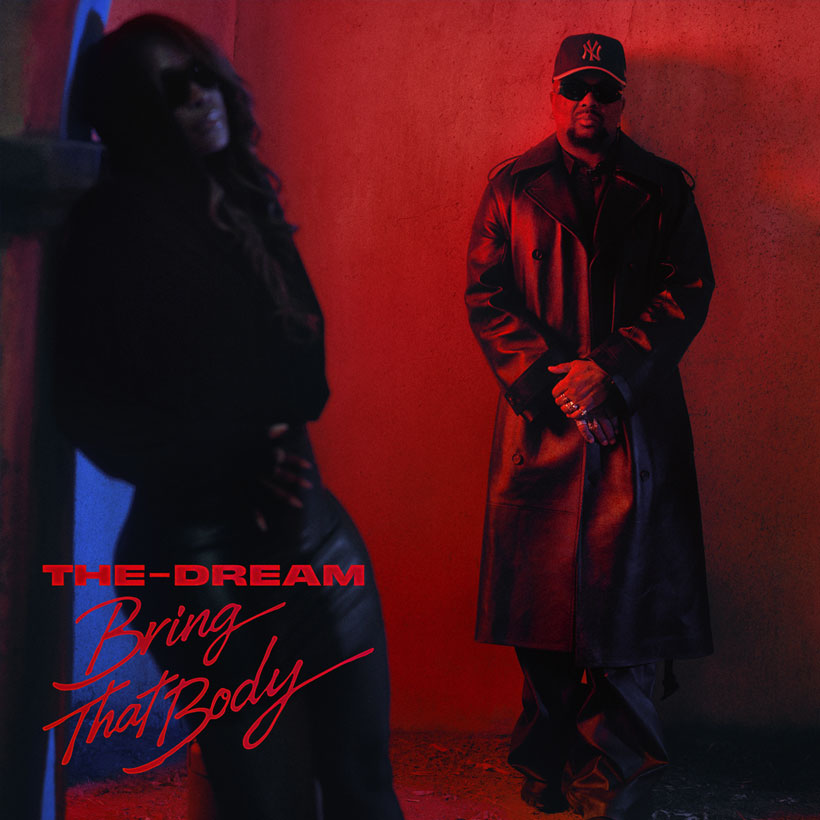
The-Dream Returns With ‘Bring That Body’ Single

The-Dream Bring That Body

The-Dream has released “Bring That Body,” his first official solo single in more than a decade. The track, out now via RadioKilla Records and Republic Records, also serves as the first preview of Love Hate II, the sequel to his 2007 debut Love Hate.

YouTube Video
Click to load video

The new single opens with The-Dream’s “Radio Killa” tag and centers on his call, “Bring that body over here.” The release marks the beginning of a new chapter for the nine-time Grammy Award-winning singer, songwriter, and producer, who has written or produced records for Beyoncé, Rihanna, Mariah Carey, Kanye West, and Justin Bieber.

The-Dream said Love Hate II explores relationships and romance in the present day. “I want to make a record about where love is now,” he said. “Relationships became cheapened. People used to fight for their love.” Variety previously reported that the project is expected to include contributions from T.I., Rick Ross, Usher, Pharrell Williams, Mike Dean, Swizz Beatz, and additional artists.

The single follows recent recognition from The New York Times, which named The-Dream one of “The 30 Greatest Living American Songwriters.” The publication cited his work on Rihanna’s “Umbrella,” Beyoncé’s “Single Ladies (Put a Ring on It),” Mariah Carey’s “Touch My Body,” and Justin Bieber’s “Baby.” In 2025, The-Dream won the Grammy Award for Album of the Year for his contributions to Beyoncé’s Cowboy Carter. The announcement also follows recent credits on Clipse’s “All Things Considered,” Rosalía’s “Sauvignon Blanc,” and Summer Walker’s “Allegedly.”

Listen to “Bring That Body” here.

​Discover more about the world’s greatest R&B artists | uDiscover Music

Categories
Hip Hop

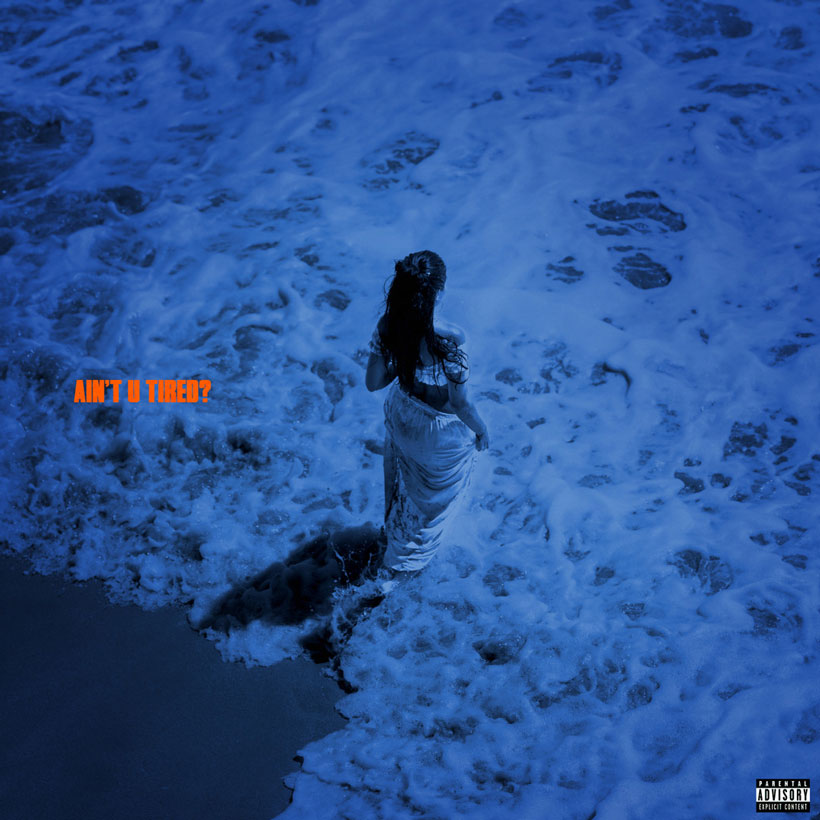
Jessie Reyez Enlists Muni Long For ‘Ain’t U Tired?’

Jessie Reyez Ain't You Tired

Jessie Reyez has released “Ain’t U Tired?,” a new single featuring Muni Long, via FMLY/Island Records. The Grammy-nominated, six-time Juno-winning singer-songwriter also shared an official visualizer for the collaboration, which is out now.

“Ain’t U Tired?” brings Reyez and Long together on a love song built around direct, emotional vocals and piano. The accompanying visualizer places the two artists in a tropical setting with palm trees, sandy swings, and a camper van in the background. The video was released alongside the single, giving the track a visual counterpart on the day of release.

The new song follows Reyez’s April single “N.Y.F.F.,” a rap-sung track about ending a relationship with an unfaithful ex. In March, Reyez released $TILL PAID, a five-track EP marking one year since her 2025 album PAID IN MEMORIES. The EP included a remix with British rapper Stormzy and arrived after Reyez completed her sold-out PAID IN MEMORIES headline world tour in 2025.

YouTube Video
Click to load video

PAID IN MEMORIES featured more than 20 tracks and collaborations with Ari Lennox, Big Sean, Miguel, Lil Yachty, 6LACK, Lil Wayne, and Deyaz. The album included “GOLIATH,” “NYB,” “PSILOCYBIN & DAISIES,” and “COULDN’T B ME.” In 2024, Reyez received Billboard Canada’s Women in Music Trailblazer Award and was recognized as a TikTok Visionary Voice for Latin Heritage Month. Also in 2024, she performed at Lollapalooza in Brazil, Argentina, and Chile, played Corona Capital in Mexico City, and joined U.S. arena dates on Jhené Aiko’s The Magic Hour Tour. Her song “Imported” featuring 6LACK recently reached RIAA 2x Platinum certification, while “Figures” is also certified 2x Platinum by the RIAA.

Listen to “AIN’T U TIRED?” here.

​Discover more about the world’s greatest R&B artists | uDiscover Music