Senate President Gary Stevens, R-Kodiak, announces the final vote passing the operating budget of 17 to 3 on May 7, 2026. (Photo by Corinne Smith/Alaska Beacon)
The Alaska Senate has finalized its draft of the state’s operating budget for the upcoming fiscal year, moving lawmakers closer to the end of their last regular session before the 2026 election.
In a 17-3 vote, Senators approved a $13.1 billion proposal that includes a $1,000 Permanent Fund dividend for 2026, plus a $150 “energy rebate” for PFD recipients.
The Senate plan conflicts with a different version drafted by the House. Legislators are expected to convene a committee to negotiate a compromise plan that will be sent to Gov. Mike Dunleavy, following standard policy.
After the budget leaves the Legislature, the governor may veto individual line items but cannot add or increase items.
The operating budget is one of four budget bills that pass through the Capitol in a typical year. One, the supplemental budget, has already become law. A second, the $2.5 billion capital budget, is being considered in the House. The third, the state’s mental health budget, is advancing in the Senate as well.
With lawmakers’ attention focused on legislation addressing a possible trans-Alaska natural gas pipeline, this is the first time in several years that the budget isn’t the top unresolved item in the Capitol.
Senate Minority Leader Mike Cronk, R-Tok, said legislators entered the year anticipating a $500 million deficit. High oil prices caused by the Iran war erased that gap and left lawmakers with more than enough expected revenue to balance the books.
“I think the Senate did a really good job of trying to stay fiscally responsible and keeping a balanced budget at a certain level,” Cronk said.
“When you do that, there’s a lot less to argue about in the end,” he said.
Sen. Lyman Hoffman, D-Bethel and co-chair of the Senate Finance Committee, was the lead drafter of the operating budget.
He said the war may have made things easier for his committee, but it has made things much harder for the people of Alaska, because of the price of oil.
“That gave us more money to spend, but it provided additional hardships to the people and the organizations of the state of Alaska,” Hoffman said of the war. “That’s why we tried to concentrate on using that one-time money to give some more money to the individuals, through the dividend energy relief, helping school districts out … and to double the amount for community assistance so those communities can get some relief from the high prices of oil.”
On Wednesday, the Alaska Division of Elections made an unusual last-day request — a $4.75 million increase to cover spending for the 2026 election.
Senators instead approved $650,000 on Thursday, including $100,000 intended to cover the cost of prepaid envelopes for absentee ballots. Until now, the state has required absentee voters to pay for their own postage.
“It’s very unusual,” Hoffman said about the last-minute request, “but I felt we couldn’t ignore it. We don’t want to be blamed for a dysfunctional election, so we added the money at the last minute, so hopefully it will result in a better election.”
Senate Majority Leader Cathy Giessel, R-Anchorage, is seen during an at ease on the Senate floor on May 7, 2026. (Photo by Corinne Smith/Alaska Beacon)
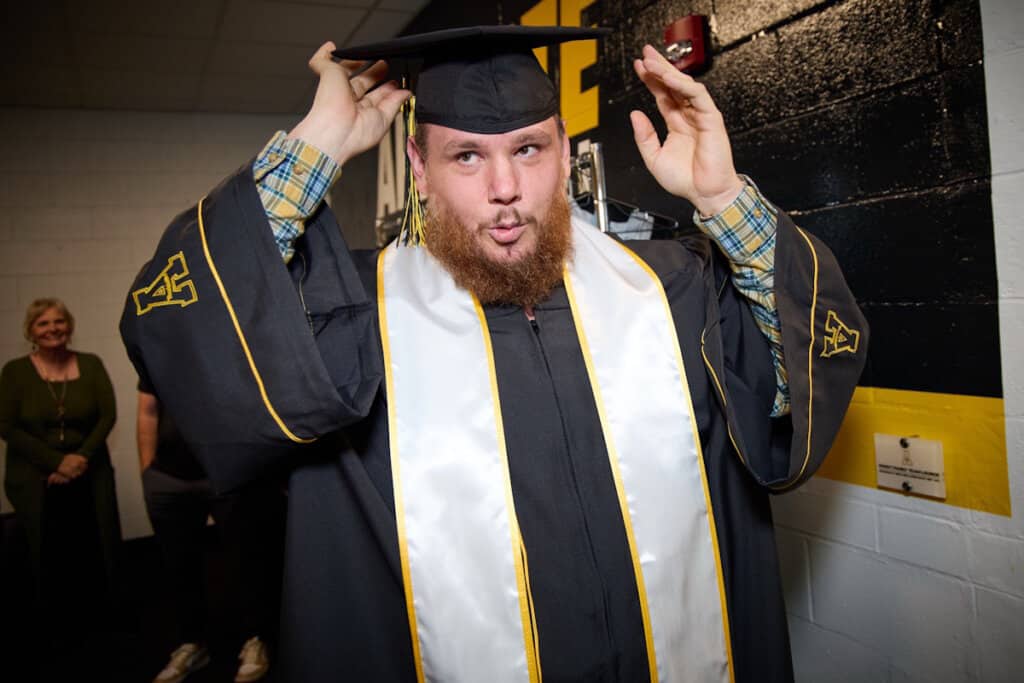
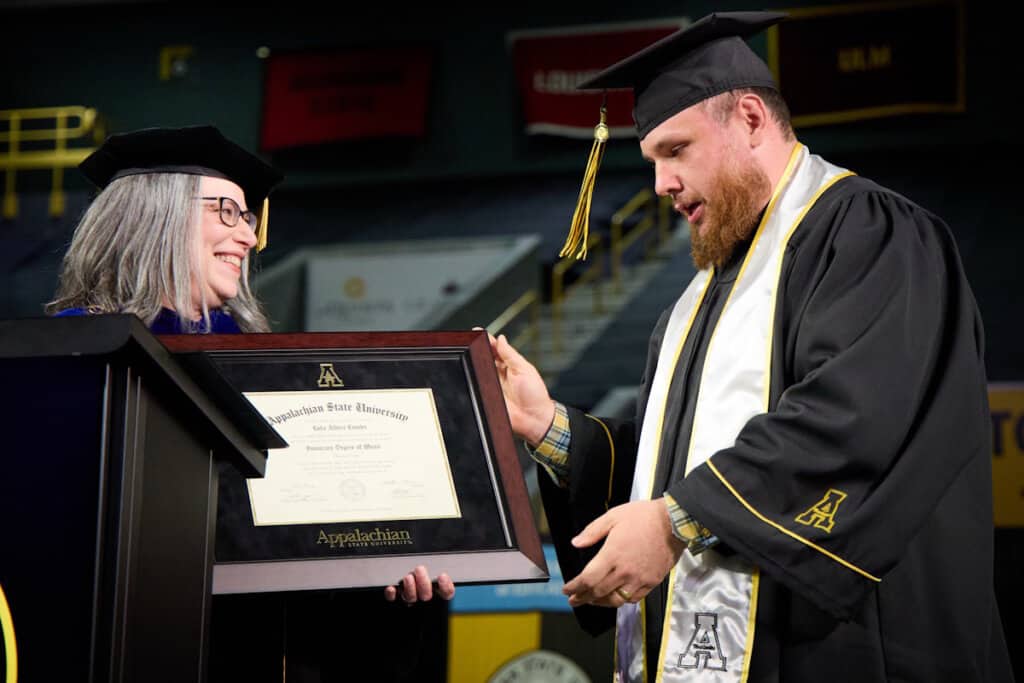
Luke Combs added another major milestone to his already impressive career on Thursday (May 7) when he was awarded an honorary degree from Appalachian State University.
The country superstar returned to Boone, North Carolina, to attend the university’s spring commencement ceremony, where he received an honorary degree in music. The moment was special to Combs, who attended Appalachian State from 2008 to 2012 before ultimately leaving school to pursue music full time. At the time, he was just 21 credit hours shy of earning his degree.
Photo Courtesy Luke Combs, by David Bergman
Before selling out stadiums across the country, Combs was a student studying criminal justice while performing at local college bars and small venues around Boone. Those early gigs helped spark the career path that eventually led him to Nashville.
That decision ultimately changed his life. Since then, Combs has become one of the biggest names in modern country music, earning 21 consecutive No. 1 singles on the Mediabase Country Aircheck chart. He has also been inducted into the Grand Ole Opry and taken home 11 CMA Awards, four ACM Awards, six Billboard Music Awards, and countless additional honors throughout his career.
Photo Courtesy Luke Combs, by David Bergman
“In every sense, Luke Combs represents the character and heart of a Mountaineer,” ASU Chancellor Heather Norris said in a news release. “His story inspires our students to dream big, work hard, and always remember where they came from. He represents the very best of our university community: a life lived with purpose, driven by a commitment to excellence and a genuine care for others.”
Combs has remained deeply connected to his North Carolina roots throughout his rise to fame. The Asheville native is known for proudly supporting Appalachian State football and the Carolina Panthers, often wearing Mountaineers and Panthers gear during concerts, interviews, and public appearances.
Luke Combs; Photo by David Bergman
His connection to his home state became even more evident following the devastation caused by Hurricane Helene. After the storm impacted Asheville and surrounding communities, Combs joined forces with Eric Church, Billy Strings, and James Taylor for “Concert for Carolina,” a benefit event that raised more than $24.5 million for relief and recovery efforts.
Luke Combs continues a record-breaking run with the recent release of his album, The Way I Am, and his My Kinda Saturday Night Tour, which continues to shatter attendance records.
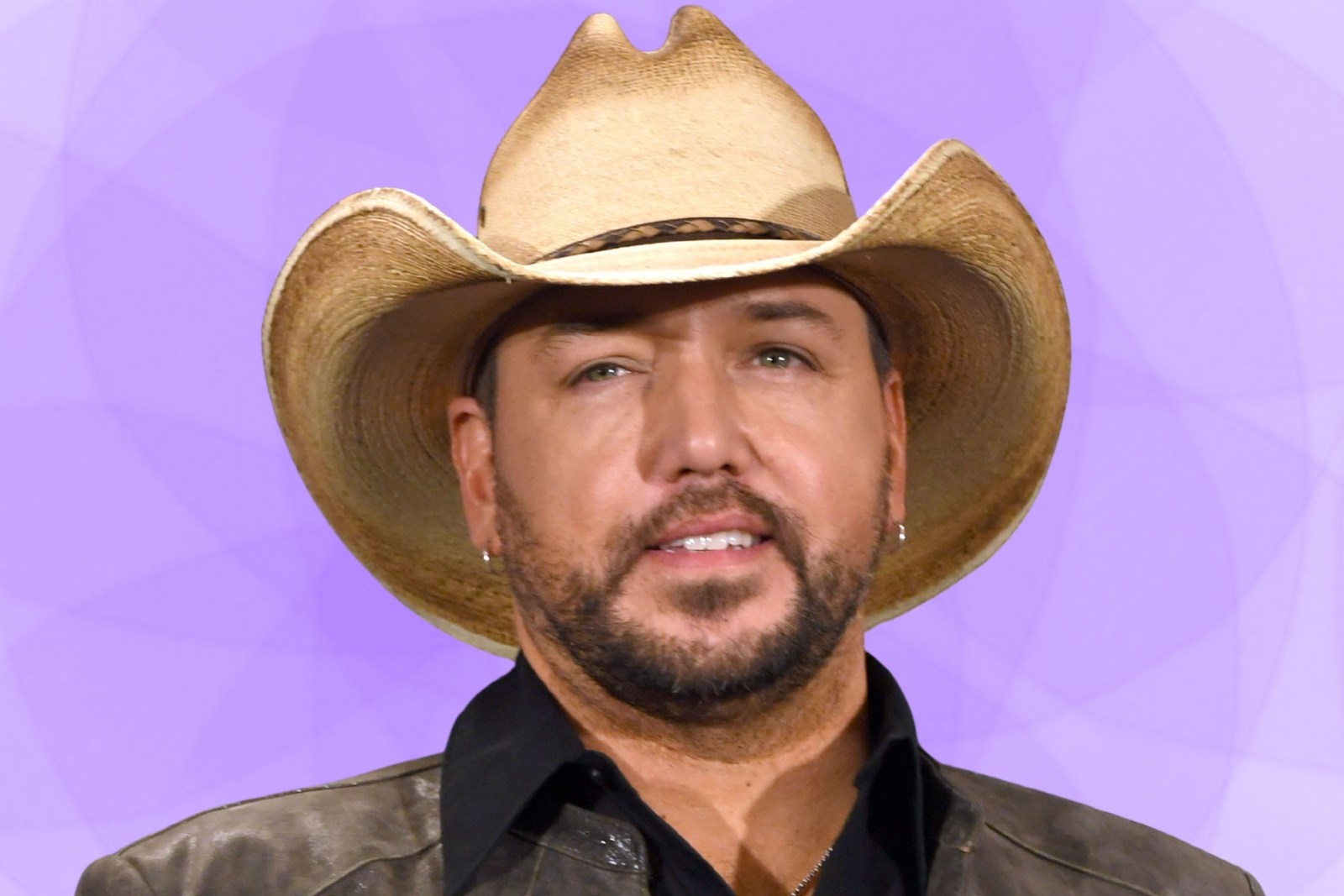
Jason Aldean’s latest song pulls at the heartstrings, inspired by family struggles with dementia. It’s more than just a track — it’s a profound message of hope and healing. Continue reading…The Boot – Country Music News, Music Videos and Songs
Jason Aldean’s latest song pulls at the heartstrings, inspired by family struggles with dementia. It’s more than just a track — it’s a profound message of hope and healing. Continue reading…Country Music News – Taste of Country
Ashley Anne’s love for music has never had a clear starting point because it has always been part of who she is. Raised in a family where creativity ran deep, she was surrounded by music from an early age, from her grandmother’s gift for storytelling through songwriting to her grandfather’s love for classic country music and the Grand Ole Opry.
What started as a passion for entertaining and playing small local gigs eventually grew into the realization that music wasn’t just a passion. It was the path she was meant to pursue.
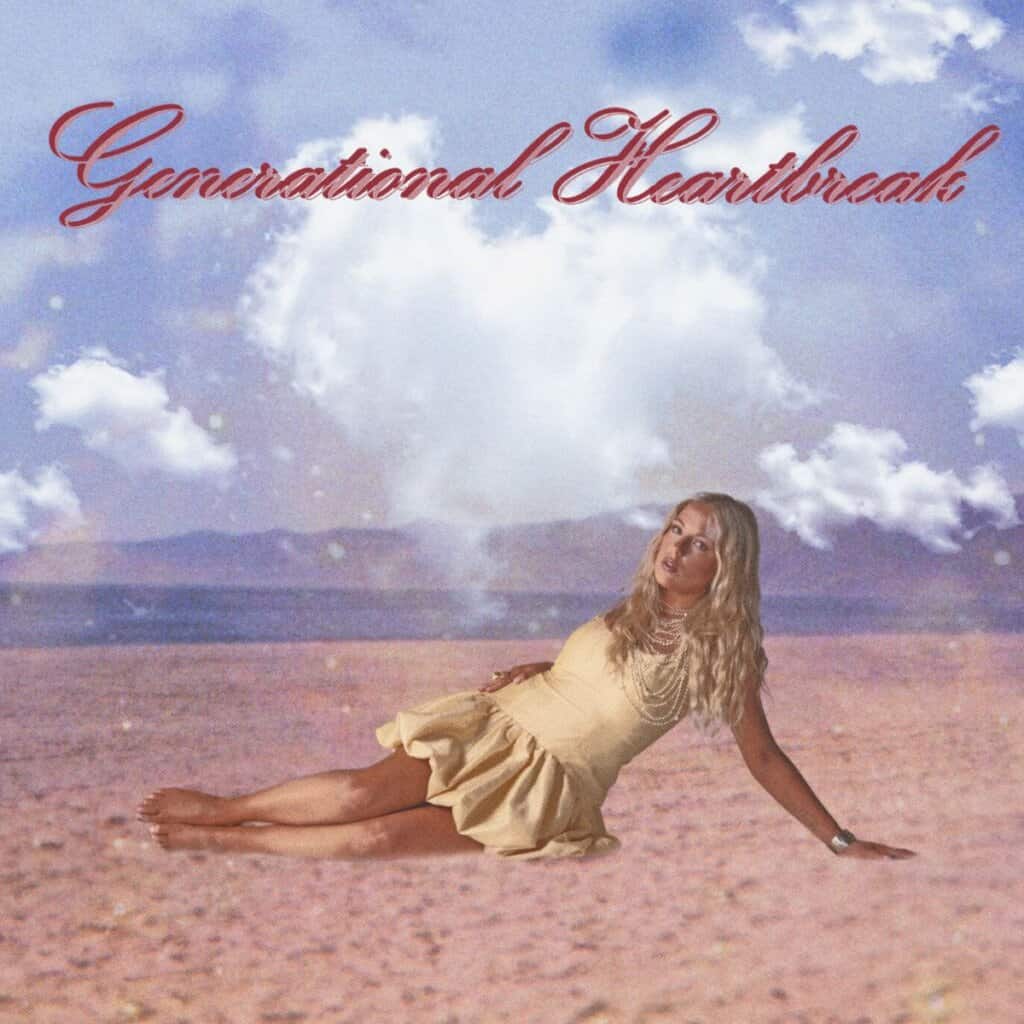
Now, at 22, the Virginia Beach native and Nashville-based artist is stepping into a new chapter with her just released EP Generational Heartbreak. Across the project, Ashley Anne showcases her wide range of influences, from The Beach Boys to ABBA, and Dolly Parton. She pairs these elements with emotionally honest, story-driven lyrics that reflect her real-life experiences and what she describes as her “relationship with relationships.”
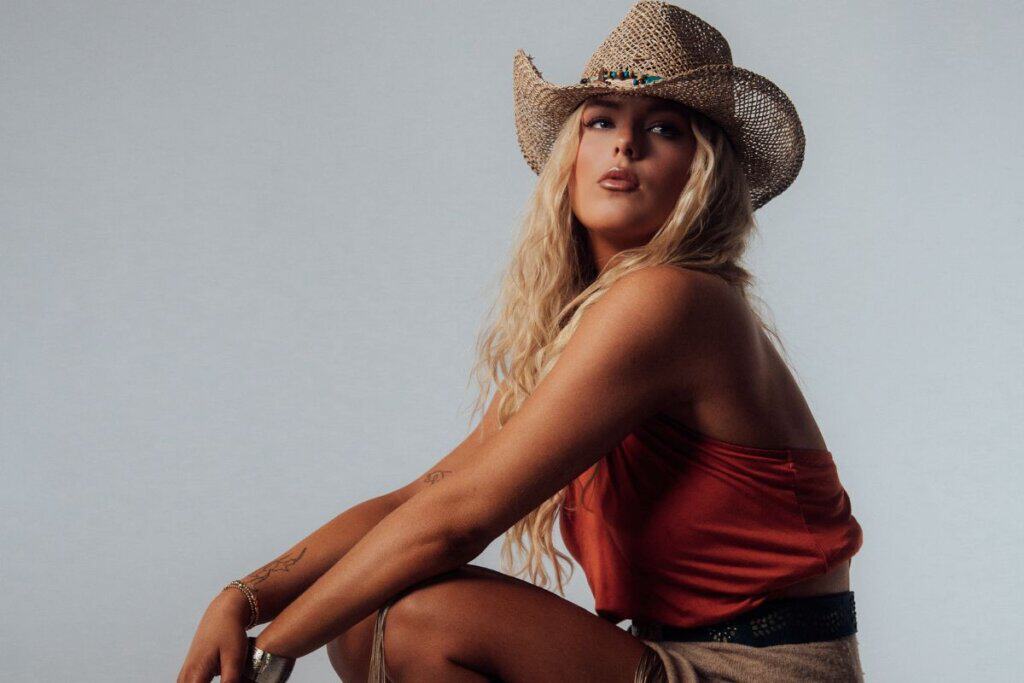
Ashley Anne; Photo by Tristan Wall
She’s been steadily building momentum, earning support from artists like Carly Pearce and Ella Langley, and turning heads with her single “Paloma,” a clever track inspired by a real-life night out with fellow country star Laci Kaye Booth. With the EP out now and a songwriting cut on Pearce’s upcoming album, Ashley Anne is continuing to carve out her place as one of Nashville’s rising voices.
Keep reading the exclusive Q&A to learn more about how those early influences and personal experiences have all shaped Ashley Anne’s artistry today, her connection with Carly Pearce, and more.
When did your love for music really start to develop?
My grandmother was always a singer and she’s got a beautiful voice. And then as her career, she was a writer. So I think I get a lot of that from her. And then my grandfather was in an orchestra and he played the piano. And then my grandpa on my other side lived in Nashville in his 20s and he would go see Pearl at the Opry and he is just obsessed with all things Old Country western. He’s by no means a musician, but he just loves country music and he called me Dolly. That was my nickname. So I think I’ve always had that kind of old country vibe from him and then the writer and the singer from my Mimi. And so I think that was always there. But as far as my parents, not musical at all. My sisters and I grew up loving to perform. We’d put on shows for people who’d come over. My dad built us a stage when we were little in our living room. It was like a little wooden platform and we’d pretend it was a stadium walkway but yeah, I always grew up, I wanted to be a performer. I was always wanting to entertain people. And so me and my older sister would just do that all the time. I can’t remember a time where I wasn’t singing or dancing or acting. When I was in high school, I was like, “I could actually do this as a career.” And I spent all of middle and high school doing gigs around my hometown at local seafood joints and playing full band shows on these tiny little stages with a high school band.
It sounds like music was kind of always the path that you were going to take.
I’m the stubborn middle child and I think in the back of my head I always knew it was what I was going to do. But also growing up in a beach town where there’s a lot of money and everybody goes on to be lawyers and doctors and all that jazz, I think that there was a part of me that felt like that was what I had to do. But when I was a senior in high school, my grandfather, he was an orthopedic surgeon and he kind of worked his butt off and came from nothing and created a beautiful life for his family. And he’s just such a hard worker. And I remember always being terrified of telling him that that was what I wanted to do as a career. When I told him my senior year of high school that I was going to go to Nashville, he was my biggest champion around the decision. And I think that’s when I was like, “Okay, if he is on board with this, then this is what I’m going to do.” And I think that that meant a lot coming from him because he’s somebody I respect so much and I’m so close with him.
You had a lot of different musical influences growing up. How would you describe your sound today?
So I grew up listening to Toby Keith, Kenny Chesney, Jake Owen, Zac Brown Band, that side of country music was huge. And I think that that feeling that you get when you listen to that type of music is what I want to capture, but I never really related necessarily to the lyricism. And in those songs, just as far as what I want to say doesn’t necessarily fit with that kind of lane. And I think that my grandfather raising me on all this old country western music, Johnny Cash, Dolly Parton, Loretta Lynn, Tammy Wynette, I think that the storytelling in country music mixed with sonically the beachy kind of coastal vibe, and then you kind of throw on top of that Abba and the Beach Boys and kind of those classic bands…I am aware of the fact that my music is not the easiest to digest all the time as far as lyrics go because I am trying to say something a little more, maybe harder to grasp intellectually. But I do think that as long as sonically it feels uplifting and warm and like a hug, I feel like the mix of those two things has kind of been the sweet spot for me.
Ashley Anne; Generational Heartbreak
What messages were you hoping to convey when putting together your new EP Generational Heartbreak?
I’ve always just been kind of somebody who writes the season that I’m in and I write a lot about past seasons, but I feel like everything’s always been pretty cohesive as far as putting things together on a project because all the songs that I write are genuinely stories that I’ve lived or experienced. And these songs all started to kind of come together and it was pretty easy to package them onto a project as far as figuring out what tied them together. I think a lot of the songs have so much to do with my relationship with relationships, is what I like to say. With “Phone a Friend,” you have the friendship aspect and with “Paloma” and “Nevermind” and “Found You Broken,” you have the relationship, significant other aspect. And I think that all of those songs are very good at portraying kind of the way that my brain works when I’m stepping into those situations and the early stages of those relationships and friendships and the insecurities and the doubt, but also the silver lining. And I think that’s always important that I include that in my music too.
How did you land on the title “Generational Heartbreak”?
So as far as calling it Generational Heartbreak, I love that line, in “Love Looks Like,” is it too soon to say that I broke the chain of Generational Heartbreak?” And I feel like a lot of us ask that question all the time where it’s like, I’ve been through so much in my life and it’s shaped who I am as a person and how I experience my adult life. And I think a lot of my childhood experiences have totally poured into my adult life and you almost think that you won’t let it, but I’m aware of it, so therefore it won’t affect me and I’ll just leave it because I left my hometown and it’s in the past. But I’ve watched a lot of that creep back up. So Generational Heartbreak felt like the most fitting title for this project, for sure.
Through the project you reflect a lot on how those past experiences spill over in your life today. Talk about what it was like tapping into those emotions?
Honestly, and I’m not saying this because I have an ego, I’m saying this because it really just does come naturally, but I’ve never had an issue tapping into that. And I think it’s because my relationship with songwriting started as a coping mechanism to literally get me through my childhood years. And writing songs was always something that I did when I was struggling to comprehend a certain situation and wrap my head around it and therefore get through it. And I think that I honestly struggled when I moved to Nashville because you start co-writing with other people and they’re like, “Oh, you need upbeat songs too,” or “you need happy songs too.” And I think that’s where I’ve kind of found the silver lining theme in my music now as I’ve been in Nashville for four years. I started writing when I was 11 years old and the songs and the poems, all of that all started just from a true, genuine, raw place where there wasn’t anybody else in the room that I was filtering these ideas through. Everything was thoroughly me, myself and I. And I think that because I started songwriting in that manner, I think that I’ve carried that into my now music and doing this as a professional career. I think all of that has stayed true and I’m really proud to hang on to that.
How has it felt to see fans connect with these songs that are so personal?
My friend Avery Anna told me two years ago, she said, “when you write a song in a room and you’re listening to the demo throughout the next few months or whatever, yeah, that’s your song, but the second you put it out into the world, it’s not yours anymore. It belongs to so many people and you have to kind of let that go and let it be whatever it is meant to be or what it wants to be. What the Audience wants it to be.” So I think that that has been really cool for me, especially on these shows and being on the road and watching how the music is performing in real life face-to-face and people coming up to the merch table and saying things like, “Gosh, couch surfing, that’s such a niche topic and experience to write about, let alone put out into the world.” And it’s like, I really thought I was the only one who experienced certain things that just aren’t written about enough, I don’t think. I’m never going to shy away from the super unique experiences because I think that we all, to a degree, experience those emotions. So it’s been really cool to see that translate.
When you first moved to Nashville with that mindset, was it ever difficult to stay true to yourself while navigating outside opinions?
I kind of struggled a lot, but I think what kept me really grounded is I was really fortunate enough to find my writer clan early on. I mean, I think it was probably about six months to a year into Nashville when I found my best friends in my writer’s circle. And I think that always allowed me to keep that personal aspect of things and never kind of get too lost in the Nashville game. But it’s definitely something I still struggle with. And it’s a balance for sure because there is a game that we have to play as business women, but also the genuine artist that I want to be sometimes fights for the opposite of that. But I think having people in my corner who know me as a person before anything else and see me as a human being and know about my story and my upbringing, there’s no secrets, there’s nothing to hide. I think that has definitely helped me keep that part of myself.
Another song track from the project that obviously is standing out is “Paloma.” How did Laci Kaye Booth inspire this story?
It was a little over a year ago now. I was at one of my best friend’s birthday dinner, Nicole Croteau. She’s actually also doing the artist thing right now, but she’s been a writer in town for, I think, 10 years now. And she’s like a big sister mentor to me, and it was her birthday dinner. We were all sitting around this table and I’d freshly turned 21…I hadn’t really figured out what my taste in mature adult drinks were. Everybody at the table was like, “Ashley, try this. Ashley, try this.” Everybody wanted me to try something different. And Laci Kaye Booth was sitting right next to me and she had ordered a Paloma. Part of the story that I haven’t told, which is really hilarious, was she actually, they go around the table, the waitress, to do all of our drinks and entrees at once because it was a big group. And the waitress gets to Laci and she goes, “Okay, can I get … ” And she orders her entree and she says, “And then can I get a Paloma, a shot of tequila and a thing of churros my dessert.” I was like, “I like this girl.” That’s my kind of girl.
So yeah, I literally was just kind of enamored by her. I love her music so much. And she was just such a friend and such a normal, fun, outgoing, loving person. And we had so much fun that night. And I wrote down in my phone later that night, “the girl with the Paloma” because I had tried her drink and I was like, “Ugh, this thing is so bitter. How do you even like that?” Since then I’ve had some good Palomas, but I will say that one was pretty grapefruit heavy. And I remember writing in my notes, “oh, to be her, to be the girl with the Paloma who’s so mature in late 20s, knows the ropes.” And yeah, it was kind of just all inspired by her. And even down to the outfit she was wearing that night, a really cute mini skirt. I loved her outfit. And I wrote that down, wrote the song a few weeks later and now she and I are friends and we go out and we had Palomas to celebrate the release night.
You recently performed at the Song Suffragettes event honoring Carly Pearce and you have a cut on her upcoming album. Talk about how you landed that opportunity.
This has been the most surreal experiences of my career in my life, honestly, thus far. I’ve looked up to Carly all throughout my high school years. I was absolutely obsessed with her first few records and it was last January, so January of 2025, I was kind of in…the winter season and the industry is really hard because everything kind of dies down and it’s really hard as an artist to not get in your head and feel like you’re not doing enough. And I was kind of just in this season of feeling like I had been plateauing a little bit and it’s a total crazy story and I’ll try to dumb it down. But I called my manager at the time, Halie Hampton…I called her late at night crying and I was like, “Halie, I just don’t know what’s next. I’m terrified. I feel like I’m plateauing. I’ve been here two years now at this point.” And she was like, “Ashley, I believe in you so much, but it is not up to me to tell you what to do. ” She’s like, “You could be destined for something else. You could be destined for this.” She’s like, “That’s not up to me. You need to go pray about it.” And that’s exactly what I did. I literally spent the entire night on my knees like, “Lord, what am I supposed to do? Give me a sign, give me something.” And I got a text the next morning that Carly Pearce wanted, “Why God, Why Me,” that she had heard the song and that she wanted to put it on hold. And I was like, “That’s insane.” And as a songwriter, a hold is absolutely incredible. And that was my first hold ever.
How were you feeling in that moment, knowing Carly could cut one of your songs?
I was ecstatic, but the girls that I wrote the song with were like, “Oh, we get holds all the time and nothing happened.” So it was kind of like, okay, now we need to be praying about if this song’s meant for Carly Pearce, it will be Carly Pearce’s song. And that was kind of just that season. And it was crazy. It was about two weeks later I ran into her at 12 South in Nashville. I was walking my dog. I ran into her on the crosswalk and I literally yelled her name across the street and I was like, “Carly?” And she was like, “Yes.” And I was like, “I’m Ashley Anne. I wrote “’Why God Why Me.’ That’s my voice on that demo.” And oh my gosh, I mean, I just broke down in tears in front of people and I just broke down in tears and she gave me the biggest hug and she looked at me and said, “I hope you know what’s going on the next record.”
I absolutely lost it in the middle of the crosswalk. She gave me her phone number and was like Like, “Text me, let’s get together.” Literally since then, I’ve just had the absolute honor of being close-knit with her and throughout the whole process of the song. And she sends me snippets. And it was around June, I texted her this video that I got in my “Four Year Ago Today” memories. And it was me watching her open for Rascal Flatts at my hometown theater. And I sent it to her and was like, “This is surreal and so full circle.” And she texted me back a video and was like, “look at what I’m in the studio cutting right now”…the whole experience has been extremely divine and I believe the Lord has had his hand on this whole song and my relationship with her and she’s just been so kind and such a mentor and I just could not say better things about her, honestly.
Senate President Gary Stevens, R-Kodiak, announces the final vote passing the operating budget of 17 to 3 on May 7, 2026. (Photo by Corinne Smith/Alaska Beacon)
The Alaska Senate has finalized its draft of the state’s operating budget for the upcoming fiscal year, moving lawmakers closer to the end of their last regular session before the 2026 election.
In a 17-3 vote, Senators approved a $13.1 billion proposal that includes a $1,000 Permanent Fund dividend for 2026, plus a $150 “energy rebate” for PFD recipients.
The Senate plan conflicts with a different version drafted by the House. Legislators are expected to convene a committee to negotiate a compromise plan that will be sent to Gov. Mike Dunleavy, following standard policy.
After the budget leaves the Legislature, the governor may veto individual line items but cannot add or increase items.
The operating budget is one of four budget bills that pass through the Capitol in a typical year. One, the supplemental budget, has already become law. A second, the $2.5 billion capital budget, is being considered in the House. The third, the state’s mental health budget, is advancing in the Senate as well.
With lawmakers’ attention focused on legislation addressing a possible trans-Alaska natural gas pipeline, this is the first time in several years that the budget isn’t the top unresolved item in the Capitol.
Senate Minority Leader Mike Cronk, R-Tok, said legislators entered the year anticipating a $500 million deficit. High oil prices caused by the Iran war erased that gap and left lawmakers with more than enough expected revenue to balance the books.
“I think the Senate did a really good job of trying to stay fiscally responsible and keeping a balanced budget at a certain level,” Cronk said.
“When you do that, there’s a lot less to argue about in the end,” he said.
Sen. Lyman Hoffman, D-Bethel and co-chair of the Senate Finance Committee, was the lead drafter of the operating budget.
He said the war may have made things easier for his committee, but it has made things much harder for the people of Alaska, because of the price of oil.
“That gave us more money to spend, but it provided additional hardships to the people and the organizations of the state of Alaska,” Hoffman said of the war. “That’s why we tried to concentrate on using that one-time money to give some more money to the individuals, through the dividend energy relief, helping school districts out … and to double the amount for community assistance so those communities can get some relief from the high prices of oil.”
On Wednesday, the Alaska Division of Elections made an unusual last-day request — a $4.75 million increase to cover spending for the 2026 election.
Senators instead approved $650,000 on Thursday, including $100,000 intended to cover the cost of prepaid envelopes for absentee ballots. Until now, the state has required absentee voters to pay for their own postage.
“It’s very unusual,” Hoffman said about the last-minute request, “but I felt we couldn’t ignore it. We don’t want to be blamed for a dysfunctional election, so we added the money at the last minute, so hopefully it will result in a better election.”
Senate Majority Leader Cathy Giessel, R-Anchorage, is seen during an at ease on the Senate floor on May 7, 2026. (Photo by Corinne Smith/Alaska Beacon)
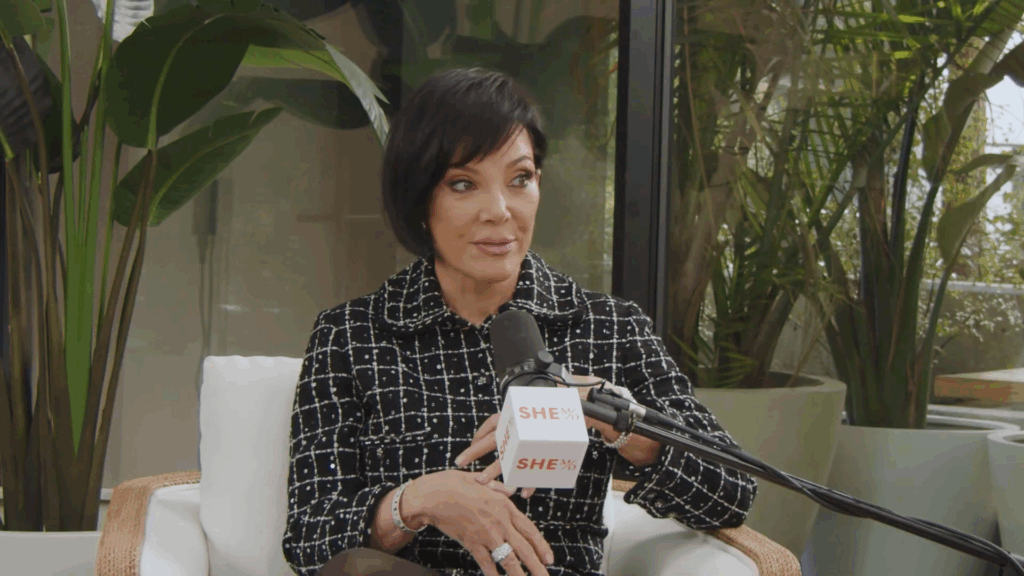
Together, Kris shared, the two of them “dialed around and looked at different options.”
Controversially, she revealed: “I realized that a peptide injection was really great for me. And then I follow it up with supplements.”
Peptide injections are largely untested but are very fashionable these days. Kris’ supplements apparently include fish oils and omega-3s, which are highly recommended and much better understood.
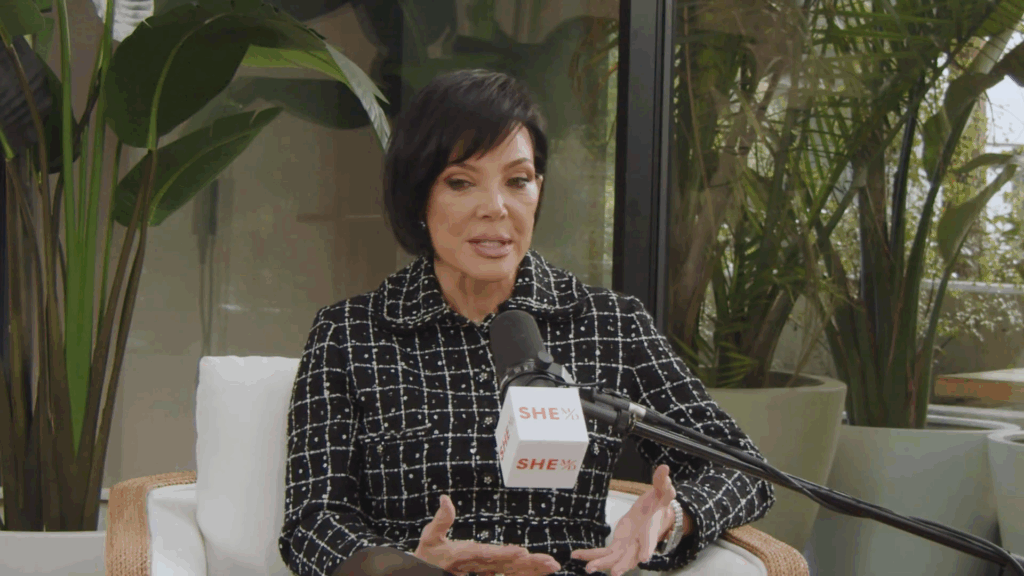
On the SHE MD podcast, Kris Jenner states her belief that everything “happens for a reason.” (Image Credit: YouTube)
This was her ‘game changer’
“And that was a game changer,” the momager characterized the introduction of peptide injections and supplements.
“That actually bought me an extra couple hours at night because I get up so early,” she shared.
Kris shared: “I tend to want to go and collapse as soon as I have my last email or my last call or see my kids and have dinner and I’m done.”
She raved over how the peptides seem to give her more energy. Meanwhile, the supplements are good for her hair, nails, and skin.
We want to again emphasize that the medical community advises caution when it comes to peptide injections. Just because momagers and looksmaxxers are doing something does not mean that it’s safe or right for you.
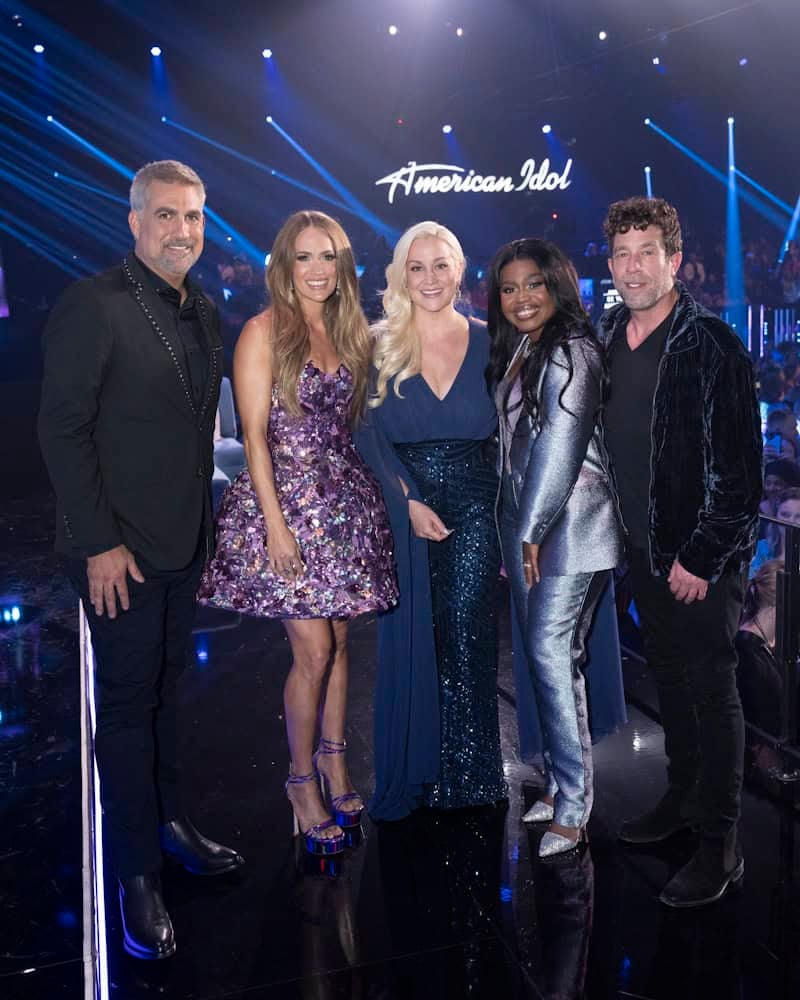
Kellie Pickler is reflecting on her American Idol journey 20 years after first capturing the hearts of millions on the hit singing competition.
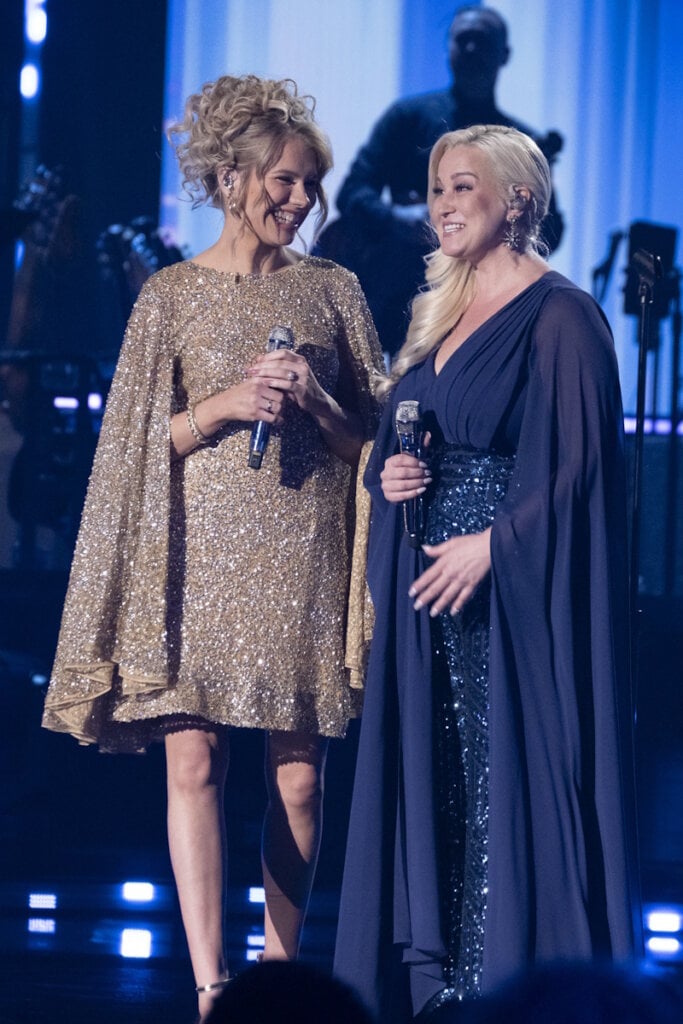
Following her triumphant return to the American Idol stage on Monday night, where she teamed up with finalist Hannah Harper for a powerful rendition of Martina McBride’s “A Broken Wing,” Pickler appeared on the official American Idol podcast with Danielle Fishel to look back on the life-changing experience.
The performance marked several meaningful milestones for Pickler. Not only did it coincide with the 20th anniversary of her season, it also marked her first time performing on Idol since 2016 and her first public appearance in more than two years. Returning to the show, she admitted, felt like reuniting with family.
Hannah Harper, Kellie Pickler; Photo by Disney/Eric McCandless
“It’s just like come full circle, I guess. And 20 years, like you said, it’s so nice that each time you come back to Idol, it’s kind of like you pick up right where you left off with everyone. I hope people really believe me when I say this, it is a family here. It is an idol family,” she shared. “And once you’re a part of it, it’s forever no matter what season you’re on. And so it’s really nice to come back and see so many of the same people that were working on the show 20 years ago.”
Looking back on her experience and everything that followed after the show, Pickler admitted she never expected her life to unfold the way it did.
“I think just coming from such a small town and I’ve never really been anywhere. That was my first time getting on an airplane, flying to Hollywood. It’s the first time I flew across the country and experienced all of these first time moments with the world watching at the same time. So a lot of people that watched my season were just kind of growing with me and watched me grow up on TV,” she explained. “And so it’s wild to think, wow, 20 years have passed and a lot’s happened and I’m very blessed. I’m very blessed.”
Before becoming a household name, Pickler was a small-town girl from North Carolina working at Sonic Drive-In — and she still holds onto reminders of those days.
“I still have my uniform, my apron with chocolate milkshake stains on it. I have my roller skates,” she revealed.
Pickler ultimately finished sixth during Season 5 of American Idol before launching a successful music career. Her debut album, Small Town Girl, produced hits like “Red High Heels,” “Things That Never Cross a Man’s Mind,” and the emotional ballad “I Wonder,” which explored her difficult childhood and strained relationship with her mother.
In the years that followed, Pickler released additional albums, won Dancing with the Stars, co-hosted a nationally syndicated daytime talk show, and expanded into acting with appearances in several films.
Taylor Hicks, Carrie Underwood, Kellie Pickler, Paris Bennett, Elliott Yamin; Photo by Disney/Eric McCandless
She was one of several returning members of the American Idol Class of 2006, alongside Bucky Covington, Taylor Hicks, Paris Bennett, and Elliott Yamin, who appeared on the show this week.
American Idolwill officially crown its next winner during the live three-hour season finale on Monday, May 11. Judges Luke Bryan, Lionel Richie, and Carrie Underwood are set to perform alongside Alicia Keys, Brad Paisley, Blues Traveler and Gin Blossoms, Cameron Whitcomb, Clay Aiken, En Vogue, Jason Mraz, Lee Ann Womack, Nelly, Shinedown, and Tori Kelly.
The live season finale airs Monday, May 11 at 8:00 PM ET on ABC and Disney+.
In 1986, the Supreme Court barred prosecutors from striking jurors solely because of race.Bloomberg Creative/Getty Images
On April 30, 2026, Texas executed James Broadnax, a Black man who was sentenced to death for the robbery and murder of two men in 2008.
Before the jury was seated, the prosecutor moved to dismiss each of the seven Black people from the jury pool. Citing court documents, CNN noted that he “(utilized) a spreadsheet during jury selection that bolded only the names of every Black juror” and none of the white or Latino people. After defense objections, the judge reseated one Black juror, citing the otherwise all-white jury.
The trial proceeded with 11 white jurors and one Black juror.
James Broadnax was executed in Texas on April 30, 2026. Associated Press/Texas Department of Criminal Justice
A jury with that racial composition is likely to deliberate in a different way than one that is more racially diverse. According to Duke University law professor James Coleman, “Juries with two or more members of color deliberate longer, discuss a wider range of evidence, and collectively are more accurate in their statements about cases, regardless of the race of the defendant.”
A 2012 Duke University study of two Florida counties found that juries “formed from all-white jury pools convicted Black defendants 16% more often than white defendants, a gap that was nearly eliminated when at least one member of the jury pool was Black.”
Broadnax was executed on the 40th anniversary of Batson v. Kentucky, in which the Supreme Court ruled that prosecutors cannot exclude jurors solely on account of their race.
But Broadnax’s case is not an outlier. Similar efforts to “whiten” juries in capital cases regularly occur in states that authorize the death penalty. A 2025 analysis of Alabama’s death row by the Equal Justice Initiative found that across 122 capital cases – involving Black and white defendants in roughly equal numbers – more than one-third were decided by juries with no Black jurors or, like Broadnax’s case, only one.
As a death penalty scholar who has tracked the role of race in the death penalty system, I believed Batson was a step forward in the effort to address a long history of excluding Black people from jury service. But 40 years have shown that Batson merely scratched the surface of the problem.
Before the Civil War, one way this was done was by limiting eligibility for such service to those who could vote. Some states went further, saying only whites could serve on juries. A Tennessee law dating from 1858 is a good example: “Every white male citizen who is a freeholder, or householder, and twenty-one years of age, is legally qualified to act as a grand or petit juror.”
It was only after the Civil War and the passage of the 13th, 14th and 15th amendments to the Constitution that Black people were entitled to serve on juries nationwide – at least in theory.
Some states resisted. For example, West Virginia law specified that “all white male persons who are twenty-one years of age and who are citizens of this State shall be liable to serve as jurors.”
In 1880, 12 years after the ratification of the 14th Amendment – which guarantees equal protection of the law – the Supreme Court struck down that West Virginia law. It did so in the case of a former slave who was convicted in a capital case by an all-white jury and given a death sentence – a preview, I believe, of the kind of thing that happened to Broadnax.
The court held that the West Virginia law that “denies to colored citizens the right and privilege of participating in the administration of the law as jurors because of their color … is, practically, a brand upon them, and a discrimination against them which is forbidden by the [14th] amendment.”
Despite the court’s unequivocal ruling, the door to jury service remained closed to Black people. As legal scholar Sarah Claxton argued in 2022, “States across the country enacted vague and subjective standards for juror eligibility – requiring good moral character, honest and intelligent men, persons having educational qualifications – whose discriminatory application excluded Black citizens from juries.”
In 1965, the Supreme Court refused to remedy the exclusion of Black people from juries that its 1880 decision was supposed to have ended. It held, in Swain v. Alabama, that “a defendant in a criminal case is not constitutionally entitled to a proportionate number of his race on the trial jury or the jury panel.”
Two decades passed before the court again took up the glaring problem of racial discrimination by prosecutors seeking to keep Black people off juries.
In Batson v. Kentucky, the court considered a case in which the prosecuting attorney “used his peremptory challenges to strike all four black persons” in the jury pool and managed to seat an all-white jury. And on April 30, 1986, it reaffirmed that “a State denies a Black defendant equal protection when it puts him on trial before a jury from which members of his race have been purposefully excluded.”
The court then created a process for challenging jury selection. First, the defendant must point to evidence – based on how the prosecutor used their strikes – that suggests racial discrimination. If they can, the prosecutor must then come forward with “a neutral explanation for challenging Black jurors.” Finally, the trial judge weighs all the evidence to decide whether the prosecutor’s stated reason is genuine or a cover for bias. In practice, this means a Batson challenge will fail as long as the prosecutor can offer any nonracial reason for excluding Black jurors, however thin.
When Batson v. Kentucky was decided, Justice Thurgood Marshall warned that the decision would not end racial discrimination in jury selection. Bettmann/Getty Images
When Batson v. Kentucky was decided, Justice Thurgood Marshall, drawing on his years of experience as an NAACP Legal Defense Fund lawyer, warned that the decision would not end racial discrimination in jury selection. “Merely allowing defendants the opportunity to challenge the racially discriminatory use of peremptory challenges in individual cases will not end the illegitimate use of the peremptory challenge,” he explained.
He predicted that “any prosecutor can easily assert facially neutral reasons for striking a juror, and trial courts are ill-equipped to second-guess those reasons.”
In the Broadnax case, prosecutors claimed that their efforts to remove Black jurors had nothing to do with their race. They suggested that they were dismissed because they could not be impartial or they had reservations about the death penalty, disqualifying them from service on a jury in a capital murder trial.
The Batson test has not been much of an obstacle for prosecutors in other capital cases either. In fact, in 2025 the Death Penalty Information Center reported that in the years after Batson, “prosecutors soon learned how to successfully defend race-based challenges, and courts generally accepted even the flimsiest excuses.” That’s why defendants rarely win Batson challenges “despite powerful evidence of racial bias.”
In the 40 years since Batson was decided, the Death Penalty Information Center has identified only 68 cases across 16 states in which a capital defendant succeeded in getting a conviction or death sentence reversed because of racial discrimination in jury selection.
The picture is similar in California, where more comprehensive data exists. According to a 2020 Berkeley Law report, the California Supreme Court reviewed 142 cases involving Batson claims over 30 years and found a violation in only three. At the time the report was published, it had been more than three decades since that court found a Batson violation involving the strike of a Black prospective juror.
Looking at what has happened since Batson v. Kentucky, Elisabeth Semel, a UC Berkeley law professor and co-director of the school’s Death Penalty Clinic, said in an interview with the Death Penalty Information Center that she would give Batson a grade of “F.” As she explained, “It certainly has failed to achieve its promise.”
Austin Sarat does not work for, consult, own shares in or receive funding from any company or organization that would benefit from this article, and has disclosed no relevant affiliations beyond their academic appointment.
It looks like DJ James Kennedy’s next gig will involve a very different kind of late-night bottle service!
Yes, the controversial Vanderpump Rules star is reportedly expecting a child with his girlfriend of seven months.
While the relationship has obviously developed rather quickly, insiders say both parties are thrilled about the news.
In this image released on June 5, James Kennedy attends the 2022 MTV Movie & TV Awards: UNSCRIPTED at Barker Hangar in Santa Monica, California and broadcast on June 5, 2022. (Photo by Presley Ann/Getty Images for MTV)
Neither James nor his unidentified girlfriend has publicly addressed the reports, but TMZ says that sources with “direct knowledge” have confirmed that Kennedy will soon be a dad.
TMZ also reports that the expectant mom “isn’t a public figure and has largely stayed out of the spotlight despite [James’] reality TV fame.”
News of James’ family situation comes on the heels of a succession of high-profile and very messy breakups.
Police ultimately did not press charges, a decision that Ally supported in a statement.
“Thank you for all your support and kindness,” she wrote at the time, noting that she was “happy that prosecutors decided not to file against James as I never desired criminal charges.”
“We had an argument outside of his home related to him drinking again, however, I was not physically hurt,” she explained.
Despite her comments in support of James, the incident led to Lewber moving out of the home that she and Kennedy had shared.
Prior to that, James was engaged to Raquel Leviss. The Vanderpump co-stars announced their breakup in late 2021.
“After these 5 wonderful years we had together, we decided we have two different goals and made the decision to call off the engagement,” they wrote in a joint statement.
“We love each other very much, but we aren’t in love anymore. We want nothing but the best for each other so please keep any thoughts positive. Sending Love.”
In a lawsuit against Bravo, Leviss later described Kennedy as “a DJ prone to violent outbursts and grappling with long-standing substance abuse issues and emotional dysregulation.”
James has since gotten sober and “committed to making meaningful changes in [his] life.”
“I am taking time to focus on my sobriety, personal growth and being present for my loved ones,” he said in a statement, adding:
“Navigating challenging moments is not easy, but I am determined to learn, grow and move forward with the incredible support system around me.”
James has had quite a few ups and downs over the years, and anyone who watched him on Vanderpump knows that his behavior often left much to be desired.
But people change for the better every day. Here’s hoping James will rise to the challenge of fatherhood and that his past mistakes have made him a more compassionate and caring person.