You’ve never heard Miranda Lambert sing anything like this before. Continue reading…The Boot – Country Music News, Music Videos and Songs









You’ve never heard Miranda Lambert sing anything like this before. Continue reading…The Boot – Country Music News, Music Videos and Songs
You’ve never heard Miranda Lambert sing anything like this before. Continue reading…Country Music News – Taste of Country

Dallas features an array of consistently great restaurants – ranging from modern fusion to retro diners – ideal for navigating a busy tourist schedule.

Food Republic – Restaurants, Reviews, Recipes, Cooking Tips

By: Corinne Smith, Alaska Beacon

The University of Alaska Board of Regents announced Matt Cooper as the new university president on Friday, after a closed-door, confidential hiring search.
Cooper is a Fairbanks-based attorney, and formerly served as legal representation for the university starting in 2011 and later as general counsel to the university from 2021 to 2024.
He will replace Pat Pitney, who announced her retirement in November, after 30 years of public service and five years as university president. She is planning to step down later this month. The regents said Cooper will begin his term on August 3.
The board appointed Michelle Rizk, vice president of university relations and chief strategy, planning and budget officer, to serve as interim president during the transition period from May 22 to August.
Following an executive session Friday, the board voted unanimously to select Cooper. Board of Regents Chair Scott Jepsen said after the vote that Copper was selected from among 50 candidates.

“I think he brings a management style to university, which will help us be collaborative and work as a team to achieve the goals that we have set for the university,” Jepsen said. “We have a lot of challenges in front of us, and it’s going to take a skill set that has good interpersonal skills, understands the university, understands Alaska, and has that vision of where we want to go.”
UA President Pat Pitney told board members she was pleased with the selection.
“I’ve had the pleasure to work with Matt over the years, and he is a genuine leader. He looks for win-win solutions. He’s worked on numerous issues and opportunities for the university at all levels. So he knows he knows our institution, he knows the people he’s just going to bring a really strong energy and strong leadership to our university,” she said.
Cooper has been practicing law in Alaska since 2003. He is leaving a position with the law firm Davis Wright Tremaine, LLP where he focused on real estate and land use issues in Alaska, Washington state and other areas, according to the firm’s website.
He received a law degree from the University of Washington School of Law, and a bachelor’s degree at the University of Puget Sound.
Cooper will be charged with the chief executive role overseeing the state’s public university system across three university campuses, 13 community campuses and over 500 in-person and online degree programs, as well as a wide range of research initiatives. Currently, roughly 20,000 students are enrolled this year.
Cooper will continue to live in Fairbanks. He will earn a base salary of $420,000, with a total compensation package of $429,600 excluding benefits, according to the university.
That’s a slight increase from Pitney’s total compensation package of $427,565, which included a housing stipend and excluded benefits.
In a statement following the announcement, Cooper said he was grateful for the appointment.
“I’ve seen firsthand how UA empowers our communities and state, and I believe strongly that the future on our horizon is bright,” he said. “I look forward to building on the strong foundation President Pitney has established, and to working with the Board and university leadership and governance to support and advance the university’s long-term vision and goals.”
Cooper was one of three finalists for the top university position. Regents and university officials opted to conduct a closed-door, confidential hiring process that began last winter, instead of holding public forums and interviews of finalists.
The change in process was at the recommendation of a Texas-based hiring consultant, Wietkeffer, to protect candidates’ confidentiality and potentially draw from a larger applicant pool, said Jepsen in a Feb. 16 letter.
“In recent years, highly qualified candidates – especially sitting presidents and chancellors – have declined to participate in searches with a fully public evaluation process for finalists due to concerns about professional risk if they are not selected for the role,” he wrote. “Adopting a representative model helps ensure UA can attract and seriously consider the strongest possible candidates while still incorporating meaningful stakeholder input.”
The university’s hiring committee — made up of three regents, industry leaders, and university, city and education officials — narrowed the list down to six semifinalists, then three finalists.
Finalists made campus visits and met with select “constituent groups” this spring that included faculty, staff and student representatives from across the university system, according to a presidential search update. Each participant was required to sign a non-disclosure agreement, or NDA.
The groups submitted input to the Board of Regents, who made the final decision to select Cooper.
Correction: This story has been updated to clarify Michelle Rizk currently serves as the vice president of relations for the University of Alaska, and to reflect that the university’s candidate search narrowed down to three finalists from six semifinalists.

Getty Images.
The Alaska House advanced a bill Thursday that would regulate commercial self-driving vehicles.
Rep. Ashley Carrick, D-Fairbanks and the bill’s sponsor, said Thursday that while autonomous cars may function well in other states like California, Alaska’s weather and road conditions can change quickly and autonomous vehicles may not function the same way.
HB 217 says that self-driving vehicles may be used for commercial purposes if the vehicle weighs 10,000 pounds or less and is designed to transport no more than 16 people. A qualified driver, called a “human safety operator” in the bill, must be physically present in the car with the ability to intervene if needed.
“By requiring a qualified human safety operator to be present, the bill ensures that a qualified driver would potentially be able to intervene if there was a technological malfunction that occurred. It ultimately keeps all road users safe and helps to preserve jobs in Alaska in this industry,” Carrick said.
The bill does not apply to electrically powered personal delivery devices that operate on sidewalks, transport personal property, weigh less than 120 pounds and have a maximum speed of 10 miles per hour.
Patrick FitzGerald, political coordinator for Teamsters Local 959, a union representing employees in over 80 trades, asked legislators to support the bill, writing that the regulation of autonomous vehicles will protect the safety of drivers on the road and Alaskan jobs. He added that a human safety operator will add an additional layer of safety for commercial vehicles.
The bill received opposition from Alliance for Automotive Innovation, Autonomous Vehicle Industry Association and TechNet.
Rose Feliciano, director of TechNet, an advocacy group for the technology industry, wrote in a letter to legislators that the bill could limit “the use of safe, proven AV technology on Alaska’s roads” and prevent autonomous vehicles from operating in Alaska. Feliciano stated that autonomous vehicles will increase the safety and efficiency of freight movement, create new jobs, alleviate supply chain challenges and supplement the truck driver workforce.
Chief Executive Officer of Autonomous Vehicle Industry Association Jeff Farrah agreed with Feliciano, writing that autonomous vehicles support road safety, create new jobs and bring economic and environmental benefits to Alaska.
“AVs will usher in a new era of mobility that will make Alaska’s transportation system safer and more efficient. We strongly believe Alaska should support safety-enhancing policies without foreclosing a future with AVs,” he said.
The Division of Motor Vehicles did not anticipate a fiscal impact.
The bill is scheduled for a hearing in the Senate Transportation Committee Tuesday afternoon.
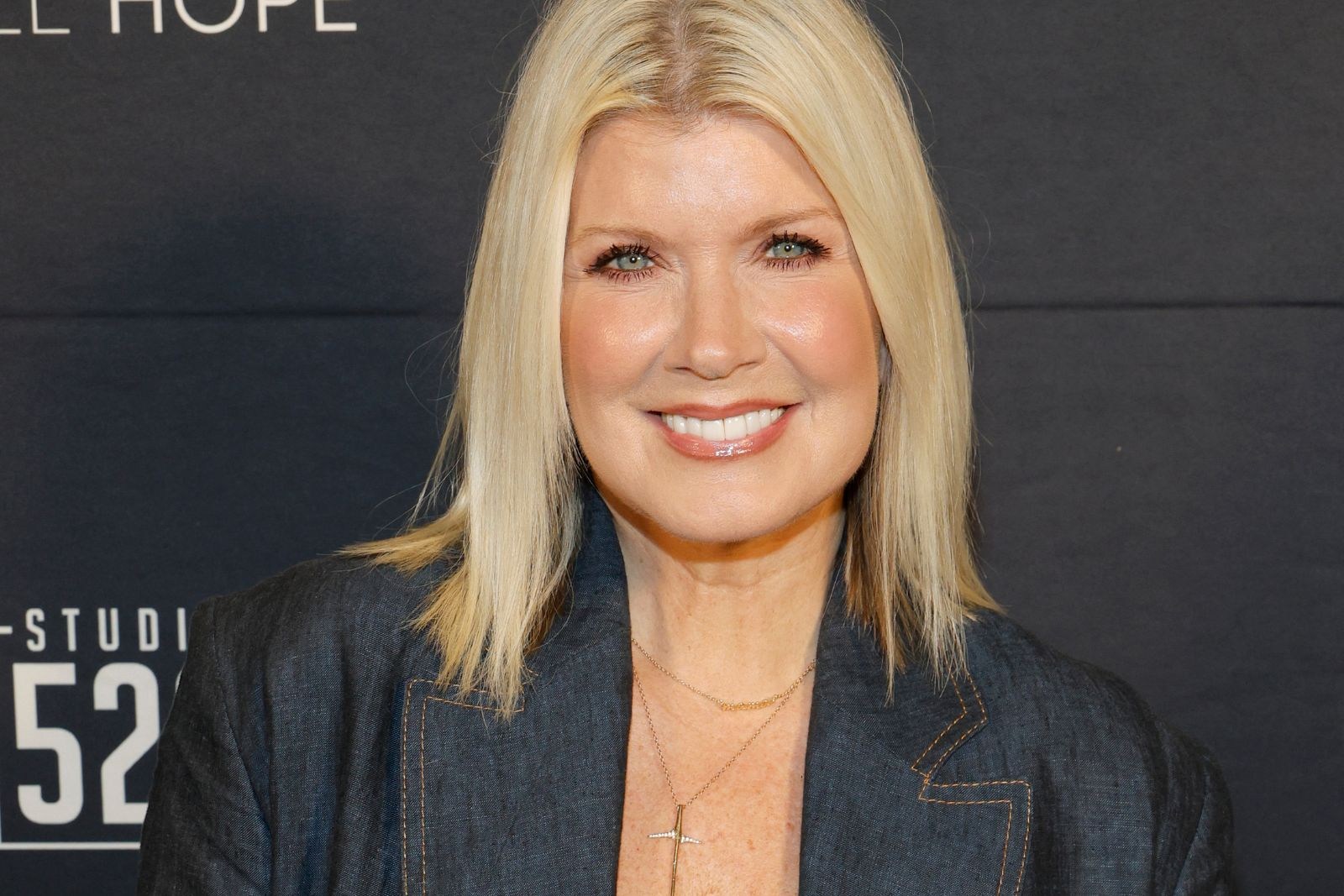
What first seemed like a simple accident turned out to involve a bleeding kidney and a blood clot in her bladder. Continue reading…The Boot – Country Music News, Music Videos and Songs
What first seemed like a simple accident turned out to involve a bleeding kidney and a blood clot in her bladder. Continue reading…Country Music News – Taste of Country
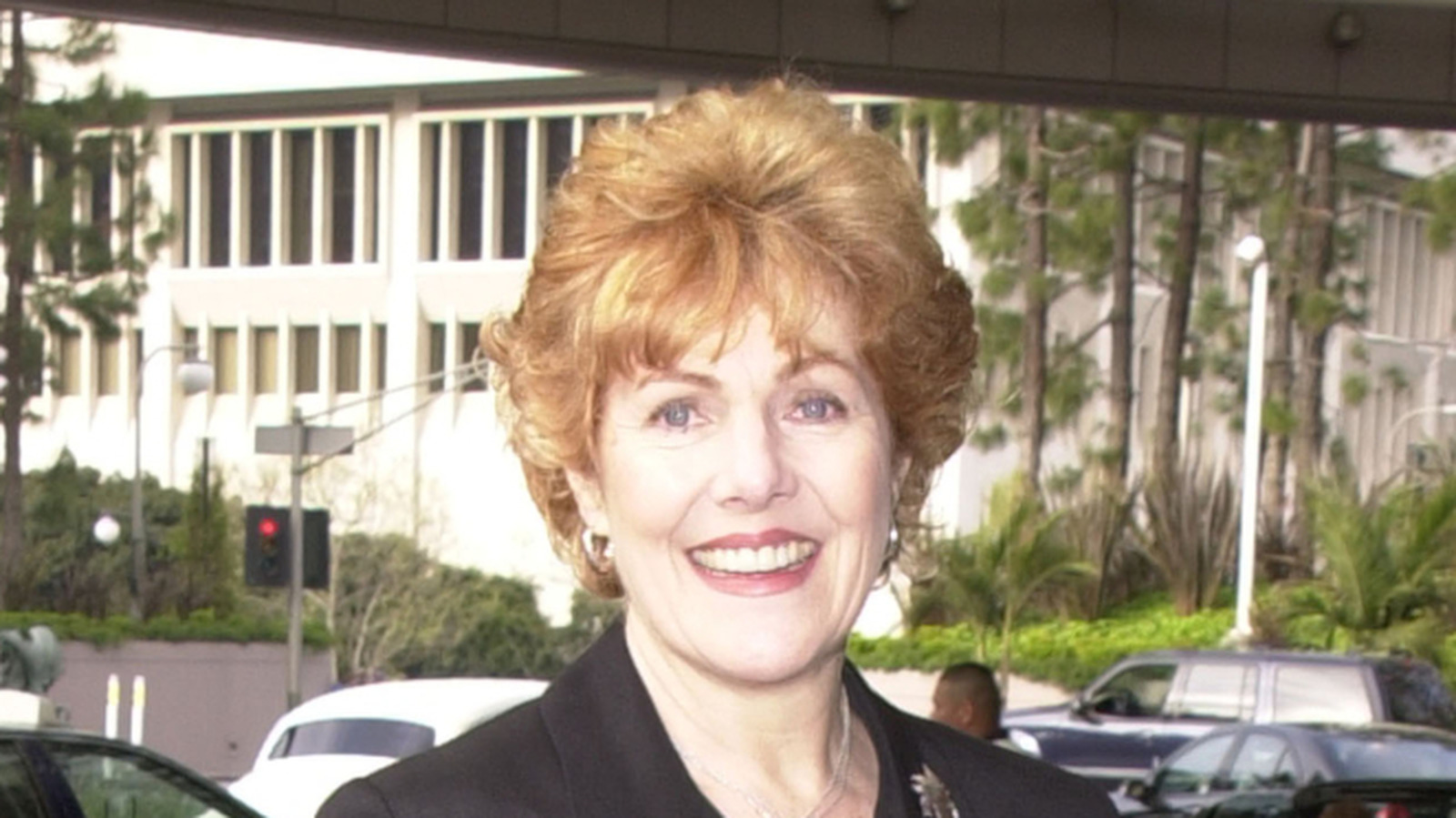
There were many celebrities who were on Weight Watchers in the 1990s and early aughts, too, and we’ve got the side-by-side photos to prove it!
Health Digest – Health News, Wellness, Expert Insights

A woman believes she’s in a real relationship with the “Don’t Mind If I Do” singer, and says a wedding is coming — but the situation raises major red flags. Continue reading…The Boot – Country Music News, Music Videos and Songs

As loyal shoppers will note, not every Costco location is identical – so which American location stands out in quality among the rest, according to customers?

Food Republic – Restaurants, Reviews, Recipes, Cooking Tips