We guessed that Kid Rock was going to cover Cody Johnson’s ”Til You Can’t’ at the show, but no one could have predicted he’d do it like this. Continue reading…Country Music News – Taste of Country









We guessed that Kid Rock was going to cover Cody Johnson’s ”Til You Can’t’ at the show, but no one could have predicted he’d do it like this. Continue reading…Country Music News – Taste of Country
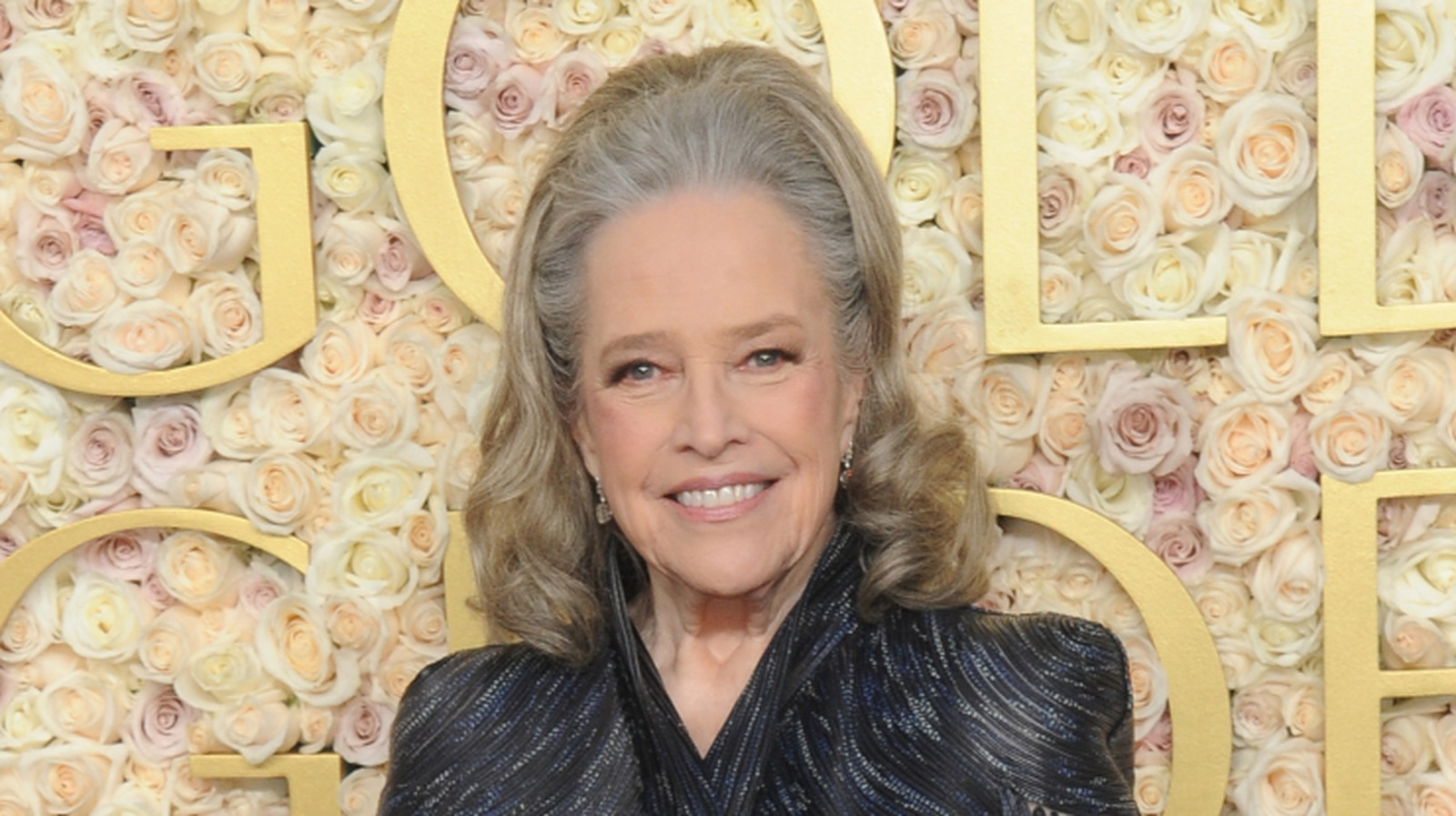
You’ve probably noticed Kathy Bates’ stunning weight loss transformation. However, she says it wasn’t a desire to fit into designer clothes that motivated her.
Health Digest – Health News, Wellness, Expert Insights

By: James Brooks, Alaska Beacon

The first independent candidate in Alaska’s 2026 gubernatorial election is a single mother of five who says she’s frustrated with the condition of Alaska’s fisheries, its economy and the Permanent Fund dividend.
Jessica Faircloth filed her letter of intent in January, making her the 15th person to sign up for this year’s gubernatorial race. A 16th candidate announced his candidacy this week.
She’s from Kasilof, a rural community on the Kenai Peninsula.
Faircloth hasn’t held public office before, but she decided to run after one of her oldest children surprised her with the happy news that she’ll be a grandmother soon.
“I was overjoyed,” she said, “but then I started thinking. My kids are the fourth generation of my family to live in (our) house, and they didn’t get to grow up in the same Alaska I did.”
She recalls digging for clams, always having moose and caribou in the freezer — and then, there were the king salmon.
“We caught so many kings when I was a kid, we turned them loose if they were too small, or they didn’t fight hard enough, or we caught them too early in the day, or they were a little pink,” she said.
“I realized three of my five children have caught a king salmon, and only one of them was over 50 pounds, and they don’t remember digging clams,” she said.
As she was contemplating the future her first grandchild might experience, she said: “It’s like a light bulb went on, and I started to see that Alaska is not being managed for Alaskans.”
The Permanent Fund dividend needs to be guaranteed in the Alaska Constitution, she said.
Faircloth noted that some oil and gas companies have been able to use writeoffs and exemptions to reduce their taxes to zero.
“If you look at our oil and gas, the tax structure allows zero tax years … and our Legislature hasn’t done anything to fix them,” she said.
Fisheries are big in her mind, too.
“The whole West Coast doesn’t have any salmon. I don’t have any king salmon. I love them more than anything in the world,” she said.
“It doesn’t matter if it’s the PFD, our state budgeting — none of it, none of it, is being managed to benefit Alaskans. It’s benefiting outside corporate interests, mainly, and I am absolutely morally and ethically appalled and pissed off,” Faircloth said.
Faircloth was one of more than 19,000 Alaskans registered as members of the Alaskan Independence Party when it dissolved last year. Now, she’s registered as “undeclared” and campaigning independently of any party.
“I’m one of those people that doesn’t just sit back and complain … that’s the mentality I grew up with. You either do something or you stop complaining,” she said.

Faircloth’s policy positions don’t fit into the standard Alaska political boxes.
She supports a constitutional dividend, something Republicans in the Alaska Legislature tend to champion. She also wants to see more support for public school teachers, a position typically held by legislative Democrats.
“There’s no pension. There’s no benefits. It’s underfunded,” she said of the state’s public school system.
“I just — I’m watching my teacher friends, especially some of the younger ones, and they are so discouraged,” Faircloth said.
She’s a fan of the “Stop Alaskan Trawler Bycatch” Facebook page and supports anti-trawl appointees to the North Pacific Fishery Management Council and other fishery regulators.
“I understand that the governor actually has very little power (on fisheries), but the power that the governor does have is who they appoint as commissioners and on boards, and that is where the strength of Alaskan government comes from,” she said.
Eight years ago, she voted for current Gov. Mike Dunleavy, but she’s soured on him.
“I really believed, you know, that he was going to be able to get the dividend in the Constitution. And I just expected great things from him. And after eight years, I’m kind of let down,” she said.
Dunleavy is term-limited and unable to run for a third term, a fact that has encouraged a large number of candidates to enter the race.
So far, there are three Democrats, 12 Republicans and Faircloth.
The deadline to register with the Alaska Division of Elections is 5 p.m. June 1.
The four candidates who receive the most votes in the August primary election will advance to the November general election.
“I’ve been a broke-ass single mom with a backbone and the ability to budget, and that is what our state needs right now,” she said. “Somebody to walk in there and say, ‘OK, listen, you’re not doing your job, and we’re all in this together. So I need everyone to step up and to do what they’re supposed to.’ I just think that Alaska should be managed for Alaskans first. And that’s not being done.”
Governor candidates so far

The January 2026 release of additional files related to the Justice Department’s investigation of convicted sex offenders Jeffrey Epstein and Ghislaine Maxwell has brought renewed attention to the late financier’s connections to the world’s rich and powerful.
However, the failure to redact identifying victim information and explicit photos has also brought unwanted attention to survivors. The lack of consideration for their welfare illustrates how legal proceedings can add to child sex trafficking victims’ existing trauma and burden instead of offering a stable path forward.
Some states have passed laws in recent years to protect child victims of sex trafficking. But at the same time, most states have passed laws that allow those same children to be arrested or prosecuted for prostitution. It’s a tug of war between advocates, law enforcement and policymakers to determine the best approach for keeping vulnerable children safe from pimps, predators and dangerous family members.
Often these intentions to “keep kids safe” end up harming the very children the laws are supposed to protect. This is done by identifying them as criminals and not victims.
As a sociologist and scholar who researches the commercial sexual exploitation of children, I believe Americans have to look at the many different ways states treat sexually exploited minors to fully understand this issue and the harm that is being done.
When approved in 2000, the federal Trafficking Victims Protection Act established that children under 18 who experience commercial sexual exploitation are sex trafficking victims.
Criminally charging a child with prostitution, as most states allow, asserts they are willfully participating in the commercial sex trade, while identifying a minor as a sex trafficking victim recognizes they are not in this situation by choice.
Some states require minors to prove a third party forced, deceived or coerced them into prostitution to be considered a child sex trafficking victim. Their innocence, despite their age, is not automatically assumed. This approach risks retraumatizing victims by labeling and stigmatizing them as criminal, as voluntary participants in the commercial sex trade.
Examining these state statutes is important because these minors are more likely to interact with local law enforcement than federal agents. That’s because in the U.S. federalist system, states have more power than the national government to set rules regarding crime.
As of 2025, 15 states do not arrest and prosecute children for prostitution, while seven states allow a minor to be arrested but not prosecuted for this charge, according to my unpublished research. As a result, sexually exploited minors can be criminalized in 35 states for their maltreatment because they can be charged or prosecuted for prostitution.
These laws determine how courts identify commercially sexually exploited minors, as victims or criminals.
Safe harbor laws have been adopted by 31 states as a legal strategy to divert sex trafficked minors from the criminal legal system. These measures connect them to specialized services, including trauma-informed health care and safe housing. But safe harbor statutes do not guarantee that children will be protected from arrest or prosecution for prostitution.
For example, New York’s 2008 safe harbor law requires a child charged with prostitution to admit they participated in this crime. The child also has to explain why they shouldn’t be held liable for the charge.
Another common strategy adopted by some states, including Rhode Island, requires a minor to fulfill a specific “child sex trafficking victim” definition – such as proving force, fraud or coercion by a third party – to avoid being criminalized for prostitution. Yet mandating sexually exploited minors to meet such requirements places the burden of proof on the child.
Conversely, Massachusetts’ safe harbor law does not afford any protections to minors, allowing a child to be arrested and prosecuted for prostitution. State and local police collaborate with child protective services and are trained not to arrest sexually exploited minors. But some officials argue law enforcement needs the threat of criminal charges to pressure minors they see as “noncompliant” to accept services or leave trafficking situations.
This approach blurs the line between criminal legal mechanisms and social work. It positions police as “helpers” who expect trafficked youth to accept support or risk criminal punishment.
In sum, unlike federal law, which recognizes all sexually exploited minors as victims, some state authorities present minors with a choice: comply with law enforcement or prove their innocence.
These demands that shift legal burdens to sexually exploited minors signal that law enforcement and legislators expect them to have the capacity to make mature and rational choices. Yet, neuroscience research indicates juveniles don’t have the same decision-making capacity as adults until their early to mid-20s.
Further, sexually exploited minors with trauma may appear as uncooperative in stressful situations. Those include being detained or arrested for prostitution.
By blaming sex trafficked minors for “making bad choices,” the criminal legal system treats commercial sexual exploitation victims as complicit. And this may lead to prostitution charges instead of support. Furthermore, focusing on a child’s “choices” does not address the financial, familial and traumatic adversities that make victims vulnerable to sexual violence and exploitation in the first place.
Commercial sexual exploitation risk factors include complex post-traumatic stress disorder, low socioeconomic status, limited educational access and child sexual abuse prior to this exploitation. That includes exploitation from fraught family living situations where a parent, relative or caregiver sexually exploits a child.
Similarly, racial bias has deeply influenced trafficking legislation.
In 1910, Congress passed The Mann Act, also known as the White-Slave Traffic Act. This measure framed commercial sexual exploitation as a problem affecting only white women and girls, erasing the exploitation of people of color.
This pattern continues today. Black and brown children in the U.S. are more likely to be arrested and detained for prostitution than all other racial groups. Children who live in states with higher levels of structural economic inequality, which affects children of color at higher rates that white children, are at higher risk of being arrested and prosecuted for prostitution.
My research with Keith Bentele indicates that states with higher levels of structural economic inequality are less likely to adopt legislation protecting children from arrest and prosecution for prostitution.
Without addressing these structural inequalities and the lack of a social safety net, sex trafficked children, particularly children of color and LGBTQ+ youth, are at risk of facing further marginalization and criminalization for prostitution.
One state has risen above the rest in recognizing and addressing these systemic barriers. Minnesota’s “No Wrong Door” framework utilizes a public health approach and is regarded as the gold standard of state-level commercial sexual exploitation legislation.
Protecting youth up to age 24 from prostitution charges, Minnesota offers housing and medical services to victims instead of criminal punishment. It also coordinates trauma-informed training for professionals, such as police and social workers.
An evaluation of this model indicates that it has successfully increased compassion for youth victims in the community, particularly among law enforcement.
Mallika Sunder, a student at Wellesley College and intern in its Wellesley Centers for Women, co-authored this article.

Kate Price does not work for, consult, own shares in or receive funding from any company or organization that would benefit from this article, and has disclosed no relevant affiliations beyond their academic appointment.
Politics + Society – The Conversation
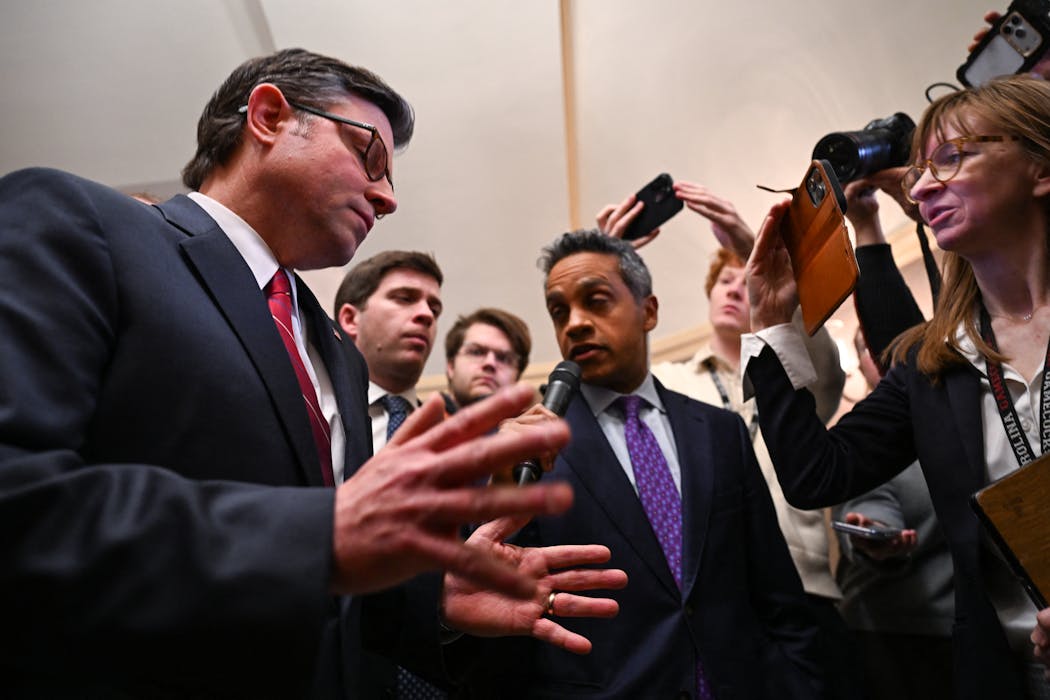
In the first weeks after Russia’s invasion of Ukraine in 2022, a strange pattern emerged in Western media coverage. Headlines oscillated between confidence and confusion. Kyiv would fall within days, one story would claim, then another would argue that Ukraine was winning. Russian forces were described as incompetent, then as a terrifying existential threat to NATO.
Analysts spoke with certainty about strategy, morale and endgames, but often reversed themselves within weeks. To many news consumers, this felt like bias – either pro-Ukraine framing or anti-Russia narratives. Some commentators accused Western media outlets of cheerleading or propaganda.
But I’d argue that something more subtle was happening. The problem was not that journalists were biased. It was that journalism could not keep pace with the war’s informational structure. What looked like ideological bias was, more often, temporal lag.
I serve in the Navy as a war gamer. The most critical part of my job is identifying institutional failures. Trust is one of the most critical and, in this sense, the media is losing ground.
The gap between what people experience in real time and what journalism can responsibly publish has widened. This gap is partly where trust erodes. Social media collapses the distance between event, exposure and interpretation. Claims circulate before journalists can evaluate them.
This matters in my world because the modern battlefield is not just physical. Drone footage circulates instantly. Social media channels release claims in real time. Intelligence leaks surface before diplomats can respond.
These dynamics also matter for the public at large, which encounters fragments of reality, often through social media, long before any institution can responsibly absorb and respond to them.
Journalism, by contrast, is built for a slower world.
At the core of their work, journalists observe events, filter signal from noise, and translate complexity into narrative. Their professional norms – editorial gatekeeping, standards for sourcing, verification of facts – are not bureaucratic relics. They are the mechanisms that produce coherence rather than chaos.
But these mechanisms evolved when information arrived more slowly and events unfolded sequentially. Verification could reasonably precede publication. Under those conditions, journalism excelled as a trusted intermediary between raw events and public understanding.
These conditions no longer exist.

Information now arrives continuously, often without clear provenance. Social media platforms amplify fragments of reality in real time, while verification remains necessarily slow. The key constraint is no longer access; it is tempo.
Granted, reporters often present accounts as events are occurring, whether on live broadcasts or through their own social media posts. Still, in this environment, journalism’s traditional strengths become sources of lag.
Caution delays response. Narrative coherence hardens fast. Corrections then feel like reversals rather than refinements.
The war in Ukraine has made this failure mode unusually visible. Modern warfare generates data faster than any institution can metabolize. Battlefield video and real-time casualty claims flood the system continuously.
For their part, journalists are forced to operate from an impossible position: expected to interpret events at the same speed they are livestreamed. And so journalists are forced sometimes to improvise.
Early coverage of the war leaned on simplified frames, including Russian incompetence, imminent victory and decisive turning points. They provided provisional stories generated to satisfy intense public demand for clarity.
As the war evolved, however, those stories collapsed.

This did not mean the original reporting was malicious. It meant the narrative update cycle lagged behind the underlying reality. What analysts experienced as iterative learning, audiences experienced as contradiction.
This forces journalism into a reactive posture. Verification trails amplification, meaning accurate reports often arrive after the audience has already formed a first impression.
This inverts journalism’s historical role. Audiences encounter raw claims first and journalism second. When the two diverge, journalism appears disconnected from reality as people experienced it.
Over time, this produces a structural shift in trust. Journalism is no longer perceived as the primary interpreter of events, but as one voice among many, arriving late. Speed becomes a proxy for relevance. Interpretation without immediacy is discounted.
Although partisan bias certainly exists, it is insufficient to explain the systemic incoherence Americans are witnessing.
Institutions optimized for one tempo rarely adapt cleanly to another. Journalism is now confronting the risk that its interpretive cycle no longer matches the speed of the world it is trying to explain.
Its future credibility will depend less on accusations of bias or even error than the question of whether it can reconcile rigor with speed, perhaps by trading the illusion of early certainty for the transparency of real-time doubt.
If it cannot, trust will continue to drain. An institution that evolved to help society see is falling behind what society is already watching.
The opinions and views expressed are those of the author alone and do not necessarily represent those of the Department of the Navy or the U.S. Naval War College.

Charles Edward Gehrke does not work for, consult, own shares in or receive funding from any company or organization that would benefit from this article, and has disclosed no relevant affiliations beyond their academic appointment.
Politics + Society – The Conversation
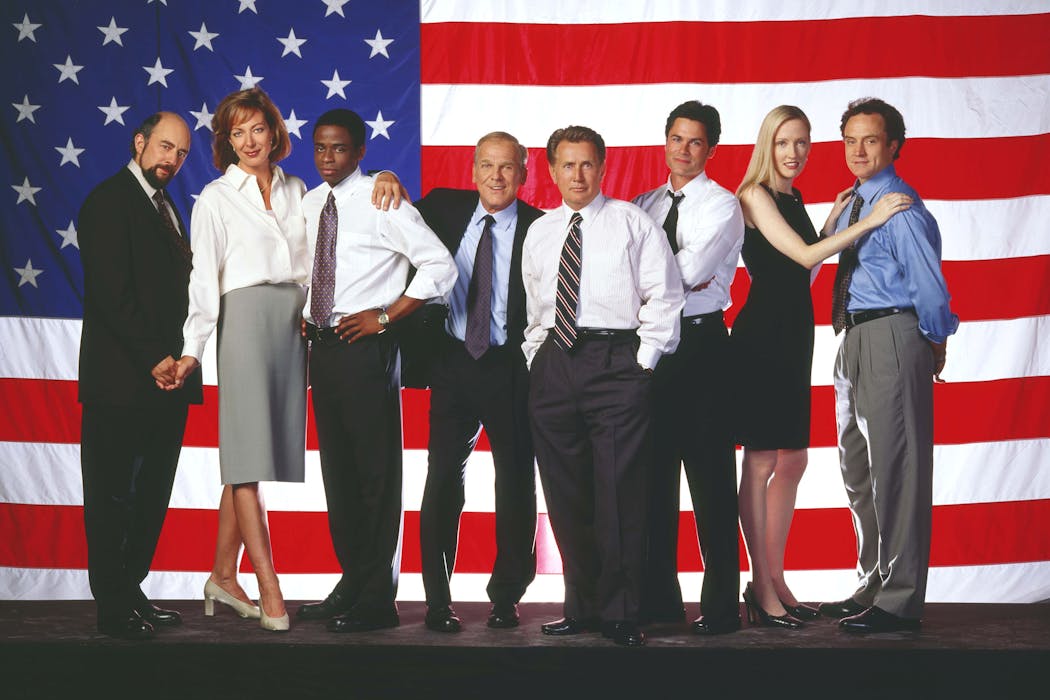
When the early 2000s hit series “The West Wing” returned on Netflix in December 2025, it spurred conversation about how the idealistic political drama would play in Donald Trump’s second term.
The series features a Democratic presidential administration led by President Josiah “Jed” Bartlet, played by Martin Sheen, and his loyal White House staff negotiating political challenges with character, competence and a fair bit of humor.
It sparked cultural commentary long after it ceased its original run in 2005.
In 2016, The Guardian’s Brian Moylan asserted that the “The West Wing” was appealing because it portrayed “a world where the political system works. It reminds us of a time, not too long ago, when people in political office took their jobs very seriously and wanted to actually govern this country rather than settle scores and appeal to their respective bases.”
In 2025, Vanity Fair’s Savannah Walsh mused that “The West Wing” might be dismissed by younger audiences as a “form of science fiction” or lauded by the demographic currently watching “Jed Bartlet fancams scored to Taylor Swift’s ‘Father Figure’” on TikTok.
Audiences have been comfort-streaming the “The West Wing” since Trump’s first term. Interest in the series spiked after Trump’s election in 2016, and it served as an escape from the contentious 2020 campaign.
When the cast reunited at the 2024 Emmy awards, the Daily Beast’s Catherine L. Hensley remarked that the series’ “sense of optimism about how American government actually functions … rang hollow, almost like watching a show from another planet.”
Nonetheless, Collider’s Rachel LaBonte hailed its Netflix return in late 2025 as a “balm for these confusing times.”
“The West Wing’s” transition from broadcast television behemoth to “bittersweet comfort watch” in today’s streaming era reveals a lot about how much our media and political landscapes have changed in the past 25 years.
As professors of media studies and political communication, we study the fracturing of our media and political environments.
The shifting appeal of “The West Wing” during the past quarter century raises a sobering question: Is political competence and an idealized respect for democratic norms losing popularity in 2026? Or does the new political reality demand engagement with the seamier side of politics?
“The West Wing” premiered on NBC in the fall of 1999, blending political intrigue with workplace drama in a formula audiences found irresistible. The show surged in viewership in its second and third seasons, as it imagined responses from a Democratic administration to the values and ideology of the newly installed Republican President George W. Bush.
But the series was undergirded by an ethic of political cooperation, reinforcing the idea that, according to Walsh, “we’re all a lot more aligned than we realize.” In 2020, Sheen observed in an interview that writer “Aaron Sorkin never trashed the opposition,” choosing instead to depict “people with differences of opinion trying to serve.”
In 2019, The New York Times observed that the “The West Wing” presented “opposition Republicans, for the most part, as equally honorable,” and noted that the show earned fan mail from viewers across the political spectrum.
At its height of popularity, episodes of “The West Wing” garnered 25 million viewers. Such numbers are reserved today only for live, mass culture events like Sunday night football.
Of course, “The West Wing” aired in a radically different television environment from today.
Despite competition from cable, that era’s free, over-the-airwaves broadcasters like NBC accounted for roughly half of all television viewing in the 2001-02 season. Currently, they account for only about 20%.
Gone are the days of television’s ability to create the “big tents” of diverse audiences. Instead, since “The West Wing’s” original airing, television gathers smaller segments of viewers based on political ideology and ultraspecific demographic markers.

The fracturing of the television audience parallels the schisms in America’s political culture, with viewers and voters increasingly sheltering in partisan echo chambers. Taylor Sheridan has replaced Sorkin as this decade’s showrunner, pumping out conservatively aligned hits such as “Yellowstone” and “Landman.”
Liberals, conversely, now see “West Wing” alumni recast in dystopian critiques of contemporary conservatism. Bradley Whitford morphed from President Bartlet’s political strategist to a calculating racist in Jordan Peele’s “Get Out,” and a commander in “The Handmaid’s Tale’s” misogynist army.
Allison Janney, who played “The West Wing’s” earnest and scrupulous press secretary, is now a duplicitous and potentially treasonous U.S. president in “The Diplomat,” whose creator in fact got her start on “The West Wing.”
Even Sheen has been demoted from serving as America’s favorite fictional president to playing J. Edgar Hoover in the film “Judas and the Black Messiah,” whom Sheen described as “a wretched man” and “one of the worst villains imaginable.”
Philosopher Kenneth Burke argued that stories function as “equipment for living.” Novels, films, songs, video games and television series are important because they not only reveal our cultural predilections, they shape them, providing us with strategies for navigating the world around us.
Films and series like “Get Out,” “The Handmaid’s Tale,” “The Diplomat” and “Judas and the Black Messiah” urge audiences to confront the racism and sexism ever-present in media and politics. That includes, as some scholars and viewers have noted, the often casual misogyny and second-string roles for some women and Black men in “The West Wing.”
As U.S. citizens protest authoritarianism in the streets from Portland, Oregon, to Portland, Maine, a comfort binge of a series in which the White House press secretary, as Vanity Fair said, “dorkily performs ‘The Jackal’ and doesn’t dream of restricting West Wing access – even on the administration’s worst press days” is appealing.
But indulging an appetite for what one critic has called “junk-food nostalgia for a time that maybe never even existed” may leave audience members less equipped to build the healthy democracy for which the characters on “The West Wing” always strived. Or it may invigorate them.

The authors do not work for, consult, own shares in or receive funding from any company or organization that would benefit from this article, and have disclosed no relevant affiliations beyond their academic appointment.
Politics + Society – The Conversation

From rocking the stage to running afoul of the law, Kid Rock’s journey is anything but ordinary. Continue reading…The Boot – Country Music News, Music Videos and Songs
From rocking the stage to running afoul of the law, Kid Rock’s journey is anything but ordinary. Continue reading…Country Music News – Taste of Country
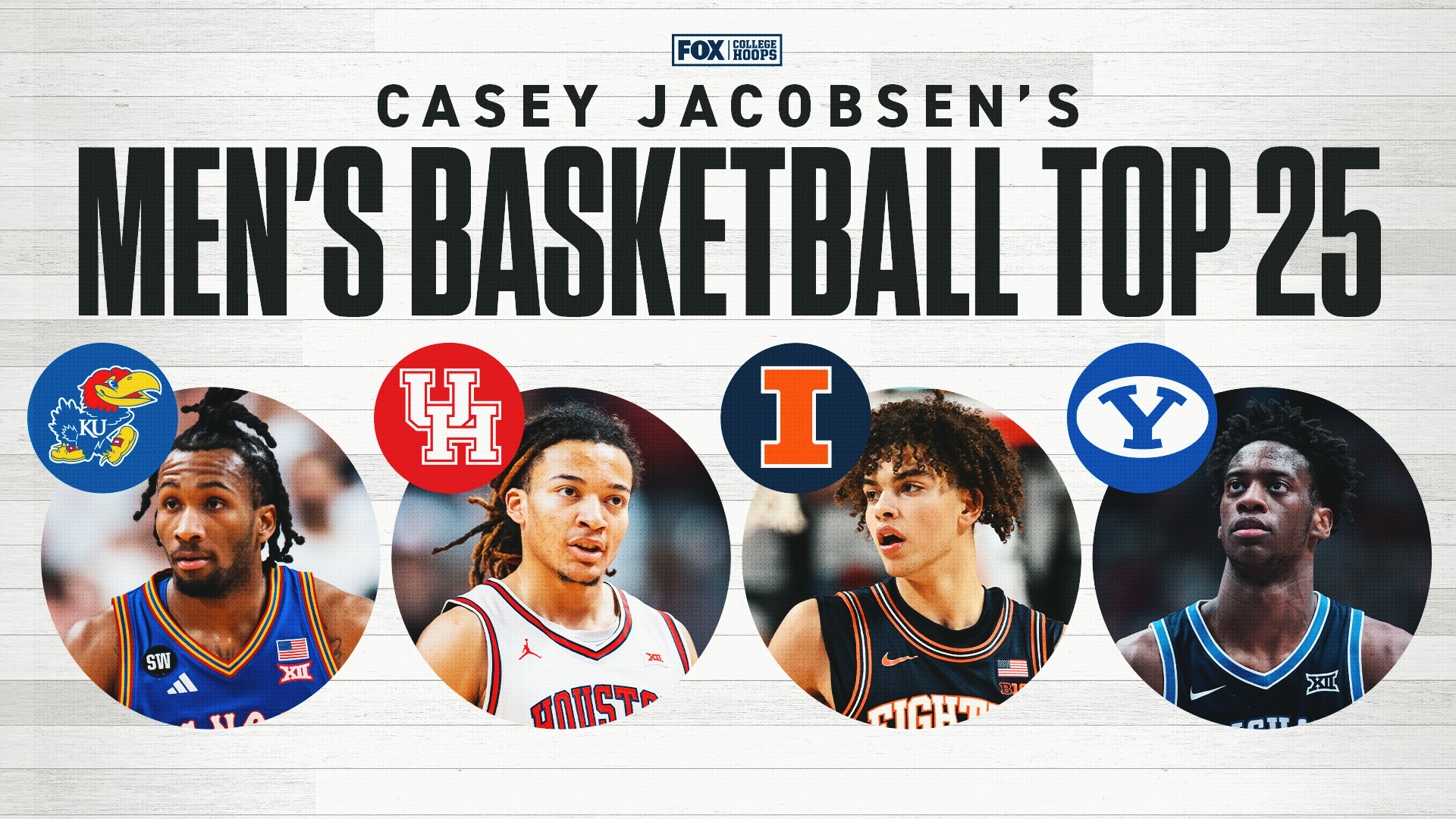
The men’s college basketball season keeps on delivering. A thriller between Duke and North Carolina, a Gonzaga loss to a WCC team not named Saint Mary’s, and Arizona continues to demolish everything in its path: It’s been a wild week in men’s college hoops. February is the month when players and coaches realize they are running out of time to pick up those signature wins needed to boost their résumé. Some teams are rising to the occasion, while others are struggling. Without further ado, here’s the latest edition of my men’s college basketball rankings, as of Feb. 8. *Note: Miami (Ohio) is 24-0, but its strength of schedule is 332nd in the country. The RedHawks are a great story, but I’m not sure that I’ll rank them at all this year. Being undefeated is cool and all, but you have to put it into context. If you thought I was going to rank Miami (Ohio) for the first time, I want you to imagine the RedHawks playing Alabama on a neutral floor. Who do you think wins that game? The Vols had their four-game winning streak snapped against Kentucky despite freshman forward Nate Ament’s 29 points and eight rebounds. Tennessee shot just 37% from inside the arc in the game. The Hogs only had one game this week, a dominant 20-point road win against Mississippi State. Freshman point guard Darius Acuff Jr. put up 24 points, eight assists and five rebounds, which is just another example of why he is a top-10 player in college basketball. Four straight losses for the Cougars isn’t great, but take a closer look, and you’ll see that their schedule has been rough. I’m confident BYU is still a top-25 team, but it’s also clear that the Cougars’ defense isn’t good enough to put them among the elite. Clemson swept Stanford and Cal this past week in California. The Tigers own the 13th-ranked defense in the country and that travels. However, this team’s offense is hit or miss. Saint Louis keeps winning, but it’s hard to move this team up because of the quality of its opponents in the A-10. The Billikens are 23-1 with their lone loss coming at the buzzer to Stanford. It has been a wild ride for this Kentucky team, but get ready for the dark-horse conversation. The Wildcats have won eight of their last nine games, including a three-point win over Tennessee on Saturday. What a fun Friday night at the Garden! St. John’s finally secured its signature win of the year, beating UConn convincingly. Senior forward Zuby Ejifor locked down the Big East Player of the Year award a month early, and senior forward Dillon Mitchell looked like the best athlete in the sport. The Commodores haven’t looked great (6-4) in a very balanced SEC, and they were controlled for most of the game in a home loss to Oklahoma. Their résumé is still excellent, though, and they rank in the top 20 on offense and defense. Since their loss to North Carolina, the Cavaliers have won four straight against ACC opponents that they should beat. Head Coach Ryan Odum has a true nine-man rotation, and Virginia’s offense is very balanced. Wins against Maryland and Oregon barely move the needle, especially when the Boilermakers struggled for 37 minutes against the Ducks. However, Purdue guard Fletcher Loyer broke out of a slump and has hit 10 triples in his last two games. [MEN’S HOOPS SPOTLIGHT: The 5-Team Big Ten Title Race] Texas Tech couldn’t close out a game against Kansas at home, but it was without guard Christian Anderson due to illness. He returned on Sunday, and the Red Raiders beat a pesky West Virginia squad in Morgantown. North Carolina guard Seth Trimble made “the perfect shot by the perfect player,” according to Tar Heels coach Hubert Davis, to beat Duke. A four-year senior helped Carolina get another massive win that has me forgetting its California road trip last month. I did feel that the absence of second leading scorer forward Braden Huff (knee injury) would bite the Bulldogs at some point, but not against a Portland team that ranks 183 in KenPom. The Zags are 23-2 with losses to Michigan and Portland. Strange résumé. If you are still concerned about the Gators’ six total losses (against good teams), I don’t know what to tell you. This team looks like the 11th-best team in the land and absolutely destroyed Texas A&M on the road on Saturday. They have a top-three front line in the nation, along with Arizona and Michigan. What a wild week for point guard Jeremy Fears Jr. He was criticized (justifiably) for his “immature” antics against Michigan and Minnesota, but he responded with 26 points and 15 assists in an overtime win against Illinois on Saturday. Big Time. The Jayhawks are not a deep team, but their starting five is getting better every week. Freshman guard Darryn Peterson’s dunk against Utah was great, but center Flory Bidunga’s defense (seven blocks) is the reason they are top 10 in the nation on that end. Nebraska only played one game this past week and beat a struggling Rutgers team on the road by 12 points. The most important thing is the Cornhuskers’ senior leader, forward Rienk Mast, has finally shaken off an illness and had 26 points. Next up: Purdue at home on Tuesday. The Illini are staying put this week at No. 7 after losing in overtime at Michigan State. Guard Keaton Wagler looked pedestrian (2-of-16 from the field), but Illinois hung in there with toughness and timely shot-making. The Blue Devils lost an epic battle against their rivals, the North Carolina Tar Heels, on Saturday, but we all benefited from watching one of the best games of the season. The Blue Devils are still a top-five team by nearly every metric. [NCAA BRACKET PROJECTIONS: Can the Big Ten Get 10 Teams In?] After 18 straight wins, UConn fell to St. John’s in an entertaining battle Friday night at MSG. The Huskies shot 55% from the field, but 15 turnovers and just 5-for-12 from the free-throw line weren’t enough. The rematch with the Red Storm on February 25 will decide the Big East regular-season title. I will be courtside for the Iowa State’s game at TCU on Tuesday. I’m excited to see the Cyclones in person. Forward Milan Momcilovic is the best shooter in the land, making 90 triples on a 53% clip. The Cougars have what it takes to win it all, even if they are the second-best team in the Big 12. They picked up a massive road win at BYU this weekend, and their only losses are to Tennessee on a neutral court and Texas Tech on the road. The Wolverines’ performance on Sunday at Ohio State was a great example of what this team can do. Their big trio of center Aday Mara, forward Yaxel Lendeborg and forward Morez Johnson Jr. combined for 49 points and 30 rebounds. This is the best front line in the nation. This is the most fascinating team in the country. On Saturday, Arizona went 2-of-14 from the 3-point line, and BLEW OUT a good Oklahoma State team by 37 points. The Wildcats are the most physical team in the nation.Latest Sports News from FOX Sports

For the Seattle Seahawks, the party is just getting started. For everyone else, there is no party at all. There is only misery and the bitter memory of a disappointing 2025 season. So, to borrow a phrase from a should-be-Hall-of-Fame coach, “We’re on to 2026.” And who will be the best and worst teams next season? No need to wait for the draft, free agency or training camp to find out. Our (Way-Too-Early) Power Rankings are already here. They still have no quarterback, no path to getting one, and Aaron Glenn is on the hottest of hot seats after firing most of his staff. Jets fans are already hoping Woody Johnson can lure Mike Tomlin out of retirement and land Arch Manning with the top pick of the 2027 draft. Dare to dream. They are in Quarterback Hell for the foreseeable future, unless new coach Mike LaFleur can magically revive Kyler Murray. And if not, who replaces him? The search for a successor might have to wait another year, at least. They are a mess from top to bottom, but at least the No. 1 pick in the draft gives them hope. Even if QB Fernando Mendoza is a star, though, the rebuilding here will take a couple of years. If anybody can fix their quarterback mess, it’s probably new coach Todd Monken. But with Shedeur Sanders, Dillon Gabriel and Deshaun Watson as the options, there may be no winner in this game of quarterback roulette. Jeff Hafley might be the strong, disciplined leader the Dolphins need, but QB Tua Tagovailoa isn’t. They’re either stuck with him or his massive cap hit if they cut him. Either way, it’s not good. Robert Saleh and Brian Daboll, his new offensive coordinator, are terrific guys. But is it really a wise strategy to put the franchise quarterback and the franchise’s future in the hands of two failed New York head coaches? Kellen Moore and QB Tyler Shough generated a lot of excitement about their future with a four-game winning streak in December. One look at who they played in that stretch, though, shows they’ve still got a long way to go. If you believe Daniel Jones will be back in Indy, healthy, and the same player in 2026, then the Colts should be higher. But that takes a big leap of faith. Also, Indy has defensive issues to fix. There’s no doubt QB Bryce Young made progress last year, but it wasn’t a lot and not nearly enough to get the Panthers above mediocrity. The odds seem to be against a necessary big leap in Year 4. Mike McCarthy is a good coach, but the quarterback situation will be their downfall. Do they really want to bet on squeezing more out of Aaron Rodgers at age 42? It’s time to rebuild around someone younger. But whom? Don’t be fooled by their season-ending, five-game winning streak. J.J. McCarthy still has to prove he’s a winning quarterback. The good news is while he may be in Year 3, he’s still only 10 starts into his career. Their offense is so good, but their defense is so, so bad. And it’s not like they’re going to have the cap space to fix it this offseason. What you saw might be what you’ll get next season, too. Better health would mean a lot to this team, but only if new OC Zac Robinson can do better with the Bucs than he did with the Falcons last year. Otherwise, expect more Todd Bowles-inspired mediocrity. If they’re right about QB Jaxson Dart, then it’s a short leap for them to at least respectability. Because they have talent that has underachieved. And now, with John Harbaugh, they finally have a capable head coach. Kevin Stefanski is going to have a huge impact on the Falcons and their offense. But unless QB Michael Penix Jr. is fully recovered by September and an improved player, the impact might not happen right away. A healthy Jayden Daniels will be a big boost for this team, but now he’ll have to succeed without OC Kliff Kingsbury. Also, his injuries weren’t the only problem in D.C. The defense needs a big offseason overhaul, too. A healthy Joe Burrow would make them instantly dangerous, but they still have so much work to do on defense. That’s especially true if they lose Trey Hendrickson, which they likely will. They found success in the middle of what sure looks like a rebuilding effort, which is impressive. But they have a lot of holes to fill, especially on defense, and losing DC Robert Saleh won’t help. A healthy Micah Parsons and some new cornerbacks will help the defense, but it’s really their offense that failed them at key times. They need to get better at receiver and especially along the offensive line to help QB Jordan Love become a star. They have enough offensive talent to survive their post-Ben Johnson era, but the defense has never been good under Dan Campbell. They need help at edge rusher and cornerback. If they can find that with limited cap space, they’ll vault back into the top 10. They have the defense to be ranked a lot higher than this, but do they have the quarterback? If C.J. Stroud can be what he’s supposed to be, consider them a legitimate Super Bowl contender. What, you thought they were dead? Underestimate Andy Reid and a healthy Patrick Mahomes at your own peril. But remember, they were 1-7 in one-score games last year, including 0-6 against playoff teams. They’re the object in your rearview mirror that is closer than it appears. The strain on Caleb Williams and that dangerous offense is going to be too much if the Bears trot out the same bad defense. They’re still a playoff threat, but if they develop a pass rush and fix their secondary, they could be a Super Bowl contender. They have all the pieces in place to be a contender except one: the offensive line. If they can fix that, and stay healthy, and keep QB Justin Herbert in one piece, there’s no reason they won’t be a top team in the AFC. Jesse Minter inherited a gold mine from John Harbaugh. If Lamar Jackson can stay healthy, this team is still good enough to immediately become a Super Bowl contender again. They’ve been a sleeping and underachieving giant for years, and Liam Coen’s rookie year is only the beginning. Even if they don’t get 13 wins again, they’re not going to fade away anytime soon. As long as they have Josh Allen, they should be considered a top-10 team, no matter how inexperienced and young their head coach is. Get Allen a true No. 1 WR in the offseason, though, and look out above! Well, they are on an every-other-year plan with the Super Bowl. They’re also still talented enough to be the class of their division. Beyond that, it depends on whether someone can fix Saquon Barkley and their dysfunctional offense in time for the playoffs. They have an MVP-caliber QB, a great coach, and a strong defense. But it’s hard to ignore their pillow-soft schedule and the breaks they got in the playoffs. They’re not going away, but odds are their road next season will be much tougher. Is Sam Darnold elite enough for the Seahawks to repeat their title season? It’s hard to doubt him at this point. They do have some key free agents to deal with (RB Kenneth Walker, CB Riq Woolen, WR Rashid Shaheed), but they’ve got the cap space to keep the band together. They are loaded for one final run at a ring with QB Matthew Stafford, if they can convince him to return. They were the NFC’s second-best team this year, but stuck in the wrong division. With two first-round picks and plenty of cap space, they have the ammunition to close any gap. Let’s be honest: The Patriots don’t get to the Super Bowl if QB Bo Nix doesn’t fracture his ankle one week earlier. He’ll be back with the NFL’s best coach (Sean Payton), a punishing defense, hopefully another receiver, and a battle-tested team that should be hard to beat.Latest Sports News from FOX Sports