Country music fans watching American Idol were stunned during Monday’s premiere when another country star showed up: Brad Paisley, who was there to pull off an epic prank.
Paisley was backstage without Carrie Underwood or Lionel Richie knowing. He pulled Luke Bryan away from the judges’ panel and recruited him as his partner in crime.
Bryan left the panel under the pretense of using the restroom, but instead met with producers and Paisley to plot a way to derail the audition. Their plan: bring in Dylan Holmes as a planted “contestant” and feed Luke what to say through an earpiece.
Ryan Seacrest, Brad Paisley; Photo by Disney/Eric McCandless
When Bryan returned, he immediately started questioning Underwood’s workout routine, asking how much she could bench press, just as Paisley instructed. Then, as Holmes began to sing, Luke abruptly yelled, “PASS!”
Paisley then egged him on to insult Holmes’ home state, prompting Luke to shout, “I can’t stand Michigan,” and later take a jab at Illinois.
Underwood seemed completely unaware of the setup, joking that Bryan must’ve taken a shot during his bathroom break.
Finally, Luke said the safe word (“hot chicken”) and Paisley walked out, revealing the prank.
“You wanna hear something great? I didn’t think anything was wrong,” Underwood laughed, saying Luke’s weird remarks are pretty much to be expected.
Fans thoroughly enjoyed the Paisley prank as viewers took to social media to react.
“Loved this. Love seeing Brad on the show. Brad and Carrie are an iconic country duo,” one viewer shared.
Ryan Seacrest, Brad Paisley; Photo by Disney/Eric McCandless
Another wrote, “I love it. Carrie’s been around them boys too long lol, she didn’t think anything about it, other than Luke could not tour in 2 states.”
The American Idol premiere showcased a slew of incredible talent, with contestants like Khloe Grace, Jayson Arendt, and Lucas Leon earning golden tickets to Hollywood week, which will take place in Nashville this season for the first time ever.
The next wave of Idol auditions will air on Monday, Feb. 2 on ABC and stream the next day on Hulu.
A series of shootings by federal immigration agents, including two deaths in Minneapolis, have galvanized intense local and national protests against the Trump administration’s immigration enforcement operations. Federal immigration agents killed Renee Nicole Good, 37 – a mother of three – and Alex Pretti, a 37-year-old nurse, weeks apart in January 2026.
Historically in the U.S., police and other official state security forces have used face coverings almost exclusively during undercover operations to protect agent safety and the integrity of ongoing investigations, according to federal law enforcement sources.
The global human rights group Amnesty International has begun using the phrase “the Trump effect” to describe masking and other administration actions that it believes violate global human rights standards.
Several United Nations principles require that police action be guided at all times by legality, necessity, proportionality and nondiscrimination. Any use of force that does not comply with these principles violates international law.
Amnesty International’s policing guidance is based on these standards. It explains that police must attempt to use nonviolent means first, such as verbal commands, negotiation and warnings.
When force is necessary, officers must use “the least harmful means likely to be effective.” In such cases, proportionality requires that “the harm caused by the use of force may never outweigh the damage it seeks to prevent.”
As nonimmigrant local community members, neither victim would be the apparent target of immigration enforcement operations in Minneapolis.
Argentina’s dictatorship
In both its use of masks and its brazen disregard for proportionality, ICE evokes in me unsettling memories of all-powerful, authoritarian governments that exercise control over life and death.
Between 1976 and 1983, approximately 30,000 people were forcibly “disappeared,” meaning secretly kidnapped, never to be seen again. The vast majority were young men and women involved in labor unions, political organizations or student movements with left-wing ideologies, including Catholic priests and nuns who embraced liberation theology, a movement within the church that interprets the gospel of Jesus Christ through the experiences of poor people and the oppressed.
In April 1977, roughly a year after young Argentines first began vanishing, 14 women gathered in the Plaza de Mayo, a central square in Buenos Aires that faces the presidential palace. They were searching for their sons and daughters, who had been detained by the police or the military.
Some of these arrests had taken place at night, in the homes where these young victims lived with their families. In those cases, the women – who came to be known as the Madres de la Plaza de Mayo, or Mothers of the Plaza de Mayo – knew their children had been taken by security forces. In other cases, their children had simply failed to return home. Nothing was known of their whereabouts. They had disappeared.
Even those who had been detained at home had disappeared, too, as their location remained unknown.
Later, the nation would learn that many of the regime’s victims were tortured, then flown in airplanes over the nearby River Plate and dropped into the water on so-called “death flights.” All this information was compiled in a 1984 report written during the first democratic government after military rule and published under the name “Nunca Mas”: Never again.
The dictatorship had imposed a state of siege prohibiting all forms of assembly. To technically evade this restriction, the Mothers walked in circles around the plaza, avoiding the concentration of people in any single location, demanding truth and justice.
The regime reacted by systematically attempting to discredit the grieving women. To weaken their moral authority, state-controlled media labeled them as emotionally unstable “mad women.” The were called Las Locas de Plaza de Mayo instead of the Madres de Plaza de Mayo.
Officials accused the women of exaggerating or inventing kidnappings and sometimes mocked their ever-growing weekly marches. By attacking their credibility and dignity, the dictatorship sought to undermine public sympathy and maintain a climate of fear.
At first, this narrative worked. Early in the dictatorship, many Argentines viewed the Mothers with ambivalence, skepticism or even fear. Others, while privately sympathetic, avoided expressing support due to fear of repression and social consequences.
The government’s attacks were not only rhetorical. In 1977, three of the founding Mothers – Esther de Balestrino, Azucena Villaflor and Mary Ponce de Bianco – disappeared when a group of military personnel stormed the Church of the Holy Cross in Buenos Aires. Twelve other people were abducted. None have ever been found.
The Mothers received substantial support from abroad. International human rights organizations, foreign journalists and religious institutions all played a crucial role in legitimizing their claims and broadcasting their struggle to the world.
France, in particular, helped publicize the Mothers’ cause in Europe, which put diplomatic pressure on the Argentine regime. This international solidarity contributed significantly to breaking the dictatorship’s silence and exposing its crimes.
After democratic elections were held in October 1983, the Mothers continued their efforts to uncover the histories of their children and to find and bury their remains. Many also started working to locate their grandchildren who had been born in captivity and illegally adopted after their parents were disappeared.
Their dedication to recovering their loved ones exposed the full extent of the regime’s atrocities.
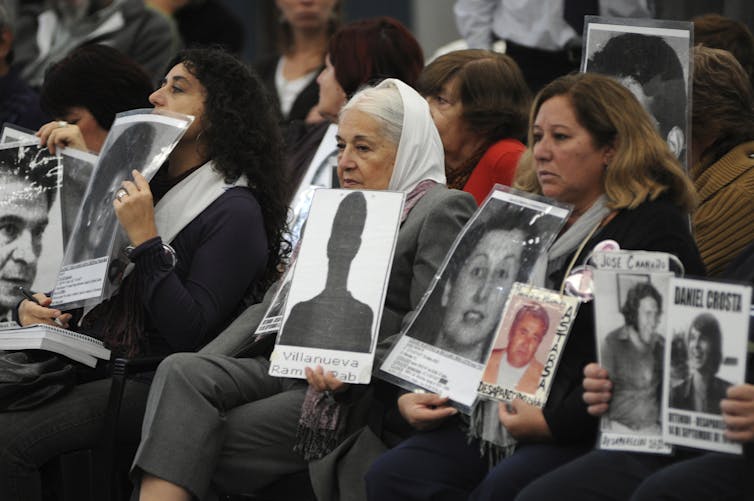
Argentines hold images of disappeared people in Buenos Aires during the trial of Argentina’s last dictator in 2010. Rolando Andrade Stracuzzi Source/AP
In 1983, President Raúl Alfonsín, who reestablished Argentine democracy, established the National Genetic Data Bank to identify kinship between the parents and children of the disappeared. Thousands of analyses were conducted on children suspected of being born in captivity and illegally adopted by military families.
More than 120 grandchildren have since been identified.
The Mothers and children of the disappeared have also played a fundamental role in convicting dozens of military officials for crimes against humanity. As direct witnesses to the long-term consequences of forced disappearance, they have repeatedly testified against military officials.
The Mothers’ activism, which continues today, has helped sustain public pressure in Argentina for accountability and to transform private trauma into collective political action.
The killings in Minneapolis inspired me to recount this story for a simple reason: The government can protect, condemn or kill. Argentine history shows that it matters how society reacts to state terrorism.
This story was produced in collaboration with Rewire News Group, a nonprofit news organization that covers reproductive health.
Texas Roadhouse is one of the biggest sit-down chains in the U.S., but it’s not resting on popularity alone. The restaurant has some changes planned for 2026.
Mashed – Fast Food, Celebrity Chefs, Grocery, Reviews
Jimmy Kimmel could not hold himself together on Monday night.
For good reason, too.
Two day after Alex Pretti — a 37-year-old ICU nurse — was shot and killed by Border Control in Minneapolis, Kimmel delivered an passionate monologue about the future of this nation … and his own outrage over government officials’ response to Pretti’s killing labeled him a “terrorist” for no deserved reason whatsoever.
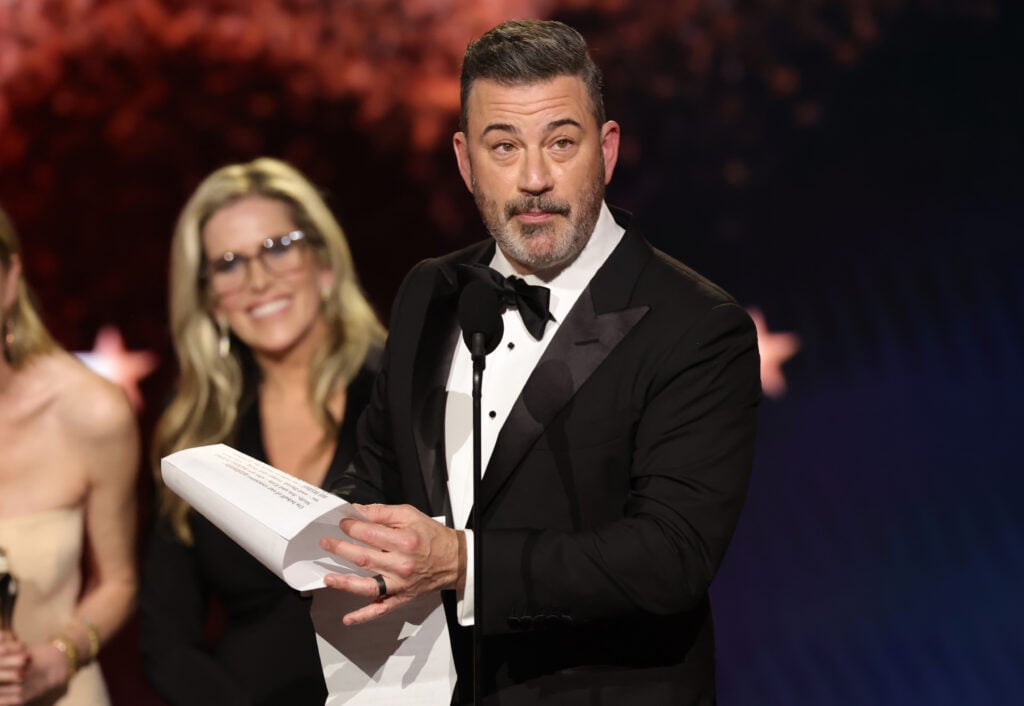
Jimmy Kimmel, winner of the Best Talk Show Award for “Jimmy Kimmel Live!”, speaks onstage during the 31st Annual Critics Choice Awards at Barker Hangar on January 4, 2026 in Santa Monica, California. (Photo by Kevin Winter/Getty Images for Critics Choice Association)
“I spent my weekend, like probably a lot of you did, looking at my phone and just feeling shocked and sick about what is happening in Minneapolis,” Kimmel began of federal agents under the Department of Homeland Security.
“… One atrocity after another being committed by this gang of this poorly trained, shamefully led, mask-wearing goons. And that is what they are. They’re goons committing vile, heartless and even criminal acts.”
The comedian was just getting started, continuing as follows:
“It’s sickening to watch, it’s frustrating to watch. It’s like we’re all being forced to play a game that has no rules. They all just make up the rules as they go along. We see these videos, in which we clearly see one of our fellow Americans executed by ICE and they won’t even admit that it was a mistake.”
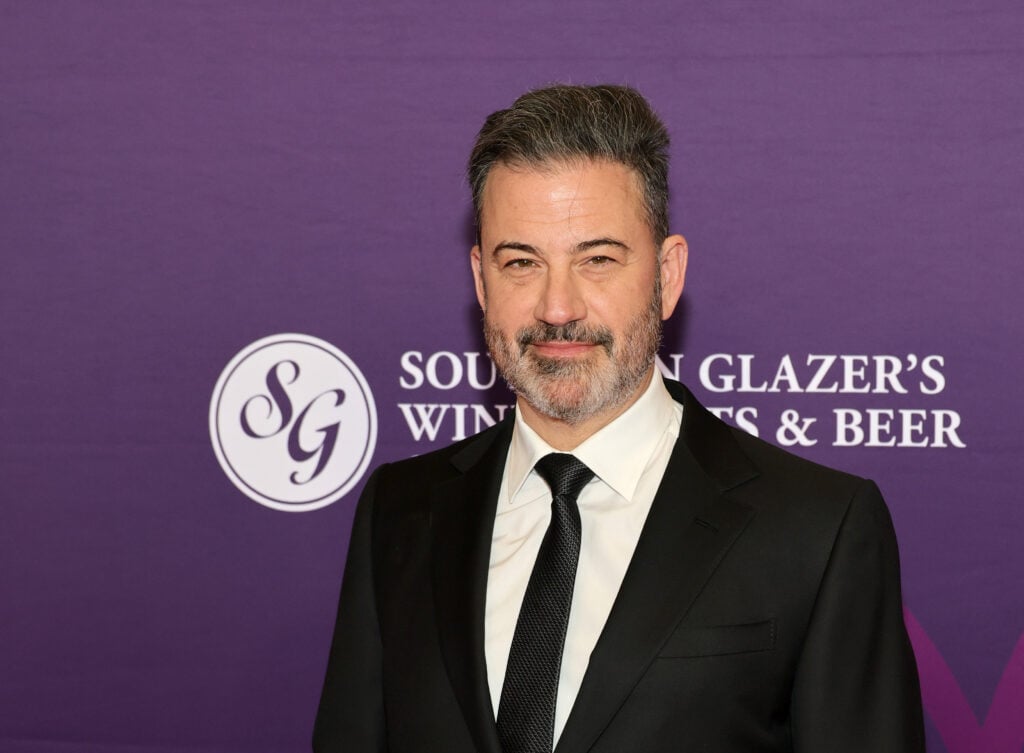
Jimmy Kimmel attends the annual Keep Memory Alive “Power of Love” gala benefit for the Cleveland Clinic Lou Ruvo Center for Brain Health honoring Kimmel at MGM Grand Garden Arena on February 22, 2025 in Las Vegas, Nevada. (Photo by Ethan Miller/Getty Images)
“Every day is a nightmare now. My wife and I have family in Minneapolis who are afraid to take their kids to school,” Kimmel went on.
“Is the plan to just keep doing this in every city that didn’t vote for Donald Trump? Does anyone on any side believe this is good leadership? We keep saying we need to find subjects we can agree on.
“Can we agree that peaceful protestors — including moms driving SUVs on their way back after dropping their 6 year old off at school, and a nurse who stepped in to protect a woman from harm — don’t deserve to be shot dead in the street by the people we are paying to protect us? Can we agree on that?”
Somehow, no. Not everyone can agree on that.
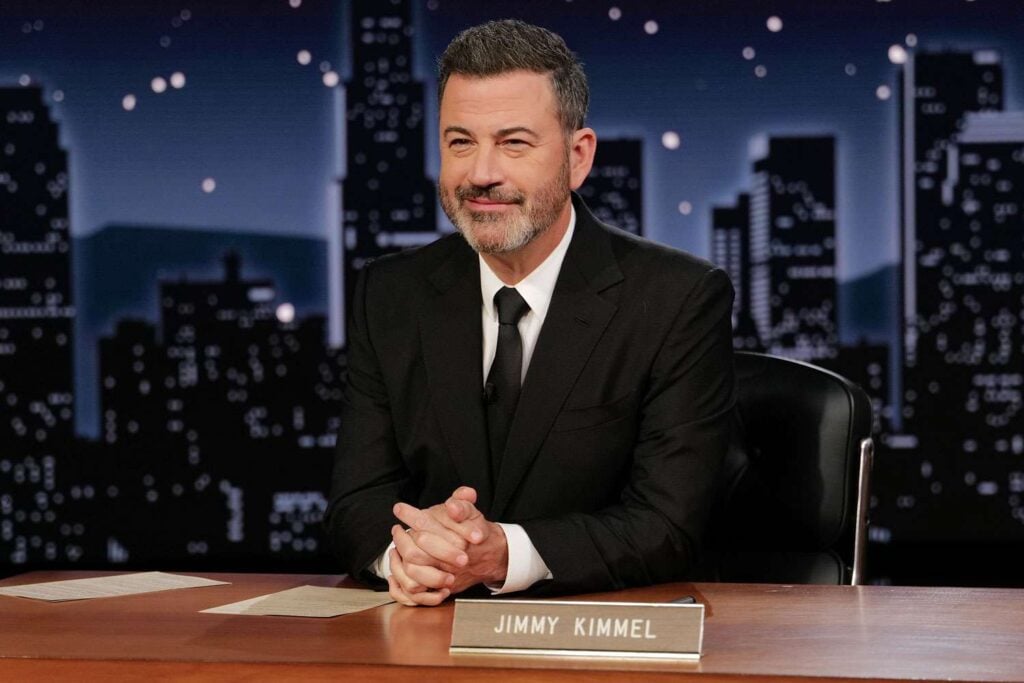
(Randy Holmes / ABC via Getty)
After the audiencrowdce applauded at the remarks, Kimmel demanded an “investigation” before calling out DHS Secretary Kristi Noem for “telling us that what we saw, we did not see.”
Elsewhere, Kimmel said Noem was “gaslighting” Americans over Pretti’s death.
“This one seems pretty open and shut to me,” Kimmheel said. “I think we can agree on this one. It’s on video. Look at it. Do your own research. And then once you do, once you form your own opinion without being told what you saw, say something. Where are the reasonable voices on the right? We don’t have to agree on everything, but come on.”
Kimmel also called for “new leaders,” before choking up as he sharing a message for the the two people who have recently been murdered by ICE agents, as well as the people of Minneapolis:
“These people who were looking out for their neighbors,” he said. “We want you to know that we are with you and you are not alone.”
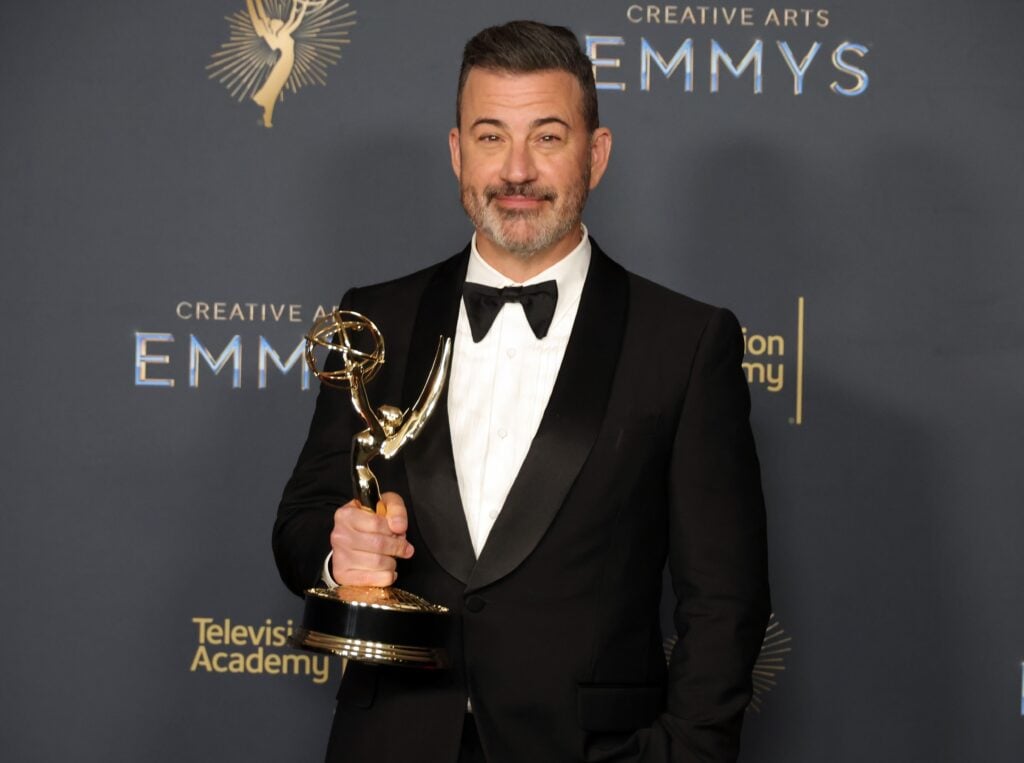
Jimmy Kimmel, winner of the Outstanding Host for a Game Show Award for “Who Wants to Be a Millionaire”, attends the 2025 Creative Arts Emmy Awards at Peacock Theater on September 7, 2025. (Photo Credit: Kevin Winter/Getty Images)
But there’s VERY clear evidence of Pretti being killed by ICE agents in this case. It should not be a polarizing topic, just an infuriating one.
“Kristi Noem is telling us to accept that what we’re seeing with our eyes isn’t real. And I understand why. Her nose, face, teeth, eyes and lips aren’t real,” Kimmel added.
Growing emotional again, the host reminded viewers that Pretti was an ICU nurse, “who treated veterans, which is about as patriotic, I think, as it gets.”
He then closed with the viral footage of Pretti sharing a “final salute” for one of his patients.
A driver gave a deposition, offering a chilling account of an alarming conversation that he allegedly heard the controversial director give.
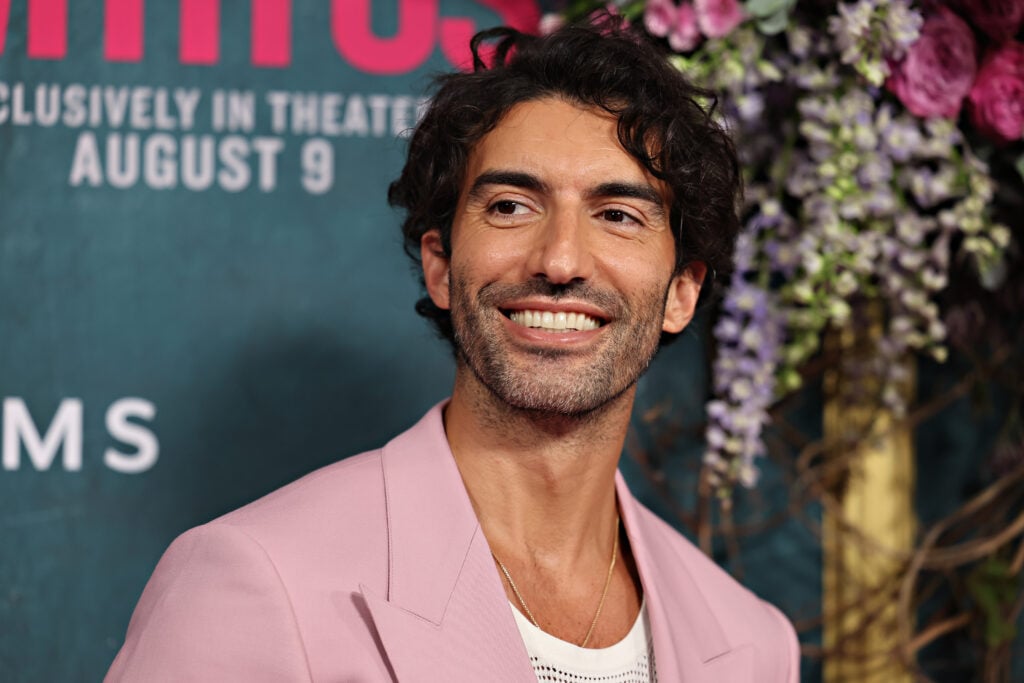
Justin Baldoni attends the “It Ends With Us” New York Premiere at AMC Lincoln Square Theater on August 06, 2024 in New York City. attends the “It Ends With Us” New York Premiere at AMC Lincoln Square Theater on August 06, 2024. (Photo Credit: Cindy Ord/Getty Images)
Sometimes, driving people around means hearing eye-popping conversations
On Monday, January 26, Us Weekly published a deposition by Kevin Alexander — Lively’s driver.
In the deposition, he recalls a “disturbing” memory of Justin Baldoni during the production of It Ends With Us.
At the time, Alexander had no idea who Baldoni was — but apparently commented to Lively after Baldoni was out of earshot.
“[Baldoni] was discussing his sexual relations with women,” Alexander described in his deposition.
He explained that he “can’t forget” the conversation because Baldoni’s alleged comments “took my focus off driving.”
Actress Blake Lively attends the New York special screening of “Another Simple Favor” at the Jazz at Lincoln Center in New York on April 27, 2025. (Photo Credit: CHARLY TRIBALLEAU/AFP via Getty Images)
According to Alexander’s deposition, Baldoni said that “he was forced on and he forced himself on women.”
Lively and one other person were present, Alexander shared.
“To me, it was very out of the ordinary to meet somebody and talk like that in a vehicle,” he reflected. “That’s why it caught my attention.”
Alexander summarized: “Basically he kept talking about his sexual relations.”
He reiterated: “I’m repeating myself I believe, but he would force himself on women. If they said no, this, that, he would revert back.”
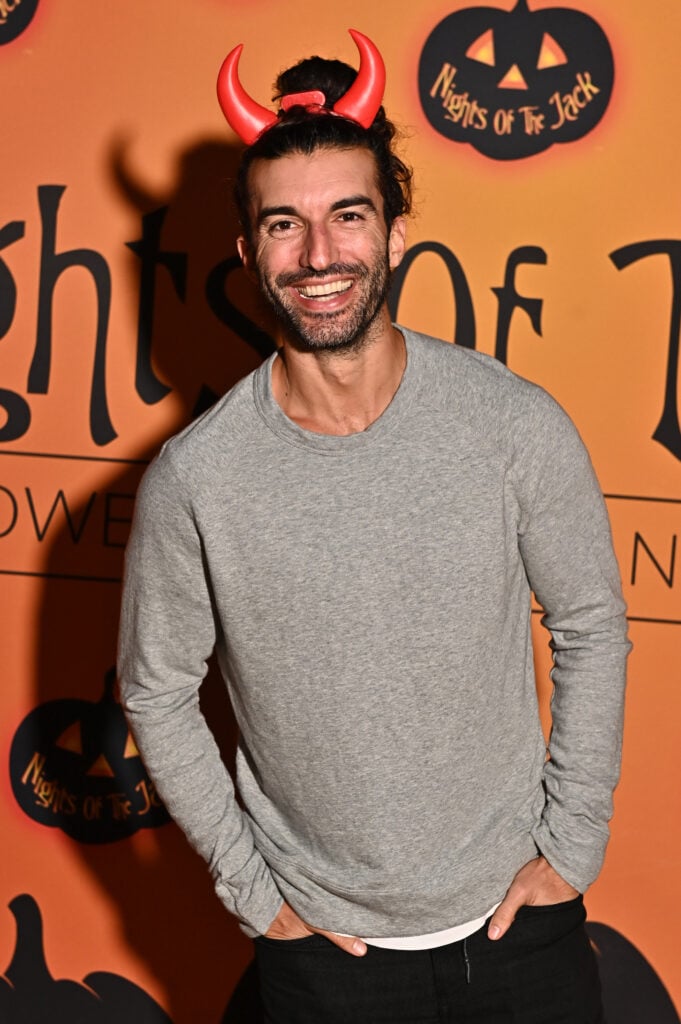
Justin Baldoni attends Nights of the Jack friends and family nights at King Gillette Ranch on October 08, 2022. (Photo Credit: Andrew Toth/Getty Images for Nights Of The Jack)
‘It is disturbing to me’
For the most part, Alexander said, he did not pay attention to the conversation.
He knows that Baldoni discussed “more stuff” but didn’t really clock what it was.
“It is those key points when someone says, you know, forcing myself on women, women forced on me, I didn’t care,” he continued during the deposition.
“It is disturbing to me,” he expressed.
Alexander reasoned: “You can’t forget something like that.” If you have ever heard a total stranger confess something dark or upsetting to you upon first meeting, you can relate to his alleged encounter.
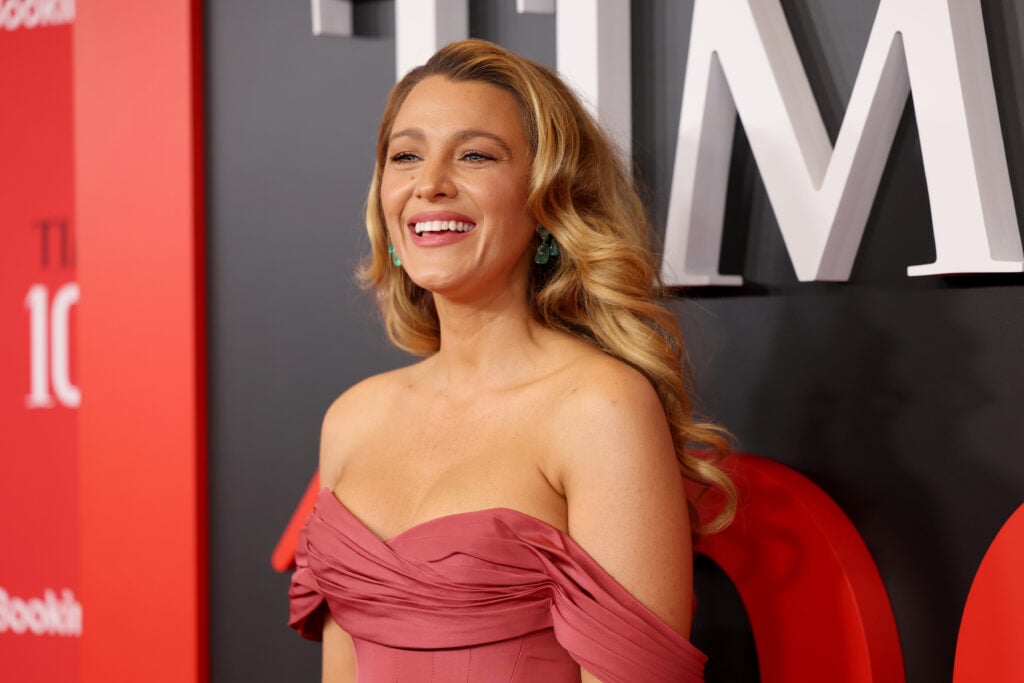
Blake Lively attends the 2025 Time100 Gala at Jazz at Lincoln Center on April 24, 2025. (Photo Credit: Cindy Ord/Getty Images)
Alexander’s deposition shared that he had spoken to Lively about Baldoni after the car ride.
“When we got to the production office, which was down the road from that area, I pulled over, let everybody out,” he described.
He recalled: “I stated to Blake, ‘I feel very uncomfortable. Something is not right here. I would like to do a background check on him or something.’”
Alexander continued: “And later to learn that he was the producer in production of this movie.”
In the context of the sole experience that he’d had with the man, that sounds like a chilling discovery.
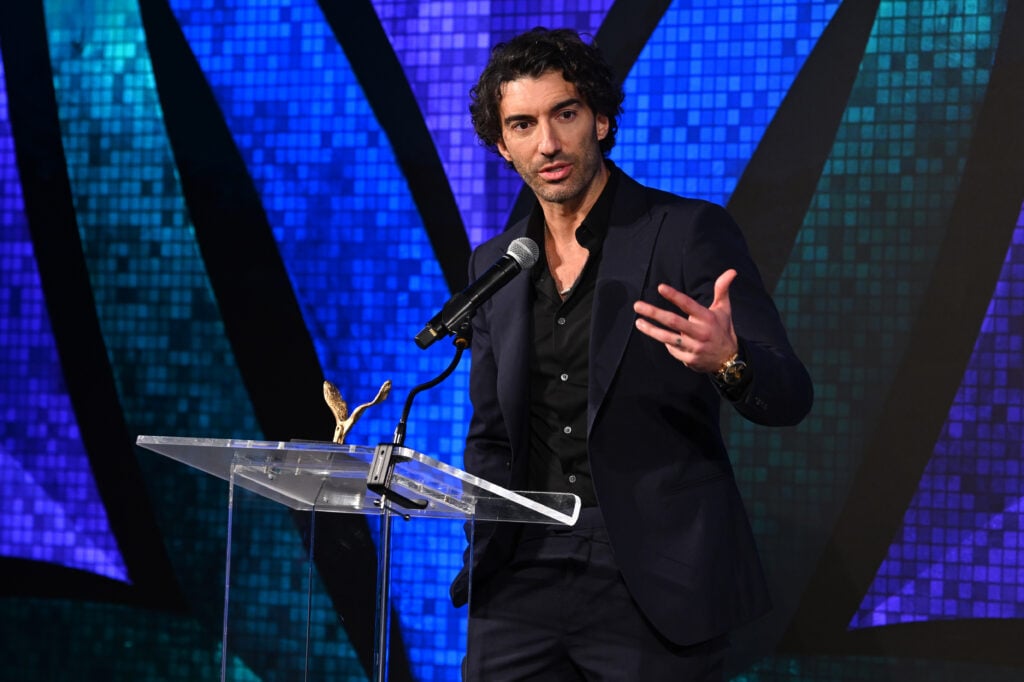
Actor/filmmaker and VOS Honoree, Justin Baldoni speaks onstage at the Vital Voices 12th Annual Voices of Solidarity Awards at IAC Building on December 09, 2024. (Photo Credit: Bryan Bedder/Getty Images for Vital Voices Global Partnership)
The details on what Baldoni allegedly said may be secondary
We don’t know what Alexander heard. Perhaps he heard a man admit to sexual misconduct, or not.
Even Alexander himself may have only heard part of the conversation — and could have been missing vital context.
However, as much as we hate to say it, these details — while otherwise important in most situations — are secondary to the overall case.
This deposition is only the latest instance that we’ve heard in which Baldoni allegedly spoke or behaved inappropriately in a workplace setting.
Alexander isn’t as famous as the multiple actresses who have come forward to describe instances of misconduct or unwelcome behavior.
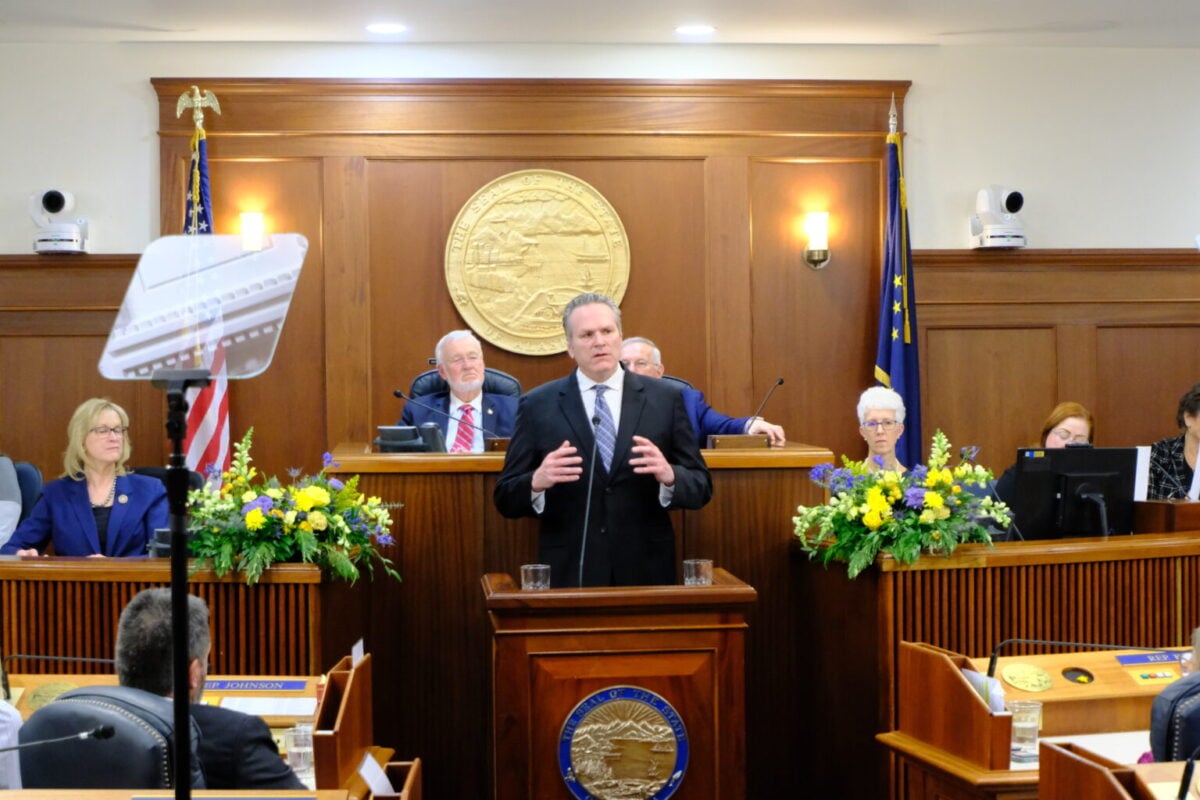
Gov. Mike Dunleavy gestures during his State of the State address on Jan. 22, 2026. (Photo by Corinne Smith/Alaska Beacon)
Gov. Mike Dunleavy has proposed a 4% statewide summer sales tax, effective through 2034, as part of his plan to bring Alaska’s state revenue and expenses in line for the long term.
If adopted, the sales tax would be Alaska’s first statewide, general-purpose levy since state legislators abolished Alaska’s income tax in 1980.
Alongside the tax bill, the governor has proposed a tighter state spending cap and a constitutional amendment that would guarantee a Permanent Fund dividend lower than scheduled by current law but above what legislators have approved in recent years.
“This comprehensive plan is designed to bridge the next seven years by stabilizing state finances, limiting spending growth, restoring a rules-based PFD, and sharing responsibility through targeted, time-limited revenue measures that support investment and predictability,” the governor wrote in a letter to state lawmakers.
Since 2015, persistently low oil prices and plateaued oil production from the North Slope have dogged state lawmakers who have struggled to balance Alaska’s need for services with the desire to pay large Permanent Fund dividends.
While most of Alaska’s general-purpose state revenue comes from the Alaska Permanent Fund, oil remains the No. 2 source of flexible spending money for the state, leaving the annual budget process subject to the vagaries of global markets.
Senate Bill 227, containing the bulk of the governor’s plan, was introduced on Monday and referred to the Senate Finance Committee for further discussion. An identical version will be introduced in the House on Wednesday.
The most fiscally consequential item in the bill is the sales tax, which would peak during the summer tourist season and drop to 2% between October and March.
That tax is expected to raise as much as $815 million per year for state services and the Permanent Fund dividend by Fiscal Year 2032.
Dunleavy’s proposed budget for the fiscal year that begins July 1 — fiscal year 2027 — is about $7.75 billion and has a deficit of almost $1.5 billion.
The Dunleavy administration expects that revenue from oil production and a proposed trans-Alaska natural gas pipeline will compensate for the phaseout of all the taxes in the long term.
Under SB 227, the state’s corporate income tax would fall to zero in 2031; the sales tax wouldn’t expire until 2034, leaving individual Alaskans paying higher tax rates than corporations for a period.
“Normally, sales tax is left to local governments. So I know it was a hot issue in Anchorage when the Mayor proposed that, so I think it is going to hit a lot of households,” said Sen. Lyman Hoffman, D-Bethel and co-chair of the Senate Finance Committee.
Sen. Bill Wielechowski, D-Anchorage, applauded Dunleavy on Monday for putting forward a fiscal proposal, even if he disagrees with some of the components.
“The governor’s putting out a bill. I commend him for that. He’s putting out, you know, he’s throwing out ideas. I give him credit for that,” he said.
Wielechowski and other legislators said they want to fully analyze what the governor is proposing before opining on it.
“There are a lot of parts to this bill, and the No. 1 thing for me — without a complete analysis — is it’s really unclear on how this is going to affect hard-working Alaskans,” said House Minority Leader DeLena Johnson, R-Palmer. “It is my No. 1 priority to make sure everyday Alaskans aren’t on the losing end of this.”
The Alaska Municipal League, which represents local governments across Alaska, is particularly interested in the governor’s proposal.
The League has previously said it would prefer a statewide income tax to a sales tax.
In almost every part of Alaska, except for Anchorage, sales taxes are a pillar of services.
Many cities and boroughs exempt certain things, like food and utilities. Under the Dunleavy proposal, the state would be in charge of collecting sales taxes and would remit money to cities and boroughs.
Local exemptions and sales tax caps could vanish in the process, with the state instead determining what is taxed and not.
“This is a 56-page bill that we are still going through. Sales tax is a major component of that, but sales tax shouldn’t be thought about independently from the other components,” said Nils Andreassen, director of the league.
In addition to the sales tax, SB 227 temporarily raises the state’s minimum oil tax, adds a surcharge of 15 cents per barrel of oil produced on the North Slope and adds part of the corporate sales tax update that Dunleavy vetoed last year.
Andreassen noted that regardless of its source, tax revenue flows into the state’s general fund for any number of uses.
“All taxes are connected at some level,” he said.
The governor’s plan for the Permanent Fund dividend, enclosed in a constitutional amendment proposal separate to SB 227, is similar to one he proposed in 2021.
Currently, the state’s No. 1 source of general-purpose revenue is an annual transfer from the Permanent Fund to the state treasury. In FY27, that transfer will be worth $4 billion.
The “50-50 dividend” proposed by the governor would reserve half of that transfer for dividends, or about $2 billion, if it were in place this year.
That amounts to roughly $3,200 per PFD recipient, based on the number of recipients in 2025.
Under a current, disused formula in place since the 1980s, the dividend would be about $3,800 per recipient.
That formula hasn’t been used since 2015, and lawmakers have instead set the amount by fiat, typically using a figure that can be paid with available revenue after services are covered.
Legislators can ignore formulas in state law because the state’s annual budget bill is a law, and when one law conflicts with another, the newer law takes precedence.
Putting a dividend formula in the constitution would bind future governors and legislatures, and put the dividend atop the annual budgetary priority list, alongside education and other constitutionally mandated functions.
Adopting a constitutional amendment requires two-thirds of the House, two-thirds of the Senate, and approval by voters in the next general election.
Alaskans have not adopted an amendment since 2004, and the Legislature hasn’t put one before voters since 2016.
Kenny Chesney picks his favorite of his own songs — and it’s not one of his biggest hits. Continue reading…The Boot – Country Music News, Music Videos and Songs