A passenger bus burst into flames after a motorbike crashed into it, killing at least 25 people and injuring several others in southern India.The Latest News from the UK and Around the World | Sky News
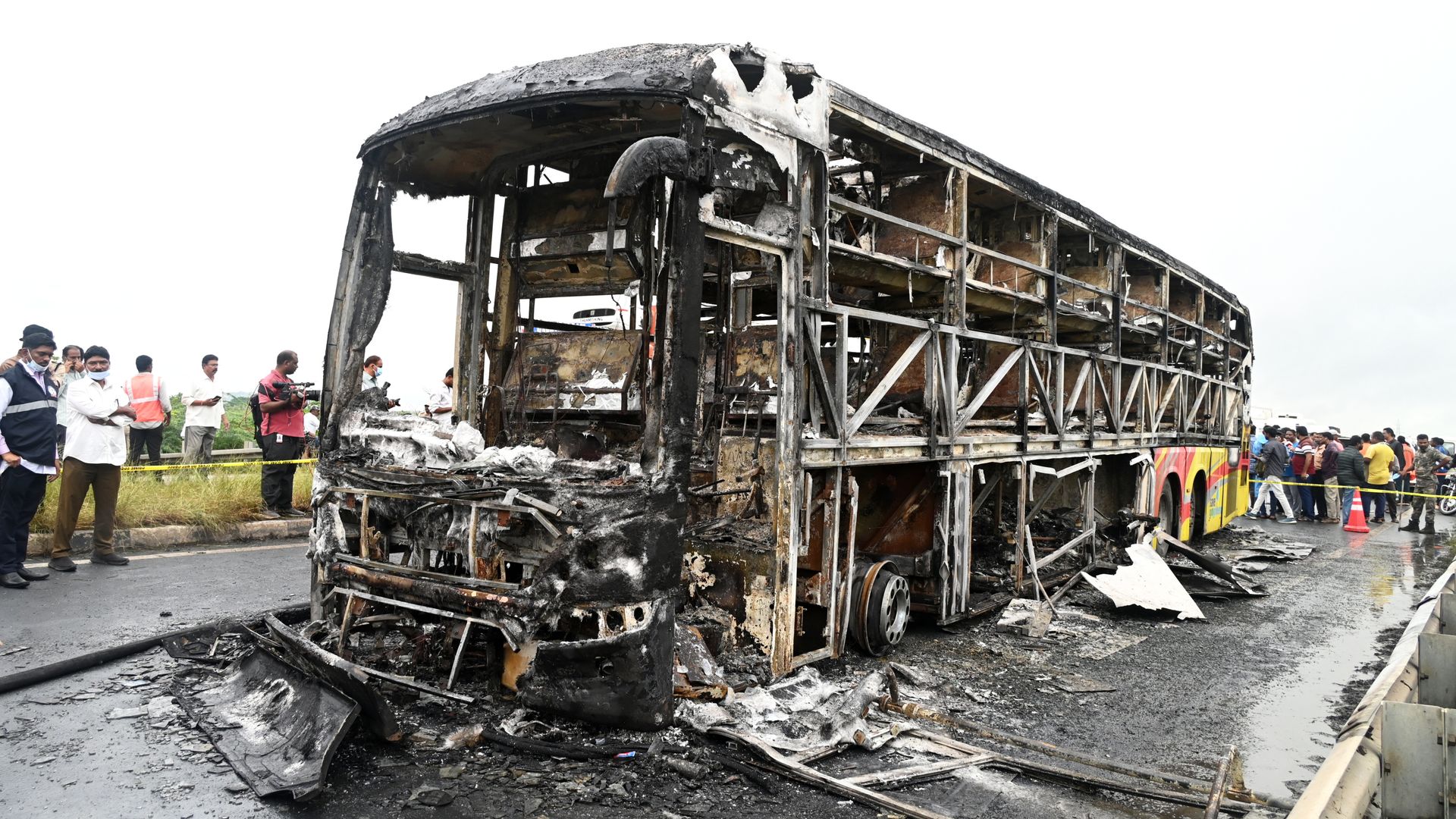








A passenger bus burst into flames after a motorbike crashed into it, killing at least 25 people and injuring several others in southern India.The Latest News from the UK and Around the World | Sky News

The rapper Ghetts has been charged after a man was killed in a hit-and-run in northeast London.The Latest News from the UK and Around the World | Sky News

Safeguarding minister Jess Phillips can repair relations with grooming gang survivors so the inquiry can go ahead, Harriet Harman has said.The Latest News from the UK and Around the World | Sky News

Spotify is increasing the cost of its UK premium subscription, the Money blog has revealed.The Latest News from the UK and Around the World | Sky News
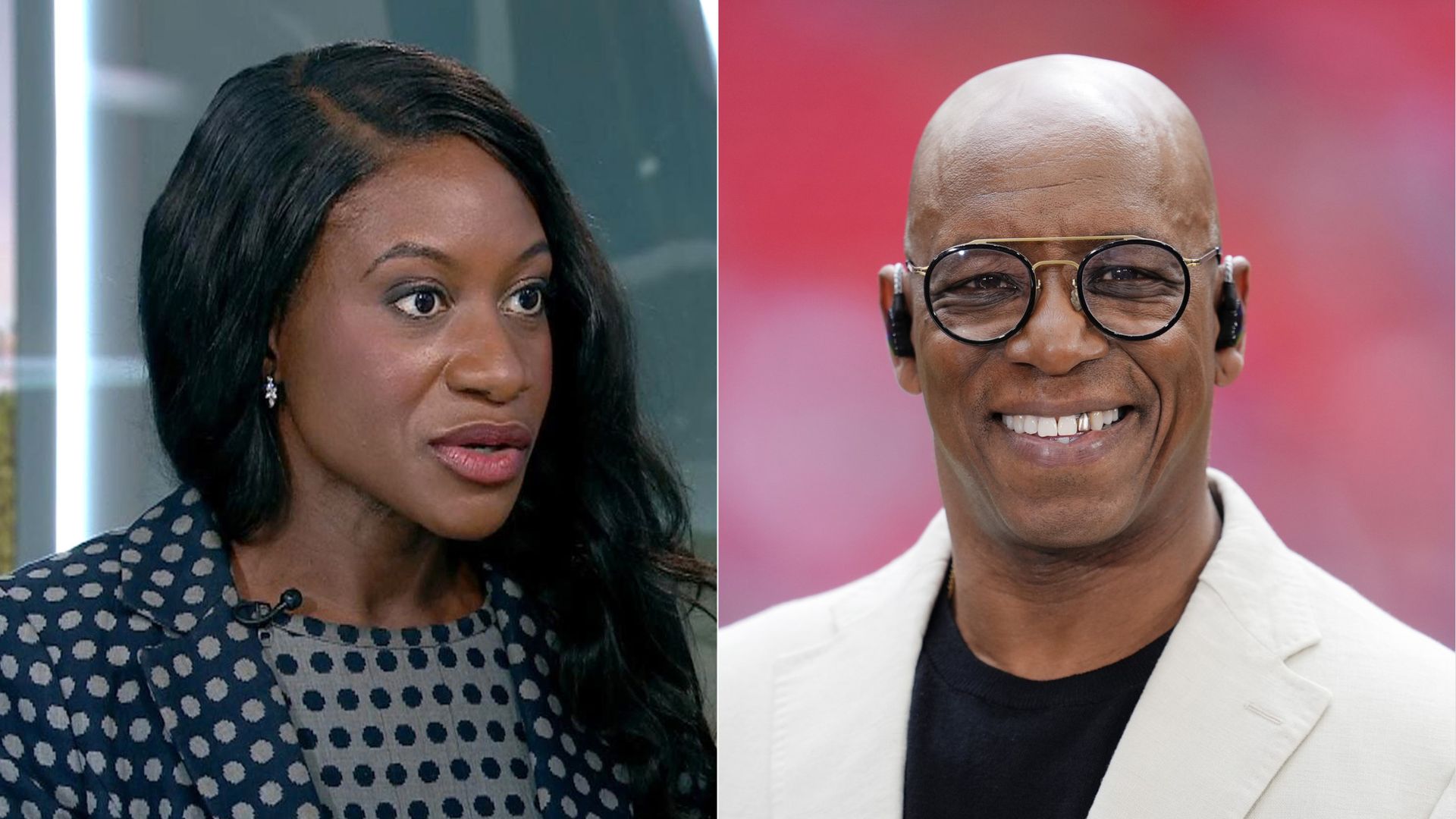
The Bank of England’s chief financial officer, Afua Kyei, has been named the UK’s most influential black person.The Latest News from the UK and Around the World | Sky News
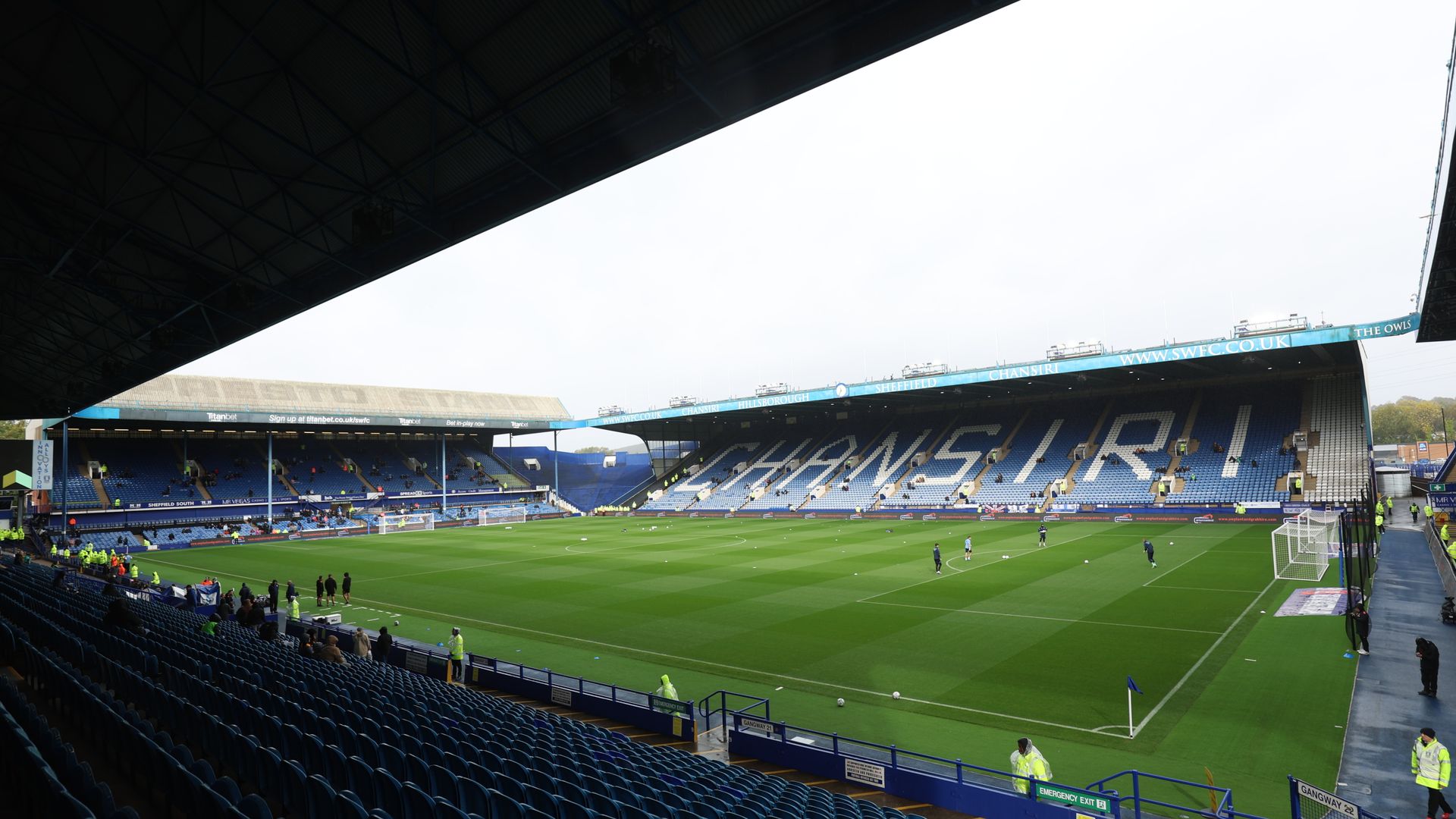
Championship side Sheffield Wednesday have filed for administration, according to a court filing.The Latest News from the UK and Around the World | Sky News
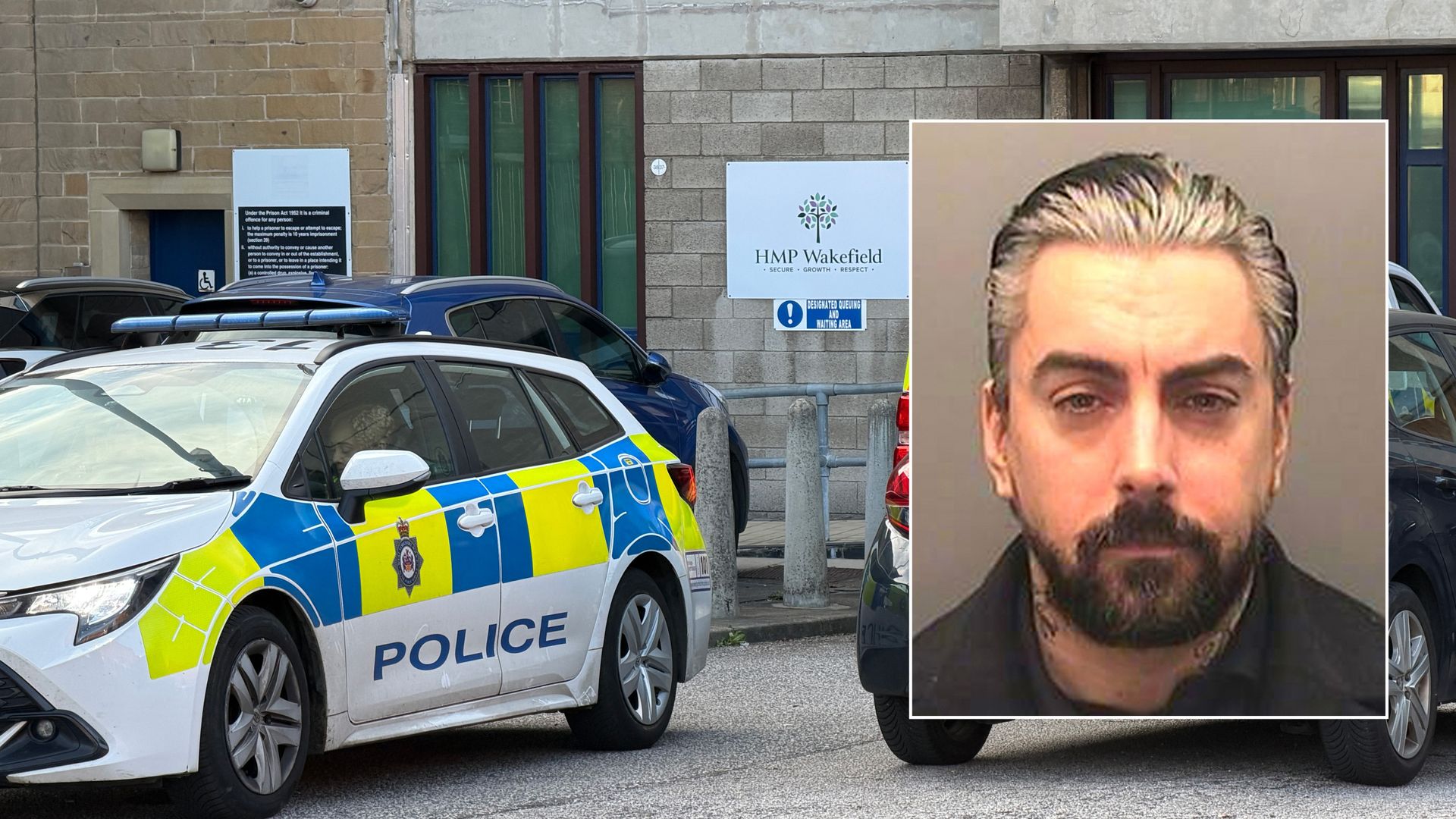
Disgraced Lostprophets frontman Ian Watkins died from a stab wound to the neck, an inquest has heard.The Latest News from the UK and Around the World | Sky News
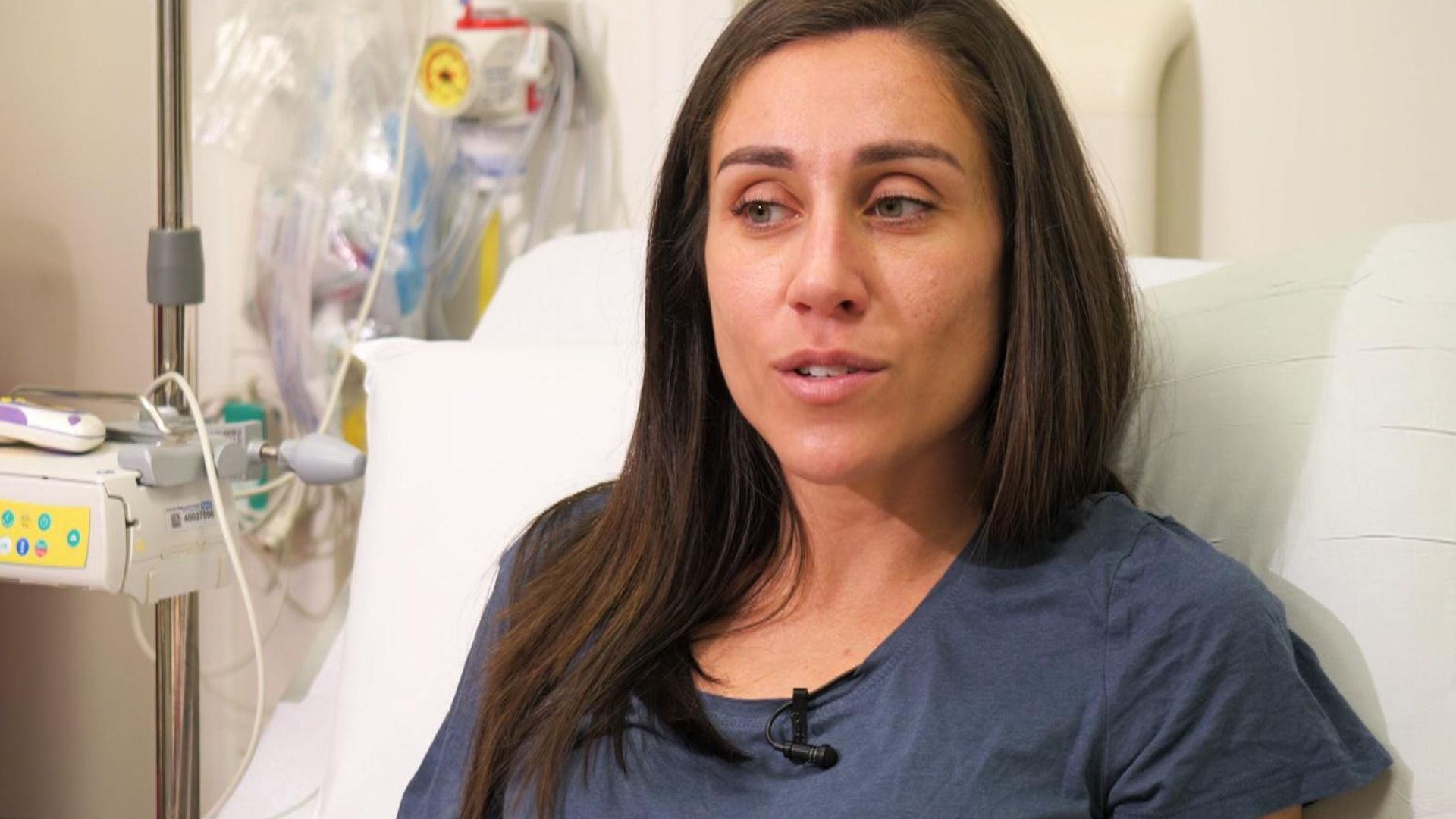
A mum with multiple sclerosis has become the first patient in the UK to receive an experimental treatment that could slow or even stop progression of the disease.The Latest News from the UK and Around the World | Sky News

NOTN- As Alaska wraps up another strong cruise season with over 3 million visitors to the state, Juneau Sen. Jesse Kiehl says work is ongoing to reduce environmental impacts from visiting ships, including discussions about transitioning to cleaner fuels.
Kiehl said Juneau’s port saw about 1.7 million cruise visitors this year, a slight increase from 2024, according to industry data presented at the Alaska Travel Industry Association conference.
Kiehl, who has long advocated for environmental safety in the visitor industry, said he’s in talks about transitioning from scrubber systems, which trap air pollutants but can discharge waste into the ocean, to cleaner-burning fuels.
“It’s got a price tag, and some of the lines are talking to me about what that costs and what the impact would be, and some are keeping that a trade secret, which makes it a little harder to make a good, rational policy decision.” Said Kiehl.
Kiehl said he has no new policies, proposals or bills to announce, but attended a panel hosted by the Southeast Conservation Council, and says, “The best outcome, is to have a visitor industry that’s good for the economy but doesn’t have those impacts on the environment. We’re trying to find the best pathway to get there.”
According to SEACC, discharge from scrubber systems can be toxic to marine life even at very low concentrations.
Aaron Brakel of SEACC writes, “While scrubbers may seem beneficial — removing pollution from the air — they allow ships to continue burning dirty fuel, transferring those pollutants to the millions of gallons of acidic, polluted wastewater discharged into our living marine waters daily.”
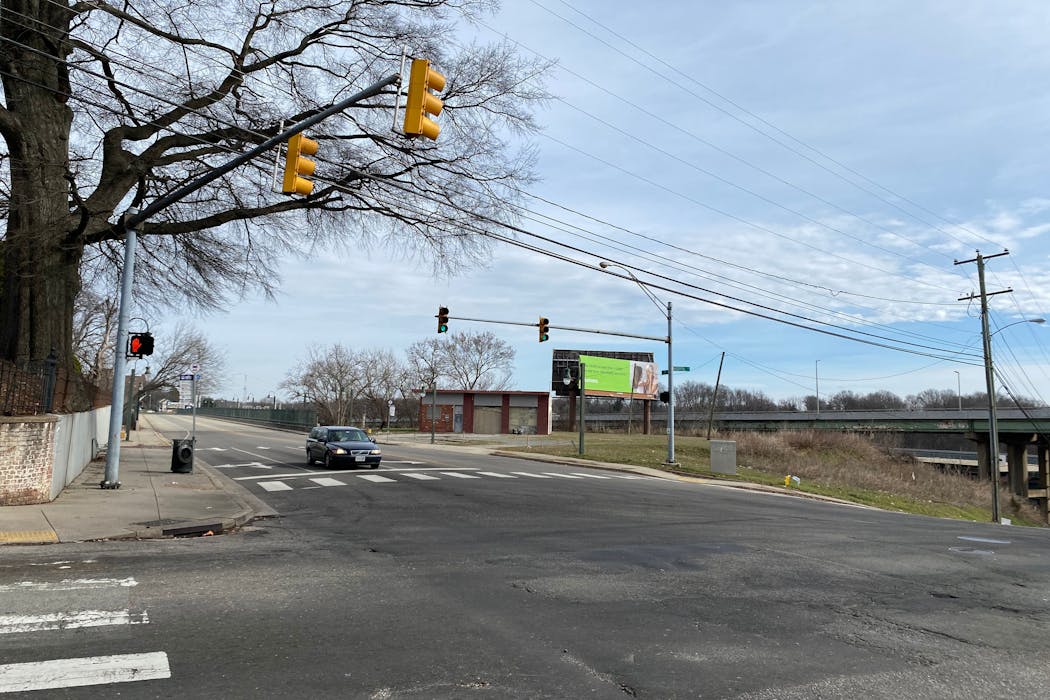
The burying ground looks like an abandoned lot.
Holding the remains of upward of 22,000 enslaved and free people of color, the Shockoe Hill African Burying Ground in Richmond, Virginia, established in 1816, sits amid highways and surface roads. Above the expanse of unmarked graves loom a deserted auto shop, a power substation, a massive billboard. The bare ground of the cemetery is strewn with weeds.
In contrast, across the way sits Shockoe Hill Cemetery. Established in 1822, it remains a peaceful cemetery with grass, large trees and bright marble headstones. This cemetery was created for white Christians.
I am an archaeologist who studies how the past shapes public life. Several years ago, I wrote with colleagues about the legacies of stolen human remains of African Americans in museums. During this time, I learned more about how African Americans often had to bury their dead in unsanctioned spaces that received few protections.
As I dug into this history, what struck me the most was that the different treatment of African Americans in death paralleled their long mistreatment in life. Places like Shockoe have not been accidentally forgotten.
Although its purpose has endured and graves survive, Shockoe Hill African Burying Ground, the largest burial ground for enslaved and free people of color in the United States, has witnessed deliberate acts of violence. As the historian Ryan K. Smith writes, Shockoe “was not, as some would say, abandoned – it was actively destroyed.”
This issue of protecting Black cemeteries first came to popular attention in 1991, when the African Burial Ground in downtown New York City was rediscovered and nearly obliterated by a construction project. It was preserved only through the valiant efforts of African American leaders and scientists.
In recent years, similar threats to Black cemeteries and questions about preservation have been reported at the Whitney Plantation in Louisiana, the Morningstar Tabernacle No. 88 in Maryland and a rediscovered graveyard in Florida, among many others.
Like these other cemeteries, the Shockoe Hill African Burying Ground has long faced constant perils, from grave robbing to construction projects.
Lenora McQueen, whose ancestor Kitty Cary was buried there in 1857, has been leading the effort to protect the cemetery. McQueen’s tireless work – like the efforts needed at any disregarded Black cemetery in the country – has ranged from collaborating with city officials to purchase part of the site, establishing a marker and mural, and assembling a team to earn the burying ground the recognition of the National Register of Historic Places.
Smith has detailed how, ever since Richmond’s founding in the 1730s, people of European and African descent in the city lived divided lives. By the early 1800s, officials formalized different cemeteries for Richmond’s different ethnic and racial communities.
A 1-acre cemetery for free Black people and another one for enslaved people were situated near the city poorhouse and gunpowder depot. Yet, these grounds were hallowed to the African American community. Burial rituals included long processions, biblical-inflected homilies, spirituals and public displays of grief.
However, the violations of these graves were easy enough. The cemetery was neither fenced nor formally tended. In the 1830s, medical schools began robbing the burying ground for cadavers. At the close of the Civil War, retreating Confederates exploded the gunpowder magazine, reportedly destroying a section of the cemetery.
City officials formally closed the cemetery in 1879, and the site’s systematic destruction began, despite constant objections of Black residents. Road and construction projects cut through the burial grounds. An African American editor at the time denounced the “people who profited by the desecration of the burial ground … when graves were dug into, bones scattered, coffins exposed and the hearts of the surviving families made to bleed by the desecration of the remains of their loved ones.”
In the years that followed, a railroad track and an elevated highway were built on portions of the cemetery. In 1960, Richmond city officials sold a portion of the burying ground to Shell, and a gas station was built atop the remains of human beings.
In 2011, the Virginia Department of Historic Resources conducted a survey to determine the eligibility of the deserted auto shop for the National Register of Historic Places. It did not even consider the history of the Shockoe Hill African Burying Ground beneath and around the building as part of the site’s evaluation.
Six years later, McQueen learned that her ancestor was interred at the burying ground. Horrified by the cemetery’s state of disarray, she became its leading advocate. Eventually, McQueen put together a team of scholars and preservationists to pursue their own study of the site’s eligibility for the national register. They found the cultural landscape – the traces of human activity that give a place its history and meaning – to be highly significant.
Additionally, the site’s history of destruction was a vital record of the unequal treatment shown toward Black burying grounds in the U.S. The team formally pursued its own nomination to the National Register of Historic places.
In 2022, Shockoe Hill Burying Ground Historic District was successfully listed is on the national register.
Even with this success, the threats continue. Being listed on the national register provides prestige, grant opportunities and reviews for federal projects, but few guaranteed protections. In the same year Shockoe was listed on the national register, utility lines were installed in the area without consulting heritage officials.
A high-speed rail project, if implemented as planned, could violate the cemetery’s historical landscape. Designs for a memorial, while well intentioned, might further harm the site and threaten its national register status if it is not treated as a cemetery with graves.
What the Shockoe Hill African Burying Ground reveals is the need for the U.S. to provide dignity to all its citizens, in life and in death. A cemetery does not need famous inhabitants or marble tombstones to be significant.
As McQueen has said of her ancestor’s eternal resting ground, “Burial spaces are sacred.”

I have sat in on some meetings about the burial ground’s preservation as a heritage expert, at the request of the descendant Lenora McQueen.
Politics + Society – The Conversation
