Categories
R&B

‘Rhythm Nation 1814’: When Janet Jackson Gained Soul Control

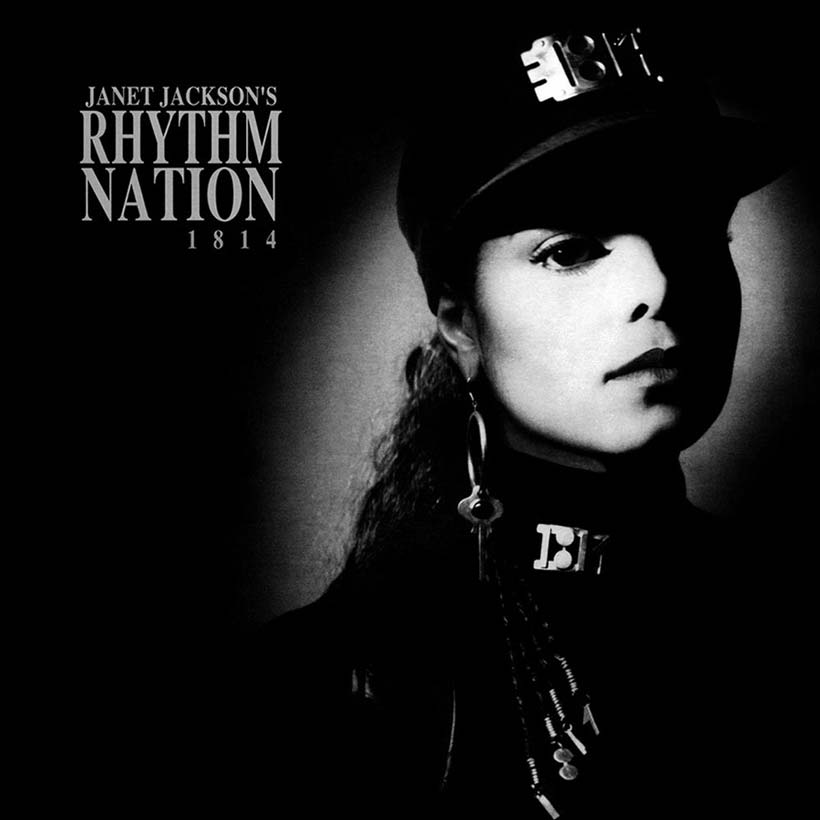
'Janet Jackson’s Rhythm Nation 1814' artwork - Courtesy: UMG

Once upon a time, she was just the little kid sister to one of the most famous pop groups in the world. But by the late 1980s, Janet Jackson was a massive solo star in her own right, and anticipation was at fever pitch as she released her new solo project, Janet Jackson’s Rhythm Nation 1814, internationally on September 18, 1989.

Jackson had struggled to find her own sound and personality with her self-titled debut A&M album in 1982. The 1984 follow-up Dream Street contained an incongruous but engaging duet with British pop king Cliff Richard, “Two To The Power Of Love.” But when she started working with the mighty writing and production team of Jimmy Jam and Terry Lewis, there was no stopping them. The Control album of 1986 sold five million copies in the US and some 14m worldwide, and Rhythm Nation was to match that feat.

The “1814” in the title seemed cryptic to many, but was later explained by Jackson as a logical choice. When she was writing the title track with Harris and Lewis, “I was kidding around, saying, ‘God, you guys, I feel like this could be the national anthem for the 90s,” she said. “Just by a crazy chance we decided to look up when Francis Scott Key wrote the national anthem, and it was September 14, 1814.”

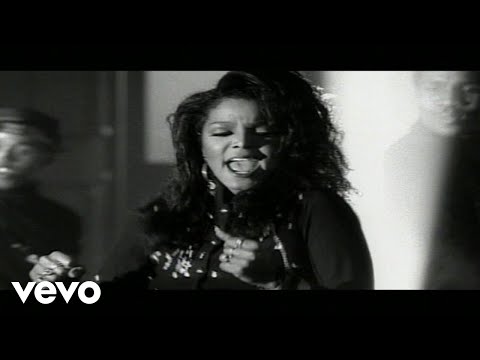
YouTube Video
Click to load video

“At the time, we were trying to make some statements about worldly things,” Terry Lewis told Billboard of the album in 2014. “We used to talk about everything before we would even engage in starting a song. We went on talking tirades, just conversational tirades, trying to figure out not only what was going on in the world, but what was going on in Janet’s head.

‘You have to bring some awareness’

“In the history of music, there’s always been a social commentary with most artists that were substantial artists. You can only talk about so much love and clubs. You have to bring some awareness and have a voice in the times that you live in.”

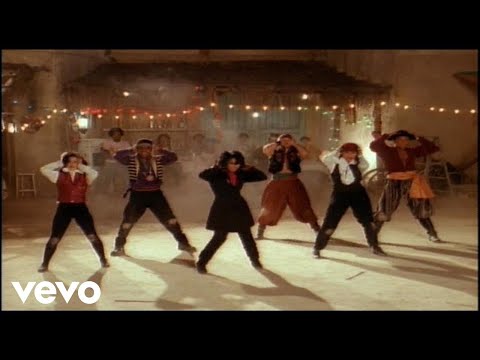
YouTube Video
Click to load video

The accolades rained down on Rhythm Nation 1814, which went on to be placed at No.275 in Rolling Stone’s 2003 list of the 500 Greatest Albums Of All Time. It continued in the Control vein of edgy, inventive funk, dance and pure pop music with brilliant crossover hooks and big production, highly choreographed videos. It went on to top the Billboard 200 for four weeks (Control had achieved two) and the new album’s lead single “Miss You Much” also had a month atop the Hot 100.

The title track then went to No.2, after which came another US No.1 with “Escapade,” a No.4 with “Alright,” No.2 with “Come Back To Me,” another chart-topper in the rocky “Black Cat,” (written by Jackson on her own and featuring Vernon Reid of Living Colour on lead guitar), another pop No.1 in “Love Will Never Do (Without You),” and a Top 5 success with “State Of The World.” That made for an incredible total of eight major hits from one album, as Jackson ruled her own Rhythm Nation.

Shop for Janet Jackson’s music on vinyl or CD now.

​Discover more about the world’s greatest R&B artists | uDiscover Music

Categories
R&B

‘Die For You’: The Story Behind The Weeknd’s Euphoric Ballad

The Weeknd - Photo: Rich Fury/Getty Images for iHeartMedia

As the Weeknd’s music steadily progressed from back bedrooms to arena stages over the course of a decade, its scope expanded even further thanks to the maximalist disco of his third studio record, 2016’s Starboy. With assists from marquee electronic producers like Daft Punk, Benny Blanco, Diplo, and Cashmere Cat, Starboy took the insights of 2015’s Beauty Behind the Madness – which featured the Weeknd’s first No.1, “I Can’t Feel My Face” – and smoothed out that record’s serrated edges, making for bright, pointed pop. “Die For You” was one of seven singles off of Starboy, but its journey to the charts was a strange one and took years to unfold.

“Die For You” was reportedly one of the last – if not the last – song to be finished for Starboy, making it an unlikely choice for a leading single. (Many insiders suspect the single was challenging to complete, given the emotional turmoil in Tesfaye’s life at the time – more on that in a bit.) Tesfaye’s camp pushed the song to rhythmic contemporary radio, before declining to submit it to pop radio for unknown reasons, therefore “Die For You” had a slow start on the Billboard chart, peaking at No.43 in 2017, a year after the Weeknd initially released Starboy.

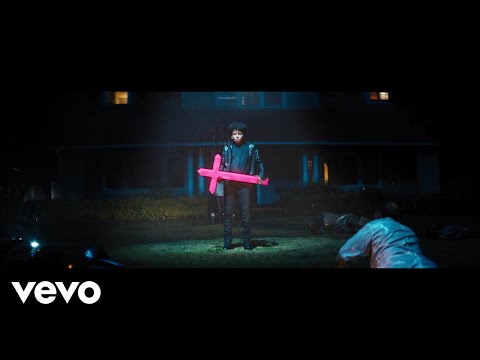
YouTube Video
Click to load video

Five years passed, and the single eventually found a new life on TikTok, where it seemed tailor-made for the platform. The construction of “Die For You” closely follows an emotional buildup, verses, and hooks, all barrelling to an explosive conclusion: “Just know that I would die for you!” Tesfaye belts.

“Die For You” brims over with emotionally charged moments, whether it’s the pre-chorus cry of “Hate that you want me, hate that you cry” or the “Keep it real, I would kill for you!” of the bridge. These moments serve as representative snapshots of the Weeknd’s signature tone – party-weary, drug-addled pleas, desperate for meaningful connection, and willing to reach deep into the psyche. Naturally, these snippets became perfect soundtracks for short-form dramas on TikTok or parodies of those situations.

The single saw a resurgence after the Weeknd re-released “Die For You” to mark the fifth anniversary of Starboy, along with a new music video that paid direct homage to E.T. and Stranger Things. The song surged higher on the chart than it did in 2017, peaking at No. 33.

“Die For You” also carries the sheen of tabloid subject matter, given that the song was recorded in the direct aftermath of Tesfaye’s temporary breakup with Gen Z style icon Bella Hadid. “Die For You” is not exactly the first time Hadid has served as Tesfaye’s muse; fans suspect that songs like “After Hours” and “Here We Go… Again” contain direct references to their off-again, on-again relationship. This aspect gives “Die For You” an added layer of intrigue and a dynamic that can be easily channeled by social media expression.

Above all, “Die For You” symbolizes Tesfaye’s staying power in American pop. Once a singer who specialized in dark moods and subdued production, he took over the reins of his own fame and has increasingly pushed his sound into new sonic textures, combining the production prowess of Max Martin and Oneohtrix Point Never’s Daniel Lopatin – an unlikely duo on paper – to create a new musical framework for his persona. It makes sense that his fans would revisit previous eras, tracing the singer’s approach as he rose in stature throughout the early 2020s.

Boiled down, “Die For You” paints an emotional portrait that has resonated in modern American pop culture. While its renewed success feels surprising, in some ways, when you look closer, its resurgence in the current American mood could not make more sense.

Shop for The Weeknd’s music on vinyl or CD now.

​Discover more about the world’s greatest R&B artists | uDiscover Music

Categories
R&B

Classic Motown Has Relaunched Its Website

Classic Motown, the division of Motown Records dedicated to celebrating the legendary label’s 20th century output, has relaunched its website. The Detroit-founded label’s refreshed web presence includes a wealth of new content including features, playlists, videos, and deep dives on many of Motown’s key artists.

The Artists page includes detailed biographies on a wide range of Motown stars from across the decades, from the Temptations to Boyz II Men. It’s worth a visit just to be reminded of how many iconic singers and songwriters released music through Hitsville U.S.A. Michael Jackson, both the Supremes and solo Diana Ross, Marvin Gaye, Stevie Wonder, Mary Wells, Gladys Knight & the Pips, Gloria Jones, the Isley Brothers, the Spinners, the Miracles—it’s a list that could keep going for dozens more names, and they’re all there to be explored on the Classic Motown site.

Atop the Features section—where readers can delve into the backstories on hits like Lionel Richie’s “Hello,” explore Motown artists’ history of political music, or survey essential photo galleries—an introduction sums up the Motown origin story: “Son of a plasterer, Berry Gordy Jr. built one of the world’s best-known music companies from the ground up. The company went on to become the home of some of the greatest stars the world has ever seen.”

The Playlists tab offers a Motown sound for every occasion, from getting ready to throwing a Christmas party to taking it easy like Sunday morning. Whether you’re looking to revisit “The Sound of Young America” or channel “Strength, Courage & Wisdom,” Classic Motown has you covered. And in the Videos tab, web surfers are treated to an array of quick clips highlighting the label’s legacy; they’re also ushered toward Classic Motown’s YouTube page, a goldmine of timeless music and visuals. Whether you’ve been a Holland/Dozier/Holland devotee since the beginning or your journey with the Motown catalog, the new site is well worth a visit.

Check out the new Classic Motown website here.

​Discover more about the world’s greatest R&B artists | uDiscover Music

Categories
R&B

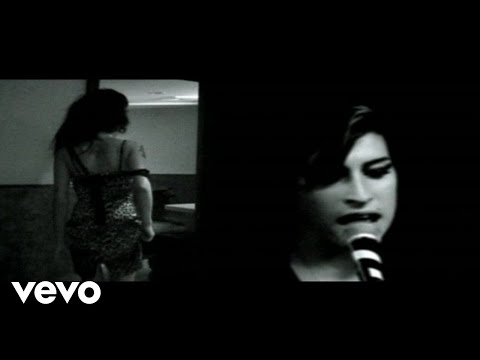
Amy Winehouse, Jazz Singer

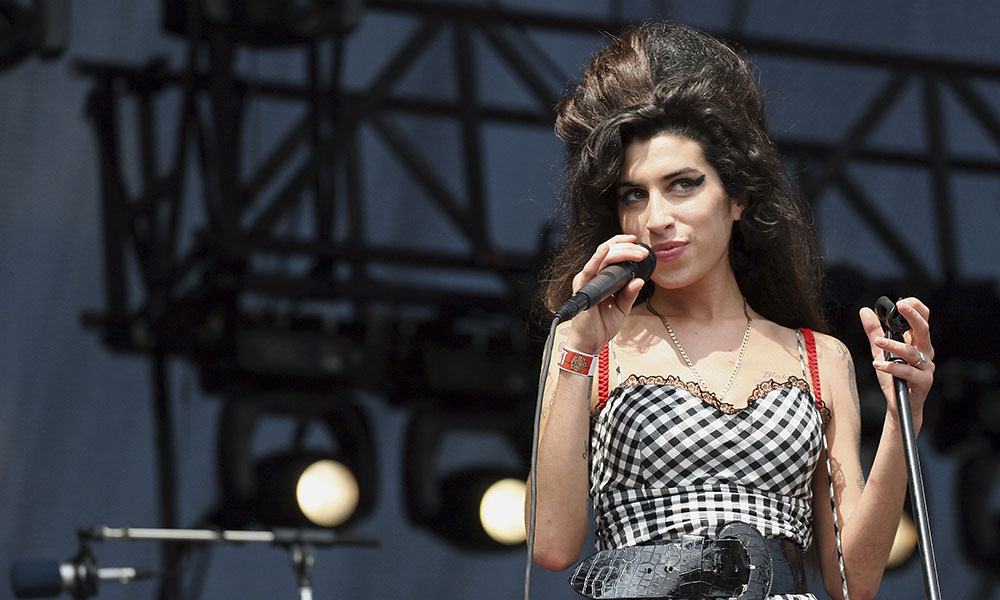
Amy Winehouse Jazz Singer feature image, photo of Amy performing live in 2007

At her commercial and creative zenith between 2003 and 2007, Amy Winehouse was undoubtedly an artist who was courageously cutting-edge in the way she blended an array of different musical elements to create her own style and sound. But while she seemed new, excitingly modern and sounded like no one else, she was also a throwback to the great jazz singers of yesteryear.

If you listen carefully to Winehouse’s music and peel back the layers of modern production gloss, you’ll find it bubbling with echoes of the past; and in particular, echoes of Dinah Washington, Sarah Vaughan, and Ella Fitzgerald, three of jazz’s greatest female voices.

Winehouse assimilated Washington’s smoky timbre and blues-drenched phrasing, Vaughan’s fluttery vibrato and Fitzgerald’s ability to improvise (or “scat”) and combined those features with elements drawn from hip-hop, soul and pop to create a distinctive musical identity. Her originality lay in the way she filtered those influences through her own psyche and life experiences to arrive at a truly authentic mode of self-expression.

We shouldn’t be surprised by the impact that Washington et al had on Amy Winehouse because jazz was in her blood. Her family, especially on her father Mitch’s side, was deeply passionate about the music and played it all the time. Unsurprisingly, their enthusiasm rubbed off on young Amy, who from an early age immersed herself in the sounds of big band swing and American jazz singers.

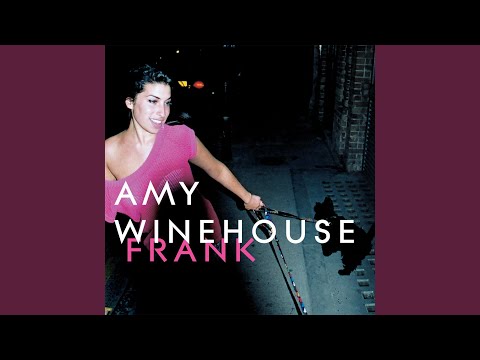
When she released her debut album, Frank, in 2003, Winehouse’s jazz influences were on full display. She channelled her inner Ella Fitzgerald on the improvised scat section featured in “Know You Now,” while on “October Song” she quoted the melody from the jazz standard “Lullaby of Birdland,” a tune indelibly associated with Sarah Vaughan. (Vaughan also received a name-check in Winehouse’s new lyrics).

YouTube Video
Click to load video

But in terms of her tone, the singer Amy Winehouse resembled most was Dinah Washington. In his 2016 book Just Getting Started, veteran crooner Tony Bennett recalled being struck by Winehouse’s similarity with the Alabama-born singer when they recorded the duet “Body & Soul” five years earlier. “When I told her that her voice reminded me of Dinah Washington, Amy began to gush and tell me how devoted she had been to Dinah,” he wrote.

But what Winehouse took from Washington, she made her own, as she illustrated via her sensuous remake on Frank of the American singer’s “(There Is) No Greater Love,” which she transformed into a three-way conversation between her voice, saxophone and flute. Further evidence of Winehouse’s ability to take a jazz classic and redefine it was sublimely demonstrated by her delightful revival of James Moody’s “Moody’s Mood For Love,” which was propelled by a loping reggae-inflected groove.

YouTube Video
Click to load video

Though her jazz influences were not so apparent on her more successful second album, 2006’s Back To Black, where her sonic landscape was R&B-tinged, Winehouse still approached her material with the sensibility and mindset of a jazz singer, especially on the haunting ballad, “Love Is A Losing Game.”

YouTube Video
Click to load video

Like the American jazz singers that she sought to emulate, Amy Winehouse used her voice like a musical instrument; but it was a supple vehicle of self-expression rather than a finely-calibrated precision tool and possessed an underlying soulfulness that infused it with great emotional heft.

Although she left the world too soon, Amy Winehouse did enough during her short lifetime to warrant a place in the pantheon of great jazz vocalists, alongside some of the American singers she so admired. Some might disagree, of course, but if Bennett regards her as “a great jazz artist” (as he described her in Just Getting Started), then few can doubt Winehouse’s credentials. Working with her in the studio, he recognized Winehouse’s ability to take risks in her performances and improvise with rhythms and melodic phrases just like a jazz horn player would.

Shop for Amy Winehouse’s music on vinyl or CD now.

​Discover more about the world’s greatest R&B artists | uDiscover Music

Categories
R&B

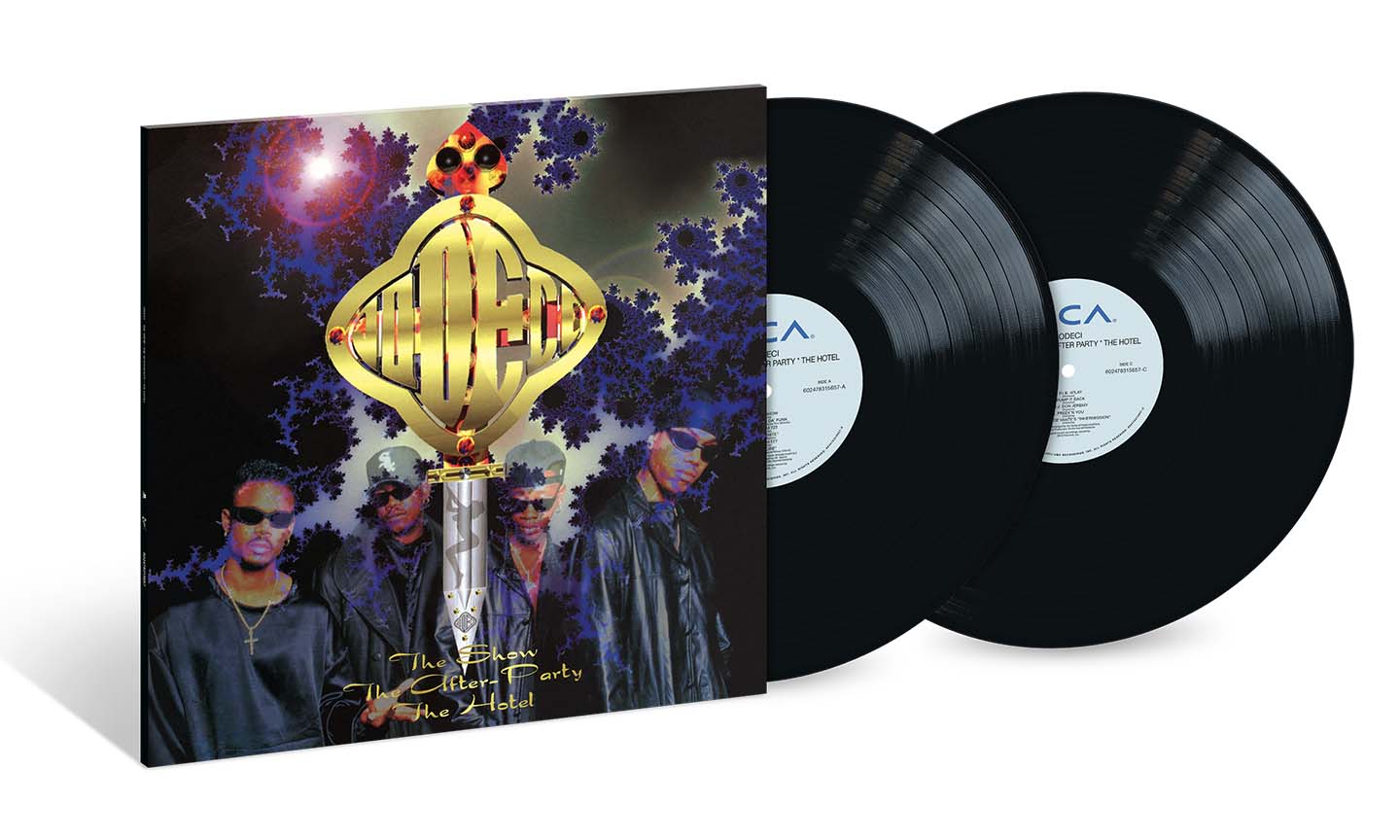
Jodeci Celebrate ‘The Show, The Afterparty, The Hotel’ With Reissue

R&B trailblazers Jodeci’s original trilogy of albums concluded with 1995’s Platinum-certified The Show, The Afterparty, The Hotel. To celebrate the album’s 30th anniversary, the group is pressing it to vinyl again for the first time since its original release. The 2LP black vinyl release is housed in a standard capacity jacket mirroring the original tracklist.

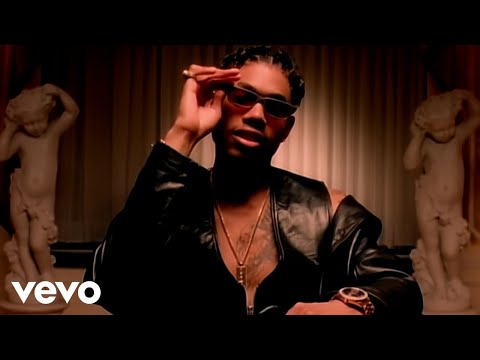
The Show, The Afterparty, The Hotel sent Jodeci’s original run out on a high note. The album reached No. 2 on the Billboard 200 album chart and became the third straight Jodeci album to soar to the top of Billboard’s Top R&B albums chart. In addition to its success on the album charts, it yielded three high-charting tracks on the Hot 100, including “Freek’n You,” “Get On Up,” and the iconic wedding ballad “Love U 4 Life.” The latter song’s music video is officially premiering on Jodeci’s YouTube channel in honor of the new reissue.

Emerging as one of the definitive R&B acts of the new jack swing era, Jodeci brought a hard edge to the genre, forgoing the look favored by many in the genre in favor of a hip-hop-informed presentation involving baseball caps, sports jerseys, and military boots. The then-unconventional styling fueled Jodeci’s reputation as the “bad boys of R&B”—an antithesis to smooth, clean-cut acts like Boyz II Men.

YouTube Video
Click to load video

But it wasn’t just about the clothes. Jodeci pushed the limits of R&B with the often raw and deeply sexual content of their music, never more than on The Show, The Afterparty, The Hotel. The album’s erotic qualities come through in the lyrics but also the music itself, which takes cues from producer Devante Swing’s hero Prince. Also behind the boards was a young Timbaland, who was just beginning to carve out his place as one of the most visionary producers in music history.

“Although Jodeci could skillfully craft floor-fillers, they were in a league of their own when it came to slow jams,” Rashad Grove wrote in a look back at the album. “Songs such as the smooth ‘S-More,’ which was co-written by Missy Elliott, the decadence of ‘Pump It Back,’ and the seductive, West-Coast inspired ‘Can We Flo?’ are essential Jodeci deep cuts that exemplify the essence of 90s R&B.”

Order Jodeci’s The Show, The Afterparty, The Hotel on vinyl now.

​Discover more about the world’s greatest R&B artists | uDiscover Music

Categories
R&B

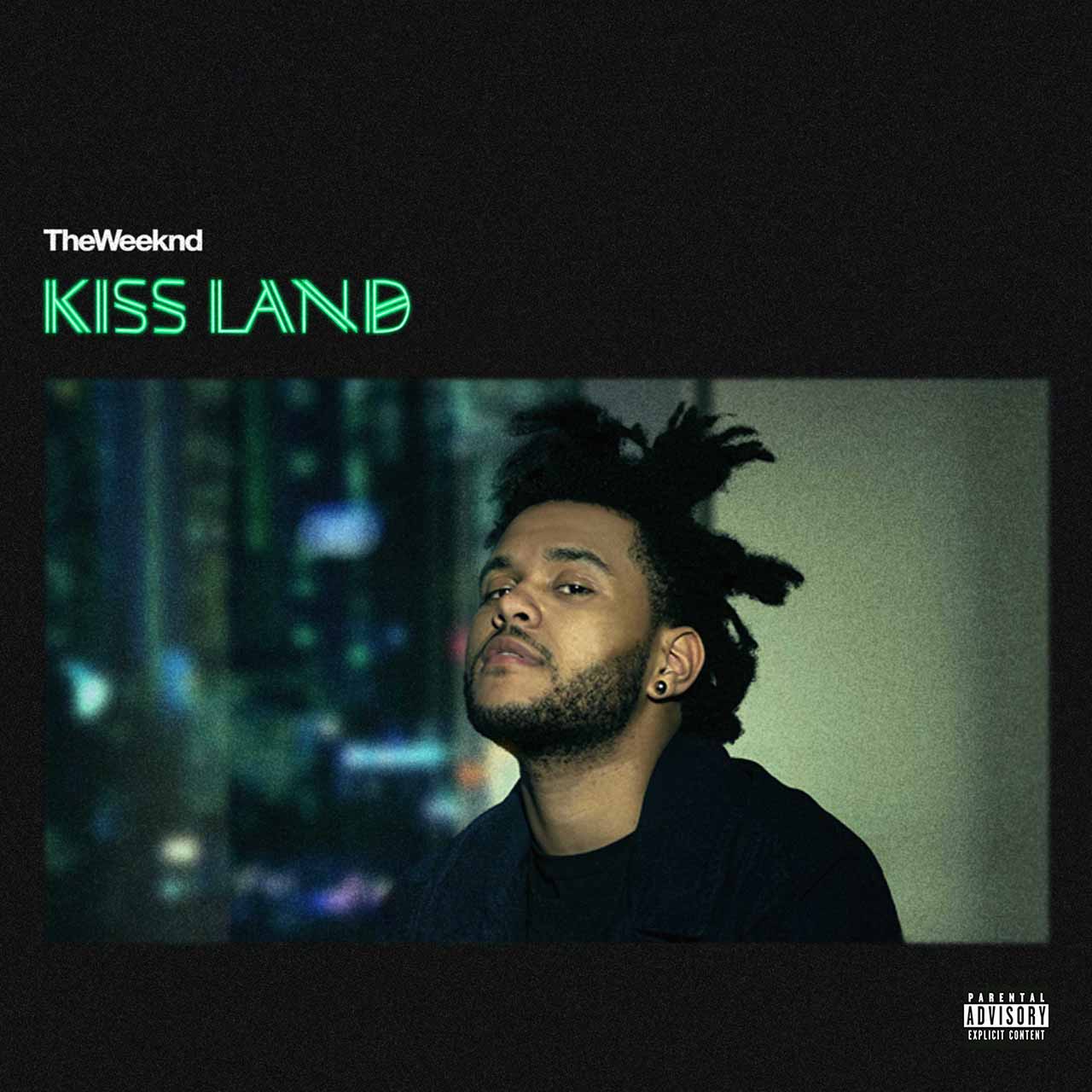
How The Weeknd Turned His Fame Into a Horror Show on ‘Kiss Land’

The Weeknd Kiss Land album cover

In John Carpenter’s seminal horror classic, Halloween, evil was omnipresent. It could be in anyone, as evidenced by Michael Myers, AKA “The Shape,” who went on a rampage in his fictional hometown for seemingly no reason at all. This sense of chaos and terror permeates throughout Toronto-born singer The Weeknd’s debut album Kiss Land – an album that eschews the tried and true hit-making formula he’d later be known for in favor of what he described to Complex as a “terrifying place.” Instead of making hits, he burrowed deeper into himself, highlighting his losses instead of his burgeoning rise to superstardom. With his influences ranging from horror masters like David Cronenberg, Ridley Scott, and (of course) John Carpenter – Kiss Land is Weeknd’s invitation to his haunted house, skeletons, and all.

Before Kiss Land, The Weeknd slowly became the pioneer of a new-age R&B star – one that is heard and not seen. Besides a few shadowy pictures and grainy performance footage, he was basically a phantom. His run of mixtapes – House of Balloons, Thursday, and Echoes of Silence (also known as Trilogy) – was critically acclaimed, and he began to gain traction after lending his talents to Drake’s Take Care. Even with this success, the pressure mounted for his proper debut studio album. His fans were familiar with his talent, but was the world truly ready for this reclusive and moody new superstar?

YouTube Video
Click to load video

The sound of Kiss Land is starkly different, cold, and unfamiliar. Leaning more towards ’80s horror, and the moody pop stylings of the time, Weeknd’s brand of sexual persuasion and proud hedonism are slapped with a gritty filter, making the album somewhat unrecognizable from his trifecta of mixtapes from a year prior. If “The Morning” from House of Balloons evoked the feel of mid-’90s R&B, songs like “The Town” on Kiss Land was an example of horror through emotion like Cronenberg’s The Fly. And it works: The Weeknd laid out the anxieties around his newfound fame bare upon the entirety of his debut. It’s a paranoid journey of a young man having to learn about loss and trust during a whirlwind year of celebrity.

The stark change in sounds is due in part to the fact that the producers that helped create his early projects (Illangelo, Doc McKinney, DROPXLIFE) did not return for Kiss Land. Instead, Weeknd himself, alongside Jason Quenneville and Miami-based producer DannyBoyStyles, handled the album. Thematically, the idea of fame is foreign to him throughout Kiss Land. The title track is a terrifying narrative about the emptiness of his popularity that builds to a denouement about him accepting it all – the sex, drugs, and superficial connections that were at one time terrifying to him. The only detour here is an appearance from Drake, who was nearing the height of his powers with Nothing Was The Same. On “Live For,” an anthem for never forgetting the people you came up with, fans are given one of the only opportunities on the album to breathe through the smoke of Weeknd’s corrupted psyche.

Kiss Land debuted at No. 2 on the Billboard 200, and managed to stave off his eventual turn into a pop music maven on 2015’s Beauty Behind The Madness and 2016’s Starboy while giving his fans one last love letter to his chaotic years. Kiss Land re-established The Weeknd as a force of nature, not unlike “The Shape,” whose artistry peeled back the horror of the artist that he was born to become.

Shop for The Weeknd’s music on vinyl or CD now.

Editor’s note: This article was originally published in 2018.

​Discover more about the world’s greatest R&B artists | uDiscover Music

Categories
R&B

Erykah Badu Set To Kick Off ‘Mama’s Gun’ Tour

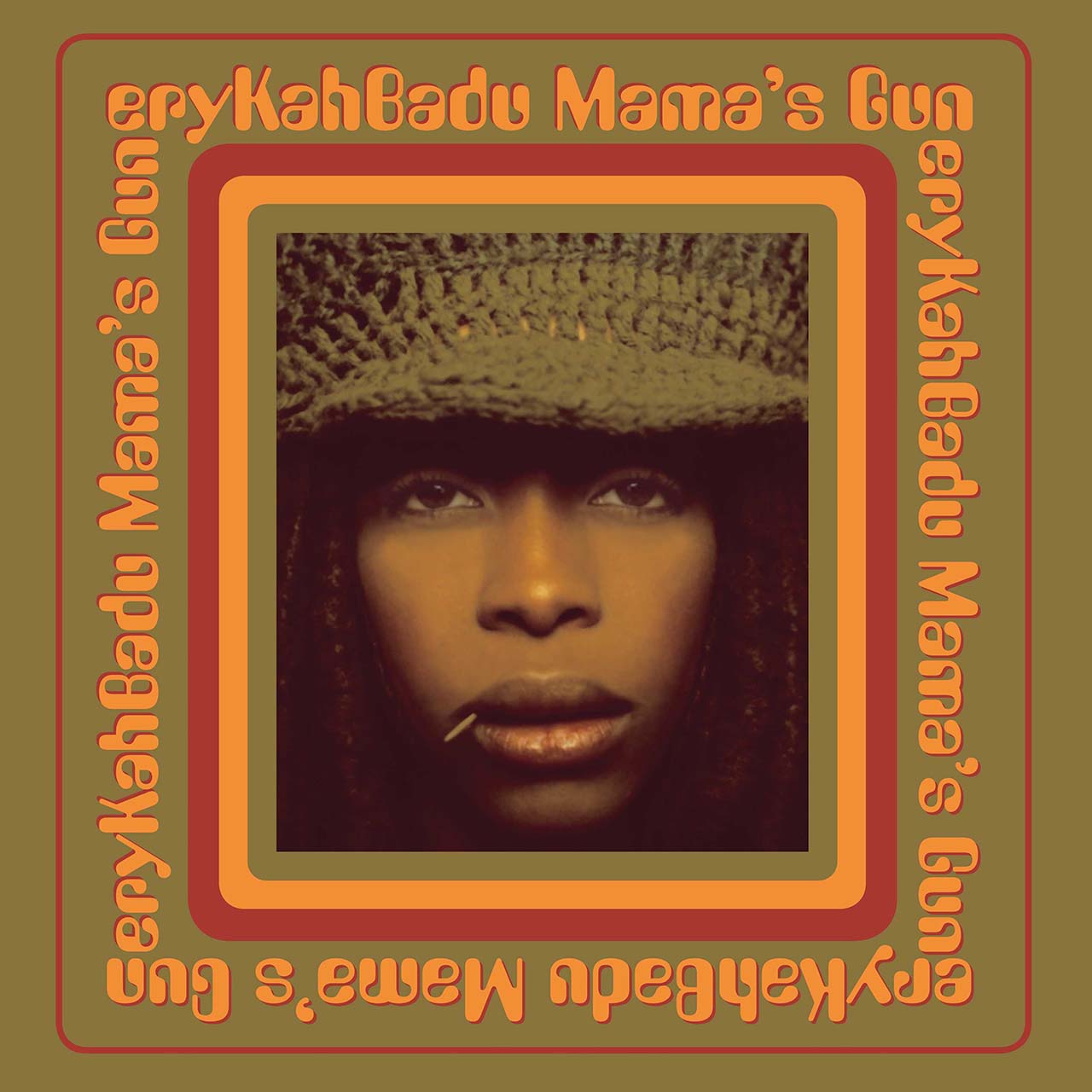
Erykah Badu will soon begin a tour to celebrate the 25th anniversary of Mama’s Gun. The run will kick off with a show at the Hollywood Bowl on October 3 featuring opener Westside Gunn. The anticipated celebration will continue through October and into November and December.

Before the Mama’s Gun anniversary shows, Badu went on tour with the Alchemist, with whom she released “Next to You” in June. Those concerts took place across North America in August.

Mama’s Gun, originally released in 2000, remains one of the most influential albums in modern music. Badu reflected on its place in the cultural landscape in a 2021 interview with The FADER. She said: “Yeah, I hear it. It tickles me. I’m thinking, ‘Oh my god, these are my kids. These are what Mama’s Gun spat out.’ They heard it. They internalized it. It’s a language that I thought only I knew.”

In that same interview, producer Mark Ronson also reflected on the album’s influence. He said: “Mama’s Gun, that is really my favorite album of that whole era, and I know that there’s so many great records that came out of that magic folklore period of Electric Lady and there’s Voodoo and Phrenology and all this stuff. I will stand in front of everybody else, and Mama’s Gun, when I heard it, it just knocked me out in a way that … I think because there were so many other influences in ‘Penitentiary Philosophy’ and the heaviness of it, too, and it did things that not all the records really did.”

Mama’s Gun cemented Badu’s status as the new face of R&B upon its release. After taking several years off to raise her first child, Badu returned to the studio to record her second album, much of which was inspired by love and her relationship with her then-partner, Andre Benjamin. Leaning into a more organic sound with less-elusive lyrics, Badu opted to speak to the state of Black womanhood and the world around her.

Shop for Erykah Badu’s music on vinyl or CD now.

​Discover more about the world’s greatest R&B artists | uDiscover Music

Categories
R&B

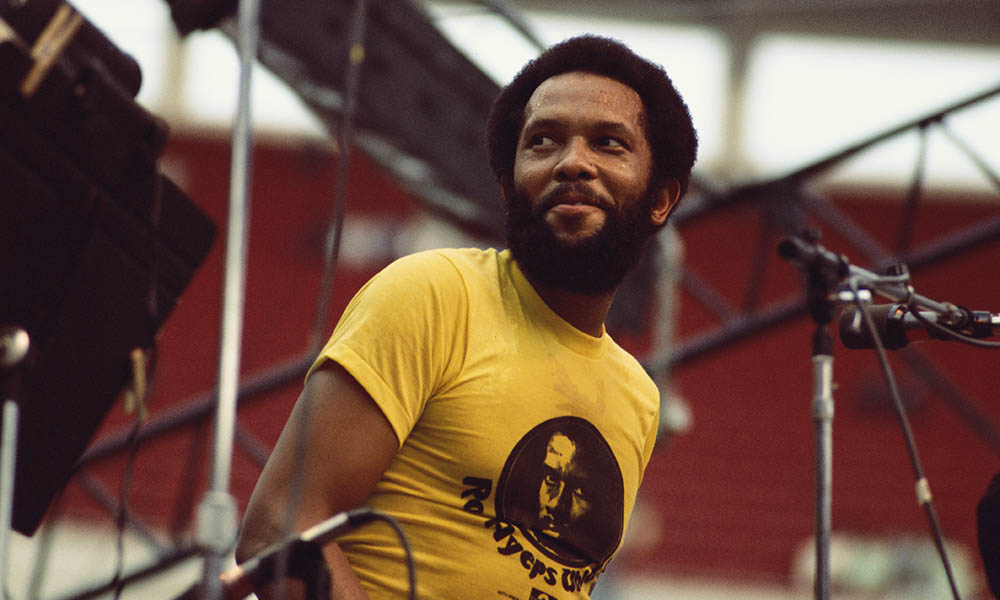
Best Roy Ayers Songs: Soul, Jazz, And Funk Masterpieces

Roy Ayers was a hugely influential musical pioneer who changed people’s perceptions of the vibraphone. First commercially produced in 1924, the vibraphone is an electric-powered tuned percussion instrument played with mallets whose sound is glassy and tinkling. It was almost exclusively associated with the world of straight-ahead jazz until the 1970s when Ayers placed the vibraphone at the center of a new musical universe, one that blended jazz with funk, soul, disco, and pop but also included elements drawn from Latin and African music as well as rock. Though initially influenced by jazz vibraphone pioneers like Lionel Hampton, Milt Jackson, and Cal Tjader, Ayers arrived at a unique style that was fresh and progressive but also commercially successful, exposing the vibraphone to a much broader audience.

Ayers started his career in the 1960s playing straight-ahead instrumental jazz but radically changed his musical approach in 1970 after forming the band Ubiquity, where he sang in addition to playing the vibes and dramatically upped his music’s funk quotient. His musical transformation attracted the interest of Polydor Records, who signed him and helped transform Ayers into a hit-making star; between 1970 and 1979, he was prolific in the recording studio, releasing 17 albums. He also became a regular visitor to the US singles and albums charts, putting nine albums on the Billboard 200 between 1976 and 1979.

By the 1990s, Ayers had slowed down, producing fewer albums, but by then, his seminal 70s recordings fascinated a new and younger generation of listeners and music-makers. Not only were his old Polydor albums heavily sampled by hip-hop artists like A Tribe Called Quest and The Pharcyde, but they also helped ignite the UK’s nascent acid jazz scene in the mid-90s, inspiring the world-renowned group Jamiroquai, who often performed Ayers’ tunes in their live shows.

Performing on rapper Guru’s Jazzmatazz project in 1993 also played a crucial role in expanding Ayers’ audience. Later in that decade, his distinctive musical vocabulary also played a vital role in shaping the jazz-tinted sound of the American neo-soul scene, directly influencing D’Angelo (who covered Ayers’ “Everybody Loves The Sunshine”) and Erykah Badu, who later featured him on her 2000 album Mama’s Gun and then returned the favor by guesting on the vibraphonist’s 2004 LP, Mahogany Vibe.

With Roy Ayers boasting a back catalog that includes over 400 original compositions spread across 30 studio albums, picking a selection of his best songs that will satisfy all his fans is virtually impossible. In light of that, the following songs, mostly plucked from his fertile spell at Polydor, should be regarded as a helpful guide rather than a definitive introduction to the man some call the “Godfather of Neo Soul.”

Beginnings

Roy Ayers’ story begins in Los Angeles, where he was born in 1940. Though drawn to music as a youngster, Ayers didn’t play the vibraphone until he was seventeen. But, as he revealed to Blues & Soul magazine in 2007, his association with the instrument began many years earlier. “My mother and father always used to take me to see Lionel Hampton when he came to Los Angeles,” he revealed. “One time, he came down the aisle and gave me a set of vibraphone mallets. I was five years old at the time.” Ayers treasured those mallets. And, encouraged by his mother, who told him “that one day she was going to see [his] name in lights,” he felt he had made a date with destiny.

Ayers played the piano first and then during his late teens sang with The Poets, a local doo-wop vocal group who released a one-off single, “Vowels Of Love.” Soon afterward, thanks to his mother, Ayers got a vibraphone. Remarkably, six years later in 1963, he was a rising star of the L.A. jazz scene having released his debut album, West Coast Vibes.

After working as a sideman with flutist Herbie Mann in the mid-60s, a liaison which led him to record three albums for Atlantic Records, in 1970, Ayers signed with Polydor, the rising German label that had famously signed the “Godfather of Soul,” James Brown. It was a watershed moment. Ayers put together a new band, which he dubbed Ubiquity on his manager’s advice, as he recalled in 2007: “She said, ‘Ubiquity means a state of being everywhere at the same time.’ I said, ‘You know that’s fate because if everyone has one of my albums, I will be everywhere.’ I thought it was great, so I started using that name.”

Leading Ubiquity, Ayers abruptly changed musical direction, dropping the bebop-influenced straight-ahead jazz of his early years for a colorful fusion style that would distinguish him from other vibraphonists. He blended jazz with electric funk, soul, and a smorgasbord of other musical flavors but arguably his most critical innovation was moving away from instrumental music. “I realized that when you have voices, the people relate better to your music,” he told Blues & Soul. “It got me international recognition.”

The Top 50 US R&B Hits

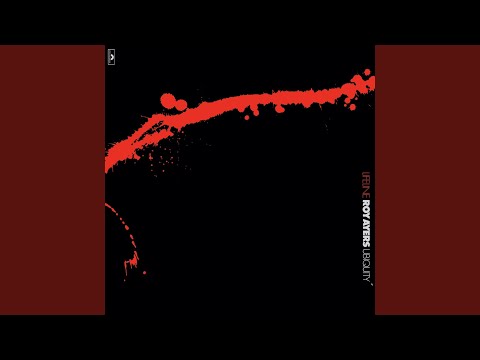
With his vibraphone-led jazz-funk sound, Roy Ayers was an unlikely pop star. But such was the vibrancy and accessibility of his music that he racked up fifteen hit singles in the US R&B charts, four of which made the Top 40. His biggest US smash was “Running Away,” a persistent dance groove distinguished by an infectious chorus sung by female background vocalists. Taken from the vibraphonist’s biggest-selling album, 1977’s Lifeline – which made No. 72 in the Billboard 200 – “Running Away” spent seventeen weeks in the US R&B singles chart, peaking at No. 19.
YouTube Video
Click to load video

A year later, Ayers was in the US R&B singles chart again, rising to the No. 29 spot with the wild dance track “Freaky Deaky,” driven by Kenny Turman’s percussive slapped bass and injected with a sense of cosmic weirdness by Philip Woo’s spacey synth squiggles. Gospel-reared singers Merry Clayton (who famously sang on the Rolling Stones’ “Gimme Shelter” hit) and Sylvia Cox shared lead vocals with Ayers on a track that seemed avant-garde compared with other dance numbers from the same era.

1979’s anthemic “Love Will Bring Us Back Together” is another essential Ayers track. An addictive funky groove driven by intertwined clavinet and guitar, the song reached No. 41 in the US R&B chart in the summer of 1979. On this compulsively danceable cut, plucked from the album Fever, Ayers jettisoned his vibes to spotlight his idiosyncratic vocal style, a key element in his music’s appeal.

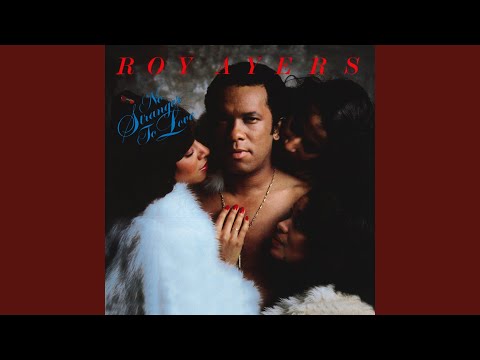
At the end of 1979, Ayers was in the charts again with “Don’t Stop The Feeling,” taken from his No Stranger To Love LP. It exuded a similar toe-tapping, club-style vibe to the earlier “Love Will Bring Us Back Together” but sold more copies, rising to No. 32. It’s a number whose blend of a simple, irresistible hook line allied to a sophisticated musical backdrop crystallizes the unique musical essence of Roy Ayers.
YouTube Video
Click to load video

Although he was a frequent visitor to the US charts in the 1970s, Ayers didn’t put a second single into the R&B Top 20 again until 1986’s “Hot,” taken from the album, You Might Be Surprised. Co-written and produced by James Mtume (of Mtume and “Juicy Fruit” fame), the track, with its minimalist synth-funk style, marked a new musical direction for Ayers. It made No. 12 on the US Dance chart and could be heard playing in the background in Michael Jackson’s video for his 1987 single “The Way You Make Me Feel.”

Roy Ayers’ Most Sampled

According to the website Who Sampled, Roy Ayers’ music has been sampled over 800 times. Ayers was always happy to be sampled, not just because of the royalties it generated for him but also because his music sparked other musicians’ creativity.

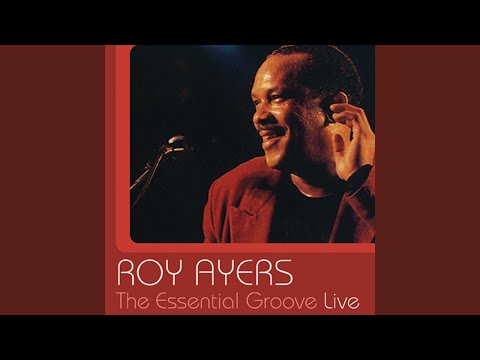
One of Ayers’ most-sampled tracks is the anthemic “Everybody Loves The Sunshine,” which has racked up over 100 million streams on Spotify. Among artists who have used portions of it are 2Pac, Dr. Dre, Mos Def, and hip-hop soul queen Mary J. Blige. Describing how the song came about, in 2007 Ayers revealed: “I was in a studio and reflecting on my childhood. Up until I was about 14 years old, the sun rays in Los Angeles were really bright, but in 1954, the sun started to vanish and this smog started to conceal its brightness. The sun was beautiful that day so I thought about this line ‘Everybody loves the sunshine,’ and then came up with ‘My life, my life, my life in the sunshine.’”
YouTube Video
Click to load video

Other notable Ayers tunes that have been gobbled up by an Akai S1000 sampler and reconfigured into brand new hip-hop grooves include the mysterious and haunting “We Live In Brooklyn, Baby” (sampled by Kendrick Lamar on “Good Kid”) and the cosmic slow jam “Searching,” which was used as the foundation of Pete Rock & C. L. Smooth’s same-named 1994 track. Another dreamy, astral-themed slower number, “The Third Eye,” was repurposed on the Fly As Pie remix of The Pharcyde’s “Passin’ Me By.”

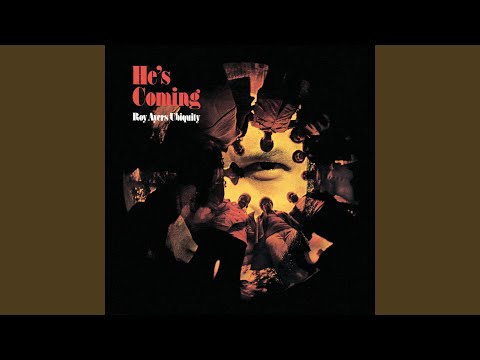
A mandatory inclusion in any Roy Ayers best of is the propulsive and super-funky “He’s A Superstar,” an uplifting message song purportedly inspired by Andrew Lloyd Webber and Tim Rice’s 1971 hit musical Jesus Christ Superstar. The song appeared on the Roy Ayers Ubiquity album He’s Coming from 1972. It was sampled in 1993 by DJ Shadow & The Groove Robbers (on “Hindsight”) and in 2010, Ghostface Killah borrowed the chorus and synth licks to make “Superstar,” on which fellow rapper Busta Rhymes featured.
YouTube Video
Click to load video

Master of the mellow groove

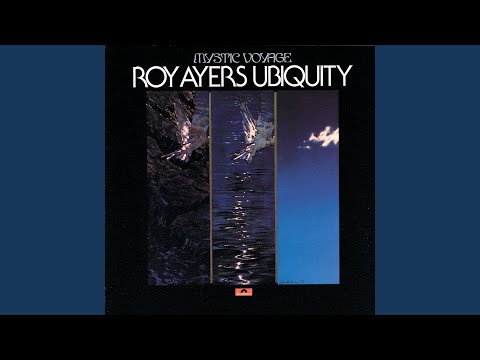
Nobody serves up a lush, laidback, jazzy soundscape better than Roy Ayers. Although his uptempo dance tracks cavorted up the charts and garnered more public attention, his back catalog includes many slower gems. The instrumental “Mystic Voyage,” the title track of a Roy Ayers Ubiquity album from 1975, is one of his most memorable, juxtaposing cool vibes melodies with a funkafied backdrop augmented by orchestral strings.

Another chilled instrumental, “Lifeline,” from the same-titled 1977 LP, features Ayers playing a long snaking vibraphone solo while highlighting the growing importance of synthesizers in Ayers’ musical universe.

Even slower, the gently glistening “Vibrations” (the title tune from a 1976 Roy Ayers Ubiquity album) allows Ayers’ band to stretch out; it also features the plaintive vocals of Chicas, a singer whose super-soulful tones featured on three of the mallet maestro’s LPs.

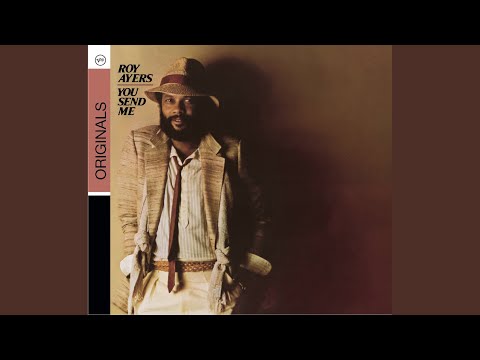
Sam Cooke’s vintage 1957 pop hit “You Send Me” was remodeled by Ayers into an eight-minute, string-draped epic that became the title track of the second of two Polydor LPs he released in 1978. His loose, leisurely interpretation, which is reconfigured as a duet with the expressive singer Carla Vaughan, makes the song almost unrecognizable from Cooke’s original. It showed the vibraphonist’s skill in assimilating old music and making something refreshingly new.

In 1985 on his You Might Be Surprised album Ayers served up one of his most unusual ballads, the tongue-in-cheek “Programmed For Love.” Produced by James Mtume, the track is a machine-tooled soundscape that bizarrely describes Ayers’ love affair with a computer, which is characterized by a vocoder-treated female voice.

Get on up, get on down

Roy Ayers’ penchant for funky uptempo tracks meant that he was no stranger to getting down on the dancefloor. At the height of the platform-soled disco inferno, the vibraphonist embraced the zeitgeist and immersed himself in mirrorball music. Arguably his most overt salute to the disco era was “Fever” (taken from his same-titled 1979 LP), where he gave a four-on-the-floor symphonic soul makeover to the Little Willie John tune that jazz siren Peggy Lee had made famous in 1958.

Other Ayers’ tunes guaranteed to get the crowd dancing at a discotheque were the breezy “Get On Up, Get On Down” and “Heat Of The Beat,” both Top 50 UK chart entries. On the latter, a dance floor number defined by slurping hi-hat patterns, swooping string lines, and party-on vocal chants, Ayers joined forces with the Crusaders’ trombonist Wayne Henderson.
YouTube Video
Click to load video

Ayers showed a harder funk edge on an earlier dancefloor cut, “Brother Green (The Disco King),” taken from the 1975 Ubiquity album Mystic Voyage while with “The Golden Rod” (a minor 1976 US hit, pulled from the iconic Everybody Loves The Sunshine album), Ayers proved that even his vibraphone-driven instrumental tracks could keep clubgoers’ feet moving.
YouTube Video
Click to load video

Thanks to the endeavors and innovations of Roy Ayers, not since the halcyon days of the mallet king Lionel Hampton had the vibraphone had such a prominent place in mainstream music. As well as enjoying a highly successful solo career, Ayers was an in-demand collaborator, his vibraphone’s crystalline melodies gracing recordings by artists that ranged from rap star Coolio to soul diva Whitney Houston and Afrobeat king Fela Kuti.

But it was as a solo artist and leading Ubiquity that the “Godfather of Neo Soul” truly made his mark. As the best Roy Ayers tracks reveal, the vibraphonist was a multi-faceted artist who was both supremely versatile and creatively courageous but who never lost sight of his role as an entertainer. His music could be politically charged and spiritually inclined, but also offered uplifting moments of humor, playfulness, and a liberating sense of fun. You will find all these qualities in the tracks highlighted here, which capture the mercurial Roy Ayers at his magical, incomparable best.

Shop for Roy Ayers’s music on vinyl or CD now.

​Discover more about the world’s greatest R&B artists | uDiscover Music

Categories
R&B

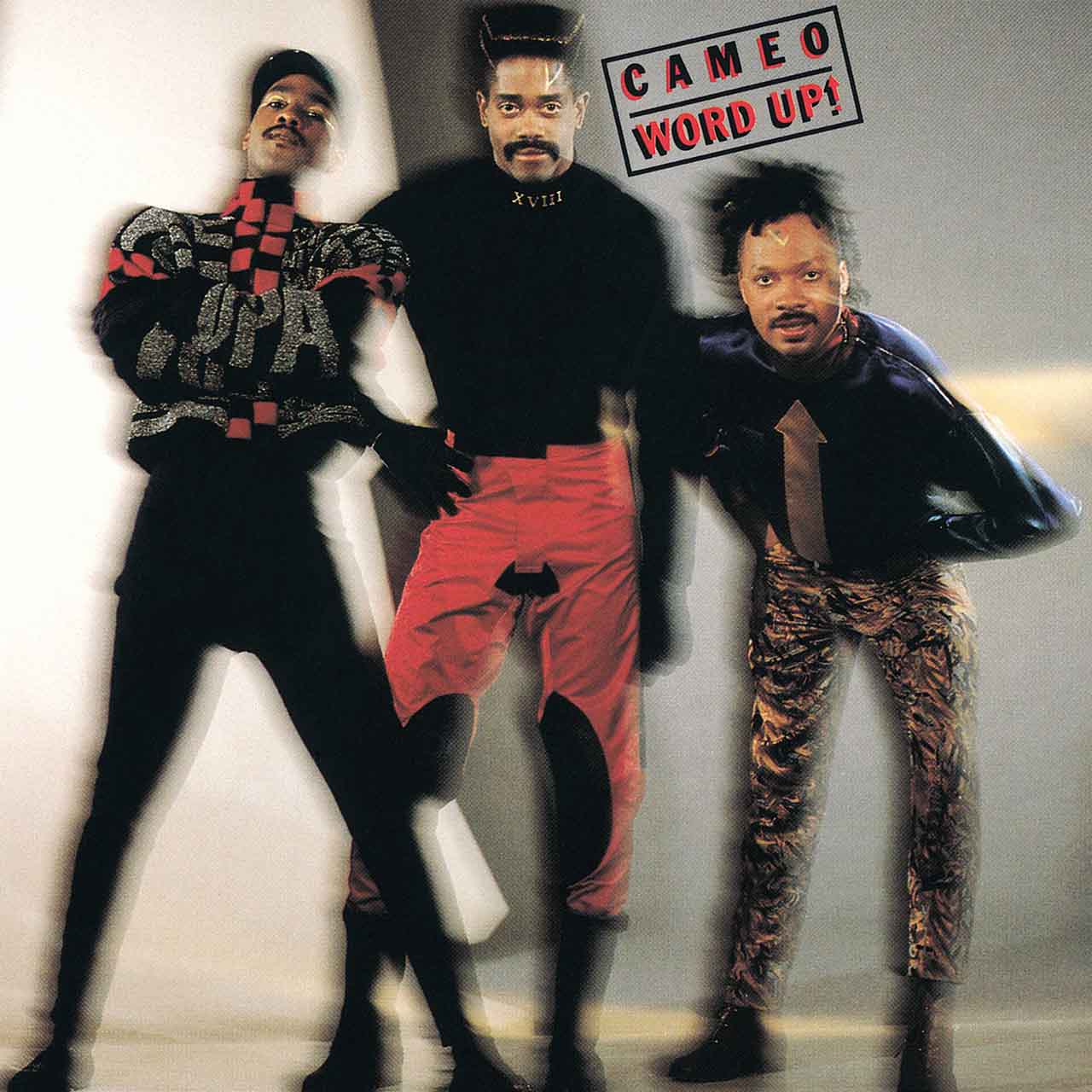
‘Word Up!’: Cameo’s Funky Commercial Apex

Cameo was remarkably prolific through the 1970s and ’80s, churning out a dozen albums within an initial nine-year run rife with R&B hits. Originally a sprawling funk ensemble before gradually downsizing, the New York City group’s sustained success under the leadership of vocalist/drummer/producer Larry Blackmon reflected an uncanny ability to pivot and evolve. Cameo made its name with consummate dance floor funk so aggressively syncopated (“I Just Want to Be,” “Shake Your Pants,” et al.) the records felt like they might fly off the turntable. But the group could also adroitly dabble in disco (“Find My Way”), take stylistic cues from electro (“Single Life”) and new wave (“Alligator Woman”), boast proto-broken beat jazz-funk chops (“The Sound Table”), and excel with gorgeous falsetto ballads (“Why Have I Lost You”) all while remaining faithful to a core template of Blackmon’s Clinton-esque frontman persona offset by Tomi Jenkins’ silky smooth vocals.

Listen to Cameo’s Word Up! now.

Featuring a Blackmon rap in praise of a peculiar femme fatale, 1984’s slinky “She Strange” even found the group assuredly harnessing hip-hop’s influence – a trick that confounded most of its longstanding Black music contemporaries. This willingness to embrace the burgeoning art form rather than deride it as trend (or worse, fumble in the face of its existential threat) wholly informs 1986’s “Word Up,” Cameo’s commercial apex. Its angular funk – in the form of chunky power chords and horn charts – selectively incorporates rap’s parlance (e.g. the title refrain; “wave your hands in the air like you don’t care”) and attitude (see disparaging references to “sucker DJs who think [they’re] fly”) into Blackmon and Jenkins’ own proven songwriting and arranging acumen, yielding one of the catchiest and quirkiest crossover singles of the decade.

YouTube Video
Click to load video

That said, it wouldn’t necessarily surprise anyone if Word Up! was little more than a vehicle for its titular hit. Fortunately, its seven songs include some of the finest by the group (by this point officially a trio of Blackmon, Jenkins and vocalist Nathan Leftenant). “Word Up’s” immediate follow-up, “Candy,” is a rhythmically infectious, earworm-laden masterpiece that perfectly plays Blackmon’s exaggerated, nasal delivery against Jenkins and Leftenant’s sweeter vocal attack. Additional songs spotlighting Jenkins’ singing nearly match this standard. “Back and Forth,” the album’s third substantial hit, playfully laments relationship ups and downs over a buoyant track punctuated by classic period guitar shredding and drum machine claps. “Don’t Be Lonely” exhibits the trio’s knack for romantic material undiminished.

YouTube Video
Click to load video

Thematically, the motivational “You Can Have the World” seemed an apropos album closer. Word Up! became Cameo’s highest charting LP, going number one R&B and top 10 pop. It was also essentially the group’s last hurrah in the face of a sea change. As the ’80s drew to a close, young hip-hop and New Jack Swing R&B artists supplanted Cameo and other veteran groups as the pacesetters within Black music. Yet Blackmon’s signature hi-top fade became the adopted look of this youth movement – symbolic of Cameo’s longevity even as the baton passed to the next generation.

Listen to Cameo’s Word Up! now.

​Discover more about the world’s greatest R&B artists | uDiscover Music

Categories
R&B

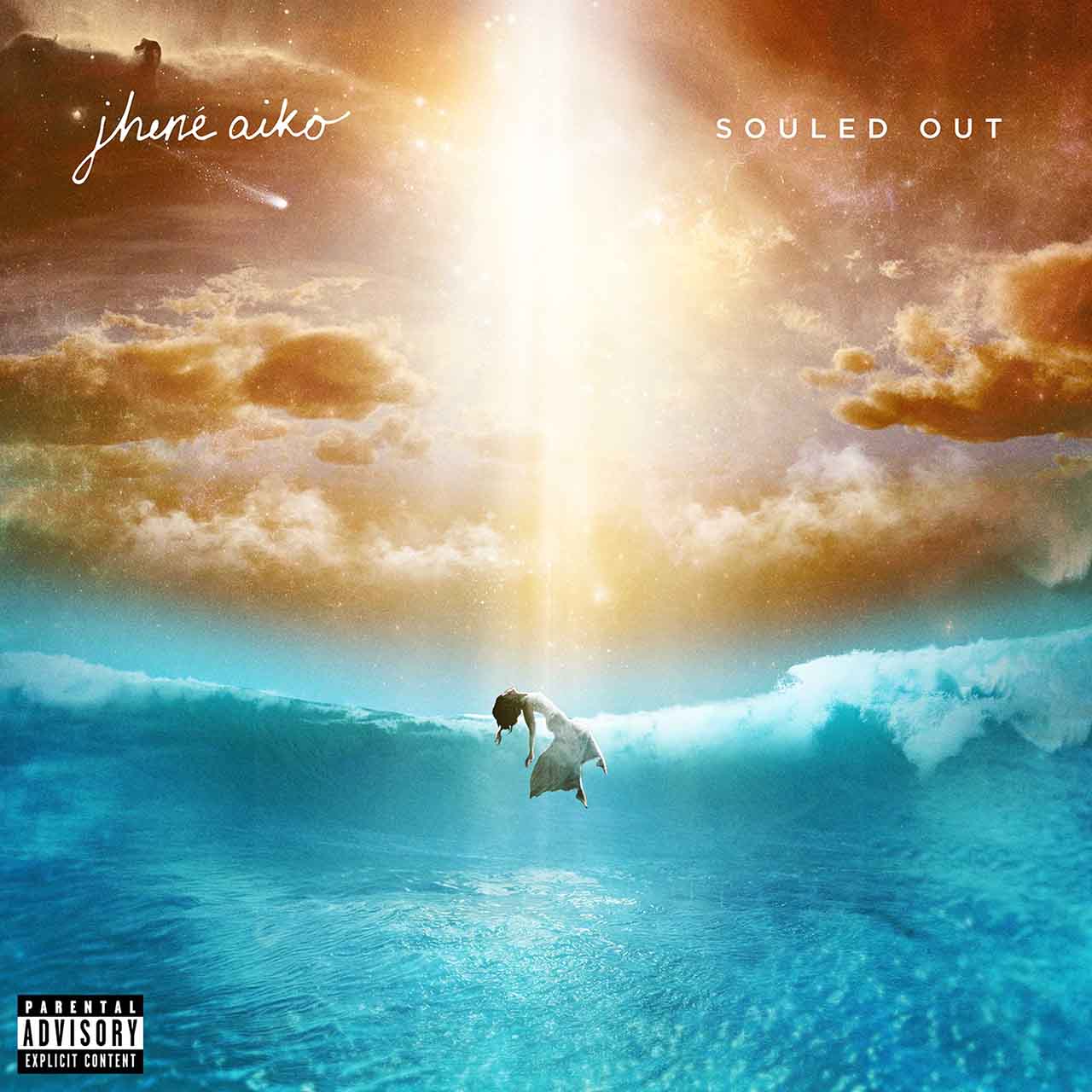
‘Souled Out’: Jhené Aiko’s Assured Debut Album

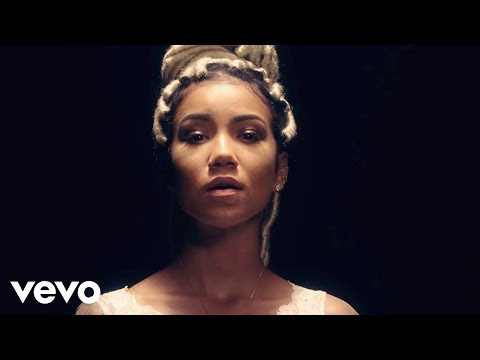
Jhené Aiko didn’t break out as much as she seeped in. Her path to stardom began with her maiden mixtape in 2011, Sailing Souls. The project showcased both her soft, sensuous vocals and her penchant for everygirl songwriting. From there, she landed guest spots with Kendrick Lamar (“B***h Don’t Kill My Vibe”), Big Sean (“Beware”), Drake (“From Time”), and others before unloading her follow-up EP, Sail Out, an effort that only refined her gifts. Then came the real level up. Released in 2014, Souled Out is an album that made clear Aiko’s ability to write emotionally transparent lyrics and cultivate rich sonic atmospheres. Transparent, yet imbued with stylish mystique, the LP established Aiko as one of the defining alt R&B stylists of her era.

YouTube Video
Click to load video

Coated in dreamy, disembodied soundscapes from No I.D., Souled Out plays out like a dazed meditation. Tracks like the opener “Limbo Limbo Limbo” feel like the beginning of a fairytale. “Spotless Mind” sounds like the middle of one. The atmospheric instrumentals let Aiko’s gentle, yearning soprano bathe in ambiance as she relates tales of fractured love and personal catharsis. The supple textures soften harsh observations. “To Love & Die” sees Aiko reflect on a romantic life that only operates in extremes; her shift from serene crooning to sing-songy raps is as abrupt as a realization. Meanwhile, “The Pressure” is an exercise in reassurance, with Aiko’s lithe tone evoking intimacy, understanding, and vague frustration. Her tonality, as well as the lyrics themselves, paint Aiko’s feelings in every gradient of color. Light, yet brooding – blunt, yet sweet – it’s a balancing act Aiko spent years developing. Souled Out is the moment she perfected the approach.

YouTube Video
Click to load video

The album was released to commercial success, moving 70,000 units on its way to a No. 3 debut on the Billboard 200 charts. Reflecting just how ahead of the curve she was, it still sounds fresh today, earning a gold certification in 2020. More importantly, it announced a singer growing into her power. Fusing ethereal sounds with visceral emotionality, Souled Out became a R&B blueprint for many that have followed in her wake.

Shop for Jhene Aiko’s music on vinyl or CD now.

​Discover more about the world’s greatest R&B artists | uDiscover Music