Categories
R&B

It’s Got That Vibe: Celebrating New Jack Swing

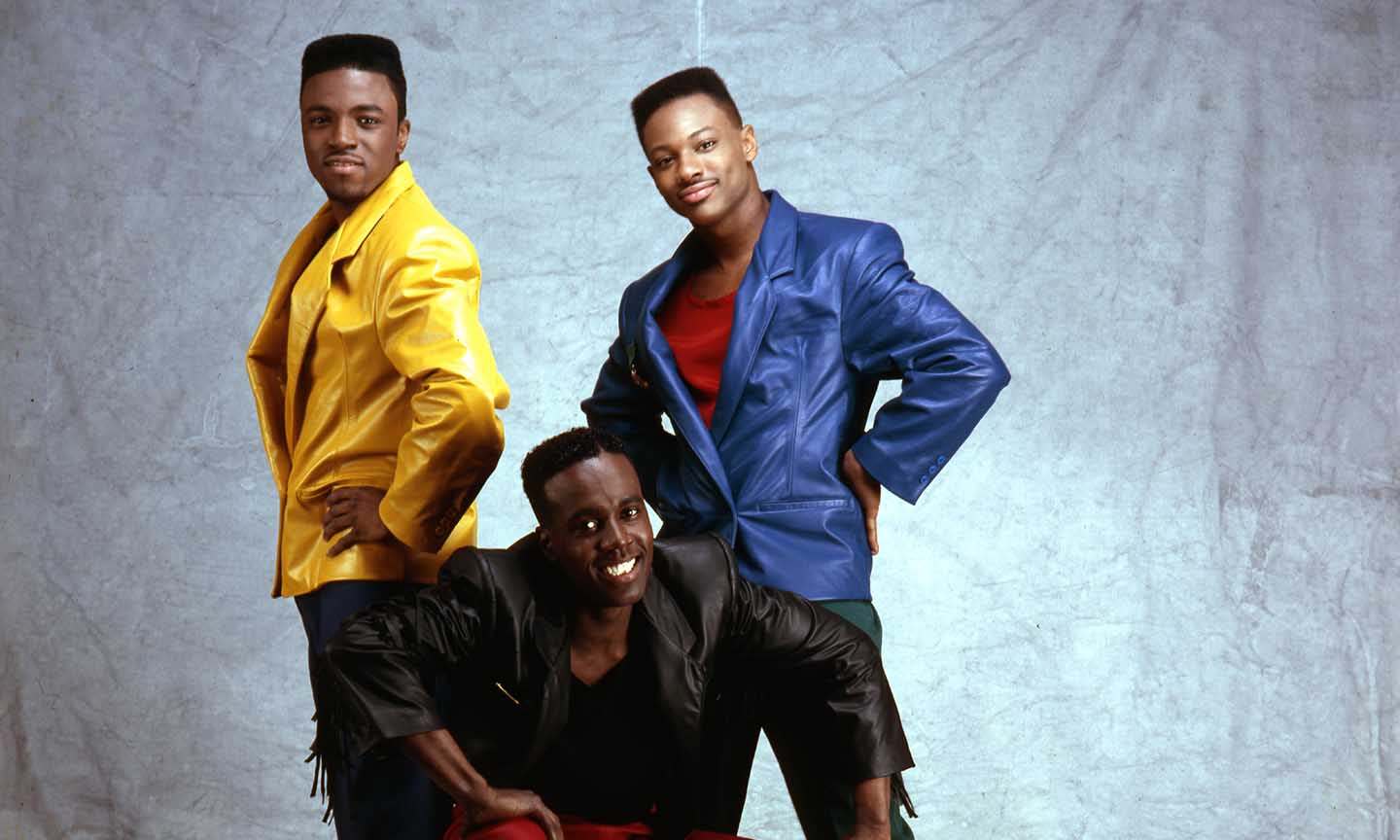
In the mid-80s, street-tough, edgy hip-hop and slick, sophisticated R&B were seemingly entirely at odds with each other. That changed with the arrival of New Jack Swing. Upbeat, fast-paced, and characterized by sharp, clipped beats and meaty basslines topped with a mixture of rapping and soulful singing, it was a musical revolution. Unashamedly pop-orientated and chock full of catchy melodies, adding to the appeal were flashy videos featuring colorful fashions, high-top haircuts, and energetic dance moves. With humble beginnings in the streets of New York it went on to dominate the US charts between 1989 and ’93 and its innovations have left an indelible influence on modern music.

Listen to the best of New Jack Swing on Spotify.

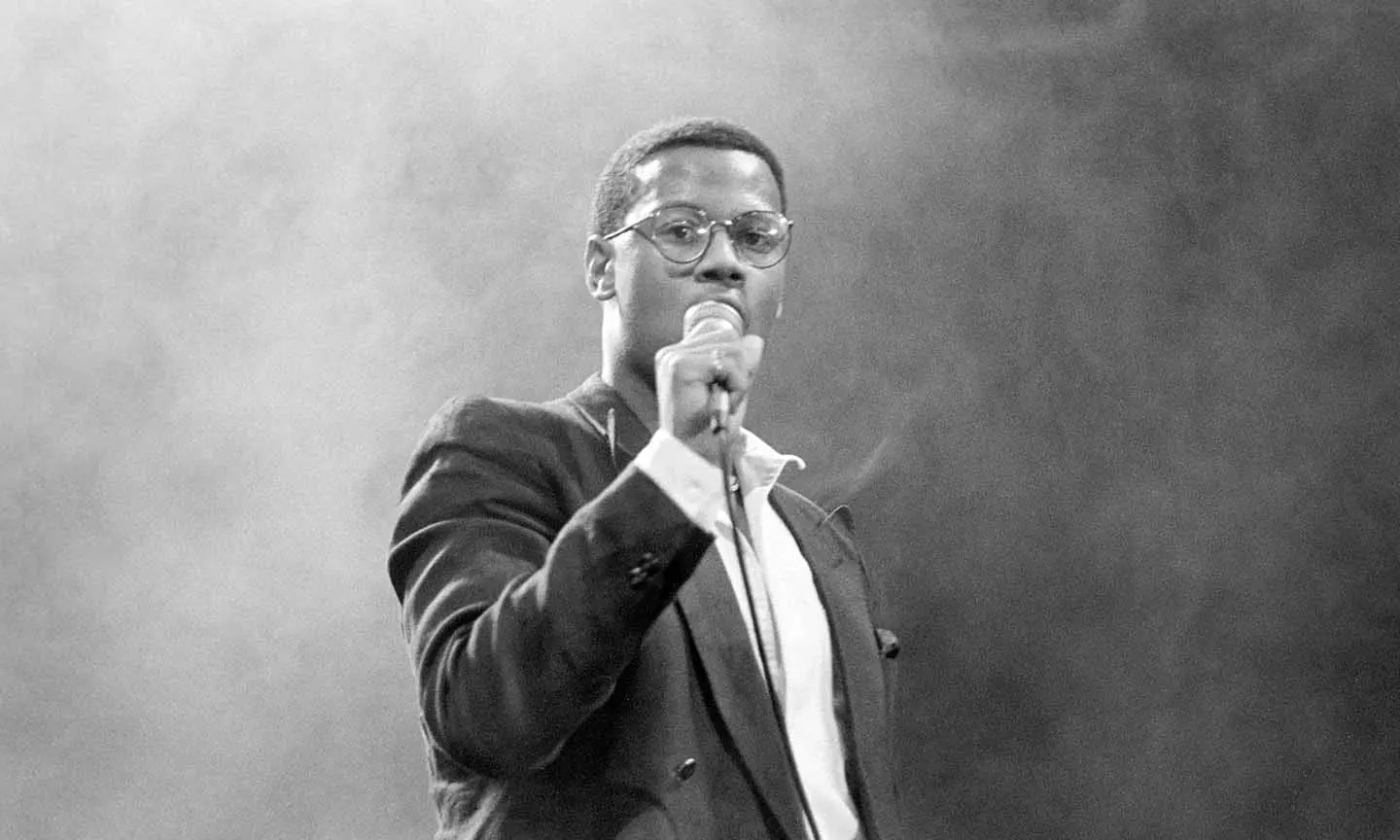
While producers Jimmy Jam and Terry Lewis had hinted at the new direction with the stark beats of Janet Jackson’s 1986 album, Control, it was a young hip-hop producer and keyboardist from Harlem, Teddy Riley, who would forge New Jack Swing’s distinctive sound. A child prodigy, Riley had made a name for himself by the age of 17 as one of New York’s hottest production talents, overseeing records for the likes of Doug E Fresh and Kool Moe Dee. When soul singer Keith Sweat sought him out, Riley was initially reticent. “I told him I don’t do R&B,” he recounted to The Atlantic.

A compromise was reached, with Riley learning chords and Sweat adjusting his vocals to suit the hip-hop production style. The resulting album, 1987’s Make It Last Forever, which featured the breakout hit ‘I Want Her’, was both an artistic and commercial triumph going on to sell three million copies. That same year, writer and filmmaker Barry Michael Cooper coined the phrase “new jack swing” to describe Riley’s sound in a Village Voice feature, and the term stuck.

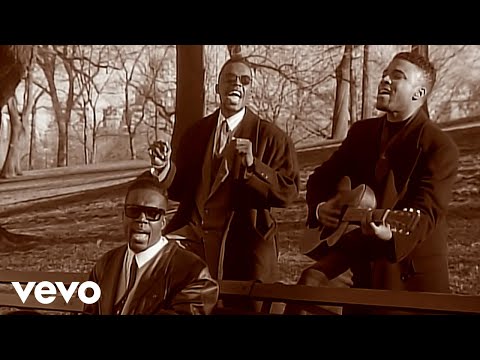
Following its success, Riley found himself much in demand, and he soon utilized his distinctive new sound on further smash hit singles by former New Edition member Bobby Brown (“My Prerogative”) and Johnny Kemp (“Just Got Paid”). Another key player at this early stage was former Def Jam man Andre Harrell. Having founded Uptown Records in 1986, he turned his label into an outlet for Riley’s productions. Artists such as Heavy D And The Boyz and Al B Sure! were given the NJS treatment, while the label also snapped up Riley’s band Guy, whose self-titled debut album was the genre’s first great long-player.

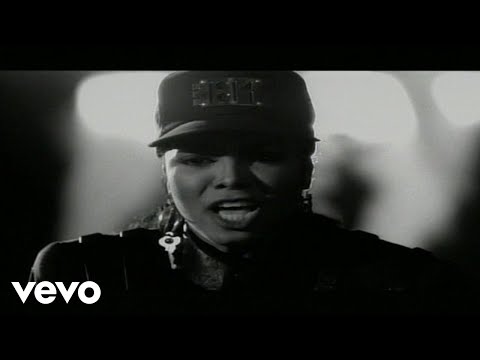
With Riley-produced New Jack Swing anthems riding high in the charts, others were quick to get in on the action and put their own imprint on the nascent sound. Production duos reigned supreme. LA Reid and Babyface created a wealth of incandescent hits such as Bobby Brown’s “Every Little Step,” Karyn White’s “Secret Rendezvous,” and Mac Band And The McCampbell Brothers’ “Roses Are Red,” while Denzil Foster and Thomas McElroy added a West Coast stamp to the genre with their work on Tony! Toni! Tone!’s debut album, Who?, and its follow-up, The Revival. The latter was produced alongside group member Raphael Saadiq and included such classics as “Feels Good” and “Oakland Stroke.” Jimmy Jam and Terry Lewis also tapped into their unwitting offspring on Janet Jackson’s wildly successful follow-up to Control, Janet Jackson’s Rhythm Nation 1814.
YouTube Video
Click to load video

The years 1989-92 found New Jack Swing’s popularity at its zenith and it dominated the charts. Its sound and style even began to influence movies such as House Party and New Jack City, along with television series the likes of The Fresh Prince Of Bel-Air. Arsenio Hall’s hugely influential TV talk show, which had premiered in 1989, ensured that the latest talents were given a very public platform.

A plethora of young artists and producers soon began to expand the parameters of the sound. Foremost among these were members of Brown’s former band New Edition. Following his departure, they brought in singer Johnny Gill and enlisted Jam and Lewis to oversee their fifth studio effort, 1988’s Heart Break. Featuring killer songs such as “NE Heartbreak” and “Crucial,” the record embraced the New Jack Swing sound and went on to become their most successful album.

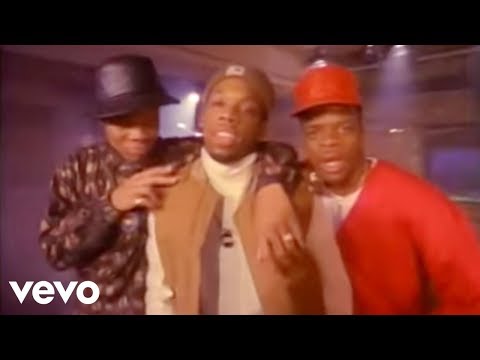
Keen to stretch their wings, the band subsequently agreed to put New Edition on hiatus, and 1990 saw multiple spin-off releases from its members. Ralph Tresvant’s self-titled album featured the Jam and Lewis monster “Sensitivity,” while Ricky Bell, Michael Bivins, and Ronnie DeVoe re-launched themselves as Bel Biv Devoe. The trio employed Public Enemy’s production crew, The Bomb Squad, to oversee their seminal debut album, Poison, with the Squad adding a tougher edge to the group’s NJS template; the masterful title track (arguably the genre’s finest moment) became a huge worldwide hit. Newest band member Johnny Gill also got in on the action, and his 1990 self-titled album featured more Jam and Lewis jewels in the shape of “Rub You The Right Way” and “Wrap My Body Tight.”
YouTube Video
Click to load video

If 1991 marked the commercial peak for New Jack Swing, it was also the year that brought the first hints of the genre’s demise as acts began to reshape the sound into new styles. The likes of Mary J Blige and Jodeci employed hip-hop’s swagger and beats but slowed down the pace while losing NJS’s pop affectations. If Boyz II Men’s debut album, Cooleyhighharmoney, found them adding a gospel-like vocal depth on the tracks ‘Motownphilly’ and ‘Sympin’’, cuts such as “Please Don’t Go” and “This Is My Heart” hinted at R&B’s return to more traditional forms of soul. Michael Jackson chose to replace long-standing producer Quincy Jones with Teddy Riley for his Dangerous album; despite its undoubted brilliance, the mega-hit single “Remember The Time’ nevertheless smoothed out New Jack Swing’s edges, reshaping it into a more standardized form of pop.

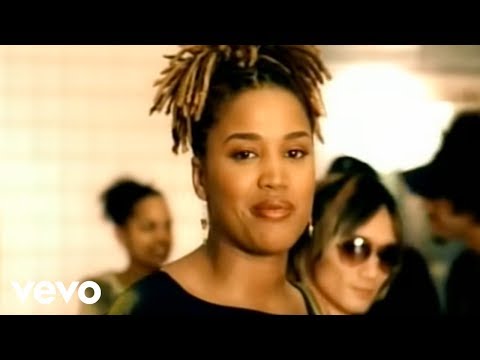
As such, while the following year heralded gems such as Public Announcement’s “She’s Got That Vibe,” SWV’s “I’m So Into You” and Teddy Riley’s “Is It Good To You” (featuring Tammy Lucas), it wasn’t long before young R&B artists had abandoned New Jack Swing’s narrow artistic confines for pastures new. Certainly, its key architects weren’t sitting still. Teddy Riley disbanded Guy and formed Blackstreet in its wake, employing slower, Jodeci-indebted productions on their self-titled debut, and later adding blues to the mix on their hit “No Diggity.”

LA Reid and Babyface, who had founded their own LaFace Records imprint in 1989, oversaw NJS albums by TLC and Toni Braxton before branching out into purer forms of R&B and hip-hop with the likes of Usher and OutKast. With Raphael Saadiq assuming creative control, Tony! Toni! Tone! went on to help spearhead the hip-hop-soaked neo-soul genre, while former producers Denzil Foster and Thomas McElroy conceived En Vogue as a conduit for their productions. The resultant – and hugely successful – Funky Divas album featured a further diluted version of the genre.
YouTube Video
Click to load video

While New Jack Swing had disappeared altogether by the mid-90s, its influence continues to resonate. For today’s stars such as Rihanna and Beyoncé, the fusion of pop, R&B and hip-hop is a natural one. Recently, an increasing number of musicians are moving closer to the original source. Korea’s megalithic music industry, K-Pop, has taken to employing Teddy Riley to add a NJS sheen to artists such as Girls Generation, f(x), and EXO, while one of the pop world’s biggest stars, Bruno Mars, has paid homage to the genre with his NJS-leaning album 24K Magic and his collab with Cardi B, “Finesse (Remix).” More recently, R&B star Ne-Yo released a throwback single, “Genesis,” which was clearly inspired by the original New Jack Swing sound.

The high-tops may have disappeared, but New Jack Swing’s magic continues to inspire.

Celebrate the history of New Jack Swing with our exclusive playlist on Spotify.

​Discover more about the world’s greatest R&B artists | uDiscover Music
Categories
R&B

‘The Velvet Rope’: How Janet Jackson Tied Herself In Controversy

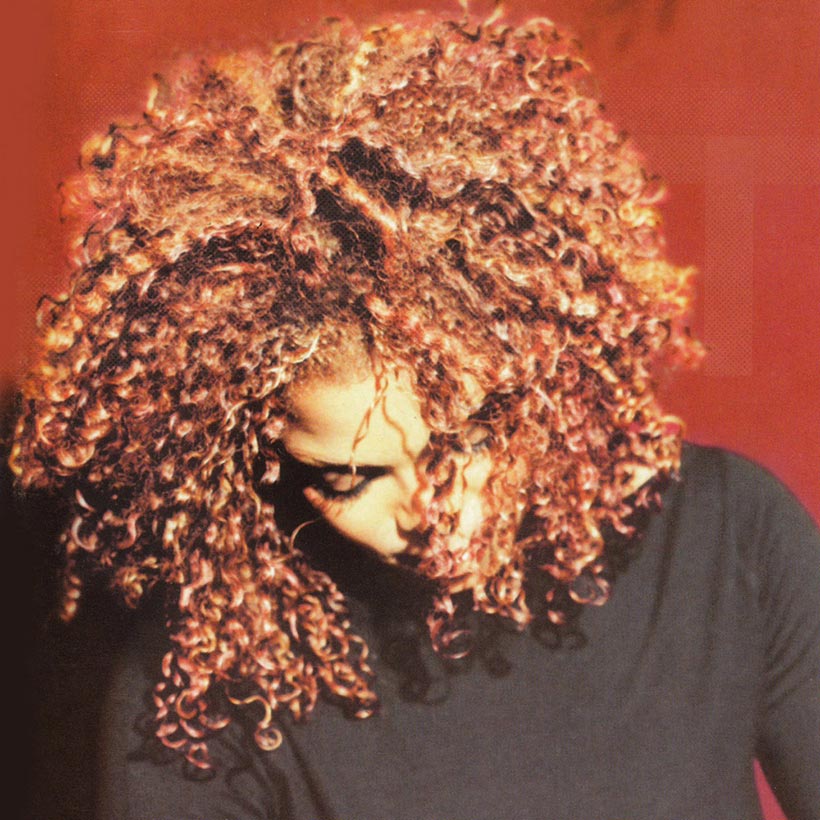
Janet Jackson The Velvet Rope Album Cover web optimised 820

Released on October 7, 1997, Janet Jackson’s sixth studio album, The Velvet Rope, caught a lot of people off guard with its frank exploration of sexuality, the complexity of human relationships, and the worrisome burden of emotional trauma. “I always write about what’s going on in my life,” Jackson told this writer in 2001, reflecting on her most controversial album. “It’s like cutting yourself open and exposing all of your insides, and at that point you’re very vulnerable. People were so eager to take potshots at me with The Velvet Rope album, but I was really being completely honest with everything that I was saying.”

Though Janet Jackson’s solo recording career began in 1982 at A&M Records, where the label was initially keen to portray her as a cute, innocuous, girl-next-door figure, she grew frustrated at being a producer’s puppet and decided to reinvent herself. Adding edge and attitude, Jackson hooked up with ex-Time members, songwriters and producers Jimmy Jam and Terry Lewis, in 1986, and began making music that reflected her life. What resulted was the platinum album Control, whose autobiographical theme about taking the initiative and being true to yourself instantly transformed Janet into a pop star whose success began to rival that of her more famous elder sibling, Michael.

“I’m inviting you inside my velvet rope”

By the time The Velvet Rope came along in 1997, the girl from Gary, Indiana, had morphed into a confident young woman whose two follow-up albums to Control – 1989’s Rhythm Nation 1814 and 1993’s Janet, both co-produced by the singer with the dependable Jam & Lewis – made her the most famous woman in the world at that point.

But The Velvet Rope, following in the wake of a newly renegotiated contract with Virgin Records (bringing her a massive and – at the time – record-breaking $80 million advance), mired Jackson in controversy, especially with conservative religious groups. They objected in particular to the singer’s acceptance of same-sex relationships, which manifested itself in the song “Free Xone,” a satirical swipe at sexual discrimination riding on funkified backbeat. Jackson also raised eyebrows with her daring take on Rod Stewart’s “Tonight’s The Night,” subverting the original by transforming it into a lesbian ode to seduction.

The whole album was an access-all-areas invitation into Janet Jackson’s internal private world – a world usually cordoned off by a velvet rope. Explaining the album’s title and concept, Jackson said, “We’ve all driven by premieres or nightclubs, and seen the rope separating those who can enter and those who can’t. Well, there’s also a velvet rope we have inside us, keeping others from knowing our feelings. In The Velvet Rope, I’m trying to expose and explore those feelings. I’m inviting you inside my velvet rope.”

In terms of its sound, The Velvet Rope is breathtakingly kaleidoscopic in the way it refracts pop, R&B, jazz, rock, funk, folk, hip-hop, electronica, classical music, and trip-hop styles through the prism of Jackson’s personality, arriving at a unique and highly individual sonic identity.

“It was very cathartic and therapeutic”

On the tone-setting introductory title song, Jackson sings “living the truth will set you free” over a mesmeric groove, and then for the remainder of the album proceeds to share her thoughts on a wide range of subjects. She mourns a friend who died of AIDS on a catchy slice of retro soul called “Together Again,” and investigates domestic abuse on the chilling “What About,” a split-personality song defined by dramatic moods as it fluctuates between a soft ballad and strident piece of thumping R&B.

Joni Mitchell tops the album’s guestlist, appearing alongside A Tribe Called Quest’s Q-Tip on The Velvet Rope’s first single, “Got Till It’s Gone,” which samples the Canadian singer’s 1970 protest song “Big Yellow Taxi.” Elsewhere, the New Jack Swing group Blackstreet appear on the plaintive slow jam “I Get Lonely,” which was the album’s biggest single, peaking at No.1 in the US R&B charts.

For Janet Jackson, who openly admitted to suffering a breakdown during her Janet World Tour prior to the sessions for The Velvet Rope, the album – though at times difficult to make – was ultimately rewarding in terms of both her personal and musical evolution. Its soul-baring quality gave Jackson a valuable kind of therapy through which she could come to terms with her personal problems. “That wasn’t a bad space to be in because it taught me a great deal,” she said, 17 years ago. “It was very cathartic and therapeutic. Writing music and melodies is a sure way of finding release.”

Despite the controversy it engendered, The Velvet Rope topped the album charts around the world on its release in the autumn of 1997 and reaffirmed Janet Jackson’s position as the pre-eminent top-selling female recording artist of her generation. But Jackson’s main goal was more about personal development and exorcising her demons than selling records. Above all else, her honesty on The Velvet Rope was genuine and sincere. “I think it’s important to be true to yourself in your music,” she said. “I think that’s the only way I can actually write music.”

Shop for Janet Jackson’s music on vinyl or CD now.

​Discover more about the world’s greatest R&B artists | uDiscover Music
Categories
R&B

‘Memoirs Of An Imperfect Angel’: Mimi Sings The Blues

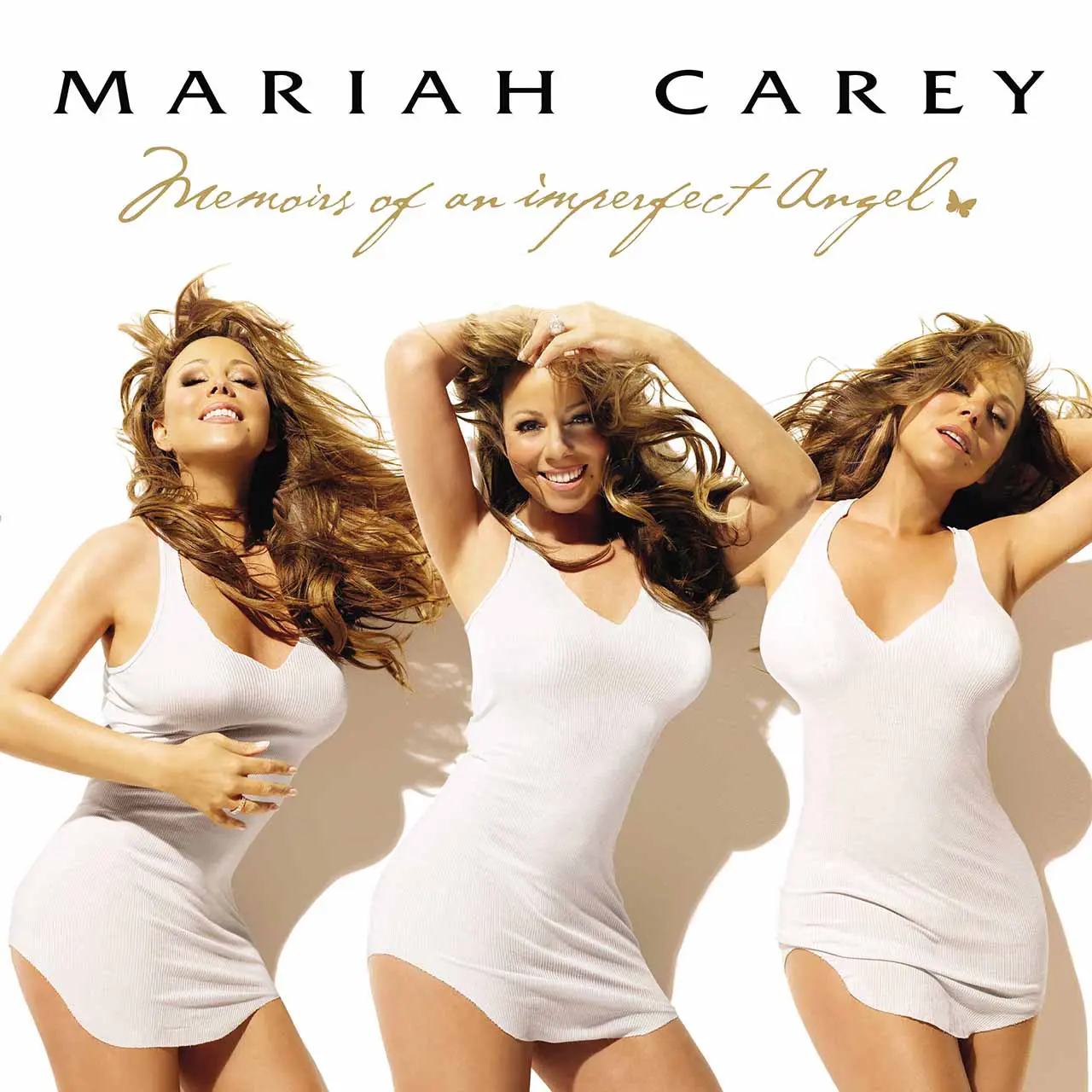
Mariah Carey Memoirs album cover

She broke the news on Twitter: “Bcuz I Love U, I want u to be the first to know the title of my album Memoirs Of An Imperfect Angel,” Mariah Carey posted on May 21, 2009. The name of the project, her 12th studio effort, connected Carey to a woman, she told the New York Beacon, was “so influential to my singing style:” “…the Minnie Riperton album that contained ‘Lovin’ You’ was called Perfect Angel. So I felt in many ways it was meant to be.” The core idea in the title – examining life and embracing flaws – links Carey to a tradition that goes back to the earliest history of recorded popular music – the blues. This has less to do with the sound of the songs, which evoke dulcet 90s R&B, than the spirit guiding them. As acclaimed writer Ralph Ellison put it in a 1945 essay: “The blues [represent] an impulse to keep the painful details…of a brutal experience in one’s aching consciousness, to finger its jagged grain and to transcend it…by squeezing from it a near-tragic, near comic lyricism.”

Carey establishes the tone from the first cut, “Betcha Gon’ Know (The Prologue),” where she invites, “welcome to a day in my life,” before detailing a romantic betrayal that finds her – in film noir fashion – racing wildly down a road, “mascara running,” feeling like her “heart’s been cracked.” This begins an emotional odyssey of dissecting “buried recollections,” with most songs playing like a flashback. The singer/songwriter remembers days of “Sweet Tarts” and “ring pops” on “Candy Bling,” “videos on her phone” on “Inseparable,” and “cherry wine” and Jodeci slow-jams on “The Impossible.”

Mariah is joined on this memory lane road trip by Terius “The-Dream” Nash, co-writer of all but 4 of the album’s 17 tracks. Nash – then primarily known as the piquant pen behind such mega-hits as Beyoncé’s “Single Ladies (Put A Ring On It),” Rihanna’s “Umbrella,” and Justin Bieber’s “Baby” – helps Memoirs achieve a consistently funny, sardonic vibe that’s different from other Carey albums. On the first single, “Obsessed,” she tells a manipulative fabulist, “see right through you like you’re bathing in Windex.” And on the ragtime/hip-hop hybrid, “Up Out My Face,” she delivers the tongue-taxing barb: “If we were two Lego blocks, even the Harvard University graduating class of 2010 couldn’t put us back together again.”

Along with Nash, the other main musical contributors are Christopher “Tricky” Stewart (Britney Spears’ “Me Against The Music,” Mary J. Blige’s “Just Fine”) and the late James “Big Jim” Wright, a Sounds Of Blackness member and longtime Jimmy Jam and Terry Lewis collaborator. Wright gives the doo-wop-y “It’s A Wrap” – which had a viral resurgence in February 2023 – its distinctive old-school feel by playing the Hammond B3 organ, the keyboard of choice for such varying virtuosos as Billy Preston, Tyrone Downie, and Twinkie Clark.

YouTube Video
Click to load video

This sound is key to the groundedness of Memoirs. Despite “black Cavalli shades,” “Chrissy Lous” (Christian Louboutin shoes), and flights on a “BBJ” (Boeing Business Jet), Carey comes off as a quintessential blues trope – the good-woman-feelin’-bad. She’s “virtuous and true” before being heartbroken and forced to find the moxie to keep on keepin’ on. This makes the album acutely relatable. By sharing her pain, Carey proves she’s one of us.

Shop for Mariah Carey’s music on vinyl or CD now.

​Discover more about the world’s greatest R&B artists | uDiscover Music
Categories
R&B

Best Music Podcasts: 24 Shows You Need To Hear

Best Music Podcasts featured image 1000

We’ve entered the golden era of podcasting, especially when it comes to music podcasts, but as the ecosystem grows larger and more diverse, decision paralysis inevitably sets in. Where to begin when there’s a seemingly endless amount of options? From band-specific shows to genre-, era-, and album-devoted series, there is a podcast for every type of music fan, from the most esoteric obsessives to mainstream-pop heads. Here are some of the very best music podcasts out there today.

24: Dolly Parton’s America

In this Peabody Award-winning limited series from WNYC, host Jad Abumrad (known best as the co-founder of Radiolab) explores the universal appeal of Dolly Parton. During the nine-episode podcast, which premiered in 2019, Abumrad not only delves into Parton’s life and music, but also examines the artist’s impact within a historical, cultural, and political context. Along the way, exclusive interviews with the country icon add additional insight. Fun fact: Abumrad’s father (physician and professor Naji Abumrad) cared for Parton after a 2013 car accident, eventually becoming good friends with the singer-songwriter. Their bond later inspired Parton to help fund Moderna’s COVID-19 vaccine.

Listen on Apple Music and Spotify

23: BBC’s Desert Island Discs

On each episode of this long-running BBC series, one guest “castaway” is asked to select eight recordings, one book, and one luxury item that they would wish to have if stranded on a desert island. First broadcast in 1942, Desert Island Discs has aired over 3000 episodes and hosted such venerable castaways as Sir David Attenborough, Bruce Springsteen, Princess Margaret, Dame Judi Dench, Keith Richards, and, perhaps the most famous Castaway of all, Tom Hanks. Thought-provoking and deeply candid, each conversation proves the uncanny ability of music to help us relive the most important moments in our lives.

Listen on Apple Music and Spotify

22: All Songs Considered

Hosted by longtime NPR correspondents/producers/directors and self-proclaimed “music nerds,” Bob Boilen and Robin Hilton, All Songs Considered has been delivering a weekly dose of new music to fans since 2000. An essential podcast for anyone who wants to stay ahead of the curve, the podcast spotlights new releases from emerging and established acts and features interviews with a range of artists from around the globe. Fun fact: both hosts are also musicians themselves. Hilton is a multi-instrumentalist and composer, who wrote and performed the theme music for NPR’s Weekend All Things Considered, while Boilen had a psychedelic band in the 70s called Tiny Desk Unit (which inspired the name of his NPR video series, Tiny Desk Concerts).

Listen on Apple Music and Spotify

21: For Scores

Ever wanted to learn how music comes to life in a movie or television show? For Scores explores the compositions from Disney, Pixar, Lucasfilm, Marvel, and 20th Century Fox projects. It’s truly the perfect podcast for any film or musical fan. In each episode, journalist Jon Burlingame speaks to a legendary composer and dives into how the music was composed to tell each movie’s full story. Previous guests include Alan Menken, Kristen Anderson-Lopez, Alan Silvestri, Robert Lopez, Danny Elfman, among others.
Listen on Apple Music and Spotify

20: Dad Bod Rap Pod

For those who take hip-hop seriously, want to hear conversations with a bit of historical grounding, and enjoy listening to old friends nerd out together, Dad Bod Rap Pod may be the music podcast for you. Hosts Demone Carter, David Ma, and Nate LeBlanc have been hip-hop participants and fans for decades, and they clearly know their stuff. Listening to them interview musicians and journalists – or simply chat about the latest releases among themselves – will give you a wealth of new music to explore.
Listen on Apple Music and Spotify

19: Name 3 Songs

Fangirls have long been demonized (or worse), but the music world would be nowhere without them. Name 3 Songs addresses this fact head-on, looking to “challenge sexism in the music industry and empower fangirls.” Topics have included “fatphobia in the music industry,” “when idolization goes too far,” and “misogyny in pop music.” Co-hosts Sara Feigin and Jenna Million take on these issues with empathy, creating a safe space where difficult conversations can be had.
Listen on Apple Music and Spotify

18: On Wednesdays We Wear Black

On Wednesdays We Wear Black is hosted by three folks in the alternative music space that are brave enough to bring what would normally be taboo topics into public view. As their podcast description puts it, “They talk about everything from sex, racism and gigs to myspace emo fashion…. Warning, do not have this on with your gran in the room.” In a scene where these types of voices have long been silent (and silenced), it’s a refreshing listen.
Listen on Apple Music and Spotify

17: The Ringer Music Show

Hosted by music critic Charles Holmes and comedian/musician Grace Spelman, The Ringer Music Show has a perfect balance between treating music extremely seriously and taking it with an enormous grain of salt. Hot takes abound, but they’re always offered with a considered point-of-view. The weekly podcast takes its topics from whatever is in the news at any given moment, which makes listening to it feel a bit like having two friends update you on what everyone else is talking about.
Listen on Spotify

16: Rolling Stone Music Now

Ever wanted to eavesdrop on an editorial meeting of the world’s most famous music magazine? That’s what it often feels like when Rolling Stone Music Now brings on a cadre of its writers to talk about a specific topic. In addition to hearing expert listeners debate the merits of the latest releases, host Brian Hiatt also conducts in-depth interviews with news-making musicians. For those wanting to dive deep into what’s going on in the world of music, this is one of the best podcasts around.
Listen on Apple Music and Spotify

15: Tape Notes

The secret to Tape Notes is in the premise itself. Reuniting artists and producers to talk about great projects, it often finds the guests talking to one another for the first time in ages. Hearing the participants reliving special moments together is like eavesdropping on a conversation between old friends. As if that wasn’t enough, the podcast often comes complete with unreleased material from those sessions, giving listeners a front-row seat to the creative process.
Listen on Apple Music and Spotify

14: Mogul

One of the first great narrative podcasts about music, Mogul’s debut season followed the life of record company exec Chris Lighty, whose path seemed to intersect with just about every major movement in the world of hip-hop. (Lighty managed 50 Cent, LL Cool J, and Missy Elliott, just to name a few.) The podcast returned a few years later to tell yet another iconic hip-hop story: The birth of Southern hip-hop and how 2 Live Crew’s explicit music ended up at the United States Supreme Court.
Listen on Apple Music and Spotify

13: Broken Record

With interviews conducted by producer Rick Rubin, writer Malcolm Gladwell, and former New York Times editor Bruce Headlam, you know that the quality of Broken Record will be high. The guest list, as you might imagine, is no less impressive: Brian Eno, Liz Phair, Pharrell Williams, and John Legend are just a few of the names that have gone deep on their craft. Despite the variety of interviewers, Broken Record largely takes its guiding philosophy from Rick Rubin, whose patient and empathetic conversational style often brings out surprising insights from the high-profile guests.
Listen on Apple Music and Spotify

12: Afropop Worldwide

The long-running Afropop Worldwide shines a light on some of the most fascinating music from around the globe, telling the stories behind artists and tunes that often don’t get lengthy and careful treatment from media outlets. Since its beginnings, Afropop has operated under a non-profit model, relying on generous donors to send its audio documentarians out into the world. They’ve come back with incredible material, working to fulfill the self-described mission of increasing “the profile of African and African diaspora music worldwide, and to see that benefits from this increased profile go back to artists, music industry professionals, and the countries that produce the music.”
Listen on Apple Music

11: Twenty Thousand Hertz

“The stories behind the world’s most recognizable and interesting sounds” is the tagline for Twenty Thousand Hertz, and that’s exactly what it does. It’s one of the best music podcasts around because it takes a broad view of what music actually is… and digs deep into those stories. Ever wanted to know how the “Netflix sound” came to be created? What you might hear if you were on a different planet? Or what it’s like to dub movies in a foreign language for George Clooney? There’s an episode for all of those scenarios and much more.
Listen on Apple Music and Spotify

10: Punch Up the Jam

Comedians are regularly called upon to punch up a joke or fix a script, but to improve a pop song? Not so much. Enter Punch Up The Jam, the comedic tag team of Miel Bredouw and Demi Adejuyigbe who both champion and tear apart some of popular music’s enduring hits. Each week the duo (and guest) break down a hit song and then attempt to re-arrange it with hilarious results. Look no further than their take on Guns N’ Roses’ iconic hit “Welcome To The Jungle” or ‘Escape (The Pina Colada Song)’. Nothing is off limits.
Listen on Apple Music and Spotify

9: R U Talkin REM Re: Me

Comedy writer Scott Aukerman had a few musical-comedy podcasts under his belt before starting R U Talkin REM Re: Me with his friend and collaborator Adam Scott (of Parks And Recreation fame). What started out as a few sporadic episodes of U Talkin’ U2 To Me? later evolved into their greater passion… R.E.M. Less a deep dive into the musicality of the band than addictive banter and wild tangents that also revolve around R.E.M., clearly the duo were onto something, as they counted Mike Mills and Peter Buck as guests in the show’s run. Now complete, the duo more recently did a full season devoted to Talking Heads, but the R.E.M. archives are still available and well worth exploring.
Listen on Apple Music and Spotify

8: KCRW’s Lost Notes

The best music podcasts fill in the blanks, providing context and telling the stories behind some of the music you love, but KCRW’s Lost Notes takes it one step further, interrogating the past through the lens of today and how to reconcile those differences. Seasons have been hosted by music writer Jessica Hopper (author of The First Collection Of Criticism By A Living Female Rock Critic) and poet and cultural critic Hanif Abdurraqib, but the idea always remains the same: Highlighting “the greatest music stories never told,” from a punk-rocker turned father who revisits his misogynistic past, to the legacy of John Fahey re-evaluated through the women who were in his life.
Listen on Apple Music and Spotify

7: Sound Opinions

Dubbed as the “world’s only rock and roll talk show,” Sound Opinions has existed in many forms since its first incarnation as a Chicago radio show back in 1993. Hosted by veteran rock critics Greg Kot and Jim DeRogatis, the duo has decades’ worth of musical knowledge at their disposal, but also an insatiable curiosity for what’s happening in music today. Ambitious in scope, the pair will tackle anything from the legend of Robert Johnson to De La Soul and the Paisley Underground, alongside exclusive interviews and live performances. With more than 800 episodes, you’ll never run out during a long road trip.
Listen on Apple Music and Spotify

6: Dissect

While many of the best music podcasts break down classic songs, genres, and artists, the Dissect podcast trains their lens on the album, dismantling a single title across a whole season. From unpacking Beyonce’s Lemonade to analyzing Kendrick Lamar’s To Pimp a Butterfly, Dissect is less cultural criticism and more musical sleuthing. Initially started as a passion project by host Cole Cuchna, it’s now part of the Spotify podcast network.
Listen on Apple Music and Spotify

5: Switched On Pop

What makes pop songs so catchy? Musicologist Nate Sloan and songwriter Charlie Harding make it their goal to solve this question without taking away the magic of the music. Like all the best music podcasts, Switched On Pop is democratic in scope, pondering the secret formulas of pop music and going off the rails in the best way possible. From the weirdness of 90s pop to the timeless catharsis of Martha And The Vandellas’ “Dancing In The Street,” life after Auto-Tune, and what “Cotton Eye Joe” tells us about a century-plus of pop music, Switched On Pop is there to answer life’s big questions.
Listen on Apple Music and Spotify

4: Cocaine & Rhinestones

As the son of outlaw-country artist David Allan Coe, Tyler Mahan Coe knows a thing or two about country music. On the first season of his podcast, Cocaine & Rhinestones, Coe doesn’t just recount the wild stories of country music, but backs them up with an arsenal of facts. Along with covering the big names of the genre – Hank Williams, Johnny Cash, Patsy Cline – Coe also highlights some of the overlooked names in country – from The Louvin Brothers to Doug and Rusty Kershaw. Coe doesn’t just tell you the story behind Loretta Lynn’s banned song “The Pill,” he digs into US history and the cultural politics of birth control. Season two, released in 2021, ostensibly focuses on the country music legend George Jones, but covers so much more.
Listen on Apple Music and Spotify

3: Song Exploder

Explaining the creative process can be, well… a process, but hit podcast Song Exploder has succeeded in explaining the origins behind the biggest hits without getting lost in the weeds. Often copied but never replicated, Song Exploder lets the artists themselves break down their songs without getting in the way. Since 2014, musician and composer Hrishikesh Hirway (now musician Thao Nguyen) host and produce the show, revealing the creative process of artists as diverse as Lorde, The Mountain Goats, and John Carpenter, to name a few.
Listen on Apple Music and Spotify

2: Questlove Supreme

Even as more musicians are getting into the podcasting game (Hozier, Nicki Minaj, Vampire Weekend’s Ezra Koenig, Perry Farrell, and even Rick Rubin), no other host holds it down quite like Questlove. The Roots drummer and author possesses an encyclopedic musical knowledge quite like no other and can convince his guests to fall down the rabbit hole with him. Past guests have included the likes of Chaka Khan, Michelle Obama, Herb Alpert, and even Michael McDonald. It’s nirvana for music nerds but also one of the most engaging talk shows on air.
Listen on Apple Music and Spotify

1: New York Times Popcast

It may be called Popcast, but the New York Times’ music podcast covers a wide scope of music. Hosted by music critic Jon Caramanica, you can count on the roundtable of critics to tackle every subject matter with rigorous enthusiasm, from the rise of Post Malone to Chris Cornell’s legacy, the bootleg merch trade, the future of jazz, and the unfair hand dealt to Ashlee Simpson. While each episode usually includes an expert guest (or guests) on the topic at hand, the dream team of writers Joe Coscarelli, Caryn Ganz, Jon Pareles, and Caramanica each offer diverse expertise in genres and eras to keep the discourse piping hot.
Listen on Apple Music and Spotify

​Discover more about the world’s greatest R&B artists | uDiscover Music
Categories
R&B

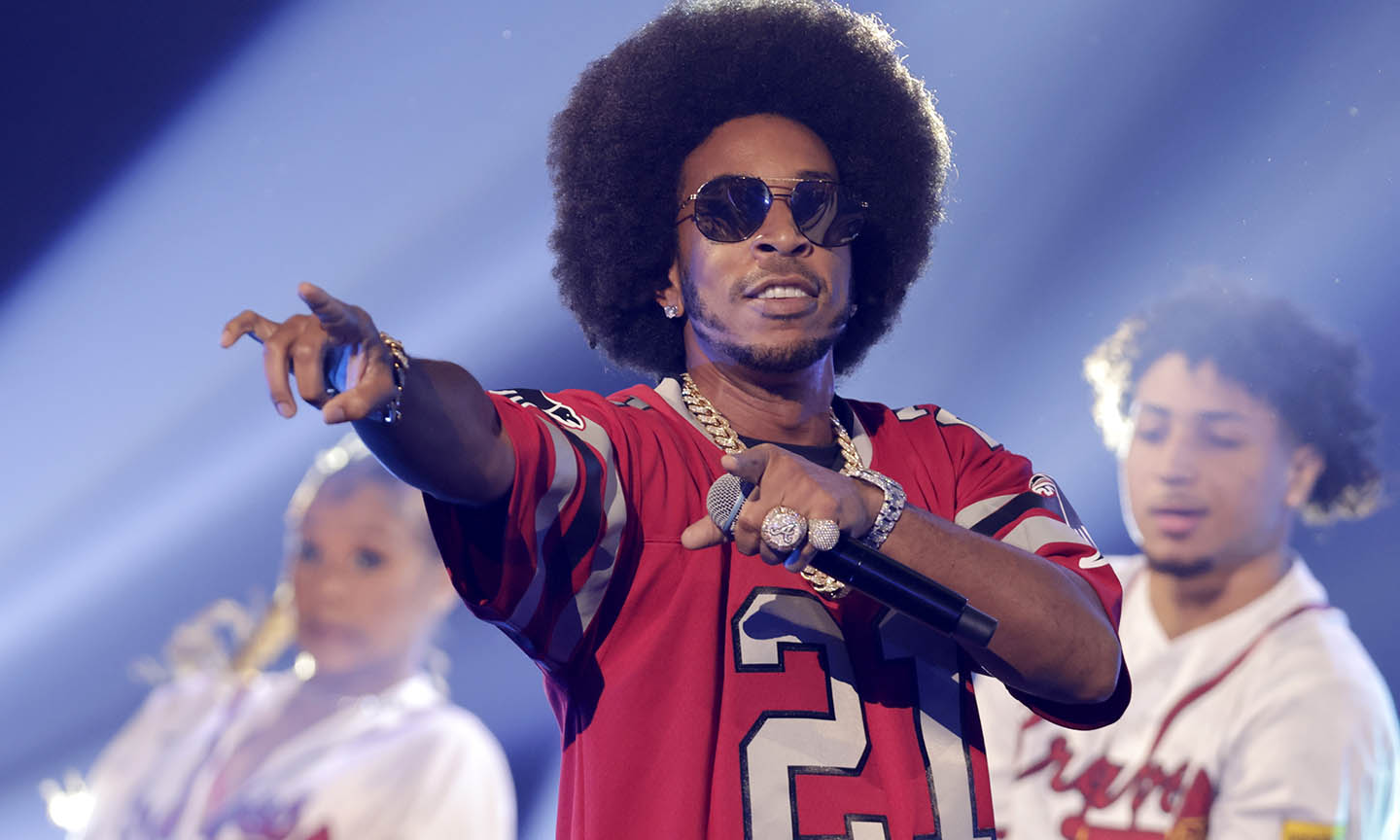
Future, Doechii, And Ludacris To Headline Atlanta’s ONE Musicfest

ONE Musicfest will be returning to Piedmont Park in Atlanta on October 25 and 26. The two-day event will be headlined by Future, Doechii, and Ludacris.

Other artists set to perform include The Roots, The Dungeon Family, Flo, Ari Lennox, Bobby V, Lloyd, and plenty more.

Many of the sets at the festival are set to be special in one way or another. The Roots’ performance will feature Mary J. Blige, Busta Rhymes, Havoc of Mobb Deep, and, of course, the band’s MC Black Thought. Doechii is billed as “Top Dawg’s Special Guest“ and her set will come “Live From The Swamp,” which is a reference to her tour of the same name.

Ludacris’ set will feature friends and celebrate his 25th anniversary as an artist. Dungeon Family’s Reunion set will feature “Friends” and will pay tribute to the late Rico Wade. Other highlights include an “R&B 2000’s Set,” a “Southern Ladies Set,” and more.

The news comes at an exciting time for Ludacris. Last year he acknowledged another anniversary, celebrating 20 years of The Red Light District with a special vinyl release. DMX, Nate Dogg, Nas, and more appear on the 2004 album, which features production from Timbaland (“The Potion”), Craig King (“Who Not Me”), Salaam Remi (“Virgo”), and others.

As for other artists on the bill, Doechii is gearing up for her aforementioned Live From The Swamp Tour, which is set to traverse North America in October and November, followed by her first ever dates in Australia in December.

Doechii’s live itinerary for the rest of the year begins with a run of festival sets throughout the summer and early fall: Belgium’s Pukkelpop festival this month, the All Things Go fests in Queens, NY and Columbia, MD in September, and two weekends of the Austin City Limits festival in Texas in October.

Shop for the best hip-hop on vinyl now.

​Discover more about the world’s greatest R&B artists | uDiscover Music
Categories
R&B

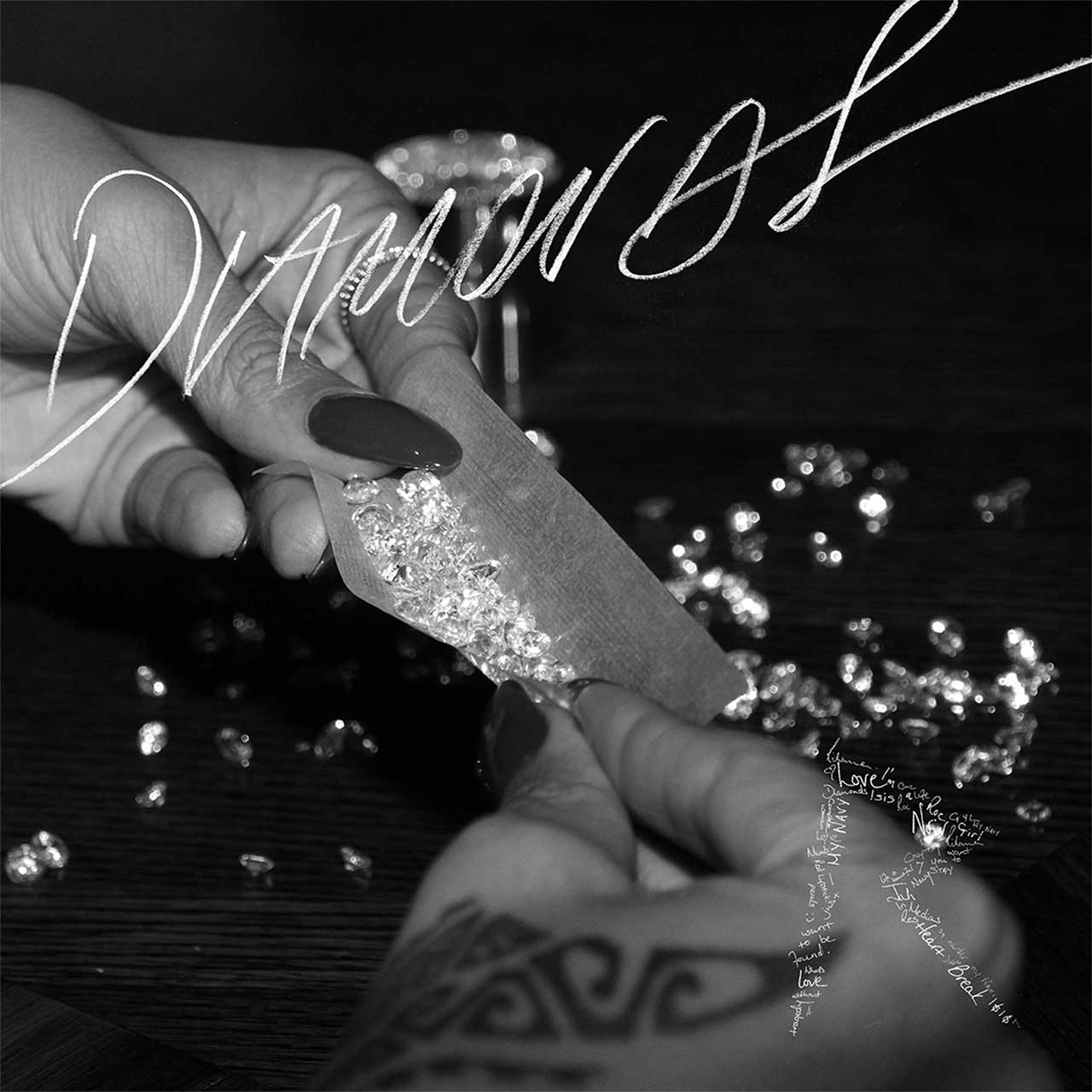
‘Diamonds’: Benny Blanco Talks About The Making Of Rihanna’s Hit

Rihanna Diamonds

Back in 2012, Rihanna‘s “Diamonds” soared to No. 1 on the Billboard Hot 100 in the week ending on December 1. It became one of the best-selling singles of all time and nabbed Rihanna her 12th No. 1 single. At the time, “Diamonds” tied her with Madonna and The Supremes for the fifth most No. 1 singles in the chart’s history.

“Diamonds” was written by Sia and its producers, Benny Blanco and Stargate. After premiering on radio in September 2012, it served as the lead single off of Rihanna’s seventh studio album, Unapologetic. Blanco says the song came together overnight and was shopped around to Eminem before landing in Rihanna’s hands a few months later. Initially, he and Stargate had Lana Del Rey or Kanye West in mind while making the beat.

YouTube Video
Click to load video

Blanco details the making of “Diamonds” and the impact that the song’s had on his career below:

“I originally went to [the studio] with Stargate. We were in New York and were making just a track… I was like, ‘Man, we should really make something for Lana Del Rey’ that’s what I think it was. We made the beat, and I was like ‘Oh my god, this is so sick!’

I gave the beat to Paul Rosenberg to give to Eminem. I didn’t think anything of it, and then Sia was [in the studio] writing songs, and she was about to leave for the night. She called a car, and the car [was] going to be there in 15 minutes. So in 12 minutes, she wrote the entire song and did the harmonies and everything – everything on the spot.

We had the song for a while, and then all of a sudden it was like, ‘Yo bro! Remember that song? We’re cutting it. Rihanna wants to cut it now!’

Then later, I get a call and Stargate was like, ‘Yo, Rihanna’s gonna cut it.’ They’re in London, like they’re gonna cut it right now! And I was like, ‘Really?’ I was like, ‘I didn’t even know that song was that good?’ And they’re like, ‘Bro, you gotta trust me! This thing is gonna be crazy! They’re gonna cut it. They wanna put it out!’

They cut it, and they were like, ‘You guys gotta turn it [“Diamonds”] around in one day. We’re putting this out.’ And we’re like, ‘Holy shit!’ I think Stargate just sent it. I remember I was with Sia when we got it. We were in a furniture store randomly. We heard it, and we were like, ‘Holy shit! This is so crazy!’

We didn’t even go in the studio with [Rihanna] to cut it… that’s the rarest thing. I think it’s the only song in my career that I haven’t. Maybe one other… I usually record everything, mix it all, and do the whole thing… but they just did. It just happened, you know?

I met [Rihanna] one time in passing. It’s so weird for me because usually I have such a good relationship with all the artists. Most artists that I work with will spend the night at my house when they’re in town. Most artists I work with I’m best friends with, they know my family, and come over for dinner. Hi Rihanna, if you’re reading this!

When it came out, Paul Rosenberg hit me and was like, ‘What the fuck?” Eminem wanted to cut that song!’ I was like, ‘What! I didn’t hear anything from you for months!’ When we were making the song, I was like, ‘Yo, this can also be so good for Kanye!’ We tried to send it to Kanye, and I think nothing happened. Then he wound up getting on the remix of the song. So it’s just weird how the world works, you know?

It really resonates with a lot of people, and she made it so fucking good. It’s the ultimate of ‘not always knowing.’ I didn’t know that song was going to be big. I didn’t know what the future was going to be of that song. We just made that song, and I trusted all the people around me, and she made the song into something so special that I could’ve never imagined. She’s so talented, and the chance to work with her, even from afar, is a fucking dream.”

YouTube Video
Click to load video

Shop for Rihanna’s music on vinyl or CD now.

Editor’s note: This article was originally published in 2017.

​Discover more about the world’s greatest R&B artists | uDiscover Music
Categories
R&B

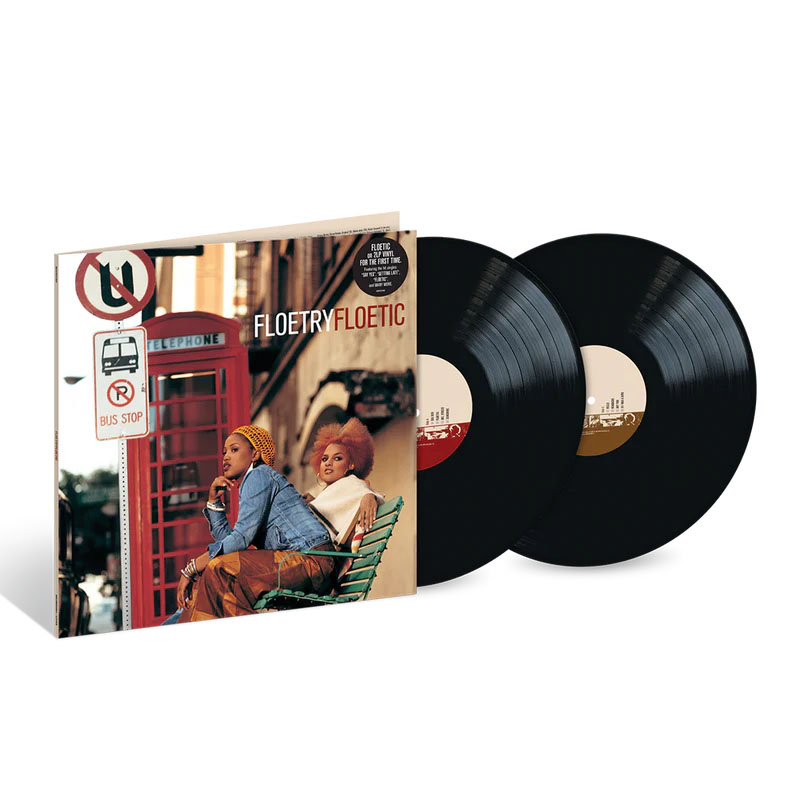
Floetry’s ‘Floetic’ Gets Vinyl Reissue

Floetic, the 2002 debut album from R&B duo Floetry, is getting reissued on vinyl. It marks the first time this album has ever been available on vinyl. Floetic will be available in two different formats: a standard black 2LP and a 2LP issued on dark rose vinyl, available via Interscope Records. Both options will be available officially on November 14, and are available for pre-order now.

Containing the group’s biggest hit, “Say Yes,” Floetic was a hit in both the United States and the United Kingdom. “Floetic” and “Getting Late” were also hits. Also notable on the album is the demo of “Butterflies,” which was written for Michael Jackson and appears on his 2001 album Invincible. Floetic was nominated for four Grammy Awards, including Best Contemporary R&B Album, and individual nominations for the songs “Floetic” and “Say Yes.” The group also won three Soul Train Lady of Soul Awards for the album, for “Say Yes,” and for Best New R&B/Soul Group. The album was also eventually certified gold.

YouTube Video
Click to load video

Floetry was formed in the United Kingdom in 1997 by Marsha Ambrosius—known as the “the Songstress”—and Natalie Stewart, “the Floacist.” Combining spoken word poetry and melodic vocals, Floetry dubbed their music as a whole new sound under the neo-soul umbrella. “We were also saying Floetry is more than a name, it’s a genre, it’s a style, it won’t die as long as long as we remember, it will be kept alive,” Stewart reflected in an interview with You Know I Got Soul marking the album’s tenth anniversary.

After spending a few years performing in the U.K., Floetry’s career really took off when they relocated to Philadelphia in the early 2000s and performed with the Black Lily women’s collective. The duo followed up Floetry with their only other album, Flo’ology, in 2005, and eventually disbanded in 2006. However, the Songstress and the Floacist have reunited several times over the years, touring together in 2015 and performing a handful of dates earlier this year in Ohio.

Order Floetry’s Floetic on vinyl now.

​Discover more about the world’s greatest R&B artists | uDiscover Music
Categories
R&B

Andre Harrell: Remembering The Pioneer Of Hip-Hop Soul

Andre Harrell

Andre Harrell was a foundational figure in urban music and the pioneer of hip-hop soul. Through his label Uptown Records, he created the architecture for the modern urban music landscape.

Andre O’Neal Harrell was born in The Bronx, NY on September 26, 1960. While growing up in Bronxdale projects, Harrell’s father, who worked at the local Hunts Point Market, encouraged him to do something he loved for a living. Harrell took that to heart, and cultivated his entrepreneurial instincts throughout high school, raising money with candy drives and picking up extra jobs with a local messenger service. After graduating from Lehman College, he started climbing the ranks as a junior executive in radio, first at a gospel station and then in ad sales at WINNS. However, he later said his real education and career training came once he managed to get on the guestlist for NYC hotspots of the era like Bentley’s; clubs where he learned everything about the music business and politics.

From artist to exec

Harrell had an inside view of hip-hop’s formative days as one half of duo Dr Jekyll and Mr Hyde, with childhood friend Alonzo Brown. The group gained local notoriety and garnered success with their 1981 hit ‘Genius Rap’. The suit-clad rappers were an early precursor to the lifestyle hip-hop Harrell’s Uptown Records would later popularise. Soon after, Harrell met and became fast friends with Def Jam founder Russell Simmons, who encouraged him to join the Rush Management team. Andre quickly rose to Vice President, and grooming superstar acts like LL Cool J prompted him to retire his own artistic pursuits and focus on developing and promoting talent instead.

The discovery of Mt Vernon rapper Heavy D, whom Simmons was uninterested in signing, spurred Harrell to form his own company, and he founded Uptown Records as a subsidiary of MCA in 1986. The hip-hop scene was bustling with young rap labels like Def Jam and Tommy Boy Records, but Harrell was an R&B aficionado, and saw the future of the genre in the emerging new jack swing sound. Uptown was created as a place to merge hip-hop and R&B – not just the music, but the cultures – to capture the unfiltered “ghetto fabulous” style and energy of Harlem.

Changing the face and look of R&B

Uptown quickly put out hit releases from hip-hop group Heavy D & The Boyz, R&B singer Al B Sure and R&B group Guy, led by new jack swing producer Teddy Riley. The young label wasn’t just selling music, but a lifestyle. Like his idol, Motown founder Berry Gordy, Harrell had an acute instinct for artist development and imaging. Heavy D’s affable “overweight lover” persona and innocuous lyrical content primed the rapper for the first wave of mainstream crossover. Uptown-crafted imaging was later a central part of newcomers Mary J Blige and Jodeci changing the face and look of R&B by mixing in hip-hop and street style.

YouTube Video
Click to load video

Harrell expanded Uptown’s reach to film and TV in 1991 with Strictly Business, a movie starring In Living Color’s Tommy Davidson and Halle Berry in her first major role. The film’s success led MCA to grant a $50 million multi-media deal with Harrell in 1992, propelling the 32-year-old into an exclusive circle of Black entertainment moguls. “A guy like Andre doesn’t appear on the scene but every once in a while,” MCA chairman Al Teller told the LA Times at the time. “Ultimately, this business is about instinctive creative judgement, and Andre’s instincts about artists and music and what audiences want are absolutely superb.”

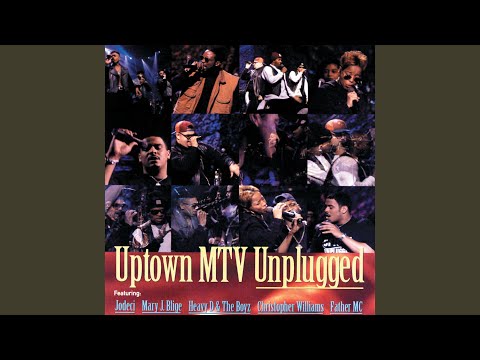
In the next two years, Uptown was the leading urban record label under Andre’s leadership. He brokered the first label-centric MTV Unplugged special and album (which hasn’t been done again since); launched a TV show called New York Undercover, a hip-hop spin on Miami Vice co-produced with procedural veteran Dick Wolf; and mentored a young, ambitious intern-turned-A&R executive named Sean Combs, who was learning a formula he would soon emulate as founder and CEO of Bad Boy Entertainment.

YouTube Video
Click to load video

A “lifestyle entertainment entrepreneur”

In 1995, Harrell left Uptown Records to step in his idol Berry Gordy’s shoes at the helm of a struggling Motown. He stayed in the role for two years, and then joined Bad Boy Entertainment as President, lending his wisdom and expertise to the quickly growing label alongside Combs. In the years that followed, Harrell co-founded Nu America records with singer/songwriter/producer and fellow label founder Kenneth “Babyface” Edmunds, and, proving he still had the instinct for talent, signed a young Robin Thicke. When Combs founded REVOLT, he tapped Harrell as Vice-Chairman, where Harrell remained until his death.

Last year, BET announced a mini-series based on Harrell and Uptown Records’ legacy. The careers Harrell helped launch; including Mary J Blige, celebrity stylist June Ambrose, movie producer Brett Ratner, hip-hop producer Pete Rock, and Sean “Diddy” Combs are just part of Andre’s impact.

In an interview with Upscale, Andre Harrell referred to himself as a “lifestyle entertainment entrepreneur;” he was the first executive to see the value in highlighting all aspects of Blackness for entertainment rather than segmenting based on audience. He saw that edge complemented polish, in both aesthetics and music. He saw a future when hip-hop culture would be mainstream culture.

​Discover more about the world’s greatest R&B artists | uDiscover Music
Categories
R&B

Jodeci Share Series Of Remastered Music Videos To YouTube

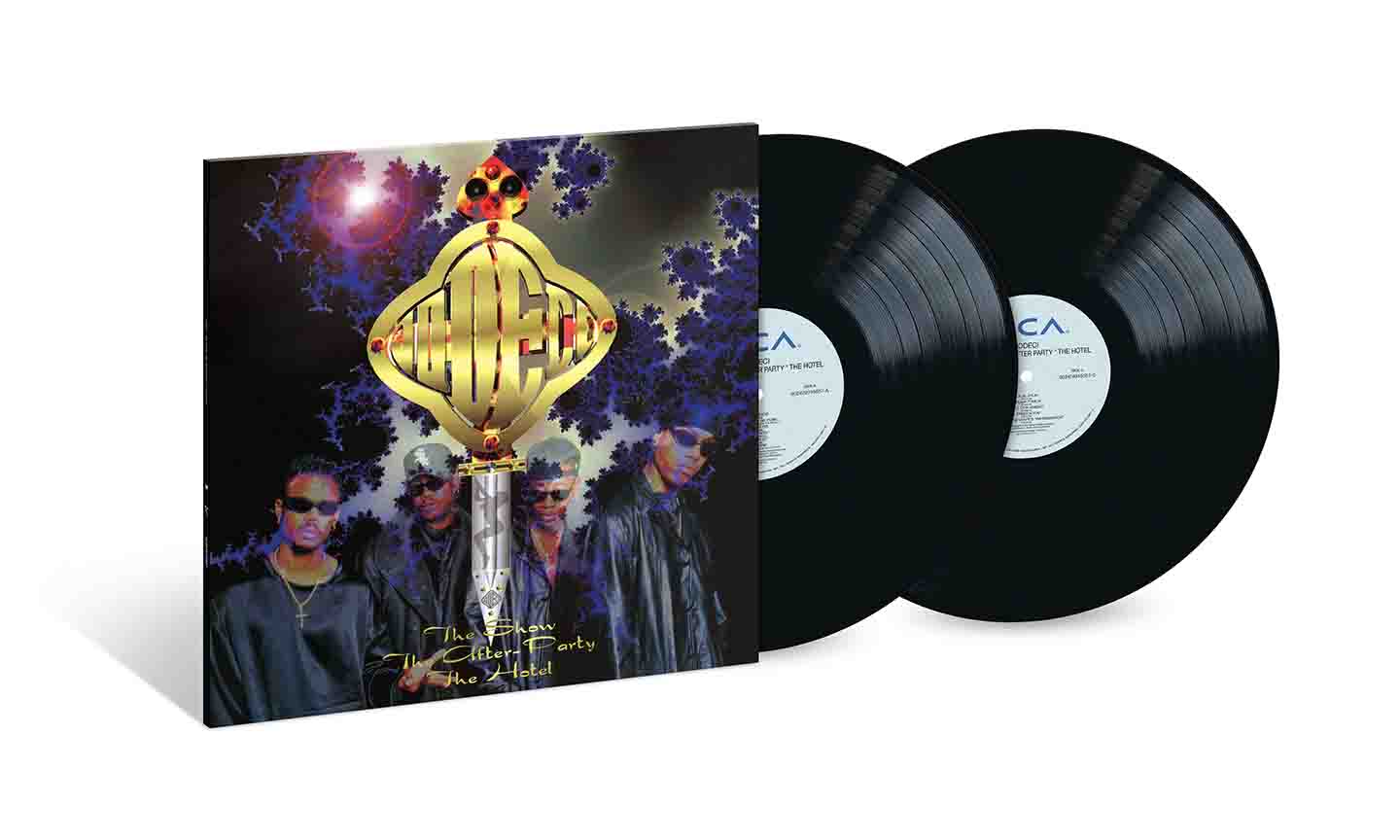
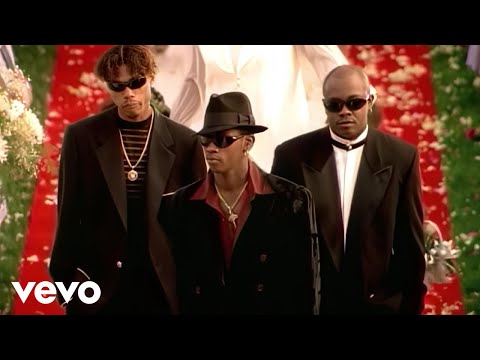
Jodeci are continuing their 30th anniversary celebrations for 1995’s The Show, The Afterparty, The Hotel with a collection of remastered videos, available now on YouTube. The videos include the album hit “Love U 4 Life,” alongside “Come & Talk To Me,” “Feenin’,” “Stay,” and “Let’s Go Through The Motions.”

YouTube Video
Click to load video

The video for “Love U 4 Life,” the beloved wedding anthem, of course features a trip down the aisle. Shots intersperse scenes of a wedding with the group performing in front of the night skyline in matching white suits. The video for “Stay” also features some matching all-white ensembles. It’s more of a straightforward performance video, but it’s full of 90s style and charm.

“Come & Talk To Me” gets two videos: one for the original mix, and one for the hip-hop remix. The original mix resembles the simple feel of “Stay,” but the hip-hop remix features an elaborate poolside setup, beautiful love interests, and comically large 90s landlines. The video for “Feenin’” is the most elaborate of the bunch, opening with a short skit before transitioning into a series of dream sequences experienced by the members as they are trapped lovesick in a mental institution.

Emerging as one of the definitive R&B acts of their era, Jodeci brought a hard edge to the genre, pushing the limits of R&B with the often raw and deeply sexual content of their music and favoring a hip-hop-informed presentation involving baseball caps, sports jerseys, and military boots. The then-unconventional styling fueled Jodeci’s reputation as the “bad boys of R&B”—an antithesis to smooth, clean-cut acts like Boyz II Men.

In celebration of The Show, The Afterparty, The Hotel’s 30th anniversary, the album is being pressed to vinyl again for the first time since its original release. The 2LP black vinyl release is housed in a standard capacity jacket mirroring the original tracklist.

Order Jodeci’s The Show, The Afterparty, The Hotel on vinyl now.

​Discover more about the world’s greatest R&B artists | uDiscover Music
Categories
R&B

All You Need Is Love: 25 Inspiring Peace Songs

Peace Songs for International Peace Day

Pop music always has a way of reminding us what matters most. It’s worth remembering that some of the most hopeful, enduring protest anthems have come from especially tense moments in history. With that in mind, we’ve collected some of the most inspiring peace songs for International Day of Peace.
While the 60s were ripe with songs of peace (and protest) the list spans all eras and genres. These are the songs that have helped stop wars, fueled the fight for racial equality, and inspired the world to keep reaching for higher ground. Some of these songs are tied to specific issues, others are more universal; some are angry, while others are healing. But every one of them has a message that the world could still use.

Read on for the most inspiring peace songs and let us know your favorite tracks in the comments below.

25: Queen Latifah: U.N.I.T.Y

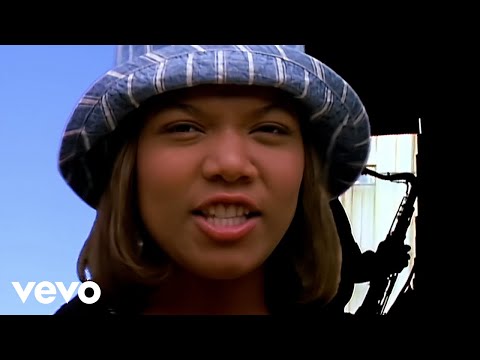
Queen Latifah’s Grammy-winning song (for Best Rap Performance in 1995) is generally about unity, but specifically about the everyday harassment that women have to endure. While it offers support both for women and for the evolved men, it’s by far the best unity anthem to include the line “You put your hands on me again, I’ll put your ass in handcuffs.”

YouTube Video
Click to load video

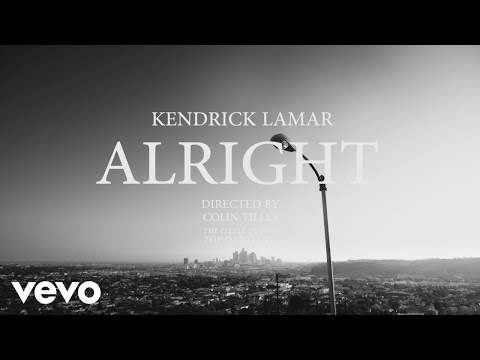
24: Kendrick Lamar: Alright

Kendrick Lamar’s 2015 landmark single is the modern equivalent of the civil rights anthems on this list. Its verses dive deep into social and racial injustice, but the song’s indelible hook (provided by its producer, Pharrell Williams) makes it an inspiring song for anyone fighting the good fight. And indeed, the Black Lives Matter movement has adopted it as an unofficial anthem.

YouTube Video
Click to load video

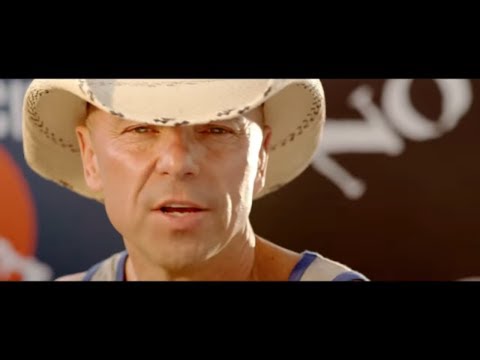
23: Kenny Chesney: Get Along

Modern country music often gets knocked for its conservative leanings, but Kenny Chesney sneaks a progressive message into this 2018 hit without letting down his good-time image. His goal here was to avoid saying anything explicitly political, and instead to encourage a divided country to get past its differences.
YouTube Video
Click to load video

22: Bruce Springsteen: Land of Hope & Dreams

This anthem made its debut on the 2000 reunion tour with the E Street Band, and gained resonance in the years ahead. It’s partly a rewrite of Woody Guthrie’s “This Train,” but with a difference: Bruce Springsteen’s train has room for the gamblers and lost souls, and promises that everyone’s faith will be rewarded. At the end of a good night – which is when it’s usually played – it can bring shivers. As the next three songs bear out, trains are a running theme on this list of peace songs.

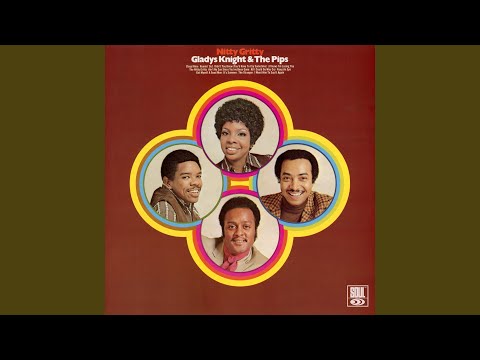
21: Gladys Knight & the Pips: Friendship Train

Motown’s message songs could be as powerful as Edwin Starr’s “War” or as dark as the Temptations’ “Ball of Confusion” – or as uplifting as the Pips’ “Friendship Train,” which topped the charts two months before the 60s ended. Ace Motown writers Barrett Strong and Norman Whitfield wrote the tune, and the Pips’ arrangement is straight out of the church.

YouTube Video
Click to load video

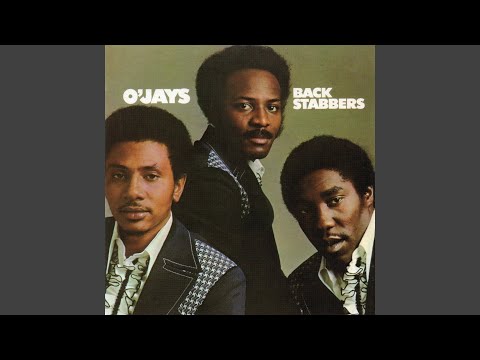
20: The O’Jays: Love Train

Philly soul maestros Gamble and Huff delivered an even smoother and friendlier train to ride. And the O’Jays’ smooth harmonies made this an enduring get-together peace song. The group definitely had its nitty-gritty side; however, this was the follow-up hit to the far less loving “Back Stabbers.”

YouTube Video
Click to load video

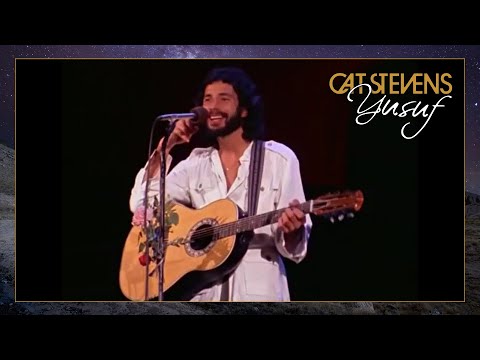
19: Yusuf /Cat Stevens: Peace Train

Completing our train trilogy is this classic by singer-songwriter Yusuf/Cat Stevens, who’s no stranger to penning peace songs across generations. Set against a Greek-inspired riff, the anthem became Stevens’ first U.S. Top 10 hit in 1971, and the healing power of the song has endured.
YouTube Video
Click to load video

18: Patti Smith: People Have the Power

Patti Smith would probably tell you that this empowering song is one of the most important ones she ever wrote. Co-written with her late husband Fred Sonic Smith, “People Have the Power” first led off the couple’s one album together, Dream of Life, and has since been played by a roll-call of socially conscious artists: Springsteen, U2 and Joan Baez have all sung it with her.

17: The Rolling Stones: Gimme Shelter

History tends to remember “Gimme Shelter” as an apocalyptic warning, which it certainly was. But it’s easy to forget that it also offers a choice: After warning you for five minutes that war is just a shot away, Mick Jagger reminds you that “Love, sister, it’s just a kiss away.” See, The Rolling Stones weren’t kings of darkness all the time.

YouTube Video
Click to load video

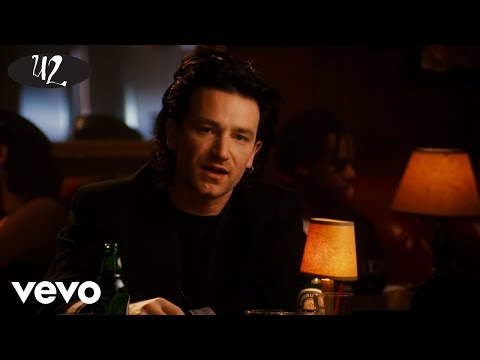
16: U2: One

The Achtung Baby-era is remembered as U2’s conceptual, image-shattering time. But it also produced their most proudly anthemic track. On the surface “One” is a love song, but its pleas for connection and understanding eventually go worldwide (“Brothers and sisters, we got to carry each other”). Their later live performances upped the ante, with a taped intro from Nelson Mandela.

YouTube Video
Click to load video

15: War: Why Can’t We Be Friends?

Sometimes you can grab more people with a jolly singalong than an angry protest song. War certainly managed it in 1975, with one of the most good-natured peace songs you’ll ever hear. Each group member gets a verse, which ranges from profound to downright goofy: “I know you’re workin’ for the CIA/ They wouldn’t have you in the Maf-eye-ay!”

YouTube Video
Click to load video

14: XTC: Melt the Guns

On the other hand, sometimes an angry protest song can really hit the spot. XTC was in peak form when this track was cut for English Settlement, and everything about this track – from Andy Partridge’s righteous lyric to the stripped-down, coiled-up rhythms – seethes with urgency. They were thinking of John Lennon’s murder when they wrote it, but the song has only become more relevant in recent years.

YouTube Video
Click to load video

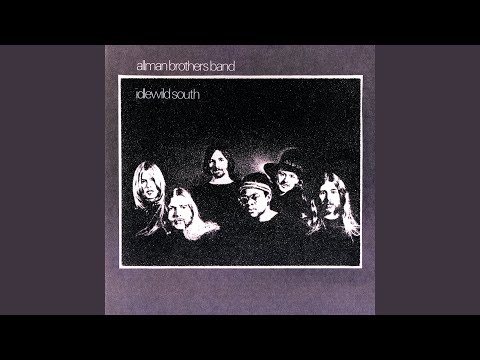
13: The Allman Brothers Band: Revival

Peace and love weren’t usually the Allman Brothers’ style; they were far too tough for that. But this Dickey Betts-written track from Idlewild South finds them leading a joyful “Love is Everywhere” singalong with a few touches of gospel. Though it was a minor hit single, they seldom played it live before the 90s.

YouTube Video
Click to load video

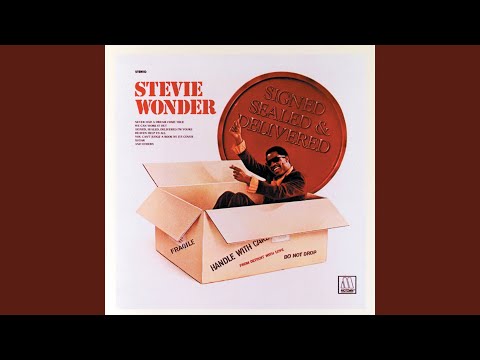
12: Stevie Wonder: Heaven Help Us All

Stevie Wonder wrote more than his share of songs about changing the world. While he didn’t write “Heaven Help Us All” (Motown staff writer Ron Miller did), it became one of his key singles. It’s delivered in a gospel style and sung like a prayer, but some of its statements on racism are forceful as it gets: “Heaven help the black man if he struggles one more day/ Heaven help the white man if he turns his back away.”

YouTube Video
Click to load video

11: Sam Cooke: A Change is Gonna Come

One of pop’s first great civil rights anthems, the inspiring “A Change is Gonna Come” came out of uninspiring circumstances; when Sam Cooke was refused entrance to a whites-only motel. Cooke only sang the song once in public and had doubts it could ever be a hit; but it has since become an oft-covered landmark and one of the most enduring peace songs in history.

YouTube Video
Click to load video

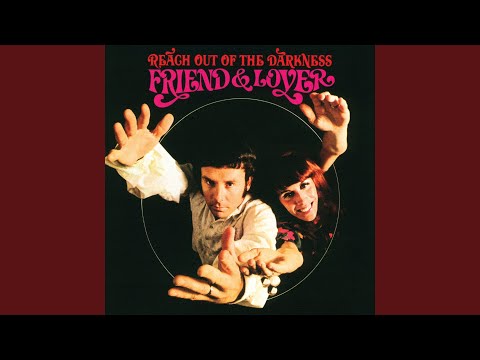
10: Friend & Lover: Reach Out of the Darkness

Sixties sunshine pop at its absolute sun-shiniest, this Top 10 hit is so open-hearted that it’s impossible to resist. Friend & Lover was actually the husband-and-wife team of Jim and Cathy Post, whose marriage and musical partnership ended soon after this splendid single.

YouTube Video
Click to load video

9: The Youngbloods: Get Together

By now, “Get Together” is recognized as the definitive 60s brotherhood anthem; it’s been in a few films (most recently Ken Burns’ Vietnam) and Louis Armstrong even covered it. The lyrics will likely go down in history, but let’s not overlook the silky-smooth vocal performance by Jesse Colin Young, who made this song a hit when others (including Jefferson Airplane and the song’s writer, Dino Valente of Quicksilver) had missed the charts.

YouTube Video
Click to load video

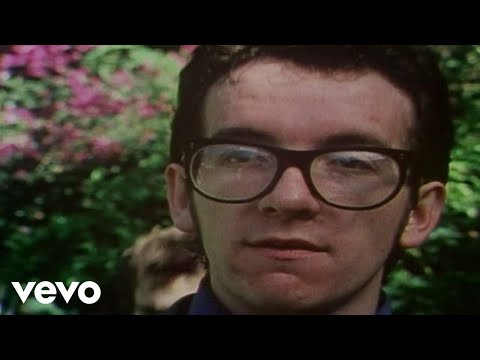
8: Elvis Costello & the Attractions: (What’s So Funny About) Peace, Love & Understanding

Originally written by Nick Lowe and recorded by Brinsley Schwarz, this single started as an easygoing country-rock song, but in Elvis Costello and the Attractions’ hands (with help from producer Lowe) it turned tough and edgy, becoming an anthem for the ages. Neither he nor Lowe is likely to perform a show without it.

YouTube Video
Click to load video

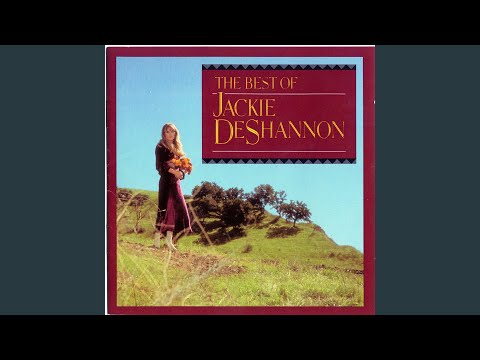
7: Jackie DeShannon: What the World Needs Now Is Love

Nobody could make a peace song more persuasive than Burt Bacharach, whose most idealistic song found its perfect voice in Jackie DeShannon, no slouch of a songwriter herself. She only got the song after Dionne Warwick turned it down, but the California lilt in her delivery is just what it needed. She returned to the well four years later for “Put a Little Love in Your Heart,” her biggest (and last) hit as a singer.

YouTube Video
Click to load video

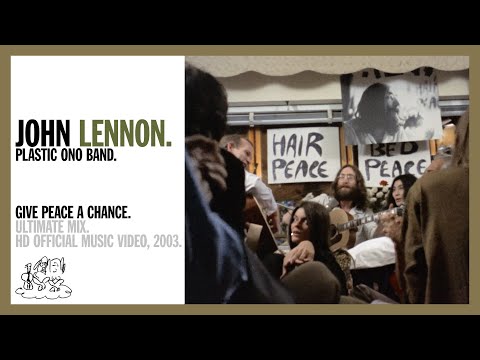
6: Plastic Ono Band: Give Peace a Chance

Rather than rising out of the streets, this 1969 protest anthem was born out of John and Yoko Ono’s “bed-in” peace campaign in a Montreal hotel room. The message of “Give Peace A Chance” was clear, but Lennon was not trying to preach to the public, but rather, he was offering an ambitious alternative to the world.

YouTube Video
Click to load video

5: Marvin Gaye: What’s Going On

An eternal plea for love and understanding, this title track led off the Marvin Gaye album that revolutionized the Motown sound, bringing in jazz and extended suites. Less often noted is that the lead songwriter was one of The Four Tops, Obie Benson, who wrote it in response to an act of police brutality that he witnessed at a peace march.

YouTube Video
Click to load video

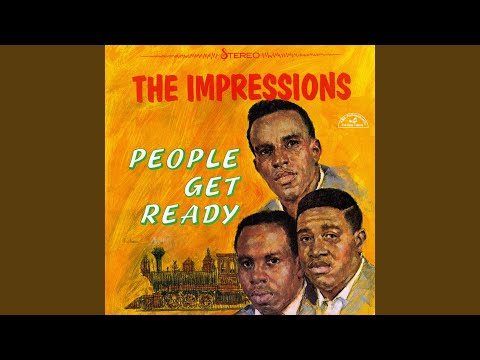
4: The Impressions: People Get Ready

“People Get Ready” has become so familiar that many people assume it’s traditional gospel, but Curtis Mayfield wrote it in 1965. As one of the first hit songs to embrace the Civil Rights movement, The Impressions made an impression: Dr. Martin Luther King Jr. played the song at rallies, and Bob Marley and Bob Dylan were among the greats who covered it later.

YouTube Video
Click to load video

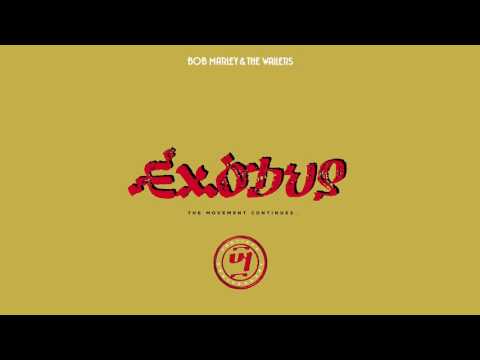
3: Bob Marley & the Wailers: One Love/People Get Ready

Bob Marley improved the already perfect Mayfield song by reworking the words and writing a new chorus around it. Though the chorus of “Let’s get together and feel alright” make it one of reggae’s ultimate feel-good peace songs, the lyrics address a grittier reality. This was originally a 1969s Wailers track, but the 1977 Exodus version is the definitive one.

YouTube Video
Click to load video

2: Louis Armstrong: What a Wonderful World

While the original of “What A Wonderful World” remains Louis Armstrong’s best-loved track, the version you need to hear is his 1970 remake, on the album Louis Armstrong And His Friends. It adds a spoken intro, asking how the world can be wonderful when we have pollution, hunger, and “all them wars.” Then he advises you to “listen to old Pops for a minute,” and says it’s all up to us: “Love, baby, love – that’s the secret.” Not only is it truly endearing, but it also proves that Satchmo was paying attention to the hippies.

1: The Beatles: All You Need is Love

The Fab Four’s 1965 album track “The Word” was one of the first great songs about love as a universal concept, far more than just a relationship. But this classic single was the grandest statement of them all. Originally released in 1967’s Summer of Love, just a month after Sgt. Pepper, “All You Need is Love” gave the world a message that’s never felt more necessary than it does right now.

YouTube Video
Click to load video

Looking for more? Discover We Shall Overcome: The Power Of Protest Songs.

​Discover more about the world’s greatest R&B artists | uDiscover Music