“I fell off a mountain and tried to reinvent myself as a truly individual artist,” Williams Jr. says of his legacy. Continue reading…Country Music News – Taste of Country
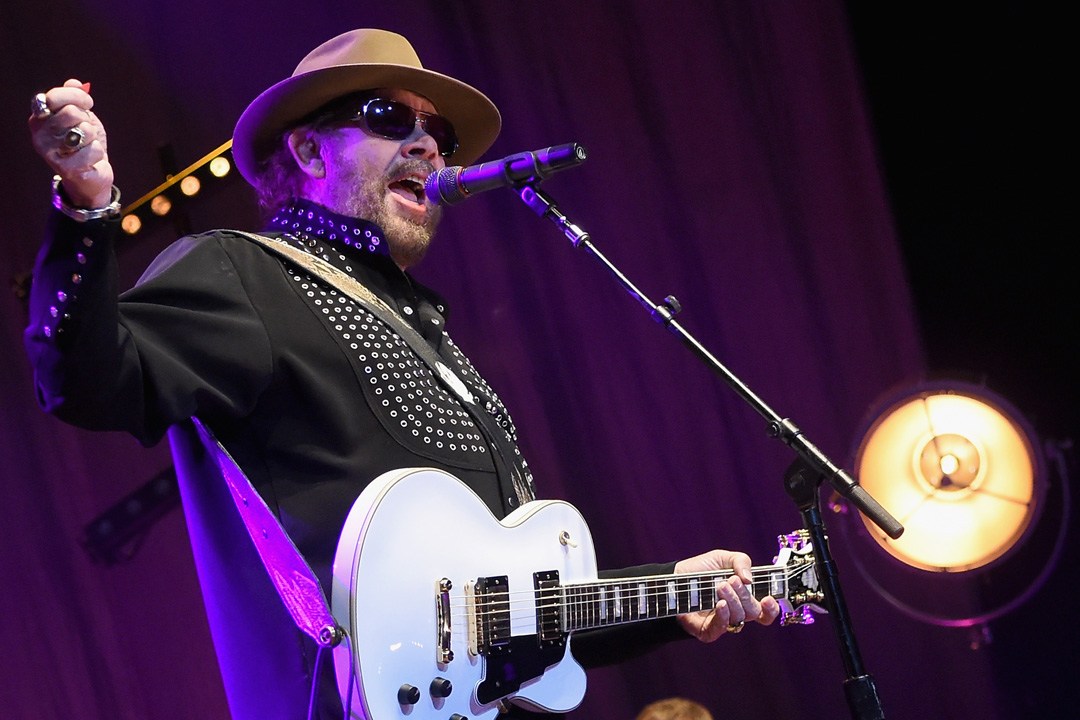








“I fell off a mountain and tried to reinvent myself as a truly individual artist,” Williams Jr. says of his legacy. Continue reading…Country Music News – Taste of Country

Aldi has exciting new grocery items every month, and its June finds are no different. Here are the six items we recommend adding to your card.

Food Republic – Restaurants, Reviews, Recipes, Cooking Tips

Jae Stephens has released her new single and video “Attaboy!” via RAEDIO and Def Jam Recordings. The release begins a new phase for the Dallas-born, Los Angeles-based singer and songwriter, who is also set to perform at Lollapalooza in Chicago this July.
“Attaboy!” was produced by Dallas Caton and centers on Stephens turning a self-described bad boy into a plus one. The accompanying video places Stephens at the center of a stylized performance, with choreography and visual scenes built around the song’s direct, playful premise.

Stephens described the track as a signal for what comes next. “Attaboy! sets the tone for the world my album lives in: maximalist and unapologetic,” she said. “This song and video in particular is about me going after whatever or whoever I want.” The release follows Stephens’ SELLLOUT series, including SELLLOUT, SELLLOUT II, and TOTAL SELLOUT THE DELUXE. The first SELLLOUT EP helped lead to a support slot on FLO’s U.S. “AAA Tour,” followed by Stephens’ own SELLLOUT tour in October 2025, when initial dates in Los Angeles, New York, and London sold out within 24 hours.
Stephens first gained attention online as a teenager through vocal covers before breaking through with her 2017 single “24K” and a COLORS performance. She has collaborated with THEY., VanJess, Khamari, and Xavier Omär, and her catalog has surpassed 50 million streams. In 2025, SPIN named SELLLOUT II one of the year’s best EPs, while Reddit awarded Stephens the Popheads 2025 Best New Artist Award. Stephens is scheduled to perform at WeHo Pride Festival in Los Angeles on June 7, Lollapalooza in Chicago in July, and the European leg of Khalid’s “It’s Always Summer Somewhere” tour this October.
Discover more about the world’s greatest R&B artists | uDiscover Music

Brown spots on an avocado can look like a red flag, but does that mean this popular toast topper should get tossed in the trash? It depends on the details.

Mashed – Fast Food, Celebrity Chefs, Grocery, Reviews

A sign, seen July 11, 2025, directs visitors to the entrance of Alaska Regional Hospital entrance and adjacent medical buildings. (Photo by Yereth Rosen/Alaska Beacon)
The Alaska Legislature approved a package of legislation aimed at improving the state’s coordination and emergency medical services response for strokes and heart attacks, including prompting school districts to offer CPR training for all Alaska students.
Noting Alaska’s unique challenges with geography, transportation and emergency services resources, the bill’s sponsor Rep. Genevieve Mina, D-Anchorage, said the goal of the legislation is to streamline responses to intervene in what’s known as the “golden hour” — the 60 minutes following a traumatic injury or medical event — particularly for strokes and heart attacks.

“The issue is that in Alaska, we do not have a system of care for these time-sensitive emergencies for strokes and heart attacks,” Mina told senators at a May 7 hearing.
Lawmakers approved the package, which combined a pair of bills, in the final days of the legislative session by a total vote of 49 to 10, with Rep. Delena Johnson, R-Palmer, abstaining. The combined bill now goes to Gov. Mike Dunleavy for consideration.
If approved, the bill would designate strokes and heart attacks to be included in the Alaska Department of Health’s Office of Emergency Services trauma system, and require the state to develop a coordinated system of care with first responders, transport agencies, hospitals and clinics. That includes developing standardized protocols and training for all first responders, establishing statewide guidelines based nationally accredited standards and procedures and communicating a patient’s condition to receiving hospitals or clinics.
“There are now best practices and improved technology for addressing severe strokes and heart attacks and designating stroke centers and severe heart attack centers, but no one is coordinating these hospitals, these provider organizations, and communities on improving this care,” Mina said.
In 2022, 744 Alaskans died from trauma, 217 died from strokes and 510 died from cardiovascular disease such as a heart attack, according to data provided by Mina’s office.
“At least 41 states have or are finalizing regional or statewide stroke and heart attack protocols to ensure that patients are transported directly to level one stroke centers,” she said. “This bill will help reduce transfer times throughout our state to meet this golden hour, which will in turn help improve outcomes and cost savings to the state.”
“We can’t change when a patient arrives at a hospital. We can help improve these workflows to diagnose the case and make this decision-making process more efficient,” she added.
The state’s expansion of the trauma system is estimated to cost roughly $250,000, according to a state fiscal note, which includes a new public health specialist position, travel and IT system enhancements.
The Alaska Stroke Coalition, Guardian Flight — which provides air and ground ambulance services — and Providence Hospital in Anchorage penned letters of support for the legislation that said improving coordinated, standardized emergency response systems will be a “win-win” for patients and providers.
“Even the smallest delays in care can have huge consequences for the person experiencing a stroke,” wrote members of the executive team with the Alaska Stroke Coalition. A stroke is defined by a damage to the brain caused by interruption of blood supply, according to the U.S. Centers for Disease Control, and permanent brain damage can occur within four to six minutes.
“Treatment delays of just 15 minutes can mean the difference between leaving the hospital capable of independent living or permanent reliance on others for the activities of daily life,” they wrote.
“A third of the patients who experience stroke are under the age of 65 and most of these patients can never return to work, resulting in both a loss of income potential and a significant reliance on medical resources for support,” they noted. “In a state like Alaska where our demographics skew younger, this has a profound impact.”
The window of response to heart attacks is equally critical.
Another bill added by senators to the legislative package would “encourage” school districts to provide hands-on training in cardiopulmonary resuscitation education, known as CPR, in health education for kindergarten through 12th graders.
Sen. Elvi Gray-Jackson, D-Anchorage, sponsored the bill. “When administered immediately, CPR can more than triple a person’s chance of survival,” she told lawmakers at a March 23 hearing.

“This legislation aims to strengthen health education in our schools by equipping students with the knowledge and the skills that they need to respond effectively in emergencies,” she said, and recalled that CPR has been necessary in the Capitol building more than once.
“And those moments lives were saved simply because someone nearby had the training and the confidence to act,” she said.
Doug Schrage, fire chief for the Municipality of Anchorage, testified in support of the bill and noted the CPR skills students learn can be applied in school settings or at home.
“We know that most cardiac arrests occur in the home and believe a student of any age that has been trained in CPR is likely to be home and can provide lifesaving care. There are many examples where a student has provided CPR in the home,” he said.
Survival rates for heart attack are quite low, Schrage noted, but with hands-on CPR chances improve.
Jason Dolph, a safety officer with the Anchorage Fire Department, testified to lawmakers about his first day on the job as a firefighter, when he entered a home where no one was trained in CPR.
“There was a man laying on the couch, he was gray in color, and around him was about eight family members, and none were performing CPR or attempting any other life-saving measures. And you have to ask yourself, why? Why would a family member not be willing to, or to help, or engage? And it was simply because they didn’t know what to do, no one had ever trained them in CPR. They never had the opportunity,” he said.
Dolph said equipping children with the skills and confidence to be responsive bystanders will help improve outcomes.
“During my career, I’ve responded to more than 10,000 emergency calls and incidents, and in that time I’ve made this observation that when responders arrive and no bystander is performing CPR, we most often have negative results, despite our best efforts, and despite advancements in medicine,” he said.
The bill directs the Alaska Department of Education and Early Development to determine which grade levels are required to receive the training and develop the appropriate curriculum, based on evidence-based, national standards.
If approved by the governor, the legislation would take effect in July 2027.

Fans attending the first night of the 2026 Gulf Coast Jam got an unexpected surprise when Chris Janson made a special appearance during Keith Urban’s headline set in Panama City Beach, Florida.
As Urban took the stage on Thursday night (May 28), the country superstar once again proved why he’s considered one of country music’s most electrifying live performers. Midway through his set, he welcomed Janson to the stage, and the two made their way out arm in arm, sparking loud cheers from the packed crowd.
The longtime friends performed Urban’s hit “Days Go By” together. The performance quickly turned into a full-blown jam session, with the two country acts showcasing their individual talents. Urban took the lead, delivering his signature guitar licks while Janson ripped through an impressive harmonica solo before making his way off stage, allowing the Australian singer/songwriter to finish off his set.
Following the performance, Janson took a moment to reflect on their time on stage at the festival and his longtime friendship with Urban in a heartfelt social media post. He highlighted how supportive the “Straight Line” singer has been of his career since the start.
“My longest standing friendship within the music business, @keithurban He’s always been in my corner, and i can’t tell y’all how much it means to me. He invited me to be an @opry member a few years back. So many great times together through the years,” Janson wrote. “I was honored to join him tonight in Florida. It’s pure magic when we jam together. Love you KU!”
The 2026 Gulf Coast Jam is taking place from May 28 through May 31, 2026 at Frank Brown Park. Keith Urban kicked off night one as the first headliner, and will be followed by Chris Stapleton tonight (5/29), Riley Green on Saturday (5/30) and Post Malone on Sunday (5/31).
Urban’s performances comes just a few weeks before he’s set to drop his 13th studio album, Flow State, on June 12 via MCA Nashville. The yacht rock covers project is set to feature collaborations with Michael McDonald, John Mayer, and Little Big Town, as well as one original track, “We Go Back” featuring Michael McDonald.

Produced by Urban and Dann Huff and recorded at his Nashville studio, the album highlights songs like “Baby Come Back” and “Just the Two of Us” and a rendition of “Summer Breeze,” both available now. Keith Urban is next set to perform at Nashville’s Nissan Stadium on Friday, June 5 as part of CMA Fest.
Meanwhile, Chris Janson has a slew of his own festival appearances on the books. Next week he will be performing at Bottle & Cork at Dewey Beach, DE on June 4, followed by Carolina Country Music Festival in South Carolina on June 6.
The post Chris Janson Shares Heartfelt Message After Joining Keith Urban Onstage At Gulf Coast Jam appeared first on Country Now.
Country Now

Louisiana Republicans passed a new gerrymander on Friday that will eliminate one of the state’s two Democratic, majority-Black House districts ahead of the midterms.
The state Senate sent the bill to GOP Gov. Jeff Landry, who is expected to approve it.
The new map was spurred by the Supreme Court’s decision to narrow the Voting Rights Act, which gave Louisiana the greenlight to redraw its majority-minority districts and kicked off new gerrymanders in other GOP-led southern states, like Tennessee.
Friday’s result is a major win for Landry and for President Donald Trump, further extending Republicans’ gains through mid-decade redistricting this cycle.
Rep. Cleo Fields’ (D-La.) district has been completely erased in the new map, while Rep. Troy Carter’s (D-La.) blue-leaning district has been redrawn to mostly mirror the seat he won in 2022.
Fields’ district snaked across the state from Shreveport to Baton Rouge, while Carter’s seat was largely based around New Orleans.
In order to pass the map for this year’s midterms, Landry used his executive authority to declare a state of emergency and canceled May primary elections for House races, something that has cost millions of dollars and led to widespread confusion. Louisiana’s House primaries will now take place on Nov. 3, with any necessary runoffs stretching to December.
Some GOP members of Louisiana’s congressional delegation were not pleased with the new map. Rep. Clay Higgins (R-La.) recently called it a “Frankenstein looking thing” that “was NO DOUBT drawn up by a very small handful of guys in a secret room.”
His post caught the attention of state House lawmakers when their chamber approved the map on Thursday. Louisiana Legislative Black Caucus Chair Edmond Jordan, a Democrat, joked on the House floor that “hell has frozen over” because he agreed with Higgins.
Louisiana’s one-seat gain comes as other states Georgia like and most recently South Carolina declined to pursue redistricting or put it on hold until the 2028 cycle. The redraw spree first kicked off last summer in Texas and has spread to 10 states, some of which are still held up in court.
There will almost certainly be legal challenges in Louisiana, and potentially from the same plaintiffs in Louisiana v. Callais, who have already argued in court filings that the one remaining Black-majority district is unconstitutional.
Aaron Pellish contributed.
Politics

MasterChef, from the U.K. to Spain to Australia, has faced numerous scandals throughout the years. These are some of the ones that rocked the show.

Food Republic – Restaurants, Reviews, Recipes, Cooking Tips

By: James Brooks, Alaska Beacon

Former Alaska Gov. Bill Walker said Thursday that he is considering whether to formally file as a candidate for governor on Monday, the deadline to enter the 2026 race.
Walker and former Department of Revenue Commissioner Randy Hoffbeck filed letters of intent with the Alaska Public Offices Commission on Thursday, a necessary step before officially registering as candidates with the Alaska Division of Elections.
Both would run as independents if they decide to register, Walker said.
“We’ll meet a few times more over the weekend,” Hoffbeck said. “We both feel very strongly that we need to raise the level of discussion on a (state) fiscal plan and the gasline, but our consideration is: Can we move the needle? Is this the best use of our time and resources?”
The deadline to file as a candidate in this year’s statewide elections is 5 p.m. Monday. If Walker formally becomes a candidate, he would be the 19th in this year’s race.
Walker, elected as an independent in 2014, served four years in office. When he ran for re-election, a scandal involving then-lieutenant Gov. Byron Mallott caused Mallott to resign less than a month before Election Day 2018. Walker suspended his re-election campaign, and Republican Mike Dunleavy went on to be elected, defeating Democratic candidate Mark Begich in the process.
Walker ran for re-election in 2022 against Dunleavy and Democratic candidate Les Gara. Dunleavy won that race but is term-limited and cannot run again. That’s led to a wide field of options for the 2026 election.
“There’s a flavor for everybody, no question about that,” Walker said.
During his term in office, Alaska experienced a sharp drop in oil prices that led to a fiscal crisis. Walker slashed the state’s budget and vetoed a portion of the 2015 Permanent Fund dividend, becoming the first governor in state history to do so.
Since then, successive editions of the state Legislature have set the annual dividend amount themselves, rather than using a formula.
During Walker’s term, he proposed a comprehensive state fiscal plan that would have shifted Alaska away from a reliance on oil revenue, but lawmakers failed to adopt it.
In his final year, legislators approved one aspect, an annual transfer from the Alaska Permanent Fund to the state treasury. That transfer is now the No. 1 source of general-purpose revenue for the state, used for dividends and services alike.
By phone on Thursday, Walker said he was concerned about a state fiscal plan in 2014, and he still is.
“They got some of it passed but not enough of it,” he said, referring to the proposal he made while in office, “and so we need a fiscal plan. I haven’t heard a lot of discussion on the campaign trail from (other candidates) about what they’d do on the fiscal side, and — well, I’m not a very good spectator when there’s work to be done.”
Hoffbeck, who would serve as Walker’s lieutenant governor, was his revenue commissioner from 2014 through 2017, when he resigned to become an interim minister, working at churches whose ministers had recently departed.
“It won’t be an easy job, but you know, we can sit back on the sideline and just complain, or we can get involved and actually try and do something, and I think that’s kind of where Bill and I are at,” Hoffbeck said. “I like being retired, I like what I’m doing right now, but I’m also frustrated with what I’m hearing and seeing, and so, I guess at some point in time you’ve got to stop talking and do something.”
In addition to the surprise possible return of Bill Walker, the last days before the candidate filing deadline have brought a flurry of lieutenant governor candidate announcements.
Democratic candidate Tom Begich announced former U.S. Department of Agriculture official Julia Hnilicka as his running mate on Wednesday, while Republican candidate Adam Crum declared former healthcare CEO Robert Craig as his choice for lieutenant governor on Thursday morning.
Hours after that, Democratic candidate Matt Claman said Sarah Skeel, former chief administrative officer of Providence Alaska Medical Center, would be his lieutenant governor pick. Independent candidate Meda DeWitt has scheduled an announcement event on Saturday.
If a gubernatorial candidate does not have a registered lieutenant governor candidate by 5 p.m. Monday, they are ineligible to run.
Registered candidates have until June 27 to drop out. If a candidate for governor withdraws, the lieutenant governor candidate may take their spot and pick a new lieutenant governor. A lieutenant governor candidate who withdraws may be replaced with another.
Candidates for Governor

NOTN- Juneau’s got a busy few weeks ahead as the city prepares for the arrival of the 2026 Canoe Journey and continues discussions on the Fiscal Year 2027 budget.
The Central Council of the Tlingit and Haida will welcome canoes ashore Tuesday, June 2, during the 2026 Canoe Journey Landing in Juneau ahead of Celebration.
Community members, families and visitors are invited to gather for the event.
One landing is scheduled for 1 p.m. at the Áak’w Kwáan Landing at the Auke Village Recreation Area. Parking at Auke Rec is limited, and shuttle service will run from the University of Alaska Southeast between 11 a.m. and 3 p.m.
A second landing is planned for 2 p.m. at the Huna Totem Corp. lot at Egan Drive and Whittier Street downtown.
Celebration begins June 3-6, held by Sealaska Heritage Institute, the theme this year is “Enduring Strength.”
Several city meetings are also scheduled Wednesday, June 3.
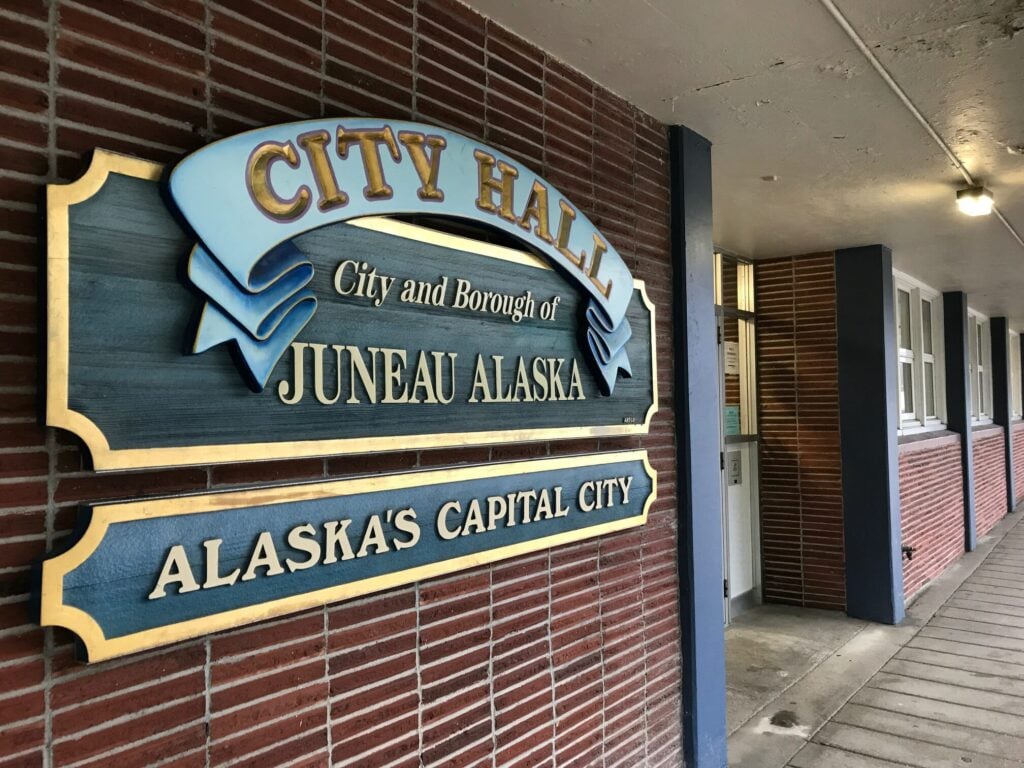
The Juneau Commission on Sustainability will hold a regular meeting at noon via Zoom. The Eaglecrest Board Sales and Communications Committee also meets at noon by Zoom.
Later in the day, The Assembly Finance Committee will meet at 5:30 p.m. in Assembly Chambers, with participation also available through Zoom and YouTube livestream, this is ahead of the June 8 Assembly meeting, which city officials say is the final opportunity for public input on the proposed Fiscal Year 2027 budget before adoption.
On May 20, the Assembly Finance Committee adopted nearly $4.7 million in proposed reductions to the budget. The reductions included cuts to partner agency grants, capital projects, city services and the restricted budget reserve.
The Assembly also introduced four ordinances May 27 that would amend the city’s Sales Tax code and generate additional tax revenue.
Those ordinances will also be discussed during the June 8 meeting.
The Assembly must adopt a final budget by June 15.