It’s time to step outside the ketchup box when it comes to hot dogs and squeeze on a Southern, creamy sauce for amped up flavor.

Food Republic – Restaurants, Reviews, Recipes, Cooking Tips









It’s time to step outside the ketchup box when it comes to hot dogs and squeeze on a Southern, creamy sauce for amped up flavor.
Food Republic – Restaurants, Reviews, Recipes, Cooking Tips
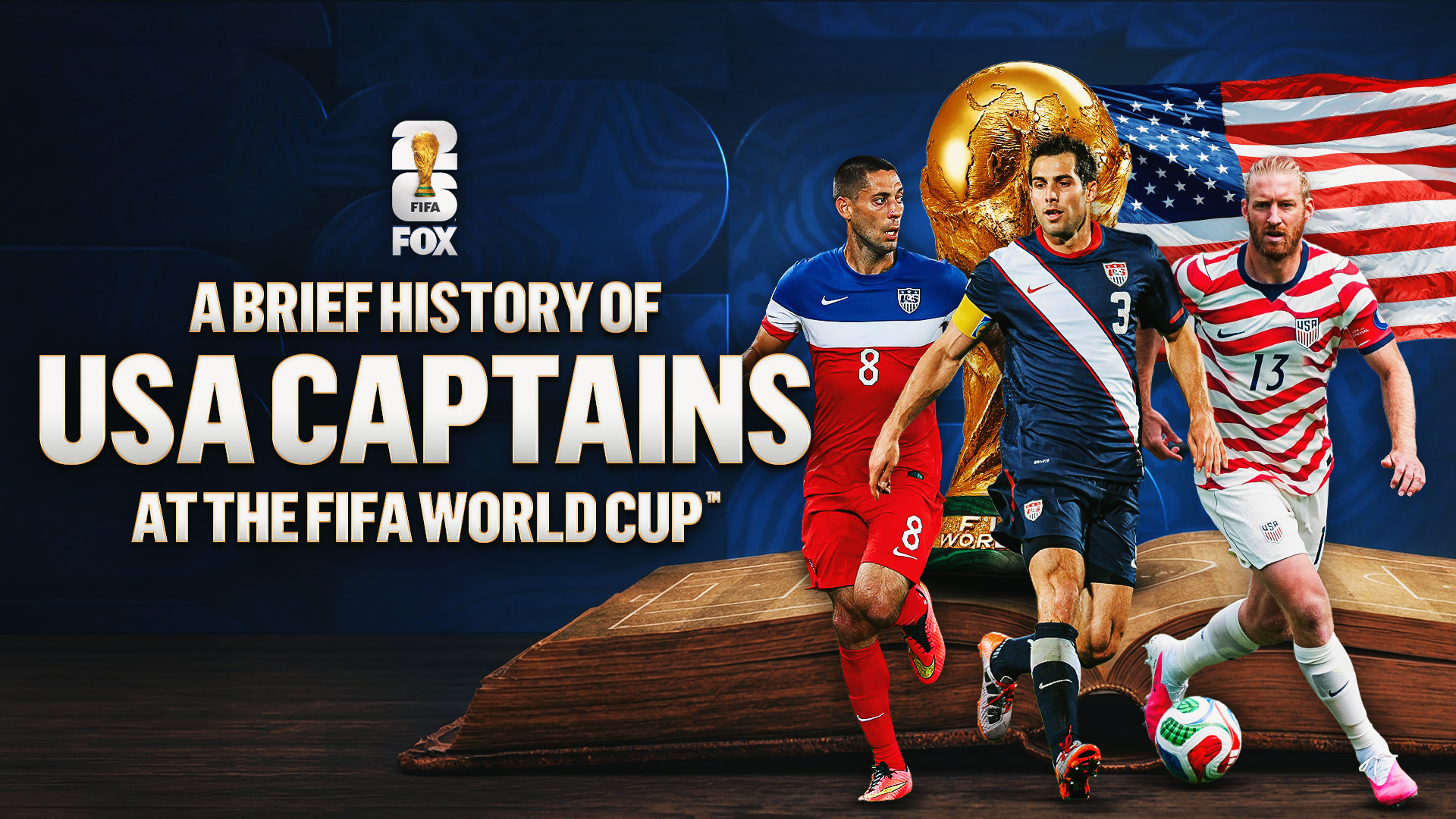
To play for the U.S. men’s national team at the World Cup is a unique honor, but only a handful of players have had the distinction of being called captain. In the modern era, the job entails a lot of responsibilities, such as being the figurehead on the pitch while keeping your teammates composed during high-stakes moments. With the United States co-hosting the 2026 FIFA World Cup, it will be the 12th time the U.S. has participated in the tournament. Aside from the 1950 squad that featured a three-player rotation and Claudio Reyna twice wearing the armband, each appearance by the USA at soccer’s marquee event has had a different player holding the honor. With defender Tim Ream now tabbed as captain for this summer’s 26-man squad, here’s the history of the U.S. World Cup captains, starting with the inaugural edition in 1930. Tom Florie | 1930 World Cup Born in 1897 to Italian immigrants in Harrison, New Jersey, Florie was one of the top American soccer players of the early era. He began his professional career after serving in the U.S. Navy during World War I. In the American Soccer League, he thrived as a forward for Providence FC and the New Bedford Whalers. While he was not named to the Olympic team in 1928, he served as the U.S. national team’s first World Cup captain for the tournament in 1930. In the tournament, he scored in a 3-0 win over Belgium in the group stage and helped the team advanced to the semifinals, which is still its best finish in the history of the tournament. Florie’s final appearance with the U.S. team came in a 7-1 loss to Italy at the 1934 World Cup. George Moorhouse | 1934 World Cup Born in Liverpool in 1901, Moorhouse moved to the United States after serving for Great Britain during World War I. Upon arriving, he played for several clubs in the New York area. He initially featured as the left back for the U.S. team at the 1930 World Cup. The U.S. team did not play any games until the 1934 World Cup in Italy. For that tournament, Moorehouse was named captain. The U.S. team defeated Mexico 4-2 in its lone qualification match. The format of that tournament was single-elimination and in the first round, the U.S. team drew hosts Italy and lost 7-1. Harry Keough, Ed McIlvenny, Walter Bahr | 1950 World Cup The U.S. team rotated captains for its three games at the 1950 World Cup. Two of them, Harry Keough and Walter Bahr, became well-known figures and ambassadors for the sport. Keough was the captain for the U.S. team’s 3-1 opening loss to Spain because he could speak Spanish. He worked for the U.S. Postal Service as a player but then went on to become an influential coach at St. Louis University, leading it to five national titles. Bahr was the captain for the team’s 5-2 loss to Chile in the group stage finale. Bahr would go on to coach Penn State’s soccer team from 1974-1988 and was named the College Coach of the Year in 1979. Of course, the middle group stage game was a 1-0 win over England which still serves as one of the biggest upsets in World Cup history. The Scottish-born McIlvenny was given the honor of captaining the team that day because he was born in Great Britain. His playing career began England at the lower levels where he featured for the now-famous Wrexham before moving to the United States in 1949. The 1950 World Cup would be the only time he played for the United States. Following the tournament, he would move back to England to continue with his career, first with Manchester United, before retiring in 1958. Mike Windischmann | 1990 World Cup Born in Germany but raised in New York City, center back Mike Windischmann played in the youth leagues of the Big Apple before playing college soccer for Adelphi University on Long Island. Upon graduating, Windischmann elected to play for the Brooklyn Italians, one of the most storied semipro clubs in American soccer history. He used his success with Brooklyn to earn a spot on the 1988 Olympic team where he scored in a 1-1 draw with Argentina. Following the success of the Olympics, Windischmann joined the MISL’s Los Angeles Lazers (an indoor club) and later the Albany Capitals of the outdoor American Soccer League. During his only season with the Capitals, Windischmann was selected to be part of the 1990 World Cup team which was competing in the tournament for the first time in 40 years. He started all three games as the U.S. team exited without a point. Following the 1990 season, Windischmann retired from professional soccer while opting to play two more years with the U.S. national futsal team. He helped to a second-place finish at the 1992 FIFA Futsal World Championships. Tony Meola | 1994 World Cup Captaining the U.S. national team in 1994 was a big job as it entailed being the face of a team that was hosting the tournament and was the first time many Americans were watching the team, or even the sport. Meola handled the job extremely well as the pony-tailed goalkeeper made several big saves in the tournament and displayed charisma that made many in the country embrace the team. In fact, he even earned a preseason invite as a placekicker for the NFL’s New York Jets. Meola began playing for the U.S. national team while he was still in college at the University of Virginia and earned the starting job at the 1990 World Cup. He played in the lower levels of the domestic professional game, both outdoor and indoor, that existed at the time. When MLS began play in 1996, Meola became one of the most important players in the league’s early seasons with the Metrostars and Kansas City Wizards. He made the 2002 World Cup team as a third-string backup. He retired from playing in 2008. Thomas Dooley | 1998 World Cup The run-up to the 1998 World Cup was a mess for the U.S. team as head coach Steve Sampson dismissed captain John Harkes from the team for “leadership issues,” but it was later revealed Sampson cut Harkes because he became aware of an affair between Harkes and the wife of teammate Eric Wynalda. To help settle the team, Sampson turned to 37-year-old veteran Thomas Dooley. The German-born Dooley began playing for the U.S. team in the years preceding the 1994 World Cup when U.S. Soccer was scouting for a more professional contingent of players. Dooley was discovered to have U.S. eligibility through his American father who served in Germany while in the Army. Despite being an outsider to the country, Dooley won over the team when he joined with his professionalism and dedication. To this day, he remains the only American player to have ever won the German Bundesliga, which he did in 1990/91 with Kaiserslautern. Unfortunately for Dooley, the 1998 World Cup remains a low point in the history of the U.S. national team as the team lost all three group stage games, including a 2-1 loss to Iran that eliminated the team from the knockouts. Dooley was given a send-off game with the national team in 1999 to finish with 81 appearances. Following his playing days, he turned to coaching and most of his years have been in Asia. In April, he was named manager of the national team of Bangladesh. Claudio Reyna | 2002, 2006 World Cups As one of the most decorated American players of all-time, Claudio Reyna remains the only player to captain the U.S. national team in two World Cups. Early in his career, he became the first American to captain a club in a top European league with Wolfsburg in Germany’s Bundesliga. He became a legend for Scottish powerhouse Rangers when he scored the game-winning goal over Parma to clinch qualification for the 1999–2000 Champions League. But Reyna’s time with the United States was groundbreaking. He was a member of four World Cup teams, although an injury prevented him from playing in 1994. He helped the U.S. team advance to the semifinals of the 1995 Copa América in Uruguay. He captained the 1996 Olympic team and scored against Argentina. In 2002, he captained the U.S. team to its best World Cup finish in the modern era with a run to the quarterfinals. That year he became the first U.S. player to be named to the World Cup all-tournament team. Injuries negatively impacted the final years of his career and a knee injury in a 2-1 loss to Ghana at the 2006 World Cup was his final moment for the team. After the U.S. loss, which eliminated the team after the group stages, he announced his international retirement. Carlos Bocanegra | 2010 World Cup The years following the 2006 World Cup disappointment were successful. When Bob Bradley was hired as coach in 2007, he immediately settled on Carlos Bocanegra to be the team’s captain, and he ended up leading the team to several important accomplishments. In 2007, he wore the armband for the team’s Gold Cup triumph. At the 2009 Confederations Cup, Bocanegra led the team to victories over Egypt and top-ranked Spain before falling to Brazil in the final. The following year at the 2010 World Cup, the U.S. team won its group for the first time since 1930. At the club level, Bocanegra’s long career also was marked by impressive times of leadership. He wore the armband for Fulham in the Premier League, Saint-Étienne in Ligue 1, Rangers in the Scottish Premiership, and he ended his career as captain for Chivas USA in its final MLS season before folding in 2014. A native of California, Bocanegra finished his international career with 110 caps. Clint Dempsey | 2014 World Cup As one of the most popular and successful American players of all time, Clint Dempsey was Jurgen Klinsmann’s choice to captain the 2014 World Cup team in Brazil after he had been serving in that role since 2013. The lead up to that tournament was dominated by the story of Klinsmann’s controversial decision to cut the team’s all-time leading scorer Landon Donovan. But Dempsey immediately delivered an important goal just seconds into the first game as the U.S. team came away with a crucial 2-1 win over long-time nemesis Ghana, who eliminated the U.S. team from the two previous World Cups. Dempsey played in three World Cups and scored goals in each tournament. He finished his career tied with Donovan as the all-time U.S. national team leading scorer with 57 goals. He wore the armband a total of 20 times. At the club level, Dempsey enjoyed tremendous success with Fulham. His best season came in 2011-12 when he scored 23 goals for Fulham in all competitions, including 17 in the Premier League. In 2010, he scored a memorable goal against Juventus in a Europa League knockout victory that is sometimes considered the most important goal in Fulham’s history. Tyler Adams | 2022 World Cup After failing to qualify for the 2018 World Cup, the U.S. team went with a youthful approach throughout the cycle leading to the 2022 World Cup. Head coach Gregg Berhalter settled on Adams, just 23 years old, as the captain shortly before the World Cup began. After the Americans advanced to the Round of 16 before losing to the Netherlands, Adams was named U.S. Soccer’s Male Player of the Year for 2022. In a club career that saw him begin as a homegrown player for the New York Red Bulls, and then progress to Europe with RB Leipzig, Leeds United, and now AFC Bournemouth (which he helped to a sixth place finish this season and a spot in the Europa League next year), Adams is part of the generation that reset the program following the embarrassing failure to qualify for the 2018 World Cup. Adams is still a key part of the U.S. national team program under Mauricio Pochettino, but he was not selected to captain the 2026 World Cup team as the position was given to Tim Ream. Tim Ream | 2026 World Cup When Tim Ream made his United States national team debut in 2010, few expected it would be the start of a remarkable international career that has continued for over 15 years — and has the center back now serving as the USA’s captain at the 2026 FIFA World Cup. At 38 years old, he will be the oldest player to ever serve as the USA captain at a men’s World Cup. Now with MLS club Charlotte FC, the St. Louis native had a solid career in the English Premier League, most notably with Fulham. He joined an elite group of American players who have worn the armband in a Premier League game (others including Brian McBride, Carlos Bocanegra, Claudio Reyna, Clint Dempsey and Tim Howard).Latest Sports News from FOX Sports
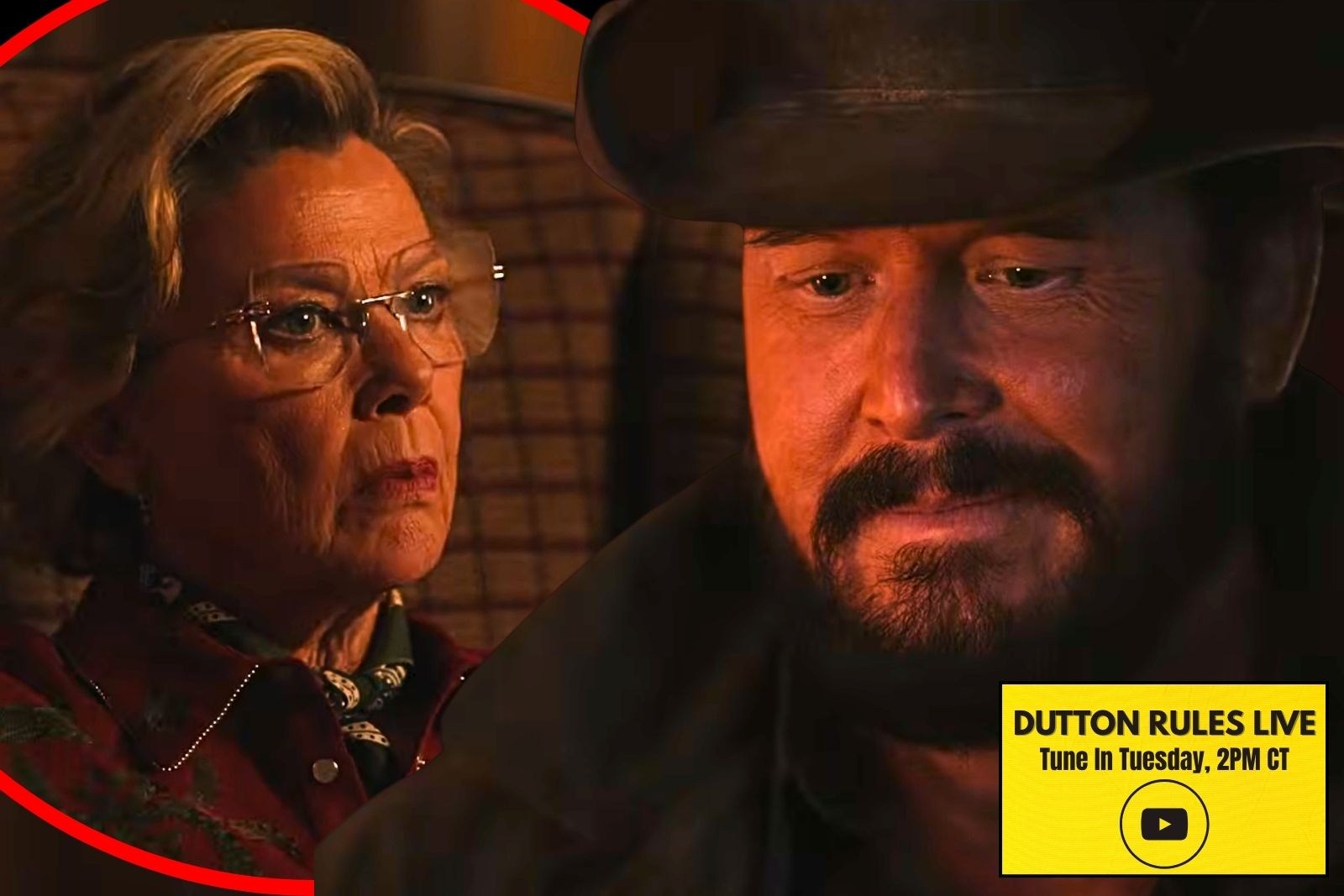
That didn’t take long. Rip and Beth’s plan after last week’s tragedy begins during Ep. 5 of Dutton Ranch. Continue reading…Country Music News – Taste of Country
That didn’t take long. Rip and Beth’s plan after last week’s tragedy begins during Ep. 5 of Dutton Ranch. Continue reading…The Boot – Country Music News, Music Videos and Songs
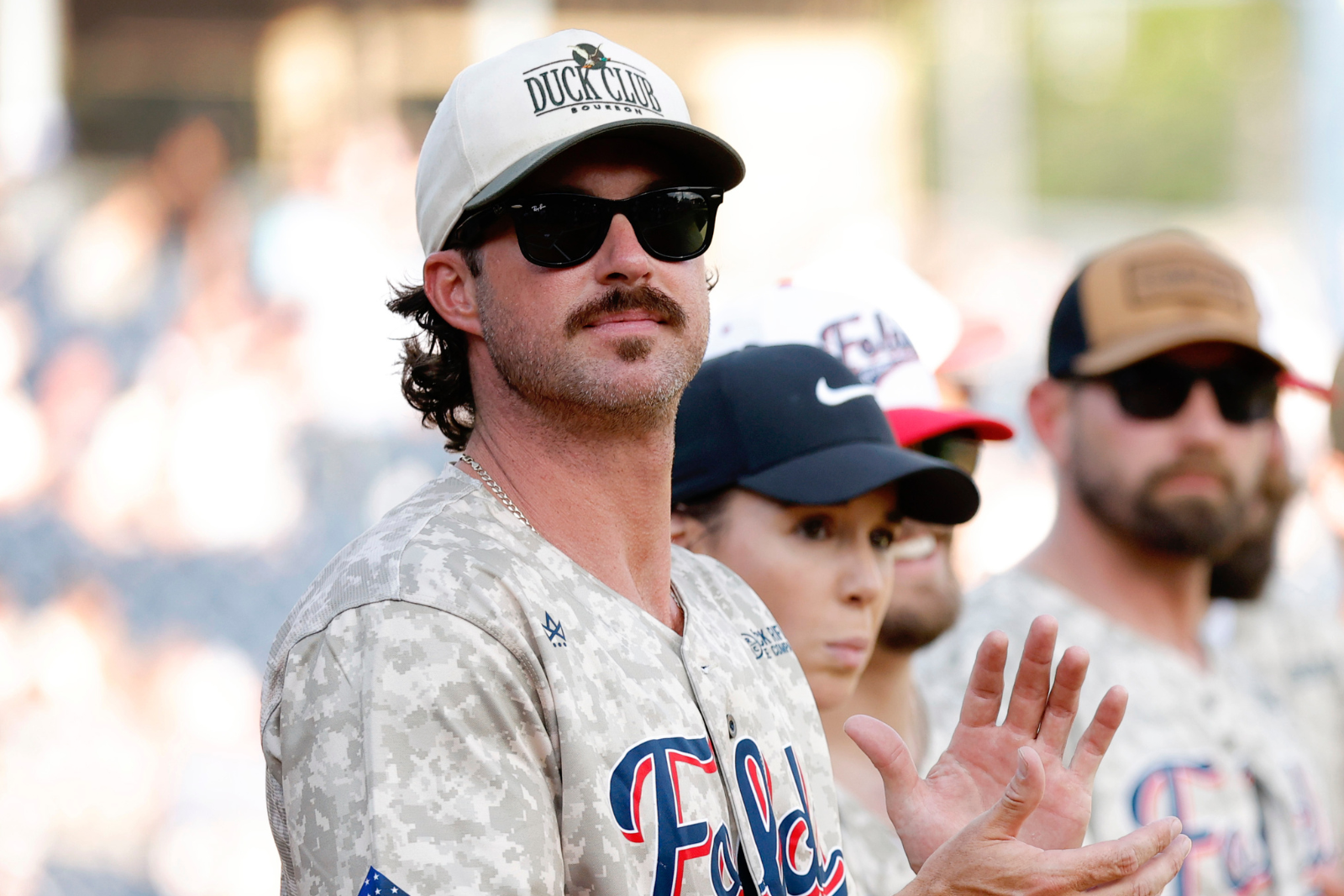
Riley Green expects to settle down one day. Continue reading…Country Music News – Taste of Country
Riley Green expects to settle down one day. Continue reading…The Boot – Country Music News, Music Videos and Songs
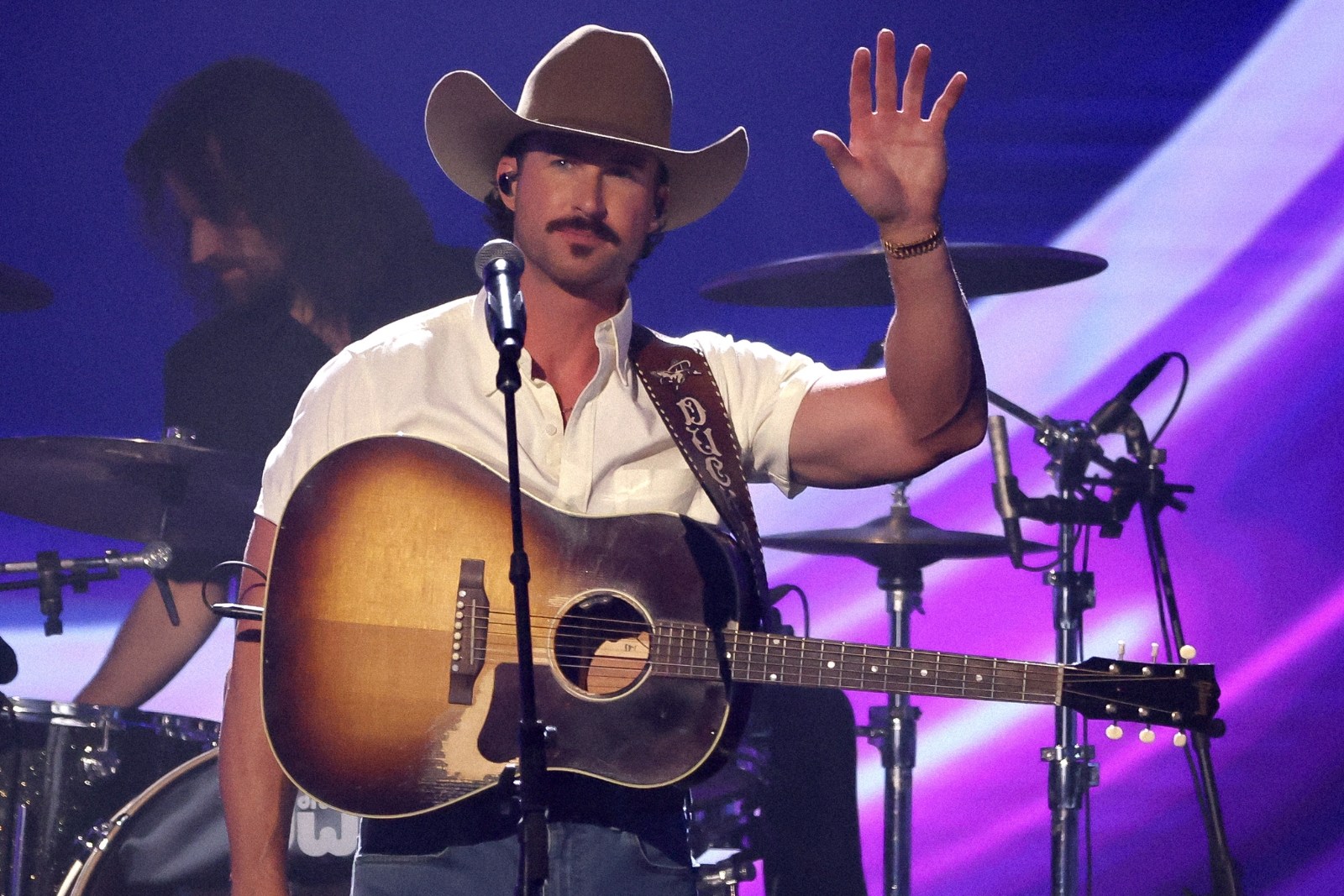
Riley Green is on the brink of something special as he steps into the coaching role on ‘The Voice.’ What challenges and surprises await him? Let’s find out! Continue reading…Country Music News – Taste of Country
Riley Green is on the brink of something special as he steps into the coaching role on ‘The Voice.’ What challenges and surprises await him? Let’s find out! Continue reading…The Boot – Country Music News, Music Videos and Songs
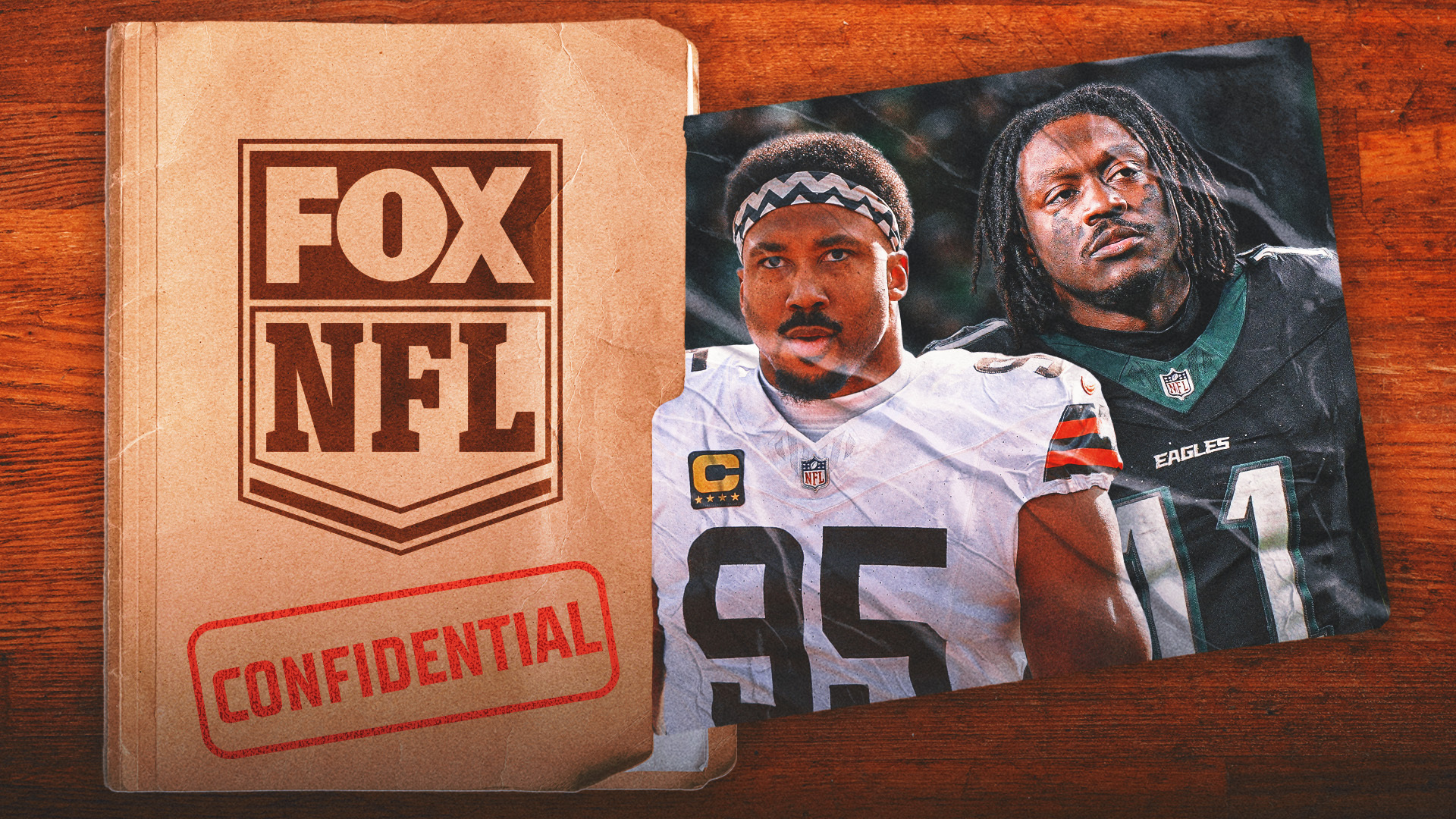
Most of us were expecting one major NFL trade on Monday. However, we wound up with two deals that will drastically shake up the 2026 season, and one of the trades ranks among the biggest in NFL history. The Los Angeles Rams made a stunning deal to acquire two-time Defensive Player of the Year Myles Garrett from the Cleveland Browns, giving up Pro Bowl edge Jared Verse and three picks (including a 2027 first-rounder) in the process. Hours later, the New England Patriots finally landed three-time All-Pro receiver A.J. Brown after months of rumors, trading a 2028 first-round pick and a 2027 fifth-round pick to the Philadelphia Eagles. Now, the debate is on regarding who won those franchise-altering moves. Did the Rams give up too much for Garrett? Were the Patriots smart to give up a first-round pick for Brown? We asked several execs and scouts around the league those questions following Monday’s trades. From praising the Rams to questioning the Browns, here’s what they told us: Eric D. Williams: The Rams moved on from a talented and productive young player in Jared Verse, along with giving up significant draft capital to acquire the best defensive player in the NFL, pass rusher Myles Garrett from the Cleveland Browns. But in return, according to sources I spoke with, the Rams improved their chances of winning a Super Bowl this season — and beyond. “It’s probably a win-win, with more risk for the Rams,” a league source told me about the deal. “It’s hard to argue with it for the Browns, given how much they got. As great as Garrett is, he’s going into his 10th season. “But if the Rams win a Super Bowl with him and he helps, then it’s awesome for them no matter what else happens. That’s how you really judge it for them. They would love to win it this year, but if they win it any time [Garrett] is on the team and he is a key factor, it’s a good trade. It does not need to be the 2026 season. It would be unlikely it is later than 2028, but not impossible.” Garrett, 30, is the first reigning Defensive Player of the Year to be traded in NFL history. And the move comes a year after he set the NFL’s single-season sack record, logging 23 sacks in 2025. So, it’s no surprise that a longtime scout who evaluated Garrett at Texas A&M in 2017 believes the star edge rusher brings a different dimension to Los Angeles’ defense. “A really good team just got a lot better,” the scout told me. “I remember evaluating him coming out, and I thought he was generational. It used to be that generational players stayed with one team during their career, but that’s not the case now. “I think he’ll be a good fit with the Rams and give them something they do not have. He’s got a lot of gas left in the tank. … Sometimes a good player like that will up his game even further in a new environment.” Parting with a two-time Pro Bowler in Verse isn’t easy, as the 2024 first-round pick ranked sixth in total pressures last season, per Pro Football Focus. But giving up the 25-year-old standout — plus a 2027 first-round pick, a 2028 second-round pick and a 2029 third-round pick — was worth it for Garrett, according to a front office executive I spoke with. “Trading for the best defensive player in the league does not come cheap,” the executive said to me. “It’s the cost of doing business.” As for the Browns, the front office executive said receiving Verse and the draft assets will help continue the team’s rebuilding process under new head coach Todd Monken. “He’s a big, fast and productive pass rusher who can also play the run,” the executive said about Verse. “At 25 years old, he’s durable and on a rookie contract. Sounds good to me.” Ralph Vacchiano: Garrett wanted out of Cleveland a year ago, but the Browns had other plans. They wanted to make him the face of their franchise as they started rebuilding from scratch, giving him a record extension at the time. Then, on Monday, they decided to start all over again. “That’s the Browns,” one NFL executive told me. “They had a plan. They gave it a whole year. Now they’re starting over. It’s what they do.” That’s certainly the way it seemed when they traded Garrett just a year after giving him a four-year, $160 million contract with a full no-trade clause, which is rare. The Browns resisted all efforts to deal him even after he requested a trade last offseason. And they did get a historic season out of him. Of course, he did it on a 5-12 team. “I don’t know what they got out of keeping him,” the executive told me. “They knew they didn’t have a quarterback. They knew they probably wouldn’t be good until late in his deal. He’s a great player, don’t get me wrong, but they needed the assets more. “I don’t know if they could’ve gotten a better deal last year or even the same deal, but they would’ve been a year further along [in their rebuilding]. You can’t run a franchise by starting over every year.” Williams: In one of the worst-kept secrets this offseason, the Eagles finally traded mercurial receiver A.J. Brown. In a transaction rumored for months to take place on June 1 due to salary cap ramifications for the Eagles, the Patriots gave up a first-round pick in 2028 and a fifth-round selection in 2027 for Brown’s services. One source I spoke with thought it a head-scratcher that the Eagles secured a first-round pick even though it was a foregone conclusion that Philadelphia was trading Brown to New England. Brown played for Patriots head coach Mike Vrabel when both of them were in Tennessee. “I’m somewhat surprised that the Eagles were able to get a first-round pick as part of the deal, albeit a first in two years,” the league source told me. “It was clear that Philadelphia wanted to move on, and yet they were still able to convince New England to give up a one.” However, the league source acknowledged that the Rams coming close to making a trade for Brown (which potentially would have included wide receiver Davante Adams) could have driven up the price for New England. Now that Brown, known for his prickly personality, is a Patriot, how he fits with third-year quarterback Drake Maye and is used by offensive coordinator Josh McDaniels will be the next thing to watch for in New England. “I think he’ll be fine in the locker room,” the league source told me. “He couldn’t be any more challenging than Stefon Diggs in that locker room.” Vacchiano: A first-round pick in any draft is a high price to pay for a wide receiver approaching age 30 who hasn’t lived up to his potential over the past two seasons. But the Patriots expect that A.J. Brown will improve just by getting him out of Philadelphia. “He’s the classic change-of-scenery guy,” an NFL assistant general manager told me. “He clearly wasn’t happy in Philly. He’s going to be better just by putting on different colors.” That’s what the Patriots are counting on after trading a 2028 first-round pick and a 2027 fifth-rounder for the soon-to-be 29-year-old. His numbers were down the past two seasons, but he still averaged 73 catches, 1,041 yards and seven touchdowns despite missing seven games. After recording 1,003 receiving yards in 2025, Brown has logged at least 1,000 yards in six of his first seasons in the league. The injuries that bothered him weren’t nearly the problem that his attitude and demeanor had become, at least to those who watched him from the outside. And in New England, that is expected to change. “A.J. Brown looked miserable over the last two years and the Eagles’ passing game was always off,” a scout told me. “But look at the numbers he still put up. And he did that splitting attention with DeVonta Smith. That shows you how talented this guy is. “Yes, you’ve got to make him the focus of your offense. Yes, you have to work to keep him happy. But the Patriots will gladly do all that. He’s the best receiver they’ve had in years.”Latest Sports News from FOX Sports
By: Corinne Smith, Alaska Beacon
Officials with the University of Alaska have tapped the commander of the U.S. Army 11th Airborne Division’s Arctic Aviation Command as the new permanent chancellor of the University of Alaska Fairbanks.

Col. Russell “Russ” Vander Lugt was selected from four finalists after an eight-month search process. He will be the top executive of Alaska’s leading research institution, which describes itself as “America’s Arctic university.” He will replace interim chancellor, and former U.S. Ambassador to the Arctic, Mike Sfraga, who succeeded former chancellor Dan White who announced his retirement in May of last year.
Vander Lugt is a senior U.S. Army officer, an Arctic scholar and UAF alumni, with over two decades of executive leadership experience, according to a university announcement on May 27. He has served as commander of the 11th Airborne Division’s Arctic Aviation Command at Fort Wainwright in Fairbanks since Aug. 2024.
“I’m humbled to be selected to lead the University of Alaska Fairbanks during this pivotal time,” Vander Lugt said in a statement with the announcement.
“I look forward to leading through trust, transparency, and teamwork as we see Alaska and the Arctic transformed through education, research, and public service. I’m committed to building on the strong foundation Chancellors Sfraga and White have established, and working closely with university leadership and governance to support and advance UAF’s mission,” he said.
Vander Lugt will step into the permanent chancellor role on Sept. 8. Sfraga’s last day was Friday, and university officials have selected Larry Hinzman, director of the UA Arctic Leadership Initiative, to serve as interim chancellor through the summer.
Vander Lugt has had a long career with the U.S. Army in various roles in Alaska, where he is stationed in Fairbanks, and across the U.S. His resume lists deployments to Europe and the Middle East.
He served in executive leadership roles that include the Alaskan Command, a division of the U.S. Northern Command, the 601st Aviation Support Battalion, and the 1st Stryker Brigade Combat team. He also taught history and military leadership as an assistant professor at the U.S. Military Academy at West Point and was a professor of military science and department chair at Embry-Riddle Aeronautical University in Prescott, Arizona.
He holds a master’s degree and doctoral degree in Arctic and Northern Studies at the University of Alaska Fairbanks, which he completed in 2022.
Vander Lugt’s hire is the latest in major leadership changes in the University of Alaska system — former UA president Pat Pitney retired last month and former university attorney Matt Cooper was named as her successor. Cooper will begin as university president in early August, and Michelle Rizk, vice president of university relations and chief strategy, planning and budget officer, is serving as interim president. Cheryl Siemers was appointed permanent chancellor of the University of Alaska Anchorage in March, after serving as interim chancellor since the retirement of former chancellor Sean Parnell last year.
Vander Lugt’s base salary will be $309,000, according to the university’s announcement.
The University of Alaska Fairbanks serves roughly 7,500 students. It employs more than 800 faculty and nearly 2,000 staff across urban and rural campuses in Fairbanks, Kotzebue, Nome, Bethel and Dillingham.