The FGL reunion had a private beginning. Brittney Kelley reveals how one hike led to an Idaho trip that helped Brian Kelley and Tyler Hubbard heal years of hurt. Continue reading…Country Music News – Taste of Country
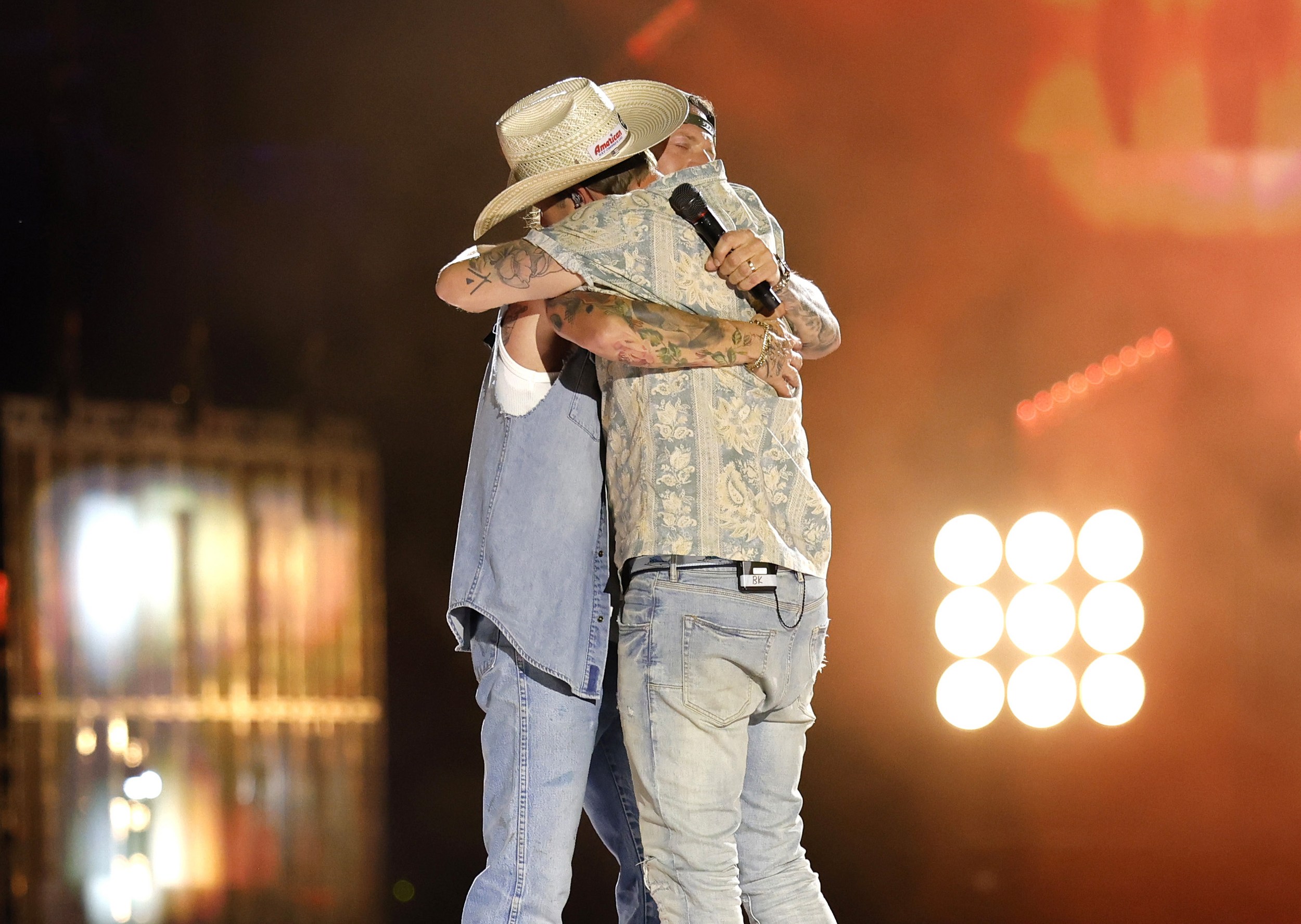








The FGL reunion had a private beginning. Brittney Kelley reveals how one hike led to an Idaho trip that helped Brian Kelley and Tyler Hubbard heal years of hurt. Continue reading…Country Music News – Taste of Country
Fellow Automattician Job Thomas, down in Cape Town, South Africa, has a lovely story about using Claude and the Beeper MCP to wrangle all the group chats for his daughter’s sports.
WordPress Planet

Tucker was asked point-blank about his rumored relationship with the “Choosin’ Texas” singer during a fan Q&A. His response? Two words. Continue reading…The Boot – Country Music News, Music Videos and Songs
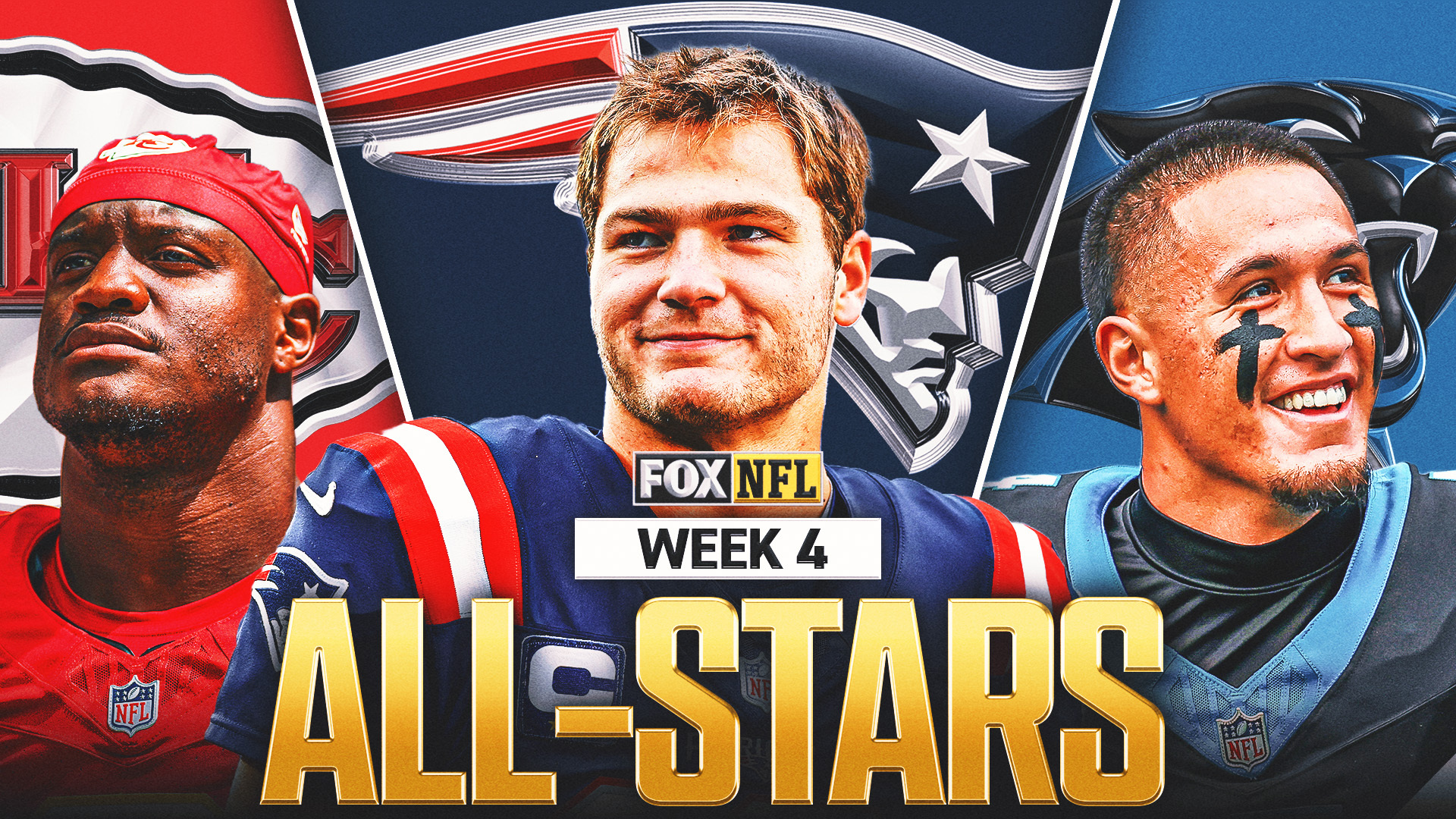
We’re only a quarter of the way through the 2026 NFL season, but there’s already one player who is starting to shine among his peers. As we unveil our All-Star Team for Week 4, a star running back has made his way onto our weekly list for the third time this season. Can you take a guess at who it is? We’ll give you a hint: He was a prized offseason acquisition. And as we have a potential mainstay on our weekly All-Star Team, we welcomed back a star quarterback who made the list on a pair of occasions last season. We also had a lot of huge performances at wide receiver this weekend, making it one of the tougher calls we’ve had to make so far this season. Here are my Week 4 All-Stars. Drake Maye had one touchdown against six interceptions in the first three weeks, but bounced back nicely in the New England Patriots’ crucial win over the Buffalo Bills. He threw for 269 yards and three touchdowns, including the game-winner with less than two minutes left. Don’t discount his eight carries for 54 yards either. Three of the Patriots’ next four are against the Las Vegas Raiders, Jets and Dolphins, so New England has a chance to get themselves back into the thick of things. Maye was an easy pick for the quarterback spot this week. The top four in passing yards all lost and had two touchdown passes or fewer. Some weeks, a performance like Maye’s is barely top five, but it’s the winner in Week 4. Much tougher call here! Kenneth Walker was an easy pick for the lead running back spot, continuing his dominant start with 177 yards and two touchdowns as the Kansas City Chiefs held off the Las Vegas Raiders. He had two big runs in the fourth quarter, going for a 76-yard gain to help give the Chiefs the lead before rushing for a 22-yard touchdown that served as the game-deciding score. This marks the third time that Walker has made our weekly list. Indianapolis Colts star Jonathan Taylor (95 rushing yards, two touchdowns) and Dallas Cowboys standout Javonte Williams (62 rushing yards, three touchdowns) had good weeks, but this came down to Chicago Bears running back Kyle Monangai (146 rushing yards, two touchdowns) and Los Angeles Rams running back Williams for the second spot. Williams rushed for 80 yards and two scores and caught another 10 passes for 67 yards, helping the Rams pick up a much-needed victory against the Eagles. A day like Monangai’s is what allows a team to win with three different QBs in four weeks, but we’ll give the nod to Williams, whose two late touchdowns capped the Rams’ comeback win against the Eagles to get them to 2-2 after a rough start. There were some monster games at wide receiver on Sunday. CeeDee Lamb was a no-brainer after 17 catches for 189 yards and a touchdown in the Cowboys’ win over the Houston Texans. There have only been three performances in NFL history with more catches and more yards, doing so on “just” 21 targets. Lamb is on pace for 2,115 receiving yards and 17 touchdown catches this season. And just as we’re sweating who the second pick is here (Romeo Doubs’ two touchdowns for the Patriots? Tyquan Thornton’s for 111 yards and two touchdowns in the Chiefs’ win over the Raiders?), Tetairoa McMillan blew them all out of the water with his performance on Sunday night. McMillan logged the second-most receiving yards in Carolina Panthers history, getting 192 on 14 catches and two scores in a win over the Detroit Lions. We heard a lot from Raiders fans unhappy that Brock Bowers didn’t get this nod last week, and we’re snubbing him again. His 86 yards and a touchdown against the Chiefs were compelling, but T.J. Hockenson slid at the 1-yard line, giving up a touchdown to help the Minnesota Vikings finish out a close win over the Miami Dolphins. Hockenson still had 13 catches for 119 yards, matching the second-most catches by a tight end in the last five years. This wasn’t the record-setting scoring week for tight ends that Week 3 was, but Hockenson was the best of the bunch. Some like the Denver Broncos’ front as the best offensive line in the league, but the 49ers’ line outplayed them as San Francisco improved to 4-0. The 49ers allowed zero sacks against the Broncos, giving them four straight games of zero sacks allowed to start the season. They did in 30 dropbacks for Brock Purdy, and a run game that got 140 yards on 35 carries. The starting five (l-r) of Trent Williams, Connor Colby, Jake Brendel, Dominick Puni and Colton McKivitz has a future Hall of Famer, yes, but Colby is a 2025 seventh-rounder and Brendel is making $4 million a year, so it’s a blue-collar line getting it done. Puni, a 2024 third-rounder, is going to get paid well very soon, and McKivitz just got his extension last year. All the talk for the Rams has been Aaron Donald and the absence of Myles Garrett, but Young stepped up big with 2.5 sacks in their comeback win over the Eagles. Two of his sacks came in the final minutes to thwart a final Eagles rally. Turner returned to form with two sacks in the Vikings’ defense-driven win over the Dolphins. His 5.5 sacks are a half shy of Buffalo’s Greg Rousseau for the NFL lead. Minnesota has leaned heavily on its defense in its 4-0 start, and Turner is leading that charge. I thought strongly about Seattle’s Ernest Jones, who had 12 tackles, a sack and an interception in the Seattle Seahawks’ win over the Los Angeles Chargers. However, Reese was all over the Giants’ win, with an interception, a deflection on another interception, nine tackles and three passes defended. He’s a linebacker with edge-rusher explosiveness and with Brian Burns sidelined, Reese becomes an even more important part of New York’s defensive front, already establishing himself as a physical tackler in his first month in the league. There were some crazy tackle totals this week as well, with Dolphins rookie Jacob Rodriguez getting 18 tackles in a loss. It was tempting to give it to safety Minkah Fitzpatrick for ending the New York Jets’ interception drought that went back to 2024, but they lost. It was also not nearly as significant as Deonte Banks’ 98-yard interception return on the game’s final play as the Arizona Cardinals threatened to score the game-winning touchdown in the New York Giants’ win. Banks is a former first-rounder who hadn’t had an interception since his rookie year in 2023, but his play is a big reason why the Giants are 3-1 and alone atop the NFC East standings. Dave Toub is a special-teams legend, and he got as much as possible out of punter Matt Araiza in a close win over the Raiders. Araiza converted a fourth-and-9 fake punt with a 12-yard run, but he also averaged a net 46.8 yards on the day, with all five of his punts inside the 20. The chef’s kiss was a clutch punt, up three and with 1:26 left, and he came through with a 52-yarder that was downed at the 1-yard line. It took the Raiders eight snaps in a hurry-up to get out past their 20, where they’d have started with a touchback.Latest Sports News from FOX Sports
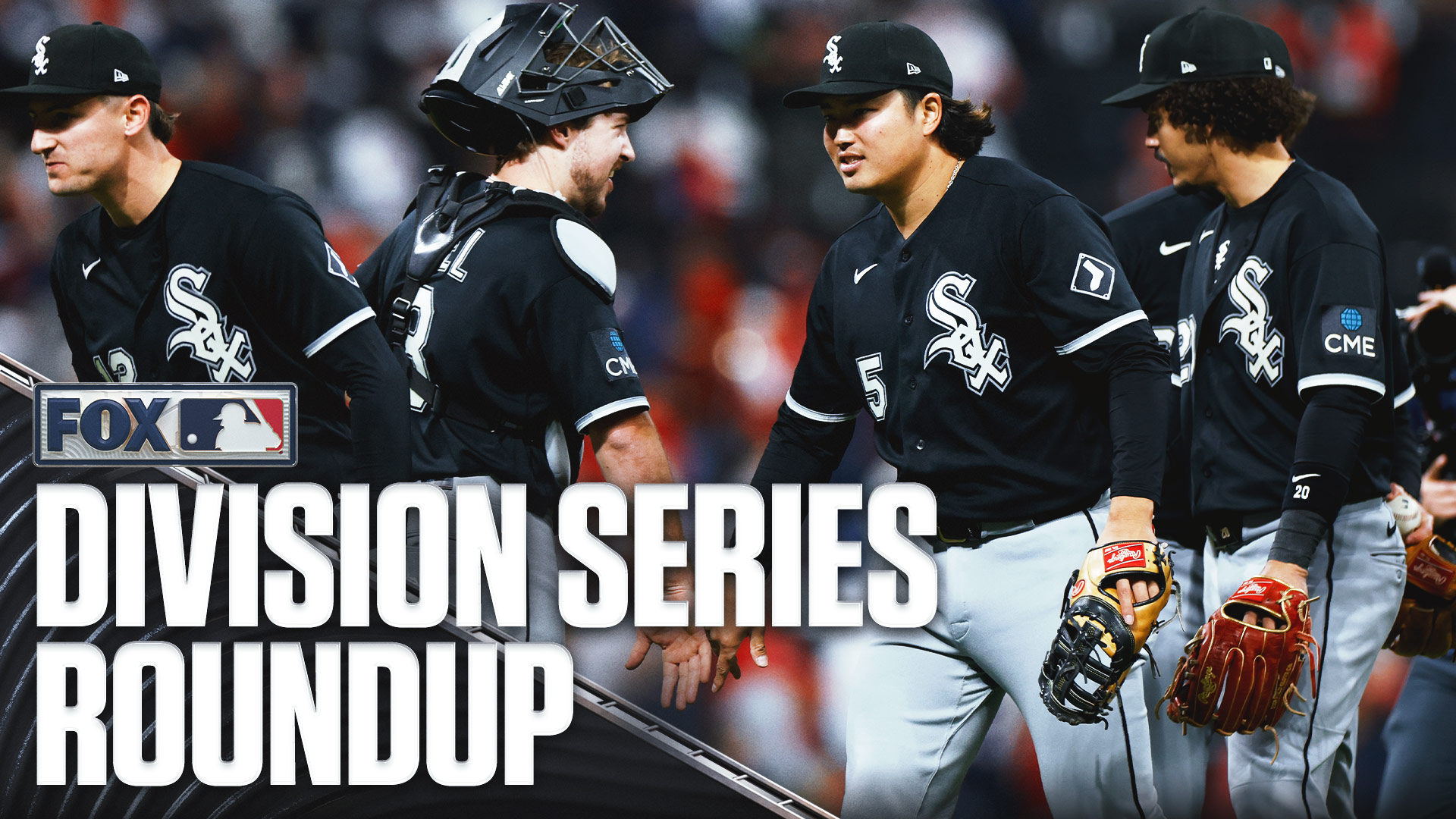
The White Sox and Rays are one win from the ALCS. Chicago and Tampa Bay each took a 2-0 lead in the division series Monday, and both can clinch on Wednesday. The White Sox are 4-0 this postseason, and one more win would send them to the ALCS for the first time since their 2005 championship season. The Rays took a 2-0 lead against a Yankees team that beat itself. New York committed five errors, three of them in the first inning. The Yankees, who scored 18 runs in a Wild Card sweep of the Red Sox, have scored just two in two games against the Rays, both on solo homers by Ben Rice. Here is what stood out from Day 3 of the MLB Division Series: Biggest Moment The White Sox trailed for the first time all postseason, and rookie Braden Montgomery and second baseman Chase Meidroth flipped the game in one inning. Chicago had led for 24 of its first 27 postseason innings before Cleveland scored twice in the first off Anthony Kay and Sean Newcomb. But Guardians starter Gavin Williams, who struck out 11 over five-plus innings, couldn’t hold the lead in the sixth. Miguel Vargas led off with a single, Munetaka Murakami moved him up with a grounder, and pinch hitter Randal Grichuk walked. A wild pitch moved both runners up a base, and Cleveland reliever Erik Sabrowski was one out from escaping before Montgomery hit an opposite-field double to give the Sox a 3-2 lead. Meidroth followed with an RBI single off Hunter Gaddis, and the White Sox held on for a 4-3 win. Chicago is now 4-0 this postseason and has a 2-0 lead in the best-of-five ALDS. A win in Game 3 on Wednesday, or in Game 4 on Thursday, would send the White Sox to the ALCS for the first time since their 2005 championship run. Best Hitter Junior Caminero made the Yankees pay for how they handled him in Game 1. The Rays third baseman, who hit 42 homers this season and is likely to finish near the top of the AL MVP voting, was pitched around in the series opener. On Monday, he hit a double into the gap off Cam Schlittler in the fifth inning, after Jonathan Aranda’s leadoff single, and then scored the third run of the game on a misplayed ball by Yankees shortstop George Lombard Jr. Caminero also grounded to short in the first inning, a play that produced the game’s first run when Jazz Chisholm Jr. committed an error trying to turn two. The Yankees have scored just two runs in two games, and they committed five errors in Game 2 to prevent them from tying the series heading back to the Bronx. Best Pitcher Freddy Peralta was exactly what the Rays hoped for when they acquired him from the Mets at the trade deadline. In his first start with Tampa Bay since the regular season, he retired the first nine Yankees he faced, and he left with a 1-1 tie after 4⅔ innings. He allowed three hits, a walk and a run, a solo homer by Ben Rice, and struck out three. Peralta has a 0.79 ERA since Aug. 26, the lowest in baseball over that stretch, a turnaround for a pitcher who struggled with the Mets earlier in the year. The Rays’ bullpen did the rest, giving up just one more run on Rice’s second homer of the night, as Bryan Baker closed it out in the ninth. What’s Next The division series continues with the NLDS Game 3s on Tuesday and the ALDS Game 3s on Wednesday. Here’s how it will play out:Latest Sports News from FOX Sports
There are three teams still unbeaten in the NFL, followed by eight one-loss clubs. But which one is really the best through four weeks of the season? I’ve heard your complaints. I’ve read your comments. And four weeks into the season, I’m ready to admit: You were right. Not about everything. Or even most things. But my loyal readers were right about enough that this week’s Power Rankings contain a bit of a course correction. Not only is there another new No. 1 (what else is new?), but I have rethought my previous positions on teams such as the Seattle Seahawks, the Jacksonville Jaguars, the Carolina Panthers and even the Las Vegas Raiders and the Cleveland Browns. I tragically underrated them all. That said, I still think I’m right about the Green Bay Packers and the Minnesota Vikings. The Packers are bad. And the Vikings still have a lot of work to do to convince me they’re for real. So here are my revised and renewed Power Rankings as we head into Week 5. *Super Bowl odds courtesy of DraftKings Super Bowl odds: +50000Next game: vs. Texans (Sunday, 1 p.m. ET) QB Cam Ward was a little cranky when he was forced to wait a few minutes to start his postgame press conference Sunday, and who could blame him? I mean, he hasn’t been good and the team around him is terrible, and who would want to talk about that? The Titans have a potential star in rookie WR Carnell Tate, yet they still can’t do anything right on offense. Stat To Know: The Titans have started 0-4 in consecutive seasons for the second time in franchise history. The other was from 1983-84. Super Bowl odds: +100000Next game: vs. Bengals (1:00 p.m. ET) Yes, they’re movin’ on up! But don’t get comfy up this high. They still stink. And they’re probably still the worst team in football. But they deserve a reward for pushing an undefeated (though likely overrated) Vikings team to the limit. They only lost by five points (though it would’ve been 12 if Minnesota TE T.J. Hockenson hadn’t slid at the 1 to let the clock run down with two minutes remaining). RB Ollie Gordon did a nice job replacing the injured DeVon Achane (100 yards on 9 carries, albeit 53 on one). But QB Malik Willis is still as bad as many of us thought he’d be. Stat To Know: Miami has the NFL’s worst point differential (-55) while scoring a league-low 46 points (11.5 PPG). Super Bowl odds: +15000Next game: @ Cowboys (Thursday, 8:15 p.m. ET) I didn’t expect a lot out of QB Jalon Daniels, an undrafted rookie out of Kansas, so in that sense he didn’t disappoint. Even when Baker Mayfield was healthy, this Bucs team has been a train wreck on offense. And don’t be fooled by their lofty spot in the defensive rankings either, because most of the teams they’ve faced (Cleveland, Minnesota, Green Bay) aren’t capable of lighting up the scoreboard. Tampa Bay is getting nothing from RB Bucky Irving, and even less from WRs Emeka Egbuka and Chris Godwin. Todd Bowles’ seat is on fire. Stat To Know: The Buccaneers are 0-4 for the first time since 2013. Super Bowl odds: +30000Next game: vs. Browns (Sunday, 1 p.m. ET) They slipped another spot because, my goodness, they were awful on Sunday. The Bears are a Super Bowl contender, but the Jets were outgained 492-157 by a team starting its backup QB. I know the Jets were missing RB Breece Hall, but QB Geno Smith was just 8 of 15 for 119 yards. This was a big step back for a team that has been surprisingly competitive this season. It looked like the “same old Jets.” Stat To Know: Sunday was the Jets first defensive interception in 637 days. The Jets last regular-season interception prior to today came on January 5, 2025 (Week 18 of the 2024 season vs. the Dolphins), as they went the entire 2025 regular season without recording an interception. Super Bowl odds: +10000Next game: vs. Broncos (4:05 p.m. ET) Justin Herbert started the game against the Seahawks 4 for 11 for 34 yards and an interception, which is why the Chargers found themselves in a 27-6 hole. He rebounded after that, a little, but it wasn’t nearly enough. There isn’t a lot to like about this Chargers team, but they can run the ball a little bit and their defense has been good the past three weeks. But at this point, even Jim Harbaugh has to know that any wins will come despite his quarterback, not because of him. Stat To Know: The Chargers have now lost seven straight games dating back to Week 16 of 2025. Super Bowl odds: +30000Next game: vs. Lions (Sunday, 4:25 p.m. ET) There are so many things to like about this team, but none of them are at the QB position. Jacoby Brissett literally threw a win away on Sunday when the Giants defense picked him off three times — including just outside the end zone on the last play of the game. The Cardinals have no other options, but they have too many good weapons — WR Michael Wilson, TE Trey McBride, WR Marvin Harrison Jr., RB Jeremiyah Love — to trust them to such a bad quarterback. Should they get a legitimate one from the 2027 draft, this will be a team on the rise. Stat To Know: The Cardinals have forced seven turnovers through their first four games of the season, the fifth most in the NFL. Super Bowl odds: +4500Next game: @ Titans (Sunday, 1 p.m. ET) The DeMeco Ryans-C.J. Stroud era in Houston has been wildly successful. So what’s gone wrong in 2026? The defense, mostly. It has just three takeaways this season — a stark drop from when the Texans had 29 last year (third in the NFL). Considering they get good pressure (14 sacks, including 4.5 from DE Will Anderson), that’s a ridiculously low number. Stat To Know: The last time the Texans started a season 0-4 was in 2020. Super Bowl odds: +6500Next game: vs. Bears (Sunday, 1 p.m. ET) Is it time to start talking about head coach Matt LaFleur’s job security yet? The Packers barely hung on to beat a decimated Bucs team that is playing worse football than almost any team in the league, and that came two weeks after they needed overtime and an Aaron Glenn brain freeze to squeak by the Jets. Green Bay should be a lot better than this, even with Micah Parsons’ return still a few weeks away. Stat To Know: With their win today, the Packers have started 2-2 or better through four games for the 20th consecutive season, the longest streak in NFL history. Super Bowl odds: +9000Next game: vs. Giants (Sunday, 1 p.m ET) Jayden Daniels’ return can’t come soon enough after the Commanders were stuck relying on third-string QB Athan Kaliakmanis for most of Sunday morning in London. The Greek Rifle had a moment or two, but not enough to convince anyone he can help the Commanders win. If Daniels does return Sunday against the Giants, there might be time to salvage this season. If not, it’s time to start preparing for the draft, and maybe a coaching search, too. Stat To Know: The Commanders have allowed 122 points through four weeks, tied for the second most in the entire NFL. Super Bowl odds: +9000Next game: vs. Vikings (Sunday, 1 p.m. ET) They had a real shot to win each of their first three games before getting blown out by the Falcons on Monday night, and there are two big reasons why they’re in a bit of trouble. One is the injury to RB Travis Etienne, because it’s pretty clear Alvin Kamara can’t lead their rushing attack anymore. The other is that their rushing defense is terrible. The Falcons ripped through them for more than 200 yards and they’ve given up almost 600 rushing yards in four games. It’s a pretty good bet the Vikings, Giants and Steelers are going to try to take advantage of both those things over the next three weeks before the Saints’ bye. Stat To Know: The Saints have five lost fumbles this season, the most in the NFL through four weeks. Super Bowl odds: +10000Next game: vs. Colts (Sunday, 1 p.m. ET) Aaron Rodgers’ last ride is certainly turning into a wild one. His deep throws wobble more than their place in these rankings and his mobility is completely shot. But as he showed in the second half of Week 4 against the Browns, he can still be stellar. The problem is, the Steelers need him to be consistent, because neither the Jaylen Warren-led running game nor the T.J. Watt-led defense are very good. Stat To Know: Thursday night was the first time the Steelers allowed 2+ rush TD since Week 1 of 2025. Super Bowl odds: +8000Next game: vs. Ravens (Sunday, 8:20 p.m ET) In their two games with Michael Penix Jr. at QB, the Falcons look like an entirely different team. They suddenly have a potent, explosive offense, which they should have with a talent like Bijan Robinson at RB and an elite WR like Drake London. They’ve basically doubled their offensive output from the first two weeks when Cooper Rush was filling in at QB. Their schedule is about to get rough with the Ravens, Bears and 49ers up next, but at least all three games are in Atlanta. Most importantly, Penix has brought Kevin Stefanski’s team to life and given them a fighting chance. Stat To Know: The Falcons have scored 80 points over the last two weeks, which ranks first in the NFL in that span. Atlanta also rushed for five touchdowns on Monday night against New Orleans, tying their franchise record for most rushing TDs in a game. Super Bowl odds: +15000Next game: @ Commanders (Sunday, 1 p.m. ET) I know. No respect! They’re 3-1, and this will make Giants fans angrier at me than all of Las Vegas was last week. But I’m just not going to overreact to them winning back-to-back games against the Titans and the Cardinals, two of the worst teams in the NFL. And they barely hung on to beat both of them. I am somewhat impressed with the resiliency of their Brian Burns-less defense, but I am already nauseous from a couple of trips on Jameis Winston’s wild ride. Stat To Know: The Giants are alone atop the NFC East for the first time since 2015. Super Bowl odds: +18000Next game: @ Jets (Sunday, 1 p.m. ET) They’ve got a brash rookie coach in Todd Monken intent on showing the NFL it made a mistake by waiting until he was 60 to give him a shot. They are loaded with talented young players, especially on offense where TE Harold Fannin, WR Denzel Boston and RB Quinshon Judkins will soon be stars. Unfortunately, they play like rookies at times (14 penalties against the Steelers). That’s why they’re still low in these rankings. But consider the Browns upwardly mobile. And no one can argue with 3-1. Stat To Know: The Browns are now 8-0 on Thursdays since 2018. That is the longest active Thursday winning streak in the NFL (no other team longer than three). It is also now tied for the third-longest Thursday winning streak in NFL history. Super Bowl odds: +6500Next game: @ Steelers (Sunday, 1 p.m. ET) QB Daniel Jones has turned into a turnover machine (seven so far this season) and the Colts are thin at WR with Alec Pierce out, which makes you wonder why Shane Steichen won’t lean more on RB Jonathan Taylor. When he does, the Colts’ offense looks good. And they are an overtime FG away from being 3-1 this season. So they’re a playoff contender, but how much longer can they thrive if Jones keeps making big mistakes? Stat To Know: The Colts have allowed 1,105 passing yards to opposing QBs, which is the third-most in the NFL to begin the season. Super Bowl odds: +2700Next game: vs. Buccaneers (Thursday, 8:15 p.m. ET) Dak Prescott (335 yards, 1 TD) and WR CeeDee Lamb (17-189-1) put on a heck of a show Sunday against a once-proud Houston defense. It was a reminder that that dynamic duo is really capable of carrying the Cowboys to great heights. However, the defense, even with new CB Joey Porter Jr. in the starting lineup, gave up nearly 400 yards to the offensively challenged Texans. What does it all mean? That the 2026 Cowboys might end up looking a lot like the 2025 Cowboys. Stat To Know: With the win over the Texans today, Dak Prescott earned his 85th regular-season win as a starting quarterback, tying Hall of Famer Roger Staubach (85) for the second-most regular-season QB wins in Cowboys franchise history, trailing only Troy Aikman (94). Super Bowl odds: +2400Next game: @ Cardinals (Sunday, 4:25 p.m. ET) The Lions never had a great defensive outfit in the Dan Campbell era, but they were at least decent for a while. Now? Despite 15 sacks — second in the NFL — they’re giving up an NFL-worst 31.8 points per game. You know who they are? They are the Dallas Cowboys. They play like they have to win games 38-35. Even mediocre defensive play would make this team a Super Bowl contender. Stat To Know: The Lions defense is allowing 31.8 points per game through the first four games of the season. If that number holds, that would be the third-worst defense in NFL history trailing only the 2020 Lions and 2008 Lions. Super Bowl odds: +2500Next game: vs. Raiders (Sunday, 1 p.m. ET) I was impressed with what they did in Buffalo on Sunday, especially with how QB Drake Maye rebounded from a putrid start to the season. He wasn’t perfect, and he’s still a bit of a turnover machine (nine on the season after two more on Sunday), but he played pretty well overall. It remains clear that the Pats need Maye to carry them if they’re going to contend again. On Sunday, for the first time this season, he showed that maybe he can. Stat To Know: The Patriots are tied for the most turnovers in the NFL this season with 10. Super Bowl odds: +7400Next game: vs. Patriots (Sunday, 1 p.m. ET) Hello, Raiders fans! You happy yet? Probably not. But you’ve got to give me this much: This is an enormous, unprecedented jump in the rankings for a team coming off a loss. Despite a 30-27 defeat to the Chiefs, they showed (me) that their 3-0 start was real. They KC in the fourth quarter, their defense did a number on Patrick Mahomes and Kirk Cousins was mostly fantastic. Really, if it weren’t for a fourth-quarter fumbled kickoff return, they probably win. Klint Kubiak gets my early vote for NFL Coach of the Year. Stat To Know: The Raiders lead the entire NFL with nine takeaways through Week 4. Super Bowl odds: +2400Next game: vs. Jaguars (Sunday, 9:30 a.m. ET) Those alarms you hear in South Philly today are for the Eagles, because they should be very worried by the way they are playing right now. Once again, Jalen Hurts and the offense look out of sync. And while the defense — the secondary in particular — did a great job against the Rams for most of their Week 4 showdown, they absolutely collapsed in the final seven minutes. And now they are banged up, with injuries to WR DeVonta Smith, RB Saquon Barkley, LB Zach Baun, OL Landon Dickerson and quite a few more. Stat To Know: The Eagles went 0-12 on third down against the Rams. It is the most third-down attempts without a conversion by any team since the 2020 season. Super Bowl odds: +8000Next game: BYE Bryce Young has just been outstanding this season, throwing nine touchdown passes and just two interceptions while averaging a league-best 317 passing yards per game. I’m not quite sure what to make of the Panthers’ defense, though. They were great against the Falcons and Browns, but gave up 1,004 yards combined to the Bears and the Lions. But in the worst division in football, they should start to pull away from the pack very soon. Stat To Know: Tetairoa McMillan is the only player in Panthers franchise history to ever record 14+ receptions, 190+ receiving yards, and 2+ touchdowns in a single game. Super Bowl odds: +1900Next game: @. Dolphins (Sunday, 1 p.m. ET) I still think their defense is a lot better than expected. They did a nice job against an explosive Jaguars team on Sunday. But what exactly happened to the offense? Where is the explosiveness? Even before WR Ja’Marr Chase’s concussion kept him out of the second half this past Sunday, they weren’t what they used to be. They are averaging just 24.3 points per game, and with QB Joe Burrow, Chase and RB Chase Brown, I was sure they were capable of almost a touchdown more than that. Stat To Know: The Bengals rushed for 23 yards against the Jaguars on Sunday. Cinci had not rushed for that few yards in a regular season game since 2012. Super Bowl odds: +2200Next game: @ Saints (Sunday, 1 p.m. ET) Congratulations, Vikings fans. You wore me down. Your team is in the top 10. But I am putting Minnesota here grudgingly and with a nod to defensive coordinator Brian Flores, who might be the only reason the club is ranked this high. I am completely unimpressed with how the Vikings squeaked by the Dolphins at home, just like I am unimpressed with the play of QB Kyler Murray and the rest of this sputtering offense. It’s averaging 15.7 points over the past three games and was held to five field goals against what might be the worst team in the NFL. Stat To Know: The Vikings have recorded at least four sacks in seven straight games, tied for the second-longest streak since team sacks became official in 1963. Super Bowl odds: +850Next game: vs. Falcons (Sunday, 8:20 p.m. ET) They won and still dropped a spot because they barely held on against a pretty terrible Titans team. Also, they’re in a bit of danger with QB Lamar Jackson’s ankle injury looming over their entire season. He may not be the same even after he heals, given how his legs are such a big part of his game. Their Derrick Henry-led running game and defense are good, but not good enough to sustain things if Jackson isn’t available or isn’t at least close to his MVP-caliber self. Stat To Know: Jesse Minter’s 3-1 start is the best record through four regular-season games by any head coach in Baltimore Ravens franchise history. Super Bowl odds: +2000Next game: @ Chargers (Sunday, 4:05 p.m. ET) It’s almost unfair to judge them because they’re being held to a higher standard than everyone else. Their first four games have been against the Chiefs, the Jaguars, the Rams and the 49ers — four league powers with a combined record of 13-3. And with the exception of Week 1 in Kansas City, the Broncos have held their own. But their offense is still erratic and they still don’t get much of a running game out of J.K. Dobbins and R.J. Harvey. At some point, to be the best you’ve got to beat the best. Maybe they just can’t. Stat To Know: The Broncos have a -20 point differential through the first four games of the season. Super Bowl odds: +650Next game: vs. Bills (Monday, 8:15 p.m. ET) If you ignore the first 52 and a half minutes this past Sunday in Philly, the Rams looked great. Actually, even without Myles Garrett and Aaron Donald, their defense was terrific all game long. It just took more than two hours for Matthew Stafford and Sean McVay’s offense to get moving in the right direction. Once it did, L.A. reminded everyone why it’s still a serious Super Bowl contender. Stat To Know: According to Next Gen Stats, the Rams win probability was as low as 3.2% with just over eight minutes left in regulation in their 24-20 comeback win over the Eagles. Super Bowl odds: +1500Next game: vs. Eagles (Sunday, 9:30 a.m. ET) You asked for this too, and so you got it. The Jaguars are in the top 10. Maybe they should have been all along. And maybe they are here to stay given what defensive coordinator Anthony Campanile is doing. They have a little “bend but don’t break” to them, but it’s working. No one has scored more than 20 points against the Jags this season. They’ve got a league-best six picks, plus two fumble recoveries. Their plus-6 turnover ratio is also the best in the league. Stat To Know: With their win over the Bengals, the Jaguars are now 11-1 over their last 12 regular season games, the best record in the NFL in that span. Super Bowl odds: +750Next game: @ Rams (Monday, 8:15 p.m. ET) What a tremendous disappointment Sunday was. They were at home, with a chance to turn the AFC East race into a rout against the Patriots. Instead, the loss just exposed their Achilles’ heel. With QB Josh Allen and RB James Cook, Joe Brady’s team can move the ball and score almost anytime, against anyone. But they’ll probably have to, because their defense isn’t proving to be very good. Stat To Know: Josh Allen is now the all-time leader in scrimmage touchdowns in Bills franchise history with 88, passing Andre Reed and Thurman Thomas who both had 87 in their careers. Super Bowl odds: +1800Next game: @ Packers (Sunday, 1 p.m. ET) They outgained the Jets 492 yards to 157 (232-59 on the ground), but replacement QB Tyson Bagent had trouble getting the Bears in the end zone. Clearly, they’re not the same team without QB Caleb Williams, so this lofty place in the rankings presumes he’ll be back relatively soon. If not, they’re still going to be pretty good. But Williams is what will give them the extra dimension to really make a Super Bowl run. Stat To Know: The Bears have four games with 230+ rush yards since 2025, the most in the NFL in that span. No other team has more than two such games. Super Bowl odds: +950Next game: vs. 49ers (Sunday, 4:25 p.m. ET) Yes, I know, I resisted making the defending champs the No. 1 team heading into 2026, and I probably still have them too low to keep everyone in the Pacific Northwest happy. I’ve been slow to recognize their greatness in part because they’ve played basically no one (their four opponents have a combined record of 4-12). But Mike Macdonald’s club still has an amazing defense and the offense has scored at least 30 points in each of the past three weeks. Stat To Know: Sunday was the Seahawks’ ninth straight home win (including playoffs), extending the NFL’s longest active home win streak. Super Bowl odds: +900Next game: BYE Their dismantling of the Broncos in Week 1 was a signal to the world that they were back, and they haven’t really stopped rolling since. Patrick Mahomes is looking like his old MVP self, at least as a passer, and it’s impossible to overstate what the addition of RB Kenneth Walker III, the NFL’s leading rusher, has done to their offense. They could use a little more of a pass rush to balance things out, but I trust Steve Spagnuolo to find that during this bye week. Stat To Know: Through their first 151 career starts (regular season and playoffs combined), Patrick Mahomes and Tom Brady now have identical 116-35 overall records. Super Bowl odds: +850Next game: @ Seahawks (Sunday, 4:25 p.m. ET) They have now beaten the Rams and the Broncos — two teams some thought might meet in the Super Bowl — on their way to a dominant 4-0 start. They have proven they can beat teams with Brock Purdy’s arm, Christian McCaffrey’s legs and Raheem Morris’ defense. There shouldn’t even really be a debate at this point: They are the best team in the NFL. Stat To Know: The 49ers are off to a 4-0 start. They have reached the NFC Conference Championship Game in all four previous seasons with a 4-0 start.Latest Sports News from FOX Sports
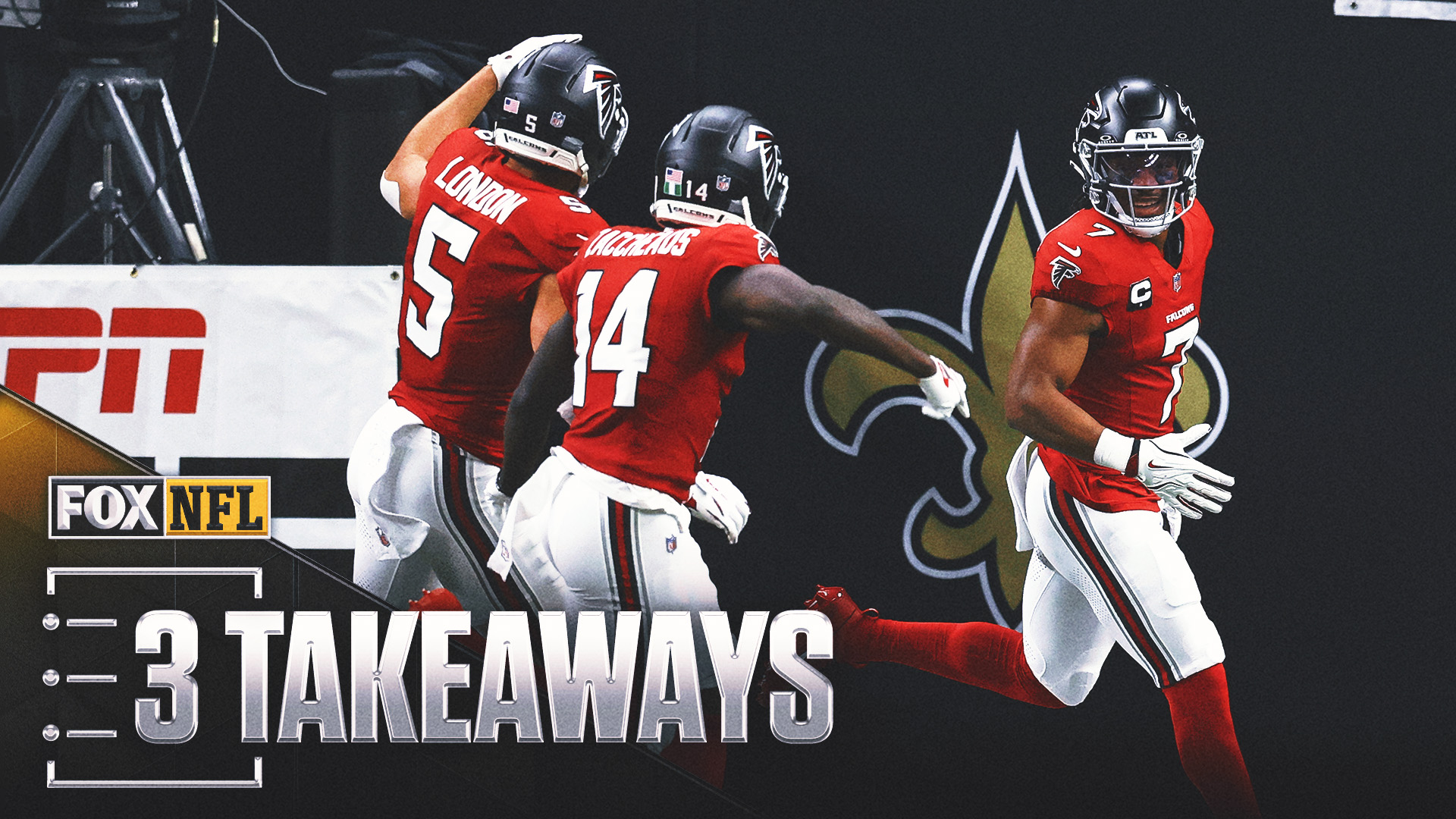
Superdome (New Orleans) — After a very ugly opening two weeks of the season, the Atlanta Falcons are quickly back at .500, while the New Orleans Saints keep digging themselves into holes they can’t climb out of. The Falcons improved to 2-2 on the season with their decisive 45-24 win over the Saints in New Orleans on Monday night, but what’s more noteworthy is that Atlanta is now 2-0 with Michael Penix Jr. at quarterback this season. For the second straight week, Penix quarterbacked the Falcons to a dominant win in primetime as Atlanta has firmly placed itself in the race to win the NFC South. Here are my three takeaways from Monday night’s game. In the previous six seasons, the Falcons didn’t have a single road win by 20 points or more. Now they’ve done it twice in the last 11 days. First with a 34-10 win over the Packers at Lambeau Field, and on Monday night with an equally impressive win over the Saints, the Falcons have shown an ability to separate from opponents that they’ve lacked for a long time. The two routs coincide with the healthy return of quarterback Michael Penix. Obviously, the star of the offense is running back Bijan Robinson, but that wasn’t enough in two ugly losses with backup Cooper Rush at quarterback. But in two starts, Penix has taken advantage of defenses trying to contain Robinson — an efficient 18 of 25 for 256 yards against the Packers, and 15 of 20 for 223 yards and a touchdown in beating the Saints. His passer rating of 127.7 is a career-best, too, as the Saints’ 45 points were the most they’ve put up in a game in 10 years. It’s a strong reflection on new offensive coordinator Tommy Rees, who came to Atlanta with Kevin Stefanski and was entrusted with the offensive play-calling. The Falcons rotate Robinson with backup Brian Robinson, who had three touchdowns of his own Monday, keeping fresh legs late in the game for both backs. Atlanta is home for its next three games, but they’re doozies. They take on the Ravens, Bears and 49ers, who are a combined 10-2 this season, so even one win in three would be impressive. Nobody is running away with the NFC South, but the Falcons need to keep up with the 2-2 Panthers, who routed them in Week 2 before Penix was playing. Even without first-round pick wide receiver Jordyn Tyson, who’s been out with injury, the Saints have a top-10 offense in scoring and yardage. And yet they’re 1-3, thanks to an inability to start games well on either side of the ball. Four games in, the Saints had double-digit deficits in three of those games — down 21-0 to the Lions in a one-point loss, down 14-3 to the Ravens in their lone win, down 13-6 to the Raiders in another close loss, and routed 24-7 in the first half Monday night against the Falcons. They missed running back Travis Etienne against Atlanta, and he’ll miss at least three more games with his hamstring injury. The Falcons have Bijan Robinson, and the Saints don’t. So, the first-half rushing advantage for Atlanta was 138-15. Yikes! When the Saints rebounded from a 1-8 start last year, their defense gave up 17.5 points per game in the final eight games, leading them to a 5-3 finish. But in 2026, they were giving up 27 points per game in their first three, and the Falcons only raised that average Monday night. They’re a bottom-10 defense against the run and on third downs. Until that changes, the offense will throw the ball a lot in the second half and look like a better offense than they really are. The fear going into the year was that the season-ending injury loss of Jalon Walker and the eight-game suspension for James Pearce would leave the Falcons without any real pass rush in the first half of the season. That’s basically played out so far. After finishing second in the NFL with 57 sacks last year, the Falcons have just seven in four games, on pace for just more than half as many as last season. They’d gotten 2.5 sacks from Za’Darius Smith, who came out of retirement, but he missed much of Monday’s game with a concussion, so his immediate future is uncertain. If they’re going to have a chance in these next three home games — all against teams in the top eight of our power rankings entering Week 4 — they need to be able to get in the backfield and disrupt even the backup quarterbacks they might end up facing. Pearce can be a boost in the second half of the season, but the lack of pass rush is part of why the Falcons’ defense has just two takeaways in four games, matching the NFL low. Not sure who the help is coming from, but it’s the missing piece right now to make Atlanta better than just a good offensive team.Latest Sports News from FOX Sports
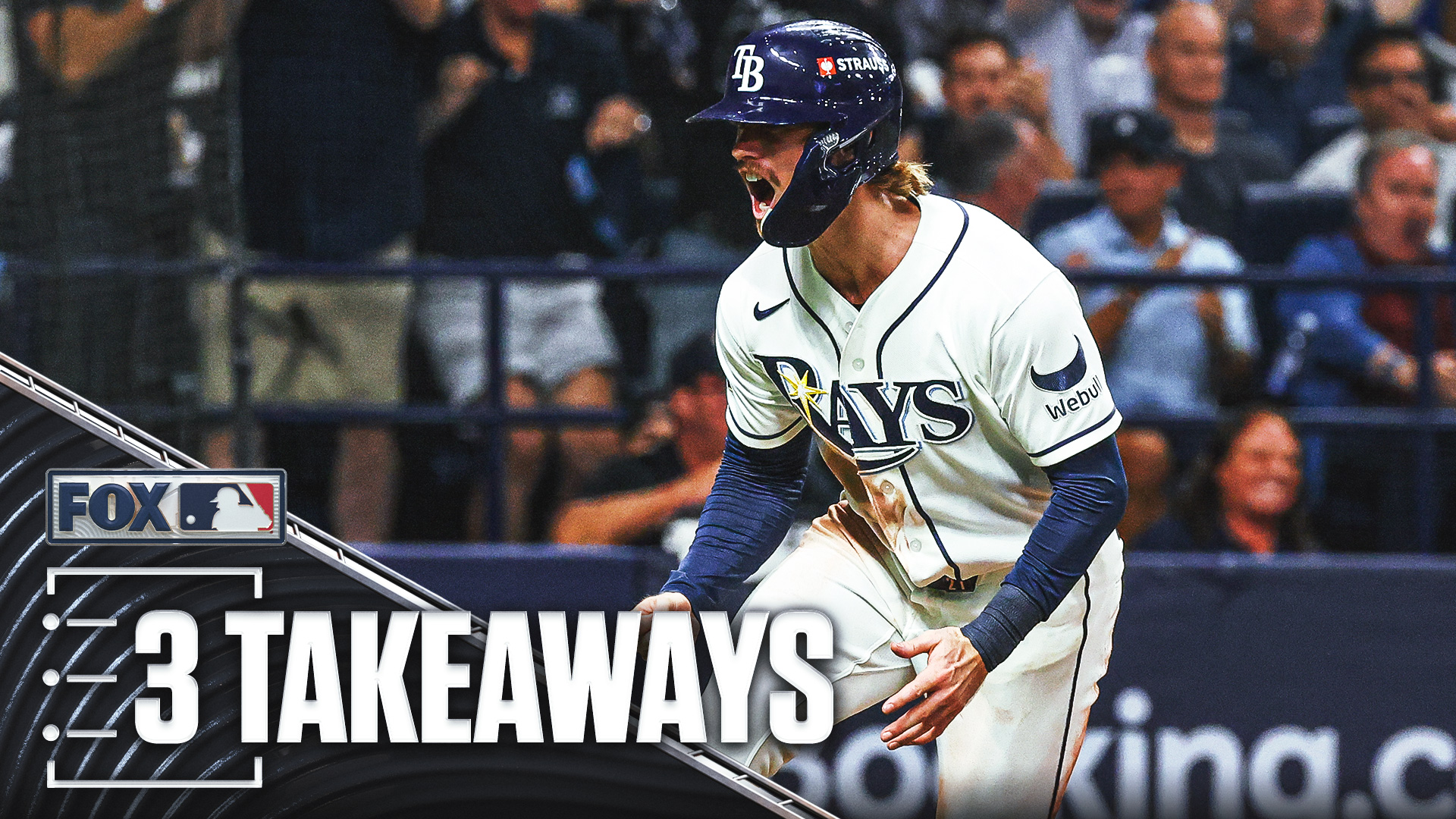
The Yankees strutted into Tropicana Field talking about their Cy Young-favorite starter and a postseason-ready lineup. They whimpered out of it staring at a 2-0 ALDS hole. After Tampa Bay ace Drew Rasmussen blanked the Yankees in Game 1, Freddy Peralta and the Rays finished the job in Game 2 with a controlling 5-2 win over New York in Monday’s Game 2. Now the Yankees, who have never truly threatened at any point this series, must win three straight to survive and advance to the ALCS. The Rays are just one win away from advancing to the ALCS for the first time since 2020, when they lost to the Dodgers in the Fall Classic. Here are my takeaways: 1. Not Your Mother’s Rays Perhaps the Yankees weren’t ready for the new Rays, because New York was playing like these were the old Rays. They’re no longer just the scrappy, analytically-forward Rays of old who could be overpowered in a short series. Now, Tampa Bay has legitimate big bats, including Junior Caminero, Jonathan Aranda and Yandy Diaz, to complement their always-excellent pitching depth and clean defense. Both Aranda and Caminero were key to the Rays’ game-opening four-run fifth inning on Monday. Now, the Yankees can no longer afford to make completely avoidable mistakes and be given a runway to overcome them. The Rays, as they have been all year, represent the better team. They showed it through their tighter fundamentals. They showed it through their elite situational baserunning. They showed it with their ability to pounce on multiple moments of weakness from the Yankees. New York committed a total of five errors in Monday’s Game 2. Tampa Bay committed none. The book is out. A team as well-rounded as the Rays has already beat the Yankees on paper. The moment that New York hurts its own chances, the game is over. We can look at an example as recent as the final week of the regular season, when the Rays went to Yankee Stadium for a four-game series in the Bronx. Tampa Bay led 1-0 in the seventh inning with a great-fielding pitcher in Max Fried on the mound. Rays shortstop Taylor Walls pushed a bunt between the mound and first base, no Yankees fielder covered second base, and a run scored from third. Tampa Bay has created a run on that play multiple times this season, manager Kevin Cash said after that game. It’s always impossible to defend. In doing so, the Rays create a wider margin for error before they even take the field for first pitch. Then, throw in their sold-out crowds at Tropicana Field so far in the ALDS, and the Yankees were clearly rattled on Monday. The loud support is there. The talent is there, tenfold. The Rays, finally, seem ready for their moment. After leading the American League in wins all year, all that’s left is the pennant. 2. Yankees’ Tragic First Inning Is All Too Familiar The Yankees committed not one, not two, but three (!) errors in the first inning of Game 2. We’ve seen this clown show too many times to count. The question is, how many times do Yankees officials need to see it before making fundamental changes? All three Yankees errors arrived within the first four batters of Schlittler’s start. The Yankees ace, who is the favorite to win this year’s American League Cy Young award, deserved better. Schlittler himself is battling workload boundaries after blowing past his career-innings high (73) in the first week of June. That he was able to limit the Rays to just one run in the first despite the mistakes of his fielders was nothing short of a miracle. First it was a fielding error by third baseman Ryan McMahon, which allowed Rays designated hitter Yandy Diaz to reach first base with no outs. Aaron Boone considered replacing McMahon at third with infielder Anthony Volpe for Game 2, but the Yankees manager “wanted to prioritize defense.” McMahon recorded a career-worst -3 Defensive Runs Saved in 875 innings at third base this year for the Yankees. McMahon’s -3 DRS was ranked 87th out of 130 third basemen who completed at least 800 innings at the hot corner this year. That doesn’t mean Volpe would have been the better option, considering he played just one nine-inning game at third base this season, and that’s it across his major-league career. But choosing to go with McMahon because he’s the better defensive option doesn’t hold much water at this point in the year. In addition to McMahon, second baseman Jazz Chisholm Jr. committed a throwing error, which allowed the Rays to get their first run on the board, and Rays backstop Liam Hicks reached base on catcher interference by Austin Wells. Yankees fans must have gotten flashbacks to Game 5 of the 2024 World Series, when New York lost a championship to the Dodgers by making similar fundamental mistakes and stepping on its own foot. If not for Yankees shortstop George Lombard Jr. stretching his arm to catch another errant throw from Chisholm, the Yankees would have committed four errors in the first inning of Game 2 on Monday. Instead, they settled for three. 3. Where Did The Bronx Bombers Go? After out-scoring the Red Sox 18-2 in their Wild-Card series sweep last week, Yankees bats went cold against the Rays’ dominant pitching in the first two games of the ALDS. New York was understandably silent against Rays ace Drew Rasmussen in Saturday’s Game 1. Rasmussen dominated the Yankees all year, and they had to expect more of the same in the series opener. But the Yankees had their chance to capitalize with a shaky Freddy Peralta on the mound in the fifth inning of Monday’s Game 2, and they failed to come through. Peralta was sweating after giving up a double to Austin Wells on two outs in the fifth. (It’s noteworthy that Wells smartly stopped at second base after trying and failing to leg out a triple on a similar ball he put in play in Game 1.) Peralta was clearly shaken up, as he walked McMahon, the Yankees No. 9 hitter, on six pitches in the next at-bat. The Rays pulled Peralta after that, with Tampa Bay’s trade-deadline acquisition completing just 4 ⅔ innings on 66 pitches. They went to their bullpen for Yankees designated hitter Ben Rice, who drew a walk against left-hander Cam Booser. Then, with the bases loaded, and the Yankees tied with the Rays 1-1, Yankees left fielder Cody Bellinger flew out to center for the final out of the fifth inning. New York’s offensive threat, hard to come by against an elite Rays pitching staff, never materialized again. Besides Rice, who homered twice and went 2-for-3 with a walk in Game 2, the rest of the Yankees offense was completely befuddled by the four Tampa Bay arms who stepped on the mound on Monday. After losing Game 1 at Tropicana Field, ALDS Game 2 with an unreliable Peralta and an ace in Schlittler on the mound was a must-win for the Yankees. It’s difficult for even the most optimistic of Yankees fans to believe they can turn the best-of-five series around after being down 2-0 – with their best player in Aaron Judge nursing a calf strain on the bench, absent from the active roster. 3 ½. What’s Next? Yankees left-hander Max Fried (5-5, 2.80 ERA, 104 strikeouts) will take the hill for Game 3 on Wednesday at Yankee Stadium — as long as he’s available. Fried’s girlfriend is due to give birth sometime this week, which could put his availability into question for the ALDS. If Fried is unable to make his outing, the Yankees will start southpaw Carlos Rodon in his place. As of Monday night, the Rays had not announced a starter for Game 3.Latest Sports News from FOX Sports
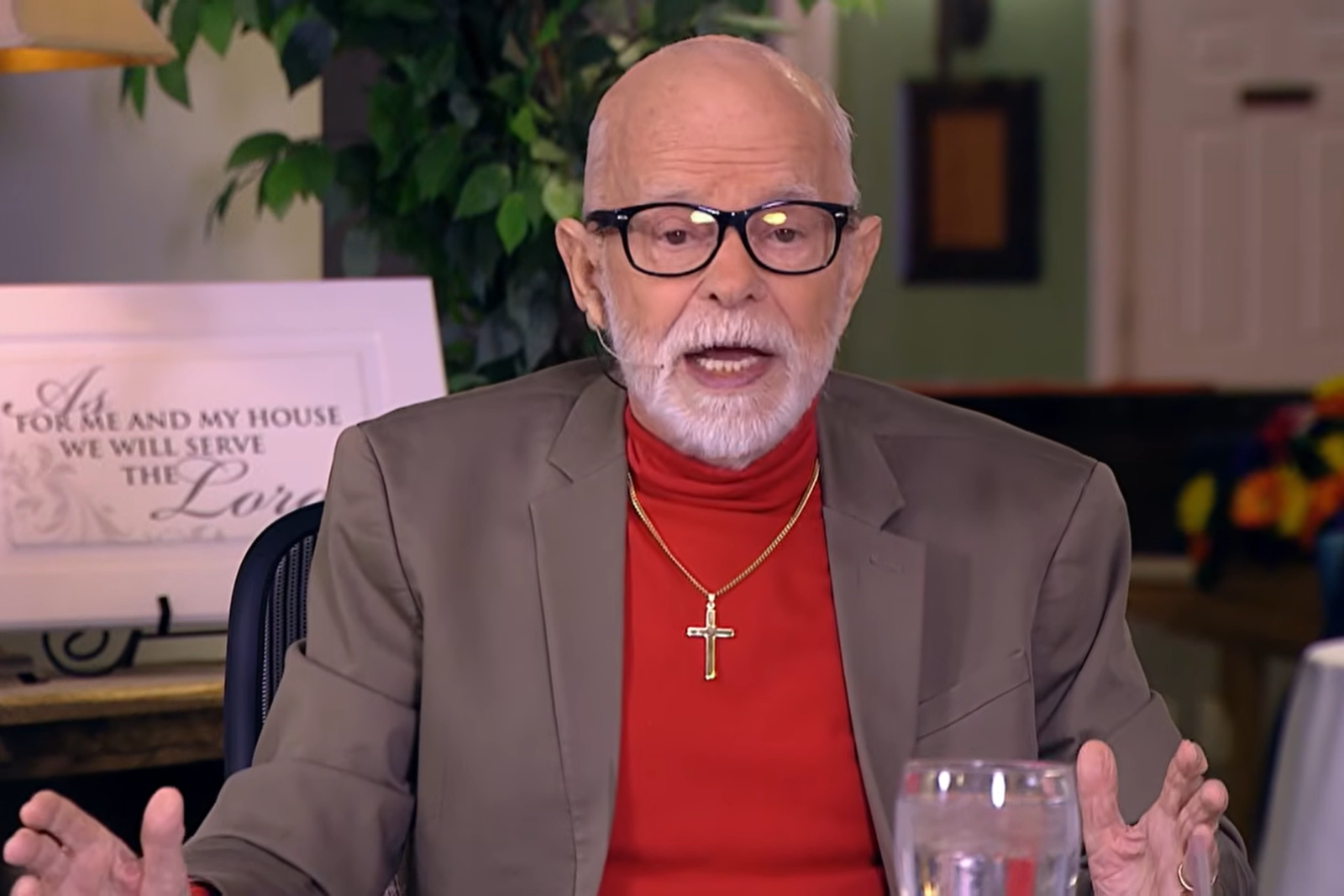
Jim Bakker spent decades in Christian television, building a massive ministry before a federal fraud conviction sent his career in another direction. Continue reading…The Boot – Country Music News, Music Videos and Songs
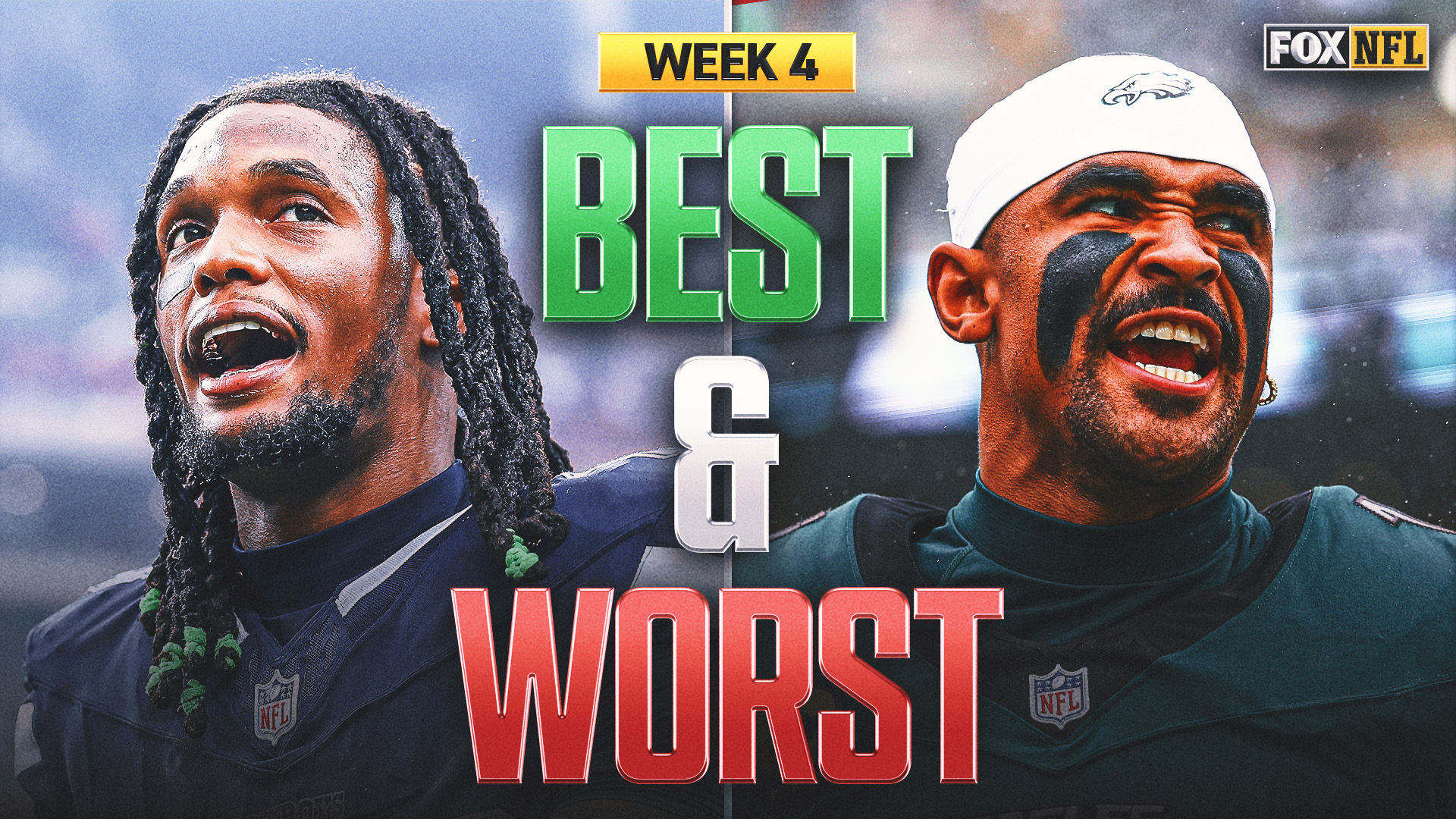
Cowboys receiver CeeDee Lamb showed us his best. Jaguars cornerback Travis Hunter showed us what he’s capable of, even if what he did didn’t actually count. Sean McVay showed us why he’s a phenomenal coach — in a different way than we’re used to. The Eagles’ offense showed us … well, not much of anything. Those are some of the things that jumped out to me in Week 4. For my Best and Worst superlatives this week, I touch on those teams and topics as I focus on individual plays, coaching performances and offenses across the league. Let’s break it down: In full transparency, this play by Travis Hunter was negated by a roughing-the-passer penalty, but it was too jaw-dropping to pass up. After picking off a Joe Burrow throw intended for Tee Higgins late in the first quarter, Hunter hit Higgins with a nasty juke move that left the Bengals receiver tackling the air and falling to the ground near the sideline. Hunter then looked back at Higgins before taking off for 30 yards. For the 3-1 Jaguars, Hunter’s production to this point hasn’t justified how much it cost to grab him in 2025. Jacksonville sent a package to the Cleveland Browns that included two first-round picks and a second-rounder for the right to select Hunter No. 2 overall. The former Colorado two-way star missed 10 games as a rookie, and this year he’s been a non-factor offensively — in four games, he has one catch on one target for eight yards. But he is starting to flash defensively. He has an interception and four pass breakups entering Week 5, and he recorded a career-high 58 coverage snaps against the Bengals. He was targeted seven times, registered two passes defensed and allowed four catches for 30 yards, according to Next Gen Stats. Just 11 games into Hunter’s career, we can’t render a verdict on the 2024 Heisman Trophy winner. But he’s started to show why many league observers wanted him to focus on defense/cornerback coming out of college. And maybe that’s the position where he converts flash into star production. “I don’t give two F’s about value, and neither does he,” Jaguars coach Liam Coen said last week of the Hunter discourse. “We care about winning, and that’s it.” With the Chargers trailing 27-6 at the 5:05 mark of the third quarter, with a fresh set of downs at the Seahawks’ 9-yard line, offensive coordinator Mike McDaniel called a pass play targeting … Justin Herbert. The Chargers quarterback flipped a pass in the backfield to wide receiver Tre’ Harris, who launched a throw from the opposite hash to Herbert, who ran a fade route. The pass was broken up by Seahawks safety Nick Emmanwori near the pylon. It was a baffling play call on a number of levels. It had been the deepest the Chargers had been in Seahawks’ territory at that point in the game. You’re trailing by three scores in the second half, trying to get back into the game. Your season has been a disaster to this point. Why are you getting cute? And why are you making your franchise quarterback vulnerable like that against an elite defense? I get the desire to give your offense a spark. You want to catch the other team off guard, too. But doing that kind of play at that point in the game, in that situation, and exposing your quarterback in that way considering how the season has gone, was incredibly foolish and irresponsible. Herbert was fine after taking a tumble on the play, there were no yards lost (or a turnover) and the Chargers actually scored a touchdown on the next play. They made it a game down the stretch before eventually falling 30-23. But in many ways, that trick play encapsulated what the Chargers have been so far this season: a disappointing team that has no idea what its doing under McDaniel, who was expected to take L.A.’s offense to new heights. One of the greatest offensive minds in NFL history, Sean McVay reminded the league that he’s also a phenomenal leader in the Rams’ 24-20 comeback victory over the Eagles. With Los Angeles down 20-10 late in the third quarter after a fourth straight scoreless drive, McVay did something unusual: He huddled up the entire offense on the sideline and delivered a passionate message. McVay had the full attention of the surrounding circle, including stars Matthew Stafford, Puka Nacua and Davante Adams. Whatever McVay said worked. In the fourth quarter, the Rams forced a turnover on downs at their own 2-yard line and finished the game on a 14-0 run to get the massive win. It was L.A.’s most improbable comeback victory in the McVay era, according to Next Gen Stats. The team’s win probably was as low as 3.2% with 8:17 left in the fourth quarter. I’d argue that this win saved the Rams’ season. They’re in the NFL’s best division and a loss to the Eagles would’ve dropped them to 1-3, with matchups against the Bills (Super Bowl contender), Cardinals (division rival) and the 3-1 Raiders looming in the coming weeks. With a win, the Rams have momentum entering the stretch at .500. With their loss to the Packers, the Bucs are 0-4 for the first time since 2013. Tampa will be without Baker Mayfield for multiple weeks due to a dislocated right throwing thumb — undrafted rookie Jalon Daniels is the team’s quarterback for the foreseeable future. But head coach Bowles’ shortcomings have played a significant role in the Bucs’ predicament as well. All four of Tampa’s losses have been by one score, which shows a failure on the margins. Dating back to last season, the Bucs have just one win over their past nine games. Against Green Bay, they gave up runs of 27 and 31 yards to a team that had been averaging just 48.7 rushing yards per game entering Week 4. Tampa also didn’t sack quarterback Jordan Love, who’s been the second-most pressured quarterback in the league through Sunday’s games, according to next Gen Stats. The inability to exploit a Packers offensive line that had been a disaster through three weeks is a big indictment of Bowles, a defensive-minded coach. The last time the Bucs started 0-4, they fired their head coach at the end of the season (Greg Schiano, 2013). But it’s not that simple with Bowles, who signed a multi-year extension in June 2025. Tampa may have missed the playoffs last season, but it finished in second place in the NFC South and won the division each of the three years prior (albeit never winning more than 10 games). Bowles hasn’t been great, but he also hasn’t been bad enough to fire. And in a division that seems to be very winnable every year, he may be protected. The Cowboys were dominant offensively, pouring 34 points on the reeling Texans. They did it through the air and on the ground, highlighted by CeeDee Lamb, who had the best performance by a wide receiver so far this season and arguably the best game of his career. The Pro Bowler caught a career-high 17 passes on 21 targets (also a career-high) for 189 yards and the go-ahead touchdown with 40 seconds left. He became the fourth player in league history to have at least 17 receptions, 180 receiving yards and a touchdown in a game, according to Next Gen Stats. That highlighted a game in which Dallas had a season-high 324 passing yards. Running back Javonte Williams also had a career-high three rushing touchdowns, all of which came in the second half. This is a performance from the Cowboys that shouldn’t surprise anyone. They’re capable of this offensively every week, considering the talent across the board. The question is if they can get strong, consistent play from their defense to be a truly complete team. And the hope is that the acquisition of cornerback Joey Porter Jr. from Pittsburgh last week brings them closer to that goal. He logged 24 defensive snaps in his Dallas debut. The Eagles in 2025 had a nightmare season on offense, and it’s somehow becoming even worse this year. Philadelphia went scoreless in the second half of its loss to the Rams, who finished the game on a 14-0 run. And it could’ve been a lot worse for the Eagles if they hadn’t taken advantage of short fields on two separate occasions to create touchdowns. Philly went 0-for-12 on third down, the most third-down attempts in a game without a conversion by any team since the 2020 season, according to NFL on FOX research. The Eagles also had just 172 net yards, their fewest in a game in 12 years (Week 14 of 2014; 139 yards). Quarterback Jalen Hurts struggled mightily, completing just 12 of 27 throws for an abysmal 93 yards and two touchdowns with a 78.2 passer rating. His 44.4% completion rate marked a career-low for games in which he played 100% of the offensive snaps. The Eagles’ offensive prospects are bleak moving forward because it’s not just one problem. It’s scheme, personnel and health. The offensive line, which has been an anchor for the team for years, is a liability right now. Philly played last week played without their top receiver (DeVonta Smith), right tackle (Lane Johnson) and tight end (Dallas Goedert), then lost star running back Saquon Barkley early in the game with a hamstring injury. None of that helps Hurts, who’s pacing for career-lows in completion rate, passing success rate and yards per attempt as a full-time starter.Latest Sports News from FOX Sports