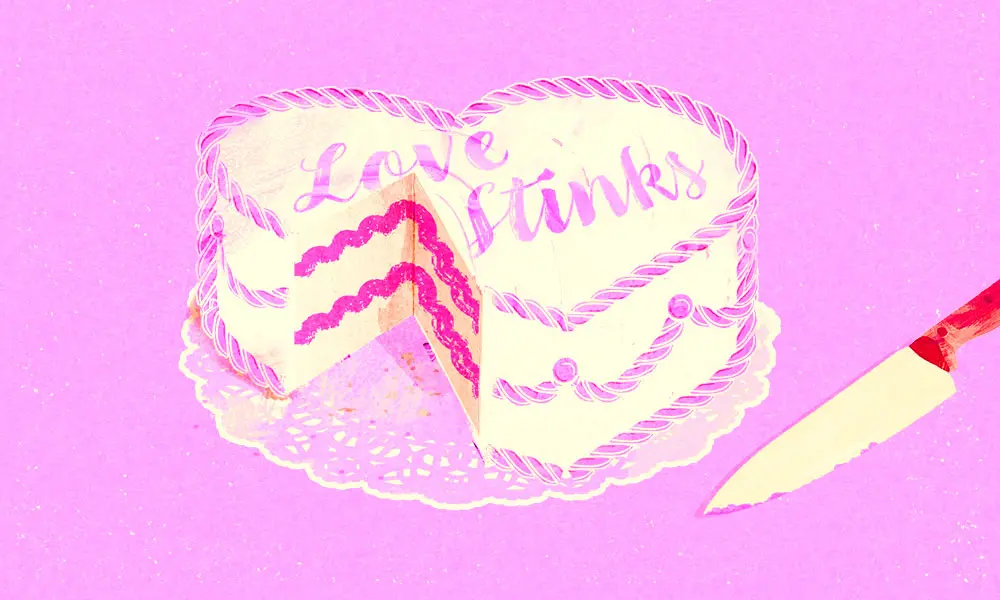
What makes for the best breakup song? Well, since the beginning of time, romance has served as the inspiration to many musical compositions. But for every love song that blasts across the airwaves, an equal amount of tunes were written about the less sunny side of love. So, no matter what stage you’re going through, we’ve compiled 70 of the greatest breakup songs to help you feel all the feels: from heartsick power ballads and pensive pop tunes to flat-out-ranging rockers.
Listen to the greatest Breakup Songs on our exclusive playlist.
Someone’s Moved On
Whether or not we like to admit it, most relationships end when one person calls it quits. Mutual breakups are rare, so more often than not, someone makes the call. The songs in this section reflect on this painful process, with some artists moving on, while others are on the receiving end of the heartbreak. Either way, breaking up sucks.
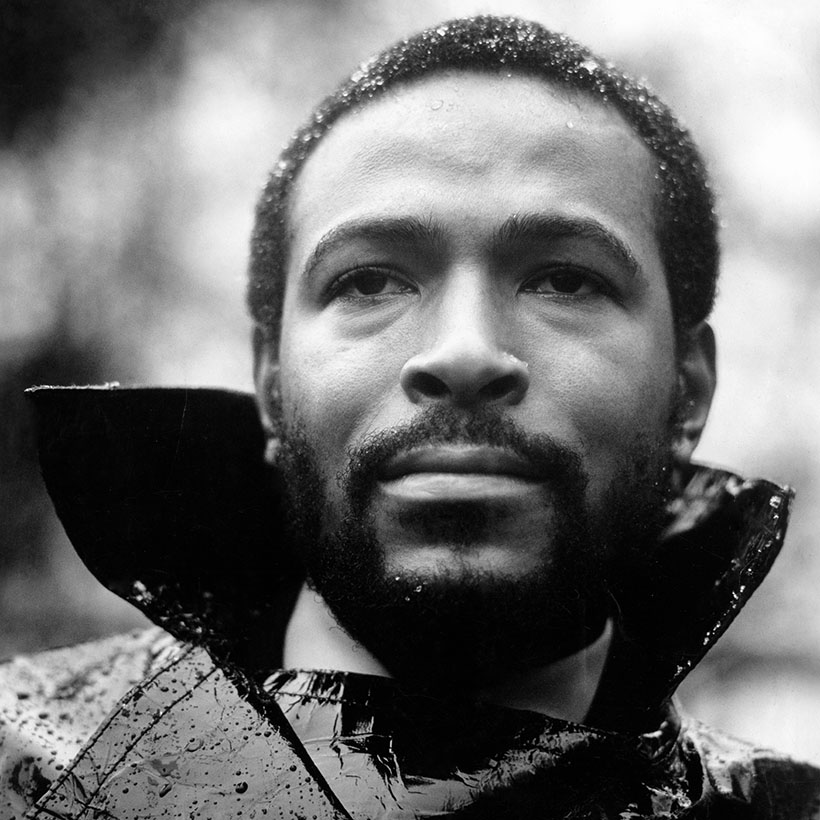
Marvin Gaye: I Heard It Through The Grapevine
What’s the only thing worse than discovering that your significant other is leaving you for someone else? Finding out through someone other than them. Written in 1966 by Motown’s Norman Whitfield and Barrett Strong, “I Heard It Through the Grapevine” has been recorded by Gladys Knight and the Pips, Creedence Clearwater Revival, and The Miracles, but Marvin Gaye’s soulful, 1968 rendition resonated particularly deeply with the public – topping the pop charts and becoming one of Motown’s best-selling singles ever.

Click to load video
Rod Stewart: Maggie May
A young man realizes that his ongoing fling with an older woman is messing with his emotions and keeping him from moving on in life in this 1971 classic from Rod Stewart. The guitar and mandolin-driven ballad, which Stewart based on his first sexual experience ten years earlier, became one of his signature hits and best breakup songs.
Jackson Five: I Want You Back
Boy meets girl; boy doesn’t appreciate what he has; girl leaves him for another boy…and now he wants her back. That’s the story in The Jackson 5’s 1969 Motown debut, “I Want You Back.” The simple, yet deliciously catchy single caught the hearts of a nation – and became the group’s first of four consecutive No.1 hits.
Bob Seger – The Famous Final Scene
As breakup songs go, “The Famous Final Scene” – the closing track from Bob Seger’s classic album Night Moves – is as devastating as they come. The lyric makes it plain that a love affair is over (“Soon the winter will be here/And there’s no-one warm to hold”) but the pain is related without recrimination, ensuring “The Famous Final Scene” retains the dignity and power that many songs of this nature tend to lack.
Drake: Marvin’s Room
Drake sings from the point of view of a drunk, heartbroken, and frustrated young man, who has just returned home from the clubs and decides to call his ex. The downtempo track, off 2011’s Take Care, not only became a Top 40 hit, but spawned a variety of inspired remixes, including those by Teyana Taylor and Lil Wayne.
Mary J. Blige: I’m Going Down
It’s easy to feel the pain of a breakup in this soaring, soulful single from Mary J. Blige, off 1994’s My Life. Penned by Motown songwriter Norman Whitfield, Rose Royce originally performed the song for the 1976 Car Wash soundtrack.
No Doubt: Don’t Speak
When No Doubt frontwoman Gwen Stefani and bassist Tony Kanal broke up, Stefani channeled her pain into the achingly beautiful song, “Don’t Speak.” While the bandmates were able to stay cordial and move on, the single (off 1995’s Tragic Kingdom) topped charts around the globe, becoming one of their most successful songs ever.
ABBA: The Winner Takes It All
Although two of ABBA’s members (Bjorn Ulvaeus and Agnetha Fältskog) were in the process of divorcing when “The Winner Takes It All” was written, both parties denied that the song had much to do with the realities of their breakup. While performing the song (off 1980’s Super Trouper) must have taken an emotional toll on both parties, the heartbreaking track was embraced by fans, hitting No.1 in multiple countries.
Patsy Cline: I Fall To Pieces
Moving on from an ex can be excruciatingly hard – especially when you run in the same circles. Patsy Cline sings about that struggle in 1961’s “I Fall to Pieces.” The song became one of the country music icon’s biggest crossover hits (and her first No.1 on the country charts).

Click to load video
Harry Nilsson: Without You
One of the greatest power ballads of all time, “Without You” delivers the heartfelt plea “I can’t live/If living is without you.” While Badfinger wrote and released the song in 1970, Harry Nilsson made it a massive hit the following year. His Grammy-nominated version (off Nilsson Schmilsson) topped the pop charts in the US, Australia, Canada, and the UK, where it remained at No.1 for five weeks. Nearly 25 years later, Mariah Carey found similar success with her rendition of the song.
Adele: Someone Like You
Adele’s global smash hit “Someone Like You” finds the British singer-songwriter coming to terms with the fact that her ex has moved on with someone else. The moving ballad, which appeared on her 2011 sophomore album, 21, earned the artist a Grammy and established her as a vocal powerhouse to be reckoned with.
Toni Braxton: Un-Break My Heart
The intense pain of a breakup is palpable in Braxton’s stunning performance for 1996’s “Un-Break My Heart.” The Grammy-winning ballad (off Secrets), in which Braxton begs her ex to return, became one of the best-selling singles of all time, spending 11 weeks at the top of the Billboard Hot 100.
Mariah Carey: We Belong Together
In the days and weeks after a breakup, it can feel like you’ve lost a part of yourself. Mariah Carey pours those emotions into “We Belong Together” (off 2005’s The Emancipation of Mimi) and pleads with her ex to reconsider their breakup.
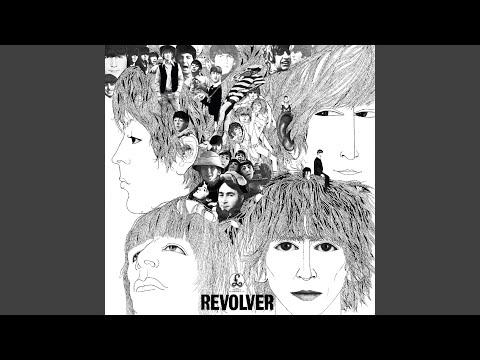
The Beatles: For No One
The Beatles’ “For No One” perfectly encapsulates the dying days of a relationship, when it’s clear that one party has emotionally moved on. The McCartney-penned baroque pop ballad was written while the artist was on vacation with his then-girlfriend, Jane Asher, who appears on the Beatles’ 1966 masterpiece, Revolver.
Click to load video
Jeff Buckley: Last Goodbye
The second single off Buckley’s sole album, Grace, “Last Goodbye” details the final moments of a relationship, when the couple still has feelings for each other, but knows that they aren’t meant to be. Landing in the Billboard Alternative Song chart’s Top 20, the track marked Buckely’s highest-charting single in the US.
Daryl Hall & John Oates: She’s Gone
In 1973’s “She’s Gone,” Hall & Oates paint a picture of the hazy days following a breakup – where everyone has words of advice and consolation, and you realize that your relationship is officially over. While breakups are rarely as smooth as this song, Daryl Hall and John Oates can certainly help a broken heart heal with their soothing harmonies.
Bonnie Tyler – Total Eclipse of the Heart
Bonnie Tyler’s “Total Eclipse of the Heart” sounds like pure pain. It’s about being paralyzed in heartbreak, wanting something so badly that will never come. Tyler’s performance makes the story almost palpable, as she sings lines like, “Once upon a time I was falling in love/ But now I’m only falling apart/ There’s nothing I can do/ A total eclipse of the heart.” Tyler is resigned to loneliness, fighting for a past she knows is gone for good. – Sam Armstrong
Bon Iver – Skinny Love
Is there anything quite as heartbroken as Bon Iver on For Emma, Forever Ago? The story of Justin Vernon retreating to a cabin deep in Wisconsin to recuperate after a heartbreaking split is well known, but what often goes underappreciated is how fantastic the music that came out of those sessions really is. “Skinny Love” is a folk masterpiece of epic proportions, blending breathtaking melodies with the palpable pain of a relationship falling apart. – Sam Armstrong
Cheating
Cheating has been a lyrical topic since songwriting began because it’s a universally awful feeling. Many of the songs in this section espouse advice on what to do with a cheater, while others showcase people unable to move on even after the cheating has occurred.
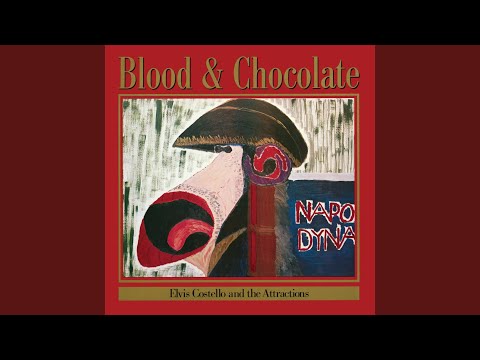
Elvis Costello: I Want You
Elvis Costello’s “I Want You,” off 1986’s Blood & Chocolate, is sung from the point of view of a person in a tumultuous relationship. Even though his partner has cheated on him, he still can’t live without her. It’s one of Costello’s most haunting and enduring songs.
Click to load video
Amy Winehouse: Back to Black
As the title track to Amy Winehouse’s breakthrough album, “Back to Black” details the real-life story of the British singer and her then ex-boyfriend, who left her for his ex. While the couple eventually reunited, their turbulent relationship inspired the 2006 LP, which also marked Winehouse’s final studio album.
The Rolling Stones: It’s All Over Now
In 1964, The Rolling Stones scored their first No.1 in the UK with a cover of Bobby Womack’s “It’s All Over Now.” The country-tinged song finds the protagonist finding peace after ending a toxic relationship with a partner who cheated on him.
Carrie Underwood: Before He Cheats
In this Grammy-winning single (off 2005’s Some Hearts), Carrie Underwood revels in getting back at her boyfriend, who she assumes is cheating on her. A massive crossover hit, “Before He Cheats” propelled the American Idol contestant to stardom and earned her a slew of accolades. It’s also a stone-cold karaoke classic.
Dolly Parton: Jolene
Written from the perspective of a woman who sees a breakup on the horizon, Dolly Parton’s “Jolene” finds the country icon pleading with an auburn-haired vixen not to steal her man. One of the greatest country breakup songs of all-time, the 1973 single, took its title from one of the artist’s young fans. The song’s story, however, was inspired when a red-headed bank teller was just a bit too friendly with Parton’s new husband.
The Killers: Mr. Brightside
Released in the fall of 2003, “Mr. Brightside” introduced much of the world to The Killers. On their debut Hot Fuss, the single found frontman Brandon Flowers detailing his own breakup – when he discovered that his girlfriend was cheating on him. As they say, when one door closes, another one opens…Luckily for Flowers and his band, the song opened the door to a hugely successful and enduring career.
Justin Timberlake: Cry Me A River
Not long after pop darlings Justin Timberlake and Britney Spears split up, the *NSYNC star dropped this emotional ballad about getting over a cheating ex. While it’s disputed whether or not the single had anything to do with reality, it’s undeniable that 2002’s “Cry Me a River” helped launch Timberlake’s solo career.
Unrequited Love
Few things in life are more painful than unrequited love. At least in a breakup, love was in the air at some point. Unrequited love squashes any hope of a mutual relationship and leaves one party grasping for something that will never come.
J Geils Band: Love Stinks
“This thing they call love/It’s gonna make you cry,” sings the J Geils Band in 1980’s “Love Stinks.” With its now-famous opening riff line, the band hit the paydirt with this breakup anthem that expressed the excruciating pain of unrequited love. That message clearly resonated with the public, as the track shot to the Top 40.

Click to load video
Jewel: Foolish Games
Jewel falls prey to an artsy, intellectual type in this hit single from 1997. “Foolish Games,” which appeared on the singer-songwriter’s 1995 debut, Pieces of You. “Foolish Games” describes the heartbreaking (and age-old) struggle of realizing that the mysterious and handsome character you’ve fallen for is never going to reciprocate your feelings.
The Weeknd: Call Out My Name
Listeners can hear the pain in The Weeknd’s voice in this heartbreaking, 2018 ballad. In the song, which appeared on the R&B star’s debut EP, My Dear Melancholy, The Weeknd sings about helping a girlfriend through a painful breakup – only to be broken up with once she’s moved on.
Pat Benatar: Love Is A Battlefield
Pat Benatar’s platinum-selling “Love is a Battlefield” became one of the biggest hits of the 80s and won the spunky artist her fourth Grammy Award. The 1983 single (off Live from Earth) portrays the rebelliousness of youth and the turbulent nature of young romance.
Soft Cell: Tainted Love
In 1981, British duo Soft Cell recorded a new wave cover of the Northern soul tune “Tainted Love.” The synth-laden (and slightly menacing) song about a tormented relationship became one of the biggest singles of the year in the UK. In the US, it set a world record for the longest consecutive stay on the Billboard Hot 100. While many know the group just for this mega-hit, “Say Hello, Wave Goodbye” is also a great breakup song by the group.

Click to load video
Lauryn Hill: Ex-Factor
This soulful ballad, off 1998’s The Miseducation of Lauryn Hill, finds the singer, songwriter, and rapper describing an on-and-off relationship that just isn’t working. While rumors swirled that the song was about Hill’s breakup with her former Fugees bandmate, Wyclef Jean, her emotional delivery certainly made her frustration and anguish feel real.
Bill Withers: Ain’t No Sunshine
Sweet and simple, Bill Withers’ Grammy-winning “Ain’t No Sunshine” made him a breakout star in 1971 and continues to be an enduring, frequently-covered favorite. The song features an all-star line-up of collaborators, including Stephen Stills on guitar and Booker T. Jones as the producer and arranger. Fun fact: Withers sings the line “I know” 26 times during the third verse. But who’s counting?
Big Star: September Gurls
Big Star’s Alex Chilton sings about having trouble getting over his “September Gurl” in this cult favorite off 1974’s Radio City. While it’s unclear whether the power-pop group is singing about astrological differences or just a very short-lived romance, the song perfectly portrays the yearning – and heartbreak – of young love.
Frank Ocean – Thinkin’ Bout You
After a brief intro, Frank Ocean begins his transformative debut studio album, Channel Orange, with “Thinkin’ Bout You,” a song about trying to move on but always returning back to that lost love. There’s Ocean’s iconic chorus, full of falsetto flutters and the now iconic refrain: “Or do you not think so far ahead?/ ‘Cause I been thinkin’ bout forever.” Ocean tells the tale of heartbreak, but few have ever done so as beautifully as he does on “Thinkin’ Bout You.” – Sam Armstrong
Fleetwood Mac – Go Your Own Way
Like so much of Fleetwood Mac’s music, “Go Your Own Way” was written as a document of strife within the band. Lindsey Buckingham wrote “Go Your Own Way” as a response to his breakup with fellow Fleetwood Mac vocalist Stevie Nicks, airing their dirty laundry so that everyone could hear. It’s bitter, but it sure makes for some great music. – Sam Armstrong
Don’t Leave Me
Sometimes the smell of a looming breakup is too fragrant to ignore. The relationship may still be steady, but something is…off. The songs in this section are written from both perspectives, with some artists musing on a relationship they’re about to end, while others fear that the dreaded news is just around the corner.
Yeah Yeah Yeahs: Maps
In this indie-rock classic off 2003’s Fever to Tell, Karen O pleads to her partner not to leave or cheat, because, as she sings, no one else will “love you like I love you.” Reportedly written for her boyfriend at the time (Liars frontman Angus Andrew), “Maps” stands for “My Angus Please Stay.”

Click to load video
Thelma Houston: Don’t Leave Me This Way
They say a taste of honey is worse than none at all, and that’s how Thelma Houston is feeling in this 1976 disco classic. While Houston’s Grammy Award-winning version of “Don’t Leave Me This Way” became the most famous rendition, the song was originally released by The Blue Notes, featuring Teddy Pendergrass in 1975.
Rihanna ft. Mikky Ekko: Stay
Rihanna and Mikky Ekko deliver an emotional ode to the vulnerability (and rollercoaster) of love in this 2012 ballad. The yearning duet, off Unapologetic, resonated around the globe – landing in the Top 5 in 24 countries, including the US (No.3), Israel (No.1), and the UK (No.4).
Boyz II Men: End of the Road
One of the most successful songs of the 90s, Boyz II Men’s “End of the Road” delivers a soulful, heartfelt plea to an ex, asking her to return. Full of the group’s signature vocal harmonies, the 1992 single spent 13 weeks atop the US pop charts (a record which the group continued to break throughout the first half of the decade).
Etta James: I’d Rather Go Blind
Originally recorded by Etta James in 1968, this bluesy soul classic has been covered by dozens of artists over the decades, including Rod Stewart, Dua Lipa, Paul Weller, and Grace Potter. The song finds the narrator with a gut feeling that her relationship is over, after seeing her boyfriend talking to another girl. She proclaims, “I would rather go blind, boy/Then to see you walk away from me.”
The Cure: Pictures Of You
The Cure’s Robert Smith sings about finding pictures of his ex, leading him to remember all of the times that they spent together. The synth-laden ballad appears on the band’s best-selling 1989 album, Disintegration, and is one of the best breakup songs of the 80s.
Sadness
To be sad is to be human, and the artists in this section understand that. Songwriters have explored the sadness of a break-up from every angle you can imagine, whether it’s a relationship that just didn’t work out or a relationship that blew up in a spectacular fashion. Luckily for us, there are plenty of songs to help us wallow.
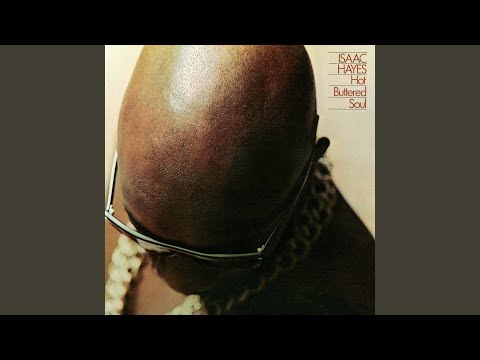
Isaac Hayes: Walk On By
In 1964, Dionne Warwick marked the first artist to score a hit with this Burt Bacharach-penned tune. Five years later, funk and soul star Isaac Hayes recorded this 12-minute interpretation of “Walk on By” for Hot Buttered Soul. The song, in which the narrator begs their ex keep on walking if they ever cross paths (so that they can hide their tears and maintain their “foolish pride”), has been covered by dozens of artists, including Gloria Gaynor, Seal, Cyndi Lauper, and The Beach Boys, to name a few.
Click to load video
St. Vincent: New York
In an ode to both New York City and her ex, St. Vincent mourns her breakup through song and realizes that every block of the city reminds her of this person. Released in 2017, the piano-driven ballad marked the first single off the artist’s fifth studio album, Masseducation.
James Blake: Retrograde
The ambient lead single off James Blake’s 2013 LP, Overgrown, “Retrograde” was reportedly written about the artist’s then-girlfriend. While the lyrics are somewhat ambiguous, it’s clear that the couple is going through a rough patch, as Blake pleads with his girlfriend to “show me why you’re strong.”
U2: With Or Without You
U2 riff on the timeless sentiment of “can’t live with you; can’t live without you” in this chart-topping single off their legendary, 1987 LP, Joshua Tree. The dramatic tune became one of the Irish band’s signature hits and enduring breakup songs.
Robyn: Dancing on My Own
Inspired by “inherently sad disco anthems,” among other things, Robyn’s “Dancing On My Own” tells the story of going to a club and seeing your ex dancing with someone else. Released in 2010 (off Body Talk Pt. 1), the electropop single became the Swedish artist’s first No.1 single in her own country, as well as an enduring breakup song.
Sam Smith: Stay With Me
In an interview with the NME, Sam Smith explained that “Stay with Me” (off 2014’s In the Lonely Hour) details the moments “after a one night stand, where the person you are with leaves your house, and you are left by yourself…you don’t really fancy them that much [but] it’s just nice to have someone in the bed next to you.” The stunning ballad became Smith’s most successful single and garnered them multiple Grammys the following year.
Sinead O’Connor: Nothing Compares 2 U
In 1989, Irish artist Sinead O’Connor recorded a heartbreaking cover of Prince’s “Nothing Compares 2 U” and it quickly became her signature hit. O’Connor’s emotional performance – captured perfectly in a starkly intimate music video – instantly portrayed the pain and emptiness that follows a breakup.
Stevie Wonder: Never Dreamed You’d Leave In Summer
Stevie Wonder laments a failed relationship in this 1971 ballad (off Where I’m Coming From). Released as the B-side (or as a brilliant response) to Wonder’s cover of the Beatles’ “We Can Work It Out,” the tune became one of the artist’s most popular songs.

Click to load video
Frank Sinatra: In The Wee Small Hours of the Morning
Written by David Mann and Bob Hilliard, “In the Wee Small Hours of the Morning” was first made famous by Frank Sinatra in 1955, and has since become a standard. The breakup song, which also marked the title track of Sinatra’s ninth studio album, describes a lonely, sleepless night, in which a man regrets breaking an ex’s heart…and wonders what could have been.
Coldplay: The Scientist
The second single off Coldplay’s A Rush of Blood to the Head (2002), “The Scientist” is about wondering how a relationship went off-kilter – and wishing you could go back in time and try again. In an interview with VH1, frontman Chris Martin shared that the ballad was inspired by George Harrison’s All Things Must Pass. Funnily enough, he added, “I don’t think we’ll ever top it, which is why we probably won’t do another record!”
Joy Division: Love Will Tear Us Apart
Despite its uptempo melody, 1980’s “Love Will Tear Us Apart,” was written by Joy Division frontman Ian Curtis about his crumbling marriage and his struggles with mental illness. Sadly, Curtis never lived to see the song’s incredible success. The seminal post-punk tune became their best-selling single and the group’s defining song.
Annie Lennox: Walking On Broken Glass
This sophisticated pop tune finds Annie Lennox begging her ex to pick up the pieces of her life, which feels broken after their split. The song (off 1992’s Diva) became a global hit and helped to establish the former Eurythmics singer as a solo powerhouse.
Bob Dylan: Don’t Think Twice, It’s All Right
Written when his girlfriend Suze Rotolo was spending an extended amount of time studying in Italy, Bob Dylan’s “Don’t Think Twice, It’s All Right” finds the artist sounding sad and frustrated at love lost. While the couple would reunite (and appear on the cover of the resulting album, 1963’s The Freewheelin’ Bob Dylan), the song endured far longer than their relationship, becoming a folk standard.
Smokey Robinson and the Miracles: Tracks of My Tears
Smokey Robinson and the Miracles prove that heartbreak can inspire a masterpiece, as evidenced by their 1965 hit single, “Tracks of my Tears.” The soulful tune, which tells the tale of a man who hides the pain of a recent breakup, went on to be inducted into the Grammy Hall of Fame and added to the Library of Congress’s National Recording Registry.
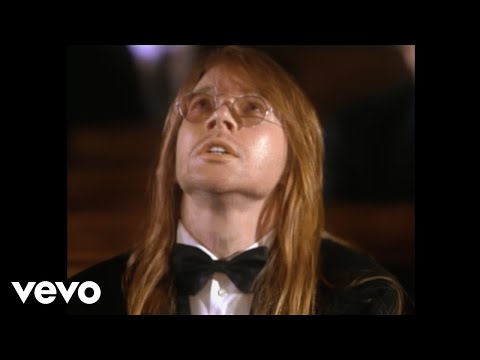
Guns N Roses: November Rain
Clocking in at nearly nine minutes long, Guns N’ Roses’ “November Rain” blends symphonic orchestration with hard rock for the ultimate power ballad. A shorter edit of the song (a little under five minutes) was released as a single, but still broke records as the longest track ever to hit the Billboard 100 Top Ten.
Click to load video
Roy Orbison – Crying
In an interview with 1000 UK No.1 Hits, Roy Orbison explained the story behind his hit song, “Crying.” “I was dating a girl and we broke up. I went to the barber shop to get a haircut and I looked across the street and there was this girl that I had split up with. I wanted to go over and say, ‘Let’s forget about what happened and carry on.’ But I was stubborn.” That stubbornness leads Orbison to tears, which helped establish a new vulnerability in rock music.
Kiss Off Songs
There’s nothing better than an ex witnessing your glow-up after a breakup. Whether it’s through word of mouth, a chance encounter, or creeping on Instagram, achieving success after a relationship ends is a sweet sensation. Some of the best breakup songs center around this topic, which has produced tons of bitter, petty, and playful kiss-offs to exes.
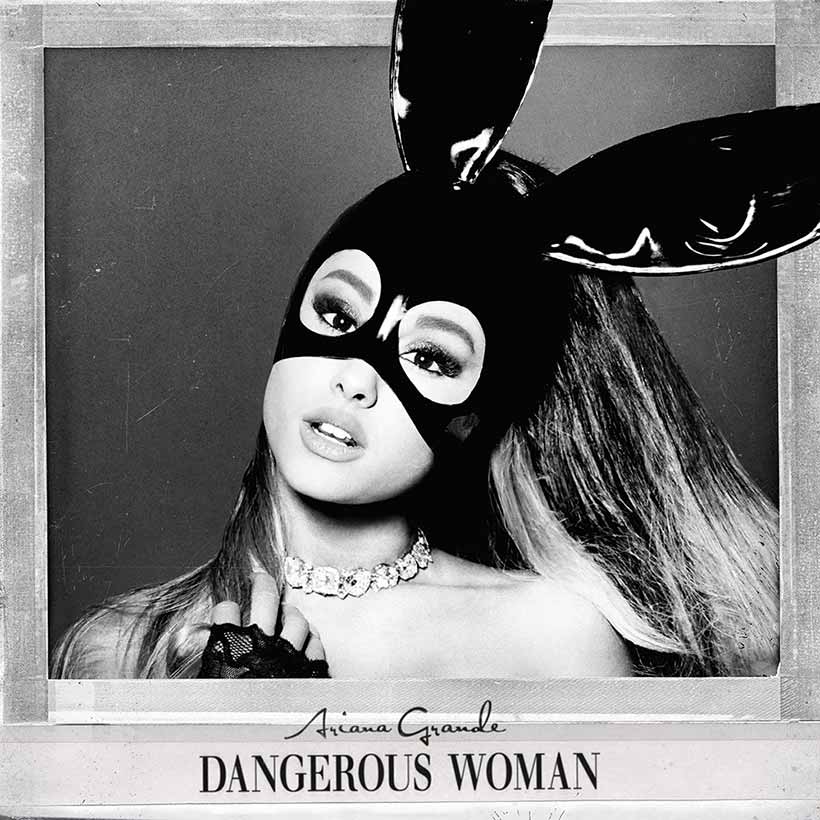
Ariana Grande: thank u, next
Ariana Grande sings about the positive things she took away from her past relationships, thanking each of her exes for helping her grow just a bit more. The second half of “thank u, next,” which also marks the title track of Grande’s 2019 album, finds the pop star discovering the most important relationship of her life – with herself.

Click to load video
Taylor Swift: We Are Never Ever Getting Back Together
This cheeky breakup song from Taylor Swift encapsulates the feelings of a young couple that just can’t seem to quit each other. The Grammy-nominated track, which appeared on 2012’s Red, marked Swift’s first (of many) singles to top the Billboard Hot 100.
Kanye West: Heartless
Kanye West bemoans his callous ex in this 7x platinum single, off 2008’s game-changing 808s & Heartbreak. Ye does his best pop-R&B crooning on one of the catchiest breakup songs to date.
Kelly Clarkson: Since U Been Gone
Singing along to Kelly Clarkson’s “Since U Been Gone” at the top of your lungs isn’t a replacement for therapy…but it’s close. The cathartic and empowering 2004 rocker – which is about feeling relief after a bad relationship ends – resonated with fans across the world, earning Clarkson a platinum record and a Grammy.
Alanis Morissette: You Oughta Know
The ultimate, vengeful breakup song, “You Oughta Know” made Alanis Morrisette a massive star (and probably scared a few potential suitors in the process). Released in 1995, ahead of Jagged Little Pill, the cathartic, alt-rock hit introduced much of the world to the Canadian artist and left fans wondering just who the lyrics were directed at.
Gotye ft. Kimbra: Somebody That I Used To Know
In 2011, it was nearly impossible not to hear Gotye and Kimbra reflecting on their fictional breakup (“you didn’t have to cut me off/Make out like it never happened and that we were nothing”). While the singer-songwriters were never actually a couple, they certainly sound convincing enough in this pointed, Grammy-winning art-pop hit.

Click to load video
Prince: When You Were Mine
Prince recalls an unfaithful ex who walked all over him in this fan-favorite (off 1980’s Dirty Mind). As the legend goes, the artist was inspired to write “When You Were Mine” while listening to the music of John Lennon.
Mountain Goats: No Children
2002’s “No Children,” off The Mountain Goats’ Tallahassee, offers an intimate view of an angry couple in the throes of divorce. In an interview with MTV.com, frontman John Darnielle offered some background on his folk-rock tune: “I’m not laughing with those people, I’m laughing at them….It’s me saying, ‘You guys are wasting your single opportunity to occupy this human body.’”
Beyoncé: Irreplaceable
Beyoncé’s empowering, chart-topping “Irreplaceable” (off 2006’s B’Day) finds the superstar telling her cheating ex to pack his bags and leave. In one of the most pointed lyrics, she reminds him that she’ll be just fine without him, singing, “Don’t you ever for a second get to thinking/You’re irreplaceable.”
Justin Bieber: Love Yourself
Justin Bieber tells off a narcissistic ex in this Grammy-nominated single, off 2015’s Purpose. Co-written by Ed Sheeran, the acoustic “Love Yourself” was inspired by a real relationship of Bieber’s. One can only guess who he’s singing about in the biting line, “My mama don’t like you and she likes everyone,” but it’s undoubtedly been used as a breakup song by thousands.

Click to load video
Carly Simon: You’re So Vain
While rumors have swirled throughout the decades on who this song is actually about, Carly Simon’s “You’re So Vain” delivers a biting elegy to an ex, whose narcissistic womanizing is his downfall. He must have been pleased – the 1972 single was a massive hit; landing in the Top 10 in multiple countries, and topping the US pop charts.
Dua Lipa – New Rules
Dua Lipa is hellbent on never getting back together with that one ex. On “New Rules,” she outlines a new series of maxims to make sure that dude doesn’t sneak back into her life. She sings, “”One: Don’t pick up the phone, you know he’s only calling ’cause he’s drunk and alone / Two: Don’t let him in, you’ll have to kick him out again.”
I Will Survive
Sometimes we need a reminder that things will get better. Broken hearts will mend, new loves will emerge, and the sadness of the past will depart like clouds clearing the way for sunshine. These uplifting anthems prove that some breakups take time and a positive attitude. After all, you won’t start feeling better unless you convince yourself you can feel better.
Lorde: Writer In The Dark
As the “writer” in the song’s title, Lorde offers some final thoughts to an ex in this self-affirming piano ballad off 2017’s Melodrama. In an interview with New Zealand’s The Spinoff, the singer-songwriter explained that “Writer in the Dark” “is my way of saying ‘It’s what I’ve always been. It’s what I was when you met me. It’s what I will continue to be after you leave.’”

Click to load video
Gloria Gaynor: I Will Survive
One of the most empowering anthems ever recorded, Gloria Gaynor’s “I Will Survive” is about finding the strength to move on after a breakup. The 1978 disco song resonated with listeners around the world, hitting No.1 in the US, UK, Canada, and beyond.
Whitney Houston: I Will Always Love You
Whitney Houston gives one of the most incredible vocal performances of all time in this cover of Dolly Parton’s “I Will Always Love You.” Recorded in 1992 for the film The Bodyguard, Houston’s emotional version showcases the full scope of her abilities – bolstered by an a capella introduction. One of the more positive breakup songs, the bittersweet ballad finds its narrator still in love with their partner but acknowledging that they need to go their separate ways.
Elliott Smith: Somebody That I Used To Know
Not to be confused by the Gotye/Kimbra hit, Elliott Smith’s “Somebody That I Used to Know” (off 2000’s Figure 8) offers a sweet, simple, and pointed goodbye to an ex. And while Smith brushes off the breakup in the acoustic tune, there’s a deeper sense of betrayal in his words.
Oasis: Don’t Look Back In Anger
This anthemic tune, off 1995’s (What’s the Story) Morning Glory?, is about “looking forward rather than looking back,” according to an NME interview with Noel Gallagher. An enduring fan favorite and a No.1 hit in the UK, “Don’t Look Back in Anger” also marked Oasis’ first single to feature Noel on lead vocals.
Elton John: I’m Still Standing
There’s no better feeling than being “officially” over your ex, moving on with your life, and “Still Standing” after all of the heartache. That’s the sentiment that Elton John sings about in this triumphant hit, off 1983’s Too Low for Zero.

Click to load video
Lee Dorsey: Get Out of My Life, Woman
Lee Dorsey expertly interpreted this Allan Toussaint-penned song, making it a Top 10 R&B hit in 1965. The bluesy tune found Dorsey begging his ex, and his teardrops, to disappear so that he could move on.
Destiny’s Child – Survivor
Destiny’s Child wrote one of their biggest hits, “Survivor,” as a response to a joke. It began when a radio station reported that three members had already left the group, comparing the band to the reality game show Survivor. Beyoncé spun the dig into a positive, laughing at her critics and creating an era-defining anthem about growing stronger through pain and persevering. Beyoncé sums it up best in the first verse: “Now that you’re out of my life I’m so much better/ You thought that I’d be weak without you, but I’m stronger/ You thought that I’d be broke without you, but I’m richer/ You thought that I’d be sad without you, I laugh harder.” – Sam Armstrong
Sia – Big Girls Cry
On “Big Girls Cry,” Sia asserts her power by owning her emotions as an essential part of her being, not some flaw to be masked. She sings, “I may cry ruinin’ my makeup/ Wash away all the things you’ve taken/ And I don’t care if I don’t look pretty/ Big girls cry when their hearts are breaking.” On the track, Sia proves that there is true strength in vulnerability. – Sam Armstrong
Looking for more? Discover the best breakup albums.
Discover more about the world’s greatest R&B artists | uDiscover Music