Categories
Hip Hop

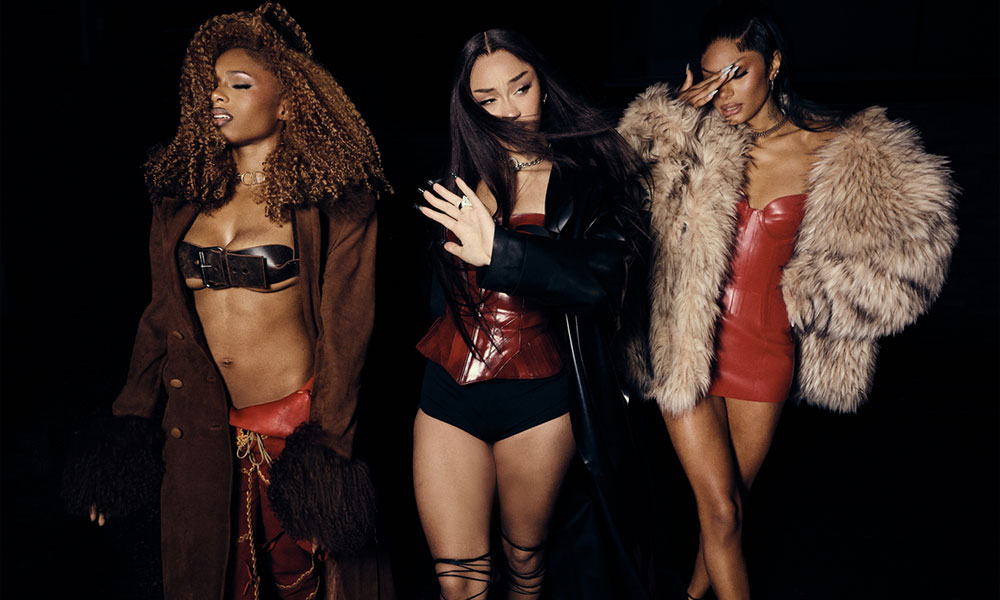
London Trio FLO Proudly ‘Leak It’

FLO photo credit Alex J Piper

FLO has shared a playful new single titled “Leak It.” The track is about reclaiming power and owning one’s hotness. “This one’s gonna teach my ex a lesson/This one’s gonna get my boyfriend’s attention/This one’s just for me, myself and I,” the London-based trio sing in their signature harmonies and vocals.

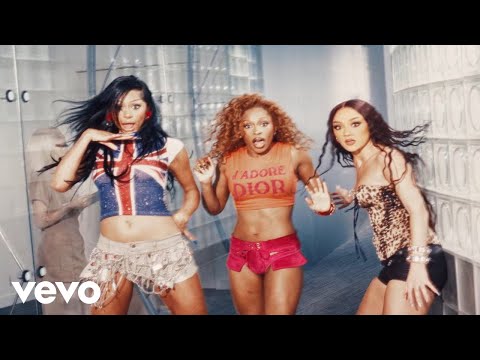
In the song’s video, directed by Olivia De Camps (Tokischa, Marina), the girl group enroll in an unusual wellness retreat where artists are trained in the unspoken rules of modern fame.

YouTube Video
Click to load video

FLO—Renée Downer, Stella Quaresma, and Jorja Douglas— said of the single and video: “‘Leak It’ unlocks a core memory of being a young girl, listening to girl group music and feeling empowered!”

“The video is iconic! And we’re proud that it’s ours. This is the video we dreamt of having as teenagers. We’re cunty, we’re funny, we’re bold, we’re FLO. We hope everyone loves it as much as we do.”

“Leak It” caps a historic year for the British Pop-R&B trio. Their 2024 debut album Access All Areas was the highest-charting album for a British R&B girl group in 23 years. Alongside a Top 3 chart position in the UK, the trio debuted on Billboard Top 200 and earned a nomination for Best Progressive R&B Album at the Grammy Awards, marking the first nomination for a British girl group in 20 years. The group’s headlining Access All Areas Tour was the biggest US headline tour by a British girl group in nearly two decades, alongside their largest sold-out shows to date in London and across the UK and Europe.

FLO recently stopped by NPR’s Tiny Desk, where they performed their breakout track “Cardboard Box,” which found viral success in 2022 and appeared on their debut EP, The Lead, as well as songs off Access All Areas, and two unreleased tracks.

Buy FLO’s debut EP The Lead on vinyl here.

​Discover more about the world’s greatest R&B artists | uDiscover Music

Categories
Hip Hop

Elmiene Releases New Single ‘SAVIOUR’

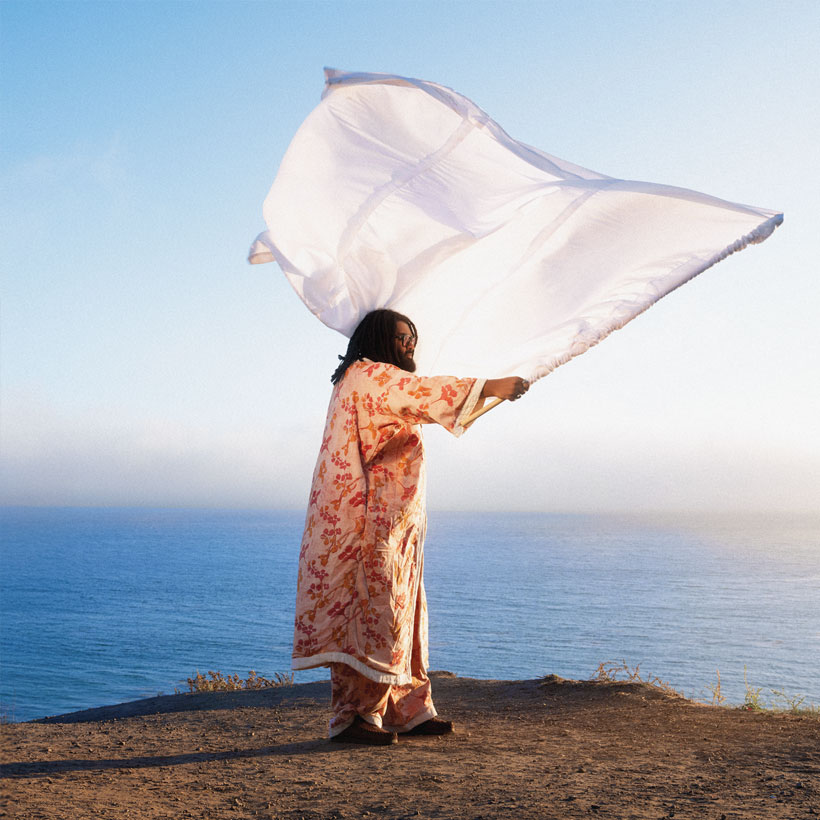
Elmiene sounds for someone album cover

Elmiene’s debut album is almost here. In the meantime, he’s given us another enticing preview.

“SAVIOUR” is the latest single from the British-Sudanese singer-songwriter’s debut album songs for someone. Produced by Sampha, the album is set for release March 27 on Def Jam and Polydor.

“’SAVIOUR’ is me calling to my childish desires and not just brushing them away, but taking them for as serious as they really really are” Elmiene says. “We all just want a hero. Word to Enrique Iglesias. Since I was addressing childhood issues, I needed my big brother Sampha to see me through to the end.”

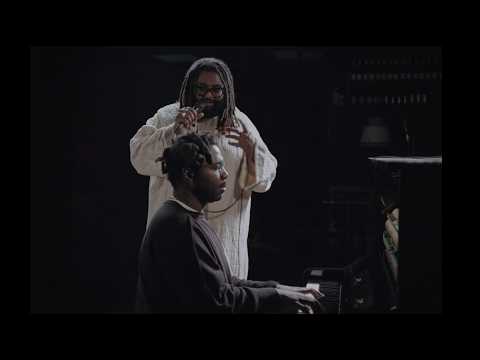
In addition to the funky, effervescent studio recording of “SAVIOUR,” Elmiene has released a live performance video featuring Sampha. With Sampha on piano, the song is transformed into a heartwrenching ballad as Elmiene grabs a mic and channels powerful emotions. His soulful, fluttering vocals put him in continuum with greats from Stevie Wonder to Frank Ocean, but his voice and perspective are all his own.

Elmiene’s road to songs for someone included previous singles “HONOUR,” “Reclusive,” “Cry Against The Wind,” and the bonus track “I Want In.” Together, they’ve cohered into a portrait of a burgeoning talent recently identified by Billboard as R&B’s “Rookie of The Month.”

YouTube Video
Click to load video

Songs for someone was inspired by Elmiene’s two-decade journey to this moment, chronicling myriad familial struggles and personal ups and downs along the way. “Making this album was painful,” he says. “I felt lonely sometimes, I felt loved sometimes. I felt guilty sometimes and I felt forgiven sometimes but most of all it was an important duty to myself that I needed to fulfil.”

Following the album’s release, Elmiene’s will launch his songs for someone tour. Promoted by Live Nation Urban, the sold-out jaunt will take him to 18 North American cities this spring.

Listen to Elmiene’s new single, “SAVIOUR,” here.

​Discover more about the world’s greatest R&B artists | uDiscover Music

Categories
Hip Hop

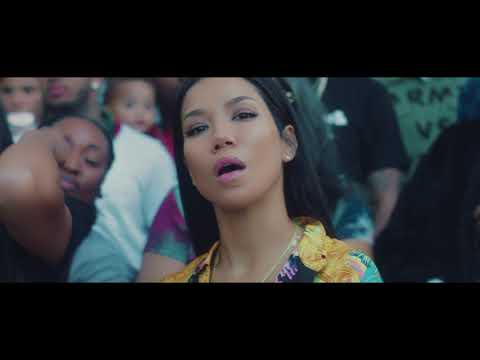
Best Jhené Aiko Songs: R&B Essentials

Jhene Aiko

Any article outlining Jhené Aiko‘s best songs needs to start right at the beginning. After years of developing her craft, Jhené released her debut mixtape, Sailing Soul(s) independently on her 23rd birthday – March 16, 2011. It was on that day that R&B began to flow differently.

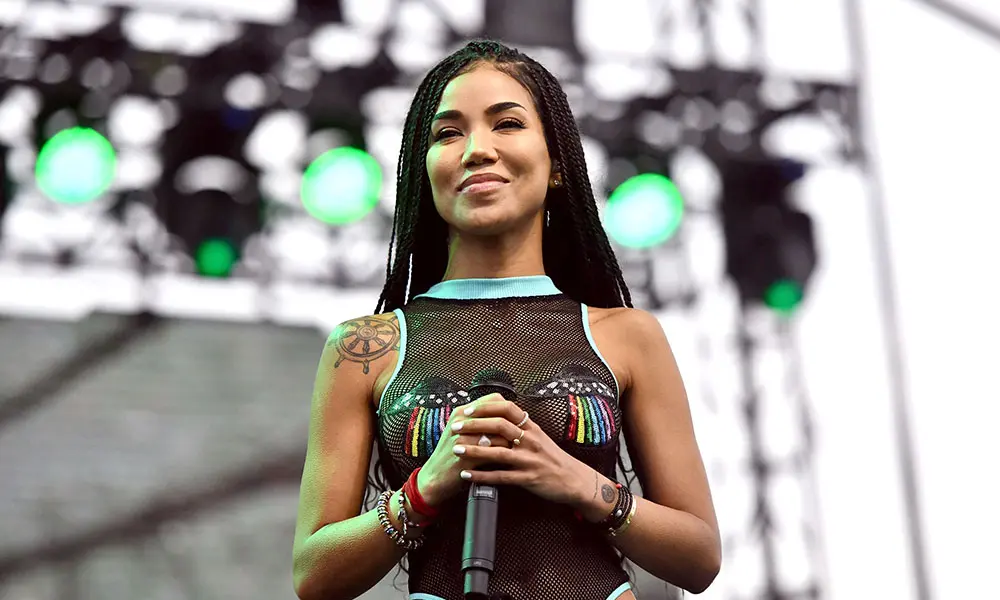
Jhené Aiko is soft yet commanding, sensual, and explicit. Over the course of her career, she’s challenged the conventional look and feel of love while openly discussing the struggles that come with being a young mother, artist, and sister. Aiko has said that she goes through “12 different personalities” in a day. Penny (a nickname given to her by her late grandfather) is her purest, most honest self. Her J. Hennessy rapping persona is an aggressive singer who “really likes to talk a lot of s***,” she once told Rap Up. “[Someone that] talk[s] about things that a lot of R&B singers don’t talk about.” Last but not least, there’s the committed sound healer that’s interested in chakras, sound bowls, and meditation. In short, Jhené Aiko’s best songs contain multitudes. This is an introduction to some of them.

Listen to the best Jhené Aiko songs on Apple Music or Spotify.

The Open Lover

(New Balance, While We’re Young, Bed Peace, Blue Dream)

“I’m a true hopeless romantic,” Jhené once said. “I feel like you have to not be afraid of love.” Many of Jhené’s love songs are celebrating her longtime relationship with Big Sean. But some of the most powerful songs reference her late brother, Miyagi. On “New Balance,” she opens the song with the lyrics, “I can’t put my finger on it/I don’t know, it’s weird/It feels like I’ve known you my whole life/I know what it is/You remind me of my brother…” Jhené often spoke of the closeness of her and Miyagi’s relationship, explaining “…that was the best male relationship I’ve ever had in my life, you know? And so, in a lover, those were the things I was looking for, and I still do. But I know I’m more aware and I know that my brother cannot be replaced, but I know that because I’m still here, that he is within me.”

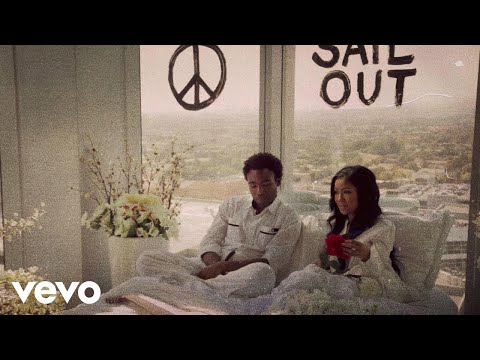
Jhené’s best love songs are ballads. She described “While We’re Young” as her “ideal love situation.” The song is endearing and innocent with a hint of rebellious adventure, just like young love. You don’t know what you’re getting yourself into, but you’re open to the risk. This feeling carried over from 2013’s “Bed Peace,” a song about slowing down and enjoying the present with a partner. Telling someone “you are the reason, my love/My mind is open so wide since you came inside/I feel so alive/Without you life just passes by,” is as open as it gets.

YouTube Video
Click to load video

The Sexual Siren

(P*$$Y Fairy, Maniac, Living Room Flow, First F**k, 2 Minute Warning)

It’s one thing to casually mention “[eating] the booty like groceries,” but it’s another to start a song with “hop on that d*** like a maniac.” During Jhené’s early days, she would allude to her pleasure preferences and sexual nature in her 2011 song, “Hoe,” but as she got older, she essentially said ‘f*** it,’ and opted to be honest with who she is: “a lowkey freak.” “Living Room Flow” is a sensual 2011 ballad that details the desire for lust – not love. The year after, alongside her partner, Big Sean, she released “2 Minute Warning.” The accompanying visual was risqué, something that Jhené later admitted she rarely shows to the public.

When the aforementioned “Maniac” rolled out, though, all bets were off. She followed up “Maniac” with the titillating collaboration with 6lack, “First F**k,” and the jaw-dropping verse on Saweetie’s “My Type Remix. “I like a BBC in some BBC/That’s the type of s**t that make a b***h DTD/That’s drop them drawers, I’ma lock them jaws/You ain’t never had a b***h from Slauson, yeah/I like the type to eat the p***y ’til I levitate/I’m the type to make him beat it up, then meditate…”

Not long after, she sent the internet into a further frenzy with the surprise release of “P*$$Y Fairy.” This provocative ballad features a specific singing bowl that “corresponds with your second chakra (sacral chakra), which governs your sexual organs below your navel and your hips,” according to an interview with Billboard. Knowing your intimate self is key with Jhené, and aside from the lyrics getting you “sprung off in the springtime,” the melody literally hits you in the soul.

YouTube Video
Click to load video

The Slauson Sound Healer

(WAYS, Ascension, Never Call Me, Beautiful Ruin, Everything Must Go, Speak)

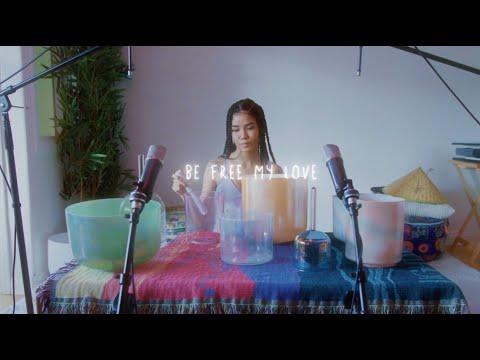
Jhené Aiko is the self-proclaimed “Slauson Hills Sound Healer.” On her latest project, she incorporated crystal sound bowls, designed to correspond with your chakra system, into every track. However, her interest in healing came long before Chilombo. She considers 2013’s “Everything Must Go” to be the “the realest s**t [she] ever wrote.” It’s all about realizing that, once you’ve lost everything a fire, you begin to understand what’s really important. “Nothing belongs to you, so be free,” she reflected.

3:16 is Jhené’s birthday, but is also a prominent number she often references in her music. “3:16 AM” has been referenced as the time to reflect on her dark moments, while “3:16 PM” is a period full of literal and figurative light. When she released “W.A.Y.S.,” the opening line alludes back to 3:16: “at forty-four minutes to four…” Given Jhené’s interest in spirituality, it’s not hard to imagine it being a reference to angel number 444. The ‘WAYS’ acronym stands for “why aren’t you smiling,” which is one of her late brother Miyagi’s final tweets. (Jhené has a tattoo of the words.) Jhené self-medicated while battling the grief associated with the loss of her brother, and you can hear her struggle play out at the end of her 2017 album, Trip, on “Ascension.” The song features Brandy, and highlights what it’s like to find your way out of a personal hell.

When she isn’t creating a soundtrack for personal growth, Jhené is piecing her heart back together in an empowering way. On “Beautiful Ruin,” she speaks of being mistreated by a lover, but finding the silver lining – “what a beautiful woman you’ve made of me.” “Speak” is written in the key of E, corresponding to the solar plexus chakra intended to channel one’s personal power. She sings, “f**k your opinion ’bout it, I’m feelin’ my best/I won’t hide it […] I’ll celebrate my freedom, I’m gon’ speak up…”

YouTube Video
Click to load video

Nothing depicts the “Slauson Hills Sound Healer” side of Jhené better than 2017’s “Never Call Me,” however. It features friend and gangsta rap legend Kurupt, and directly addresses her relationship with ex-husband, Dot Da Genius. At the time of its release, rumors were circulating about their breakup and those closest to Jhené kept asking how they should handle him. To eliminate any further back-and-forth, Jhené used the song to make herself clear. “You ain’t know I’m a crazy b***h/And tell your lawyer that I ain’t paying s**t” shows that while she is a sweet, loving woman, she’s still from Slauson Hills and has a tribe of people ready to ride for her. Kurupt’s voicemail bluntly stating, “the homie called me and was like ‘Man, Jhené trippin, man, this buster ass n***a got her mind f**ked up’/I’m like ‘No, not Jhené’/Né-né, you hit me I got you, you understand me?” Sometimes, you’re the one who requires tough love in order to heal.

YouTube Video
Click to load video

Browse Jhené Aiko’s music on limited edition vinyl and CDs here.

Think we missed one of the best Jhené Aiko songs? Let us know in the comments below.

​Discover more about the world’s greatest R&B artists | uDiscover Music

Categories
Hip Hop

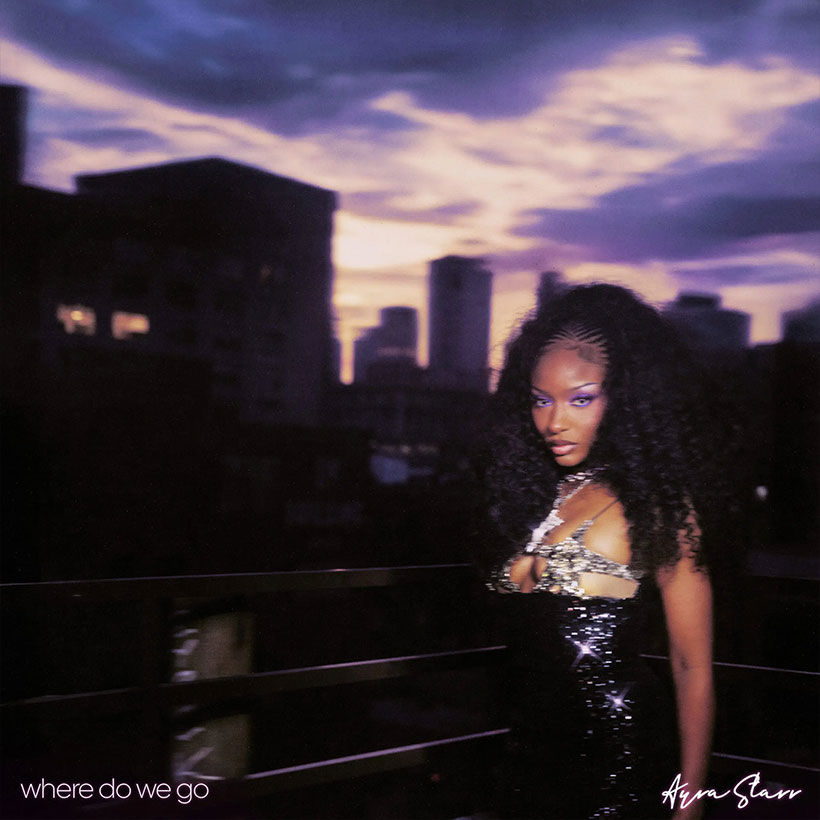
Arya Starr Shares ‘Where Do We Go’

Ayra Starr Where Do We Go

Arya Starr has shared a new single titled “Where Do We Go.” Produced by ILYA, “Where Do We Go” is a sultry ode to an after-hours relationship. Danceable and vibrant, the song asserts Starr as, well, a star. The Afrobeats artist’s latest track is out now via Mavin Records.

“Where Do We Go” is Starr’s first release since last year’s smash hit “Who’s Dat Girl,” in which she trades verses with Rema. Also in 2025, her collaboration with Wizkid, “Gimme Dat,” earned Starr her second Grammy nomination for Best African Music Performance at the 68th Annual GRAMMY Awards.

The Beninese-Nigerian artist landed her first Grammy nomination a few years back for her massive 2022 single “Rush,” cementing her as the first and youngest Nigerian female artist to be nominated in that category. The song made Starr the first African female artist to have two songs reach over 500 million Spotify plays. “Rush” initially appeared on a deluxe edition of Starr’s debut album, 19 & Dangerous, and also has a remix featuring Kelly Rowland.

Starr’s sophomore record, 2024’s The Year I Turned 21, featured the singles “Rhythm and Blues” and “Commas.” The album features guests like Asake, Anitta, Coco Jones, Giveon, Seyi Vibez, and more. The track “Santa” with Rvssian and Rauw Alejandro made Starr the first Nigerian female artist to receive a RIAA Latin Diamond certification.

YouTube Video
Click to load video

Also in 2025, Starr won two MOBO (Music of Black Origin) Awards. In addition to being named Best international Act, she was the first female artist in 16 years to win the trophy for Best African Music Act. She’s also picked up nominations at the BET Awards (Best International Act), Soul Train Awards (Best New Artist), and the MTV VMAs, where her tracks “Rush” and WizKid collaboration “2 Sugar” were up for Best Afrobeats Song.

Listen to Ayra Starr’s “Where Do We Go” here.

​Discover more about the world’s greatest R&B artists | uDiscover Music

Categories
Hip Hop

Riot Girls: The Female Musicians Who Changed The World

Ah, “just another blog about women in rock,” to paraphrase former Bikini Kill frontwoman Kathleen Hanna. But while surely we’re happily approaching the days where we don’t have to say “all-female band” instead of just, y’know, band, it’s still good to pay our respects to those female musicians who cleared, with sweat and struggle, the paths that we now walk.

But it wasn’t always so easy for musicians to be openly feminist – or, indeed, to be openly women. But right from the start, they’ve been there, eking out space, changing the game, one step at a time. And though there isn’t space to thank them all, let’s make a start…

As noted in rock academic Lucy O’Brien’s essential book She Bop, among the very first performers to popularize blues and make a success of selling records were women. The first of the “race records” – tracks aimed at an untapped market of black Americans – released by Okeh Records in 1920 was sung by a woman: Mamie Smith’s “Crazy Blues.”

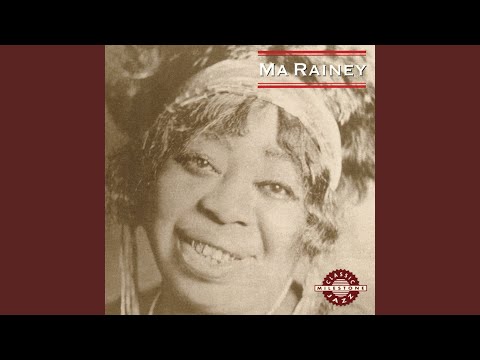
The first big success and big personality was Ma Rainey, The Mother Of The Blues, who championed a direct, down-to-earth style, despite making an early stab for rock glamour and excess by wearing a chain of $20 gold pieces and advising her listeners to “Trust No Man.” She began touring as a double-act with her husband, but went on to make over 100 solo recordings, invested the money she made in two theatres, and got to retire comfortably. She also discovered Bessie Smith, who brought blues further into the mainstream during the 20s, a decade when female performers were more successful than men.
YouTube Video
Click to load video

Smith could earn up to $200 per side on her recordings, a phenomenal amount when a typical successful male artist might earn around $15. The title of her first recording set the defiant tone: “T’Ain’t Nobody’s Business If I Do.” She was known for the way she’d competitively “carve” other artists’ songs, releasing her own, superior version, shortly after theirs, and she dressed with front to match, in glitzy gowns and ostrich plumes. “Smith had several husbands, but they could never control her or her bisexual affairs,” reveals O’Brien in She Bop, which conjures a world of early independent woman, where track titles such as “Ain’t Much Good In The Best of Men Nowaday” or “One Hour Mama” abounded, despite the stereotypical image of the mournful blueswomen devastated by lost love. Women weren’t limited to singing, either: Memphis Minnie’s guitar style adapted from the classic to the electric blues era, and, in 1933, she once beat Big Bill Broonzy in a guitar contest, to the delight of the watching crowd.

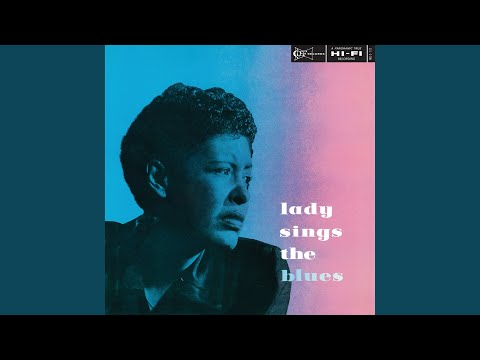
As blues mutated into jazz, it was a woman who became its most original, and most lauded voice: Billie Holiday. Though Lady Day suffered greatly at the hands of men – she was raped at the age of 10, and working as a prostitute at the age of 13, having started her working life cleaning in a brothel, where she listened obsessively to their Bessie Smith 78s – she turned her anger and pain into some of the most arresting songs in the popular music canon. “Strange Fruit” was the first time a female singer had been so politically outspoken, so angry, so open about the racism that had blighted her life.
YouTube Video
Click to load video

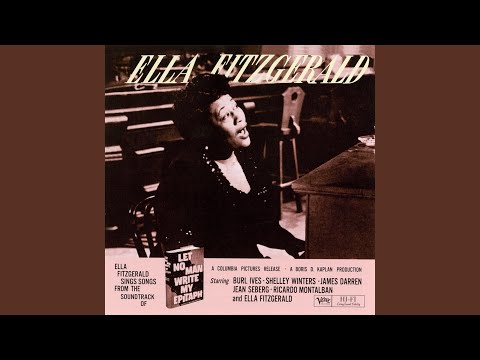
Ella Fitzgerald also broke boundaries, dominating bebop with her versatile voice, which she used like a virtuoso instrument. She was the first black artist to headline The Copacabana, and kept pushing forward in her later years, performing on Quincy Jones’ 1989 album, Back On The Block. Another groundbreaking female artist, Björk, was a fan from her childhood. “Here singing was an influence on me, but not in a direct sense,” she told Q magazine in 1994. “More in the sense that you shouldn’t take melodies too literally… the point is more the mood, and the emotions, and it doesn’t matter if you forget the lyrics. You can still sing the song. You can do whatever you want to.”
YouTube Video
Click to load video

Taking that last sentiment to heart, the first woman to have a No.1 record in the US was Connie Francis, an Italian-American New Jersey girl born Concetta Franconero. Having had flop single after flop single, Francis’ contract was almost expired, and she was considering a career in medicine instead. At her final session in 1957, she recorded a cover of a 1923 song called “Who’s Sorry Now?.” It reached No.1 on the UK chart (which US singer and actor Jo Stafford had already topped in 1952 with “You Belong To Me”) and No.4 in the US. In 1960, her track “Everybody’s Somebody’s Fool” became the first song recorded by a solo female to top the US chart.

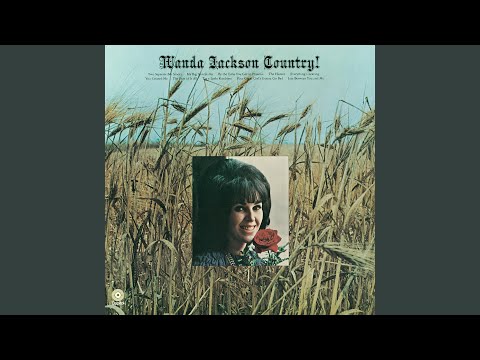
Though it took a decorous lady like Connie to crack into hearts and charts, as pop and rock started to diversify into different genres, other women were pushing at the boundaries of what was sonically and visually acceptable. Wanda Jackson, The Queen Of Rockabilly, was no mere accessory to King Elvis, fronting her own radio show from the age of 11, and later touring with her own band. She brought, she said, a glitzy glamour into country with her stage outfits, sewn by her mother, and struck fear into the hearts of no-good cheaters on the likes of 1969’s “My Big Iron Skillet”: “There’s gonna be some changes made when you get in tonight ’Cause I’m gonna teach you wrong from right.”
YouTube Video
Click to load video

Bringing blues back into the era of 60s rock, meanwhile, Janis Joplin pushed even harder at the definition of what a female performer could do. Inspired by the likes of Ma Rainey and Bessie Smith, she began singing folk and blues at school, where she was bullied not just because of her weight and her acne scars, but also for her love of black music. Joplin was among the first rock frontwomen to take the freedom that the 60s promised – with all its good and bad ramifications – and try to live as free as a man could. Breaking through with Big Brother & The Holding Company at the 1967 Monterey Pop Festival, her star soon outshone the rest of her group, and she took control in the studio before going solo, providing inspiration to a generation of free female spirits. “After they see me,” she said, “when their mothers are feeding them all that cashmere sweater and girdle, maybe they’ll have a second thought – that they can be themselves and win.”

Also pushing rock boundaries was Jefferson Airplane’s Grace Slick, who left both her first band and her husband behind to become one of the hippie era’s great frontwomen. With her unusually deep voice, Slick aimed to emulate that most traditionally male of rock instruments, the electric guitar, and she wrote one of acid rock’s defining statements in 1967’s “White Rabbit.”

Over on the pop side of things, Carole King was one of the 60s’ defining musical figures. Born with perfect pitch, she started learning the piano at four. With her songwriting partner and husband Gerry Goffin, she wrote some of the biggest pop and girl-group hits of the era – the likes of “The Loco-Motion,” “It Might As Well Rain Until September” and “Will You Love Me Tomorrow” – becoming the most successful female songwriter of the late 20th Century. Between 1955 and 1999, King wrote or co-wrote 118 Billboard hits, and 61 UK chart hits.

Her hits for others, from “Up On the Roof” for The Drifters, to the peerless “(You Make Me Feel Like) A Natural Woman” for Aretha Franklin, were not the end of the story. In the 70s, King’s own performing career took off, and her classic album Tapestry holds the record for the most consecutive weeks spent at US No.1, at 15 weeks. The album included the barnstorming “(You Make Me Feel Like A) Natural Woman,” which King and Goffin had written for Aretha Franklin, the singer to end them all. Franklin took the gospel power of her church upbringing – Mahalia Jackson was a family friend – to the world of pop, commanding R-E-S-P-E-C-T with a voice of refined power. When Carole King was honored by the Kennedy Center in 2015, Franklin’s performance of “Natural Woman” – complete with fur-coat drop – stole the show.

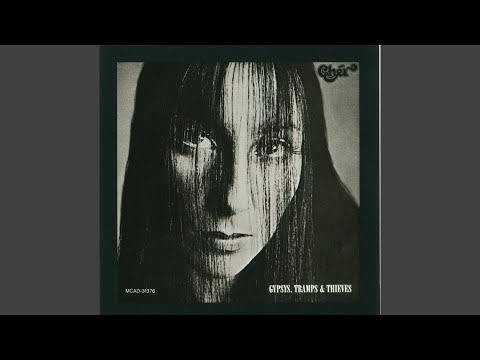
Making a very different journey through bubblegum pop to solo success was Cher, who, after singing backing vocals on Phil Spector hits such as “Be My Baby” and “You’ve Lost That Lovin’ Feelin’”, hit the heights with husband Sonny Bono and their dewy-eyed flower-child love anthem “I Got You Babe.” Hippie pop’s power couple were not all they appeared, however, and for years the controlling Bono held Cher’s career back. Her first solo US No.1, 1971’s “Gypsys, Tramps And Thieves,” was, tellingly, produced without his input.
YouTube Video
Click to load video

In 1974, Bono filed for a separation on grounds of “irreconcilable differences.” Cher countered with a divorce suit on grounds of “involuntary servitude,” claiming that Bono had withheld from her the money she’d earned. Cher went on to range widely through rock, pop, disco and dance, with highlights including the cannon-straddling video for 1989 power ballad “If I Could Turn Back Time” (banned by MTV, and other channels, thanks to Cher’s outré get-up), and the 1998 vocoder-trance hit “Believe,” which became the biggest-selling hit by a female artist in the UK. In more recent years, she also became an unexpected success on social media, hilariously baiting the Donald Trumps of this world in capital letters.

Talking of leather-clad rock chicks, we should play homage to an original, Suzi Quatro, who challenged gender boundaries by becoming the first famous female rock bassist. Determinedly presenting herself as one of the (tom)boys, Quatro subtly drew attention to double standards. Irked by US record companies trying to make her into the next Janis, she moved to the UK in 1971 to find success on the suggestion of producer Mickie Most, who “offered to take me to England and make me the first Suzi Quatro.” Quatro was no mere puppet, though, and the ferocious way that she laid claim to headbangingly “male” glam and hard rock sounds of the era, as heard in her hits “Can The Can,” “48 Crash” and “Devil Gate Drive,” all million-sellers – marked her out as a true original. Later she’d come to wider recognition in her home country as the rocker Leather Tuscadero on the sitcom Happy Days.

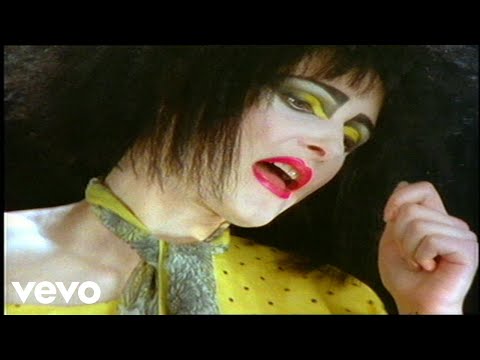
Quatro, alongside her fellow leather enthusiast and Runaways guitarist Joan Jett and beatnik-inspired proto-punk poetess Patti Smith, cleared the way for the women of punk rock such as Akron, Ohio’s Chrissie Hynde, who also moved to the UK to make it, the peerless Poly Styrene and bands such as the Slits and the Raincoats, who seized on punk’s DIY promise to carve their own space. Outlasting the scene’s brief energy flash, and many of the its male figureheads, was Siouxsie Sioux, first ringleader of Sex Pistols’ fan crew the Bromley Contingent, then becoming her own icon at head of The Banshees, whose dark glamour lit new paths through post-punk and goth.
YouTube Video
Click to load video

But rough and tough wasn’t the only way to go in the 70s; there was also the path of the diva. Though Diana Ross’ success with The Supremes isn’t usually held up as a paragon of sisterly solidarity, her huge star power as a black woman bestriding Motown, pop and disco was undeniably a breakthrough and an inspiration to many subsequent women: with 70 hit singles and 18 No.1s, she remains the only artist to have reached the top as a solo artist, a duet partner, as part of a trio, and in an ensemble; Billboard magazine named her the “female entertainer of the century” in 1976.

Barbra Streisand also sets a high bar: originally planning a career as an actor, she thought she’d try singing as an added bonus. After she took part in a talent contest at a local gay nightclub, the club’s owners were so astounded that they booked her to sing there for several weeks, and her performing career began. Early on, she began mixing songs with comedy and theatricality in her shows. Distinguished theatre critic Leonard Harris was impressed, writing, “She’s 20; by the time she’s 30 she will have rewritten the record books.” He wasn’t wrong: Streisand has sold millions of records and raked in millions more at the box office, and she’s the only artist to have No.1 albums in six decades.

The first UK No.1 album by a female artist, meanwhile, was Kate Bush’s Never For Ever. A landmark in more than one way, it was released at a juncture in Bush’s career where she seized control, setting up her own publishing and management company, and taking more and more control over the production of her records. From her next album, The Dreaming, onwards, Bush was in full control, pushing pop to its most experimental edges, and pioneering the use of electronic instrumentation, such as the Fairlight sampler.

Bush opened paths for women in alternative music, but we should honor, too, those who broadened out the mainstream, such as Madonna, the mother of record-breaking. Moving from Michigan to New York with only $35 and a blond ambition that overcame her fear – “it was the first time I’d ever taken a plane, the first time I’d ever gotten a taxi cab” – she is, still, the bestselling female recording artist of all time, and frequently held up as one of the most influential. Her frankness and in-your-face sexuality, and her wild, unashamed success, inspired generations of women. From her lace-and-“BOY TOY” T-shirt days to the graphic provocations of her Sex book, Ciccone loved to challenge, and to nip at the heels of the Catholic religion in which she was raised: the first and best of pop’s good-girls-gone-bad.

Blazing her own trail from ingenue to goddess at around the same time was Whitney Houston, a singer seemingly born to greatness: Dionne Warwick was her cousin, Darlene Love her godmother, and Aretha Franklin her honorary aunt. Houston’s eponymous first album was the best-selling debut by a woman in history, and she is the only artist ever to have seven consecutive Billboard No.1 singles. Despite the troubles of her later life, she was an inspiration not just in the field of music, but in film, with 1995’s Waiting To Exhale in particular still held up as a watershed of mainstream representation of black women in cinema.

Mariah Carey, too, started out as a good girl, in a classic protégé mould: discovered and shepherded by manager-husband Tommy Mottola, her rafter-shaking power ballads sold phenomenal amounts. But Mariah wanted more. She divorced Mottola and seized control with 1995’s Daydream album, adopting a more contemporary R&B sound, enlisting guest rappers such as Ol’ Dirty Bastard and Jay Z, and sampling Tom Tom Club. “Everybody was like, ‘What, are you crazy?’” she said at the time. “They’re nervous about breaking the formula. It works to have me sing a ballad on stage in a long dress with my hair up.” The result, though, was higher sales than ever; her peerless single “Fantasy” saw her become the first female artist to debut a single at No.1 on the Billboard Top 100. And in shifting her squeaky-clean balladeer image to a more playful divadom, Carey became one of our most beloved pop stars, and proved that she knew best.

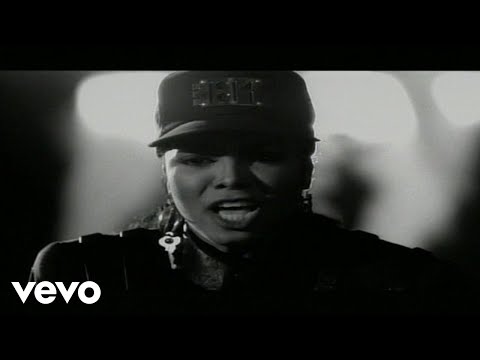
Janet Jackson, too, started out in the shadow of men – not just her hugely famous brothers, but her domineering father – appearing in family productions from the age of seven. Her artistic and commercial breakthrough, Control (1986), saw her moving away from her father’s influence towards creating, with producers Jimmy Jam and Terry Lewis, a tough, smart persona. Enduring classic “Nasty” was inspired by men who catcalled her in the street on the way to the studio. “I’ve got a name, and if you don’t know it, don’t shout to me in the street,” she said. “‘Control’ meant not only taking care of myself, but living in a much less protected world. And doing that meant growing a tough skin.” By the release of her next album, Rhythm Nation 1814, she’d sacked her father as manager.
YouTube Video
Click to load video

Moving into the 90s, one ingénue who was certainly paying attention to the bath of her forebears was Madonna’s future kiss-partner Britney Spears, who broke through in the video for her platinum single “… Baby One More Time,” playing the tongue-in-cheek part of a Catholic schoolgirl with unclean thoughts. Spears’ struggle to gain control over her adult image became a template to follow or react against for female pop stars making the transition from child star to adult artist, from Miley Cyrus to Selena Gomez. In 2008, Britney became the first female artist to have all her first five albums debut at No.1 in the US, and the youngest female artist to have five No.1 albums.

Alt.rock’s commercial breakthrough in the 90s was spearheaded by women from Sonic Youth’s Kim Gordon to Liz Phair (who once described Madonna as the speedboat who pulled other female musicians behind her on jet skis). Courtney Love was grunge’s supremely self-aware Janis, her raw-rage voice and fearless frankness inspiring a generation, while Bikini Kill, Babes In Toyland, Sleater-Kinney and the riot grrrls brought feminist politics into music more explicitly and unapologetically than ever before, and the likes of Tori Amos and Alanis Morrissette brought some of that anger and energy into the mainstream. . (Tori remains committed to exorcising her rage on record. Her latest album, Native Invader, pulls no punches in criticising the Trump administration.)
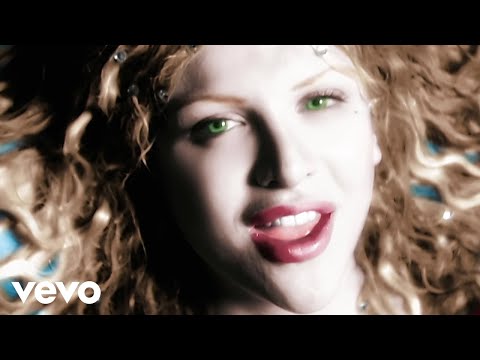
YouTube Video
Click to load video

In the proud and open feminism of today’s pop megastars, we can see the legacy of those 90s women all around us, but it might be some time before we can truly measure the influence of Beyoncé. Like many on this list, her story is one of increasing control. Her early success with Destiny’s Child, with game-changing, smart, sharp, R&B-pop hits including “Jumpin’, Jumpin’,” “Bills, Bill, Bills,” “Survivor” and “Independent Women (Part 1),” came under the aegis of her father-manager Matthew Knowles, with Beyoncé suffering depression after he sacked band members and she copped the public blame. Matthew continued as her manager through her solo success from “Dangerously In Love” (recorded with future husband Jay Z) onwards. In 2010, Beyoncé took a career break on her mother’s advice, and, in 2011, parted ways with her father as manager.

From then on, things got seriously interesting: her album 4 was heralded by the tough, baile-funk influenced “Run The World (Girls),” a motto Beyoncé lived by more and more closely. The surprise release of her self-titled album and accompanying film in 2013 marked a step-change in her output, with frank and graphic lyrics, and darker, stranger production, opening up more of her thoughts than ever before. The all-conquering Lemonade sealed the deal, taking on not just unfaithful husbands, but, in the infectious “Formation,” systemic racism. Her proud support of feminism and the Black Lives Matter movement, along with her fellow megastar, and darker, stranger production, has changed the game. Rihanna, who took part alongside Beyoncé and many others in powerful Black Lives Matter video, has also pushed the boundaries of what mainstream stars are supposed to talk about with songs such as “American Oxygen” and her dark, frank Anti album – a long way from the sweet-smiled Barbadian 17-year-old who released Music Of The Sun in 2005.

And in a more crass measure of female power, Beyoncé and Rihanna are also consistently among the top musical earners over the past few years. So too is Katy Perry, who, like Carole King, is a songwriter who found her own success, and whose candy-pop image sends up a princessy, bubblegum idea of femininity as she fires out empowerment anthem after empowerment anthem.
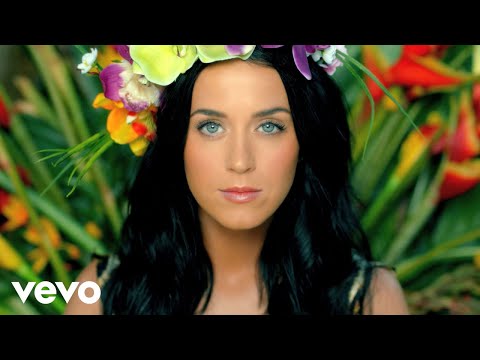
YouTube Video
Click to load video

Perry’s fellow lover of pop grotesque, Lady Gaga, meanwhile, is the ultimate self-created icon, springing fully formed from her own weird brain. From the start, she presented herself as a ready-made star: a breakthrough single called “Paparazzi,” and an album called The Fame. And writing her own legend worked – she’s now one of the highest-selling artists ever, with an estimated 114 million album sales, and the proud owner of six Grammys and three Brit Awards. She’s used that success to stand up for others, sharing her own story of being raped at the age of 19, and performing her song on the subject, “Til It Happens To You,” surrounded by sexual assault survivors at the Oscars.
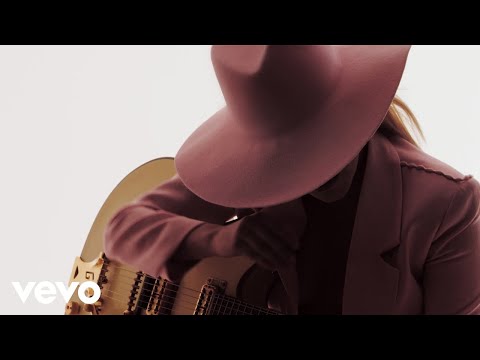
YouTube Video
Click to load video

It used to be the case that there was only room for one woman at the top table, but, hearteningly, female solidarity has become an increasingly important story in pop. Taylor Swift, who writes some of the most irresistible pop songs in the game, and breaks records every time she breathes, underwent an enthusiastic public conversion to feminism, championing her friends in a way that counteracted the media’s tendency to set female stars against each other.
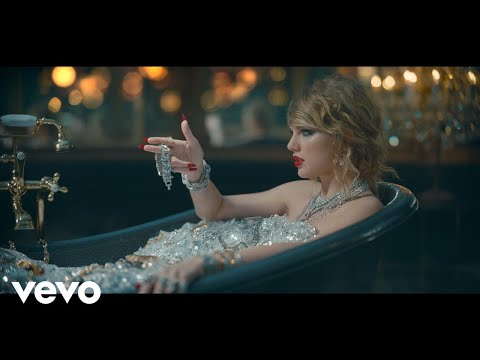
YouTube Video
Click to load video

One of those friends, Lorde, was hailed by David Bowie himself as the future of music. When she parted ways with her manager Scott MacLachlan before the release of her second album, Melodrama, there were online mutterings to the effect that it might not be the wisest of ideas. “Hey men,” she tweeted in response, “do me and yourselves a favor and don’t underestimate my skill.” That future seems to be in safe hands.

​Discover more about the world’s greatest R&B artists | uDiscover Music

Categories
Hip Hop

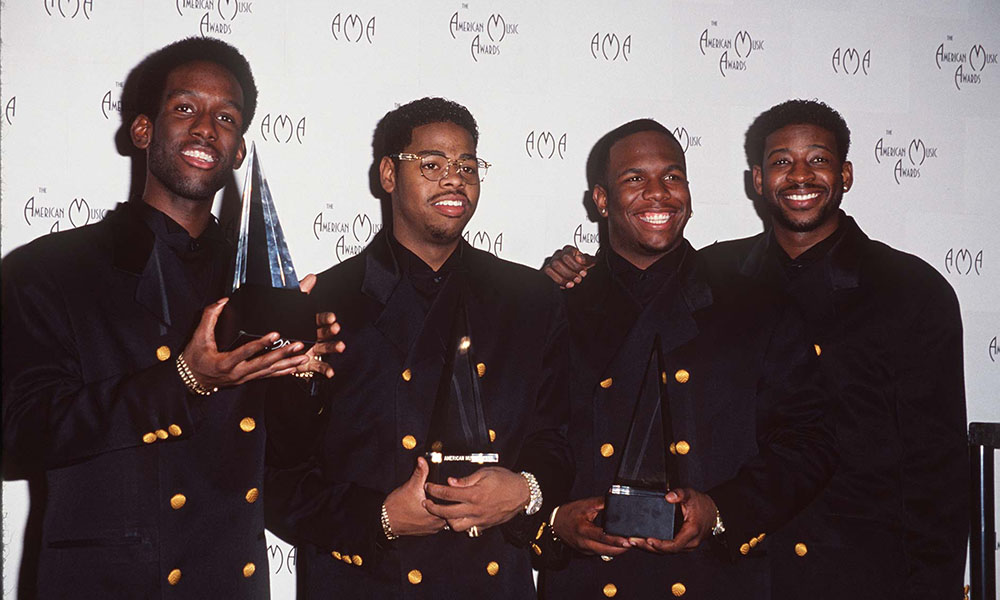
‘I’ll Make Love To You’: The Story Behind Boyz II Men’s Romantic Hit

Boyz II Men, the group behind I'll Make Love To You

R&B ballads dominated the charts in the early 90s, and Boyz II Men helped lead the charge. Alongside acts like Mariah Carey, Whitney Houston, Jodeci, and SWV, Boyz II Men proved that slow jams had marketable appeal. Forming in their native Philadelphia in 1988, the group signed to Motown Records about a year later thanks to a chance audition with Bell Biv Devoe.

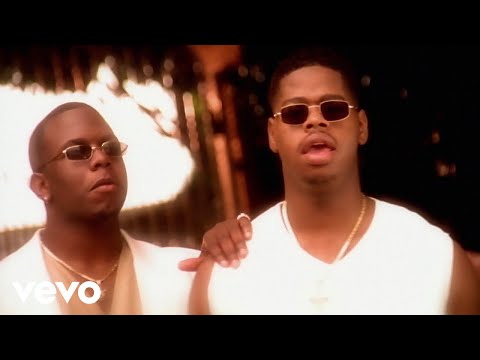
In 1991, Boyz II Men released their debut album, Cooleyhighharmony. The multi-platinum LP featured hits like the New Jack Swing-inspired “Motownphilly” and their first chart-topper “End of the Road.” But it was the group’s sophomore album II – and its lead single “I’ll Make Love To You” – that solidified them as certified romantic crooners. Released in 1994, “I’ll Make Love To You” had all the elements to put female fans in a trance: lyrics that specifically targeted a woman’s desires, impassioned harmonies, and a music video starring actor Duane Martin to bring the vision to life.

YouTube Video
Click to load video

The song was written by Kenneth “Babyface” Edmonds, who penned the track as a response to “End of the Road” (which he co-wrote). “The funny part is that we felt like it sounded too much like ‘End of the Road.’ We didn’t want to do it,” member Shawn Stockman told Entertainment Weekly in 2019. “We didn’t understand how much of an impact the song was going to have. That’s youth.”

The decision to add “I’ll Make Love To You” to II’s official tracklist worked in their favor: the single topped the Billboard Hot 100 for 14 weeks, making history as the first act to have consecutive double-digit runs on the chart while simultaneously breaking their previous record (“End of the Road” topped the Hot 100 for 13 weeks). “I’ll Make Love To You” also secured another record, tying for the most weeks at No. 1 with Whitney Houston’s 1992 single “I Will Always Love You.” If that wasn’t enough, the single also earned a Grammy Award for Best R&B Performance by a Duo or Group with Vocals.

Boyz II Men continued their reign throughout the decade, most notably with 1996’s “One Sweet Day.” With 16 weeks at No.1, the collaboration with fellow chart favorite Mariah Carey became the longest-running No. 1 song in the chart’s history. (The record was later broken in 2019 by Lil Nas X’s “Old Town Road.”)

Aside from its chart success, Boyz II Men’s “I’ll Make Love To You” has become a modern-day standard that has since been covered by artists like Justin Bieber and Brett Young, and performed on talent competitions like The X Factor UK and The Voice. It has also opened the doors for future male R&B crooners from Usher and Ne-Yo to Luke James and Lucky Daye, reminding us that romance will always be a winning formula.

Boyz II Men’s “I’ll Make Love To You” appeared on 2014’s NOW That’s What I Call Slow Jams, alongside other ballads like Usher’s “U Got It Bad” and Robin Thicke’s “Lost Without You.” Looking for more stories behind music’s biggest hits? Check out the Now! That’s What I Call Music page.

Browse Boyz II Men’s music on limited edition vinyl and CDs here.

​Discover more about the world’s greatest R&B artists | uDiscover Music

Categories
Hip Hop

Best Albums of 1995: 63 Essential Records

GZA, artist behind one of the best albums of 1995

With the launch of user-friendly web portals like AOL and Prodigy, 1995 marked a watershed year for the intersection of technology and entertainment. In the mere seconds (and sometimes minutes) that it took to connect to dial-up internet, fans could interact with one another like never before, allowing for a greater opportunity to discover new music from around the globe. What albums were they excited about? In 1995, grunge was in full swing, rap reigned supreme, and the world couldn’t get enough of Britpop. Electronic music and rave culture were making their way into the mainstream, while the raucous sounds of pop-punk permeated the airwaves.

It was a landmark year for women in music, with outstanding solo releases from Alanis Morissette, PJ Harvey, Natalie Merchant, Shania Twain, and Cassandra Wilson, among others, while female-fronted bands like No Doubt, Elastica, and Garbage ruled the airwaves.

From the Foo Fighters’ best-selling debut to 2Pac’s introspective masterpiece, Me Against the World, here are the best albums of 1995.

Can’t get enough 90s music? Listen to our 90s Music playlist here.

63: Filter – Short Bus

Filter got big on the strength of the ubiquitous hit “Hey Man, Nice Shot” and the 1995 album Short Bus delivered more of the band’s signature guitar-heavy alt-rock.

YouTube Video
Click to load video

62: AC/DC – Ballbreaker

Ballbreaker is a fun, riff-heavy blast from the kings of hard-rock.

61: Autechre ‎– Tri Repetae

Taking philosophical cues from the 80s hip hop and acid house that inspired them, Autechre’s Tri Repetae sounds like little else: Complex electronic music that demands multiple listens to unravel.

60: Black Grape – It’s Great When You’re Straight… Yeah!

Britpop meets breakbeats, It’s Great When You’re Straight… Yeah! is a fun, ecstatic, and slightly deranged bit of mid-90s sampladelic rock.

59: Blind Guardian – Imaginations From The Other Side

A brutal and high-energy maelstrom of metal, Imaginations From The Other Side enhances its hard edges with some interesting elements of folk and progressive rock.

58: Primus – Tales from the Punchbowl

A bizarre and fun mashup of metal, funk, and prog rock, Tales from the Punchbowl is controlled chaos and a brilliantly executed fusion of sound.

YouTube Video
Click to load video

57: Dissection – Storm of the Light’s Bane

Dissection’s 1995 album Storm of the Light’s Bane is a blistering heavy metal workout whose fires are tempered with some beautiful melodic moments.

56: Xscape – Off the Hook

Composed of four singers who are all powerful soloists in their own right, Xscape’s strength is in their dense harmonies and sweet, catchy songs.

55: Silverchair – Frogstomp

With its heavy guitars and even heavier vocals, the 1995 album Frogstomp and its standouts “Tomorrow,” “Leave Me Out,” and “Findaway” still hold up beautifully.

54: Suffocation – Pierced From Within

A manic slice of fire and pure brutality, Pierced From Within is the sonic equivalent of an exorcism.

53: The Highwaymen – The Road Goes on Forever

Composed of some of country music’s biggest names, this final album by The Highwaymen was a fitting send-off, with highlights including the title track and “Live Forever.”

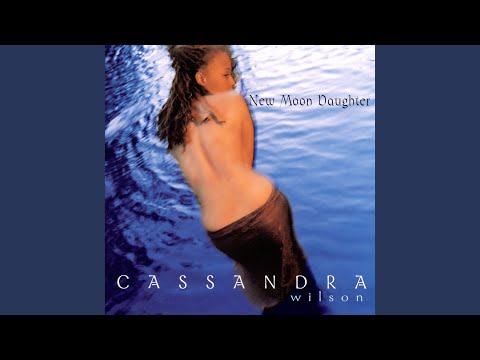
52: Cassandra Wilson – New Moon Daughter

A dreamy, and musically rich work, New Moon Daughter was the breakout album that established Cassandra Wilson as one of the greatest jazz vocalists of her generation.

YouTube Video
Click to load video

51: Big L – Lifestylez ov da Poor & Dangerous

A virtuosic MC and magnetic personality, Big L shines on his debut. Unfortunately, his career was cut short when he was killed four years after Lifestylez… was released in 1995. The album remains a beloved classic and a bittersweet glimpse at his potential.

50: A Guy Called Gerald – Black Secret Technology

A riveting drum & bass exploration from 808 State’s A Guy Called Gerald, Black Secret Technology is an Afrofuturist masterpiece.

49: DC Talk – Jesus Freak

Inspired and righteously driven, DC Talk’s Jesus Freak injected 90s alt-rock with a populist, Christian message.

48: Elliott Smith – Elliott Smith

Led by the arresting opener “Needle in the Hay,” Elliot Smith is a heartbreaking record whose power and vulnerability is transformative.

47: Green Day – Insomniac

Snotty, energetic, and anthemic, Green Day’s 1995 album Insomniac is pure pop-punk goodness.

46: Queen – Made in Heaven

The final album created by Queen before the passing of Freddie Mercury, Made in Heaven is a soaring, heartfelt masterwork.

YouTube Video
Click to load video

45: The Orb – Orbus Terrarum

A dreamy and ethereal journey, Orbus Terrarum highlights The Orb’s gift at making electronic music that requires us to reflect on the beauty of the natural world.

44: Blur – The Great Escape

With brilliant hits like “Stereotypes,” “Charmless Man” and “Country House,” The Great Escape helped solidify Blur’s status at the top of the Britpop food chain.

43: Natalie Merchant – Tigerlily

Subtle, soulful, and intentional, Natalie Merchant’s Tigerlily is an emotional powerhouse of a record. “Wonder,” “San Andreas Fault,” and “I May Know The Word” are standout examples of Merchant’s depth and power as a singer.

42: Bruce Springsteen – The Ghost of Tom Joad

Packed full of emotionally arresting and understated moments, The Ghost of Tom Joad is a powerful and underrated addition to Springsteen’s incredibly deep catalog.

41: Jodeci – The Show, the After Party, the Hotel

A slow-burning and sensual exploration of love and desire, The Show, the After Party, the Hotel was not only a classic upon its release, it continues to influence R&B today.

YouTube Video
Click to load video

40: Fugazi – Red Medicine

Distorted, furious, and righteous, Fugazi’s Red Medicine has a hardcore heart with grooves that are funky and hypnotic.

39: Garbage – Garbage

Cutting-edge when it was released, Garbage’s self-titled debut still sounds fresh decades later. The band’s fresh combination of rock and electronica shines while Shirley Manson leads the way with flamboyance and fire.

38: Goodie Mob – Soul Food

With songs like the dystopian nightmare “Cell Therapy” and the transcendent gospel cut “Free,” Goodie Mob’s debut Soul Food proved that hip hop was ready for an injection of southern soul and intellect.

37: Elastica – Elastica

Fiery and anthemic, Elastica is a refreshing 90s take on punk and New Wave.

36: Sonic Youth – Washing Machine

Sonic Youth spent the 90s building a comfortable bridge between the worlds of noise/experimentalism and underground guitar rock. On Washing Machine, songs like “Little Trouble Girl” and “The Diamond Sea” find the band offering up some of their most melancholy and pop-influenced moments.

YouTube Video
Click to load video

35: Moby – Everything Is Wrong

Whether we’re being hit with a blissful dance anthem like “Everytime You Touch Me” or the furious breakbeats on “Let’s Go Free,” Everything Is Wrong is fun, well-executed electronica.

34: Ol’ Dirty Bastard – Return To The 36 Chambers

A bizarro trip into the mind of Ol’ Dirty Bastard, Return To The 36 Chambers is the wildest of the Wu Tang’s early run of classic solo albums.

33: Oval – 94 Diskont

A gorgeous collection of ambient pieces, Oval’s 94 Diskont could be released tomorrow and still sound cutting-edge.

32: Pavement – Wowee Zowee

Bittersweet, rocking, and funny, the 1995 album Wowee Zowee is anchored by moments of genuine vulnerability that poke out from behind the songs’ wry exterior.

31: Buju Banton – ‘Til Shiloh

In addition to the all-time classic reggae cut “Champion,” ’Til Shiloh is pure, unfiltered 90s dancehall.

YouTube Video
Click to load video

30: Supergrass – I Should Coco

Supergrass’ 1995 debut I Should Coco is a remarkable work full of big bold anthems like “Caught By The Fuzz” and the timeless hit “Alright.”

29: Teenage Fanclub – Grand Prix

An infectious, power-pop romp, Teenage Fanclub’s Grand Prix is smart, catchy, and concise.

28: The Pharcyde – Labcabincalifornia

A much more mature and understated record than their debut, Bizarre Ride 2 the Pharcyde, Labcabincalifornia is full of introspective rhymes and lush production from J Dilla, Diamond D, M-Walk, and The Pharcyde themselves.

27: Bone Thugs-N-Harmony – E 1999 Eternal

Coming straight out of Cleveland, Ohio, Bone Thugs-N-Harmony challenged rap’s coastal dominance with an unlikely melding of hardcore gangsta rap, breezy melodic lines, and soulful vocal harmonies.

26: Foo Fighters – Foo Fighters

The Foo Fighters self-titled debut is packed with well-crafted songs that can be sweet and breezy (“Big Me”) or heavy and driving (“Good Grief”). Although the band would go on to have much larger hits, Foo Fighters charted a new path for mainstream rock.

25: D’Angelo – Brown Sugar

Refracting 70s funk and soul through the lens of 90s hip hop and R&B, D’Angelo’s debut was a cultural reset whose influence is still shining.

YouTube Video
Click to load video

24: Basic Channel – BCD

Basic Channel’s BCD is a striking fusion of Detroit Techno-style synthesis and rhythms with the echoed-out ghost of Jamaican dub.

23: Rancid – …And Out Came The Wolves

With its rapid-fire verses and sing-along choruses, Rancid’s …And Out Came The Wolves epitomizes the anthemic nature of 90s punk.

22: Kenny Wayne Shepherd – Ledbetter Heights

With songs like “Shame Shame Shame,” “Riverside,” and “Everybody Gets The Blues,” Kenny Wayne Shepherd’s Ledbetter Heights is full of fiery, contemporary blues jams.

21: The Chemical Brothers – Exit Planet Dust

With its big, bombastic beats and acidic basslines, Exit Planet Dust perfectly captures the sound of mid-90s rave culture.

20: Kenji Kawai – Ghost In The Shell OST

Kenji Kawai’s Ghost In The Shell soundtrack is as grandiose and atmospheric as the classic anime that inspired it. Full of soaring choral vocals and minimalist percussion, the soundtrack is a colorful, compositional feast.

19: White Zombie – Astro-Creep: 2000

Full of big riffs, and daring sonic twists, Astro-Creep 2000 is a bizarre trip into the heart of darkness.

YouTube Video
Click to load video

18: Leftfield – Leftism

Lush, organic, and groovy, Leftism creates a rich musical meeting point where dub, house, and ambient collide.

17: Mariah Carey – Daydream

Featuring enduring classics like “Fantasy” and “Always Be My Baby,” Daydream is pure pop perfection that’s full of soul.

16: Mobb Deep – The Infamous…

Hardcore yet melodic, violent, and introspective, Mobb Deep’s 1995 album encompasses the contradictions and power of New York hip hop in the mid-90s.

15: Jawbreaker – Dear You

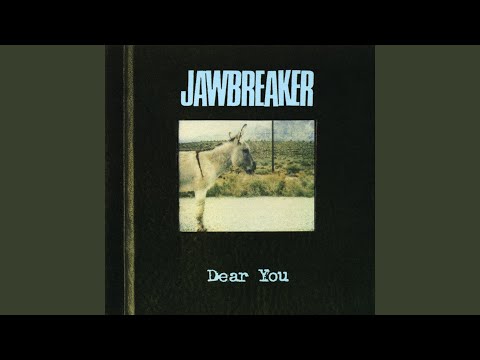
Derided upon its release for its clean production and Blake Schwarzenbach’s changed vocals, Jawbreaker’s final album has come to be regarded as one of emo’s finest moments.

YouTube Video
Click to load video

14: Björk – Post

Whether she’s tackling big band jazz (“It’s Oh So Quiet”), head-nodding hip-hop (“Army Of Me”) or minimalist electro-pop (“Headphones”) Bjork’s range and willingness to experiment establishes Post as one of the most eclectic and inspiring pop records of the 90s.

13: 2Pac – Me Against the World

With songs like “So Many Tearz” and the fantastic single “Temptations,” Me Against the World is a harrowing trip into the mind and soul of rap’s greatest poet.

12: Smashing Pumpkins – Mellon Collie & The Infinite Sadness

A nearly flawless double album of heavy rockers and emotionally rich ballads, Mellon Collie… is arguably Billy Corgan and The Smashing Pumpkins’ greatest artistic achievement.

11: Goldie – Timeless

With its beautiful string arrangements and cutting-edge production, Timeless was the most ambitious dance music record of its day. Cuts like “Inner City Life” and “Khemistry” make a strong case for drum & bass as soul music and the 90s expression of the Black British experience.

10: Pulp – Different Class

With funny and insightful tunes like “Common People” and “Disco 2000,” Jarvis Cocker and Pulp created a Britpop classic for the ages.

YouTube Video
Click to load video

9: Tricky – Maxinquaye

A watershed moment in 90s popular music, Tricky’s debut combined hip hop, soul, dub, and punk and came out with a collection of songs that were practically burning with emotional power.

8: PJ Harvey – To Bring You My Love

Sharp as barbed wire yet tender and vulnerable, PJ Harvey’s To Bring You My Love is one of the rawest and unfiltered artistic statements of the 90s.

7: No Doubt – Tragic Kingdom

No Doubt’s Tragic Kingdom is a phenomenal 1995 album packed with beloved songs like “Don’t Speak,” “Just A Girl,” and “Sunday Morning.”

YouTube Video
Click to load video

6: Radiohead – The Bends

With The Bends, it can be argued that Radiohead had long mastered rock before they reinvented it. Songs like “Fake Plastic Trees” and “High And Dry” are tried and true hits, but they’re still brilliant and powerful.

5: Oasis – (What’s The Story) Morning Glory?

“Wonderwall,” “Don’t Look Back in Anger,” “Champagne Supernova” and more, (What’s The Story) Morning Glory? is an era-defining classic that is packed with hits.

4: Raekwon – Only Built 4 Cuban Linx…

A surrealist crime novel masquerading as a rap album, Only Built 4 Cuban Linx’s dusty, sample-based beats are animated by Raekwon and Ghostface’s complex, slang-heavy, narrative-breaking wordplay.

3: Shania Twain – The Woman in Me

Impeccably written and produced, the 1995 album The Woman in Me is a gem of a pop-country record. Shania Twain holds it down with some outstanding vocal performances.

YouTube Video
Click to load video

2: Alanis Morissette – Jagged Little Pill

A smash hit when it arrived in 1995, the album Jagged Little Pill distilled the angst and power of 90s alt-rock into a single collection of perfectly crafted songs.

1: Genius/GZA – Liquid Swords

Pulling its inspiration from martial arts films, Liquid Swords is not only a literary feast, its beats and GZA’s stoic demeanor throughout give the record a hard and dark edge.

YouTube Video
Click to load video

Can’t get enough 90s music? Listen to our 90s Music playlist here.

​Discover more about the world’s greatest R&B artists | uDiscover Music

Categories
Hip Hop

‘The Wild Tchoupitoulas’: The Story Of A New Orleans Classic

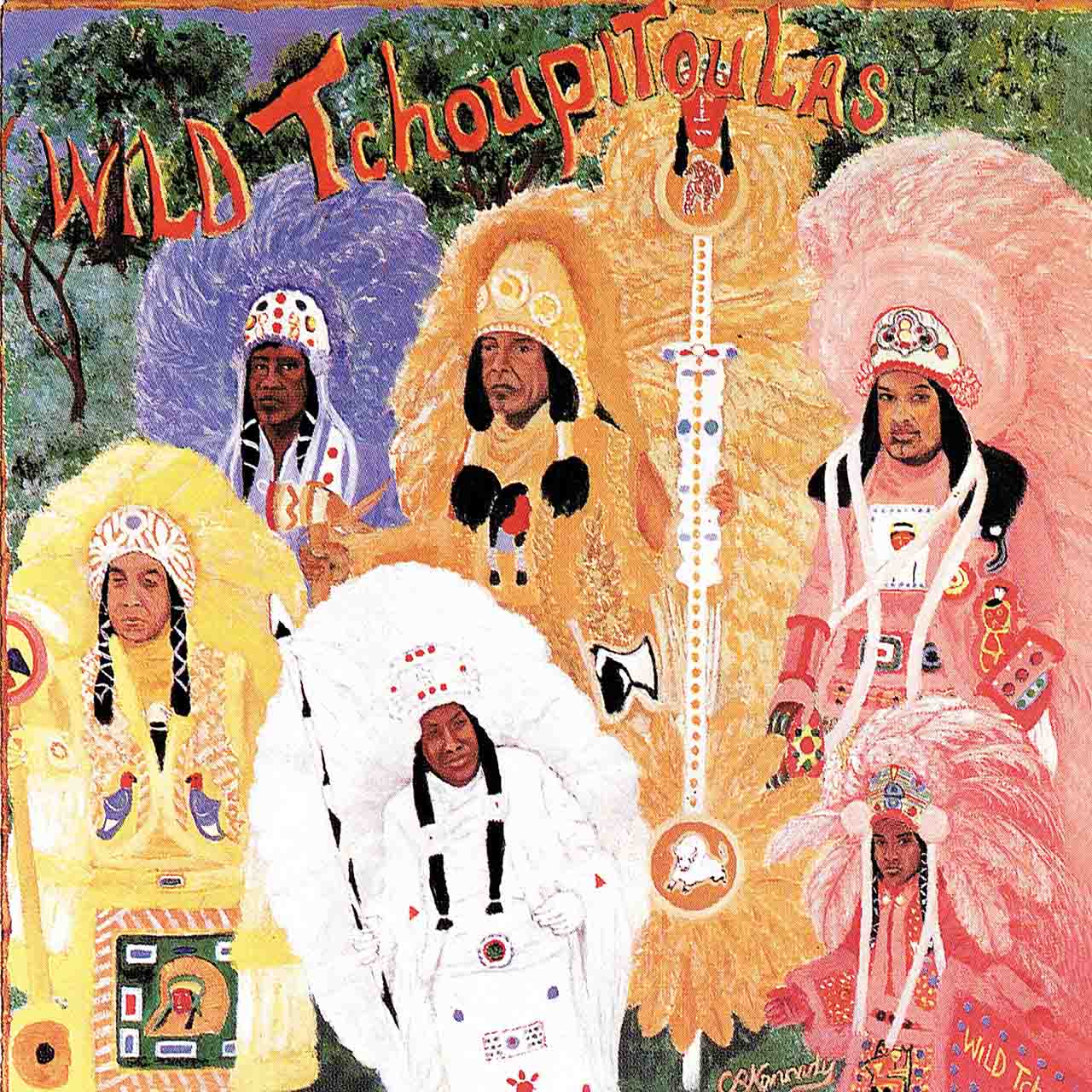
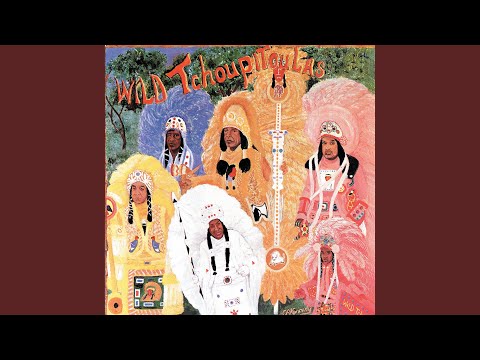
The Wild Tchoupitoulas album cover

Though renowned for the splendor of their meticulously hand-sewn headdresses and suits, New Orleans’ Mardi Gras Indian tribes fundamentally represent solidarity, community, and resolve. Their origins may be traced at least as far back as the 1800s, when Native Americans – under punitive threat by federal authorities – sheltered and abetted enslaved African descendants seeking freedom. When pre-desegregation African-Americans were banned from (white) Mardi Gras Krewes, they paraded as Mardi Gras Indian tribes, commemorating their bond with Indigenous peoples. As New Orleans’ population evolved, they began to absorb Caribbean influences within their ritual costumes, dance, and music.

The latter’s Creole patois call-and-response chants and persuasive rhythms represent a true hybrid of cultures – like so many things distinctively New Orleans. By the mid-1970s it was also due for proper documentation. Chief Bo Dollis’ Wild Magnolias had already released well-regarded recordings fusing Mardi Gras Indian vocals with band backing. But George Landry, AKA Big Chief Jolly, founder of the Wild Tchoupitoulas, was positioned to do something even more special. Landry’s nephews just happened to be the city’s first siblings of soul and funk, Art, Charles, Aaron, and Cyril Neville. Art’s band, The Meters, were the most rhythmically revolutionary funk outfit this side of James Brown’s original JBs, and had long served as studio musicians for revered producer Allen Toussaint.

Listen to The Wild Tchoupitoulas self-titled album now.

That they all converge on the Wild Tchoupitoulas’ self-titled 1976 album alone makes it a milestone. That it also organically connects the dots between the disparate strains of the city’s musical heritages makes it one of the most wondrous representations of New Orleans ever recorded. As chief, Landry largely assumes front and center. His baritone – suitably raspy, considering his lyrical boasts of Mardi Gras Day fire water consumption – leads his other tribesmen and the Nevilles through festive rallying cries touting the superiority of the Tchoupitoulas’ suits, style, and panache in face-offs against rival tribes (the exuberant “Indians Here Dey Come” and “Big Chief Got a Golden Crown”; the ceremonial majesty of “Indian Red”). A lilting reggae groove with a calypso-inspired melody, “Meet De Boys On De Battlefront,” in particular, functions as both a chronicle of Carnival pageantry and a toast to the fierceness, in all respects, of the tribe and its ancestors: “I’m an Indian ruler from the 13th ward/Blood shief-a-oona I won’t be barred/I walked through fire and I swam through mud/Snatched the feathers from an eagle, drank panther blood.”

YouTube Video
Click to load video

Providing the perfect counterbalance are the tracks more prominently featuring the Nevilles. A cover of The Meters’ “Hey Pocky Way” beautifully blends the brothers’ group harmonizing (Aaron’s unmistakable high-pitched timbre cutting through) with drummer Ziggy Modeliste’s signature second-line rhythmic riffing. “Brother John,” penned and sung by Cyril, exalts John “Scarface” Williams – Apache Hunters Indian and former singer with bandleader Huey Smith – who was killed breaking up a knife fight in 1972. Cyril would later describe the tribute to author David Ritz as an expression of “that weird mixture of violence and beauty that was part of our R&B street life.” He might very well have also been describing an album as unique as anything in the NOLA musical canon, whose joyous realization was generations in the making.

Listen to The Wild Tchoupitoulas self-titled album now.

​Discover more about the world’s greatest R&B artists | uDiscover Music

Categories
Hip Hop

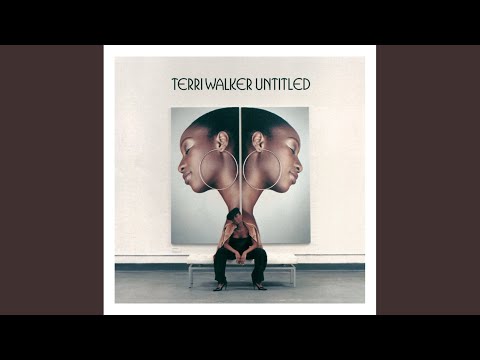
‘Untitled’: Terri Walker’s Breakthrough Debut Album

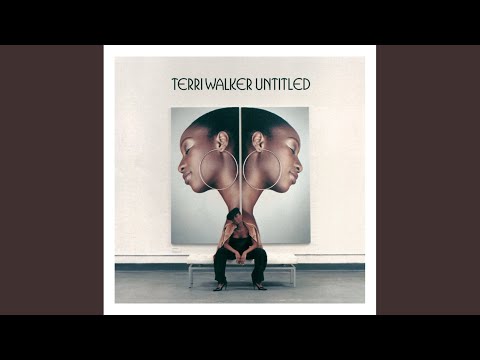
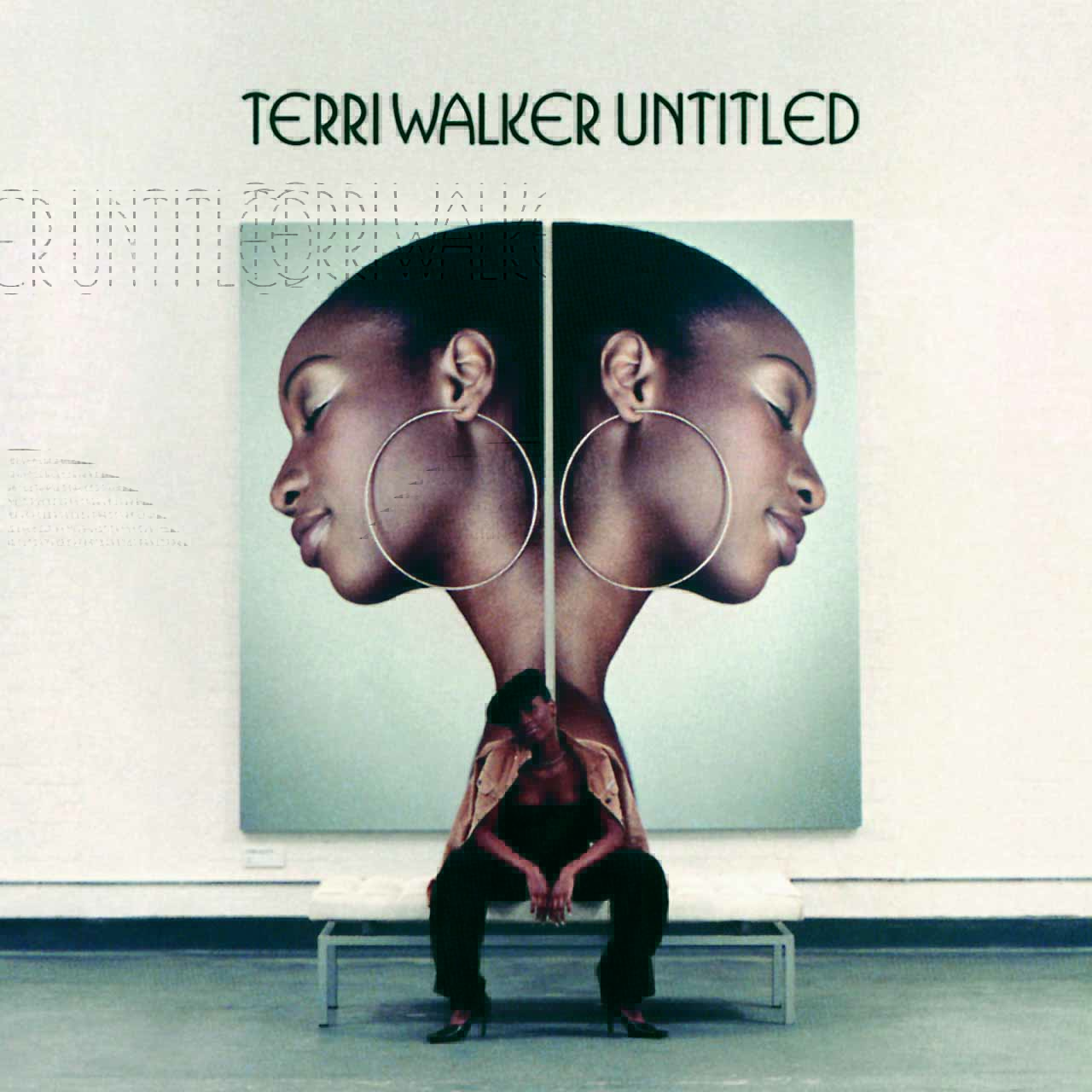
Terri Walker Untitled album cover

Among the huge soul and R&B talent to come out of the UK, Terri Walker – whose debut album Untitled was released in 2003 – is one of the country’s finest. Emerging alongside British R&B artists like Ms. Dynamite, Estelle, and Keisha White, Walker stood out with her vivacious personality and punchy, jazz-inflected vocals.

Born Chanelle Walker in London, she moved to Germany as a child to live with her mother and German stepfather, at which point she became Chanelle Gstettenbauer. (She flexes her fluent German on the Untitled interlude “Deutschland.”) She went to boarding school in the UK, studying opera and training briefly at the prestigious Italia Conti Academy of Theatre Arts. However, Walker was more inclined to follow in the footsteps of British soul divas Mica Paris and Beverley Knight.

Terri Walker’s Untitled is available on vinyl via the Black Story initiative. Order it now.

As she stepped into the industry, she rebranded herself “Terri Walker,” and lent her vocals to various UK garage tracks. After shopping demos around of her own music, she eventually signed to Def Soul UK. In March 2003, her debut album was released. The record, Untitled, is a statement of purpose. “I ain’t that stupid love fool,” Walker spits on the opening track “Love Fool,” setting the tone with honest, straight-talking R&B. Bringing together seasoned industry professionals like producer/songwriter Warryn Campbell (Mary Mary, Alicia Keys, Brandy) and bassist Pino Palladino (Elton John, D’Angelo, Jeff Beck), the album marries slick R&B grooves with jazzy flourishes, anchored by Walker’s charisma and attitude. She collaborates with rapper Mos Def on snappy rebuke “Guess You Didn’t Love Me” and shows her softer side on puppy love ditty “Ching Ching (Lovin’ You Still)” – which peaked at #38 on the UK charts, her highest entry.

YouTube Video
Click to load video

Walker’s signature track and the album’s high point is “Drawing Board,” a shrugging anthem of indifference in the face of romantic disappointment. Ballads like the sensual duet “What Will I Do” and “Love You For Life” also widen the emotional range of the album and demonstrate Walker’s capacity for soul-baring vulnerability. She has a wail of a time on “Dirty Weekend,” ad-libbing over the brassy outro.

YouTube Video
Click to load video

Despite its assured sound, Walker once told journalist Sope Soetan that she called the album Untitled because she was still finding herself. Nonetheless, the record garnered Walker four Music of Black Origin (MOBO) nominations and ushered in a cult following. She would follow with four studio albums, collaborate with producer Salaam Remi on the side-project Champagne Flutes, and record an album as part of the duo Lady with Nicole Wray. Nodding to the sense of uncertainty she felt when recording Untitled, Walker named her fourth album Entitled – reflecting her ultimate sense of belonging in the industry.

Browse our R&B / Soul / Funk collection featuring limited edition vinyl and CDs here.

​Discover more about the world’s greatest R&B artists | uDiscover Music

Categories
Hip Hop

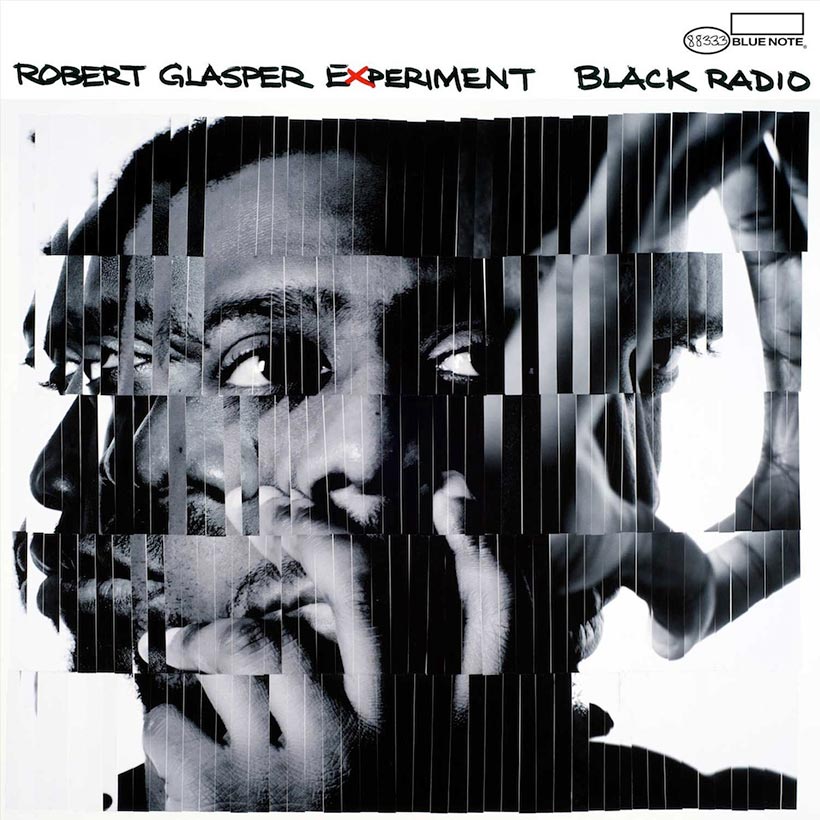
‘Black Radio’: How Robert Glasper Captured The Black Creative Diaspora

Robert Glasper Experiment Black Radio album cover

What constitutes a jazz record? It’s a question Robert Glasper doesn’t concern himself with too much. The classically trained jazz pianist has always straddled the two worlds of jazz and hip-hop, most audibly on pathfinding albums the likes of Black Radio, released on February 28, 2002. After moving from his native Houston to attend the New School in New York, he met neo-soul singer Bilal Oliver, who would become his frequent collaborator and introduction into the conscious hip-hop collective known as the Soulquarians. Its illustrious ranks was comprised of other members of the Black bohemia including Common, J Dilla, Questlove, D’Angelo, Erykah Badu, Q-Tip, and others.

With one foot in jazz and the other in hip-hop, Glasper made the gradual shift from the “acoustic Robert Glasper Trio,” from his Blue Note debut, Canvas, to the more hip-hop-oriented Robert Glasper Experiment. After 2009’s Double-Booked, which was equally split between his trio and the Experiment, it was time for the Experiment to step out on its own.

With only a five-day window to record in LA, Glasper took a very jazz-centric approach, consulting his digital Rolodex of singers, rappers, and other past collaborators to jump in the studio, resulting in a very collaborative and spontaneous recording process. With all instrumental tracks recorded live, often in a single take, it was a feat only a group as versatile as the Experiment could pull off. All four members — Robert Glasper, keys; Casey Benjamin, sax and vocoder; Derrick Hodge, bass; and Chris Dave, drums share a deep jazz pedigree that makes improvisation and collaboration with other artists an integral part of their musical makeup.

Within the diaspora that is “Black music,” Robert Glasper Experiment’s Black Radio, released in 2012, sought to connect all the divergent threads of styles, genres, and scenes into one cohesive sound within a jazz framework. Appealing to both jazz nerds and hip-hop heads, Black Radio is a landmark album that explored new musical territory and serves as a musical collage of hip-hop, jazz, neo-soul, R&B, and funk with genre-crossing guests.

Thanks to his cross-genre and generational appeal, the album simultaneously snagged a 2013 Grammy nod for Best R&B Album and entered the Billboard jazz charts at number one. Breaking out of the conventional thinking around jazz is both a driving point for Glasper and a selling point to the generations who never got down with Davis.

YouTube Video
Click to load video

While Miles had flirted with the concept of a hybrid album with 1992’s Doo-Bop and Herbie Hancock helped introduced hip-hop to the mainstream with his breakout 1983 hit, “Rockit” the creative exchange between jazz and hip-hop had primarily been a one-way street, with hip-hop artists sampling jazz standards. Black Radio took a different approach, representing an offshoot of the music that hip-hop used to sample. Lupe Fiasco, who makes an appearance on the track “Always Shine” along with Bilal, summarises Glasper’s role perfectly:
“The precedent was set, it was just waiting for somebody who was a master with jazz, in its own right, to come in and bridge the gap.”

The end result is an album built on complex compositions, layered with mellow instrumentals, frantic break beats, soulful R&B vocals, and other post-bop incarnations. What ties all the improvisational threads together is Glasper’s continuous, gentle keyboards — providing a stable, sonic bedrock and guiding presence on the album.
Listen to Robert Glasper’s Black Radio now.

YouTube Video
Click to load video

Although much of Black Radio is original material, it also contains multiple pop covers and jazz standards that bridge multiple musical boundaries. David Bowie’s “Letter to Hermione” gets a seductive R&B makeover, Erykah Badu transforms into a jazz chanteuse for Mongo Santamaria’s “Afro Blue,” Lalah Hathaway trips out on Sade’s “Cherish the Day” and Nirvana’s “Smells Like Teen Spirit” is barely recognizable with Cobain’s lyrics layered over a keytar and Rhodes piano, giving the band, Air a run for their money.

Two other standout tracks that represent different sides of the Black Radio dial are “Ah Yeah” the sultry duet between Musiq Soulchild and Chrisette Michele and the title track and lead single, “Black Radio” featuring freestyle verses from Yasiin Bey (formerly known as Mos Def). Named after the black box that records all the information from a plane crash, “Black Radio” serves as a metaphor for the durability of good music, even in turbulent times.

Black Radio can be bought here.

​Discover more about the world’s greatest R&B artists | uDiscover Music