Categories
Hip Hop

‘Soul On Top’: James Brown’s Big Band Jazz Album

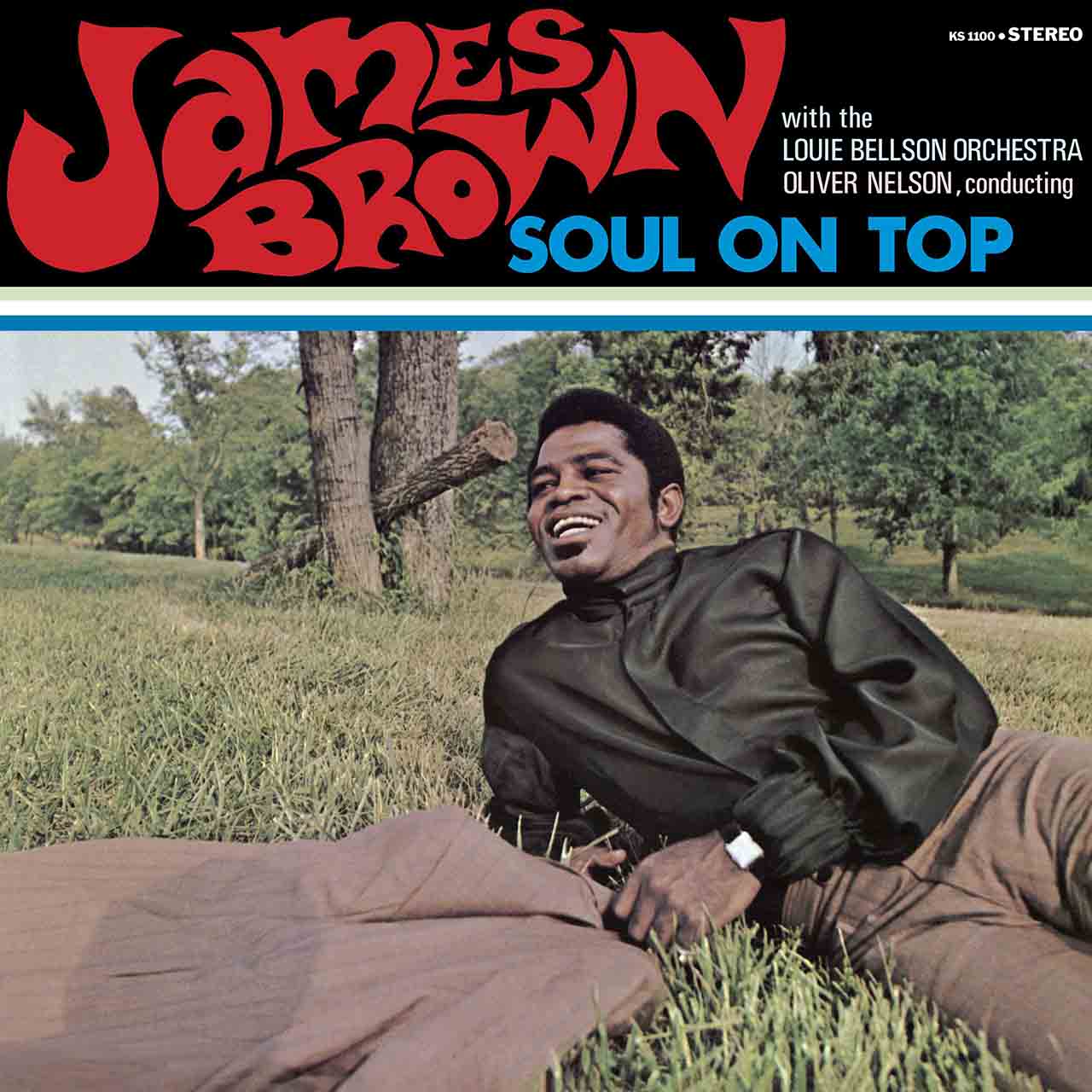
For funk aficionados, James Brown’s 1969/1970 output represents the roots of a revolution – the watershed development of extended grooves from which disco, hip-hop, and essentially all other genres of modern dance music would eventually sprout. Which is why, initially, Soul On Top appears to be such a period anomaly. Recorded in November 1969, it’s a big band jazz album heavy on covers and standards, with respected drummer Louie Bellson and arranger Oliver Nelson, and an orchestra of seasoned West Coast session players largely subbing in for James’s own ensemble.

Yet, for Brown, it made complete sense. “At heart, I’ve always been a jazz man,” he told critic Leonard Feather at the time, having long expressed his admiration for the big bands that toured the Macon, Georgia, of his youth. The Godfather of Soul knew how intrinsic jazz was to his musical arc, as exemplified by his reliance on jazz-trained musicians/musical directors like Maceo Parker, Fred Wesley, and Pee Wee Ellis, who could cleverly co-opt the main riff from Miles Davis’s “So What” for the proto-funk of “Cold Sweat.” Soul On Top allowed him to make that connection even more explicit, and he seized it with his signature fervor.

Renowned as a ruthlessly meticulous bandleader, Brown sounds exceedingly comfortable as an interpreter afloat the Bellson’s orchestra’s tight execution of Nelson’s arrangements on romantic ballads like “That’s My Desire” and “It’s Magic,” or effortlessly swinging numbers like “Everyday I Have the Blues” and “I Need Your Key (To Turn Me On).” But most memorable is Brown’s ability to morph Bellson and company into his own vamping R&B big band, rhythmically emphasizing the one with the same conviction as his concurrent funk experiments. He transforms country legend Hank Williams’ “Your Cheating Heart” into a brassy soul screamer, and infuses Kurt Weill’s “September Song” with similarly ample doses of oomph.
YouTube Video
Click to load video

Of course, it’s the new readings of his own tunes that generate the most excitement. A staple of Brown’s late 60s live show, “There Was a Time” is presented here fast and ferociously compact, nearly spinning out of control. “Papa’s Got a Brand New Bag” steadily builds momentum until Brown and Parker (the only holdover from JB’s regular group) are trading phrases back and forth like they’re onstage at the Apollo. “It’s a Man’s, Man’s, Man’s World” encapsulates all the finest aspects of the LP’s stylistic merger, again building up to a vamp during which every subtle change in instrumentation masterfully shifts the energy levels. Enraptured by Bellson’s band’s relentless pulse and piercing horn stabs, James ad-libs, “It’s in my collar/ I got to holler… It’s in my shake/ About to work me to death,” before unleashing a hair-raising howl. A few days later, he would reprise the same phrases in a Cincinnati studio while recording the epochal break-beat sample source single, “Funky Drummer.” Soul On Top’s ostensible jazz and blues throwbacks were in closer proximity to the grooves of tomorrow than anyone realized.
YouTube Video
Click to load video

Buy a vinyl copy of James Brown’s Soul on Top now.

​Discover more about the world’s greatest R&B artists | uDiscover Music
Categories
Hip Hop

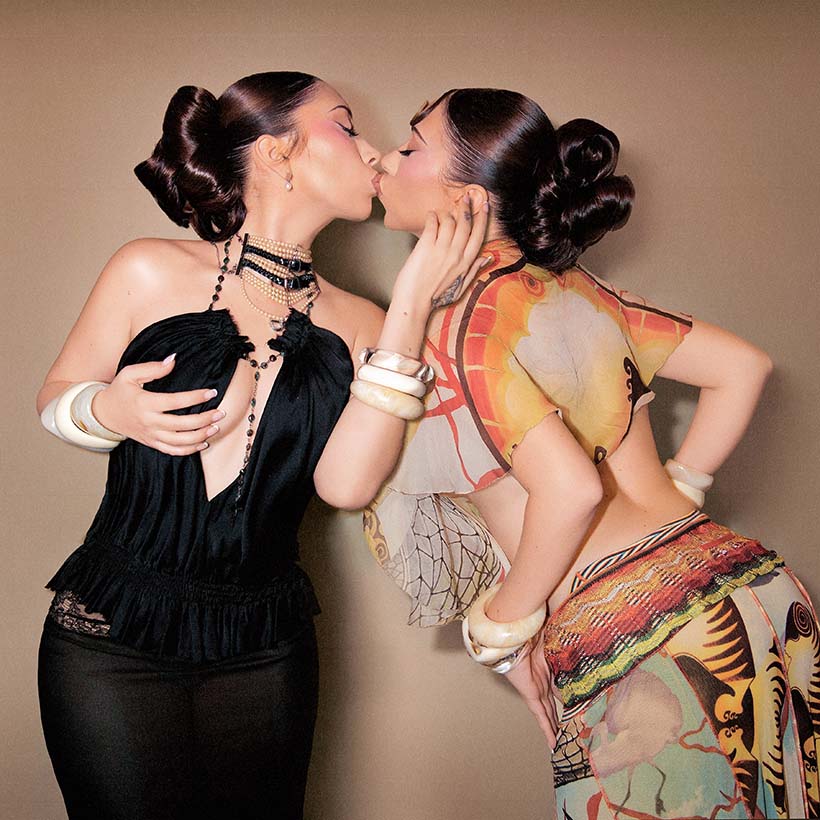
Kali Uchis Announces ‘For The Girls’ Tour

Kali Uchis

Kali Uchis has plans to hit the road this spring and summer, and this one’s going to be for the ladies. On the “For The Girls” Tour, Uchis will be joined by special guest Mariah The Scientist, with opener Laila! joining for select dates.

The “For The Girls” Tour kicks off May 26 at the iconic Red Rocks Amphitheatre in Morrison, Colorado, beginning a 10-show stretch that will also stop in markets like Houston and Atlanta before wrapping up June 19 in Austin. Laila! will be on board for all of those gigs. Another sequence of three shows without Laila! will follow in August in Salt Lake City, Phoenix, and Las Vegas.

Tickets for all shows will first be available in a presale starting Tuesday, March 31 at 10 a.m. local time. Additional presales will follow, leading up to the general onsale beginning Thursday, April 2 at 10 a.m. local time via LiveNation.com. Several VIP options will also be available at vipnation.com.

YouTube Video
Click to load video

The latest full-length body of work from Uchis is her 2025 album Sincerely and its deluxe edition, Sincerely: P.S., which featured “Pretty Promises,” a collaboration with tour-mate Mariah The Scientist. The album was dedicated to Uchis’ mother, who passed away from lung cancer last year. Her voice is sampled on lead single “Sunshine & Rain…” Praising the album in NME, Nick Levine wrote, “Here, her music shimmers with confidence even when her lyrics hint at deep-rooted insecurities. The world is a particularly brutal place right now, but this album supplies a timely but timeless-sounding balm.”

Sincerely was the highest-charting album of Uchis’ career to date, matching her previous peak of No. 2 on the Billboard 200. It continued the Colombian-American’s run of success since incorporating more Spanish-language music into her one-of-a-kind catalog. In February, she teamed with Easykid on the new single “Y si peleamos.”

Shop Kali Uchis’s music on vinyl or CD now.

​Discover more about the world’s greatest R&B artists | uDiscover Music
Categories
Hip Hop

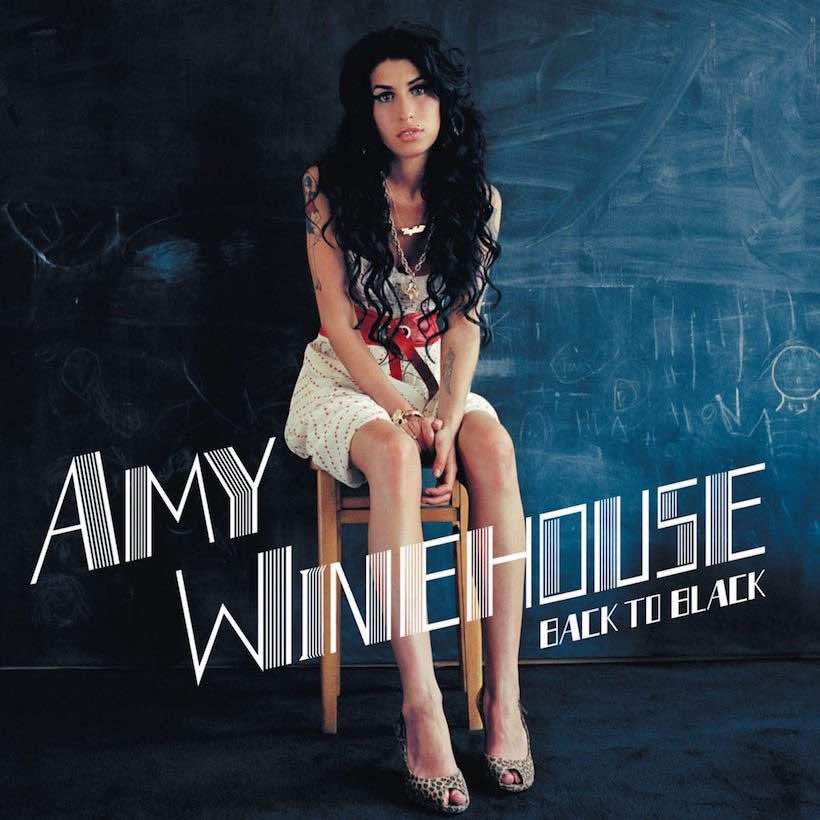
‘Back To Black’: How Amy Winehouse Crossed The Atlantic

Amy Winehouse 'Back To Black' artwork - Courtesy: UMG

By early 2007, the excitement coming from the UK about Amy Winehouse was too overwhelming for the US record industry to ignore any more.

The British vocal sensation had failed to make the American charts with her debut album Frank, which made its UK debut in 2003, rising to an initial peak of No.13. But even in her home country, that first record was more of a critical favorite than a commercial success until Winehouse released the follow-up, Back To Black, on October 27, 2006.

Both albums would spend literally years on the British charts. In the week of the 15th anniversary of its release, in 2021, Back To Black was spending its 127th week in the UK Top 40, and 444th in the Top 100.

Listen to the best of Amy Winehouse on Apple Music and Spotify.

Produced by Mark Ronson and universally hailed in Britain as a modern-day masterpiece of contemporary soul music, the record entered the domestic bestsellers at No.3 in November 2006. Perhaps surprisingly in retrospect, it spent only four initial weeks in the Top 40, but then the effect of its first hit “Rehab” and the new year single “You Know I’m No Good” began to kick in.

In the second half of January 2007, Back To Black topped the UK chart for the first time, and would go on to spend all but two of the next 48 weeks in the Top 10. America couldn’t overlook Amy any longer, and the album entered the Billboard 200 on the March 31 chart.

Just in advance of the set’s US release on Universal Republic, Kim Garner, the label’s senior VP of marketing & artist development, told Billboard: “The feedback across the board here has been nothing short of amazing. Amy had two incredibly successful shows here in New York that generated a slew of excellent reviews.” Those mid-January gigs, at Joe’s Pub in mid-January, were her first-ever US shows.

‘It made people rethink music’

The album “made people rethink music,” Ronson told Billboard, “because it was so simple in its approach: the sound of five or six really good instrumentalists with an amazing singer.” Blender, greeting the record’s US appearance, said it “sounds fantastic – partly because the production nails sample-ready 60s soul right down to the drum sound and partly because Winehouse is one hell of an impressive singer.” The New York Times purred: “A 23-year-old English songwriter, Ms. Winehouse is decades too young for 60s nostalgia, but she has come up with a wonderfully time-twisted batch of songs.”

YouTube Video
Click to load video

Back To Black went on to reach No.2 in the US, turning gold in May 2007, platinum in July and double platinum the following March. From it, that “Rehab” signature became a major pop item, hitting No.9 on the Hot 100, and by the end of the year Winehouse had six Grammy nominations, of which she would win five, missing out only in the Album of the Year department. But back at the time of the American release of Back To Black, Winehouse was typically and delightfully dismissive about the business aspects of the record.

“I love doing music and playing gigs,” she told this writer in that Billboard story, “and I’m really grateful for the opportunity to do so. But to be honest I’m not the kind of person that will think about the demographic. I’m just the ‘turn.’”

Recently named one of Apple Music’s Best 100 Albums of All-Time, listen to Back To Black now.

​Discover more about the world’s greatest R&B artists | uDiscover Music
Categories
Hip Hop

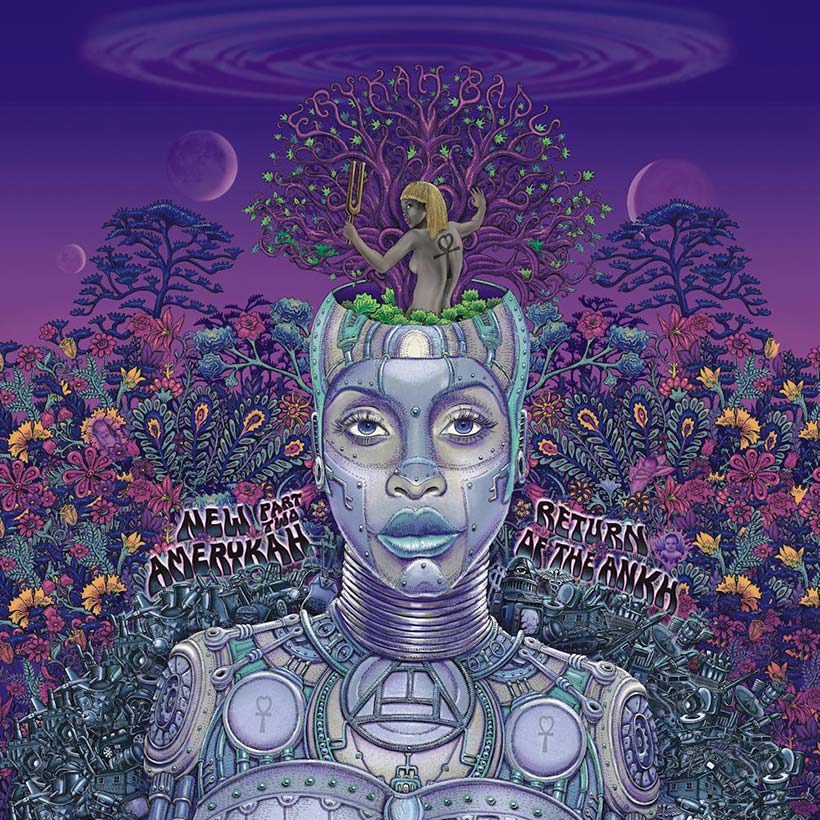
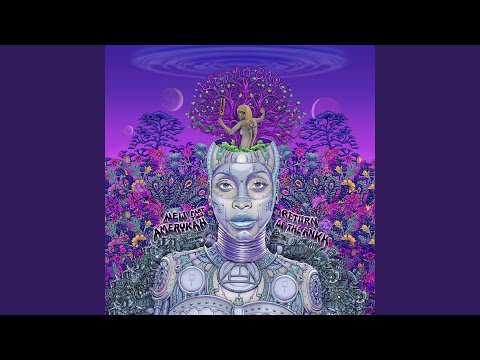
‘New Amerykah Part Two: Return Of The Ankh’: Erykah Badu’s Analogue Soul

Erykah Badu New Amerykah Part Two album cover

Most artists would have been tempted to follow their most critically acclaimed album with more of the same, but Erykah Badu has never been one to pursue the obvious path. Released on March 30, 2010, New Amerykah Part 2: Return Of The Ankh eschewed the politically-charged lyrics and fraught futuristic beats of its illustrious predecessor, New Amerykah Part One (4th World War), for a warm bath of personally-focused analogue soul shot through with the idiosyncrasies which have always made her work so vital and unique.

“It’s more emotional and talks about feelings”

Badu explained the reasoning behind her thematic and stylistic switch in an interview with Billboard, describing Return Of The Ankh as “the sister of the left side of my brain – it is the right side.” For Badu, “Part One was the left side of my thoughts – it was more socially political and my thought process was more analytical. This time there wasn’t anything to be concerned with – the album is more emotional and flowy and talks about feelings.”

Badu has gained a reputation for her astute choice of collaborators – she was one of the first to utilize the production skills of J Dilla – and the employment of such mercurial players as drummer Ahmir “Questlove” Thompson, bassist Thundercat, and keyboardist James Poyser imbues Return Of The Ankh with a shimmering creativity that turns even the most lighthearted of covers into vital works. “Turn Me Away (Get MuNNY)” merges Sylvia Striplin’s “Can’t Turn Me Away” with its hip-hop offspring, Junior MAFIA’s “Get Money,” to present a brilliant cross-pollination of rare groove and rap. Badu’s riff on Wings’ “Arrow Through Me,” on “Gone Baby, Don’t Be Long,” is even better, taking the soulful reggae bump of Paul McCartney’s original and blissfully re-constructing it into one of the best long-form groovers of her career.

Listen to New Amerykah Part 2: Return Of The Ankh on Apple Music and Spotify.

YouTube Video
Click to load video

A giant-sized personality

Her work with hip-hop producers bears no less creative results: Madlib sonically warps his sample of Ndugu & The Chocolate Watch Band’s “Take Some Time” to add some welcome friction to the laidback rhythms of “Umm Hmm,” while Karriem Riggins adds taught, crisp beats, vinyl crackle and ambient clatter to the smooth neo-soul of “Fall In Love (Your Funeral).” Elsewhere, Georgia Anne Muldrow transforms Return Of The Ankh’s ten-minute closer, “Out My Mind, Just In Time,” from a smoochy neo-soul ballad into a warped haze of tripped-out, psychedelic-infused R&B.

But New Amerykah Part Two: Return Of The Ankh is, first and foremost, Badu’s album, and her giant-sized, multifarious personality is invested into every one of its languid grooves. Thoughtful songs about personal growth, heartbreak, and vulnerability are interspersed with comedic riffs on gold-digging and infidelity. On “Fall In Love (Your Funeral)” she leaves a potential partner in no doubt as to the perils of beginning a relationship with her.

YouTube Video
Click to load video

Badu’s determination to pursue artistic freedom and challenge the status quo revealed itself further in the music video for the album’s lead single, “Window Seat.” Shot guerrilla-style, the film featured Badu walking through Dealey Plaza in Dallas, slowly taking off her clothes before being shot by an unseen sniper – an allusion to President John F Kennedy’s assassination at the same site.

The message was clear: Badu knows she can be a target, but she refuses to go anything other than follow her vision.

New Amerykah Part Two: Return Of The Ankh can be bought here.

​Discover more about the world’s greatest R&B artists | uDiscover Music

Categories
Hip Hop

‘Umbrella’: The Story Behind Rihanna’s Global Smash Hit

Rihanna, singer of Umbrella

“Umbrella” changed everything for Rihanna. The Barbados-born pop sensation had burst onto the scene in 2005 with “Pon De Replay,” reaching No. 2 in the US and hitting Top 10s worldwide. “SOS” went one better the following year, securing the top spot in the US and establishing Rihanna as a global force. But “Umbrella” marked the point where Rihanna not only enjoyed one of the biggest international hits of the decade, but also found an identity of her own. Her career to date had seen her flirting with genres and image as she found her feet – from the moment she coolly intoned the “ella ella eh” hook she became the edgier, more sophisticated Rihanna who’d go on to conquer the pop world.

It could all have been very different. The song – written by Christopher “Tricky” Stewart and Terius “The Dream” Nash – was originally offered to Britney Spears and then to Mary J. Blige, both of whom turned it down. Once Rihanna heard the demo, she was determined to make it her own, as she told The Ellen Show in 2007, “The first time I heard ‘Umbrella’ I just knew how much I loved the song. I thought it had one of the most original sounds of any song that I’ve ever heard…. Eventually, I just went up to one of the managers and was like, ‘This song is mine…. I’m gonna fight you if I don’t have this song.’”

Listen to Rihann’s “Umbrella” on Apple Music or Spotify.

The song itself – an offering of shelter from an emotional storm – came easy. Nash broke down the writing of “Umbrella” in a 2007 interview with Blender, beginning with his reaction when he heard a hi-hat loop that Stewart was working on: “I’m like, ‘Oh, my God, what is that beat?’ Then Tricky starts putting some chords over it, and immediately the word popped into my head: umbrella. I ran over to the vocal booth and started singing… The first verse was written in 60 seconds. Then we had to grow it to the hook. Tricky would put the next chord on there, and I was singing it out: ‘When the sun shines, we’ll shine together.’ I was like, ‘Oh, my God, this is crazy.’ I was getting goosebumps.”

In Rihanna, Nash and Stewart found the perfect voice for their stormy R&B power ballad. Nash’s lyrics might’ve felt overly sentimental had they not been sung with her attitude; the harsh, minimal beats and cinematic strings of Stewart’s music may not have worked without Rihanna’s sass and grit. Stewart later told MTV that any doubt over the singer was cast aside in the studio, “When she recorded the ‘ellas,’ you knew your life was about to change if you had anything to do with that record.” Once Rihanna’s vocals were laid down, she called upon her mentor and Def Jam label boss, rapper Jay-Z, to add a verse – a ringing endorsement and sign that “Umbrella” had massive hit potential.

YouTube Video
Click to load video

“Umbrella” got its official release on March 29, just over two months after Nash and Stewart wrote it. The song topped the Billboard Hot 100 for seven consecutive weeks and paved the way for the multi-platinum success of Rihanna’s coming-of-age album, Good Girl Gone Bad. Worldwide success quickly followed: “Umbrella” reigned supreme at the top of the UK charts for 10 weeks and has sold more than six million copies worldwide. Its success also gave Rihanna the confidence and clout to take charge of her own destiny. “Umbrella” had certainly proved a song worth fighting for.

Buy Rihanna’s music on vinyl now.

​Discover more about the world’s greatest R&B artists | uDiscover Music
Categories
Hip Hop

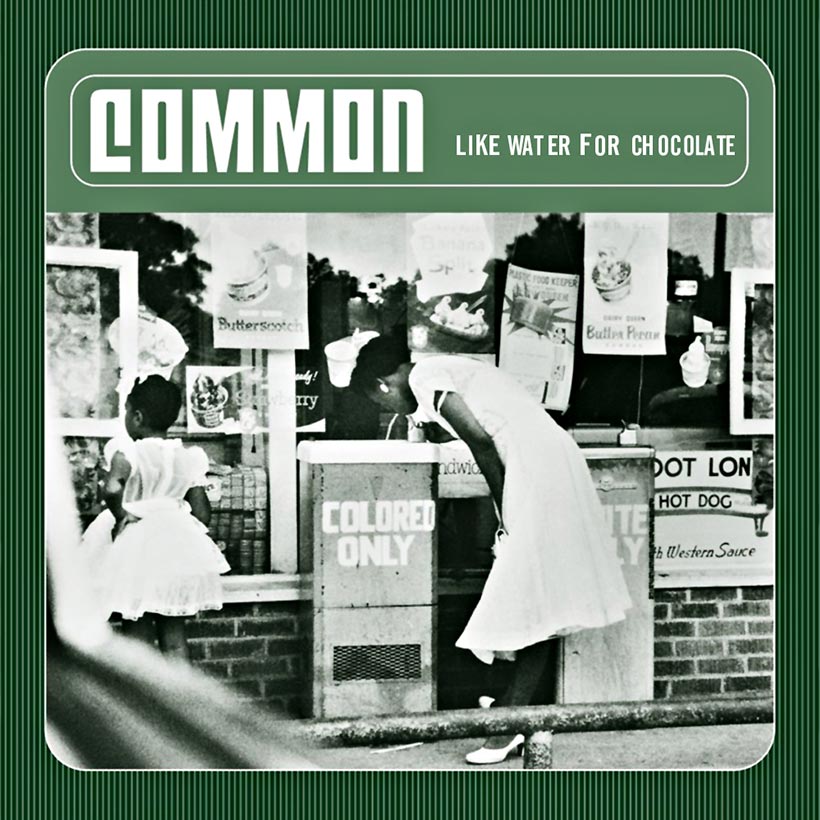
‘Like Water For Chocolate’: When Common Hit Boiling Point

Common Like Water For Chocolate

Common has one of the most distinctive voices in hip-hop, and it goes hand in hand with one of the game’s most storied careers. Over the course of three studio albums he had established himself as a lyricist with few challengers, so when it came time to record his fourth studio album, Like Water For Chocolate, he stepped in once again to hit a hard reset on the state of hip-hop.

An artistic transformation

In the wake of influential releases like The Roots’ Things Fall Apart and Mos Def’s Black On Both Sides, Common’s Like Water For Chocolate was part of an ongoing cultural renaissance in hip-hop. A sprawling opus that spans everything from funk to hip-hop, bebop, and cool jazz, the album marks the point where the Chicago MC started transforming into the artist we know today, and finds him taking the chance to honor the black trailblazers that came before him.

Released on March 28, 2000, Like Water For Chocolate is a long but rewarding listen at 78 minutes. This wasn’t uncommon for albums of the era – if there’s room, fill it up, seemed to be the ethos of a lot of artists when they started recording for the CD format. But Common uses the album’s length to his advantage, coming at his subject matter from all angles, often creating characters to do so.

He touches on familiar subject matter, especially for the boom-bap and “conscious” rap of the era: race relations, gender roles, economic disparity, love, and hope. But Common didn’t limit himself to the traditional themes. Even among his peers, he was unique. No one else was out there making seven-minute-long, album-ending songs about Assata Shakur, the Black Panther activist and Tupac’s godmother; a masterwork from MC, it featured CeeLo Green on vocals and would tie Assata’s legacy to Common’s for years.

YouTube Video
Click to load video

Thrilling storytelling

The album’s title, Like Water For Chocolate, is a bit of a Trojan horse. It sounds pleasant, smooth, relaxing, and if you weren’t paying attention to the lyrics, the production can be just comforting. But in reality, the title is a reference to water that has hit its boiling point and then gets used to make hot chocolate: the channeling of something harsh, something potentially destructive, into something sweet and desired. In Common’s case, he turned harsh life experiences turned into rap, into poetry and into spoken word. While Common had earned a reputation as a “conscious rapper,” he wrestled with the dichotomy of “consciousness” and more traditional rapping throughout the album.

Listen to Like Water For Chocolate on Apple Music and Spotify.

Like Water For Chocolate’s most electrifying moment is in its most thrilling storytelling, “Payback Is A Grandmother.” Common’s flow is at both its most playful and its most sinister here, and he’s clearly aware this is one of the more entertaining tracks on the album. The tracks finds him receiving a call from his grandmother: she got robbed while playing cards with her friends on a riverboat, and the thieves went as far as forcing some people to “strip naked.” Like Water For Chocolate is rife with details like this: fleshed-out moments that make the album come alive.

YouTube Video
Click to load video

Throughout the record, Common created a whole world of characters, complete with rich dialogue and vivid vignettes. He has likened “Payback Is A Grandmother” to a Hardy Boys mystery, as he goes around looking for clues and suspects, before tracking them down. The song gets drowned out in gunfire – mission accomplished.

A collective effort

Largely a collective effort by The Soulquarians, Like Water For Chocolate boasts an enviable roster of talent consisting of D’Angelo, Questlove, DJ Premier, James Poyser, frequent Q-Tip collaborator Jay Dee, and, most importantly, J Dilla.

Dilla is credited as a producer on over two-thirds of the album, anchoring the grandiosity of Common’s vision. But the album’s impressive guestlist goes beyond just production. Its first single, “The 6th Sense,” was an instant classic, thanks to DJ Premier’s bumping instrumental, Bilal’s vocal hook, and Common’s tight flow. Elsewhere, MC Lyte and Mos Def team up with Common on the hilarious “A Film Called (Pimp)’ and “The Questions,” respectively, while Slum Village show up on “Nag Champa (Afrodisiac For The World),” as Common takes a stab at his own image.

YouTube Video
Click to load video

Like Water For Chocolate is critical to understanding Common’s growth as an MC. He’s had such a storied career – one that’s now crossed into acting, writing Academy Award-nominated songs, and philanthropy – that it’s actually becoming difficult to trace just how much he’s done.

Many of his fans discovered him long after this era, but, at the start of the 21st century, Common laid the foundation for a new direction in hip-hop.

Listen to Like Water For Chocolate on Apple Music and Spotify.

Browse Common’s music on limited edition vinyl and CDs here.

​Discover more about the world’s greatest R&B artists | uDiscover Music
Categories
Hip Hop

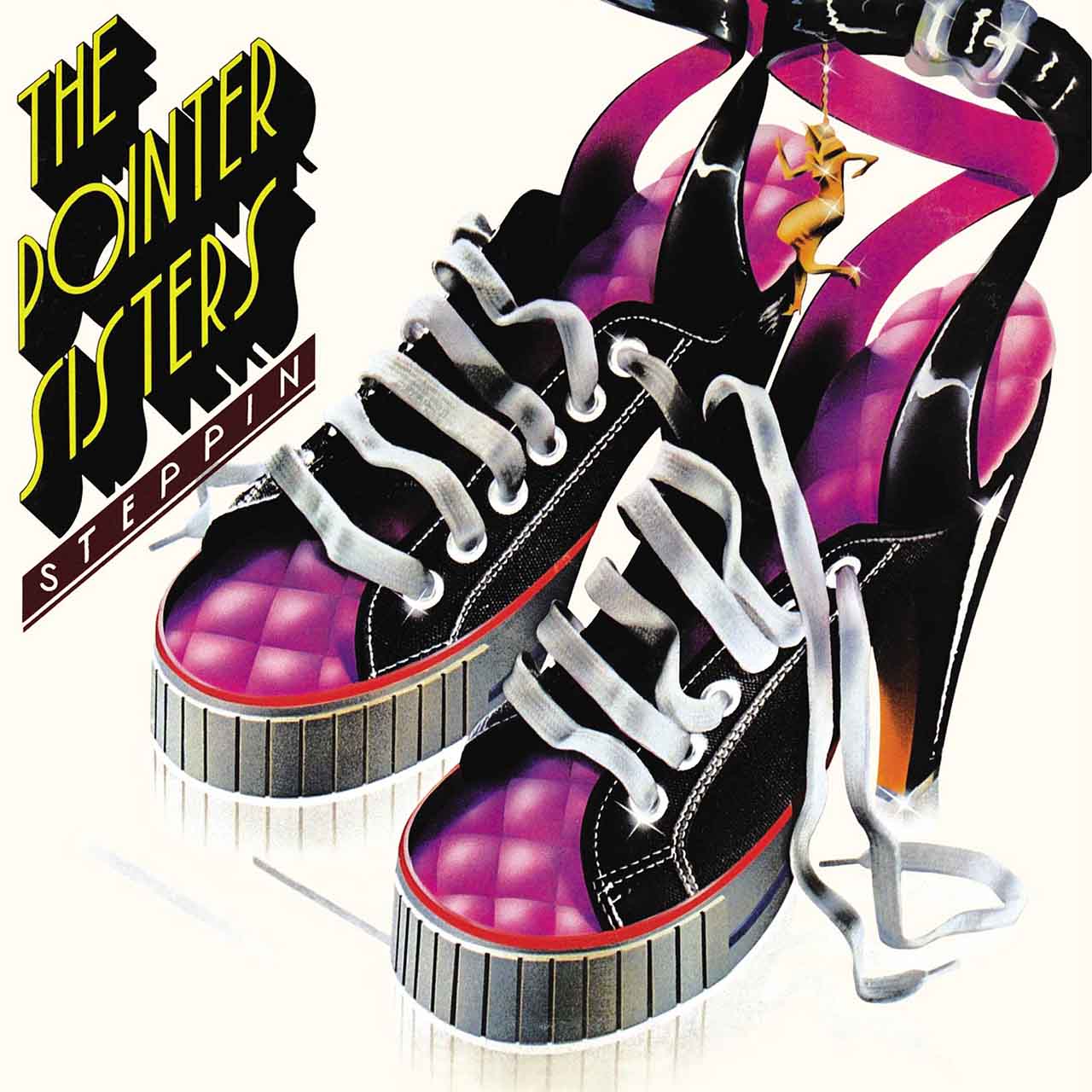
‘How Long (Betcha’ Got a Chick on the Side)’: The Pointer Sisters’ Classic

The Pointer Sisters Steppin album cover

When they released their debut album in 1973, The Pointer Sisters played on the then-current nostalgia for the previous generation. For Anita, Ruth, Bonnie, and June, it made sense: Their tight harmonies were tailor-made for a revamp of 1940s, big-band jazz swing. When critic Vernon Gibbs’ wrote about a performance by the group in the NME, he peppered the review with words like “vintage” and “tradition.” Writer Ellen Willis saw the same show, and said the group’s nostalgia was “fantasy that didn’t risk getting too real.”

For at least a few years more, though, the Pointers found it useful to keep one foot in the 1940s and one in the future. Their self-titled debut mixed laments that “they’ve taken my memory lane and made it a six-lane freeway” and the New Orleans funk of Allen Toussaint’s “Yes We Can.” Their next album, 1974’s That’s a Plenty, followed the same blueprint, with a selection of harmonized jazz standards (“Black Coffee”), slick R&B (“Love in Them There Hills”), and country (the Grammy-winning “Fairytale”). But what can you be when you’re everything at once?

Listen to The Pointer Sisters’ “How Long (Betcha’ Got a Chick on the Side)” now.

That was the question that the Pointers attempted to answer with their third album, Steppin’ (1975). As Ruth wrote in her 2016 autobiography, Still So Excited! My Life as a Pointer Sister, “The Pointer Sisters’ nostalgia act was starting to get a little stale.” They wanted to show the public who they were, “our own spirit,” as Ruth put it. And if you’re going to show them, show them.

YouTube Video
Click to load video

That’s just what they did on their first single from the album – “How Long (Betcha’ Got a Chick on the Side)” – written by Anita, Bonnie, and David Rubinson. This isn’t a song that looks back. This is a unique style, combining all the pieces of funk, R&B, and disco that make those genres great. This is lush strings punctuating funky guitar. This is a beat that builds and builds, waiting to explode. It begs for dance floors and house parties. The signature harmonies that made them famous are there throughout, too. They show up again in the whispered refrain, with Ruth’s deep alto holding down Anita’s lead. The result is powerful, assured. The song would score the Pointers their first (and only) R&B number one.

They’d made something special, and they knew it. “The album was a mother,” Ruth writes. With songs written or co-written by Stevie Wonder (“Sleeping Alone”), Isaac Hayes (“Easy Days”), another Toussaint (“Going Down Slowly”), and appearances by both Wonder and Herbie Hancock, Steppin’ tapped into something new for the Pointers, something that both artist and audience could feel. With the album, “We planted our flag as true song stylists,” Ruth writes. “We felt our days as a gimmick act were coming to a close.”

Listen to The Pointer Sisters’ “How Long (Betcha’ Got a Chick on the Side)” now.

​Discover more about the world’s greatest R&B artists | uDiscover Music

Categories
Hip Hop

‘The Dude’: Quincy Jones At The Height Of His Powers

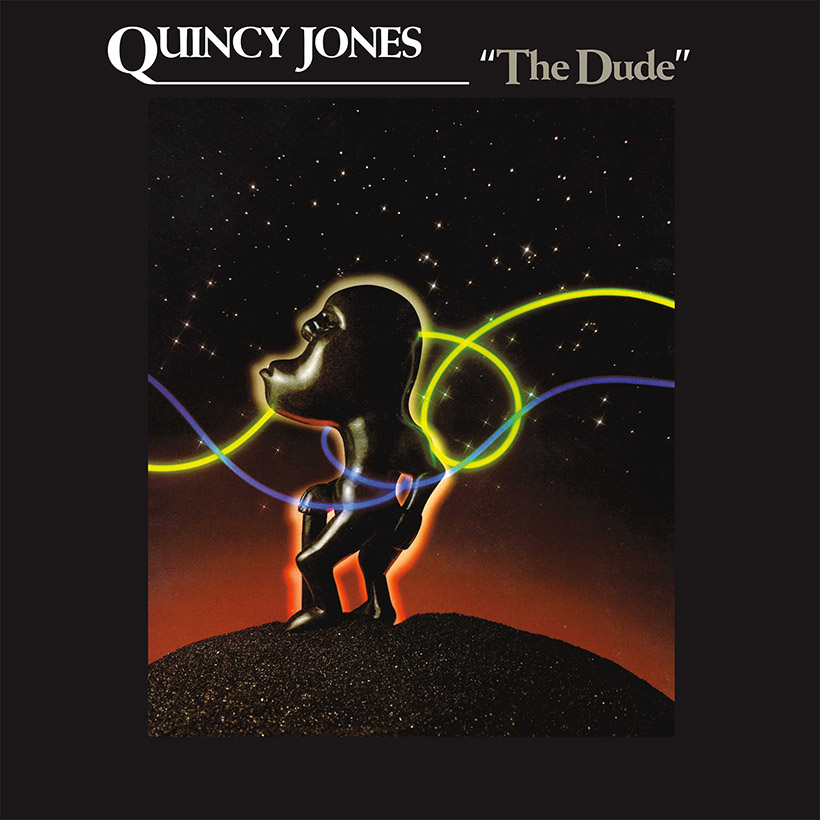
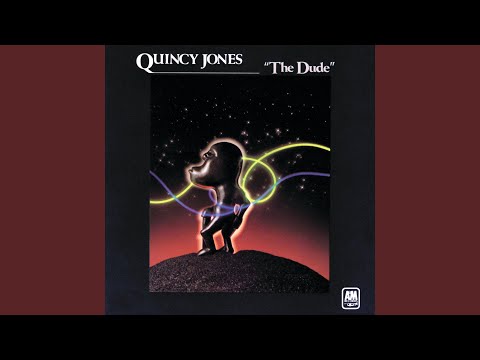
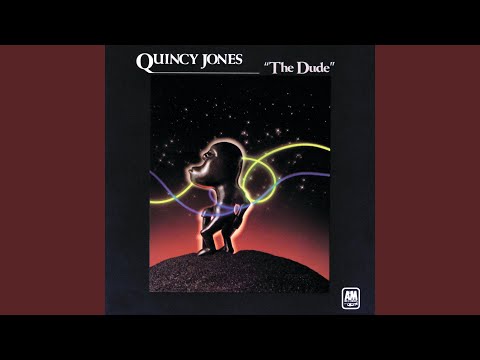
Quincy Jones The Dude album cover

You didn’t need to hear a single note from Quincy Jones’ The Dude to know it was going to stand out. All you had to do was look at the album cover and see that unique South African sculpture on the front. Jones once said he found it while visiting a Los Angeles art gallery with Henry Mancini. “It was as if it yelled over at us and said, ‘My brother, take me home.’” He bought it immediately, saying the statue “had an attitude like I’d never seen before.” And that’s the key word for what you hear on The Dude: attitude. It was a statement of worldly, unquestioned confidence.

Jones was part of a generation that introduced the world to the idea that a producer could be an artist too. He had the chops to back it up. He learned from brilliant orchestrators like Gil Evans and Igor Stravinsky, and cut his teeth with bandleaders such as Lionel Hampton and Count Basie, eventually taking center stage as the ultimate pop music alchemist and matchmaker.

Buy Quincy Jones’ The Dude now.

By the early 80s, Jones was riding high, with a clutch of excellent solo albums created in between producing blockbuster albums such as Michael Jackson’s Off The Wall, George Benson’s Give Me The Night, and The Brothers Johnson’s Light Up The Night. As if that wasn’t enough, he masterminded a film score to the hugely successful mini-series Roots and worked on what – at the time – was the most expensive film musical ever made, The Wiz.

YouTube Video
Click to load video

So, when it was time for Quincy to record his next solo project, he didn’t have much to prove. The album was simply one of his tightest realizations of all of his talents: orchestration, arranging, sequencing, and talent scouting. The talent scouting was especially key, as the album was a unique composite of dance, bebop, pop, and balladry. Its genre can scarcely be defined.

And it was a time when some genres were in a state of flux, especially in the wake of the enormous backlash to everything disco. The Dude‘s multi-faceted moods and complex arrangements became a pacesetter for the R&B, boogie, and pop that was to come. The lilting, floating “Velas,” elevated by the keening harmonica of Toots Thielemans, had shades of smooth jazz and Quiet Storm, while the lightning-fast bombast of “Ai No Corrida” showcased how much African syncopation would filter into pop and dance music for years to come.

It works thanks to Jones’ a-team of musicians, like keyboardists Herbie Hancock and Greg Phillinganes, trumpeter and horn arranger Jerry Hey, drummer JR Robinson, bassist Louis Johnson, and star-making vocal performances from Patti Austin and James Ingram.

The Dude introduced Ingram’s distinctive baritone to the world, showing off the emotive delicacy and tenderness of “Just Once,” the soaring smoothness of “One Hundred Ways” and his signature masculine heft on the title track.

YouTube Video
Click to load video

But perhaps the real superstar of The Dude was songwriter Rod Temperton. The Heatwave keyboardist known for composing classics like “Always and Forever,” Michael Jackson’s “Rock with You” and George Benson’s “Give Me the Night,” Temperton wrote four of the album’s nine cuts, exploring the full range of his theatrics. “Razzmatazz” and “Turn on The Action” were clinics of rhythmic urgency, while “Something Special” displayed atmospheric harmonics that created a delightfully understated passion. Patti Austin’s vocals take Temperton’s songs to their apex, thanks to her melding of razor-sharp technique and instinctive sensuality. She might be at her best, though, on Stevie Wonder’s serpentine funk composition, “Betcha Wouldn’t Hurt Me.”

YouTube Video
Click to load video

The mortar that held all these bricks together was engineer Bruce Swedien. Aside from his savant knowledge of microphone science, Swedien’s innovative technique, dubbed the “Acusonic Record System,” provided a nearly endless potential of recording range that gave each recording a celestial sheen. When you heard something Swedien had a hand in played on the radio during this time period, you simply felt the difference.

Quincy Jones’ infectious leadership and charisma helped The Dude go platinum and earn three more Grammys for his already overflowing trophy shelf. Perhaps more importantly, though, the album, alongside Michael Jackson’s Thriller, proved to be a template for pop music for decades to come. The right amount of sophistication and spontaneity, or as Jones himself stated, “soul and science.”

Buy Quincy Jones’ The Dude now.

​Discover more about the world’s greatest R&B artists | uDiscover Music
Categories
Hip Hop

Coco Jones Releases Video For New Single ‘LUVAGIRL’

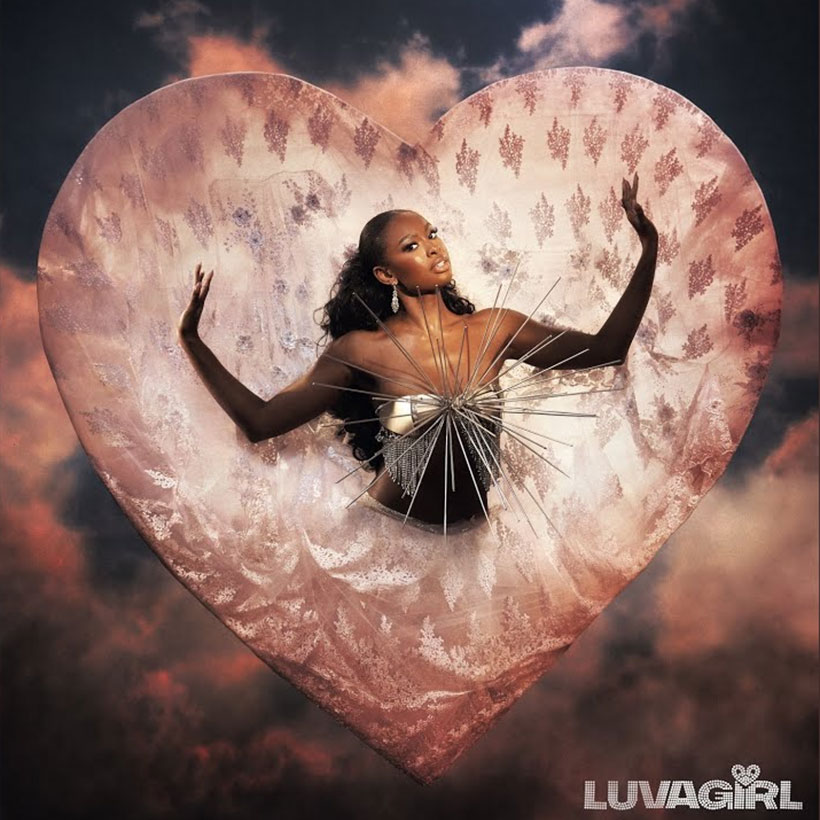
Coco Jones Luvagirl

Last year was a big one for Coco Jones, and this one is shaping up to be huge. After wowing audiences with her performance at Super Bowl LX last month, the R&B singer and actress has released “LUVAGIRL,” her first new studio recording of 2026.

Produced by Shae Jacobs, “LUVAGIRL” is powered by thunderous drums and regal brass, calling back to classic moments in early 2000s R&B as it creates a blustery atmosphere for Jones’ declaration of love. “Strangers think we’re straight out of a movie/ Way you look at me and move me,” Jones sings. “Baby, I’m a new me/ And I think I like the way that it’s hittin’.”

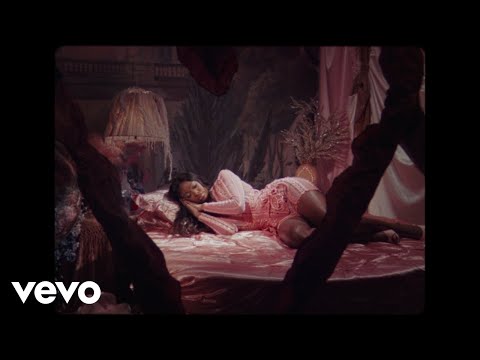
“LUVAGIRL” arrives with a music video that lives up to the song’s flashy sound. In the clip, Jones portrays a number of different characters, each a different type of “luvagirl.” She spelled out the different modes in an Instagram post. The lady who’s “FULL OF ‘IT’” calls for “romance; with receipts. She believes in love; she still needs consistency,” while the “SUPER FLIRT” is “soft; with intent. Feminine is the weapon; sweetness is chosen.” Jones stars in a stylized poster for each of the eight archetypes too.

YouTube Video
Click to load video

The release of “LUVAGIRL” follows Jones’ acclaimed appearance at the Super Bowl in Santa Clara, where she sang “Lift Every Voice And Sing” before the big game. A recording of her performance is available to stream now.

Last year, Jones released her debut album Why Not More? The project featured adult R&B smash hits “Here We Go (Uh Oh)” and “Taste,” cementing her place among the brightest young stars in music today. A few months after the album’s release, she shared some personal news to go along with her professional success, announcing her engagement to NBA star Donovan Mitchell after two years of dating.

Shop Coco Jones’ music on vinyl and CD here.

​Discover more about the world’s greatest R&B artists | uDiscover Music
Categories
Hip Hop

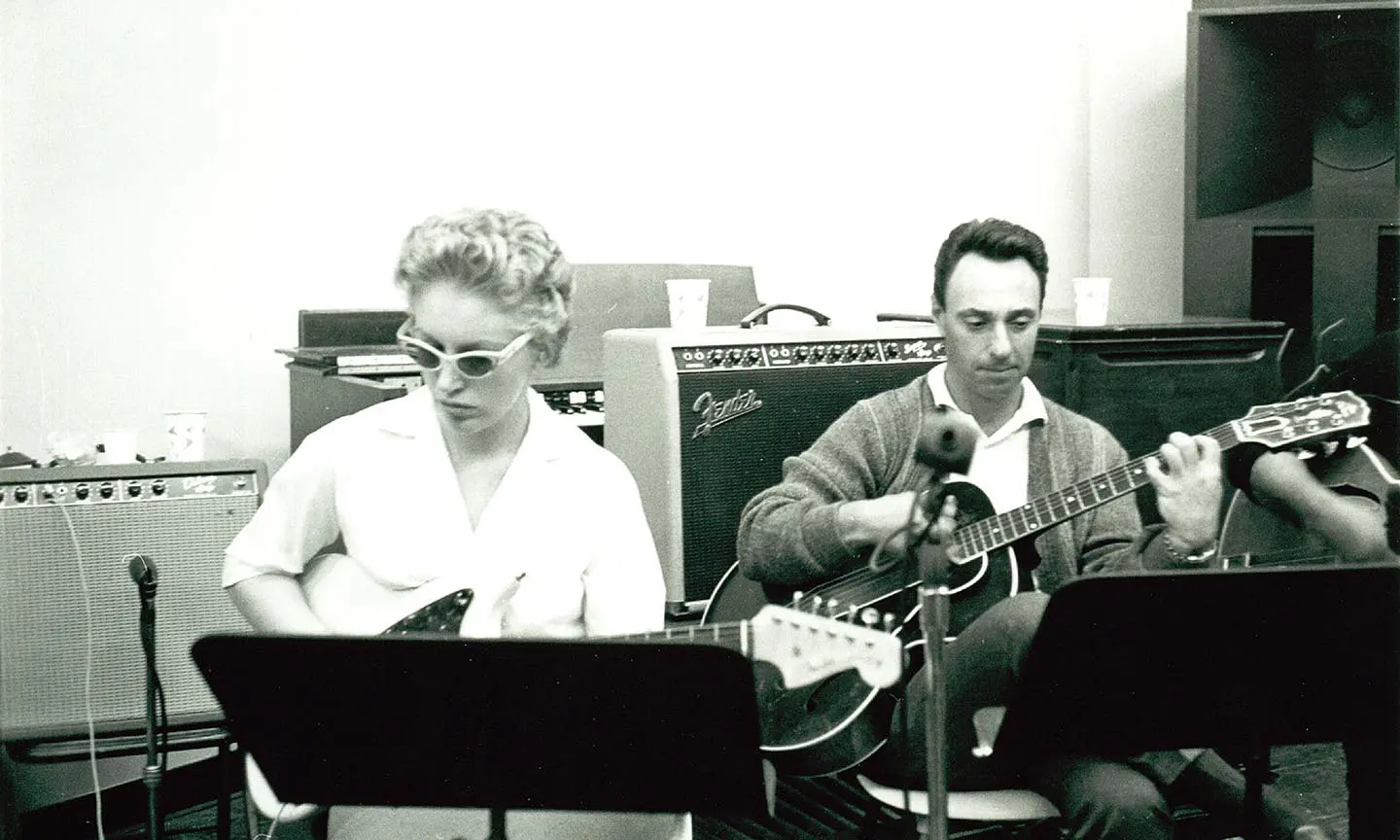
Session Musician Spotlight: Carol Kaye

Carol Kaye

When guitarist/bassist Carol Kaye took her first gig as a session player in 1957 for a Sam Cooke session, she simply saw herself as a working mother who needed to provide for her children. “I knew it looked like money, and I had two kids to pay for,” she once told Far Out.

Kaye was born to working-class, professional musician parents and grew up in a housing project during World War II. At the age of nine, her parents divorced, and she began working to help make ends meet, paying for her own guitar lessons. By the time she was fourteen, she was already a professional – assisting her guitar teacher with lessons and playing jazz gigs in the Long Beach area.

The jazz work led to the Sam Cooke session, and from that sprang a career that encompassed over 10,000 sessions on both rhythm guitar and bass for artists like The Beach Boys, Nancy Sinatra, Herb Alpert, Quincy Jones, Cher, and Joe Cocker as well as scores for film and television.

As one of the few women to find consistent work in the session world, she is viewed today as a trailblazer who broke the glass ceiling for other women musicians like June and Jean Millington, Bobbye Hall, and Sandra Crouch.

Kaye maintains, however, that her focus in those years was less lofty: “I never thought of myself as a woman at all. I knew I was a woman because of the way men looked at me, but not as a guitar player. The guitar was my voice, so I used my guitar to play and make money with. I was born in 1935 and my parents were not extremely poor, but there were times that we didn’t have enough to eat. When you work on that basis, it changes everything.”

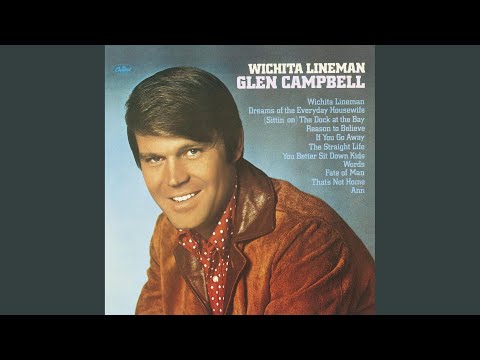
Glen Campbell – Wichita Lineman

“‘Wichita Lineman’ is one of my favorite records,” Kaye once said. “I got to improvise most of my bass line on that….We just had a chord chart to work from, and they came up with a lead-in line…so they asked me to ‘start it with a pickup on bass’…and what you hear is what I invented.”

YouTube Video
Click to load video

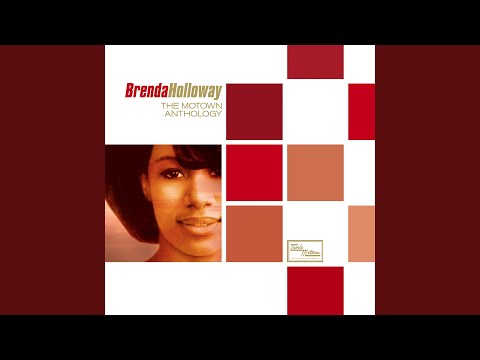
Brenda Holloway – You’ve Made Me So Very Happy

Kaye played on more than 175 tracks for Motown artists like Diana Ross & The Supremes, the Four Tops, Martha & The Vandellas, Stevie Wonder, and others between 1964 and 1971. Her bassline undergirds this slow burner that hit the top 40 of Billboard’s Hot 100 in 1967. It became an even bigger hit for Blood, Sweat & Tears, peaking at the number 2 position on the same chart, two years later.

YouTube Video
Click to load video

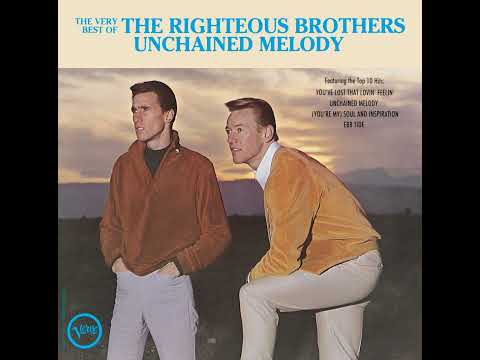
Righteous Brothers – You’ve Lost That Lovin’ Feeling

Produced by Phil Spector, Kaye played rhythm guitar on this recording that hit the number one position on both the American and British charts in February 1965. Kaye recalls of the Spector sessions, “The room would usually hold a crowd of musicians, Sonny Bono would sit in with the percussion section playing tambourine until Phil would call him saying, ‘Telephone, Sonny.’ Then as soon as he was out the door, we’d do the take (to the gratefulness of the percussionists). The booth was constantly crowded with people. What a scene, but fun!”

YouTube Video
Click to load video

Tina Turner – River Deep, Mountain High

This 1966 Phil Spector production was no ordinary session, costing $22,000 to record with over twenty musicians. Kaye provided the song’s memorable bassline. She told Songfacts, “It felt like another thing that was going to be a hit, but to walk in the booth and there’s a ton of people in the booth, and there’s a ton of us out in the studio, it almost felt like a party.”

YouTube Video
Click to load video

Wonder Woman (Theme)

It seems fitting that Kaye would receive the call to play on the theme song for The New Adventures of Wonder Woman, starring Lynda Carter, which aired on CBS from 1976-1979. Kaye’s bass is prominent in the mix alongside session royalty like Emil Richards, Joe Porcaro, and Tommy Tedesco.

Looking for more? Check out our series of articles on the greatest sessions musicians ever.

​Discover more about the world’s greatest R&B artists | uDiscover Music