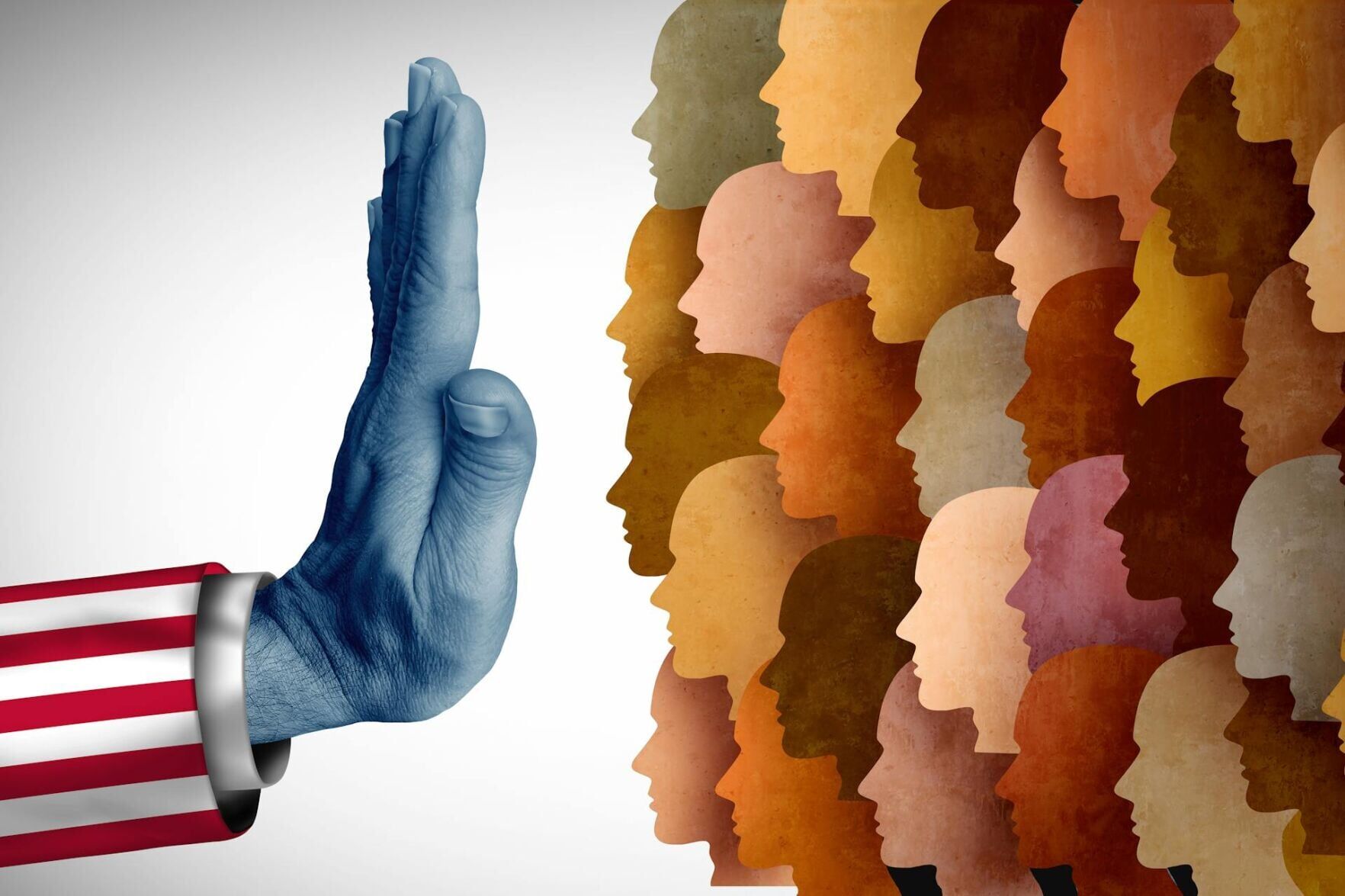
A new policy could deny an immigration application based in part on the use of government benefits by a close relative.








A new policy could deny an immigration application based in part on the use of government benefits by a close relative.
Post Content
How invented threats, provocative language and repulsive imagery contribute to declining support for transgender people and other marginalized groups.
Reading Time: 3 minutes
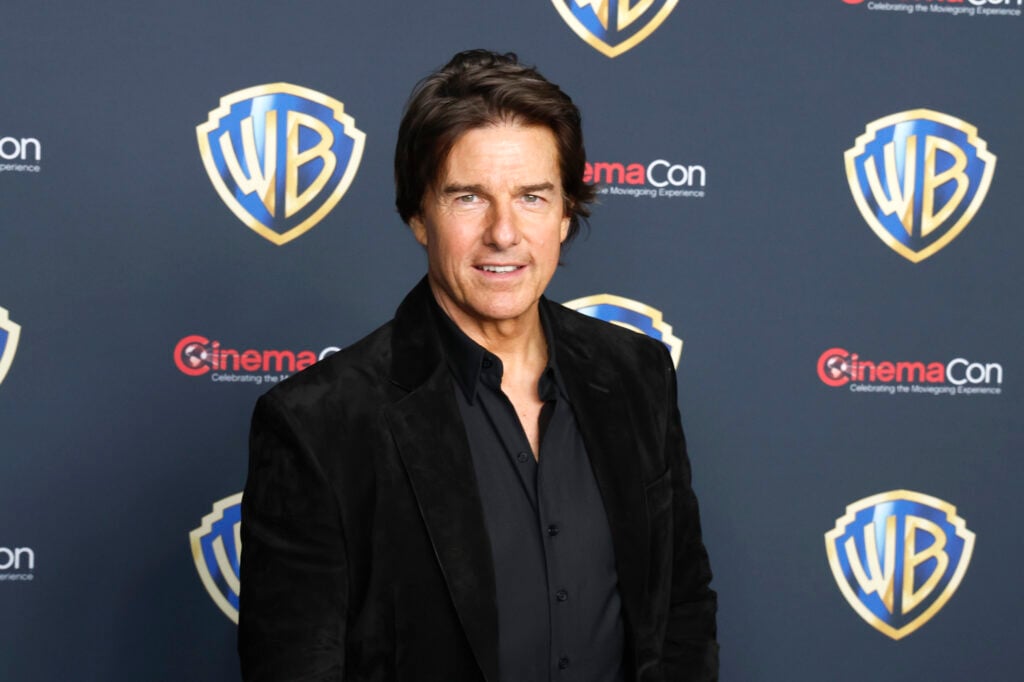
Over a dozen years later, Katie Holmes has thoroughly moved on from the Tom Cruise chapter of her life.
So has her daughter.
Continuing the pattern of celebrity kids reaching adulthood and ditching the surnames of their dads who were really hot in the early 1990s, Suri has a new legal name.
There’s no “Cruise” in sight. And, interestingly, no “Holmes.”
Page Six reports that Suri registered to vote during her freshman year at Carnegie Mellon University.
What makes this very standard activity — particularly for an election year (Suri was a freshman in autumn 2024) — remarkable is that voter registrations must be under one’s legal name.
She is registered to vote as “Suri Noelle.” That is the same name that she used in a pamphlet at the end of high school.
Registering to vote like this can only mean that Suri has changed her legal name.
Ditching the “Cruise” surname makes sense. Notably, she has done this very quietly while leading a relatively normal life.
NEW
Suri, Katie Holmes’s daughter, who was abandoned by her biological father, Tom Cruise, legally dropped the last name “Cruise” at some point, per a new report from Page Six.
Suri Noelle is the name she used to register to vote.
Good for her.
A reminder: Tom Cruise… pic.twitter.com/jOkY988VU0
— Yashar Ali 🐘 (@yashar) July 27, 2026
The report mentions that Suri did not file for her name change in Allegheny County.
From that, most conclude that she likely sought her name change in New York — before she left for college.
Having a legal name change carries many advantages.
Only one of which is not having to explain to multiple professors, resident advisors, and more why you’d prefer to not have your former name read aloud to a room full of your peers and potential friends.
That has broad applications even if your former surname wasn’t “Cruise.” It was smart of Suri to seek this change beforehand — possibly right after she turned 18.
Those of us old enough to remember Tom Cruise jumping on Oprah’s couch likely do not need a reminder of how things ended with Katie Holmes.
In 2012, Holmes filed to divorce Cruise after 6 years of marriage.
Divorcing Cruise is a notoriously daunting prospect. To this day, Nicole Kidman avoids speaking ill of Cruise or of Scientology, which some governments have branded as a predatory business rather than as a “religion.”
Holmes has not been outspoken about her erstwhile marriage or about her experiences during that time.
However, in December of 2024, she did confirm that Suri did not have a trust fund from her estranged father. (There were reports of such a fund, which Holmes denied.)
Shiloh Jolie 🤝 Suri Noelle dropping the last names of their problematic, deadbeat dads
— ᴊᴇʟᴀ (@jelevision) June 25, 2024
TMZ reports that, according to their source, Suri has been estranged from her father since she was 7 years old.
With that in mind, the 2024 revelation that she’d used “Suri Noelle” towards the end of high school made a lot of sense.
Only now do we have confirmation that she made this change legally.
Celebrity kids could have any number of reasons to obfuscate a famous — or infamous — parent’s surname. Cruise is both famous and infamous.
But to do this legally seems pretty personal.
It’s easy to ask if Tom Cruise ever cared about her. But many would argue that the best thing that he ever did for Suri was vanishing from her life.
Suri Legally Ditches Tom Cruise’s Last Name: What’s Her New Surname? was originally published on The Hollywood Gossip.
The Hollywood Gossip
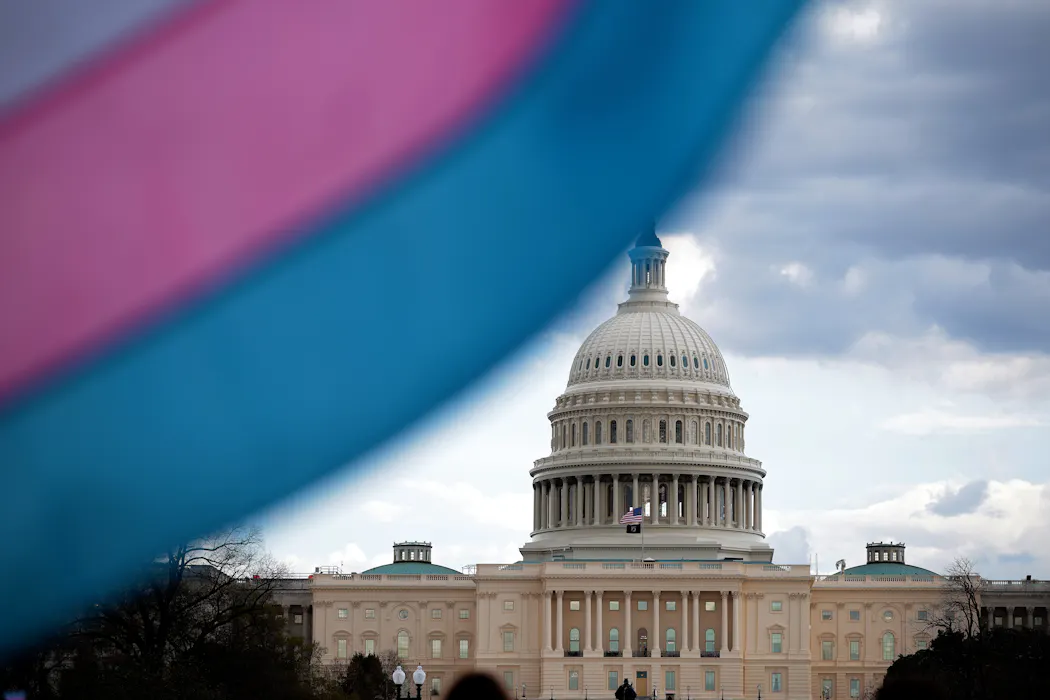
Whether in an Oval Office proclamation signing about commercial fishing or during a Fox News interview while discussing Iran, President Donald Trump finds opportunities to share his views on transgender people.
During a June 2026 signing event, Trump claimed, in response to a question about proposed legislation regarding election procedures, called the SAVE America Act: “We are talking about saving America, right? No men in women’s sports.” He continued, “And we have no mutilization of your children for transgender purposes … where your child leaves your house, and they take your child from you. … In six states, they take the child and do what they want to do. What they do is, is I don’t even want to talk about it. No transgender mutilization of your children.”
Highlighting Trump’s ongoing use of the made-up word “mutilization,” criticism quickly followed his false claims about states forcibly transitioning children. Misrepresentations like these help fuel the transgender moral panic that Trump has provoked since he started instituting restrictions on trans people in his first term.
As a rhetoric scholar for nearly two decades, I have studied how emotions propel rhetoric that goes viral on public platforms like social media and how politicians use emotions for varying purposes, including to bolster anti-trans legislation.
Throughout the Trump administration’s second term, I’ve followed how its officials have invented threats and used provocative language and repulsive imagery to stimulate anti-trans disgust and paranoia in audiences, contributing to public misconceptions and declining support for trans rights and people.
The Trump administration’s anti-trans agenda has flourished since his first term.
Following Republicans’ US$21 million anti-trans and anti-LGBTQ advertising campaign that helped pave Trump’s way to victory in 2024, the administration and its allies have been busy. The White House has denied the existence of trans identity, and states have introduced a deluge of legislation that restricts trans people’s rights and protections, from access to healthcare to passports.
Presidential rhetoric can have a significant impact on public opinion. Since reaching a peak in the early 2020s, overall support for LGBTQ+ issues has since declined in the U.S. Likewise, surveys have shown a decline in support for trans healthcare for minors, a preference for using birth sex on IDs, and increasing support for restrictions in sports for trans people.
Meanwhile, public approval of Trump’s approach to trans issues is relatively high, as compared with his approval ratings on other issues.
A 2024 report by the Human Rights Campaign decried an “epidemic of violence” against trans and gender-expansive people. A 2025 Pew report found that 70% of trans adults have feared for their personal safety, and only 13% of LGBTQ respondents reported social acceptance of trans people.
Though the causes for changing trans views are complex, research suggests Trump’s rhetoric and policies have powerful influence, the ramifications of which are clear. Anti-LGBTQ+ laws and debates negatively affect young queer people, according to the Trevor Project’s 2025 U.S. National Survey on the Mental Health of LGBTQ+ Young People, and are associated with increased stress, discrimination and suicide attempts.
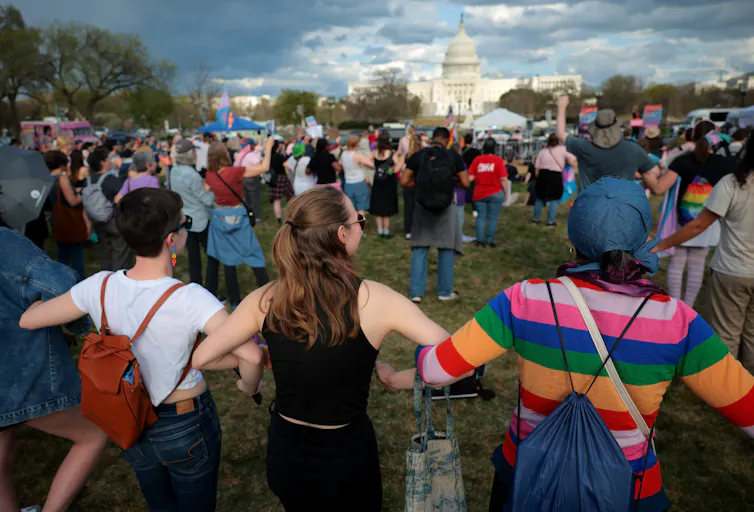
From the Salem witch trials in the 17th century to the war on drugs in the 20th century, moral panics have emerged across history to stoke fear against a perceived threat to a society’s values or well-being.
Moral panics, coined by sociologist Stanley Cohen in 1972, follow a similar pattern: a threat is defined, media exaggerates the threat, public concern increases, authorities respond with laws and policies, and society is transformed.
Research on anti-trans moral panics illustrates their success in propelling anti-trans lawmaking in the U.S. and suggests they are often initiated by people with power, who use their platforms to shape public discourse.
Moral panics elicit a range of negative emotions, but disgust and paranoia are especially potent. Originally a response meant to protect us from disease and spoiled food, disgust has evolved to also express social inappropriateness. Disgust asserts that its object is inherently bad. Since disgust is culturally dependent, it can also be used to marginalize groups of people.
Meanwhile, paranoia focuses on visualizing and preparing for future threats. When experienced as an emotion – outside of psychiatric disorders – paranoia has a righteous undertone, as it seeks to uncover perceived enemies.
Disgust and paranoia are a powerful combination for sustaining moral panics. While disgust produces an intense, immediate physical feeling, paranoia is long-lasting, stewing and existential.
Trump’s offhand remarks often invoke disgust and paranoia against perceived enemies – for example, toward immigrants, whom he has repeatedly described as dangerous criminals. These same patterns emerge in the Trump administration’s formal communication regarding trans issues.
The March 31, 2026, White House press release “President Trump Ended Democrats’ ‘Transgender for Everybody’ Insanity,” which touts the administration’s reversal of protections for trans people, offers several examples.
The release asserts that former President Joe Biden’s 2024 Proclamation of Transgender Day of Visibility “desecrated Easter Sunday with a ‘transgender’ message that elevated radical leftist ideology over faith, family, and biological truth.” Rousing paranoia, “radical leftist ideology” (and later in the release, “gender ideology”) is portrayed as an existential threat that puts Americans and their beliefs in danger.
The release also claimed that “the Trump Administration is celebrating a decisive victory: the swift and unrelenting dismantling of subversive, woke policies that endangered children, eroded women’s rights, assaulted common sense, and dragged America toward moral and cultural decline.”
As a rhetoric scholar, I read these allusions to religion and war – using words like “desecrate” and “victory,” respectively – as implications that the U.S. is in a battle between good and evil. Schools, hospitals, bathrooms, locker rooms, sports facilities and military bases are spaces declared under attack.
The release also condemns “the chemical and surgical mutilation of minors” and “child mutilation programs” – revolting imagery that misleadingly depicts gender-affirming care and incites shock, concern and disgust.
Similarly, invoking images of nonconsenting, victimized children and women, the release denounces “the un-American indoctrination of schoolchildren” and “the unfair, demeaning practice of forcing women to compete against biological men in sports.” Stimulating anger and moral panic, these descriptions encourage anti-trans views and discrimination.
Recognizing these rhetorical patterns is key to understanding how politicians use inflammatory language to denigrate trans people and other marginalized groups, including women, Black people and immigrants.

Julie D. Nelson does not work for, consult, own shares in or receive funding from any company or organization that would benefit from this article, and has disclosed no relevant affiliations beyond their academic appointment.
Politics + Society – The Conversation
In recent years, a growing number of elected officials have questioned or outright denied the results of elections, sought to undermine freedom of speech, and attempted to bend electoral rules to benefit themselves.
Only a sliver of Americans say they support these kinds of antidemocratic actions. For example, just 8% of Americans support making it harder for their political opponents to vote.
So how do politicians who espouse antidemocratic views continue to win elections if these policies are so unpopular?
As scholars affiliated with the Rooney Democracy Institute at the University of Notre Dame, we analyzed surveys of over 48,000 Americans conducted by YouGov, NORC at the University of Chicago and Bovitz between September 2022 and July 2025 to try to get an answer.
A key finding emerged: A significant swath of Americans were actually indifferent toward antidemocratic practices.
This is an important distinction. Prior research tended to assume that if a person doesn’t support antidemocratic practices, then they must oppose antidemocratic practices. In other words, if only 8% of the public supports making it harder for political opponents to vote, then roughly 92% of Americans must oppose making it harder for opponents to vote.
However, our research shows that there is actually a big chunk of Americans – at times a proportion as large as 52% of voters – who neither support nor oppose antidemocratic practices. While only a small number of Americans outright support violating core democratic norms, many Americans express no opinion about politicians who undermine democracy.
We call this attitude toward antidemocratic practices “democratic neutrality,” and we believe it’s an overlooked and understudied threat to democracy.
We see democratic neutrality as key to explaining the success of antidemocratic politicians in America.
To illustrate: Only about 1 in 10 Americans agree that politicians should be loyal to their political party over the Constitution. But politicians who flout constitutional norms have won races at all levels of the government.
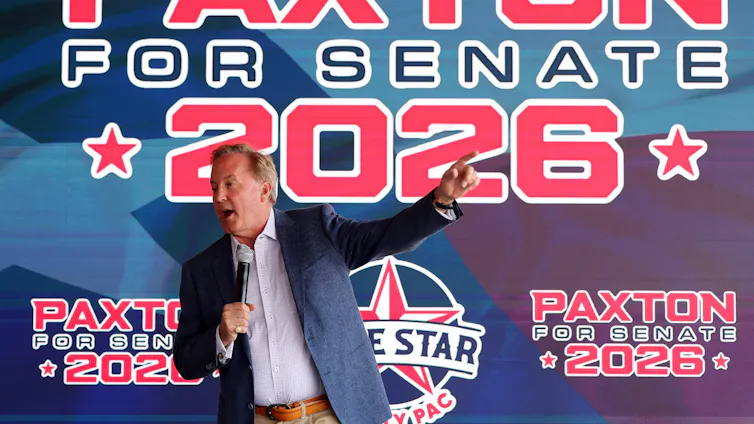
Dozens of Republicans won 2026 primary elections despite continuing to reject the outcome of the 2020 presidential election. The group includes Texas Attorney General Ken Paxton, who asked the U.S. Supreme Court to invalidate the certified election results in four states won by Joe Biden. In May 2026, Paxton defeated incumbent GOP Senator John Cornyn to become the party’s nominee.
We show that this apparent contradiction has a straightforward explanation.
Around 25% of the public expresses neutrality when asked whether politicians should be more loyal to their party or the Constitution. When those who prioritize their party over the Constitution and those who are neutral toward the idea are considered together, more than one-third of Americans are open to voting for a politician who prioritizes partisan, rather than constitutional, loyalty.
One-third of the population is more than enough to win a partisan primary. And given the deeply polarized political climate and declining electoral competition in the U.S. – including increases in gerrymandered legislative districts – winning a partisan primary is often tantamount to electoral victory.
The prevalence of democratic neutrality is troubling because in survey experiments with hypothetical candidates, most Americans who express neutrality toward antidemocratic policies vote the same way as the small number of Americans who outright support antidemocratic policies.
We were also able to show that when candidates for elected office take antidemocratic stances, only Americans who explicitly oppose antidemocratic practices punish those candidates at the ballot box. Americans who are neutral toward or supportive of antidemocratic practices do not.
When we accounted for neutrality across multiple antidemocratic practices, from political violence to voter suppression, the picture became even more dire. Nearly two-thirds of Americans express neutrality or support for some form of antidemocratic practice.
In other words, a clear majority of the public is willing to tolerate a politician who undermines core aspects of American democracy.
Using what’s called regression analysis, we were able to dig deeper into the behaviors and attitudes associated with democratic neutrality. We found that democratic neutrality appears to be tied to a variety of factors.
Some Americans appear willing to tolerate politicians undermining democracy if it means those politicians enact policies they support. Others seem ambivalent about democracy, indifferent to the issue or unsure what qualifies as an antidemocratic policy. And consistent with prior research, some people may actually support antidemocratic policies but express neutrality because of social pressure.
Regardless of why Americans express neutrality, those who do so are just as likely to vote for authoritarian politicians as the relatively small number of Americans who explicitly support undemocratic practices in some form.
Our research indicates that fringe extremists and the few politicians who actively promote authoritarian ideas are not solely to blame for America’s democratic troubles.
The millions of Americans who simply remain neutral when democracy is threatened are a greater threat to the country’s system of government. These democratically neutral voters are, in our view, complicit in the continued erosion of democratic norms in the U.S, even if they do not openly express support for antidemocratic policies.
Indeed, our research indicates that neutrality is not a passive stance. Preventing further democratic erosion requires voters to reject candidates who undermine basic democratic principles, even – and especially – if they are candidates from one’s own party. As former President Theodore Roosevelt warned, “… to be neutral between right and wrong is to serve wrong.”

The authors do not work for, consult, own shares in or receive funding from any company or organization that would benefit from this article, and have disclosed no relevant affiliations beyond their academic appointment.
Politics + Society – The Conversation
The egg McMuffin almost didn’t make it onto McDonald’s menu, due to its unorthodox appearance and unusual nod to breakfast, but it saved the business.
Mashed – Fast Food, Celebrity Chefs, Grocery, Reviews
(The Center Square) — New Yorkers will get access to sharply discounted items at the city’s future municipally-owned grocery stores, under a new initiative unveiled Monday by New York City Mayor Zohran Mamdani.

The NFL’s wild offseason is almost over and the real work is about to begin. And every team has their hopes sky-high as training camp officially begins across the league. Not all of those dreams will be realized, of course. Some clubs did put themselves in position to challenge the defending champion Seattle Seahawks. Others … not so much. So how does the league landscape look now that summer vacations are over and players are hitting the practice field? It’s all right here in my latest NFL Power Rankings. *Super Bowl odds courtesy of DraftKings Super Bowl odds: +50000 The NFL suspended the Cards’ scouting director for leaking draft info and betting on college games. If he wants to make back his lost income, he can just bet on the Cardinals to lose most of their games this year. Super Bowl odds: +35000 They might end up striking gold (or at least silver) in QB Malik Willis. But it still could be hard to tell. They didn’t get him a lot of weapons to work with. And the schedule is brutal, too. Super Bowl odds: +20000 I started to convince myself the Jets would be better this year. But QB Geno Smith is trying hard to convince me I’m wrong. This offseason, he’s reportedly had an angry encounter with police at a traffic stop, was investigated (and cleared) by police in a domestic dispute and was cited for speeding. It could be a long fall. Super Bowl odds: +15000 If it’s true that the Raiders want Kirk Cousins to start at QB all season, so No. 1 overall pick Fernando Mendoza can watch and learn, then this is a wasted year. It’s not necessarily a bad strategy. It just makes the 2026 results completely irrelevant. Super Bowl odds: +20000 The offseason didn’t clear up the QB battle, which is apparently only between Deshaun Watson and Shedeur Sanders. Honestly, this doesn’t feel like a situation where anybody actually wins. Super Bowl odds: +13000 The Titans did a lot of nice things to completely overhaul this team in the offseason. It’ll take some time, but if QB Cam Ward turns out to be good, they should look much-improved by December. Super Bowl odds: +6000 They are really high on the work they did to fix their defense, and they should be. But they are still light on offensive skill players for their dynamic QB. Besides WR Terry McLaurin, who is about to turn 31, they don’t have much else. Super Bowl odds: +9000 The return of DE Cam Jordan helps their defense, and finding a way to keep RB Alvin Kamara is good as long as his role is reduced. Everything still rides on how much you believe in QB Tyler Shough, though. Super Bowl odds: +5000 A 42-year-old quarterback, a backloaded schedule, and a division with two potential Super Bowl contenders (Ravens, Bengals). I know the Steelers are hoping for one last glorious ride for Aaron Rodgers, but they should have started rebuilding around a young QB this year. Super Bowl odds: +6000 QB Daniel Jones does appear to be on track to practice this summer and start the regular season on time. Still, the last time he returned after a major injury, his play was terrible and he ended up getting benched. How long until he regains his form is a fair and open question. Super Bowl odds: +13000 They still don’t know when QB Michael Penix Jr. will be back, or if he’d even start over Tua Tagovailoa. And edge rusher James Pearce is likely facing a suspension after he was arrested on three felony charges in a domestic incident back in February. Neither is good news. Super Bowl odds: +7000 The good news is RB Cam Skattebo is healthy enough to do backflips. But WR Malik Nabers’ return from a knee injury isn’t as clear. No one wants to give a timetable or talk about Week 1, which is usually a bad sign. Super Bowl odds: +5000 The Bucs improved their defense in the offseason, but they seem to be relying most on improved health on offense. The tools could be there, though, especially if they can extend QB Baker Mayfield’s contract and get that distraction off his plate. Super Bowl odds: +2500 A lot of people around the NFL like what the Cowboys have done to fix their crummy defense this offseason. It definitely should be improved, but enough to make them a contender? Their elite offense still may have to do most of the work. Super Bowl odds: +9000 It’s a make-or-break season for QB Bryce Young. If he finally plays like he was worthy of the No. 1 overall pick, the Panthers could be a rising force. But he’s shown that only sporadically over his first three NFL seasons, so don’t count on it. Super Bowl odds: +5000 Team Norway made this the Summer of the Vikings, but let’s face it: Erling Haaland is not walking through that door in Minnesota. It’s only QB Kyler Murray. And everything up north depends on whether Kevin O’Connell can resurrect him. Super Bowl odds: +1800 A domestic violence investigation is now hanging over RB Josh Jacobs, and that’s somehow not the worst offseason news for the Pack. They also now know that Micah Parsons (ACL) won’t be back until at least mid-October. Super Bowl odds: +1900 The Lions did the right thing releasing CB Terrion Arnold, their 2024 first-round pick, after he was arrested on kidnapping and robbery charges. He missed half the season last year, and their secondary will be more than fine without him. Super Bowl odds: +1700 Their schedule will prove challenging in the first half of the season. But they seem confident in their revamped and healthier offensive line. And if offensive coordinator Mike McDaniel can unlock Justin Herbert’s potential, they might really have something here. Super Bowl odds: +1600 Things you never want to hear about your No. 1 WR: He had knee surgery in June while in jail for a probation violation. But that’s Rashee Rice. On the bright side, QB Patrick Mahomes is cleared to practice, but his full recovery from ACL surgery is still a concern. Super Bowl odds: +1900 They’ve got some injury issues with TE George Kittle and DE Nick Bosa and a really tough travel schedule to navigate. But all the pieces are there, as long as they get rid of the distraction/headache of WR Brandon Aiyuk at some point. Super Bowl odds: +3000 It’s easy to trust coach Liam Coen, but it’s really hard to like what this team did (and didn’t do) in the offseason. Riding with that RB corps, led by Chris Rodriguez and Bhayshul Tuten, seems like a big risk for a contender. Super Bowl odds: +2000 With Joe Burrow back, the defensive front rebuilt, and a pretty easy schedule, it’s hard not to be really excited about this team. Check back in Week 3, though. If the Bengals can avoid their trademark slow start, watch out. Super Bowl odds: +1800 The Texans don’t seem in any hurry to sign QB C.J. Stroud to an extension, which is understandable. It’s a big season for him. If he can regain his rookie form, the Texans are a dark horse Super Bowl contender. Super Bowl odds: +2400 Their dangerous offense is only going to get better in Year 2 of the Ben Johnson era. Their only question is whether they did enough to fix their defense. The jury on that is still out. Super Bowl odds: +1600 They are still loaded, but there’s no way to spin the A.J. Brown trade as a good one for this season. He’s still an elite WR and hard to replace, especially with rookie Makai Lemon already dealing with hamstring issues. Super Bowl odds: +1000 I’d feel so much better about this team if they had added one more WR, or done better than D.J. Moore as their No. 1. Still, never count out a team with Josh Allen and James Cook. Super Bowl odds: +1600 Drake Maye was an MVP-caliber QB already, but getting an elite WR like A.J. Brown could bring his game to an even higher level. It won’t be easy with a much more difficult schedule. But they should definitely be Super Bowl contenders again. Super Bowl odds: +1100 I know, I know: The defending champs deserve more respect. But with Kenneth Walker III gone and Zach Charbonnet recovering from a torn ACL, the Seahawks may be asking too much of rookie Jadarian Price, who was Notre Dame’s No. 2 RB last year. Super Bowl odds: +1000 If newly signed center Ethan Pocic is healthy, he’ll really help the Ravens’ offensive line. If Lamar Jackson and Derrick Henry are healthy, this team has a great shot at reaching Super Bowl LXI. Super Bowl odds: +2000 QB Bo Nix is supposed to be “full go”, according to Sean Payton, when camp opens. If he had been full go for the AFC Championship Game last year, the Broncos would’ve made the Super Bowl. Super Bowl odds: +550 Some are already calling the Rams “The Dream Team” after they reloaded this offseason. Just imagine how dangerous they’re going to be if the rumors turn out to be true and former All-Pro defensive lineman Aaron Donald comes out of retirement.Latest Sports News from FOX Sports

A quarter of Americans believe their financial situation has stopped them from finding “true love,” according to new research. That was revealed in a new survey of 2,000 general population Americans, which examined the intersection of finances, dating and finding…