 Bravo is rolling the credits on its Summer House reunion leak investigation.
Only two days after the network launched a probe into a viral leaked audio recording from the season 10 reunion of the…
E! Online (US) – Top Stories










Bravo is rolling the credits on its Summer House reunion leak investigation.
Only two days after the network launched a probe into a viral leaked audio recording from the season 10 reunion of the…
E! Online (US) – Top Stories
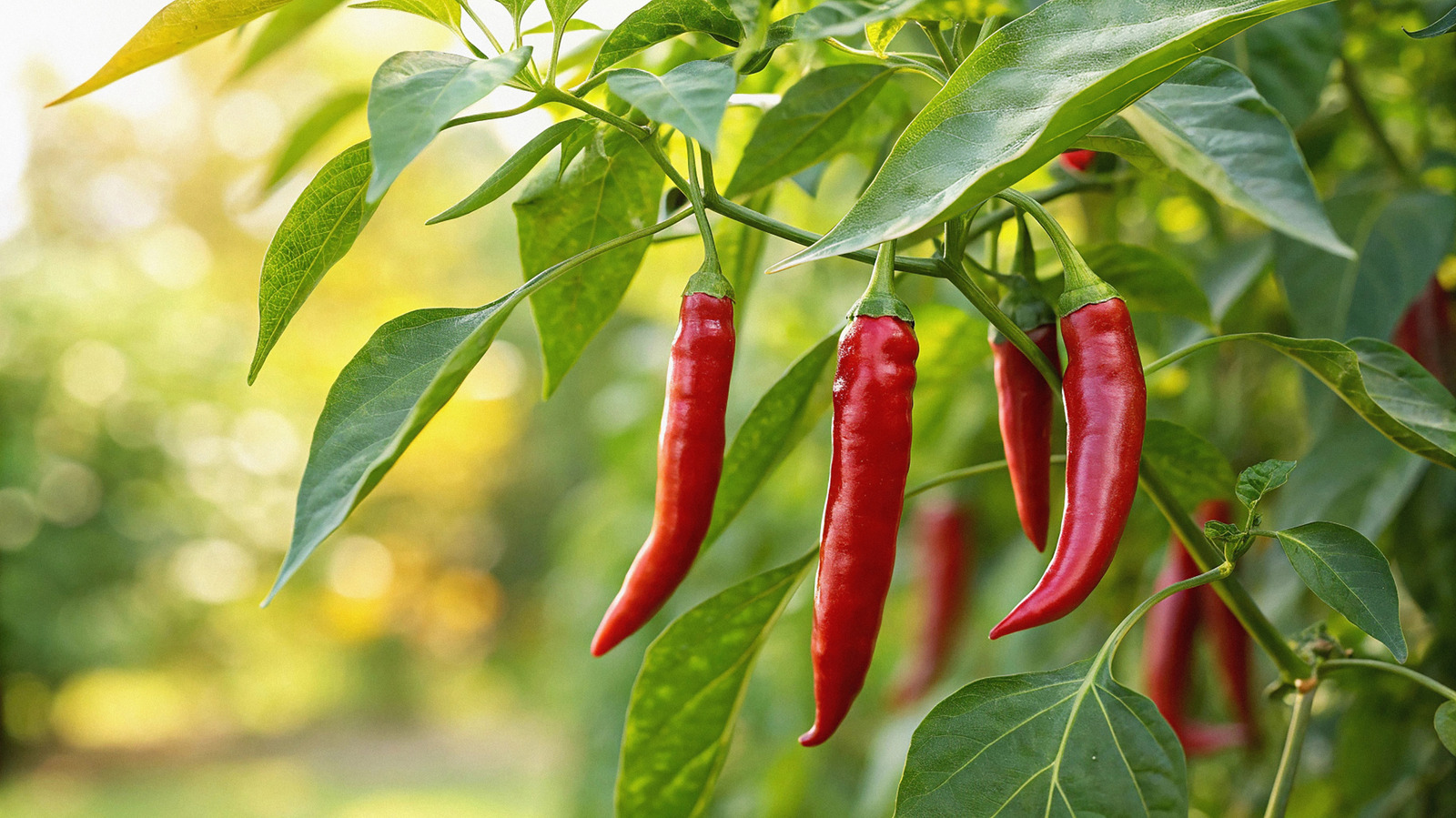
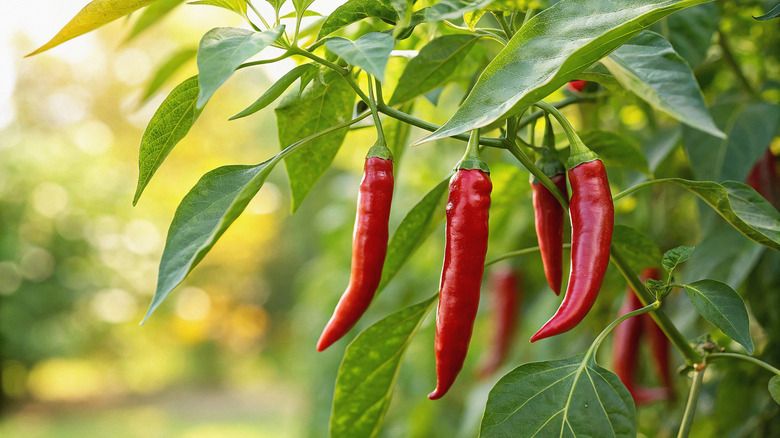
Peppers, like all plants, are particular about growing environment. With their shallow roots, they need a little extra care, so avoid these companion plants.
Food Republic – Restaurants, Reviews, Recipes, Cooking Tips

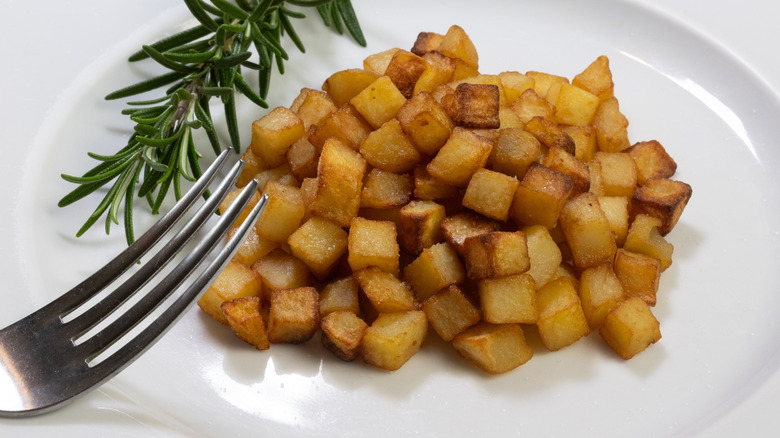
Learn which potato brand was yelling “fore!” to customers and grocery stores across nine states to prevent consumption of golf ball-contaminated hash browns.
Mashed – Fast Food, Celebrity Chefs, Grocery, Reviews
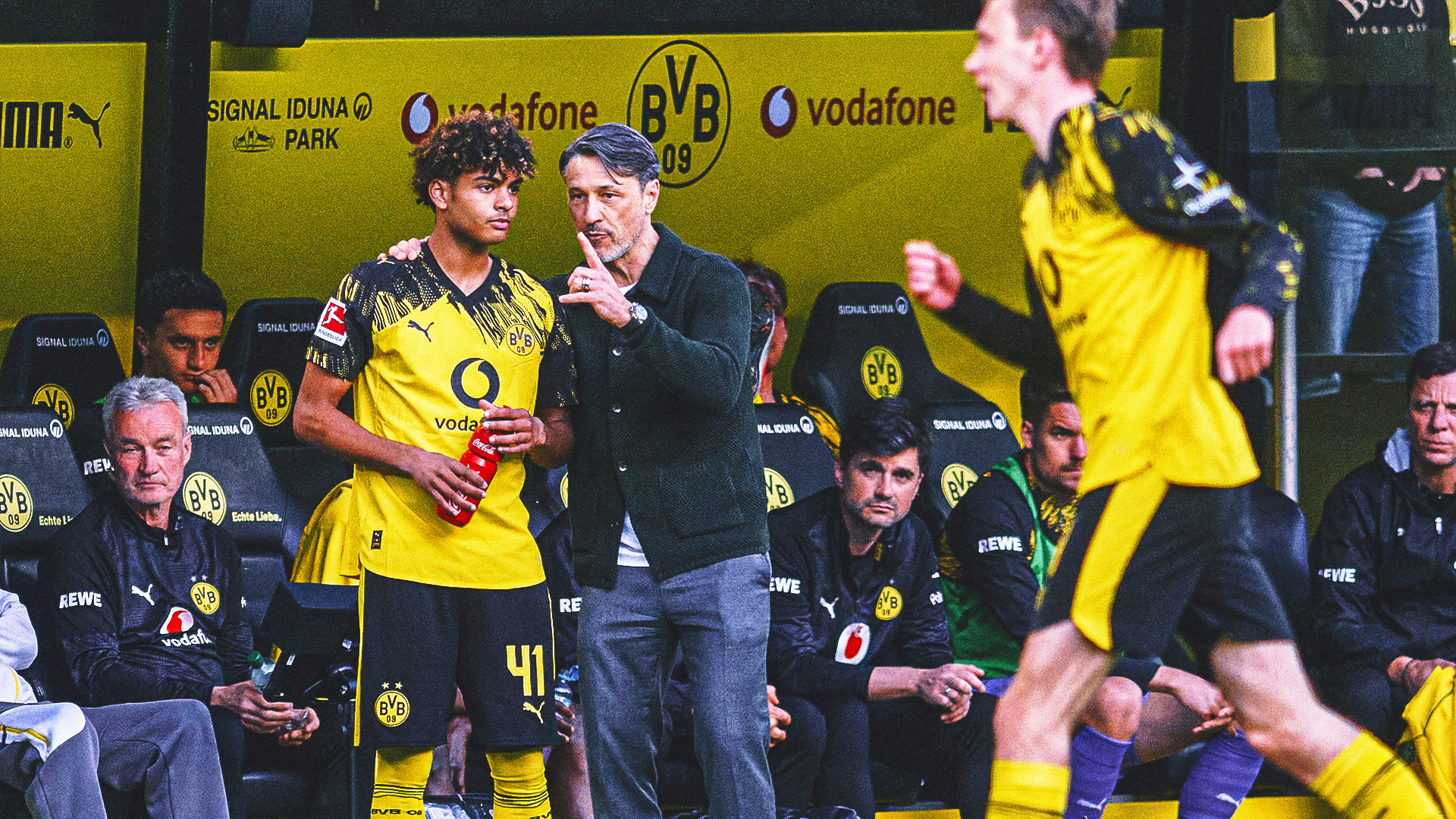
Mathis Albert became the youngest American to play in the Bundesliga when he made his debut for Borussia Dortmund on Sunday at the age of 16 years, 11 months and 5 days. Albert, who is from Greenville, South Carolina, went on in the 88th minute of Dortmund’s 4-0 German league win over Freiburg. He beat the record set by Gio Reyna, also playing for Dortmund, on Jan. 18, 2020. Reyna was 17 years, 2 months and 5 days old at the time, younger than the previous record-holder, Christian Pulisic, who was 17 years, 4 months, 12 days old when he made his Bundesliga debut for Dortmund on Jan. 30, 2016. Albert joined Dortmund’s academy from the LA Galaxy youth program in 2024 and was part of the U.S. team at last year’s Under-17 World Cup. He also was the second-youngest player at last year’s Club World Cup, The Greenville native made his debut with the U.S. U-17 squad at 15 and has scored three times in 10 matches for the youth side. Dortmund’s win ensured it qualified for next season’s Champions League. The Associated Press contributed to this report.Latest Sports News from FOX Sports
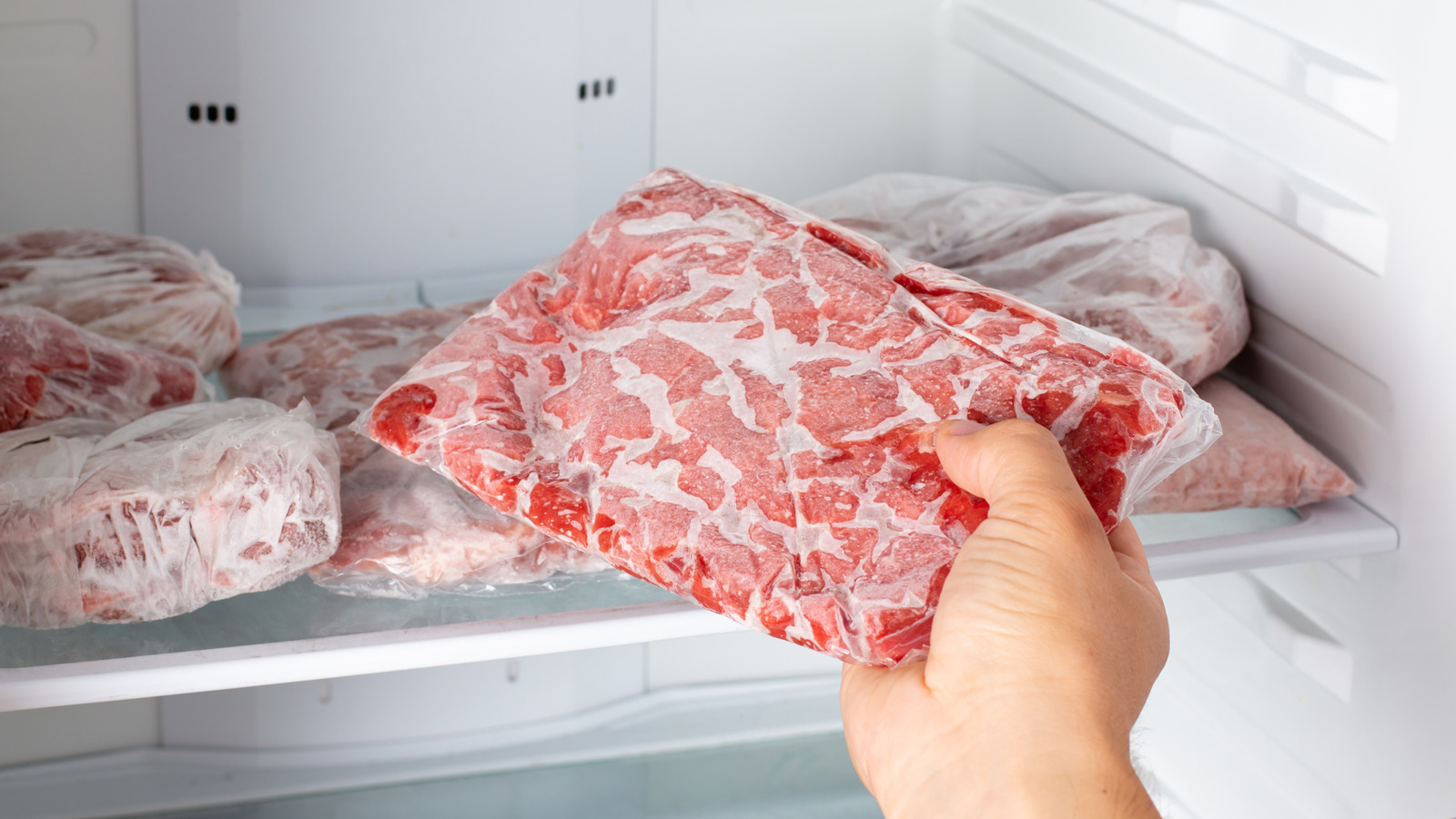
Everyone knows keeping ground beef in a fridge for months would turn it into a bacterial horror show, but is there a time limit for safely freezing the meat?
Mashed – Fast Food, Celebrity Chefs, Grocery, Reviews
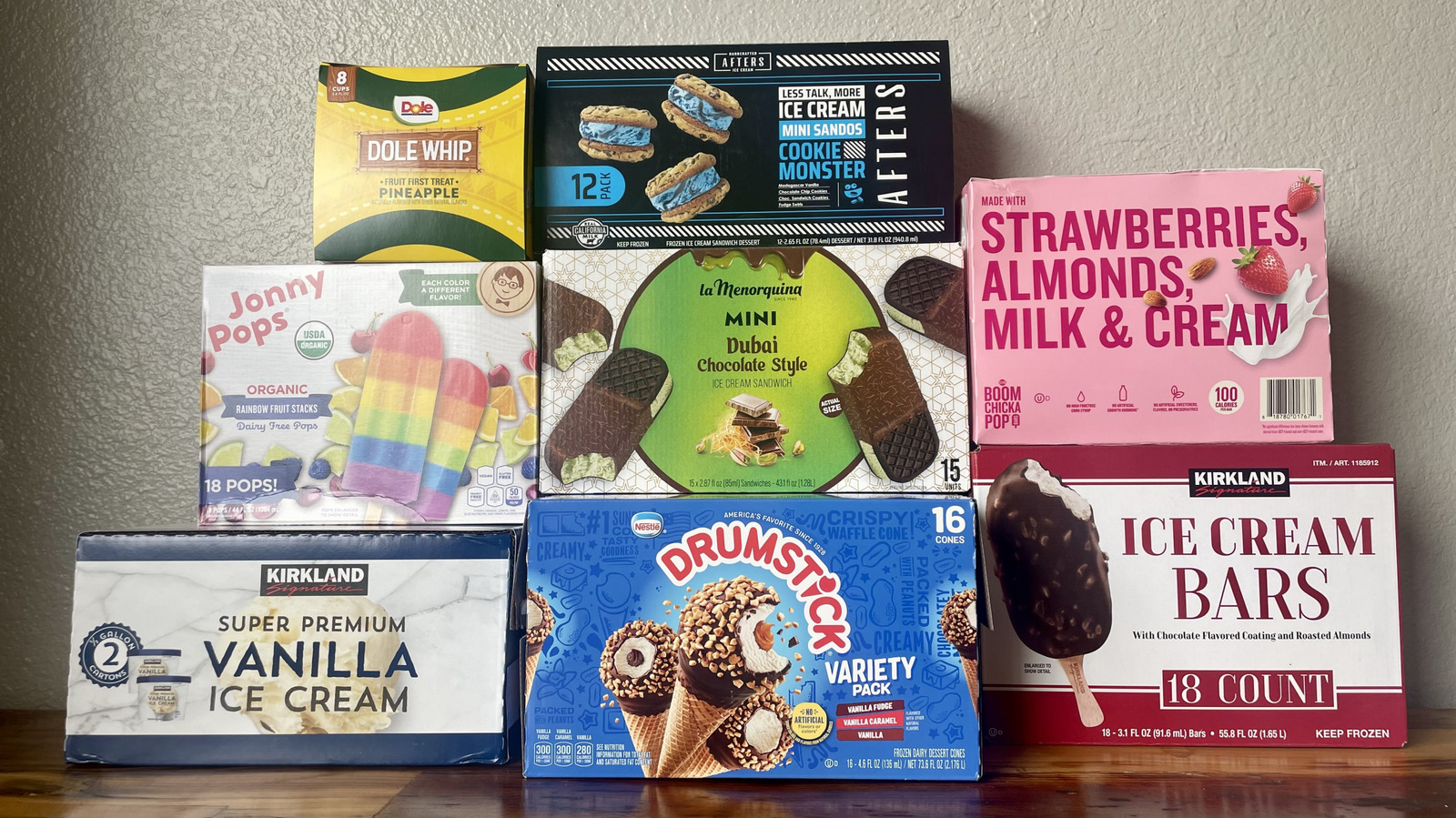
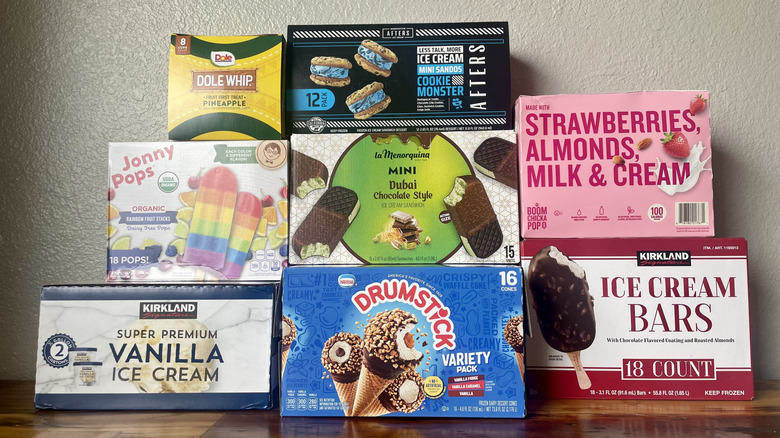
Costco has just about everything a home could need, including frozen sweet treats that just hit the spot, including this one that combines two fan favorites.
Food Republic – Restaurants, Reviews, Recipes, Cooking Tips
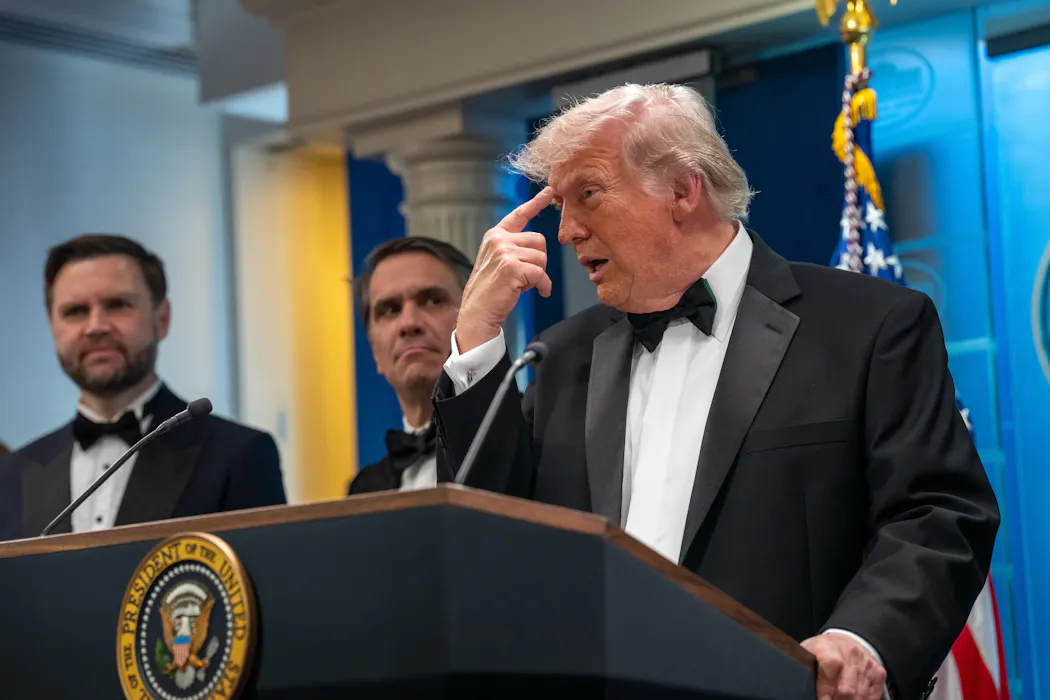
For the third time in three years, Donald Trump has come under threat by an attacker. Many facts remain unclear after a gunman stormed the Washington Hilton on April 25, 2026, during the White House Correspondents’ Association dinner.
As the investigation into the shooting continues, Alfonso Serrano, The Conversation’s politics and society editor, spoke with James Piazza, a political violence scholar at Penn State, about what is driving the rise of political violence in the U.S. and what can be done about it.
This is not the first time Trump has faced political violence. What stands out after the latest attack?
I think the events of April 25 underscore how dangerous this political moment is in the United States. For the past several years – certainly since Jan. 6, 2021 – the U.S. has been experiencing a period of increased political violence, which is generally defined as violence that is motivated by politics or is intended to communicate a political message or achieve a political objective.
Researchers at the Polarization & Extremism Research & Innovation Lab have documented that political violence has increased in the U.S. in recent years. Several recent examples come to mind: the Jan. 6, 2021, insurrection at the U.S. Capitol building; multiple assassination attempts on President Trump; the deadly attacks on Minnesota lawmakers Melissa Hortman and John Hoffman that left Hortman and her husband dead; the attempted murder of Paul Pelosi; the assassination of Charlie Kirk. In my home state of Pennsylvania, Gov. Josh Shapiro was targeted in an attack on the governor’s mansion.

What’s driving that apparent plague of political violence afflicting the country?
There are several important drivers of political violence at work in the U.S. today, according to my own research and research by other scholars. The United States is currently very politically polarized, meaning that Americans are sharply divided against one another along partisan lines. They are suspicious and hostile toward one another, and this produces a tense and volatile environment for politics and public life. This has produced a “zero-sum” environment in which every election and political contest is a “do or die” moment.
What stands out to me is the moral dimension of polarization in the U.S. Each side views members of the other party not as merely having a different view on politics but rather as evil or immoral. The polarized environment has made political violence more normalized. It has also dampened public backlash against political violence when it occurs. This makes political violence more likely.
Political rhetoric has become much more divisive and violent in nature. This works hand in hand with polarization and helps to further normalize political violence. In particular, when politicians use demonizing or dehumanizing rhetoric to attack their opponents – for example, using words that depict their opponents as subhuman – this fosters extremism and helps motivate extremists to hurt their opponents physically.
Disinformation is also an important driver of political violence. A number of people who have engaged in recent acts of political violence seem to have been motivated by conspiracy theories and other forms of disinformation, often gleaned from social media. Disinformation plays a particularly important role in the context of social media communities, where people are exposed to large amounts of disinformation and are hermetically sealed off from other sources that might challenge their worldview. This facilitates radicalization and has been shown to fuel political violence in some cases.
Finally, I think an important factor is also the current assault on democratic norms and democratic institutions in the United States. U.S. democracy is experiencing pressures that are unprecedented in the modern era. This has had a very damaging effect on Americans’ trust in government, confidence in democratic institutions and value for democratic rule itself.
My work shows that individuals who are skeptical about democracy are much more likely to express support or tolerance for political violence.

How does this moment of political violence stand out from other violent periods in U.S. history – are we in uncharted waters?
While the U.S. is currently experiencing an uptick in political violence, unfortunately it is not unprecedented. One example would be the highly polarized period in the 1850s in the run-up to the Civil War. In this era, there was a sharp division between abolitionists and advocates of slavery. This culminated in political assassinations, an assault on an abolitionist member of Congress by a pro-slavery member of Congress, and a bloody civil conflict in Kansas between pro- and anti-slavery armed groups.
The early 1900s, right after World War I, saw another increase in political violence due to labor issues and violence by the second generation of the Ku Klux Klan.
Finally, the 1960s also saw a period of intense political violence surrounding opposition to the Vietnam War and backlash to the Civil Rights Movement.
Though there are some unique features about political violence today – namely the influence of social media – I think we can look for some parallels in these early periods of political violence.
Any last thoughts?
I believe it is absolutely critical that both Democratic and Republican politicians – politicians from all sides – unite to condemn this attack and all political violence. Political commentators and influencers can also condemn this and all use of political violence.
Research amply shows that what political elites – politicians, political leaders, media commentators, online influencers – say in the wake of these sorts of events has a huge effect on citizens’ attitudes. Political elites can adopt rhetoric that does not normalize this sort of behavior.
If the message comes from across the political spectrum, it will be that much more effective at reducing the public attitudes that nurture political violence.

James Piazza has received grants from the McCourtney Institute for Democracy at Penn State, a non-partisan research and public events center that sponsors research on democracy.
Politics + Society – The Conversation
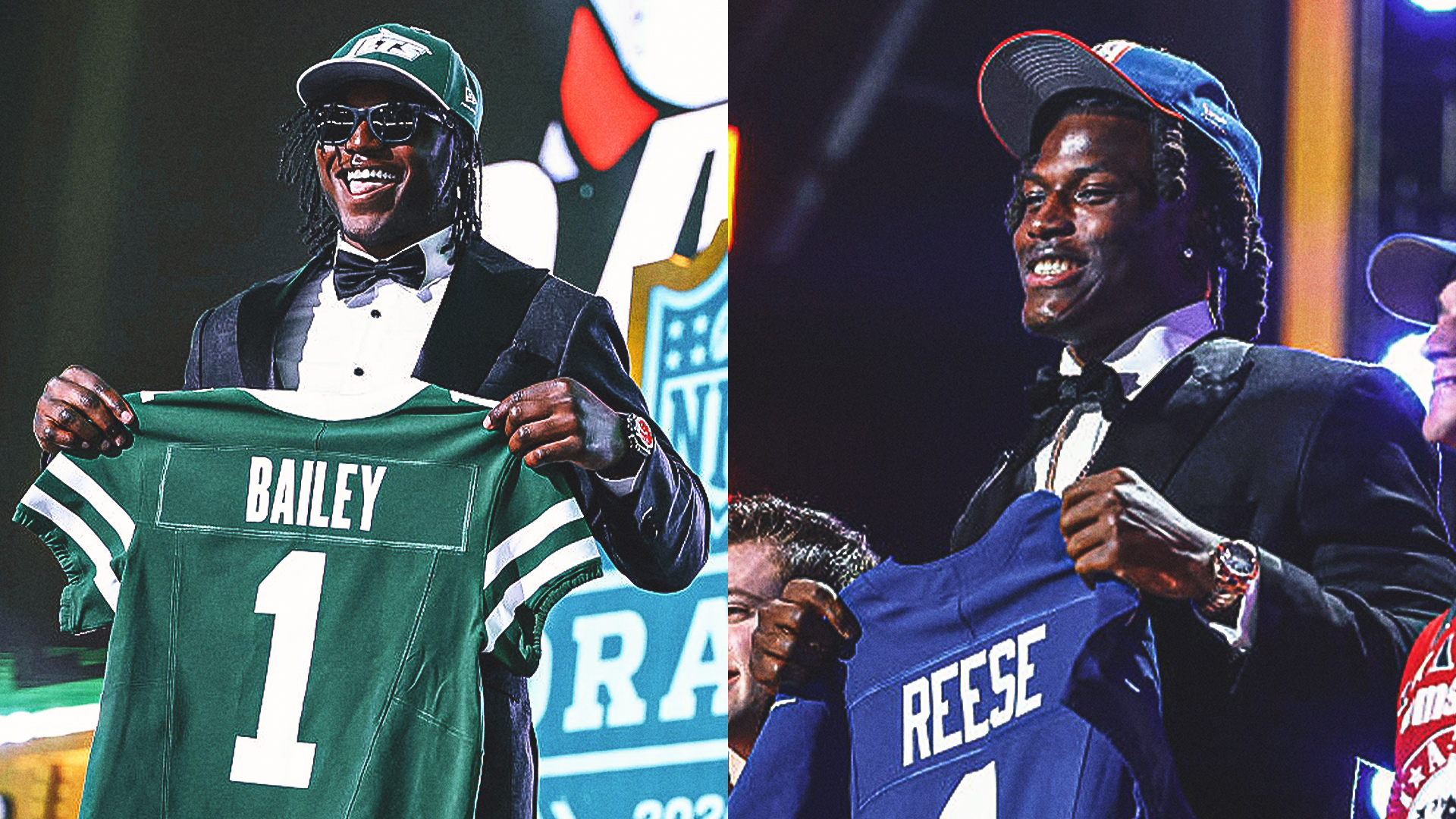
Those in the football world will wait at least two seasons before determining whether a drafted player is truly NFL-caliber. So grading draft classes in the days following the league’s annual player acquisition event often misses the mark. We have not yet seen the players put on the pads for their respective teams or gained insight into how the teams plan to utilize their new players. But one big reason the draft is so popular is because it gives fans hope, and first impressions matter on that front. With that in mind, here are the teams I think helped themselves the most and the teams that helped themselves the least. WINNERS New York Jets After a disappointing debut season, Jets head coach Aaron Glenn is intent on changing the culture by bringing a collection of “winners” into the locker room. With their first four picks, the Jets took College Football Playoff participants from last season: Texas Tech EDGE David Bailey (Round 1), Oregon TE Kenyon Sadiq (Round 1), Indiana WR Omar Cooper Jr. (Round 1) and Indiana CB D’Angelo Ponds (Round 2). These players will raise the standards and expectations around the building as well as fill pressing needs for playmakers at marquee positions. Florida State DT Darrell Jackson Jr. and Clemson QB Cade Klubnik are Day 3 gambles with significant ROI potential. If either prospect outplays his draft status, the Jets could rise up the charts as a competitive squad. With an impressive rookie class teaming with a new and improved veteran corps, the Jets are on their way toward climbing out of the AFC’s cellar. New York Giants There is no disputing new head coach John Harbaugh’s impact on the Giants’ draft philosophy, with the team prioritizing “ballers” in their early-round selections. The drafting of linebacker Arvell Reese and offensive lineman Francis Mauigoa with the team’s first two picks reflects the Giants’ commitment to dominating the trenches with physicality and toughness. While Reese’s role is a bit ambiguous due to the Giants’ deep and talented edge rusher rotation, the Ohio State standout could wreak havoc on opponents in a hybrid role that showcases his talents as an off-ball linebacker with pass-rushing skills. Mauigoa is slated to start his career as a guard before eventually taking over as an edge blocker on a physically imposing frontline. Tennessee CB Carlton Hood and Notre Dame WR Malachi Fields are potential starters with big-play potential in their respective roles. If the Giants also get key contributions from any of their Day 3 selections — Auburn DT Bobby Jamison-Travis, Illinois OT J.C. Davis and BYU LB Jack Kelly — the Harbaugh era will be off to an impressive start. Tampa Bay Buccaneers It is apparent that the Buccaneers look to reclaim their crown as NFC South champs, with the acquisitions aimed at upgrading their toughness and physicality on defense. Miami Edge Rueben Bain, Missouri LB Josiah Trotter and Miami DB Keionte Scott bring energy and edginess whenever they step inside the lines. They not only fill immediate needs at their respective positions, but they will also rekindle the hard-nosed approach that helped the Buccaneers claim four straight division titles before last season. While the team’s offensive selections (Georgia State WR Ted Hurst, Notre Dame OG Billy Schrauth and LSU TE Bauer Sharp) are projected as backups, Hurst could slide into departed veteran Mike Evans’ role as a vertical threat with the potential to hold down the “X” position as an eventual starter. Overall, the Buccaneers opted for an identity draft to help them get back to their rugged, winning ways. LOSERS Los Angeles Rams Time will tell if Les Snead was the smartest guy in the room when he handpicked Ty Simpson to be the Rams’ franchise quarterback of the future in a surprise selection at No. 13 overall. While the Super Bowl-winning general manager deserves credit for his conviction, the Rams’ 2026 class hinges on the success of an undersized, inexperienced quarterback with durability concerns. Despite his polished mechanics and spectacular flashes, Simpson must defy the odds to emerge as an elite quarterback in a league that chews up and spits out novices at the position. With the Rams bypassing a game-changing pass-catcher, pass protector, or pass rusher to select a QB3 for this season, the skeptics will not change their opinions despite the impact of the rest of the class. Although Ohio State TE Max Klare, Missouri OT Keagen Trost and Miami WR CJ Daniels are poised to make their mark as unheralded contributors, Simpson’s performance and production are all that matter in this evaluation. San Francisco 49ers The outrage of the 49ers’ faithful reached a fever pitch when the draft concluded on Saturday night. The puzzling Day 2 selections of Ole Miss WR De’Zhaun Stribling, Texas Tech EDGE Romello Height and Indiana RB Kaelon Black have drawn the ire of couch scouts who wanted brand names at those selections. Although Kyle Shanahan’s track record for coaxing production out of hidden gems should afford more grace from critics, the outrage continues the ongoing debate over the team’s ability to draft and develop effectively over the past decade. Given the heat on the 49ers following their daring decisions in the first two days of the draft, the team needs some of their developmental prospects — Oklahoma DT Gracen Halton, Washington OT Carver Willis, Washington CB Ephesians Prysock, Louisiana LB Jaden Dugger and Kansas OT Enrique Cruz Jr. — to pan out to extinguish the fires raging among 49ers fans. Tennessee Titans The 2026 draft pivoted when the Titans shocked the world with the Carnell Tate pick at No. 4 overall. Although most observers viewed the Ohio State star as the No. 1 wideout in the class, the decision to take a collegiate WR2 over a freakishly athletic pass rusher (Arvell Reese) and off-ball linebacker (Sonny Styles) has put Robert Saleh’s debut class under the microscope. Perhaps Tate will silence the critics by playing at a superstar level, but he will need to adapt to a new role and more responsibility as the WR1 for a team that lacks an elite supporting cast around him. The Titans traded back into the first round to acquire a big-bodied edge rusher, Keldric Faulk, with modest sack production. While there was plenty of love in the scouting community for the Auburn star as a run defender, the Titans are counting on the 21-year-old to transform into an Arik Armstead-type defender with inside-outside versatility. Considering how collegiate sack production typically translates into NFL performance, the Titans will need their second first-rounder to remake his game to match his draft expectations. With second-round pick Anthony Hill slated to be a Day 1 starter at middle linebacker, the Titans are counting on three developmental playmakers to fill voids on a squad looking to climb out of the AFC South cellar. *Jacksonville Jaguars Some of you may question why the Jaguars are not included among the bottom three on this list, even though they selected the most controversial player on the board, Texas A&M tight end Nate Boerkircher, with their first selection (No. 56 overall). It is hard to attach significant expectations to a bottom of the second round pick when the value is that of a key contributor. While the Texas A&M standout was not on many media boards, the Jaguars’ selection pre-empted a Day 2 run on tight ends that might have left the team on the outside looking in when it came to their desired blocking tight ends. With the Jaguars following that selection with a highly-touted guard, Emmanuel Pregnon from Oregon, who earned borderline first-round grades, it is hard for me to trash a draft class that would have been celebrated if the order of selections had been reversed.Latest Sports News from FOX Sports
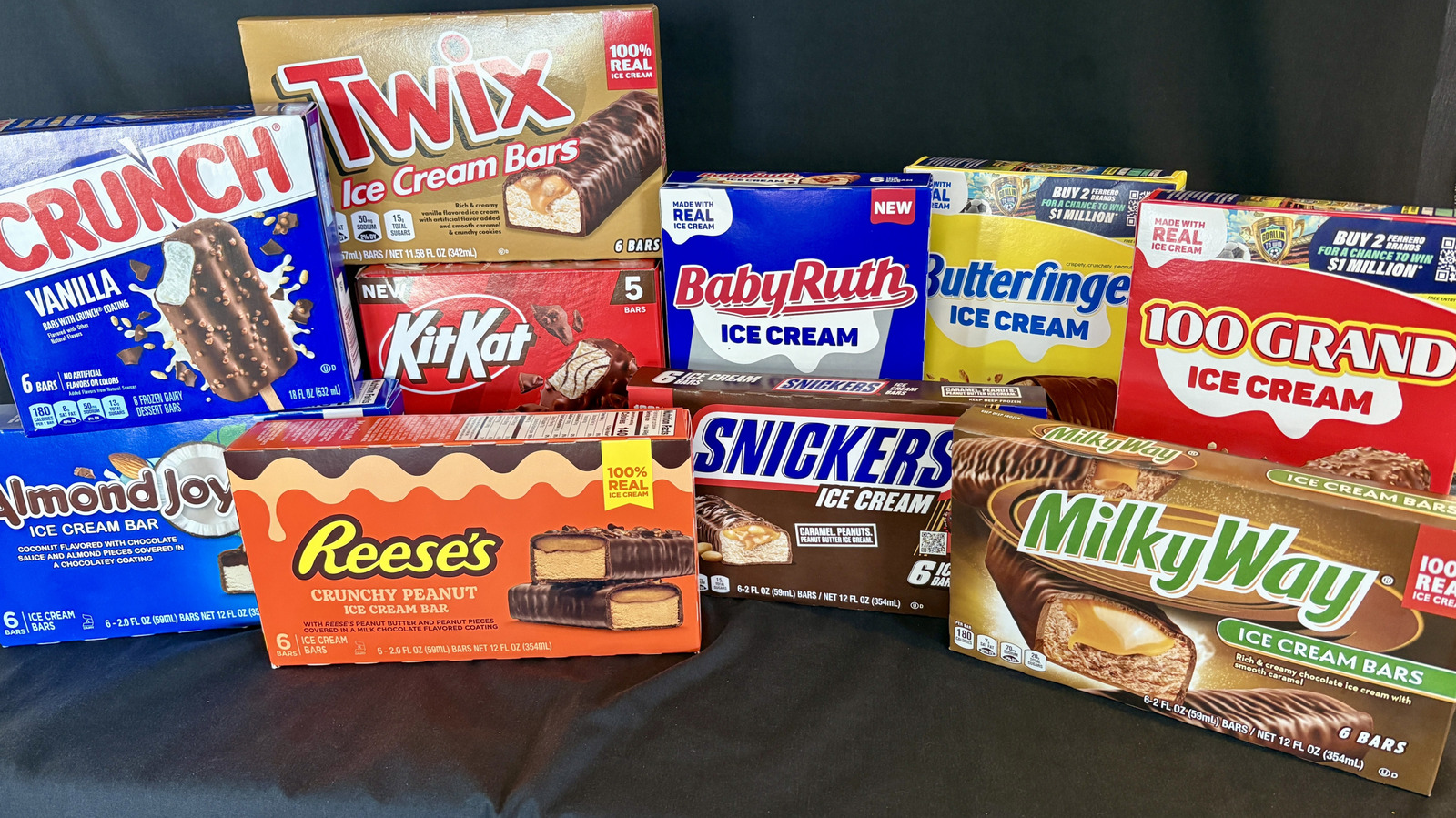
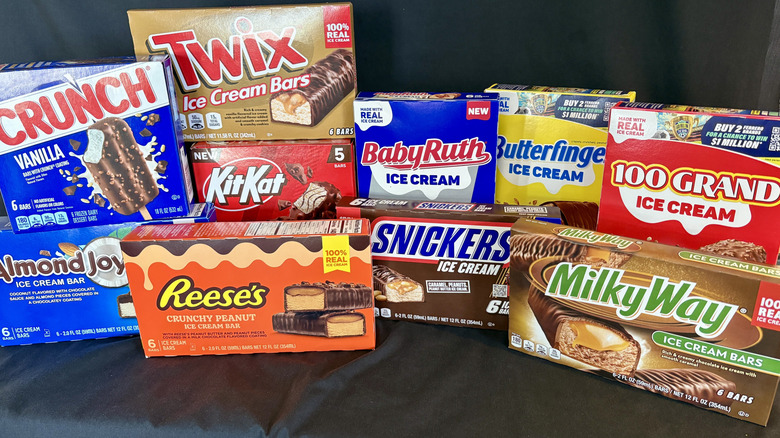
Which candy bars make the best ice cream treats? We tried a selection to find out which are freezer must-haves and which are better left on ice.
Mashed – Fast Food, Celebrity Chefs, Grocery, Reviews
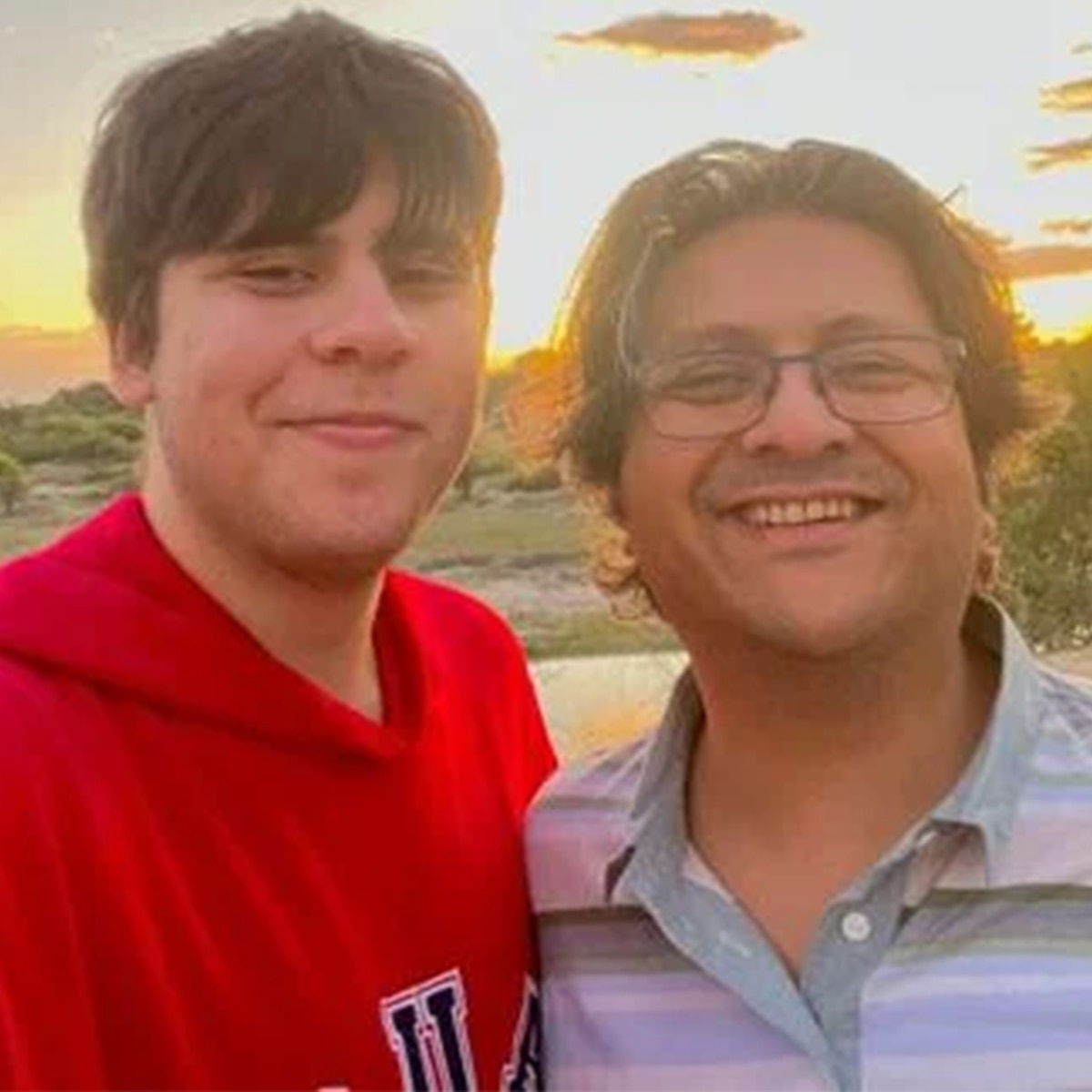
 Christine Dawood is sharing harrowing details about the aftermath of a devastating tragedy.
Nearly three years after the OceanGate Expedition vessel imploded with five passengers onboard,…
E! Online (US) – Top Stories