The pop star announced this week that she and husband Daryl Sabara have welcomed a daughter via surrogacy.
Meghan shared the news with fans on her Instagram page:
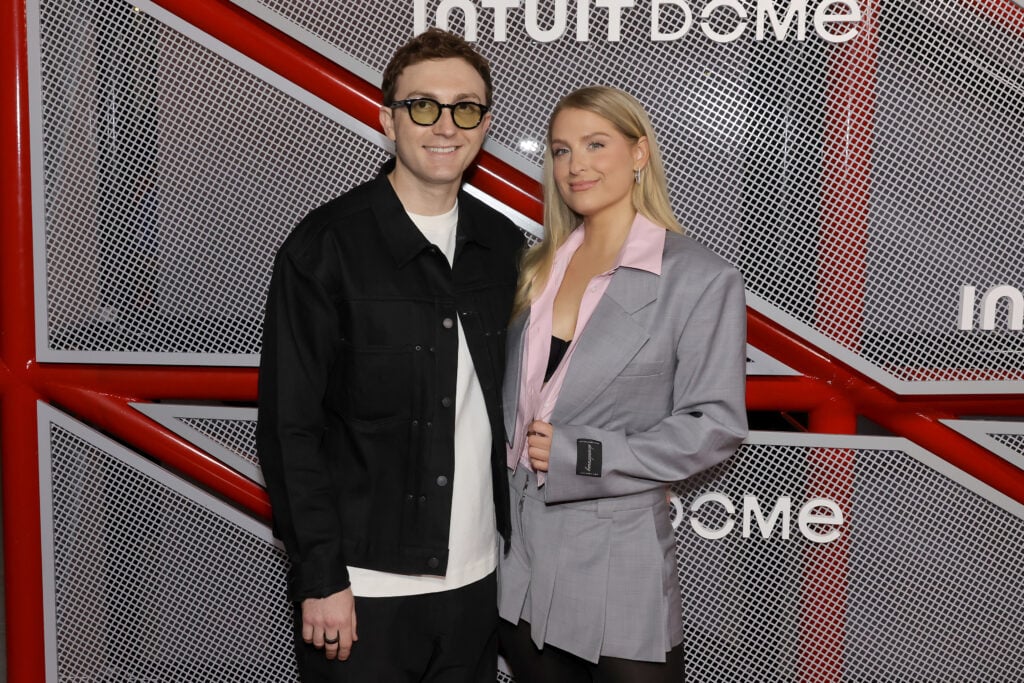
Daryl Sabara and Meghan Trainor attends the Opening Night of The Intuit Dome at Intuit Dome on August 15, 2024 in Los Angeles, California. (Photo by Kevin Winter/Getty Images)
“Our baby girl Mikey Moon Trainor has finally made it to the world thanks to our incredible, superwoman surrogate. We are forever grateful to all the doctors, nurses, teams who made this dream possible,” she wrote, adding:
“We had endless conversations with our doctors in this journey and this was the safest way for us to be able to continue growing our family. We are over the moon in love with this precious girl.
“Riley and Barry have been so excited, they even got to choose her middle name. We are going to enjoy our family time now, love you all.”
Naturally, Meghan quickly received a tidal wave of congratulatory comments from her many celebrity friends.
We don’t know if Mikey is short for anything, as is the case for actress Mikey Madison, whose first name is Mikaela.
Or maybe Mikey is the legal name, in which case it’s a very trendy choice, coming less than a year after Madison won the Best Actress Oscar for her work in Anora.
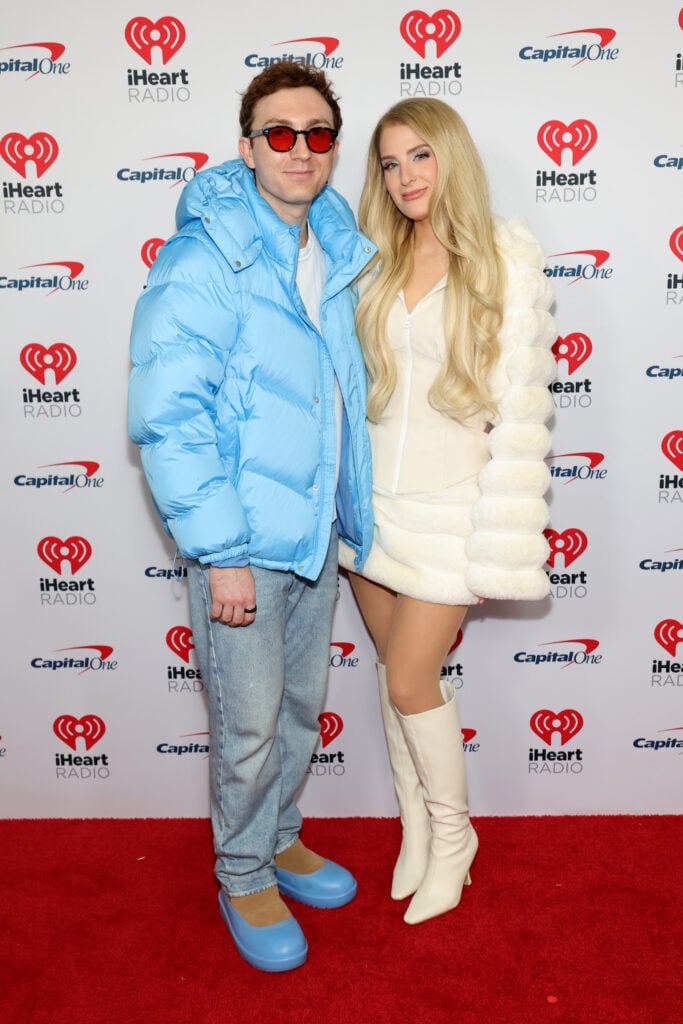
Daryl Sabara and Meghan Trainor attend iHeartRadio z100’s Jingle Ball 2024 Presented By Capital One at Madison Square Garden on December 13, 2024 in New York City. (Photo by Arturo Holmes/Getty Images for iHeartRadio)
Whatever the case, Meghan, Daryl, and their elder two children — Riley and Barry — are clearly overjoyed about the new addition to their family.
Taylor Swift’s latest album, “The Life of a Showgirl,” generated a cultural whirlwind: chart-topping success, social media saturation and frenzied debate over her artistic evolution.
Nonetheless, despite this warm reception, opinions on Swift are deeply polarized by party. Democrats are far more likely to view her positively; Republicans are more likely to hold negative views. This partisan divide remains in place even after accounting for age, gender and other demographic differences.
We are political scientists who conduct research on public opinion. In our just-published study, “Mirrorball Politics,” we draw on national survey data to examine how Americans feel about Swift and what those feelings reveal about our politics. What we find is striking: Swift has become a cultural mirror, reflecting our society’s deepest social and political fault lines.
In other words, liking or disliking Swift has become yet another way Americans signal who they are politically. Young women love her, but young men don’t – and that gap matters.
This is part of a broader trend in which cultural preferences and political identity have collapsed into each other. The type of beer you drink, the kind of car you drive, the stores you shop at and now the musical artists you admire have become markers of political belonging – and difference.
Popular entertainment used to be a common space where Americans, regardless of whether they were Republicans or Democrats, could come together and have some fun. Those shared spaces are shrinking – and with them the opportunity for connection across partisan divides.
The Swifties gap
That’s why feelings toward Swift offer warning signs for the future of American politics.
One of the starkest divides we found is between young men and young women. Gen Z women – those born between 1997 and 2012 – admire Swift. Gen Z men, not so much. On a 100-point scale measuring attitudes toward Swift, young women averaged 55, while young men averaged 43 – a statistically significant difference that was not present among older Americans.
This gender gap mirrors the widening political divide among younger Americans that played a pivotal role in the 2024 presidential election. Although a modest gender gap has been a consistent, defining feature of American electoral politics since 1980, the gap among young Americans is huge.
Young women are markedly progressive in their politics. Young men, by contrast, are trending rightward.
Many young men express skepticism toward feminism, discomfort with shifts in gender norms and a growing attraction to more conservative cultural messaging.
Haters gonna hate
This yawning gender gap is also reflected in views regarding Swift.
The strongest predictor of negative views of the singer, aside from partisanship, is “hostile sexism.” This is defined as negative attitudes toward women and a sense that men should dominate.
Our study finds that individuals who believe that women’s achievements come at men’s expense, or that women have too much power, are far more likely to dislike Swift. This effect is especially strong among men and particularly among Republican men.
Swift’s enormous success, artistic autonomy and cultural influence appear to trigger anxieties about women’s power in public life. The backlash is not about her lyrics or her image. It’s about what she represents: a confident, self-directed woman at the center of American culture.
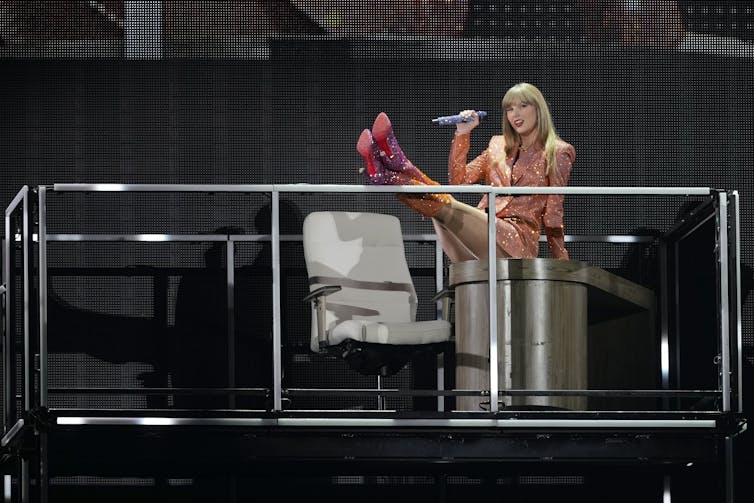
The scope of Taylor Swift’s success may have triggered a backlash among some Americans. Lewis Joly/AP
This dynamic reveals the broader challenges facing women in positions of authority, including in politics. Hostile sexism remains a force in American society and a formidable barrier for any woman aspiring to the presidency.
Swift as a visible symbol
Swift didn’t create these divisions – she is simply reflecting them back. But the intensity of the reaction to her success reveals how conflicted America remains about women’s power.
Our study also shows that people who scored high on hostile sexism were much more likely to hold negative views of Kamala Harris during the presidential election of 2024. This mirrors findings from earlier research showing that hostile sexism was one of the strongest reasons voters did not support Hillary Clinton in 2016.
That conflict is not abstract. It is shaping who we elect and whether women can lead without triggering backlash. As the United States marks its 250th anniversary as a democractic nation, we have yet to elect a woman as president, and women remain significantly underrepresented in high-level political positions.
Democracy depends on some measure of shared reality and common ground. When even pop stars become partisan litmus tests, that common ground keeps shrinking.
The authors do not work for, consult, own shares in or receive funding from any company or organization that would benefit from this article, and have disclosed no relevant affiliations beyond their academic appointment.
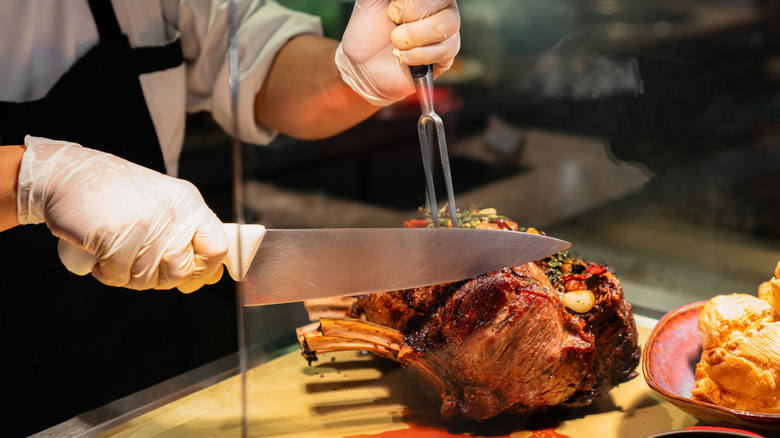
Texas Roadhouse is meticulous regarding how it handles its steaks, but how it treats its prime rib is vastly different from just about every other cut of steak.
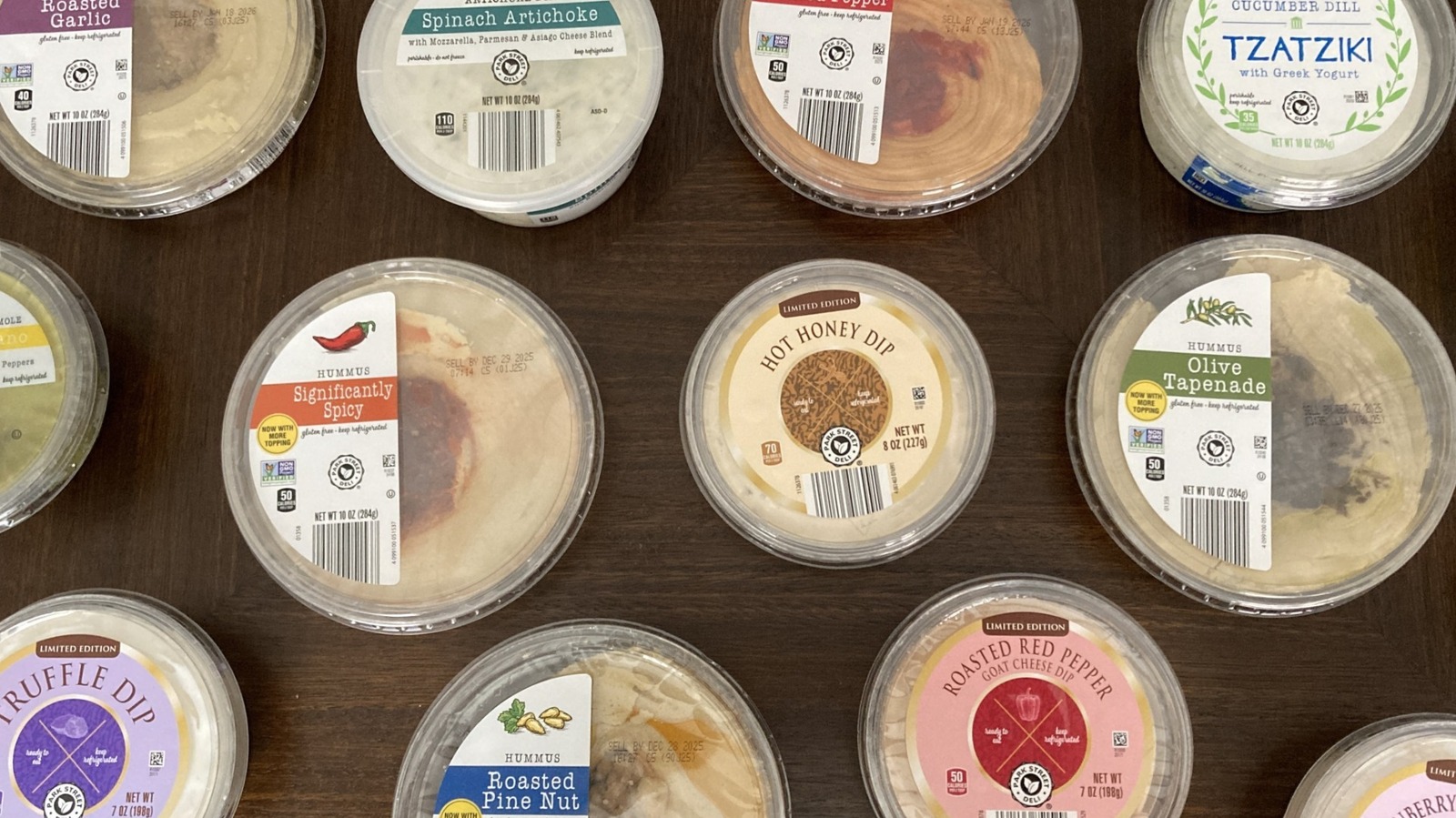
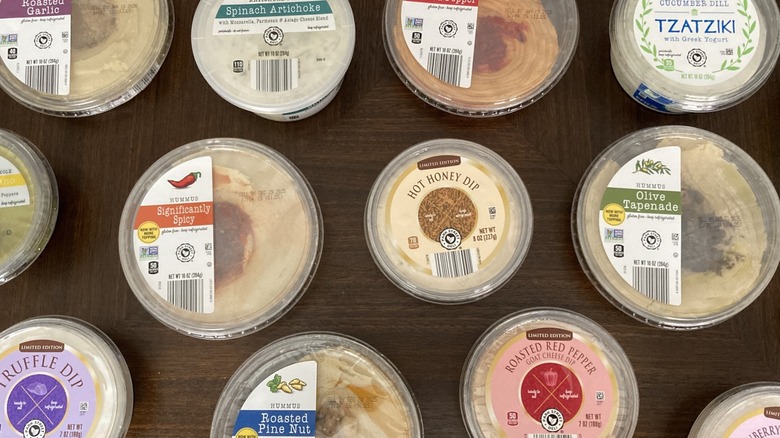
Aldi’s assortment of dips is extensive and delicious, but there is one flavor that we advise you steer clear of after it left our taste tester unimpressed.
Mashed – Fast Food, Celebrity Chefs, Grocery, Reviews
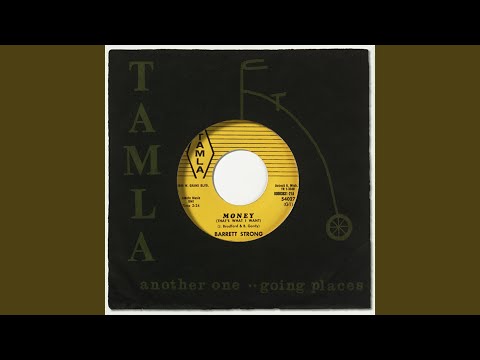
Wednesday, January 21, 1959: Cecil B DeMille, the movie mogul who directed The Greatest Show On Earth, died. It was one of a few historic events that day. Not many people noticed another one, however, which led to what could also lay claim to being the greatest show on earth: the Motown Corporation’s first single, Marv Johnson’s “Come To Me,” was released on the Tamla label.
The company had little pedigree, no distribution deal, and Marvin Earl Johnson was a complete unknown. Just six short years later, Motown sold 15 million dollars’ worth of records and was on the way to becoming America’s biggest black-owned business. This unprecedented success started with Marv Johnson’s single and was built by label founder Berry Gordy, Jr’s spirit of enterprise, and his and Smokey Robinson’s unsurpassed instinct for a great record.
Click to load video
“I went into the master-making business,” said Berry Gordy of the early days of Tamla. “Some of the records we made went to other companies, we’d lease these records and we found a great deal of the profit was lost. We got very low royalty rates or did not receive royalty statements on time, and we would perhaps have gone out of business.” One of those leased records was “Come To Me,” which was licensed to United Artists after its limited release on Tamla showed commercial potential by gaining airplay around Detroit. UA pushed it to No.30 on Billboard’s Hot 100.
“Come To Me” was a decent record, co-written by Gordy and Johnson. It already showed hints of the classic Motown sound in the emphasis on the tambourine-boosted dance beat, and the “Black-sounding” vocals, which contrasted strongly with the cheesy choirs deployed by the producers of some of the Jackie Wilson records Gordy had co-written in his initial foray into the business. Gordy borrowed $800 from his cautious family to get Johnson’s debut single released – and had to sign a contract agreeing on a repayment schedule to get his hands on the cash.
Click to load video
In some respects, Johnson was unlucky. His beautiful voice, floating elegantly between the styles of Clyde McPhatter and Jackie Wilson, put him in at the start of the greatest soul music company of all. But UA signed him after this initial hit and continued to release his records, which Gordy still co-wrote and produced. For a while it worked, and Johnson broached the US Top 10 with the classic “You Got What It Takes” and “I Love The Way You Love,” but this hitmaking run had faded by mid-’61. Meanwhile, Motown rose: Smokey’s group, The Miracles, the youthful Marvin Gaye, the dazzling Mary Wells, and the fabulous Marvelettes all benefited from working for a label at the heart of the nascent soul scene’s creativity, while the singer who’d helped start it all could not catch a break at UA. By the time he was free to sign to Motown in 1965, he was trying to compete with a roster of established stars, and his success was limited. But credit where credit is due: Marv Johnson’s “Come To Me” was key to launching a music-business legend.
“I’ll never forget we went up to a record plant in Owosso, American Record Pressing,” says Smokey Robinson, recalling a 100-mile trip north for Johnson’s groundbreaking single. “We were going to get the first batch of 45s – about a hundred records! It was the wintertime and the highway was like glass. We went over into a ditch twice – we had to be towed out. One time it was to avoid being crushed by a Mack truck! We finally got back to Detroit with the record and the local DJs started to play it. It was really the birth of Motown records.”
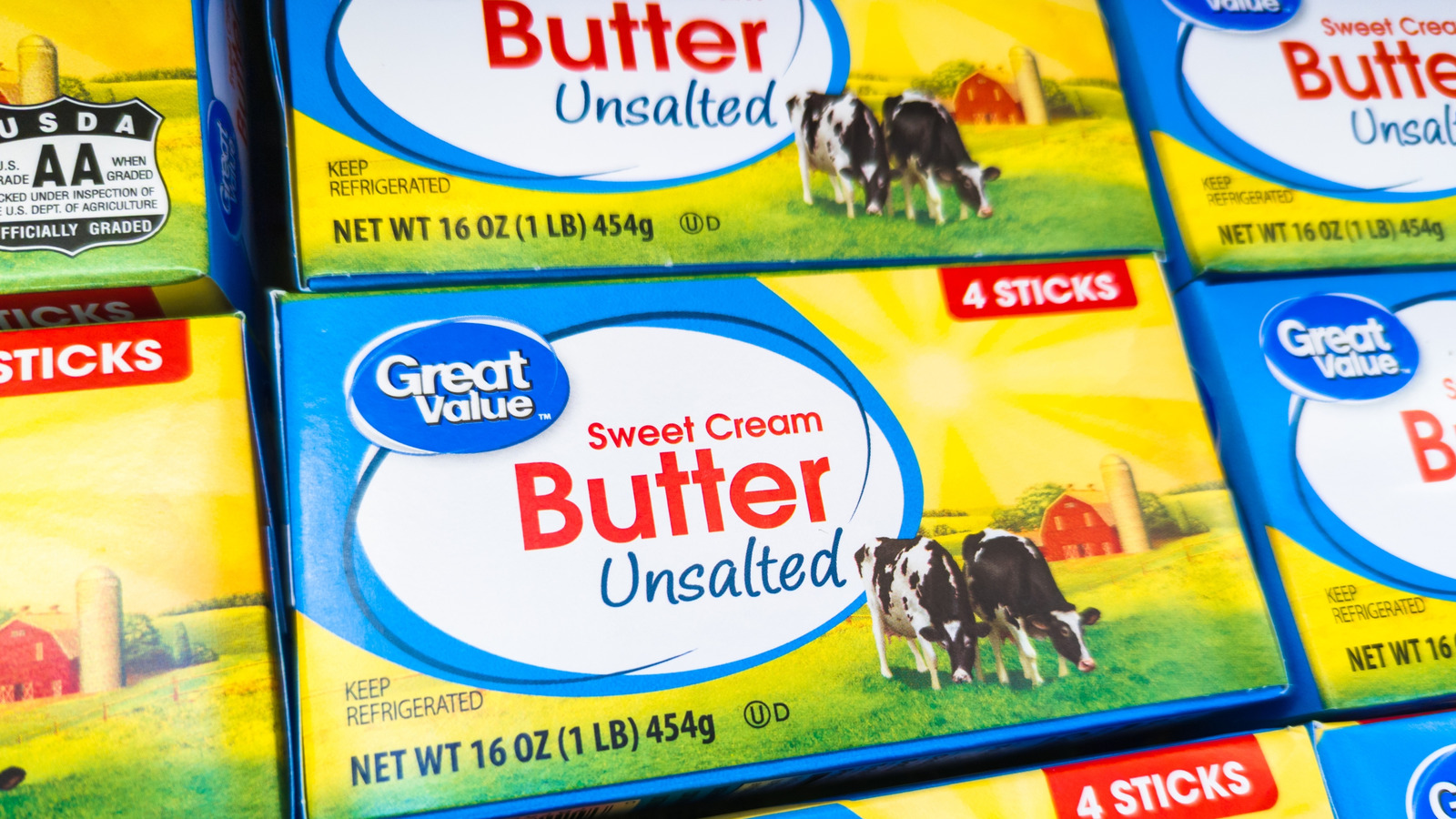
Walmart has its own private lable for many different products, including its Great Value butter. However, who is the actual brand responsible for production?
If you aspire to Martha Stewart’s level of kitchen prowess, emulate her good habits. For starters, she probably replaces this item more frequently than you do.
Mashed – Fast Food, Celebrity Chefs, Grocery, Reviews