Most GRWM videos focus upon the person’s face while they do their makeup.
But then, most women Joy’s age (she was born in 1997) who are doing these videos aren’t mothers of three.
This video has an (unsurprising) focus upon what it’s like to get ready when you are a family of five.
Joy is getting ready in this footage. So is Austin. And so are their three children: Gideon, Evelyn, and Gunner.
By the time that Joy is applying makeup, the family is already in the car and driving to church.
Like her sister (and podcast host), Joy-Anna had her own journey of discovering which cult rules didn’t make sense to her as an adult. (Image Credit: YouTube)
Is she getting ready wrong? Is she PREGNANT?
Commenters were quick to poke at Joy for … almost every aspect of the video.
“You’re too young and pretty to wear ugly dresses like that. I get that you’re going for modest fashion but I feel like there are way better options,” one commenter opined.
Another simply wrote: “You’re too young to be wearing old lady dresses.”
(Joy wore a lengthy blue dress featuring a beige floral pattern. The internet tells us that this is normal to wear at some church gatherings, particularly in more conservative communities)
One commenter scolded Joy for featuring Gunner’s diaper change in the video. Another gave her at talking-to for drinking coffee. (The first one, we can understand, but not the second)
Joy-Anna Duggar addresses fans on her YouTube channel. (Image Credit; YouTube)
Some in Joy’s comments suggested that perhaps she has a special reason for wearing the allegedly “frumpy” dress.
Is she hiding a baby bump?
“Are you expecting? You’re always hidden behind things and in baggier clothes,” penned one suspicious commenter.
It is always possible that Joy and Austin, fundamentalist cultists who see procreation as virtuous and as a divine mandate, are expecting Baby #4.
But … by that same token, they’re cultists in a cult that believes that women and their bodies are inherently shameful and dangerous. Hiding their bodies behind unflattering clothing goes with the territory.
Making quite the facial expression, Joy-Anna Duggar talks into the camera. (Image Credit: YouTube)
To be honest, it’s always possible that Joy is pregnant.
But, if so, she’d either tell fans pretty early on or wait until childbirth.
(Because of how the Duggars view miscarriage, they seldom fit the “standard” timeline of when to make an announcement)
At the moment, the only thing that we know with any certainty is that a lot of people are unhappy with their lives and are spewing unfiltered criticisms at Joy over a GRWM video because that’s their only outlet.
A lot of the feral online behavior in recent decades is just a manifestation of the person’s own misery. This is not a healthy way to express that.
The reality stars’ Music City residence is back under contract after a previous deal fell through. Continue reading…Country Music News – Taste of Country
Instead of feeling embarrassed about their stretch marks, these celebrities have proudly talked about (and flaunted) this very normal condition on social media.
Health Digest – Health News, Wellness, Expert Insights
Homeland Security Secretary Kristi Noem initially said Alex Pretti committed an ‘act of domestic terrorism’ before saying later that ‘we were using the best information we had at the time.’Al Drago/Getty Image
In separate encounters, federal immigration agents in Minneapolis killed Renée Good and Alex Pretti in January 2026.
But the label “domestic terrorism” is not a generic synonym for the kind of politically charged violence Noem alleged both had committed. U.S. law describes the term as a specific idea: acts dangerous to human life that appear intended to intimidate civilians, pressure government policy or affect government conduct through extreme means. Intent is the hinge.
From my experience managing counterterrorism analysts at the CIA and the National Counterterrorism Center, I know the terrorism label – domestic or international – is a judgment applied only after intent and context are assessed. It’s not to be used before an investigation has even begun. Terrorism determinations require analytic discipline, not speed.
Evidence before conclusions
In the first news cycle, investigators may know the crude details of what happened: who fired, who died and roughly what happened. They usually do not know motive with enough confidence to declare that coercive intent – the element that separates terrorism from other serious crimes – is present.
The Congressional Research Service, which provides policy analysis to Congress, makes a related point: While the term “domestic terrorism” is defined in statute, it is not itself a standalone federal offense. That’s part of the reason why public use of the term can outpace legal and investigative reality.
This dynamic – the temptation to close on a narrative before the evidence warrants it – seen most recently in the Homeland Security secretary’s assertions, echoes long-standing insights in intelligence scholarship and formal analytic standards.
The 9/11 terrorist attacks changed the U.S. intelligence community’s analytical standards. AP Photo/Mark Lennihan
Intelligence studies make a simple observation: Analysts and institutions face inherent uncertainty because information is often incomplete, ambiguous and subject to deception.
In response, the U.S. intelligence community codified analytic standards in the aftermath of the Sept. 11, 2001, terrorist attacks. The standards emphasize objectivity, independence from political influence, and rigorous articulation of uncertainty. The goal was not to eliminate uncertainty but to bound it with disciplined methods and transparent assumptions.
When narrative outruns evidence
The terrorism label becomes risky when leaders publicly call an incident “domestic terrorism” before they can explain what evidence supports that conclusion. By doing that, they invite two predictable problems.
The first problem is institutional. Once a senior official declares something with categorical certainty, the system can feel pressure – sometimes subtle, sometimes overt – to validate the headline.
In high-profile incidents, the opposite response, institutional caution, is easily seen as evasion – pressure that can drive premature public declarations. Instead of starting with questions – “What do we know?” “What evidence would change our minds?” – investigators, analysts and communicators can find themselves defending a superior’s storyline.
The second problem is public trust. Research has found that the “terrorist” label itself shapes how audiences perceive threat and evaluate responses, apart from the underlying facts. Once the public begins to see the term as a political messaging tool, it may discount future uses of the term – including in cases where the coercive intent truly exists.
Once officials and commentators commit publicly to a version ahead of any assessment of intent and context, confirmation bias – interpreting evidence as confirmation of one’s existing beliefs – and anchoring – heavy reliance on preexisting information – can shape both internal decision-making and public reaction.
The long-term cost of misuse
This is not just a semantic fight among experts. Most people carry a mental file for “terrorism” shaped by mass violence and explicit ideological targeting.
By contrast, the more common U.S. experience of violence – shootings, assaults and chaotic confrontations with law enforcement – is typically treated by investigators, and understood by the public, as homicide or targeted violence until motive is established. That public habit reflects a commonsense sequence: First determine what happened, then decide why, then decide how to categorize it.
U.S. federal agencies have published standard definitions and tracking terminology for domestic terrorism, but senior officials’ public statements can outrun investigative reality.
The Minneapolis cases illustrate how fast the damage can occur: Early reporting and documentary material quickly diverged from official accounts. This fed accusations that the narrative was shaped and conclusions made before investigators had gathered the basic facts.
Even though Trump administration officials later distanced themselves from initial claims of domestic terrorism, corrections rarely travel as far as the original assertion. The label sticks, and the public is left to argue over politics rather than evidence.
None of this minimizes the seriousness of violence against officials or the possibility that an incident may ultimately meet a terrorism definition.
The point is discipline. If authorities have evidence of coercive intent – the element that makes “terrorism” distinct – then they would do well to say so and show what can responsibly be shown. If they do not, they could describe the event in ordinary investigative language and let the facts mature.
A “domestic terrorism” label that comes before the facts does not just risk being wrong in one case. It teaches the public, case by case, to treat the term as propaganda rather than diagnosis. When that happens, the category becomes less useful precisely when the country needs clarity most.
Brian O’Neill does not work for, consult, own shares in or receive funding from any company or organization that would benefit from this article, and has disclosed no relevant affiliations beyond their academic appointment.
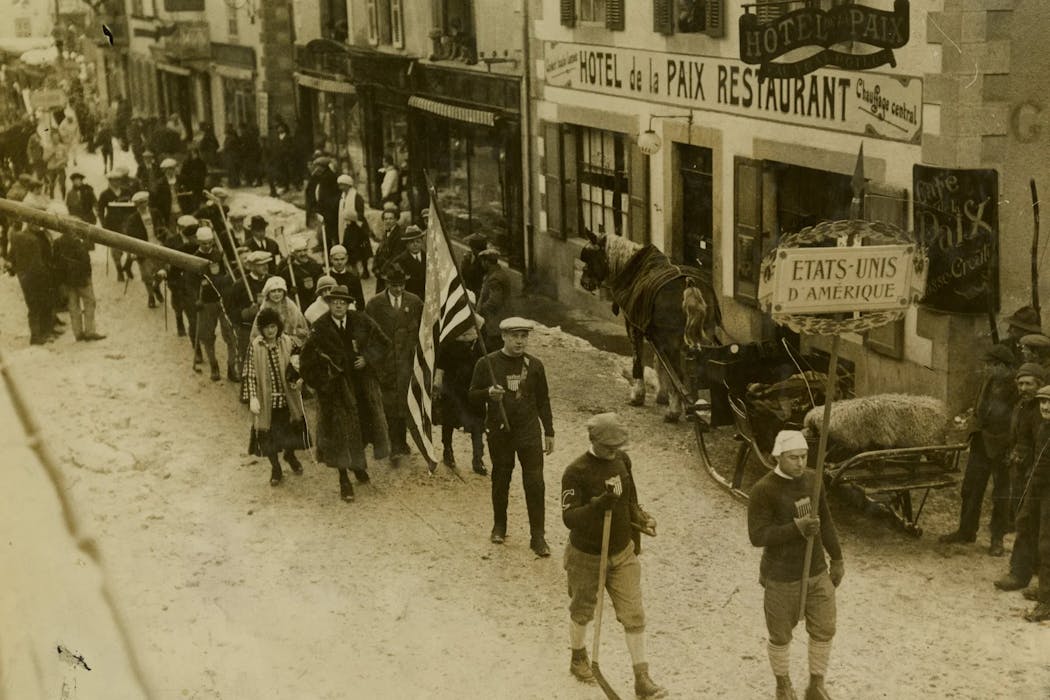
Taffy Abel, of the U.S. ice hockey team that competed in Chamonix, France, in 1924, was the first U.S. flag bearer at a winter Olympics.The Jones Family Collection
On Dec. 26, 1926, 16,000 hockey fans packed Madison Square Garden to witness the birth of a rivalry between the New York Americans and the brand-new New York Rangers. The game would later be remembered for establishing a foundation of popularity for the sport in New York City.
The only American playing for the Rangers that night also happened to be the largest player in the history of the NHL up to that point, defenseman Clarence “Taffy” Abel.
Standing over 6 feet tall and weighing 225 pounds, Abel was a brutal behemoth on the ice. Yet off the ice, he was a quiet, personable man who charmed sportswriters.
His mother died in 1939, and it was only after her death – and years after his retirement – that Abel began to speak openly and proudly of his Indigenous roots. This forced silence is a primary reason his legacy remained obscured; for decades, he was categorized simply as a white American athlete, masking his status as a racial trailblazer.
Because of his size, and perhaps also because of his biracial identity, which was likely known to many players in the NHL, Abel was forced to fight often in his rookie year. He led the Rangers with 78 penalty minutes, and soon became famous around the league for his jarring and ferocious checking.
Taffy Abel, third from right, was captain of the U.S. hockey team at the 1924 Olympics, which won a silver medal. The Jones Family Collection
Hits the wall
The end of Abel’s career was not dictated by age or injury, but by a stand for labor dignity. After the 1934 championship, he held out for a salary that reflected his value as a star attraction. Black Hawks management responded by insulting him in the press, portraying Abel as an ungrateful prima donna.
Around the league, executives mocked Abel’s weight, telling newspapers that Abel walked out because he wouldn’t respect a team-mandated diet. Abel believed a team would sign him for 1935, but it soon became clear he had become effectively banned from the league due to his advocacy for equitable pay.
He had been a star attraction for the Black Hawks, and despite leading the team to the Stanley Cup in his final game, Abel never played another game in the NHL. At age 34, he returned to Sault Ste. Marie, operated a café and coached youth hockey, quietly fading from the national spotlight.
Complicated reckoning
The New York Rangers pose for a photo in 1928 in New York. Taffy Abel is second from right in the back row. AP files
Furthermore, the history is messy. Because Abel passed as white during his playing days, some modern observers find it difficult to reconcile his achievements with those of later pioneers who broke the color barrier more overtly.
Yet his name remains largely unknown because, I believe, his life forces a reckoning with a society that dehumanized him. Even Abel’s U.S. Hockey Hall of Fame biography minimizes his heritage, noting “Thought by some to be the first Native American to play in the NHL.”
Abel fought for fair pay, against racism and through physical pain. He died in 1964, but the issues he grappled with – labor exploitation and racial identity – remain at the forefront of the American story today.
Michael J. Socolow does not work for, consult, own shares in or receive funding from any company or organization that would benefit from this article, and has disclosed no relevant affiliations beyond their academic appointment.
Uncrustables are a convenient frozen peanut butter and jelly sandwich, but they’re pricey. Aldi has its own brand that is just as good and lower priced.
Mashed – Fast Food, Celebrity Chefs, Grocery, Reviews
This bakery has become a beloved staple in the Pittsburgh area, owing much of its success to the foundations on which it was built in the early 20th century.
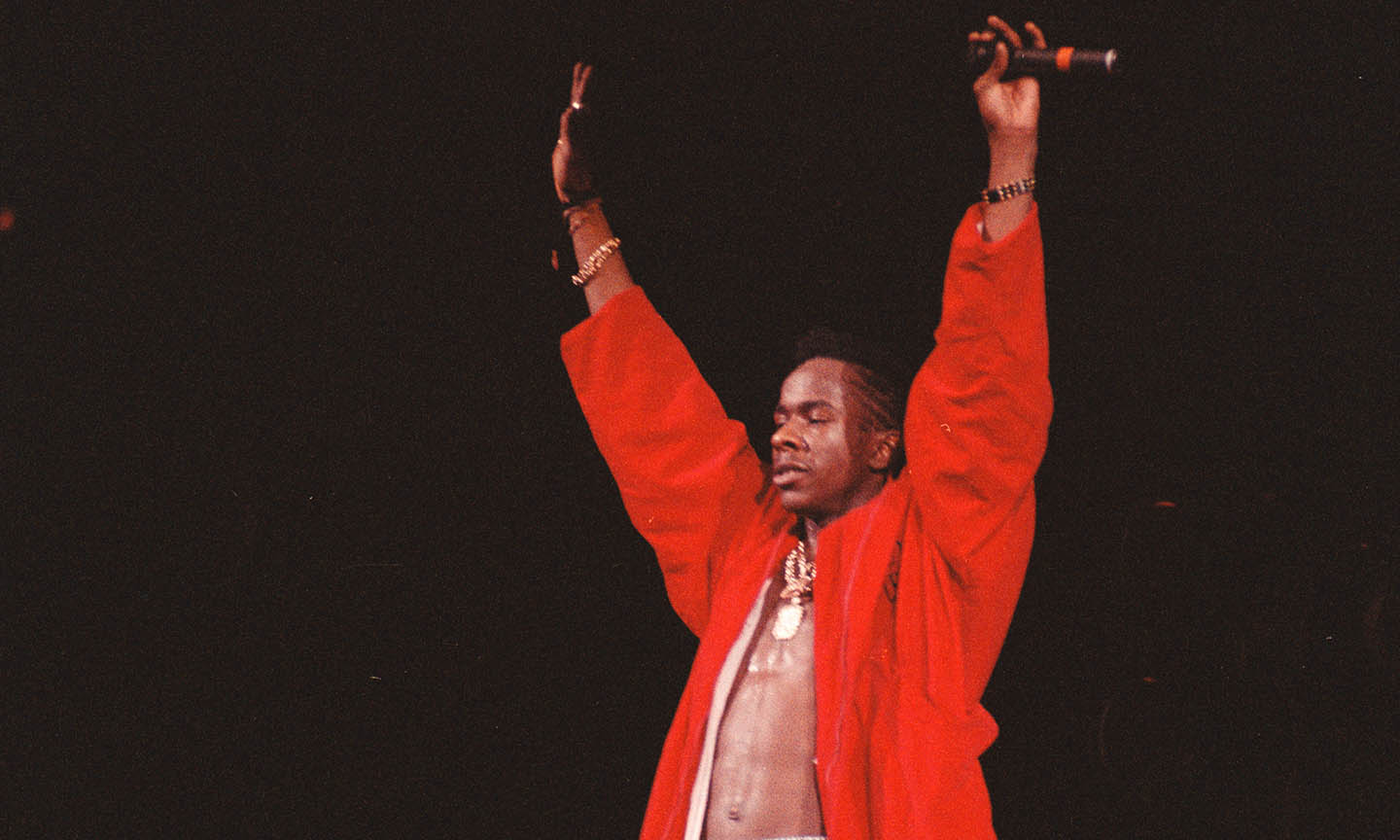
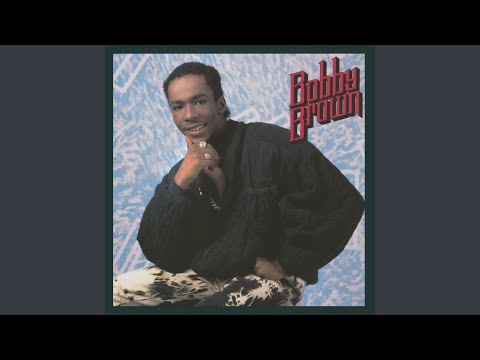
Whether you call him the King of R&B, the King of Stage, or something else entirely, there’s no denying Bobby Brown’s incredible impact on popular culture. Brown has been an unstoppable force since his early days with the iconic R&B group New Edition in his hometown of Boston during the 1970s. After a successful three-album run with the group, Brown started a solo career in 1985. The ups and downs of his personal life eventually earned him the title “the bad boy of R&B,” the music has always been the reason that folks cared. Here are 14 Bobby Brown songs that explain why he’s one of the kings of R&B.
Bobby Brown’s second record Don’t Be Cruel is the quintessential New Jack Swing album. The high power production from Babyface and L.A. Reid, coupled with Brown’s high energy, produced the best-selling album of 1989. Indeed, from 1989 to 1992, Brown had seven solo Top 10 hits and three Top 10 hits with New Edition. You can hear the influence of Brown’s classic New Jack Swing era persona in artists like Usher, Bruno Mars, Ginuwine, and many more. Here are the hits from that period.
Every Little Step
Although Bobby Brown spent most of the Don’t Be Cruel era shedding his New Edition bubblegum image, “Every Little Step” is a sweet love song co-written by L.A. Reid. Initially meant for R&B group Midnight Star, Brown fell in love with the demo after hearing it, immediately scooping it up for Don’t Be Cruel. The song peaked at No. 3 on the Billboard Hot 100 and earned Brown his first Grammy Award for Best Male R&B Vocal Performance.
Click to load video
Roni
Inspired by a young lady Babyface met in Florida while on tour, “Roni” is a fun ballad. The third single from Don’t Be Cruel breaks down what it means to be a “tenderoni.” What exactly is a Roni? According to the song, she’s the “sweetest little girl in the whole wide world, and she’d make the toughest homeboy fall deep in love.” The song peaked at No. 3 on the Billboard Hot 100.
My Prerogative
Along with Teddy Riley and Aaron Hall, Bobby Brown wrote this song as a response to the criticism he received following his departure from New Edition. The song was about ignoring the judgment of others. The song ultimately spent 24 weeks on the Hot 100.
Rock Wit’cha
Another ballad, this song is subtle but direct in its message. “How bout a little music now/Let’s hear some Marvin Gaye/Ooh, let me rub your shoulders down/Let’s take the night away.”
Click to load video
Don’t Be Cruel
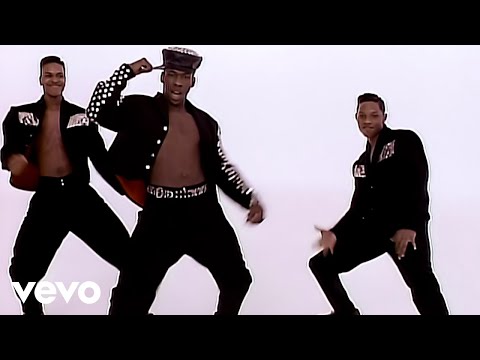
The title track from Bobby Brown’s best-selling album shows how multitalented the singer really is. He’s singing, rapping, and dancing his ass off in the video. The song became Brown’s second No. 1 single on the R&B charts.
Something In Common
The first collab between Bobby Brown and Whitney Houston is a perfect mix of the roughness of New Jack Swing with the sweetness of pop, which aptly describes their public personas at the time. Hearing Brown and Houston singing about how much they love each other – despite being opposites – is instant dopamine.
New Edition Classics
New Edtion is where Bobby Brown got his start, and the group has always had a pull on him. Despite leaving to go solo in 1985, Brown has returned for both albums and tours. It’s easy to understand why. The group – at its best – had an enormous impact on both R&B and pop music. Almost every boy band that came after them owes them an enormous debt, whether they know it or not. Here are the best New Edition songs featuring Bobby Brown
Candy Girl
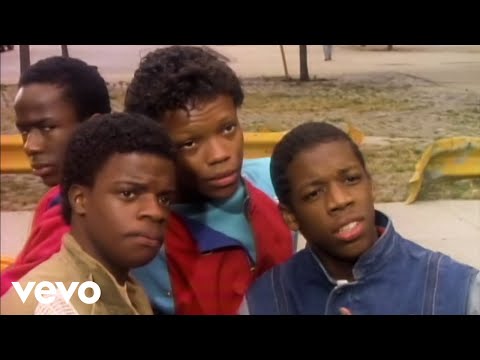
New Edition’s debut single “Candy Girl” is the perfect teeny-bop song. An inspiration for acts like N’SYNC and Another Bad Creation, it still sounds as fresh as ever.
Hit Me Off
New Edition reunited in 1996 for the Home Again album. “Hit Me Off,” the debut single, proved that the group still had it after 20 years in the game. And it only made sense that Bobby Brown would take the first verse. The song went gold in the US and peaked at No. 3 on the Billboard Hot 100.
Click to load video
Jealous Girl
A young Bobby Brown sings lead on this song about a bitter ex that’s envious of his new relationship. The song was the B-side to their Top 50 single, “Popcorn Love,” and a cult classic with core New Edition fans.
Mr. Telephone Man
“Mr. Telephone Man” was Bobby Brown’s first time singing lead at the age of 15. The song is about heartbroken boys that can’t come to grips with a break up delivered via phone. Instead of accepting the end of the relationship, they call the operator and insist there must be something wrong with the connection. The song peaked at No. 12 on the Billboard Hot 100.
Click to load video
Bobby Brown Deep Cuts
Every song can’t be a commercial success, but that doesn’t mean it isn’t good. When you’re an artist like Bobby Brown, you’re caught between a rock and a hard place. People expect you to stick to the formula that made you a superstar. But they also want you to come with sounding new. While most of these songs are B-side singles, they’re often not discussed when it comes to Brown’s legacy. They should be.
You Don’t Have To Worry
The third single from Home Again was produced by Stevie J, the late Chucky Thompson, and Diddy. Bobby Brown leads the charge on this song about fixing his relationship after messing up big time. His vocals on the song are reminiscent of his Don’t Be Cruel days. Missy Elliott appeared on the remix.
Click to load video
Feelin’ Inside
Although this single from Bobby Brown’s fourth album, Forever, failed to impact the charts, it’s a gem. The song is one part old school New Jack Swing mixed with a futuristic jazz sound. Whitney Houston stars in the video.
Two Can Play That Game
Thanks to the K-Klass remix, “Two Can Play That Game” became a hit for Bobby Brown in the UK, but the original version is just as lovely.
Girlfriend
This one goes out to the day one Bobby Brown fans. The debut single from Bobby Brown follows the bubblegum pop and R&B model that helped New Edition rise to the top. The song peaked at No. 57 on the Billboard Hot 100 and No. 1 on Billboard’s R&B chart.
Click to load video
Seventeen
Don’t let the infectious beat fool you; this song has a message. Bobby Brown sings about a teenager with a bright future who turns to prostitution after becoming a single teen mom. The song’s release was timely, as teenage pregnancy was then at an all-time high.
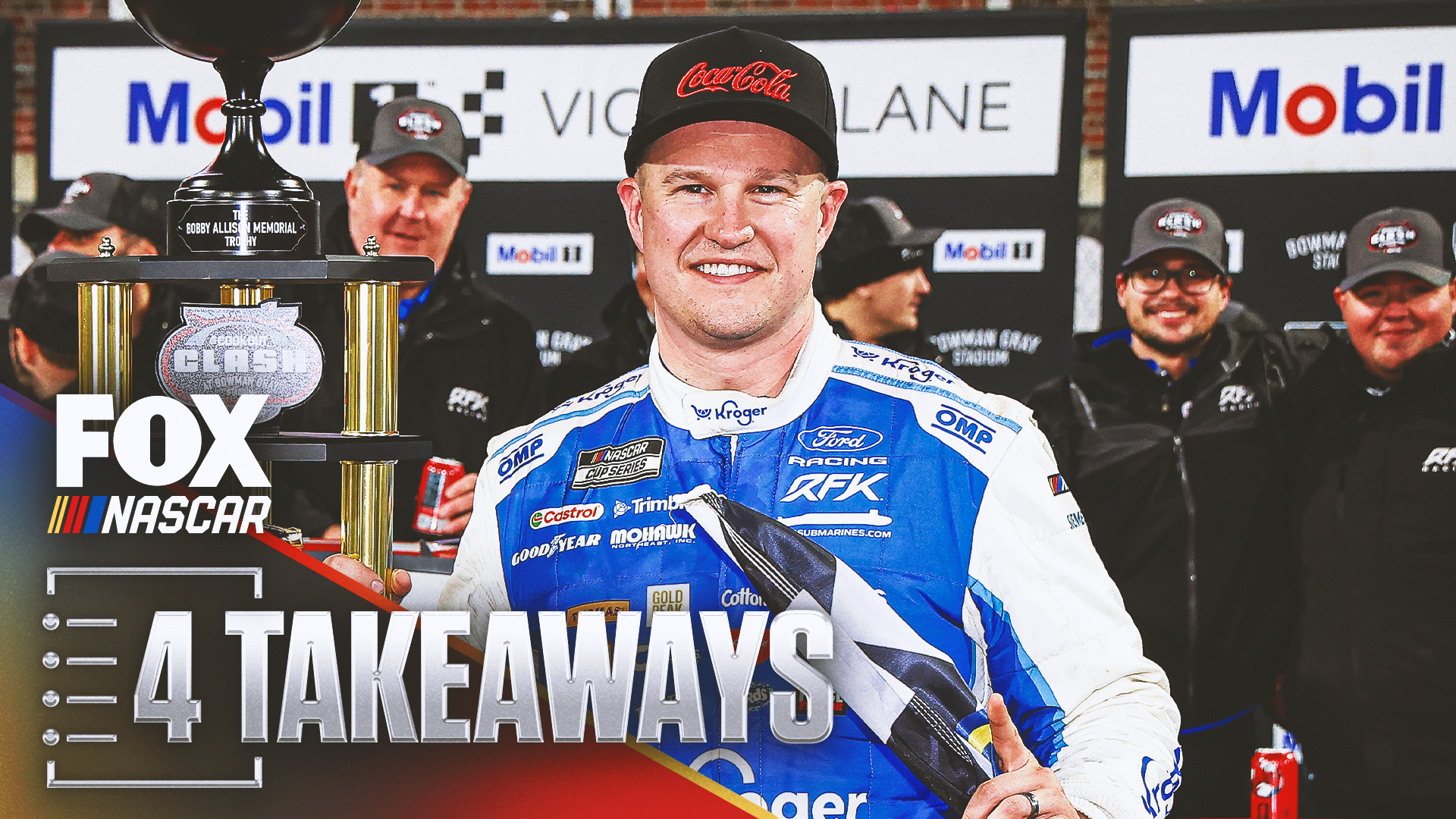
BOWMAN GRAY STADIUM (WINSTON-SALEM, N.C.) — A snow-delayed race that featured rain and sleet had drivers spinning out as they battled each other and their rain tires Wednesday night in NASCAR’s preseason exhibition Clash. So maybe it was appropriate that Ryan Preece, a short-track modified standout from the Northeast who had not won a Cup points event, captured the marathon that took 2 hours, 20 minutes on the historic quarter-mile at Bowman Gray Stadium. “I’m a quarter-mile killer,” Preece said. “When it comes to this style of racing, it’s what I grew up doing. … It’s not a points race, but winning means everything. Man, I’m just speechless.” Here are my takeaways: 1. Big Win For Preece Preece often wears his emotions, and his excitement after the victory was obvious. He has 223 Cup starts with seven top-five finishes, and he enters his second year with his best Cup opportunity competing for RFK Racing. How he intended to celebrate tells everything about the 35-year-old Preece. After the win, he planned on driving seven hours to Florida to compete in some short-track events at New Smyrna Speedway, just about 30 minutes south of Daytona, before getting in his Cup car next Wednesday. Preece will race in both a late model and modified that he and his family own. He obviously thought he would have more time to get to New Smyrna until the race ,originally scheduled for Sunday, was postponed to Wednesday because of a weekend snowstorm. “I’ll celebrate in New Smyrna,” Preece said. “I race, man. It’s what it’s about. This is going to make that drive a hell of a lot better because seven hours, I figure I’ll get to … New Smyrna about 7 a.m. “We’ll just grind it out.” Just like he did to win the Clash in leading the final 45 laps. 2. Denny Hamlin Perseveres Hamlin persevered to a fifth-place finish, following Preece, William Byron, Ryan Blaney and Daniel Suarez across the finish line. Among those five, Hamlin was involved in the most cautions, finding himself turned at least a few times during the race. Considering his last few months — losing the Cup title in the final laps at Phoenix, his 23XI Racing team pretty much winning its antitrust trial against NASCAR and his father dying in a house fire that also severely injured his mother — Hamlin had hoped to find a little bit of normalcy by getting back in a race car. “It was a good preseason [race], but I think once we get to Daytona, things will start to get a little bit more normal, things will be a little more serious. And you’ll know the stakes are going to get high here in 10 days [with the Daytona 500],” Hamlin said. 3. Fuel Call Controversy With the exhibition race not counting caution laps and the caution flying 17 times, NASCAR opted after a few drivers ran out of fuel to allow all cars to pit for fuel. The thing is, at least Chase Briscoe’s team felt they had filled up their tank full prior to the race just for such a scenario. Briscoe, who led 35 laps, ended up sixth, and his crew chief James Small was less than pleased. “I didn’t know all the circumstances that were going on, but I know James was not thrilled with the situation,” Briscoe said. “It definitely after that, it kind of killed me. And a lot of guys were doing adjustments, and you weren’t supposed to be doing adjustments. … Kind of frustrating a little bit.” NASCAR also let William Byron, who ran out of fuel to bring out the caution where NASCAR opted to allow everyone to refuel, to regain his position. Considering it was an exhibition event, there likely will be discussions over how it was handled, but hard feelings should subside quickly. 4. Daniel Suarez Shines Suarez, in his first outing for Spire Motorsports after spending the last five years at Trackhouse Racing, posted a solid result. He was his typical fiery self, and it appeared at times that he raced his former Trackhosue teammates harder than others. “I race people the same way they race me,” Suarez said. “I love everyone. If they give me love, I give love. If they give me hate, I give hate.” 4 ½: What’s Next The Cup Series heads to Daytona, but the discussion will be whether this event continues at Bowman Gray Stadium. It’s a historic venue — owned by the city of Winston-Salem with the facility doubling as the football stadium for Winston-Salem State University — and NASCAR has staged the Clash there the last two years to generate excitement of going back to its roots. As this event showed, racing in February can be a challenge. The area had a rare significant snowstorm — more than eight inches fell Saturday — and the race was run in frigid temperatures that included at one point ice pellets falling from the sky. It resulted in the final half of the race being run in the wet with rain tires – and 13 times NASCAR waved the caution flag for spins or wrecks. “I don’t think you can judge a race or a track off of that weird weather circumstance,” said Ryan Blaney, the 2023 Cup Series champion. “I think this place, honestly, judging off the first half, put on a good show. “Just the way [in the rain], calamity as it would be with anyplace. I appreciate the fans sticking around all night. I bet that was brutal in those aluminum grandstands. Cold asses up there.”Latest Sports News from FOX Sports