 Amanda Conner is giving fans a reality check about husband Ryan Edwards.
One day after the influencer accused the Teen Mom alum of cheating on her, she took to social media to “clear the air”…
E! Online (US) – Top Stories










Amanda Conner is giving fans a reality check about husband Ryan Edwards.
One day after the influencer accused the Teen Mom alum of cheating on her, she took to social media to “clear the air”…
E! Online (US) – Top Stories

 Christina Applegate might not be struggling with MS, but she stands with the community.
Shortly after the Married…With Children actress revealed she had been misdiagnosed her with multiple…
E! Online (US) – Top Stories

 Jessica Biel isn’t crying a river over her son’s acting career.
Although the 7th Heaven alum and husband Justin Timberlake’s eldest son Silas, 11, made a brief cameo in her new movie Matchbox, he…
E! Online (US) – Top Stories
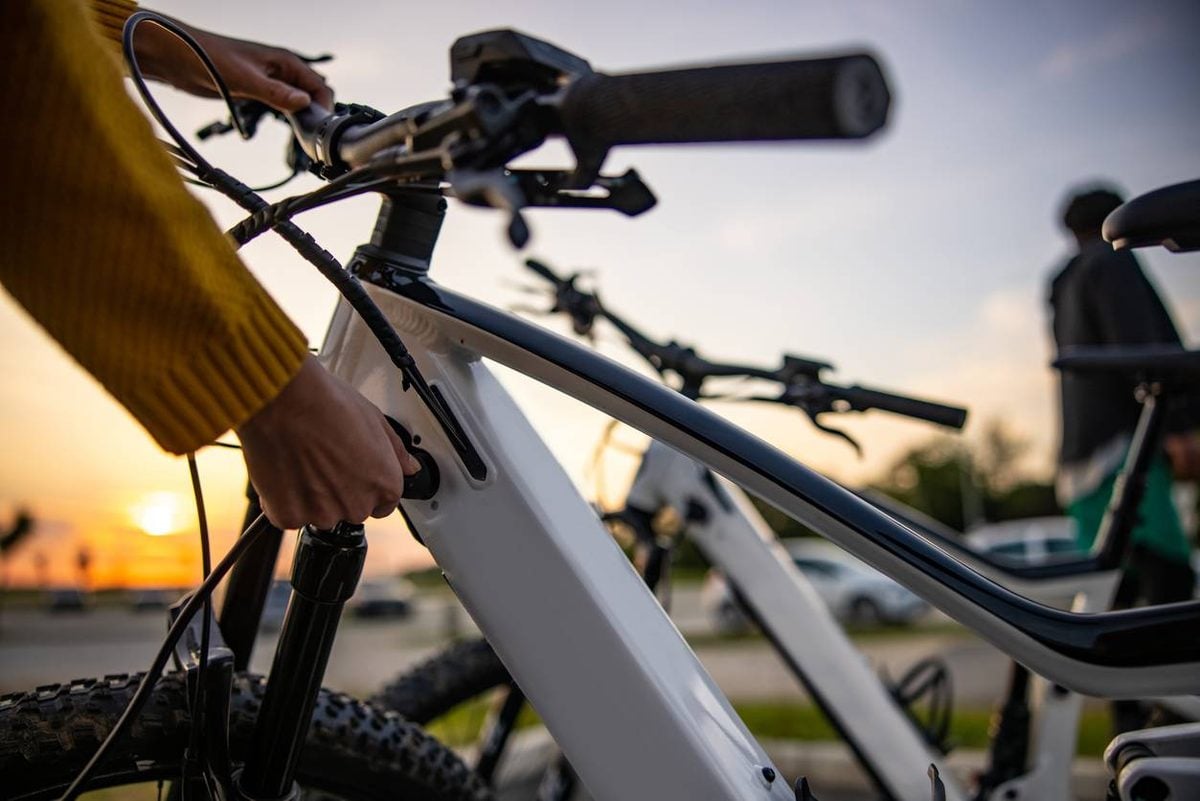
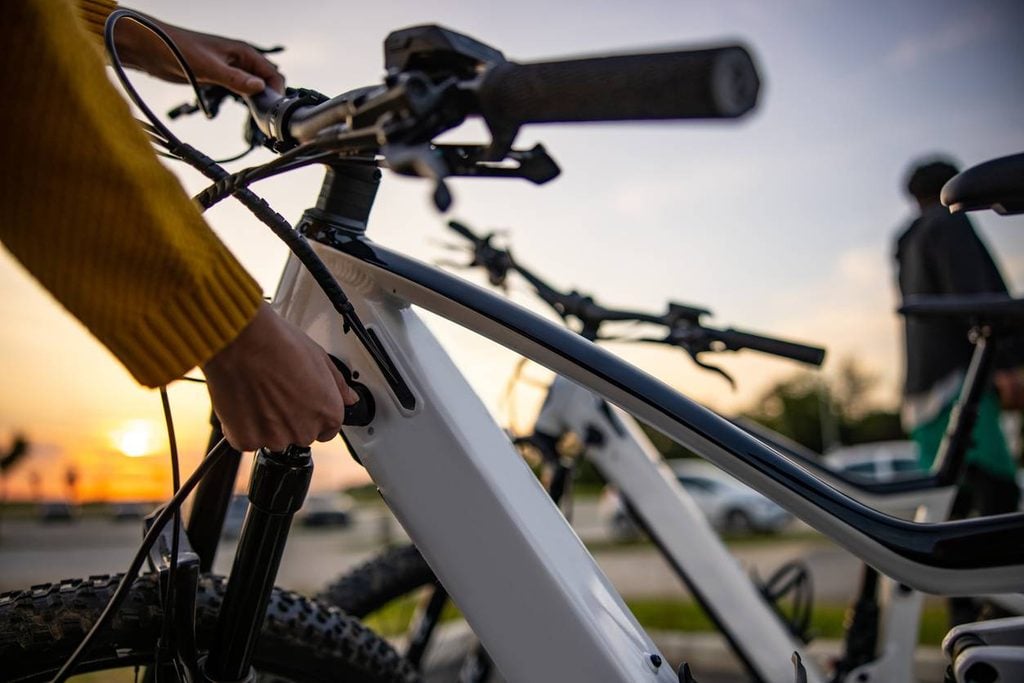
NOTN- The Juneau Assembly rejected an ordinance at last night’s meeting that would have restricted electric bicycle use in parks and recreation areas, after hearing testimony on safety and access, to consider incorporating broader city wide restrictions.
A mountain bike advocate, Alexandra, described concerns about fast, heavy electric motorcycles being ridden on nonmotorized trails.
“I looked up the stats today.” Alexandra said, “The lightest and slowest one is 130 pounds and goes 50 miles per hour, which is like insane. There’s a group of 12 to 14 year old in the Valley that are riding these bikes around in non-motorized areas on non-motorized trails, both paved and unpaved, and they’ve done a good bit of damage. Just please, please get these things off our trails.”
Other speakers, like Carol, called for broader rules covering different types of electric vehicles and for attention to riders’ conduct, accessibility and recreation options for young people.
“I’m an e-bike owner. I’m 70 years old. I’ve had both my hips replaced, both my knees replaced. I’ve biked around the world on a regular bike, literally, and I love biking, and I love my e-bike, although it weighs a lot.” She said, “What I’d like the assembly to do is to make a committee on this topic, because there’s more to it than just what’s happening now. I agree with the person that said little kids should not be driving these bikes that go so fast, but these these suggestions you have are not going to end that.”
The city manager said a separate ordinance taking a broader, citywide approach had been introduced. The proposal was tabled while members explore broader regulations covering electric bikes and more powerful electric motorcycles, known as e-motos, the new citywide proposal will be discussed at the November 16th meeting.
Reading Time: 3 minutes
That’s a lot of news at once!
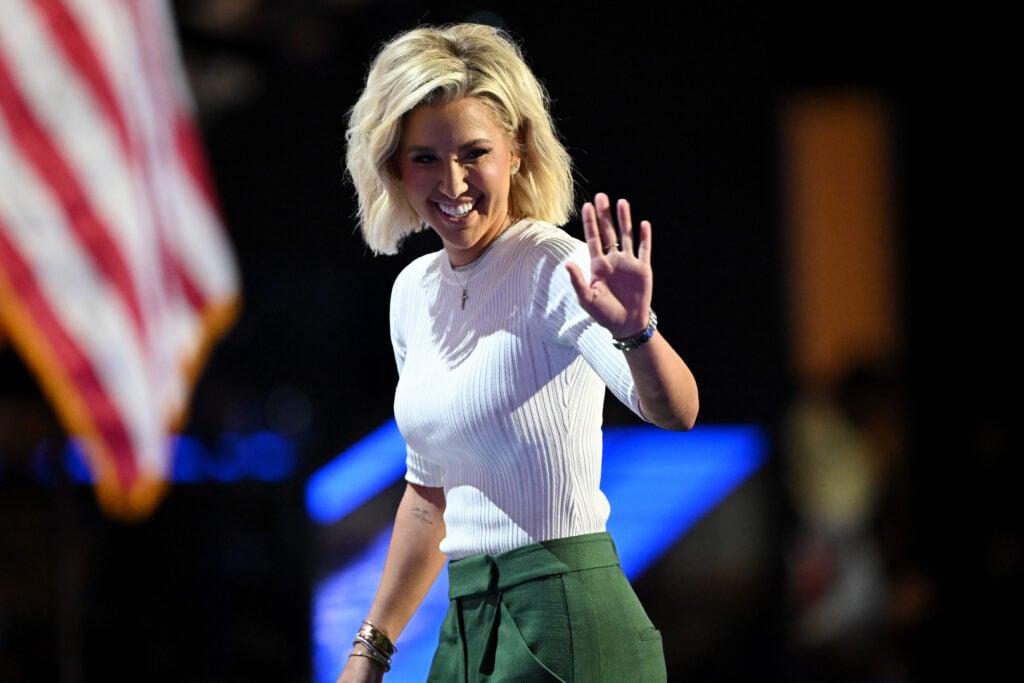
Savannah Chrisley is both pregnant and engaged!
When is she due?
Who is the mystery boyfriend willing to marry into the controversial and sometimes criminal Chrisley family?
On the morning of Tuesday, October 27, Savannah took to Instagram to share the news.
In her post, she revealed a montage of her pregnancy journey thus far.
We saw ultrasound images, her growing baby bump, and more.
(There’s stuff about her boyfriend-turned-fiance, too.)
First, check out her pregnancy announcement for yourself.
Savannah has yet to reveal the identity of her boyfriend-turned-fiance. She refers to him only as “J” for now, and might not share more until they marry.
She included a lengthy caption — one so long that we have included it in full, even though it took two screenshots to capture, below.
“I’ve prayed for this life. I’ve cried for this life,” Savannah expressed. “And there were moments I truly wondered if this life would ever be mine.”
(It is easy to forget, given the tone of her caption and the look that she cultivates, but Savannah is only 29 years old.)
“Just when I thought my heart couldn’t hold any more love, God gave us our sweetest blessing yet… we’re having a BABY!” she declared alongside confirming her engagement news.
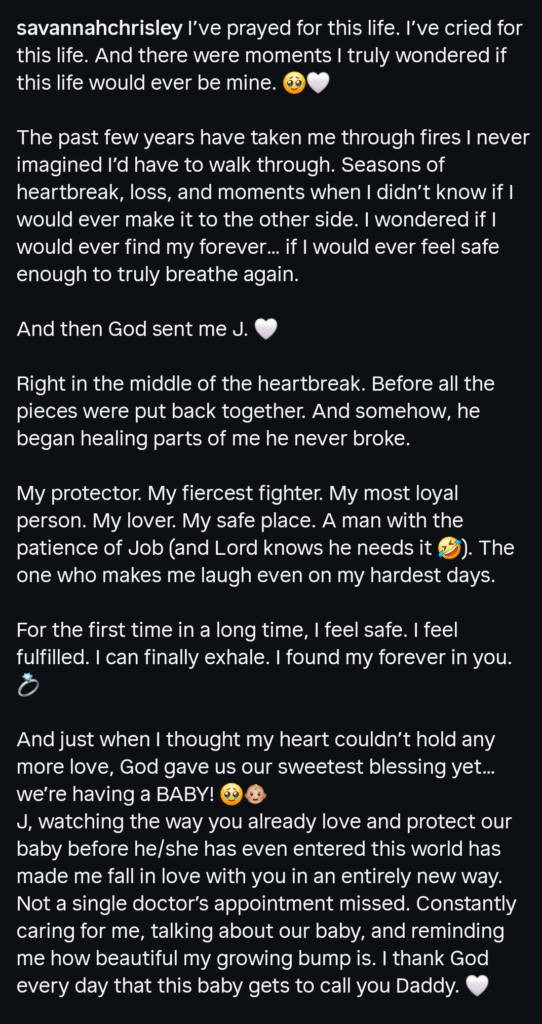
“J, watching the way you already love and protect our baby before he/she has even entered this world has made me fall in love with you in an entirely new way,” Savannah gushed.
“Not a single doctor’s appointment missed,” she praised.
She went on to extol her fiance’s alleged virtues.
“Constantly caring for me,” she listed, “talking about our baby.”
Savannah thanked him for “reminding me how beautiful my growing bump is.”
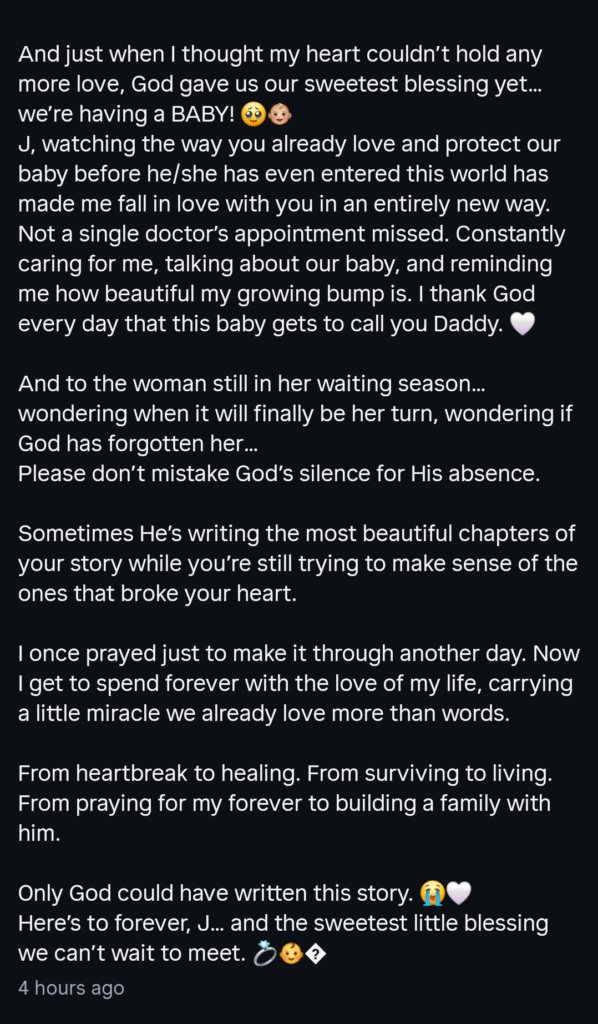
At this time, Savannah has not disclosed her due date any more than she has shared her fiance’s name.
However, she did add that she cannot “wait to meet” her future child.
Unfortunately, Savannah’s child will likely be born into a world full of turmoil, with wars and violent criminals that did not exist just a couple of years ago.
Savannah played a small role in making that happen, and her loyalty was rewarded by her parents escaping justice via a pardon from Trump.
Perhaps, whether she likes it or not, the world will be a better place for her child than things are today. Election Day is November 3. If you have not voted already, it’s time to make a plan.
Savannah Chrisley Announces Pregnancy AND Engagement! was originally published on The Hollywood Gossip.
The Hollywood Gossip
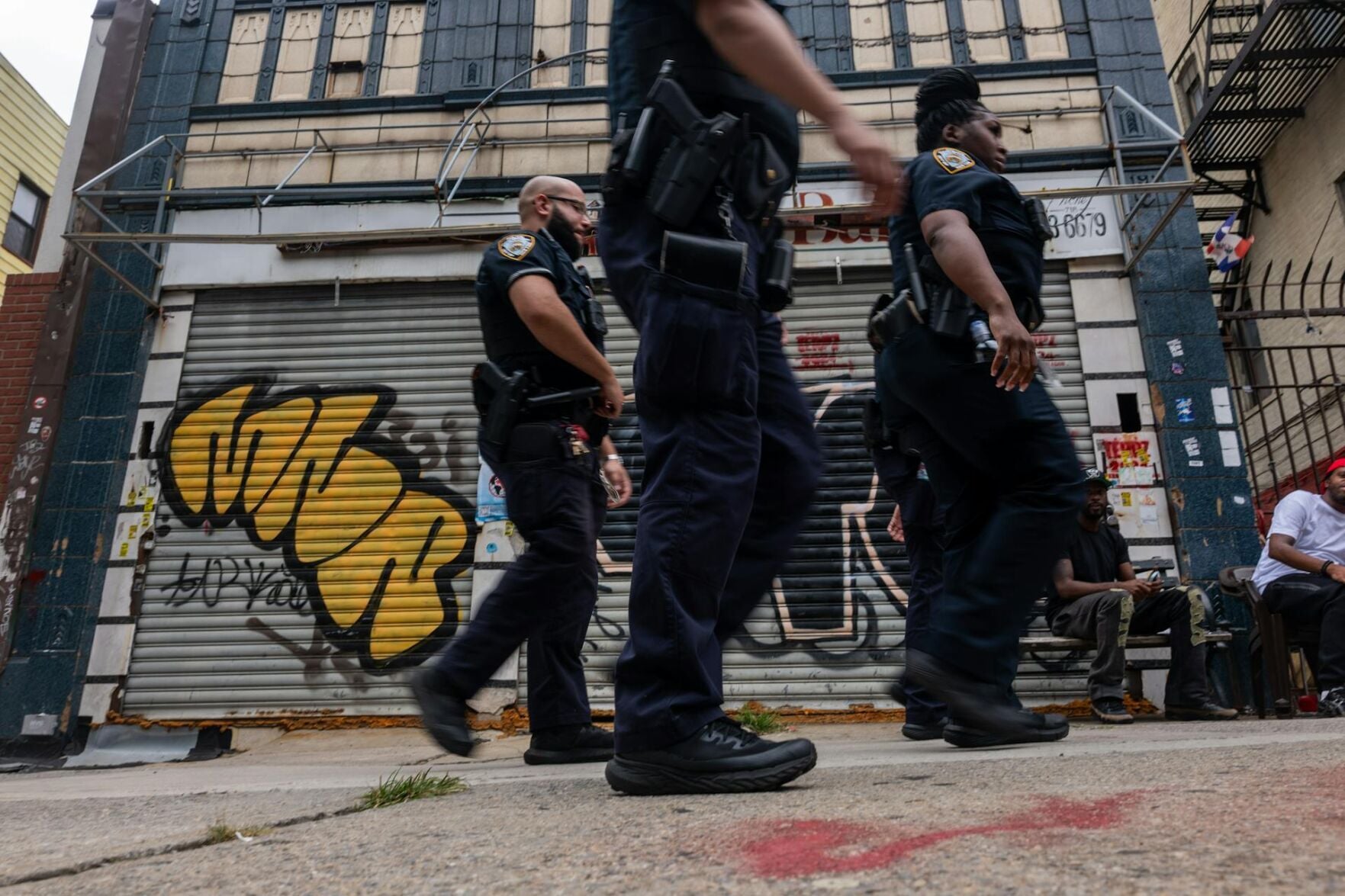
Decades of helping child soldiers return to civilian life point to what US responses to youth violence miss.
Post Content
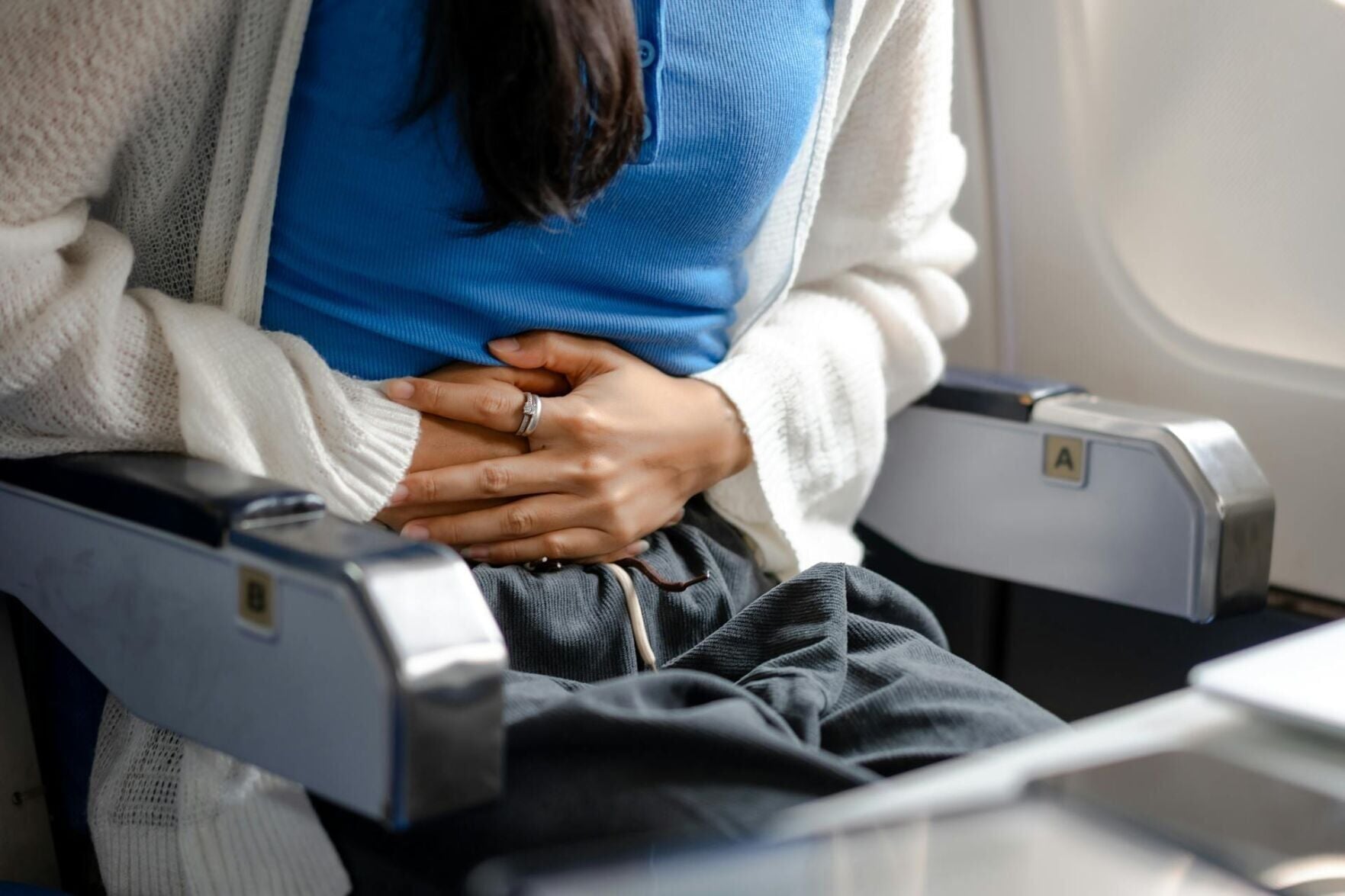
Here’s what to talk to your doctor about before traveling abroad.
Post Content

Michelle Sparck, director of Get Out the Native Vote, holds a promotional sign and several Division fo Elections pamphlets in the upper lobby at the Dena’ina Civic and Convention Center during the Alaska Federation of Natives convention on Oct. 22, 2026. (Photo by Yereth Rosen/Alaska Beacon)
From the opening to the closing of the Alaska Federation of Natives convention, speaker after speaker, information booth after information booth and placard after placard had the same message: a call for Alaska’s Indigenous people to vote.

Michelle Sparck, leader of the Get Out the Native Vote, held up four fingers during her brief remarks on Thursday, the convention’s first day, to emphasize that Alaska Natives make up about a quarter of the electorate.
“If my four fingers represented all the voters in Alaska, we’re one whole finger. That’s how important we are,” she said.
Yet voter participation has nosedived since the 1980s, when almost all Native adults in villages voted, she said. In 2024, only 11% of qualified Alaska Natives cast ballots, she said.
“That’s not showing our power. That’s not owning our power,” she said. “If we’re only voting 11% out of 25%, we are not sending a clear message to politicians.”

U.S. Sen. Lisa Murkowski, R-Alaska, made an impassioned plea for more voter participation and fewer logistical roadblocks to ballot-casting in rural areas, where residents are predominantly Native.
“We have to be attuned to this, because where you live should not determine whether your voice is heard and whether your vote is counted,” she said in her speech, delivered Thursday.
Outgoing AFN Co-chair Joe Nelson, who closed the convention on Saturday with a speech of gratitude, said he had one request of everyone attending or watching the convention: Vote.
Alaska Native people “take care of everybody. We give, give, give, give, and that’s OK,” he said. “And my only ask here tonight is that every one of you take your whole clan and go give your vote. Vote for the next U.S. senator. Vote for the next U.S. congressperson. Vote for our new governor. And bring your kids along with you.”

Boosting voting participation is a high priority for AFN. The federation, the largest Native organization in the state, scheduled its convention a week later than normal so that it and the adjacent, Native-led Elders and Youth Conference held earlier in the week could coincide with early voting opportunities. In-person early voting in Alaska opened on Oct. 19.
At the convention, speakers exhorted conference attendees to walk from the Dena’ina Civic and Convention Center, site of the AFN event, across the street to Anchorage City Hall, where the Alaska Division of Elections operates an early voting site. Volunteers with Native Get Out the Vote even provided escorts for early voters.
“We’re not going to tell you who to vote for, but we can get you comfortable and confident enough to walk across the street and vote in person,” Sparck said in her speech.
They promoted other early voting sites as well: the busy Midtown Mall site just south of downtown and the Curtis D. Menard Memorial Sports Arena in Wasilla.
 Young members of the Naqsragmiut Dancers of Anaktuvuk Pass wait for their turn to perform on Oct. 23, 2026, at the Alaska Federation of Natives convention in Anchorage. (Photo by Yereth Rosen/Alaska Beacon)
Visitors from rural areas can avoid a lot of logistical challenges by voting early in the state’s largest city, speaker after speaker reminded the AFN audience.[/caption]Sparck and her organization have been doing special outreach to the hundreds of Yukon-Kuskokwim region residents who are still living in Anchorage and other unfamiliar urban locations a year after they were evacuated from villages wrecked by ex-Typhoon Halong, Sparck said.
More than 1,500 people were airlifted from the region after the storm hit, mostly from the Yup’ik villages of Kipnuk and Kwigillingok.
As the evacuees navigate housing problems, contend with transportation difficulties and make other adjustments to city life, evacuated residents might not consider voting to be a top priority, Sparck said in an interview. That was apparent during the Aug. 18 primary, when only eight total votes, all by absentee, were counted from the two hardest-hit villages, she said.

In her AFN address, Sparck spoke directly to the displaced Yukon-Kuskokwim residents.
“For the Halong evacuees, we care about what you’re going through, and we want you to turn out the vote in the midterms,” she said.
For the general election, Native Get Out the Vote is providing rides to polls for the evacuees, she said – and also rides to the Alaska Native Heritage Center on the east side of Anchorage, where there is a stockpile of donated traditional foods that the displaced Yukon-Kuskokwim residents can use to make their lives easier.
More broadly, the voting problems that have plagued voting in rural Alaska, such as unopened or late-opening polling sites, erratic and undependable plane service and mail delivery, continue.

At least 18 rural sites designated as places to cast ballots early had failed to open during the first week of early voting, which started on Oct. 19, state Sen. Bill Wielechowski, D-Anchorage, told the Division of Elections.
Most of the sites he listed were in Western Alaska. “There is no legal excuse for the failure to open these sites,” he said in a letter he sent Friday to the division.
Alaska lawmakers passed a bill that would have eased some of the logistical challenges for rural voters, but Gov. Mike Dunleavy, a Republican, vetoed the bill. The measure, Senate Bill 64, would have ensured that the state provide postage-paid envelopes for mailed ballots, set up a ballot-tracking system and allowed voters to correct technical mistakes and make other changes.
Despite those ongoing impediments to voting for Alaska Natives from rural communities, there is one positive change that should make it easier for rural Native residents to cast their ballots, Sparck said.

The Division of Elections has agreed to set up an early voting site on the Alaska Native Tribal Health Consortium campus, allowing more access for voters who are patients using services at the Alaska Native Medical Center or other facilities.
It took a long time to win that service, which had been available at the hospital in the past, Sparck said.
“It took 10 years for us to argue with the Division of Elections to bring voting back onto the ANMC campus,” she said.
That voting site, at a Southcentral Foundation facility on the ANTHC campus, is set to open on Tuesday and continue operating until Nov. 2, the day before Election Day, according to the Division of Elections.

