If you have a habit of falling in love with autumn-themed kitchen items, listening to your heart can get pricey. Fortunately, Dollar Tree has plenty to offer.

Mashed – Fast Food, Celebrity Chefs, Grocery, Reviews








If you have a habit of falling in love with autumn-themed kitchen items, listening to your heart can get pricey. Fortunately, Dollar Tree has plenty to offer.
Mashed – Fast Food, Celebrity Chefs, Grocery, Reviews

 Cindy Crawford envisioned a long future with her son Presley Gerber.
Before the supermodel and husband Rande Gerber’s son died Sept. 20 at just 27, Cindy shared where she hoped his and his sister…
E! Online (US) – Top Stories

Often found for under $20, Costco’s Kirkland Signature Rutherford Cabernet Sauvignon is a great-value expression. But what company is behind the bottle?

Food Republic – Restaurants, Reviews, Recipes, Cooking Tips

Only 12% of Americans say they deliberately turn to AI for recipe inspiration, according to Inspired Taste. Home cooks are three times more likely to … Read moreThe post The more Americans use AI for recipes, the less they trust…
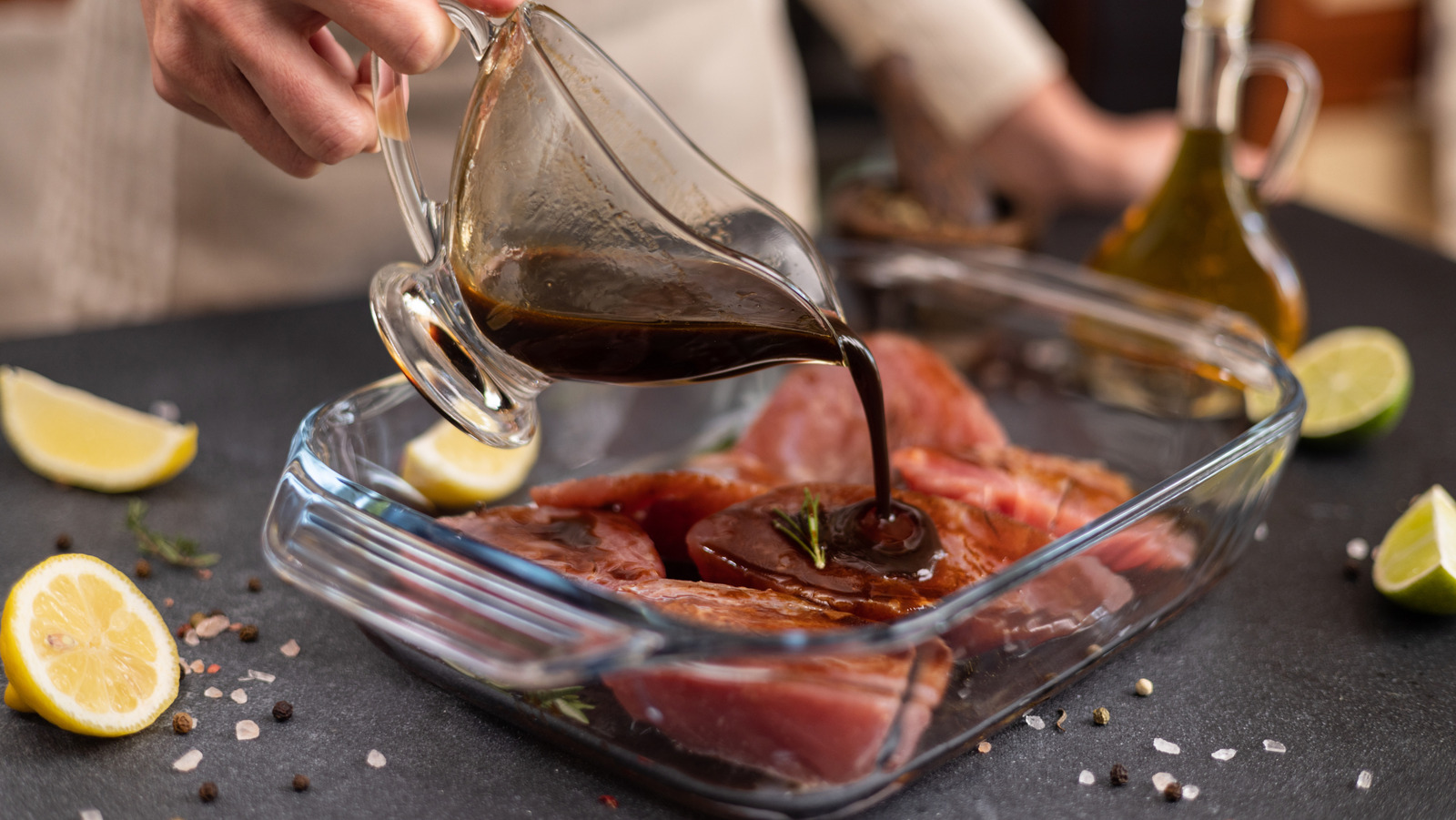
Marinating fish can add flavor and create crispier skin. Thicker cuts like tuna and swordfish steaks can marinate longer than thinner, flakier types of fish.
Mashed – Fast Food, Celebrity Chefs, Grocery, Reviews
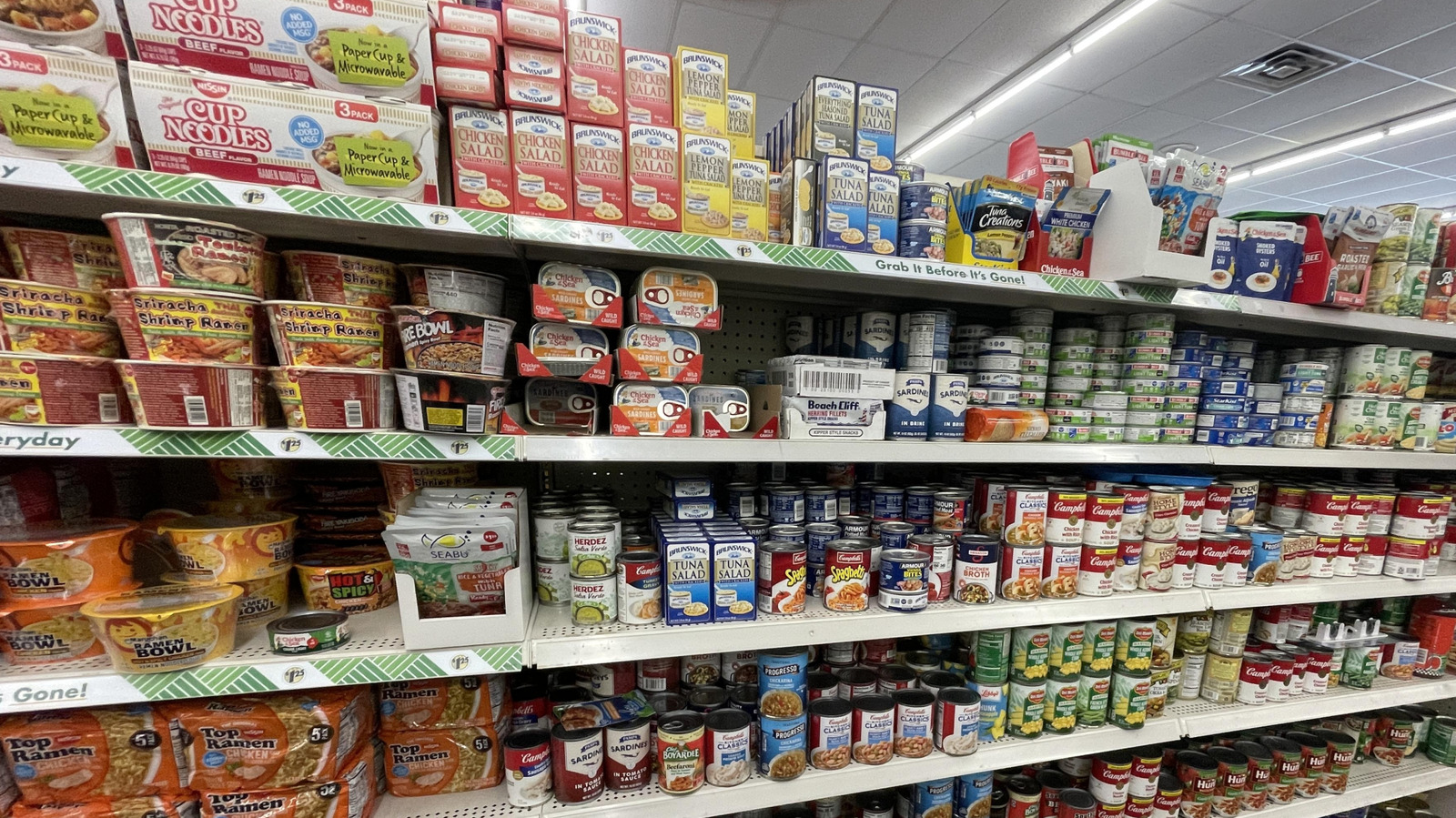
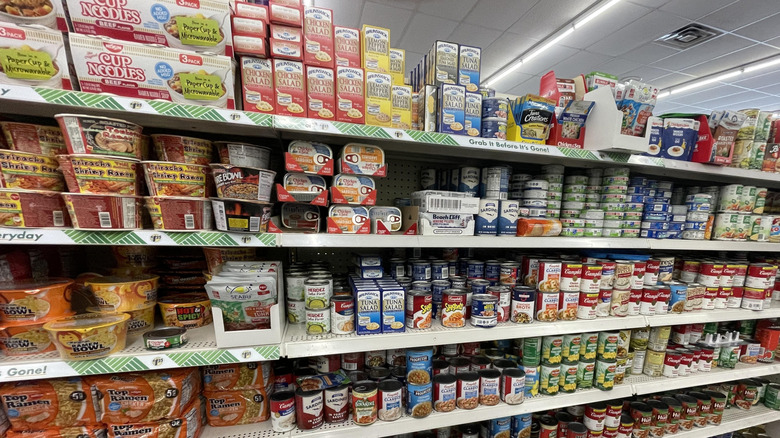
Dollar Tree has a lot of canned food for you to peruse, so we’ve done the research for you to determine which Dollar Tree canned food items you should buy.
Food Republic – Restaurants, Reviews, Recipes, Cooking Tips
In the past six months, leading arts and crafts supplier Michaels has seen searches for “analog hobbies” jump nearly 140%. Google Trends reports similar results, … Read moreThe post The return of the analog weekend appeared first on Food Drink…
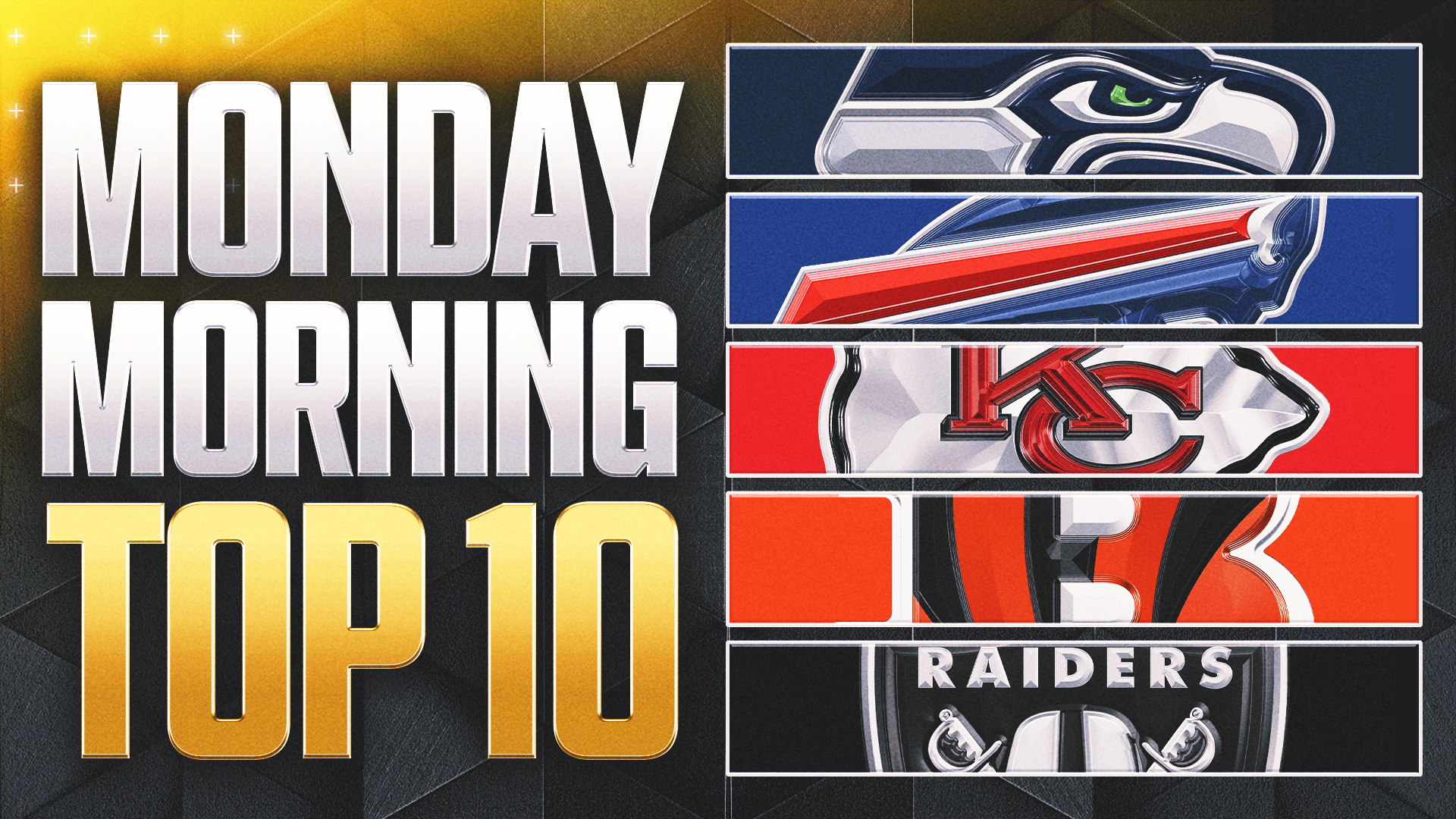
It’s tough to definitively say we know who will be contending for the Lombardi Trophy this season, but it’s hard to ignore what some teams have done so far this season. The San Francisco 49ers have blown out both teams they’ve played, while the defending-champion Seattle Seahawks went on the road and beat an upstart Cardinals team in Week 2. Also, the Kansas City Chiefs and Cincinnati Bengals have put the AFC on notice that they might be back as contenders. But how do they stack up against each other? Here’s my top-10 rankings following Week 2’s Sunday slate and ahead of Monday night’s Giants vs. Rams matchup. The Rams are too talented to leave off this list after one game. That said, though, a loss to the Giants on Monday night would mean they will not be here next week. The Giants were extremely impressive in Week 1, dominating the Cowboys at home to kick off a new era under head coach John Harbaugh. A trip across the country to play one of the most talented rosters in the NFL will be a good litmus test for them. Do not sleep on the Silver and Black after head coach Klint Kubiak quickly changed the culture in Las Vegas. The offensive guru has transformed the Raiders into a disciplined unit that pays attention to detail and avoids the self-inflicted miscues (turnovers, penalties and missed assignments) that lead to losses. Although the wins have not been perfect, the Raiders’ 2-0 start suggests the team is headed in the right direction. Joe Burrow & Co. are quietly re-emerging as a force in the AFC with a couple of W’s to start the season. Although the offense was expected to sizzle with wide receiver Ja’Marr Chase terrorizing opponents, the defense has held its own with defensive tackle Dexter Lawrence dominating the line of scrimmage. With a more balanced roster producing impressive results, the Bengals are back in business as a playoff contender. After taking a year off as a title contender, the Chiefs are officially back in contention with quarterback Patrick Mahomes leading the way. The NFL’s QB1 of the 2020s remains as clutch as ever, delivering big plays in key moments as a playmaking wizard. Running back Kenneth Walker III adds a dynamic element as a runner-receiver with home-run potential. With another stellar performance on Sunday night, Walker became the first player in 40 years to record at least 175 yards from scrimmage in each of his team’s first two games. After registering a couple of gritty wins, the Eagles are well-positioned to make another title run. Jalen Hurts closed out Philadelphia’s Week 2 victory over Tennessee with a “dime” to silence the haters questioning his skills as a title-winning quarterback with a Super Bowl MVP in the trophy case. The 49ers showed no signs of jet lag from their Week 1 trip to Australia, issuing a beatdown on the Dolphins that was not as close as the 35-13 score indicated. The Brock Purdy-led offense is clicking on all cylinders, with running back Christian McCaffrey continuing to dazzle as the ultimate offensive weapon out of the backfield. On the other side of the ball, the defense looks like a juggernaut under new coordinator Raheem Morris, setting the “Bang Bang” gang up to make a deep postseason run. Defensive coordinator Brian Flores put on a clinic, holding a high-powered Chicago Bears offense to three points with a barrage of pressures that disrupted QB Caleb Williams’ timing and suffocated the running game. With a defense that has surrendered just six points over the past six quarters, the Vikings have been able to climb to the top of the NFC North with their starting quarterback on the sidelines. Josh Allen has the Bills’ offense humming with his weekly heroics. The 2024 league MVP could earn some more hardware at season’s end if he continues to put up five-touchdown days while leading the Bills to more primetime wins. The defending champs are primed for a back-to-back title run after jumping out to a 2-0 record with a pair of impressive performances. With Drew Lock thriving as a super-sub in place of Sam Darnold, the Seahawks’ offense hasn’t skipped a beat without its QB1.Latest Sports News from FOX Sports
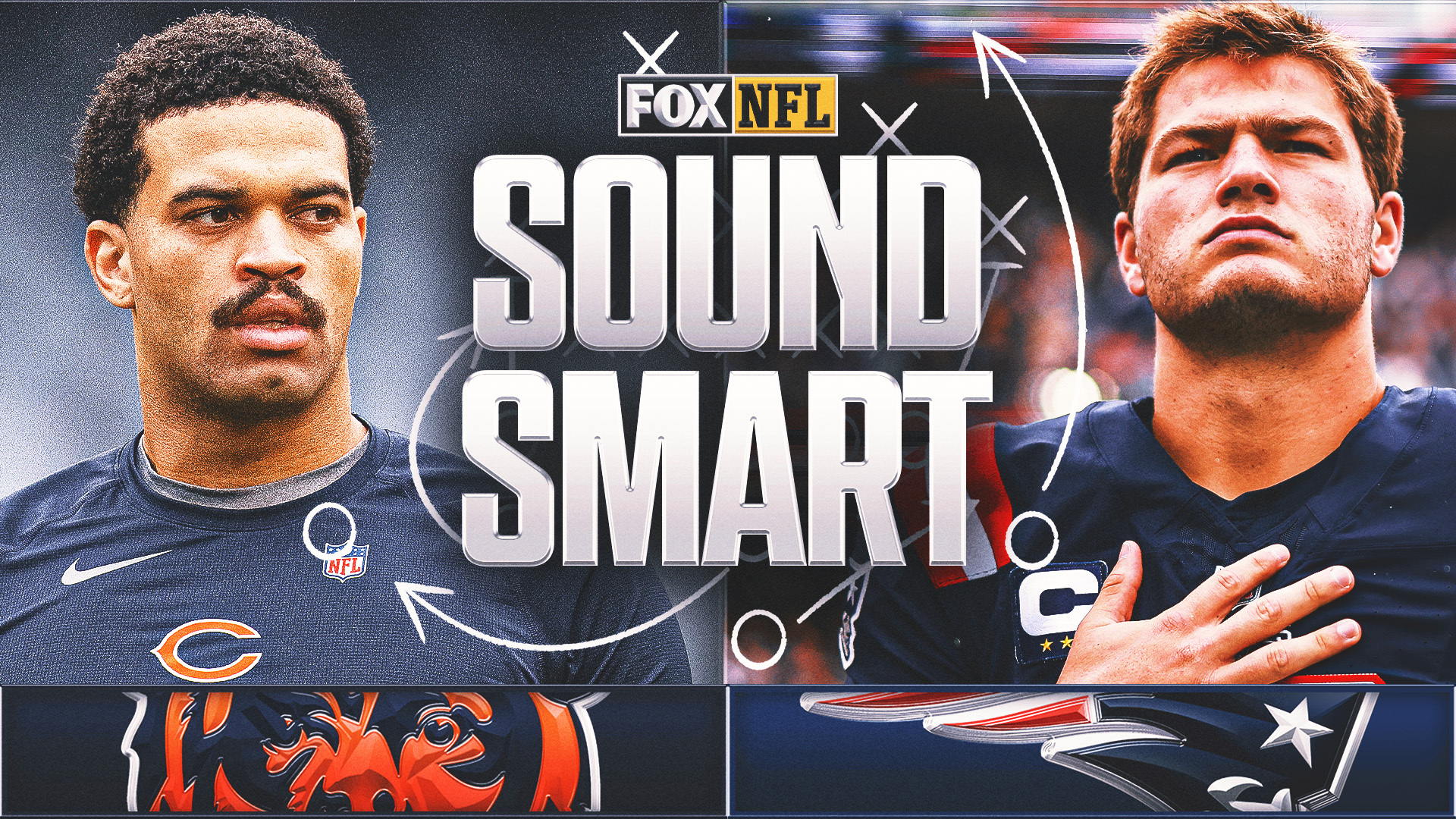
The Philadelphia Eagles and the Green Bay Packers flirted with catastrophic losses before pulling out wins at the last minute. But the Tampa Bay Buccaneers couldn’t, losing at home to the awful Cleveland Browns. Like the Bucs, the Los Angeles Chargers dropped to 0-2 as well. But in the Chargers’ case, I actually believe in their opponent: the Las Vegas Raiders. Coach Klint Kubiak has that unit looking much better than it should. The Raiders might even be playoff-worthy. But that’s the obvious stuff. You came here to sound smart. So let’s go below the surface. Let’s spin it forward, dive deeper, think outside the box and read between the lines. If I do my job, you’ll be fluent in the NFL’s Week 2 action. Maybe you’d think that, after two weeks, we know nothing about the Chicago Bears. They scored 59 points on the way to a win over the Panthers in Week 1. They scored three points in a loss to the Vikings in Week 2. The 56-point differential is the third-largest in a team’s first two games — ever. Yes, the conditions were sloppy in the Chicago rain. But this is who the Bears are. They are going to boom and bust from week to week. They’re going to be Dr. Jekyll and Mr. Hyde. They’re going to be their own yin and yang. In other words, they are the song “Hot N Cold” by Katy Perry. I’ll admit that I took the bait after the first week, thinking that they could score more points than anyone in NFL history. I thought Caleb Williams could insert himself into the MVP debate. We can see fairly clearly now that the Bears aren’t likely to break scoring records, particularly not after the QB’s hamstring injury. And Williams has much longer odds to join the MVP race if he’s out for an extended period after this stinker of a performance. That doesn’t mean this offense won’t realize its immense potential. It’s just that it won’t do it every single week. Think about how young the Bears are. Williams is 24, receiver Luther Burden is 22, tight end Colston Loveland is 22, receiver Rome Odunze is 24 and running back Kyle Monangai is 24. They’re all basically young enough to still be in college. (Although I might be young enough for college, according to all these new NCAA rules.) The offense has some properly grizzled veterans like receiver Kalif Raymond (32), guard Joe Thuney (33) and center Garrett Bradbury (31). And the defense is actually composed largely of veterans. But on offense, it’s no surprise that Raymond and D’Andre Swift (27) have been the most reliable playmakers. They’re also the team’s oldest playmakers. Don’t dismiss what we saw from the Bears in Week 1. It wasn’t a fluke. When Williams gets healthy, we’ll see more of that. We might even see some of that high-scoring with backup quarterback Tyson Bagent. But don’t dismiss how out of sorts the Bears looked in Week 2. That wasn’t fluky either. We’ll see more of that, even when Williams returns to the lineup. Now, all of this unpredictability is sure to make coach Ben Johnson miserable. He expects everything to be perfect. And his youngsters are going to make a lot of mistakes. But maybe as the season goes on, he’ll rein in their variable performances. That seems to be what he does best. He’s already working wonders on Williams. It took nine weeks for Drake Maye to throw four interceptions in 2025. It took him seven quarters in 2026. We knew the New England Patriots quarterback was going to regress in 2026. Maye was brilliant last year, but the playoffs gave us a taste of how he might look against elite defenses. We also knew that when receiver A.J. Brown went down with a high ankle sprain, Maye’s regression was likely to get worse. But he is playing more like he did when he was a rookie in 2024 rather than as the MVP runner-up he was in 2025. This season, Maye has struggled inordinately with situational awareness. He’s playing with too much arm arrogance. You can see that clearly in his interception in the third quarter against the Steelers in Week 2. It was a completely unnecessary risk. “You have got to know that that is not always the time to take a shot on first down,” Maye said when I asked during a press conference. He said that after last week’s loss to the Seahawks, about how he needed to play with more patience after throwing three interceptions in the league’s season-opener. He had 11 days to get his head right. And still, he had what I’d call a mental lapse. Of course, tight end Hunter Henry, the target of the pass that became a pick, didn’t agree. “Yeah, that’s on me, man. It’s a crosser. I was taking it high across his face,” Henry told me after the game. “I was trying to turn. … I need to get my eyes back to [Maye], and that’s all.” Even if the execution is better, I don’t like the decision. It was unnecessary. It was more of the same from last week. In consecutive weeks, Maye had the lead — and an elite defense showing signs of complete control. He had a ground game that was doing enough (and in Week 2, more than enough). And still, Maye forced interceptions. He unnecessarily threw the ball into dangerous situations when he didn’t have to. Against the Seahawks, he threw three in a row to, essentially, lose the game for the Patriots. In New England’s 20-3 win over the Steelers, he threw one in the third quarter. It’s a Benjamin-Button-style reverse maturation for Maye. Offensive coordinator Josh McDaniels and coach Mike Vrabel need to figure out how get back their MVP candidate. Reign him in. They’ve done it before. They shouldn’t have to do it again. But clearly, they do. Let’s start with how the Lions’ defense tried (and failed) to stop Bills quarterback Josh Allen, who has been historically dominant to start the season, logging nine total touchdowns in the first two weeks. He is just the second player to do that in the Super Bowl era, following Chiefs quarterback Patrick Mahomes (2013, 2018). It’s important to note Allen’s accolades because it shows that he’s not necessarily a quarterback who can be stopped right now. But as the stats show, the Lions didn’t even slow him down in their 41-31 loss on Thursday. “That quarterback can make things difficult,” Lions coach Dan Campbell said after the game. “[But] we didn’t make life easy on ourselves.” The Lions dialed up one of the most aggressive blitzing game plans that Allen has ever seen. And Allen made that plan look stupid. Detroit blitzed Allen on 55.3% of his dropbacks, the third-highest blitz rate he has faced in a game in the past five seasons, and the highest rate by the Lions under defensive coordinator Kelvin Sheppard, per Next Gen Stats. Yet Allen completed 20 of his 31 passes for 248 yards and three touchdowns. Facing the blitz, this was an outlier game for Allen. Sending the blitz, this was an outlier for Sheppard. So what happened? Against the blitz, Allen was 12-of-17 for 137 yards and two touchdowns, while adding two scramble runs for 10 yards and a touchdown. “We’ve got to clean up a lot of things defensively right now, particularly on the back end,” Campbell said, revealing that the Lions had a series of coverage breakdowns that allowed big plays. Allen saw the blitzes clearly. He saw the coverages clearly. (And the busts.) We’ve always known he’s among the most physically talented players in NFL history. It’s his mental game that has lapsed, with him — notably — failing to diagnose and/or defeat blitzes from the likes of Chiefs DC Steve Spagnuolo in big moments, often in the playoffs. But Allen’s mental game seems to be getting better. Sheppard couldn’t trick, stump or deceive Allen. All that aggression backfired. On the other side of the ball, Detroit’s offense has its own issues. For starters, QB Jared Goff’s connection with receiver Jameson Williams has me slightly concerned. In his fifth season with the Lions, Williams has been unable to make big plays when they’ve needed him. In the first two weeks, Goff has 533 passing yards and six touchdowns, but Williams has just six catches for 78 yards and no touchdowns. He has snagged just six of his 13 targets (46%). At this time last year, Williams had 131 yards and a touchdown. Last season, he caught 64% of his targets. Williams is a boom-and-bust player, but it feels notable that while the offense has erupted through two games, the WR2 has not. Tight end Sam LaPorta is back, and star running back Jahmyr Gibbs seems to be contributing even more in the passing game. But let’s not make excuses for an elite playmaker: Williams is struggling to haul in his targets. Something’s off with him and Goff. Something’s way, way off with this Lions defense. The only consolation — after a game where there’s this much to fix (and rethink) — is that they have a long week to take a look in the mirror. The film room won’t be a happy place this week. But honest criticism should pay dividends for a team this talented. Green Bay’s 20-17 overtime win over the Jets was brutal to watch — for Packers fans. At times during the game, I’m sure I wasn’t the only one wondering whether coach Matt LaFleur might end up on the hot seat. The offense was sluggish. Jordan Love looked stumped on what to do without help from his offensive line or run game. Against the Jets. And there was the context that made it worse: LaFleur had lost the previous five games, extending back into the 2025 season. It’s not just that he’s lost so many games in a row. It’s how he’s done it, with an underwhelming display of in-game management throughout the streak. Despite all that, he’s not going anywhere. And it’s not because the Packers somehow pulled out a win. It’s because of money. LaFleur just signed a contract extension in the offseason, and he will get a very, very lengthy leash — probably extending safely into 2027 in just about every scenario. The Packers and LaFleur are a package deal for the foreseeable future. It might be frustrating for Packers fans to hear, because Love is already 27 years old. Because he sat for so many years, his window is naturally shorter. I’m not going to go as far as saying that the Packers shortened that window further by extending LaFleur, but his longstanding weaknesses haven’t changed. Until they do, he’s going to get in Love’s path to a Super Bowl. It’s hard to put too much faith in LaFleur. For the foreseeable future, however, Green Bay has no choice. Kenneth Walker is first in the NFL in rush yards over expected (125) and expected points added as a runner (13.5), per Next Gen Stats. In back to back weeks, he has set career highs in forced missed tackles, with 14 in Week 1 and 15 in Week 2. You can’t always get what you want. But the Chiefs have. It seemed like they were getting what they needed when they inked Walker to a three-year, $43 million free-agent deal this offseason. He would bring hope to the run game — often contributing the explosive plays the offense sorely lacked. But he has done more than that. He has become the central cog in the offensive rebuild, bringing fresh life to the unit that looked stale. Everyone looks better, from quarterback Patrick Mahomes to tight end Travis Kelce to coach Andy Reid. The Chiefs are third in the league in points per game at 32. They’re eighth in explosive play rate (15.2%) and seventh in success rate (49.0%). They may not be the best offense in the NFL (yet). That’s all a bunch of numbers that say this: The Chiefs are fun to watch again. The Kansas City offense isn’t laboring, like last year. There’s a weight lifted off Mahomes’ shoulders. The whole unit looks free to attack the field. That’s because of Walker, who is forcing missed tackles at a faster clip than any other running back in the league. He’s stacking up expected points added on the ground. And he’s helping the Chiefs close out games (sometimes early) with massive plays. Last week, it was his 60-yard touchdown on a fourth-and-1 that psychologically seemed to crush the Broncos. And this week against the Colts, he helped clinch the game-winning field goal, with a third-and-1 reception that got the Chiefs down into chip-shot range. The Chiefs have forced a new, under-center offensive identity that has Reid stealing out of Sean McVay’s playbook — and stealing personnel out of Mike Macdonald’s backfield. It might be humbling for Reid to be the one who is copying other coaches. Usually, it’s the other way around. But that doesn’t mean Reid is washed up. To the contrary, he’s keeping up with the times brilliantly. Walker is helping him do just that.Latest Sports News from FOX Sports

“Better dead than red.”
Cold War conservatives used to say that, and they meant it: Better to suffer nuclear annihilation, they believed, than endure a “red” victory. And by “red” they meant anyone on the left of the political spectrum – from the Soviet communists to their “fellow travelers” in the U.S.
It’s strange, then, that America’s conservative party, the Republican Party, is now the red one. There’s no ideology behind the switch, no founding decision by either party to claim a color as its own. The whole red-state/blue-state vocabulary is much newer than most people assume. It dates almost exactly from the 2000 election.
And in many cases, it fails to capture the reality of politics in America.

Television networks needed to distinguish two candidates on a map, and for decades they just picked whatever looked good that year.
In 1976, NBC colored GOP presidential candidate Gerald Ford’s states blue and Democrat Jimmy Carter’s states red. Four years later, that same scheme meant Republican presidential candidate Ronald Reagan’s landslide victory painted the map almost entirely blue, which is a strange thing to picture now, given how thoroughly Reagan became the patron saint of the red party.
That wasn’t just a one-network quirk, either. The Washington Post was still assigning red to Democrats and blue to Republicans in graphics used during the 2000 campaign.
If you go looking for the decision that gave American politics its colors, you won’t find one. You’ll find almost a quarter-century in which nobody had settled on today’s version.
That inconsistency ended in 2000 with the fight over Florida’s presidential votes, though nobody at any TV network decided it should.
The networks covering the presidential contest between Republican George W. Bush and Democrat – and sitting Vice President – Al Gore happened, that year, to converge on red for Bush and blue for Gore. NBC’s Tim Russert is often credited with popularizing the phrase “red states” during the campaign, though the exact origin is disputed.
Under normal circumstances, none of this would have mattered much. Four years later, some other combination might have taken hold, the way it always had before.
But 2000 wasn’t normal.
The election stayed unresolved for five weeks while Florida’s votes were counted, contested in court and counted again. Night after night, on every channel, Americans watched the same map, colored the same way.
By the time the U.S. Supreme Court ended it and Bush was certified the winner by 537 votes, the color scheme – red for Republican Bush and blue for Democrat Gore – had become familiar enough to stop looking like a choice at all. Nobody argued anyone into it; the map just stayed in front of the country long enough to seem inevitable.
Once red and blue attached themselves to the parties, they didn’t stay confined to maps.
By the 2002 midterms, journalists were already writing about “two Americas: red and blue,” as though the country had sorted itself into two coherent cultures overnight.
By the 2004 campaign, the vocabulary was everywhere, carrying connotations that nobody had assigned it on purpose. Red became associated with rural America, religiosity, the South and the interior West; blue with cities, more secular electorates, the coasts and college towns.
There’s truth buried in that shorthand: American political geography really has sorted itself along those lines – more than it used to, at least.
But the language hardened fast, turning a graphics convention into shorthand for identities it was never built to describe. Within a couple of election cycles, pundits were talking about red America and blue America as though they were two different countries with two different sets of values, rather than two loose clusters of states that happen to vote differently.
I’m a political scientist, and here’s the problem I see with this crude way of presenting voter preferences. A state decided by 2 percentage points gets colored exactly the same solid shade as a state decided by 30. Pennsylvania in a close year and Wyoming in a landslide show up looking identical, even though one of them is split down the middle.
The map doesn’t lie about who won – it just can’t show you how close it was. The result, after 20-some years of maps built that way, is a picture of the country that looks more neatly sorted than the electorate actually is.
The red-blue convention didn’t invent regional political differences. Those are real, and they’ve been growing for decades.
What the convention does is magnify them. A standard election map colors each state by who carried it, not by the margin – a state won by 4 points gets the same solid shade as one won by 26. That’s not a limit of the medium; color could run on a gradient just as easily. It’s a choice, and one that tracks the actual mechanics of the election: The Electoral College is winner-take-all, so a map showing only the winner in each state is reproducing the same either/or logic that decides who gets the electoral votes.
A third color exists for exactly this problem. Princeton’s Robert Vanderbei built the first “Purple America” map after the 2000 election, shading each county somewhere between true blue and true red according to its vote split. Landslide counties are rare, so most of the map came out some shade of purple. The technique got wider attention after 2004 – Vanderbei’s map was Newsweek’s “click of the day” on its website, though it never ran in the magazine itself – and others built their own versions afterward.
But purple never became the convention. It turns up in academic work and the occasional data-journalism piece built to correct a flatter map – but rarely on the graphic behind a network anchor, and almost never in a candidate’s own description of the country.
By the time anyone offered the correction, red and blue were no longer just colors on a map. They were the language.
America’s conservative party ending up red is a decent trivia fact, the kind of thing that makes for good conversation at dinner. The real oddity runs deeper than that irony, though.
An arbitrary graphics convention, repeated for five weeks during a contested recount, hardened into a vocabulary that Americans now use to describe political geography, culture and identity, as if the country had always divided itself this cleanly into two camps.
It never did.

Andrew Latham does not work for, consult, own shares in or receive funding from any company or organization that would benefit from this article, and has disclosed no relevant affiliations beyond their academic appointment.
Politics + Society – The Conversation