 Millie Bobby Brown couldn’t wait to have kids and, when the opportunity arose for her and husband Jake Bongiovi to become parents, she didn’t have to count to 11 before making a decision.
“Jake…
E! Online (US) – Top Stories









Millie Bobby Brown couldn’t wait to have kids and, when the opportunity arose for her and husband Jake Bongiovi to become parents, she didn’t have to count to 11 before making a decision.
“Jake…
E! Online (US) – Top Stories

 Millie Bobby Brown is no stranger to motherhood—twice over.
More than a year after announcing they adopted a baby girl, the Stranger Things star and husband Jake Bongiovi have welcomed their…
E! Online (US) – Top Stories
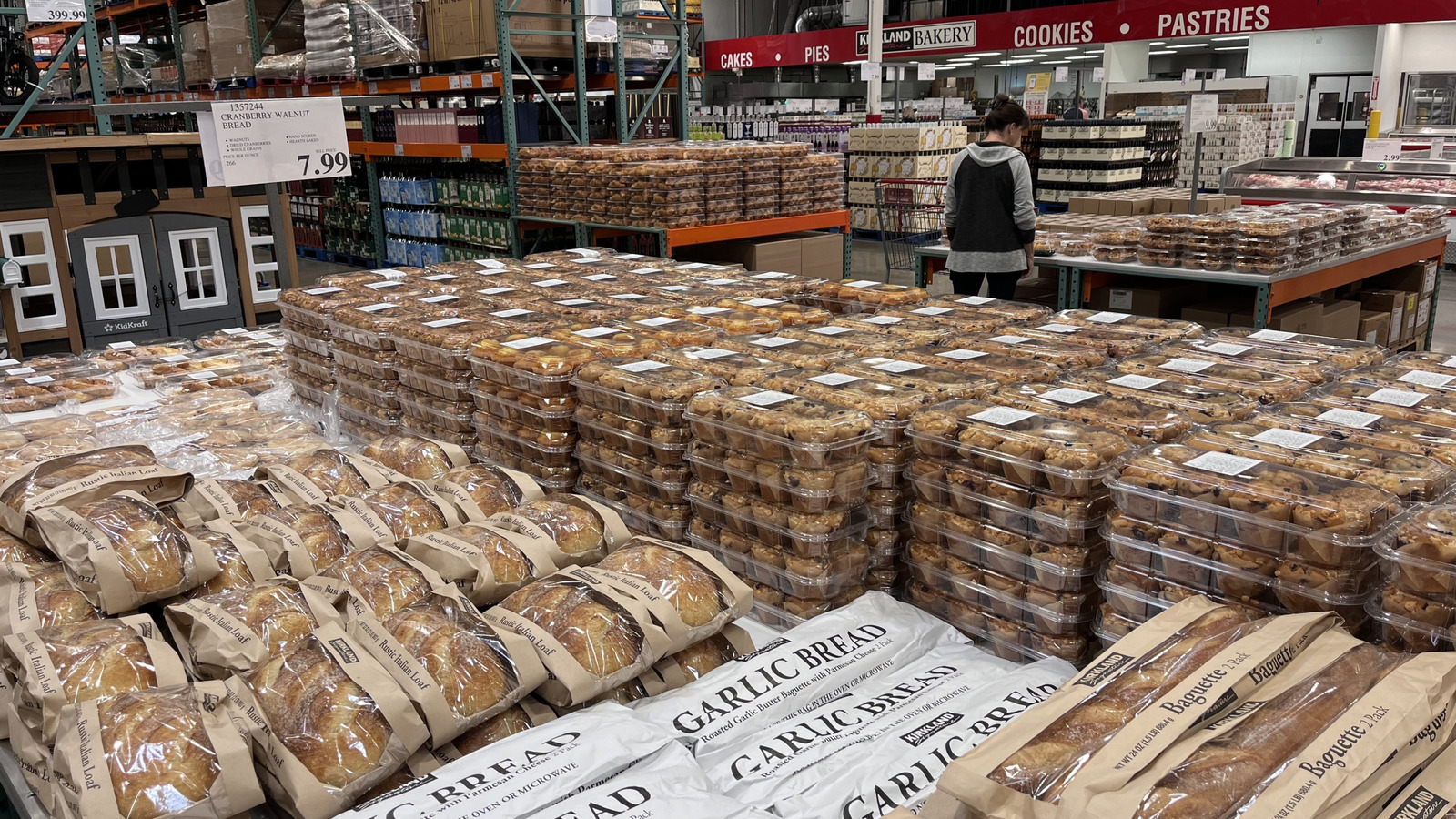
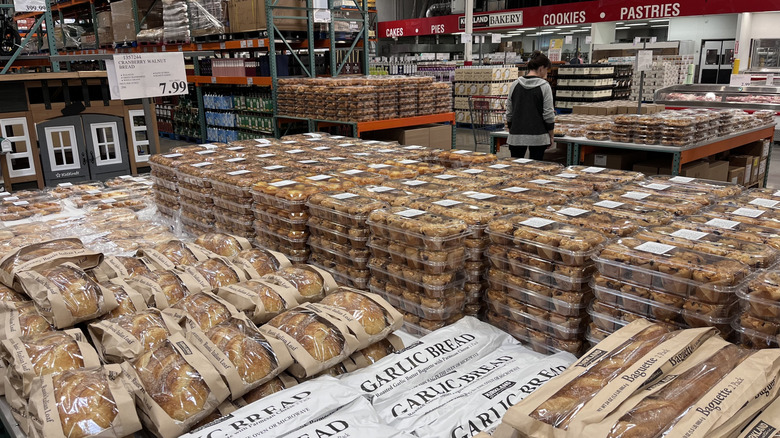
There is no shortage of fall products that double as delicious breakfasts, and Costco features a customer favorite from its own store brand, Kirkland Signature.
Mashed – Fast Food, Celebrity Chefs, Grocery, Reviews
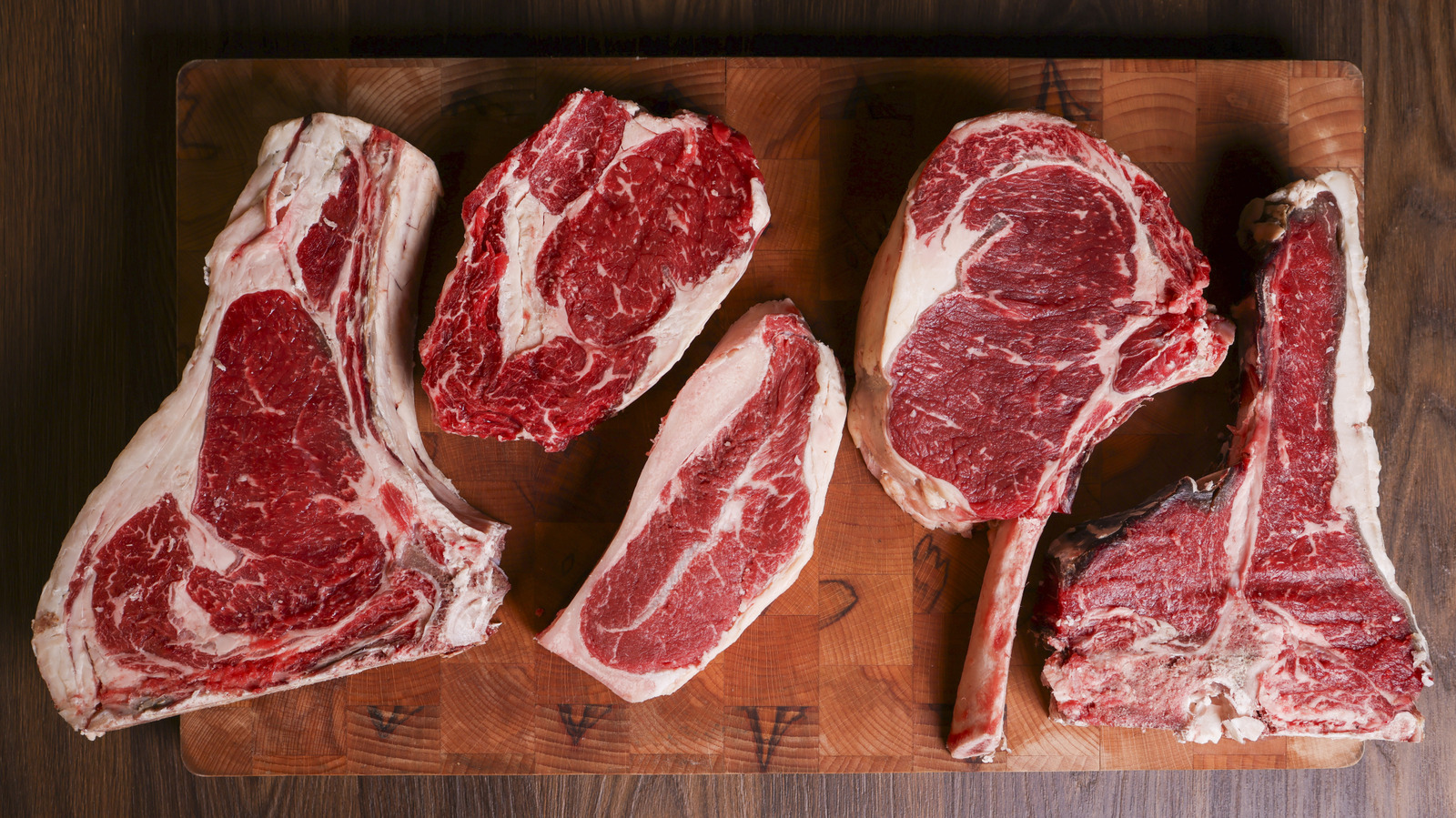
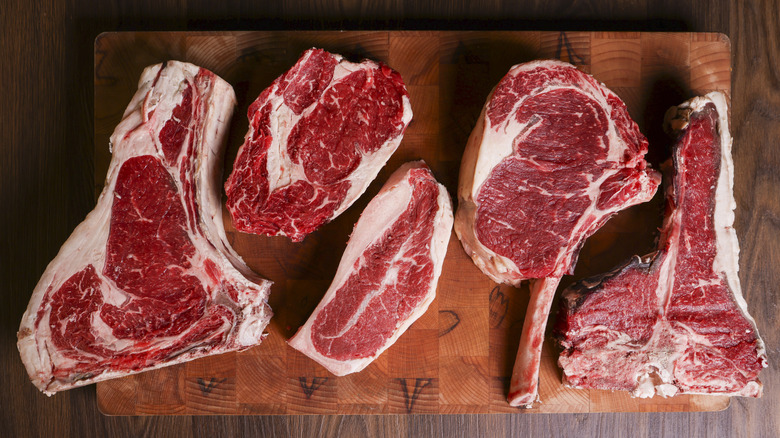
Tenderloin is priced for its tenderness, but this cut has more fat and marbling, giving it much more flavor. Just keep these things in mind when cooking it.
Food Republic – Restaurants, Reviews, Recipes, Cooking Tips

We’ve gathered the following tips for cooking delicious dishes with cheap wine, helping you level up your meals without having to reach for a top-shelf bottle.

Mashed – Fast Food, Celebrity Chefs, Grocery, Reviews

Ben Johnson may look like a generic coach model Madden uses when it can’t secure the real guy’s likeness rights, but the Bears head coach has become one of the most interesting characters in just over a year. There’s a lot to like about the 40-year-old. He calls a high-octane offense, delivers viral locker-room speeches weekly, and already has multiple catchphrases going. On top of all that, Johnson says things in press conferences you don’t often hear from other coaches. Like when he told reporters that he’d like to set the league’s scoring record this season. “I want more than [the Super Bowl],” he said in August. “I want to have the highest-scoring offense ever, which happens to be the 2013 Denver Broncos. I know how many points per game they scored, and I want to surpass them.” As Johnson later said, every offense aims to be the best and score a bunch of points, but other coaches don’t name-check the team record holders or have the record point totals committed to memory. The single-season record is 37.6 points per game, by the way. And Chicago is way ahead of that pace after dropping 59 points in a season-opening win over the Panthers. Now that we’ve seen this offense in action, Johnson’s goal doesn’t seem so far-fetched. If the Bears can keep it up against a Vikings defense coached by Brian Flores, we can put that 2013 Denver team on official notice. To break the scoring record, Chicago will have to be adaptable, and no defense forces an offense to adapt quite like Minnesota’s. Flores is known for running an aggressive, blitzing defense that shape-shifts every week to attack a specific opponent. You know pressure is coming, but you don’t know when or where. “That scheme is one of a kind,” Bears quarterback Caleb Williams said this week at his weekly press conference. “It’s a game-plan defense. [Flores] is gonna game plan all the way up to the tee – from first snap to last snap … coach called it ‘mental warfare’ when you go up against him.” We’re still days away from the game, and you can already see the effect that mental warfare is having on Johnson. When asked how to avoid overthinking things against Flores, the Bears coach laughed and said, “I’m already down that path.” Johnson seems to be a serial overthinker, which is partly why he’s such a good coach – and maybe the perfect coach if your goal is to score the most points in history. While he’s great at drawing up cool plays, it’s his understanding of situational football that makes him an exceptional play-caller. Johnson understands more than most that it’s not just about what plays you’re calling; it’s about when you’re calling them. Johnson reminds me of a great baseball hitter who works into favorable counts and then goes into attack mode. Second-and-short situations are his version of a 3-1 count in baseball. He knows he’s got a few more pitches to work with (third and fourth down), so he uses this one to swing for the fences. Last season, the Bears had the league’s highest pass rate in second-and-short situations and produced the most explosive plays, per Next Gen Stats. Chicago’s explosive play rate jumped to a ridiculous 25% on second-and-short, so you can see why Johnson seems obsessed with getting in that down and distance. He has a reputation for aggressive play-calling, but he knows how to pick his spots. The Bears have a lot of ways to get to those spots, as Flores noted this week. “I mean any type of offense that’s out there – whether it’s ground and pound, run-and-shoot, RPO, or 4-by-1 – he’s got it. So, what are we getting week-to-week? It’s hard to know, so a lot of the game is [about] adjustments.” Johnson’s adaptability is another key to Chicago’s offensive success. It’s why concerns about Williams’ schematic fit were always laughable. Some assumed Johnson wanted – or needed – his quarterback to operate like Jared Goff, who Johnson worked with in Detroit, for it to work. There was a thought that if Williams intended to play backyard football, Johnson would look for a new quarterback. Some even wondered if backup Tyson Bagent was a better option to start after Williams got off to a slow start in 2025. That all seems silly now, and not just because of how well Williams is playing. Johnson seems to be encouraging his quarterback to lean into that backyard style more often. Williams abandoned the pocket even more quickly in his sophomore season. Then, in the 2026 opener against the Panthers, he scrambled on nearly a fifth of his dropbacks and scored twice. Johnson realizes those scrambles are another source of big plays and is trying to weaponize them for the Bears offense. Johnson told the Chicago Sun-Times that he did an offseason study of the 120 dropbacks in 2025 when Williams vacated the pocket. He found that only 40% produced positive results and shared that information with his quarterback. But that 40% included a lot of big plays, so Johnson’s message wasn’t, Hey, you need to stop doing this. It was, We need to do this even better. As a coach, you’re dedicated to teaching the playbook, [but] we don’t want to fully shut that [ability] off,” Johnson said in August. “We see opportunity there. It’s not that we want to take those 120 plays down; I want to see that 40% go up.” Johnson said the Bears would spend time coaching their receivers on how to approach scramble-drill situations, and it showed up on tape in Week 1. Here’s a snapshot from one of the scramble touchdowns. Look at those receivers blocking downfield! Rome Odunze is smothering his guy. Luther Burden III is screening his. Kalif Raymond is doing anything he can to get in front of the linebacker trying to close in on Williams. That effort can turn a solid scramble into a touchdown. Williams broke the pocket 13 times against the Panthers. Those plays generated 12.5 expected points added, leading the league by a full eight points, and a success rate of 61%, far higher than the 40% mark from last year, according to Johnson’s calculations. “[On the scrambles], we had a lot more production than maybe we would’ve had in the past,” Johnson said after the win in Carolina. “Hopefully, we can bring this dynamic with us each and every week. He and I went over the tape, [and] there’s a couple of times where we don’t have the best call on for the defensive coverage, and our quarterback is able to make this thing right for us … we think it’s really, really dangerous for our offense.” Against the Bears, you have to defend two plays: the play call, designed by one of the league’s brightest offensive minds, and then the second play created by one of its most dynamic quarterbacks. Then there’s also the matter of slowing down running back DeAndre Swift, Odunze and Burden at receiver and tight end Colston Loveland. There is a lot to plan for when facing this Bears offense. “Anything that could potentially give a defense problems, they do,” Flores said this week. “And I think this being year two [in the system], they understand exactly what they’re trying to get done, so there’s better execution – at least through one game” That’s important to remember. It’s only been one game, and this league has a way of humbling teams quickly. Remember the 2023 Dolphins that hung 70 on the Broncos? That offense was averaging over 43 points per game and was on pace to shatter Denver’s scoring record. A week later, Miami was embarrassed by the Bills and never reached that high again. These Bears seem more well-rounded than that Miami offense that was supposed to revolutionize the game. Chicago has a coach who knows how to adapt to different situations, a quarterback who can follow the script or ad-lib his own lines, a road-grating offensive line, and a skill group that has fully bought into the coach’s vision. This year’s Bears team is seemingly built for anything a defense can throw at it throughout the season. With the Vikings coming to Chicago, the Bears are facing a defense designed to test that theory.Latest Sports News from FOX Sports

Members of the Alaska State Review Board are seen reviewing precinct ballot counts following the primary election on Aug 26, 2026. (Photo by Corinne Smith/Alaska Beacon)
About 1 in 30 absentee ballots cast in Alaska’s August primary election were rejected for procedural errors, according to data published this month by the Alaska Division of Elections.
The 3.4% rejection rate for absentee ballots was almost double what it was in the 2024 general election but it was below the record high 4.5% seen during the 2022 special primary election held after the death of Congressman Don Young.
The top reason for disqualification this year was late postmarking, a change from prior elections when witness signatures were the No. 1 reason for rejection. It isn’t clear why late postmarking was the top issue. A comparison with the 2020, 2018 and 2016 primaries indicates that absentee ballots did not, in general, arrive later this year than they did in previous years.
There were some notable exceptions.
The disqualification rate in parts of rural Alaska was significantly higher than the state as a whole. In House District 40, which covers the North Slope and Northwest Arctic Borough, 32 of 81 absentee ballots — almost 40% — were rejected.
Seventy-five absentee ballots cast in person ahead of election day, including 28 from Kotzebue in the Northwest Arctic Borough, failed to reach the Division of Elections regional office in Nome before Aug. 31, the deadline to be counted.
The ballots arrived so late that they couldn’t even be included in a list of ballots that were disqualified for arriving late.
In addition to Kotzebue, ballots from Naknek, King Cove, Nikolski, Igiugig, Quinhagak, and Pitkas Point failed to arrive on time and weren’t counted.
Michelle Sparck, director of Get Out the Native Vote, called the issue a “slap in the face.” Her organization has been working to promote absentee voting as a way to boost turnout among Alaska Natives who live in rural Alaska.
“For us to have pushed absentee (voting) as a way of good practice … it builds that deep callus of voter apathy when we have to worry about whether or not this exercise even works,” she said.
One of the rejected ballots from Naknek was cast on Aug. 5, almost two weeks before the primary.
That vote was cast by Sallyann Hughes, who contacted the Alaska Beacon after getting a letter from the Division of Elections on Sept. 14. That letter said her ballot was not counted.
By email, Hughes said she remembered the election worker being so excited because her vote was the first she had processed in Naknek.
Hughes said that since receiving her rejection notice, she has sent a series of letters to find out what happened to her vote.
“I am not alleging voter fraud, manipulation of voting equipment, intentional misconduct, or responsibility by any particular person or agency. I do not yet know where in the custody or transportation process the failure occurred. I am seeking a documented accounting of what happened after these ballots were placed into the custody of election personnel,” she said.
Hughes said she’s particularly worried because she plans to be out of state in November and needs to vote absentee again.
Most of the 19,760 absentee ballots cast during the primary came from voters who sent them individually by mail.
To be counted, absentee ballots first go to review boards at regional offices across the state, where workers verify that the ballots were cast legally.
The 75 extra disqualifications, including Hughes’ ballot, were cast at in-person absentee polling stations set up by the Division of Elections in rural Alaska.
In Alaska, rural mail generally travels first to Anchorage for processing, then to its end destination.
In this case, slow delivery meant the ballots didn’t arrive in Nome before the election’s certification deadline at the end of the month.
On Wednesday, the Division of Elections announced that it is changing its policy for the general election and for upcoming rural school board elections to prevent a repeat of the problem.
Absentee ballots from in-person polling stations will now be “rerouted to the Region II Office in Anchorage to prevent unexpected mail delays.”
Sparck said it’s a good idea. “Cutting out a middleman is pretty smart here,” she said.
While the U.S. Postal Service’s handling of absentee ballots received extensive attention ahead of the primary, data published by the Division of Elections and reviewed by the Alaska Beacon indicate that on a statewide basis, absentee ballots didn’t arrive later this year than they did in prior primary elections.
Alaska law allows primary ballots to be counted as long as they arrive no later than 10 days after election day. This year, the busiest day for ballot returns was the day after election day.
That matches what happened in the 2020, 2018 and 2016 primaries — in each of those elections, the busiest days for absentee ballot returns were the days immediately after election day.
Altogether across the state, 627 absentee ballots were disqualified for all reasons; more than 19,000 were accepted in part or whole.
Of the disqualified, 169 ballots were rejected because they were postmarked after election day and another 110 ballots weren’t counted because they were received too late.
That latter figure may be an undercount, since it only includes the 75 late-arriving in-person absentees and 35 absentee ballots that reached officials between Aug. 28 and Aug. 31.
In Alaska, anyone can vote absentee for any reason, but completing an absentee ballot requires a voter to provide ID information, sign the ballot and find a second person, a witness, to sign it as well.
In every primary election since 2020, the lack of a witness signature was the No. 1 reason for rejections. This year, it’s No. 2.
In this year’s primary election, 29.2% of absentee voters were registered Republicans. Registered Democrats made up 21.7% of absentee voters.
Sparck said there were positive signs for rural voting in the primary. Turnout was up 48.8% over the 2024 primary in tribally affiliated precincts, she said.
The annual Alaska Federation of Natives convention, scheduled for late October, will include a big voting push, she said, and because it is taking place a week later than normal, participants will be able to vote early in Anchorage and avoid any problems with absentee voting.
SUBSCRIBE: GET THE MORNING HEADLINES DELIVERED TO YOUR INBOX.

A good bottle of white wine doesn’t need to empty your bank account. Less expensive than a red wine, white wines are quite affordable on a budget.

Mashed – Fast Food, Celebrity Chefs, Grocery, Reviews
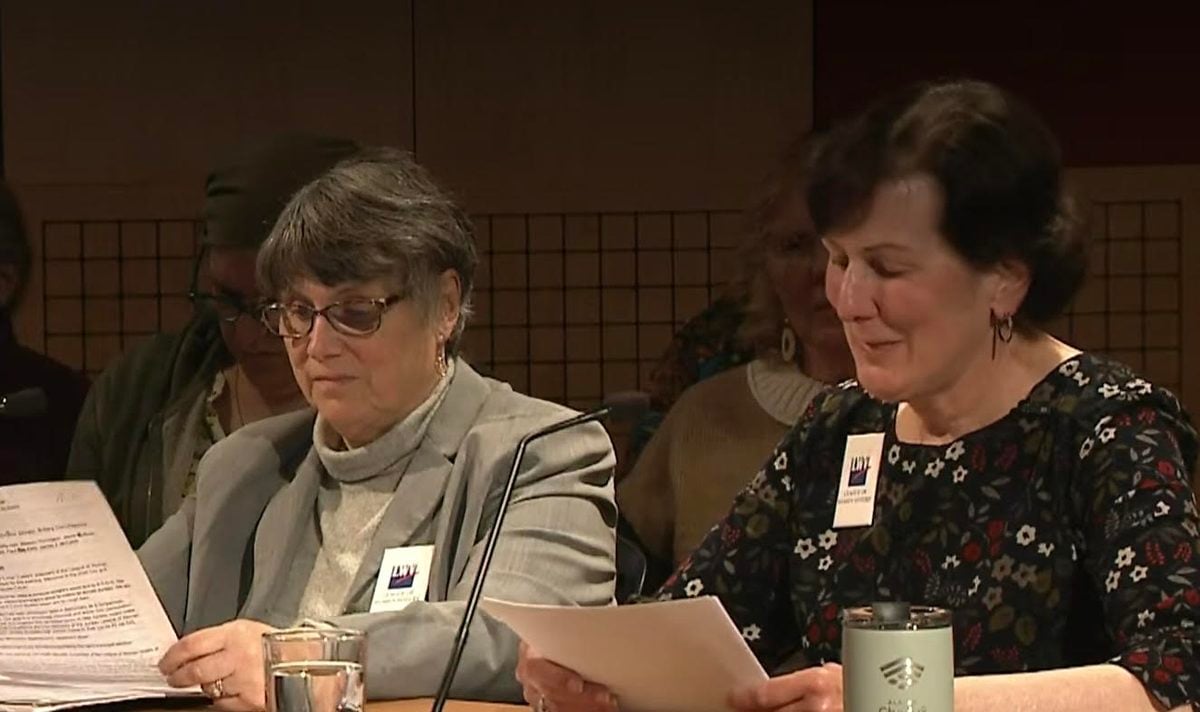
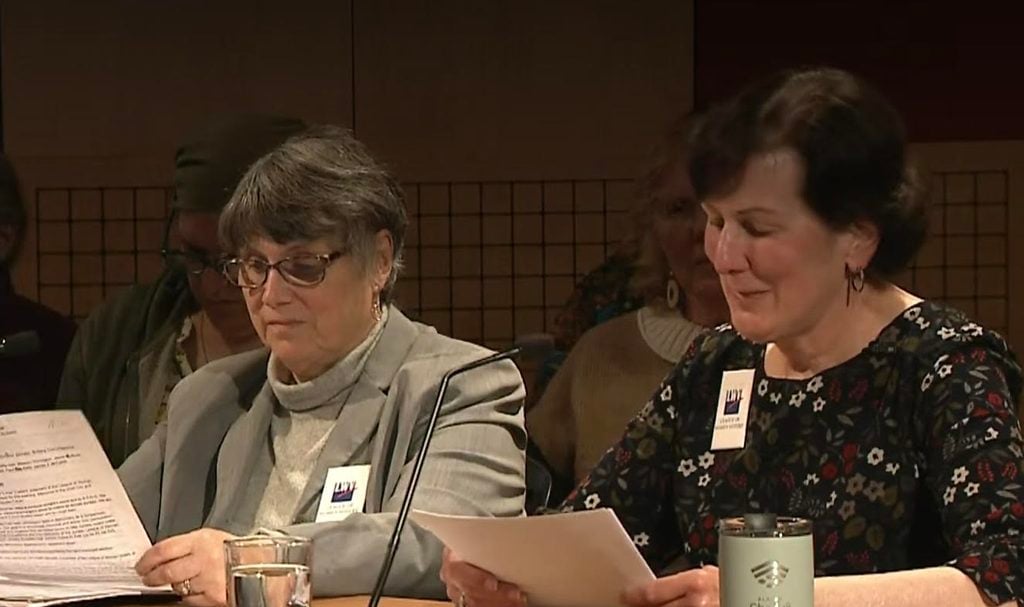
The Candidates for school board and city assembly in Juneau’s Oct. 6 municipal election took part in a televised forum Wednesday evening with different positions on taxes, housing and tourism during the 2026 City and Borough of Juneau Municipal Candidate Forum hosted by the League of Women Voters at KTOO.
“Remember, vote like democracy depends on it because it does.” Said Patricia Turner Custard, from League of Women Voters.
Voters will decide three ballot propositions this fall, including whether to extend a temporary 3% sales tax, raise the city’s property tax cap from 9 to 12 mills, and add a new seasonal 1% sales tax to support recreation.
Several assembly candidates, including Malachi Thorington and Joyce Niven, said they support all three measures to shore up city services.
“I will be voting in favor of all three of these tax measures. Juneau… is currently in a funding deficit and a bit of a hole that we need to crawl back out of.” Said Thorington.
While David Morris and Brad Sapp, argued Juneau has a spending problem, not a revenue problem.
“I intend to vote yes on the 3% and no on the seasonal and no on the mill cap… It wasn’t about people being unwilling to pay taxes. It was about: ‘City, stop wasting our money.’” Said Sapp.
On tourism, candidates split over whether proposed cruise ship docks on North Douglas should count toward Juneau’s five‑ship limit. Some urged a data-driven passenger cap and a moratorium on new docks.
“The tour industry accounts for 25% of city revenue right now and 20% of our employees… I fully support the tour industry. I fully support its expansion.” Said Sapp.
“I believe the five‑ship limit should stand… If you do the same thing in Douglas, you’re going to have to have the second crossing… I think five ships is the limit because of the pollution problem and the access problem.” Said David Morris.
Housing and public trust emerged as recurring themes. Multiple candidates called for opening more land for development and streamlining the planning process, and others, like Carla Hart said, “I think we should have houses as homes and not as houses as investments.”
Ballots will be mailed Sept. 18 and must be returned or postmarked by Oct. 6.
Reading Time: 2 minutes
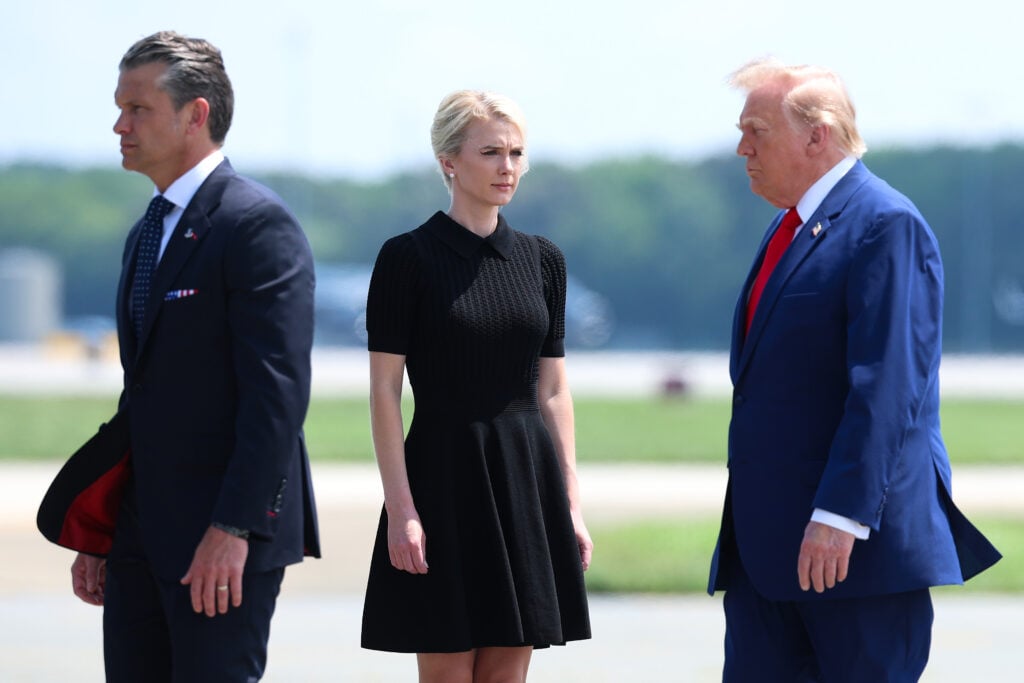
By now, you’ve probably heard about the controversy surrounding Donald Trump and White House aide Natalie Harp.
The oddly close relationship between Trump and his “human printer” has been the subject of intense scrutiny in recent months.
Harp rarely seems to leave the president’s side, and her letters to Trump indicate that the bond between them goes beyond the limits of the standard employer-employee relationship.
That doesn’t mean, of course, that their relationship is sexual or otherwise inappropriate. It’s just weird.
Still, given the rumors surrounding Trump and Hart, many were not surprised when a photo allegedly showing them kissing on a golf course went viral this week.
There was just one problem: It wasn’t real.
The White House has now addressed the image, with an administration official telling The Daily Beast that it was “clearly a fake photo.”
The image showed an older man who appeared to be Trump embracing a blonde woman who was widely assumed to be Harp. A second, higher-quality version of the picture also circulated online.
And while the blurry version was difficult to authenticate, the clearer image offered a rather significant clue that artificial intelligence had been involved.
Namely, the woman appeared to have six fingers.
That’s generally not something you expect to see in a candid golf-course photo.
Fact-checkers also identified a watermark indicating that the sharper version had been generated using OpenAI tools.
Snopes concluded that the image was AI-generated, while The Daily Beast found no legitimate wire-service photograph showing Trump and Harp together on a golf course in the outfits depicted.
The origins of the image are murky.
One version was reportedly used as a thumbnail for a YouTube video by political commentator Keith Edwards. Edwards told Snopes that his thumbnail team found the image online and that they did not create or alter the underlying photograph. He also acknowledged that they had not independently verified whether the woman was Harp.
Of course, the fact that the photo is fake doesn’t mean Trump and Harp don’t spend an unusual amount of time together.
Harp has become a familiar presence alongside the president, including on golf outings and foreign trips. She has worked for Trump since 2022 after previously hosting for One America News, and she’s known for carrying a portable printer while traveling with him, earning her the nickname “human printer.”
Her close relationship with Trump has attracted additional attention in recent months, particularly after Democratic Sen. Jon Ossoff publicly referenced how frequently she travels with the president.
The Daily Beast also recently published letters Harp wrote to Trump in which she described him as her “Guardian and Protector” and expressed her desire to never let him down.
But whatever one thinks of their unusually close working relationship, there is no credible evidence that the viral golf-course kissing photo depicts a real event.
For once, those extra fingers were actually doing some investigative journalism.
White House Responds to Viral Image of Trump Kissing Natalie Harp: ‘Clearly a … was originally published on The Hollywood Gossip.
The Hollywood Gossip