 The Duggar family is counting one more.
Joy-Anna Duggar shared that she and husband Austin Forsyth—who share kids Gideon, 8, Evelyn, 6, Gunner, 3, as well as daughter Annabell, who was delivered…
E! Online (US) – Top Stories









The Duggar family is counting one more.
Joy-Anna Duggar shared that she and husband Austin Forsyth—who share kids Gideon, 8, Evelyn, 6, Gunner, 3, as well as daughter Annabell, who was delivered…
E! Online (US) – Top Stories

A two-minute walk in San Antonio separates a converted 19th-century brewery from a former glass factory that now holds two Michelin-starred restaurants. Five minutes away … Read moreThe post Food halls have become a destination in their own right, and…

From intense psychological trauma to exposure to neurotoxic dust, first responders at ground zero continue to confront significant physical and mental health risks.
Post Content
Reading Time: 2 minutes
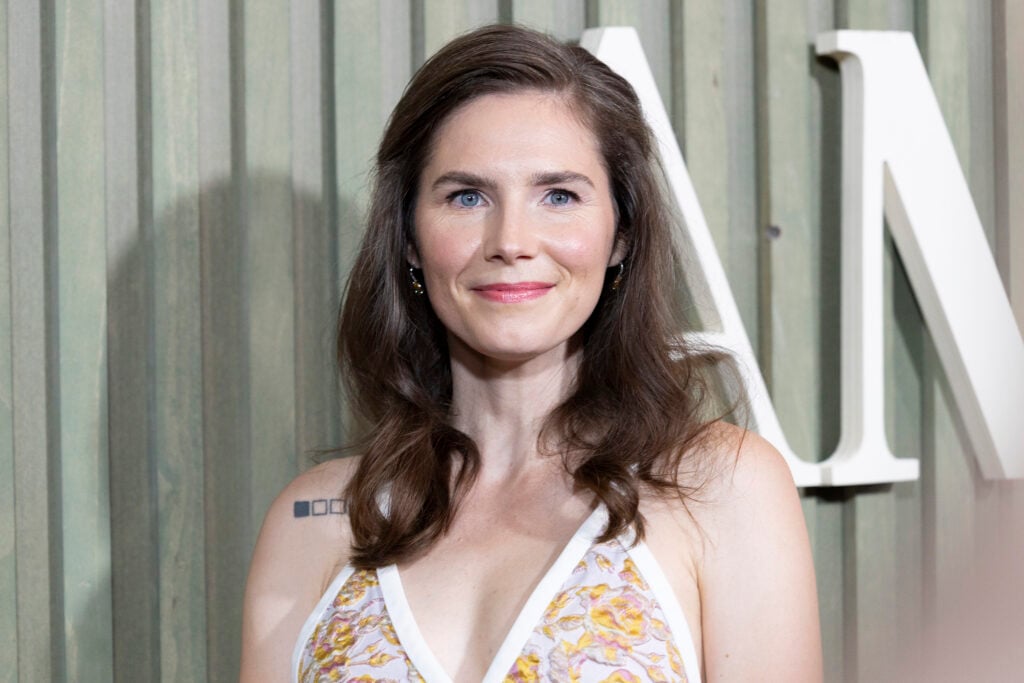
Back in 2007, police in Italy arrested American student Amanda Knox following the murder of her roommate Meredith Kercher.
After being wrongly convicted and imprisoned for four years, Knox was eventually exonerated.
Now, she’s revisiting the events of that year in a comedy show called Cartwheel — so named because of the claim that she did a cartwheel after being arrested.
And the Kercher family is failing to see the humor in the situation.
“What I would say [to Knox] is to think about the family here, think about her friends and to turn the tables if it was your sister that this had happened to,” Meredith’s older sister, Stephanie Kercher, told the BBC this week.
That’s a pretty difficult request to ignore — particularly considering the tragedy at the center of the story.
Meredith was just 21 when she was found stabbed to death in the apartment she shared with Knox while the two were studying abroad in Italy.
Knox, however, insists the show isn’t making Meredith’s murder the punchline.
The former murder suspect says Cartwheel is instead about the experience of being publicly vilified and the challenges of explaining her past to her children.
“I joke a lot about how I was vilified, but I don’t joke about her murder,” Knox told the Telegraph (via Radar Online).
And while Knox insists she’s not joking about the murder itself, a petition calling for the show’s cancellation has reportedly collected more than 9,000 signatures.
Knox addressed the controversy on Instagram, explaining that Cartwheel is ultimately about motherhood, raising a daughter in what she describes as an unfair and dangerous world, and grappling with how much truth to tell her child.
She also claimed the production “honors Meredith Kercher’s memory and calls out the violence that was done to her and to me.”
Meredith’s family, however, may not see it quite that way.
Rudy Guede, an acquaintance of Knox and Kercher, was ultimately convicted of Meredith’s murder. He was sentenced to 16 years in prison and released in 2021 after serving 13 years.
For Knox, the case became the defining trauma of her young adulthood.
Now, nearly two decades after Meredith’s death, she’s attempting to reclaim the narrative through comedy.
Whether audiences are ready to laugh along is another question entirely.
Amanda Knox: Comedy Show About Murder Case Draws Outrage From Victim’s Family was originally published on The Hollywood Gossip.
The Hollywood Gossip
Bu makale Türkçe olarak da mevcuttur.
WordPress has never been merely a content management system for building websites to me. As a blind web developer, it showed me that I could create my own field of work, solve real problems, and contribute to the same open-source community as people around the world. The publication of my OZD Katalog plugin in the WordPress.org directory became one of the most visible results of that long journey.
My name is Sadık Özdoğan, and I live in Ankara, Türkiye. I studied Web Design and Coding at Anadolu University in Eskişehir. Literature, poetry, and music are important parts of my life, but over the years web technology has also become a powerful means of expression and production for me. Because I am blind, I use my computer with the NVDA screen reader. Instead of seeing the visual layout of a screen, I follow the structure of pages, headings, links, form fields, and text through synthesized speech.
This way of working means that a seemingly small accessibility error can become a complete barrier. An unlabeled button, an incorrectly built form, a message that is understandable only through color or imagery, or a control that cannot be reached with a keyboard may look like a minor imperfection to others, yet prevent me from completing a task. I did not want these barriers to distance me from technology. Instead, they encouraged me to understand how systems work and to create my own solutions.
Discovering WordPress was an important turning point in that search. During my early years with it, I was mainly a user. I built websites, published articles, customized themes, tried plugins, and searched for solutions whenever something failed. The fact that much of the administration experience followed a recognizable structure and used text, headings, links, and standard form controls was valuable to me. WordPress was not perfectly accessible in every situation, but it gave me an open space in which I could publish my own content and gradually improve my skills.
At first, I worked with existing themes and plugins. When I encountered a problem, I experimented with settings, read documentation and tutorials, and tried to understand the solution. In time, I realized that using tools was no longer enough for me. I wanted to know why a theme behaved in a certain way, which file controlled a function, and how an existing feature could be changed. That curiosity, which began with small code edits, gradually carried me from the user side of WordPress to the development side.
Customizing GeneratePress was one of my first serious learning experiences. I began by developing my own website and later built a radio website for a friend. I worked on themes for news, blogs, companies, and radio projects. Every project introduced a new problem that I had to break down and solve. Each detail I managed to fix increased not only my technical knowledge but also my confidence.
My working method as a blind developer is different in some respects. I cannot inspect indentation or the visual appearance of a page simply by looking at the screen. I move between files, lines, and components with the keyboard and turn the information spoken by my screen reader into a mental model. I ask people I trust for visual feedback when necessary, while relying on standards, testing tools, and repeated trials for technical validation. This has taught me that accessibility is not an optional feature added at the end of a project. Clear code, accurate labels, understandable language, and predictable behavior make technology easier for everyone.
For a long time, I wanted to publish a plugin of my own. However, there was an obstacle greater than my technical limitations: I did not trust myself enough. Questions such as “What if I cannot do it?”, “What if my code is not good enough?”, and “What if the plugin is rejected?” kept me at the starting line. Sometimes people wait for their work to become perfect and therefore never share it. My real change began when I accepted that I could start before I was perfect and continue learning along the way.
Artificial intelligence tools also supported my learning process. They helped me examine questions in greater detail, understand pieces of code, identify possible mistakes, and turn ideas into more systematic plans. They did not imagine the project on my behalf or create it independently. I was the person who recognized the need, decided which features mattered, tested the result, and accepted responsibility for it. Artificial intelligence, my screen reader, and my development tools all served the same purpose: helping me turn an idea in my mind into a working product that other people could use.
The idea for OZD Katalog emerged while I was building a website for a chair company. The company needed a clear and organized way to present its products. I initially created a catalog structure inside the theme. It could have remained a solution built only for that single project. As the work progressed, however, I asked myself: “Why should I leave this inside one theme? Why not turn it into an independent plugin and allow other people to use it?”
That question was the true beginning of OZD Katalog. My aim was to help businesses display products in a catalog without requiring the full complexity of an e-commerce system. Administrators needed to be able to add product names, images, descriptions, categories, and relevant details in the dashboard, while visitors needed a clear way to browse the information. A need I had encountered in a real client project was becoming a general solution that could help others.
I prepared the earliest version of the plugin about a year before its release. Along the way, I learned that there is a major difference between code that works and a plugin that is ready for the WordPress.org directory. Security checks, capability controls, nonces, sanitization, and output escaping had to be handled carefully. Text needed to be translatable, files had to follow the correct structure, interface messages had to be understandable, and the code needed to follow WordPress standards. Every correction improved not only the plugin but also my discipline as a developer.
Eventually, I submitted OZD Katalog for review. I made the changes requested by the review team, and the plugin was approved on August 2, 2026. Receiving that approval meant far more to me than completing a technical process. I was now contributing my own code to the platform I had used for years. I had once been a user who installed plugins and changed settings; now I was the developer of a plugin that other WordPress users could install.
OZD Katalog may not be the largest or most complex plugin in the WordPress ecosystem. Its value to me lies in the change it represents. It is my concrete answer to the question, “Can I really do this?” It showed me that blindness does not prevent me from creating and that, with suitable tools, patience, a willingness to learn, and honest feedback, I can contribute to open source.
WordPress did not magically promise me financial freedom. It gave me something more fundamental and lasting: a place where I could publish ideas, build projects, and solve problems for clients and friends. On sadikozdogan.com.tr, I publish technical articles, share my projects, and pass on what I learn in Turkish. I work on other web projects, including imagefilex.com, and continue developing ideas for themes and plugins. Each project helps me establish a stronger and more independent place in the digital world.
I especially want to tell this story to disabled people, to people in Türkiye and similar environments who want to create technology, and to anyone who delays the first step because they do not feel qualified enough. You do not need to possess every answer before you begin. Accessibility barriers, financial limitations, the absence of a strong technical community around you, or the fear of making mistakes may slow your progress. Still, beginning with one small and genuine problem can eventually take you somewhere you never expected.
This is also what I value most about open source. You can learn from code someone else developed years ago, study documentation, work according to standards created by a community, and finally make your own contribution available to others. Becoming part of that chain is not simply a matter of publishing code. It means believing that knowledge can be shared and that people with different circumstances can participate in creating technology.
I am now preparing to improve OZD Katalog with new features and language options. I also plan to continue building plugins, themes, and accessible applications. My goal is not only to release more products. I want to question how the tools I use work for blind users and, wherever possible, create solutions that are clear, lightweight, and accessible.
My WordPress journey has taught me that the greatest barrier is not always a lack of technical knowledge. Sometimes the real barrier is believing that our voice and our work have little value. OZD Katalog began as a small idea, answered a real need, and became a plugin available to everyone through WordPress.org. For me, this is not an ending. It is a new beginning: a journey from user to creator, from hesitation to sharing, and from dreaming about contribution to actually making one.
WordPress benim için yalnızca internet sitesi kurmaya yarayan bir içerik yönetim sistemi olmadı. Bana, görme engelli bir web geliştiricisi olarak kendi çalışma alanımı kurabileceğimi, karşılaştığım sorunlara çözüm üretebileceğimi ve dünyanın farklı yerlerindeki insanlarla aynı açık kaynak topluluğuna katkıda bulunabileceğimi gösterdi. OZD Katalog eklentisinin WordPress.org’da yayımlanması ise bu uzun yolculuğun en görünür sonuçlarından biri oldu.
Ben Sadık Özdoğan. Türkiye’nin Ankara şehrinde yaşıyorum. Eskişehir Anadolu Üniversitesi Web Tasarımı ve Kodlama Bölümünde eğitim aldım. Edebiyat, şiir ve müzik hayatımın önemli parçaları olsa da yıllar içinde web teknolojileri de benim için güçlü bir üretim alanına dönüştü. Görme engelli olduğum için bilgisayarı NVDA ekran okuyucusuyla kullanıyorum. Ekrandaki görsel düzeni doğrudan görmek yerine sayfaların yapısını, başlıklarını, bağlantılarını, form alanlarını ve metinlerini ekran okuyucunun sesiyle takip ediyorum.
Bu çalışma biçimi bazen bir internet sitesindeki küçük bir erişilebilirlik hatasını bile büyük bir engele dönüştürebiliyor. Etiketi bulunmayan bir düğme, yanlış kurulmuş bir form, yalnızca görsel olarak anlaşılabilen bir uyarı ya da klavyeyle ulaşılamayan bir alan, başkaları için küçük bir kusur gibi görünürken benim için işlemi tamamen durdurabiliyor. Buna rağmen teknolojiyle arama mesafe koymak istemedim. Tam tersine, sistemlerin nasıl çalıştığını öğrenmeye ve kendi çözümlerimi üretmeye yöneldim.
WordPress ile tanışmam bu arayışın önemli dönüm noktalarından biriydi. İlk yıllarda onu daha çok bir kullanıcı olarak tanıdım. Siteler kurdum, yazılar yayımladım, temaları özelleştirdim, eklentiler denedim ve karşılaştığım sorunlara çözümler aradım. Yönetim panelinin belirli bir düzene sahip olması ve birçok işlemin metinler, başlıklar ve standart form alanları üzerinden yürütülmesi benim için önemliydi. Her şey kusursuz derecede erişilebilir değildi; yine de WordPress, kendi içeriklerimi yayımlayabileceğim ve zamanla geliştirebileceğim açık bir alan sağladı.
Başlangıçta hazır tema ve eklentilerle çalışıyordum. Bir sorun çıktığında farklı ayarları deniyor, belge ve eğitimleri okuyup çözümü bulmaya çalışıyordum. Zamanla yalnızca bir aracı kullanan kişi olmakla yetinmediğimi fark ettim. Bir temada neden belirli bir davranışın ortaya çıktığını, bir fonksiyonun hangi dosyada çalıştığını ve bir özelliğin nasıl değiştirilebileceğini merak etmeye başladım. Küçük kod düzenlemeleriyle başlayan bu merak, beni giderek geliştirme tarafına taşıdı.
GeneratePress üzerinde yaptığım özelleştirmeler ilk ciddi öğrenme alanlarımdan biri oldu. Önce kendi web sitemi geliştirdim. Ardından bir arkadaşım için radyo sitesi hazırladım. Farklı ihtiyaçlara göre temalar üzerinde çalıştım; haber, blog, firma ve radyo projeleri geliştirdim. Her proje yeni bir sorunla karşılaşmam, o sorunu parçalara ayırmam ve çalışan bir çözüm üretmem anlamına geliyordu. Çözdüğüm her ayrıntı teknik bilgimin yanında özgüvenimi de artırdı.
Görme engelli bir geliştirici olarak çalışma yöntemim bazı yönleriyle farklı. Kodun girintilerini ve sayfanın görsel görünümünü ekranı izleyerek kontrol edemiyorum. Dosyalar, satırlar ve bileşenler arasında klavyeyle dolaşıyorum; ekran okuyucunun aktardığı bilgiyi zihnimde bir yapıya dönüştürüyorum. Tasarımlarda güvendiğim kişilerden görsel geri bildirim alıyor, teknik kontrollerde ise standartlardan, test araçlarından ve tekrar tekrar denemekten yararlanıyorum. Bu süreç bana erişilebilirliğin yalnızca kullanıcı arayüzüne sonradan eklenen bir özellik olmadığını öğretti. Açık ve düzenli kod, doğru etiketler, anlaşılır metinler ve öngörülebilir davranışlar herkesin işini kolaylaştırıyor.
Uzun süre kendi eklentimi yayımlama fikrim vardı. Fakat bu hedefin önünde teknik eksiklerden daha büyük bir engel bulunuyordu: Kendime yeterince güvenmiyordum. “Ya yapamazsam?”, “Ya kodum yetersiz bulunursa?”, “Ya eklentim reddedilirse?” gibi sorular beni başlangıç çizgisinde tutuyordu. İnsan bazen çalışmasının kusursuz olmasını beklerken onu hiç paylaşamayabiliyor. Benim için değişim, kusursuzluğu beklemek yerine öğrenerek ilerlemeyi kabul ettiğimde başladı.
Yapay zekâ araçları da öğrenme sürecimde yardımcı oldu. Sorularımı daha ayrıntılı biçimde incelememi, kod parçalarını anlamamı, olası hataları görmemi ve fikirlerimi daha düzenli bir plana dönüştürmemi sağladı. Ancak benim yerime fikir üretmedi ya da projeyi tek başına kurmadı. İhtiyacı belirleyen, hangi özelliğin gerekli olduğuna karar veren, ortaya çıkan sonucu test eden ve sorumluluğunu alan bendim. Yapay zekâ, ekran okuyucu ve geliştirme araçları benim için aynı amaca hizmet eden yardımcılar oldu: Zihnimdeki fikri çalışan ve insanların kullanabileceği bir ürüne dönüştürmek.
OZD Katalog fikri, bir sandalye firması için internet sitesi hazırlarken doğdu. Firmanın ürünlerini düzenli ve anlaşılır biçimde sunmak gerekiyordu. İlk olarak temanın içinde çalışan bir katalog yapısı hazırladım. Bu, yalnızca o projeye özel bir çözüm olabilirdi. Fakat çalışma ilerledikçe kendime şu soruyu sordum: “Neden bu yapıyı temanın içinde bırakayım? Neden bağımsız bir eklentiye dönüştürüp başka insanların da kullanmasını sağlamayayım?”
Bu soru, OZD Katalog’un gerçek başlangıcı oldu. Amacım, e-ticaret sisteminin bütün karmaşıklığına ihtiyaç duymayan işletmelerin ürünlerini katalog biçiminde sergileyebilmesiydi. Bir ürünün adı, görseli, açıklaması, kategorisi ve gerekli bilgileri yönetim panelinden eklenebilmeli; ziyaretçi de bunları anlaşılır bir yapıda görebilmeliydi. Gerçek bir projede karşılaştığım ihtiyaç, başkalarının da yararlanabileceği genel bir çözüme dönüşmeye başladı.
Eklentinin ilk hâlini yaklaşık bir yıl önce hazırladım. Fakat çalışan bir kod ile WordPress.org’da yayımlanabilecek bir eklenti arasında büyük fark olduğunu öğrendim. Güvenlik kontrolleri, yetkilendirme, nonce kullanımı, veri temizleme ve çıktı kaçışlama gibi konuların dikkatle ele alınması gerekiyordu. Metinlerin çevrilebilir olması, eklenti dosyalarının doğru yapıda hazırlanması, kullanıcıya gösterilen ifadelerin anlaşılır olması ve WordPress kod standartlarına yaklaşılması gerekiyordu. Her düzeltme bana yalnızca eklentiyi değil, geliştirici olarak kendi çalışma disiplinimi de iyileştirme fırsatı verdi.
Sonunda OZD Katalog’u WordPress.org incelemesine gönderdim. İnceleme ekibinin istediği düzeltmeleri uyguladım ve eklentim 2 Ağustos 2026 tarihinde onaylandı. Onay mesajını almak benim için teknik bir işlemin tamamlanmasından çok daha fazlasıydı. Yıllardır kullandığım WordPress’e artık kendi kodumla katkıda bulunuyordum. Bir zamanlar yalnızca eklenti kuran ve ayar yapan kullanıcıyken, artık başka kullanıcıların kurabileceği bir eklentinin geliştiricisiydim.
OZD Katalog dünyanın en büyük ya da en karmaşık WordPress eklentisi olmayabilir. Benim için değeri, temsil ettiği değişimde yatıyor. Bu proje, “Acaba yapabilir miyim?” sorusuna verdiğim somut cevaptır. Görme engelli olmamın üretmeme engel olmadığını; doğru araçlar, sabır, öğrenme isteği ve geri bildirimle açık kaynak dünyasına katkı sunabileceğimi gösterdi.
WordPress bana doğrudan finansal özgürlük vaat eden sihirli bir araç olmadı. Bana daha temel ve kalıcı bir şey verdi: Kendi fikirlerimi yayımlayabileceğim, projeler geliştirebileceğim, müşterilerin ve arkadaşlarımın ihtiyaçlarına çözüm üretebileceğim bir alan. sadikozdogan.com.tr üzerinde teknik yazılar yayımlıyor, geliştirdiğim projeleri paylaşıyor ve öğrendiklerimi Türkçe olarak başkalarına aktarıyorum. imagefilex.com gibi farklı web projeleri üzerinde çalışıyor, yeni tema ve eklenti fikirleri geliştiriyorum. Her proje dijital dünyada kendi yerimi biraz daha sağlamlaştırıyor.
Bu hikâyeyi özellikle engelli bireylere, Türkiye’de ve benzer koşullarda teknoloji üretmek isteyenlere, kendisini yeterli görmediği için ilk adımı erteleyenlere anlatmak istiyorum. Başlamak için bütün cevaplara sahip olmak gerekmiyor. Erişilebilirlik sorunları, maddi sınırlamalar, çevrenizde yeterli teknik topluluğun bulunmaması veya hata yapma korkusu yolunuzu yavaşlatabilir. Fakat küçük ve gerçek bir sorunu çözerek başlamak, zamanla sizi tahmin etmediğiniz bir noktaya taşıyabilir.
Açık kaynak dünyasının benim için en güçlü yanı da budur. Bir başkasının yıllar önce geliştirdiği koddan öğrenebilir, belgeleri okuyabilir, topluluğun belirlediği standartlara göre çalışabilir ve sonunda kendi katkınızı başkalarının kullanımına açabilirsiniz. Bu zincirin bir parçası olmak, yalnızca kod yayımlamak değildir. Bilginin paylaşılabileceğine ve farklı koşullardaki insanların da üretime katılabileceğine inanmak demektir.
Şimdi OZD Katalog’u geliştirmeye, yeni özellikler ve dil seçenekleri eklemeye hazırlanıyorum. Bunun yanında başka eklentiler, temalar ve erişilebilir uygulamalar üzerinde çalışmayı planlıyorum. Hedefim yalnızca daha fazla ürün çıkarmak değil; kullandığım araçların görme engelli kullanıcılar açısından nasıl çalıştığını sorgulamak ve mümkün olduğunca anlaşılır, hafif ve erişilebilir çözümler üretmek.
WordPress yolculuğum bana en büyük engelin her zaman teknik bilgi eksikliği olmadığını öğretti. Bazen asıl engel, kendi sesimizi ve emeğimizi değersiz görmemizdir. OZD Katalog küçük bir fikir olarak başladı, gerçek bir ihtiyaca cevap verdi ve sonunda WordPress.org’da herkesin erişebileceği bir eklentiye dönüştü. Benim için bu, bir bitiş değil; kullanıcı olmaktan üreticiye, çekinmekten paylaşmaya ve hayal etmekten katkı sunmaya uzanan yeni bir başlangıçtır.
The post Building Beyond the Screen: My WordPress, Accessibility, and OZD Katalog Story – Ekranın Ötesinde Üretmek: WordPress, Erişilebilirlik ve OZD Katalog Hikâyem appeared first on HeroPress.
The calendar says September, but grocery store shelves are laden with pumpkin spice, and the thermometer proves the hot weather isn’t finished yet. Welcome to … Read moreThe post September is the hardest month to cook for, and nobody talks…

 Travis Kelce is detailing why he and Taylor Swift left the rose garden for Madison Square.
Nearly two months after Kelce and Swift tied the knot at MSG, he shared insight into why the couple…
E! Online (US) – Top Stories
 Hailey Bills is sashaying her way to the front of the stage.
After making her Dancing With the Stars debut last year, performing in the background as part of the season 34 dance troupe, the…
E! Online (US) – Top Stories

Going to the beach can be an exciting adventure, but it can quickly become dangerous to your health because of some common (and serious) hygiene no-nos.

Health Digest – Health News, Wellness, Expert Insights