 Priyanka Chopra Jonas knows a good love story when she sees one.
Her own was a bit of a whirlwind, Nick Jonas proposing just a few months after they started dating in 2018. They were married by…
E! Online (US) – Top Stories









Priyanka Chopra Jonas knows a good love story when she sees one.
Her own was a bit of a whirlwind, Nick Jonas proposing just a few months after they started dating in 2018. They were married by…
E! Online (US) – Top Stories
Every week political cartoonists throughout the country and across the political spectrum apply their ink-stained skills to capture the foibles, memes, hypocrisies and other head-slapping events in the world of politics. The fruits of these labors are hundreds of cartoons that entertain and enrage readers of all political stripes. Here’s an offering of the best of this week’s crop, picked fresh off the Toonosphere. Edited by Matt Wuerker.Politics
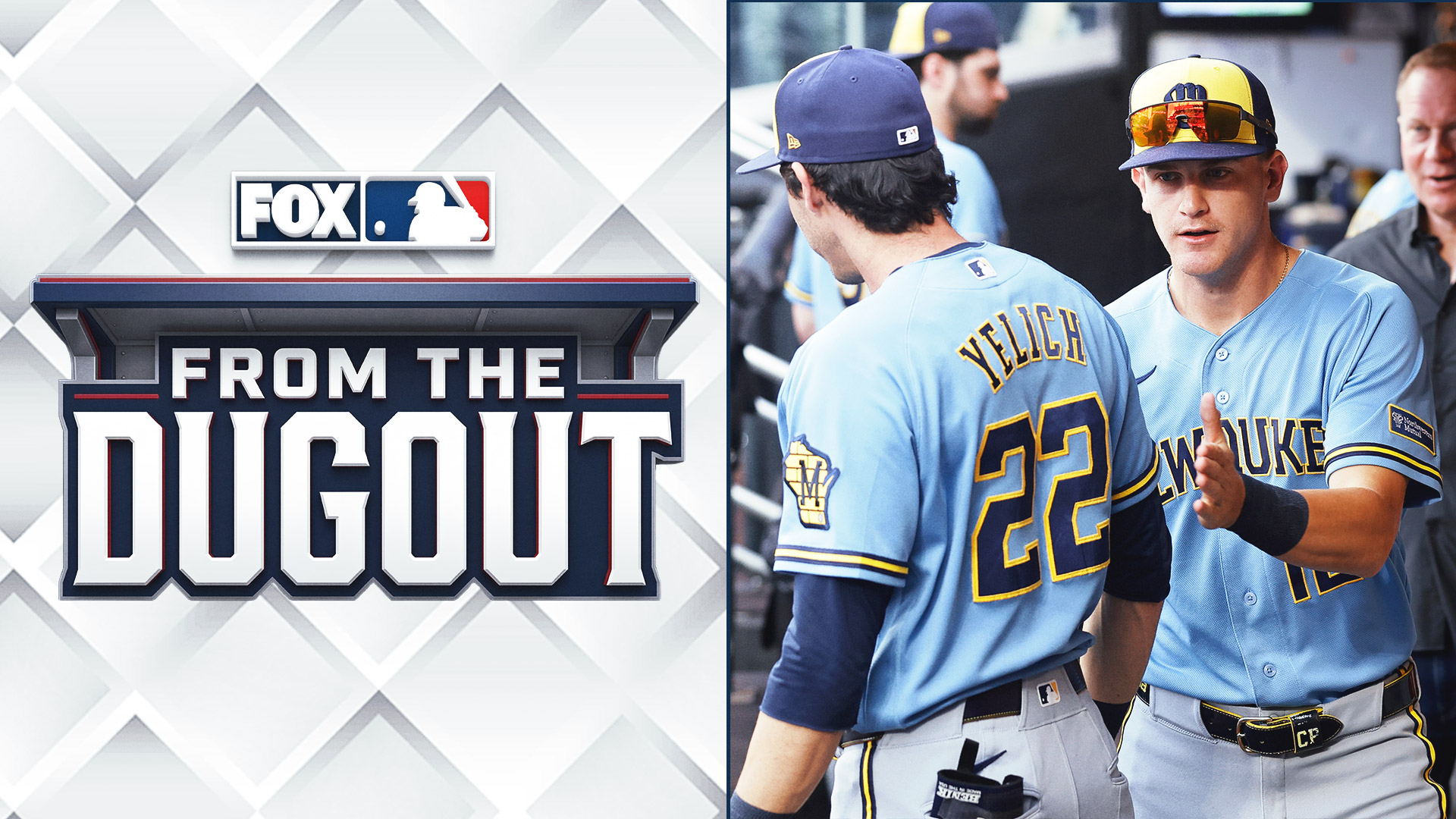
NEW YORK — It’s the fifth inning at Citi Field. The Brewers are leading the majors in wins, and they’re leading this particular Tuesday night game against the Mets by a run when Cooper Pratt pops one up to shallow right field. Pratt stood in the box and briefly looked up at the ball sailing beyond first base and toward the foul line. After a beat, he jogged to first base. The ball dropped between three Mets fielders, and Pratt took a big turn, thought about going to second, but ultimately stayed put. Behind him, Brewers first base coach Spencer Allen was visibly upset. But as Pratt turned around and stepped on the bag, Brewers skipper Pat Murphy had already sent David Hamilton out to run for him. Milwaukee’s rookie shortstop, who recently signed an eight-year contract worth just north of $50 million, was yanked in a one-run game in August. “It will never happen again,” Pratt said after the Brewers’ extra-inning loss that he watched from the dugout. “I’ve got to be better. It’s stuff that can’t happen. It’s not winning baseball.” In the third inning, Pratt also twice failed to execute a bunt attempt. So, Murphy’s decision to bench Pratt was supposed to be a lesson about focus. The real lesson might be that Milwaukee has been teaching this same class for a while now. The final exam is still the one they failed last October. The Brewers (83-51) have the best record in baseball. Again. They had it last year too, finishing at 97-65, and it meant nothing once the Dodgers swept them out of the NLCS. So a 22-year-old shortstop getting benched for not immediately jogging to first and failing a bunt attempt isn’t really about Pratt. It’s a proxy for the heavy expectations that are hanging over a winning organization that’s routinely punching above its weight. It’s about accountability. “I’m not trying to be Johnny hard-ass here,” Murphy said. “It’s just, for a young player coming into the league, you have to build habits.” Does accountability during a Tuesday night in August actually translate into a different result in October? Or are Murphy’s Brewers just doing what Murphy’s Brewers always do, right up until the games matter most? Ironically, Hamilton – Pratt’s replacement — made a throwing error in the 10th inning that allowed the Mets to walk it off with a victory. So it was the rookie’s replacement who made the costlier mistake. Murphy later said, after watching the video, that Pratt’s lack of hustle on the bloop single wasn’t as egregious as he initially perceived. “It’s for the player and the team,” Murphy said. “I love [Pratt] and I believe in the kid immensely. But he’s got to be a player who does those things. He’s not going to hit 30 homers at this point in his career. He’s a great defender and a really capable offensive player, and he can’t have that. It’s just not tolerated by anybody, and it sends a message to everybody else, too. You’ve got to run.” Murphy has a reputation of benching players or yanking them mid-game to enforce things like hustle and fundamentals. He once benched right fielder Sal Frelick for missing the cutoff man. This year, he pulled left-hander Robert Gasser mid-count after he fell behind against Randy Arozarena. This isn’t new. Murphy has no tolerance for physical or mental lapses. Still, Pratt’s benching was received differently than some of the other examples. This isn’t May. It’s August in a division race that’s all but decided. The Brewers are getting prepared to battle in October, aiming to reach the World Series for the first time since their lone appearance in 1982. The conversation in the clubhouse afterward was just that. After Pratt handled his mistake like a pro in front of the cameras, his teammates reiterated that Murphy’s discipline was more about World Series preparation. “In my personal opinion, I don’t really think it had a whole lot to do with not going to second there,” unofficial Brewers captain Christian Yelich said on Wednesday. “I think it was a culmination of events with a greater goal in mind for six weeks from now, if you want my honest opinion on it.” Disciplining a lack of hustle and focus earlier in the season is easier to do. But disciplining approach and performance under playoff pressure is much more difficult, and that’s what cost Milwaukee last October. The Brewers were bounced in four games by Los Angeles in a painful NLCS sweep last year. There were no signature moments, just a complete absence of the Brewers’ brand of baseball. That typically includes no power, plenty of runs, lots of walks, and a high contact rate. Murphy and the Brew Crew, after being eliminated from the postseason, claimed they were emotionally “zapped” by their dramatic and demanding NLDS against their division-rival Cubs. “It was a heavy series. It was a long series. It was a hard series,” Brewers first baseman Jake Bauers told me of last year’s NLDS against the Cubs. “We celebrated it hard. And then two days later, we had to play the Dodgers. What I learned, personally, was that we need to treat these games, regardless of who we’re playing, just as games. We can’t lose sight of the ultimate goal. “But I think along the way, you kind of get wrapped up in how emotional it was. And then there’s not enough time to recover from that, recharge. So you lose focus a little bit. Once you lose focus in the playoffs, it’s near impossible to recapture that.” The Brewers are doing it again this year. They’re preaching focus and accountability all season, and it’s not clear what will actually stop them from being outclassed by star power and playoff experience in a seven-game series. Hustling out of the box is not the same as hitting home runs off the best rotation in baseball. We didn’t get to see Milwaukee stick to their usual winning approach against the reigning champions last year, since they were emotionally drained by the time they faced the Dodgers. If they meet again this October, the Brewers have to demonstrate that grinding out at-bats, being last in home runs, near the top of the league in strikeouts thrown, and their small-ball identity can actually hold up against elite bullpens. We already know their brand of ball works against a random Tuesday rotation arm in August. “I don’t think you can prevent it or play any less intensely,” Murphy told me of how the Brewers can avoid being exhausted after the first round of the playoffs. “But I think awareness is big. You don’t plan for it now. It’s just there. So when the time comes, be prepared.” Are there reasons to believe things will be different this postseason? Their pitching staff has remained elite despite trading away a key piece in Freddy Peralta. Emerging arms like NL Cy Young favorite Jacob Misiorowski have stepped up, and it will be fascinating to see how opposing hitters approach his relentless triple-digit heaters in October. The rotation’s 3.47 ERA is ranked third in the majors behind the Yankees and Tigers. The bullpen’s 3.29 ERA is also ranked third in MLB. But when president of baseball operations Matt Arnold had the chance to give the Brewers the undisputed best rotation in baseball by trading for Tarik Skubal, he blew it. Instead of being super aggressive, putting their top farm system to use at the trade deadline, Arnold & Co. settled for right-hander Dustin May, while Skubal went to Hollywood. With Skubal and Misiorowski leading the pitching staff, the Brewers would’ve become the favorites to win the World Series. The organization, at least, is a full year removed from the Dodgers loss, with lessons learned, and Murphy, the back-to-back NL Manager of the Year, has had plenty of time to recalibrate what it means to be playoff-ready. The clubhouse has fully bought in to Murphy’s team culture, evidenced by Pratt’s display of accountability, and his Brewers teammates who spoke to the rookie in the dugout immediately after he was benched. “Coming from a guy who’s been benched multiple times by Murph, it’s not always 100 percent directed at the person getting benched, and there’s a thousand different reasons,” Frelick said on Wednesday. “From the past, when I’ve seen guys get benched, including myself, it’s usually when a few days have piled on of not [playing] to that standard. A message needs to be sent. I don’t think anybody was surprised when it happened last night.” Pratt says it won’t happen again. That’s fine, but the Brewers said something like that about themselves last October too, and it happened again anyway, just in a different form. The only version of this story that matters is the one written in the Fall Classic. Everything before that is just Milwaukee grading its own homework.Latest Sports News from FOX Sports
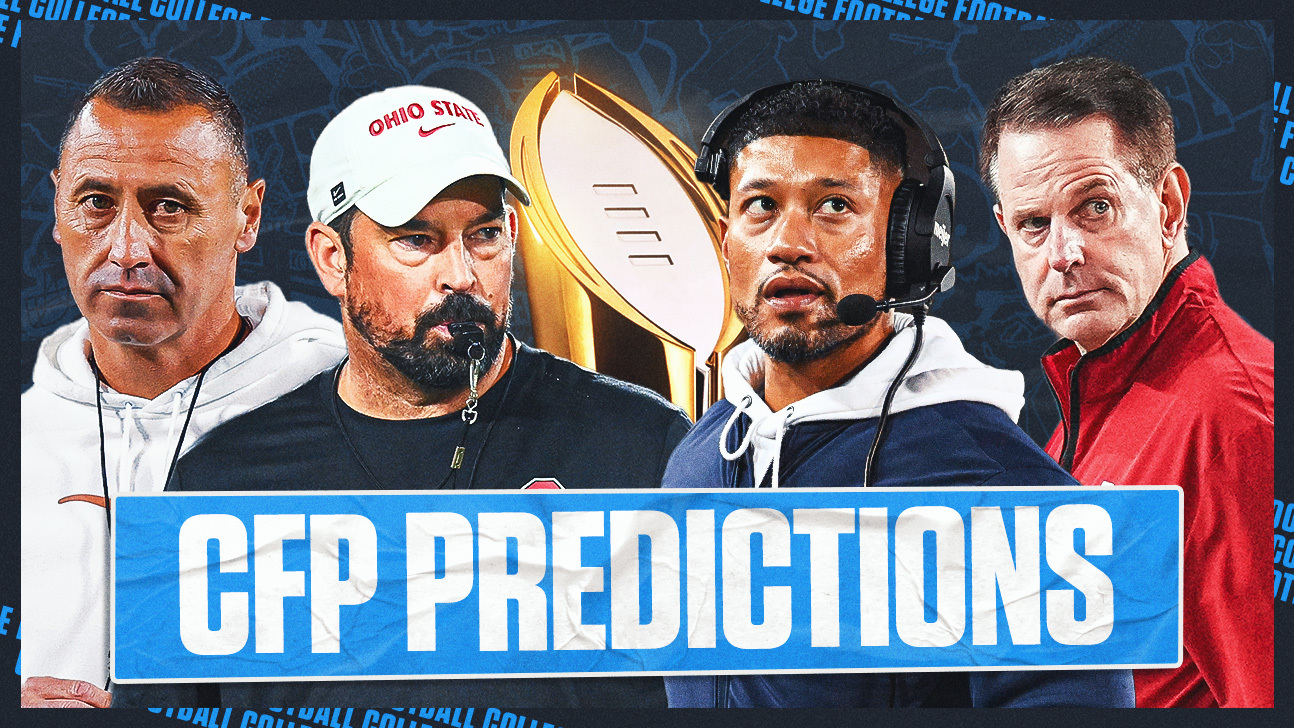
The most wonderful time of the year is here: college football season. Where else can you experience the weird traditions, the unhinged fan bases or the irrational optimism that this is the year your team will finally win it all? In 2026, the College Football Playoff remains a 12-team field — though expansion discussions are ongoing — with a few notable tweaks. The ACC, Big Ten, Big 12 and SEC champions are all guaranteed spots, as is Notre Dame if it finishes in the top 12. The highest-ranked Group of Six team also earns an automatic berth. Had those rules been in place last year, ACC winners Duke and Notre Dame would have clinched playoff spots, while Miami — which lost to Indiana in the national championship game — would have been left out. This year’s national championship game will be played at Allegiant Stadium in Las Vegas on Monday, Jan. 25. But before we get there, here are our CFP predictions for this season. 12-Team College Football Playoff Field Predictions Ohio State, Oregon, Texas, Indiana, Notre Dame, Georgia, Miami, Texas Tech, USC, BYU, Ole Miss, Boise State Entering the 2026 season, it certainly feels like there’s a handful of programs that are all but guaranteed to reach the College Football Playoff barring any kind of catastrophic injury situations and off-field disasters. The top seven in this year’s AP Poll, released on Aug. 17, are simply better than everyone else right now thanks to high-level coaching, top-notch player acquisition and a history of shrewd portal evaluations. Those schools are Ohio State, Oregon, Georgia, Notre Dame, Texas, Indiana and Miami. Beneath them are a slew of worthy contenders who, if certain conditions are met, can crash the party. This group includes the oft-discussed second tier of both the Big Ten and SEC, the sport’s preeminent conferences, and a handful of dark horses from the Big 12, ACC and Group of Six. Some of those programs — like Boise State, Texas Tech and Ole Miss — are recent visitors to the promised land who are eager to maintain their upward trajectory. Others, like USC and BYU, are trying to crack the CFP code for the first time. Naturally, the trendy surprise pick is USC under the direction of head coach Lincoln Riley, now in his fifth year. The Trojans have upgraded seemingly every facet of the program both on and off the field during Riley’s uneven tenure, and now they’ve injected the nation’s No. 1 high school recruiting class into the mix ahead of the 2026 campaign. Is that enough for USC to finally gain entrance to the CFP? If not, Riley might be the highest-profile name to receive a pink slip once the coaching carousel kicks into gear. It’s now or never for the Trojans. Ohio State, Oregon, Texas, Indiana, Notre Dame, Georgia, Miami, Texas Tech, USC, LSU, Ole Miss, North Dakota State North Dakota State sticks out here, but it shouldn’t surprise you if you read my 138 rankings. NDSU has a clear path to the CFP in Year 1 with a lighter schedule and a program that has grown a habit of winning. I don’t believe it’s difficult to see NDSU running the table as a new member of the Mountain West, given its pedigree and how difficult winning at the Fargodome has become for opposing teams. While there’s still Boise State, UNLV and perhaps Navy — yes, Navy — in contention for the only guaranteed spot in the G6, I believe NDSU can do what only James Madison, Tulane, Boise State and Cincinnati have managed: earn their way into the 12-team CFP. Ohio State, Oregon, Georgia, Notre Dame, Texas, Indiana, Miami, Texas Tech, LSU, Oklahoma, SMU, Boise State These picks are pretty heavy on established powers who have been to the CFP before. Seven teams from last year’s bracket could legitimately return, in Ohio State, Oregon, Georgia, Indiana, Miami, Texas Tech and Oklahoma. Notre Dame, Texas, SMU and Boise State have made the field in the past. LSU hasn’t been to the CFP since winning the title during the 2019 season, but it’s hard to think that if the SEC is getting four teams in, that Lane Kiffin won’t find a way, despite the Tigers’ challenging schedule. This projected group would include four teams from the SEC, three from the Big Ten, two ACC, one Big 12, plus Notre Dame and the highest-rated Group of Six team, which could very likely be Boise State. There aren’t really any surprises in this particular 12-team field. It’s somewhat chalky in the fact that 11 teams are in the preseason AP top 25 (with Boise State being the outlier). That’s what is so difficult about preseason predictions though. These teams are all loaded with a mix of returning veterans and transfer portal stars. There’s plenty of continuity on the rosters and coaching staffs, making it tricky to identify a true Cinderella who could crash the party. But we know that’s likely to happen because what sport could possibly be more dramatic than college football? Oregon, Indiana, Ohio State, Texas, Georgia, Oklahoma, Miami, BYU, Notre Dame. Texas Tech, LSU, Navy No surprises at the top here. The Big Ten has a pretty clear upper crust in Oregon, Ohio State and Indiana. I’d be relatively surprised if any of those three teams missed the CFP — although I am curious how OSU fairs against a brutal schedule compared to last year’s cakewalk. The top of the SEC have familiarity with the playoff, in Georgia and Texas, but I’m going out on a limb and saying Oklahoma surprises and challenges for the SEC title. I’m a huge believer in quarterback John Mateer and, now that he’s finally healthy, the public can see what few saw during his time at Washington State. Notre Dame, too, should be one of the best teams in America this year, and missing the playoff would be a genuine shock. Remember, this is the first year of the new CFP deal, meaning that if the Fighting Irish finish inside the top 12, they get an automatic bid — a la a conference champion. I love quarterback CJ Carr and this might be Marcus Freeman’s best team on paper since he’s been in South Bend. Parsing through the final few slots, I’m not necessarily buying an LSU CFP berth in Year 1 under Lane Kiffin, but I couldn’t find another team I felt better about (Ringing endorsement, I know). There’s an immense amount of talent, but I’m in a bit of “believe it when I see it” mode with the Tigers this fall. Finally, Navy! The Midshipmen should be uber-efficient on offense with offensive coordinator Drew Cronic back, and I love head coach Brian Newberry’s crew to roll through the American this fall given all the coaching turnover within the conference. I also considered Boise State and UNLV for the Group of Six slot. College Football Playoff Dark Horses Despite plenty of changes in Happy Valley following the firing of head coach James Franklin last fall, the Nittany Lions are well-positioned to contend for a spot in the CFP, thanks to a favorable schedule. Penn State avoids Oregon, Indiana, Ohio State and Iowa this fall and won’t face a power-conference opponent in the non-conference portion of its schedule, either. Not a bad way for new head coach Matt Campbell to start his tenure. All the Cardinals have done across three seasons under head coach Jeff Brohm, formerly of Purdue, is win 28 games and secure twice as many victories as defeats in conference play. This season, Louisville returns eight starters on offense from a group that averaged nearly 30 points per game. If Ohio State transfer quarterback Lincoln Kienholz proves himself a reliable starter, then the Cardinals can contend in a thin ACC. This one might be more of a longshot due to the Group of Six possibly receiving just one bid in a 12-team field, but the Midshipmen are a legitimate threat. Navy has won 21 games over the last two years under head coach Brian Newberry — the best two-year run in program history — and returns 11 starters from a team that went 11-2 last season. Keep an eye on the Oct. 31 showdown between Navy and No. 4 Notre Dame. As I wrote in my 138 ranking, “I ranked North Dakota State just out of my initial top 25, and that piqued the interest of many. It might shock you that I believe the Bison will not only enter FBS immediately and be competitive but the best Group of Six team in the sport. “This season they’ll have to prove just that, as the rules state only one Group of Six program is guaranteed a spot in the CFP — regardless of whether or not that team won its conference title. “When the Bison announced their move to FBS earlier this year, I asked Bison coach Tim Polasek a pointed question.” “Do you think your team is capable of competing for the College Football Playoff?” I asked. “I think I like our team,” Polasek told me. “We’re going to have some learning and growing to do about our opponents, but I really like our process, the year-round work that we do and how we practice. Those things position us to be very competitive in every game. And if you happen to knock them down one at a time, there’s no reason NDSU can’t be in the conversation for the College Football Playoff.” As I wrote in my 138 ranking, “if you’re looking for a team that could flip its fortunes with one coaching move and a devastating eye for portal talent, then Oklahoma State is your team. “After a breakthrough year as head coach of North Texas, Eric Morris picked up his 12-win team and moved it to Stillwater. That means Oklahoma State, a 1-11 program in 2025, now possesses a 4,300-yard passer in Drew Mestemaker, a 1,400-yard rusher in Caleb Hawkins and a 1,200-yard receiver in Wyatt Young. But that’s not it. Morris got busy in the portal with the addition of former Tarleton State tailback Tre Page III, who rushed for 839 yards on just 112 carries, as well as former Akron wideout Israel Polk, who caught 33 passes for 525 yards with eight touchdowns last season.”If the Cowboys manage to pull an early-season upset against Oregon or beat in-state rival Tulsa, you’ll see them skyrocket into everyone’s top-25 rankings — not just mine. Oklahoma State is the most improved team in college football coming out of the offseason. Now, the Pokes have to realize that potential.” As I wrote in my 138 ranking, “James Franklin might be quoting LL Cool J’s “Mama Said Knock You Out” — “Don’t call it a comeback. I been here for years, I’m rocking peers, putting suckas in fear” — when the 2026 season is done. But for now, he’s trying to turn the Hokies into a team that can rock the ACC with former Penn Stater Ethan Grunkemeyer at quarterback, former Virginia Tech head coach Brent Pry at defensive coordinator and picking off 11 former Penn State commits. “The schedule is manageable with just one preseason top 25 program (at SMU) to face. It’s there for the Hokies to make us all remember how tough it used to be to go into Blacksburg and come out with a win.” If the ACC gets two teams into the CFP, I like SMU to be the second behind Miami. Quarterback Kevin Jennings is back for a third year as the starter. Last season, he threw for 3,641 yards with 26 touchdowns and 13 interceptions. He already has experience leading his team to the conference championship game and a CFP berth. Let’s run it back – why not? After going through all the drama of Lane Kiffin’s departure before last year’s CFP, Ole Miss made a resilient run to the semifinal under new head coach Pete Golding. This year, quarterback Trinidad Chambliss is back and so is star running back Kewan Lacy. The Rebels’ SEC schedule isn’t for the faint of heart, but perhaps an early win over LSU on Sept. 19 will get everyone in Oxford believing again. Another potential ACC sleeper. The Cavaliers went 11-3 last year. They have stability in head coach Tony Elliott, who is about to embark on his fifth season at UVA; and most of all, the program landed former Penn State and Missouri transfer QB Beau Pribula this offseason. They also don’t have to play Miami, Clemson or Louisville during the regular season, so they could make a run. The one Big Ten team I’m way higher on than most is Penn State. James Franklin didn’t leave the cupboard bare in Happy Valley, and Matt Campbell brought essentially the best of Iowa State with him. The schedule is also incredibly forgiving. Campbell’s crew gets USC and Michigan in back-to-back weeks in October, but they should be favored in almost every other game the rest of the year. If I’m going way off the board for a few teams that could come out of nowhere, I’ll take Cal and South Carolina. Cal has one of the best young quarterbacks in the country in Jaron-Keawe Sagapolutele and head coach Tosh Lupoi has done yeoman’s work in the transfer portal, bringing in talented receivers Ian Strong (Rutgers) and Chase Hendricks (Ohio) to complement his young signal-caller. The Golden Bears’ schedule is also incredibly forgiving as Cal avoids Miami and gets Clemson at home in September. The Oct. 24 game at SMU could determine if the ACC gets a second playoff team into the field. Is a CFP berth in Year 1 of the Lupoi era asking too much? Probably, but that’s why the Golden Bears are a dark horse. As for South Carolina, I’ve spent the last five-plus years living in Gamecock country, so I’m a little higher on head coach Shane Beamer’s bunch than most. We should see quarterback LaNorris Sellers look more like what we expected last year with offensive coordinator Kendal Briles now running the offense. Throw in a pair of absolute freaky athletes in edge rusher Dylan Stewart and receiver Nyck Harbor and I like the pieces here. Beamer enters Year 6 at South Carolina on a hot seat. I’m a little skeptical of how warm it really is, but getting into the CFP mix would certainly help his case. CFP Champion Is this the year something finally changes for head coach Dan Lanning on the biggest stage following back-to-back mollywhoppings in the College Football Playoff? Smashed by Ohio State in 2024 and gutted by Indiana in 2025, the Ducks approach this season having brought back 13 starters and accumulating the nation’s No. 3 high school recruiting class. There’s a legitimate Heisman Trophy candidate at quarterback in Dante Moore and what should be the most fearsome defensive line in the country with four potential draft picks. The biggest concern is how the Ducks will fare after losing both coordinators to head-coaching positions last winter. The Buckeyes look like the most complete team in the sport, and they’ll have a chance to show that on October 17 when they face the Hoosiers in Bloomington. They’ve also demonstrated they can navigate the modern age of the sport and win the national title, having won it just two years ago. They’ve got a quarterback in Julian Sayin, who was a Heisman finalist last year, a wide receiver in Jeremiah Smith, who was a Heisman finalist last year, and a defense that can be as suffocating this year as last year. For OSU, the problem to solve should not present itself until the postseason. I believe they’ve learned from last year’s losses to Indiana and Miami and addressed them: Chiefly, the Buckeyes need a run game. That’s what offensive coordinator Arthur Smith was brought in to make better. If the Buckeyes are formidable in their rushing attack against top 10 opponents, they could become the second program in history to finish their season 16-0. The Longhorns are entering their sixth year under Steve Sarkisian. And this time, they have all the bells and whistles – a Heisman Trophy contender at quarterback in Arch Manning, playmakers around him, and some of the best defensive stars in the country, like Collin Simmons and Rasheem Biles. There’s also a nice mix of continuity and freshness on the coaching staff with the addition of Will Muschamp back as defensive coordinator. Texas got off to a rocky start last year before finishing strong with wins over rival Texas A&M and then Michigan in the bowl game. This year, it’s about learning from mistakes, being physical each week through a nine-game SEC schedule, passing an early non-conference test against Ohio State and ultimately, winning the national championship. If not now, when for Texas and Steve Sarkisian? Sark has the quarterback. He has the elite receiver. He has the defensive pieces. It’s hard not to love what the Longhorns look like on paper and, again, the schedule is at least mildly forgiving as far as SEC slates go. If Texas beats Ohio State in Week 2, I don’t think it’s crazy to say the Longhorns run the table. Then, of course, comes finishing things off in the postseason, but this team feels ready-made for a deep CFP run.Latest Sports News from FOX Sports

Thermokarst ponds, or trough ponds, typically form when the ice in permafrost melts. They can also drain quickly. (Photo by Anna Liljedahl)
Florida gets a lot of attention for its sinkholes, especially when they swallow cars and entire houses. But its sinkhole risk has nothing on Alaska’s.
Much of Alaska’s soil is permafrost – ground that remains below 32 degrees Fahrenheit (0 degrees Celsius) for at least two consecutive years. It is often rich with ice, but when that ice melts, the ground can collapse. As temperatures rise, that’s happening more often across the Arctic.
The consequences are the same as in Florida: substantial property damage as the land that buildings, roads and pipes were built on sinks.
Yet despite the high potential for damage, up-to-date maps of permafrost thaw that could help Arctic residents and community leaders prepare are often rare. To fill in the gap, our team, led by hydrologists and data scientists, created an interactive website to track permafrost thaw in near-real time across the Arctic, using a unique quality of the Arctic’s version of the sinkhole.
There is no way to directly measure permafrost without digging into it, but there are signs to watch for.

When ice-rich permafrost thaws, the ground surface subsides, creating what are known as thermokarst ponds – depressions that fill with water. Much of the Arctic has become dotted by ponds and lakes that formed this way, as temperatures there rise at two to three times the global average rate.
Looking at satellite imagery, it’s easy to spot these lakes. Watching how they change over time can then provide clues to how the permafrost is changing below.
Sometimes, the same process that started the sinkhole can form new stream channels that drain the lake, leaving a circular basin of bare ground behind. A lake that is several hundred meters long might have taken a millennium to form, yet permafrost thaw triggered by one unusually warm summer can completely drain the same lake in just a few hours.
When a lake abruptly disappears, that’s a strong indicator that the ice-rich permafrost has thawed. Disappearing lakes also provide a way to monitor permafrost over wide areas and track where thawing is most active.

Aerial photos starting from the late 1940s and satellite imagery that became available in the 1970s have helped scientists map what the Arctic’s permafrost landscapes looked like in the past, including where its permafrost lakes were and were not.
Using artificial intelligence, scientists can then quickly analyze new images from across large swaths of the Arctic for signs of permafrost changes, such as the appearance of new ponds or the disappearance of old ones.
An international team of scientists we work with through the Permafrost Discovery Gateway has mapped and now actively monitors over 4 million lakes across the Arctic, including 70 million thermokarst ponds – also known as trough ponds – across the Alaska tundra.
Detecting signs of permafrost thaw in those landscapes can help communities plan for changes to their environment. The new maps can show where land is underlain by ice-rich permafrost, meaning bad choices for building sites, and where the frozen soil has less ice, likely indicating it’s safer for building sites.

The Seward and Baldwin peninsulas in northwestern Alaska are hot spots for lakes suddenly draining.
Over the past two decades, this region lost many large lakes that had covered its landscape for thousands of years. In the summer of 2018 alone, almost 200 of the region’s approximately 4,600 lakes lost more than a quarter of their area following an unusually warm winter.

Although winter 2025-26 was on the cold side for Alaska, this region continued to lose lake area – suggesting evidence of permafrost thaw. We found around 30 more lakes that were affected by drainage in June and July 2026.
This process happens with hundreds of lakes across the Arctic every summer, especially in June and July. However, not all lake changes are caused by permafrost thaw.
For example, it is not uncommon that lakes in floodplains and wetlands change dramatically across each season due to the abundance of snowmelt water in spring. Wildlife can also play a role. Beavers, for example, can recreate a lake after it abruptly drained by blocking the newly formed drainage channels.
In the past, information about where permafrost was changing was primarily available through scientific studies published years later.
With near-real-time data available today, researchers can more closely study the processes of permafrost thaw, and communities can get up-to-date insights about the status of the permafrost before they plan new construction, and know where they’re likely to have trouble.
This article is republished from The Conversation under a Creative Commons license. Read the original article.
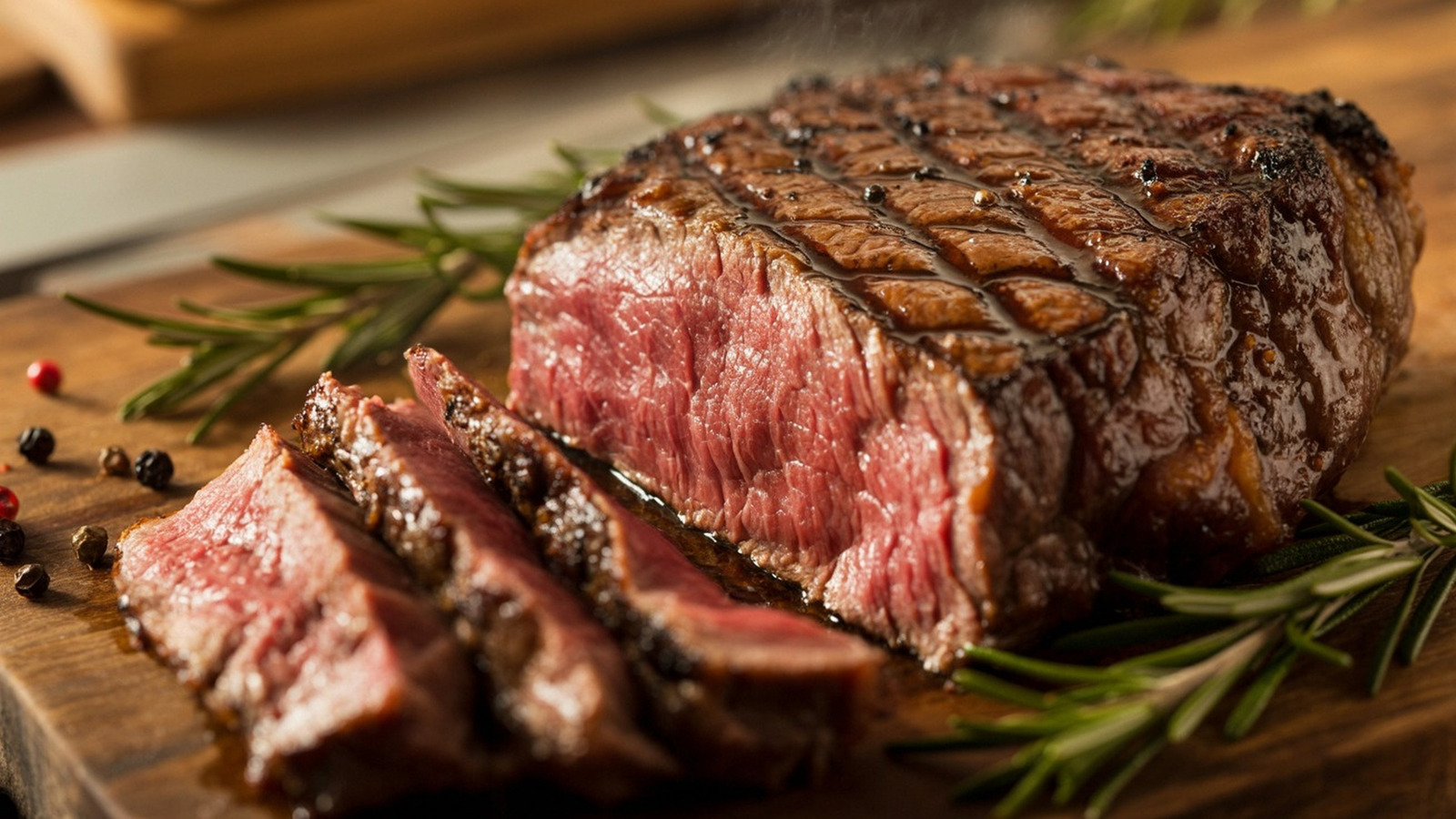
You don’t always need to soak your beef in an acidic marinade to make the meat tender. You can use this creamy canned option to soften steak instead.
Mashed – Fast Food, Celebrity Chefs, Grocery, Reviews
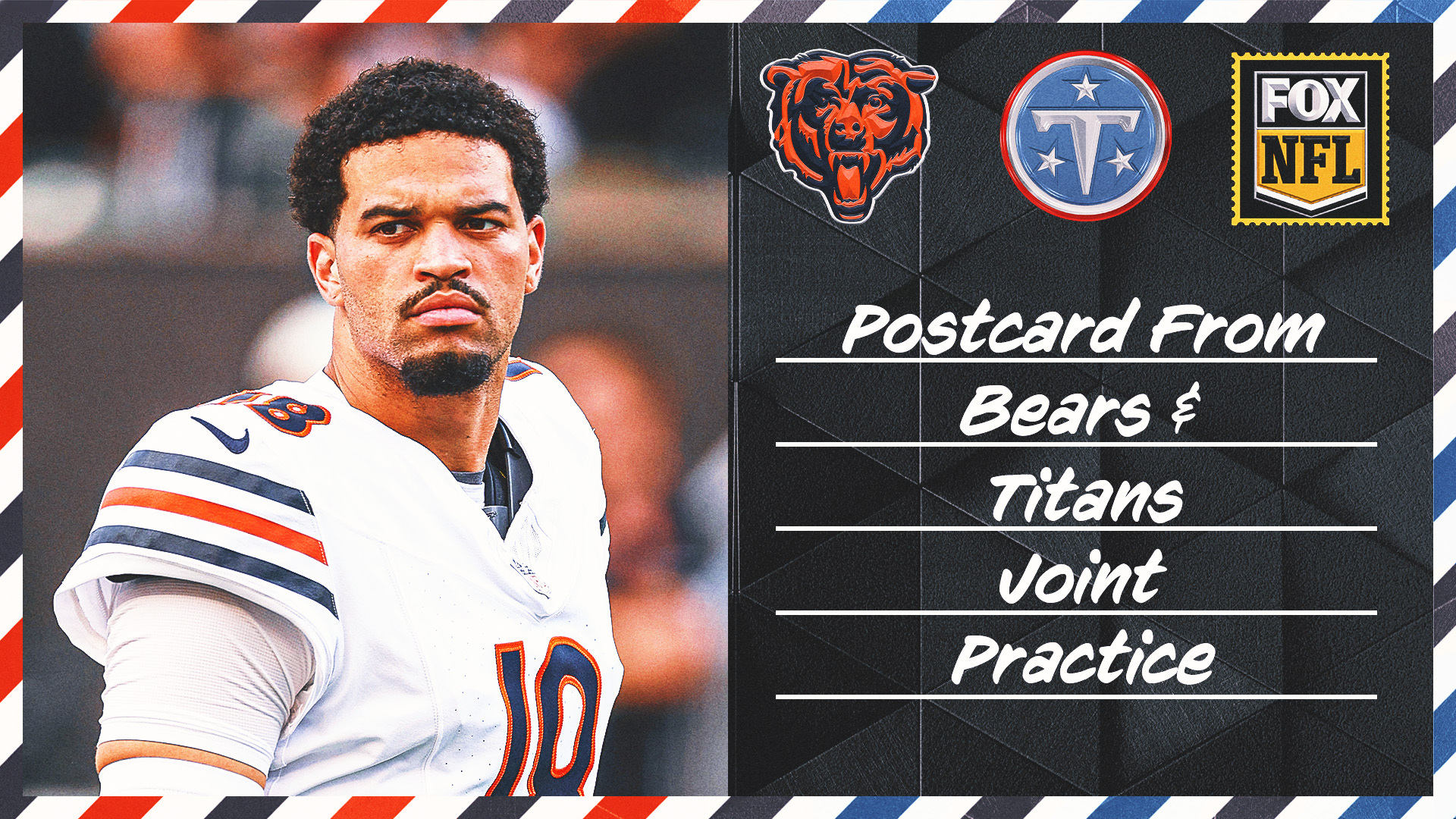
NASHVILLE, Tenn. — For Caleb Williams and the Chicago Bears, what happened during Thursday’s joint practice with the Tennessee Titans is symbolic of what needs to change in 2026. Chicago’s offense looked efficient at the start of team drills, with Williams leading the way. The third-year Bears quarterback hit wide receiver Rome Odunze perfectly in stride out of a crossing route. He stepped up in the pocket away from pressure and threw a nifty shuffle pass to tight end Cole Kmet. He completed a tight window throw outside the numbers. Williams hit Kmet for a wide open touchdown on another play. After the halfway point of practice, though, the tide shifted. The Bears’ starting offense went nowhere in the first team period after a break. Williams rolled to his left and fired a jump pass that was nearly picked off. He was sacked the next play. A couple deep passes sailed incomplete. The Bears pulled off a nice trick play at one point — it ended with Williams hitting tight end Colston Loveland on a go route down the left sideline — but a theme in the second half of practice was the former No. 1 overall pick running around a lot. Williams described one period where Titans defenders were coming “down the middle, right side, left side.” “We have to be able to start like that throughout the year. And then when we come out from halftime, we have to come out better than I’d say we did today,” Williams said. What made the Bears so magical last season was their ability to pull off the spectacular late in games; their seven victories after trailing in the final two minutes of regulation are the most since the 1970 NFL/AFL merger. The other way of looking at it: They didn’t play well at the start of games. Putting four quarters together is the next step for the reigning NFC North champions, who aspire to be in the Super Bowl conversation this season. Whether that comes to fruition or not depends, of course, on the talented Williams. Coach Ben Johnson has high expectations for him. The goal is for Williams, who established himself as one of the NFL’s most clutch players last season, to get his completion rate closer to 70% (he was at a subpar 58.1% in 2025) while preserving his explosive play ability. Johnson said earlier this month that Williams has taken “complete control” of the offense, so he’s at least headed in the right direction. But Johnson wants to see Williams continue to advance in his coverage recognition. “At times, you have five [receivers] going out in a concept,” Williams explained. “Portions of the concept are specific to certain coverages or certain looks. Just not necessarily going one, two, three, four, five [reads]. It’s, ‘OK, we can skip this route because of this coverage or this post-high or they’re split field’ and things like that. It’s just being able to process those things faster. “If it’s a common concept that everybody runs, I write it down consistently,” he continued. “I write down what we like versus [the concept] and what we don’t like every time the play is put in and installed. I’m getting constant mental reps of when I see a coverage or when I see this, it’s, ‘OK, we don’t like it versus this. Let’s get onto the backside of the concept’ or another route we do like in that concept.” Other Observations From Bears-Titans Joint Practice: After a quiet showing in the preseason, including going catch-less in the first two games, the former Ohio State star receiver made his presence felt Thursday against the Bears. He scored at least two touchdowns and made a big-time back-shoulder catch down the right sideline. Tate also showed his growing chemistry with quarterback Cam Ward when he came back to the ball in a scramble drill situation for a reception. The first-round rookie was a primary target of Ward’s on the day. “He showed why he was that pick,” Ward said. The veteran running back was giving the Titans’ defense fits, particularly early in practice, when he went untouched a number of times around the line of scrimmage and scored a touchdown in red-zone work. Chicago’s leading rusher from a year ago, Swift could have a massive workload early in the season with No. 2 running back Kyle Monangai (knee) being week-to-week. Johnson loves to run the ball — the Bears had the No. 3 rushing attack in 2025 — so as much attention as ascending pass-catchers Odunze, Loveland and Luther Burden III will get, the success of Swift will be paramount for the offense. After years of poor offensive line play, the Titans actually look solid up front. Superb run-blocking led to a long touchdown run Thursday from tailback Tony Pollard. Tennessee had success on the ground against the defending champion Seahawks defense in a joint practice last week as well. The pass protection has been solid, too. From left to right, the Titans’ starting O-line is left tackle Dan Moore Jr., left guard Peter Skoronski, center Austin Schlottman, right guard Fernando Carmona and JC Latham. Skoronski recently became the league’s highest-paid guard. Players to Watch The veteran defensive back picked off Ward during team drills. The Bears’ secondary is currently facing some uncertainty — free-agent signee Coby Bryant will be out for months following knee surgery, while nickelback Kyler Gordon (calf) has been on the physically unable to perform list since training camp — so Chicago needs backups to step up in the defensive backfield. Lewis, a seventh-year pro, is currently in line to be a starter due to the injuries. Not a well-known name nationally, Gray is poised to have a breakout Year 3. The 2024 fourth-round pick ranked fourth in the NFL last season in combined tackles (164), including second in solo tackles (97), and has flashed in coverage. Playing behind a talented defensive line that Titans coach Robert Saleh has invested heavily in should open playmaking opportunities for Gray. Quote Of The Day “He’s like a modern day — I don’t want to compare the two — but like Russell Wilson. When it got to the fourth quarter, you better be up three scores. There’s no lead safe with Caleb. He’s an unbelievable quarterback. He’s elite off-schedule. … And the amount of growth he’s had in the last year and a half has been amazing. Credit to the coaching staff and all the things they do with him. But he’s a stud in every way.” — Titans coach Robert Saleh on Bears QB Caleb WilliamsLatest Sports News from FOX Sports
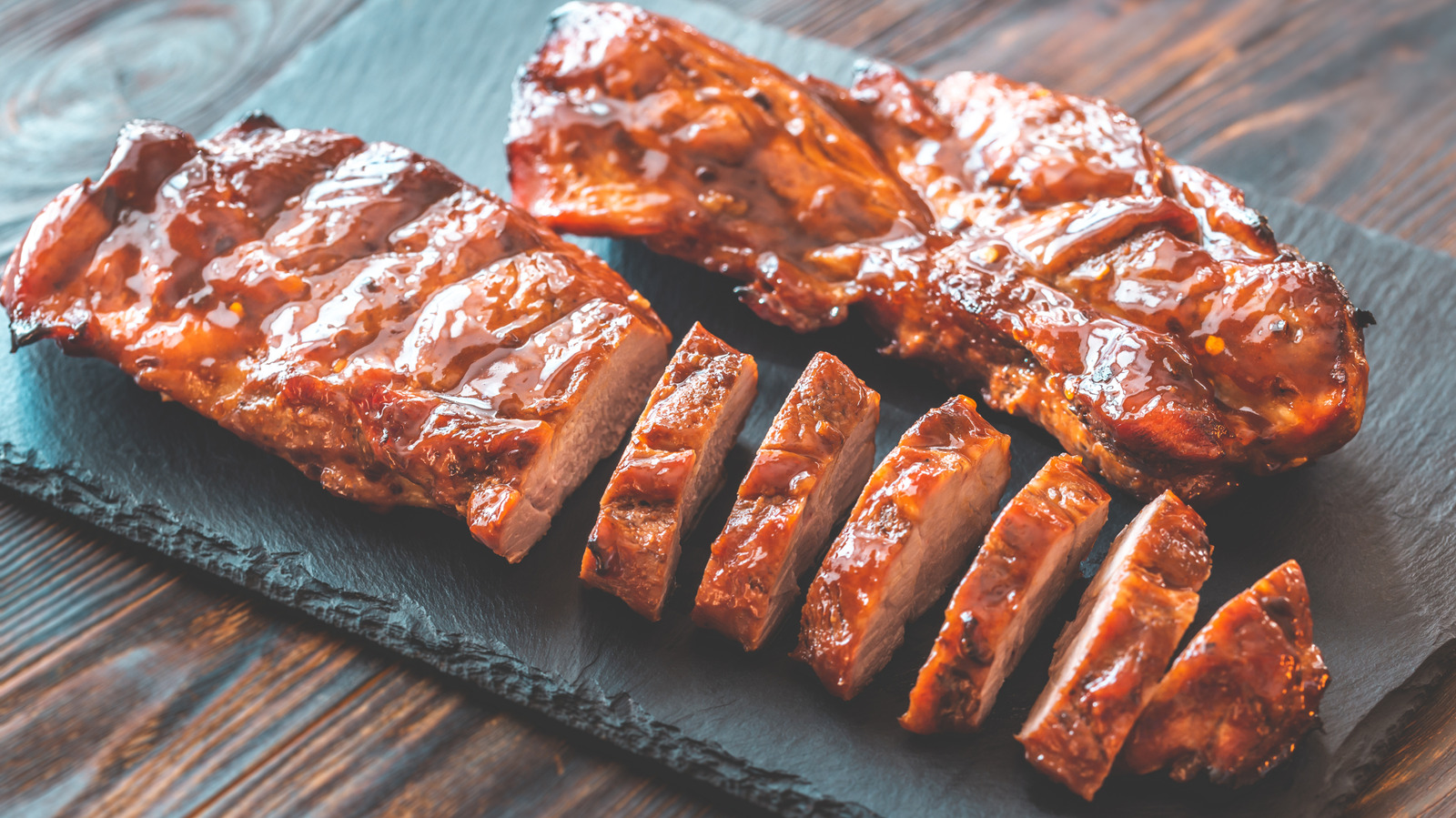
There are plenty of Chinese ingredients that can elevate your cooking, but when it comes to marinated meat, few compare to this particular spice.
Food Republic – Restaurants, Reviews, Recipes, Cooking Tips

Dolly Parton and Carl Dean never had children, but they once dreamed about what their family might look like — and even had a daughter’s name picked out. Continue reading…Country Music News – Taste of Country
Dolly Parton and Carl Dean never had children, but they once dreamed about what their family might look like — and even had a daughter’s name picked out. Continue reading…The Boot – Country Music News, Music Videos and Songs