We have tragic news to report from the world of music today.
Glen Hansard — the Irish singer-songwriter who rose to fame with his role in the acclaimed 2007 film Once — has passed away.
He was just 56 years old.
Musician Glen Hansard from the band “The Frames” performs during day 2 of the Coachella Music Festival held at the Empire Polo Field on April 28, 2007 in Indio, California. (Photo by Frazer Harrison/Getty Images)
According to a report from the Associated Press, Hansard died early Wednesday morning in a single-vehicle motorcycle crash in Lucan, on the outskirts of Dublin.
Emergency responders treated him at the scene, but he was pronounced dead shortly afterward. His family later said they were “deeply shocked and heartbroken” by the sudden loss.
For music fans around the world, Hansard will forever be remembered as the soulful voice behind the band the Frames and the folk duo the Swell Season.
But it was his role in Once — and the film’s Oscar-winning song, “Falling Slowly,” which he sang with Markéta Irglová — that brought him his greatest international fame.
Long before Oscar recognition, Hansard had established himself as one of Ireland’s most respected musicians.
He fronted the Frames for decades, helping shape the country’s modern rock scene, while his work with the Swell Season and as a solo artist showcased a deeply personal style that resonated with listeners worldwide.
His 2015 solo album Didn’t He Ramble earned a Grammy nomination for Best Folk Album, further cementing his reputation as one of Ireland’s premier singer-songwriters.
Away from the spotlight, Hansard was widely admired for his charitable work. For years, he organized an annual Christmas Eve busking event outside Dublin’s Gaiety Theatre to raise money for the Dublin Simon Community, which supports people experiencing homelessness.
He also delivered a memorable performance of “Fairytale of New York” at the 2023 funeral of Pogues frontman Shane MacGowan, a tribute that became one of the ceremony’s most unforgettable moments.
Tributes quickly poured in following news of Hansard’s death.
Irish Prime Minister Micheál Martin described him as “a talented musician and actor who made a significant contribution to Ireland’s cultural landscape over many years,” while others praised not only his artistic gifts but also his generosity and commitment to helping others.
Hansard is survived by his partner, poet Maire Saaritsa, and their child.
Our thoughts go out to his loved ones during this enormously difficult time.
While not exactly Hallie Parker and Annie James level, Lindsay Lohan may still feel like her 3-year-old son Luai pulled a switcheroo by growing from a baby to already a toddler.
“Every day is such… E! Online (US) – Top Stories
More than a dozen new river boats are set to launch in 2026, part of a new phase for the cruise industry. The majority of … Read moreThe post Luxury hotel barges offer a slower way to explore southern France…
Kate Gosselin is mourning a loss that came too soon.
The Kate Plus 8 star shared that her and boyfriend Steve Neild’s dog Meika suddenly died July 25 at just 15 months old.
“I have tried to… E! Online (US) – Top Stories
The growing use of AI tools is reshaping web design, as clients increasingly present AI-generated content. Education and proactive communication are essential for web professionals to navigate these complexities effectively.WordPress Planet
Last week, we reported on the news that Tony Romo had been arrested for operating a motor vehicle while intoxicated (OWI) in Wisconsin.
Now, the arrest is receiving renewed attention after newly released body camera footage showed the former Dallas Cowboys quarterback struggling through field sobriety testing following his July 23 traffic stop.
The video, obtained by Page Six, shows the retired NFL star being instructed through a series of standardized sobriety tests after officers said they observed signs of impairment, including red, glassy eyes and the odor of alcohol.
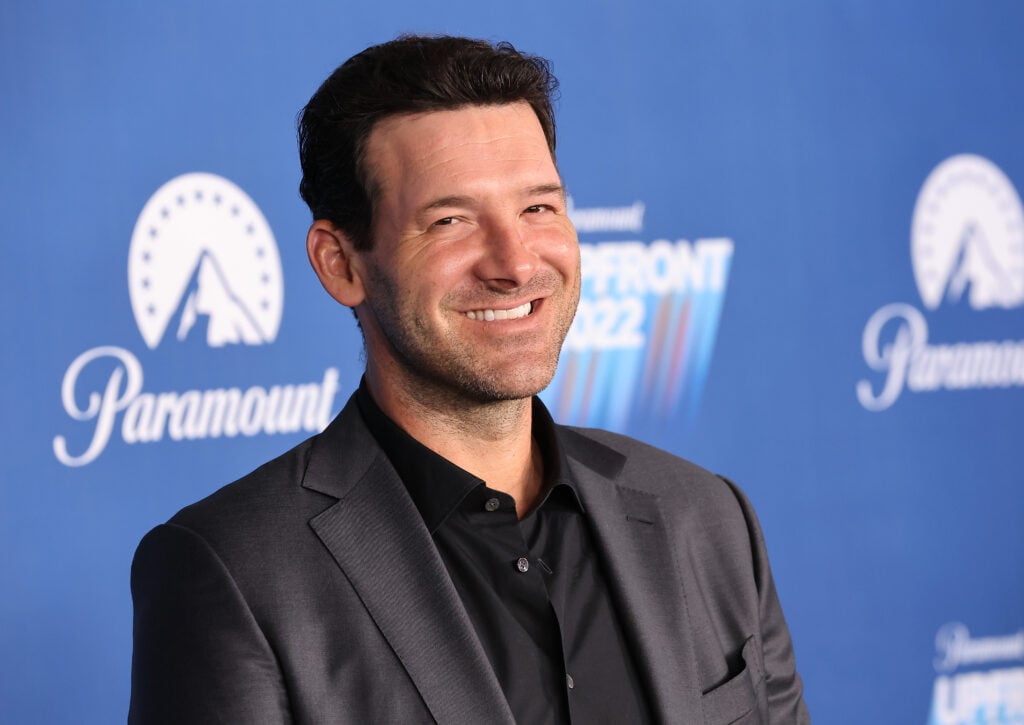
Tony Romo attends the 2022 Paramount Upfront at 666 Madison Avenue on May 18, 2022 in New York City. (Photo by Arturo Holmes/WireImage)
According to the footage, Romo asked if he could stretch before beginning the exercises, explaining that previous back issues were bothering him.
During the tests, he repeatedly said he did not understand the instructions and asked officers to repeat them.
At one point, Romo asked, “Did I pass?” before continuing with the evaluation. Officers ultimately determined he had not successfully completed the tests.
Earlier footage from the traffic stop shows Romo telling a deputy he was leaving a golf course and heading to visit his grandparents. When asked how much he had consumed to drink, the longtime CBS Sports analyst replied, “Zero.”
Police pulled Romo over after alleging he made an unsafe pass while driving on Interstate 43 in Milwaukee. When officers requested that he exit the vehicle, he initially asked to contact his attorney before eventually complying.
🚨 EXCLUSIVE: Tony Romo told cops he was on his way to meet his grandma and grandpa when he was pulled over and ultimately busted for OWI … newly released body camera footage shows. pic.twitter.com/visfkPfxGT
After being transported for additional testing, Romo declined to take a preliminary breath test, reportedly telling officers he had been advised by attorneys never to submit to one. Authorities subsequently informed him they would seek a warrant for further testing.
Court records also indicate Romo received a citation for allegedly refusing to take an intoxication test after his arrest.
He was booked into the Milwaukee County Jail before being released later that evening. His initial court appearance is scheduled for Sept. 21.
Under Wisconsin law, a first-offense operating while intoxicated (OWI) case is generally treated as a civil matter rather than a criminal offense and typically carries a financial penalty if the driver is convicted.
Neither Romo nor CBS Sports had publicly commented on the newly released footage as of Wednesday morning.
Social media is split after seeing the footage, with some noting that Romo seemed a bit out of it and others claiming the officers had no cause to arrest him.
Carly Simon’s Parkinson’s disease diagnosis wasn’t triggered by a dramatic moment. In fact, she overlooked this common red flag due to a recent surgery.
Health Digest – Health News, Wellness, Expert Insights
If Donald Trump had as easy of a time passing laws as he does openly breaking them without consequence, we’d all be in trouble.
He’s run into a standstill in the Senate.
The legislative body is about to go on recess. They haven’t passed his big voter suppression bill because they lack the votes.
Trump’s attempt to apply more pressure hit a snag when he, seemingly by accident, pushed for the “deep throated” bill. What did he mean?
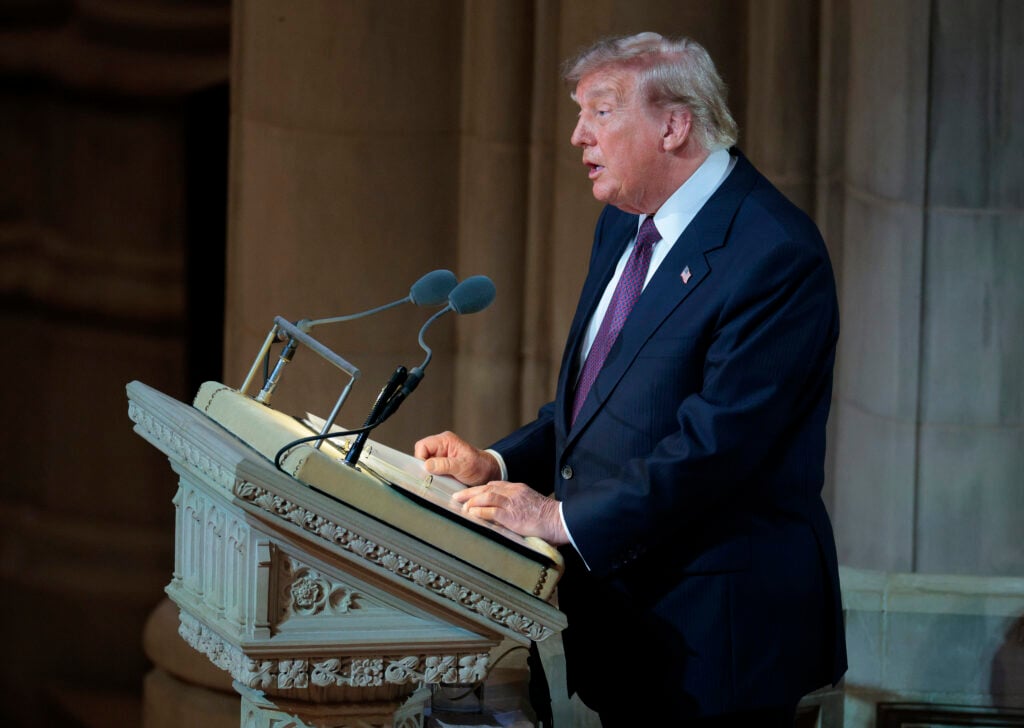
Donald Trump delivers remarks during the funeral service for the late Sen. Lindsey Graham on July 28, 2026. (Photo Credit: Chip Somodevilla/Getty Images)
‘A full and deep throated SAVE AMERICA ACT’
Among the dozens upon dozens upon dozens of Trump’s “Truth Social” posts this week is an eyebrow-raising post from Monday, July 27.
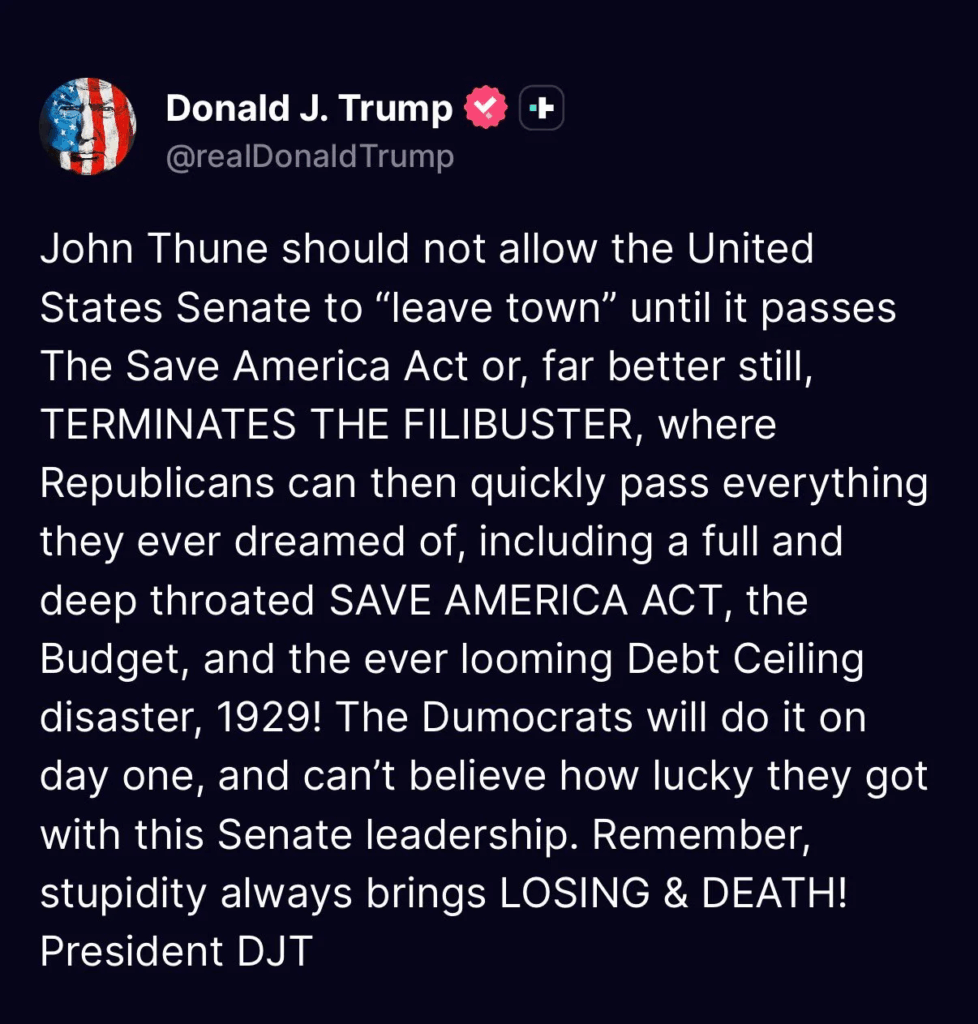
“John Thune should not allow the United States Senate to ‘leave town’ until it passes The Save America Act,” he began.
Trump continued: “Or, far better still, TERMINATES THE FILIBUSTER.”
He described a filibuster-free senate as a place “where Republicans can then quickly pass everything they ever dreamed of.”
Trump continued: “including a full and deep throated SAVE AMERICA ACT, the Budget, and the ever looming Debt Ceiling disaster, 1929!”
In a post that sought to excoriate Thune and push for a voter suppression bill, Donald Trump distracted readers with an odd choice of words. (Image Credit: Truth Social)
Yes, we will come back to that absurd line in a moment.
“The Dumocrats will do it on day one,” Trump claimed, briefly expressing a rare good idea while using his perjorative nickname for the Democratic party.
“And can’t believe how lucky they got with this Senate leadership,” he complained.
That from a man who profits and succeeds politically on waves of, many would argue, stupidity. He really will throw any ally under the bus.
Surely he meant ‘full throated’
Obviously, Trump writing “deep throated” in a post is, unfortunately, distractingly funny.
Deep throat rose to popularity after a pornographic film (with a truly absurd premise) bore the name, but refers to a very thorough performance of fellatio. It’s a great party trick for impressing your friends.
In popular culture and in political history, it was also the moniker of Mark Felt, the secret informant who fed information on Richard Nixon’s criminal abuse of power to the Washington Post to reporter Bob Woodward.
It’s funny for anyone to accidentally refer to a sex act instead of writing “full throated.”
It’s also humorous for Trump to accidentally evoke the memory of the Watergate scandal, which in retrospect pales in comparison to his brazen and very public corruption.
In this case, we’re just once again witnessing the scrambled words of a man whose brain is essentially decaying — whether from age or perhaps in the aftermath of one of his rumored strokes, one can only guess.
The SAVE act, on the other hand, is no laughing matter.
If every American voter is able to vote without suppression, he and his allies will lose in 2026 and even more in 2028. He’s pushing the GOP to push this at all costs, but they don’t have the votes to do it. And, soon, they will have even fewer votes to carry out his will.
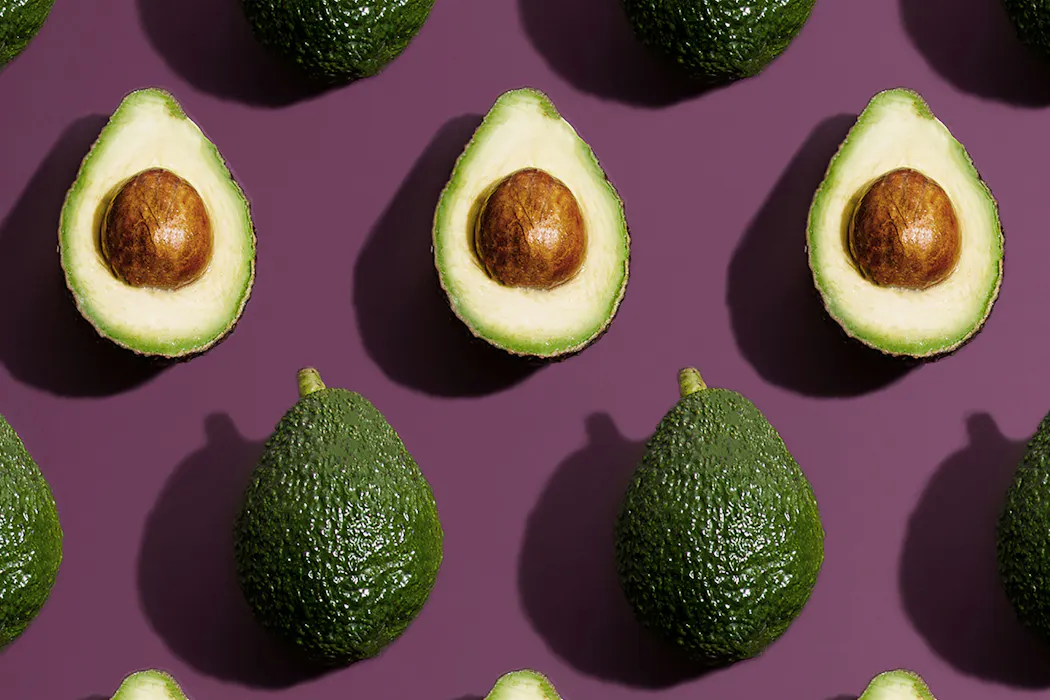
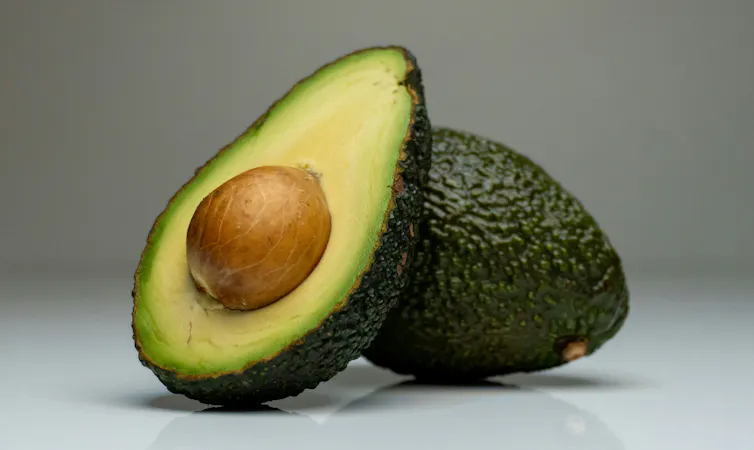
Growing avocados can contribute to water pollution, but there are ways to reduce the harm.Estúdio Bloom/Unsplash, CC BY
At picnics and World Cup watch parties across the United States this summer, people have been reaching for bowls of chips and guacamole. Most of that guacamole is made from avocados grown in Mexico – on orchards that, in what might come as a surprise, contribute less water pollution today than they did a decade ago.
There’s a story behind how these creamy fruits started to clean up their act. It begins with a big avocado deal between the U.S. and Mexico in 2016. And it provides evidence of how well-designed trade partnerships can do much more than promote trade.
Economists have long argued that trade can exacerbate these environmental consequences: Wealthy countries with strict rules for their own growers buy the dirtiest goods from poorer countries with weaker regulations, relocating the pollution. Based on this “pollution haven” theory, America’s growing appetite for Mexican avocados should have left Mexico’s water dirtier.
A 2016 trade deal boosted Mexican avocado shipments to the U.S. and the overall avocado market. USDA
In 2016, the U.S. began allowing avocado imports from across Mexico as long as the Mexican farms met the U.S. Department of Agriculture’s strict production standards. Prior to 2016, Michoacán was the only Mexican state that exported avocados to the U.S.
The new standards required orchards to be certified before exporting their fruit to the U.S., multiple inspections at packing houses and ports, and phytosanitary certificates, which confirm that the fruit is free of the pests U.S. regulators target, such as avocado weevils and fruit flies.
To ensure the absence of pests, growers scout their fields and employ trapping devices, but they try to treat only where surveys turn up a problem. That’s because growers who rely on heavy spraying risk exceeding U.S. limits on pesticide residues, which can get shipments refused at the border.
With a permanent monitoring program tracking avocados at every stage of production, the risk of losing access to the lucrative U.S. export market incentivized farmers to shift away from routine spraying toward a more watchful management approach that, in turn, lowered their use of pesticides and agrochemicals.
Pesticides and fertilizers go together in avocado production, so we believe the pesticide reduction made each extra unit of fertilizer less worthwhile, leading growers to apply less nitrogen and phosphorus.
As farmers applied less nitrogen and phosphorus, less of it washed off their land and into nearby waterways, meaning less water pollution was flowing downstream.
If something other than the trade agreement changes were driving the change, we’d expect both sets of places to respond similarly. However, they didn’t. In fact, after the 2016 program, nitrogen concentrations in waterways near avocado-growing areas fell by about 10% in the span of a few years compared to declines in similar non-avocado-growing areas in Mexico.
This is a meaningful improvement for rivers where agricultural runoff is one of the dominant sources of water pollution. A 10% reduction in nitrogen pollution in water corresponds to about a 6.6% reduction in use of nitrogen fertilizers. With the high cost of fertilizer today, being able to reduce fertilizer need helps farmers as well as surrounding ecosystems.
Avocados can be a lucrative crop, but they also come with drawbacks, including the risk of expanded plantations driving deforestation and the involvement of drug cartels. John Vid/Unsplash, CC BY
There are some caveats, of course.
The U.S.-Mexico market for avocados is unique. It has large demand for a high-value crop with a single dominant buyer – about 90% of the 1.2 million metric tons of avocados Mexico produced in 2025 went to the U.S. – and a credible system of phytosanitary certification for Mexican avocados. So, the same trade policy in conjunction with enforceable standards might not be as effective for other crops in other developing countries.
Avocado farming in Mexico also has some other serious drawbacks, including connections to drug cartels in some regions. The expansion of avocado groves has also driven deforestation and increased water use, which can be a problem in regions where water is already scarce. But the 2016 agreement showed that trade policies can help reduce avocado growers’ environmental impact.
Lessons for the new trade deal talks
As the U.S., Canada and Mexico negotiate the next iteration of a free trade pact or pacts, agriculture is one of the negotiating topics. Our research shows that the conditions stipulated by the U.S. on products it buys can ripple across the border.
So, as you reach for the chips and guacamole, remember that you’re dipping into evidence that what Americans choose to import – and the conditions trade deals impose – can shape the environment far beyond the U.S. border.
Jayash Paudel does not work for, consult, own shares in or receive funding from any company or organization that would benefit from this article, and has disclosed no relevant affiliations beyond their academic appointment.
(The Center Square) – Affordability has emerged as a defining issue ahead of the 2026 midterm elections as policymakers confront the combined effects of post-pandemic inflation, higher interest rates, and persistent cost increases across fundamental areas of daily life.









 While not exactly Hallie Parker and Annie James level, Lindsay Lohan may still feel like her 3-year-old son Luai pulled a switcheroo by growing from a baby to already a toddler.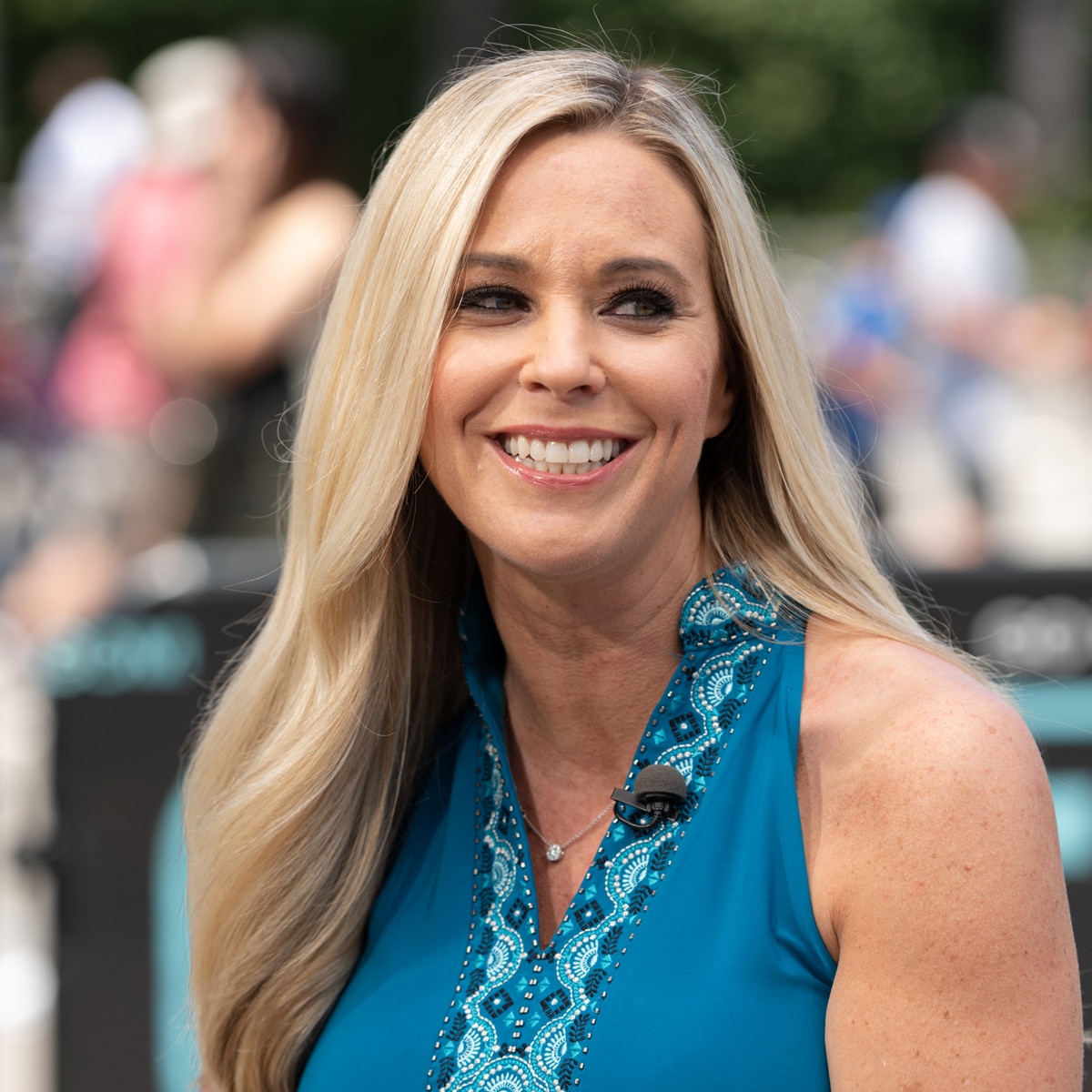
 Kate Gosselin is mourning a loss that came too soon.