Pointing to the citizenship clause of the 14th Amendment, the high court ruled that all babies born in the United States ‘are citizens by birth.’
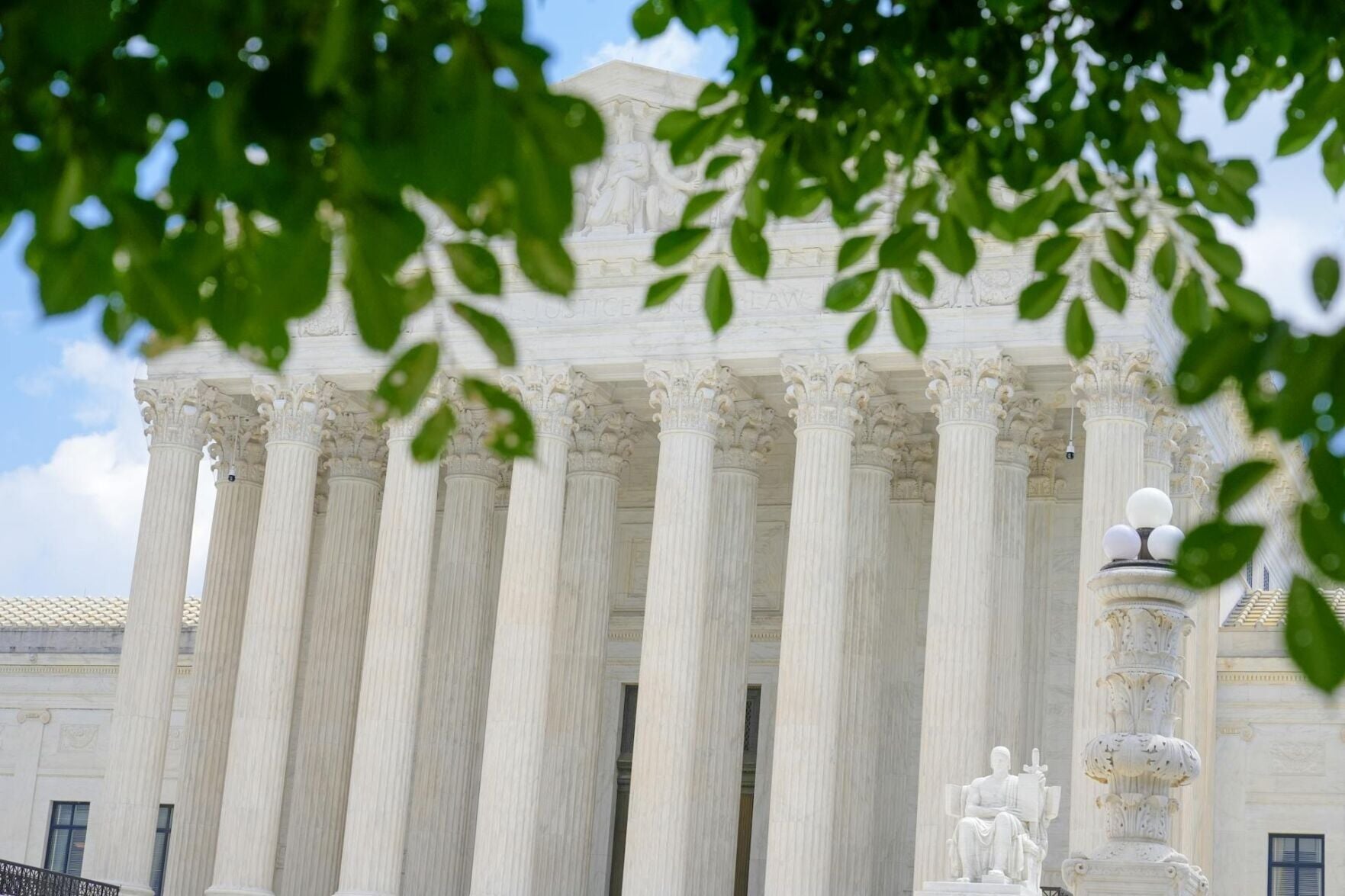








Pointing to the citizenship clause of the 14th Amendment, the high court ruled that all babies born in the United States ‘are citizens by birth.’
Post Content

If you’re in the market for a new set of steak knives, the good news is that with proper care and mindful use, they have an impressive lifespan.

Food Republic – Restaurants, Reviews, Recipes, Cooking Tips
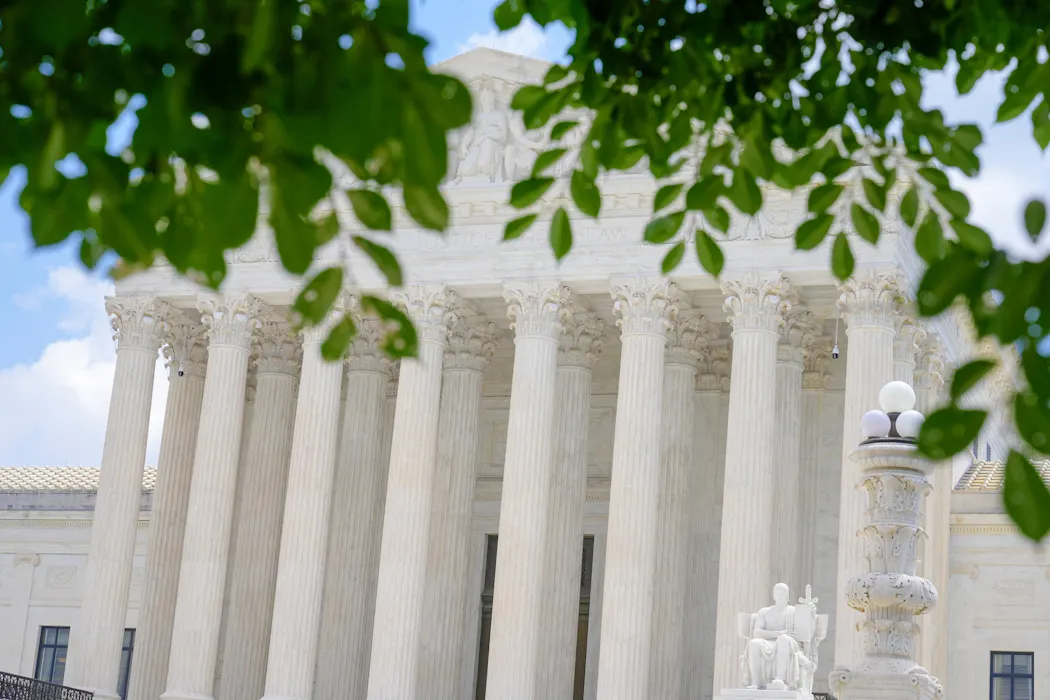
The Supreme Court on June 30, 2026, declared that universal birthright citizenship is protected by the citizenship clause of the 14th Amendment to the U.S. Constitution, meaning that nearly all babies born in the United States automatically become American citizens, regardless of their parents’ immigration status.
The ruling rejects President Donald Trump’s executive order, signed the first day of his second administration, which sought to end birthright citizenship for the children of parents present in the country illegally and for tourists visiting only temporarily.
The high court ruled that “under the Constitution, they are citizens by birth.”
The ruling was split 5-4 on the meaning of the 14th Amendment. A sixth justice, Brett Kavanaugh, ruled against the Trump order on the grounds that it violates federal law – which Congress could alter – but not the Constitution itself, making the ruling 6-3 against Trump.
Supreme Court watchers, including myself, expected the three liberal justices – Ketanji Brown Jackson, Elena Kagan and Sonia Sotomayor – to rule in favor of universal birthright citizenship, but imagined that the six conservatives would divide.
Two conservatives, Chief Justice John Roberts and Justice Amy Coney Barrett, joined the liberals to form a narrow majority.
Four of the justices appointed by Republican presidents see the original public meaning of the 14th Amendment as quite different, primarily recognizing the citizenship of former slaves and their descendants after the Civil War. But they don’t see it applying to anyone born in the United States regardless of parentage.
In their view, birthright citizenship was only promised to those whose parents were legal residents with sole allegiance to the United States. As they see it, the American people can expand federal law to grant citizenship to others if they choose, but the Constitution does not demand it.
The timing of the landmark ruling is meaningful, coming a few days before the 250th anniversary of the Declaration of Independence on July 4, 1776.
As a longtime observer of the Supreme Court, I believe the best way to understand the dispute is that it reflects a deep conflict over how we see the meaning of the Declaration of Independence and how it frames the meaning of the Constitution.
Roberts concludes the ruling with the statement that “Citizenship, then and now, was the right to have rights – to freely participate in our political community.”

This is a reference to a famous quote from Chief Justice Earl Warren dissenting in a 1958 ruling recognizing congressional power to strip a native-born American of their citizenship for voting in a foreign election. Warren, the chief justice who authored Brown v. Board of Education in 1954 and many other landmark rulings expanding constitutional rights, wrote that “Citizenship is man’s basic right for it is nothing less than the right to have rights.”
In Warren’s – and Roberts’ – view, the Declaration of Independence established not only the importance of individual rights, but also the equality of all in holding those rights. Citizenship must be equal and open, defined as broadly as the Constitution allows, rather than narrow in its scope.
When the 14th Amendment expanded citizenship after the Civil War, it did so with universal language, addressing race but also something broader: “All persons born or naturalized in the United States, and subject to the jurisdiction thereof, are citizens of the United States and of the State wherein they reside.”
In the majority’s view, this must be read broadly to achieve the declaration’s insistence on rights and equality.
The dissenters believe that the declaration did something else: It established a new sovereign people who control their own definition of citizenship. In this view, the Declaration of Independence established a distinct kind of equality — an equal share in control over the government through political representation and elections.
This view means that the current citizens must agree to offer an equal share in governance to any new members of society, but there is no such thing as citizenship without consent: No one can demand citizenship in a democracy by violating its laws.
On the second page of the ruling, Roberts explains that “the story of citizenship in the United States begins with the English common law.”
Going back to the landmark Calvin’s Case in 1608, the British rule was that anyone born in the dominion of the king was a natural born subject.
Roberts writes that “This view crossed the Atlantic with the colonists — and was adopted with little fanfare after the Revolution, as ‘subjects’ of the sovereign became ‘citizens’ of the States.”
This British common law rule of broad citizenship shaped the discussion in the key case of Wong Kim Ark in 1898. As Roberts summarizes it, “What the Court held in Wong Kim Ark was simple: the Citizenship Clause incorporated the common law and granted citizenship to nearly all children born in the United States.”
In the view of the dissenters, the problem is that subjects are not citizens. That means that being “under the jurisdiction” of the United States is very different from being under the jurisdiction of England or any other previous nation.
Justice Clarence Thomas dissented on the grounds that “the English principle was a rule of feudal servitude, not a rule of citizenship.”
Justice Samuel Alito agreed in his dissent, referring to the common law as “a medieval rule” and an “ancient British rule that even the United Kingdom has abandoned.”
Alito insists that “the Declaration of Independence repudiated the foundation on which the British rule was based” because it “emphatically rejected the British theory of government.”
The Declaration of Independence established a new relationship between individuals and the government, moving from the government controlling the people to the people controlling the government. Subjects became citizens, and with it came the authority over who can become a new citizen.
In the now-controlling interpretation of the Constitution, the American people did just that through the 14th Amendment, expanding the nature of citizenship to a more universal and equal footing, in line with the new racial equality the amendment enshrines.
Birthright citizenship applies to all who are born here. That view is now the law of the land.
In the other, now-dissenting view, the 14th Amendment granted citizenship only to those “who, at birth, owe allegiance solely to this country.”
Both sides agree, as Alito phrased it, that this may be “one of the most important decisions in the history of the Court.”

Morgan Marietta does not work for, consult, own shares in or receive funding from any company or organization that would benefit from this article, and has disclosed no relevant affiliations beyond their academic appointment.
Politics + Society – The Conversation
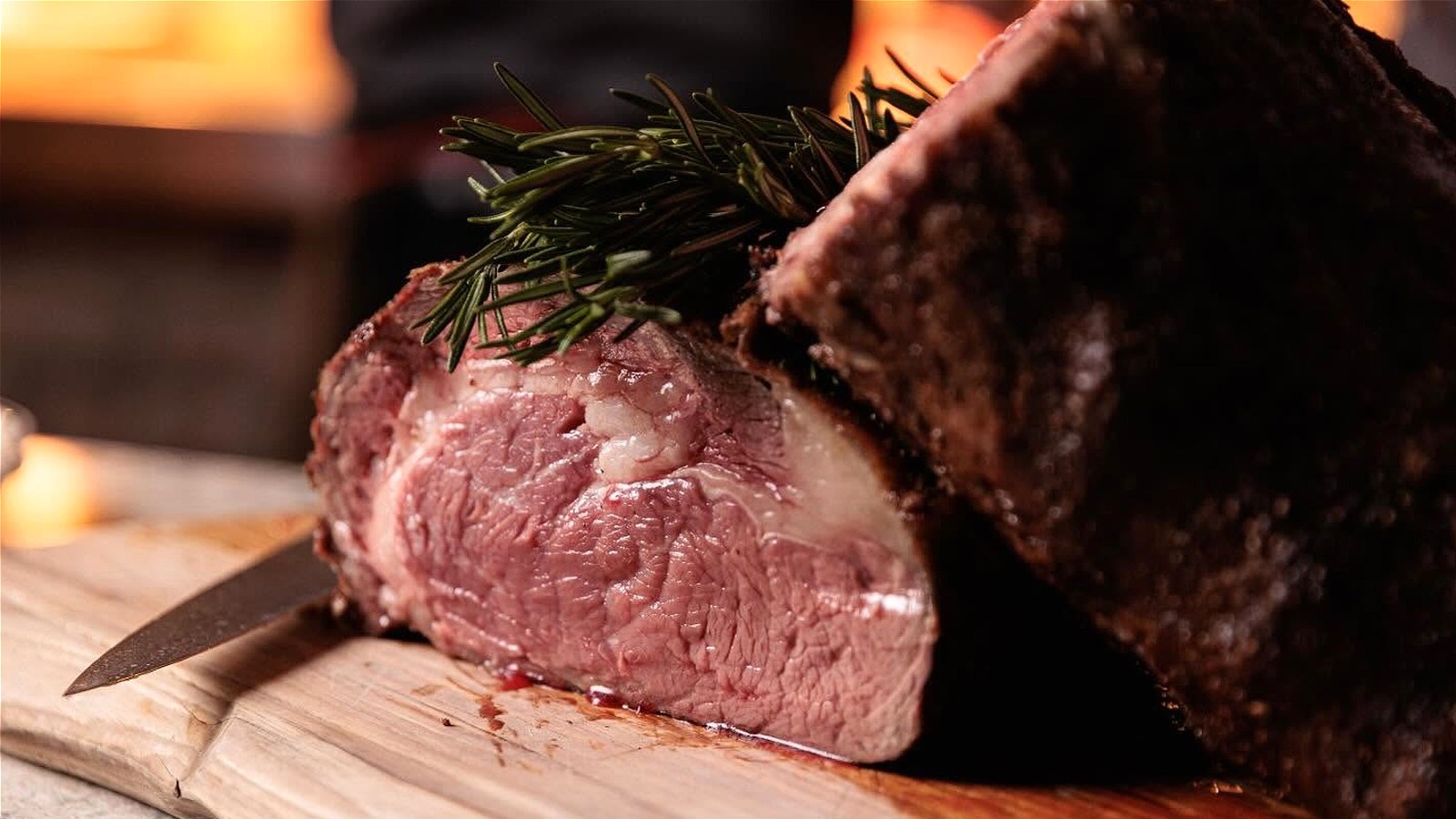
Perfectly crusted on the outside, tender and juicy on the inside, this restaurant’s prime rib is some of the best you can find in Florida, so say diners.
Mashed – Fast Food, Celebrity Chefs, Grocery, Reviews

SAN JOSE, Calif. — Malik Tillman likes watching penalty shootouts. But participating in them? Not so much. “I try to avoid it,” the American midfielder said before training on Tuesday. “Everyone tries to avoid it. But sometimes, it happens, and, of course, you have to be ready for it because you never know. We’ll give our best to finish the game in 90 minutes.” The U.S. men’s national team faces Bosnia and Herzegovina in the round of 32 at San Francisco Bay Area Stadium on Wednesday night. With the 2026 World Cup now in the knockout stage, any match that remains tied after regulation and extra time comes down to one thing: the dreaded, stomach-churning penalty shootout. On Monday, Germany and the Netherlands were both eliminated after cruel and dramatic penalty shootout losses to Paraguay and Morocco, respectively. Across the two shootouts, players missed 10 penalty kicks, setting a World Cup record for the most misses in a single day. It was the first time in history the four-time champion Germans left the World Cup via penalties. It was a stark reminder of the stakes now facing the U.S. because, in the knockout stage, one mistake can send a team home. “We’ve seen two big boys fall,” defender Chris Richards told a group of reporters. “So it’s just a matter of us getting through this game and putting on a good performance, and, hopefully, we continue that.” The last time the USA found itself in a penalty shootout was exactly one year ago, when it beat Costa Rica in the 2025 Concacaf Gold Cup quarterfinals after a six-round thriller. The win came largely thanks to Matt Freese’s heroics in goal, as he made three saves to send the squad through. Tillman, who missed a penalty in the first half of that match, bounced back by converting in the shootout. He said that while players can practice penalties all they want, it’s “impossible” to replicate what it actually feels like in that spotlight. U.S. manager Mauricio Pochettino agrees. That’s part of why the squad has used sports performance company neuro11 for the past 18 months. The company works with elite athletes and teams around the world — including Liverpool F.C. and Argentina goalkeeper Emiliano Martínez — using innovative brain-based training and neurofeedback to help athletes stay sharp and composed under pressure. Pochettino has a dedicated group of coaches and analysts focused on neuro11 and penalty kicks, working to improve the team’s execution from the spot and expand the pool of PK takers, much like another group uses TrackMan technology to aid in set pieces. “I don’t want to say too much,” Pochettino said Tuesday, careful not to reveal information that could give a future shootout opponent an edge. “As a coaching staff, we believe that we can provide some tools to the players to be better or to improve or to try to find the best way to face this type of situation, knowing that it’s impossible to replicate the emotional stress and the pressure and expectation, how you are going to feel. “Because it depends on your performance – if you came from the bench, if you played 120 minutes, if you are tired, if you are not tired. If you feel something in your body, that is impossible when you practice penalties to have the same feeling.” Pochettino added that he and his staff choose the penalty kicking order. “It is going to be our decision – the No. 1, No. 2, No. 3, No. 4, No. 5,” Pochettino said. “We are trying to arrive at this moment and not ask the player if they feel confident or not confident.” According to a German media report, there was controversy over who would take Germany’s sixth penalty, as some players didn’t want to. Ultimately, it was Jonathan Tah, whose miss proved decisive and allowed Paraguay to convert and advance. “I don’t know about that situation, but yeah, it’s a difficult thing,” star forward Christian Pulisic said when asked about Germany’s exit. “The guys who feel the most confident to go up and shoot will want to go shoot. I think that’s normal. There will be some players that maybe don’t practice them as much and don’t feel as good. I don’t think it’s necessarily a big problem. “Haven’t been in many shootouts with these guys, but I feel like it’s a pretty brave, courageous team. I feel like guys will give it a go.” How Do USA Players Take Penalties? Penalty kick style and technique have evolved over the years. Some players opt for stutter steps and elaborate long or short run-ups, while others simply place the ball and strike it. Tillman said he’s experimented with different approaches throughout his career and doesn’t necessarily take them the same way he once did. Still, he added, “I’m confident in the way I take them.” Richards, who scored a penalty for Premier League club Crystal Palace last season, doesn’t overthink it. “I don’t want to give away too much,” Richards said with a big smile. “Some guys change it up. Me personally, I’m a defender for a reason, so I’m gonna put it down and place it where I think it needs to go.” Pulisic doesn’t read too much into everyone else’s process. “Everyone has their own style,” said Pulisic, who also noted that he’s feeling good after dealing with a calf injury that has limited his time on the field. “I don’t think you watch [the Germany and Netherlands shootouts] and can take so much away and try to change your style in one day. I mean, it’s just part of the game. “It’s an extremely hard thing to do for sure. It takes a lot of courage and it’s not easy. Goalkeepers are getting better and better every single year. Everyone has their individual style, and you just go with what you feel most confident with.” All this is to say, the U.S. hopes any penalty shootout talk is moot during their run in this World Cup. “Ultimately, you don’t want to get there,” Richards said. “But honestly, we’ve done a lot of training with penalty shootouts, so if it comes down to it, I think every guy on this team is going to step up and take it.”Latest Sports News from FOX Sports

The U.S. men’s national team may have lost its World Cup group-stage finale on a last-second goal to Türkiye, but that hasn’t changed any of this squad’s objectives. Wednesday’s match against Bosnia and Herzegovina in the round of 32 has the USA primed for a deep run at this tournament. The last time the USMNT won a knockout game was in 2002, so there is plenty on the line at the San Francisco Bay Area Stadium against an upstart European side. Here is everything to know about the USA’s round of 32 match against Bosnia and Herzegovina: Although this has been a terrific World Cup for the USA so far — the team won two consecutive games for the first time in almost a century and its group with a match to spare, allowing the starters to rest and the reserves to gain valuable experience in the loss to Türkiye — it instantly becomes the biggest failure in program history if this squad can’t beat the Bosnians. That’s a hell of a swing. To be clear: The Stars and Stripes should win this game. They have a better lineup, a deeper bench and will be playing at home. Blowing this would take some doing. But being the clear favorite is tricky, and anything can happen in one game. So the U.S. must mitigate the risk by coming out flying and, crucially, scoring the first goal — something it has done in all three of its games so far. The longer the match remains scoreless, the more the visitors’ belief will grow, as will the pressure on the hosts to avoid disaster. — Doug McIntyre Not to be cliché, but I am going with Christian Pulisic. He’s only played 77 minutes total during this World Cup, and now that the U.S. is in the knockout stage, it’s a massive moment for him to shine. As Folarin Balogun told reporters earlier this week, the knockout stage is the time when “big players step forward, and the big players carry the pressure and make things happen.” On this team, there’s no bigger player than Pulisic. He masterfully contributed to the team’s first two goals vs. Paraguay, but then was forced to miss the next match vs. Australia with that calf injury. He came on in the second half vs. Türkiye and immediately lifted the quality of play. On Tuesday, Pulisic told reporters that he’s “feeling good.” We expect him to start against Bosnia and Herzegovina and be the star this team needs to keep pushing through the World Cup. — Laken Litman Goalkeeper: Matt Freese Defender: Antonee “Jedi” Robinson Defender: Tim Ream Defender: Chris Richards Defender: Alex Freeman Midfielder: Tyler Adams Midfielder: Malik Tillman Midfielder: Weston McKennie Attacker: Christian Pulisic Attacker/Defender: Sergiño Dest Forward: Folarin Balogun In a tournament setting, when Mauricio Pochettino finds a formation and lineup he likes, he tends to stick with it. We saw this at the 2025 Gold Cup when he kept a consistent lineup through the knockouts. As we saw against Australia when Pulisic was hurt and Pochettino went with a two-center-forward formation, he can adapt in interesting ways when he must. Now, he has no restrictions as yellow cards have been wiped clean (meaning Adams, McKennie, Richards and Balogun are back). Pulisic is also available, while both Ream and Robinson are rested. The good thing about this lineup is there are a number of very versatile players that offer Pochettino ways to adjust without making a substitution. McKennie and Tillman can sit deep or move into a No. 10 or winger role if needed. Pulisic can cut in and play as a No. 10 or second striker. Dest can play as a winger or as a right back. This was the lineup Pochettino chose in the very important opening game. It is hard to see him changing something that worked so well. — Brian Sciaretta Bosnia and Herzegovina’s approach will be similar to what the USA saw against Paraguay. I’m expecting more of a mid-block instead of a low one, like what Australia played. Bosnia will defend higher up the field but still won’t leave itself too exposed. Bosnia and Herzegovina had the third-fewest entries into the opponent’s 18-yard box and the lowest of any team that advanced to the round of 32. That should give you an idea of what to expect from them in this match. That should not sound like I’m discrediting what Bosnia and Herzegovina is capable of, since the squad does have a couple of players who are more than capable of making an impact in attack. — Walker ZimmermanLatest Sports News from FOX Sports
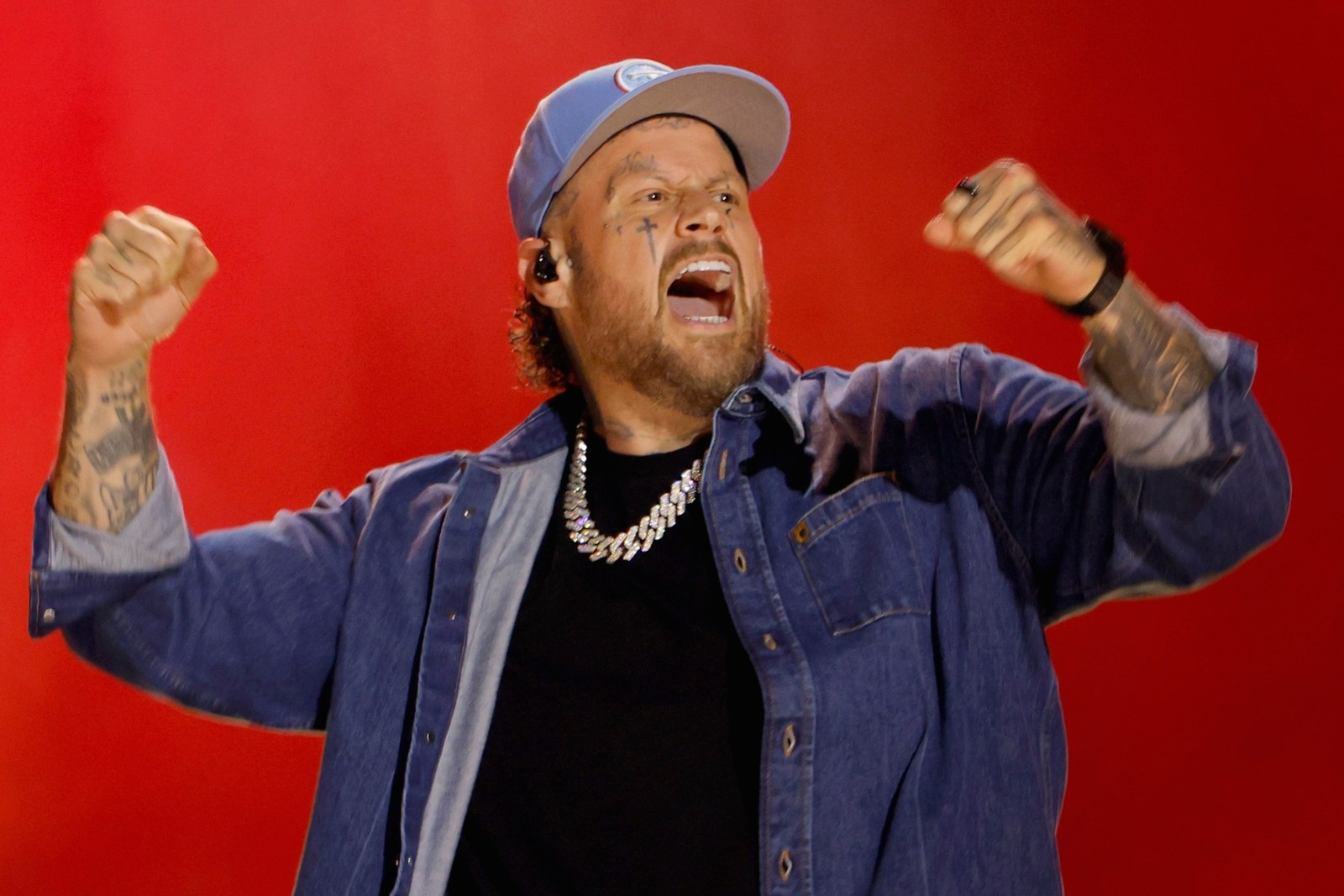
Jelly Roll has built a massive country music career over the last few years, in one of the most unexpected success stories Nashville has ever seen. Continue reading…Country Music News – Taste of Country
Jelly Roll has built a massive country music career over the last few years, in one of the most unexpected success stories Nashville has ever seen. Continue reading…The Boot – Country Music News, Music Videos and Songs

By: Max Graham, Northern Journal

This is a short update to an ongoing story about a dispute over the taxable value of the trans-Alaska pipeline system. The previous story, with more context, by Northern Journal is here.
A high-stakes feud between Alaska’s major oil companies and three municipalities that collect taxes from those companies is now headed to court.
The fight is over the value of the trans-Alaska pipeline — a calculation that determines how much the companies owe in property taxes each year. Tens of millions of dollars are at stake.
In May, a state tax board set the pipeline’s value at $13 billion. Both the oil companies and the municipalities then filed appeals to the Alaska Superior Court this month.
The municipalities say the taxable value is much higher — about $20 billion. The oil companies say the pipeline’s value is significantly lower — some $2 billion.
Both parties appealed an initial $10 billion assessment by Gov. Mike Dunleavy’s administration. Then, the tax board raised the value by $3 billion.
The municipalities think the value was “improperly determined” by the board and is “considerably higher,” Robin Brena, an Alaska attorney who has long represented the municipalities in pipeline property tax matters, said in a brief phone interview last week.
In its 18-page appeal, lawyers for Alyeska Pipeline Service Co., which is owned by affiliates of the state’s three biggest oil companies and operates the pipeline, also said the state board erred, but for different reasons.
The board’s determination and the Dunleavy administration’s earlier decision were “excessive” and “grossly overstate” the pipeline’s value, the appeal said.
Northern Journal contributor Max Graham can be reached at max@northernjournal.com.
This article was originally published in Northern Journal, a newsletter from Nathaniel Herz. Subscribe at this link. Northern Journal is merging with the Anchorage Press! Read our announcement and other information here, and support us with a subscription here.