From finishing touches for savory dishes to creative dessert pairings, this expert advice will help you discover how to cook with wine like a pro.

Mashed – Fast Food, Celebrity Chefs, Grocery, Reviews









From finishing touches for savory dishes to creative dessert pairings, this expert advice will help you discover how to cook with wine like a pro.
Mashed – Fast Food, Celebrity Chefs, Grocery, Reviews
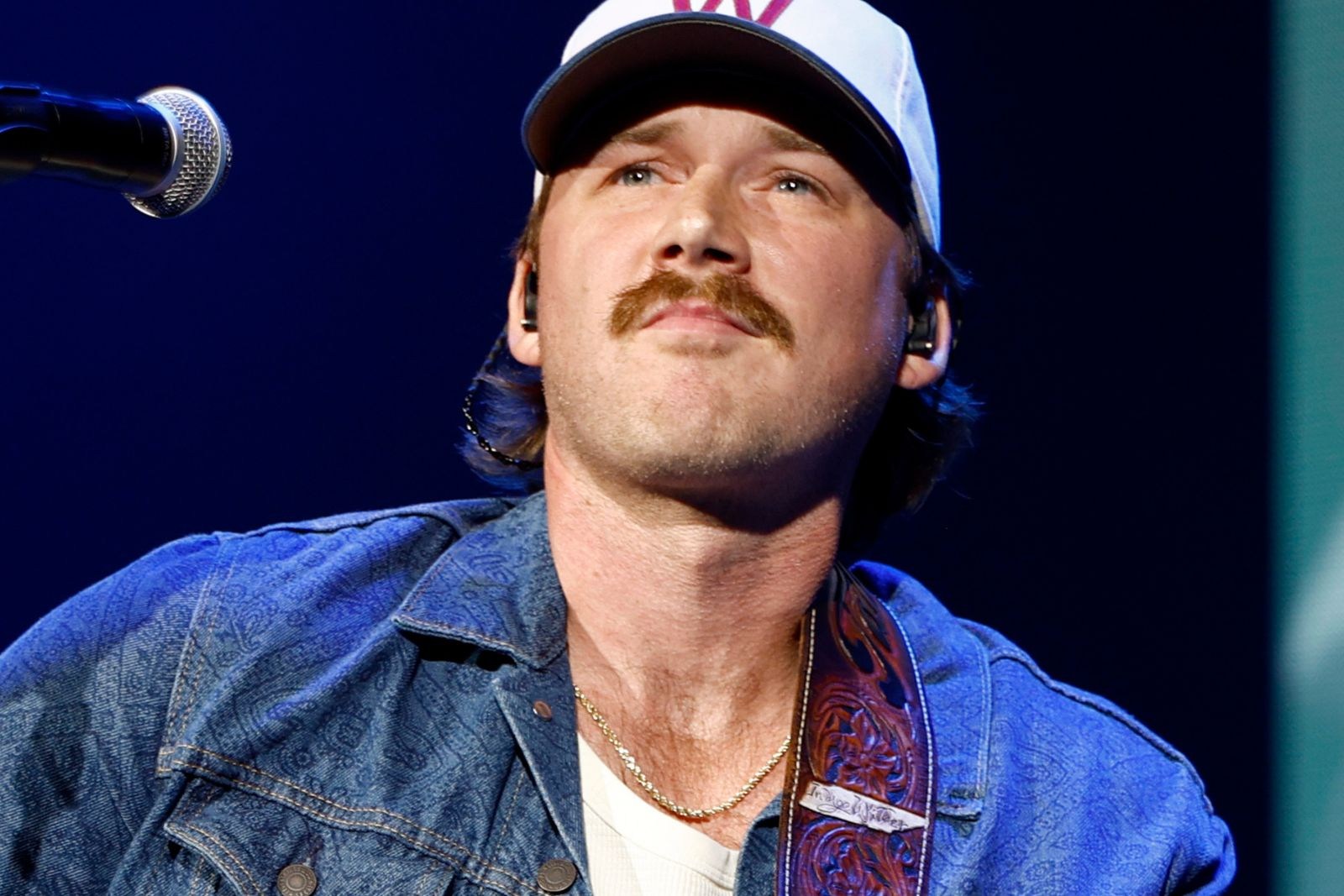
Morgan Wallen appeared frustrated by technical difficulties at his piano — then flipped the instrument over onstage and broke it. Continue reading…The Boot – Country Music News, Music Videos and Songs
Morgan Wallen appeared frustrated by technical difficulties at his piano — then flipped the instrument over onstage and broke it. Continue reading…Country Music News – Taste of Country

Magic shells start out liquid but solidify a few seconds after hitting cold ice cream. Here’s how you can make (and tweak) one at home with only pantry items.

Food Republic – Restaurants, Reviews, Recipes, Cooking Tips
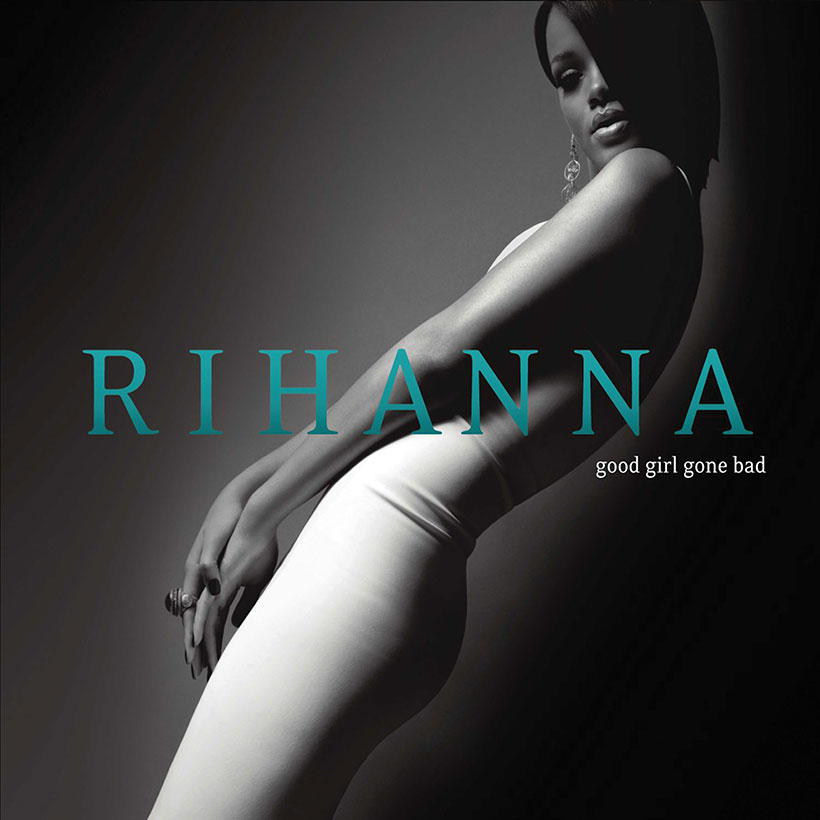
Good Girl Gone Bad opens with Jay Z introducing Rihanna as a “good girl gone bad,” but at this stage in her career, the rising pop star no longer needed a co-sign. With two albums under her belt, she’d already proven her potential, but on Good Girl Gone Bad the Bajan songstress announced her daring transformation from clean-cut pop starlet to “Bad Girl RiRi,” altering the course of her career.
Rihanna had already found chart success with her No.1 hit “SOS,” along with her three Top 10 hits “Pon De Replay,” “Unfaithful” and “Break It Off.” While these were all commercial successes, critics were still sceptical of her artistry, looking for something to distinguish her from the pack – aside from being marketed as “that girl from the islands.” Even Rihanna herself felt the need to make a stark and dramatic change, prompting the May 31, 2007 release of Good Girl Gone Bad.
The night before the album’s cover shoot, the singer defiantly chopped off her hair, later debuted her new rebellious look in the music video for “Umbrella.” It matched the attitude of the song, which was dosed in arena-rock guitars and bass, as well as the undeniable “ella, ella, ay, ay” hook. Seemingly overnight, the song took over the airwaves, soundtracking the summer and becoming the bestselling track of the year.
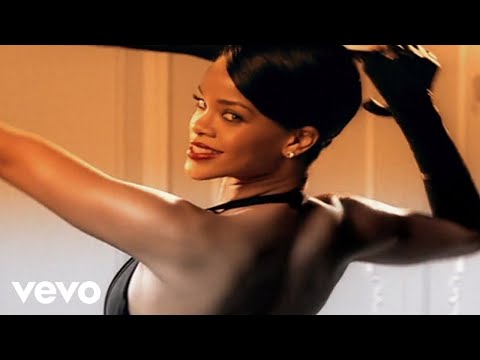
As the opening track on Good Girl Gone Bad, “Umbrella” became Rihanna’s second No.1 on the Billboard Hot 100 and earned her a Grammy for Best Rap/Sung Collaboration, thanks to Jay Z’s contribution. “Umbrella” also served as the catalyst for turning the songstress into a beauty icon and a sex symbol, propelling her to undeniable “It Girl” status and putting her on the same path as fellow pop diva Madonna. The singer’s bold claim to become “the black Madonna” turned out to be prophecy more than wishful thinking.
While “Umbrella” was clearly the propulsive force behind the commercial success of Good Girl Gone Bad, “Shut Up And Drive” cemented the defiant tone of the album and once again saw the singer turning to New Wave anthems for inspiration. After sampling Soft Cell on “SOS,” this time around she referenced New Order’s “Blue Monday” as the electro-backdrop to “Shut Up And Drive.”
If there are two albums that informed the creation of Good Girl Gone Bad, they would be Michael Jackson’s Thriller and Brandy’s Afrodisiac. In interviews from the era, Rihanna cited both as inspirations for her newly discovered direction. Listening through Good Girl Gone Bad, you can hear their influence in both the aesthetic and attitude of the album.
Following “Umbrella” on the album is the dance-pop ditty “Push Up On Me”; in many ways, the haunting sound effects and 80s vibes are reminiscent of “Beat It.” There’s also an emerging story arc that finds Rihanna inviting her partner from “Umbrella” to come join her at the club.
Continuing the narrative, Rihanna commands “Don’t Stop The Music,” energetically sampling Jackson’s “Wanna Be Startin’ Something.” The single shot to No.3 on the Billboard 100 chart, establishing her as the new queen of club anthems.

While Good Girl Gone Bad had its rock and dance-pop influences, it’s also one of the most influential R&B records of the decade. During the recording process, Rihanna spoke about the impact that listening to Afrodisiac had on her creative direction. While that album documented a newfound maturity for Brandy in 2004, it also experimented with the genre through its production: two things that Rihanna consciously explored on Good Girl Gone Bad.
After a stretch of angsty, techno-pop-fuelled bops including “Breakin’ Dishes” (in which the singer vows to “fight a man tonight”) and “Shut Up And Drive,” Rihanna delivers her purest R&B moments. Promoted as the album’s third single, “Hate That I Love You” featured Ne-Yo, who co-penned the song, as well as the slow burner “Question Existing” and the closing title cut on the original 12-track release. “Hate That I Love You” reached No.7 on the Billboard Hot 100, becoming one of 2007’s most memorable love duets.
The next track, “Say It,” samples the 90s dancehall cruiser “Flex,” by Mad Cobra, and finds Rihanna coyly requesting that her lover “tell me what it is you like.” It’s followed by a sequence of Timbaland-produced tracks. Along with Tricky Stewart, Sean Garrett, and The-Dream, Timbaland played an integral role in Rihanna’s sonic evolution from singles artist to fully-formed pop star.
“Sell Me Candy” found Rihanna refashioning herself as a majorette leading the band for her own pep rally. The hypnotic production brings in both Caribbean and Indian influences which can also be heard on “Lemme Get That,” a swaggering, rhythmic chant on which Rihanna further slips into her man-eater persona.
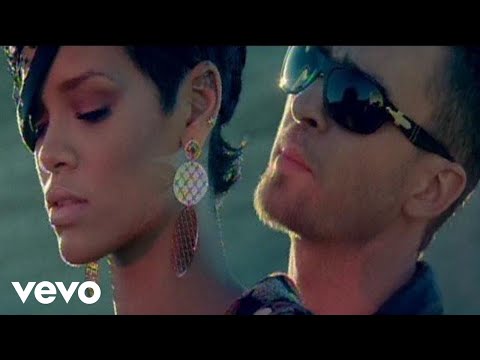
Jay Z wasn’t the only A-list collaborator on Good Girl Gone Bad. Rihanna’s outsized charisma also impressed Justin Timberlake, another frequent Timbaland partner, and the two teamed up on the ballad single “Rehab.” Couched in an album full of club bangers, “Rehab,” proved that Rihanna had moved beyond earnest love songs and into sensual R&B territory, something she’d later perfect on “Love The Way You Lie.”
Rihanna’s creative risk-taking paid off, earning her seven Grammy Award nominations, a No.2 album, and six-times-platinum certification. Due to the overwhelming critical and commercial success of Good Girl Gone Bad, the album was reissued as Good Girl Gone Bad: Reloaded the following year, with three new songs, including the No.1 hits “Disturbia,” “Take A Bow” and the rock-fuelled “If I Never See Your Face Again,” her collaboration with Maroon 5.
Good Girl Gone Bad not only laid the foundation for Rihanna to become one of the best-selling artists of the decade, it proved that she was more than just another pop star with singles success. The first major step in establishing her as a singular artist and icon in the making, it set the scene for Rihanna’s further evolution on 2009’s Rated R.
Buy Rihanna’s music on limited edition vinyl now.
Discover more about the world’s greatest R&B artists | uDiscover Music
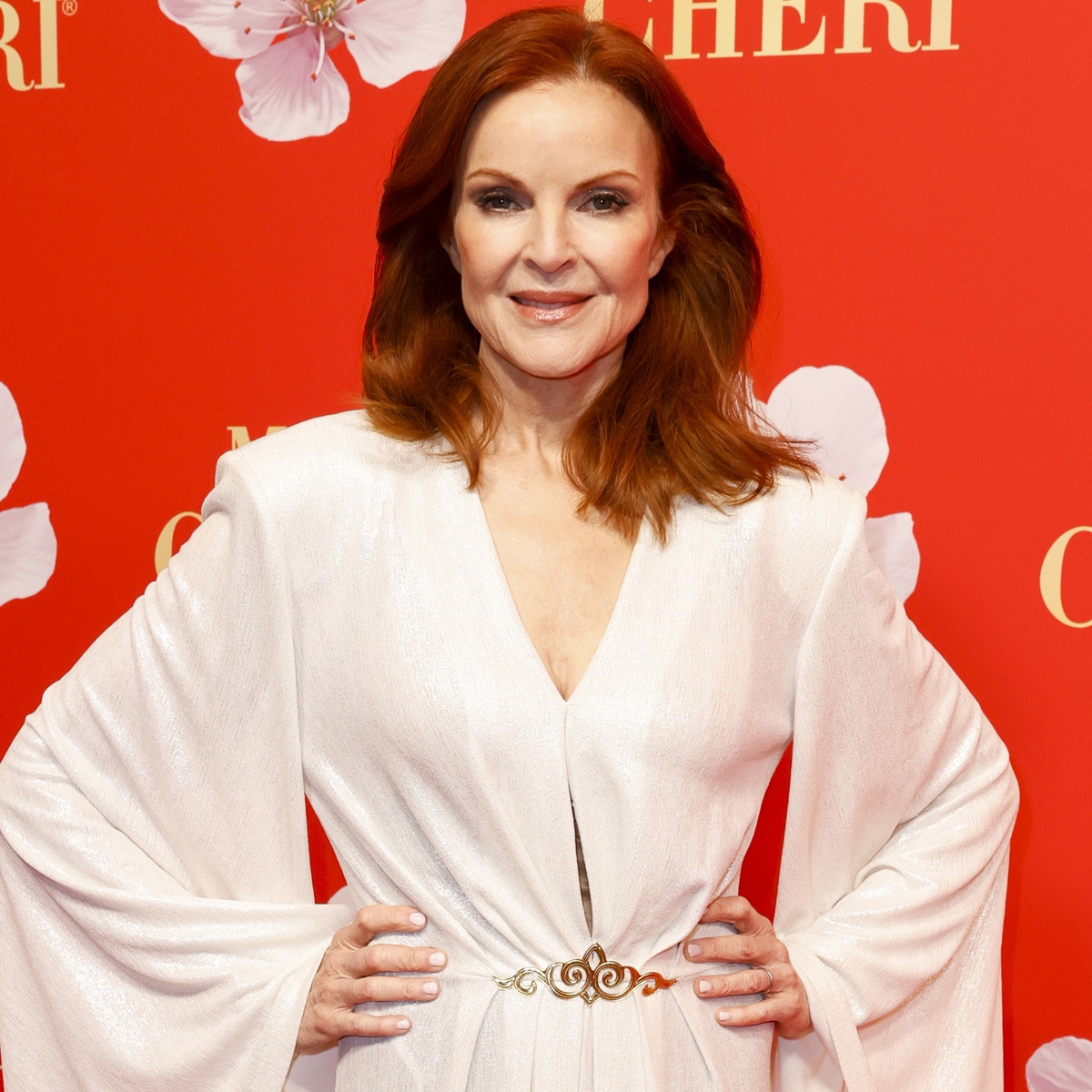
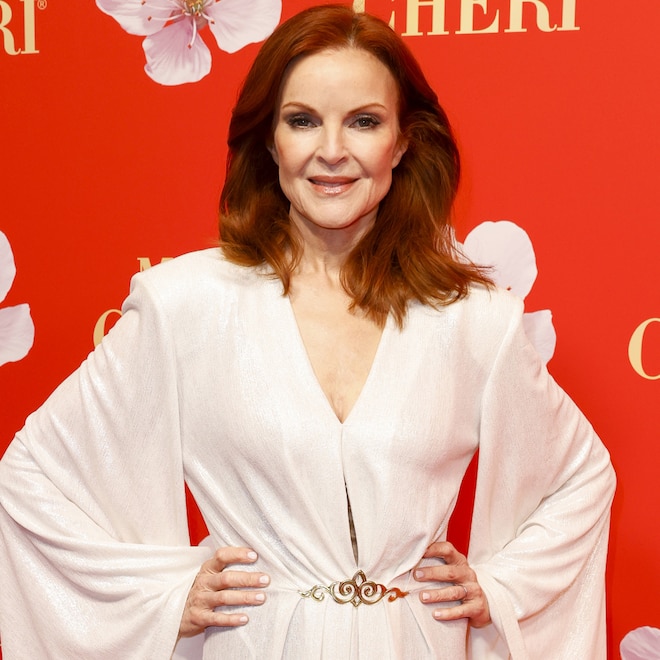 Marcia Cross is giving desperate fans a rare apple.
While the Desperate Housewives alum—who starred as Bree Van de Kamp on the hit ABC series—often keeps her social media focused on her career and…
E! Online (US) – Top Stories
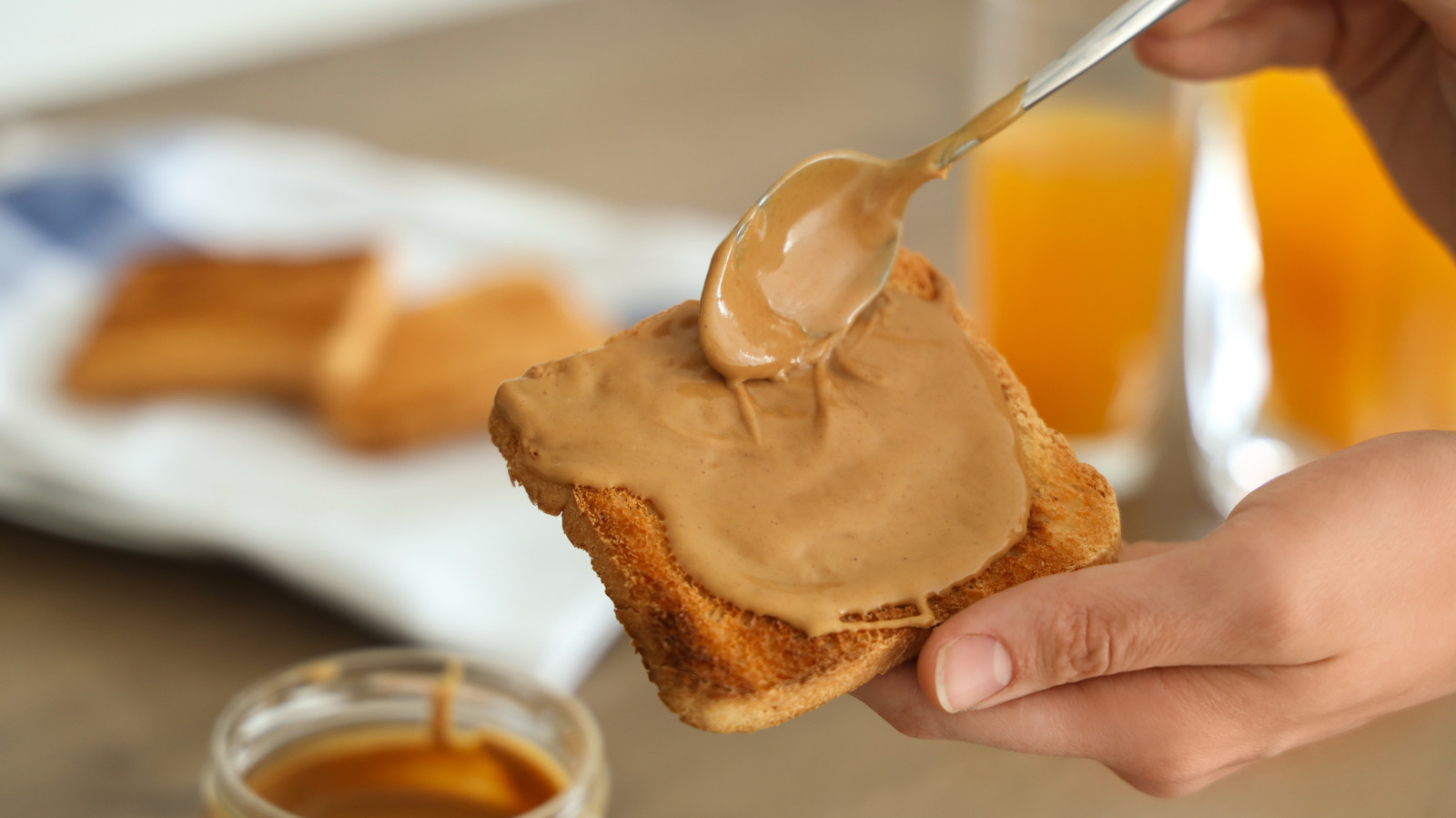
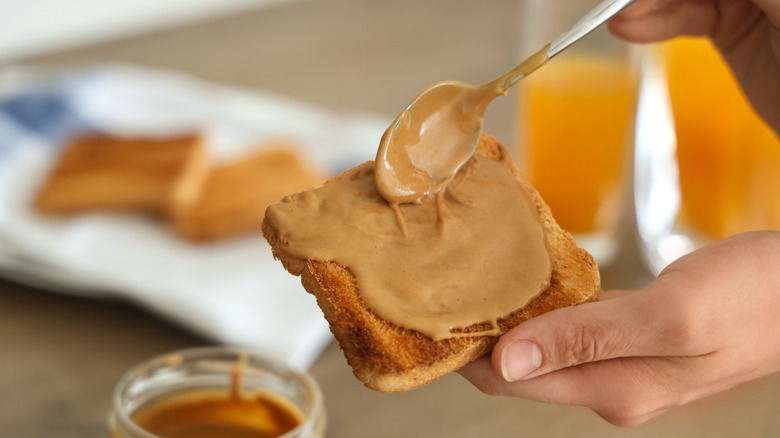
If you’re looking to max out your protein but want something less expensive than meat, you might look at nut butters, but does peanut or almond have more?
Food Republic – Restaurants, Reviews, Recipes, Cooking Tips

Reading Time: 3 minutes
Donnie Wahlberg’s a divorced man, which might be a shocking thing for some to learn about Jenny McCarthy’s beloved.
The boy band heartthrob-turned-Blue Bloods star has always been careful about keeping certain aspects of his private life away from the public eye.
As a result, even diehard fans might not be clear about the details of Donnie’s family situation.
These days, Donnie is married to Jenny McCarthy, and by all accounts, the relationship is a healthy and stable one.
But the road to “happily ever after” was not without its twists and turns.
In fact, both Jenny and Donnie have been divorced.

As People reports, Donnie married Kim Fey in 1999, and the couple welcomed two children together.
However, in 2008, they decided to go their separate ways, citing “irreconcilable differences.”
Following a messy legal battle in which Kim requested sole custody of the kids, the divorce was finalized in 2010.
Court files were sealed, so we still don’t know how the judge ruled.

The exact cause of the split remains unclear. But at the time, many observers speculated that Donnie’s friendship with Canadian model Michelle Tomlinson was a factor.
Whatever the case, it wasn’t long before Donnie fell for his second wife.
It happened in 2012 when Donnie and Jenny both appeared on Andy Cohen‘s Bravo talk show, Watch What Happens Live.
Donnie recalled their first meeting while participating in Instagram’s “first photo challenge” in 2020.

“This was our first meeting at @bravoandy @bravowwhl — where Andy implored me to ask Jenny out,” he captioned a throwback pic of the future couple.
“I didn’t … however, we’d meet again a year later at her talk show @vh1 @jennymccarthy. And the rest, as they say, is history.”
Jenny later told the tale of Donnie’s fateful appearance on her talk show.

“I went a year without dating anybody,” she told New York’s 95.5 PLJ radio (via E! Online).
“So I don’t know if I was really randy or really ready. But he was there, and I gave him my phone number. I’ve never given a guy my number, but I was interested.”
These days, when they’re not on either coast for work, Donnie and Jenny reside in her native Illinois with their happy blended family.
Now that Blue Bloods has come to an end, Donnie is set to star in a Boston-based spinoff.
But no matter where life takes him, he’ll have Jenny by his side.
Donnie Wahlberg Divorced: His Marriage History With Jenny McCarthy, Explained was originally published on The Hollywood Gossip.
The Hollywood Gossip
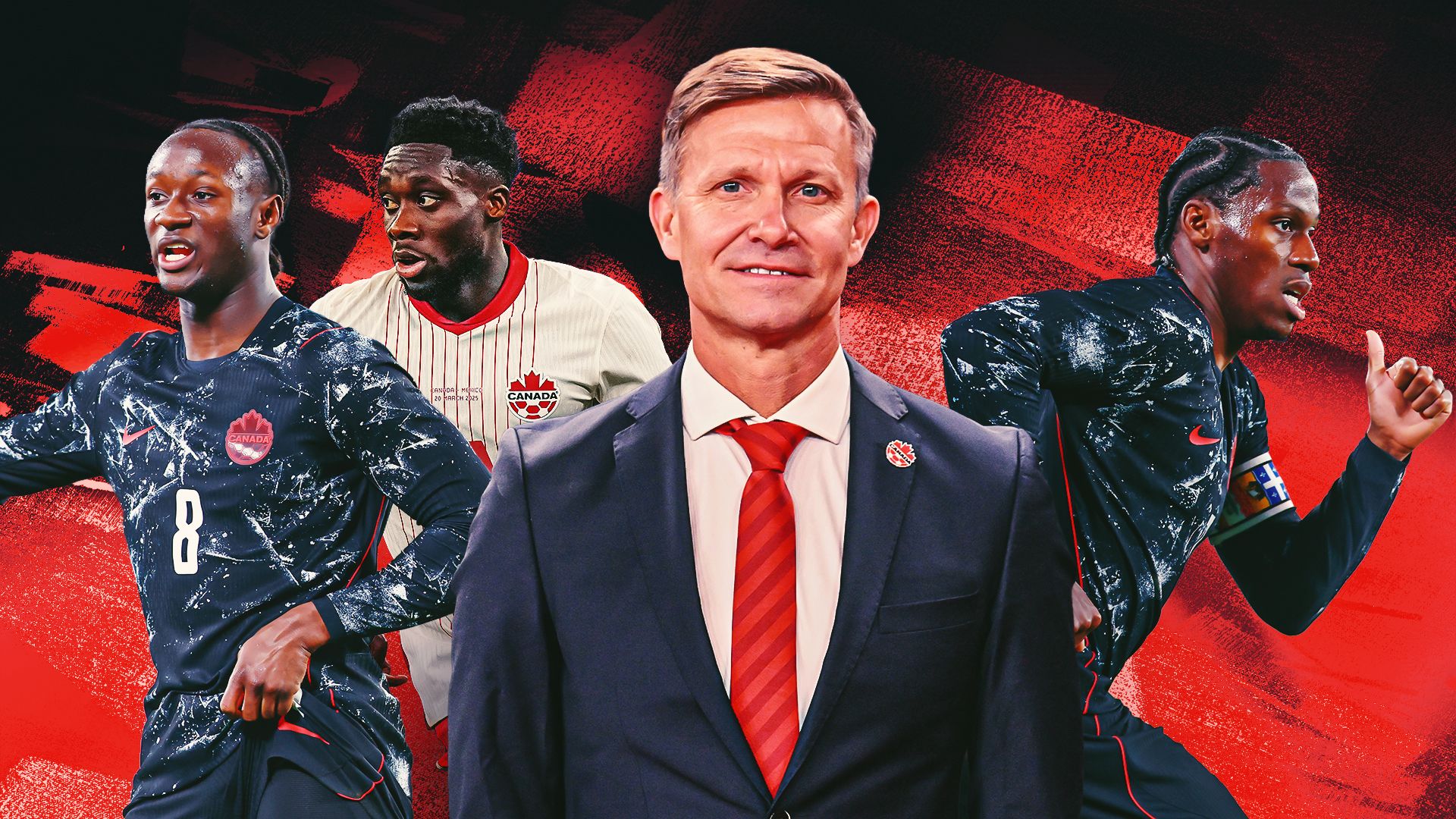
Canada’s World Cup squad is set. GOAL breaks down the biggest winners and losers as Alphonso Davies nears a return and roster battles continue. With a grand TV show from Charlotte, not a single leak and a banner unfurled from the top of Toronto’s famed CN Tower. The 26-player squad that will represent the Canadian men’s national team at the 2026 World Cup has been officially decided. Coach Jesse Marsch’s squad arrives surprisingly healthy. While captain and star left back Alphonso Davies remains likely to miss the World Cup opener June 12 against Bosnia and Herzegovina, the rest of the team is, after months of injuries and recoveries, mostly healthy. There will still be time to monitor the 26 players, and there are decisions to be made, notably who starts between the sticks, as Marsch plans on giving each of Dayne St. Clair and Maxime Crepeau 45 minutes against Uzbekistan on Monday. But the roster is set. “I had a really good meeting with the leaders in the team… Obviously, having everybody here, the energy is always so good,” Marsch told OneSoccer. “We’re getting healthy, so feel good about a lot of things. There’s been a lot of positive developments over the last week to 10 days, so we feel like we’re going to have some good momentum and then get ourselves ready to go.” Here, GOAL breaks down the winners and losers from Canada’s roster reveal. The team can make injury substitutions until 2:59 p.m. ET on June 11 and will travel with defenders Ralph Priso and Zorhan Bassong, as well as winger Jayden Nelson, for pre-tournament friendlies against Uzbekistan and Ireland in Edmonton and Montreal. WINNER: The Injuries… Somehow When striker Promise David went down in a heap while playing for Royale Union Saint-Gilloise in January and was told he would need hip surgery, it seemed like his World Cup dreams may have been over. The same could be said for Middlesbrough center back Alfie Jones’ recovery from ankle surgery, Moise Bombito’s efforts to return from a broken leg suffered in October, winger Ali Ahmed’s hamstring injury and several others. For months, Marsch and those around the Canadians have spoken of timelines that would make the team’s best players available for the World Cup squad. By Friday, that had somehow, mostly happened. In David’s case, it was a remarkable recovery. Earlier this week, he joked to CBC that his genes might be needed to start a human colony on Mars, given how quickly he regrew muscle to fit his towering 6-foot-5 frame. “I think I could regrow a limb if I lost it, in all seriousness. I could regrow a f–king limb if I wanted to,” David, who goes by Tobi, told CBC. “I have a s–t immune system. If I get a cold, I’m dying. But in terms of regrowth, if we want to start a new colony on Mars, I should be the number one candidate.” The biggest worry remains Alphonso Davies, who is on the roster and will join the group in Edmonton. After straining his hamstring in the UEFA Champions League semifinal, he is unlikely to play in the friendlies or the opening match, but Marsch assured reporters that he will play at some point during the World Cup. LOSER: Ralph Priso After emerging as a star center back with Vancouver Whitecaps FC during the club’s run to the 2025 MLS Cup final, Ralph Priso’s pathway to the national team seemed destined until a hamstring injury forced him out of his first international start in March. It sidelined him until May 21, when he returned and scored in Vancouver’s win over San Diego FC. The 23-year-old will be a key part of future squads as a versatile defensive midfielder and center back, but his injury and the recovery of the top center backs in the player pool leave him on the outside looking in. However, he will be with the squad for the friendlies to help manage minutes for rostered players and could be the first call-up should plans go sideways. WINNER: Jonathan Osorio Jonathan Osorio is as Toronto Stadium as it gets, with more than 400 Toronto FC appearances, an MLS Cup title won at the stadium and 90 Canada caps, many of them earned at the venue. Now, “Oso,” as he is known, will be part of the team for the World Cup at the ground. One of four players from nearby Brampton, he had been in doubt for the squad ever since Marsch left him on the bench for the scoreless draw against Colombia in October, the country of origin for his family. While he is not likely to see many minutes at the World Cup or in the friendlies, he is a key veteran presence within the team. It was always going to be him or veteran EFL League Two winger Junior Hoilett, and the optics are likely better for calling up an MLS player than Hoilett, who has not impressed with Swindon Town. LOSER: Left Side Depth In many ways, left back could actually be a winner. Davies could be back for the second game, and Richie Laryea has more than filled in at the position. Yet Laryea has not played for Toronto FC since April 22, and despite likely being fit, he will not have many recent minutes under his belt. At the same time, without Zorhan Bassong on the squad, there is not much in the way of depth behind Laryea. In a pinch, Celtic FC right back Alistair Johnston could fill the role, allowing Hajduk Split’s Niko Sigur to move into his regular position at right back. However, that would require shifting players out of their natural roles and provide a new look to a backline that has thrived on familiarity. Bassong should be able to offer some respite from heavy minutes in the friendlies and, like Priso, would be the first call-up for that role if a player were to go down. WINNER: Jacob Shaffelburg The hero of Canada’s best moments under Marsch to date, having scored a key goal against Venezuela to send Canada to the 2024 Copa América semifinals, LAFC winger Jacob Shaffelburg faced doubts about whether he would be able to reach his best form for the World Cup. In Charlotte this week, where the Canadians trained to stay out of the domestic spotlight and adapt to the heat, the lone player from Canada’s Atlantic provinces trained on the sidelines as he continued to work his way back to full fitness. He missed the March camp because of a sports hernia but has since played limited minutes with LAFC. An energetic presence with a can’t-miss smile and bleach-blond mullet, Shaffelburg brings not only good vibes but also incredible straight-line speed. He was a bubble player heading into camp, and Austin FC’s Jayden Nelson will stick around for the friendlies as a potential replacement. For now, though, Shaffelburg is a winner. At a minimum, he has the inside track heading into the final stretch. LOSER: Daniel Jebbison With four true wingers, as well as the versatile presence of Tigres UANL midfielder Marcelo Flores, Marsch’s choice to bring only four strikers cost Daniel Jebbison a chance at his World Cup debut this summer. A physical and skillful option up top, Jebbison impressed in Marsch’s draws against Iceland and Tunisia and was seen as the top option if Canada had opted to bring five strikers. Instead, Canada has gone with the clear top four of Juventus’ Jonathan David, Southampton’s Cyle Larin, whose recent form of nine goals in 22 games earned him the nickname “Brampton Bagsman,” CF Villarreal’s tenacious presser Tani Oluwaseyi, and the now-recovered Promise David. The competition at striker is incredibly high for Canada, and England-Canadian dual national Jebbison will not regret choosing Les Rouges over England at this point. However, he will now have to look toward the 2030 World Cup, when he will be 26, to make his debut on the grandest stage. Reporting by GOAL.Latest Sports News from FOX Sports

 Alan Alda is reflecting on marking a major milestone.
Four months after the M*A*S*H alum turned 90 on Jan. 28, he shared his thoughts on celebrating the monumental birthday and getting older amid…
E! Online (US) – Top Stories