The album changed their careers and lives overnight. Continue reading…Country Music News – Taste of Country









The album changed their careers and lives overnight. Continue reading…Country Music News – Taste of Country

Not all of Costco’s products are a hit with shoppers. To many, the Kirkland Signature version of this beloved regional food is a major miss from the chain.

Mashed – Fast Food, Celebrity Chefs, Grocery, Reviews
Reading Time: 2 minutes
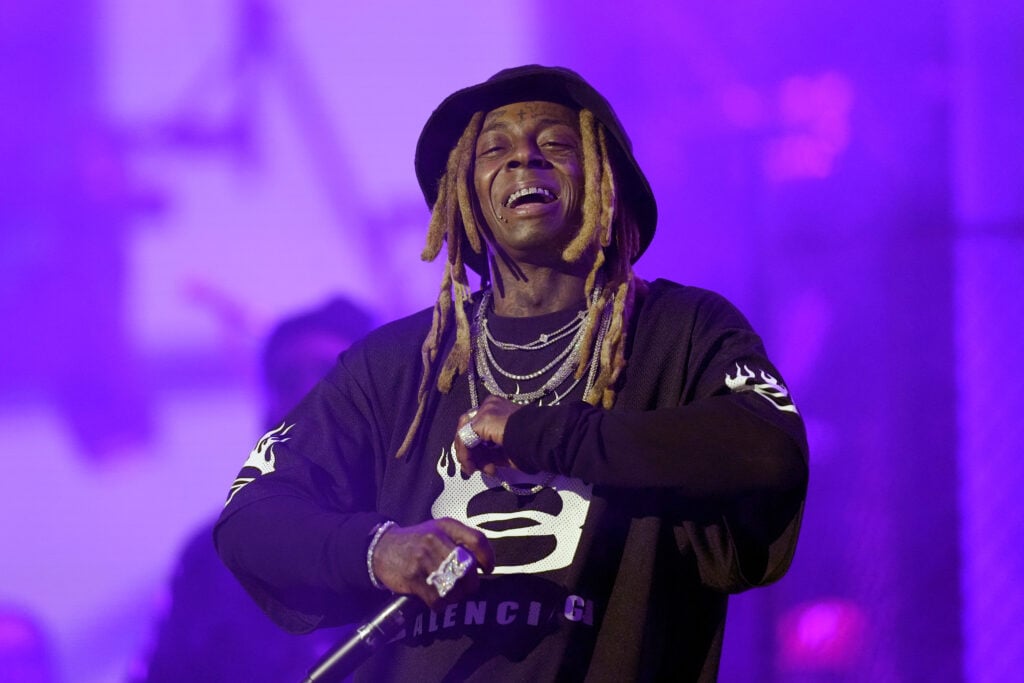
Wedding bells may be ringing for Lil Wayne.
Or at the very least, the rap icon recently shelled out for a very expensive ring.
Yes, Wayne is reportedly engaged to a woman nearly two decades his junior, according to reports from multiple outlets.
According to Page Six, Weezy, 43, is set to marry girlfriend LeahAngelie Murphy, an Indiana native in her twenties whom he has been quietly dating for the past several months.
And while the rapper has largely kept the relationship out of the spotlight, insiders claim things have become very serious.
The report alleges Wayne recently popped the question to Murphy, who has occasionally appeared in photos shared online but has otherwise remained largely out of the public eye.
Neither Wayne nor Murphy has publicly confirmed the engagement as of yet.
The reported age gap is already turning heads, but we’re guessing Wayne is unbothered.
Born Dwayne Michael Carter Jr. the hip hop legend has spent decades as one of music’s most influential and recognizable stars, helping shape modern rap with albums such as Tha Carter III and hit singles like “Lollipop,” “A Milli” and “6 Foot 7 Foot.”
His love life, meanwhile, has often made headlines of its own.
Over the years, Wayne has been romantically linked to several high-profile women, including singer Christina Milian and model Denise Bidot, to whom he was previously engaged before the pair split.
Around this time last year, Wayne’s ex-girlfriend accused him of abuse and alleged that he had evicted her on Mother’s Day.
The two parties appear to have since resolved that conflict.
This would not be Wayne’s first trip down the aisle.
The rapper was previously married to Toya Johnson, with whom he shares daughter Reginae Carter. He is also father to three other children from previous relationships.
Interestingly, Reginae is 27, meaning she might be older than her dad’s new fiancee. We’re sure they’ll get over any potential awkwardness during shopping sprees equipped with Wayne’s AmEx card.
Anyway! Congrats to the happy couple! We will have further updates on this developing story as new information becomes available.
Lil Wayne Engaged to MUCH Younger Woman: Congrats or Ew, Creepy? was originally published on The Hollywood Gossip.
The Hollywood Gossip

Meghan Patrick is feeling bittersweet emotions as she reflects on performing her final show of the year.
On May 11, the songstress shared an honest statement with fans letting them know that she would not be finishing out her Golden Child Tour as previously planned in order to focus on her family and herself throughout her pregnancy. She wrapped up her May shows and is now taking a moment to finally feel settled at home as she awaits the arrival of her first child with her husband, Mitchell Tenpenny.
When she first announced the news that she would be stepping away from the stage for the remainder of the year, Patrick admitted the decision came with a “heavy heart.”
“I’ll be stepping away fromtouring for the rest of the year to focus on my family, my health, and this baby girl we prayed so hard for. I’ll still be making music, and honestly, I feel like I’m writing some of the best songs of my life right now. So I will not be disappearing or “quitting”, just doing things a little differently in the best way for not only the quality of my music, but also for my family,” she explained at the time.
The country singer later noted that she felt “very at peace” with the choice she made to prioritize herself and her baby girl. She also expressed gratitude for the tremendous amount of support she received in regards to her decision.
“I am glad to know that one day when my baby girl is old enough, she will know that not only did her mama put her first, but that I had an entire village behind me who encouraged me to do so and wanted the best for her before she was even born. So many of you have brought Mitchell and I such beautiful and thoughtful baby gifts over the last few months and we are so grateful for your kindness. Baby girl is gonna be the best dressed and have several outfit changes a day for a while thanks to y’all. Thank you, I love you…”
The Golden Child Tour officially came to a close over the weekend. Patrick made sure to thank everyone who has purchased tickets to one of her shows this year and supported her throughout this stage of her life and musical journey, even the fans who had planned to see her at once of her now canceled performances.
“Played my last show last night.. It was bittersweet and I cried,” she wrote on Instagram. “Baby girl is kicking in my belly which is my new favorite feeling in the world”
Patrick continued in the caption, “Thank you to everyone who came to a show this year and also to everyone who showed me nothing but love and support for the ones I had to cancel… for the first time in as long as I can remember, I know home is where I need to be right now 💛”
Meghan Patrick and Mitchell Tenpenny announced the news of their pregnancy on March 31 through a joint Instagram post.
“We’ve been blessed with the greatest gift of all this year! God is so good and always right on time… we can’t wait to be Mom and Dad,” they wrote at the time.
The couple is expecting to welcome their baby girl into the world later this year.
The post Meghan Patrick Calls Final Show Of The Year ‘Bittersweet’ As She Steps Away From Touring To Prepare For Arrival Of First Child appeared first on Country Now.
Country Now

NEW YORK — The sun shone brightly on the rooftop of Pier 17 in Lower Manhattan on Tuesday afternoon as, one by one, members of the U.S. World Cup team were officially introduced. Many of the familiar faces that led the 2022 squad — Christian Pulisic, Weston McKennie, Tyler Adams and Matt Turner — are returning for their second World Cup, but there were a number of players called up for their first World Cup, and just as notable were the players that head coach Mauricio Pochettino didn’t call up. Here are my five takeaways from the United States’ World Cup roster reveal in New York on Tuesday: 1. Surprises Across The Board The obvious omissions are midfielder Tanner Tessmann and attacker Diego Luna, who both started lots of games under Pochettino last year. Aidan Morris, who was in the lineup in three of the last two games for the U.S., was another notable player not selected. The midfielder had started in the Americans’ most recent outing, a 2-0 loss to Portugal in March. The obvious (and pleasant) surprise is Alex Zendejas, a left-footed attacker who can line up wide or centrally and who played his way onto the roster with consistently excellent performances for Mexican titan Club América over the last year-plus. Zendejas probably takes the place of Luna, who has been injured for MLS club Real Salt Lake. But Luna has still played more over the past few months than another surprise inclusion, attacking midfielder Gio Reyna, who managed just one goal in 19 appearances for his club Borussia Mönchengladbach — just four of them starts — in Germany’s Bundesliga during the just-completed 2025-26 season. 2. Pulisic Must Find His Attacking Form The striker group pretty much picked itself after Patrick Agyemang tore his Achilles tendon in April, with Ricardo Pepi and Haji Wright expected to deputize for presumed starter Folarin Balogun. Still, the key remains winger Christian Pulisic. The Americans need the USA’s undisputed headliner to spearhead their attack at the World Cup if they are to make a deep run. There is concern, though, as Pulisic arrived in New York on Monday after finishing his season with AC Milan on a career-worst 20-game goal drought. Maybe he’s due? 3. Midfielders Have Lots Of Responsibility — And Risk Pochettino went with just four central midfielders in Tyler Adams, Sebastian Berhalter, Weston McKennie and Cristian Roldan, leaving them worryingly thin in a key area of the pitch. Assuming McKennie occupies the more advanced role he mans with Juventus, the bulk of the defensive duties will fall to Adams, who has been beset by injuries since he captained the U.S. at the last World Cup in Qatar. There’s also the risk that a physical player like Adams could be susceptible to a yellow card suspension in the knockout stage (two accumulated yellows would force a one-game suspension), forcing either Berhalter or Roldan into a starting job. Tessmann or Morris would’ve provided cover in that case, but Pochettino chose to reinforce the wings and defense instead. 4. Are Three Center Backs The Best Defensive Option? Back in March, a source told me that Pochettino was only planning on picking four dedicated center backs for the 26-man squad. Perhaps owing to the uncertain status of Chris Richards’ ankle injury, he ended up taking five. He also stocked the roster with wingers/wing backs/fullbacks — suggesting that the co-hosts will attack up the sides, with the Argentine coach possibly reverting to the three-center-back system he used successfully at times last fall across numerous friendlies. If that’s the case, then look for Richards to pair with 38-year-old Tim Ream alongside someone like Alex Freeman or Mark McKenzie. 5. Historic MLS Union In Goal Whether it was Kasey Keller (1998), Brad Friedel (2002), Keller again (2006), Tim Howard (2010 and 2014), or Matt Turner (2022) — the USA’s top keeper at the always played his club ball overseas. Now, for the first time ever since Major League Soccer was founded in 1996, the starting keeper will be MLS-based. In fact, all three of this team’s goalkeepers will be MLS-based, another first in squad history. NYC FC’s Matt Freese is the expected No. 1 goalkeeper this summer, with Turner relegated to a bench role this time. It’s been a fast ride for the Harvard graduate, who’d never played an international match a year ago. The good news is Turner — who now plays for the New England Revolution — provides World Cup and Premier League experience as an understudy — something none of his backups had four years ago. Rounding out the keeper corps is the 22-year-old Chris Brady, a starter for the Chicago Fire since he was a teenager who is expected to move to Europe after the tournament.Latest Sports News from FOX Sports

They come from all parts of the country and even from across the globe. Small towns and big cities. Sons of former soccer greats and even a Super Bowl winner. These are the 26 players who’ll represent the United States men’s national team at the 2026 FIFA World Cup. Spread across three countries — the U.S., Canada and Mexico — this summer’s World Cup will be the biggest ever held. And these 26 players will have the rare honor of playing soccer’s marquee tournament as co-hosts. It’s time to get to know them. What makes them special and what stands out about their journey. The country and the world will be watching. JUMP TO: Forwards | Midfielders | Defenders | Goalkeepers MEET USA’S 2026 FIFA WORLD CUP ROSTER Brenden Aaronson | No. 11 Age: 25Club: Leeds United (English Premier League) Brenden Aaronson broke through with the Philadelphia Union when he was only 18 years old, and the expectations for his career have been sky-high ever since. He played two seasons for the Union from 2019-2020, when he had seven goals and nine assists in 51 matches and helped the team win the 2020 Supporters Shield as the best regular-season MLS team. He joined Austrian club Red Bull Salzburg in January 2021. Then just 19 years old, Aaronson’s transfer fee was the highest for a U.S.-based homegrown player in MLS history. He scored nine goals and had nine assists in two seasons, before joining Premier League club Leeds United in 2022 on a $30 million transfer fee. He has made 57 appearances for the USA and scored nine goals and seven assists. Did You Know: Back in the day, they used to call Aaronson the “Medford Messi” for his creativity, technical skill and attacking ability — along with his hometown. That nickname isn’t used much in the Premier League, but it was fun when he was first starting out in his pro career. Stat: Aaronson has made more than 100 appearances combined in the Premier League and Bundesliga. – Laken Litman Folarin Balogun | No. 20 Age: 24Club: AS Monaco (French Ligue 1)U.S. fans are counting on the New York-born, London-raised Folarin Balogun to score the bulk of the goals this summer. The hard-running striker found the net 18 times in 40 UEFA Champions League and Ligue 1 last season. Known as “Balo,” the Arsenal academy graduate excels at stretching defenses, combining with Pulisic and finishing with a precision that the U.S. squad has lacked historically. The soft-spoken forward is expected to spearhead the American attack when their World Cup campaign kicks off against Paraguay in Los Angeles on June 12. “My mind naturally wanders to the opening game of the World Cup, and just the atmosphere,” Balogun told me last September. “It’s almost like a freeze-frame, like a perfect image in my mind.” It’s about to become reality. Did You Know: Eligible to play for the U.S., England or Nigeria (homeland of his parents), Balogun represented the Three Lions at the youth national team level. Within the youth academies of England and Arsenal, Balogun played alongside midfielder Yunus Musah, who started each of the USA’s four games at the 2022 FIFA World Cup in Qatar. Stat: Balogun scored in eight straight Ligue 1 matches for Monaco earlier this season, tying the all-time club record. – Doug McIntyre Ricardo Pepi | No. 9 Age: 23Club: PSV Eindhoven (Dutch Eredivisie) Ricardo Pepi is fighting to be the team’s go-to striker. He’s a proven scorer with his club, where he’s netted 19 goals across all competitions for PSV during the 2025-26 season. But he hasn’t quite had the same success with the national team, scoring a total of 13 goals in 35 appearances since he made his debut with the squad in 2021. Granted, he’s been passed over at times, like when former manager Gregg Berhalter decided not to take him to the 2022 World Cup. Those experiences have helped shape Pepi and have given him a chip on his shoulder. He’s anxious to perform for the U.S. this summer. Did You Know: There have been rumors for months about Pepi potentially transferring from PSV to Premier League club Fulham. A previous deal collapsed in March, but there’s still a chance the clubs will reach an agreement in the future. Stat: Pepi has scored more than 55 goals in league competition over the past four seasons. – Litman Christian Pulisic | No. 10 Age: 27 Club: AC Milan (Italian Serie A)The U.S. men’s team’s undisputed headliner since he was a teenager, Christian Pulisic mostly lived up to the billing at the last World Cup in 2022, when his game-winning goal over Iran sent the Americans to the round of 16. Lightning quick, Hershey, Pennsylvania’s favorite son glides by the world’s best defenders and scores with ease when he’s at the height of his powers. But he’s been struggling mightily heading into what should be a defining World Cup on home soil. The top scorer in the first half of Italy’s Serie A season, Pulisic finished the campaign goalless since December, and he has not hit the target for the national team since 2024. Fans of the home team are hoping the floodgates inevitably open in time for the main event. So, for that matter, is Pulisic. “I know a ball will hit off my knee and go in, and then things will change,” he said in March. “I’m not going to panic. Better now than in the summer. Things are going to change.” Did You Know: Pulisic’s father, Mark, was a professional indoor soccer player who played NCAA soccer at George Mason University, where he met Christian’s mom. Kelley Pulisic was a member of GMU’s women’s team. A diehard New York Jets fan, Christian watched Gang Green play in London in 2021, the same year he won the UEFA Champions League with Chelsea. He remains the only American ever to play in the final of Europe’s top club competition. Stat: His 32 goals are the fifth-most in U.S. men’s national team history, and his 84 appearances are the most of any active player. – McIntyre Tim Weah | No. 21 Age: 26Club: Marseille (French Ligue 1) Tim Weah has been a regular in the U.S. squad since his debut in 2018 when he was just 18 years old. Since then, he’s made 49 appearances and scored seven goals, including in the USA’s opening match of the 2022 World Cup when he found the back of the net in the first half against Wales. He has one of the most powerful shots on the team, is incredibly soft-spoken and humble, but also brings the vibes. If you’re wondering where the music is coming from in the locker room or on the team bus, you can usually find Weah holding the boombox. Did You Know: Weah’s father, George Weah, was the top scorer in UEFA Champions League in 1995 and became the first African player to win the Ballon d’Or that same year. The elder Weah is also the former president of Liberia. But the one thing George was never able to do that Tim will now have done twice? Play in a World Cup. Stat: During his time at Juventus, Weah made 78 appearances and recorded seven goals along with seven assists. – Litman Haji Wright | No. 19 Age: 28Club: Coventry City (English Premier League starting in 2026-27) Haji Wright is a physically imposing player for the U.S. front line. At 6-foot-3, he’s dangerous in the box and a one-on-one threat. He’s scored 18 goals in 43 appearances for his club this season and in February, had a hat trick against Middlesbrough. Wright made his debut with the USA in June 2022, ahead of that summer’s World Cup and scored in his first match on a penalty kick vs. Morocco. He’s recorded 20 appearances and scored seven international goals. Did You Know: Wright was one of only three U.S. players to score a goal at the 2022 World Cup. Tim Weah scored in the first match, Christian Pulisic in the third, and then Wright had what everyone likes to describe as an accidental goal in the round of 16 match vs. the Netherlands when a cross from Pulisic ricocheted perfectly off his heel and into the back of the net. Stat: In the past six seasons, Wright has scored more than 90 goals in his time in the Danish Superliga, Turkish league and English Championship. – Litman Alex Zendejas | No. 26 Age: 28Club: Club América (Liga MX)While he’s only been on the fringes of the national team since Pochettino took over in 2024, Alex Zendejas made his one start under the Argentine count with a spectacular game-winning goal over Japan in an exhibition last September. And he has been brilliant playing for Mexico’s most decorated club for the better part of two years, donning the iconic No. 10 shirt for Las Aguilas. A diminutive left-footed winger who can also create in a more central role, Zendejas was born in Mexico and made two senior appearances for El Tri before committing his future to the U.S. in 2023. Did You Know: Zendejas grew up in El Paso, Texas, and represented the U.S. at youth level. In 2015, he was teammates with future national team mainstays Tyler Adams and Christian Pulisic at the CONCACAF U-17 Championship. Stat: Zendejas was a Liga MX All-Star in 2025 and also named to the CONCACAF Champions Cup Best XI in 2024. He’s won four Liga MX titles — three with América and one with bitter rivals Chivas. – McIntyre Tyler Adams | No. 4 Age: 27Club: AFC Bournemouth (English Premier League) Tyler Adams is the heartbeat of this team. When he was just 23 years old, Adams captained the squad through the 2022 World Cup, and was always impressive during high-stakes moments during the tournament. Adams tells it like it is, be it in the press conference or in the locker room, and holds his teammates accountable. He’s relentless, demands the best from his team and is the squad’s toughest player. He’s a pest on the field and does his damnedest to make it impossible for opponents to get by him and is always going to battle for 50–50 balls. Did You Know: Adams has two sons under the age of three. Stat: Adams was named U.S. Soccer Player of the Year in 2022, and has made more than 150 combined appearances in the Premier League and Bundesliga. – Litman Sebastian Berhalter | No. 14 Age: 25Club: Vancouver Whitecaps (Major League Soccer) At first glance, you might just think of Sebastian Berhalter as former U.S. player and manager Gregg Berhalter’s son. But he’s made his own name quickly, especially when it comes to set pieces. Berhalter takes pinpoint corners and flawless free kicks. He laughs when people ask what the trick is to his service, but his answer is always the same, and it’s uncomplicated: he just works hard. Which makes sense for someone like Berhalter, who is so meticulous and particular when it comes to his preparation and routine. He was born in London when his father was a player for English club Crystal Palace. Sebastian was also part of the Columbus Crew academy, where Gregg was coach of the MLS club. Did You Know: Four years ago, Sebastian was at the 2022 World Cup in the U.S. Soccer Friends and Family Program while his dad was coaching the team. Now they’ve essentially swapped places with Sebastian on the field and his dad cheering in the stands. Stat: Berhalter was named an MLS All-Star in 2025, making 47 appearances and scoring eight goals last season. – Litman Weston McKennie | No. 8 Age: 27Club: Juventus (Italian Serie A) A starter in all four U.S. games at Qatar 2022, McKennie heads into his second World Cup as arguably America’s best soccer player coming off a career-best season in Italy. The rangy Texan never stops running. His long throw-ins are de facto set plays, and he is especially adept at arriving as a late runner into the box and scoring; see his opener against Belgium in March or the nine he bagged in almost 40 games for Juventus in 2025-26. Did You Know: The son of an Air Force officer, McKennie was born in Washington state and spent four years of his childhood living in Kaiserslautern, Germany, while his father was stationed at Ramstein Air Base nearby. He met U.S. legends Landon Donovan and Carlos Bocanegra there in 2006, when the American squad played a friendly there ahead of that year’s World Cup in Germany. Stat: McKennie has made more than 220 appearances for Juventus since joining the club in 2020, with more than 50 goal contributions in that span. – McIntyre Gio Reyna | No. 7 Age: 23Club: Borussia Mönchengladbach (German Bundesliga) The silky smooth attacker and onetime teenage prodigy – Reyna turned 20 while the U.S. squad was preparing for its first game at the last World Cup in Qatar – has been beset by injury over the last four years. He’s featured sparingly at club level as a result, including this season. After leaving Borussia Dortmund last summer, he was limited to just four starts during this Bundesliga season. Reyna still managed to help the U.S. win CONCACAF Nations League titles in 2023 and 2024 and started all three games for the Stars and Stripes two years ago at Copa América. He also scored in his first match under Pochettino, a 2-1 win last November against Paraguay – the Americans’ opening opponent at this World Cup. Did You Know: The son of two-time U.S. World Cup captain Claudio and former U.S. women’s national team winger Danielle Egan, Reyna credits his love of soccer to his older brother, Jack, who died of cancer at 13 in 2012. “Some people think that my dad made me a good player,” Reyna told the Players Tribune in 2020. “But when I was growing up in Manchester, where Dad was playing for Manchester City, the one who always played with me in the backyard was Jack.” Stat: Reyna has scored nine goals for the national team in 36 appearances. – McIntyre Cristian Roldan | No. 15 Age: 30Club: Seattle Sounders (Major League Soccer) Pochettino once told reporters that Christian Roldan is the “perfect player” because he “has a little bit of everything.” Asked why he thinks the U.S. coach views him that way, Roldan said he thinks it’s because he’s always ready. “I got on the quickest flight, dropped whatever I was doing,” Roldan said of when he was called in by Pochettino last fall. “I take a lot of pride in what I do every day and so when my name was called upon, I was ready. And I think he appreciated that. It really meant the world, I think, to him staying ready even though my name wasn’t on a preliminary roster.” Did You Know: Roldan was part of the 2022 World Cup roster, but didn’t play. He said it was a “huge honor” to be there, but it was difficult to watch from the bench. “It was my dream to make the World Cup,” Roldan said in March. “I have so much experience at the club level, and I was just ready for that opportunity to come. And whether it comes this World Cup or not, you know, it still pains me that I didn’t see the field. As a professional, as a competitor, that’s what you want. You want to be in those pressure moments. But I was thankful to be there.” Stat: Roldan has made 45 appearances for the national team. – Litman Malik Tillman | No. 17 Age: 23Club: Bayer Leverkusen (German Bundesliga) It was almost exactly four years ago when Malik Tillman was officially cleared to represent the U.S. after FIFA approved his one-time switch from Germany. Tillman, whose mother is from Germany and father is from the U.S., grew up playing in the Bayern Munich academy. He debuted for the U.S. team on June 1, 2022, and has made 28 appearances since then. While he didn’t make the 2022 World Cup roster, he’s featured more with the team since Pochettino became manager and was on a hot streak last summer during the Gold Cup when he scored three goals. Did You Know: Tillman played alongside U.S. teammate Chris Richards in the Bayern Munich academy. In addition, his brother, Timothy Tillman, has also represented the U.S. men’s national team. Stat: Tillman has recorded more than 50 goal contributions in the past three seasons for PSV and Bayer Leverkusen. – Litman Max Arfsten | No. 18 Age: 25Club: Columbus Crew (Major League Soccer) Max Arfsten is another player who has made a lasting impression on Pochettino. The left-back earned his first cap with the senior team in January 2025 and has made 18 appearances and scored one goal since then. Arfsten has had to rise quickly within the squad, earning playing time at left back while regular starter Antonee “Jedi” Robinson was out of the team due to injury. Arfsten has made the most of his opportunity and earned a spot on his first World Cup roster. Did You Know: During the offseason, Arfsten partners with the gym Core 3 Method in his hometown of Fresno to play soccer with kids and adults with disabilities. “I go there to give back to my community,” Arfsten said in an interview with the local CBS outlet earlier this year. “I’m a big advocate for giving back to my community where I’m from. It’s a pretty underserved community, and I enjoy using the platform that I have to have a positive impact.” Stat: Arfsten was named an MLS All-Star in 2025, making 37 appearances and recording seven goals along with six assists. – Litman Sergiño Dest | No. 2 Age: 25Club: PSV Eindhoven (Dutch Eredivisie)One of the most skillful players in national team history, Dest is finally fully healthy after an ACL tear suffered just before the 2024 Copa América. In 2019, the two-footed fullback chose to play for the U.S. over the three-time World Cup runner-up Netherlands, where he was born and raised to a Dutch mom and American service member dad. Dest started Champions League games for Ajax as a teen, played with Lionel Messi at Barcelona and had a stint with seven-time European champ AC Milan before returning to the Eredivisie with PSV. He’s since won three straight league titles. Did You Know: In an effort to recreate the streetball style he learned as a youth, Dest used his own money to build Sergiño Dest Court in his hometown of Almere. “It’s small, so you can go alone or with a couple friends, and you learn how to not just [boot] the ball forward and run. You have to control it in tight spaces,” he told me of the idea behind the facility before it opened two years ago. “I feel like some skills are getting slowly, slowly out of the game…it’s a way to get all these skills.” Stat: Dest was named the U.S. Soccer Young Male Athlete of the Year in 2019, and was also named the Ajax Talent of the Year in 2020 — also known as the Marco van Basten award. – McIntyre Alex Freeman | No. 16 Age: 21Club: Villarreal (Spanish La Liga) Alex Freeman hasn’t even been part of the U.S. senior team for a full year. The 21-year-old fullback made his debut on June 7, 2025, in a friendly vs. Türkiye ahead of the Gold Cup. His performance throughout that summer’s tournament impressed Pochettino so much that he became a regular in the squad. Freeman was part of MLS club Orlando City from 2022-26 before making a big move to Europe and joining Villarreal earlier this year. While he hasn’t broken into the starting lineup on a regular basis, he did seek advice from Pochettino before moving overseas and decided this would be the best move for his career in the long run. Did You Know: His father, Antonio Freeman, played wide receiver for the Green Bay Packers and helped the team win a Super Bowl. In retirement, he’s turned into his son’s No. 1 fan. “When I was younger, I played all the sports and when it came time, I chose [soccer] and I feel like he was supporting me the whole time,” the younger Freeman told me last June about choosing fútbol over football. Stat: Freeman was named an MLS All-Star in 2025 and also selected as the MLS Young Player of the Year. – Litman Mark McKenzie | No. 22 Age: 27Club: Toulouse (French Ligue 1)The veteran center back is headed to his first career World Cup after being among the final cuts in 2022. Bronx-born but raised in Delaware, McKenzie played college soccer at Wake Forest before turning pro with the Philadelphia Union. He’s been in Europe since 2021, when he left the Union for Belgian club Genk, and made 28 starts in France’s Ligue 1 this year with Toulouse. Did You Know: A forward as a youth, McKenzie grew up watching Arsenal and idolized French World Cup winner (and current FOX analyst) Thierry Henry. “Getting to meet him was really special,” McKenzie told me in March. They met “when he was coaching Montreal in 2020, my last season with the Union. I also met him unofficially at a New York Red Bulls game back when I was 12. Got a chance to get a shirt signed by him.” Stat: McKenzie was named to the 2020 MLS Best XI prior to his move to Europe. – McIntyre Tim Ream | No. 13 Age: 38Club: Charlotte FC (Major League Soccer) Tim Ream is the oldest player on the squad. The seasoned veteran started every match and played every minute at center back during the 2022 World Cup, and has a glimmering club résumé that includes a nine-year period where he featured prominently at Fulham. He left the Premier League club as a legend, making 312 appearances for the Cottagers, which was more than any other player in the 21st century besides captain Tom Cairney. Ream is a tremendous asset for the U.S., where he takes on the role of a composed and reliable leader who serves as an anchor for a young group. Did You Know: While Pochettino has yet to announce who will captain the U.S. this summer, Ream has a good shot. He’s worn the armband in nearly every match he’s played under this coaching staff. Stat: In his career, Ream made 97 appearances in the Premier League and was named Player of the Year twice at Bolton and once at Fulham. – Litman Chris Richards | No. 3 Age: 26Club: Crystal Palace (English Premier League)The USA’s top defender will anchor the co-hosts’ backline during the tournament – Richards’ first after injury kept him off of then-coach Gregg Berhalter’s final 26-player list four years ago. The FC Dallas youth product, who made his professional debut with Bayern Munich in 2019, helped Palace win the 2025 FA Cup and reach the 2026 UEFA Conference League final. Did You Know: The son of a former professional basketball player, Richards now stands 6-foot-2. That wasn’t always the case. “I was probably 5-foot-5, 140 pounds, soaking wet until I was 16,” he told me last October. That summer, I probably grew five to six inches and gained 40 pounds.” Stat: Chris Richards was named to the 2025 Gold Cup Best XI of the Tournament. He, alongside current U.S. teammate Matt Turner, joined former the legendary Tim Howard as only three USA players to be FA Cup winners. – McIntyre Antonee “Jedi” Robinson | No. 5 Age: 28Club: Fulham (English Premier League) Robinson is one of the most important players on this U.S. team. He started every match of the 2022 World Cup, was considered the best left back in the Premier League last year and was voted U.S. Soccer’s Male Player of the Year in 2024. Robinson has experienced injuries and setbacks over the last year and told reporters in March that at one point he feared he wouldn’t make it back in time for this summer’s World Cup. But Robinson is fully fit and in form now for both club and country. And it’s a good thing, because as teammate Tim Ream said last camp, he’s “extremely difficult to replace.” Did You Know: Robinson has gone by the nickname “Jedi” since he was a kid. The reason? He loved Star Wars and used to dress up as characters. The delightful moniker has stuck with him ever since. Stat: Robinson was named the Fulham Player of the Season in the 2023-24 campaign, and also named the U.S. Soccer Player of the Year in 2025. – Litman Miles Robinson | No. 12 Age: 29Club: FC Cincinnati (Major League Soccer) The 6-foot-2 center back was projected as a possible starter before the last World Cup in Qatar, only to suffer an Achilles rupture ahead of the tournament. Four years on, Robinson is headed to his first World Cup. The fleet-footed former Syracuse University standout has made 38 international appearances for the Stars and Stripes, and he scored the extra-time goal in the 2021 CONCACAF Gold Cup final that won the U.S. the title over chief rival Mexico. Robinson also has won an MLS Cup, in 2018 with Atlanta United, where he spent seven seasons before signing with FCC two years ago as a free agent. Robinson is the highest paid defender in MLS at nearly $4 million, according to the MLS Players Association. Did You Know: Named after Jazz legend Miles Davis, Robinson’s father, Jeff, is a professional musician. Stat: Robinson has done lots of winning. He was on the American squads that hoisted the CONCACAF Nations League trophy in 2023 and 2024, and also claimed the Campeones Cup and U.S. Open Cup during his time with Atlanta. – McIntyre Joe Scally | No. 23 Age: 23Club: Borussia Mönchengladbach (German Bundesliga) The versatile 23-year-old isn’t as attack-minded as the fleet-footed likes of Sergiño Dest, Alex Freeman or Tim Weah. But the stay-at-home defender gives Pochettino options. Although he’s naturally a right back, Scally has top-level experience as a left back, center back and even at defensive midfielder. Before moving overseas, the Long Island native played for MLS side NYCFC and was in the Pigeons’ academy with current club and U.S. teammate Gio Reyna. Did You Know: In May, Scally became the youngest non-German player to play 150 games in the Bundesliga – all with ‘Gladbach. He was also the youngest member of the USA’s 2022 squad, at just 19. Stat: Scally made 34 appearances for ‘Gladbach last season. – McIntyre Auston Trusty | No. 6 Age: 27Club: Celtic (Scottish Premiership) Timing can be everything when it comes to the World Cup. Take Trusty, who’s played in the Premier League and Champions League but who has made just six U.S. appearances since his 2023 debut. He wasn’t even playing for Celtic midseason, but the left-footed defender – another Philadelphia Union product – impressed versus Portugal in March then helped the Hoops win the Scottish title on the final day of the season. In the end, that was enough to earn him one of Pochettino’s 26 golden tickets. Did You Know: Trusty committed to playing for NCAA powerhouse University of North Carolina but elected to sign a homegrown contract with the Union instead. Before joining Celtic in 2023, he appeared in 33 Premier League matches for Sheffield United. Stat: Trusty has won two Scottish Premiership titles with Celtic. – McIntyre Chris Brady | No. 25 Age: 22Club: Chicago Fire (Major League Soccer)Although he has yet to make a senior international appearance, Brady is considered one of the country’s brightest goalkeeping prospects – potential that head U.S. goalkeeper coach Toni Jiménez and deputy Jack Robinson noticed shortly after joining the national team in late 2024. But that doesn’t mean he’s inexperienced; a starter for the Fire at 19, Brady has already amassed more than 100 regular season MLS appearances. Did You Know: He’s World Cup-bound now. But less than two years ago, Brady was unceremoniously cut from the U.S. team that competed at the 2024 Summer Olympics in Paris – a squad reserved almost exclusively for players 23 years old or younger, with just three overage spots permitted on the 18-man roster. Stat: Brady recorded six clean sheets last season in MLS play. – McIntyre Matt Freese | No. 24 Age: 27Club: New York City FC (Major League Soccer) This time a year ago, the Harvard graduate had never logged a minute for the senior U.S. national team. Fast forward 12 months, and Freese is set to start for the Americans at soccer’s highest level. This remarkable ascent began with his star turn at last summer’s CONCACAF Gold Cup, where “Matty Ice” prevailed in a penalty shootout over a Costa Rica squad led by Real Madrid legend Keylor Navas. He finished the year with 12 consecutive starts for his country, and was superb in a pre-World Cup tuneup in March despite a 2-0 loss to Portugal. Did You Know: High achievement runs in his family. His father, Dr. Andrew Freese, who died of cancer in 2021, was a pioneering gene-therapy researcher who earned his PhD in neurobiology from MIT, while his grandfather Jack Geary was an AFL quarterback and Air Force pilot. Freese honors the latter by wearing No. 49 for NYCFC. Stat: Freese was named a finalist for the 2025 MLS Goalkeeper of the Year award. – McIntyre Matt Turner | No. 1 Age: 28Club: New England Revolution (Major League Soccer) Matt Turner started every match for the U.S. at the 2022 World Cup in Qatar. He remained the Americans’ No. 1 up until Matt Freese unseated him just before the 2025 Gold Cup. Turner, a resilient player who never gives up on anything, is still fighting to prove himself to U.S. manager Mauricio Pochettino and his staff. On the club front, Turner took a tour throughout several Premier League teams, playing for Arsenal, Nottingham Forest and Crystal Palace. He joined French club Lyon last summer, but was quickly loaned out to the Revs a couple months later, where he has been the starting goalkeeper ever since. Did You Know: Turner didn’t even start playing soccer until he was a teenager. He ended up playing at Fairfield University and while he wasn’t selected in the 2016 MLS Draft, he made an impression during a preseason trial with the Revs and shortly thereafter signed a contract with the club. Stat: Turner has made 57 appearances for the national team, with 27 clean sheets. – LitmanLatest Sports News from FOX Sports
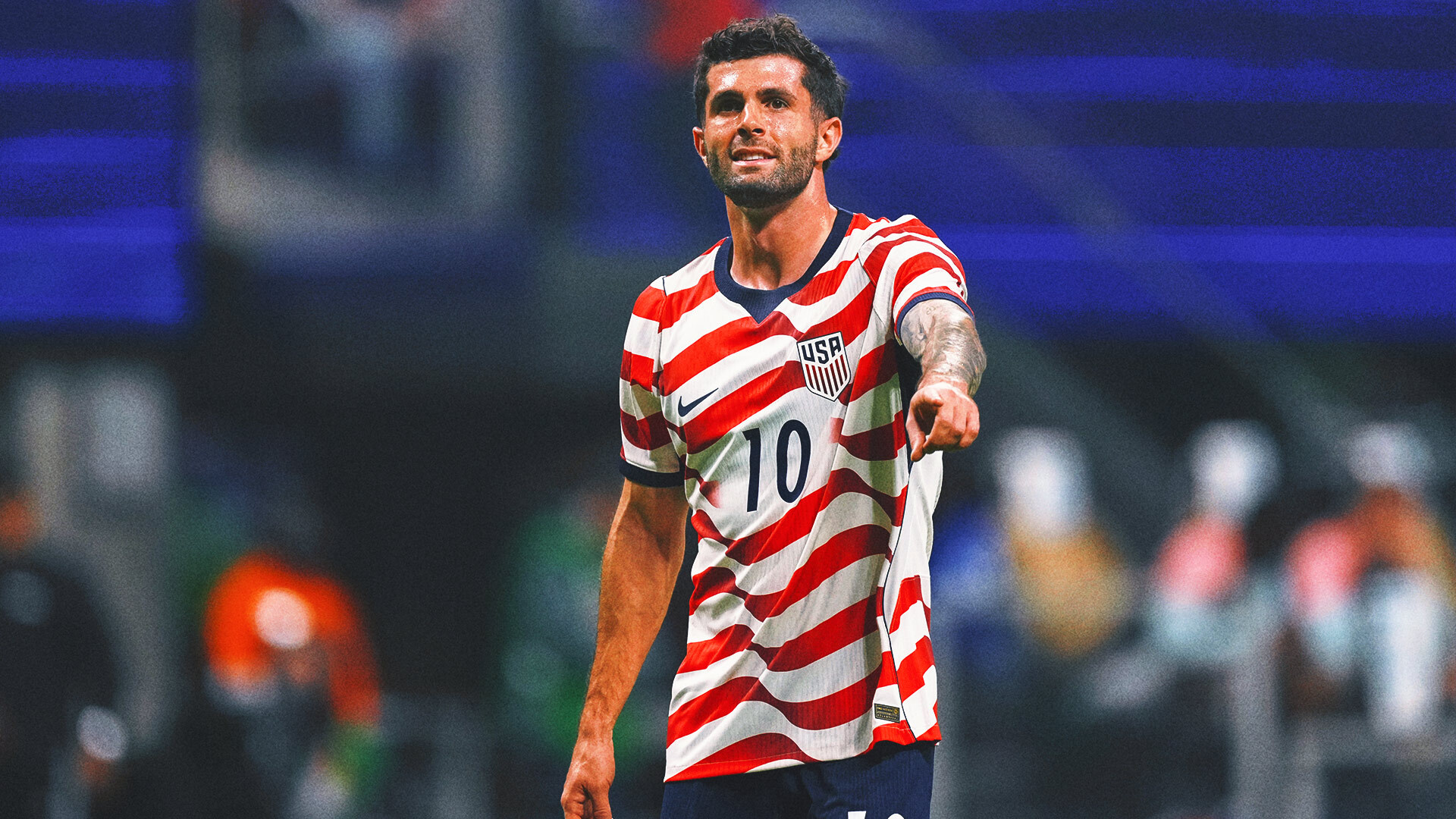
The United States men’s national team announced the 26 players who’ll take part in the 2026 FIFA World Cup this summer. Christian Pulisic and Weston McKennie are among the returning stars who’ll compete in this summer’s 48-team tournament, co-hosted by the U.S., Canada and Mexico. Pulisic, who plays forward at Italian club AC Milan, will now make his second World Cup appearance after his debut in 2022. McKennie, who plays midfielder at Italian club Juventus was also part of the 2022 squad. More than half of the players selected by U.S. coach Mauricio Pochettino were part of the 2022 World Cup squad, which was led by then-manager Gregg Berhalter. Of note is Gregg’s son, midfielder Sebastian Berhalter, was selected for this year’s roster. The roster must be officially submitted by June 1 per FIFA regulations. USA’s 26-Player World Cup Roster* – first World Cup roster Goalkeepers: Defenders: Midfielders: Forwards: The U.S. will play two pre-World Cup friendlies against fellow tournament participants — Senegal in Charlotte on May 31 and Germany in Chicago on June 6 — before traveling to Irvine, California, where the team will be based for the tournament. The United States will be in Group D. The team’s three group-stage games will be as follows: 2026 FIFA World Cup: How To Watch The 2026 FIFA World Cup will run from June 11–July 19, 2026. Spread across three countries, the tournament will culminate with the final on July 19 at New York New Jersey Stadium in East Rutherford, New Jersey. All 104 tournament matches will air live across FOX (70) and FS1 (34) with every match streaming live and on-demand within both the FOX One and the FOX Sports app. A record 40 matches, more than one-third of the tournament, will air in prime time across FOX (21) and FS1 (19). The opening match on June 11 between Mexico and South Africa (3 p.m. ET) will stream for free on Tubi, as well as the USA’s opening match against Paraguay on June 12 (9 p.m. ET).Latest Sports News from FOX Sports

It was a particularly special night. Continue reading…The Boot – Country Music News, Music Videos and Songs
It was a particularly special night. Continue reading…Country Music News – Taste of Country

Grilling accessories should make your work easier and your results more flavorful, and these Costco finds deliver a stress-free outdoor cooking experience.

Food Republic – Restaurants, Reviews, Recipes, Cooking Tips